
Anesthesia for dermatologic procedures and their complications
|
|
|
- Suzan Sims
- 10 years ago
- Views:
Transcription
1 Review Article Anesthesia for dermatologic procedures and their complications Neerja Puri*, Ashutosh Talwar** Consultant Dermatologist* and Surgeon**, Punjab Health Systems Corporation, Punjab, India Abstract Local anesthesia (anesthesia) is the reversible loss of sensation in a defined area of the body and is achieved by the topical application or injection of agents that block the generation and/or journey of nerve impulses in tissue. No dermatological procedure is possible without a local anesthetic. Local anesthesia is used in many dermatological procedures and surgical operations. The aim is to minimize pain and suffering and maximize patient comfort. This article provides an insight into the various types of anesthesia for dermatologic procedures and their complications. Key words Anesthesia, sensation, local, complications, dermatological procedures. Introduction Local anesthetics provide a reversible regional loss of sensation. 1 Local anesthetics reduce pain, thereby facilitating surgical procedures. Local anesthesia is required for most of the dermatologic procedures. A dermatologist has to be well-versed with all types of anesthesia, whether topical anesthesia or infiltrative anesthesia. Delivery techniques broaden the clinical applicability of local anesthetics. 2 These techniques include topical anesthesia, infiltrative anesthesia, ring blocks, and peripheral nerve blocks. Regional anesthesia or field block is essentially local anesthesia but covering a larger area of subcutaneous tissue or larger peripheral nerves. 3 Tumescent anesthesia is carried out by injecting large amounts of fluids containg diluted local anesthetic and adrenaline (epinephrine). It is used for liposuction and other plastic, cosmetic and dermatological procedures Address for correspondence Dr. Neerja Puri Consultant Dermatologist, Punjab Health Systems Corporation, Punjab, (India) [email protected] involving large areas of skin surgery. 4 Local anesthetics are relatively easy to administer and readily available. Discussion There are basically 2 classes of local anesthetics [Table 1], the aminoamides (amide ethers) and aminoesters (amine esters). 5 Some of these are available in many different formulations including topical sprays, patches, ointments and injections. Duration of action depends on the agent and formulation chosen. Lignocaine (lidocaine) is the local anaesthetic most frequently used as it is effective, acts Table 1 Different anesthetics agents and their routes of administration. Aminoamides Lignocaine Spray, patch, ointment, (lidocaine) injection Bupivacaine Injection Mepivacaine Injection Prilocaine Injection Aminoesters Injection Chloroprocaine Injection Tetracaine (amethocaine) Injection 164

2 rapidly and is relatively free from toxicity and sensitivity. It is the gold standard local anesthetic by which all other anesthetics are compared. It is also the only local anesthetic available in many different formulations. Painless dermal local anesthesia can be achieved with the topical anesthetic, eutectic mixture of local anesthetics (EMLA). 6 This is a combination of lignocaine (lidocaine) and prilocaine and comes in the form of cream or patches. 7 It is particularly useful for numbing areas that require injection, especially in children. EMLA is also used in many dermatological procedures, including curettage, split-skin grafts, and different laser techniques. 8 Adrenaline (epinephrine) is sometimes added to local anesthetic formulations. It is used to: prolong duration of anesthesia reduce systemic absorption reduce surgical bleeding increase the intensity of blockade. The following types of anesthesia are used for dermatological procedures: I. Topical Anesthesia Topical anesthesia refers to the modification of pain sensation or the loss of sensation caused by an agent that is applied topically to the skin. Topical anesthesia includes the administration of cryoanesthetics and the application of local anesthetic compounds, which must penetrate the epidermis to have a physiologic effect. 9,10 Because the stratum corneum is an effective barrier, the delivery of anesthetics can be challenging. Recent advances in laser technology and the subsequent increase in the use of laser treatments have fueled the need for improved topical anesthetic agents and the development of such agents. Cryoanesthetics Cryoanesthesia refers to the external application of cold to the skin to produce numbness. Ice, refrigerant sprays, and liquid nitrogen have been used for this purpose. Ice applied directly to the site for seconds provides superficial shortduration anesthesia that may be acceptable for quick, shave biopsy. This application is particularly useful in children or adults who have a fear of needles. Refrigerant sprays, such as ethyl chloride and dichlorotetrafluoroethane, are useful for anesthetizing superficial lesions prior to their removal. These sprays are particularly helpful for anesthetizing tumors related to molluscum prior to their curettage and cysts or furuncles prior to their incision and drainage. After a frost is produced on the skin, a 10- to 12-second period of anesthesia occurs before the skin temperature and sensation return to normal. As a result of this limited time frame, an assistant often has to spray the area while the surgeon performs the procedure. 11 Topical anesthetics Tetracaine is a long-acting ester anesthetic that can be combined with epinephrine (adrenaline) and cocaine or with epinephrine and lidocaine to form mixtures known as TAC and LET, respectively. 12 TAC and LET are topical anesthetics used widely to anesthetize lacerations before repair. They do not induce anesthesia in intact skin; therefore, their usefulness is limited. Topical lidocaine is available in a 2% or 5% concentration in a viscous or jelly formulation. 13 These preparations are most effective when they are applied to mucosal surfaces. Lidocaine is also available as a 4% gel microemulsion (Tropicaine) or in a liposomal vehicle as a 4% or a 5% cream (LMX 4% and LMX 5%, respectively). These preparations facilitate the diffusion through the stratum corneum, 165

3 providing rapid-onset anesthesia and a longer duration of action. Several studies have shown that the efficacy of these lidocaine preparations is equivalent to that of EMLA. The recommended application time for Tropicaine and LMX is 30 minutes, and occlusion is not required. The maximum area of application should not exceed 100 cm 2 in children and 600 cm 2 in children weighing greater than 10 kg and in adults. Lidocaine iontophoresis, which delivers lidocaine into the skin under the influence of an electric current, has been shown to provide adequate anesthesia for venous cannulation and shave biopsies. 14 EMLA cream (Astra USA, Westborough, Mass) is a eutectic mixture of 2.5% lidocaine and 2.5% prilocaine in an oil-in-water emulsion. This topical anesthetic cream provides adequate anesthesia for superficial curettage, dermabrasion, several laser procedures, epilation, and cryosurgery. However, EMLA does not seem to be helpful in reducing the pain associated with topical photodynamic treatment of actinic keratoses. EMLA is the most widely used topical agent and has proven efficacy based on results from several clinical trials. 15 EMLA cream must be applied directly to the surgical site and placed under occlusion for 1-3 hours. The anesthetic effects of EMLA may persist for as long as 2 hours. EMLA cream, although safe, is reported to cause systemic toxicity in children. 16 In fact, both CNS manifestations and methemoglobinemia are reported with the use of EMLA cream. 17 Clinicians should closely adhere to the dosing guidelines listed in the Physicians' Desk Reference. They are as follows: For infants aged 3 months or younger or those weighing less than 5 kg, a maximum dose of 1 g can be applied over a maximal surface area of 10 cm 2. For children aged 3-12 months and weighing more than 5 kg, a maximum dose of 2 g can be applied over a maximal surface area of 20 cm 2. For children aged 1-6 years and weighing more than 10 kg, a maximum dose of 10 g can be applied over a maximal surface area of 100 cm 2. For children aged 7-12 years, a maximum dose of 20 g can be applied over a maximal surface area of 200 cm 2. The S-Caine Peel is a 1:1 eutectic mixture of lidocaine 7% base and tetracaine 7% base in a cream vehicle that dries to form a flexible membrane that can be easily removed. The S- Caine Peel has been shown to provide adequate anesthesia for different types of laser therapies, including laser treatment of leg veins and tattoo removal. The application time is minutes. II. Infiltrative anesthesia It is the most commonly used local anesthetic technique. The anesthetic agent is infiltrated directly into the surgical site by means of either intradermal injection or subcutaneous injection. Lidocaine, in a 1% concentration, is most commonly used for this type of infiltration. 18 However, when increased procedure times are expected, anesthetics with a longer duration of action sometimes are substituted. The infiltration of the anesthetic commonly distorts the landmarks of the site; therefore, the surgical area to be anesthetized must be identified and marked prior to injection. The skin should be held taut, and the tip of the needle inserted, if possible, into a follicular opening. This maneuver reportedly decreases the pain associated with skin perforation. The anesthetic should be infiltrated in a deep dermal location. Accentuation of the follicles or a peau d'orange appearance may be apparent if the anesthetic is 166

4 injected into the upper dermis. The superficial placement of fluid is associated with greater patient discomfort. The anesthetic diffuses through the dermis with the infiltration; fortunately, this effect limits the number of needle penetrations needed to anesthetize a particular site. If additional needle sticks are needed, they should be placed in an already anesthetized area. III. Ring block or field block A specific type of infiltration anesthesia is the ring block or field block. To perform a ring block, the anesthetic agent is circumferentially injected around the surgical site without injecting the area to be excised. This infiltration prevents the nerve impulses from entering the area. A ring block is useful when the distortion of a surgical site due to the infiltration of anesthesia is not desired. Ring blocks allow a decreased volume of anesthetic to be used to anesthetize a larger area. When ring blocks are used, the anesthetic should be injected into both the superficial and deep planes to be maximally effective. Ring blocks are usually given for nail avulsions. IV. Tumescent anesthesia This is a high volume, low concentration lidocaine/epinephrine solution used by dermatologic surgeons for liposuction, ambulatory phlebectomy, hair transplantation, laser resurfacing, flaps and grafts etc. 19 The solution provides anesthesia safely, is practically painless to inject, and markedly decreases bleeding. In 1987, Jeffery Klein, a dermatologist, first created the technique of tumescent anesthesia in liposuction procedures. 20 Tumescent anesthesia is based on the use of dilute solutions of lidocaine ( %) in large volumes to provide superior anesthesia. Epinephrine (1:1,000,000) is added for hemostasis, and the solution is buffered with sodium bicarbonate to decrease injection discomfort. Concentrations as high as 55 mg/kg have been used safely with the tumescent technique. The use of such high total doses of anesthetic without systemic toxicity is understood. The absorption kinetics of lidocaine change when high-volume, low-concentration solutions are used. Decreased concentrations of lidocaine also result in slower plasma absorption with decreased peak plasma levels. The development of this anesthetic delivery system has revolutionized the surgical technique of liposuction. The tumescent technique for local anesthesia permits regional local anesthesia of the skin and subcutaneous tissues by using direct infiltration rather than a proximal nerve block. By using large volumes of a dilute anesthetic solution consisting of lidocaine (0.1% or 0.05%) and epinephrine (1:1,000,000) in physiologic saline, the tumescent technique produces swelling and firmness, or tumescence, of targeted fatty areas. The tumescent technique for liposuction is a new technique that has been developed entirely by dermatologic plastic surgeons. It is a dramatic improvement over the traditional methods that require either general anesthesia or deep intravenous (IV) sedation and narcosis. It is this author s contention that liposuction by local anesthesia is safer than liposuction by general anesthesia. Furthermore, the tumescent technique is associated with less discomfort, allows a more rapid postoperative recovery, and provides better aesthetic results than when liposuction is performed using other anesthetic techniques. The tumescent technique for local anesthesia permits regional local anesthesia of the skin and subcutaneous tissues by using direct infiltration rather than a proximal nerve block. 167

5 By using large volumes of a dilute anesthetic solution consisting of lidocaine (0.1% or 0.05%) and epinephrine (1:1,000,000) in physiologic saline, the tumescent technique produces swelling and firmness, or tumescence, of targeted fatty areas. Recent clinical studies of the absorption pharmacokinetics of lidocaine with the tumescent technique have shown that peak plasma lidocaine levels occur approximately 12 to 15 hours after beginning the infiltration. 21 This remarkably delayed absorption permits a much higher lidocaine dosage than was previously believed possible. Any reduction in a drug s rate of systemic absorption will reduce magnitude of the drug s peak plasma levels. The safe upper limit for lidocaine dosage using the tumescent technique has been estimated to be 35 mg/kg. This is approximately five times greater than standard lidocaine dosage limitations. 22,23 Clinical local anesthesia persists for up to 18 hours, obviating the need for postoperative analgesia. The prolonged and profound anesthesia of skin and subcutaneous tissues that is provided by the tumescent technique is probably a result of exposing sufficient lengths of sensory axons to marginal blocking concentrations of lidocaine. The infiltration of a large volume of dilute epinephrine assures diffusion throughout the entire targeted area while avoiding tachycardia and hypertension. The associated vasoconstriction is so complete that there is virtually no blood loss with liposuction. 24 The mechanical and pharmacologic properties of the fluid is injected subcutaneously prevent the massive shifts of intravascular fluids which are usually seen when liposuction is done by general anesthesia. With the tumescent technique there is no longer any need to replace significant volumes of IV fluids. Advantages of the tumescent technique Minimal blood loss Blood loss with liposuction is minimized by the tumescent technique. The extensive vasoconstriction produced by large volumes of dilute epinephrine 1:1,000,000 produces less than12 ml of whole blood for each liter of pure fat removed by liposuction. Prolonged local anesthesia Clinical local anesthesia persists for up to 18 hours, obviating the need for postoperative analgesia. The prolonged and profound anesthesia of skin and subcutaneous tissues that is provided by the tumescent technique is probably a result of exposing sufficient lengths of sensory axons to marginal blocking concentrations of lidocaine. The infiltration of a large volume of dilute epinephrine assures diffusion throughout the entire targeted area while avoiding tachycardia and hypertension. The associated vasoconstriction is so complete that there is virtually no blood loss with liposuction. The mechanical and pharmacologic properties of the fluid is injected subcutaneously prevent the massive shifts of intravascular fluids which are usually seen when liposuction is done by general anesthesia. With the tumescent technique there is no longer any need to replace significant volumes of IV fluids. A remarkable aspect of the tumescent technique is that there is so little postoperative discomfort. Treated areas remain at least partially anesthetized for up to 18 hours after surgery. Thus it is not necessary to use local anesthetics that are longer acting and more cardiotoxic than lidocaine. After liposuction by the tumescent technique, patients do not require postoperative analgesia. Complications of local anesthetics 168

6 Although local anesthetics are relatively safe when administered properly, they have the potential to cause both regional and systemic reactions. Local effects Local effects are usually a result of the injection technique. These effects include pain, ecchymosis, hematoma formation, infection, and nerve laceration. Pain is always felt when a local anesthetic is injected; however, associated discomfort can be minimized by using good technique. Several factors, including needle puncture of the skin, tissue irritation resulting from the anesthetic, and distention of tissues caused by infiltration, are responsible for the discomfort associated with the use of local anesthetics. The addition of epinephrine to an anesthetic solution decreases the ph of the solution, making it more acidic (ph ) and leading to a more painful injection. The solution can be neutralized by the addition of sodium bicarbonate 8.4% to minimize discomfort. For example, sodium bicarbonate 8.4% can be added to lidocaine with epinephrine in a 1:10 ratio to achieve a solution ph similar to that of tissue fluid (ph ). Discomfort associated with distension of the tissues during the injection of local anesthetics is caused by the rate of injection and the volume of fluid injected. To limit the pain, the anesthetic should be slowly administered to allow the stretch receptors time to accommodate the new volume of fluid. 25 In addition, the volume of solution injected should be the smallest volume needed to achieve a loss of sensation at the surgical site. The formation of ecchymosis or a local hematoma is a result of the perforation of cutaneous blood vessels. These complications are encountered more commonly in areas of high vascularity, including the mucous membranes, head, and genitalia. Ecchymosis and hematoma are even more pronounced when the patient has a bleeding diathesis or when the patient has been taking aspirin or other anticoagulants. If ecchymosis occurs, the patient should simply be reassured. If hematoma formation occurs, the patient should be evaluated. The hematoma may require drainage with an 18-gauge needle, followed by the application of a pressure dressing. Infection is an additional local complication of anesthetic use that usually occurs when proper sterile technique is not used. Cleansing the skin surface with alcohol is adequate in otherwise clean or noninfected areas. Systemic effects Systemic effects usually occur when blood concentrations of local anesthetic increase to toxic levels. Effects are most often encountered after the unintentional intravenous injection or administration of an excessive dose of an anesthetic. Adding a vasoconstrictor (e.g. epinephrine) can reduce the systemic absorption of an anesthetic. When using topical anesthetics, strict adherence to the maximal dose or area recommended is advised; additionally, great caution must be exercised when using topical anesthetics on mucosal surfaces because of the much greater absorption. Allergic reactions, although systemic, are not related to serum levels of the anesthetic, but rather, they are considered idiosyncratic and can occur at any dose. Maximal safe doses of lidocaine for local anesthesia have been determined. For adults, a maximum of 4.5 mg of lidocaine per kilogram of body weight can be administered, whereas as much as 7 mg/kg can be used if the lidocaine solution has 1:100,000 epinephrine added as a vasoconstrictor. For children, lower maximal doses are recommended; only mg/kg of plain lidocaine and 3-4 mg/kg of lidocaine with epinephrine should be used. Systemic toxicity resulting from excessive blood levels of 169

7 anesthetics is clinically manifested as adverse reactions in the CNS and cardiovascular system. 26 The CNS is affected in a predictable and dose-dependent fashion. As serum levels of lidocaine increase, effects on the CNS become more severe. Any physician who uses local anesthetics must be aware of the signs and symptoms of systemic toxicity. 27 At serum lidocaine levels in the range of 1-5 mcg/ml, patients may complain of tinnitus, lightheadedness, circumoral numbness, diplopia, or a metallic taste in the mouth. In addition, they may complain of nausea and/or vomiting, or they may become more talkative. As serum levels increase to 5-8 mcg/ml, nystagmus, slurred speech, localized muscle twitching, or fine tremors may be noticed. Patients also have been noted to have hallucinations at these levels. If blood lidocaine levels reach 8-12 mcg/ml, focal seizure activity occurs; this can progress to generalized tonic-clonic seizures. Respiratory depression occurs at extremely high blood levels (20-25 mcg/ml) and can progress to coma. If signs of CNS toxicity are noted, steps must be taken to reduce hypoxia and acidosis, because these states increase the toxicity of local anesthetics. The patient's airway should be maintained, and supplemental oxygen provided. If blood levels of carbon dioxide increase, protein binding of lidocaine decreases and results in higher levels of free lidocaine in the blood. Increased respiration and respiratory alkalosis increase the seizure threshold and decrease the uptake of the local anesthetic into the CNS. If convulsions occur, the patient's airway should be maintained, and supplemental oxygen administered. 28,29 If seizure activity is sustained, 5-10 mg of diazepam should be administered slowly (1-2 mg/min) until the seizures cease. Compared with the CNS, the cardiovascular system is less susceptible to the effects of local anesthetics. Most adverse effects of the cardiovascular system that occur with the administration of local anesthetics are a result of the addition of epinephrine rather than direct effects of the anesthetic. However, high blood levels of local anesthetics directly reduce cardiac contractility. In addition to the direct vasodilatory effects of most local anesthetics, the decrease in cardiac function can cause hypotension. Atrioventricular blocks, bradycardia, and ventricular arrhythmias also are reported; these are more common in patients with known conduction disturbances and requiring antiarrhythmic medications. Allergic reactions Allergic reactions to local anesthetics are extremely rare, especially with amide local anesthetics, and account for less than 1% of the reactions caused by local anesthetics. Reactions can be type I (i.e. anaphylactic) or type IV (i.e. delayed-type hypersensitivity) reactions. These reactions are not dose related, but, rather, they are idiosyncratic. Skin prick and intradermal test results are negative in the vast majority of patients, but some authors recommend testing with the most commonly used amide local anesthetic (lidocaine). Clinical signs of type I reactions include pruritus, urticaria, facial swelling, wheezing, dyspnea, cyanosis, laryngeal edema, nausea, vomiting, and abdominal cramping. Epinephrine with a concentration of 1:1000 should be subcutaneously administered at a dose of ml. This dose can be repeated every minutes to a maximum of 3 doses. If anaphylaxis ensues, a 5-mL dose of epinephrine 1:10,000 should be administered intravenously. Type IV (i.e. delayed-type hypersensitivity) reactions account for 80% of allergic reactions to local anesthetics. They are more common with the use of topical anesthetics and may occur with anesthetics of the amide and ester 170

8 subtypes. Clinical manifestations are similar to those of allergic contact dermatitis and include erythema, plaques, and pruritus. Patients with a history of type IV reactions are not at an increased risk of type I reactions due to amidetype anesthetics. Contact dermatitis caused by topical anesthetics should be treated with topical steroid preparations. Conclusion Local anesthetics are vital to cutaneous surgery. They are effective, inexpensive, easily accessible, and relatively safe. Any surgeon using these agents should be aware of the proper technique for their use and the potential adverse effects. References 1. Covino BG, Vassallo HG, eds. Local Anesthetics: Mechanisms of Action and Clinical Use. New York: Grune and Stratton; pp De Jong RH. Toxic effects of local anesthetics. JAMA. 1978;239: Braid DP, Scott DB. The systemic absorption of local analgesic drugs. Br J Anaesth. 1965;37: Amin SP, Goldberg DJ. Topical anesthetics for cosmetic and laser dermatology. J Drugs Dermatol. 2005;4: Railan D, Alster TS. Use of topical lidocaine for cosmetic dermatologic procedures. J Drugs Dermatol. 2007;6: Maunuksela EL, Korpela R. Double-blind evaluation of a lignocaine-prilocaine cream (EMLA) in children. Effect on the pain associated with venous cannulation. Br J Anaesth. 1986;58: Bucalo BD, Mirikitani EJ, Mov RL. Comparison of skin anesthetic effect of liposomal lidocaine, nonliposomal lidocaine, and EMLA using 30-minute application time. Dermatol Surg. 1998;24: Arendt-Nielsen L, Bjerring P. Laser-induced pain for evaluation of local analgesia: a comparison of topical application (EMLA) and local injection (lidocaine). Anesth Analg. 1988;67: Huang W, Vidimos A. Topical anesthetics in dermatology. J Am Acad Dermatol. 2000;43: Adriani J, Dalili H. Penetration of local anesthetics through epithelial barriers. Anesth Analg. 1971;50: Kundu S, Achar S. Principles of office anesthesia: part II.Topical anesthesia. Am Fam Physician. 2002;66: Covino BG. Pharmacology of local anaesthetic agents. Br J Anaesth. 1986;58: Benowitz NL, Meister W. Clinical pharmacokinetics of lidocaine. Clin Pharmacokinet. 1978;3: Boyes RN, Scott DB, Jebson PJ. Pharmacokinetics of lidocaine in man. Clin Pharmacol Ther. 1971;12: Hernandez E, Gonzalez S, Gonzalez E. Evaluation of topical anesthetics by laserinduced sensation: comparison of EMLA 5% cream and 40% lidocaine in an acid mantle ointment. Lasers Surg Med. 1998;23: Kaweski S. Topical anesthetic creams. Plast Reconstr Surg. 2008;121: Hahn IH, Hoffman RS, Nelson LS. EMLAinduced methemoglobinemia and systemic topical anesthetic toxicity. J Emerg Med. 2004;26: Goodwin DP, McMeekin TO. A case of lidocaine absorption from topical administration of 40% lidocaine cream. J Am Acad Dermatol. 1999;41: Klein JA. Anesthesia for liposuction in dermatologic surgery. J Dermatol Surg Oncol. 1988;14: Klein JA. The tumescent technique for liposuction surgery. Am J Cosmet Surg. 1987;4: Lillis PJ: Liposuction surgery under local anesthesia: Limited blood loss and lidocaine absorption. J Derm Surg Oncol. 1988;14: Klein JA. Tumescent technique for regional anesthesia permits lidocaine doses of 35 mg/kg for liposuction: Peak plasma lidocaine levels are diminished and delayed 12 hours. J Dermatol Surg Oncol. 1990;16: De Jong RH: Heavner, JE. Convulsions induced by local anesthetic: Time course of diazepam prophylaxis. Can Anaesth Soc J. 1974;21: Mehra P, Caiazzo A, Maloney P. Lidocaine toxicity. Anesth Prog. 1998;45:

9 25. De Jong RH, Ronfield RA, DeRose RA. Cardiovascular effects of convulsant and supraconvulsant doses of amide local anesthetics. Anesth Analg. 1982;61: De Jong RH, editor. Local Anesthetics, 2nd ed. Springfield: IL Charles, C Thomas; pp Friedman PM, Mafong EA, Friedman ES, Geronemus RG. Topical anesthetics update: EMLA and beyond. Dermatol Surg. 2001;27: Jackson T, McLure HA. Pharmacology of local anesthetics. Ophthalmol Clin N Am. 2006;19: Kaweski S. Topical anesthetic creams. Plast Reconstr Surg. 2008;121:

Influence of ph Most local anesthetics are weak bases.
 Local anesthetics The agent must depress nerve conduction. The agent must have both lipophilic and hydrophilic properties to be effective by parenteral injection. Structure-activity relationships The typical
Sign up to receive ATOTW weekly - email [email protected]
 PHARMACOLOGY FOR REGIONAL ANAESTHESIA ANAESTHESIA TUTORIAL OF THE WEEK 49 26 TH MARCH 2007 Dr J. Hyndman Questions 1) List the factors that determine the duration of a local anaesthetic nerve block. 2)
Bier Block (Intravenous Regional Anesthesia)
 Bier Block (Intravenous Regional Anesthesia) History August Bier introduced this block in 1908. Early methods included the use of two separate tourniquets and procaine was the local anesthetic of choice.
Infiltration and Topical and Anesthesia
 Infiltration and Topical and Anesthesia On occasion, anesthesia providers will place field blocks either as supplementation for a marginal regional anesthetic block or as the sole form of anesthesia. In
GUIDELINES FOR DRUG PRESCRIBING AND MONITORING
 GUIDELINES FOR DRUG PRESCRIBING AND MONITORING B. THERAPEUTIC GUIDELINES 1. LOCAL ANAESTHETIC (LA) AGENTS - STRUCTURAL CLASS & ALLERGY: Local anaesthetics are grouped into two categories depending on their
PHARMACOLOGY OF REGIONAL ANAESTHESIA Author John Hyndman
 PHARMACOLOGY OF REGIONAL ANAESTHESIA Author John Hyndman Web Editor Jo Loader - [email protected] Questions 1) List the factors that determine the duration of a local anaesthetic nerve block. 2) How
Physiology and Pharmacology
 Pharmacokinetics Physiology and Pharmacology Pharmacokinetics of Local Anesthetics Uptake Oral Route Topical Route Injection Distribution Metabolism (Biotransformation) Excretion Uptake So what? Vasoactivity
PHENYLEPHRINE HYDROCHLORIDE INJECTION USP
 PRESCRIBING INFORMATION PHENYLEPHRINE HYDROCHLORIDE INJECTION USP 10 mg/ml Sandoz Canada Inc. Date of Preparation: September 1992 145 Jules-Léger Date of Revision : January 13, 2011 Boucherville, QC, Canada
Local Anaesthetic Toxicity and Tumescent Anaesthesia
 Local Anaesthetic Toxicity and Tumescent Anaesthesia Local anaesthetics are important tools used in the everyday practice of medicine. The first local anaesthetic was cocaine. In 1884, Koller used topical
Ankle Block. Indications The ankle block is suitable for the following: Orthopedic and podiatry surgical procedures of the distal foot.
 Ankle Block The ankle block is a common peripheral nerve block. It is useful for procedures of the foot and toes, as long as a tourniquet is not required above the ankle. It is a safe and effective technique.
The Ideal Local Anesthetic. Pain and Anxiety. Percent Solution. Contents cont: Contents of a dental cartridge
 The Ideal Local Anesthetic Pain and Anxiety University of Minnesota Division of Oral and Maxillofacial Surgery Ma Ann C. Sabino, DDS PhD Water soluble/stable in solution Non-irritating to nerve Low systemic
Local Anaesthetics. Local anesthetics (LA) Part 1: Basic facts Part 2: Clinical aspects. 1. Reversible. blockade of conduction in peripheral nerves
 Local Anaesthetics Part 1: Basic facts Part 2: Clinical aspects Local anesthetics (LA) 1. Reversible. blockade of conduction in peripheral nerves pain 2. Lowers myocardial excitability Treatment of arythmia
ADVANCED SUTURING WORKSHOP ANN BECKER, APRN-CNP; TONI PRATT-REID, APRN-CNP
 ADVANCED SUTURING WORKSHOP ANN BECKER, APRN-CNP; TONI PRATT-REID, APRN-CNP SUTURING WORKSHOP! The technique of suturing, as a method for closing cutaneous wounds has been a part of medicine for hundreds
Femoral Nerve Block/3-in-1 Nerve Block
 Femoral Nerve Block/3-in-1 Nerve Block Femoral and/or 3-in-1 nerve blocks are used for surgical procedures on the front portion of the thigh down to the knee and postoperative analgesia. Both blocks are
Lidocaine 2% w/v solution for injection Summary of Product Characteristics
 Lidocaine 2% w/v solution for injection Summary of Product Characteristics 1. NAME OF THE MEDICINAL PRODUCT Lidocaine 2% w/v solution for injection 2. QUALITATIVE AND QUANTITATIVE COMPOSITION Each 1 ml
Yes This controlled document shall not be copied in part or whole without the express permission of the author or the author s representative.
 Title: Patient Group Direction for the administration of lidocaine hydrochloride 1% injection as infiltration anaesthesia for insertion/removal of central venous catheters by nurses/radiographers working
PRIMARY CARE PRACTICE GUIDELINES
 1 of 6 1. OUTCOME To identify anaphylaxis in the primary care setting and provide an evidence informed emergency response utilizing the most current provincial and federal practice guidelines. 2. DEFINITIONS
CLINICAL PROTOCOL FOR THE USE OF INJECTED LOCAL ANAESTHETICS IN COMMUNITY TRUST SERVICES
 CLINICAL PROTOCOL FOR THE USE OF INJECTED LOCAL ANAESTHETICS IN COMMUNITY TRUST SERVICES RATIONALE This clinical protocol outlines the injected local anaesthetics used by Trust services and the circumstances
Common Regional Nerve Blocks Quick Guide developed by UWHC Acute Pain Service Jan 2011
 Common Regional Nerve Blocks Quick Guide developed by UWHC Acute Pain Service Jan 2011 A single shot nerve block is the injection of local anesthetic to block a specific nerve distribution. It can be placed
Intraosseous Vascular Access and Lidocaine
 Intraosseous Vascular Access and Lidocaine Intraosseous (IO) needles provide access to the medullary cavity of a bone. It is a technique primarily used in emergency situations to administer fluid and medication
The Tumescent Technique for Liposuction Surgery. Jeffrey A. Klein, M.D. Abstract
 The Tumescent Technique for Liposuction Surgery Jeffrey A. Klein, M.D. Abstract The tumescent technique of liposuction is a modification of the wet technique. A large volume of very dilute epinephrine
Chapter 11. Everting skin edges
 Chapter 11 PRIMARY WOUND CLOSURE KEY FIGURE: Everting skin edges In primary wound closure, the skin edges of the wound are sutured together to close the defect. Whenever possible and practical, primary
Chapter 3. Ulnar nerve infiltration
 Chapter 3 LOCAL ANESTHESIA KEY FIGURES: Digital block/anatomy Sensation to hand Median nerve infiltration Ulnar nerve infiltration Facial block: skeleton Full surgical evaluation of a wound and suture
Top-up for Cesarean section. Dr. Moira Baeriswyl, Prof. Christian Kern
 Top-up for Cesarean section Dr. Moira Baeriswyl, Prof. Christian Kern In which situations? 2 What exactly is a Top-up? 3 C-section, NOW!! Emergency C-section requires a rapid onset of sustained analgesia
STANDARD OPERATING PROCEDURE #201 RODENT SURGERY
 STANDARD OPERATING PROCEDURE #201 RODENT SURGERY 1. PURPOSE The intent of this Standard Operating Procedure (SOP) is to describe procedures for survival rodent surgery. 2. RESPONSIBILITY Principal investigators
Local Anesthetics Used for Spinal Anesthesia
 Local Anesthetics Used for Spinal Anesthesia Several local anesthetics are used for spinal anesthesia. These include procaine, lidocaine, tetracaine, levobupivacaine, and bupivacaine. Local anesthetics
NHSG/PGD/lido_eton/MGPG412 Organisation Wide
 Title: Patient Group Direction For The Administration Of Lidocaine 2% Injection For The Insertion/Removal Of The 68mg Etonogestrel Contraceptive Implant By Nurses And Midwives Working Within NHS Grampian
ALLERGENIC EXTRACT. Prescription Set of Serial Dilutions (or Maintenance Vial (s)) INSTRUCTIONS FOR USE. U.S. Government License No.
 ALLERGENIC EXTRACT Prescription Set of Serial Dilutions (or Maintenance Vial (s)) INSTRUCTIONS FOR USE U.S. Government License No. 308 Revised 07/04 PO Box 800 Lenoir, NC 28645 USA DESCRIPTION This set
1. What Xylocaine with adrenaline is and what it is used for
 Package leaflet: Information for the user Xylocaine 1% and 2% with adrenaline (epinephrine) 1:200,000 Solution for Injection lidocaine, adrenaline (epinephrine) Read all of this leaflet carefully before
Data Sheet 2% Xylocaine DENTAL with Adrenaline 1:80,000
 Data Sheet 2% Xylocaine DENTAL with Adrenaline 1:80,000 (lignocaine 2% with adrenaline 1:80,000) Presentation 2% Xylocaine DENTAL with Adrenaline 1:80,000 solution for injection is a sterile, isotonic
Hemodynamic Effects of 2% Lidocaine with 1:80000 Epinephrine in Inferior Alveolar Nerve Block
 4 Hemodynamic Effects of 2% Lidocaine with 1:80000 Epinephrine in Inferior Alveolar Nerve Block ABSTRACT A. Haghighat DDS*, N. Kaviani MD*, R. Panahi DDS** Introduction: Lidocaine plus epinephrine is the
FUNCTIONS OF THE SKIN
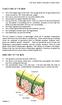 FUNCTIONS OF THE SKIN Skin is the largest organ of the body. The average adult has 18 square feet of skin which account for 16% of the total body weight. Skin acts as a physical barrier for you to the
Anaphylaxis: Treatment in the Community
 : Treatment in the Community is likely if a patient who, within minutes of exposure to a trigger (allergen), develops a sudden illness with rapidly progressing skin changes and life-threatening airway
Blepharoplasty - Eyelid Surgery
 Blepharoplasty - Eyelid Surgery Introduction Eyelid surgery repairs sagging or drooping eyelids. The surgery is also known as blepharoplasty, or an eyelid lift. Sagging or drooping eyelids happen naturally
3% Sodium Chloride Injection, USP 5% Sodium Chloride Injection, USP
 PRESCRIBING INFORMATION 3% Sodium Chloride Injection, USP 5% Sodium Chloride Injection, USP IV Fluid and Electrolyte Replenisher Baxter Corporation Mississauga, Ontario L5N 0C2 Canada Date of Revision:
5 Upper eyelid blepharoplasty
 5 Upper eyelid blepharoplasty INSTRUMENTS Marking pen No. 15 scalpel blade Blade handle Castroviejo needle holder Castroviejo calipers 0.5 fixation forceps Westcott scissors 6-0 prolene suture Bovie cautery
Non-Oral Routes of Drug Administration
 Non-Oral Routes of Drug Administration Reading: Ansel 9 th edition, p. 161-170 Routes of Drug Administration Over the next series of lectures, we will talk about the biopharmaceutics of several non-oral
MOHS MICROGRAPHIC SURGERY
 Mary E. Maloney, MD Director Professor of Medicine David E. Geist, MD Assistant Professor of Medicine Dori Goldberg, MD Assistant Professor of Medicine Mark J. Scharf, MD Professor of Medicine Jason D.
Nursing 113. Pharmacology Principles
 Nursing 113 Pharmacology Principles 1. The study of how drugs enter the body, reach the site of action, and are removed from the body is called a. pharmacotherapeutics b. pharmacology c. pharmacodynamics
ACLS PHARMACOLOGY 2011 Guidelines
 ACLS PHARMACOLOGY 2011 Guidelines ADENOSINE Narrow complex tachycardias or wide complex tachycardias that may be supraventricular in nature. It is effective in treating 90% of the reentry arrhythmias.
Pain Management for Labour & Delivery
 Pain Management for Labour & Delivery Departments of Anesthesia, Obstetrics, and Obstetrical Nursing December 2008 This pamphlet has been prepared to provide you, members of your family, and others who
How To Treat Anesthetic With Local Anesthesia
 3. LOCAL ANESTHETICS INTRODUCTION Compared to general anesthesia with opioidbased perioperative pain management, regional anesthesia can provide benefits of superior pain control, improved patient satisfaction,
ANNE ARUNDEL MEDICAL CENTER CRITICAL CARE MEDICATION MANUAL DEPARTMENT OF NURSING AND PHARMACY. Guidelines for Use of Intravenous Isoproterenol
 ANNE ARUNDEL MEDICAL CENTER CRITICAL CARE MEDICATION MANUAL DEPARTMENT OF NURSING AND PHARMACY Guidelines for Use of Intravenous Isoproterenol Major Indications Status Asthmaticus As a last resort for
Your anaesthetist may suggest that you have a spinal or epidural injection. These
 Risks associated with your anaesthetic Section 11: Nerve damage associated with a spinal or epidural injection Your anaesthetist may suggest that you have a spinal or epidural injection. These injections
Interscalene Block. Nancy A. Brown, MD
 Interscalene Block Nancy A. Brown, MD What is an Interscalene Block? An Interscalene block is a form of regional anesthesia used in conjunction with general anesthesia for surgeries of the shoulder and
White, circular, biconvex, uncoated tablets with a score line on one side, plain on the other.
 Nausicalm Cyclizine hydrochloride Ph. Eur. 50 mg Presentation White, circular, biconvex, uncoated tablets with a score line on one side, plain on the other. Uses Actions The active ingredient-cyclizine
Carla Duff, CPNP MSN CCRP Clinical Advanced Registered Nurse Practitioner University of South Florida Division of Allergy, Immunology, and
 Carla Duff, CPNP MSN CCRP Clinical Advanced Registered Nurse Practitioner University of South Florida Division of Allergy, Immunology, and Rheumatology Intravenous Subcutaneous IVIg SCIg What should you
Appendix 7 Anaphylaxis Management
 Appendix 7 Anaphylaxis Management Anaphylaxis: Initial Management in Non-Hospital Settings This section is intended for the initial management of patients in a public health clinic, medical office or similar
Tumescent Technique for Regional Anesthesia Permits Lidocaine Doses of 35 mg/kg for Liposuction
 Tumescent Technique for Regional Anesthesia Permits Lidocaine Doses of 35 mg/kg for Liposuction Jeffrey A. Klein, M.D. Abstract. The tumescent technique for local anesthesia permits regional local anesthesia
Presence and extent of fatty liver or other metabolic liver diseases
 UC San Diego Health System Patient Information Sheet: Liver Biopsy What is a Liver Biopsy? A liver biopsy is a procedure where a qualified doctor (typically a hepatologist, radiologist or gastroenterologist)
Interstitial Breast Brachytherapy
 Patient Education Questions? Your questions are important. Call your doctor or health care provider if you have questions or concerns. UWMC clinic staff are also available to help at any time. During normal
Integumentary System Individual Exercises
 Integumentary System Individual Exercises 1. A physician performs an incision and drainage of a subcutaneous abscess in his office for a particularly uncooperative established patient. How should this
Clinical Guideline For The Use of Rectus Sheath Catheters For The Management of Pain Following Laparotomy. 1. Aim/Purpose of this Guideline
 Clinical Guideline For The Use of Rectus Sheath Catheters For The Management of Pain Following Laparotomy. 1. Aim/Purpose of this Guideline 1.1. Nursing guidelines for the use of rectus sheath catheters
Pain Management for the Periodontal Patient
 Pain Management for the Periodontal Patient Pain Control During Periodontal Treatment Methods of Pain Management General Anesthesia Nitrous Oxide Sedation Local Anesthesia Topical Anesthesia Selection
X-Plain Subclavian Inserted Central Catheter (SICC Line) Reference Summary
 X-Plain Subclavian Inserted Central Catheter (SICC Line) Reference Summary Introduction A Subclavian Inserted Central Catheter, or subclavian line, is a long thin hollow tube inserted in a vein under the
A systematic review of the uses and contraindications of epinephrine in local anesthesia in the dermatologic setting
 A systematic review of the uses and contraindications of epinephrine in local anesthesia in the dermatologic setting Syril Keena Que, MD; James Whalen, MD University of Connecticut Health Center Department
VISTARIL (hydroxyzine pamoate) Capsules and Oral Suspension
 VISTARIL (hydroxyzine pamoate) Capsules and Oral Suspension DESCRIPTION Hydroxyzine pamoate is designated chemically as 1-(p-chlorobenzhydryl) 4- [2-(2-hydroxyethoxy) ethyl] diethylenediamine salt of 1,1
8/6/2010. Name of medication Concentration (1:1,000 or 1mg/1ml) Expiration date
 Learning Objectives: Anaphylaxis & Epinephrine Administration by the EMT Adapted with permission from the Pilot Project for the Administration of Epinephrine by Washington EMTs With successful completion
Orthopaedic Spine Center. Anterior Cervical Discectomy and Fusion (ACDF) Normal Discs
 Orthopaedic Spine Center Graham Calvert MD James Woodall MD PhD Anterior Cervical Discectomy and Fusion (ACDF) Normal Discs The cervical spine consists of the bony vertebrae, discs, nerves and other structures.
Liposuction GUIDELINE
 .goo NON HOSPITAL MEDICAL AND SURGICAL FACILITIES PROGRAM College of Physicians and Surgeons of British Columbia Liposuction GUIDELINE You may download, print or make a copy of this material for your noncommercial
Mind the Gap: Navigating the Underground World of DKA. Objectives. Back That Train Up! 9/26/2014
 Mind the Gap: Navigating the Underground World of DKA Christina Canfield, MSN, RN, ACNS-BC, CCRN Clinical Nurse Specialist Cleveland Clinic Respiratory Institute Objectives Upon completion of this activity
MOHS MICROGRAPHIC SURGERY
 MOHS MICROGRAPHIC SURGERY UMass Memorial Medical Center 55 Lake Avenue North Worcester, MA 01655 (508) 856-1666 Dr. Mary Maloney This booklet is intended to explain Mohs surgery to you. It is not, however,
Topical anesthetics decrease pain during cutaneous
 REVIEW ARTICLE Topical Anesthetics for Dermatologic Procedures: A Review JOSEPH F. SOBANKO, MD,* CHRISTOPHER J. MILLER, MD,* AND TINA S. ALSTER, MD BACKGROUND Practitioners are increasingly using topical
STANDARDIZED PROCEDURE BONE MARROW ASPIRATION
 I. Definition: This protocol covers the task of bone marrow aspiration by an Allied Health Professional. The purpose of this standardized procedure is to allow the Allied Health Professional to safely
PACKAGE LEAFLET: INFORMATION FOR THE USER. ADRENALINE (TARTRATE) STEROP 1 mg/1 ml Solution for injection. Adrenaline (Levorenine, Epinephrine)
 PACKAGE LEAFLET: INFORMATION FOR THE USER ADRENALINE (TARTRATE) STEROP 1 mg/1 ml Solution for injection Adrenaline (Levorenine, Epinephrine) Read all of this leaflet carefully before you start using this
Varicose Vein Treatment (Endovenous Ablation of Varicose Veins)
 Scan for mobile link. Varicose Vein Treatment (Endovenous Ablation of Varicose Veins) Varicose vein treatment, also known as endovenous ablation, uses radiofrequency or laser energy to cauterize and close
Pediatric Pharmacotherapy A Monthly Newsletter for Health Care Professionals Children s Medical Center at the University of Virginia
 Pediatric Pharmacotherapy A Monthly Newsletter for Health Care Professionals Children s Medical Center at the University of Virginia Volume 2 Number 12 December 1996 Medications for Neonatal and Pediatric
ACLS Cardiac Arrest Algorithm Neumar, R. W. et al. Circulation 2010;122:S729-S767
 ACLS Cardiac Arrest Algorithm Neumar, R. W. et al. Circulation 2010;122:S729-S767 Copyright 2010 American Heart Association ACLS Cardiac Arrest Circular Algorithm Neumar, R. W. et al. Circulation 2010;122:S729-S767
College of Licensed Practical Nurses of Alberta. Anaphylaxis Learning Module FOR LICENSED PRACTICAL NURSES
 College of Licensed Practical Nurses of Alberta Anaphylaxis Learning Module FOR LICENSED PRACTICAL NURSES February 2005 Adapted from: The College of Licensed Practical Nurses of Alberta Immunization Certificate
developed in the 1930 s Amides had a faster onset and a longer half life so they lasted longer Amides quickly ikl replaced esters In dentistry today,
 Local Anesthetics History The first local anesthetics were cocaine and procaine (Novacain) developed in lt late 1800 s They were called esters because of their chemical composition Esters had a slow onset
Data Sheet. Paraldehyde
 Data Sheet Paraldehyde Paraldehyde Injection Solution 100% Presentation Paraldehyde Injection BP is a sterile liquid containing paraldehyde BP with hydroquinone 100 micrograms/ml as an antioxidant. It
Sign up to receive ATOTW weekly - email [email protected]
 ADRENALINE (EPINEPHRINE) ANAESTHESIA TUTORIAL OF THE WEEK 226 6 TH JUNE 2011 Prof. John Kinnear Southend University Hospital NHS Foundation Trust, UK Correspondence to [email protected] QUESTIONS
Hard work. PAL will take you. can get you 90% of the way there. over the finish line. Results instead of hype.
 Hard work can get you 90% of the way there. PAL will take you over the finish line. Results instead of hype. Power-Assisted Liposuction (PAL) offers meaningful patient benefits. Less bruising, swelling
2 QUALITATIVE AND QUANTITATIVE COMPOSITION
 Temporary Core Product Information Inde- (13May2013) Page 1 / 7 1 NAME OF THE MEDICINAL PRODUCT XYLONOR SPRAY, oromucosal spray, solution. 2 QUALITATIVE AND QUANTITATIVE COMPOSITION Each gram contains:
The Impact of Regional Anesthesia on Perioperative Outcomes By Dr. David Nelson
 The Impact of Regional Anesthesia on Perioperative Outcomes By Dr. David Nelson As a private practice anesthesiologist, I am often asked: What are the potential benefits of regional anesthesia (RA)? My
SOP 001: POLYCLONAL ANTIBODY PRODUCTION IN RABBITS
 SOP 001: POLYCLONAL ANTIBODY PRODUCTION IN RABBITS PURPOSE: To describe the proper procedure to follow when injecting adjuvants into rabbits for the production of polyclonal antibodies. POLICY: The improper
Varicose veins - 1 -
 Varicose veins - 1 - Varicose Veins About 3 in 10 adults develop varicose veins at some time in their life. Most people with varicose veins do not have an underlying disease and they usually occur for
The degree of liver inflammation or damage (grade) Presence and extent of fatty liver or other metabolic liver diseases
 ilearning about your health Liver Biopsy www.cpmc.org/learning What is a Liver Biopsy? A liver biopsy is a procedure where a specially trained doctor (typically a hepatologist, radiologist, or gastroenterologist)
A. ADMINISTERING SUBCUTANEOUS MEDICATIONS INTERMITTENTLY/CONTINUOUSLY B. (SUBCUTANEOUS INFUSION) HYDRODERMOCLYSIS
 SUBCUTANEOUS THERAPY A. ADMINISTERING SUBCUTANEOUS MEDICATIONS INTERMITTENTLY/CONTINUOUSLY B. (SUBCUTANEOUS INFUSION) HYDRODERMOCLYSIS PARTS I. Purposes II. General Information III. Responsibilities IV.
Local Anesthesia for the. Cerec Appointment
 Local Anesthesia for the Cerec Appointment Stanley F. Malamed, DDS Dentist Anesthesiologist Emeritus Professor of Dentistry Ostrow School of Dentistry of USC Los Angeles, California, USA Stanley F. MALAMED,
Naloxone Hydrochloride Injection PRODUCT INFORMATION
 Naloxone Hydrochloride Injection PRODUCT INFORMATION DESCRIPTION Naloxone hydrochloride is 17-allyl-4,5α-epoxy-3,14-dihydroxymorphinan-6-one hydrochloride; C 19 H 21 NO 4.HCl. It is an off-white powder
INFORMED CONSENT FOR BODY CONTOURING PLEASE REVIEW AND BRING WITH YOU ON THE DAY OF YOUR PROCEDURE
 INFORMED CONSENT FOR BODY CONTOURING (INCLUDES: LIPOSUCTION, ABDOMINOPLASTY, ARMLIFT, THIGHLIFT AND BODYLIFT) PLEASE REVIEW AND BRING WITH YOU ON THE DAY OF YOUR PROCEDURE PATIENT NAME PATIENT INITIALS
Tumescent Anesthetic Breast Surgery (TABS)
 Tumescent Anesthetic Breast Surgery (TABS) A Consecutive Case Series Review of Primary and Secondary Breast Augmentation Surgery in an Office Based Surgical Center Julio C. Novoa, M.D. Introduction: Review
LOCAL ANESTHETIC CONSIDERATIONS IN PODIATRIC SURGERY
 C H A P T E R 4 3 LOCAL ANESTHETIC CONSIDERATIONS IN PODIATRIC SURGERY Carl A. Kihm, DPM INTRODUCTION Local anesthetic (LA) infiltration, first introduced by Karl Schleich in 1892, has allowed surgeons
Placement of Epidural Catheter for Pain Management Shane Bateman DVM, DVSc, DACVECC
 Placement of Epidural Catheter for Pain Management Shane Bateman DVM, DVSc, DACVECC Indications: Patients with severe abdominal or pelvic origin pain that is poorly responsive to other analgesic modalities.
Patient Information and Consent for Medical/Laser/Intense Pulsed Light Treatment. VASClinic PROCEDURES
 This consent form includes general descriptions of various dermatological treatments, including possible benefits and risks that may occur as a result of these treatments. Your doctor or nurse will describe
Medications or therapeutic solutions may be injected directly into the bloodstream
 Intravenous Therapy Medications or therapeutic solutions may be injected directly into the bloodstream for immediate circulation and use by the body. State practice acts designate which health care professionals
3% Citanest Dental with Octapressin PRODUCT INFORMATION
 NAME OF THE MEDICINE 3% Citanest Dental with Octapressin PRODUCT INFORMATION 3% Citanest Dental with Octapressin contains prilocaine hydrochloride and felypressin as the active substances. The chemical
Disease/Illness GUIDE TO ASBESTOS LUNG CANCER. What Is Asbestos Lung Cancer? www.simpsonmillar.co.uk Telephone 0844 858 3200
 GUIDE TO ASBESTOS LUNG CANCER What Is Asbestos Lung Cancer? Like tobacco smoking, exposure to asbestos can result in the development of lung cancer. Similarly, the risk of developing asbestos induced lung
After your gastric banding
 After your gastric banding Exceptional healthcare, personally delivered 2 Please call J Ward at Southmead Hospital on 0117 323 5132 if you have any questions or concerns soon after discharge. You may be
Epidural Anesthesia. Advantages of Epidural Anesthesia
 Epidural Anesthesia Epidural anesthesia involves the use of local anesthetics injected into the epidural space to produce a reversible loss of sensation and motor function. Epidural anesthesia requires
Comparison of Heart Rate and Blood Pressure administration of anesthesia agent with and without
 ISSN: 2347-3215 Volume 2 Number 9 (September-2014) pp. 153-158 www.ijcrar.com Comparison of Heart Rate and Blood Pressure administration of anesthesia agent with and without Mohammad Ali Ghavimi 1*, Javad
CH CONSCIOUS SEDATION
 Summary: CH CONSCIOUS SEDATION It is the policy of Carondelet Health that moderate conscious sedation of patients will be undertaken with appropriate evaluation and monitoring. Effective Date: 9/4/04 Revision
I B2.4. Design of the patient information leaflet for VariQuin
 (English translation of official Dutch version) I B2.4. Design of the patient information leaflet for VariQuin Information for the Patient: Read this package leaflet carefully when you have some time to