
Exploring Alcohol s Effects on Liver Function
|
|
|
- Henry Lane
- 10 years ago
- Views:
Transcription
1 Exploring Alcohol s Effects on Liver Function JACQUELYN J. MAHER, M.D. A large proportion of heavy drinkers develop serious alcoholic liver disease. Susceptibility to alcoholic hepatitis and cirrhosis appears to be influenced by heredity, gender, diet, and co-occurring liver illness. Most alcoholic liver damage is attributed to alcohol metabolism. Liver injury may be caused by direct toxicity of metabolic by-products of alcohol as well as by inflammation induced by these byproducts. Exposure of liver cells to bacterial toxins may contribute to liver disease. Escalating liver injury can lead to fibrosis and, ultimately, to cirrhosis. Increased understanding of the mechanisms of liver injury has led to innovative treatments for alcoholic liver disease, including the use of corticosteroids, antioxidants, antibiotics, and certain polyunsaturated fats. KEY WORDS: heavy AOD use; alcoholic liver cirrhosis; alcoholic hepatitis; ethanol metabolism; biochemical mechanism; toxic drug effect; inflammation; drug therapy; hereditary factors; gender differences; diet; risk factors; endotoxin; fibrosis; free radicals; etiology; literature review An association between liver disease and heavy alcohol consumption was recognized more than 200 years ago (Smart and Mann 1992). Long-term heavy alcohol use is the most prevalent single cause of illness and death from liver disease in the United States (National Center for Health Statistics 1994). The liver is particularly susceptible to alcohol-related injury because it is the primary site of alcohol metabolism. JACQUELYN J. MAHER, M.D., is associate professor of medicine, University of California, San Francisco, California. This work was funded by grants from the National Institute on Alcohol Abuse and Alcoholism (NIAAA) (AA00215 and AA07810) and the Alcoholic Beverage Medical Research Foundation. As alcohol is broken down in the liver, a number of potentially dangerous by-products are generated, such as acetaldehyde and highly reactive molecules called free radicals. Perhaps more so than alcohol itself, these products contribute to alcohol-induced liver damage. The liver is one of the largest organs in the body; it has not only considerable reserves but also the ability to regenerate itself. Consequently, symptoms of liver damage may not appear until damage to the organ is quite extensive. Epidemiological studies suggest that a threshold dose of alcohol must be consumed for serious liver injury to become apparent (Mezey et al. 1988). For men, this dose amounts to 600 kilograms (kg) taken chronically over many years, an 1 One standard drink is defined as 12 fluid ounces (oz) of beer, 5 fluid oz of wine, or 1.5 fluid oz of distilled spirits. intake that can be achieved by consuming approximately 72 ounces (oz) of beer, 1 liter of wine, or 8 oz distilled spirits (i.e., 5 6 standard drinks 1 ) daily for 20 years. For women, the threshold dose is one-fourth to one-half that amount. In this article, the phrase heavy drinking refers to this daily intake. Heavy long-term alcohol consumption clearly plays a major role in the development of alcohol-related liver damage. Yet, no more than one-half of heavy drinkers develop alcoholic hepatitis or cirrhosis (French et al. 1993). This finding suggests that other factors heredity, environment, or both interact to influence the course of liver disease. This article examines some types of liver injury and their potential mechanisms, discusses factors that may place people at increased risk for such injury, and provides a brief description of different treatment approaches. VOL. 21, NO. 1,

2 TYPES OF ALCOHOL-INDUCED LIVER DAMAGE Alcohol-related liver damage can be divided into three categories (French et al. 1993): Fatty liver. Some degree of fat deposition in the liver occurs in almost all heavy drinkers. It also may occur transiently in nonalcoholics after a single drinking session. Fatty liver is reversible and is not believed to lead to more serious damage. Alcoholic hepatitis. This disorder is characterized by widespread inflammation and destruction (i.e., necrosis) of liver tissue. Scar tissue may begin to replace healthy liver tissue, a process called fibrosis. Symptoms of alcoholic hepatitis may include fever, jaundice, 2 and abdominal pain. The condition can be fatal but may be reversible with abstinence. Alcoholic hepatitis occurs in up to 50 percent of heavy drinkers (National Institute on Alcohol Abuse and Alcoholism [NIAAA] 1993). Alcoholic cirrhosis. This most advanced form of liver disease is diagnosed in 15 to 30 percent of heavy drinkers. Between 40 and 90 percent of the 26,000 annual deaths from cirrhosis are alcohol related (Dufour et al. 1993). A cirrhotic liver is characterized by extensive fibrosis that stiffens blood vessels and distorts the internal structure of the liver. This structural damage results in severe functional impairment, which may lead secondarily to malfunction of other organs, such as the brain and kidneys. Although alcoholic cirrhosis is usually fatal because of complications (e.g., kidney failure and hypertension in the vein carrying blood to the liver [i.e., the portal vein]), it can stabilize with abstinence. Traditionally, these three conditions have been considered sequentially 2 For definitions of this and other technical terms, see glossary, pp related, progressing from fatty liver to alcoholic hepatitis to cirrhosis. However, heavy drinkers may develop alcoholic cirrhosis without first developing hepatitis. Moreover, alcoholic hepatitis may have a sudden onset and a rapid course, causing death before cirrhosis can develop. METABOLISM OF ALCOHOL An understanding of alcohol metabolism provides the basis for understanding alcohol-induced liver damage. Most of the alcohol that people drink is metabolized in the liver. The major pathway for alcohol metabolism involves the enzyme alcohol dehydrogenase (ADH). This enzyme converts alcohol to acetaldehyde through a chemical process called oxidation.(for more information on the metabolism of alcohol, see the article by Bode, pp ) As alcohol is broken down in the liver, a number of potentially dangerous by-products are generated. Acetaldehyde is highly toxic to the body, even in low concentrations. Normally, however, the enzyme aldehyde dehydrogenase (ALDH) rapidly oxidizes acetaldehyde to acetate. Most of the acetate travels through the bloodstream to other parts of the body, where it can enter other metabolic cycles (Lieber 1994) that produce energy or useful molecules. The usual biological role of both ADH and ALDH is to metabolize vitamin A (i.e., retinol). The microsomal enzyme oxidizing system (MEOS) is an alternate pathway for alcohol metabolism in the liver. Microsomal enzymes belong to a family of proteins called cytochromes. Some cytochromes, located in a cellular substructure called the endoplasmic reticulum (see figure in glossary, pp ), detoxify harmful substances that enter the body. The MEOS oxidizes alcohol to acetaldehyde by means of a cytochrome called P450 2E1, or CYP2E1, which is found in the endoplasmic reticulum of liver cells. Normally functioning at a low level, CYP2E1 is stimulated (i.e., induced) to a higher level by the presence of alcohol. Thus, the MEOS becomes increasingly important as alcohol consumption becomes heavier and more chronic. 3 POSSIBLE MECHANISMS INFLUENCING ALCOHOL-INDUCED LIVER DAMAGE The mechanisms that influence liver injury are both poorly understood and controversial. Moreover, they interact in complex ways. The following sections briefly discuss aspects of these mechanisms and their interactions. Role of Oxygen Oxygen-related factors that influence alcohol-induced liver damage include the effects of free radicals, antioxidants, and hypoxia. Free Radicals. Much of the direct cell damage that occurs during alcoholic liver disease is believed to be caused by free radicals. Free radicals are highly reactive molecular fragments that frequently contain oxygen. Small quantities of free radicals are produced as normal by-products of various metabolic processes. These fragments are quickly scavenged by natural protective molecules in the cell, called antioxidants (e.g., glutathione and vitamins A and E). However, when free radicals are produced in excess or when antioxidant defenses are impaired, the free radicals may interact destructively with vital cell constituents, potentially causing death of the cell. 3 An enzyme called catalase also can convert alcohol to acetaldehyde. However, this enzyme rarely plays an important role in humans and will not be discussed further in this article (Lieber 1994). 6 ALCOHOL HEALTH & RESEARCH WORLD

3 Alcohol s Effects on Liver Function THE LIVER STRUCTURE AND FUNCTION The liver is the largest organ of the body, weighing 3.3 pounds. It occupies the upper right and part of the left section of the abdomen. Delicate fibrous tissue divides the liver into functional units called lobules, cylindrical structures several millimeters (mm) in length and 0.8 to 2 mm in diameter. The human liver contains 50,000 to 100,000 lobules. At a microscopic level, each lobule is nourished by blood that enters from the blood vessels at the periphery (see figure). These vessels include small branches of the hepatic artery as well as branches of the portal vein, which brings nutrients and other dissolved substances from the intestine. Blood from these peripheral vessels enters channels called sinusoids, where it bathes all the cells in the lobule before exiting through a vein located in the center of the lobule. The sinusoids are lined in part by Kupffer cells, immune-system cells that attack and engulf bacteria and foreign matter in the blood (see Diehl 1993 for more information). The unidirectional transport of blood within lobules from the peripheral vessels to the central vein significantly affects liver function and disease. The region adjacent to the peripheral vessels is referred to as zone 1, and the cells surrounding the central vein make up zone 3. Between these zones lies zone 2. Blood flowing through the sinusoids releases dissolved substances, including oxygen, mostly to zone 1 and in the least amount to zone 3. In cirrhotic livers, the relative lack of oxygen (i.e., hypoxia) in zone 3 appears to encourage fibrosis in that zone. The functions of the liver are essential to life. As the metabolic crossroads of the body, the liver filters circulating blood, removing and destroying toxic substances. It secretes bile into the small intes- tine to help digest fats and render them soluble for absorption. Nutrients are carried from the small intestine through the portal vein directly to the liver, which then synthesizes cholesterol, metabolizes or stores sugars, processes fats, stores vitamins, and assembles proteins for use within the liver or elsewhere. The liver also converts the products of protein metabolism into urea for excretion by the kidneys. In addition, it regulates Hepatocytes Sinusoids Bile duct Liver blood-clotting mechanisms. The liver can mobilize a chemical and cellular arsenal for self-protection. Fortunately, the liver s ability to regenerate helps this important organ survive the wear and tear of a lifetime. Reference DIEHL, A.M. Effects of alcohol on liver regeneration. Alcohol Health & Research World 17(4): , Liver lobule Hepatic venule Branch of hepatic artery Branch of hepatic portal vein Schematic drawing of liver structure. The liver is divided into functional units called lobules, each organized around a central vein (i.e., the hepatic venule) that returns cleansed blood from the liver to the body. VOL. 21, NO. 1,

4 One common result of free radical attack is the sequential degradation of cell membranes by a process known as lipid peroxidation. This process may destroy the integrity of the membranes both within and surrounding the cell, seriously compromising cell function (Rubin 1993). Researchers have demonstrated that chronic alcohol consumption induces lipid peroxidation in rats and that the degree of lipid peroxidation is related to the extent of liver injury (Nanji et al. 1994). When alcohol is metabolized in liver cells by CYP2E1, free radicals are produced. In rats, which are somewhat resistant to alcoholic liver injury, disease can be induced when alcohol is administered together with a high-fat diet (Tsukamoto et al. 1990). The fat increases CYP2E1 activity and simultaneously alters membrane composition, making the membrane more susceptible to peroxidation (Nanji et al. 1994). Antioxidants. As mentioned previously, antioxidants are the cell s defense against free radicals. Chronic alcohol consumption diminishes the levels of these antioxidants and renders liver cells more susceptible to free radical-induced injury. One important antioxidant that is affected by alcohol is glutathione. Liver cells contain an abundance of glutathione, especially within structures called mitochondria, where most of each cell s energy is generated. The key enzymes in mitochondria are certain cytochromes that are integral components of the inner mitochondrial membrane. Like CYP2E1, these cytochromes can produce free radicals hence the need for antioxidant protection. Glutathione is not synthesized in mitochondria; adequate concentrations of glutathione are maintained there by active transport from the cytoplasm through the mitochondrial membrane. Alcohol interferes with the transport of glutathione through membranes, leading to its depletion from mitochondria. The resulting glutathione deficiency may permit mitochondrial damage and cell death by means of unimpeded lipid peroxidation. Similarly, alcohol has been found to decrease concentrations of vitamins A and E in rat livers, resulting in increased lipid peroxidation and liver injury. Hypoxia (Low Oxygen Concentration). Alcohol metabolism appears to increase oxygen utilization by liver cells, thereby reducing the availability of oxygen for other important cellular functions (see sidebar). This phenomenon is most important in zone 3 of the liver lobules, which normally is exposed to lower concentrations of oxygen than zone 1 or zone 2 (see sidebar). The tendency of hypoxia to occur in zone 3, together with the fact that free radicals are more likely to be formed in this region, may account for the observation that alcoholic liver damage tends to concentrate in zone 3. Cells lining the liver sinusoids also may contribute to hypoxia by secreting endothelin, a potent agent that induces narrowing of blood vessels. The resulting narrowing of the sinusoids may decrease the delivery of oxygen-containing blood to zone 3. Patients with cirrhosis also experience increased levels of plasma endothelin, compared with healthy subjects. Inflammatory Agents Inflammation is a localized defensive response to tissue injury. Liver inflammation is the hallmark of alcoholic hepatitis. The inflammatory process begins when liver cells release chemicals that attract specialized white blood cells, or phagocytes, to the damaged tissue. Phagocytes engulf and destroy foreign substances, detoxify bacterial poisons, produce antibodies, and release chemical messengers that attract more phagocytes to the area. Phagocytes arriving from the bloodstream are assisted by a population of phagocytes that remain permanently in the liver, known as Kupffer cells (see figure). These activities form a highly complex, interrelated, exquisitely regulated network for protection against disease-causing microorganisms and cancer. Under certain circumstances, such as heavy alcohol consumption, the inflammatory process can threaten the body s own tissues. For example, chronic heavy alcohol consumption can cause an imbalance of certain biological molecules and set in motion other mechanisms leading to tissue damage. Three classes of molecules (i.e., eicosanoids, cytokines, and endotoxins) and two processes (i.e., adduct formation and fibrosis) are the subjects of the following sections. Eicosanoids. Eicosanoids are a family of biological molecules with a wide range of functions. Different eicosanoids affect the liver in different ways: Prostaglandins and prostacyclins can protect liver cells from certain kinds of damage; conversely, thromboxanes cause blood vessels to narrow, which can promote hypoxia or directly cause inflammation or necrosis (Nanji et al. 1993). Another type of eicosanoid, the leukotrienes (e.g., leukotriene B 4 ), may cause liver injury by attracting and activating neutrophils, special white blood cells with phagocytic properties. Long-term alcohol consumption alters the balance of eicosanoids in the liver by decreasing the production of cell-protective prostaglandins and prostacyclins and by increasing the synthesis of the harmful eicosanoid thromboxane B 2 and, possibly, leukotriene B 4 (Nanji et al. 1993). Cytokines. Cytokines are a family of chemicals produced by various immune system cells, including the Kupffer cells of the liver. As with eicosanoids, the cytokines have many overlapping biological functions, and they can be harmful in the context of long-term heavy alcohol consumption (McClain et al. 1993). Patients with alcoholic hepatitis frequently have high levels of cytokines in their bloodstream, including tumor necrosis factor alpha (TNF-α) (McClain et al. 1993). TNF-α, produced primarily by Kupffer cells, may cause liver injury directly or indirectly. First, evidence suggests that TNF-α might be directly toxic to liver cells. 8 ALCOHOL HEALTH & RESEARCH WORLD

5 Alcohol s Effects on Liver Function Second, TNF-α stimulates the liver to produce other cytokines, which attract white blood cells to the liver and stimulate them to release free radicals and (i.e., hepatocyte) Liver cell toxic enzymes. In experimental animals, TNF-α increases in the ;;; QQQ after ;; QQ ;; QQ 1 month of alcohol administration, timing that coincides with the onset of liver cell necrosis and inflammation. The mechanisms of increased cytokine production in alcoholic ;;; QQQ ;@ ;@ ;@ ;@ ;@ ;@ ;@ ;@ ;@ ;@ ;@ ;@ ;@ ;@ ;@ ;@ ;@ ;@ ;@ ;@ ;@ ;@ ;@ ;@ ;@ ;@ ;@ ;@ ;@ ;@ ;@ ;@ ;@ ;;; QQQ disease are not well understood. Chronic exposure to bacterial toxins in the alcoholic may stimulate inflammatory cytokine production (see below) (McClain et al. ;;; QQQ ;; ;;; QQQ ;@ ;@ ;@ ;@ ;@ ;@ ;@ ;@ ;@ ;@ ;@ ;@ ;@ ;@ ;@ ;@ ;@ Endotoxins. Endotoxins are major molecular constituents of the outer membrane of certain bacteria. Chemically, endotoxins are complex ;; QQ molecules called lipopolysaccharides (LPS s). These chemicals cause many Ingested Kupffer cells of the toxic effects of bacterial infection on most organ systems. Endo- foreign matter toxins are present in the intestine Illustration of Kupffer cells, which line the channels in the liver (i.e., the sinusoids) because bacteria typically reside there; that contain circulating blood. Kupffer cells filter the blood by ingesting and under normal circumstances, minute digesting foreign matter and organisms (i.e., the process of phagocytosis). Dark amounts of endotoxin may pass red areas inside the cells represent ingested foreign particles. through the intestinal lining into the SOURCE: Adapted from Guyton, A.C. Textbook of Medical Physiology. 4th ed. Philadelphia: W.B. Saunders bloodstream. However, alcohol ingestion is believed to increase intestinal Co.,1971. p permeability to endotoxins, permitting their access to the circulation and cells, and antibodies (Israel et al. subsequently to the liver. Endotoxins 1988). Antibodies directed against are often detectable in the blood of protein adducts have been detected in patients with liver disease. the blood of alcoholics. Adduct formation may contribute to alcoholic Upon reaching the liver, endotoxins are presumed to act on Kupffer liver injury, either by impairing the cells, stimulating them to release function of the affected protein or by chemicals that promote inflammation stimulating an immune mechanism and hypoxia. The ongoing alcoholinduced LPS absorption may provide that in turn attacks healthy liver cells. a continuing stimulus to Kupffer cells that perpetuates inflammation in alcoholic liver disease. Adduct Formation. Highly reactive compounds, such as acetaldehyde and some free radicals, can attach chemically to proteins in the blood and liver. The resulting hybrid molecules are called adducts. The body s immune system may perceive these protein adducts as foreign and attack them with cellular toxins, white blood Fibrosis. Fibrosis is a major mechanism of liver disease because it can lead to irreversible cirrhosis. Longterm alcohol consumption stimulates the liver s fat-storing (i.e., stellate) cells to produce collagen, the protein that forms scar tissue. The precise stimulus that initiates this process is unknown. Research using liver cells grown in culture indicates that compounds associated with alcoholic liver injury may be involved. For example, acetaldehyde and aldehyde-protein ;@ ;@ adducts can increase collagen synthesis in vitro, as can the chemical products of lipid peroxidation. A third potential stimulus to alcoholic liver fibrosis is a cytokine called transforming growth factor beta (TGFβ). In the presence of this cytokine, stellate cells grown in culture begin to synthesize collagen. In rats, chronic alcohol feeding induces TGF-β production by Kupffer cells. TGF-β also is produced by stellate cells themselves; this production can occur in the liver of alcoholics, creating a selfperpetuating cycle of fibrosis. Kupffer cells may produce compounds other than TGF-β that influence the development of alcoholic liver fibrosis. For example, Matsuoka and colleagues (1990) have shown that Kupffer cells from alcohol-fed rats secrete a growth factor for stellate cells. By increasing the number of VOL. 21, NO. 1,

6 stellate cells, Kupffer cells can increase fibrosis indirectly. RISK FACTORS FOR LIVER DISEASE Not all alcoholics develop serious liver disease, regardless of the amount of alcohol consumed. Part of the reason for individual susceptibility may be genetic. Researchers are investigating whether variation in alcoholmetabolizing enzymes may play a role in differential susceptibility to alcoholic liver damage. Genetic Variations in Enzymes That Metabolize Alcohol Genes direct the synthesis of all proteins in the body, including enzymes. Genes come in pairs; each half of the pair is called an allele. Gene pairs may or may not comprise identical alleles. Slight differences in a given gene (i.e., polymorphism) among individuals or populations may cause minor variations in the corresponding protein but can lead to drastic differences in enzyme activities, a defective protein, or no protein at all. Polymorphisms in ADH, for example, are responsible for large differences among people in the rates of alcohol metabolism. However, no single ADH polymorphism has been clearly associated with the development of alcoholic liver injury (Lieber 1994). ALDH variants, however, have been implicated in alcoholic liver disease. Two types of alleles for ALDH exist: ALDH2*1 and ALDH2*2. The allele ALDH2*2 is present in about 50 percent of persons of Chinese or Japanese descent. People whose gene for ALDH consists of paired ALDH2*2 alleles accumulate toxic quantities of acetaldehyde after even moderate drinking, resulting in facial flushing, high blood pressure, increased heart rate, headache, nausea, and vomiting. Consequently, these people generally have an aversion to alcohol. People in whom the ALDH2*2 allele is paired with the ALDH2*1 allele exhibit a less severe toxic response and may drink heavily. However, they develop liver injury with greater frequency and at lower doses than do patients with paired ALDH2*1 alleles. Researchers also have detected a polymorphism in CYP2E1. People with the rare c2 allele have higher CYP2E1 activity at baseline (i.e., before induction) than do people without this allele. One study demonstrated that in patients with alcoholic liver disease, the c2 allele was more than twice as common as in healthy control subjects or patients with nonalcoholic liver disease (Tsutsumi et al. 1994). The c2 allele has not been found in alcoholics without liver disease, indicating the potential importance of this allele as a risk factor. Gender Women develop cirrhosis at a much lower cumulative dose of alcohol than do men (Mezey et al. 1988). Moreover, women remain at increased risk of disease progression even after abstinence. Two theories have been proposed to explain gender-specific differences in the risk of alcoholic liver disease. The first theory involves gastric ADH. Although it is present at high levels in the liver, ADH occurs in the stomach and intestine as well. Gastric ADH is of potential importance because metabolism of alcohol in the stomach can limit the amount of ingested alcohol that reaches the liver. Women have been reported to have lower levels of gastric ADH activity than do men. In women, therefore, a higher percentage of ingested alcohol reaches the liver than it does in men, possibly predisposing women to earlier onset of alcoholic liver disease. Differences in the metabolism of fatty acids also may contribute to accelerated alcoholic liver injury in women. Chronic alcohol consumption inhibits the major pathway for fatty acid metabolism, which is located in mitochondria. Inhibition of this pathway in the liver can cause fatty acid accumulation and consequent liver injury. The activation of alternate pathways of fatty acid metabolism can prevent this damage. In rats, however, such activation is less efficient in females than in males, a finding that supports the role of fatty acid toxicity in alcoholic liver damage in women. Diet and Nutrition Dietary factors may facilitate liver injury associated with alcohol metabolism, in part by influencing free radical activity. For example, deficiencies of glutathione or vitamins A or E can decrease the liver s protection against free radicals. Nutritional factors can induce CYP2E1; certain food components, such as polyunsaturated fats (found in fish, shellfish, and certain vegetables), also can provide excess lipids for peroxidation by free radicals produced by CYP2E1. Chronic alcohol consumption also promotes absorption of iron from food in the intestine and facilitates storage of iron in the liver. Iron is an important catalyst of free radical production. Infection With Hepatitis C Virus Most people with hepatitis C virus (HCV) have only mild symptoms, such as fatigue; in some cases, however, infection may lead to progressive liver disease, cirrhosis, or liver cancer. Although the transmission of HCV is not well understood, roughly one-half of infected patients have a history of injection drug use (i.e., sharing of dirty needles). Infection with HCV increases the risk of liver injury in alcoholics. Long-term drinking may increase HCV proliferation, which in turn may accelerate HCV-induced damage. Although data on the rate of HCV in the general population are unavailable (about 4,500 cases were reported to the Centers for Disease Control and Prevention [CDC] in 1995 [CDC 1995]), approximately 18 to 25 percent of alcoholics exhibit signs of HCV infection. Among alcoholics with liver damage, more than 40 percent may be infected (Nalpas et al. 1991). Although not all studies have confirmed this high prevalence of HCV in alcoholics with liver disease, most researchers agree that alcoholics infected with HCV develop liver injury at a younger age and at a lower cumulative dose of alcohol than do those without HCV. 10 ALCOHOL HEALTH & RESEARCH WORLD

7 Alcohol s Effects on Liver Function Tobacco and Coffee Alcoholics who smoke more than one pack of cigarettes per day experience three times the risk of cirrhosis of those who do not smoke. Conversely, alcoholics who consume four or more cups of coffee daily have a fivefold lower incidence of cirrhosis than those who do not drink coffee. The reason for these effects is unknown. Coffee s effect is not related to caffeine, however, because tea does not have the same effect (Klatsky and Armstrong 1992). TREATMENT OF LIVER DISEASE Alcoholic Hepatitis Potential treatments for alcoholic hepatitis are largely directed against inflammation and free radical-induced liver injury. Corticosteroids. Among other functions, corticosteroids act to suppress inflammation. Natural corticosteroids are synthesized from cholesterol by the adrenal glands, which are located above the kidneys. Synthetic corticosteroids, such as prednisolone, are widely used medicinally to suppress inflammation (McClain et al. 1993). Some studies demonstrate that corticosteroid therapy may improve survival in patients with severe alcoholic hepatitis (NIAAA 1993). Other studies have reported significantly improved survival rates only in patients suffering brain-related complications of alcoholic liver disease, however, and not in patients with milder illness (Imperiale and McCullough 1990). (For information on the effects of alcohol on corticosteroid synthesis and release, see the article by Emanuele and Emanuele, pp ) Nutrition/Antioxidants. Although it has not been shown to directly improve patient survival, aggressive nutritional support is recommended for all patients with alcoholic liver disease. Given the importance of free radicals as a cause of liver injury, supplementation with antioxidants is a key nutritional goal. Glutathione depletion has been prevented in alcohol-fed animals by administering S-adenosyl-L-methionine (SAM), a precursor of glutathione. Interestingly, SAM s positive effect seems unrelated to its potential promotion of glutathione synthesis, but apparently derives from its ability to modify the mitochondrial membrane, thereby restoring normal transport of glutathione through that membrane. This effect helps to maintain normal levels of glutathione in the mitochondrion, where it is needed to prevent free radical damage. Researchers also are investigating vitamins A and E as therapeutic agents for alcoholic liver disease. So far, vitamin E supplements have not significantly prevented or reversed alcoholic liver injury in experiments with laboratory animals. Vitamin A supplementation is not practical because the inherent toxicity of vitamin A severely limits the dose that can be safely administered (Lieber 1994). Antibiotics and Immune System Inhibitors. The role of LPS s in alcoholic liver disease suggests that using antibiotics to eradicate LPS-containing bacteria from the gut may be helpful. For example, Adachi and colleagues (1995) demonstrated in rats that intestinal sterilization could prevent alcohol-induced liver injury. Along similar lines, researchers have suggested using antibodies or other targeted agents to block the actions of Kupffer cells or cytokines. Antibodies against LPS may be of some use (McClain et al. 1993). In addition, thromboxane inhibitors have prevented necrosis and inflammation in alcohol-treated rats. Alcoholic Cirrhosis Up to a point, liver fibrosis may be reversible with abstinence. Eventually, however, the liver loses its ability to reabsorb scar tissue, and the disease progresses to cirrhosis. Treatment for cirrhosis is directed largely against its symptoms (e.g., bleeding in the esophagus) and complications (e.g., portal vein hypertension). Liver Transplantation. For patients becoming terminally ill, liver transplantation is the only effective treatment. In alcoholic cirrhotic patients, liver transplantation 4 has demonstrated both success and survival rates equal to those for nonalcoholic subjects (Kumar et al. 1990; Van Thiel et al. 1991). Polyunsaturated Lecithin. Lieber and colleagues (1994) demonstrated that a mixture of fatty substances called polyunsaturated lecithin (PUL) dramatically reduced the incidence of cirrhosis in baboons fed alcohol for several years. In some cases, removal of PUL from the diet led to the development of cirrhosis, perhaps in an accelerated manner (Schenker and Halff 1993). PUL presumably exerts its beneficial effect by promoting the degradation of collagen, thereby inhibiting fibrosis. PUL also may help stabilize membranes and encourage the synthesis of cell-protective prostaglandins. SUMMARY Heavy, long-term alcohol consumption can cause alcoholic liver disease in susceptible people. However, the fact that only a portion albeit a relatively large one of heavy drinkers develop alcoholic hepatitis or cirrhosis indicates the importance of heredity, gender, diet, and other forms of liver disease as influences over the risk for alcoholic liver disease. Most of the liver damage caused by alcohol is attributed to alcohol metabolism and the by-products of that metabolism. Liver injury may be caused by direct toxicity of alcohol by-products and also by inflammation that is induced secondarily by these same compounds. Exposure of liver cells to bacterial toxins may be an important contributor to alcoholic liver disease. Progressive liver injury whether 4 Only abstinent alcoholics are considered candidates for liver transplantation. VOL. 21, NO. 1,

8 toxic, inflammatory, or both can lead to fibrosis and, ultimately, to cirrhosis. Increased understanding of the mechanisms of tissue injury has led to innovative treatments for alcoholic liver disease, including the use of corticosteroids, antioxidants, antibiotics, and certain polyunsaturated fats. Ongoing research should provide additional insight into the biological mechanisms underlying liver damage and new approaches to treating the problem in both alcoholic and nonalcoholic patients. REFERENCES ADACHI, U.; MOORE, L.E.; BRADFORD, B.U.; GAO, W.; AND THURMAN, R.G. Antibiotics to prevent liver injury in rats following long-term exposure to ethanol. Gastroenterology 108: , Centers for Disease Control and Prevention. Summary of notifiable diseases, United States, MMWR 44(53):74 75, DUFOUR, M.C.; STINSON, F.S.; AND CACES, M.F. Trends in cirrhosis morbidity and mortality. Seminars in Liver Disease 13(2): , FRENCH, S.W.; NASH, J.; SHITABATA, P.; KACHI, K.; HARA, C.; CHEDID, A.; AND MENDENHALL, C.L. Pathology of alcoholic liver disease. VA Cooperative Study Group. Seminars in Liver Disease 13: , IMPERIALE, T.F., AND MCCULLOUGH, A.J. Do corticosteroids reduce mortality from alcoholic hepatitis? A meta-analysis of the randomized trials. Annals of Internal Medicine 113(4): , ISRAEL, Y.; ORREGO, H.; AND NIEMELA, O. Immune responses to alcohol metabolites: Pathogenic and diagnostic implications. Seminars in Liver Disease 8(1):81 90, KLATSKY, A.L., AND ARMSTRONG, M.A. Alcohol, smoking, coffee, and cirrhosis. American Journal of Epidemiology 136: , KUMAR, S.; STAUBER, R.E.; GAVALER, J.S.; BASISTA, M.H.; DINDZANS, V.J.; SCHADE, R.R.; RABINOVITZ, M.; TARTER, R.E.; GORDON, R.; STARZL, T.E.; AND VAN THIEL, D.H. Orthotopic liver transplantation for alcoholic liver disease. Hepatology 11(2): , LIEBER, C.S. Alcohol and the liver: 1994 update. Gastroenterology 106(4): , LIEBER, C.S.; ROBINS, S.J.; LI, J.; DECARLI, L.M.; MAK, K.M.; FASULO, J.M.; AND LEO, M.A. Phosphatidylcholine protects against fibrosis and cirrhosis in the baboon. Gastroenterology 106(1): , MATSUOKA, M.; ZHANG, M.Y.; AND TSUKA- MOTO, H. Sensitization of hepatic lipocytes by high-fat diet to stimulatory effects of Kupffer cell-derived factors: Implication in alcohol liver fibrogenesis. Hepatology 11: , MCCLAIN, C.; HILL, D.; SCHMIDT, J.; AND DIEHL, A.M. Cytokines and alcoholic liver disease. Seminars in Liver Disease 13(2): , MEZEY, E.; KILMAN, C.J.; DIEHL, A.M.; MITCHELL, M.C.; AND HERLONG, H.F. Alcohol and dietary intake in the development of chronic pancreatitis and liver disease in alcoholism. American Journal of Clinical Nutrition 48: , NALPAS, B.; DRISS, F.; POL, S.; HAMELIN, C.; HOUSSET, C.; BRECHOT, C.; AND BERTHELOT, P. Association between HCV and HBV infection in hepatocellular carcinoma and alcoholic liver disease. Journal of Hepatology 12:70 74, NANJI, A.A.; KHETTRY, U.; SADRZADEH, S.M.H.; AND YAMANAKA, T. Severity of liver injury in experimental alcoholic liver disease: Correlation with plasma endotoxin, prostaglandin E 2, leukotriene B 4, and thromboxane B 2. American Journal of Pathology 142(2): , NANJI, A.A.; ZHAO, S.; HOSSEIN SADRZADEH, S.M.; DANNENBERG, A.J.; TAHAN, S.R.; AND WAXMAN, D.J. Markedly enhanced cytochrome P450 2E1 induction and lipid peroxidation is associated with severe liver injury in fish oilethanol-fed rats. Alcoholism: Clinical and Experimental Research 18(5): , National Center for Health Statistics. Health, United States, DHHS Pub. No. (PHS) Hyattsville, MD: the Center, National Institute on Alcohol Abuse and Alcoholism. Alcohol Alert No. 19: Alcohol and the Liver. PH 329. Bethesda, MD: the Institute, RUBIN, E. The chemical pathogenesis of alcohol-induced tissue injury. Alcohol Health & Research World 17(3): , SCHENKER, S., AND HALFF, G.A. Nutritional therapy in alcoholic liver disease. Seminars in Liver Disease 13(2): , SMART, R.G., AND MANN, R.E. Alcohol and the epidemiology of liver cirrhosis. Alcohol Health & Research World 16(3): , TSUKAMOTO, H.; MATSUOKA, M.; AND FRENCH, S.W. Experimental models of hepatic fibrosis: A review. Seminars in Liver Disease 10:56 65, TSUTSUMI, M.; TAKADA, A.; AND WANG, J.-S. Genetic polymorphisms of cytochrome P4502E1 related to the development of alcoholic liver disease. Gastroenterology 107: , VAN THIEL, D.H.; CARR, B.; IWATSUKI, S.; TZAKIS, A.; FUNG, J.J.; AND STARZL, T.E. Liver transplantation for alcoholic liver disease, viral hepatitis, and hepatic neoplasms. Transplantation Proceedings 23(3): , ALCOHOL HEALTH & RESEARCH WORLD

Bile Duct Diseases and Problems
 Bile Duct Diseases and Problems Introduction A bile duct is a tube that carries bile between the liver and gallbladder and the intestine. Bile is a substance made by the liver that helps with digestion.
What You Don t Know Can Harm You
 A L C OHOL What You Don t Know Can Harm You National Institute on Alcohol Abuse and Alcoholism National Institutes of Health U.S. Department of Health and Human Services If you are like many Americans,
Viral Liver Disease. The Liver and Its Functions
 Viral Liver Disease The Liver and Its Functions The liver, the body's largest organ weighing about three pounds, is located on the right side of the abdomen, protected by the lower rib cage. It is responsible
Liver, Gallbladder, Exocrine Pancreas KNH 406
 Liver, Gallbladder, Exocrine Pancreas KNH 406 2007 Thomson - Wadsworth LIVER Anatomy - functions With disease blood flow becomes obstructed Bile All bile drains into common hepatic duct Liver Bile complex
Alcohol and the Liver
 The facts about... Alcohol and the Liver Five key things you need to know This is a part of your body that regularly works overtime. The liver is our largest organ and it has 500 different roles. One of
Introduction. Pathogenesis of type 2 diabetes
 Introduction Type 2 diabetes mellitus (t2dm) is the most prevalent form of diabetes worldwide. It is characterised by high fasting and high postprandial blood glucose concentrations (hyperglycemia). Chronic
Liver Function Essay
 Liver Function Essay Name: Quindoline Ntui Date: April 20, 2009 Professor: Dr. Danil Hammoudi Class: Anatomy and Physiology 2 Liver function The human body consist of many highly organize part working
LIVER CANCER AND TUMOURS
 LIVER CANCER AND TUMOURS LIVER CANCER AND TUMOURS Healthy Liver Cirrhotic Liver Tumour What causes liver cancer? Many factors may play a role in the development of cancer. Because the liver filters blood
The most serious symptoms of this stage are:
 The Natural Progression of Hepatitis C The natural history of hepatitis C looks at the likely outcomes for people infected with the virus if there is no medical intervention. However, the process of trying
Overview of the Cattle Immune System 1
 Oregon State University BEEF043 Beef Cattle Library Beef Cattle Sciences Overview of the Cattle Immune System 1 Reinaldo F. Cooke 2 Introduction On average, the U.S. cattle industry loses more than $1
The Impact of Alcohol
 Alcohol and Tobacco Smoking cigarettes and drinking alcohol are behaviors that often begin in adolescence. Although tobacco companies are prohibited from advertising, promoting, or marketing their products
10. T and B cells are types of a. endocrine cells. c. lymphocytes. b. platelets. d. complement cells.
 Virus and Immune System Review Directions: Write your answers on a separate piece of paper. 1. Why does a cut in the skin threaten the body s nonspecific defenses against disease? a. If a cut bleeds, disease-fighting
MANAGEMENT OF LIVER CIRRHOSIS
 MANAGEMENT OF LIVER CIRRHOSIS Information Leaflet Your Health. Our Priority. Page 2 of 6 What is cirrhosis? Cirrhosis is a result of long-term, continuous damage to the liver and may be due to many different
Multiple Myeloma. This reference summary will help you understand multiple myeloma and its treatment options.
 Multiple Myeloma Introduction Multiple myeloma is a type of cancer that affects white blood cells. Each year, thousands of people find out that they have multiple myeloma. This reference summary will help
The Physiology of Hyperbaric Oxygen Therapy. Free Radicals and Reactive Oxygen Species. I. Introduction Definition, Source, function and Purpose
 The Physiology of Hyperbaric Oxygen Therapy Free Radicals and Reactive Oxygen Species I. Introduction Definition, Source, function and Purpose A. Definition of free radicals and reactive oxygen species
Alcoholic Liver Disease in Women
 Clinical Medicine Alcoholic Liver Disease in Women JMAJ 45(3): 111 117, 2002 Masayoshi YAMAUCHI Associate Professor, Division of Gastroenterology and Hepatology, Department of Internal Medicine, Jikei
How do Patients Take THE GIFT from Mother Earth, BEST FULVIC and Humic and Fulvic Based Supplements?
 How do Patients Take THE GIFT from Mother Earth, BEST FULVIC and Humic and Fulvic Based Supplements? Patients typically start taking THE GIFT from Mother Earth. THE GIFT from Mother Earth is a highly-concentrated
THE ENDOCANNABINOID SYSTEM AS A THERAPEUTIC TARGET FOR LIVER DISEASES. Key Points
 December 2008 (Vol. 1, Issue 3, pages 36-40) THE ENDOCANNABINOID SYSTEM AS A THERAPEUTIC TARGET FOR LIVER DISEASES By Sophie Lotersztajn, PhD, Ariane Mallat, MD, PhD Inserm U841, Hôpital Henri Mondor,
Frequently Asked Questions: Ai-Detox
 What is Ai-Detox? Frequently Asked Questions: Ai-Detox Ai-Detox is a Chinese herbal medicinal formula, produced using state of the art biotechnology, which ensures the utmost standards in quality and safety.
BACKGROUND MEDIA INFORMATION Fast facts about liver disease
 BACKGROUND MEDIA INFORMATION Fast facts about liver disease Liver, or hepatic, disease comprises a wide range of complex conditions that affect the liver. Liver diseases are extremely costly in terms of
ARTICLE #1 PLEASE RETURN AT THE END OF THE HOUR
 ARTICLE #1 PLEASE RETURN AT THE END OF THE HOUR Alcoholism By Mayo Clinic staff Original Article: http://www.mayoclinic.com/health/alcoholism/ds00340 Definition Alcoholism is a chronic and often progressive
Glutathione and Oxidative Stress - Part I
 Glutathione and Oxidative Stress - Part I By: James L. Holly, MD Oxidative Stress refers to effects from endogenous (produced in the body) toxins (free radicals) produced in the body by normal metabolism
ELEMENTS FOR A PUBLIC SUMMARY. Overview of disease epidemiology. Summary of treatment benefits
 VI: 2 ELEMENTS FOR A PUBLIC SUMMARY Bicalutamide (CASODEX 1 ) is a hormonal therapy anticancer agent, used for the treatment of prostate cancer. Hormones are chemical messengers that help to control the
Alcoholic liver disease
 Alcoholic liver disease Introduction Harmful drinking Harmful drinking means drinking alcohol at levels that lead to significant harm to physical and mental health, and that may cause harm to others. Women
WHEY PROTEIN IMPORTANCE. Dan Phillips
 WHEY PROTEIN IMPORTANCE Dan Phillips Studies on whey demonstrate it's an even better protein supplement than previously thought. Although whey protein's health benefits have only recently been elucidated,
Methyl groups, like vitamins, are
 Methyl groups are essential for the body to function properly and must be obtained from the diet The need for methyl groups increases under stress Chapter 11 Betaine a new B vitamin Methyl groups reduce
Restore and Maintain treatment protocol
 Restore and Maintain treatment protocol Combating inflammation through the modulation of eicosanoids Inflammation Inflammation is the normal response of a tissue to injury and can be triggered by a number
Intracellular fat deposition
 Who Gets Alcoholic Liver Disease? Chris Day Newcastle University Alcoholic Fatty Liver (Steatosis) Fatty hepatocytes Intracellular fat deposition Alcoholic SteatoHepatitis (ASH) Fat deposits Inflammation
Gallbladder Diseases and Problems
 Gallbladder Diseases and Problems Introduction Your gallbladder is a pear-shaped organ under your liver. It stores bile, a fluid made by your liver to digest fat. There are many diseases and problems that
Alcohol and Brain Damage
 Alcohol and Brain Damage By: James L. Holly, MD O God, that men should put an enemy in their mouths to steal away their brains! That we should, with joy, pleasance, revel, and applause, transform ourselves
37 2 Blood and the Lymphatic System Slide 1 of 34
 1 of 34 Blood is a connective tissue that contains both dissolved substances and specialized cells. 2 of 34 The functions of blood include: collecting oxygen from the lungs, nutrients from the digestive
Alcohol and Hepatitis C. Charles S. Lieber, M.D., M.A.C.P.
 Alcohol and Hepatitis C Charles S. Lieber, M.D., M.A.C.P. Infection with the hepatitis C virus (HCV) has become a leading cause of scarring of the liver (i.e., fibrosis) and cirrhosis in the United States.
Functions of Blood. Collects O 2 from lungs, nutrients from digestive tract, and waste products from tissues Helps maintain homeostasis
 Blood Objectives Describe the functions of blood Describe blood plasma Explain the functions of red blood cells, white blood cells, and platelets Summarize the process of blood clotting What is Blood?
Facts About Alcohol. Addiction Prevention & Treatment Services
 Facts About Alcohol Addiction Prevention & Treatment Services Table of Contents Facts about alcohol: What is harmful involvement with alcohol?... 2 What is alcohol dependence?... 3 What Is BAC?... 4 What
Compartmentalization of the Cell. Objectives. Recommended Reading. Professor Alfred Cuschieri. Department of Anatomy University of Malta
 Compartmentalization of the Cell Professor Alfred Cuschieri Department of Anatomy University of Malta Objectives By the end of this session the student should be able to: 1. Identify the different organelles
Supplemental Material CBE Life Sciences Education. Su et al.
 Supplemental Material CBE Life Sciences Education Su et al. APPENDIX Human Body's Immune System Test This test consists of 31 questions, with only 1 answer to be selected for each question. Please select
Inflammation and Healing. Review of Normal Defenses. Review of Normal Capillary Exchange. BIO 375 Pathophysiology
 Inflammation and Healing BIO 375 Pathophysiology Review of Normal Defenses Review of Normal Capillary Exchange 1 Inflammation Inflammation is a biochemical and cellular process that occurs in vascularized
How To Get Healthy
 Dietary Fiber and Alcohol Nana Gletsu Miller, PhD Fall 2-13 Dietary Fiber It is the complex carbohydrate in plants that can not be broken down by human digestive enzymes Sources Grains Fruits and Vegetables
NP/PA Clinical Hepatology Fellowship Summary of Year-Long Curriculum
 OVERVIEW OF THE FELLOWSHIP The goal of the AASLD NP/PA Fellowship is to provide a 1-year postgraduate hepatology training program for nurse practitioners and physician assistants in a clinical outpatient
MANAGING ANEMIA. When You Have Kidney Disease or Kidney Failure. www.kidney.org
 MANAGING ANEMIA When You Have Kidney Disease or Kidney Failure www.kidney.org About the Information in this Booklet Did you know that the National Kidney Foundation (NKF) offers guidelines and commentaries
16 Very Important THINGS YOU NEED TO KNOW About Cancer Cells
 16 Very Important THINGS YOU NEED TO KNOW About Cancer Cells By Ingo Logé and Fitness Forever 1. Every person has cancer cells in the body. These cancer cells do not show up in the standard tests until
What Alcohol Does to the Body. Chapter 25 Lesson 2
 What Alcohol Does to the Body Chapter 25 Lesson 2 Short-Term Effects of Drinking The short-term term effects of alcohol on the body depend on several factors including: amount of alcohol consumed, gender,
BREAST CANCER AWARENESS FOR WOMEN AND MEN by Samar Ali A. Kader. Two years ago, I was working as a bedside nurse. One of my colleagues felt
 Ali A. Kader, S. (2010). Breast cancer awareness for women and men. UCQ Nursing Journal of Academic Writing, Winter 2010, 70 76. BREAST CANCER AWARENESS FOR WOMEN AND MEN by Samar Ali A. Kader Two years
High Blood Pressure (Essential Hypertension)
 Sacramento Heart & Vascular Medical Associates February 18, 2012 500 University Ave. Sacramento, CA 95825 Page 1 916-830-2000 Fax: 916-830-2001 What is essential hypertension? Blood pressure is the force
NORD Guides for Physicians #1. Physician s Guide to. Tyrosinemia. Type 1
 NORD Guides for Physicians #1 The National Organization for Rare Disorders Physician s Guide to Tyrosinemia Type 1 The original version of this booklet was made possible by donations in honor of Danielle
Dietary Fiber and Alcohol. Nana Gletsu Miller, PhD Spring 2014
 Dietary Fiber and Alcohol Nana Gletsu Miller, PhD Spring 2014 Dietary Fiber It is the complex carbohydrate in plants that can not be broken down by human digestive enzymes Sources Grains Fruits and Vegetables
Chapter 25: Metabolism and Nutrition
 Chapter 25: Metabolism and Nutrition Chapter Objectives INTRODUCTION 1. Generalize the way in which nutrients are processed through the three major metabolic fates in order to perform various energetic
HEPATITIS C. The Facts. Get Tested. Get Cured! Health
 HEPATITIS C The Facts Get Tested. Get Cured! Health EVEN IF YOU FEEL HEALTHY, HEPATITIS C MAY BE DAMAGING YOUR LIVER. Your liver keeps you healthy in many ways, such as by removing toxins from your blood
THE A, B, C S OF HEPATITIS. Matt Eidem, M.D. Digestive Health Associates of Texas 1600 Coit Road Suite #301 Plano, Texas 75075 (972) 867-0019
 THE A, B, C S OF HEPATITIS Matt Eidem, M.D. Digestive Health Associates of Texas 1600 Coit Road Suite #301 Plano, Texas 75075 (972) 867-0019 WHAT IS HEPATITIS? Hepatitis means inflammation of the liver
CANCER OF THE LIVER HEPATOCELLULAR CARCINOMA
 CANCER OF THE LIVER HEPATOCELLULAR CARCINOMA WHAT IS CANCER OF THE LIVER? Hepatocellular carcinoma is the most common form and it comes from the main type of liver cell, the hepatocyte. About 3 out 4
Hepatitis C. Laboratory Tests and Hepatitis C
 Hepatitis C Laboratory Tests and Hepatitis C If you have hepatitis C, your doctor will use laboratory tests to check your health. This handout will help you understand what the major tests are and what
NUTRITION IN LIVER DISEASES
 NUTRITION IN LIVER DISEASES 1. HEPATITIS: Definition: - Viral inflammation of liver cells. Types: a. HAV& HEV, transmitted by fecal-oral route. b. HBV & HCV, transmitted by blood and body fluids. c. HDV
ALCO H O L AN D H EALTH THE EFFECTS OF MODERATE, REGULAR ALCOHOL CONSUMPTION
 ALCO H O L AN D H EALTH THE EFFECTS OF MODERATE, REGULAR ALCOHOL CONSUMPTION ISBN 2-9807330-6-7 Legal deposit 2005 A l c o h o l a n d H e a l t h THE HEALTH BENEFITS OF MODERATE AND REGULAR ALCOHOL CONSUMPTION
What Each Vitamin & Mineral Does In Your Body. Vitamin A
 What Each Vitamin & Mineral Does In Your Body Vitamin A Prevents skin disorders, such as acne, wrinkling and age spots. Enhances the immune system protects against colds, flu, and infections to kidney,
ANIMALS FORM & FUNCTION BODY DEFENSES NONSPECIFIC DEFENSES PHYSICAL BARRIERS PHAGOCYTES. Animals Form & Function Activity #4 page 1
 AP BIOLOGY ANIMALS FORM & FUNCTION ACTIVITY #4 NAME DATE HOUR BODY DEFENSES NONSPECIFIC DEFENSES PHYSICAL BARRIERS PHAGOCYTES Animals Form & Function Activity #4 page 1 INFLAMMATORY RESPONSE ANTIMICROBIAL
Is Exercise the Best Antioxidant Supplement? Len Kravitz, Ph.D.
 Is Exercise the Best Antioxidant Supplement? Len Kravitz, Ph.D. As an unexpected consequence of the metabolic steps that convert food into energy, the body produces molecules commonly called free radicals.
2161-1 - Page 1. Name: 1) Choose the disease that is most closely related to the given phrase. Questions 10 and 11 refer to the following:
 Name: 2161-1 - Page 1 1) Choose the disease that is most closely related to the given phrase. a disease of the bone marrow characterized by uncontrolled production of white blood cells A) meningitis B)
Hepatitis C Glossary of Terms
 Acute Hepatitis C A short-term illness that usually occurs within the first six months after someone is exposed to the hepatitis C virus (HCV). 1 Antibodies Proteins produced as part of the body s immune
Alcohol: The good, the bad and
 Alcohol: The good, the bad and the Clare Wilhelm, Ph.D. Portland VA Medical Center Oregon Health & Science University Supported by VA Career Development Grant (BX001294) Overview Alcohol statistics the
Lecture 4 Sunday 30/9/2012
 Inactivation and Detoxification of Xenobiotics and Metabolites in the Liver The liver is one of the most important organs in the body when it comes to detoxifying or getting rid of foreign substances or
Surgical Weight Loss. Mission Bariatrics
 Surgical Weight Loss Mission Bariatrics Obesity is a major health problem in the United States, with more than one in every three people suffering from this chronic condition. Obese adults are at an increased
Digestive System Notes
 Digestive System Notes Structure Function Relation Mouth cavity Mechanical digestion by teeth; chemical digestion of starch by saliva. Salivary glands Three pairs of glands which secrete saliva containing
Care and Problems of the Digestive System. Chapter 18 Lesson 2
 Care and Problems of the Digestive System Chapter 18 Lesson 2 Care of the Digestive System Good eating habits are the best way to avoid or minimize digestive system problems. Eat a variety of foods Avoid
Your Life Your Health Cariodmetabolic Risk Syndrome Part VII Inflammation chronic, low-grade By James L. Holly, MD The Examiner January 25, 2007
 Your Life Your Health Cariodmetabolic Risk Syndrome Part VII Inflammation chronic, low-grade By James L. Holly, MD The Examiner January 25, 2007 The cardiometabolic risk syndrome is increasingly recognized
A Genetic Analysis of Rheumatoid Arthritis
 A Genetic Analysis of Rheumatoid Arthritis Introduction to Rheumatoid Arthritis: Classification and Diagnosis Rheumatoid arthritis is a chronic inflammatory disorder that affects mainly synovial joints.
How To Understand The Laws Of The United States
 Glossary Specialized terms used in this workbook and their meanings: Absorption: The way alcohol enters the bloodstream. Alcohol is absorbed into the blood through the stomach and small intestine. Addiction:
DIALYSIS COMPACT. The function, diseases and treatments for the human kidney.
 DIALYSIS COMPACT The function, diseases and treatments for the human kidney. Content 3 Editorial 4 What do healthy kidneys accomplish? 5 What causes kidney disease? 6 What effects does kidney disease have?
Section 2. Overview of Obesity, Weight Loss, and Bariatric Surgery
 Section 2 Overview of Obesity, Weight Loss, and Bariatric Surgery What is Weight Loss? How does surgery help with weight loss? Short term versus long term weight loss? Conditions Improved with Weight Loss
Immuno-Oncology Therapies to Treat Lung Cancer
 Immuno-Oncology Therapies to Treat Lung Cancer What you need to know ONCHQ14NP07519 Introduction: Immuno-oncology represents an innovative approach to cancer research that seeks to harness the body s own
Importance of water for weight loss
 Importance of water for weight loss Most people do not drink enough water; one reason for this is because they have gotten out of the habit. If you are trying to lose weight, drinking plenty of water is
Overview. Nutritional Aspects of Primary Biliary Cirrhosis. How does the liver affect nutritional status?
 Overview Nutritional Aspects of Primary Biliary Cirrhosis Tracy Burch, RD, CNSD Kovler Organ Transplant Center Northwestern Memorial Hospital Importance of nutrition therapy in PBC Incidence and pertinence
12/2/2015 HEPATITIS B AND HEPATITIS C BLOOD EXPOSURE OBJECTIVES VIRAL HEPATITIS
 HEPATITIS B AND HEPATITIS C BLOOD EXPOSURE DISEASE 101 ONLINE CONFERENCE SARAH WENINGER, MPH VIRAL HEPATITIS.STD.HIV PREVENTION COORDINATOR DECEMBER 3, 2015 OBJECTIVES Describe the populations that should
Do You Know the Health Risks of Being Overweight?
 Do You Know the Health Risks of Being Overweight? U.S. Department of Health and Human Services NATIONAL INSTITUTES OF HEALTH WIN Weight-control Information Network What are the risks to my health from
Alcohol Overuse and Abuse
 Alcohol Overuse and Abuse ACLI Medical Section CME Meeting February 23, 2015 Daniel Z. Lieberman, MD Professor and Vice Chair Department of Psychiatry George Washington University Alcohol OVERVIEW Definitions
Department Of Biochemistry. Subject: Diabetes Mellitus. Supervisor: Dr.Hazim Allawi & Dr.Omar Akram Prepared by : Shahad Ismael. 2 nd stage.
 Department Of Biochemistry Subject: Diabetes Mellitus Supervisor: Dr.Hazim Allawi & Dr.Omar Akram Prepared by : Shahad Ismael. 2 nd stage. Diabetes mellitus : Type 1 & Type 2 What is diabestes mellitus?
Give a NOD to diabetes:
 Give a NOD to diabetes: NOD proteins ti link immunity it and metabolism tbli Jonathan Schertzer McMaster University McMaster University Faculty of Health Sciences Department of Biochemistry and Biomedical
Η δίαιτα στην πρόληψη του αγγειακού εγκεφαλικού επεισοδίου
 ΠΡΟΓΡΑΜΜΑ ΜΕΤΑΠΤΥΧΙΑΚΩΝ ΣΠΟΥΔΩΝ «Η ΔΙΑΤΡΟΦΗ ΣΤΗΝ ΥΓΕΙΑ ΚΑΙ ΣΤΗ ΝΟΣΟ» Η δίαιτα στην πρόληψη του αγγειακού εγκεφαλικού επεισοδίου Γεώργιος Ντάιος Παθολογική Κλινική Πανεπιστημίου Θεσσαλίας Stroke Statistics
LIVER TUMORS PROFF. S.FLORET
 LIVER TUMORS PROFF. S.FLORET NEOPLASM OF LIVER PRIMARY 1)BENIGN 2)MALIGNANT METASTATIC/SECONDARY LIVER Primary Liver Cancer the Second Killer among tumors high morbidity and mortality(20.40/100,000) etiology
Stem Cell Quick Guide: Stem Cell Basics
 Stem Cell Quick Guide: Stem Cell Basics What is a Stem Cell? Stem cells are the starting point from which the rest of the body grows. The adult human body is made up of hundreds of millions of different
Consent for Treatment/Procedure Laparoscopic Sleeve Gastrectomy
 Patient's Name: Today's Date: / / The purpose of this document is to confirm, in the presence of witnesses, your informed request to have Surgery for obesity. You are asked to read the following document
Booklet B The Menace of Alcohol
 The Menace of Alcohol This report has been designed so that you consider the effects of excessive drinking. It has been compiled from a series of websites from around the world, all of which are reputable
Cardiac Rehabilitation
 Cardiac Rehabilitation Introduction Experiencing heart disease should be the beginning of a new, healthier lifestyle. Cardiac rehabilitation helps you in two ways. First, it helps your heart recover through
Body Composition & Longevity. Ohan Karatoprak, MD, AAFP Clinical Assistant Professor, UMDNJ
 Body Composition & Longevity Ohan Karatoprak, MD, AAFP Clinical Assistant Professor, UMDNJ LONGEVITY Genetic 25% Environmental Lifestyle Stress 75% BMI >30 OBESE 25-30 OVERWEIGHT 18-25 NORMAL WEIGHT 18
Topic 4: Digestion and Nutrition
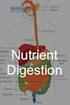 Topic 4: Digestion and Nutrition THE CONTENTS OF FOOD Food contains nutrients: Nutrients include: 1. 2. 3. 4. 5. Nutrients must be small enough to enter our cells. If they are too large they must be digested
BLOOD ALCOHOL CONCENTRATION
 BLOOD ALCOHOL CONCENTRATION Blood Alcohol Concentration (BAC) is the amount of alcohol in the bloodstream. It is measured in percentages. For instance, having a BAC of 0.10 percent means that a person
Summary of the risk management plan (RMP) for Otezla (apremilast)
 EMA/741412/2014 Summary of the risk management plan (RMP) for Otezla (apremilast) This is a summary of the risk management plan (RMP) for Otezla, which details the measures to be taken in order to ensure
Amylase and Lipase Tests
 Amylase and Lipase Tests Also known as: Amy Formal name: Amylase Related tests: Lipase The Test The blood amylase test is ordered, often along with a lipase test, to help diagnose and monitor acute or
William Shaw, Ph.D. The Great Plains Laboratory, Inc., Lenexa, Kansas, USA
 Inhibition of dopamine conversion to norepinephrine by Clostridia metabolites appears to be a (the) major cause of autism, schizophrenia, and other neuropsychiatric disorders. All these factors can now
Lung Cancer. This reference summary will help you better understand lung cancer and the treatment options that are available.
 Lung Cancer Introduction Lung cancer is the number one cancer killer of men and women. Over 165,000 people die of lung cancer every year in the United States. Most cases of lung cancer are related to cigarette
The Liver and Alpha-1. Antitrypsin Deficiency (Alpha-1) 1 ALPHA-1 FOUNDATION
 The Liver and Alpha-1 Antitrypsin Deficiency (Alpha-1) 1 ALPHA-1 FOUNDATION What Is Alpha-1 Antitrypsin Deficiency? Alpha-1 is a condition that may result in serious lung disease in adults and/or liver
D. Vitamin D. 1. Two main forms; vitamin D2 and D3
 D. Vitamin D. Two main forms; vitamin D2 and D3 H H D3 - Cholecalciferol D2 - Ergocalciferol Technically, vitamin D is not a vitamin. It is the name given to a group of fat-soluble prohormones (substances
Approaches to Infection Control
 Approaches to Infection Control Considerations for PTAs in the Clinic Objectives Describe the basic characteristics of bacteria, viruses, fungi, and parasites. Discuss the locations, advantages, and disadvantages
Alcohol Facts and Statistics
 Alcohol Facts and Statistics Alcohol Use in the United States: Prevalence of Drinking: In 2012, 87.6 percent of people ages 18 or older reported that they drank alcohol at some point in their lifetime;
What you should. know
 H e p a t i t i s C What you should know Table of Contents Hepatitis C: a part of life for many people.......4 What is hepatitis C?.......................6 What does my liver do?....................8 How
Pantesin Effective support for heart healthy cholesterol levels*
 Pantesin Effective support for heart healthy cholesterol levels* { Pantesin Effective support for heart healthy cholesterol levels* Many health-conscious adults keeping a watchful eye on their cholesterol
Lymph capillaries, Lymphatic collecting vessels, Valves, Lymph Duct, Lymph node, Vein
 WLHS/A&P/Oppelt Name Lymphatic System Practice 1. Figure 12-1 provides an overview of the lymphatic vessels. First color code the following structures. Color code in Figure 12-1 Heart Veins Lymphatic vessels/lymph
PATIENT CONSENT TO PROCEDURE - ROUX-EN-Y GASTRIC BYPASS
 As a patient you must be adequately informed about your condition and the recommended surgical procedure. Please read this document carefully and ask about anything you do not understand. Please initial