
Specialist Clinics Day Regularity Site Contact
|
|
|
- Jared Ryan
- 10 years ago
- Views:
Transcription
1 Type 2 Diabetes - Diagnosis Referral Criteria and Screening to Specialist Services National Service Framework Standard 2 Same Day Referral Newly diagnosed Children with Diabetes - refer to Paediatric Service Secretary or Admissions. Newly diagnosed Type 1 Diabetes especially urgent in those who present with ketonuria and/or vomiting Patients with infected, necrotic or gangrenous foot ulceration or suspected Charcot Foot. Sudden loss of vision contact Eye Casualty Outside normal working hours contact the on-call team via switchboard Referral within 48/72 hours All women with pre-existing Type 1 or Type 2 Diabetes who become pregnant. Women who develop Gestational Diabetes. priority/early Referral Women with Type 1 or Type 2 Diabetes contemplating pregnancy. Retinopathy/reduced visual acuity, those with sight threatening retinopathy - refer to Ophthalmology Department. Eye Casualty Patients presenting with persistent proteinuria. Patients with severely at risk feet refer to Diabetic Foot Clinic. Others where specialist advice may be considered Referral to Diabetes Specialist Nurse (DSN), Integrated Community Diabetes Service (ICDS) or specialist diabetes doctor Recurrent hypoglycaemia (refer to ICDS). Poor glycaemic control despite intensive management (refer to ICDS). Persistent hypertension and/or hyperlipidaemia despite intensive management as per guidelines (refer to Specialist Care). Painful neuropathy not responding to treatment (refer to Specialist Care). Erectile dysfunction requiring additional intervention - refer to Andrology Clinic. People with Type 1 Diabetes with previous failure to attend but now receptive to specialist referral (refer to ICDS). Dialysis patient (refer to Specialist Care). Need for psychosocial/counselling support to overcome barriers to self-care (refer to ICDS). Patients CKD 3 for optimisation of glucose, BP and lipids if control suboptimal (refer to ICDS). Patients for DAFNE programme (refer to Specialist Care - DSN). Patients in whom insulin Pump Therapy is being considered (refer to Specialist Care - DSN). DSN's contact No: LGH: LRI: GGH: ICDS contact No: or [email protected] Contact consultants via secretaries - see contact details opposite Those requiring urgent admission to A&E Department Unconscious hypoglycaemia. Suspected ketoacidosis/non-ketotic hyperosmolar coma. Newly diagnosed Type 1 with ketones when Diabetes specialist services unavailable. Routine Diabetic Clinics (New patients, follow-up and annual review appointments) Day Regularity Site Contact Professor Melanie Davies Mon pm Weekly LRI (sec) [email protected] (appts) Dr Alison Gallagher Tues pm Weekly LRI (sec) [email protected] (appts) Dr Rob Gregory - Head of Service Thurs pm Weekly LGH (sec) [email protected] (appts) Dr Steve Jackson Weds am Weekly LGH (sec) [email protected] (appts) Dr Ian Lawrence Mon am Weekly LRI (sec) [email protected] Tues pm Weekly LRI (appts) Fri am Weekly GGH (appts) Dr Paul McNally Weds am Weekly LRI (sec) [email protected] Fri am 2nd,4th,5th LRI (appts) Dr Marie-France Kong Mon pm Weekly LGH (sec) [email protected] (appts) Specialist Clinics Day Regularity Site Contact Ante-Natal Diabetes and Endocrine Clinic Weds pm Weekly LRI Tues pm Weekly LGH Diabetes Foot Clinic Thurs am Weekly LRI Thurs pm Weekly LGH Medical Andrology - Dr Paul McNally Fri pm 2nd LRI Medical Andrology - Dr Rob Gregory Mon pm 3rd LGH Medical Andrology - Dr Steve Jackson Fri am 1st LGH Nephrology - Dr Rob Gregory Tues pm 2nd,4th LGH Nephrology - Dr Marie-France Kong Fri am 1st,3rd LGH Young Adult Clinic (ages 15-18) Thurs pm 3rd LRI Professor Melanie Davies Dr Ian Lawrence Young Adult Clinic - Dr Rob Gregory Weds pm 5th Coalville community based Diabetes clinics Coalville - Dr Rob Gregory Hinckley - Dr Paul McNally Loughborough - Dr Steve Jackson Melton - Dr Rob Gregory Market Harborough - Dr Alison Gallagher Oakham - Dr Paul McNally / Dr Kath Higgins (appts) (appts) (appts) (appts) (appts) (appts) 1

2 Type 2 Diabetes - Diagnosis and Screening National Service Framework Standard 2 Diagnosis of Type 2 diabetes can be made using HbA1c in those who are asymptomatic. It should not be used for diagnosis in children, pregnancy and those who are acutely ill or who have abnormal haemoglobins, anaemia and altered red blood cell lifespan. how to test Remember to test for diabetes if patients present with the following symptoms: Diabetes is often missed in the elderly whom to test At least half of people with Type 2 diabetes are asymptomatic It is very important to identify diabetes as early as possible: 50% of newly presenting people with Type 2 diabetes already have 1 or more complications at diagnosis (1) Glycosuria on its own does not confirm diabetes Finger prick capillary results can not be used to diagnose diabetes 1. UKPDS Group. UK Prospective Diabetes Study 6. Complications in newly diagnosed Type 2 diabetic patients and their association with different clinical and biochemical risk factors. Diabetes Research. 1990;13: World Health Organisation. Report of a WHO Consultation The Expert Committee on the diagnosis and Classification of Diabetes Mellitus. Diabetes Care. 1997;20 (7); Excess thirst Polyuria (especially if nocturia) Weight loss Urinary incontinence Tiredness Pruritis Vulvae / recurrent candidiasis Recurrent infections / abscesses Balanitis Blurred Vision / changes in visual acuity Erectile Dysfunction Pain / Numbness / foot ulcers Non specific or unexplained symptoms Predetermined risk of Diabetes Coronary Heart Disease Women who have had Gestational Diabetes (screen at 6 weeks and one year post-partum, and then yearly) Those known to have impaired glucose tolerance, HbA1c % or oral glucose tolerance test 2-hour value between 7.8 mmol/l and 11.1 mmol/l (Impaired Glucose Tolerance IGT) or fasting glucose mmol/l (Impaired Fasting Glucose IFG). High Risk for Diabetes White European people aged over 40 and people from Black, Asian and minority ethnic groups aged over 25 with - first degree relative with diabetes - BMI of (i.e. are overweight) and who have a sedentary lifestyle. >23 in South Asian people. - BMI >30. Women with polycystic ovary syndrome. Cerebrovascular disease, peripheral vascular disease or hypertension/hyperlipidaemia. Patients on prolonged steroid therapy. Patients on atypical anti-psychotic drugs. Oral Glucose Tolerance Test (OGTT) Fast from midnight, water only Measure fasting venous glucose Drink 410 mls of lucozade energy original within 5 mins 2 hours later measure venous glucose No activity, smoking, food or drink other than water between tests An HbA1c of 48mmol/l (6.5%) is diagnostic of diabetes in most situations. It can be used to diagnose diabetes in asymptomatic patients. It should not be used in certain patient groups including children, pregnancy, suspected type 1 diabetes and acute illness. Please refer to screening algorithm on page 6. DIAGNOSTIC TESTS Screening Test: Use either a fasting plasma blood glucose or a plasma blood glucose assay 2 hours after a 75g glucose load. WHO Diagnostic Criteria: Diabetes Mellitus(2) Venous Plasma DM IFG IGT Fasting Hour Post Glucose Load IGT included patients with HbA1c of 6-6.4%. It is associated with increased cardiovascular risk. 2-5% of patients with IGT progress to diabetes each year. IFG is present in 5% of the population and increases with age. Patients are at greater risk of cardiovascular complications than the normal population.(3) IFG and/or IGT are often referred to as Prediabetes and require management and lifestyle interventions. 2

3 Type 2 Diabetes - Diagnosis glycaemic and management Screening(1) National Service Framework Standard 4 principles of treatment Offer structured education (i.e. the DESMOND programme which fulfils The National Recommended Criteria from DoH on Structured Education 2004) to include diet/lifestyle advice to everyone. Usually wait 6-12 weeks before glucose lowering agents are introduced. However: Introduce oral hypoglycaemic agents early if fasting plasma glucose >15mmol/l and symptomatic. Ensure patients are shown how to monitor their own diabetes, and know what to do if results do not fall in the target range. Regular monitoring will identify the need to actively titrate treatment. Measure HbA1c every 2-6 months. Target HbA1c 48mmol/mol/6.5% in newly diagnosed Type 2 diabetes and those on up to 2 oral hypoglycaemic agents unless individual target more appropriate. Involve the person in discussions about individual HbA1c target. In South Asian people BMI underestimates adiposity. Weight measurements need to be considered. Range for healthy weight is BMI in South Asian people. Treatment decision tree for early insulin initiation Symptoms of hyperglycaemia and a diagnostic blood glucose (random 11.1 mmol/l) yes Is the patient ill (vomiting, semiconscious or clinically dehydrated)? NO Does the urine test show moderate/heavy ketonuria? NO Are one or more of the following present? Severe osmotic symptoms (nocturia x 3-4) Short history (weeks) Marked weight loss (irrespective of absolute weight) A first degree relative with Type 1 Diabetes A personal history of autoimmune disease NO Is the patient under 30 years of age? NO yes yes yes yes Arrange direct admission to hospital Very likely to need insulin. Discuss with specialist team within 24 hours. Two or more are a strong indication for insulin First degree relative on diet or tablets consider Maturity Onset Diabetes of the Young (MODY) No immediate need for insulin but non-urgent referral to the specialist team to confirm diagnosis. There is no immediate need for insulin. Give dietary advice on healthy eating. Provide regular review. 3

4 Type 2 Diabetes - Diagnosis glycaemic and management Screening(2) HbA1c 48mmol/mol (6.5%) after trial of lifestyle interventions HbA1c 48mmol/mol (6.5%) HbA1c 58mmol/mol (7.5%) HbA1c 58mmol/mol (7.5%) Metformin (with dose titration) Metformin + Sulphonylurea Add insulin particularly if the person is markedly hyperglycaemic Insulin + metformin + sulphonylurea HbA1c < 48mmol/mol (6.5%) Monitor for deterioration HbA1c < 58mmol/mol (7.5%) Monitor for deterioration HbA1c < 58mmol/mol (7.5%) Monitor for deterioration Consider sulphonylurea here if: not overweight (tailor the assessment of body-weight-associated risk according to ethinc group), or metformin is not tolerated or is contraindicated, or a rapid therapeutic response is required because of hyperglycaemic symptoms (excess thirst/frequent urination/modest weight loss) Consider substituting a DPP-4 inhibitor or SGLT- 2 inhibitor* or thiazolidinedione (Pioglitazone) for the sulphonylurea if there is a significant risk of hypoglycaemia (or its consequences) or a sulphonylurea is contraindicated or not tolerated. Consider adding a DPP-4 inhibitor or SGLT-2 inhibitor or pioglitzone instead of insulin if insulin is unacceptable (because of employment, social, recreational or other personal issues, or obesity) Consider adding a GLP-1 agonist to metformin and a sulphonylurea if: BMI 35kg/m 2 in people of European descent and there are problems associated with weight, or BMI 30-35kg/m 2 and insulin is unacceptable because of occupational implications, sleep apnoea or weight loss would benefit other comorbidities Please check for preferred choices and traffic light status *SGLT-2 inhibitors See sheet 9 for updated information on SGLT-2 inhibitors. Metformin + DPP-4 inhibitor or SGLT-2 or pioglitazone Metformin + sulphonylurea + DPP-4, or Metformin + sulphonylurea or SGLT-2 or pioglitazone or Metformin + sulphonylurea or GLP-1 agonist HbA1c 48mmol/mol (6.5%) HbA1c 58mmol/mol (7.5%) Sulphonylurea HbA1c < 48mmol/mol (6.5%) Monitor for deterioration Consider adding a DPP-4 inhibitor or SGLT-2 or pioglitazone or if the patient is obese (BMI > 30) consider early use of a GLP-1 agonist Sulphonylurea + DPP-4 inhibitor or SGLT-2 inhibitor or pioglitazone in obese subjects consider GLP-1 agonist HbA1c < 58mmol/mol (7.5%) Monitor for deterioration Glucagon-Like Peptide-1 (GLP-1) receptor agonist (GLP-1 Agonists) Can be used in very obese patients and those intolerant of Metformin and Sulphonylureas Can be used in combination with a single oral agent Lixisenatide, Exenatide and Exenatide extended release can be used with basal insulins Insulin Levemir can be used in addition to Liraglutide Sodium Glucose Co-Transporter 2 inhibitors (SGLT-2 inhibitors) These are a new class of oral drugs for the treatment of Type 2 Diabetes. They inhibit glucose re-absorption in the proximal renal tubules providing an insulin independent mechanism to lower blood glucose. Increase insulin dose and intensify regimen over time. Consider DPP-4 or SGLT-2 or Pioglitazone with insulin if blood glucose control is inadequate with high dose insulin (be aware of risk of bladder cancer and heart failure in patients on Pioglitazone - refer to Glycaemic Management - Oral Agents sheet 7) HbA1c 58mmol/mol (7.5%) Start insulin HbA1c < 58mmol/mol (7.5%) Monitor for deterioration All patients using insulin should be issued with a 'Safe Use of Insulin' booklet. Download from 4

5 Type 2 Diabetes - Diagnosis and Screening Key Principles of Practice 95% of the care people with diabetes receive is self-care and all patients should have access to high quality structured education programmes eg. DESMOND. The ability to monitor their own glucose level gives people with diabetes the feedback they need in order to learn how to manage their condition optimally. Monitoring should be based on the individual s clinical needs and in the context of diabetes education and selfmanagement. People should receive appropriate training in the technique and the actioning of the results. The frequency of testing will be different for different people and will change with their circumstances. Any guidelines can only be used as a framework and then adapted to meet individual needs. People may move between different methods of monitoring dependent on their needs at that time. Equipment used for monitoring should be based on choice and agreed with patient. HbA1c NEW UNITS HbA1c values should now be expressed in mmol/mol instead of percentages as follows: DCCT - HbA1c (%) IFCC - HbA1c (mmol/mol) diabetes and Driving People with diabetes MUST inform the DVLA. Those on insulin or oral hypoglycaemic agents which carry a risk of hypoglycaemia, such as sulphonylureas should monitor their blood glucose before driving. Must have awareness of hypoglycaemia. If there is a total loss of 'hypo' warning signs their license will be withdrawn. Must not have had more than one episode of hypoglycaemia requiring third party assistance within the preceeding 12 months. If they have had more than one episode they must inform the DVLA and their licence will be withdrawn for one year following the first episode. If patients with blood glucose levels <5 should not drive until they have eaten. Group 2 entitlement People with diabetes on insulin can apply for any Group 2 licence providing the patient has: Had no episodes of hypoglycaemia requiring third party assistance within the previous 12 months. Full awareness of hypoglycaemia and can demonstrate understanding of its risks. Meter recorded evidence of regular monitoring (twice a day and at times relevant to driving). Been reviewed annually by an independent consultant diabetologist. Visit Haemoglobin A1c Ideal targets are <53mmol/mol (7.0%) in Type 1 Diabetes and <48mmol/ mol (6.5%) in newly diagnosed and short duration Type 2 Diabetes. Although we need to strive for these levels, targets should be set with the individual patient. Should not be measured more frequently than 2 monthly, except in pregnancy, and should be measured at least 6-12 monthly. Avoid pursuing highly intensive management to levels of <48mmol/mol (6.5%) Urine Testing May be appropriate for people with Type 2 Diabetes not on insulin or sulphonylureas when HbA1c is above target and there are no hypoglycaemic events. Where self blood glucose monitoring is considered inappropriate, or of no benefit, or causes increased anxiety to the individual. Self-blood Glucose Monitoring Discuss its purpose and how it should be interpreted and acted upon Use in people with Type 1 Diabetes Use in people with Gestational Diabetes Use in Type 2 Diabetes on oral hypoglycaemic agents such as sulphonylureas, where there is significant risk of hypoglycaemia Use for those using insulin or insulin in combination with oral hypoglycaemic agents. Use in those patient able to adjust their own oral medication between HbA1c measurements. May be useful for a limited period to address needs at that time, ie. adjustment or change in oral medication or intercurrent illness. Use where there is erratic lifestyles or those who undertake high levels of physical activity. Only use in newly diagnosed Type 2 Diabetes as an integral part of self-management education. Targets for Self-blood glucose monitoring (sbgm) These should be set with the individual patient taking into account age, infirmity, and clinical factors. Recommended targets for the general population are: Pre-meals: 4-7 mmol/l 2 hours post prandial: <8 mmol/l For pregnant women see p5. 5

6 Type 2 Diabetes - Diagnosis and Screening using HbA1c in the diagnosis of type 2 diabetes Advantages and disadvantages to using plasma glucose and HbA1c thresholds for the diagnosis of diabetes Fasting and/or post challenge glucose measures HbA1c Ref: Pract Diab Int July/August 2010 Vol. 27 No. 6 Advantages Established as the current means of diagnosing diabetes Directly measures the molecule thought to cause diabetes complications Not subject to misleading results due to non-glycaemic factors Smaller differences in results between laboratories compared to HbA1c Less expensive to measure than HbA1c Established as a means of monitoring patients already known to have diabetes Does not require a fasting sample and is more stable after sample collection than glucose A marker of glucose control over the previous weeks/months Lower within-individual variability than that of glucose Initially more costly than glucose, but when used as part of a screening/diagnostic tool may be less costly overall. Disadvantages Requires patient to be tested in the fasting state and for the sample to be analysed promptly May require a glucose tolerance test for diagnosis A measurement of glucose at a single time-point Higher within-individual variability than that of HbA1c Oral glucose tolerance testing laborious and time consuming Measurement can be misleading in patients with haemoglobinopathies, anaemia or renal failure May differ between patients of different ages and ethnicity Larger differences in results between laboratories compared to glucose A surrogate marker of hyperglycaemia with betweenindividual discrepancies between glucose and HbA1c Suggested diabetes screening algorithm 1. Consider laboratory testing of HbA1c as an alternative test in adults without conditions known to affect HbA1c measurement. Do not use in people with Type 1 diabetes, in children or during pregnancy. 2. If HbA1c <6.0% (42mmol/mol) then diabetes excluded. 3. If HbA1c 6.5% (48mmol/mol) on 2 occasions then diabetes diagnosed.* 4. If HbA1c 6.0% 6.4% (42-46mmol/mol) (intermediate HbA1c) is indicative of pre-diabetes. 5. Where HbA1c measurement may be, or is known to be, inappropriate, test using fasting glucose and/or glucose tolerance test criteria. 6. Annual testing is suggested for patients identified as having intermediate HbA1c, IFG or IGT on initial screening. 7. Repeat testing can be at any time after the initial request and is mainly to ensure a sample mix-up could not have occurred. Leicester guidelines adapted from ABCD position statement. 6

7 Type Diabetes 2 Diabetes - Monitoring - Diagnosis Glycaemic and Screening Control (2) Type 2 Diabetes - Diet & lifestyle management only Self blood glucose monitoring is not recommended as part of routine care if HbA1c is within target but may be useful as an educational tool to understand lifestyle interventions. Urine testing may be adequate provided HbA1c targets are achieved. Measure HbA1c 3 monthly until target is reached, then monitor 6 monthly. If self-monitoring of blood glucose is considered appropriate, possible regime is: A Type 2 Diabetes Oral therapy Re-assess patient needs if urine testing and HbA1c monitoring inadequate, or if there is risk of hypoglycaemia which cannot be addressed by using an alternative oral hypoglycaemic agent. Consider self blood glucose monitoring. Frequency of testing should be agreed with patient and adequate training provided. Some patients benefit from blood testing for short periods of time and then stop or return to urine testing, e.g. when oral medication is changed or adjusted. Continue to measure HbA1c 3-6 monthly. Possible regimes: A B C Type 2 Diabetes Insulin with/without oral agents Self blood glucose monitoring is recommended. Regular testing is required at initiation and during adjustment of doses. Frequency may be reduced when glycaemic target reached. Increased testing may be required during intercurrent illness and when there is risk of hypoglycaemia. Adequate training must be provided. Those unable to self-monitor blood glucose may find urine testing helpful or may require more frequent HbA1c measurement. HbA1c should be measured 3-6 monthly Possible regimes: B C D Type 1 Diabetes It is recommended that all people with Type 1 Diabetes monitor their blood glucose levels. Self-monitoring may be used to adjust insulin doses prior to meals (eg basal bolus therapy and carbohydrate counting, pump therapy, DAFNE patients) and so frequent daily testing will be required. In more stable Type 1 Diabetes less frequent monitoring may be required depending on patients daily routine. Children with Diabetes or their parents may need to do frequent testing and this will be decided between themselves and the specialist paediatric team but could range from 1-7 tests per day. HbA1c should be measured 3-6 monthly in all Type 1 Diabetes Patients. Possible regimes: B C D E Pregnant Women Type 1 and Type 2 Diabetes - required to test at least 2-4 times daily pre and 2-hour post-prandial. Gestational Diabetes not requiring insulin - will need to test 1-2 times daily pre and 2-hours post-prandial. Gestational Diabetes treated with insulin - will need to test as Type 1 Diabetes. Possible regimes: B D E Targets for sbgm during pregnancy Pre-meals: mmol/l 2 hours post prandial: <7 mmol/l Typical Self-Monitoring RegimeNs A Periodic testing to meet needs at that time B 1-2 tests daily, varying times of testing C 4 tests per day x 2 week D 4 tests per day each day E 7 tests per day pre & post meals before driving If on insulin therapy or at risk of hypoglycaemia, recommend blood glucose >5 mmol/l Please check for the test strip formulary 7

8 Type 2 Diabetes - Diagnosis glycaemic and management Screening- oral agents National Service Framework Standard 4 See Algorithm for Glycaemic Management oral hypoglycaemic agents Metformin Reduces hepatic glucose production and appetite. Start with 500mg daily for 1-2 weeks. Titrate every 2-4 weeks to achieve glycaemic target. Usual maximum tolerated dose is 1 gram B.D. or 850mg T.D.S. Tablets should be taken with or immediately after a meal. Not associated with weight gain, and associated with with reduced cardiovascular disease in overweight or obese patients - hence first line therapy in these patients. Diarrhoea occurs in up to 10%, but is dose dependent and may resolve with dose reduction. Metformin MR is an option in patients poorly tolerant of generic Metformin, starting with 500mg with evening meal, and then slowly uptitrating to 1g b.d.. Metformin dissolvable powder should be used in preference to Metformin syrup. Do not initiate in patients with egfr <45 ml/min, severe heart failure, severe liver disease (because of the increased risk of lactic acidosis) or alcohol dependency. Stop if there is progressive renal impairment and egfr <30 ml/ min. Metformin reduces cardiovascular events in overweight and obese patients to a greater extent than predicted by its glucose lowering effects. sulphonylureas Stimulate insulin release from the pancreas. Gliclazide initially mg O.D., with titration every 4-6 weeks to achieve glycaemic target or until maximum dose of 160mg B.D is reached. Glimepiride 1mg O.D. titrate up to 4mg O.D. Gliclazide M/R is associated with less hypoglycaemia than generic gliclazide. Tablets should be taken before or with meals. Weight gain averaging 2-4 kg is a recognised consequence of sulphonylurea therapy; in some patients it may exceed 10kg. Always re-assess the patient and emphasise lifestyle issues before prescribing. ALL patients should be told about recognition and management of hypoglycaemia when prescribed a sulphonylurea. AVOID long acting sulphonylureas, (Glibenclamide and Chlorpropamide) in patients over 70 years old and in those with egfr of <60mls/min. People on sulphonylureas should BG test during the first 3 months following initiation and may need to continue testing if they are at risk of hypoglycaemia. Thiazolidinediones (pioglitazone) Pioglitazone should not be started or continued in any individual who has heart failure, is at risk of a bone fracture or bladder cancer. Reduces insulin resistance and increases glucose uptake into peripheral tissues. Pioglitazone is the only agent currently available. 30mg O.D. increasing to 45mg O.D. after 3 months. Contra-indicated in patients with heart failure or active liver disease, and women of child-bearing age considering pregnancy and post-menopausal women. Monitoring of liver function tests prior to commencing therapy, and periodically thereafter is recommended. Discontinue / do not commence glitazone therapy if the ALT is 2.5 times the upper limit of normal. Pioglitazone use is associated with weight gain but this may be attributble to fluid retention. Pioglitazone is licensed for use with insulin. Hypoglycaemia may occur in patients already taking a sulphonylurea, and in such circumstances the sulphonylurea dose needs reducing. Side effect profile includes fluid retention, increased fractures and a small fall in haemoglobin concentration. Continue pioglitazone only if there is a reduction in HbA1c of 0.5% in 6 months unless substituting pioglitizone for another hypoglycaemic agent. 8

9 Type 2 Diabetes - glycaemic management - oral agents SGLT-2 inhibitors: Sodium Glucose Co-Transporter 2 agents Dapagliflozin (Forxiga) SGLT-2 inhibitors are a new class of oral drugs for the treatment of Type 2 Diabetes. They inhibit glucose re-absorbtion in proximal renal tubules providing an insuling dependent mechanism to lower blood glucose. Their use in clinical practice is associated with improved glycaemic control, weight loss and a low risk of hypoglycaemia. The only preparation currently on the UK market is Dapagliflozin (Forxiga). SGLT - 2 inhibitors prevent the reabsorption of glucose from the kidneys back into the blood, leading to increased glucose in the urine and reduced glucose levels in the blood. The starting dose for Dapagliflozin is 10 mgs once daily unless there is severe liver failure when a 5 mgs dose should be used and tolerance reviewed before dose titration. This preparation can only be used as monotherapy if Metformin is not tolerated or in combination with insulin or metformin (dual therapy). If using Dapgliflozin in combination with insulin then the insulin dose /doses may need to be reduced to reduce the risk of hypoglycaemia - Dapagliflozin cannot be used in combination with a loop diuretic or in combination with Pioglitazone. It should not be used if egfr is less than 60mls/ Min. DPP-4 Inhibitors (include sitagliptin*, saxagliptin*, linagliptin, vildagliptin) DPP-4 Inhibitors stimulate insulin response to glucose and prevent glucagon release after meals. All DPP-4s are licensed for use in combination with Metformin. They are also licensed for use with Pioglitazone if treatment fails to achieve adequate glycaemic control (triple therapy). Sitagliptin and Saxagliptin are also licensed for use with insulin. Neutral effect on body weight. Low incidence of hypoglycaemia unless used in combination with sulphonylurea and/or insulin. Dosage: Sitagliptin 100mg OD Saxagliptin 5mg OD Linagliptin 5mg OD Vildagliptin 50mg BD DPP-4s are contra-indicated in women of child-bearing age considering pregnancy. Sitagliptin, Linagliptin and Vildagliptin are licensed for use in CKD5 patients. Vildagliptin is not recommended for prescribing in Leicestershire (due to need for LFT monitoring and no evidence of superiority over other agents. Use in CKD Linagliptin Can be used at all stages of CKD with no dose adjustment. There is limited data on use in dialysis patients. Saxagliptin In patients with moderate and severe renal insufficiency reduce dose to 2.5mg. It is not recommended in end stage renal disease (dialysis patients). Sitagliptin For moderate renal insufficiency (egfr >30-<50 ml/min) reduce dose to 50mg OD. For severe renal insufficiency (egfr <30ml/min) reduce to 25mg OD. Vildagliptin In patients with moderate or severe renal impairment and end stage renal disease the recommended dose is 50mg OD. There is limited data on use in dialysis patients - use with caution. Monitoring of renal fuction should be undertaken regularly in patients on Sitagliptin, Saxagliptin and Vildagliptin. People with diabetes are often taking numerous tablets and this should be considered when consultations take place. It may be useful to try and elicit their values and beliefs about their medication and their understanding of different tablets as this may influence their behaviour around medication. There may be practical problems which may need to be addressed to ensure concordance. Regular medication reviews should take place either by a doctor, practice nurse or pharmacist. 9

10 Type glycaemic 2 Diabetes management - Diagnosis - GLP-1 and RECEPTOR ScreeningagonistS (GLP-1s) What are glp-1s and how do they work? GLP-1s are injected to stimulate the insulin response to glucose and prevent glucagon release after meals. The incretin effect is described by the fact that an oral load of glucose induces a greater insulin response than when glucose is administered by IV. This is due to the effect on gut hormones, particularly glucagon-like peptide-1 (GLP-1s). Their effect includes stimulating glucose dependent insulin secretions, increasing satiety and slowing gastric emptying. These actions can lead to reduction in HbA1c with a low risk of hypoglycaemia (unless used with sulphonylureas). This action is often accompanied by weight loss. GLP-1 injections can be used to improve glucose control in adults with Type 2 diabetes by reducing fasting and post prandial glucose levels. They can be used with metformin, a sulphonylurea or both. In very obese patients and those intolerant of metformin and sulphonylureas, GLP-1s can be used in combination with a single oral agent. See Glycaemic Management algorithm for recommendations as to where GLP-1s fit with other glycaemic treatments. Questions frequently asked by patients What happens if a dose is missed? If a dose is missed, the next dose should be injected at the usual time. An extra dose should not be taken to make up for the missed dose How long should there be between injections? At least 6 hours What happens if they forget to inject before a meal. They should not inject after a meal. If they forget to inject before wait until the next scheduled dose. Precautions GLP-1s are not substitutes for insulin in insulin-dependent patients and are not licensed for use with Type 1 diabetes. Persistent and severe abdominal pain with or without vomiting may be a sign of acute pancreatitis. If this is suspected, the GLP-1 should be stopped, and if confirmed, not be resumed. Not recommended for use in patients with severe renal failure. Not recommended for patients with severe gastro-intestinal problems. Patients receiving a GLP-1 in combination with sulphonylurea may be at increased risk of hypoglycaemia, therefore consider a reduction in the dose of sulphonylurea. There are no specific restrictions for drivers with class 1 licences (cars and motorcycles) when being treated with a GLP-1. Normal precautions to avoid low blood glucose when driving apply. Drivers holding Class 2 (LGV or PCV) licences need to inform the DVLA if they are being treated with a GLP-1 and a sulphonylurea and individual assessments will be made. Not recommended during pregnancy or where pregnancy is planned, or for nursing mothers. Advice to Patients Provide them with patient information pack. Discuss the risk of hypoglycaemia and symptoms, treatment and prevention. Discuss common side effects such as nausea, vomiting diarrhoea, dizziness, headache and acid stomach. Advise that nausea is most common when first starting a GLP-1 but decreases over time in most patients. If they experience severe and persistent symptoms they must contact their health care provider as a matter of urgency. Warn that GLP-1s may reduce their appetite, the amount of food they eat and their weight. Medication such as contraceptives and antibiotics should be taken at least 1 hour before a GLP-1 injection. Patients receiving GLP-1s in combination with a sulphonylurea may be at increased risk of hypoglycaemia, therefore consider reduction in dose of sulphonylurea if HbA1c <64mmol/mol (8%). Stop use if planning to be, or are pregnant, or when lactating. Injectable treatment but not insulin Patient Information Patients will need to understand the following: That GLP-1s are injectable treatments but not insulin Storage of GLP-1s see below Injection techniques- Subcutaneous injection arm, thigh, abdomen Timing of dose - 60 minute before morning and evening meal. Glucose monitoring - regular daily monitoring required to identify any risk of hypoglycaemia Pen needles use/supply - a variety of pen needles are available, HCP should discuss which needle is best for them. A new one should be used for each injection. who should use glp-1s? Treatment with GLP-1s is associated with the prevention of weight gain and possible promotion of weight loss GLP-1s should be considered in people with a body mass index of 35 kg/m 2 or in those with a body mass index of less than 35 kg/m 2 where: insulin treatment would be unacceptable for occupational reasons or where weight loss would benefit other significant obesity related comorbidities. indications for continued use NICE recommends that treatment with GLP-1s is continued only if HbA1c has reduced by 1% and a weight loss of 3% is achieved within 6 months of commencing treatment. Storage of GLP-1 Pen Devices Unopened GLP-1 pre-filled pens should be stored in the refrigerator 2-8 C (36-46 F). Do not freeze. The GLP-1 pen in use can be kept at room temperature but away from direct light It should be discarded after 30 days from first use even if there is still some liquid in the pen see next sheet for specific glp-1 drug information 10

11 Type 2 Diabetes - GLP-1 drug information Lixisenatide (Lyxumia) Can be used in combination with Metformin, a sulphonylurea or insulin. Dosage Starting dose: dosing is initiated at 10 mcg Lyxumia once daily for 14 days. Maintenance dose: a fixed maintenance dose of 20 mcg Lyxumia once daily is started on Day 15. It is administered once daily, within the hour prior to the first meal of the day or the evening meal. If a dose of Lyxumia is missed, it should be injected within the hour prior to the next meal. When Lyxumia is added to existing metformin therapy, the current metformin dose can be continued unchanged. When added to existing therapy of a sulphonylurea or a basal insulin, a reduction in the dose of the sulphonylurea or the basal insulin should be considered to reduce the risk of hypoglycaemia. Lyxumia should not be given in combination with basal insulin and a sulphonylurea due to increased risk of hypoglycaemia (see section 4.4). Its use does not require specific blood glucose monitoring. However, when used in combination with a sulphonylurea or a basal insulin, blood glucose monitoring or blood glucose selfmonitoring may become necessary to adjust the doses of the sulphonylurea or the basal insulin. LIRAGLUTIDE (VICTOZA) Comes in a pre-filled pen - 6mgs per ml. The pen can be adjusted to give either 0.6mgs, 1.2mgs or 1.8mg. NICE does not recommend the higher dose on cost grounds as they did not see any additional benefit over the 1.2mg dose. Dosage Starting dose is 0.6mg daily to improve gastrointestinal tolerability. Increase to 1.2mg after at least 1 week. Some patients may benefit from an increase to 1.8mg daily. Doses higher than 1.8mg are not recommended. Dose adjustment is not required based on age. No dosage adjustment is required for mild renal impairment. Liraglutide is administered once daily, at any time, independent of meals, as a subcutaneous injection into the abdomen, thigh or upper arm. Insulin detemir (Levemir) is now licensed as an add-on for liraglutide.* Self-monitoring of blood glucose is not needed in order to adjust the dose of liraglutide. However, when initiating treatment with liraglutide in combination with a sulphonylurea, blood glucose self-monitoring may become necessary to adjust the dose of the sulphonylurea. EXENATIDE (BYETTA) Byetta can be used in combination with: Metformin Metformin and sulphonylurea Sulphonylurea Metformin and pioglitazone Pioglitazone Basal Insulin* Dosage There are 2 strengths, 5 microgram and 10 microgram prefilled pens with 60 doses in each (30 days supply). The pen gives same dose each time it is used. A separate prescription is needed for pen needles. Initiate with the 5-microgram dose. Inject subcutaneously into either the thigh abdomen or arm. Inject within a 60-minute period before the morning and evening meal. Injections should be given more than 6 hours apart. After one month the dose can be increased to 10 micrograms twice daily. EXENATIDE sustained RELEASE (BYDUREON) Comes in a powder and solvent for prolonged-release suspension for injection - 2mgs per dose in packs of 4. Bydureon can be used in combination with: Metformin Metformin and sulphonylurea Sulphonylurea Metformin and pioglitazone Pioglitazone In adults who have not achieved adequate glycaemic control on maximally tolerated doses of these oral therapies. Dosage The recommended dose is 2 mg once weekly. Patients switching from exenatide twice daily (byetta) to bydureon may experience transient elevations in blood glucose concentrations, which generally improve within the first two weeks after initiation of therapy. When Bydureon is added to existing metformin and/or thiazolidinedione therapy. The current dose of metformin and/or thiazolidinedione can be continued. When bydureon is added to sulphonylurea therapy, a reduction in the dose of sulphonylurea should be considered to reduce the risk of hypoglycaemia Bydureon should be administered once a week on the same day each week. The day of weekly administration can be changed if necessary as long as the next dose is administered at least one day (24 hours) later. Bydureon can be administered at any time of day, with or without meals. If a dose is missed, it should be administered as soon as practical. Thereafter, patients can resume their once weekly dosing schedule. Two injections should not be given on the same day. Blood glucose self-monitoring may be necessary to adjust the dose of sulphonylurea. If a different antidiabetic treatment is started after the discontinuation of Bydureon consideration should be given to the prolonged release of Bydureon. 11

12 Type 2 Diabetes - Diagnosis cardiovascular and Screening risk (1) National Service Framework Standard 4,10,11,12 See Algorithm for Blood Pressure Management There is now no need to estimate cardiovascular risk in those with diabetes before deciding whether to intervene to improve individual cardiovascular risk factors in people with either Type 1 or Type 2 diabetes. All people with diabetes are considered to be at high cardiovascular risk. All require lifestyle advice and multifactorial risk factor intervention. Lifestyle advice is integral to the management of diabetes and should be reinforced at every available opportunity. lifestyle intervention Smoking cessation should be encouraged, with use of Stop Smoking clinics as required. Dietary intervention Should include weight loss for those with high waist circumferences >94cm in Northern European White male >80cm in Northern European White females >90cm in South Asian males >80cm in South Asian females and, for all should include advice about a low fat diet high in fruit and vegetables (at least 5 portions per day). Should include advice to decrease total dietary fat to <30% of total energy intake Should include advice to decrease saturated fats to <10% of total fat intake. Should include advice about lowering salt intake to be less than 6g of salt (=2.4 g sodium chloride) per day. Alcohol intake should be discussed, with the advice for males to limit to 21 units per week and females to 14 units/week. Regular intake of oily fish and other sources of omega 3 fatty acids (at least 2 portions of fish per week) Exercise The benefits of regular exercise should be explained and patients should be advised to perform regular aerobic activity. Clinical studies show that walking for 30 minutes every day has cardiovascular benefits. blood pressure All patients with diabetes (Type 1 or Type 2) should be treated to a target of 140/80 with a combination of lifestyle intervention (see above) and drug therapy. If kidney, eye or cerebrovascular damage set a target <130/80. Up to half the patients with Type 2 diabetes will need 3 or more antihypertensive agents, and it is important for patients to be made aware of this when discussion around hypertension occurs. ACE inhibitors and ARBs are preferred first line therapy in people with any degree of nephropathy (micro- or macroalbuminuria). In all patients measure renal functions and electrolytes 1-2 weeks after initiation of ACE inhibitors and ARBs and with each increase in dose. The British Hypertension Society s Guidelines should be followed. Assess blood pressure at least 3 monthly until targets are achieved, and monitor every 4-6 months once targets are acheived. Patients who do not achieve target should be referred for further management. Remember that, if the patient does not achieve target despite greatest efforts by the multidisciplinary team, any improvement towards the target is better than the patient s baseline. Smoking Please assess patients for smoking status and refer to Smoking Cessation Teams for patient support. Leicester City Patients: Leicester County Patients:

13 Type 2 Diabetes - Diagnosis cardiovascular and Screening risk (2) National Service Framework Standard 4,10,11,12 See Algorithm for Lipid and Diabetes Management Whom to consider for treatment: All those who are aged 40 or more with either Type 1 or Type 2 diabetes Those aged with either Type 1 or Type 2 diabetes who have at least one of the following with poor CV risk factor profile: Significant retinopathy (pre-proliferative, proliferative or maculopathy) Any degree of nephropathy (micro- or macroalbuminuria) HbA1c > 75mmol/mol (9%) Requirement of antihypertensive therapy (see above) Total cholesterol >5 mmol/l Family history of premature cardiovascular disease in a first degree relative (<55 years in males, <65 years in females) Features of metabolic syndrome (increased waist circumference, increased triglycerides, decreased HDL and hypertension) exception - women of child-bearing potential/pregnant Treatment targets Dietary interventions alone only reduce cholesterol by <10%. To reach targets, often drug therapy will be required. The initial target is to achieve a total cholesterol of <4.0 mmol/l and an LDL of <2.0 mmol/l. Statins are first line drugs for this indication. In accordance with NICE guidelines, low cost statins should be first choice e.g Simvastatin 40mgs. The dose of the statin should be increased until these targets are achieved. If targets are not achieved a more potent statin such as Atorvastatin should be considered. if Atorvastatin is not tolerated consider using Rosuvastatin, and then the addition of a second agent Ezetimibe. Monitor LFTs 6 weeks post initiation of statin. If normal check annually. In females who are planning a pregnancy or who are pregnant these drugs should be withheld until breast feeding has ceased. lipids Once the total cholesterol and LDL targets have been achieved, it is important to consider both HDL and triglycerides, particularly in those with cardiovascular disease. Optimal HDL levels are: Males >1.0 mmol/l Females >1.2 mmol/l. Fasting Triglyceride target: Males <1.7 mmol/l Females <1.7 mmol/l It is important to note that the target triglyceride level is a fasting target, so an individual with a non-fasting result >2.3 mmol/l should be invited back to have a fasting triglyceride estimation. HDL and triglyceride interventions include lifestyle (predominantly weight loss and exercise) and drug therapies. The drug of choice is a fibrate, usually Fenofibrate 160mg. If using a combination lipid lowering regimen, monitoring of ALT and CK is appropriate. Monitor lipids 6 weekly until targets have been achieved, and annually thereafter. Remember that, if the patient does not achieve target despite greatest efforts by the multidisciplinary team, any improvement towards the target is better than the patient s baseline. Fibrates should not be commenced if egfr is <45. They should be discontinued with deterioration of renal function. Anti-Platelet Agents Aspirin 75 mg daily is indicated for all patients with diabetes who have any form of cardiovascular disease. In those who are hypertensive the blood pressure should be controlled to 145/90 or below before commencement of aspirin. If aspirin is not tolerated or is contraindicated, clopidogrel 75 mg daily should be considered. 13

14 Type 2 Diabetes - Diagnosis preventing and specific Screening complications obesity (1) background points Obesity is a major modifiable risk factor in the development of type 2 diabetes. Decrease in weight in those who are obese can improve diabetes control enormously without the need for escalation in therapy. Weight loss can be effective enough to cure type 2 diabetes. Guidance Those people with diabetes whose adipose tissue mass is likely to contribute to the progression of their diabetes control should be offered the opportunity to discuss their weight. The benefits to the patient of weight loss should be made clear. If the individual does not wish to consider making any changes then this should be reviewed at future consultations. Any choice of weight loss intervention should be negotiated between patient and health care professional. Consideration of what has been tried before is important. Obesity Surgery Bariatric surgery is recommended as a treatment option for adults with obesity if all of the following local criteria are fulfilled: they have type 2 diabetes and a BMI of 45 kg/m2 or more all appropriate non-surgical measures have been tried but have failed to achieve or maintain adequate, clinically beneficial weight loss for at least 6 months the person has been receiving or will receive intensive management in a specialist obesity service the person is generally fit for anaesthesia and surgery the person commits to the need for long-term follow-up. Bariatric surgery is also recommended as a first-line option (instead of lifestyle interventions or drug treatment) for adults with a BMI of more than 50 kg/m2 in whom surgical intervention is considered appropriate. Interventions Interventions include lifestyle advice, specific drug therapy and obesity surgery. General Points Realistic targets for weight loss should be discussed Maximum weekly weight loss of 0.5 1kg Aim to lose 5-10% of original weight Realistic targets for exercise will vary greatly depending on the individual. Ideally, individuals should be encouraged to take up to 45 minutes of exercise per day, 5 times per week. Encouragement to join a commercial weight loss organisation can be beneficial. Lifestyle intervention This is the mainstay of obesity management. Any advice offered is more likely to be accepted by the patient if we as health care professionals offer the advice in an enthusiastic manner. Ideally, a combination of reduction of calorie intake and an increase in energy expenditure should be considered. The Leicestershire Dietetics and Nutrition website has useful documents about this. 14

15 Type 2 Diabetes - Diagnosis preventing and specific Screening complications specific advice on orlistat (NICE guidance available) Use only in those with diabetes or endocrine conditions who have a BMI >28kg/m2 Continue beyond 3 months of therapy only if the patient has lost at least 5% of their body weight. Continue beyond 12 months for weight maintenance only after discussion of potential benefits and limitations with the patient. obesity (2) - drug therapy Before deciding to start treatment, and choosing the drug, discuss with the patient the potential benefits and limitations, including the mode of action, adverse effects and monitoring requirements, and their potential impact on the patient s motivation. When prescribing, make arrangements for appropriate healthcare professionals to offer information, support and counselling on additional diet, physical activity and behavioural strategies. Give information on patient support programmes. Follow the drug s summary of product characteristics. Drug therapy Pharmacological agents are only to be used once lifestyle interventions have been instigated and the patient has reached a plateau in their weight loss but still wishes to lose more weight. It is important to set achievable targets for weight loss of no more than 10% of body weight. When considering the use of pharmacological agents to aid weight loss, ensure that the patient: 1. wishes to lose weight (the benefits of weight loss should be discussed) 2. is prepared to make changes to their calorie intake following appropriate dietary advice, preferably from a dietitian with an interest in obesity 3. is prepared to increase the level of physical activity (if able), preferably up to 45 minutes of moderate exercise at least 5 times per week 4. is prepared to consider joining a commercial weight loss programme. 5. Understands that, if the drug is deemed not to be successful then it will be withdrawn. All studies showing the greatest benefit with the weight loss drugs involved lifestyle intervention as part of the management. Continued prescribing and withdrawal Review regularly, to monitor the effect of drug treatment, and to reinforce lifestyle advice and need for adherence. Drug treatment may be used to help people to maintain weight loss, as well as to continue to lose weight. Consider withdrawing drug treatment if the person does not lose enough weight. Agree goals with the person and review regularly If concerned about micronutrient intake, consider giving a supplement providing the reference nutrient intake for all vitamins and trace elements, particularly for vulnerable groups such as older people, who may be at risk of malnutrition. If withdrawing a person s drug treatment, offer support to help maintain weight loss because their self-confidence and belief in their ability to make changes may be low. 15

16 Type 2 Diabetes - Diagnosis preventing and specific Screening complications NICE CG66 Type 2 diabetes nephropathy screening and management (1) background points Diabetic nephropathy or diabetic kidney disease affects nearly 20-30% individuals with Type 2 diabetes. The earliest sign of kidney involvement in Type 2 diabetes is abnormal amounts of albumin excretion in the urine which is assessed by laboratory measurement of the albumin creatinine ratio (ACR). Depending on this measure, individuals are categorized into the stages of microalbuminuria or proteinuria. Definition of higher-risk urine albumin excretion Glomerular Filtration Rate (GFR) is the best available parameter of kidney function and should be monitored in all individuals with diabetic nephropathy. Microalbuminuria is an independent CV risk factor. It is also associated with a higher risk of progression to proteinuria. Reduction in albuminuria is a viable target and aggressive targeted control of multiple risk factors is the corner stone of management. Proteinuria is associated with a high risk of worsening kidney function and progression to end stage kidney disease. ACR PCR Albumin concentration Target Microalbuminuria 2.5 male < mg / 24 hrs 130/ female to 30 Proteinuria (low) < gm/24 hrs /90 Proteninuria (high) >70 >100 1gm/24 hrs /80 PCR, protein creatinine ratio Diabetic Nephropathy is characterised by the excretion of abnormal amounts of albumin in the urine, arterial hypertension and progressive decline in kidney function Classification of CKD according to GFR Stage GFR Description 1 90 Normal or increased GFR, with other evidence of kidney damage Slight decrease in GFR, with other evidence of kidney damage 3A Moderate decrease in GFR, with or without 3B other evidence of kidney damage Severe decrease in GFR with or without other evidence of kidney damage 5 <15 Established renal failure 2 readings >90 days apart required to diagnose CKD * Other evidence of kidney damage includes the presence of hematuria or albuminuria/proteinuria or structural abnormalities identifes by kidney biopsy or imaging studies Assessment of individual with Diabetic nephropathy Take a full history. List all medications taken Physical examination, evaluate for presence of cardiovascular disease Urine analysis (ACR), assess kidney function (GFR), Full Blood Count to exclude anaemia, kidney imaging studies and other investigations as appropriate Look for presence of retinopathy, peripheral vascular disease, other diabetes complications including erectile dysfunction The presence of haematuria, red cell casts on urine microscopy, vasculitis, nephrotic range proteinuria or rapid deterioriation in GFR in the absence of long standing diabetes should raise suspicion of non-diabetic kidney disease (refer to nephrology for advice/management). Management of individual with Diabetic nephropathy Tight Blood Glucose control - Target HbA1c mmol/mol (6.5% - 7%) (individualisation of targets is recommended in partnership with the patient) Maintain blood pressure below 130/80 mm Hg - ACE inhibitors or Angiotensin II receptor blockers (ARB s) are recommended first line drugs (unless contraindicated) - Calcium channel blocker (non-dihydropyridine class) drugs and low dose thiazide diuretics are useful second line agents - Loop diuretics are useful in the presence of volume overload (e.g.leg edema) - Additional antihypertensive therapy may be required. - Combination therapy with ACE inhibitor and ARB has superior anti-proteinuric effect, however watch out for hypotensive symptoms (syncope) and hyperkalemia. Treat dyslipidemia (serum cholesterol, LDL cholesterol and serum triglycerides treated to targets) Aspirin therapy if indicated Lifestyle changes, weight loss and smoking cessation should be advised Dietary protein restriction is not routinely advised however in the face of overt nephropathy and or established kidney failure, restriction to gm protein/kg/day has been recommended Patient education is an integral part of overall management Starting ACE inhibitor or ARB therapy Caution in individuals with impaired kidney function Assess kidney function and electrolytes 1-2 weeks after initiating therapy, watch out for hyperkalemia Assess kidney function after any subsequent increase in dose Small rise in creatinine or a mild fall in egfr values is expected with therapy STOP therapy - If serum creatinine rises by >30% or >25% fall in estimated GFR seek specialist advice (to exclude possible renovascular disease) 16

17 Type 2 Diabetes - Diagnosis preventing and specific Screening complications NICE CG66 Type 2 diabetes nephropathy screening and management (2) When using the nephropathy algorithm it is important to understand that this is not designed to be used in isolation from the other diabetes-related guidelines. In particular, cardiovascular risk is not discussed in the nephropathy algorithm simply because it is assumed that the guidance on lipid lowering, anti-platelet therapy and blood pressure are being followed in tandem. Nephropathy may not necessarily be due to diabetes but could, instead, be secondary to other pathologies such as hypertension. If protein is detected in the urine on simple dipstick testing (proteinuria) this should be repeated after one or two weeks. If this subsequent test is positive, and the patient has persistent proteinuria the result should then be further quantified by requesting a laboratory measured protein:creatinine ratio. Persons with any degree of proteinuria should be offered treatment with an ACE inhibitor or ARB regardless of the initial blood pressure. See renal guidelines about starting ACE or ARB and subsequent monitoring of egfr. If the urine is negative for proteinuria, an early morning urine specimen should be sent to the laboratory for an albumin:creatinine ratio. A positive test (>2.5 mmg/mmol in men, >3.5 mmg/mmol in women) should be confirmed by a second test one or two weeks later. If this second test is positive, the patient has persistent microalbuminuria. These patients should then be offered an ACE inhibitor or ARB regardless of their initial blood pressure. See renal guidelines about starting ACE or ARB and subsequent monitoring of egfr. Metformin should not be started if egfr <45, and should be stopped if egfr <30. Patients with CKD1 and CKD2 should have annual review of their renal status. Patients with CKD3 should have 6 monthly assessment of their renal status and review of their medication to ensure that prescription of potentially nephrotoxic drugs is avoided as much as possible. Patients with CKD4 and CKD5 should be referred to nephrology for an assessment. Patients with CKD5 should also be under the care of the Diabetes Specialist Team. Annual urine analysis by dipsticks + U&Es Does patient have persistent haematuria? NO Is the ACR elevated? NO Does patient have egfr <60? NO YES egfr<30? CKD3 Assess 6 monthly and Medicine Management Avoid NSAIDs CKD 4&5 Refer Nephrologists and Medicine Management yes NO yes Follow urology / nephrology guidelines. Refer to Nephrology <50yrs Refer to Urology >50yrs Present on repeat test >2 weeks later? yes Treat with ACE/ARB regardless of BP Target BP <130/80 If CKD 4 or 5, refer to Nephrology If CKD 5, also refer to Diabetes Specialist Team. Is deterioration of egfr >15% yearly yes 17

18 Type 2 Diabetes - Diagnosis preventing and specific Screening complications NICE CG66 Type 2 diabetes foot problems / ischaemia / neuropathy (1) background points People with Diabetes identified as at increased risk of developing lower limb complications can reduce this by participating in a foot care programme that provides education, podiatry and, where required, protective footwear. In those with Diabetes who develop foot ulceration, prompt intervention can minimise the risk of subsequent disability and amputation. principal recommendations Foot care for all people with Diabetes Foot care for the high risk foot (risk factor + deformity or skin changes or previous ulcer) Arrange frequent review (1-3 monthly) from specialised podiatry/foot care team. At each regular Diabetes review, evaluate the provision of: intensified foot care education specialist footwear and insoles frequent (according to need) skin and nail care. Review education/footwear/vascular status as for the AT RISK foot. Ensure special arrangements for those people with disabilities or immobility. Foot care for the ulcerated foot Urgently arrange foot ulcer care to specialist multi-disciplinary clinic (NICE Guidelines 2004). (See referral sheet for contact details). Expect that team to ensure, as a minimum: investigation and treatment of vascular sufficiency. local wound management, appropriate dressings, and debridement as indicated. systematic antibiotic therapy for cellulitis or bone infection. effective means of distributing foot pressures, including specialist footwear, casts or scotch cast boot. tight blood glucose control. Arrange recall and annual review of complications and their risk factors, by trained and competent personnel. Examine feet and lower legs as part of annual review to detect risk factors for ulceration Include: - testing of foot sensation using a 10g monofilament or 128 Hz tuning fork - palpatation of foot pulses - inspection of foot shape and footwear. Classify foot risk as: low current risk or at risk or high risk or ulcerated foot. Foot care for the low current risk foot (normal sensation, palpable pulses) In the absence of Foot Pathology, patient can be seen routinely. Agree a management plan including foot care education with each person. Foot care emergency (new ulceration, cellulitis, discolouration) Refer to specialised podiatry/foot care team within 24 hours. Telephone Numbers for urgent referral LRI LGH All patients with Diabetes should be on a register and minimum data should include annual measures for microvascular disease. Please see Cardiovascular Risk for additional requirements Foot care for the at risk foot (neuropathy or absent pulses or other risk factor) In the absence of Foot Pathology, can be managed routinely. If Foot Pathology - needs specialist review. If previous foot ulcer or deformity or skin changes manage as High Risk. Enhance foot care education. Inspect feet 3-6 monthly. Advise on appropriate footwear. Review need for vascular assessment. Low threshold for further referral. patient information leaflets A number of useful leaflets are available to patients, and can be downloaded from Diabetes Footcare (General leaflet) Poor Sensation (Neuropathy leaflet) Poor Circulation (Ischaemia leaflet) 18

19 Type 2 Diabetes - Diagnosis preventing and specific Screening complications NICE CG66 Type 2 diabetes neuropathic pain management neuropathic pain Questions regarding the presence of neuropathic symptoms should be a formal part of the diabetes annual review. background points Neuropathic pain in people with diabetes is common and often goes undiagnosed or may not be associated with their diabetes. It can be extremely debilitating and can have physical and psychosocial implications. All clinicians involved in the care of people with diabetes are responsible for the diagnosis, treatment and monitoring of neuropathic symptoms. Some patients will require referral to specialist diabetes care or pain service at UHL for advice and treatment plan. Take a detailed history of symptoms Exclude systemic disease. If present treat or refer if appropriate Symptoms Pins & needles, pricking or tingling, often worse at night Abnormally sensitive skin with tight/stretch sensations Shock-like jumping pain Burning pain/cold or numb If normal consider neuropathic pain management below in line with NICE guidelines: The Management of Type 2 Diabetes May Ref: Other Neuropathic Complications Erectile Dysfunction Review annually as part of complication screening and care planning Discuss causes and contributory factors Discuss treatment options available Medical treatment Surgery Psychological support Involve partner where appropriate Consider referral to erectile dysfunction clinic. Autonomic Neuropathy If any of the following symptoms exist consider autonomic neuropathy as a possible cause: Unexplained gastric bloating or vomiting Loss of warning signs for hypoglycaemia Unexpected diarrhoea especially at night Unexpected bladder emptying problems Management Further investigations are required to exclude other causes and diseases. Requires referral to specialist services if uncertainty about diagnosis and management. Symptoms present Discuss cause and prognosis of neuropathic symptoms (other causes excluded) Agree appropriate treatment options and review at each clinical contact Assess glycaemic control and how it may be impacting/causing painful neuropathy and agree management plan Explore psychosocial consequence and offer support depending on individual Symptoms uncontrolled Symptoms uncontrolled Symptoms uncontrolled Triclyclic drugs - These may be used to treat neuropathic discomfort (Nortriptyline is an alternative to amitriptyline if the latter is too sedating) Start with low doses and titrate as tolerated up to 75mg per day to minimise side effects Discuss the timing of taking the medication to have the most benefit and least side effects Advise this is a trial of therapy Offer trial of Duloxetine, Gabapentin or Pregabalin in addition to tricyclic drugs. Stop tricyclic drugs if not tolerated. Trial should be stopped if ineffective at maximum tolerated dose Try another of the drugs if side effects limit titration of doses Discuss with person and consider referral to specialist diabetes service/pain management team Symptoms controlled Consider stopping/reducing dose following discussion with patient 19

20 Type 2 Diabetes - Diagnosis preventing and specific Screening complications NICE CG66 Type 2 diabetes retinopathy nsf key intervention Regular surveillance for diabetic retinopathy in adults with Diabetes and early laser treatment of those identified as having sight threatening retinopathy can reduce the incidence of new visual impairment and blindness in people with Diabetes. screening Examine eyes of people with Type 2 Diabetes at diagnosis and at least annually thereafter, including those blind and partially sighted, and all those with Type 1 Diabetes from 12 months after diagnosis. Algorithm for the early management of diabetic retinopathy in Type 2 Diabetes Use Quality Assured screening test. Leicestershire has a community based retinal screening programme. Contact number: background points Diabetic retinopathy is the most common cause of blindness in people of working age. (1) About 38% of Type 2 diabetics have retinopathy at diagnosis. (2) Progresses over the years: after 15 years, at least two thirds of patients may have background retinopathy. 1. Audit Commission Testing Times: A Review of Diabetes Services in England and Wales. 2. UKPDS Group. UKPDS 6. Complications in newly diagnosed Type 2 diabetic patients and their association with different clinical and biochemical risk factors. Diabetes Research 1990:13:1-11 On diagnosis of Type 2 Diabetes, examine eyes: Check visual acuity, corrected with spectacles or pinhole - if problem, including cataract, seek ophthalmologic opinion. Examine for diabetic retinopathy following dilation of pupils with tropicamide a or take a photograph with a digital camera of sufficient specification. Is retinopathy present? yes Maintain good blood glucose control (HbA1c below %, according to individual s target) and good blood pressure control (below 130/80 mmhg) Manage retinopathy as follows: NO Routine Care Arrange recall and annual review via Leicestershire Diabetes Screening Programme All patients with Diabetes should be on a register and minimum data should include annual measures for microvascular disease. Please see Cardiovascular Risk for additional requirements Sudden loss of vision Retinal detachment Emergency referral to ophthalmology specialist / Eye Casualty Same day referral New vessels Pre-retinal and/or vitreous haemorrhage Rubeosis iridis Urgent referral to ophthalmology specialist Arrange referral within 1 week Unexplained drop in visual acuity (which may indicate macular oedema) Hard exudates within 1 disc diameter of fovea Macular oedema Unexplained retinal findings Pre-proliferative or severe retinopathy Referral Arrange referral for specialist opinion within 4 weeks a Use screening tests that achieve at least 80% sensitivity and 95% specificity b Those at high risk of progression are those with rapid improvement in blood glucose control, presence of raised blood pressure or renal disease Occurrence or worsening of lesions since previous examination Scattered exudates more than 1 disc diameter from fovea People at high risk of progression b Early review Arrange recall and review every 3-6 months Minimal or background retinopathy Low risk background retinopathy 20

21 renal guidelines - adults with chronic kidney disease If patient has diabetes please see diabetes guidelines Chronic Kidney Disease (CKD) is staged according to the estimated Glomerular Filtration Rate (egfr). egfr is calculated from the age, sex and serum creatinine level and will be reported alongside any creatinine measurement by the chemical pathology laboratory. The stages of CKD are as follows:- Classification of CKD according to egfr Stage egfr Description 1 90 Normal or increased GFR, with other evidence of kidney damage Slight decrease in GFR, with other evidence of kidney damage 3A Moderate decrease in GFR, with or without other 3B evidence of kidney damage Severe decrease in GFR with or without other evidence of kidney damage 5 <15 Established renal failure 2 readings >90 days apart required to diagnose CKD } Stage 1-2 must have haematuria or proteinuria or structural abnormalities to be classified as CKD who should be tested for ckd Monitor renal function at least annually in people with prescribed drugs known to be nephrotoxic (eg NSAIDS) Offer people testing for CKD if they have any of the following risk factors: - diabetes - hypertension - cardiovascular disease (iscaemic heart disease, chronic heart failure, peripheral vascular disease and cerebral vascular disease - structural renal tract disease, renal calculi or prostatic hypertrophy - multisystem disease with potential kidney involvement, e.g. systemic lupus erythematosus (SLE) - family history of stage 5 CKD or hereditary kidney disease - opportunistic detection of haematuria or proteinuria RENAL ANAEMIA Patients with progressive CKD can develop renal anaemia which may require treatment with erythropoietin. Renal anaemia should only be diagnosed after other causes of anaemia - for instance iron deficiency, folate or B12 deficiency, haemolysis - have been excluded, with further investigation of the underlying cause (eg of iron deficiency) according to standard medical practice. Renal anaemia is unusual in CKD3 but if suspected nephrology advice should be sought. testing for Proteinuria Measure albumin:creatinine ration on a spot urine sample (preferably early morning) If the initial ACR is >30 and <70 mg/mmol, confirm by a subsequent early morning sample. If the initial ACR is >70mg/mmol a repeat sample need not be tested In people without diabetes, clinically significant proteinuria is present when ACR >30mg/mmol. In people with diabetes microalbuminuria (ACR >2.5mg/ mmol in men and ACR >3.5mg/mmol in women) is clinically significant Testing for haematuria Use raegent strips rather than urine microscopy Evaluate further if there is a result of 1+ or more Do not use urine microscopy to confirm a positive result starting ace inhibitor or arb therapy information required for referral or letter of advice As a minimum, the following information is required with any referral: List of previous renal function results with dates to assess stability Past medical and drug history Blood pressure ACR results FBC, Bicarbonate, Calcium, Phosphate, Albumin Renal ultrasound (if performed). Check renal function and electrolytes 1-2 weeks after starting/dose change A fall in egfr of <25% is acceptable. If >25% stop ACEi or ARB and consider seeking specialist advice If potassium >6mmol/l and not on Spironolactone. Stop ACEi or ARB. Consider arranging low potassium diet and re-instituting ACEi or ARB once potassium normalised If egfr falls by 5-25% recheck in 2-3 weeks to ensure decline is not progressive. Date of preparation: October For review: October
22 renal guidelines - adults with chronic kidney disease If patient has diabetes please see diabetes guidelines CKD 1, 2 & 3 (a + b) Medicine management FBC + full biochemical profile Full Biochemical Profile: U+E s Bicarbonate Albumin Calcium and Phosphate Alkaline Phosphatase Fasting glucose Lipid profile ACR <30 mg/mmol ACR mg/mmol ACR >70 mg/mmol Microscopic Haematuria +ve or -ve ckd 4 Microscopic Haematuria -ve Microscopic Haematuria +ve* Follow urology guideline diagnosis Perform renal ultrasound only if history suggestive of urological disease or if +ve FH of polycystic kidney disease no diagnosis Consider glomerulonephritis especially if symptoms/signs suggestive of systemic disease or ACR >30 * Microscopic haematuria defined by 2 positive test results in a 2 month period diagnosis Discuss with or refer to nephrologist See Referral Guidelines Information Medicine management - no NSAIDs. Discuss with or refer to nephrologist if clinically indicated. (See box overleaf). ckd 5 Urgent referral to nephrologist if clinically appropriate. Manage in Primary Care Patient Information leaflets and advice including lifestyle information, stopping smoking, exercise, weight management Treat hypertension according to guidelines: - Threshold for treatment 140/90 - Target /90 if ACR <70 mg/mmol) - Target /80 if ACR >70 mg/mmol) - ACEi or ARB as first line if ACR >30 (must be hypertensive) In non diabetics consider ACEi/ARB if ACR >70 irrespective of the presence of hypertension or cardiovascular disease See Diabetes Guidelines for treatment of hypertension and use of ACEi/ARB in diabetics Treat hyperlipidaemia according to guidelines Aspirin if indicated Influenza/pneumococcal vaccination Review medications. Avoid NSAIDs. ckd 1 & 2 ckd 3 Annual egfr and ACR 6/12 egfr and ACR Fall in egfr >5ml/min/1.73m 2 in 1 year or >10ml/ min/1.73m 2 within 5 years* ACR > 70 Fall in egfr of >25% after starting ACEi or ARB Fall in egfr > 10ml/ min/1.73m 2 in 12 months ACR > 70 Fall in egfr of >25% after starting ACEi or ARB * At least 3 egfrs >90 days apart are required to determine progression. Acute kidney injury (acute renal failure) should be excluded. Also consider whether the progression continuing at the observed rate would mean renal replacement therapy within the person's lifetime. Date of preparation: October For review: October
Initiate Atorvastatin 20mg daily
 Type 2 Diabetes Patient Objectives Stopping Smoking BMI > 25 kg m² Control BP to
SHORT CLINICAL GUIDELINE SCOPE
 NATIONAL INSTITUTE FOR HEALTH AND CLINICAL EXCELLENCE SHORT CLINICAL GUIDELINE SCOPE 1 Guideline title Type 2 diabetes: newer agents for blood glucose control in type 2 diabetes 1.1 Short title Type 2
Diabetes in Primary Care course MCQ Answers 2016
 Diabetes in Primary Care course MCQ Answers 2016 Diagnosis of Diabetes HbA1C should not be used as a diagnostic tool in the following situations: (answer each TRUE or FALSE) 1. Gestational Diabetes TRUE
This information explains the advice about type 2 diabetes in adults that is set out in NICE guideline NG28.
 Information for the public Published: 2 December 2015 nice.org.uk About this information NICE guidelines provide advice on the care and support that should be offered to people who use health and care
Type 2 Diabetes. Aims and Objectives. What did you consider? Case Study One: Miss S. Which to choose?!?! Modes of Action
 Aims and Objectives This session will outline the increasing complexities of diabetes care, and the factors that differentiate the combinations of therapy, allowing individualisation of diabetes treatment.
A Guide to Monitoring Blood Glucose for Patients with diabetes in Care Homes
 A Guide to Monitoring Blood Glucose for Patients with diabetes in Care Homes 1. Summary... 1 2. Background... 2 3. Purpose 2 4. Responsibilities. 2 5. Blood Glucose Monitoring. 2 6. Resident Groups that
Insulin or GLP1 How to make this choice in Practice. Tara Kadis Lead Nurse - Diabetes & Endocrinology Mid Yorkshire Hospitals NHS Trust
 Insulin or GLP1 How to make this choice in Practice Tara Kadis Lead Nurse - Diabetes & Endocrinology Mid Yorkshire Hospitals NHS Trust Workshop Over View Considerations/barriers to treatments in type 2
Trends in Prescribing of Drugs for Type 2 Diabetes in General Practice in England (Chart 1) Other intermediate and long-acting insulins
 Type 2 Diabetes Type 2 diabetes is the most common form of diabetes, accounting for 90 95% of cases. 1 Charts 1 and 2 reflect the effect of increasing prevalence on prescribing and costs of products used
Diabetic nephropathy is detected clinically by the presence of persistent microalbuminuria or proteinuria.
 Kidney Complications Diabetic Nephropathy Diabetic nephropathy is detected clinically by the presence of persistent microalbuminuria or proteinuria. The peak incidence of nephropathy is usually 15-25 years
Understanding diabetes Do the recent trials help?
 Understanding diabetes Do the recent trials help? Dr Geoffrey Robb Consultant Physician and Diabetologist CMO RGA UK Services and Partnership Assurance AMUS 25 th March 2010 The security of experience.
Information for Patients
 Information for Patients Guidance for Diabetic Persons having bowel preparation for a flexible sigmoidoscopy or a colonoscopy or a combined gastroscopy and colonoscopy This guidance is provided to assist
Workshop A Tara Kadis
 Workshop A Tara Kadis Considerations/barriers in decision making about insulin verses GLP-1 use in people with type 2 diabetes Which Insulin regimes should we consider? Diabetes is a progressive multi-system
Insulin switch & Algorithms Rotorua GP CME June 2011. Kingsley Nirmalaraj FRACP Endocrinologist BOPDHB
 Insulin switch & Algorithms Rotorua GP CME June 2011 Kingsley Nirmalaraj FRACP Endocrinologist BOPDHB Goal of workshop Insulin switching make the necessary move Ensure participants are confident with Recognising
Pharmacological Glycaemic Control in Type 2 Diabetes
 Pharmacological Glycaemic Control in Type 2 Diabetes Aim(s) and Objective(s) This guideline aims to offer advice on the pharmacological management for those who require measures beyond diet and exercise
Causes, incidence, and risk factors
 Causes, incidence, and risk factors Insulin is a hormone produced by the pancreas to control blood sugar. Diabetes can be caused by too little insulin, resistance to insulin, or both. To understand diabetes,
Insulin is a hormone produced by the pancreas to control blood sugar. Diabetes can be caused by too little insulin, resistance to insulin, or both.
 Diabetes Definition Diabetes is a chronic (lifelong) disease marked by high levels of sugar in the blood. Causes Insulin is a hormone produced by the pancreas to control blood sugar. Diabetes can be caused
DIABETES MELLITUS. By Tracey Steenkamp Biokineticist at the Institute for Sport Research, University of Pretoria
 DIABETES MELLITUS By Tracey Steenkamp Biokineticist at the Institute for Sport Research, University of Pretoria What is Diabetes Diabetes Mellitus (commonly referred to as diabetes ) is a chronic medical
Type 2 Diabetes - Referral Criteria to Specialist Services
 Diabetes Pathway Contact Tel: 023 8028 6401 Fax: 023 8028 6407 Mon-Fri 9.00am-5.00pm Email: [email protected] Consultants email: [email protected] [email protected]
Type 2 diabetes Definition
 Type 2 diabetes Definition Type 2 diabetes is a lifelong (chronic) disease in which there are high levels of sugar (glucose) in the blood. Type 2 diabetes is the most common form of diabetes. Causes Diabetes
Self-Monitoring Of Blood Glucose (SMBG)
 Self-Monitoring Of Blood Glucose (SMBG) Aim(s) and objective(s) It is important is to ensure that people with Diabetes are given the opportunity to self monitor their blood glucose appropriately as an
TYPE 2 DIABETES CRITERIA FOR REFERRAL TO LEVEL 2 OOHS
 TYPE 2 DIABETES CRITERIA FOR REFERRAL TO LEVEL 2 OOHS The aim of the Diabetes level 2 service is to provide a high quality service for safe initiation and optimization of injectable therapy within GP networks.
Diabetes Mellitus 1. Chapter 43. Diabetes Mellitus, Self-Assessment Questions
 Diabetes Mellitus 1 Chapter 43. Diabetes Mellitus, Self-Assessment Questions 1. A 46-year-old man presents for his annual physical. He states that he has been going to the bathroom more frequently than
PRESCRIBING GUIDELINES FOR LIPID LOWERING TREATMENTS for SECONDARY PREVENTION
 Hull & East Riding Prescribing Committee PRESCRIBING GUIDELINES FOR LIPID LOWERING TREATMENTS for SECONDARY PREVENTION For guidance on Primary Prevention please see NICE guidance http://www.nice.org.uk/guidance/cg181
Insulin Pump Therapy for Type 1 Diabetes
 Insulin Pump Therapy for Type 1 Diabetes Aim(s) and objective(s) This guideline has been developed to describe which patients with Type 1 Diabetes should be referred for assessment for insulin pump therapy
Diabetes Fundamentals
 Diabetes Fundamentals Prevalence of Diabetes in the U.S. Undiagnosed 10.7% of all people 20+ 23.1% of all people 60+ (12.2 million) Slide provided by Roche Diagnostics Sources: ADA, WHO statistics Prevalence
Diabetes Mellitus Type 2
 Diabetes Mellitus Type 2 What is it? Diabetes is a common health problem in the U.S. and the world. In diabetes, the body does not use the food it digests well. It is hard for the body to use carbohydrates
Diabetes mellitus. Lecture Outline
 Diabetes mellitus Lecture Outline I. Diagnosis II. Epidemiology III. Causes of diabetes IV. Health Problems and Diabetes V. Treating Diabetes VI. Physical activity and diabetes 1 Diabetes Disorder characterized
Nutrition. Type 2 Diabetes: A Growing Challenge in the Healthcare Setting NAME OF STUDENT
 1 Nutrition Type 2 Diabetes: A Growing Challenge in the Healthcare Setting NAME OF STUDENT 2 Type 2 Diabetes: A Growing Challenge in the Healthcare Setting Introduction and background of type 2 diabetes:
Diabetes and Hypertension Care For Adults in Primary Care Settings
 and Hypertension Care For Adults in Primary Care Settings What is Type 2? The carbohydrates including sugar and starch which we take become glucose after digestion. It will then be absorbed by the small
Glycaemic Control in Adults with Type 1 Diabetes
 Glycaemic Control in Adults with Type 1 Diabetes Aim(s) and objective(s) This document aims to provide guidance on good clinical practice in managing glycaemic control in adult patients with Type 1 Diabetes
If diabetes is not treated it can cause long-term health problems because the high glucose levels in the blood damage the blood vessels.
 INFORMATION FOR PEOPLE WITH DIABETES Diabetes Diabetes mellitus is a chronic condition caused by too much glucose (sugar) in your blood. Your blood sugar level can be too high if your body does not make
Pharmaceutical Management of Diabetes Mellitus
 1 Pharmaceutical Management of Diabetes Mellitus Diabetes Mellitus (cont d) Signs and symptoms 2 Elevated fasting blood glucose (higher than 126 mg/dl) or a hemoglobin A1C (A1C) level greater than or equal
PowerPoint Lecture Outlines prepared by Dr. Lana Zinger, QCC CUNY. 12a. FOCUS ON Your Risk for Diabetes. Copyright 2011 Pearson Education, Inc.
 PowerPoint Lecture Outlines prepared by Dr. Lana Zinger, QCC CUNY 12a FOCUS ON Your Risk for Diabetes Your Risk for Diabetes! Since 1980,Diabetes has increased by 50 %. Diabetes has increased by 70 percent
Lead Clinician(S) (DATE) Approved by Diabetes Directorate on: Approved by Medicines Safety Group on: This guideline should not be used after end of:
 Guideline for members of the diabetes team and dietetic department for advising on insulin dose adjustment and teaching the skills of insulin dose adjustment to adults with type 1 or type 2 diabetes mellitus
TYPE 2 DIABETES IN CHILDREN DIAGNOSIS AND THERAPY. Ines Guttmann- Bauman MD Clinical Associate Professor, Division of Pediatric Endocrinology, OHSU
 TYPE 2 DIABETES IN CHILDREN DIAGNOSIS AND THERAPY Ines Guttmann- Bauman MD Clinical Associate Professor, Division of Pediatric Endocrinology, OHSU Objectives: 1. To discuss epidemiology and presentation
Newcastle Mitochondrial Disease Guidelines
 Newcastle Mitochondrial Disease Guidelines Diabetes Mellitus in Adult Mitochondrial Disease: Screening and Initial Management First published March 2013 Updated December 2013 1 Contents Introduction 4
Managing diabetes in the post-guideline world. Dr Helen Snell Nurse Practitioner PhD, FCNA(NZ)
 Managing diabetes in the post-guideline world Dr Helen Snell Nurse Practitioner PhD, FCNA(NZ) Overview Pathogenesis of T2DM Aims of treatment The place of glycaemic control Strategies to improve glycaemic
Harmony Clinical Trial Medical Media Factsheet
 Overview Harmony is the global Phase III clinical trial program for Tanzeum (albiglutide), a product developed by GSK for the treatment of type 2 diabetes. The comprehensive program comprised eight individual
Diabetes, Type 2. RelayClinical Patient Education Sample Topic Diabetes, Type 2. What is type 2 diabetes? How does it occur?
 What is type 2 diabetes? Type 2 diabetes is a disorder that happens when your body does not make enough insulin or is unable to use its own insulin properly. The inability to use insulin is called insulin
medications for type 2 diabetes
 Talking diabetes No.25 Revised August 2010 medications for type 2 diabetes People with type 2 diabetes are often given medications including insulin to help control their blood glucose levels. Most of
Therapy Insulin Practical guide to Health Care Providers Quick Reference F Diabetes Mellitus in Type 2
 Ministry of Health, Malaysia 2010 First published March 2011 Perkhidmatan Diabetes dan Endokrinologi Kementerian Kesihatan Malaysia Practical guide to Insulin Therapy in Type 2 Diabetes Mellitus Quick
Institute of Applied Health Sciences. University of Aberdeen DATABASE REVIEW. Grampian University. Hospitals NHS Trust GRAMPIAN DIABETES
 DATABASE REVIEW Grampian University Hospitals NHS Trust GRAMPIAN DIABETES SERVICES DATABASE Page 1 Contents Contents 2 Introduction 3 History 3 Overview of Database 3 Database Structure 4 Main Table Summary
Cardiovascular Risk in Diabetes
 Cardiovascular Risk in Diabetes Lipids Hypercholesterolaemia is an important reversible risk factor for cardiovascular disease and should be tackled aggressively in all diabetic patients. In Type 1 patients,
linagliptin, 5mg film-coated tablet (Trajenta ) SMC No. (746/11) Boehringer Ingelheim / Eli Lilly and Company Ltd
 linagliptin, 5mg film-coated tablet (Trajenta ) SMC No. (746/11) Boehringer Ingelheim / Eli Lilly and Company Ltd 09 December 2011 The Scottish Medicines Consortium (SMC) has completed its assessment of
trends in the treatment of Diabetes type 2 - New classes of antidiabetic drugs. IAIM, 2015; 2(4): 223-
 Review Article Pharmacological trends in the treatment of Diabetes type 2 - New classes of antidiabetic Silvia Mihailova 1*, Antoaneta Tsvetkova 1, Anna Todorova 2 1 Assistant Pharmacist, Education and
Medicines for Type 2 Diabetes A Review of the Research for Adults
 Medicines for Type 2 Diabetes A Review of the Research for Adults Is This Information Right for Me? Yes, if: Your doctor or health care provider has told you that you have type 2 diabetes and have high
Leicestershire Diabetes Guidelines: Insulin Therapy
 Endorsed by Leicestershire Medicines Strategy Group Leicestershire Diabetes Guidelines: Insulin Therapy These guidelines are designed for use by those trained and competent in insulin initiation and management
of Treatment Options for Type 2 Diabetes Patients
 Guidance Pack East Surrey CCG Guildford & Waverley CCG North West Surrey CCG Surrey Downs CCG Surrey Heath CCG North East Hampshire & Farnham CCG Crawley CCG Horsham & Mid-Sussex CCG of Treatment Options
Cancer treatment and diabetes
 Cancer treatment and diabetes Dr Daniel Morganstein Consultant Endocrinologist, 1 2 Diabetes and cancer Cancer and its treatment also poses challenges to managing diabetes Surgery Altered appetite Cachexia
Vildagliptin (Galvus) for type 2 diabetes
 Vildagliptin (Galvus) for type 2 diabetes This Medicine Update is for people who are taking, or thinking about taking, vildagliptin. Summary Vildagliptin (brand name Galvus) is a new medicine. It is a
Background (cont) World Health Organisation (WHO) and IDF predict that this number will increase to more than 1,3 million in the next 25 years.
 Diabetes Overview Background What is diabetes Non-modifiable risk factors Modifiable risk factors Common symptoms of diabetes Early diagnosis and management of diabetes Non-medical management of diabetes
Diabetes. Patient Education. What you need to know. Diabetes Facts. Improving Health Through Education. What is Diabetes?
 Diabetes What you need to know Diabetes Facts More than 3 million Canadians have diabetes (Canadian Diabetes Association, 2009). It is the 4th leading cause of death in the world (CDA, 2009). Patient Education
Type 2 Diabetes workshop notes
 Group 1 notes Abi / Nicole Type 2 Diabetes workshop notes 4.1 Population The group discussed the following sub groups that may need addressing: Men-as they tend to die earlier compared with women, their
CASE A1 Hypoglycemia in an Elderly T2DM Patient with Heart Failure
 Hypoglycemia in an Elderly T2DM Patient with Heart Failure 1 I would like to introduce you to Sophie, an elderly patient with long-standing type 2 diabetes, who has a history of heart failure, a common
嘉 義 長 庚 醫 院 藥 劑 科 Speaker : 翁 玟 雯
 The Clinical Efficacy and Safety of Sodium Glucose Cotransporter-2 (SGLT2) Inhibitors in Adults with Type 2 Diabetes Mellitus 嘉 義 長 庚 醫 院 藥 劑 科 Speaker : 翁 玟 雯 Diabetes Mellitus : A group of diseases characterized
Guidelines for the management of hypertension in patients with diabetes mellitus
 Guidelines for the management of hypertension in patients with diabetes mellitus Quick reference guide In the Eastern Mediterranean Region, there has been a rapid increase in the incidence of diabetes
Mary Bruskewitz APN, MS, RN, BC-ADM Clinical Nurse Specialist Diabetes
 Mary Bruskewitz APN, MS, RN, BC-ADM Clinical Nurse Specialist Diabetes Objectives Pathophysiology of Diabetes Acute & Chronic Complications Managing acute emergencies Case examples 11/24/2014 UWHealth
Overview and update of modern type 2 Diabetes philosophy and management. Dr Steve Stanaway Consultant Endocrinologist BCU
 Overview and update of modern type 2 Diabetes philosophy and management Dr Steve Stanaway Consultant Endocrinologist BCU Diabetes economics 2009: 2.6M adults with DM in UK (90% type 2) 2025: est. > 4M
Markham Stouffville Hospital
 Markham Stouffville Hospital Adult Diabetes Education Frequently Asked Questions What is diabetes? Diabetes is a disease in which blood glucose levels are above normal. Most of the food we eat is turned
DIABETES MEDICATION-ORAL AGENTS AND OTHER HYPOGLYCEMIC AGENTS
 Section Two DIABETES MEDICATION-ORAL AGENTS AND OTHER HYPOGLYCEMIC AGENTS This section will: Describe oral agents (pills) are specific for treating type 2 diabetes. Describe other hypoglycemic agents used
Initiating & titrating insulin & switching in General Practice Workshop 1
 Initiating & titrating insulin & switching in General Practice Workshop 1 Workshop goal To make participants comfortable in the timely initiation and titration of insulin Progression of Type 2 Diabetes
INSULIN INTENSIFICATION: Taking Care to the Next Level
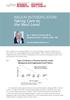 INSULIN INTENSIFICATION: Taking Care to the Next Level By J. Robin Conway M.D., Diabetes Clinic, Smiths Falls, ON www.diabetesclinic.ca Type 2 Diabetes is an increasing problem in our society, due largely
DIABETES YOUR GUIDE TO
 YOUR GUIDE TO DIABETES b What is diabetes? b Type 2 diabetes prevention b Prevention checklist b Living with diabetes b Complications b Terms to know b Resources To promote and protect the health of Canadians
what is diabetes? What actually goes wrong? Talking diabetes No.42
 Talking diabetes No.42 what is diabetes? Diabetes is the name given to a group of different conditions in which there is too much glucose in the blood. The pancreas either cannot make insulin or the insulin
Renal Disease in Type 2 Diabetes Mellitus
 Renal Disease in Type 2 Diabetes Mellitus 6th Collaborative DiGP/HSE/UCC Conference 25 th September 2013 Dr. Eoin O Sullivan Consultant Endocrinologist Bon Secours Hospital Cork Case 69 year old woman
Add: 2 nd generation sulfonylurea or glinide or Add DPP-4 inhibitor Start or intensify insulin therapy if HbA1c goals not achieved with the above
 Guidelines for Type Diabetes - Diagnosis Fasting Plasma Glucose (confirm results if borderline) HbAIC Normal FPG < 00 < 5.5 Impaired Fasting Glucose (IFG) 00 to < 5.7%-.5% Diabetes Mellitus (or random
Clinical Assistant Professor. Clinical Pharmacy Specialist Wesley Family Medicine Residency Program. Objectives
 What s New in Diabetes Medications? Matthew Kostoff, PharmD, BCPS, BCACP Clinical Assistant Professor Clinical Pharmacy Specialist Wesley Family Medicine Residency Program Objectives Discuss new literature
Insulin myths and facts
 london medicines evaluation network Insulin myths and facts Statement 1 Insulin is the last resort for patients with Type 2 diabetes After initial metformin and sulfonylurea therapy, NICE and SIGN suggest
User guide Basal-bolus Insulin Dosing Chart: Adult
 Contacts and further information Local contact Clinical pharmacy or visiting pharmacy Diabetes education service Director of Medical Services Visiting or local endocrinologist or diabetes physician For
What is DIABETES? Gwen Hall Diabetes Specialist Nurse, Community Diabetes Services Portsmouth, Primary Care Team.
 What is DIABETES? By: Gwen Hall Diabetes Specialist Nurse, Community Diabetes Services Portsmouth, Primary Care Team. WHAT IS DIABETES? What is diabetes? In simple terms diabetes prevents your body converting
Am I at Risk for type 2 Diabetes? Taking Steps to Lower the Risk of Getting Diabetes NATIONAL DIABETES INFORMATION CLEARINGHOUSE
 NATIONAL DIABETES INFORMATION CLEARINGHOUSE Am I at Risk for type 2 Diabetes? Taking Steps to Lower the Risk of Getting Diabetes U.S. Department of Health and Human Services National Institutes of Health
Management of Diabetes Mellitus in Custody
 Recommendations The medico-legal guidelines and recommendations published by the Faculty are for general information only. Appropriate specific advice should be sought from your medical defence organisation
DIABETES CARE. Advice. Blood Pressure. Cholesterol. Diabetes control. Eyes. Feet. Guardian Drugs
 DIABETES CARE What happens if you follow the Alphabet Strategy? As patients reach their targets, the chances of developing serious complications of diabetes will be reduced! 1 Stroke Eye disease Heart
Type 2 Diabetes: When to Initiate And Intensify Insulin Therapy. Julie Bate on behalf of: Dr John Wilson Endocrinologist Capital and Coast DHB
 Type 2 Diabetes: When to Initiate And Intensify Insulin Therapy Julie Bate on behalf of: Dr John Wilson Endocrinologist Capital and Coast DHB Declarations I have received travel funding and speaker fees
It s time to TALK Targets A guide to taking control of your type 2 diabetes
 It s time to TALK Targets A guide to taking control of your type 2 diabetes The TALK Targets campaign was initiated and fully funded by Novo Nordisk. By supporting you and your healthcare team, TALK Targets
Type 2 Diabetes. What is diabetes? Understanding blood glucose and insulin. What is Type 2 diabetes? Page 1 of 5
 Page 1 of 5 Type 2 Diabetes Type 2 diabetes occurs mainly in people aged over 40. The 'first-line' treatment is diet, weight control and physical activity. If the blood glucose level remains high despite
Diabetes mellitus is a chronic condition that occurs as a result of problems with the production and/or action of insulin in the body.
 International Diabetes Federation Diabetes Background Information Diabetes mellitus is a chronic condition that occurs as a result of problems with the production and/or action of insulin in the body.
New and Future Treatments for Diabetes. Mary Charlton Specialty Doctor in Diabetes University Hospital Birmingham BARS Oct 2014
 New and Future Treatments for Diabetes Mary Charlton Specialty Doctor in Diabetes University Hospital Birmingham BARS Oct 2014 Conflicts of interest Investigator Carmelina study of Linagliptin (Boehringer
WHAT DOES DYSMETABOLIC SYNDROME MEAN?
 ! WHAT DOES DYSMETABOLIC SYNDROME MEAN? Dysmetabolic syndrome (also referred to as syndrome X, insulin resistance syndrome, and metabolic syndrome ) is a condition in which a group of risk factors for
ETIOLOGIC CLASSIFICATION. Type I diabetes Type II diabetes
 DIABETES MELLITUS DEFINITION It is a common, chronic, metabolic syndrome characterized by hyperglycemia as a cardinal biochemical feature. Resulting from absolute lack of insulin. Abnormal metabolism of
The Family Library. Understanding Diabetes
 The Family Library Understanding Diabetes What is Diabetes? Diabetes is caused when the body has a problem in making or using insulin. Insulin is a hormone secreted by the pancreas and is needed for the
Management of Children with newly diagnosed type 1 diabetes (up until their 18th Birthday)
 Title: Author: Speciality / Division: Directorate: CLINICAL GUIDELINES ID TAG Management of Children with newly diagnosed type 1 diabetes (up until their 18th Birthday) Dr Teresa Mulroe and Dr Sarinda
Medicines Used to Treat Type 2 Diabetes
 Goodman Diabetes Service Medicines Used to Treat Type 2 Diabetes People who have type 2 diabetes may need to take medicine to help lower their blood glucose, in addition to being active & choosing healthy
Summary of the risk management plan (RMP) for Xultophy (insulin degludec / liraglutide)
 EMA/467911/2014 Summary of the risk management plan (RMP) for Xultophy (insulin degludec / liraglutide) This is a summary of the risk management plan (RMP) for Xultophy, which details the measures to be
New Treatments for Type 2 Diabetes
 New Treatments for Type 2 Diabetes Dr David Hopkins Clinical Director, Division of Ambulatory Care King s College Hospital NHS Foundation Trust Treatments for type 2 diabetes - old & new insulin sulphonylureas
CME Test for AMDA Clinical Practice Guideline. Diabetes Mellitus
 CME Test for AMDA Clinical Practice Guideline Diabetes Mellitus Part I: 1. Which one of the following statements about type 2 diabetes is not accurate? a. Diabetics are at increased risk of experiencing
Jill Malcolm, Karen Moir
 Evaluation of Fife- DICE: Type 2 diabetes insulin conversion Article points 1. Fife-DICE is an insulin conversion group education programme. 2. People with greater than 7.5% on maximum oral therapy are
Update on the management of Type 2 Diabetes
 Update on the management of Type 2 Diabetes Mona Nasrallah M.D Assistant Professor, Endocrinology American University of Beirut 10 th Annual Family Medicine Conference October 14,2011 Global Prevalence
CASE B1. Newly Diagnosed T2DM in Patient with Prior MI
 Newly Diagnosed T2DM in Patient with Prior MI 1 Our case involves a gentleman with acute myocardial infarction who is newly discovered to have type 2 diabetes. 2 One question is whether anti-hyperglycemic
Baskets of Care Diabetes Subcommittee
 Baskets of Care Diabetes Subcommittee Disclaimer: This background information is not intended to be a comprehensive scientific discussion of the topic, but rather an attempt to provide a baseline level
Information for Starting Insulin Basal-Bolus Regime
 Information for Starting Insulin Basal-Bolus Regime Department of Diabetes Page 12 Patient Information Insulin Instructions for Basal Bolus Regimen Two types of insulin are used in this insulin regimen.
Distinguishing between Diabetes Mellitus Type 1 and Type 2, (with Overview of Treatment Strategies)
 Distinguishing between Diabetes Mellitus Type 1 and Type 2, (with Overview of Treatment Strategies) Leann Olansky, MD, FACP, FACE Cleveland Clinic Endocrinology Glucose Tolerance Categories FPG Diabetes