
the requirements for work instruction and a routine for communication between workers the requirement for a separate chainsaw room the requirements
|
|
|
- Amanda Brooks
- 10 years ago
- Views:
Transcription
1 Supplement to the booklet "Working with Chain Saw" published by Swedish Forestry Board and which includes a summary of mandatory national regulations (AFS 2012:01) for the use of chainsaw and rules and general advice applicable in connection with the test for Säker Skogs Motorsågskörkort (Chainsaw Certificate), level A and B. By Tomas Gullberg Background and general information about accidents and risks In professional forestry has the chainsaw to a great extent been replaced by mechanical harvesting. However, the machine operators sometimes use chainsaws for felling oversized and odd trees or other trees that for some reason cannot be harvested by the machine. The felling of these trees can be particularly dangerous due to, for instance, steep terrain, obstacles, size, or by other reasons. In small scale forestry there is a large number of people who are using chainsaws, mainly small woodlot owners and contractors. Within these groups information and training on safety issues is of great importance to prevent illness and reduce the rate of accidents. Accidents with chainsaws are unfortunately too common. Annually, 5 10 people are killed in accidents and thousands are injured. Mainly small woodlot owners are exposed but also fire wood cutters and other part time chainsaw users with little training and experience are affected. Tree felling is causing most of the serious and fatal accidents. Slipping and tripping but also cuts and injuries from the saw chain are causing the biggest numbers of accidents but usually not as serious as accidents in connection with tree felling. Investigations of the accidents show that lack of knowledge and experience in combination with lack of understanding about the risks are the main reasons for the accidents. Age limit for using a chainsaw Providing physical and psychological maturity and completion of vocational training with approved theoretical and practical tests (e.g. Chainsaw Certificate) you are allowed to use a chainsaw from the age of 16. If you are working alone with a chainsaw you have to be at least 18 years old. Working alone means that you cannot get immediate help in case of an accident or critical situation and that you will need some kind of communication device in order to call for help. Exemptions from the regulations for certain categories, such as private forest woodlot owners Family business owners, such as forestry woodlot owners, who works on their own premises are exempted from: the requirements for safety analysis and risk assessment including follow up the ban on working alone in certain types of work

2 the requirements for work instruction and a routine for communication between workers the requirement for a separate chainsaw room the requirements for proper knowledge and training At construction work or when you are working together with other people (not family) or on others people s property, the requirements for knowledge and training is mandatory also for self employed people. Safety analysis and risk assessment Safety issues at different work situations have to be assessed and all necessary measures have to be taken to prevent illness or accidents. The following shall be taken into account: the workers' theoretical and practical knowledge, the risks associated with labor hiring and temporary employment, the maintenance and service of equipment, the safety equipment, the user manual from the manufacturer (e.g. concerning safety checks and maintenance as well as approved cutting equipment), particularly hazardous work and particular safety issues when working alone. The safety analysis and implemented measures should be monitored and updated regularly. Most of the accidents during work with chainsaws occurs due to lack of knowhow and proper work technique. To reduce the number of accidents it is very important that the chainsaw operator has a good knowledge and understanding for how to use a chainsaw, about proper work technique and how to assess different felling situations and other potential risks. A kick back is one of the most dangerous incidents that could happens during work. The guide bar should therefore always be kept under shoulder height. A kickback could otherwise easily hit the head and neck and cause a severe injury. If acceptable light conditions cannot be arrange in the workplace, i.e. you are working during dusk and nights, further work with chainsaws should be stopped. Technical safety requirements for chain saws New chainsaws must be CE marked and adhere to the requirements in EU s Directive for Machinery. Older, not CE marked, chainsaws must have the following protective devices (which basically are standard equipment on all new chainsaws): Chain brake, which can be released with the front hand guard by the user, or by inertia if the front hand guard is not triggered in case of a kick back. Front hand guard which should release the chain brake in case of a kick back. Chain catcher. Right hand guard at rear handle.

3 Protective covers for the drive sprocket and flywheel. Clutch (prevents the chain to move at idle). Throttle lockout. Stop control (which should be possible to reach without moving the hands from the handles). It is also important that the de vibration system and the muffler are functioning. Some chainsaws could be equipped with an additional trigger that enables you to release the chain brake also from the rear handle. This safety device is recommended but not mandatory. Mandatory rules and recommendations for the use of chainsaws When there is no daylight you should either stop to work or arrange for acceptable light conditions covering the entire work area. When working indoors you should arrange for satisfactory ventilation (except for firefighters using breathing apparatus). When transporting chainsaws and fuel in vehicles, you and all passengers should be protected from fumes, explosion and fire. Anyone who works with a chainsaw should be protected from falling objects, fumes, vibration, noise, cuts etc. Safety control The chainsaw should be controlled regularly by a person with good knowledge about safety devices, use and care. Daily safety checks shall be carried out on chainsaws in use. The chain brake and front hand guard should be regularly checked by running the chainsaw at full speed and then releasing the brake by your left wrist. The chain must then stop immediately. To check the function of the inertia chain brake mechanism it is recommended to drop the tip of the guide bar against a stump. The chain brake should then be activated (note that the chainsaw should be switched off). The guide bar and the chain must also be checked for damage and wear. Chains with cracks in the links should be scrapped. Do not use accessories and cutting tools, which has not been approved by the manufacturer.

4 Säker Skogs recommendation is to replace the chain when the shortest cutting tooth is less than 2 mm on the narrow side of the tooth upper plane (A) or 4 mm on the lateral plane's most narrow point (B), or according to the manufacturer's recommendation. The sharpening and maintenance of the chain is an important safety factor. Especially the adjustment of the depth gauge is very important to set properly in order to reduce kickbacks. Too aggressive setting of the depth gauge will increase the risk for kickbacks and make the cutting more dangerous. Always use a filing guide and follow the manufacturer s instruction accordingly. When replacing the chain, always check for wear on the guide bar and the sprocket. Working alone When working alone with the chainsaw you should make sure that you have the ability to contact a designated person and that this person is informed about your whereabouts. People younger than 18 years old are not allowed to work alone. Working alone with chainsaw is not allowed in dangerous situations and is prohibited during the following kind of work: Cutting wind damage or fire damaged forest. Tree felling in reach of power lines. Cutting from sky lift and during tree climbing. Training requirements and knowledge By January 1, 2015 must everyone, who intends to work with a chainsaw, successfully have passed the theoretical and practical tests for the type of work they intend to carry out. They also need approved documents to certify their knowledge (e.g. motorsågskörkort or equivalent certification). Note that until the new requirements are in effect, the old rules which call for mandatory training, will be accepted as proof of sufficient knowledge. The requirements for training and certification with approved documentation do not apply to certain self employed people and in certain situations, such as a forest woodlot owners who works in their own premises.

5 It is also important to maintain the knowledge and skill. If necessary, it is appropriate to repeat the training and make a new test every fifth year. Protective equipment and safety When working with a chainsaw the following personal protective equipment shall be used: Hearing protection (protective covers) Safety helmet Eye protection / visor (to protect from scrapes, flying chips and saw dust) Protective boots with steel toecap and saw guard (at least class 1) Protective trousers or chaps with protection against cuts from the saw chain (at least class 1) Work gloves Visibility clothing (CE EN 471) on the upper body. If you are working with other tasks than tree felling it is possible, after a safety analysis, to make exemptions from one or more of the requirements. When working with a chain saw, the operator shall always carry a first aid kit. Plastic safety helmets have a limited lifetime due to the exposure of sunlight, heat and different kinds of solvents. The manufacturer usually guarantees the strength for about 3 years but normally it lasts at least 5 years with proper maintenance. Protective trousers and safety boots are tested and classified in different classes based on the speed of the saw chain. Class 1, for instance, is tested to withstand a saw chain speed of 20 m/s while class 2 is tested to withstand a speed of 24 m/s without cutting through the safety padding. Safety chaps are an alternative to safety trousers and easy to put on during short time and temporary work but may give you somewhat less protection due to poor fitting. Usually they are available in only one size. It is easy to get injured during work with chainsaw due to tripping and slipping. The risks can be reduced by using boots with non slipping sole, by activating the chain brake and by carrying the chainsaw in the front handle (never the rear handle) when you move around, by a good stance at cutting a by keeping your work area clean, for example when you cut firewood. Always observe a safe behavior. It is important to scrap safety boots and protective trousers when the protective paddings are damaged. Note that very dirty and soiled pants may reduce the protection, try to always keep them clean. Wash and tumble dry according to the manufacturer recommendations. You may repair the outer fabric layer but never the protective material. To maintain a good safety function the threads of the protective layers must be able to move easily and grasping the saw chain in case of an accident. Always avoid to put the pants inside the safety boots or by other means constrain the protective layers. Be sure to check the hearing protectors including the sealing rings and noise absorbers.

6 According to the Swedish Occupational and Safety Act the employer must provide safety equipment for all employees. During tree felling the operator must always organize some kind of communication with a designated person. It is important that fuel and chain oil do not cause illness or disorders for the users or the environment. It is recommended to use bio oil and bio fuel to reduce harmful emissions. Bio fuel also has better storage characteristics and can usually be stored for years. Starting the chainsaw Several starting methods are recommended. The preferred method to start the chainsaw is to position the rear handle between your legs at knee height and to pull the starter rope by your right hand. It is also recommended to have the chain brake engaged, especially when you start with the half throttle mechanism engaged. If you kick start the chainsaw in the air" or by putting the chainsaw on the ground and then pulling the starter rope with both hands, you must always activate the chain brake. Managing the chainsaw When walking around with an idling chainsaw, always carry it in the front handle in order to reduce the risk of accidental throttle opening, for example if you are slipping. Make sure to activate the chain brake if you walk some distance with an idling chainsaw (recommended behavior but not required). Do never walk around with a running saw chain. Cutting should not be done above shoulder height due to the danger of a kickback hitting the face. It is not allowed to hold the chainsaw in one hand and cut. All cutting should be done with a good stance and, if possible, by holding the chainsaw close to your body. Always avoid the danger to get a kick back by avoiding to cut with the kickback sector (the upper part on the top of the guide bar). Begin to cut by using high chain speed, a firm grip on the handles and smooth movement. By cutting with the underside of the guide bar (pulling saw chain) you get the best control. Cutting firewood Place the wood in a fixed position or rather use a work bench when you cut firewood. Avoid cutting on the ground or directly in the stack of logs in order to avoid rolling logs and the danger of tripping, pinching the saw chain and kick backs. Tree felling The work should be planned so that it can be done in a safe way and the work crew should be instructed how the work should be carried out. During tree felling close to buildings, recreational areas and in other areas with people, it is important to put up warning signs at all access roads.

7 Normally is the safety distance for tree felling one tree length. Only the feller is allowed to work within the reach of the tree. The felling shall be stopped if someone else enters the area. If necessary, due to difficult trees or for other particular reasons and after a safety analysis, more than one person may work within the reach of the tree. During chainsaw training and education you may also be exempted from this rule. Before you begin to fell a tree you must have planned and cleaned an escape route. This will enables you to put yourself in a safer position when the tree falls. All felling should be done in such a way that the last cut, before the tree falls, is made from the safest position. If two or more chainsaw operators are working with tree felling in a logging site, it is important that they can work independently, in their own areas, without getting too close to each other. Note that the safety distance always is more than double the tree length when two or more operators are working. When the logging comes to the end, the risk increases that the safety distance will not be kept. Then, to avoid felling accidents, it is important to organize the work properly to avoid dangerous situations. Safety distance, more than double the length of the tree. Always keep your felling tools available during the felling. The most common felling tools are felling lever, wedges, tree pushers and winch. You are not allowed to bring a tree in tension by a winch or a machine before the felling cut is made. If you, for instance, use a harvester to push the tree, make sure the felling cut is finished and that the chainsaw operator has pulled out from the danger zone before the harvester position itself and begins to push down the tree. About felling tools Different felling tools are designed for various methods. Very small trees can easily be pushed over by hand. A simple pushing rod is suitable for small and tall trees, preferably with some kind of spike in the top of the rod to get a firm grip on the tree. Tree pushers are rather common and are much more powerful than just a pushing rod. Make sure that the

8 tree pusher has a firm support on the ground and is fixed firmly in the tree before you start to push. Felling tools, which are inserted into the felling cut, such as felling levers and wedges, provides greater leverage the bigger the tree is. It is therefore important not to make a too deep directional cut. Felling levers are available in different sizes and with different length on the lifting bar. With a long lifting bar you get a better leverage and are able to push over heavier trees. On big trees wedges provides a lot of felling power and especially if you put two or more side by side and use a heavy hammer to force them into the felling cut. Actually, several wedges are more powerful than a tree pusher on big trees. Big trees, leaning backwards, may require different types of wedges and with different gradient. Professional tree fellers should then have at least three wedges on hand to be able to handle difficult and backward leaning trees. The most powerful and safest felling method for big and difficult trees is, however, to use a winch or to pull them down with a tractor. Make sure the anchor point is attached rather high on the tree and that nobody is in the danger zone when you start to pull. The felling hinge The basis for controlled and safe felling with precision is a proper felling hinge (strong and flexible). The hinge shall be of sufficient length and correct thickness. As a general rule of thumb the length should be at least 80% of the tree s diameter at breast height and the thickness of about 10% of the tree s diameter at breast height. For trees bigger than 30 cm it is usually enough to leave a three cm thick hinge. The felling cut should normally be cut in line with the notch. Many trees have buttresses which may cause tilted wood fibers in the felling cut and the hinge. If the felling cut is put above the notch on trees with buttresses, there is a significant danger of a weaker or even non existent hinge and thereby uncontrolled felling. A too thick hinge makes the felling heavy and less accurate since the hinge tends to break off instead of bending. The force it takes to bend the hinge increases with the square of the thickness. This means, for instance, that a 4 cm thick hinge is about 4 times as heavy to bend compare to a 2 cm thick hinge. It is also important that the hinge is even in thickness to obtain precise felling. A very thin hinge pose a danger since it might not hold and the tree could the fall uncontrollably at any direction. Rotten trees or trees with other defects in the wood are dangerous to fell and should preferably be felled in their natural lean. Frozen wood is harder and more brittle resulting in a weaker hinge. To enable the hinge to control and guide the fall of the tree, the angle of the notch should be quite open. As a rule of thumb, on flat ground, the open angle of the notch should be about 75 degrees. Then the hinge will break off just before the tree hits the ground. Note that the opening angle should be adapted to the terrain and any obstacles to prevent splitting.

9 If the felling cut is not made correctly and for instance the hinge has been damaged or weakened by rot root, a new notch and felling cut could be done by cutting higher on the stem, more than one meter above the first cut. Note that you should then always try to fell the tree in the direction of its natural lean. Note that during the practical test you are usually not allowed to make a second attempt by making a new felling cut. Hang up trees Lots of serious and fatal accidents are associated with hang up trees. Therefore, be careful when you choose where to fell the tree and observe extreme caution when there is a situation with a hang up tree. Hang up trees which are leaning with small inclination are usually rather safe and easy to bring down by rolling with the help of a cant hook or turning strap. Note that a piece of the hinge should be left at the same side as the tree will be rolled. More difficult hang ups must usually be pulled backwards. Sometimes it may require a winch or tractor. A hang up tree should be brought down as soon as possible. If you have to leave a hang up or partly cut tree, for example to get help and proper felling tools, the danger area shall be marked with marking tape or similar. Do never stay in the danger area. It is also strictly forbidden to fell the supporting tree and to fell another tree on the hang ups. Your supervisor shall always be notified when a hang up tree cannot be brought down in a safe manner with your standard felling tools or when it for other reasons is subject to danger situations. When you are felling trees in steep terrain there is a risk that the trees will roll or slide down the slope. During tree felling close to buildings, power lines, walking trails and roads, always take additional precautions. Make sure to secure the tree with wedges and winch and use guards that can alert passing people. When felling trees near power lines the owner of the power line shall always be contacted before the work begins. Storm damage forest, fire damaged forests and particularly dangerous trees To cut and clear storm damaged and fire damaged forests with chainsaws are very dangerous and cause a lot of accidents. Try to primarily use harvesters, winch systems or similar methods in the first place. If you work with storm damaged or fire damaged trees or by felling of particularly difficult trees, the work must be organized in such a way that the chainsaw operator always stay in contact with his work colleagues. You are not allowed to climb leaning trees and by working on top of wood piles. Trees which are in tension should always be cut with proper technique to avoid splitting and dangerous situations. When there are big piles of up rooted trees, then the trees shall be pulled apart with a tractor or winch before you start to cross cut and snag them.

10 When a harvester and a chainsaw operator are working together in the same area and at the same time, a written instructions and functioning two way communication must be in place. When felling trees in fire damaged forest you must be aware of the risk that many trees might have weakened and damaged roots and may fall down very suddenly. Using chainsaws from a platform, e.g. skylift To use a chainsaw at higher levels than the ground should only be made from the floor of a building, from a working platform, scaffold or if you have personal fall protection equipment. All work from skylift or by climbing requires special training and knowledge about the risks, both in cutting technique, climbing technique and how to handle the lift. When starting the chainsaw in the skylift the chain brake must always be activated. It is important that the platform (skylift) is set up and operated according to the instructions. When working with chainsaws from a platform, it is important to establish certain safety instructions, for example, if more than one operator has to work from the same platform. Tree pruning It is important that all people who are pruning trees with chainsaws and by climbing (using climbing tools, ropes and safety harnesses) have sufficient knowledge about the work and about the risks associated with work. Note that it is forbidden to work with chainsaws from ladders without safety harness with fall protection. Also be aware that big branches might swing and hit you or hit the ladder when they bounce on the ground. Power lines When you are felling and cutting trees close to power lines, always contact the owner before the work begins. When a tree is leaning towards the power line or is hanging into the power line, the power must be turned off by the owner of the power line before the work begins. Felling tools such as winches, wedges and other equipment necessary for the work shall be available and if necessary used to force the trees or parts of trees to fall in the desired direction. When tree felling and cutting by chainsaw close to power lines has to be done at night, acceptable light conditions must be arranged at the work place. If the conditions due to storm damage, snow damage or other reasons are considered to be very dangerous, other methods should be used to clean the power lines. During exceptional circumstances, when the use of chainsaws are considered to be too dangerous, harvesters or other machines should be used and if the area is accessible by the machines. As an alternative you could also use explosives (blasting clamps), pole saws or so called tossing saws. Note that if you use explosives you need a license.

Guide to Safe Working with Timber and Chainsaws
 Guide to Safe Working with Timber and Chainsaws Our vision: A national culture where all commit to safe and healthy workplaces and the safe and sustainable management of chemicals. Introduction This guidance
Tech Shop Safety Level 2 - FN000425. Tech Shop / Tool Safety Operations. (Fermilab machines not covered in course FN000258)
 Tech Shop Safety Level 2 - FN000425 Tech Shop / Tool Safety Operations (Fermilab machines not covered in course FN000258) Table of Contents Tech Shop / Tool Safety Operations 3 General Rules of Safety
CUTTING TREES, PRE-COMMERCIAL THINNING AND SLASHING
 CUTTING TREES, PRE-COMMERCIAL THINNING AND SLASHING TABLE OF CONTENTS I 437-007-0800 General Requirements... I-1 437-007-0805 Mechanical Falling... I-3 437-007-0810 Manual Falling... I-4 437-007-0815 Wedges...
Chainsaw Safety. This training will prepare you to safely operate chainsaws, as well as perform basic servicing and maintenance.
 Chainsaw Safety Photo taken by Ann Steele, SSAI This training will prepare you to safely operate chainsaws, as well as perform basic servicing and maintenance. Personal Protective Equipment ANSI approved
Chainsaw Training and Certification Program
 I. Purpose and Need Chainsaw Training and Certification Program employees perform a variety of jobs requiring the use of chainsaws. Among these are firefighting, timber stand improvement, road maintenance,
WARNING Read Rules for Safe Operation and Installation Carefully. Prevents Rotational Chain Saw Kickbacks when Properly Installed.
 INSTALLATION AND USE KICK GUARD WARNING Read Rules for Safe Operation and Installation Carefully Prevents Rotational Chain Saw Kickbacks when Properly Installed. X7503201804 89857139134 10/03 2 Contents
Machine/Woodworking Shop The Basic Rules
 Machine/Woodworking Shop The Basic Rules 1. Eye protection or face shields are required when working in the shop. A selection of protective goggles and safety glasses are available in the shop. The eyeglasses
FALLING OBJECTS EXCESSIVE NOISE CHAINSAW & CHIPPER WORK AT HEIGHTS MANUAL HANDLING
 JOB NO: PROJECT: DATE: SWMS NO: SWMS 001.1 PREPARED BY: Ian Hartley REVISED BY: Nick Bragg & Cameron McNeil ACTIVITY: TREE REMOVAL & PRUNING SIGNED BY: REVISION DATE: December 2015 MINIMUM PERSONAL PROTECTIVE
Moving and Handling Techniques
 Moving and Handling Techniques Introduction Manual handling involves any activity that requires the use of force exerted by a person to lift, lower, push, pull, carry or otherwise move or hold an object.
EMPLOYEE FALL PROTECTION
 EMPLOYEE FALL PROTECTION You can fall from any height and be seriously injured or killed. In the construction industry, as well as any other industry, when falls from heights happen, they are usually very
Responsibilities of a Volunteer Leader
 Responsibilities of a Volunteer Leader Inspecting tools for safe conditions. Removing unsafe tools from use and immediately notifying site supervisor. Teaching safe tool use to volunteers on your crew.
Tips for Eliminating and Controlling MSD Hazards
 Tips for Eliminating and Controlling MSD Hazards Force Gripping tools/equipment Provide tools that allow workers to grip the tool using a power grip Eliminate the use of pinch or key grips as much as possible
MD 52 WASTE MANAGEMENT AUTHORITY CORPORATE HEALTH AND SAFETY PROGRAM
 UNSAFE ACTS AND CONDITIONS All accidents are the result of an unsafe act, an unsafe condition or a combination of both. Unsafe acts account for approximately 80% of all incidents/accidents, while unsafe
E3902 Seeing Accidents Before They Happen Leader s Guide
 E3902 Seeing Accidents Before They Happen Leader s Guide ERI PRODUCTIONS INC. SEEING ACCIDENTS BEFORE THEY HAPPEN This easy-to-use Leader s Guide is provided to assist in conducting a successful presentation.
MODEL T-4 TRENCHER. Operators Manual
 DO NOT THROW AWAY IMPORTANT MANUAL MODEL TRENCHER Operators Manual P.O.BOX 290 San Bernardino, CA. 92402 Phone (909) 478-5700 (800) 922-4680 Fax (909) 478-5710 E-mail: [email protected] www.groundhoginc.com
There is no water, surface tension cracks, nor other environmental conditions present that reduce the stability of the excavation.
 Part 1926 Subpart P Introduction The Occupational Safety and Health Administration (OSHA) issued its first Excavation and Trenching Standard in 1971 to protect workers from excavation hazards. Since then,
CONSTRUCTION SAFETY. NOTE: Barriers, guards, and warning signs are required to ensure safety against existing hazards.
 CONSTRUCTION SAFETY Introduction The following sections provide general guidelines and procedures for construction safety. This chapter covers the following topics: TOPIC PAGE General Construction Guidelines
working surface can be a potential fall hazard.
 OSHA s Focus Four Mitigating Jobsite Hazards By Pete Rice, CSP, CIH, REHS Construction is among the most dangerous industries in the country. In 2010, data from the Bureau of Labor Statistics (BLS) indicate
Slips, Trips and Falls. Awareness Month. February 2005. Slips, Trips and Falls
 THE SCHOOL DISTRICT OF PITTSBURGH Slips, Trips and Falls Awareness Month Joint Labor / Management Safety Committee Please open the attachment for additional information that will answer safety questions
Fall Hazards 1/3/2014. Introduction
 Fall Hazards Introduction Fall hazards exist at most construction worksites exposing workers to dangerous work environments on a daily basis. A fall hazard is anything that may cause a person to lose his
SAFETY in the work area is a broad topic because of the
 A Safe Place to Work SAFETY in the work area is a broad topic because of the many components of agricultural mechanics. Safety is protection from injury or loss. Injury can result from improper use of
Slips Trips and Falls Protocol
 Page No: Page 1 of 8 1.0 PURPOSE To provide advice and guidance to all persons involved in organizing, planning, managing work construction related activities to eliminate and reduce risk of injury from
MSD Hazards & Solutions FORCE
 FORCE Lower Force Good Posture Less Repetition Reduced MSD Risk Lifting/Lowering Hazards Lifting from the floor Overhead Lifting Lifting out of a Bin Lifting while reaching Lifting heavy loads Lifting/Lowering
Health & Safety at Work
 Ministry of Labour Worker Health & Safety at Work Prevention Starts Here Worker Health and Safety Awareness in 4 Steps This workbook belongs to: Contents 01 INTRODUCTION 03 STEP 1: GET ON BOARD 03 Everyone
INFANT AND CHILD CAR SAFETY
 INFANT AND CHILD CAR SAFETY Infants and children should always ride in child safety seats that meet standards established by the National Highway Traffic Safety Administration (NHTSA) of the U.S. Department
SAFE USE OF LADDERS AND STEP LADDERS
 SAFE USE OF LADDERS AND STEP LADDERS HEALTH & SAFETY UNIT REVIEWS SPRING 2006 CONTENTS 1. INTRODUCTION...1 2. SAFE SYSTEM...1 4. SAFE USE OF LADDERS...3 4.1 Leaning ladders...3 4.2 Extension ladders...3
Welcome to the safe@work Retail Module.
 Welcome to the safe@work Retail Module. Have you read the General Module, completed the test and printed your safe@work General Award of Attainment? The Retail Module should be done AFTER the General Module.
ERGONOMICS. Improve your ergonomic intelligence by avoiding these issues: Awkward postures Repetitive tasks Forceful exertions Lifting heavy objects
 ERGONOMICS The goal of ergonomics is to reduce your exposure to work hazards. A hazard is defined as a physical factor within your work environment that can harm your body. Ergonomic hazards include working
Work at Height / Falling Objects
 Introduction This information sheet gives employers and employees practical advice on work at height and falling objects and how to eliminate or reduce the risk of harm or damage occurring. It will assist
Roll-Up Door Maintenance Guide
 R Roll-Up Door Maintenance Guide Cable Replacement on Two Spring Type Balancer Page 1 Panel Replacement - Removable Roller Cover Type Bottom Panel Page 1 Panel Replacement - Removable Roller Cover Type
The following symbol denotes a generally compliant condition: The following symbol denotes a generally noncompliant condition:
 This guide provides compliance information to help the metal and nonmetal mining industry comply with the requirements of the Mine Safety and Health Administration s (MSHA s) ladder standards. This document
CONTROL METHODS. There are five ways to control the release of asbestos fibers:
 Control Methods CONTROL METHODS When asbestos containing materials are found in a building, the owner must decide which method or methods will be used to deal with the asbestos. The decision will be based
Building and Construction
 Checklist for enterprises to use in their workplace assessment Building and Construction Introduction This checklist is a tool for enterprises to use when preparing their workplace assessment (WPA). All
REFRIGERATION & AIR CONDITIONING
 Musculoskeletal hazards and controls REFRIGERATION & AIR CONDITIONING Photocopy this profile and distribute it as widely as possible! Musculoskeletal disorders (MSDs), such as chronic back pain or shoulder
Construction Employers Federation. A Best Practice Guide to Preventing Slips, Trips and Falls
 Construction Employers Federation A Best Practice Guide to Preventing Slips, Trips and Falls FOREWORD Some of you may be surprised to know that slips and trips are one of the most common causes of serious
CAR SEAT/ STROLLER INSTRUCTION MANUAL
 CAR SEAT/ STROLLER INSTRUCTION MANUAL English PM-0624AB 3/98 Do not use this 4-in-1 System until you read and understand these instructions! IMPORTANT INFORMATION Thank you for selecting this 4-in-1 System
* 20 8 RN. 74 Guide Bars HERE S HOW THE OREGON SAW BAR. 12" 14" 18" 20" 36" (Etc.) 0=.050" 8=.058" 3=.063" 4=.043"
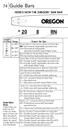 74 Guide Bars HERE S HOW THE OREGON SAW BAR * 20 8 RN Length in Inches 12" 14" 18" 20" 36" (Etc.) Gauge 0=.050" 8=.058" 3=.063" 4=.043" GUARD MATE HOLES These holes are built into the noses of certain
North Dakota State University Slips, Trips, & Falls Program
 North Dakota State University Slips, Trips, & Falls Program I. Introduction The United States Department of Labor and North Dakota Risk Management accounts that slip, trips, and falls constitute the majority
Abrasive Wheel Grinder Safety
 Abrasive Wheel Grinder Safety One of the most common pieces of machinery in use in the maintenance shops on campus is the abrasive wheel grinder. These useful machines, used to remove metal from flat and
MODEL T200-F18 MODEL T125-F18 Finish Nailers
 P MODEL T200-F18 MODEL T125-F18 Finish Nailers IMPORTANT! DO NOT DESTROY It is the customer s responsibility to have all operators and service personnel read and understand this manual. OPERATING MANUAL
68 Metal Industry Guidelines for Safe Work
 3 68 Metal Industry Guidelines for Safe Work section 3 high-risk 3 activities Metal Industry Guidelines for Safe Work 69 section 3 high risk activities 3.1 working at heights Falls from heights have been
Working at Heights and Fall Protection
 Standard Operating Procedures Working at Heights and Fall Protection Last Modified: JAN 2013 1 of 6 Working at Heights and Fall Protection I Purpose Serious accidents can result from falls. All employees
How To Ensure Safety On A Caravan Site
 EAST CAMBRIDGESHIRE DISTRICT COUNCIL A Site Operators Guide to Health and Safety Introduction The Health and Safety at Work Etc. Act 1974 places a duty on all persons having control of a caravan site to
Videos for Safety Meetings
 Videos for Safety Meetings 2474 2005, ERI Safety Videos OPERATING ELECTRIC PALLET JACKS SAFELY This easy-to-use Leader s Guide is provided to assist in conducting a successful presentation. Featured are:
When you have completed this lesson you will be able to: identify some common simple machines explain how simple machines make work easier
 Simple machines OBJECTIVES When you have completed this lesson you will be able to: identify some common simple machines explain how simple machines make work easier A machine is an invention that makes
EARTHQUAKE SAFETY IN THE WORK PLACE
 EARTHQUAKE SAFETY IN THE WORK PLACE COMPANY PLANS All companies have an obligation to their employees to maintain a disaster plan. An emergency evacuation area must be designed, a nearby safe area, preferably
Notes. Material 1. Tools the employee is expected to operate
 OSHA Standard29 CFR 1910.211-.247, Subpart O, Machinery and Machine Guarding, and Subpart P, Hand and Portable-Powered Tools and other Hand- Held Equipment. Hand Tool Safety Preparation 1. Read Applicable
Operator s manual 395XP 395XPG. Please read the operator s manual carefully and make sure you understand the instructions before using the machine.
 Operator s manual 395XP 395XPG Please read the operator s manual carefully and make sure you understand the instructions before using the machine. English KEY TO SYMBOLS Symbols on the machine: WARNING
Existing task Change in task, object or tool Report of musculoskeletal disorder (MSD)
 Assessment details Location of task: Description of manual task: Date of assessment: Persons doing assessment: Work area management rep: Work area H&S rep: Others (employees, consultants): Reason for identification:
TRAINING AND EQUIPMENT MANUAL 304 LADDER PRACTICES 304.006 EXTENSION LADDERS EFFECTIVE: OCTOBER 2007
 TRAINING AND EQUIPMENT MANUAL 304 LADDER PRACTICES 304.006 EXTENSION LADDERS EFFECTIVE: OCTOBER 2007 The Department utilizes 10-foot, 14-foot, 24-foot, and 35-foot extension ladders. Extension ladders
Ski on specific terrain (green, blue, black diamond, double black diamond) B Balancing Maintaining balance while in motion
 Developing Skills A ski lesson should focus on a skier s skill development through the use of various encouraging tactics which include using exercises to help a student: Reinforce key movement Ski in
TABLE OF CONTENTS. Securing Child in Carrier...26. Child Requirements...24 Changing Harness Height...25
 TABLE OF CONTENTS Safe Use Checklist...4 Registration & Recall...5 Assistance...5 Warnings...6 Base Features Base Overview... Storage Compartment...3 Recline Adjustment...3 LATCH Removal & Storage...4
Hand chain 6,0m 1000kg
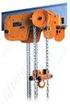 Manual Hand chain 6,0m 1000kg Table of contents 1. Safety instructions... 3 1.1. For safe and efficient operation... 3 2. Designated use of the chain hoist... 4 3. Start-up... 5 4. Maintenance and cleaning...
Instruction Manual. Window Wiper AFW900. (Read carefully before use)
 Instruction Manual Window Wiper AFW900 (Read carefully before use) When using electrical appliances, basic precautions should always be followed, including the fact READ ALL INSTRUCTIONS IN THIS MANUAL
FPICOT2221A Trim and cross cut felled trees
 FPICOT2221A Trim and cross cut felled trees Release: 1 FPICOT2221A Trim and cross cut felled trees Modification History Not applicable. Unit Descriptor This unit specifies the outcomes required to trim
Workplace Job Accommodations Solutions for Effective Return to Work
 Workplace Job Accommodations Solutions for Effective Return to Work Workplace Job Accommodations Solutions for Effective Return to Work Published by 102 275 Broadway Winnipeg, MB R3C 4M6 www.mflohc.mb.ca
You ve. life. ahead. you... So, safe. the of. job!
 You ve So, got your play whole it safe life on ahead the of job! you... So, play it safe on the job! Getting a job anytime soon? Money isn t the only thing to think about. If you re under 18 and thinking
Safety Rules. Car Washes CORPORATE HEADQUARTERS 518 EAST BROAD STREET COLUMBUS, OHIO 43215 614.464.5000 STATEAUTO.COM
 TM Safety Rules Car Washes CORPORATE HEADQUARTERS 518 EAST BROAD STREET COLUMBUS, OHIO 43215 614.464.5000 STATEAUTO.COM TM Disclaimer: The information contained in this publication was obtained from sources
HealthandSafetyOntario.ca. Hazards. Introduction. Legislation
 Manual Materials handling Introduction Manual materials handling operations are carried out in most workplaces. Each handling task poses unique demands on the worker. However, workplaces can help workers
Level 1 Award in Health and Safety in a Construction Environment
 Level 1 Award in Health and Safety in a Construction Environment Student notes (sample) www.britsafe.org Membership Training Qualifications Audit and Consultancy Audit and Policy Consultancy and Opinion
A Parent s Guide to Car Seats
 Keep Kids Safe A Parent s Guide to Car Seats Choosing and using the right car seat. 122 For safety s sake Your child should be in a properly installed car seat whenever he or she rides in any car. This
School of Engineering University of Glasgow
 School of Engineering University of Glasgow Electronics Workshops Rankine Building 319A (2 Technicians) 510 (1 Technician) 712A (4 Technicians, 1 Modern Apprentice) James Watt South 619 (2 Technicians)
CAER Construction and Environmental Resource
 CAER Construction and Environmental Resource OLD COLONY HABITAT FOR HUMANITY WORK CREW SAFETY: Construction Safety Policy INTRODUCTION Safety is everybody's concern and is always an important consideration
Electrical Safety in the Workplace
 Electrical Safety in the Workplace NFPA 70 E Presented by Sabine Mueller What Made Sabine Choose Such a DRY Topic? Ulterior Motive Metso Mueller Engineering has been visiting many scrap yards two or more
SPM FIS B-Net Assembly Instructions. Installation Recommendations. 2009, World Cup Supply, Inc SPM B-Net Assembly/Installation
 SPM FIS B-Net Assembly Instructions & Installation Recommendations B-Net Assembly Instructions & Installation Recommendations TABLE OF CONTENTS 1. INTRODUCTION 3 2. GENERAL INFORMATION 4 3. SPM FIS B-NETS
Portable Ladder Safety
 Portable Ladder Safety Agenda Importance of Ladder Safety An Approved Ladder Controlling Hazards Inspecting the Ladder Set Up Use Importance of Ladder Safety Any fall can be serious, and a fall from the
Fall Protection Training Guidebook
 From the Field By Tony Smith, ISRI Safety Outreach Director Fall Protection Training Guidebook Gravity is a force that we are all bound to and falling or having an object fall on us is something that we
2016 Evolocity High Schools competition Technical regulations
 2016 Evolocity High Schools competition Technical regulations (Amended gratefully from Greenpower F24 regulations, UK) MULTI (3 + )WHEELED VEHICLES All vehicles are subject to scrutineering and compete
Secure Them for Life. Child safety seats. From infant seats to seat belts, everything you need to know to ensure your child s safety.
 Secure Them for Life Child safety seats From infant seats to seat belts, everything you need to know to ensure your child s safety. It s the law In a vehicle, children whose sitting height is less than
CIRCULAR SAW SAFETY Reviewed 9/24/2007
 1. General Safety Rules CIRCULAR SAW SAFETY Reviewed 9/24/2007 DANGER -- Keep hands away from cutting area behind the saw blade since kickback could cause the saw to jump backwards over your hand. Keep
SITE SPECIFIC FALL PROTECTION PLAN
 1 THIS PLAN IS SPECIFIC TO: PROJECT & ADDRESS 1.1 THIS PLAN IS SPECIFIC TO THE FOLLOWING AREA(S) ON SITE: Parkade level: Typical level: Other: Between G/L: 1.2 THIS PLAN IS APPLICABLE TO THE FOLLOWING
Safety and Environmental Information for External Companies Koehler Oberkirch
 and al and at Work 1. Delivery, Notice, Signature After receiving the following information sheets, the team leader from every external company is required to read through them, explain them to their employees,
GET A GRIP TO AVOID INJURIES
 GET A GRIP TO AVOID INJURIES What does GET A GRIP Mean? Using 3 Points of Contact Getting in and out of vehicles or heavy equipment When climbing up or down stairs (using the handrail) When using ladders
EXCAVATOR SAFETY TRAINING
 EXCAVATOR SAFETY TRAINING INSPECTION CHECKLIST INSPECTION AREA INSPECTION RESULTS Sat. Unsat. N/A Comments Carrier & Car Body Rotation system Tracks Rollers Frame, welds, bolts Drive system Upper Structure
CTOBER 2014 SAFETY MEETING
 CTOBER 2014 SAFETY MEETING Defensive Driving Seasonal GLARE Issues Deer & Animal Collision Avoidance Chain Saw Safety Practices Cold Weather Seasonal Preparedness General Reminders Defensive Driving Tips
BRITISH GEOLOGICAL SURVEY
 BRITISH GEOLOGICAL SURVEY RISK ASSESSMENT FOR WORKING IN QUARRIES Definitions from Health & Safety Executive anything that can cause harm. the chance that someone will be harmed by the hazard. Health and
Developing a better you. Heavy Lifting and Injury Prevention
 Heavy Lifting and Injury Prevention A guide to prevent heavy lifting injuries in the workplace 2010 Concentra Operating Corporation All Rights Reserved Before you lift a heavy object, answer these questions:
Position Description Questionnaire
 Position Description Questionnaire To the Employee: This written information is of great value in understanding and evaluating the duties and responsibilities of the job that you presently hold. These
CHILD BOOSTER SEAT. Instructions for Installation & Use Series No. 4050/A/2013 IMPORTANT: KEEP THIS BOOK IN THE PLACE PROVIDED ON THE CHILD RESTRAINT
 CHILD BOOSTER SEAT Instructions for Installation & Use Series No. 4050/A/2013 IMPORTANT: KEEP THIS BOOK IN THE PLACE PROVIDED ON THE CHILD RESTRAINT INDEX PAGE 3 4 6 7 9 10 14 19 21 22 INTRODUCTION WARNINGS
LEVEL 2 CERTIFICATE OF COMPETENCE IN CHAIN SAW AND RELATED OPERATIONS ASSESSMENT SCHEDULE CS30 - MAINTAIN AND OPERATE THE CHAINSAW
 Registered Charity No. 1096429 STONELEIGH PARK, WARWICKSHIRE CV8 2LG Tel: 024 7685 7300 Fax: 024 7669 6128 Email: [email protected] LEVEL 2 CERTIFICATE OF COMPETENCE IN CHAIN SAW AND RELATED OPERATIONS
DEMOLITION Photocopy this profile and distribute it as widely as possible!
 Musculoskeletal hazards and controls DEMOLITION Photocopy this profile and distribute it as widely as possible! Musculoskeletal disorders (MSDs), such as chronic back pain or shoulder problems, often take
1.0 Examples on common security provisions/common welfare provisions
 1.0 Examples on common security provisions/common welfare provisions Demands for quality Who Period A. Traffic areas on the site 1. Access roads to the site For heavy traffic from the machinery Main contractor
LEVEL 2 CERTIFICATE OF COMPETENCE IN BRUSHCUTTING OPERATIONS ASSESSMENT SCHEDULE
 NPTC Registered Charity No. 1096429 STONELEIGH PARK, WARWICKSHIRE CV8 LG Tel: 024 7685 7300 Fax: 024 7669 6128 Email: [email protected] LEVEL 2 CERTIFICATE OF COMPETENCE IN BRUSHCUTTING OPERATIONS
Safe handling when securing loads on trucks
 Guidance Note Safe handling when securing Advice for road transport operators and workers who use side-gates, side-curtains, restraint lashings and lashing tensioners December 2010 Background When loading
THE UNIVERSITY OF SHEFFIELD WORK AT HEIGHT POLICY
 THE UNIVERSITY OF SHEFFIELD WORK AT HEIGHT POLICY CONTENTS Page No 1 INTRODUCTION 2 2 LEGISLATION 2 3 HIERARCHY OF CONTROL 2 4 WORK AT HEIGHT POLICY 3 5 ROLES AND RESPONSIBILITIES 3 6 RISK ASSESSMENTS
Powered Industrial Truck Safety Program
 Powered Industrial Truck Safety Program TABLE OF CONTENTS Forklift Safety Program 1.0 Overview... 3 2.0 Policy.....3 3.0 Requirements 3 4.0 Purpose. 3 5.0 Scope......4 6.0 Forklift Procedures 4 6.0 Responsibilities.....6
Working Safely on Substations
 A practical guide to Working Safely on Substations W.S. ON SUBSTATIONS.indd 1 6/12/07 12:03:36 A practical guide to Working Safely on Substations National Grid Eakring Technical Training Centre Kirklington
14 th Kildare Scouts Section
 Objectives The objective of this lesson it to teach you about the safe use of Knives, Axe s and Saws. These are essential tools for use while on camp or on Pioneering projects, however they can be very
TEMPORARY EMPLOYEES SAFETY PROCEDURES
 TEMPORARY EMPLOYEES SAFETY PROCEDURES Temporary Agencies will ensure that any temporary employee sent to work at Modern will have received and understand the General Safety Rules. GENERAL SAFETY RULES
PERSONNEL WORK PLACE SAFETY PROGRAM
 5440 PERSONNEL WORK PLACE SAFETY PROGRAM Accidents are undesirable, unplanned occurrences which can be prevented and which often result in bodily harm, loss of school time, property damage, expensive legal
INSTRUCTION FOR ASSEMBLY. 150x180 v Traditional sauna cabin
 INSTRUCTION FOR ASSEMBLY 150x180 v Traditional sauna cabin 1. SAUNA PLAN 1800 LIGHT UNDER THE BENCH VENTILATION OUTLET UPPER BENCH 600 1500 LOWER BENCH 400 700 1656 956 HEATER 366 381 690 815 Light switch
How To Protect Your Shop From Tripping Hazards
 For Employers and Supervisors The hazards of poor housekeeping The purpose of this Crew Talk handout is to provide employers and supervisors with information to help protect their workers from injuries
Generic Risk Assessment: Working on Roofs (FMRA 0006)
 Generic Risk Assessment: Working on Roofs (FMRA 0006) Only staff and contractors who are Authorised by Facilities Management are allowed to access roof areas. Those who need access who are not Authorised
Contents. 1. What types of car restraints are available? 3. 2. Buying a car child seat- checklist 5. 3. Tips for fitting car seats 6
 Child Car Safety Contents 1. What types of car restraints are available? 3 2. Buying a car child seat- checklist 5 3. Tips for fitting car seats 6 4. How to use car seats 6 5. Legislation for child safety
Installation Instructions
 Installation Instructions READ BEFORE INSTALLING UNIT For Low Profile Window Air Conditioner INSTALLATION WARNINGS AND CAUTION Carefully read the installation manual before beginning. Follow each step
Guidance for Manual Handling of Gas Cylinder
 Guidance for Manual Handling of Gas Cylinder The Manual Handling Operations Regulations 1992 (updated 1998) came into force in January 1993. The purpose of the regulations is to reduce the risk of injury
Safety in Offices and other General Areas
 Safety in Offices and other General Areas 1. INTRODUCTION This document covers health and safety in offices and other 'general areas' including corridors, stairs, entrances, small kitchens and rest areas.
QUESTIONS AND ANSWERS ON NEW FALL PROTECTION LEGISLATION
 QUESTIONS AND ANSWERS ON NEW FALL PROTECTION LEGISLATION 50.4(1) An owner of a place of employment, an employer and a contractor shall each ensure that each component of a fall-protection system is inspected