
Negative pressure wound therapy for treating pressure ulcers (Review)
|
|
|
- Lorena Preston
- 10 years ago
- Views:
Transcription
1 Negative pressure wound therapy for treating pressure ulcers (Review) Dumville JC, Webster J, Evans D, Land L This is a reprint of a Cochrane review, prepared and maintained by The Cochrane Collaboration and published in The Cochrane Library 2015, Issue 5

2 T A B L E O F C O N T E N T S HEADER ABSTRACT PLAIN LANGUAGE SUMMARY BACKGROUND OBJECTIVES METHODS Figure RESULTS Figure Figure DISCUSSION AUTHORS CONCLUSIONS ACKNOWLEDGEMENTS REFERENCES CHARACTERISTICS OF STUDIES DATA AND ANALYSES Analysis 1.1. Comparison 1 NPWT compared with standard dressings: short-term follow-up, Outcome 1 Proportion of ulcers with 50% or greater reduction in wound area Analysis 2.1. Comparison 2 NPWT compared with standard dressings: medium-term follow-up, Outcome 1 Proportion of wounds healed Analysis 2.2. Comparison 2 NPWT compared with standard dressings: medium-term follow-up, Outcome 2 Adverse events ADDITIONAL TABLES APPENDICES CONTRIBUTIONS OF AUTHORS DECLARATIONS OF INTEREST SOURCES OF SUPPORT DIFFERENCES BETWEEN PROTOCOL AND REVIEW i

3 [Intervention Review] Negative pressure wound therapy for treating pressure ulcers Jo C Dumville 1, Joan Webster 2, Debra Evans 3, Lucy Land 4 1 School of Nursing, Midwifery and Social Work, University of Manchester, Manchester, UK. 2 Centre for Clinical Nursing, Royal Brisbane and Women s Hospital, Brisbane, Australia. 3 Division of Community Health and Social Work, Birmingham City University, Birmingham, UK. 4 Centre for Health and Social Care Research, Birmingham City University, Birmingham, UK Contact address: Jo C Dumville, School of Nursing, Midwifery and Social Work, University of Manchester, Manchester, M13 9PL, UK. [email protected]. Editorial group: Cochrane Wounds. Publication status and date: New, published in Issue 5, Review content assessed as up-to-date: 19 May Citation: Dumville JC, Webster J, Evans D, Land L. Negative pressure wound therapy for treating pressure ulcers. Cochrane Database of Systematic Reviews 2015, Issue 5. Art. No.: CD DOI: / CD pub2. Background A B S T R A C T Pressure ulcers, also known as bedsores, decubitus ulcers and pressure injuries, are localised areas of injury to the skin or the underlying tissue, or both. Negative pressure wound therapy (NPWT) is a treatment option for pressure ulcers; a clear, current overview of the evidence is required to facilitate decision-making regarding its use. Objectives To assess the effects of negative pressure wound therapy for treating pressure ulcers in any care setting. Search methods For this review, we searched the following databases in May 2015: the Cochrane Wounds Specialised Register; The Cochrane Central Register of Controlled Trials (CENTRAL; The Cochrane Library); Ovid MEDLINE; Ovid MEDLINE (In-Process & Other Non-Indexed Citations); Ovid EMBASE; and EBSCO CINAHL. There were no restrictions based on language or date of publication. Selection criteria Published or unpublished randomised controlled trials (RCTs) comparing the effects of NPWT with alternative treatments or different types of NPWT in the treatment of pressure ulcers (stage II or above). Data collection and analysis Two review authors independently performed study selection, risk of bias assessment and data extraction. Main results The review contains four studies with a total of 149 participants. Two studies compared NPWT with dressings; one study compared NPWT with a series of gel treatments and one study compared NPWT with moist wound healing. One study had a 24-week followup period, and two had a six-week follow-up period, the follow-up time was unclear for one study. Three of the four included studies were deemed to be at a high risk of bias from one or more Risk of bias domains and all evidence was deemed to be of very low quality. Only one study reported usable primary outcome data (complete wound healing), but this had only 12 participants and there were very few events (only one participant healed in the study). There was little other useful data available from the included studies on positive outcomes such as wound healing or negative outcomes such as adverse events. 1

4 Authors conclusions There is currently no rigorous RCT evidence available regarding the effects of NPWT compared with alternatives for the treatment of pressure ulcers. High uncertainty remains about the potential benefits or harms, or both, of using this treatment for pressure ulcer management. P L A I N L A N G U A G E S U M M A R Y Negative pressure wound therapy for treating pressure ulcers Background Pressure ulcers, also known as bedsores, decubitus ulcers and pressure injuries, are areas of injury to the skin, the tissue that lies underneath, or both. Pressure ulcers can be painful, may become infected, and affect people s quality of life. People at risk of developing pressure ulcers include those with spinal cord injuries, and those who are immobile or who have limited mobility. In 2004 the total annual cost of treating pressure ulcers in the UK was estimated as being GBP 1.4 to 2.1 billion, which was equivalent to 4% of the total National Health Service expenditure. People with pressure ulcers stay longer when admitted to hospital, and this increases hospital costs. Figures from the USA for 2006 suggest that half a million hospital stays had pressure ulcer noted as a diagnosis; the total hospital costs of these stays was USD 11 billion. There is a wide variety of treatment options available for pressure ulcers, such as dressings, creams, redistribution of pressure, and negative pressure wound therapy (NPWT). NPWT is a technology that is used widely and is promoted for use on wounds, including pressure ulcers. In NPWT a machine which exerts carefully controlled suction (negative pressure) is attached to a wound dressing that covers the pressure ulcer. This sucks any wound and tissue fluid away from the treated area into a canister. The researchers tried to discover whether NPWT works well as a treatment for pressure ulcers. What we found We searched the medical literature up to May 2015 for robust medical studies (randomised controlled studies) that compared NPWT with other treatments for pressure ulcers. We identified four studies involving a total of 149 participants. Two studies compared NPWT with dressings, one compared NPWT with a series of topical treatments and one study compared it with what was described only as moist wound healing. The trials were small, and poorly described, of fairly short or unclear duration, and contained little in the way of useful data. As a result of the limited amount of research evidence available, we were not able to draw any conclusions regarding the potential value (or harm) of NPWT as a treatment for pressure ulcers. More, better quality research is needed if this is an important and relevant question for decision makers. This plain language summary is up-to-date as of May B A C K G R O U N D Description of the condition Pressure ulcers, also known as bedsores, decubitus ulcers and pressure injuries, are localised areas of injury to the skin or the underlying tissue, or both. They often occur in areas with a bony prominence such as the sacrum (base of the spine) and heel (Vanderwee 2007), and are caused by external forces such as pressure, or shear, or a combination of both (EPUAP-NPUAP 2009). Populations at risk of pressure ulceration include those with spinal cord injuries (Gefen 2014), and those immobilised or with limited mobility such as elderly people and people with acute or chronic conditions that might limit movement or bodily sensation, or both (Allman 1997; Berlowitz 1990; Berlowitz 1997; Bergstrom 1998; Brandeis 1994). Incontinence can also increase risk of ulceration 2

5 by producing a detrimental environment for the skin (Brandeis 1994). Impaired nutritional status may also increase risk (Allman 1997; Donini 2005), however, there is currently limited evidence for the effectiveness of nutritional intake interventions for preventing or treating pressure ulcers (Langer 2003; Smith 2013). Mobility produces relief from pressure within the body through regular, often sub-conscious, shifts in positions when sitting or lying. These movements, triggered by a reduction in oxygen levels at pressure points and possible discomfort, distribute pressure from contact at the surface, thus reducing the compression of soft tissue against bone (Gebhardt 2002). Populations with limited autonomous movement or conditions that dull body sensation, or both (as described above), are at risk of failing to achieve adequate pressure relief. Prolonged exposure of an area of the body to pressure or compression can interrupt the local blood circulation and trigger a cascade of biochemical changes that may lead to tissue damage and ulceration. Immobility can also lead to increased damage from shear and friction, for example, when people are pulled into position in chairs and beds. Pressure ulcers vary in severity. One of the most widely recognised systems for categorising pressure ulcers is that of the National Pressure Ulcer Advisory Panel which is summarised below (NPUAP 2009). Category/Stage I - non-blanchable erythema: Intact skin with non-blanchable redness of a localized area usually over a bony prominence. Darkly pigmented skin may not have visible blanching; its colour may differ from the surrounding area. The area may be painful, firm, soft, warmer or cooler as compared to adjacent tissue. Category I may be difficult to detect in individuals with dark skin tones. May indicate at risk persons. Category/Stage II - partial thickness: Partial thickness loss of dermis presenting as a shallow open ulcer with a red pink wound bed, without slough. May also present as an intact or open/ruptured serum-filled or sero-sanguinous filled blister. Presents as a shiny or dry shallow ulcer without slough or bruising (bruising indicates deep tissue injury). This category should not be used to describe skin tears, tape burns, incontinence associated dermatitis, maceration or excoriation. Category/Stage III - full thickness skin loss: Full thickness tissue loss. Subcutaneous fat may be visible but bone, tendon or muscle are not exposed. Slough may be present but does not obscure the depth of tissue loss. May include undermining and tunnelling. The depth of a Category/Stage III pressure ulcer varies by anatomical location. The bridge of the nose, ear, occiput and malleolus do not have (adipose) subcutaneous tissue and Category/Stage III ulcers can be shallow. In contrast, areas of significant adiposity can develop extremely deep Category/Stage III pressure ulcers. Bone/ tendon is not visible or directly palpable. Category/Stage IV - full thickness tissue loss: Full thickness tissue loss with exposed bone, tendon or muscle. Slough or eschar may be present. Often includes undermining and tunnelling. The depth of a Category/Stage IV pressure ulcer varies by anatomical location. The bridge of the nose, ear, occiput and malleolus do not have (adipose) subcutaneous tissue and these ulcers can be shallow. Category/Stage IV ulcers can extend into muscle and/or supporting structures (e.g., fascia, tendon or joint capsule) making osteomyelitis or osteitis likely to occur. Exposed bone/muscle is visible or directly palpable. Pressure ulcers are relatively common, but complex, wounds. Prevalence estimates vary according to the population being assessed, the data collection methods used and decisions about whether or not stage I pressure ulcers should be included (since there is no open wound at this stage but evidence of possible tissue damage). A large survey of hospital patients undertaken in several European countries returned a pressure ulcer prevalence (stage II and above) of 10.5% (Vanderwee 2007). In 2009, a USA estimate for pressure ulcer prevalence (stage II and above) across acute-care, long-term care and rehabilitation settings was 9%, with prevalence highest in long-term acute-care settings (26%; VanGilder 2009). In the UK, national pressure ulcer data are collected across community and acute settings - although data collection is not yet universal - as part of the National Health Service (NHS) Safety Thermometer initiative (Power 2012). In January 2014, 5% of patients across these settings were estimated to have a pressure ulcer (National Safety Thermometer Data 2014). We note that all of the prevalence figures quoted above are for populations currently receiving medical care. The point prevalence of pressure ulceration in the total adult population was recently estimated using a cross-sectional survey undertaken in Leeds, UK. Of the total adult population of 751,485 the point prevalence of pressure ulceration per 1000 was 0.31 (Hall 2014). UK pressure ulcer prevalence estimates specifically for community settings have reported rates of 0.77 per 1000 adults in a UK urban area (Stevenson 2013). Pressure ulcers have a large impact on those affected; the ulcers can be painful, and may become seriously infected or malodorous. It has been shown that - after adjustment for age, sex and co-morbidities - people with pressure ulcers have a lower health-related quality of life than those without pressure ulcers (Essex 2009). The financial cost of treating ulcers in the UK was recently estimated as being between GBP 1214 for a stage I ulcer, to GBP 14,108 for a stage IV ulcer (Dealey 2012). In 2004 the total annual cost of treating pressure ulcers in the UK was estimated as being GBP 1.4 to 2.1 billion, which was equivalent to 4% of the total NHS expenditure (Bennett 2004). Pressure ulcers have been shown to increase length of hospital stay, readmission and mortality rates (Lyder 2012), and to add considerably to the cost of an episode of hospital care (Chan 2013). Figures from the USA suggest that for half a million hospital stays in 2006 pressure ulcer was noted as a diagnosis; for adults, the total hospital costs of these stays was USD 11 billion (Russo 2008). Costs to the Australian healthcare system for treating pressure ulceration have been estimated at AUD 285 million per annum (Graves 2005). 3

6 Description of the intervention Negative pressure wound therapy (NPWT) is a technology that is currently used widely in wound care and is promoted for use on complex wounds (e.g. Guy 2012). NPWT involves the application of a wound dressing through which a negative pressure (or vacuum) is applied, often with the wound and tissue fluid drawn away from the area being collected in a canister. The intervention was developed in the 1990s, and the uptake of NPWT in the healthcare systems of developed countries has been dramatic. A US Department of Health report estimated that between 2001 and 2007, Medicare payments for NPWT pumps and associated equipment increased from USD 24 million to USD 164 million (an increase of almost 600%; Department of Health and Human Services 2009). Initially only one NPWT manufacturer supplied NPWT machines (the VAC system: Kinetic Concepts Inc (KCI), San Antonio, Texas), however, as the NPWT market has grown, a number of different commercial NPWT systems have been developed, with machines becoming smaller and more portable. Indeed, the most recent introduction to the market is a single use, or disposable, negative pressure product. Ad hoc, non-commercial, negative pressure devices are also used, especially in resource-poor settings. These devices tend to use simple wound dressings, such as gauze, or transparent occlusive (non-permeable) dressings, with negative pressure generated in hospital by vacuum suction pumps. A number of different healthcare professionals prescribe and apply NPWT, and it is now used both in secondary and primary (community) care, particularly following the introduction of ambulatory systems, and prophylactically, to prevent surgical site infection. Whilst the NPWT systems outlined above differ in a number of respects - such as type of pressure (constant or cyclical) applied to the wound, the material in contact with the surface of the wound and also the type of dressing used - the principle of applying a negative pressure to the wound in a closed environment is the same for all products. by patients during treatment. They can interfere with mobility, and, anecdotally, are often noisy, which prevents some patients from sleeping. Why it is important to do this review Given its widespread use, it is important to assess the current evidence regarding the clinical and cost effectiveness of NPWT. Previous review work has found little evidence about the effects of NPWT on severe pressure ulcers (Soares 2013). UK pressure ulcer guidelines (for both prevention and management) advise Do not routinely offer adults negative pressure wound therapy to treat a pressure ulcer, unless it is necessary to reduce the number of dressing changes (for example, in a wound with a large amount of exudate) (NICE 2014). The guidelines also highlight the need for further research, noting that there would be benefits to patients and the NHS in establishing whether negative pressure wound therapy improves the healing of pressure ulcers. The production of a robust and updated systematic review can contribute to this aim by identifying, appraising and synthesising the evidence base to inform decision makers and possibly guide future research. O B J E C T I V E S To assess the effects of negative pressure wound therapy for treating pressure ulcers in any care setting. M E T H O D S Criteria for considering studies for this review How the intervention might work NPWT can collect high volumes of wound exudate, so may reduce the frequency of dressing changes, and subsequent exposure of the wound to the environment. This collection of exudate ostensibly assists in the management of anatomically-challenging wounds, keeps wounds clean, and reduces wound odour. Manufacturers, however, also suggest that the application of negative pressure (suction) to the wound actually promotes healing by drawing together the wound edges, increasing perfusion (oxygenated blood in the tissues) and removing infectious material and exudate (Kinetic Concepts Inc 2012). Potential negative consequences of NPWT include wound maceration (softening due to exposure to liquid), and retention of dressing materials that may cause wound infection, as well as other injuries (FDA 2011). NPWT devices are usually worn continually Types of studies We included published and unpublished randomised controlled trials (RCTs), including cluster RCTs, irrespective of the language of report. Cross-over trials would be included only if they reported outcome data at end of the first treatment period, before crossover. Studies using quasi-randomisation were excluded. Types of participants We included studies recruiting adults with a pressure ulcer (category II or above), managed in any care setting. We excluded trials of participants with category I ulcers. We accepted study authors definitions of what they classed as category II or above, unless it was clear that wounds with unbroken skin were included. Studies that recruited participants with category II or higher pressure ulcers alongside people with other types of wounds were included if 4

7 the results for people with relevant pressure ulcers were presented separately (or were available from the study authors). Types of interventions The primary intervention of interest was negative pressure wound therapy (NPWT), both commercial and non-commercial treatments. We included any RCT in which the NPWT during the treatment period was the only systematic difference between treatment groups. We anticipated likely comparisons would include use of NPWT during the care pathway compared with no use of NPWT, or comparison of different types/brands of NPWT used during the care pathway. Types of outcome measures We list primary and secondary outcomes below. If a study was apparently eligible (i.e. correct study design, population and intervention/comparator), but did not report a listed outcome, we contacted the study authors where possible to establish whether an outcome of interest here was measured, but not reported. We report outcome measures at the latest time point available for a study (assumed to be length of follow-up if not specified) and the time point specified in the methods as being of primary interest (if this was different from latest time point available). For all outcomes we categorise outcomes from: under a week to eight weeks as short-term; over eight weeks to 26 weeks as medium-term; and over 26 weeks as long-term. Primary outcomes The primary outcomes for this review were complete wound healing and adverse events. Complete wound healing For this review we regarded the following as providing the most relevant and rigorous measures of wound healing: time to complete wound healing: we recorded whether this had been correctly analysed using censored data and with adjustment for prognostic covariates such as baseline size; the proportion of ulcers healed (frequency of complete healing). Where both the outcomes above were reported, we present all data in a summary outcome table for reference. Where equal amounts of information were available, we anticipated focusing on time to healing as the key outcome measure. We accepted authors definitions of what constituted a healed wound. Adverse events (generic) Reported data were extracted on adverse events classed as serious adverse events and non-serious adverse events where a clear methodology for the collection of adverse event data was provided. This methodology needed to make it clear whether events were reported at the participant level or, where multiple events/person were reported, that an appropriate adjustment had been made for data clustering. Individual types of adverse events such as pain or infection that require specific assessment were not extracted under this outcome - rather this is the assessment of any event classed as adverse by the patient and or health professional during the trial. Secondary outcomes Change (and rate of change) in wound size, with adjustment for baseline size: we contacted study authors to request adjusted means when these were not presented. Where change or rate of change in wound size was reported without adjustment for baseline size, we documented use of the outcome in the study, but did not summarize the data in the narrative or use them in any meta-analysis. Participant health-related quality of life/health status: measured using a standardised generic questionnaire such as EQ- 5D, SF-36, SF-12 or SF-6 or wound-specific questionnaires such as the Cardiff wound impact schedule. We did not include ad hoc measures of quality of life that were not likely to be validated and would not be common to multiple trials. Wound infection: as defined by author. Mean pain scores: (including pain at dressing change) we included this information only where the data were reported as either a presence or absence of pain, or as a continuous outcome using a validated scale such as a visual analogue scale (VAS). Resource use: including measurements of resource use such as number of dressing changes, nurse visits, length of hospital stay, re-admission and re-operation/intervention. Costs: any costs applied to resource use. Wound recurrence: as defined by study author. Search methods for identification of studies Electronic searches In May 2015 we searched the following electronic databases to retrieve reports of potentially relevant RCTs. The Cochrane Wounds Specialised Register (searched 19 May 2015); The Cochrane Central Register of Controlled Trials (CENTRAL; The Cochrane Library 2015, Issue 4); Ovid MEDLINE (1946 to 18 May 2015); Ovid MEDLINE (In-Process & Other Non-Indexed Citations 18 May 2015); 5

8 Ovid EMBASE (1974 to 18 May 2015); EBSCO CINAHL (1982 to 18 May 2015). The Cochrane Central Register of Controlled Trials (CENTRAL) search string is given below: #1 MeSH descriptor: [Negative-Pressure Wound Therapy] explode all trees #2 MeSH descriptor: [Suction] explode all trees #3 MeSH descriptor: [Vacuum] explode all trees #4 ( negative pressure or negative-pressure or TNP or NPWT): ti,ab,kw #5 (sub-atmospheric or subatmospheric):ti,ab,kw #6 ((seal* next surface*) or (seal* next aspirat*)):ti,ab,kw #7 (wound near/3 suction*):ti,ab,kw #8 (wound near/3 drainage):ti,ab,kw #9 (foam next suction) or (suction next dressing*):ti,ab,kw #10 (vacuum assisted closure or VAC):ti,ab,kw #11 (vacuum next therapy) or (vacuum next dressing*) or (vacuum next seal*) or (vacuum next assist*) or (vacuum near closure) or (vacuum next compression) or (vacuum next pack*) or (vacuum next drainage) or (suction* adj drainage):ti,ab,kw #12 (#1 or #2 or #3 or #4 or #5 or #6 or #7 or #8 or #9 or #10 or #11) #13 MeSH descriptor: [Pressure Ulcer] explode all trees #14 (pressure next (ulcer* or sore* or injur*)):ti,ab,kw #15 (decubitus next (ulcer* or sore*)):ti,ab,kw #16 ((bed next sore*) or bedsore*):ti,ab,kw #17 #13 or #14 or #15 or #16 #18 #12 and #17 We combined the Ovid MEDLINE search with the Cochrane Highly Sensitive Search Strategy for identifying randomised trials in MEDLINE: sensitivity- and precision-maximising version (2008 revision; Lefebvre 2011). We combined the EMBASE search with the Ovid EMBASE filter developed by the UK Cochrane Centre (Lefebvre 2011). We combined the CINAHL searches with the trial filters developed by the Scottish Intercollegiate Guidelines Network (SIGN 2011). The search strategies are detailed in Appendix 1. There were no restrictions with respect to language, date of publication or study setting. We also searched the following clinical trials registries: Clinical Trials.gov ( WHO International Clinical Trials Registry Platform (ICTR) ( The EU Clinical Trials Register ( Searching other resources We contacted corresponding authors and the manufacturers and distributors of NPWT. We tried to identify other potentially eligible trials or ancillary publications by searching the reference lists of retrieved included trials as well as relevant systematic reviews, meta-analyses, and health technology assessment reports. Data collection and analysis Selection of studies Two review authors independently assessed the titles and abstracts of the citations retrieved by the searches for relevance. After this initial assessment, we obtained full text copies of all studies felt to be potentially relevant. Two review authors independently checked the full papers for eligibility; disagreements were resolved by discussion and, where required, the input of a third review author. We recorded all reasons for the exclusion of studies for which we had obtained full copies of the text. We have completed a PRISMA flowchart to summarize this process (Figure 1; Liberati 2009). 6
![explode all trees #3 MeSH descriptor: [Vacuum] explode all trees #4 ( negative pressure or negative-pressure or TNP or NPWT): ti,ab,kw #5 (sub-atmospheric or subatmospheric):ti,ab,kw #6 ((seal* next](/docs-images/45/8687914/images/page_8.jpg "surface*) or (seal* next aspirat*)):ti,ab,kw #7 (wound near/3 suction*):ti,ab,kw #8 (wound near/3 drainage):ti,ab,kw #9 (foam next suction) or (suction next dressing*):ti,ab,kw #10 (vacuum assisted")
9 Figure 1. Study flow diagram. 7

10 Where required we would obtain all relevant publications when studies were reported more than once. Whilst the study was included only once in the review, all reports were examined to ensure the maximal extraction of relevant data. Data extraction and management We extracted and summarize details of the eligible studies. Two review authors extracted data independently and resolved disagreements by discussion, drawing on a third review author where required. Where data were missing from reports, we attempted to contact the study authors to obtain this information. Had a study with more than two intervention arms been included, we would have extracted only those data from intervention and control groups that met the eligibility criteria. We extracted the following data where possible, by treatment group, for the pre-specified interventions and outcomes in this review. Outcome data were collected for relevant time points as described in Types of outcome measures. Country of origin Type of wound and surgery Unit of randomisation (per patient) - single wound or multiple wounds on the same patient Unit of analysis Trial design e.g. parallel cluster Care setting Number of participants randomised to each trial arm Eligibility criteria and key baseline participant data Details of treatment regimen received by each group Duration of treatment Details of any co-interventions Primary and secondary outcome(s) (with definitions) Outcome data for primary and secondary outcomes (by group) Duration of follow-up Number of withdrawals (by group) Publication status of study; and Source of funding for trial. that, since wound healing is a subjective outcome, it can be at high risk of measurement bias when outcome assessment is not blinded. We present our assessment of risk of bias using two Risk of bias summary figures; one is a summary of bias for each item across all studies, and the second shows a cross-tabulation of each trial by all of the Risk of bias items. We planned to class studies with an assessment of high risk of bias for the randomisation sequence domain or the allocation concealment domain, or both, to be at a high risk of selection bias; those at a high risk of bias for the blinded outcome assessment domain (for a specified outcome) as being at a high risk of detection bias, and those with a high risk of bias for the intention-to-treatment domain as being at a high risk of attrition bias (for a specified outcome). For trials using cluster randomisation, we assessed the risk of bias considering recruitment bias, baseline imbalance, loss of clusters, incorrect analysis and comparability with individually randomised trials (Higgins 2011b; Appendix 3). Measures of treatment effect For dichotomous outcomes we calculated the risk ratio (RR) with 95% confidence intervals (CI). For continuously distributed outcome data we used the mean difference (MD) with 95% CIs, for trials that used the same assessment scale. If trials used different assessment scales, we used the standardised mean difference (SMD) with 95% CIs. We only considered mean or median time to healing without survival analysis as a valid outcome if reports specified that all wounds healed (i.e. if the trial authors regarded time to healing as a continuous measure, as there is no censoring). Time-to-event data (e.g. time-to-complete wound healing), were reported as hazard ratios (HR) where possible in accordance with the methods described in the Cochrane Handbook for Systematic Reviews of Interventions (Deeks 2011). If studies reporting time-toevent data (e.g. time to healing) did not report a hazard ratio, then, where feasible, we planned to estimate this using other reported outcomes, such as the numbers of events, through the application of available statistical methods (Parmar 1998). Assessment of risk of bias in included studies Two review authors independently assessed included studies using the Cochrane Collaboration tool for assessing risk of bias (Higgins 2011a). This tool addresses six specific domains: sequence generation, allocation concealment, blinding, incomplete data, selective outcome reporting and other issues. In this review we recorded issues with unit of analysis, for example where a cluster trial has been undertaken but analysed at the individual level in the study report (Appendix 2). We assessed blinding and completeness of outcome data for each of the review outcomes separately. We note Unit of analysis issues Where studies randomised at the participant level and measured outcomes at the wound level, for example for wound healing, and the number of wounds appeared to be equal to the number of participants, we treated the participant as the unit of analysis. We had anticipated a possible unit of analysis issue if individual participants with multiple wounds were randomised, the allocated treatment used on the multiple wounds per participant (or perhaps only on some participants) and then data were presented and analysed by wound not person. This is a type of clustered data 8

11 and presents a unit of analysis error which inflates precision. In cases where included studies contained some or all clustered data we planned to report this alongside whether data had been (incorrectly) treated as independent. We recorded this as part of the risk of bias assessment. We did not plan to undertake further calculation to adjust for clustering. We also planned to record when randomisation and allocation had been undertaken at the wound level - that is a split-site or splitbody design, and assess whether the correct paired analysis had been undertaken in the study, issues would have been recorded in the risk of bias section. Dealing with missing data It is common to have data missing from trial reports. Excluding participants post-randomisation from the analysis, or ignoring those participants who are lost to follow-up compromises the randomisation, and potentially introduces bias into the trial. Where there were data missing that we thought should be included in the analyses, we contacted the relevant study authors to enquire whether these data were available. Where data for proportion of wounds healed remained missing, we assumed that if randomised participants were not included in an analysis, their wound did not heal (i.e. they would be considered in the denominator but not the numerator). In a time-to-healing analysis using survival analysis methods, dropouts should be accounted for as censored data, so we took no action regarding missing data. For continuous variables, for example length of hospital stay, and for all secondary outcomes, we presented the data available from the study reports/study authors and did not plan to impute missing data. We calculated missing measures of variance where possible. If calculation was not possible, we contacted the study authors. Where these measures of variation were not available the study was excluded from any relevant meta-analyses that were conducted. Assessment of heterogeneity Assessment of heterogeneity can be a complex, multi-faceted process. Where assessment of heterogeneity was required we firstly considered clinical and methodological heterogeneity: that is the degree to which the included studies varied in terms of participant, intervention, outcome and characteristics such as length of follow-up. This assessment of clinical and methodological heterogeneity was supplemented by information regarding statistical heterogeneity - assessed using the Chi² test (a significance level of P < 0.10 was considered to indicate statistically significant heterogeneity) in conjunction with the I² measure (Higgins 2003). I² examines the percentage of total variation across RCTs that is due to heterogeneity rather than chance (Higgins 2003). It is generally considered that I² values of 25% or less may mean a low level of heterogeneity (Higgins 2003), and values of 75% or more indicate very high heterogeneity (Deeks 2011). Where there was evidence of high heterogeneity we planned to explore this further where possible: see Data synthesis. Assessment of reporting biases Reporting biases arise when the dissemination of research findings is influenced by the nature and direction of results. Publication bias is one of a number of possible causes of small study effects, that is, a tendency for estimates of the intervention effect to be more beneficial in smaller RCTs. Funnel plots allow a visual assessment of whether small study effects may be present in a metaanalysis. A funnel plot is a simple scatter plot of the intervention effect estimates from individual RCTs against some measure of each trial s size or precision (Sterne 2011). We planned to present funnel plots for meta-analyses comprising 10 RCTs or more using RevMan 5.3 (RevMan 2014). Data synthesis Details of included studies were combined in a narrative review according to type of comparator, possibly by location of/type of wound and then by outcomes by time period. Where appropriate and required clinical and methodological heterogeneity were considered and we anticipated pooling data when studies appeared appropriately similar in terms of wound type, intervention type, duration of follow-up and outcome type, thus synthesis is considered viable. Our standard approach for meta-analytical analyses was to employ a random-effects model. Our preference for the more conservative random effects model is because statistical assessments can miss potentially important between-study heterogeneity in small samples, (Kontopantelis 2012). A fixed effect analyses was only planned when, in the judgement of the review authors, there was minimal clinical heterogeneity and this was supported by an X 2 value is estimated to be statistically non-significant and an I 2 of 0% (Kontopantelis 2013). In all other circumstances a random-effects model will be adopted. If relevant where clinical heterogeneity was thought to be acceptable or of interest we planned to meta-analyse even when statistical heterogeneity is high - attempting to interpret the causes behind this heterogeneity - use of meta-regression for that purpose would also be considered (Thompson 1999; Thompson 2002). Data were presented using forest plots where possible. For dichotomous outcomes present the summary estimate as a risk ratio (RR) with 95% CI. Where continuous outcomes were measured in the same way across studies, we planned to present a pooled mean difference (MD) with 95% CI; we planned to pool mean difference (MD) estimates where studies measured the same outcome using different methods. For time-to-event data, we planned to plot (and, if appropriate, pool) estimates of hazard ratios and 95% CIs as presented in the study reports using the generic inverse variance 9

12 method in RevMan 5.3. Where time to healing was analysed as a continuous measure but it was not clear if all wounds healed, use of the outcome in the study will be documented but data would not be summarised or used in any meta-analysis. Pooled estimates of treatment effect would be obtained using Cochrane RevMan software (version 5.3) (RevMan 2014). Summary of findings tables We planned to present the main results of the review in Summary of findings tables. These tables are used to present key information concerning the quality of the evidence, the magnitude of the effects of the interventions examined, and the sum of the available data for the main outcomes (Schunemann 2011a). Summary of findings tables also include an overall grading of the evidence related to each of the main outcomes using the GRADE (Grades of Recommendation, Assessment, Development and Evaluation) approach. The GRADE approach defines the quality of a body of evidence as the extent to which one can be confident that an estimate of effect or association is close to the true quantity of specific interest. The quality of a body of evidence involves consideration of within-trial risk of bias (methodological quality), directness of evidence, heterogeneity, precision (or imprecision) of effect estimates and risk of publication bias (Schunemann 2011b). time to complete wound healing where analysed using appropriate survival analysis methods; proportion of wounds completely healing during the trial period; adverse events. Where data were not pooled it was decided to conduct the GRADE assessment for each comparison and present this narratively within the results section without the presentation of separate summary of finding tables. Subgroup analysis and investigation of heterogeneity Had there been sufficient included trials and data, we had planned to assess potential heterogeneity across the following areas where there was evidence of between-trial heterogeneity. We envisaged conducting subgroup analyses for: category of ulcer; features of negative pressure system and/or vacuum cycle protocol used; duration of NPWT treatment. methodological features of studies (allocation adequately concealed versus not reported or inadequate) and type of randomisation (truly randomised with adequate method of generating the randomisation sequence versus not reported). R E S U L T S Description of studies See: Characteristics of included studies; Characteristics of excluded studies Results of the search We screened 75 citations obtained from the electronic search. We obtained full texts for a further seven studies following their identification from bibliographic searches. In total we obtained (or attempted to obtain) 22 references, relating to 19 studies, as fulltexts. (Figure 1). We included four studies in the review (Ashby 2012; de Laat 2011; Ford 2002; Niezgoda 2004); we excluded 12 studies and three are awaiting assessment as we have been unable to obtain the full texts for two (Pruksapong 2011; Yu 2012), and one study did not have obvious outcome data, but the graphs presented require more exploration for the data on change in wound volume at two weeks (Wanner 2003). Included studies This review contains four studies (Ashby 2012; de Laat 2011; Ford 2002; Niezgoda 2004), which collectively contained 149 participants with pressure ulcers. Ulcers were category III and IV in three studies, Ashby 2012; Ford 2002; Niezgoda 2004, and category IV only in de Laat Two studies were undertaken in the USA (Ford 2002; Niezgoda 2004), one in the UK (Ashby 2012), and one in the Netherlands (de Laat 2011). From the information available it seems that three studies used a NPWT machine from the same manufacturer ( Ashby 2012; de Laat 2011; Ford 2002); it was not clear what type of NPWT machine was used in the fourth study (Niezgoda 2004). NPWT was compared with: a choice of three standard dressing types in Ashby 2012, follow-up time 24 weeks: Devices were used in accordance with the manufacturer s guidance. The duration of treatment was determined by the nurse treating the patient and also the patient, in accordance with current practice. a wet-to-moist dressing with a sodium hypochlorite 0.25% solution in de Laat 2011, follow-up time six weeks: The fluid connection system was changed at least once a week. Negative pressure mode of 125 mm Hg. the Healthpoint system (which uses three gel treatments) in Ford 2002, follow-up time unclear: NPWT dressings were changed Mondays, Wednesdays, and Fridays (manufacturer recommends dressing changes every 48 hours). and to moist wound healing with no further definition in Niezgoda 2004, follow-up time 6 weeks: no further details. Ashby 2012 was described as a pilot study. Niezgoda 2004 was presented as an interim analysis; no further data were available from the study authors, who confirmed that the study had not been published in full. 10

13 Excluded studies Twelve studies were excluded from the review for the following reasons: not a randomised controlled trial (two studies; Mullner 1997; Tauro 2007); NPWT was not the only systematic difference between study groups (two studies; Wagstaff 2014; Zhang 2012); no outcomes relevant to this review reported or obtained from study authors to date (one study; Wild 2008); study population had mixed wounds and data on the treatment of pressure ulcers were not available separately (five studies; Braakenburg 2006; Hu 2009; Joseph 2000; Mody 2008; Rahmanian Schwarz 2012); study population was not relevant (one study; Moues 2007); we were unable to obtain any further information regarding the study (no abstract or publication; one study; Greer 1999). Risk of bias in included studies See Figure 2; Figure 3 Figure 2. Risk of bias summary: review authors judgements about each risk of bias item for each included study 11


14 Figure 3. Risk of bias graph: review authors judgements about each risk of bias item presented as percentages across all included studies Allocation We deemed Ashby 2012 to be at low risk of selection bias. The randomisation sequence for the study was computer-generated and allocation was undertaken via telephone by an operator who was not directly associated with the trial. The remaining three studies were classed as being at an unclear risk of selection bias as they reported limited information about the methods employed. Blinding We deemed two studies to be at a low risk of detection bias for wound healing as they undertook blinded outcome assessment ( Ashby 2012; Ford 2002). It was noted in de Laat 2011 that blinded outcome assessment was not possible for healing outcomes, so we classed this study as being at a high risk of detection bias. Niezgoda 2004 did not report any information about blinding being used in the study, and we classed it as being at an unclear risk of detection bias. Incomplete outcome data We classed two studies as being at low risk of attrition bias (Ashby 2012; de Laat 2011), and two studies at high risk of attrition bias (Ford 2002; Niezgoda 2004). Ford 2002 enrolled 28 participants with 41 wounds; 22 participants with 35 wounds completed the study. Niezgoda 2004 seemed to have presented an interim analysis both in terms of only some participants having been randomised and not all participants having completed follow-up. Selective reporting We classed all the studies as being at low risk of reporting bias except for Niezgoda 2004, which we classed as being at unclear risk due to the limited information available about it. Other potential sources of bias We classed one study as being at high risk of bias due to unit of analysis issues (Ford 2002). In the de Laat 2011 study participants could also have more than one ulcer - it was not clear how these data were analysed and whether there were unit of analyses issues, so we classed the study as being at unclear risk of bias for this domain. Effects of interventions See Table 1 for a summary of included studies and outcome data. Comparison 1: NPWT compared with standard dressings; short-term follow-up (one study, 12 participants) 12

15 One study with 6 weeks follow-up compared NPWT with conventional dressings in people with spinal cord injury and pressure ulcers (de Laat 2011). The study was deemed to be at high risk of detection bias. Primary outcomes The de Laat 2011 study did not report on complete wound healing or adverse events. Secondary outcome: change in ulcer size There was no evidence of a difference between groups in the number of pressure ulcers considered to have a 50% (or more) reduction in wound volume at the end of the six-week follow-up with 83% (5/6) participants recorded as reaching this end point in each group (RR 1.00, 95% CI 0.60 to 1.66; Analysis 1.1). The study reported a median time to reach a 50% (or greater) reduction in wound volume of two weeks (inter-quartile range (IQR) 1 to 2) in the NPWT-treated group compared with three weeks (IQR 3 to 4) in the dressing-treated group. We have not analysed the data further here. GRADE assessment: Very low quality evidence due to risk of bias, indirectness of the outcome (complete healing is preferable) and imprecision. Other secondary outcomes The de Laat 2011 study did not report on: health-related quality of life; wound infection; pain; resource use; cost; or wound recurrence. Summary: NPWT compared with standard dressings; shortterm follow-up (one study, 12 participants) Limited data from one study with 12 participants report no evidence of a difference in numbers achieving a 50% reduction in wound volume over 6 weeks of follow-up. Using the GRADE approach this was judged as very low quality evidence due to risk of bias, indirectness of the outcome and imprecision Comparison 2: NPWT compared with standard dressings therapy; medium-term follow-up (one study, 12 participants) One study compared NPWT with standard dressings with 24 weeks follow-up (Ashby 2012). The study was a pilot study which explicitly stated that it was not designed or powered to detect treatment effects. We judged the study as being at low risk of bias for all domains. The study compared NPWT with standard dressings (alginate, foam or hydrofibre - the choice of these being left to health professionals). Primary outcome: proportion of wounds healed There was no evidence of a difference in the number of wounds healed in the NPWT group (17%, 1/6) and the dressing group (0%, 0/6): RR 3.00, 95% CI 0.15 to 61.74; Analysis 2.1). The study was not powered to detect a difference in wound healing, and there was such huge imprecision around the estimates that neither a positive nor negative effect of NPWT can be ruled out.grade assessment: Very low quality evidence due to imprecision. Primary outcome: adverse events There was no evidence of a difference in the number of participants with adverse events in the NPWTgroup (83%, 4/6) and the dressing group (67%, 4/6): RR: 1.25, 95% CI 0.64 to 2.44; Analysis 2.2). Again the study was underpowered and findings were imprecise largely as it was not designed to assess relative treatment effects. GRADE assessment: Very low quality evidence due to imprecision. Secondary outcomes The Ashby 2012 study did not report on: change in ulcer size, health-related quality of life, wound infection, pain, resource use, cost, or wound recurrence. It did report on the number of trial treatment visits that were made, but we did not extract these data as the duration of treatments differed (Table 1). Summary: NPWT compared with standard dressings therapy; medium-term follow-up (one study, 12 participants) Limited evidence from a study with 12 participants reported no evidence of a difference between groups for ulcer healing or adverse events. The study was underpowered and its finds are far from conclusive. GRADE assessment: Very low quality evidence due to imprecision. Comparison 3: NPWT compared with moist wound healing; short-term follow-up (one study, 97 participants) One study compared NPWT with moist wound healing, but provided few details about the comparator intervention (Niezgoda 2004). The only information available came from a conference abstract; no further published information was available. The study was presented as an interim analysis at a point when recruitment and follow-up of recruited participants was not complete. We considered it to be at a high risk of attrition bias. Primary outcomes The Niezgoda 2004 study did not report on complete wound healing or adverse events. 13

16 Secondary outcome: change in ulcer size The Niezgoda 2004 study reported only unadjusted data for change in ulcer size (Table 1) which we did not consider further as per our methods. Primary outcome data: adverse events The Ford 2002 study did not report adverse events clearly (Table 1). Secondary outcome: resource use The mean cost of care (including materials, labour, debridements and length of stay) in the NPWT-treated group was USD 130 compared with USD 132 in the moist wound healing group. No information about the variation around these estimates was presented and the data are not analysed further here. Other secondary outcomes The Niezgoda 2004 study did not report on: health-related quality of life, wound infection, pain, cost, or wound recurrence. Summary: NPWT compared with moist wound healing; short-term follow-up (one study, 97 participants) The only study to compare NPWT with moist wound healing provided very limited information from which it is not possible to draw conclusions regarding the effectiveness of NPWT with this alternative pressure ulcer treatment regime. There was not enough data to conduct a GRADE assessment but the lack of data meant we consider this very low quality evidence. Comparison 4: NPWT compared with the Healthpoint system (one study, 28 participants) One study compared NPWT with the Healthpoint system (Ford 2002). The Healthpoint System consists of three gel products: Accuzyme, Iodosorb, and Panafil. The study reports that of the choice of three treatments available - participants whose wounds showed substantial exudate received Iodosorb or Iodoflex ; those patients whose ulcers were clean and granulating received Panafil. Accuzyme was not used.we considered the study to be at high risk of attrition bias; it also had unit of analysis issues. It should be noted that the study was reported to be an interim analysis, and that the length of follow-up was unclear. Primary outcome data: proportion of ulcers healed The study reported that two ulcers healed in each study arm. However whilst the number of participants for the study were reported (n = 28), the number in each arm was not, and there were 41 wounds in the study. It was not clear whether one or two participants healed in each group. Due to these unit of analysis issues, we have not analysed the data further here. Secondary outcomes The Ford 2002 study did not report on change in ulcer size, healthrelated quality of life, wound infection, pain, resource use, cost, or wound recurrence. Summary: NPWT compared with the Healthpoint system (1 study, 28 participants) Very few data were available from comparison of NPWT with the Healthpoint system. We are unable to make any conclusions regarding the effectiveness of NPWT compared with the Healthpoint system. There was not enough data to conduct a GRADE assessment but the lack of data meant we consider this very low quality evidence. D I S C U S S I O N Summary of main results We included a total of four studies in this review (Ashby 2012; de Laat 2011; Ford 2002; Niezgoda 2004). Only Ashby 2012, which was a pilot/feasibility study, reported primary outcome data on both the proportion of wounds healed and adverse events that we report fully in the review. Whilst there was no evidence of a difference between NPWT and standard dressings for these outcomes, the study was hugely underpowered having only 12 participants and so its estimates were very imprecise and inconclusive. The fact that only one participant healed during the 24-week follow-up period highlights the need for adequate follow-up in studies that evaluate treatments for severe pressure ulcers. We classed the three remaining studies as being at high risk of bias for at least one risk of bias domain (de Laat 2011; Ford 2002; Niezgoda 2004); they also had short or unclear follow-up times. One of these studies that also had 12 participants (de Laat 2011), reported no evidence of a difference in the number of wounds achieving a 50% (or greater) reduction in wound volume over a six-week follow-up period. This was a surrogate outcome and the comparison was again underpowered and imprecise. Overall there is low quality and inconclusive evidence regarding the clinical effectiveness of NPWT as a treatment for pressure ulcers. 14

17 Quality of the evidence RCTs need to be adequately powered so that they are able to detect treatment effects of a specified size, should they exist. This means that sample size calculations should be used to help estimate the number of people recruited to a trial. Additionally, trials should have adequate an follow-up period so that there is enough time in which important outcome events, such as complete wound healing, can occur. The trials included in this review were all small and their follow-up periods were also generally short, and in one case was not reported clearly. This results in a limited evidence base: further problems in quality also stem from the limited outcomes reported in the trials. Wound healing or preparation for closure surgery, as well as adverse events, are potentially important outcomes. Such outcomes should be collected rigorously using a clear methodology. On this occasion there was a limited number of studies that could be included in this review; those studies presented limited outcome data with estimates that were imprecise and had wide confidence intervals. Rigorous RCTs in wound care are feasible - they must follow good practice conduct and reporting guidelines, for example CON- SORT (Schulz 2010). Key areas of good practice are the robust generation of a randomisation sequence, for example, a computergenerated one; robust allocation concealment, for example the use of a telephone randomisation service; and use of blinded outcome assessment where possible. All this information should be stated clearly in the study report, as trial authors should anticipate the inclusion of their trials in systematic reviews. Additionally, studies should report clearly how they planned to collect adverse event data and how this process was standardised for both treatment arms. In terms of analysis, where possible, data from all participants should be included - that is an intention-to-treat analysis should be conducted - and measures of variation such as the standard deviation or standard error should be presented around measures where appropriate. Steps should be taken while a trial is being conducted to prevent the occurrence of missing data as far as is possible. Potential biases in the review process The review considered as much evidence as it was possible to obtain, including studies that were not published in English-language journals. It is possible that there may be unpublished data that we have not been able to access and there is a potential for publication bias, however, this is likely to be a limited issue in this review. Agreements and disagreements with other studies or reviews NICE guidelines currently state, Do not routinely offer adults negative pressure wound therapy to treat a pressure ulcer, unless it is necessary to reduce the number of dressing changes (for example, in a wound with a large amount of exudate) (NICE 2014). The review underpinning this NICE guidance is based is similar to our review, although we included one additional RCT. Our review did not find or report any cost-effectiveness data reported as part of the RCT data. However, two published cost-effectiveness modelling studies (one conducted as part of the NICE guidelines; NICE 2014) draw on available data, and emphasise again the uncertainty around the clinical and cost-effectiveness of NPWT as a treatment for pressure ulcers. A U T H O R S C O N C L U S I O N S Implications for practice This comprehensive review of current randomised controlled trial evidence has highlighted the current uncertainty regarding the effectiveness of negative pressure wound therapy (NPWT) as a treatment for pressure ulcers. Given the current uncertainties, when choosing between alternative treatment options for pressure ulcers, practitioners may elect to consider characteristics such as costs and symptom management properties. Implications for research Where it is a priority for patients, carers and health professionals, further research to evaluate the clinical and cost effectiveness of NPWT as a treatment for pressure ulcers is warranted. Large and robust randomised controlled trials would probably be the most appropriate study design. When trials are conducted, good practice guidelines must be followed in their design, implementation and reporting. Further reviews are being conducted to synthesise evidence regarding the effect of other treatments for pressure ulcers. It would then be useful to conduct further evidence synthesis (overviews of reviews, network meta-analysis or both) to aid decision-making about the choice of treatments for pressure ulcers across all treatment options. A C K N O W L E D G E M E N T S The authors are grateful to the following peer reviewers for their time and comments: Andrea Nelson, Amanda Briant, Huiquin Yang and Nancy Munoz.The authors acknowledge the contribution of Megan Prictor and Elizabeth Royle, copy-editors. This project was supported by the National Institute for Health Research, via Cochrane Infrastructure and Cochrane Programme Grant funding to the Cochrane Wounds. The views and opinions expressed therein are those of the authors and do not 15

18 necessarily reflect those of the Systematic Reviews Programme, NIHR, NHS or the Department of Health. R E F E R E N C E S References to studies included in this review Ashby 2012 {published data only} Ashby R, Dumville J, Soares M, McGinnis E, Stubbs N, Adderley U, et al. A pilot study of negative pressure wound therapy for the treatment of grade III/IV pressure ulcers. Trials 2012;13:119. [DOI: / ] de Laat 2011 {published data only} de Laat EH, van den Boogaard MH, Spauwen PH, van Kuppevelt DH, van Goor H, Schoonhoven L. Faster wound healing with topical negative pressure therapy in difficultto-heal wounds: a prospective randomized controlled trial. Annals of Plastic Surgery 2011;67: Ford 2002 {published data only} Ford CN, Reinhard ER, Yeh D, Syrek D, De Las Morenas A, Bergman SB, et al. Interim analysis of a prospective, randomized trial of vacuum-assisted closure versus the Healthpoint system in the management of pressure ulcers. Annals of Plastic Surgery 2002;49: Niezgoda 2004 {published data only} Niezgoda JA. A comparison of vacuum assisted closure therapy to moist wound care in the treatment of pressure ulcers: preliminary results of a multicenter trial. 2nd World Union of Wound Healing Societies Meeting; 2004 July 8-13; Paris. 2004, issue 53. References to studies excluded from this review Braakenburg 2006 {published data only} Braakenburg A, Obdeijn MC, Feitz R, van Rooij IA, van Griethuysen AJ, Klinkenbijl JH. The clinical efficacy and cost effectiveness of the vacuum-assisted closure technique in the management of acute and chronic wounds: a randomized controlled trial. Plastic and Reconstructive Surgery 2006;118: Greer 1999 {published data only} Greer SE, Longaker MT, Margiotta M. Preliminary results from a multicenter, randomized, controlled study of the use of subatmospheric pressure dressing for pressure ulcer healing. Wound Repair and Regeneration. 1999; Vol. 7: Abstract A255. Hu 2009 {published data only} Hu KX, Zhang HW, Zhou F, Yao G, Shi JP, Wang LF. Observation on the therapeutic effects of negative-pressure wound therapy on the treatment of complicated and refractory wounds. Zhonghua Shao Shang Za Zhi [Chinese Journal of Burns] 2009;4: Joseph 2000 {published data only} Joseph E, Hamori CA, Bergman S, Roaf E, Swann NF, Anastasi GW. A prospective randomized trial of vacuum-assisted closure versus standard therapy of chronic nonhealing wounds. Wounds 2000;12:60 7. Mody 2008 {published data only} Mody GN, Nirmal IA, Duraisamy S, Perakath B. A blinded, prospective, randomized controlled trial of topical negative pressure wound closure in India. Ostomy Wound Management 2008;12: Moues 2007 {published data only} Moues CM, Van Den Bemd GJCM, Meerding WJ, Hovius SER. Cost analysis comparing vacuum-assisted closure wound therapy to conventional moist gauze therapy. 2nd World Union of Wound Healing Societies Meeting 8-13 July; Paris. 2004; Vol. 87, Abstract no. A008. Moues CM, Vos MC, van den Bemd GJ, Stijnen T, Hovius SE. Bacterial load in relation to vacuum-assisted closure wound therapy: a prospective randomized trial. Wound Repair and Regeneration 2004;12: Moues CM, Vos MC, van den Bemd GJCM, Stijnen T, Hovius SER. Bacterial load in relation to vacuum-assisted closure wound therapy. 13th conference of the European Wound Management Association 2003, May; Pisa, Italy:Presentation 42. Mouës CM, van den Bemd GJ, Heule F, Hovius SE. Comparing conventional gauze therapy to vacuum-assisted closure wound therapy: a prospective randomised trial. Journal of Plastic, Reconstructive and Aesthetic Surgery 2007; 60: Mullner 1997 {published data only} Mullner T, Mrkonjic L, Kwasny O, Vecsei V. The use of negative pressure to promote the healing of tissue defects: a clinical trial using the vacuum sealing technique. British Journal of Plastic Surgery 1997;50: Rahmanian Schwarz 2012 {published data only} Rahmanian-Schwarz A, Willkomm LM, Gonser P, Hirt B, Schaller HE. A novel option in negative pressure wound therapy (NPWT) for chronic and acute wound care. Burns 2012;38: Tauro 2007 {published data only} Tauro LF, Ravikrishnan J, Satish Rao BS, Divakar Shenoy H, Shetty SR, Menezes LT. A comparative study of the efficacy of topical negative pressure moist dressings and conventional moist dressings in chronic wounds. Indian Journal of Plastic Surgery 2007;40: Wagstaff 2014 {published data only} Wagstaff MJ, Driver S, Coghlan P, Greenwood JE. A randomized, controlled trial of negative pressure wound therapy of pressure ulcers via a novel polyurethane foam. Wound Repair and Regeneration 2014;22:

19 Wild 2008 {published data only} Wild T, Stremitzer S, Budzanowski A, Hoelzenbein T, Ludwig C, Ohrenberger G. Definition of efficiency in vacuum therapy - a randomised controlled trial comparing with V.A.C. therapy. International Wound Journal 2008;5: Zhang 2012 {published data only} Zhang C, Yang JC, Feng YQ, Wang HT, Li X, Chen NJ. Clinical observations of negative pressure wound therapy and basic fibroblast growth factor in the treatment of intractable pressure ulcer. Zhonghua Yi Xue Za Zhi 2012; 92: References to studies awaiting assessment Pruksapong 2011 {published data only} Pruksapong C. Efficacy of portable vacuum dressing in chronic wound care: a prospective randomized control trial. Journal of the Medical Association of Thailand 2011;94: Wanner 2003 {published data only} Wanner MB, Schwarzl F, Strub B, Zaech GA, Pierer G. Vacuum-assisted wound closure for cheaper and more comfortable healing of pressure sores: a prospective study. Scandinavian Journal of Plastic and Reconstructive Surgery and Hand Surgery 2003;37: Yu 2012 {published data only} Yu C. Negative pressure wound therapy using gauze versus polyurethene foam filler in the healing undermining of pressure ulcers, a prospective randomised controlled trial. 4th Congress of the World Union of Wound Healing Societies; September 2-6; Yokohama, Japan Additional references Allman 1997 Allman RM. Pressure ulcer prevalence, incidence, risk factors, and impact. Clinical Geriatric Medicine 1997;13(3): Bennett 2004 Bennett G, Dealey C, Posnett J. The cost of pressure ulcers in the UK. Age and Ageing 2004;33(3): Bergstrom 1998 Bergstrom N, Braden B, Champagne M, Kemp M, Ruby E. Predicting pressure ulcer risk: a multisite study of the predictive validity of the Braden Scale. Nursing Research 1998;47(5): Berlowitz 1990 Berlowitz DR, Wilikin SVB. Risk factors for pressure sores: a comparison of cross-sectional and cohort derived data. Journal of the American Geriatrics Society 1990;37(11): Berlowitz 1997 Berlowitz DR, Brandeis GH, Anderson J, Brand HK. Predictors of pressure ulcer healing among long-term care residents. Journal of the American Geriatrics Society 1997;45 (1):30 4. Brandeis 1994 Brandeis GH, Ooi WL, Hossain M, Morris JN, Lipsitz LA. A longitudinal study of risk factors associated with the formation of pressure ulcers in nursing homes. Journal of the American Geriatrics Society 1994;42: Chan 2013 Chan B, Ieraci L, Mitsakakis N, Pham B, Krahn M. Net costs of hospital-acquired and pre-admission PUs among older people hospitalised in Ontario. Journal of Wound Care 2013;22: Dealey 2012 Dealey C, Posnett J, Walker A. The cost of pressure ulcers in the United Kingdom. Journal of Wound Care 2012;21: 261-2, 264, 266. Deeks 2011 Deeks JJ, Higgins JPT, Altman DG (editors). Chapter 9: Analysing data and undertaking meta-analyses. In: Higgins JPT, Green S (editors). Cochrane Handbook for Systematic Reviews of Interventions. Version [updated March 2011]. The Cochrane Collaboration, Available from Department of Health and Human Services 2009 Department of Health and Human Services, Office of Inspector General. Comparison of prices for negative pressure wound therapy pumps. reports/oei pdf 2009; Vol. Accessed Dec 2012; OEI Donini 2005 Donini LM, De Felice MR, Tagliaccica A, De Bernardini L, Cannella C. Nutritional status and evolution of pressure sores in geriatric patients. Journal of Nutrition and Health in Aging 2005;9: EPUAP-NPUAP 2009 European Pressure Ulcer Advisory Panel and National Pressure Ulcer Advisory Panel. Prevention and treatment of pressure ulcers: quick reference guide. Washington DC: National Pressure Ulcer Advisory Panel Essex 2009 Essex HN, Clark M, Sims J, Warriner A, Cullum N. Healthrelated quality of life in hospital inpatients with pressure ulceration: assessment using generic health-related quality of life measures. Wound Repair and Regeneration 2009;17: FDA 2011 US Food, Drug Administration. FDA Safety Communication: Update on serious complications associated with negative pressure wound therapy systems. AlertsandNotices/ucm htm 2011; Vol. Accessed Nov Gebhardt 2002 Gebhardt K. Pressure ulcer prevention. Part 1. Causes of pressure ulcers. Nursing Times 2002;98:41 4. Gefen 2014 Gefen A. Tissue changes in patients following spinal cord injury and implications for wheelchair cushions and tissue 17

20 loading: a literature review. Ostomy Wound Management 2014;60: Graves 2005 Graves N, Birrell F, Whitby M. Modelling the economic losses from pressure ulcers among hospitalized patients in Australia. Wound Repair and Regeneration 2005;13: Guy 2012 Guy H, Grothier l. Using negative pressure therapy in wound healing. Nursing Times 2012;108:18, 20. Hahn 2005 Hahn S, Puffer S, Torgerson DJ, Watson J. Methodological bias in cluster randomised trials. BMC Medical Research Methodology 2005;5:10. Hall 2014 Hall J. Point prevalence of complex wounds in a defined United Kingdom population. Wound Repair and Regeneration September 2014 (Epud ahead of print). [DOI: /wrr.12230] Higgins 2003 Higgins JPT, Thompson SG, Deeks JJ, Altman DG. Measuring inconsistency in meta-analyses. BMJ 2003;327 (7414): Higgins 2011a Higgins JPT, Altman DG, Sterne, JAC (editors). Chapter 8: Assessing risk of bias in included studies. In: Higgins JPT, Green S (editors). Cochrane Handbook for Systematic Reviews of Interventions Version [updated March 2011]. The Cochrane Collaboration, Available from Higgins 2011b Higgins JPT, Deeks JJ, Altman DG (editors). Chapter 16: Special topics in statistics. In: Higgins JPT, Green S (editors). Cochrane Handbook for Systematic Reviews of Interventions. Version [updated March 2011]. The Cochrane Collaboration, Available from Kinetic Concepts Inc 2012 Kinetic Concepts Inc. Science behind wound therapy. (accessed 11 May 2012). Kontopantelis 2012 Kontopantelis E, Reeves D. Performance of statistical methods for meta-analysis when true study effects are nonnormally distributed: a simulation study. Statistical Methods in Medical Research 2012;21(4): Kontopantelis 2013 Kontopantelis E, Springate DA, Reeves D. A re-analysis of the Cochrane Library data: the dangers of unobserved heterogeneity in meta-analysis. PLoS One 2013;8(7): e Langer 2003 Langer G, Knerr A, Kuss O, Behrens J, Schlömer GJ. Nutritional interventions for preventing and treating pressure ulcers. Cochrane Database of Systematic Reviews 2003, Issue 4. [DOI: / CD003216] Lefebvre 2011 Lefebvre C, Manheimer E, Glanville J. Chapter 6: Searching for studies. In: Higgins JPT, Green S (editors). Cochrane Handbook for Systematic Reviews of Interventions. Version [updated March 2011]. The Cochrane Collaboration, Available from Liberati 2009 Liberati A, Altman DG, Tetzlaff J, Mulrow C, Gotzsche PC, Ioannidis JP, et al. The PRISMA statement for reporting systematic reviews and meta-analyses of studies that evaluate health care interventions: explanation and elaboration. PLoS Medicine 2009;6:e Lyder 2012 Lyder CH, Wang Y, Metersky M, Curry M, Kliman R, Verzier NR, et al. Hospital-acquired pressure ulcers: results from the national Medicare Patient Safety Monitoring System study. Journal of the American Geriatrics Society 2012;60: National Safety Thermometer Data 2014 National Health Service. National Safety Thermometer Data. option=com dashboards&view=classic&itemid= : Accessed 4 March NICE 2014 National Institute for Health and Clinical Excellence. Pressure ulcers: prevention and management of pressure ulcers. Clinical Guideline 179 April 2014:Accessed 21 Jan NPUAP 2009 The National Pressure Ulcer Advisory Panel. NPUAP Pressure Ulcer Stages/Categories. resources/educational-and-clinical-resources/npuappressure-ulcer-stagescategories/. Accessed 4th March 2014, 2009 (accessed 4 March 2014). Parmar 1998 Parmar MK, Torri V, Stewert L. Extracting summary statistics to perform meta-analysis of the published literature for survival endpoints. Statistics in Medicine 1998;17: Power 2012 Power M, Stewart K, Brotherton A. What is the NHS Safety Thermometer?. Clinical Risk 2012;18: RevMan 2014 The Nordic Cochrane Centre, The Cochrane Collaboration. Review Manager (RevMan) Copenhagen: The Nordic Cochrane Centre, The Cochrane Collaboration, Russo 2008 Russo A, Steiner C, Spector W. Hospitalizations Related to Pressure Ulcers among Adults 18 Years and Older, Healthcare Cost and Utilization Project (HCUP). Acessed 6th June (accessed 6 June 2014): us.ahrq.gov/reports/statbriefs/sb64.jsp. Schulz 2010 Schulz KF, Altman DG, Moher D, CONSORT. CONSORT 2010 statement: updated guidelines for 18

21 reporting parallel group randomised trials. PLoS Medicine 2010;7(3):e Schunemann 2011a Schünemann HJ, Oxman AD, Higgins JPT, Vist GE, Glasziou P, Guyatt GH. Chapter 11: Presenting results and Summary of findings tables. In: Higgins JPT, Green S (editors). Cochrane Handbook for Systematic Reviews of Interventions Version [updated March 2011]. The Cochrane Collaboration, Available from Schunemann 2011b Schünemann HJ, Oxman AD, Higgins JPT, Deeks JJ, Glasziou P, Guyatt GH. Chapter 12: Interpreting results and drawing conclusions. In: Higgins JPT, Green S (editors). Cochrane Handbook for Systematic Reviews of Interventions Version [updated March 2011]. The Cochrane Collaboration, Available from SIGN 2011 Scottish Intercollegiate Guidelines Network (SIGN). Search filters. random. (accessed December 2014). Smith 2013 Smith ME, Totten A, Hickam DH, Fu R, Wasson N, Rahman B, et al. Pressure ulcer treatment strategies: a systematic comparative effectiveness review. Annals of Internal Medicine 2013;159: Soares 2013 Soares MO, Dumville JC, Ashby RL, Iglesias CP, Bojke L, Adderley U, et al. Methods to assess cost-effectiveness and value of further research when data are sparse: negativepressure wound therapy for severe pressure ulcers. Medical Decision Making 2013;33: Sterne 2011 Sterne JAC, Egger M, Moher D. Chapter 10: Addressing reporting biases. In: Higgins JPT, Green S (editors). Cochrane Handbook for Systematic Reviews of Interventions Version [updated March 2011]. The Cochrane Collaboration, Available from Stevenson 2013 Stevenson R, Collinson M, Henderson V, Wilson L, Dealey C, McGinnis E, et al. The prevalence of pressure ulcers in community settings: an observational study. International Journal of Nursing Studies 2013;50: Thompson 1999 Thompson SG, Sharp SJ. Explaining heterogeneity in metaanalysis: a comparison of methods. Statistics in Medicine 1999;18: Vanderwee 2007 Vanderwee K, Clark M, Dealey C, Gunningberg L, Defloor T. Pressure ulcer prevalence in Europe: a pilot study. Journal of Evaluation in Clinical Practice 2007;13(2): VanGilder 2009 VanGilder C, Amlung S, Harrison P, Meyer S. Results of the International Pressure Ulcer Prevalence Survey and a 3-year, acute care, unit-specific analysis. Ostomy/ Wound Management 2009;55(11): Indicates the major publication for the study 19
22 C H A R A C T E R I S T I C S O F S T U D I E S Characteristics of included studies [ordered by study ID] Ashby 2012 Methods Participants Interventions Outcomes Notes 2-arm RCT Conducted in home and hospital settings in 1 geographical location in the UK Duration of follow-up was a maximum of 24 weeks 12 participants: all included in analysis Inclusion criteria listed: pressure ulcer graded III or IV according to the European Pressure Ulcer Advisory Panel Grading System; must receive primary care via Leeds Primary Care Trust; ulcer should contain at least 80% viable tissue or have a very thin layer of slough (nonviable tissue) requiring no further debridement prior to use of NPWT Exclusion criteria listed: presence of unclear undermining in the pressure ulcer cavity precluding the use of NPWT; pressure ulcer with necrotic tissue, eschar or necrotic bone present; patient has limited life expectancy; pressure ulcer located where, in the opinion of the treating clinician, a vacuum seal could not be obtained; pressure ulcer too close to exposed blood vessels or organs, or both, anastomotic sites or nerves, or both; patient unable to give valid informed consent because of incapacity; patient was unable to consent as trial materials were not available in a suitable language; patient did not wish to consent to participation within trial; a clinical judgement was made that the patient was not receiving adequate nutrition to allow treatment with NPWT; other reasons, in the clinical judgement of the treating clinician or nurse, which excluded the patient from the trial A: NPWT (VAC Therapy Units and Systems range, manufactured by Kinetic Concepts Inc (KCI; San Antonio, TX, USA; n = 6). Devices were used in accordance with the manufacturer s guidance. The duration of treatment was determined by the nurse treating the patient and also the patient, in accordance with current practice. B: standard care (n = 6). One of the following, chosen by the treating nurse: a spun hydrocolloid (fibrous hydrocolloid) dressing, a foam dressing or an alginate dressing (all non-silver). The frequency of dressing changes was determined by the nurse (standard practice). Co-interventions: none described Primary outcomes: complete wound healing (% ulcers healed) Secondary outcomes: adverse events Pilot study Only one ulcer per participant was followed Duration of follow-up differed between groups: mean duration was 3.8 months for A and 5.0 months for B Risk of bias Bias Authors judgement Support for judgement 20
23 Ashby 2012 (Continued) Random sequence generation (selection bias) Low risk Quote: Randomisation was conducted using pre-generated random permuted blocks (block sizes of four and six). A data manager at the York Trials Unit, who was completely independent of the research team, created the randomisation programme Comment: adequate Allocation concealment (selection bias) Low risk Quote: the research nurse telephoned a secure and remote randomisation service, located at the York Trials Unit (University of York, UK). Comment: central allocation was used to conceal allocation Blinding of outcome assessment (detection bias) All outcomes Incomplete outcome data (attrition bias) All outcomes Low risk Low risk Wound healing Quote: We piloted a blinded outcome assessment process using digital photographs of the wound taken using the mobile camera phone Comment: blinding of key study personnel used and unlikely that the blinding could have been broken Adverse events Comment: not blinded Resource use Comment: not blinded Comment: flow chart shows that all participant data were included in analysis Selective reporting (reporting bias) Low risk Comment: outcomes identified in the methods section were reported in the results (and were outcomes that would be expected to be included in such a study). Protocol not seen. Only 1 participant s pressure ulcer healed so not possible to calculate mean time to healing Other bias Unclear risk No unit of analyses issues Quote: Whilst the research nurse was primarily responsible for data collection, this responsibility was also delegated to nurses treating patients in acute and community settings. Comment: there may have been inconsistency in reporting between community nurses 21
24 de Laat 2011 Methods Participants Interventions Outcomes Notes 2-arm RCT Multi-centred, conducted in hospital settings in the Netherlands Duration of follow-up was a maximum of 6 weeks 24 participants (with a total of 28 wounds). 12 of these participants had pressure ulcers. Data were extracted and presented for the pressure ulcer sub-group only Inclusion criteria listed: patients 18 years who were admitted to the study hospitals with difficult-to-heal surgical wounds, or paraplegic and tetraplegic patients with pressure ulcers grade IV according to the European Pressure Ulcer Advisory Panel grading system Exclusion criteria listed: patients with bleeding disorders; thrombolytic treatment; fistulas to organs or body cavities; malignant disease; untreated osteomyelitis; life expectancy of < 1 year; radiation or chemical exposure; pregnant or lactating women; people unable to comply with 1 of the interventions or who had been treated with 1 of the study treatments in the past 30 days A: NPWT (VAC system, vacuum-assisted closure; KCI, San Antonio, TX, USA; n = 6, 7 pressure ulcers). Devices were used in accordance with the manufacturer s guidance. The foam dressings and the TRAC Pad were changed 3 times a week (Monday morning, and Wednesday and Friday in the afternoon). The fluid connection system was changed at least once a week. Negative pressure mode of 125 mm Hg. B: conventional dressing therapy (n = 6, 9 pressure ulcers) with a sodium hypochlorite 0.25% solution. This wet-to-moist dressing was changed 2 to 3 times a day, depending on the wound debris. The sodium hypochlorite solution was prepared by one hospital pharmacist. Co-intervention: wound debridement took place when considered clinically necessary before the start of the therapy and during treatment. Participants received (medical) care as needed Primary outcomes: adverse events Secondary outcomes: change in wound size Some participants had more than one ulcer, so there was potential for unit of analysis issues although this is not clear from the report Funding source: the surgical department of Nijmegen University Medical Centre Risk of bias Bias Authors judgement Support for judgement Random sequence generation (selection bias) Unclear risk Quote: A prospective stratified randomized controlled trial was carried out Comment: method of generating of random schedule not reported Allocation concealment (selection bias) Unclear risk Quote: Patients in the difficult-to-heal surgical wounds group or the spinal cord injury patients with pressure ulcer group, were both allocated randomly to either the topical negative pressure group or the 22
25 de Laat 2011 (Continued) sodium hypochlorite group by using sealed envelopes. Comment: whilst sealed envelopes were used to conceal allocation it is not clear whether these were numbered to ensure sequential opening, or opened by an independent person Blinding of outcome assessment (detection bias) All outcomes Incomplete outcome data (attrition bias) All outcomes High risk Low risk The median treatment time to 50% reduction of wound volume Quote: Because of the striking foam imprints in the wound of patients with topical negative pressure therapy blinding was not possible. Comment: not blinded Comment: flow chart shows that all participant and all wounds data were included in analysis; the presentation of the data and methods outlined show that an ITT analysis was done considering all randomised participants Selective reporting (reporting bias) Low risk Comment: based on paper only, protocol not obtained Other bias Low risk Comment: it was not clear whether there were unit of analyses issues Ford 2002 Methods Participants 2-arm RCT Single-centred, conducted in hospital settings at Boston Medical in the USA Duration of follow-up unclear - stated as ranging from 3 to 10 months not clear if it different between trial groups 28 participants with 41 wounds enrolled: stated that 22 participants with 35 wounds completed the study Inclusion criteria listed: presence of stage III or IV ulcer for 4 weeks; albumin 2.0; age years; ulcer volume after debridement = 10 ml-150 ml Exclusion criteria listed: fistulas to organs or body cavities; malignancy in the wound; pregnant or lactating women; Hashimoto thyroiditis; Graves disease; iodine allergy; systemic sepsis; electrical burns; radiation exposure; chemical exposure; cancer; connective tissue disease; chronic renal or pulmonary disease; uncontrolled diabetes; corticosteroids or immunosuppressive agents; cardiac pacemaker; ferromagnetic clamps; recent placement of orthopaedic hardware 23
26 Ford 2002 (Continued) Interventions Outcomes Notes A: NPWT (number of participants in trial group not reported; n = 20 ulcers). Report suggests used the KCI VAC product. Duration of treatment was 6 weeks. NPWT dressings were changed Mondays, Wednesdays, and Fridays (manufacturer recommends dressing changes every 48 hours). B: Healthpoint System (which consists of three gel products: Accuzyme, Iodosorb, and Panafil ). The study reports that of the choice of three treatments available - participants whose wounds showed substantial exudate received Iodosorb or Iodoflex ; those patients whose ulcers were clean and granulating received Panafil. Because all wounds were debrided surgically as appropriate, Accuzyme was not used. The number of participants in the trial groups was not reported; n = 15 ulcers. Duration of treatment was 6 weeks. HP [Healthpoint] dressings were changed once or twice daily, depending on the degree of wound drainage. Primary outcomes: Complete wound healing (% ulcers healed) Adverse events Secondary outcomes: not reported Some participants had more than one ulcers: potential unit of analysis issue Funding source: the Plastic Surgery Education Foundation and Kinetic Concepts, San Antonio, TX Risk of bias Bias Authors judgement Support for judgement Random sequence generation (selection bias) Unclear risk Quote: Patients underwent ulcer debridement as necessary, followed by random assignment to 6 weeks of treatment with either VAC or HP. Randomization was based on a table of random letters, V or H, generated before the trial began. Comment: method of generation of random schedule not clear Allocation concealment (selection bias) Unclear risk Comment: method of allocation not reported Blinding of outcome assessment (detection bias) All outcomes Low risk Wound healing Quote: Blinded clinic staff, including nurses, medical students, and interns, measured wounds and obtained plaster impressions. Comment: blinding of key study personnel used Adverse events Comment: not blinded 24
27 Ford 2002 (Continued) Incomplete outcome data (attrition bias) All outcomes High risk Quote: 28 participants with 41 wounds were enrolled; 22 participants with 35 wounds completed the study. Comment: report suggest 6 participants with 1 wound each were lost to follow-up. It is not clear which trial group these participants were from. The paper also reports that the average patient age was 41.7 years in A and 54.4 years in B. It is not clear if this was before or after the loss of 6 participants, but there seems to be imbalance Selective reporting (reporting bias) Low risk Comment: based on paper only, protocol not obtained Other bias High risk Comment: possible unit of analysis issue due to participants with multiple wounds in the trial with data being reported at the wound rather than participant level. No information on the number of participants randomised to each group Duration of follow-up and any differences in trial groups of follow-up times were not clear Niezgoda 2004 Methods Participants 2-arm RCT Conducted in USA Follow-up (at time results presented) 42 days (6 weeks) 97 participants. Inclusion criteria listed: stage III and IV pressure ulcers located on the trunk or trochanter regions Exclusion criteria listed: none listed Interventions A: NPWT (VAC) n = 54 B: moist wound healing (no further information) n = 43 Outcomes Notes Primary outcomes: none Secondary outcomes: Change in ulcer size (unadjusted) Cost Conference abstract; interim analyses; abstract notes that full follow-up was planned as 82 days Authors contacted via and confirmed that the full study was not published and 25
28 Niezgoda 2004 (Continued) that outcome data were not available to us Funding not reported Risk of bias Bias Authors judgement Support for judgement Random sequence generation (selection bias) Unclear risk No information Allocation concealment (selection bias) Unclear risk No information Blinding of outcome assessment (detection bias) All outcomes Incomplete outcome data (attrition bias) All outcomes Unclear risk High risk No information Interim analysis in terms of both participant numbers and length of follow-up for those participants recruited Selective reporting (reporting bias) Unclear risk No information Other bias Unclear risk No information; interim analysis - not clear why further work not available Abbreviations HP: Health point KCI: Kinetic Concepts Inc NPWT: negative pressure wound therapy RCT: randomised controlled trial Characteristics of excluded studies [ordered by study ID] Study Braakenburg 2006 Greer 1999 Hu 2009 Joseph 2000 Reason for exclusion Study population had range of wounds - authors contacted to try and obtain pressure ulcer data Unable to locate an abstract or full text publication Study population had range of wounds - based on translation Study population had range of wounds - authors contacted to try and obtain pressure ulcer data 26
29 (Continued) Mody 2008 Moues 2007 Mullner 1997 Rahmanian Schwarz 2012 Tauro 2007 Wagstaff 2014 Wild 2008 Zhang 2012 Study population had range of wound wounds - authors contacted to try and obtain pressure ulcer data. 11/48 wounds were pressure ulcers, but it seems that only 2 were in the NPWT group Not corrected study population. Confirmed by study author Not an RCT Study population had range of wound - authors contacted to try and obtain pressure ulcer data Not an RCT NPWT was not the only systematic difference between groups: the trial applied NPWT in both comparison groups No relevant outcome data reported - authors contacted. RCT contained 10 participants in total NPWT was not the only systematic difference between groups: the trial applied NPWT in both comparison groups Abbreviations NPWT: negative pressure wound therapy RCT: randomised controlled trial Characteristics of studies awaiting assessment [ordered by study ID] Pruksapong 2011 Methods Participants Interventions States is RCT People with chronic wounds Portable vacuum dressing Outcomes Notes Unable to obtain paper to date. Abstract notes that 30 participants with chronic wounds were recruited and describes the intervention as a vacuum dressing. It is possible that these wounds are pressure ulcers and that the treatment is NPWT. This need to be confirmed using the full text which we have been unable to obtain to date 27
30 Wanner 2003 Methods Participants Interventions Outcomes Notes Describes that participants were randomly put into groups - no further detail People with pressure ulcers NPWT Time to 50% reduction in wound area The outcome data is unclear we have contacted the authors to ask for more information Yu 2012 Methods Participants Interventions Described as RCT in title People with pressure ulcers NPWT Outcomes Notes Unable to obtain this conference abstract or any associated publication to date 28
31 D A T A A N D A N A L Y S E S Comparison 1. NPWT compared with standard dressings: short-term follow-up Outcome or subgroup title No. of studies No. of participants Statistical method Effect size 1 Proportion of ulcers with 50% or greater reduction in wound area 1 Risk Ratio (M-H, Fixed, 95% CI) Subtotals only Comparison 2. NPWT compared with standard dressings: medium-term follow-up Outcome or subgroup title No. of studies No. of participants Statistical method Effect size 1 Proportion of wounds healed 1 Risk Ratio (M-H, Fixed, 95% CI) Subtotals only 2 Adverse events 1 Risk Ratio (M-H, Fixed, 95% CI) Subtotals only Analysis 1.1. Comparison 1 NPWT compared with standard dressings: short-term follow-up, Outcome 1 Proportion of ulcers with 50% or greater reduction in wound area. Review: Negative pressure wound therapy for treating pressure ulcers Comparison: 1 NPWT compared with standard dressings: short-term follow-up Outcome: 1 Proportion of ulcers with 50% or greater reduction in wound area Study or subgroup NPWT Dressings Risk Ratio Weight Risk Ratio n/n n/n M-H,Fixed,95% CI M-H,Fixed,95% CI de Laat /6 5/ [ 0.60, 1.66 ] Subtotal (95% CI) [ 0.0, 0.0 ] Total events: 5 (NPWT), 5 (Dressings) Heterogeneity: not applicable Test for overall effect: Z = 0.0 (P < ) Test for subgroup differences: Not applicable Favours NPWT Favours dressing 29
32 Analysis 2.1. Comparison 2 NPWT compared with standard dressings: medium-term follow-up, Outcome 1 Proportion of wounds healed. Review: Negative pressure wound therapy for treating pressure ulcers Comparison: 2 NPWT compared with standard dressings: medium-term follow-up Outcome: 1 Proportion of wounds healed Study or subgroup NPWT Dressings Risk Ratio Weight Risk Ratio n/n n/n M-H,Fixed,95% CI M-H,Fixed,95% CI Ashby /6 0/ [ 0.15, ] Subtotal (95% CI) [ 0.0, 0.0 ] Total events: 1 (NPWT), 0 (Dressings) Heterogeneity: not applicable Test for overall effect: Z = 0.0 (P < ) Test for subgroup differences: Not applicable Favours dressings Favours NPWT Analysis 2.2. Comparison 2 NPWT compared with standard dressings: medium-term follow-up, Outcome 2 Adverse events. Review: Negative pressure wound therapy for treating pressure ulcers Comparison: 2 NPWT compared with standard dressings: medium-term follow-up Outcome: 2 Adverse events Study or subgroup NPWT Dressings Risk Ratio Weight Risk Ratio n/n n/n M-H,Fixed,95% CI M-H,Fixed,95% CI Ashby /6 4/ [ 0.64, 2.44 ] Subtotal (95% CI) [ 0.0, 0.0 ] Total events: 5 (NPWT), 4 (Dressings) Heterogeneity: not applicable Test for overall effect: Z = 0.0 (P < ) Test for subgroup differences: Not applicable Favours dressings Favours NPWT 30
33 A D D I T I O N A L T A B L E S Table 1. Study outcomes Study Comparison Length of follow-up Time points of data presented Time to healing data % Ulcer healed Adverse events Change in ulcer size Healthrelated quality of life Wound infection and pain Resource use Cost Wound recurrence Ashby 2012 A: NPWT (n = 6) B: standard dressings (n = 6) One of the following, chosen by the treating nurse: a spun hydrocolloid (fibrous hydrocolloid) dressing, a foam dressing or an alginate dressing (all nonsilver) 24 weeks 24 weeks A: 1/6 B: 0/6 Number of participants with an AE: A: 5/6 B: 4/6 Serious AE (number of events) : A: 4 B: 4 Nonserious AE (number of events) : A: 12 B: 8 Number of trial treatment visits reported but not extracted as the duration of treatments were different de Laat 2011 A: NPWT (n = 6; 9 ulcers) 6 weeks 6 weeks for PU group sepa- Number with 50% (or 31
34 Table 1. Study outcomes (Continued) B: conventional dressing therapy (n = 6; 7 ulcers) rately greater) reduction in wound size: A: 5/6 B: 5/6 Median treatment time in weeks until 50% wound volume reduction (IQR): A: 2 (1-2) B: 3 (3-4) Ford 2002 A: NPWT B: Healthpoint system Total of 28 participants - number allocated to each group was not presented 3-10 months Not clear what time point outcomes were presented for A: 2 ulcers healed B: 2 ulcers healed clearly: 1 lateral malleolar ulcer complicated by sepsis, requiring amputation Data reported on Mean % reduction in volume could not be used as it was not clear if some participants 32
35 Table 1. Study outcomes (Continued) had data considered in both trial groups Niezgoda 2004 A: NPWT (n = 54) B: moist wound healing (no further details) (n = 43) 42 days 42 days Unadjusted Reported that wounds in A had had a mean reduction in of 12. 7cm² (standard deviation 93. 7) Wounds in B had had a mean increase in area of 23. 5cm² (standard deviation cm²) Mean cost of care per day (included materials, labour, debridements, and length of stay): A: USD 130 B: USD 132 No standard deviations reported 33
36 Abbreviations AE: adverse event(s) IQR: inter-quartile range PU: pressure ulcer to here A P P E N D I C E S Appendix 1. Search strategies Ovid MEDLINE(R) <1946 to July Week > exp Negative-Pressure Wound Therapy/ 2 exp Suction/ 3 exp Vacuum/ 4 (negative pressure or negative-pressure or TNP or NPWT).tw. 5 (sub-atmospheric or subatmospheric).tw. 6 ((seal* adj surface*) or (seal* adj aspirat*)).tw. 7 (wound adj2 suction*).tw. 8 (wound adj5 drainage).tw. 9 ((foam adj suction) or (suction adj dressing*)).tw. 10 (vacuum assisted closure technique or VAC).tw. 11 ((vacuum adj therapy) or (vacuum adj dressing*) or (vacuum adj seal*) or (vacuum adj closure) or (vacuum adj compression) or (vacuum adj pack*) or (vacuum adj drainage) or (suction* adj drainage)).tw. 12 or/ exp Pressure Ulcer/ 14 (pressure adj (ulcer* or sore* or injur*)).tw. 15 (decubitus adj (ulcer* or sore*)).tw. 16 (bedsore* or bed sore*).tw. 17 or/ and randomized controlled trial.pt. 20 controlled clinical trial.pt. 21 randomi?ed.ab. 22 placebo.ab. 23 clinical trials as topic.sh. 24 randomly.ab. 25 trial.ti. 26 exp animals/ not humans.sh and 26 EMBASE <1974 to 2014 July 21> exp Suction drainage/ 2 exp Vacuum assisted closure/ 3 (negative pressure or negative-pressure or TNP or NPWT).tw. 4 (sub-atmospheric or subatmospheric).tw. 5 ((seal$ adj surface$) or (seal$ adj aspirat$)).tw. 6 (wound adj2 suction$).tw. 7 (wound adj5 drainage).tw. 34
37 8 ((foam adj suction) or (suction adj dressing$)).tw. 9 (vacuum assisted closure technique or VAC).tw. 10 ((vacuum adj therapy) or (vacuum adj dressing$) or (vacuum adj seal$) or (vacuum adj closure) or (vacuum adj compression) or (vacuum adj pack$) or (vacuum adj drainage) or (suction$ adj drainage)).tw. 11 or/ exp decubitus/ 13 (pressure adj (ulcer* or sore* or injur*)).tw. 14 (decubitus adj (ulcer* or sore*)).tw. 15 (bedsore* or bed sore*).tw. 16 or/ and Randomized controlled trials/ 19 Single-Blind Method/ 20 Double-Blind Method/ 21 Crossover Procedure/ 22 (random$ or factorial$ or crossover$ or cross over$ or cross-over$ or placebo$ or assign$ or allocat$ or volunteer$).ti,ab. 23 (doubl$ adj blind$).ti,ab. 24 (singl$ adj blind$).ti,ab. 25 or/ exp animals/ or exp invertebrate/ or animal experiment/ or animal model/ or animal tissue/ or animal cell/ or nonhuman/ 27 human/ or human cell/ 28 and/ not not and 30 CINAHL July 23, 2014 S31 S18 AND S30 S30 S19 or S20 or S21 or S22 or S23 or S24 or S25 or S26 or S27 or S28 or S29 S29 MH Quantitative Studies S28 TI placebo* or AB placebo* S27 MH Placebos S26 TI random* allocat* or AB random* allocat* S25 MH Random Assignment S24 TI randomi?ed control* trial* or AB randomi?ed control* trial* S23 AB ( singl* or doubl* or trebl* or tripl* ) and AB ( blind* or mask* ) S22 TI ( singl* or doubl* or trebl* or tripl* ) and TI ( blind* or mask* ) S21 TI clinic* N1 trial* or AB clinic* N1 trial* S20 PT Clinical trial S19 MH Clinical Trials+ S18 S12 AND S17 S17 S13 OR S14 OR S15 OR S16 S16 TI decubitus or AB decubitus S15 TI ( bed sore* or bedsore* ) or AB ( bed sore* or bedsore* ) S14 TI ( pressure ulcer* or pressure sore* ) or AB ( pressure ulcer* or pressure sore* ) S13 (MH Pressure Ulcer+ ) S12 S1 or S2 or S3 or S4 or S5 or S6 or S7 or S8 or S9 or S10 or S11 S11 TI foam suction or suction dressing* or suction drainage or AB foam suction or suction dressing* or suction drainage S10 AB vacuum therapy or vacuum dressing* or vacuum seal* or vacuum closure or vacuum compression or vacuum pack or vacuum drainage S9 TI vacuum therapy or vacuum dressing* or vacuum seal* or vacuum closure or vacuum compression or vacuum pack or vacuum drainage S8 TI wound N5 drainage or AB wound N5 drainage S7 TI wound N5 suction* or AB wound N5 suction* 35
38 S6 TI seal* N1 surface* or seal* N1 aspirat* or AB seal* N1 surface* or seal* N1 aspirat* S5 TI sub-atmospheric or subatmospheric or AB sub-atmospheric or subatmospheric S4 TI negative pressure or negative-pressure or TNP or AB negative pressure or negative-pressure or TNP S3 (MH Negative Pressure Wound Therapy ) S2 (MH Vacuum ) S1 (MH Suction+ ) Appendix 2. Risk of bias assessment (individually randomised controlled trials) 1. Was the allocation sequence randomly generated? Low risk of bias The investigators describe a random component in the sequence generation process such as: referring to a random number table; using a computer random number generator; coin tossing; shuffling cards or envelopes; throwing dice; drawing of lots. High risk of bias The investigators describe a non-random component in the sequence generation process. Usually, the description would involve some systematic, non-random approach, for example: sequence generated by odd or even date of birth; sequence generated by some rule based on date (or day) of admission; sequence generated by some rule based on hospital or clinic record number. Unclear Insufficient information about the sequence generation process provided to permit a judgement of low or high risk of bias. 2. Was the treatment allocation adequately concealed? Low risk of bias Participants and investigators enrolling participants could not foresee assignment because one of the following, or an equivalent method, was used to conceal allocation: central allocation (including telephone, web-based and pharmacy-controlled randomisation); sequentially numbered drug containers of identical appearance; sequentially numbered, opaque, sealed envelopes. High risk of bias Participants or investigators enrolling participants could possibly foresee assignments and thus introduce selection bias, such as allocation based on: using an open random allocation schedule (e.g. a list of random numbers); assignment envelopes were used without appropriate safeguards (e.g. if envelopes were unsealed or non opaque or not sequentially numbered); alternation or rotation; date of birth; case record number; any other explicitly unconcealed procedure. Unclear Insufficient information provided to permit a judgement of low or high risk of bias. This is usually the case if the method of concealment is not described or not described in sufficient detail to allow a definite judgement, for example if the use of assignment envelopes is described, but it remains unclear whether envelopes were sequentially numbered, opaque and sealed. 36
39 3. Blinding - was knowledge of the allocated interventions adequately prevented during the study? Low risk of bias Any one of the following. No blinding, but the review authors judge that the outcome and the outcome measurement are not likely to be influenced by lack of blinding. Blinding of participants and key study personnel ensured, and unlikely that the blinding could have been broken. Either participants or some key study personnel were not blinded, but outcome assessment was blinded and the non-blinding of others unlikely to introduce bias. High risk of bias Any one of the following. No blinding or incomplete blinding, and the outcome or outcome measurement is likely to be influenced by lack of blinding. Blinding of key study participants and personnel attempted, but likely that the blinding could have been broken. Either participants or some key study personnel were not blinded, and the non-blinding of others likely to introduce bias. Unclear Either of the following. Insufficient information available to permit a judgement of low or high risk of bias. The study did not address this outcome. 4. Were incomplete outcome data adequately addressed? Low risk of bias Any one of the following. No missing outcome data. Reasons for missing outcome data unlikely to be related to true outcome (for survival data, censoring unlikely to be introducing bias). Missing outcome data balanced in numbers across intervention groups, with similar reasons for missing data across groups. For dichotomous outcome data, the proportion of missing outcomes compared with observed event risk was not enough to have a clinically relevant impact on the intervention effect estimate. For continuous outcome data, plausible effect size (difference in means or standardised difference in means) among missing outcomes was not enough to have a clinically relevant impact on observed effect size. Missing data have been imputed using appropriate methods. High risk of bias Any one of the following. Reason for missing outcome data likely to be related to true outcome, with either imbalance in numbers or reasons for missing data across intervention groups. For dichotomous outcome data, the proportion of missing outcomes compared with observed event risk enough to induce clinically relevant bias in intervention effect estimate. For continuous outcome data, plausible effect size (difference in means or standardised difference in means) among missing outcomes enough to induce clinically relevant bias in observed effect size. As-treated analysis done with substantial departure of the intervention received from that assigned at randomisation. Potentially inappropriate application of simple imputation. 37
40 Unclear Either of the following. Insufficient reporting of attrition/exclusions to permit judgement of low or high risk of bias (e.g. number randomised not stated, no reasons for missing data provided). The study did not address this outcome. 5. Are reports of the study free of suggestion of selective outcome reporting? Low risk of bias Either of the following. The study protocol is available and all of the study s pre-specified (primary and secondary) outcomes that are of interest in the review have been reported in the pre-specified way. The study protocol is not available but it is clear that the published reports include all expected outcomes, including those that were pre-specified (convincing text of this nature may be uncommon). High risk of bias Any one of the following. Not all of the study s pre-specified primary outcomes have been reported. One or more primary outcomes are reported using measurements, analysis methods or subsets of the data (e.g. subscales) that were not pre-specified. One or more reported primary outcomes were not pre-specified (unless clear justification for their reporting is provided, such as an unexpected adverse effect). One or more outcomes of interest in the review are reported incompletely so that they cannot be entered in a meta-analysis. The study report fails to include results for a key outcome that would be expected to have been reported for such a study. Unclear Insufficient information available to permit a judgement of low or high risk of bias. It is likely that the majority of studies will fall into this category. 6. Other sources of potential bias Low risk of bias The study appears to be free of other sources of bias. High risk of bias There is at least one important risk of bias. For example, the study: had a potential source of bias related to the specific study design used; or has been claimed to have been fraudulent; or had some other problem. Unclear There may be a risk of bias, but there is either: insufficient information to assess whether an important risk of bias exists; or insufficient rationale or evidence that an identified problem will introduce bias. 38
41 Appendix 3. Risk of bias assessment (cluster randomised controlled trials) In cluster-randomised trials, particular biases to consider include: recruitment bias; baseline imbalance; loss of clusters; incorrect analysis; and comparability with individually randomised trials. Recruitment bias can occur when individuals are recruited to the trial after the clusters have been randomised, as the knowledge of whether each cluster is an intervention or control cluster could affect the types of participants recruited. Baseline imbalance: cluster-randomised trials often randomise all clusters at once, so lack of concealment of an allocation sequence should not usually be an issue. However, because small numbers of clusters are randomised, there is a possibility of chance baseline imbalance between the randomised groups, in terms of either the clusters or the individuals. Although not a form of bias as such, the risk of baseline differences can be reduced by using stratified or pair-matched randomisation of clusters. Reporting of the baseline comparability of clusters, or statistical adjustment for baseline characteristics, can help reduce concern about the effects of baseline imbalance. Loss of clusters: occasionally complete clusters are lost from a trial, and have to be omitted from the analysis. Just as for missing outcome data in individually randomised trials, this may lead to bias. In addition, missing outcomes for individuals within clusters may also lead to a risk of bias in cluster-randomised trials. Incorrect analysis: many cluster-randomised trials are analysed by incorrect statistical methods, not taking the clustering into account. Such analyses create a unit of analysis error and produce over-precise results (the standard error of the estimated intervention effect is too small) and P values that are too small. They do not lead to biased estimates of effect. However, if they remain uncorrected, they will receive too much weight in a meta-analysis. Comparability with individually randomised trials: in a meta-analysis that includes both cluster and individually randomised trials, or cluster-randomised trials with different types of clusters, possible differences between the intervention effects being estimated need to be considered. For example, in a vaccine trial of infectious diseases, a vaccine applied to all individuals in a community would be expected to be more effective than if the vaccine was applied to only half of the people. Another example is provided by discussion of a Cochrane review of hip protectors by Hahn 2005, where cluster trials showed a large positive effect whereas individually randomised trials did not show any clear benefit. One possible explanation for this is that there was a herd effect in the cluster-randomised trials (which were often performed in nursing homes, where compliance with using the protectors may have been enhanced). In general, such contamination would lead to underestimates of effect. Thus, if an intervention effect is still demonstrated, despite contamination in those trials that were not cluster-randomised, a confident conclusion about the presence of an effect can be drawn. However, the size of the effect is likely to be underestimated. Contamination and herd effects may be different for different types of cluster. C O N T R I B U T I O N S O F A U T H O R S Jo Dumville: conceived the review question; developed and co-ordinated the protocol; secured funding; completed the first draft of the protocol; approved the final version of the protocol prior to submission; and is the guarantor of the protocol. Joan Webster: conceived the review question; developed and coordinated the protocol; completed the first draft of the protocol; approved the final version of the protocol prior to submission. Debra Evans: conceived the review question and developed the protocol; performed part of writing and editing the protocol; approved the final version of the protocol prior to submission. Lucy Land: conceived the review question and developed the protocol; performed part of writing and editing the protocol; approved the final version of the protocol prior to submission. Contributions of editorial base: Nicky Cullum: edited the review, advised on methodology, interpretation and review content. Approved the final review prior to submission. Sally Bell-Syer: coordinated the editorial process. Advised on methodology, interpretation and content. Edited the review. Rocio Lopez: ran the searches. 39
42 D E C L A R A T I O N S O F I N T E R E S T Jo Dumville is funded as part of the NIHR Cochrane Programme Grant Project: 13/89/08 - High Priority Cochrane Reviews in Wound Prevention and Treatment. She was also an author on one of the included studies (Ashby 2012). All her work for the review regarding this study was closely checked and she did not extract the study data. Joan Webster: nothing to declare. Debra Evans: nothing to declare. Lucy Land: nothing to declare. S O U R C E S O F S U P P O R T Internal sources School of Nursing, Midwifery and Social Work, University of Manchester, UK. External sources NIHR Cochrane Programme Grant Project: 13/89/08 - High Priority Cochrane Reviews in Wound Prevention and Treatment, UK. This project was supported by the National Institute for Health Research, via Cochrane Infrastructure and Cochrane Programme Grant funding to Cochrane Wounds. The views and opinions expressed therein are those of the authors and do not necessarily reflect those of the Systematic Reviews Programme, NIHR, NHS or the Department of Health, UK. D I F F E R E N C E S B E T W E E N P R O T O C O L A N D R E V I E W We have removed the outcome fistula formation as it was not thought to be a key adverse event in this patient group. The last sentence of the assessment of risk of bias of included studies section in the protocol as been amended slightly from: We will class studies with an assessment of high risk of bias for the randomisation sequence domain and/or the allocation concealment domain and/or the blinded outcome assessment domain (for specified outcome) as being at overall high risk of bias (for specified outcome). to: We will class studies with an assessment of high risk of bias for the randomisation sequence domain and/or the allocation concealment domain to be at high risk of selection bias; those at high risk of bias for the blinded outcome assessment domain (for specified outcome) will be judged as being at a high risk of detection bias and those with a high risk of bias for the intention to treatment domain will be judged as being at a high risk of attrition bias (for specified outcome). We did not produce Summary of findings tables as the data available were so limited. Change to unit of analysis wording 40
Position Statement: Pressure Ulcer Staging
 Position Statement: Pressure Ulcer Staging Statement of Position The Wound, Ostomy and Continence Nurses (WOCN) Society supports the use of the National Pressure Ulcer Advisory Panel Staging System (NPUAP).
How To Stage A Pressure Ulcer
 WOCN Society Position Statement: Pressure Ulcer Staging Originated By: Wound Committee Date Completed: 1996 Reviewed/Revised: July 2006 Revised: August 2007 Reviewed/Revised: April 2011 Definition of Pressure
7/11/2011. Pressure Ulcers. Moisture-NOT Pressure. Wounds NOT Caused by Pressure
 Assessment and Documentation of Pressure Ulcers Jeri Ann Lundgren, RN, BSN, PHN, CWS, CWCN Pathway Health Services July 19, 2011 Training Objectives Describe etiologies of pressure ulcers Discuss how to
Pressure Ulcers Assessing and Staging. Anne Pirzadeh RN CWOCN University of Colorado Hospital June 2010
 Pressure Ulcers Assessing and Staging Anne Pirzadeh RN CWOCN University of Colorado Hospital June 2010 Never Events: Pressure Ulcers Pressure Ulcer Codes: MD documentation of pressure ulcers determines
Pressure Ulcers in Neonatal Patients. Rene Amaya, MD Pediatric Specialists of Houston Infectious Disease/Wound Care
 Pressure Ulcers in Neonatal Patients Rene Amaya, MD Pediatric Specialists of Houston Infectious Disease/Wound Care Objectives Review skin anatomy and understand why neonatal skin is at increased risk for
OASIS-C Integument Assessment: Not for Wimps! Part I: Pressure Ulcers
 OASIS-C Integument Assessment: Not for Wimps! Part I: Pressure Ulcers Presented by: Rhonda Will, RN, BS, COS-C, HCS-D Assistant Director, OASIS Competency Institute 243 King Street, Suite 246 Northampton,
Pressure Injury Prevention and Management Policy
 Pressure Injury Prevention and Management Policy Owner (initiating the document): Dr Amanda Ling Contact name and number: Rachel Dennis (Ph: 9222 2197) Version: 1.5 Approved by: Professor Bryant Stokes,
Wound, Ostomy and Continence Nurses Society s Guidance on OASIS-C1 Integumentary Items: Best Practice for Clinicians
 Wound, Ostomy and Continence Nurses Society s Guidance on OASIS-C1 Integumentary Items: Best Practice for Clinicians Acknowledgments Wound, Ostomy and Continence Nurses Society s Guidance on OASIS-C1 Integumentary
Pressure Ulcer Passport
 Pressure Ulcer Passport Information for patients This is a record of the treatment you are receiving for your pressure ulcer injury. Please bring it with you to all your healthcare appointments. This will
PRESSURE ULCER GUIDELINES FOR TOPICAL TREATMENT
 PRESSURE ULCER GUIDELINES FOR TOPICAL TREATMENT The following are suggested guidelines for treatment of pressure ulcers using products from Swiss-American Products, Inc. and are intended to supplement
Pain and tissue-interface pressures during spineboard immobilization.
 Ann Emerg Med. 1995 Jul;26(1):31-6. Links Pain and tissue-interface pressures during spineboard immobilization. Cordell WH, Hollingsworth JC, Olinger ML, Stroman SJ, elson DR. Emergency Medicine and Trauma
Wound and Skin Assessment. Mary Carvalho RN, BSN, MBA Clinical Coordinator Johnson Creek Wound and Edema Center
 Wound and Skin Assessment Mary Carvalho RN, BSN, MBA Clinical Coordinator Johnson Creek Wound and Edema Center Skin The largest Organ Weighs between 6 and 8 pounds Covers over 20 square feet Thickness
PERFORMANCE MEASURE TECHNICAL SPECIFICATIONS
 PERFORMANCE MEASURE TECHNICAL SPECIFICATIONS 1. Rate of Emergency Department Visits The number of visits experienced by PACE participants to acute care hospital Emergency Departments, urgent care clinics,
WOUND OSTOMY CONTINENCE NURSES SOCIETY GUIDANCE ON OASIS-C INTEGUMENTARY ITEMS
 Wound Ostomy Continence Nurses Society Guidance on OASIS-C Integumentary Items WOCN OASIS Taskforce Members: Ben Peirce (Chairperson), RN, BA, CWOCN, COS-C Dianne Mackey, BSN, RN, PHN, CWOCN Laurie McNichol,
Wound Classification Name That Wound Sheridan, WY June 8 th 2013
 Initial Wound Care Consult Sheridan, WY June 8 th, 2013 History Physical Examination Detailed examination of the wound Photographs Cultures Procedures TCOM ABI Debridement Management Decisions A Detailed
SECTION M: SKIN CONDITIONS. M0100: Determination of Pressure Ulcer Risk. Item Rationale Health-related Quality of Life.
 SECTION M: SKIN CONDITIONS Intent: The items in this section document the risk, presence, appearance, and change of pressure ulcers. This section also notes other skin ulcers, wounds, or lesions, and documents
CHAPTER V CONCLUSION AND RECOMMENDATIONS. findings are presented, implications for nursing practice and education are discussed,
 CHAPTER V CONCLUSION AND RECOMMENDATIONS In this chapter, a summary of the findings and conclusion drawn from the findings are presented, implications for nursing practice and education are discussed,
Skin & Wound Care Prevention & Treatment. By Candy Houk, RN Skin & Wound Program Manager
 Skin & Wound Care Prevention & Treatment By Candy Houk, RN Skin & Wound Program Manager OBJECTIVES Classify Stage 1 and 2 pressure ulcers Recognize suspected Stage 3, 4, DTI, and unstageable pressure ulcers
Quality standard Published: 11 June 2015 nice.org.uk/guidance/qs89
 Pressure ulcers Quality standard Published: 11 June 2015 nice.org.uk/guidance/qs89 NICE 2015. All rights reserved. Contents Introduction... 6 Why this quality standard is needed... 6 How this quality standard
Pressure injuries prevention and treatment
 After 30 years in wound care, we at Coloplast believe that absorption is the key to better healing. Our Biatain portfolio brings superior absorption to daily wound care needs, making Biatain the simple
If several different trials are mentioned in one publication, the data of each should be extracted in a separate data extraction form.
 General Remarks This template of a data extraction form is intended to help you to start developing your own data extraction form, it certainly has to be adapted to your specific question. Delete unnecessary
Silicone pressure-reducing pads for the prevention and treatment of pressure ulcers
 S46 Product focus Silicone pressure-reducing pads for the prevention and treatment of pressure ulcers Abstract Pressure ulcers, a key quality of care indicator, cause emotional distress to the patient,
Objectives- Participants will:
 Pressure Ulcer Staging Elizabeth A. Ayello PhD, RN, ACNS-BC, CWON, ETN, MAPWCA, FAAN Clinical Editor, Advances in Skin and Wound Care Faculty, Excelsior College School of Nursing Co-Director and Course
Wound Care: The Basics
 Wound Care: The Basics Suzann Williams-Rosenthal, RN, MSN, WOC, GNP Norma Branham, RN, MSN, WOC, GNP University of Virginia May, 2010 What Type of Wound is it? How long has it been there? Acute-generally
Negative pressure wound therapy for treating foot wounds in people with diabetes mellitus (Review)
 Negative pressure wound therapy for treating foot wounds in people with diabetes mellitus (Review) Dumville JC, Hinchliffe RJ, Cullum N, Game F, Stubbs N, Sweeting M, Peinemann F This is a reprint of a
Working together to prevent pressure ulcers (prevention and pressure-relieving devices)
 Working together to prevent pressure ulcers (prevention and pressure-relieving devices) Understanding NICE guidance information for people at risk of pressure ulcers, their carers, and the public Draft
Pressure Ulcers: Facility Assessment Checklists
 Pressure Ulcers: Facility Assessment Checklists This is a series of self-assessment checklists for nursing home staff to use to assess processes related to managing pressure ulcers in the facility, in
Understand nurse aide skills needed to promote skin integrity.
 Unit B Resident Care Skills Essential Standard NA5.00 Understand nurse aide s role in providing residents hygiene, grooming, and skin care. Indicator Understand nurse aide skills needed to promote skin
33 % of whiplash patients develop. headaches originating from the upper. cervical spine
 33 % of whiplash patients develop headaches originating from the upper cervical spine - Dr Nikolai Bogduk Spine, 1995 1 Physical Treatments for Headache: A Structured Review Headache: The Journal of Head
HCPCS AMERIGEL HYDROGEL DRESSINGS CODING GUIDANCE FOR:
 HCPCS CODING GUIDANCE FOR: AMERIGEL HYDROGEL DRESSINGS FORM 1500 MUST HAVE THE FOLLOWING: APPROPRIATE HCPCS CODE APPROPRIATE A MODIFIER ACCURATE POS = 12 The Centers for Medicare and Medicaid Services
Current reporting in published research
 Current reporting in published research Doug Altman Centre for Statistics in Medicine, Oxford, UK and EQUATOR Network Research article A published research article is a permanent record that will be used
Anyone who has difficulty moving can get a pressure sore. But you are more likely to get one if you:
 Patient information from the BMJ Group Pressure sores Anyone can get a pressure sore if they sit or lie still for too long without moving. People who are old or very ill are most likely to get them. Careful
APPLICATION OF DRY DRESSING
 G-100 APPLICATION OF DRY DRESSING PURPOSE To aid in the management of a wound with minimal drainage. To protect the wound from injury, prevent introduction of bacteria, reduce discomfort, and assist with
Treatment of seizures in multiple sclerosis (Review)
 Koch MW, Polman SKL, Uyttenboogaart M, De Keyser J This is a reprint of a Cochrane review, prepared and maintained by The Cochrane Collaboration and published in The Cochrane Library 009, Issue 3 http://www.thecochranelibrary.com
University of Huddersfield Repository
 University of Huddersfield Repository Atkin, Leanne and Shirlow, K. Understanding and applying compression therapy Original Citation Atkin, Leanne and Shirlow, K. (2014) Understanding and applying compression
Wound Healing. Healing is a matter of time, but it is sometimes also a matter of opportunity. Hippocrates
 C HAPTER 9 Wound Healing Healing is a matter of time, but it is sometimes also a matter of opportunity. Hippocrates As the above quote suggests, conduct regular and systematic wound assessments, and seize
Pressure Ulcers Risk Management and Treatment
 Pressure Ulcers Risk Management and Treatment Objectives State reasons why individuals initiate lawsuits. Define strategies to reduce the risk of litigation. Determine appropriate treatment for the patient.
Chapter 2 What is evidence and evidence-based practice?
 Chapter 2 What is evidence and evidence-based practice? AIMS When you have read this chapter, you should understand: What evidence is Where evidence comes from How we find the evidence and what we do with
Biostat Methods STAT 5820/6910 Handout #6: Intro. to Clinical Trials (Matthews text)
 Biostat Methods STAT 5820/6910 Handout #6: Intro. to Clinical Trials (Matthews text) Key features of RCT (randomized controlled trial) One group (treatment) receives its treatment at the same time another
Reducing Hospital. of Pressure Damage. Spread the Learning and celebrate the successes
 Reducing Hospital Acquired Pressure Ulcers Prevention & Management of Pressure Damage Spread the Learning and celebrate the successes Prevalence & Cost Prevalence ranges from 10% to 18% in the UK (Clark
Critical appraisal of systematic reviews
 Critical appraisal of systematic reviews Abalos E, Carroli G, Mackey ME, Bergel E Centro Rosarino de Estudios Perinatales, Rosario, Argentina INTRODUCTION In spite of the increasingly efficient ways to
WOUND MANAGEMENT PROTOCOLS WOUND CLEANSING: REMOVING WOUND DEBRIS FROM WOUND BASE
 WOUND MANAGEMENT PROTOCOLS PURPOSE: Provide nursing personnel with simple guidance regarding appropriate dressing selection in the absence of wound specialist expertise Identify appropriate interventions
Diabetic Foot Ulcers and Pressure Ulcers. Laurie Duckett D.O. Plastic and Reconstructive Surgeon Oklahoma State University Center for Health Sciences
 Diabetic Foot Ulcers and Pressure Ulcers Laurie Duckett D.O. Plastic and Reconstructive Surgeon Oklahoma State University Center for Health Sciences Lecture Objectives Identify risk factors Initiate appropriate
Breast cancer treatment for elderly women: a systematic review
 Breast cancer treatment for elderly women: a systematic review Gerlinde Pilkington Rumona Dickson Anna Sanniti Funded by the NCEI and POI Elderly people less likely to receive chemotherapy than younger
How To Prevent Pressure Ulcer
 Pressure ulcers prevention and treatment A Coloplast quick guide Table of Contents Pressure ulcers prevention and treatment... 3 What is a pressure ulcer?... 4 How do pressure ulcers occur?... 5 Who develops
Pressure Ulcers. Occupational Therapy. This leaflet is for both yourself and Carers
 Pressure Ulcers Occupational Therapy This leaflet is for both yourself and Carers Contents What is a pressure ulcer? 3 Who is at risk of developing a pressure ulcer? 4 How can I avoid developing a pressure
NPUAP PRESSURE ULCER ROOT CAUSE ANALYSIS (RCA) TEMPLATE
 Purpose: The development of a facility acquired pressure ulcer brings with it both a financial impact to an institution and a performance or quality of care impact that may be reportable to state or government
Managing cavity wounds Journal of Community Nursing March 1998 Author: Rosemary Pudner
 Managing cavity wounds Journal of Community Nursing March 1998 Author: Rosemary Pudner It has been seen in recent years, that an increasing number of patients are being discharged early into the community,
Outline. Publication and other reporting biases; funnel plots and asymmetry tests. The dissemination of evidence...
 Cochrane Methodology Annual Training Assessing Risk Of Bias In Cochrane Systematic Reviews Loughborough UK, March 0 Publication and other reporting biases; funnel plots and asymmetry tests Outline Sources
Principles of Systematic Review: Focus on Alcoholism Treatment
 Principles of Systematic Review: Focus on Alcoholism Treatment Manit Srisurapanont, M.D. Professor of Psychiatry Department of Psychiatry, Faculty of Medicine, Chiang Mai University For Symposium 1A: Systematic
Pressure Injury Prevention and Management
 Policy Professional Leadership, Education and Research Branch ACT Health Pressure Injury Prevention and Management Policy Statement This policy provides for a comprehensive, coordinated and systematic
How many hours a day do you need to use the therapy? Introduction. How long will it take to improve your wound? What does PICO do? Will it be painful?
 Patient Information Introduction This patient handbook will provide you with important information while you are receiving negative pressure wound therapy (NPWT) from Smith & Nephew s PICO system. The
Is manual physical therapy more effective than other physical therapy approaches in reducing pain and disability in adults post whiplash injury?
 Is manual physical therapy more effective than other physical therapy approaches in reducing pain and disability in adults post whiplash injury? Clinical Bottom Line Manual therapy may have a role in the
Understanding, appraising and reporting meta-analyses that use individual participant data
 Understanding, appraising and reporting meta-analyses that use individual participant data Jayne Tierney, Claire Vale, Maroeska Rovers, Lesley Stewart IPD Meta-analysis Methods Group 21 st Annual Cochrane
Randomized trials versus observational studies
 Randomized trials versus observational studies The case of postmenopausal hormone therapy and heart disease Miguel Hernán Harvard School of Public Health www.hsph.harvard.edu/causal Joint work with James
9/20/2013. Webinar Guidelines. September 26, 2013 12-1:00 pm ET. 1 hour presentation by Dr. Elizabeth Ayello including a discussion period at the end.
 Medicaid Redesign Team Gold STAMP Project Webinar Staging, Measuring and Documenting Pressure Ulcers September 26, 2013 12-1:00 pm ET This project is funded through a Memorandum of Understanding with the
FUNCTIONS OF THE SKIN
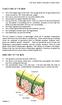 FUNCTIONS OF THE SKIN Skin is the largest organ of the body. The average adult has 18 square feet of skin which account for 16% of the total body weight. Skin acts as a physical barrier for you to the
Pressure Ulcer Grading and POVA Referral Procedure
 Pressure Ulcer Grading and POVA Referral Procedure Version Number: 1 Page 1/13 -Contents- Page 1. Introduction 3 2. Aim 3 3. Procedure 3 4. Responsibilities 4 5. Implementation and Training 4 6. Equality
PEER REVIEW HISTORY ARTICLE DETAILS VERSION 1 - REVIEW. Avinesh Pillai Department of Statistics University of Auckland New Zealand 16-Jul-2015
 PEER REVIEW HISTORY BMJ Open publishes all reviews undertaken for accepted manuscripts. Reviewers are asked to complete a checklist review form (http://bmjopen.bmj.com/site/about/resources/checklist.pdf)
Assessing study quality: critical appraisal. MRC/CSO Social and Public Health Sciences Unit
 Assessing study quality: critical appraisal MRC/CSO Social and Public Health Sciences Unit Assessing study quality: why? Why critical appraise? Evidence informed decision-making assumes people make better
Form B-1. Inclusion form for the effectiveness of different methods of toilet training for bowel and bladder control
 Form B-1. Inclusion form for the effectiveness of different methods of toilet training for bowel and bladder control Form B-2. Assessment of methodology for non-randomized controlled trials for the effectiveness
REGION D MEDICARE GROUP 2 PRESSURE REDUCING SUPPORT SUFACE. Documentation Checklist Local Coverage Determination (LCD)
 REGION D MEDICARE GROUP 2 PRESSURE REDUCING SUPPORT SUFACE Documentation Checklist Local Coverage Determination (LCD) Disclaimer: The ROHO Group gathered these documents from various sources as an educational
Medical Technologies Evaluation Programme Methods guide
 Issue date: April 2011 Medical Technologies Evaluation Programme Methods guide National Institute for Health and Clinical Excellence MidCity Place 71 High Holborn London WC1V 6NA www.nice.org.uk National
Introduction Suggested Citation
 Introduction This Quick Reference Guide summarizes evidence-based guidelines on pressure ulcer prevention and treatment. It was developed as a 4-year collaborative effort between the European Pressure
PCORI Methodology Standards: Academic Curriculum. 2016 Patient-Centered Outcomes Research Institute. All Rights Reserved.
 PCORI Methodology Standards: Academic Curriculum 2016 Patient-Centered Outcomes Research Institute. All Rights Reserved. Module 5: Step 3 Search the Literature Category 11: Systematic Reviews Prepared
Hospital-at-Home Programs for Patients With Acute Exacerbations of Chronic Obstructive Pulmonary Disease (COPD): An Evidence-Based Analysis
 Hospital-at-Home Programs for Patients With Acute Exacerbations of Chronic Obstructive Pulmonary Disease (COPD): An Evidence-Based Analysis BR McCurdy March 2012 Ontario Health Technology Assessment Series;
Department of Veterans Affairs Health Services Research and Development - A Systematic Review
 Department of Veterans Affairs Health Services Research & Development Service Effects of Health Plan-Sponsored Fitness Center Benefits on Physical Activity, Health Outcomes, and Health Care Costs and Utilization:
COMPLIANCE WITH THIS DOCUMENT IS MANDATORY
 COVER SHEET NAME OF DOCUMENT Wound Wound Assessment and Management TYPE OF DOCUMENT Procedure DOCUMENT NUMBER SESLHDPR/297 DATE OF PUBLICATION April 2014 RISK RATING Medium LEVEL OF EVIDENCE N/A REVIEW
Cochrane Review: Psychological treatments for depression and anxiety in dementia and mild cognitive impairment
 23 rd Alzheimer Europe Conference St. Julian's, Malta, 2013 Cochrane Review: Psychological treatments for depression and anxiety in dementia and mild cognitive impairment Orgeta V, Qazi A, Spector A E,
DECISION AND SUMMARY OF RATIONALE
 DECISION AND SUMMARY OF RATIONALE Indication under consideration Clinical evidence Clofarabine in the treatment of relapsed acute myeloid leukaemia (AML) The application was for clofarabine to remain in
Standard Operating Procedure Template
 Standard Operating Procedure Template Title of Standard Operation Procedure: Topical Negative Pressure (TNP) Reference Number: Version No: 1 Issue Date: May 2012 Review Date: August 2015 Purpose and Background
NHS. Surgical repair of vaginal wall prolapse using mesh. National Institute for Health and Clinical Excellence. 1 Guidance.
 Issue date: June 2008 NHS National Institute for Health and Clinical Excellence Surgical repair of vaginal wall prolapse using mesh 1 Guidance 1.1 The evidence suggests that surgical repair of vaginal
Illinois Department of Public Health STATEMENT OF DEFICIENCIES AND PLAN OF CORRECTION. Statement of LICENSURE Violations
 (X1) PROVER/SUPPLIER/CLIA ENTIFICATION NUMBER: (X3) SURVEY D NAME OF PROVER OR SUPPLIER (X4) SUMMARY REGULATORY OR LSC ENTIFYING INFORMATION) PROVER'S PLAN OF CORRECTION Final Observations Statement of
QUT Digital Repository: http://eprints.qut.edu.au/
 QUT Digital Repository: http://eprints.qut.edu.au/ Flint, Anndrea L. and Webster, Joan (2007) The use of the exit interview to reduce turnover amongst healthcare professionals (Protocol). Cochrane Database
Guide to Ensuring Data Quality in Clinical Audits
 Guide to Ensuring Data Quality in Clinical Audits Nancy Dixon and Mary Pearce Healthcare Quality Quest Clinical audit tool to promote quality for better health services Contents 1 Introduction 1 1.1 Who
Systematic Reviews and Meta-analyses
 Systematic Reviews and Meta-analyses Introduction A systematic review (also called an overview) attempts to summarize the scientific evidence related to treatment, causation, diagnosis, or prognosis of
Can I have FAITH in this Review?
 Can I have FAITH in this Review? Find Appraise Include Total Heterogeneity Paul Glasziou Centre for Research in Evidence Based Practice Bond University What do you do? For an acutely ill patient, you do
5 Pressure Ulcer Classification
 5 Pressure Ulcer Classification Carol Dealey and Christina Lindholm Introduction Pressure ulcer classification is a method of determining the severity of a pressure ulcer. A classification system describes
Use of a Pressure Ulcer Protocol: Benefits and Recommendations
 Use of a Pressure Ulcer Protocol: Benefits and Recommendations Elizabeth L. Enriquez RN,BSN,MPH,CWOCN Wound Care Specialist/Infection Control Morningiside House 1000 Pellham Parkway, Bronx, NY 10461 Wound
Methods for Meta-analysis in Medical Research
 Methods for Meta-analysis in Medical Research Alex J. Sutton University of Leicester, UK Keith R. Abrams University of Leicester, UK David R. Jones University of Leicester, UK Trevor A. Sheldon University
Quality Measures for Long-stay Residents Percent of residents whose need for help with daily activities has increased.
 Quality Measures for Long-stay Residents Percent of residents whose need for help with daily activities has increased. This graph shows the percent of residents whose need for help doing basic daily tasks
Web appendix: Supplementary material. Appendix 1 (on-line): Medline search strategy
 Web appendix: Supplementary material Appendix 1 (on-line): Medline search strategy exp Venous Thrombosis/ Deep vein thrombosis.mp. Pulmonary embolism.mp. or exp Pulmonary Embolism/ recurrent venous thromboembolism.mp.
Dimethyl fumarate for treating relapsing remitting multiple sclerosis
 NATIONAL INSTITUTE FOR HEALTH AND CARE EXCELLENCE Final appraisal determination Dimethyl fumarate for treating relapsing remitting multiple sclerosis This guidance was developed using the single technology
Service delivery interventions
 Service delivery interventions S A S H A S H E P P E R D D E P A R T M E N T O F P U B L I C H E A L T H, U N I V E R S I T Y O F O X F O R D CO- C O O R D I N A T I N G E D I T O R C O C H R A N E E P
Board of Directors. 28 January 2015
 Executive Summary Purpose: Board of Directors 28 January 2015 Briefing on the requirements for the Trust to comply with Hard Truths Commitments Regarding the Publishing of Staffing Data Director of Nursing
Systematic Reviews and Clinical Practice Guidelines
 CHAPTER 11 Systematic Reviews and Clinical Practice Guidelines Geri LoBiondo-Wood Go to Evolve at http://evolve.elsevier.com/lobiondo/ elsevier for review questions, critiquing exercises, and additional
Policies & Procedures. Title: I.D. Number: 1160
 Policies & Procedures Title: NEGATIVE PRESSURE WOUND THERAPY (NPWT) I.D. Number: 1160 Authorization: [X] SHR Nursing Practice Committee Source: Nursing Date Revised: March, 2010 Date Effective: November,
ChangingPractice. Appraising Systematic Reviews. Evidence Based Practice Information Sheets for Health Professionals. What Are Systematic Reviews?
 Supplement 1, 2000 ChangingPractice Evidence Based Practice Information Sheets for Health Professionals Appraising Systematic Reviews The series Changing Practice has been designed to support health professionals
PEER REVIEW HISTORY ARTICLE DETAILS
 PEER REVIEW HISTORY BMJ Open publishes all reviews undertaken for accepted manuscripts. Reviewers are asked to complete a checklist review form (http://bmjopen.bmj.com/site/about/resources/checklist.pdf)