
Negative Pressure Wound Therapy in the Outpatient Setting Corporate Medical Policy
|
|
|
- Jeffrey Wheeler
- 10 years ago
- Views:
Transcription
1 Negative Pressure Wound Therapy in the Outpatient Setting Corporate Medical Policy File name: Negative Pressure Wound Therapy in the outpatient setting File code: UM.DME.10 Origination: 12/15/2010 Last Review: 02/2015 Next Review: 01/2016 Effective Date: 01/01/2016 Description Negative pressure wound therapy consists of the use of a negative pressure or suction device to reduce infection and promote healing in wounds of various etiologies. Policy Billing and Coding/Physician Documentation Information Click the links below for attachments, coding tables & instructions. Attachment I- CPT & HCPCS Code List & Instructions Attachment II- Eligible Diagnosis Codes Attachment III- Definitions Initiation of a Powered Negative Pressure Wound Therapy (NPWT) An initial therapeutic trial of up to 30 days using a powered negative pressure wound therapy (NPWT) system, as part of a comprehensive wound care program that includes controlling factors such diabetes, nutrition, relief of pressure, etc., may be considered medically necessary in the following indications: Chronic (>90 days) stage III or IV pressure ulcers that have failed to heal despite optimal wound care when there is high-volume drainage that interferes with healing and/or when standard dressings cannot be maintained due to anatomic factors, or Traumatic or surgical wounds where there has been a failure of immediate or delayed primary closure AND there is exposed bone, cartilage, tendon, or foreign material within the wound Wounds in patients with underlying clinical conditions which are known to negatively impact wound healing, which are non-healing (at least 30 days), despite optimal wound care. (Examples of underlying conditions include, but are not Page 1 of 25

2 limited to diabetes, malnutrition, small vessel disease, and morbid obesity. Malnutrition, while a risk factor, must be addressed simultaneously with the negative pressure wound therapy Continuation of Powered NPWT Continuation of the powered NPWT system, as part of a comprehensive wound care program, may be considered medically necessary following an initial therapeutic trial if the treatment trial has resulted in documented objective improvements in the wound, and if there is ongoing objective improvement during subsequent treatment. Objective improvements in the wound should include the development and presence of healthy granulation tissue, progressive wound contracture and decreasing depth, and/or the commencement of epithelial spread from the wound margins. When a service or procedure is considered not medically necessary Continuation of the powered NPWT system is considered not medically necessary when any of the following occurs: The therapeutic trial or subsequent treatment period has not resulted in documented objective improvement in the wound; OR The wound has developed evidence of wound complications contraindicating continued NPWT; OR The wound has healed to an extent that either grafting can be performed or the wound can be anticipated to heal completely with other wound care treatments. Negative pressure wound therapy is contraindicated and not covered in the presence of ANY of the following: The wound is a Stage I or Stage II pressure ulcer; or necrotic tissue with eschar present; or untreated osteomyelitis within the vicinity of the wound; or presence of a fistula to an organ or body cavity within the cavity of the wound; or malignancy in the wound; or exposed vasculature; or exposed nerves; or exposed anastomotic site; or exposed organs; or active bleeding; or Patient is non-adherent to plan of care. When a service is considered investigational Use of non-powered NPWT systems for the treatment of acute or chronic wounds is considered investigational. Page 2 of 25

3 Information required A written order for the NPWTP and supplies, signed and dated by the treating physician who is responsible for managing the wound care. Incomplete authorization requests may result in a delay of decision pending submission of missing information. To be considered compete, requests for authorization of negative pressure wound therapy must include the following: The nutritional status of the patient; Medical history and management of all underlying conditions, or documentation to support use as an initial therapy, including but not limited to ANY ONE of the following conditions: o Diabetes; o Edema; o Venous insufficiency; o Arterial insufficiency; o Incontinence; o Dietary/ nutritional deficiency. Wound description at the time NPWTP is initiated, from a nurse or physician who is responsible for the wound dressing changes which includes ALL of the following: o Location of the wound; o Wound measurement including length, width and depth; o Description of the wound, including color, odor, etc. o Quantity and description of drainage; o Presence of granulation and necrotic tissue; o Debridement of necrotic tissue if present. Documentation of the existence of ANY ONE of the following ulcer types: o A stage III pressure ulcer (see description of stages); o A Stage IV pressure ulcer; o Neuropathic ulcers (i.e. diabetic); o Venous or arterial insufficiency ulcers unresponsive to standard therapy where: 1. Compression bandages and/or garments have been consistently applied; and 2. Reduction in pressure on a foot ulcer has been accomplished with appropriate modalities o A surgically created wound (i.e. dehiscence; dehisced wounds or wound with exposed hardware or bone; or post sternotomy wound infection or mediastinitis; complications of a surgically created wound where accelerated granulation therapy is necessary and cannot be achieved by other available topical wound treatment.) Page 3 of 25

4 Background o A traumatic wound (i.e. pre-operative flap or graft). The management and treatment of chronic wounds, including pressure ulcers, remain a treatment challenge. Most chronic wounds will heal only if the underlying cause, ie, venous stasis, pressure, infection, etc., is addressed. In addition, cleaning the wound to remove nonviable tissue, microorganisms, and foreign bodies is essential to create the optimal conditions for either re-epithelialization (ie, healing by secondary intention) or preparation for wound closure with skin grafts or flaps (ie, healing by primary intention). Therefore, debridement, irrigation, and wet-to-dry dressings are common components of chronic wound care. Negative pressure wound therapy (NPWT) consists of the use of a negative pressure therapy or suction device to aspirate and remove fluids, debris, and infectious materials from the wound bed to promote the formation of granulation tissue. The devices may be used as an adjunct to surgical therapy or as an alternative to surgery in a debilitated patient. Although the exact mechanism has not been elucidated, it is hypothesized that negative pressure contributes to wound healing by removing excess interstitial fluid, increasing the vascularity of the wound, reducing edema, and/or creating beneficial mechanical forces that lead to cell growth and expansion. A non-powered (mechanical) NPWT system has also been developed; device is the Smart Negative Pressure (SNaP) Wound Care System. This device is portable and lightweight (3 oz) and can be worn underneath clothing. This system consists of a cartridge, dressing, and strap; the cartridge acts as the negative pressure source. The system is reported to generate negative pressure levels similar to other NPWT systems. This system is fully disposable. The focus of this document is on use of NPWT in the outpatient setting. Rationale A 2000 TEC Assessment (1) that evaluated negative pressure therapy of pressure ulcers, venous ulcers, and diabetic ulcers. The TEC Assessment concluded that the evidence was insufficient to permit conclusions regarding the effect of the technology on health outcomes and that the efficacy of negative pressure therapy compared to standard wound management should be determined by high-quality clinical trials that contain the following features: enrollment of a patient population with ulcers refractory to standard treatment after an appropriate period of optimal wound management; randomized assignment to treatment group; treatment in the control arm that includes all of the main components of optimal wound care, eg, debridement, irrigation, whirlpool treatments, and wet-to-dry dressings; outcome measure(s) that represent clinically important end points, such as the percent of patients with complete healing or the percent of patients who require skin grafting. Page 4 of 25

5 In 2004, the Blue Cross and Blue Shield Technology Evaluation Center (TEC) prepared a systematic review for the Agency for Healthcare Research and Quality (AHRQ) that concluded that available published trials did not find a significant advantage for the intervention on the primary endpoint, complete healing, and did not consistently find significant differences on secondary endpoints and may have been insufficiently powered to detect differences. (2) Literature updates for this policy have focused on comparative trials with the features described in the TEC Assessment, eg, enrollment of patients with ulcers refractory to standard treatment, randomization, optimal standard wound care treatment in the control arm, and clinically important end points. The most recent literature search using the MEDLINE database was performed through December 5, Following is a summary of key literature to date. Negative pressure wound therapy (NPWT) devices can be classified as either powered, ie, requiring an external power source, or non-powered, i.e., mechanical. The vast majority of evidence is for powered devices and the main discussion of evidence refers to powered devices. The evidence on non-powered devices will be discussed separately following the review of evidence on powered devices. Mixed Wound Types Systematic reviews. A Cochrane review of NPWT for treatment of chronic wounds was published in 2008.(3) A total of 7 trials involving 205 participants were reviewed. The 7 trials compared NPWT with 5 different comparator treatments (gauze soaked in either 0.9% saline or Ringer's solution, hydrocolloid gel plus gauze, a treatment package comprising papain-urea topical treatment, and cadexomer iodine or hydrocolloid, hydrogels, alginate and foam). The authors reported that the data do not show that NPWT significantly increases the healing rate of chronic wounds compared with comparators and concluded that trials comparing NPWT with alternative treatments for chronic wounds have methodologic flaws and data do demonstrate a beneficial effect of NPWT on wound healing; however, more, better quality research is needed. A 2009 AHRQ technology assessment on NPWT devices was performed by ECRI Institute for the Centers for Medicare and Medicaid Services.(4) This technology assessment was looking primarily for therapeutic distinctions between the various NPWT devices on the market. The Medicare Improvements for Patient and Providers Act (MIPPA) of 2008 called for an evaluation of the HCPCS coding decisions for these devices, so this assessment was performed to inform that evaluation. The AHRQ assessment found that there were no studies showing a therapeutic distinction between these devices. Excerpts from the summary are noted below: We identified a total of 23 other systematic reviews, all published between 2000 and 2008, that covered NPWT devices. These reviews included studies reporting data on NPWT for patients with a broad range of wound types and focused on comparison to other wound treatments (gauze, bolster dressings, wound gels, alginates, and other topical therapies). The systematic reviews of NPWT reveal several important points Page 5 of 25

6 about the current state of the evidence on this technology. First, all of the systematic reviews noted the lack of high-quality clinical evidence supporting the advantages of NPWT compared to other wound treatments. The lack of high-quality NPWT evidence resulted in many systematic reviewers relying on low-quality retrospective studies to judge the efficacy of this technology. Second, no studies directly comparing different NPWT components (such as foam vs. gauze dressings) were identified by any of the reviewers. The authors of this report also comment on a 2008 study by Peinemann et al(5) as follows: In their systematic review of clinical studies of NPWT, Peinemann et al. sought to identify unpublished completed or discontinued RCTs [randomized controlled trials] to gain a broader knowledge of the NPWT evidence. The authors were concerned that previous systematic review conclusions on efficacy and safety based on published data alone may no longer hold after consideration of unpublished data. The authors invited 2 NPWT device manufacturers KCI. (V.A.C. ) and BlueSky Medical Group Inc. (Versatile 1 Wound Vacuum System) and authors of conference abstracts to provide information on study status and publication status of sponsored trials. Responses were received from 10 of 17 (59%) authors and both manufacturers. BlueSky Medical Group Inc., however, had not sponsored relevant [randomized controlled trials] and only provided case reports. The authors determined that of 28 [randomized controlled trials], 13 had been completed, 6 had been discontinued, 6 were ongoing, and the status of 3 could not be determined. Nine trials were unpublished, and no results were provided by the investigators. Peinemann et al. concluded that the "lack of access to unpublished study results data raises doubts about the completeness of the evidence base on NPWT. In a 2011 publication, Peinemann and Sauerland updated their systematic review of NPWT for the treatment of acute or chronic wounds with a literature search performed in November 2010.(6) They found 9 RCTs in addition to the 12 covered by earlier reviews; 5 of the 9 new trials involved NPWT systems that were not on the market. Only 5 of the 9 new reports assessed the frequency of complete wound closure (Peinemann and Sauerland s primary outcome measure), and a statistically significant effect in favor of NPWT was found in only 2 trials. Due to high potential for bias and because diverse types of wounds were treated, interpretation of results for 8 of the 9 trials was found to be limited. Peinemann and Sauerland concluded that although there may be a positive effect of NPWT, they did not find clear evidence that wounds heal any better or worse with NPWT than with conventional treatment, and good RCTs are still needed. Gregor et al included nonrandomized trials in their 2008 review if there was a concurrent control group and concluded that though there is some indication that NPWT may improve wound healing, the evidence is insufficient to clearly prove an additional benefit. They note that the large number of prematurely terminated and unpublished trials of the therapy is reason for concern.(7) Authors of other systematic reviews, even if they conclude that there is evidence of efficacy, call for larger, highquality studies.(8-10) Page 6 of 25

7 Randomized controlled studies. Examples of individual RCTs include a 2004 study by Moues et al(11) on the time to readiness for surgical closure among patients with fullthickness wounds of various etiologies. Log-rank test analysis of Kaplan-Meier method time to readiness did not show any statistically significant differences between groups. The median time to readiness for surgical closure was 6 days for negative pressure therapy patients and 7 days for conventionally treated patients (p=0.19). Braakenburg et al compared NPWT using the V.A.C. system (n=32) with conventional moist wound therapy (n=33) in patients with different types of wounds (operation wounds, diabetic ulcers, pressure sores) that ranged in duration from less than 48- hours-old to longer than 6 weeks.(12) Twenty-six (81%) NPWT patients and 19 (58%) conventional therapy patients reached an end point of wound healing (p<0.05). The median healing time was 4 days shorter in the NPWT group (16 days) compared with controls (20 days), a nonsignificant difference. Substantial, unaccounted loss to follow-up (NPWT, 19%; controls, 36%) and ill-defined wound characteristics confound the results. A publication from 2008 describes an RCT of NPWT carried out in India using a locally constructed device.(13) In this study, 48 patients with diabetic foot ulcers, pressure ulcers, cellulitis/fasciitis, and other were randomized to NPWT or moist dressings. One patient in the NPWT group and 12 in the conventionally treated group were lost to follow-up. No statistically significant differences in time to closure were observed between groups, except in a subset analysis of pressure ulcers (mean, 10 [7.11] days for the treatment group and 27 [10.6] days in controls; p=0.05]). The high drop-out rate prevents drawing clear conclusions from this study. Pressure Ulcers Representative literature includes a small trial that randomized 24 patients with pressure ulcers of the pelvic region to negative pressure therapy or standard wound care.(14) All patients with pelvic pressure sores were eligible for enrollment and were not required to be refractory to standard treatment. There were no significant group differences for the main outcome measure, time to 50% reduction of wound volume (27 [10] days in the negative pressure therapy group and 28 [7] days in the control group). Limitations include the small number of patients in the study, the possibility that the control group may not have received optimal wound management, and a main outcome measure of 50% reduction in wound size, which is not necessarily a clinically important outcome when compared with other potential outcomes such as complete wound healing. A retrospective multicenter study measured wound surface over a 28-day observation period in hospitalized patients with spinal cord injuries and stage III/IV pelvic pressure ulcers treated with standard wound care (n=53) or NPWT (n=33).(15) Over the 28-day period, 59 patients wounds were classified as healing and 27 as nonhealing. The proportion of patients demonstrating a decrease in wound surface area (healing subgroup) was not significantly different between the NPWT and standard care groups. Page 7 of 25

8 Diabetic Lower-Extremity Ulcers A 2013 Cochrane review of NPWT for treating foot wounds in patients with diabetes mellitus included 5 randomized trials with a total of 605 participants. (16) Two of the 5 studies had a total of 502 participants, the remaining 3 were small, with limited reporting, and with an unclear risk of bias. One of the larger studies (described next) was conducted in patients with diabetic foot ulcers, and the second was in patients with postamputation wounds. Both studies showed a benefit of NPWT, but were considered to be at risk of performance bias due to lack of blinding. The largest study of NPWT for diabetic foot ulcers is a 2008 multicenter randomized controlled comparison of NPWT versus moist wound therapy by Blume et al.(17) Included were 342 patients with Wagner s stage 2 or 3 foot ulcers equal to or greater than 2 cm; the chronicity of the ulcers was not described. Based on intention-to-treat analysis, a greater proportion of NPWT-treated foot ulcers achieved the primary end point of complete ulcer closure (43.2% vs 28.9%) within the 112-day active treatment phase. For the 240 patients (72%) who completed the active treatment phase, 60.8% of NPWT-treated ulcers achieved ulcer closure compared to 40.0% of ulcers treated with moist wound therapy. NPWT patients experienced significantly fewer secondary amputations (4.1% vs 10.2%). Although this study is limited by 28% loss to follow-up, and chronicity of the ulcers was not described, it is of higher quality than the vast majority of literature in this area. Lower-Extremity Ulcers Due to Venous Insufficiency Vuerstaek et al compared the efficacy of NPWT using the V.A.C. system (n=30) with conventional moist wound care (n=30) in patients hospitalized with chronic venous and/or arterial leg ulcers of greater than 6 months duration.(18) Full-thickness punch skin grafts from the thigh were applied, followed by 4 days of NPWT or conventional care to assure complete graft adherence. Each group then received standard care with nonadhesive dressings and compression therapy until complete healing (primary outcome) occurred. The median time to complete healing was 29 days with NPWT and 45 days in the controls (p<0.001). Ninety percent of the ulcers treated with NPWT healed within 43 days, compared with 48% in the control group. These results suggest NPWT significantly hastened wound healing, but the use of skin autografts makes it difficult to discern the contribution of NPWT to the primary outcome. Burn Wounds A 2012 Cochrane review identified 1 RCT of NPWT that met the inclusion criteria.(19) The trial had poor reporting with an absence of data and was considered to be at high risk of bias. No conclusions could be drawn at that time regarding the use of NPWT for this indication. In 2012, Bloemen et al reported a multicenter 4-armed randomized trial with 86 patients that compared a split-skin graft with or without a dermal substitute (Matriderm), with or without NPWT.(20) Outcome measures included graft take at 4 to 7 days after surgery, rate of wound epithelialization, and scar parameters at 3 and 12 months postoperatively. Graft take and wound epithelialization did not differ Page 8 of 25

9 significantly between the groups. Most measures of scar quality also did not differ significantly between the groups. Traumatic and Surgical Wounds A 2012 Cochrane review evaluated the evidence on NPWT for skin grafts and surgical wounds expected to heal by primary intention.(21) Healing by primary intention occurs when the wound edges are brought together with sutures, staples, tape, or glue, and contrasts with healing by secondary intention, where the wound is left open to heal from the bottom up (eg, for chronic or infected wounds). Five randomized trials with a total of 280 subjects were included in the review. Four of the trials compared NPWT with another type of wound dressing and 1 trial compared different NPWT devices. Outcomes were measured between 4 days and 12 months after surgery. All of the trials were considered to have unclear or high risk of bias, and few studies reported the primary outcome measure for the review (proportion of wounds completely healed). Based on analysis of subsets of the studies, there were no significant differences in the proportion of wounds completely healed, the time to healing, the incidence of seromas, or failed skin grafts. The review concluded that evidence on the effectiveness of NPWT on complete healing of wounds expected to heal by primary intention remains unclear, and that there is a need for high-quality trials with newer NPWT devices. Randomized Trials. Three RCTs with more than 50 patients, 4 comparative studies with nonconcurrent controls, and numerous case series have been identified in literature searches for this policy. There is an overlap between these literature searches and the Cochrane review for only 1 study.(22) The studies identified describe a variety of wound types treated over periods ranging from several days to several months. The largest trial on surgical wounds is a 2011 report from an investigator-initiated, industry-sponsored multicenter RCT of inpatient NPWT for closed surgical incisions.(23) (A preliminary report was published in 2006.(24)) Included were 249 blunt trauma patients with 263 high-risk fractures (tibial plateau, pilon, calcaneus) requiring surgical stabilization. The patients were randomized to NPWT applied to the closed surgical incision or to standard postoperative dressings. All patients were maintained as inpatients until wound drainage was minimal, at which time the NPWT was discontinued (mean, 59 hours; range, ). Patients in the NPWT group were ready for discharge in 2.5 days compared with 3.0 days for the control group; this was not significantly different. The NPWT-treated group had significantly fewer infections than the control group (10% vs 19% of fractures, p=0.049). Wound dehiscence after discharge was observed less frequently in the NPWT group than the control group (8.6% vs 16.5%). These results may reflect the efficacy of short-term use of NPWT under highly controlled conditions of inpatient care, but do not address the effectiveness of NPWT in the outpatient setting. In 2005, Armstrong et al(25) reported an RCT of NPWT using the V.A.C. system (n=77) and standard moist wound care (n=85) to treat partial foot amputation wounds (average wound duration 1.5 months) in diabetic patients. Forty-three (56%) of NPWT patients achieved complete closure during the 16-week assessment period versus 33 (39%) of controls (p=0.040). Log-rank analysis showed the rate of complete closure was Page 9 of 25

10 significantly faster with NPWT than in controls. The frequency and severity of adverse events, most commonly infection (32% in both groups), were similar. Intention-to-treat analysis was reported, but substantial unaccounted loss to follow-up (23%), lack of allocation concealment in randomization, and between group differences in wound care limits these results. The authors reported a reanalysis of these data to examine the possible role of wound chronicity on healing in a later paper.(26) This analysis revealed no significant difference in the proportion of acute and chronic wounds that achieved complete wound closure with either therapy, although the Kaplan-Meier method curve demonstrated statistically faster (p=0.03) healing in the NPWT group in both acute and chronic wounds. While these findings suggest that NPWT improves outcomes compared to standard care, this was a post hoc, unplanned reanalysis of data from a study with several flaws and potential biases that limit validity. Masden et al reported a randomized trial of NPWT for surgical closures at high risk for non-healing in 81 patients with comorbidities that included diabetes and peripheral vascular disease.(27) At a mean of 113 days follow-up, there was no significant difference in the proportion of patients with wound infection, time to develop infection, or dehiscence between NPWT and dry dressing groups. Overall, 35% of the dry dressing group and 40% of the NPWT group had a wound infection, dehiscence, or both. Chio and Agrawal published results of a randomized trial of 54 patients comparing NPWT with a static pressure dressing for healing of the radial forearm free flap donor site in 2010.(22) There were no statistically significant differences in wound complications or graft failure (percentage of area for graft failure was 7.2% for negative pressure and 4.5% for standard dressing). Nonrandomized Controlled Studies. A 2002 trial by Doss et al was a retrospective comparison of negative pressure therapy with conventional wound management for patients with poststernotomy osteomyelitis and featured a non-concurrent control group.(28) Treatment assignment was at the discretion of the treating surgeon and was mainly dependent on the time period during which the patient was treated. Treatment duration was shorter for the NPWT (17.2 vs 22.9 days), as was length of hospital stay (27.2 vs 33.0 days). A 2011 analysis of NPWT for patients with infected sternal wounds concluded that, based on 6 articles and 321 patients, NPWT resulted in a decrease of 7.2 days in hospital length of stay with no significant impact on mortality.(29) Yang et al retrospectively reviewed records of 34 patients who underwent NPWT after fasciotomy wounds for traumatic compartment syndrome of the leg and compared them with matched historic controls measuring time to definitive closure (delayed closure with sutures or skin graft).(30) Average time to definitive closure for both lateral and medial wounds was 6.7 days in the NPWT group (68 wounds in 34 patients) and 16.1 days in the controls (70 wounds in 34 patients) (p<0.05). In another study of fasciotomy wounds, Zannis et al retrospectively reviewed records of patients with upper- and lower-extremity fasciotomy wounds treated over a 10-year period.(31) Of 142 upper-extremity wounds, 74 received conventional treatment and 68 were treated with NPWT. Of 662 lower-extremity wounds, 196 received only conventional treatment, 370 received only NPWT, and 96 received both treatments. The authors Page 10 of 25

11 report a higher rate of primary closure using NPWT (82.7%) versus wet-to-dry dressings for all lower-extremity wounds, and 55.6% (p<0.03) for upper-extremity wounds. Lack of a contemporaneous control group limits the application of these findings. Shilt et al compared outcomes for 16 children treated with NPWT after lawnmower injuries to outcomes for 15 historic controls treated with wet-dry or Xeroform dressings.(32) There were no differences in infection rates between groups, and patients treated with NPWT had longer hospital stays. Fifty-three percent of the controls required a free flap versus 19% of the NPWT group. The small number of subjects in this study limits interpretation of the results, as does the lack of a contemporaneous control group. Observational Studies. Other potential indications for NPWT are reported in case series. These include patients treated with NPWT for deep wound infections following spine surgery,(33,34) surgical site infections in the groin after arterial surgery,(35) and mediastinitis after sternotomy.(36) FDA has not cleared any NPWT devices for use in children; however, a number of case reports and very small case series report experience with infants and small children, most commonly for treatment of sternal wounds.(37) Canadian researchers studied predictors of failure of NPWT closure of sternotomy wounds.(38) Twelve risk factors for impaired wound healing were identified before data collection to retrospectively evaluate predictors of NPWT failure. Of 37 patients treated with NPWT between January 1997 and July 2003, 8 patients failed NPWT. Of the 12 risk factors, 3 were found to be predictive of poor outcome: bacteremia, wound depth of 4 or more cm, and high degree of bony exposure and sternal instability. The authors advise that prospective randomized studies are needed to validate these hypotheses. Schmelzle et al report a group of patients who may not benefit from NPWT. Schmelzle et al reviewed records of 49 patients with open abdomen for more than 7 days due to secondary peritonitis who underwent NPWT.(39) Fascial closure could be accomplished in only 11 patients and complications occurred in 43 patients. Re-explorations after starting NPWT were associated with the occurrence of enterocutaneous fistula and were of prognostic value regarding the rate of fascial closure. The authors advise that further studies are needed to evaluate whether this subgroup really benefits from NPWT. Burns A 2007 Cochrane review of the literature on NPWT for treatment of partial thickness burns found only 1 RCT that satisfied the inclusion criteria, and the methodologic quality of the trial was poor.(40) The authors concluded that there is a paucity of high quality [randomized, controlled trials] on NPWT for partial thickness burn injury with insufficient sample size and adequate power to detect differences, if there are any, between NPWT and conventional burn wound therapy dressings. In 2011, Petkar et al published an RCT comparing 4 days of NPWT with a locally constructed device versus conventional dressing methods for split-thickness skin Page 11 of 25

12 grafts.(41) Forty grafts in 30 burn patients were included in the study. The percentage of graft take at 9 days after surgery was assessed by consensus of the treating plastic surgery unit after gross examination and was significantly greater in the NPWT-treated grafts (96.7% vs 87.5%). The mean duration of continued dressing on the grafted area was 8 days for NPWT and 11 days in controls. The duration of therapy was a clinical decision made by the surgeon, taking into account the adherence and stability of the graft. An expert panel convened to develop evidence-based recommendations for the use of NPWT reported that the evidence base in 2011 was strongest for the use of NPWT on skin grafts and weakest as a primary treatment for burns. (42) Non-powered NPWT Devices One ultraportable, non-powered (mechanical) gauze-based NPWT device (SNaP Wound Care System) designed to remove small amounts of exudate from chronic, traumatic, dehisced, acute, subacute wounds and diabetic and pressure ulcers became available in In 2011, Armstrong et al reported results of a planned interim analysis of an RCT comparing SNaP and the KCI Wound VAC Therapy System for the treatment of chronic lower-extremity wounds.(43) The final results of this industry-sponsored multicenter noninferiority trial were reported in 2012.(44) The study randomized 132 patients with lower-extremity venous or diabetic ulcers with surface area between 1 and 100 cm 2 and diameter less than 10 cm and present more than 30 days, despite appropriate care. Dressings were changed per manufacturer direction, 2 times per week in the SNaP group and 3 times per week in the VAC group. Patients were assessed for up to 16 weeks or until complete wound closure; 83 patients (63%) completed the study. Intention-to-treat analysis with the last observation carried forward showed noninferiority in the primary outcome of wound size reduction at 4, 8, 12, and 16 weeks. When adjusted for differences in wound size at baseline, SNaP-treated subjects showed noninferiority to the VAC-treated subjects at 4, 12, and 16 weeks. Kaplan- Meier analysis showed no significant difference in complete wound closure between the 2 groups. At the final follow-up, 65.6% of the VAC group and 63.6% of the SNaP group had wound closure. Survey data indicated that dressing changes required less time, and use of the SNaP device interfered less with mobility and activity than the VAC device. This study is limited by the high loss to follow-up and the lack of comparison with standard treatment protocols. A retrospective study with historical controls compared NPWT using the SNaP device (n=28) with wound care protocols that included the use of Apligraf, Regranex, and skin grafting (n=42) for treatment of lower-extremity ulcers.(45) Seven patients (25%) in the SNaP-treated group could not tolerate the treatment and were discontinued from the study because of complications (allergic skin reaction [n=1], wound infection [n=1], bleeding after débridement preventing reapplication [n=1], worsening lowerextremity edema [n=1], and the development of maceration severe enough to require discontinuation [n=3]) and were considered treatment failures. Between-group estimates of time-to-wound healing by Kaplan-Meier analysis favored the SNaP treatment group. This study is limited by the use of historical controls, the multiple Page 12 of 25

13 modalities used in treatment of controls, and the large number of dropouts. The authors noted that patients in the SNaP-treated group may have benefited from being in an experimental environment, particularly because wounds in this group were seen twice per week compared to variable follow-up in the historical controls. Other publications have described use of the SNaP device in case series with small numbers of patients, fewer than 15 patients.(46-48) Landsman commented that by removing compliance barriers, this device may encourage more frequent use of NPWT for small wounds.(47) Clinical Input Received through Physician Specialty Societies and Academic Medical Centers While the various physician specialty societies and academic medical centers may collaborate with and make recommendations during this process through the provision of appropriate reviewers, input received does not represent an endorsement or position statement by the physician specialty societies or academic medical centers, unless otherwise noted. In response to requests, input was received from 2 physician specialty societies and 3 academic medical centers while this policy was under review in The input was near uniform in support of a therapeutic trial of NPWT for chronic pressure ulcers that have failed to heal, for traumatic or surgical wounds that have failed to close when there is exposed bone, cartilage, tendon, or foreign material within the wound, and for nonhealing wounds in patients with underlying clinical conditions known to negatively impact wound healing. The majority of the input agreed that therapeutic trials of NPWT for other acute or chronic wounds would be not medically necessary. Summary Negative pressure wound therapy (NPWT) consists of the use of a negative pressure therapy or suction device to aspirate and remove fluids, debris, and infectious materials from the wound bed to promote the formation of granulation tissue. Evidence from comparative clinical trials demonstrated that there is a subset of problematic wounds for which the use of NPWT may provide a significant clinical benefit. However, due to clinical variability and the limited data, it is not possible to determine prospectively which wounds are most likely to respond favorably to NPWT. Therefore, the policy statement indicates that a therapeutic trial of NPWT of not less than 14 days may be considered medically necessary for chronic wounds that have failed to heal, despite intense conventional wound therapy for at least 90 days, or for those acute and chronic wounds that have a high probability of failure to heal due to compounding factors involving the wound and the patient. Continued use of NPWT requires objective evidence of wound healing such as the development of healthy granulation tissue and progressive wound contracture. Use of NPWT for other wounds is considered not medically necessary because these wounds are likely to heal with conventional wound management, ie, the evidence does not demonstrate an incremental improvement in wound healing with use of the NPWT for these cases. Page 13 of 25

14 Reports with small numbers of patients using the non-powered (mechanical) gauzebased NPWT system are insufficient to draw conclusions about its impact on net health outcome, both for the device itself and in comparison with current care. There are important unanswered questions about efficacy and tolerability. Well-designed comparative studies with larger numbers of patients are needed. Since the impact on net health outcome compared to existing technology is not known, this is considered investigational. Practice Guidelines and Position Statements In 2011, an international expert panel on NPWT provided evidence-based recommendations for the use of NPWT in chronic wounds.(49) The expert panel gave a grade C recommendation (based on well-conducted case-control or cohort studies) that NPWT may be used for grade 3 and 4 pressure ulcers until surgical closure is possible/desirable and a grade B recommendation (based on high-quality systematic reviews of case-control or cohort studies) to achieve closure by secondary intention, to reduce wound dimensions, and to improve the quality of the wound bed. For diabetic foot ulcers, the expert panel gave a grade A recommendation (high-quality meta-analyses, systematic reviews of randomized controlled trials [RCTs], or RCTs with a very low risk of bias) that NPWT must be considered as an advanced wound care therapy and must be considered to achieve healing by secondary intention, and a grade B recommendation that NPWT should be considered in an attempt to prevent amputation or reamputation. Use of NPWT in ischemic lower-limb wounds received a grade C recommendation that NPWT may be considered in specialist hands but never as an alternative for revascularization and a grade D recommendation (based on case series or expert opinion) that the use of NPWT is not indicated in acute limb ischemia. Use of NPWT in venous leg ulcers received a grade B recommendation that as first-line therapy, (compression) is not efficacious; NPWT should be considered to prepare the wound for surgical closure. Guidelines for the prevention of infections associated with combat-related injuries were endorsed in 2011 by the Infectious Diseases Society of America and the Surgical Infection Society.(50) The guidelines provide a IB recommendation (strong recommendation, moderate-quality evidence) that NPWT should be used in the management of open wounds (excluding central nervous system injuries) to include during aeromedical evacuation of patients. The United Kingdom s National Institute for Health and Clinical Excellence (NICE) stated in 2009 that current evidence on the safety and efficacy of NPWT for the open abdomen is inadequate in quality and quantity, and clinicians should make special arrangements for audit of the management of all patients with an open abdominal wound.(51) The 2005 guidance on the management of pressure ulcers in primary and secondary care from the Royal College of Nursing and NICE stated that topical negative pressure treatment was only assessed in one trial with a small sample size and methodologic limitations; while the trial results suggested that topical negative pressure treatment may increase healing rates of pressure ulcers compared with saline gauze dressings; these findings must be viewed with extreme caution. Practitioners ought to make Page 14 of 25

15 patients aware of the limited trial-based evidence for the effectiveness of topical negative pressure for pressure ulcer healing and that further research is required to validate the preliminary findings. (52) The 2007 guidelines from the American Society of Plastic Surgeons (ASPS) states that maintaining a moist environment, while simultaneously removing soluble factors detrimental to wound healing might logically provide optimal conditions for wound healing.(53) Classic dressings include gauze, foam, hydrocolloid, and hydrogels. Fluidhandling mechanisms include absorption, gelling, retention, and vapor transmission. Bioactive dressings include topical antimicrobials, bio-engineered composite skin equivalent, bilaminar dermal regeneration template, and recombinant human growth factor. Finally, NPWT is a mechanical treatment that uses negative pressure to remove wound exudate. Although the wound care literature is rife with uncontrolled studies reporting the effectiveness of NPWT, few prospective randomized trials exist. Despite a lack of strong evidence to support its use, NPWT has gained wide acceptance by multiple specialties for a myriad of wounds. Included in the American College of Foot and Ankle Surgeons (ACFAS) 2006 guideline on diabetic foot disorders is the following information on NPWT(54): NPWT has become a common adjunctive treatment modality for diabetic foot ulcerations. Use of a vacuum-assisted closure device (V.A.C. ; KCI, San Antonio, TX) promotes wound healing through the application of topical, subatmospheric, or negative pressure to the wound base. This therapy removes edema and chronic exudate, reduces bacterial colonization, enhances formation of new blood vessels, increases cellular proliferation, and improves wound oxygenation as the result of applied mechanical force. These actions are synergistic. Numerous applications of this modality have proven successful, including use over exposed bone, tendons, and hardware to generate granulation tissue. It is also frequently used to facilitate adherence of splitthickness skin grafts, rotational flaps, or tissue substitutes to a wound bed. A recent clinical trial of the V.A.C. device for the treatment of open amputation wounds in the diabetic foot showed significantly faster healing and development of granulation tissue with NPWT compared with standard moist wound care. The 2004 guidelines from the Infectious Diseases Society of America (IDSA) do not make a formal recommendation for the use of wound vacuum-drainage systems.(55) However in the section, Treatment of Infection, Adjunctive Treatments, the following is noted: Investigators and industry representatives have advocated many types of wound-care treatments, including wound vacuum-drainage systems, recombinant growth factors, skin substitutes, antimicrobial dressings, and maggot (sterile larvae) therapy. Although each treatment likely has some appropriate indications, for infected wounds, available evidence is insufficient to recommend routine use of any of these modalities for treatment or prophylaxis. These guidelines are in the process of being updated, with publication expected in the winter of Medicare National Coverage In October 2000, Healthcare Financing Administration (now Centers for Medicare and Medicaid Services) issued the following durable medical equipment regional carrier Page 15 of 25

16 coverage policy, which stated that patients meeting the following criteria would be eligible for negative wound pressure therapy in the home setting: Patient has a chronic Stage III or Stage IV pressure ulcer, venous or arterial insufficiency ulcer, or a chronic ulcer of mixed etiology. A complete wound therapy program should have been tried or considered and ruled out prior to application of NPWT. References 1. Blue Cross and Blue Shield Association Technology Evaluation Center (TEC). Vacuum-assisted closure in the treatment of chronic wounds. TEC Assessments 2000; Volume 15, Tab Samson D, Lefevre F, Aronson N. Wound-healing technologies: low-level laser and vacuum-assisted closure. Evidence Report/Technology Assessment No 111 (Prepared by the Blue Cross and Blue Shield Association Technology Evaluation Center Evidence-based Practice Center, under Contract No ) AHRQ Publication No 05-E005-2 Rockville, MD: Agency for Healthcare Research and Quality Ubbink DT, Westerbos SJ, Evans D et al. Topical negative pressure for treating chronic wounds. Cochrane Database Syst Rev 2008; (3):CD Sullivan N, Snyder DL, Tipton K et al. Technology assessment: Negative pressure wound therapy devices Available online at: Last accessed December, Peinemann F, McGauran N, Sauerland S et al. Negative pressure wound therapy: potential publication bias caused by lack of access to unpublished study results data. BMC Med Res Methodol 2008; 8:4. 6. Peinemann F, Sauerland S. Negative-pressure wound therapy: systematic review of randomized controlled trials. Dtsch Arztebl Int 2011; 108(22): Gregor S, Maegele M, Sauerland S et al. Negative pressure wound therapy: a vacuum of evidence? Arch Surg 2008; 143(2): Noble-Bell G, Forbes A. A systematic review of the effectiveness of negative pressure wound therapy in the management of diabetes foot ulcers. Int Wound J 2008; 5(2): Vikatmaa P, Juutilainen V, Kuukasjarvi P et al. Negative pressure wound therapy: a systematic review on effectiveness and safety. Eur J Vasc Endovasc Surg 2008; 36(4): Xie X, McGregor M, Dendukuri N. The clinical effectiveness of negative pressure wound therapy: a systematic review. J Wound Care 2010; 19(11): Moues CM, Vos MC, van den Bemd GJ et al. Bacterial load in relation to vacuum-assisted closure wound therapy: a prospective randomized trial. Wound Repair Regen 2004; 12(1): Braakenburg A, Obdeijn MC, Feitz R et al. The clinical efficacy and cost effectiveness of the vacuum-assisted closure technique in the management of acute and chronic wounds: a randomized controlled trial. Plast Reconstr Surg 2006; 118(2):390-7; discussion Mody GN, Nirmal IA, Duraisamy S et al. A blinded, prospective, randomized controlled trial of topical negative pressure wound closure in India. Ostomy Wound Manage 2008; 54(12): Page 16 of 25

17 14. Wanner MB, Schwarzl F, Strub B et al. Vacuum-assisted wound closure for cheaper and more comfortable healing of pressure sores: a prospective study. Scand J Plast Reconstr Surg Hand Surg 2003; 37(1): Ho CH, Powell HL, Collins JF et al. Poor nutrition is a relative contraindication to negative pressure wound therapy for pressure ulcers: preliminary observations in patients with spinal cord injury. Adv Skin Wound Care 2010; 23(11): Dumville JC, Hinchliffe RJ, Cullum N et al. Negative pressure wound therapy for treating foot wounds in people with diabetes mellitus. Cochrane Database Syst Rev 2013; 10:CD Blume PA, Walters J, Payne W et al. Comparison of negative pressure wound therapy using vacuum-assisted closure with advanced moist wound therapy in the treatment of diabetic foot ulcers: a multicenter randomized controlled trial. Diabetes Care 2008; 31(4): Vuerstaek JD, Vainas T, Wuite J et al. State-of-the-art treatment of chronic leg ulcers: A randomized controlled trial comparing vacuum-assisted closure (V.A.C.) with modern wound dressings. J Vasc Surg 2006; 44(5): ; discussion Dumville JC, Munson C. Negative pressure wound therapy for partial-thickness burns. Cochrane Database Syst Rev 2012; 12:CD Bloemen MC, van der Wal MB, Verhaegen PD et al. Clinical effectiveness of dermal substitution in burns by topical negative pressure: a multicenter randomized controlled trial. Wound Repair Regen 2012; 20(6): Webster J, Scuffham P, Sherriff KL et al. Negative pressure wound therapy for skin grafts and surgical wounds healing by primary intention. Cochrane Database Syst Rev 2012; 4:CD Chio EG, Agrawal A. A randomized, prospective, controlled study of forearm donor site healing when using a vacuum dressing. Otolaryngol Head Neck Surg 2010; 142(2): Stannard JP, Volgas DA, McGwin G, 3rd et al. Incisional negative pressure wound therapy after high-risk lower extremity fractures. J Orthop Trauma 2012; 26(1): Stannard JP, Robinson JT, Anderson ER et al. Negative pressure wound therapy to treat hematomas and surgical incisions following high-energy trauma. J Trauma 2006; 60(6): Armstrong DG, Lavery LA. Negative pressure wound therapy after partial diabetic foot amputation: a multicentre, randomised controlled trial. Lancet 2005; 366(9498): Armstrong DG, Lavery LA, Boulton AJ. Negative pressure wound therapy via vacuum-assisted closure following partial foot amputation: what is the role of wound chronicity? Int Wound J 2007; 4(1): Masden D, Goldstein J, Endara M et al. Negative pressure wound therapy for atrisk surgical closures in patients with multiple comorbidities: a prospective randomized controlled study. Ann Surg 2012; 255(6): Doss M, Martens S, Wood JP et al. Vacuum-assisted suction drainage versus conventional treatment in the management of poststernotomy osteomyelitis. Eur J Cardiothorac Surg 2002; 22(6): Page 17 of 25

18 29. Damiani G, Pinnarelli L, Sommella L et al. Vacuum-assisted closure therapy for patients with infected sternal wounds: a meta-analysis of current evidence. J Plast Reconstr Aesthet Surg 2011; 64(9): Yang CC, Chang DS, Webb LX. Vacuum-assisted closure for fasciotomy wounds following compartment syndrome of the leg. J Surg Orthop Adv 2006; 15(1): Zannis J, Angobaldo J, Marks M et al. Comparison of fasciotomy wound closures using traditional dressing changes and the vacuum-assisted closure device. Ann Plast Surg 2009; 62(4): Shilt JS, Yoder JS, Manuck TA et al. Role of vacuum-assisted closure in the treatment of pediatric lawnmower injuries. J Pediatr Orthop 2004; 24(5): van Rhee MA, de Klerk LW, Verhaar JA. Vacuum-assisted wound closure of deep infections after instrumented spinal fusion in six children with neuromuscular scoliosis. Spine J 2007; 7(5): Ploumis A, Mehbod AA, Dressel TD et al. Therapy of spinal wound infections using vacuum-assisted wound closure: risk factors leading to resistance to treatment. J Spinal Disord Tech 2008; 21(5): Svensson S, Monsen C, Kolbel T et al. Predictors for outcome after vacuum assisted closure therapy of peri-vascular surgical site infections in the groin. Eur J Vasc Endovasc Surg 2008; 36(1): Tocco MP, Costantino A, Ballardini M et al. Improved results of the vacuum assisted closure and Nitinol clips sternal closure after postoperative deep sternal wound infection. Eur J Cardiothorac Surg 2009; 35(5): Ugaki S, Kasahara S, Arai S et al. Combination of continuous irrigation and vacuum-assisted closure is effective for mediastinitis after cardiac surgery in small children. Interact Cardiovasc Thorac Surg 2010; 11(3): Gdalevitch P, Afilalo J, Lee C. Predictors of vacuum-assisted closure failure of sternotomy wounds. J Plast Reconstr Aesthet Surg 2010; 63(1): Schmelzle M, Alldinger I, Matthaei H et al. Long-term vacuum-assisted closure in open abdomen due to secondary peritonitis: a retrospective evaluation of a selected group of patients. Dig Surg 2010; 27(4): Wasiak J, Cleland H. Topical negative pressure (TNP) for partial thickness burns. Cochrane Database Syst Rev 2007; (3):CD Petkar KS, Dhanraj P, Kingsly PM et al. A prospective randomized controlled trial comparing negative pressure dressing and conventional dressing methods on split-thickness skin grafts in burned patients. Burns 2011; 37(6): Runkel N, Krug E, Berg L et al. Evidence-based recommendations for the use of Negative Pressure Wound Therapy in traumatic wounds and reconstructive surgery: steps towards an international consensus. Injury 2011; 42 Suppl 1:S Armstrong DG, Marston WA, Reyzelman AM et al. Comparison of negative pressure wound therapy with an ultraportable mechanically powered device vs. traditional electrically powered device for the treatment of chronic lower extremity ulcers: a multicenter randomized-controlled trial. Wound Repair Regen 2011; 19(2): Armstrong DG, Marston WA, Reyzelman AM et al. Comparative effectiveness of mechanically and electrically powered negative pressure wound therapy devices: a multicenter randomized controlled trial. Wound Repair Regen 2012; 20(3): Page 18 of 25

19 45. Lerman B, Oldenbrook L, Eichstadt SL et al. Evaluation of chronic wound treatment with the SNaP wound care system versus modern dressing protocols. Plast Reconstr Surg 2010; 126(4): Fong KD, Hu D, Eichstadt S et al. Initial clinical experience using a novel ultraportable negative pressure wound therapy device. Wounds 2010; 22(9): Landsman A. Analysis of the SNaP Wound Care System, a negative pressure wound device for treatment of diabetic lower extremity wounds. J Diabetes Sci Technol 2010; 4(4): Lerman B, Oldenbrook L, Ryu J et al. The SNaP Wound Care System: a case series using a novel ultraportable negative pressure wound therapy device for the treatment of diabetic lower extremity wounds. J Diabetes Sci Technol 2010; 4(4): Vig S, Dowsett C, Berg L et al. Evidence-based recommendations for the use of negative pressure wound therapy in chronic wounds: steps towards an international consensus. J Tissue Viability 2011; 20 Suppl 1:S Hospenthal DR, Murray CK, Andersen RC et al. Guidelines for the prevention of infections associated with combat-related injuries: 2011 update: endorsed by the Infectious Diseases Society of America and the Surgical Infection Society. J Trauma 2011; 71(2 Suppl 2):S National Institute for Health and Clinical Excellence (NICE). Negative Pressure Wound Therapy for the Open Abdomen. IPG Available online at: Last accessed December, Royal College of Nursing and National Institute for Health and Clinical Excellence. The Management of Pressure Ulcers in Primary and Secondary Care. Clinical Guidance Available online at: Last accessed December, American Society of Plastic Surgeons (ASPS). Evidence-based Clinical Practice Guideline: Chronic Wounds of the Lower Extremity Available online at: policy/evidence-practice/evidence-based-clinical-practice-guideline-chronic- Wounds-of-the-Lower-Extremity.pdf. Last accessed December, American College of Foot and Ankle Surgeons (ACFAS). Diabetic Foot Disorders: A Clinical Practice Guideline Available online at: ations/clinical_practice_guidelines/diabeticcpg-small.pdf. Last accessed December, Lipsky BA, Berendt AR, Deery HG et al. Infectious Diseases Society of America. Diagnosis and Treatment of Diabetic Foot Infections. Clin Infect Dis Oct 1;39(7): Available online at: Patient_Care/PDF_Library/Diabetic%20Foot%20Infection.pdf. Last accessed December, Page 19 of 25

20 Administrative and Contractual Guidance Benefit Determination Guidance Prior approval may be required. Benefits are subject to all terms, limitations and conditions of the subscriber contract. An approved referral authorization for members of the New England Health Plan (NEHP) is required. A prior approval for Access Blue New England (ABNE) members is required. NEHP/ABNE members may have different benefits for services listed in this policy. To confirm benefits, please contact the customer service department at the member s health plan. Federal Employee Program (FEP) members may have different benefits that apply. For further information please contact FEP customer service or refer to the FEP plan brochure. Coverage varies according to the member s group or individual contract. Not all groups are required to follow the Vermont legislative mandates. Member Contract language takes precedence over medical policy when there is a conflict. If the member receives benefits through a self-funded (ASO) group, benefits may vary or not apply. To verify benefit information, please refer to the member s plan documents or contact the customer service department. Document Precedence Blue Cross and Blue Shield of Vermont (BCBSVT) Medical Policies are developed to provide clinical guidance and are based on research of current medical literature and review of common medical practices in the treatment and diagnosis of disease. The applicable group/individual contract and member certificate language determines benefits that are in effect at the time of service. Since medical practices and knowledge are constantly evolving, BCBSVT reserves the right to review and revise its medical policies periodically. To the extent that there may be any conflict between medical policy and contract language, the member s contract language takes precedence. Audit Information BCBSVT reserves the right to conduct audits on any provider and/or facility to ensure compliance with the guidelines stated in the medical policy. If an audit identifies instances of non-compliance with this medical policy, BCBSVT reserves the right to recoup all non-compliant payments. Policy Implementation/Update information 7/2011 New policy. 3/2014 ICD-10 remediation. RLJ. Page 20 of 25

21 02/2015 Adopted some language from BCBSA policy# HCPCS codes added. New 2015 CPT codes added. Approved by Medical Policy Committee Date Approved Joshua Plavin, MD Senior Medical Director Chair, Medical Policy Committee Robert Wheeler MD Chief Medical Officer Attachment I CPT and HCPCS Code List & Instructions Code Type Number Description Policy Instructions The following codes will be considered medically necessary when applicable criteria have been met. CPT Negative pressure wound therapy (e.g., vacuum assisted drainage collection), including topical application(s), wound assessment, and instruction(s) for ongoing care, per session; total wound(s) surface area less than or equal to 50 square centimeters No Prior Approval Required CPT Negative pressure wound therapy (e.g., vacuum assisted drainage collection), including topical application(s), wound assessment, and instruction(s) for ongoing care, per session; total wound(s) surface area greater than 50 square centimeters No Prior Approval Required Page 21 of 25
22 CPT Negative pressure wound therapy, (eg, vacuum assisted drainage collection), utilizing disposable, non-durable medical equipment including provision of exudate management collection system, topical application(s), wound assessment, and instructions for ongoing care, per session; total wound(s) surface area less than or equal to 50 square centimeters No Prior Approval Required CPT Negative pressure wound therapy, (eg, vacuum assisted drainage collection), utilizing disposable, non-durable medical equipment including provision of exudate management collection system, topical application(s), wound assessment, and instructions for ongoing care, per session; total wound(s) surface area greater than 50 square centimeters No Prior Approval Required HCPCS HCPCS HCPCS A6550 A7000 E2402 Wound care set, for negative pressure wound therapy electrical pump, includes all supplies and accessories Canister, disposable, used with suction pump, each Negative pressure wound therapy electrical pump, stationary or portable Prior approval is required for all DME or DME supplies with a purchase price greater than $ (including rentals) Prior approval is required for all DME or DME supplies with a purchase price greater than $ (including rentals) Prior approval is required for all DME or DME supplies with a purchase price greater than $ (including rentals) Page 22 of 25
23 HCPCS K0743 HCPCS K0744 HCPCS K0745 HCPCS K0746 Type of Service Place of Service Suction pump, home model, portable, for use on wounds Absorptive wound dressing for use with suction pump, home model, portable, pad size 16 square inches or less Absorptive wound dressing for use with suction pump, home model, portable, pad size more than 16 square inches but less than or equal to 48 square inches Absorptive wound dressing for use with suction pump, home model, portable, pad size greater than 48 square inches Medicine, Durable Medical Equipment Inpatient, Outpatient, Home RLG Prior approval is required for all DME or DME supplies with a purchase price greater than $ (including rentals) Prior approval is required for all DME or DME supplies with a purchase price greater than $ (including rentals) Prior approval is required for all DME or DME supplies with a purchase price greater than $ (including rentals) Prior approval is required for all DME or DME supplies with a purchase price greater than $ (including rentals) Attachment II Click HERE for Applicable ICD (diagnosis) Codes Attachment III Definitions Dehisced wounds: a condition where a wound has a premature opening or splitting along natural or surgical suture lines due to improper healing Eschar: a dry scab that forms on skin that has been burned or exposed to corrosive agents Group 2 or 3 support surfaces: Two groups within the three classifications of specialized pressure reducing bed types available as a preventive measure for bedsores. The classification system is as follows: Page 23 of 25
24 Group 1 - Pressure reducing mattress overlays; these overlays may be filled with air, water, foam or gel and are intended for placement over a standard mattress Group 2 - Special mattresses alone or fully integrated into a bed; these mattresses may be filled with air, water, foam or gel and are intended as a replacement for a standard mattress Group 3 - Air Fluidized Beds; these are devices that employ the circulation of filtered air through silicone coated ceramic beads that create the characteristics of fluid, creating a sensation of floating Mediastinitis: a condition characterized by inflammation of the cavity that holds the heart and other organs Neuropathic ulcer: an ulcer resulting from the loss of sensation (i.e., pain, touch, stretch) as well as protective reflexes, due to loss of nerve supply to a body part Post-sternotomy: the period of time immediately following any surgery where the sternum or breastbone is opened to gain access to the chest cavity Pressure ulcer (National Pressure Ulcer Advisory Panel, 2007): A pressure ulcer is localized injury to the skin and/or underlying tissue usually over a bony prominence, as a result of pressure, or pressure in combination with shear and/or friction; a number of contributing or confounding factors are also associated with pressure ulcers; the significance of these factors is yet to be elucidated. Until enough slough and/or eschar is removed to expose the base of the wound, the true depth, and therefore stage, cannot be determined; stable (dry, adherent, intact without erythema or fluctuance) eschar on the heels serves as "the body's natural (biological) cover" and should not be removed Vacuum assisted wound therapy: a type of medical therapy that involves the use of suction (negative pressure) underneath airtight wound dressings to promote the healing of open wounds that have resisted previous treatments Pressure ulcer staging Suspected deep tissue injury Purple or maroon localized area of discolored intact skin or blood-filled blister due to damage of underlying soft tissue from pressure and/or shear; the area may be preceded by tissue that is painful, firm, mushy, boggy, warmer or cooler as compared to adjacent tissue. Note: Deep tissue injury may be difficult to detect in individuals with dark skin tones; evolution may include a thin blister over a dark wound bed; the wound may further evolve and become covered by thin eschar; evolution may be rapid exposing additional layers of tissue even with optimal treatment. The following staging criteria are based on the National Pressure Ulcer Advisory Panel (NPAUP) staging system. Page 24 of 25
25 Stage I Non-blanchable redness of intact skin light toned skin, or darker or violet hue in darkly pigmented skin. Note: The area may be painful, firm, soft, warmer or cooler as compared to adjacent tissue; stage I may be difficult to detect in individuals with dark skin tones; may indicate "at risk" persons (a heralding sign of risk) Stage II Partial thickness loss of involving epidermis and/or dermis. Note: Presents as a shiny or dry shallow ulcer without slough or bruising;* this stage should not be used to describe skin tears, tape burns, perineal dermatitis, maceration or excoriation *Bruising indicates suspected deep tissue injury Stage III Full thickness skin loss involving damage or necrosis of subcutaneous tissue that may extend down to, but not through, underlying fascia. Note: The depth of a stage III pressure ulcer varies by anatomical location. The bridge of the nose, ear, occiput and malleolus do not have subcutaneous tissue and stage III ulcers can be shallow; in contrast, areas of significant adiposity can develop extremely deep stage III pressure ulcers; bone/tendon is not visible or directly palpable. Stage IV Full thickness tissue loss with extensive destruction, tissue necrosis or damage to bone, muscle, or supporting structures. Note: The depth of a stage IV pressure ulcer varies by anatomical location; the bridge of the nose, ear, occiput and malleolus do not have subcutaneous tissue and these ulcers can be shallow; stage IV ulcers can extend into muscle and/or supporting structures (e.g., fascia, tendon or joint capsule) making osteomyelitis possible; exposed bone/tendon is visible or directly palpable Unstageable Full thickness tissue loss in which the base of the ulcer is covered by slough (yellow, tan, gray, green or brown) and/or eschar (tan, brown or black) in the wound bed. Page 25 of 25
Negative Pressure Wound Therapy in the Outpatient Setting
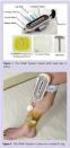 Negative Pressure Wound Therapy in the Outpatient Setting Policy Number: 1.01.16 Last Review: 9/2015 Origination: 7/2001 Next Review: 9/2016 Policy Blue Cross and Blue Shield of Kansas City (Blue KC) will
Wound Care: The Basics
 Wound Care: The Basics Suzann Williams-Rosenthal, RN, MSN, WOC, GNP Norma Branham, RN, MSN, WOC, GNP University of Virginia May, 2010 What Type of Wound is it? How long has it been there? Acute-generally
Policies & Procedures. Title: I.D. Number: 1160
 Policies & Procedures Title: NEGATIVE PRESSURE WOUND THERAPY (NPWT) I.D. Number: 1160 Authorization: [X] SHR Nursing Practice Committee Source: Nursing Date Revised: March, 2010 Date Effective: November,
NEGATIVE PRESSURE WOUND THERAPY
 DISCLAIMER: These guidelines were prepared jointly by the Surgical Critical Care and Medical Critical Care Services at Orlando Regional Medical Center. They are intended to serve as a general statement
CHAPTER V CONCLUSION AND RECOMMENDATIONS. findings are presented, implications for nursing practice and education are discussed,
 CHAPTER V CONCLUSION AND RECOMMENDATIONS In this chapter, a summary of the findings and conclusion drawn from the findings are presented, implications for nursing practice and education are discussed,
Managing cavity wounds Journal of Community Nursing March 1998 Author: Rosemary Pudner
 Managing cavity wounds Journal of Community Nursing March 1998 Author: Rosemary Pudner It has been seen in recent years, that an increasing number of patients are being discharged early into the community,
ABThera Open Abdomen Negative Pressure Therapy for Active Abdominal Therapy. Case Series
 ABThera Open Abdomen Negative Pressure Therapy for Active Abdominal Therapy Case Series Summary of Cases: USER EXPERIENCE The ABThera OA NPT system was found by surgeons to be a convenient and effective
Vacuum-Assisted Wound Closure ISSN: 0002-936X American Journal of Nursing
 Vacuum-Assisted Wound Closure ISSN: 0002-936X American Journal of Nursing Author(s): Chua Patel, Christy T. MS, RN; Kinsey, Gail C. MS, RN, CNS; Koperski-Moen, Kelley J. ADN, RN; Bungum, Lisa D. BSN, RN
Simplicity through innovation
 RENASYS Soft Port Simplicity through innovation The new RENASYS Soft Port from Smith & Nephew represents a revolutionary advancement in Negative Pressure Wound Therapy (NPWT). This innovative Soft Port
Technology Assessment
 Technology Assessment Technology Assessment Program Negative Pressure Wound Therapy Technologies For Chronic Wound Care in the Home Setting Prepared for: Agency for Healthcare Research and Quality 540
Post-surgical V.A.C. VeraFlo Therapy with Prontosan Instillation on Inpatient Infected Wounds * COLLECTION OF CASE STUDIES
 COLLECTION OF CASE STUDIES Post-surgical V.A.C. VeraFlo Therapy with Prontosan Instillation on Inpatient Infected Wounds * *All patients were treated with systemic antibiotics Post-surgical V.A.C. VeraFlo
Use of a Pressure Ulcer Protocol: Benefits and Recommendations
 Use of a Pressure Ulcer Protocol: Benefits and Recommendations Elizabeth L. Enriquez RN,BSN,MPH,CWOCN Wound Care Specialist/Infection Control Morningiside House 1000 Pellham Parkway, Bronx, NY 10461 Wound
Plastic, Vascular & Podiatry the Georgetown Model
 Plastic, Vascular & Podiatry the Georgetown Model Christopher Attinger,, MD SVS June 15,2011 Chicago Disclosure: None for this talk Wound Center Financial Viability: outline Clinical success Team approach
COMPLIANCE WITH THIS DOCUMENT IS MANDATORY
 COVER SHEET NAME OF DOCUMENT TYPE OF DOCUMENT Policy DOCUMENT NUMBER DATE OF PUBLICATION August 2011 RISK RATING Medium Risk LEVEL OF EVIDENCE REVIEW DATE August 2014 FORMER REFERENCE(S) EXECUTIVE SPONSOR
Integumentary System Individual Exercises
 Integumentary System Individual Exercises 1. A physician performs an incision and drainage of a subcutaneous abscess in his office for a particularly uncooperative established patient. How should this
Improving the Safety of Negative-Pressure Wound Therapy
 REVIEWS & ANALYSES Improving the Safety of Negative-Pressure Wound Therapy ABSTRACT Negative-pressure wound therapy (NPWT) is a noninvasive therapy that uses negative pressure to treat acute and chronic
* This policy is under review and is being updated. A revised policy will be added shortly * February 2009. Clinical Development Forum
 * This policy is under review and is being updated. A revised policy will be added shortly * Document Title: PCT Document Ref No.: Local Document Ref No.: Date of Approval: Approved by: Guidance for the
ICD-10-CM Official Guidelines for Coding and Reporting
 2013 Narrative changes appear in bold text Items underlined have been moved within the guidelines since the 2012 version Italics are used to indicate revisions to heading changes The Centers for Medicare
Spinal Cord Stimulation (SCS) Therapy: Fact Sheet
 Spinal Cord Stimulation (SCS) Therapy: Fact Sheet What is SCS Therapy? Spinal cord stimulation (SCS) may be a life-changing 1 surgical option for patients to control their chronic neuropathic pain and
Wound Healing Community Outreach Service
 Wound Healing Community Outreach Service Wound Management Education Plan January 2012 December 2012 Author: Michelle Gibb Nurse Practitioner Wound Management Wound Healing Community Outreach Service Institute
If several different trials are mentioned in one publication, the data of each should be extracted in a separate data extraction form.
 General Remarks This template of a data extraction form is intended to help you to start developing your own data extraction form, it certainly has to be adapted to your specific question. Delete unnecessary
HCPCS AMERIGEL HYDROGEL DRESSINGS CODING GUIDANCE FOR:
 HCPCS CODING GUIDANCE FOR: AMERIGEL HYDROGEL DRESSINGS FORM 1500 MUST HAVE THE FOLLOWING: APPROPRIATE HCPCS CODE APPROPRIATE A MODIFIER ACCURATE POS = 12 The Centers for Medicare and Medicaid Services
Benefit Criteria to Change for Hyperbaric Oxygen Therapy for the CSHCN Services Program Effective November 1, 2012
 Benefit Criteria to Change for Hyperbaric Oxygen Therapy for the CSHCN Services Program Effective November 1, 2012 Information posted September 14, 2012 Effective for dates of service on or after November
APPENDIX 1: INTERDISCIPLINARY APPROACH TO PREVENTION AND MANAGEMENT OF DIABETIC FOOT COMPLICATIONS
 APPENDIX 1: INTERDISCIPLINARY APPROACH TO PREVENTION AND MANAGEMENT OF DIABETIC FOOT COMPLICATIONS Template: Regional Foot Programs should develop a list of available health professionals in the following
Negative Pressure Wound Therapy (VAC Therapy) Guidelines
 Negative Pressure Wound Therapy (VAC Therapy) Guidelines This is a living document and will be updated as required March 2013 Negative Pressure Wound Therapy Negative Pressure Wound Therapy (NPWT), also
Wound Classification Name That Wound Sheridan, WY June 8 th 2013
 Initial Wound Care Consult Sheridan, WY June 8 th, 2013 History Physical Examination Detailed examination of the wound Photographs Cultures Procedures TCOM ABI Debridement Management Decisions A Detailed
Diabetic Foot Ulcers and Pressure Ulcers. Laurie Duckett D.O. Plastic and Reconstructive Surgeon Oklahoma State University Center for Health Sciences
 Diabetic Foot Ulcers and Pressure Ulcers Laurie Duckett D.O. Plastic and Reconstructive Surgeon Oklahoma State University Center for Health Sciences Lecture Objectives Identify risk factors Initiate appropriate
Vacuum-assisted closure (VAC) is a noninvasive, active, closed
 P r o c e d u r e s P r o W O U N D C R E / S U R G E R y Peer Reviewed THE ESSENTIL WOUND CRE SERIES Vacuum-ssisted Wound Closure This is the third installment of The Essential Wound Care Series, which
COMPLIANCE WITH THIS DOCUMENT IS MANDATORY
 COVER SHEET NAME OF DOCUMENT Wound Wound Assessment and Management TYPE OF DOCUMENT Procedure DOCUMENT NUMBER SESLHDPR/297 DATE OF PUBLICATION April 2014 RISK RATING Medium LEVEL OF EVIDENCE N/A REVIEW
John E. O Toole, Marjorie C. Wang, and Michael G. Kaiser
 Hypothermia and Human Spinal Cord Injury: Updated Position Statement and Evidence Based Recommendations from the AANS/CNS Joint Sections on Disorders of the Spine & Peripheral Nerves and Neurotrauma &
Clinical Practice Assessment Robotic surgery
 Clinical Practice Assessment Robotic surgery Background: Surgery is by nature invasive. Efforts have been made over time to reduce complications and the trauma inherently associated with surgery through
Since its introduction almost 20
 Guidelines for safe negative-pressure wound therapy Rule of thumb: Assess twice, dress once By Ron Rock MSN, RN, ACNS-BC Since its introduction almost 20 years ago, negative-pressure wound therapy (NPWT)
Summary of Recommendations
 Summary of Recommendations *LEVEL OF EVIDENCE Practice Recommendations Assessment 1.1 Conduct a history and focused physical assessment. IV 1.2 Conduct a psychosocial assessment to determine the client
7/11/2011. Pressure Ulcers. Moisture-NOT Pressure. Wounds NOT Caused by Pressure
 Assessment and Documentation of Pressure Ulcers Jeri Ann Lundgren, RN, BSN, PHN, CWS, CWCN Pathway Health Services July 19, 2011 Training Objectives Describe etiologies of pressure ulcers Discuss how to
Dermatology & Wound Care Services
 Dermatology & Wound Care Services Presenter: Sara San Pedro CPC, CPMA, CEMC, CCP-P AHIMA Approved ICD-10 CM&PCS Trainer/Ambassador Objectives The Surgical Package and modifiers Common wound care services
The true cost of wounds. And how to reduce it
 The true cost of wounds And how to reduce it Wounds are a growing challenge Wounds have been called the silent epidemic. In a typical hospital setting today, between 25% and 40% of beds will be occupied
How To Cover Occupational Therapy
 Guidelines for Medical Necessity Determination for Occupational Therapy These Guidelines for Medical Necessity Determination (Guidelines) identify the clinical information MassHealth needs to determine
Negative Pressure Wound Therapy Incorporating Early Exercise Therapy in Hand Surgery: Bag-type Negative Pressure Wound Therapy
 2013 67 4 271 276 Negative Pressure Wound Therapy Incorporating Early Exercise Therapy in Hand Surgery: ag-type Negative Pressure Wound Therapy * 272 67 4 14 15 17 ugust 2013 ag-type Negative Pressure
Pressure Ulcers: Facility Assessment Checklists
 Pressure Ulcers: Facility Assessment Checklists This is a series of self-assessment checklists for nursing home staff to use to assess processes related to managing pressure ulcers in the facility, in
Objectives. Why is this important? 5/1/2012. By: Rhonda Trexler, BS RN COS-C CCP
 By: Rhonda Trexler, BS RN COS-C CCP Objectives Verbalize the ability to determine if a surgical wound exists when documenting in OASIS-C Describe would healing phases related to wounds healing by primary
University of Huddersfield Repository
 University of Huddersfield Repository Atkin, Leanne and Shirlow, K. Understanding and applying compression therapy Original Citation Atkin, Leanne and Shirlow, K. (2014) Understanding and applying compression
History of Negative Pressure Wound Therapy (NPWT) NPWT Applicable to Multiple Types of Wound
 History of Negative Pressure Wound Therapy (NPWT) Cheng Siu Wah Winnie, NC Stoma & Wound Care Unit Department of Surgery, QEH Starting in the 1970s numerous articles appeared in the Russian literature
FUNCTIONS OF THE SKIN
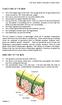 FUNCTIONS OF THE SKIN Skin is the largest organ of the body. The average adult has 18 square feet of skin which account for 16% of the total body weight. Skin acts as a physical barrier for you to the
UNDERSTANDING FRACTURE BLISTERS: Management and Implications
 C H A P T E R 2 8 UNDERSTANDING FRACTURE BLISTERS: Management and Implications Thomas F. Smith, DPM Richard P. Bui, DPM Cathy O. Coker, DPM INTRODUCTION The overlying premise to understanding the etiology,
Position Statement: Pressure Ulcer Staging
 Position Statement: Pressure Ulcer Staging Statement of Position The Wound, Ostomy and Continence Nurses (WOCN) Society supports the use of the National Pressure Ulcer Advisory Panel Staging System (NPUAP).
Reimbursement guide. IODOSORB and IODOFLEX are Cadexomer Iodine Dressings which are available in a gel or pad format.
 Reimbursement guide IODOSORB and IODOFLEX are Cadexomer Iodine Dressings which are available in a gel or pad format. IODOSORB and IODOFLEX remove barriers to healing and reduce pain and odor associated
The role of MEDIHONEY in treating acute and chronic wounds of our nation s military
 The role of MEDIHONEY in treating acute and chronic wounds of our nation s military Kara S. Couch, MS, CRNP, CWS Complex Wound and Limb Salvage Center Bethesda, MD Agenda My clinical practice Why MEDIHONEY?
Pain and tissue-interface pressures during spineboard immobilization.
 Ann Emerg Med. 1995 Jul;26(1):31-6. Links Pain and tissue-interface pressures during spineboard immobilization. Cordell WH, Hollingsworth JC, Olinger ML, Stroman SJ, elson DR. Emergency Medicine and Trauma
Anyone who has difficulty moving can get a pressure sore. But you are more likely to get one if you:
 Patient information from the BMJ Group Pressure sores Anyone can get a pressure sore if they sit or lie still for too long without moving. People who are old or very ill are most likely to get them. Careful
Open Ventral Hernia Repair
 Ventral Hernias Open Ventral Hernia Repair UCSF Postgraduate Course in General Surgery Maui, HI March 21, 2011 Hobart W. Harris, MD, MPH Ventral Hernias: National Experience Occur following 11-23% of laparotomies,
Y O U R S U R G E O N S. choice of. implants F O R Y O U R S U R G E R Y
 Y O U R S U R G E O N S choice of implants F O R Y O U R S U R G E R Y Y O U R S U R G E O N S choice of implants F O R Y O U R S U R G E R Y Your Surgeon Has Chosen the C 2 a-taper Acetabular System The
TAKING CARE OF WOUNDS KEY FIGURE:
 Chapter 9 TAKING CARE OF WOUNDS KEY FIGURE: Gauze Wound care represents a major area of concern for the rural health provider. This chapter discusses the treatment of open wounds, with emphasis on dressing
Wound and Skin Assessment. Mary Carvalho RN, BSN, MBA Clinical Coordinator Johnson Creek Wound and Edema Center
 Wound and Skin Assessment Mary Carvalho RN, BSN, MBA Clinical Coordinator Johnson Creek Wound and Edema Center Skin The largest Organ Weighs between 6 and 8 pounds Covers over 20 square feet Thickness
An Essential Tool For The Care DFUs
 Adjunct HBO 2 Therapy: March 16, 2016 William Tettelbach, MD, FACP, FIDSA System Medical Director of Wound & Hyperbaric Medicine Services An Essential Tool For The Care DFUs Fedorko, L., et al., Hyperbaric
Wound Healing. Healing is a matter of time, but it is sometimes also a matter of opportunity. Hippocrates
 C HAPTER 9 Wound Healing Healing is a matter of time, but it is sometimes also a matter of opportunity. Hippocrates As the above quote suggests, conduct regular and systematic wound assessments, and seize
Corporate Medical Policy
 Corporate Medical Policy File Name: Origination: Last CAP Review: Next CAP Review: Last Review: spinal_cord_stimulation 3/1980 10/2015 10/2016 10/2015 Description of Procedure or Service Spinal cord stimulation
Glossary of Methodologic Terms
 Glossary of Methodologic Terms Before-After Trial: Investigation of therapeutic alternatives in which individuals of 1 period and under a single treatment are compared with individuals at a subsequent
Laparoscopic Repair of Incisional Hernia. Maria B. ALBUJA-CRUZ, MD University of Colorado Department of Surgery-Grand Rounds
 Laparoscopic Repair of Incisional Hernia Maria B. ALBUJA-CRUZ, MD University of Colorado Department of Surgery-Grand Rounds Overview Definition Advantages of Laparoscopic Repair Disadvantages of Open Repair
Mitchell S. Fourman M.Phil Eugene Borst BS Eric Bogner, MD S. Robert Rozbruch MD Austin T. Fragomen, MD
 Post-Operative CT Measurements Accurately Predict the Need for Clinical Intervention Retrospective Findings to Support Prospective Clinical Trial Protocol Mitchell S. Fourman M.Phil Eugene Borst BS Eric
Provided by the American Venous Forum: veinforum.org
 CHAPTER 17 SURGICAL THERAPY FOR DEEP VALVE INCOMPETENCE Original author: Seshadri Raju Abstracted by Gary W. Lemmon Introduction Deep vein valvular incompetence happens when the valves in the veins (tubes
Standard Operating Procedure Template
 Standard Operating Procedure Template Title of Standard Operation Procedure: Topical Negative Pressure (TNP) Reference Number: Version No: 1 Issue Date: May 2012 Review Date: August 2015 Purpose and Background
the Role of Patricia Turner BSN, RN, CWCN, CWS
 Understanding the Role of Outpatient Wound Centers Patricia Turner BSN, RN, CWCN, CWS Outpatient wound centers are somewhat of a specialty unto themselves within the world of wound care. The focus of the
Non-surgical treatment of severe varicose veins
 Non-surgical treatment of severe varicose veins Yasu Harasaki UCHSC Department of Surgery General Surgery Grand Rounds March 19, 2007 Definition Dilated, palpable, subcutaneous veins generally >3mm in
Use of Packing for Surgical Wounds. Maggie Benson Clinical Problem Solving II
 Use of Packing for Surgical Wounds Maggie Benson Clinical Problem Solving II Purpose Present patient management s/p Incision and Drainage in an outpatient setting Examine evidence for the use of wound
Surgical Site Infection Prevention
 Surgical Site Infection Prevention 1 Objectives 1. Discuss risk factors for SSI 2. Describe evidence-based best practices for SSI prevention 3. State principles of antibiotic prophylaxis 4. Discuss novel
CLINICAL GUIDELINES A REFERENCE SOURCE FOR CLINICIANS
 CLINICAL GUIDELINES A REFERENCE SOURCE FOR CLINICIANS This copy supercedes any previous revision. For revision level and contact information, refer to back cover of these guidelines. These guidelines
USE OF NEGATIVE PRESSURE DRESSINGS IN HEAD AND NECK RECONSTRUCTION
 USE OF NEGATIVE PRESSURE DRESSINGS IN HEAD AND NECK RECONSTRUCTION Eben L. Rosenthal, MD, 1 Keith E. Blackwell, MD, 2 Benjamin McGrew, MD, 1 William R. Carroll, MD, 1 Glenn E. Peters, MD 1 1 Division of
Management of Burns. The burns patient has the same priorities as all other trauma patients.
 Management of Burns The burns patient has the same priorities as all other trauma patients. Assess: - Airway - Breathing: beware of inhalation and rapid airway compromise - Circulation: fluid replacement
INFORMED CONSENT FOR SLEEVE GASTRECTOMY
 INFORMED CONSENT FOR SLEEVE GASTRECTOMY This informed-consent document has been prepared to help inform you about your Sleeve Gastrectomy including the risks and benefits, as well as alternative treatments.
APPLICATION OF DRY DRESSING
 G-100 APPLICATION OF DRY DRESSING PURPOSE To aid in the management of a wound with minimal drainage. To protect the wound from injury, prevent introduction of bacteria, reduce discomfort, and assist with
The compatibility of INTRASITE Gel and ACTICOAT : An In-Vivo and In-Vitro assessment
 *smith&nephew The compatibility of INTRASITE Gel and ACTICOAT : An In-Vivo and In-Vitro assessment 1 Trade Marks of Smith & Nephew An In-Vivo and In-Vitro assessment of the compatibility of ACTICOAT and
Electrical Burns 新 光 急 診 張 志 華
 Electrical Burns 新 光 急 診 張 志 華 Electrical Burns Definition Cellular damage due to electrical current High vs. low tension injuries 1,000 Volts dividing line Electrical Burns - Pathophysiology Joule Effect:
Topical negative pressure in wound management
 Topical negative pressure in wound management Understanding topical negative pressure therapy Health economics and topical negative pressure therapy Selecting topical negative pressure therapy in practice
WOUND MANAGEMENT PROTOCOLS WOUND CLEANSING: REMOVING WOUND DEBRIS FROM WOUND BASE
 WOUND MANAGEMENT PROTOCOLS PURPOSE: Provide nursing personnel with simple guidance regarding appropriate dressing selection in the absence of wound specialist expertise Identify appropriate interventions
Critically evaluate the organization of diabetic foot ulcer services and interdisciplinary team working
 Rationale of Module Accurate nursing assessment is the key to effective diabetic foot ulcer prevention, treatment and management. A comprehensive assessment identifies ulcer aetiology and the factors which
Antiplatelet and anticoagulation treatment of patients undergoing carotid and peripheral artery angioplasty
 Round Table: Antithrombotic therapy beyond ACS Antiplatelet and anticoagulation treatment of patients undergoing carotid and peripheral artery angioplasty M. Matsagkas, MD, PhD, EBSQ-Vasc Associate Professor
Corporate Medical Policy Continuous Passive Motion in the Home Setting
 Corporate Medical Policy Continuous Passive Motion in the Home Setting File Name: Origination: Last CAP Review: Next CAP Review: Last Review: continuous_passive_motion_in_the_home_setting 9/1993 6/2016
Prevention and Recognition of Obstetric Fistula Training Package. Module 8: Pre-repair Care and Referral for Women with Obstetric Fistula
 Prevention and Recognition of Obstetric Fistula Training Package Module 8: Pre-repair Care and Referral for Women with Obstetric Fistula Early detection and treatment If a woman has recently survived a
The Use of MEDIHONEY for Wound Management in Oncology
 The Use of MEDIHONEY for Wound Management in Oncology Presenter: Patrice M. Dillow, MSN, APRN, CWOCN Cancer Treatment Centers of America Midwestern Regional Medical Center A Magnet Hospital This presentation
OASIS-C Integument Assessment: Not for Wimps! Part I: Pressure Ulcers
 OASIS-C Integument Assessment: Not for Wimps! Part I: Pressure Ulcers Presented by: Rhonda Will, RN, BS, COS-C, HCS-D Assistant Director, OASIS Competency Institute 243 King Street, Suite 246 Northampton,
Quick Facts about Breast Augmentation with IDEAL IMPLANT Saline-filled Breast Implants
 Quick Facts about Breast Augmentation with IDEAL IMPLANT Saline-filled Breast Implants Important Factors Breast Augmentation Patients Should Consider October 2015 Caution: Federal law restricts this device
Common Pathology Diagnoses: ICD-9 to ICD-10 Mapping
 PERFORMANCE THAT MATTERS NUMBER OF CODES 14,000 69,000 ICD-9 DIAGNOSIS CODES ICD-10 DIAGNOSIS CODES CODE STRUCTURE ICD-9-CM CODE FORMAT ICD-10-CM CODE FORMAT X X X X X X X X X X X X CATEGORY ETIOLOGY,
The ReCell Spray-On Skin system for treating skin loss, scarring and depigmentation after burn injury
 The ReCell Spray-On Skin system for treating skin loss, scarring and depigmentation after burn injury Issued: November 2014 guidance.nice.org.uk/mtg21 NICE has accredited the process used by the Centre
Coding & Reimbursement
 2013 Coding & Reimbursement 2013 Coding and Reimbursement MatriStem is a unique extracellular matrix derived from a porcine urinary bladder. It has been shown to be effective in the treatment of acute
Medical Coverage Policy Hyperbaric Oxygen Therapy (HBO)
 Medical Coverage Policy Hyperbaric Oxygen Therapy (HBO) Device/Equipment Drug Medical Surgery Test Other Effective Date: 4/1/1998 Policy Last Updated: 6/19/2012 Prospective review is recommended/required.
Silicone pressure-reducing pads for the prevention and treatment of pressure ulcers
 S46 Product focus Silicone pressure-reducing pads for the prevention and treatment of pressure ulcers Abstract Pressure ulcers, a key quality of care indicator, cause emotional distress to the patient,
Oklahoma Facts CPT. Definitions. Mohs Micrographic Surgery. What Does That Mean? Billing and Coding for Mohs Surgery
 Billing and Coding for Mohs Surgery Cindy L. Wilson Dermatology Associates of Tulsa Oklahoma Facts Per square mile, Oklahoma has more tornadoes than any other place in the world. The highest wind speed
Royal Australasian College of Surgeons submission to NSW Health concerning the Performance of Podiatric Surgery in New South Wales
 Royal Australasian College of Surgeons submission to NSW Health concerning the Performance of Podiatric Surgery in New South Wales Introduction NSW Health is considering amendment of the Day Procedure
Summary and general discussion
 Chapter 7 Summary and general discussion Summary and general discussion In this thesis, treatment of vitamin K antagonist-associated bleed with prothrombin complex concentrate was addressed. In this we
GENERAL ADMISSION CRITERIA INPATIENT REHABILITATION PROGRAMS
 Originator: Case Management Original Date: 9/94 Review/Revision: 6/96, 2/98, 1/01, 4/02, 8/04, 3/06, 03/10, 3/11, 3/13 Stakeholders: Case Management, Medical Staff, Nursing, Inpatient Therapy GENERAL ADMISSION
Is manual physical therapy more effective than other physical therapy approaches in reducing pain and disability in adults post whiplash injury?
 Is manual physical therapy more effective than other physical therapy approaches in reducing pain and disability in adults post whiplash injury? Clinical Bottom Line Manual therapy may have a role in the
Long-term urinary catheters: prevention and control of healthcare-associated infections in primary and community care
 Long-term urinary catheters: prevention and control of healthcare-associated infections in primary and community care A NICE pathway brings together all NICE guidance, quality standards and materials to
What dressing for what wound. Prudence Lennox National Clinical Leader Healthcare Rehabilitation Ltd
 What dressing for what wound Prudence Lennox National Clinical Leader Healthcare Rehabilitation Ltd Wound assessment Accurate wound assessment is a prerequisite to planning appropriate care & should adopt