
End-users assessment of prophylactic negative pressure wound therapy products
|
|
|
- Sherman Dickerson
- 10 years ago
- Views:
Transcription
1 End-users assessment of prophylactic negative pressure wound therapy products Brigid M Gillespie, Tracey Finigan, David Kerr, Gordon Lonie & Wendy Chaboyer Abstract The use of negative pressure wound therapy (vacuum dressings) is increasing in surgical incisions where there is a high risk of dehiscence, seroma, and other wound healing complications. In response to the growing use of various vacuum dressings in the prophylactic treatment of surgical incisions, a product evaluation of three products was undertaken in a hospital in Queensland, Australia. In this evaluation, the three aspects of product usability were considered in a specified context of use: 1) effectiveness; 2) efficiency; and 3) satisfaction. The perspectives of the treating medical officers, nursing staff and patients were elicited. Prior to the commencement, a two-week product-specific education program was implemented. Fifteen patients were recruited, with five patients for each dressing product. The evaluation was completed in its entirety for 13/15 (86.6%) of the dressing products. The majority of surgeons and ward nurses, who used the negative pressure dressing products, recommended them. Overall, surgeons preferred the Prevena while nurses and patients preferenced the PICO product. The products evaluated here have individual features that make them appropriate to be used for certain incisional wounds. Product selection should be based on the type of surgery, the amount of wound ooze anticipated, and the level of risk associated with the incision. However, in the current economic climate, product cost will ultimately dictate product use. Keywords: Primary intention, vacuum therapy, stakeholder, surgical dressing, arthroplasty. Introduction Negative pressure wound therapy (NPWT), has been used to aid healing since it was first developed in the 1990s 1. Direct application of NPWT treatment is based on a closed, sealed system that creates a vacuum (suction) to the wound surface. The wound is covered with an open-cell foam or gauze dressing and sealed with a transparent film connected by tubing to a vacuum pump that supplies either continuous or intermittent sub-atmospheric pressure. Standard negative pressure rates range between 50 and 125 mm Hg 2,3. NPWT draws wounds closed by helping to remove interstitial fluid which contains inflammatory and potentially infectious exudates that impair healing. The precise way that NPWT promotes wound healing in surgical wounds is unclear; however, there is some limited evidence that suggests that NPWT increases perfusion of the local area and granulation tissue, thus reducing oedema, exudates and bacterial contamination 2. NPWT is recommended for a diverse range of chronic lesions or difficult to heal wounds 2-4, and, more recently, for tenuous acute (surgical) incisions 5,6. In response to the growing use of NPWT dressings in the prophylactic treatment of surgical incisions 6, an evaluation of three leading products was undertaken. These dressing products were assessed by end-users to identify product modifications and development for improvements. The results of the evaluation have been given as feedback to the manufacturers of NPWT devices. The role of end-users in medical product development There is growing demand for developers of medical devices to incorporate the assessment and requirements of end-users into their development processes 7,8. Some of these demands have stemmed from the recognition that poor usability increases risks associated with medical devices 8,9. Hence, this emphasis on patient safety has led to governmental and non-governmental bodies mandating more stringent requirements for product usability 8. However, merely addressing the clinical needs of end-users will not guarantee success or prevent dissatisfaction or ad hoc modification of the product. Notwithstanding the imperative to maintain patient safety and optimise outcome, satisfying end-user needs must also include aspects of usability such as comfort, aesthetics, storage, portability, ease of use and learner training 8. Usability is defined in the International Organisation for Standardisation (ISO) as the Wound Practice and Research 74

2 extent to which a product can be used by specific users to achieve specified goals with effectiveness, efficiency and satisfaction in a specified context of use 10. The value of end-user feedback in product development is acknowledged as a means of providing a better understanding of how products are developed and modified over time 9. End-users play a vital role through providing feedback about their wants and needs, and such feedback needs to capture end-user product assessment. Other benefits of obtaining end-user assessment include improved compliance and health outcomes, and a higher level of end-user/ patient satisfaction 9. While the use of NPWT appears to be growing in some health care contexts, prior to its widespread introduction in the prophylactic Brigid M Gillespie * RN, BHthSc (Hons), PhD Senior Research Fellow, NHMRC Research Centre for Clinical Excellence in Nursing Interventions (NCREN) & Research Centre for Health Practice Innovation (HPI), Griffith Health Institute, Griffith University, Gold Coast Campus, QLD 4222 Tel +61 (07) Fax +61 (07) [email protected] Tracey Finigan RN, BN A/Clinical Nurse, Neck of Femur Patient Flow, Gold Coast Hospital, Gold Coast Health Services District, QLD David Kerr RN, BN Emergency Department Discharge Nurse, Gold Coast Hospital, Gold Coast Health Services District, QLD Gordon Lonie RN, BN A/Clinical Nurse Consultant, Plastic Surgery & Wound Care, Gold Coast Hospital, Gold Coast Health Services District, QLD Wendy Chaboyer RN, BSc, MN, PhD Professor & Director, NHMRC Centre of Research Excellence in Nursing Interventions (NCREN) & Research Centre for Health Practice Innovation (HPI), Griffith Health Institute, Griffith University, Gold Coast Campus, QLD *Corresponding author 75 management of surgical incisions, it is essential to glean the perspectives of the people who use these products. To this end, we invited end-users from three key stakeholder groups to give feedback on three single-use NPWT products manufactured by two leading companies. The results herein have been reported back to the medical device companies as a means of informing future development or modifications of these products. Product Evaluation Methods The goal of a product evaluation is to assess the usability of a medical device from the perspectives of end-users in order to provide practical feedback to a variety of audiences. An evaluation allows end-users to ascertain whether the product complies with industry standards in relation to its intended use, discover whether faults in the design or composition of materials are caused by accident, and compare products of a similar design and intended use 8. In this evaluation, the three aspects of product usability (that is, effectiveness, efficiency, satisfaction) were considered in a specified context of use 10. Effectiveness is concerned when the user is able to successfully complete a given task 9. Efficiency may include the time taken to complete a task using the product. Satisfaction is gauged through using qualitative methods and may include aspects of comfort, aesthetics and functionality 7-9. In this evaluation, effectiveness and efficiency 7,9 of three single-use NPWT products was considered in terms of the products performance regarding assembly, application, wound appearance and the ability to assess the wound. The third aspect of usability, satisfaction, was considered through the qualitative feedback end-users provided based on their overall perceptions of product features and comfort when undertaking daily activities 7-9. This evaluation was unique in that it sought to glean the perspectives of three heterogeneous consumer groups: the attending surgeon, nurse and surgical patient, all of whom had a vested interest in wound management. Table 1 shows the product specifications of the three NPWT products evaluated in relation to the indications for product use, cost, wound dressing and canister capacity, and battery life [Prevena (Kinetic Concepts Inc; (KCI), VAC VIA (KCI), and PICO (Smith & Nephew)]. This product evaluation was conducted in a 28-bed surgical ward of a large metropolitan hospital in southeast Queensland, Australia. From March 2012 through to October 2012, 15 patients undergoing elective primary hip or knee arthroplasty surgery consented to having one of three types of NPWT dressing products applied following skin closure in the operating room. Two wound product manufacturers provided samples of their NPWT dressing products. Prior to the commencement of the evaluation, a two-week product-specific education program, delivered by product representatives from KCI and Smith & Nephew, was undertaken for staff working in the operating room and the orthopaedic ward. The education sessions Volume 21 Number 2 June 2013

3 Table 1: Product specifications for each device Product comparison VAC VIA Prevena PICO Manufacturer s recommendations for use Chronic Acute Traumatic Subacute Dehisced wounds Partial-thickness burns Ulcers (such as diabetic, pressure or venous insufficiency) Flaps and grafts Clean, closed incisions that continue to drain following sutured or stapled closure. Acute Flaps and grafts Incision sites Partial-thickness burns Subacute and dehisced wounds Traumatic Ulcers (such as diabetic or pressure) Usual pressure settings 75 mmhg to 125 mmhg 125 mmhg 80 mmhg Usual therapy duration 7 days 2 7 days 5 days Therapy delivery mode Continuous or dynamic pressure Continuous Continuous control Cost of product A$875 A$395 A$180 (excluding optional pouch) Safety alarms System fault, blockage, leakage, Air leak, battery critical, canister Air leak and battery critical battery critical, therapy life exhausted maximum capacity, system error alert, device life cycle expired Size of canister 250 ml 45 ml Drainage absorbed in dressing Unit weight with empty 320 g 195 g 27 g canister Power source AC and battery Three AA lithium batteries Two AA lithium batteries Battery life 9 hours 5 days 5 days Dressing description GranuFoam dressing actively promotes healing Sensa TRAC Technology; with continuous feedback for enhanced negative pressure accuracy 3M Cavilon No Sting barrier Film (Barrier Film) helps to protect intact or damaged skin from irritation caused by urine and/or faecal incontinence, digestive juices, wound drainage, adhesives, and friction The film is colourless, transparent, and possesses good oxygen and moisture vapour permeability Small Spiral GranuFoam Dressing (cm) 7.7 x 11.2 x 1.75 Medium Spiral GranuFoam Dressing (cm) 14.5 x 17 x 1.75 An integrated, one-piece dressing comprised of a polyurethane film with acrylic adhesive that provides adhesion of the dressing to the skin surrounding the incision and a polyurethane shell that encapsulates the foam bolster and interface layer, providing a closed system Preneva Patch Strip (cm) 2.5x15 10x15 Silicone contact allows fluid to pass and minimise pain of removal Airlock layer maintains open airflow and allows even distribution of negative pressure across the dressing Proprietary absorbent layer moves exudates away from the wound and initiates evaporation The high moisture vapour transmission rate top film allows one-way transpiration of exudates vapour Size (cm) 10x20 10x30 15x15 15x20 20x20 10x40 Available pad area (cm) 5x10 5x20 10x10 10x15 15x15 10x40 Wound Practice and Research 76

4 Table 2: Stem statements for each stakeholder (Likert ratings used) Surgeon s perspective Nurse s perspective Patient s perspective 1. The dressing kit is easy to assemble 1. I am able to adequately assess the wound 1. The dressing feels comfortable to wear 2. The dressing is easy to apply and is adherent 3. The dressing size adequately accommodates the length of the suture line 2. There is little or no dressing edge lift 2. The machine is easy to carry around 3. The dressing maintains an adequate seal 3. The dressing does not cause discomfort when it is removed 4. The dressing maintains an adequate seal 4. The canister/pump is not noisy or distracting 4. The machine is not noisy or distracting 5. The dressing adequately conforms to the body surface 6. Is there evidence of haematoma or seroma at suture line site post-removal negative pressure device 7. When the dressing is removed, the incision site is clean and dry 5. The dressing is easily removed 5. The dressing feels secure and intact after showering 6. The dressing does not cause the patient discomfort when being removed 8. There is minimal or no haematoma in or around incision site on dressing removal were delivered via staff meetings and in-services and lasted between 20 and 30 minutes. Approval to conduct the evaluation was obtained from the hospital s Advisory Committee for New Technology and the Director of Orthopaedics. A product evaluation form, informed by the literature on wound management and dressing characteristics was developed The form consisted of 36 questions and was divided into three sections that focused on the perspectives of the attending surgeon (13 questions), nurse (16 questions), and patient (7 questions). In total, there were seven questions pertinent to the surgeon and nurse, and five questions relevant to the patient. For each question, a five-point Likert scale of agreement (1= strongly disagree through to 5= strongly agree ) was used with higher scores indicating greater levels of agreement. The stem statements relevant to each stakeholder s perspective contained in the evaluation form are detailed in Table 2. Other information on the form included the operation performed, the presence of a percutaneous drain, dressing replacement in the postoperative period and receipt of product-specific education. In the evaluation form there was also a free text section for stakeholders to write their likes and dislikes in relation to the features of each NPWT product included in the evaluation. Data Analysis Raw scores were entered into Predictive Analysis Software Package (PASW, Version 20, Chicago, IL). Descriptive statistics were used to summarise categorical and continuous data. Categorical data included product-specific education (yes, no), type of operation (hip, knee), percutaneous drain (yes, no), and product recommendation (yes, 77 no).the length of time the NPWT dressing remained in situ was measured by the number of postoperative days and is reported using the median and interquartile range (IQR). Stakeholders scores for the Likert responses were summed and the mean and standard deviation (SD) used to present the results. Results Fifteen patients were recruited, with five patients for each NPWT product. The evaluation was completed in its entirety for 13/15 (86.6%) of the dressing products. Two patients (PICO and VAC VIA products) had to have their dressings replaced with the usual product within 12 hours after surgery because of battery failure. Consequently, results are presented for the 13 patients who completed this evaluation. The clinical characteristics of the surgery/patient were collected. Nine (62.2%) patients had a primary hip arthroplasty, while six (46.6%) patients in this evaluation had a percutaneous drain inserted. The Prevena dressing was left in situ for the longest period of time, 5.6 days (IQR=1.6 days). These and other results are presented in Table 3. Effectiveness and efficiency of the three NPWT products was evaluated relative to the extent to which each product could be used by specific users to meet their particular needs. Scores for stakeholder groups were summed and averaged for the Likert response questions (detailed in Table 2) pertaining to dressing assembly and application, wound appearance, and the ability to visualise the wound. Overall, surgeons preferred the Prevena (mean 29.0, SD 4.0), while nurses and patients preferenced the PICO (mean 31.4, SD 4.9 and mean 19.4, SD 4.0 respectively). These results are detailed in Table 4. Volume 21 Number 2 June 2013

5 Table 3: General characteristics across 13 surgeries where NPWT was applied Characteristic n % Product education % Type of surgery Hip % Knee % External percutaneous drain % Drain exit site outside dressing parameter % Preoperative shave % Product recommendation Ward nurse % Surgeon % Number of postoperative days NPWT product left in situ Usability in relation to satisfaction was qualitatively assessed in the free text section of the evaluation form. Stakeholder groups were invited to make comments about their likes and dislikes for the particular NPWT product they used. From the perspectives of the surgeons, wound appearance and cost were important considerations. Nurses commented about the product-specific education required and the lack of ability to visually assess the wound. For patients, comfort, the size of the pump and the provision of a pouch needed to carry it defined their levels of satisfaction. These qualitative comments are illustrated in Table 5. Discussion Median IQR VAC VIA Prevena PICO To our knowledge, this is the first product evaluation that has specifically focused on aspects of usability 7-9 in relation to three single-use NPWT products designed for tenuous surgical incisions. While it is not intended to be a piece of research, the approach that we have taken was rigorous as it was informed by the literature on surgical wound management and NPWT. Additionally, the roll-out of the evaluation was preceded by a product-specific education program to ensure consistency in product application and postoperative management. Both shortcomings and areas for product improvement were noted, in addition to user-friendly or aesthetic features. The results of this evaluation, taken into context, suggest that all NPWT products evaluated achieved the purposes for which they were intended; thus they demonstrated acceptable usability. Feedback from the attending surgeons about product usability was generally positive, with around 75% recommending a NPWT product. Surgeons comments in regard to suture line appearance and dressing adherence were favourable. Ease of application was an important aspect of efficiency, with some surgeons stating that applying the VAC VIA was fiddly. Overall it appeared that surgeons preferred the Prevena dressing product. The Prevena dressing product has been specifically designed for high-risk surgical incisions that are likely to drain during the postoperative period. In surgeries such as primary hip and knee arthroplasty, wound ooze is common, and to some extent, expected, in the early postoperative period 6. Therefore, selection of this NPWT product may be appropriate depending on the patient and the type of surgery. Surgeons also commented on the cost of the NPWT products. Such concerns reflect the ongoing debate around the cost of using NPWT over conventional dressing products 14,15. While some research shows that using NPWT products may be cost-effective in reducing patient s length of hospital stay 2,14, full economic evaluations are scarce, but are urgently needed alongside clinical trials to test product efficacy. Nearly 70% of the nurses exposed to a NPWT product believed that it demonstrated acceptable usability, and recommended their use. However, nurses main concerns centred on the inability to visualise the wound, making it difficult to assess. Best practice guidelines advocate for the surgical dressing to be left in situ for at least the first 48 hours where possible 16,17. The product manufacturers (KCI, Smith Table 4: Total scores for each stakeholder group for each NPWT dressing product evaluated (n=13) VAC VIA (n=4) Prevena (n=5) PICO (n=4) Stakeholder Number of questions Possible score Mean SD Mean SD Mean SD Surgeon Nurse Patient Wound Practice and Research 78

6 Table 5: Qualitative comments from stakeholders in relation to each NPWT product Stakeholder VAC VIA (n=4) Prevena (n=5) PICO (n=4) Surgeon More fiddly to apply than the other NPWT products Product battery not charged, trial ended Cost prohibitive Dressing adheres to skin well Cost prohibitive Happy with wound appearance and suture line Extra sticky plastic supplied if seal is not achieved Easy to apply Happy with wound appearance Ease of use and compact Cost prohibitive Nurse Unable to visualise wound Size of canister is bulky Education needed to change the unit Canister is quiet Unable to visualise wound Bulky, no pouch for mobilising No incidents or alarms noted Education needed to change the unit Unable to visualise wound Attachment to pump broke, pump disconnected from tubing Compact pump Patient Machine is bulky to carry No case with machine, difficult to move around Comfortable to wear but range of movement is reduced (knee) Machine is a bit bulky to carry around No carry case supplied Comfortable to wear No pouch Compliance in every package Protection in every cloth Day 1 - Before Comfort Shield Day 4 - After Comfort Shield Comfort Shield helps reduce Incontinence Associated Dermatitis (an influencing factor in perineal pressure ulcers) Cleans, treats and protects against perineal dermatitis through its active ingredient 3% dimethicone Breathable, transparent barrier makes skin assessment easy without removal (less traumatic to at-risk skin) Replaces laundered washcloths, wipes, soaps, deodorants, lotions, basins, sprays, foam cleansers and barrier creams For further information about the SAGE INTERVENTIONAL HYGIENE product range please contact National Customer Service on or visit our website at WPR_Halfpage_180x120_May_2012.indd /17/2012 2:00:09 PM Volume 21 Number 2 June 2013

7 & Nephew) of the NPWT devices used in this evaluation recommend that the dressing be left in situ for up to seven days in order to obtain optimal wound healing. This guidance is given contingent on the type of surgery and the location of the incision. Nurses preferred the PICO dressing product over the other NPWT dressings because of the compact design of the pump. Unlike the Prevena and VAC VIA, the PICO does not have a canister for the collection of haemoserous ooze. The PICO dressing is capable of absorbing up to 50 ml of fluid. The product manufacturer (Smith & Nephew) recommends that the dressing should be changed when there is up to 50% strike-through on the dressing. As such, use of the PICO product may be limited to surgical incisions where minimal wound ooze is anticipated. However, in this evaluation, the amount of wound ooze did not impact on any aspect of usability. Generally, product evaluations do not seek the input from the patient end-user as these individuals do not make purchasing decisions 9. Yet, as end-users, patients should be given the opportunity to provide feedback on usability. For patients in this evaluation, size and portability of the canister or pump were important aspects of usability as they mobilised following surgery, with overall preferences going to the PICO product. The lack of a carry case to accompany the NPWT product appeared to detract from the overall appeal. Some patients who had knee arthroplasty reported that their range of movement was somewhat restricted with the VAC VIA because of the bulky nature of the dressing. The VAC VIA device has a canister that can accommodate up to 250 ml of wound ooze, and while it is designed to be used on surgical wounds, it may be more appropriate to use in wounds where there is moderate exudate expected. Only around 60% of nurses and treating surgeons who were exposed to the NPWT products attended the education sessions on the use of these devices. The importance of training everyone involved in the use of new products cannot be understated and impacts on end-users perceptions of usability. The success of a clinical device in delivering its promised outcomes largely depends on the end user s ability to operate the device according to the manufacturer s instructions 9. Although a two-week product-specific program was delivered to operating room staff, surgeons and the nurses who worked on the ward, some staff who were exposed to the NPWT products during this evaluation did not have the opportunity to attend. In spite of the rollout of the product-specific program, the busy nature of the clinical setting limited the numbers of nurses and doctors who attended. Of those nurses who were able to attend, the majority anecdotally reported that they had not been exposed to these disposable NPWT products prior to the evaluation. Limitations We recognise that this product evaluation has several limitations. Firstly, the number of evaluations conducted for each NPWT product may be insufficient for end-users to adequately assess the product features. The NPWT dressing products were supplied by the two manufacturers free of charge and were specifically intended for this evaluation. Nevertheless, we selected stakeholders who could offer different insights into usability based on effectiveness, efficiency and satisfaction, to establish whether the NPWT product met their specific purposes and needs. Secondly, although a product-specific education program was undertaken for a two-week period prior to the evaluation, it was not long enough to capture all potential end-users. Consequently, the lack of product familiarity in some instances may have influenced end-users perceptions of the NPWT products being evaluated. Thirdly, this evaluation was based on self-report data, and, therefore, is subjective. Fourthly, in terms of assessing usability, we did not measure the length of time required to apply or remove the NPWT dressing, or the number of errors made during dressing application. Nor did we measure incisional pain experienced by patients. These measures of efficiency and satisfaction could be incorporated into subsequent evaluations. Finally, we evaluated three NPWT products; nonetheless there are other products of a similar nature available that we did not include. Our decision to evaluate the particular products herein was based on their emergent use in the hospital facility where this evaluation was conducted. Conclusions Generally it appears that the NPWT products featured in this evaluation met the criteria that define usability 10. Usability tests are especially valuable for identifying problems or shortfalls that stakeholders might not otherwise be aware of. We sought the perspectives of three heterogeneous stakeholder groups, and gave their feedback to the product manufacturers. Clearly, eliciting enduser perspectives is a crucial step in the continuing refinement of any medical device. As such the feedback provided by nurses and doctors as health care professionals should be considered during various stages of product development. The products that we evaluated have individual features that make them suitable for use in certain types of surgical incisions. Product selection should be based on the type of surgery, the amount of wound ooze that is anticipated, and the level of risk associated with the incision. Ultimately, product cost will dictate the products that will be purchased in the current economic climate. Acknowledgements The evaluation team is grateful to Dr Don Pitchford, Director of Orthopaedic Surgery, Gold Coast Health Services District for his support. The team also gratefully acknowledge KCI and Smith & Nephew for providing, free of charge, the wound dressing products used in this evaluation. ConflictS of interest The authorial team declares that they have no conflict of interests. Wound Practice and Research 80

8 References 1. Fleischmann W, Lang E & Russ M. Treatment of infection by vacuum sealing. Unfallchirurg 1997; 100(4): Stevens P. Vacuum-assisted closure of laparostomy wounds: a critical review of the literature. Int Wound J 2009; 6(4): Mandal A. Role of topical negative pressure in pressure ulcer management. J Wound Care 2007; 16(1): Molnar JA, Simpson JL, Voignier DM, Morykwas MJ & Argenta LC. Management of an acute thermal injury with subatmospheric pressure. J Burns Wounds 2005; 4:e5. 5. Kanakaris NK, Thanasas C, Keramaris N, Kontakis G, Granick MS & Giannoudis PV. The efficacy of negative pressure wound therapy in the management of lower extremity trauma: review of clinical evidence. Injury 2007; 38 Suppl 5:S Pachowsky M, Gusinde J, Klein A et al. Negative pressure wound therapy to prevent seromas and treat surgical incisions after total hip arthroplasty. International Orthopaedics (SICOT) Xue L, Yen CC, Boucharenc C & Choolani M. The design evolution of medical devices: moving from object to user. J Des Res 2008; 7(4): Martin J, Murphy E, Crowe J & Norris B. Capturing user requirements in medical device development: the role of ergonomics. Physiol Meas 2006; 27(R49):R49 R Money A, Barnett J, Kuljis J, Craven M, Martin J & Young T. The role of the user within the medical device design and development process: medical device manufacturers perspectives. BMC Med Inform Decis Mak 2011; 11: ISO IOfS. Ergonomic requirements for office work with visual display terminals (VDTs): part 11. Guidance on usability, Dumville JC, Walter CJ, Sharp CA & Page T. Dressings for the prevention of surgical site infection. Cochrane Database Syst Rev 2011(7). 12. Harvey C. Wound healing. Orthop Nurs 2005; 24(2):143 57; quiz Gurtner GC, Werner S, Barrandon Y & Longaker MT. Wound repair and regeneration. Nature 2008; 453(7193): Stannard JP, Atkens B, O Malley D et al. Use of negative pressure therapy on closed surgical incisions: A case series. Ostomy Wound Manage 2009; 55(8): Webster J, Scuffham P, Sherriff KL, Stankiewicz M & Chaboyer WP. Negative pressure wound therapy for skin grafts and surgical wounds healing by primary intention. Cochrane Database Syst Rev 2012(Issue 8):Art. No.: CD DOI: / CD National Collaborating Centre for Women s and Children s Health. NICE Clinical Guideline 74: Surgical site infection: prevention and treatment of surgical site infection. In: National Collaborating Centre for Women s and Children s Health (Ed). London: RCOG Press, 2008, pp Australian Wound Management Association. AWMA Standards for Wound Management. West Leederville, WA: Cambridge Publishing, 2010, p electronic submission of manuscripts to the journal The Wound Practice and Research journal now requires all submissions to be made online Steps to submission and publication Go to the publisher s website: Click on Manuscript Management Login. Login. Create an account if first time using the system. This will be retained for future enquiries and submissions. Enter your personal details: all fields must be completed. Confirm your details. Submitting an article Step 1. Type the title, type of paper and abstract. Select publication WP&R. Step 2. Confirm author. Add co-author details (all fields) if applicable. Step 3. Upload files. Only Word documents are accepted. Please ensure your document contains the required information and is formatted according to the author guidelines. Step 4. Add any comments for the Editor. Step 5. Review your information then click submit. Once submitted, the manuscript is reviewed by the Editor and, if acceptable, sent for peer review. Peer review Peer reviewers will be asked to review the manuscripts through the electronic process. Volume 21 Number 2 June 2013

Simplicity through innovation
 RENASYS Soft Port Simplicity through innovation The new RENASYS Soft Port from Smith & Nephew represents a revolutionary advancement in Negative Pressure Wound Therapy (NPWT). This innovative Soft Port
How many hours a day do you need to use the therapy? Introduction. How long will it take to improve your wound? What does PICO do? Will it be painful?
 Patient Information Introduction This patient handbook will provide you with important information while you are receiving negative pressure wound therapy (NPWT) from Smith & Nephew s PICO system. The
Introduction. What does PICO do? How does PICO work?
 Patient Information Introduction This patient handbook will provide you with important information while you are receiving negative pressure wound therapy (NPWT) from Smith & Nephew s PICO system. The
Standard Operating Procedure Template
 Standard Operating Procedure Template Title of Standard Operation Procedure: Topical Negative Pressure (TNP) Reference Number: Version No: 1 Issue Date: May 2012 Review Date: August 2015 Purpose and Background
Cutimed PROTECT Medical skin protection. Protect Preserve Prevent
 PROTECT Medical skin protection Protect Preserve Prevent PROTECT Ordering information PROTECT is available in foam applicators and spray bottle PROTECT REF No. Size Unit of Measure HCPCS Spray 7265300
CHAPTER V CONCLUSION AND RECOMMENDATIONS. findings are presented, implications for nursing practice and education are discussed,
 CHAPTER V CONCLUSION AND RECOMMENDATIONS In this chapter, a summary of the findings and conclusion drawn from the findings are presented, implications for nursing practice and education are discussed,
Vacuum-Assisted Wound Closure ISSN: 0002-936X American Journal of Nursing
 Vacuum-Assisted Wound Closure ISSN: 0002-936X American Journal of Nursing Author(s): Chua Patel, Christy T. MS, RN; Kinsey, Gail C. MS, RN, CNS; Koperski-Moen, Kelley J. ADN, RN; Bungum, Lisa D. BSN, RN
COMPLIANCE WITH THIS DOCUMENT IS MANDATORY
 COVER SHEET NAME OF DOCUMENT TYPE OF DOCUMENT Policy DOCUMENT NUMBER DATE OF PUBLICATION August 2011 RISK RATING Medium Risk LEVEL OF EVIDENCE REVIEW DATE August 2014 FORMER REFERENCE(S) EXECUTIVE SPONSOR
Managing cavity wounds Journal of Community Nursing March 1998 Author: Rosemary Pudner
 Managing cavity wounds Journal of Community Nursing March 1998 Author: Rosemary Pudner It has been seen in recent years, that an increasing number of patients are being discharged early into the community,
COMPLIANCE WITH THIS DOCUMENT IS MANDATORY
 COVER SHEET NAME OF DOCUMENT Wound Wound Assessment and Management TYPE OF DOCUMENT Procedure DOCUMENT NUMBER SESLHDPR/297 DATE OF PUBLICATION April 2014 RISK RATING Medium LEVEL OF EVIDENCE N/A REVIEW
Vacuum-assisted closure (VAC) is a noninvasive, active, closed
 P r o c e d u r e s P r o W O U N D C R E / S U R G E R y Peer Reviewed THE ESSENTIL WOUND CRE SERIES Vacuum-ssisted Wound Closure This is the third installment of The Essential Wound Care Series, which
ABThera Open Abdomen Negative Pressure Therapy for Active Abdominal Therapy. Case Series
 ABThera Open Abdomen Negative Pressure Therapy for Active Abdominal Therapy Case Series Summary of Cases: USER EXPERIENCE The ABThera OA NPT system was found by surgeons to be a convenient and effective
Negative Pressure Wound Therapy (VAC Therapy) Guidelines
 Negative Pressure Wound Therapy (VAC Therapy) Guidelines This is a living document and will be updated as required March 2013 Negative Pressure Wound Therapy Negative Pressure Wound Therapy (NPWT), also
Post-surgical V.A.C. VeraFlo Therapy with Prontosan Instillation on Inpatient Infected Wounds * COLLECTION OF CASE STUDIES
 COLLECTION OF CASE STUDIES Post-surgical V.A.C. VeraFlo Therapy with Prontosan Instillation on Inpatient Infected Wounds * *All patients were treated with systemic antibiotics Post-surgical V.A.C. VeraFlo
Long-term urinary catheters: prevention and control of healthcare-associated infections in primary and community care
 Long-term urinary catheters: prevention and control of healthcare-associated infections in primary and community care A NICE pathway brings together all NICE guidance, quality standards and materials to
Percutaneous Nephrostomy. Care of your Nephrostomy. Department of Urology
 Percutaneous Nephrostomy Care of your Nephrostomy Department of Urology You may encounter some problems at home but these are usually easily overcome. Listed below are some questions patients commonly
Skin Care In Bladder And Bowel Dysfunction Wendy Ness Colorectal Nurse Specialist
 Skin Care In Bladder And Bowel Dysfunction Wendy Ness Colorectal Nurse Specialist Function Of The Skin Healthy skin serves several purposes it protects the internal organs physically, chemically and biologically
* This policy is under review and is being updated. A revised policy will be added shortly * February 2009. Clinical Development Forum
 * This policy is under review and is being updated. A revised policy will be added shortly * Document Title: PCT Document Ref No.: Local Document Ref No.: Date of Approval: Approved by: Guidance for the
Clinical Guideline for: Aseptic Technique
 Clinical Guideline for: Technique Summary This guideline provides the principles of, Non Touch, and Clean Techniques to be implemented in the hospital environment. Key Points The essential elements of
Home Care for Your Wound Drain
 PATIENT EDUCATION patienteducation.osumc.edu When you go home after surgery, you may have one or more drains in place to help your wounds heal. Hemovac, Jackson Pratt (JP) and Blake are common drains used
University of Huddersfield Repository
 University of Huddersfield Repository Atkin, Leanne and Shirlow, K. Understanding and applying compression therapy Original Citation Atkin, Leanne and Shirlow, K. (2014) Understanding and applying compression
Introduction A JP Drain is a soft tube and container used to drain fluids that build up under the skin after surgery.
 JP Drain Introduction A JP Drain is a soft tube and container used to drain fluids that build up under the skin after surgery. This reference summary explains what a JP Drain is and discusses how to take
51O(K) SUMMARY: V.A.C@ Therapy family of devices.
 51O(K) SUMMARY: V.A.C@ Therapy family of devices. I. Name of Device: V.A.C.@ ATSTM, mini V.A.C.@, V.A.C. 8 FreedomTM 11. Classification Name: Powered Suction Pump 21 CFR 878.4780 III.510(k) Applicant:
Policies & Procedures. Title: I.D. Number: 1160
 Policies & Procedures Title: NEGATIVE PRESSURE WOUND THERAPY (NPWT) I.D. Number: 1160 Authorization: [X] SHR Nursing Practice Committee Source: Nursing Date Revised: March, 2010 Date Effective: November,
Caring for a Hemovac Drain
 Caring for a Hemovac Drain 269 12. Raise side rail. Lower bed height and adjust head of bed to a comfortable position. 13. Remove additional PPE, if used. Perform hand hygiene. These promote patient safety.
PATIENT URINARY CATHETER PASSPORT
 n PATIENT URINARY CATHETER PASSPORT A guide on how to look after your Catheter NHS Hertfordshire Patient Experience Team Charter House Parkway Welwyn Garden City Hertfordshire AL8 6JL Telephone: 01707
PATIENT GUIDE. Care and Maintenance Drainage Frequency: Max. Drainage Volume: Dressing Option: Clinician s Signature: Every drainage Weekly
 PATIENT GUIDE Care and Maintenance Drainage Frequency: Max. Drainage Volume: Dressing Option: Every drainage Weekly Clinician s Signature: ACCESS SYSTEMS Pleural Space Insertion Site Cuff Exit Site Catheter
Negative Pressure Wound Therapy Incorporating Early Exercise Therapy in Hand Surgery: Bag-type Negative Pressure Wound Therapy
 2013 67 4 271 276 Negative Pressure Wound Therapy Incorporating Early Exercise Therapy in Hand Surgery: ag-type Negative Pressure Wound Therapy * 272 67 4 14 15 17 ugust 2013 ag-type Negative Pressure
Patient Information Leaflet Anal Fistula operation
 Patient Information Leaflet Anal Fistula operation SM07/04 Anal Fistula operation What is a fistula? An anal fistula is a track between the skin on the outside of the buttock/anal area and the anal canal
Wound Healing Community Outreach Service
 Wound Healing Community Outreach Service Wound Management Education Plan January 2012 December 2012 Author: Michelle Gibb Nurse Practitioner Wound Management Wound Healing Community Outreach Service Institute
Guide to Abdominal or Gastroenterological Surgery Claims
 What are the steps towards abdominal surgery? Investigation and Diagnosis It is very important that all necessary tests are undertaken to investigate the patient s symptoms appropriately and an accurate
NEGATIVE PRESSURE WOUND THERAPY
 DISCLAIMER: These guidelines were prepared jointly by the Surgical Critical Care and Medical Critical Care Services at Orlando Regional Medical Center. They are intended to serve as a general statement
A Patient s guide to. pin site care. (Upper and lower limb external fixation) Limb Reconstruction Unit [email protected].
 A Patient s guide to pin site care (Upper and lower limb external fixation) Limb Reconstruction Unit [email protected] Introduction Before you leave hospital you will have been taught how
Information for patients and nurses
 Information for patients and nurses Rocket IPC Pleural Catheter Indwelling Catheter Rocket Indwelling Pleural Catheter (IPC) Contents Contact Information...03 What s in the Rocket Dressing Pack and Bottle
Looking after your urinary catheter at home
 Looking after your urinary catheter at home Information for patients and carers Useful contacts to keep: Name and title of community nurse Single point of access (SPA) for community nursing 24 hour service
Research Priority Areas
 Research Priority Areas July 2015 Contents About The Wound Management Innovation CRC 4 Executive Summary 5 Research, Core and Development Activities 6 Research Priority Areas 8 Project Application and
Hip replacements: Getting it right first time
 Report by the Comptroller and Auditor General NHS Executive Hip replacements: Getting it right first time Ordered by the House of Commons to be printed 17 April 2000 LONDON: The Stationery Office 0.00
RATIFIED BY NNPDG SEPTEMBER 2006 FOR REVIEW 2009
 NOTTINGHAM UNIVERSITY HOSPTIALS/RUSHCLIFFE PCT NURSING PRACTICE GUIDELINES GUIDELINES FOR CARE OF A PATIENT WITH A WOUND DRAINAGE SYSTEM CONTENTS PAGE Introduction and Types of Drains 1 Procedure for Applying
Levels of Critical Care for Adult Patients
 LEVELS OF CARE 1 Levels of Critical Care for Adult Patients STANDARDS AND GUIDELINES LEVELS OF CARE 2 Intensive Care Society 2009 All rights reserved. No reproduction, copy or transmission of this publication
3M Steri-Strip S Surgical Skin Closure. Commonly Asked Questions
 3M Steri-Strip S Surgical Skin Closure Commonly Asked Questions What are the indications for use of 3M Steri-Strip S Surgical Skin Closure? Steri-Strip S Surgical Skin Closures are indicated as a primary
Pain and tissue-interface pressures during spineboard immobilization.
 Ann Emerg Med. 1995 Jul;26(1):31-6. Links Pain and tissue-interface pressures during spineboard immobilization. Cordell WH, Hollingsworth JC, Olinger ML, Stroman SJ, elson DR. Emergency Medicine and Trauma
Excision of Vaginal Mesh
 What is excision of vaginal mesh? This procedure is done to remove mesh from the vagina. When is this surgery used? If mesh has eroded into the vagina, bladder, urethra, or bowel If there is pain associated
Your Guide to Peritoneal Dialysis Module 3: Doing Peritoneal Dialysis at Home
 Your Guide to Peritoneal Dialysis Module 3: 6.0959 in Preparing to do PD One of the most important things about PD is to keep the dialysis area and anything that comes in contact with the PD equipment
How To Recover From A Surgical Wound From A Cast
 Care of Your Wounds After Amputation Surgery by Paddy Rossbach, RN Depending on the reason for your amputation and the state of your limb at the time of surgery, definitive closure of the wound may take
A Pocket Guide. Application and Cutting Guide
 A Pocket Guide Application and Cutting Guide Developed by Pia Carlsen, RN, Denmark Jacqui Fletcher, Principal Lecturer, MSc BSc (Hons) PG Dip (ED) RN ILT, UK Maria Mousley, AHP, Consultant Podiatrist,
Urinary Diversion: Ileovesicostomy/Ileal Loop/Colon Loop
 Urinary Diversion: Ileovesicostomy/Ileal Loop/Colon Loop Why do I need this surgery? A urinary diversion is a surgical procedure that is performed to allow urine to safely pass from the kidneys into a
PATIENT GUIDE. Care and Maintenance Drainage Frequency: Max. Drainage Volume: Dressing Option: Clinician s Signature: Every drainage Weekly
 PATIENT GUIDE Care and Maintenance Drainage Frequency: Max. Drainage Volume: Dressing Option: Every drainage Weekly Clinician s Signature: ACCESS SYSTEMS Pleural Space Insertion Site Cuff Exit Site Catheter
Biodesign. Ventral Hernia Repair Best Outcomes. Procedural Guide
 Biodesign Ventral Hernia Repair Best Outcomes Procedural Guide Achieve best outcomes using Biodesign for ventral hernia repair. Achieving complete and permanent closure of the abdomen following ventral
How To Care For A Stoma
 People who have a stoma often share many of the same questions and concerns. This best practice document provides answers to some of the common questions that people ask about the day to day care of the
After care following insertion of a suprapubic catheter
 Other formats After care following insertion of a suprapubic catheter If you need this information in another format such as audio tape or computer disk, Braille, large print, high contrast, British Sign
Varicose Veins Operation. Patient information Leaflet
 Varicose Veins Operation Patient information Leaflet 22 nd August 2014 WHAT IS VARICOSE VEIN SURGERY (HIGH LIGATION AND MULTIPLE AVULSIONS) The operation varies from case to case, depending on where the
Protocol for the Use of Topical Negative Pressure Wound Management
 Protocol for the Use of Topical Negative Pressure Wound Management Approved by: CHS clinical Policy Group and Clinical Quality and Governance Committee On: 1 April 2010 12 April 2010 Review Date: March
Beaumont Hospital. Varicose Veins. and their TREATMENT. Professor Austin Leahy, MCh, FRCS, FRCSI WWW.VEINCLINICSOFIRELAND.COM
 Beaumont Hospital Varicose Veins and their TREATMENT Professor Austin Leahy, MCh, FRCS, FRCSI WWW.VEINCLINICSOFIRELAND.COM Department of Surgery Beaumont Hospital and Royal College of Surgeons in Ireland
3M Surgical Drapes, Gowns and Custom Procedure Trays Range Guide
 3M Surgical Drapes, Gowns and Custom Procedure Trays Range Guide Single Use Drapes Surgical Drape Packs Custom Procedure Trays Gowns Bespoke Soft Packs Incise Drapes 3HealthCare The 3M Surgical Drape range
Caring for Your PleurX Pleural Catheter
 Caring for Your PleurX Pleural Catheter A PleurX Pleural Catheter has been placed in your chest through a small incision in your skin into the pleural space (see picture below). This allows you to drain
SPINAL STENOSIS Information for Patients WHAT IS SPINAL STENOSIS?
 SPINAL STENOSIS Information for Patients WHAT IS SPINAL STENOSIS? The spinal canal is best imagined as a bony tube through which nerve fibres pass. The tube is interrupted between each pair of adjacent
Improving the Safety of Negative-Pressure Wound Therapy
 REVIEWS & ANALYSES Improving the Safety of Negative-Pressure Wound Therapy ABSTRACT Negative-pressure wound therapy (NPWT) is a noninvasive therapy that uses negative pressure to treat acute and chronic
The true cost of wounds. And how to reduce it
 The true cost of wounds And how to reduce it Wounds are a growing challenge Wounds have been called the silent epidemic. In a typical hospital setting today, between 25% and 40% of beds will be occupied
Use of a Pressure Ulcer Protocol: Benefits and Recommendations
 Use of a Pressure Ulcer Protocol: Benefits and Recommendations Elizabeth L. Enriquez RN,BSN,MPH,CWOCN Wound Care Specialist/Infection Control Morningiside House 1000 Pellham Parkway, Bronx, NY 10461 Wound
MOHS MICROGRAPHIC SURGERY
 MOHS MICROGRAPHIC SURGERY UMass Memorial Medical Center 55 Lake Avenue North Worcester, MA 01655 (508) 856-1666 Dr. Mary Maloney This booklet is intended to explain Mohs surgery to you. It is not, however,
FUNCTIONS OF THE SKIN
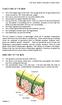 FUNCTIONS OF THE SKIN Skin is the largest organ of the body. The average adult has 18 square feet of skin which account for 16% of the total body weight. Skin acts as a physical barrier for you to the
ALTERNATIVES TO LASIK
 EYE PHYSICIANS OF NORTH HOUSTON 845 FM 1960 WEST, SUITE 101, Houston, TX 77090 Office: 281 893 1760 Fax: 281 893 4037 INFORMED CONSENT FOR LASER IN-SITU KERATOMILEUSIS (LASIK) INTRODUCTION This information
Bard: Continence Therapy. Stress Urinary Incontinence. Regaining Control. Restoring Your Lifestyle.
 Bard: Continence Therapy Stress Urinary Incontinence Regaining Control. Restoring Your Lifestyle. Stress Urinary Incontinence Becoming knowledgeable about urinary incontinence Uterus Normal Pelvic Anatomy
Tunnelled indwelling pleural catheter (TIPC)
 Tunnelled indwelling pleural catheter (TIPC) A patient s guide 1 What is a tunnelled indwelling pleural catheter? A tunnelled indwelling pleural catheter is a specially designed small tube to drain fluid
CLINICAL GUIDELINES A REFERENCE SOURCE FOR CLINICIANS
 CLINICAL GUIDELINES A REFERENCE SOURCE FOR CLINICIANS This copy supercedes any previous revision. For revision level and contact information, refer to back cover of these guidelines. These guidelines
Looking after your urinary catheter at home. An information guide
 TO PROVIDE THE VERY BEST CARE FOR EACH PATIENT ON EVERY OCCASION Looking after your urinary catheter at home An information guide Looking after your urinary catheter at home This leaflet is provided for
APPLICATION OF DRY DRESSING
 G-100 APPLICATION OF DRY DRESSING PURPOSE To aid in the management of a wound with minimal drainage. To protect the wound from injury, prevent introduction of bacteria, reduce discomfort, and assist with
INFORMED CONSENT FOR LASER IN-SITU KERATOMILEUSIS (LASIK)
 Lasik Center 2445 Broadway Quincy, IL 62301 217-222-8800 INFORMED CONSENT FOR LASER IN-SITU KERATOMILEUSIS (LASIK) INTRODUCTION This information is being provided to you so that you can make an informed
Surgical removal of fibroids through an abdominal incision-either up and down or bikini cut. The uterus and cervix are left in place.
 What is an abdominal myomectomy? Surgical removal of fibroids through an abdominal incision-either up and down or bikini cut. The uterus and cervix are left in place. When is this surgery used? Treatment
Having a supra pubic urinary catheter
 Having a supra pubic urinary catheter Delivering the best in care UHB is a no smoking Trust To see all of our current patient information leaflets please visit www.uhb.nhs.uk/patient-information-leaflets.htm
Caring for a Tenckhoff Catheter
 Caring for a Tenckhoff Catheter UHN A Patient s Guide What is a Pleural Effusion? There is a small space between the outside of your lung and the chest wall (ribs). This space is called the pleural space.
Wound Care: The Basics
 Wound Care: The Basics Suzann Williams-Rosenthal, RN, MSN, WOC, GNP Norma Branham, RN, MSN, WOC, GNP University of Virginia May, 2010 What Type of Wound is it? How long has it been there? Acute-generally
Breast Reconstruction Frequently Asked Questions
 Breast Reconstruction Frequently Asked Questions GENERAL Do I need to have breast reconstruction? It is never medically necessary to have breast reconstruction. This is considered an elective procedure,
VUMC Guidelines for Management of Indwelling Urinary Catheters. UC Access/ Maintenance
 VUMC Guidelines for Management of Indwelling Urinary Catheters UC Insertion Preparation & Procedure Indications for insertion and continued use of indwelling urinary catheters include: Urinary retention
X-Plain Hip Replacement Surgery - Preventing Post Op Complications Reference Summary
 X-Plain Hip Replacement Surgery - Preventing Post Op Complications Reference Summary Introduction Severe arthritis in the hip can lead to severe pain and inability to walk. To relieve the pain and improve
Spigelian Hernia Repair
 Spigelian Hernia Repair WHAT IS A SPIGELIAN HERNIA? 2 WHAT CAUSES IT? 2 WHAT DOES TREATMENT/ MANAGEMENT INVOLVE? 2 WHAT WOULD HAPPEN IF THE HERNIA WAS NOT TREATED? 2 SPIGELIAN HERNIA REPAIR 3 WHAT ARE
Infection Prevention & Control Team. Your urinary catheter & how to care for it 0151 430 2452 / 0151 430 1384. Patient Information Leaflet
 Contact details Infection prevention team - 0151 430 2452 This leaflet can be made available in alternative languages/formats on request. Infection Prevention & Control Team 0151 430 2452 / 0151 430 1384
Adhesives Dedicated to Better Wound Care
 Adhesives Dedicated to Better Wound Care Medical Design Joyce Laird Mon, 2014-09-08 11:50 ConvaTec strives to make life better for both short- and long-term patients. ConvaTec is a giant in the medical
Femoral Hernia Repair
 Femoral Hernia Repair WHAT IS A FEMORAL HERNIA REPAIR? 2 WHAT CAUSES A FEMORAL HERNIA? 2 WHAT DOES TREATMENT/ MANAGEMENT INVOLVE? 3 DAY SURGERY MANAGEMENT 3 SURGICAL REPAIR 4 WHAT ARE THE RISKS/COMPLICATIONS
VAGINAL TAPE PROCEDURES FOR THE TREATMENT OF STRESS INCONTINENCE
 VAGINAL TAPE PROCEDURES FOR THE TREATMENT OF STRESS INCONTINENCE AN INFORMATION LEAFLET Written by: Department of Urology May 2011 Stockport: 0161 419 5698 Website: w w w. s t o c k p o r t. n h s. u k
Associate Professor Brigid Gillespie discloses that she is a member of the AORN Journal
 Brigid M. Gillespie PhD RN Associate Professor NHMRC Research Centre for Excellence in Nursing Research Centre for Health Practice Innovation Griffith Health Institute Griffith University Gold Coast Campus
Integumentary System Individual Exercises
 Integumentary System Individual Exercises 1. A physician performs an incision and drainage of a subcutaneous abscess in his office for a particularly uncooperative established patient. How should this
Aseptic Technique Policy and Procedure
 Aseptic Technique Policy and Procedure Authorising Officer Tom Cahill, Deputy Chief Executive Signature of Authorising Officer: Version: V2 Ratified By: Risk Management and Patient Safety Group Date Ratified:
Care for your child s Central Venous Catheter (CVC)
 Care for your child s Central Venous Catheter (CVC) This booklet is intended for general informational purposes only. You should consult your doctor for medical advice. Please call the clinic or your home
Laparoscopic cholecystectomy. Golden Jubilee National Hospital NHS National Waiting Times Centre. Patient information guide
 Golden Jubilee National Hospital NHS National Waiting Times Centre Laparoscopic cholecystectomy Patient information guide Agamemnon Street Clydebank, G81 4DY (: 0141 951 5000 www.nhsgoldenjubilee.co.uk
Managing your bladder with a suprapubic catheter at home
 Managing your bladder with a suprapubic catheter at home Gateshead Primary Care Trust South Tyneside Primary Care Trust Sunderland Teaching Primary Care Trust What is a suprapubic catheter? A suprapubic
Epidural Continuous Infusion. Patient information Leaflet
 Epidural Continuous Infusion Patient information Leaflet April 2015 Introduction You may already know that epidural s are often used to treat pain during childbirth. This same technique can also used as
Royal Australasian College of Surgeons submission to NSW Health concerning the Performance of Podiatric Surgery in New South Wales
 Royal Australasian College of Surgeons submission to NSW Health concerning the Performance of Podiatric Surgery in New South Wales Introduction NSW Health is considering amendment of the Day Procedure
Total Vaginal Hysterectomy with an Anterior and Posterior Repair
 Total Vaginal Hysterectomy with an Anterior and Posterior Repair What is a total vaginal hysterectomy with an anterior and posterior repair? Total vaginal hysterectomy is the removal of the uterus and
call 811 to get advice from a nurse, or have someone drive the patient to a hospital Emergency Department. Patients should NOT drive themselves.
 Taking Care at Home After Surgery This checklist is to help you and your support person know what to do after you go home following your surgery. If you are given instructions verbally or in writing by
Patient Information:
 Patient Information: Care of an indwelling Urinary Catheter What is a Urinary Catheter? A catheter is a hollow, flexible tube designed to drain urine from the bladder. Following insertion into the bladder,
USING ADAPTIC TOUCH Non-Adhering Silicone Dressing: CASE STUDIES
 INTERNATIONAL CASE STUDIES USING ADAPTIC TOUCH Non-Adhering Silicone Dressing: CASE STUDIES CASE STUDIES SERIES 2013 This document has been jointly developed by Wounds International and Systagenix with
Summary of EWS Policy for NHSP Staff
 Summary of EWS Policy for NHSP Staff For full version see CMFT Intranet Contact Sister Donna Egan outreach coordinator bleep 8742 Tel: 0161 276 8742 Introduction The close monitoring of patients physiological
Women s Health. The TVT procedure. Information for patients
 Women s Health The TVT procedure Information for patients What is a TVT procedure? A TVT (Tension-free Vaginal Tape) procedure is an operation to help women with stress incontinence the leakage of urine
4. Infection control measures
 4. Infection control measures Apart from general hygienic practices and vaccination, staff of institutions should also adopt specific infection control measures against communicable diseases. The measures