
Non-Invasive Ventilation Reduces Respiratory Tract Infections in Children With Neuromuscular Disorders
|
|
|
- Sibyl Cooper
- 10 years ago
- Views:
Transcription
1 Pediatric Pulmonology 43:67 71 (2008) Non-Invasive Ventilation Reduces Respiratory Tract Infections in Children With Neuromuscular Disorders C. Dohna-Schwake, MD,* P. Podlewski, MD, T. Voit, MD, and U. Mellies, MD Summary. Non-invasive ventilation (NIV) has been shown to improve gas exchange and survival in patients with chronic neuromuscular disorders. Little is known about its influence on respiratory tract infections (RTIs). Twenty-four patients with regular use of NIVand 11 patients without NIV with neuromuscular disorders answered a questionnaire concerning the use of NIV and assisted coughing techniques, the status of influenza and pneumococcus vaccination, and the frequency and severity of RTIs. Additionally, we performed a retrospective chart review of twelve patients who were ventilated over a period of at least 5 years. In the first year of NIV consultations of a general practitioner due to RTI decreased from to per year (P < 0.005), the number of antibiotic treatment due to RTI decreased from to per year (P < 0.005) and the number of hospital admissions due to RTI decreased from to per year (P < 0.005). Vaccinations against influenza and/or pneumococcus did not have a significant influence on the rate of infections. In 12 patients using NIV for more than 5 years the incidence of RTI requiring hospital admission decreased from /year in the pre-ventilation period to /year in the NIV period (P < 0.005). NIV had a favorable impact on respiratory infectious complications in children with neuromuscular disorders. Pediatr Pulmonol. 2008; 43: ß 2007 Wiley-Liss, Inc. Key words: non-invasive ventilation; assisted coughing; respiratory tract infection. INTRODUCTION Frequent respiratory tract infections (RTIs) significantly contribute to the morbidity and mortality of patients with advanced neuromuscular disorders and respiratory muscle weakness. In 2003 and 2004, 45 children older than 6 months with neurologic or neuromuscular disorders died of influenza infection in the US. 1 In spinal muscular atrophy type I respiratory complications 2,3 lead to death during the first year of life, if patients were not invasively ventilated via either tracheotomy or recurrent intubation. Incidences of pneumonia of 0.8/year for Duchenne muscular dystrophy (DMD) and of 1/year for other myopathies are reported. 4 We could show that in a mixed pediatric population of neuromuscular disorders almost half of the patients were at least once admitted to a hospital due to severe chest infection. 5 Specific treatment of respiratory complications is now available for most patients with respiratory muscle weakness. Non-invasive ventilation (NIV) is the standard therapy of chronic respiratory failure and nocturnal hypoventilation. 6 9 But it has also been shown to be effective during acute deterioration of respiratory function during chest infection. 10 Insufficient cough leads to reduced pulmonary secretion clearance and therefore increases the risk of pneumonia. Assisted coughing techniques such as glossopharyngeal breathing, the in-/exsufflator or IPPB (Intermittent Positive Pressure Breathing) assisted ß 2007 Wiley-Liss, Inc. coughing demonstrated positive effects on peak cough flows in neuromuscular patients Additional treatment such as early antibiotic treatment or influenza and pneumococcal vaccination may help to prevent severe respiratory complications. Reducing both incidence and severity of chest infections is a major goal of therapy in patients with respiratory muscle weakness, as it determines an important part of their quality of life. We hypothesize that the regular use of NIV reduces the rate and severity of RTIs. Therefore, we retrospectively explored the frequency of medical Department of Pediatrics and Pediatric Neurology, University of Essen, Essen, Germany. The authors declare no competing interests. Grant sponsor: VitalAire Deutschland GmbH; Grant sponsor: Heinen und Löwenstein GmbH. *Correspondence to: Dr. C. Dohna-Schwake, MD, Department of Pediatrics and Pediatric Neurology, University of Essen, Hufelandstr. 55, Essen, Germany. [email protected] Received 17 May 2007; Revised 24 August 2007; Accepted 23 September DOI /ppul Published online in Wiley InterScience (

2 68 Dohna-Schwake et al. treatment in neuromuscular patients using NIV and in a non-ventilated group. PATIENTS AND METHODS Patients Forty patients with neuromuscular disorders referred to our clinic for respiratory evaluation were included in the study. Thirty-five (87.5%) answered the questionnaire. Twenty-four patients had been using NIV for at least 1 year. Patients composed of 10 with spinal muscular atrophy SMA (7 type II, 3 type I), nine with congenital muscular dystrophy (5 merosin-negative, 2 Ullrich CMD, 2 unclassified CMD), three with centronuclear myopathy, one with DMD and one with hereditary sensomotoric neuropathy (HSMN). The indication to start NIV was given, when either overnight sleep study (polygraphy and capnometry) revealed nocturnal hypoventilation, or when patients were admitted with daytime hypercapnia. Of 11 patients not using NIV four patients suffered from SMA type II, three from DMD, three from CMD (1 merosin-negative, 1 rigid spine CMD, 1 unclassified), and one from centronuclear myopathy. Caregivers of all patients gave written consent to participate in this study. Questionnaire Aim of the questionnaire was the evaluation of infectious complications of the respiratory tract before and after initiation of NIV in children with neuromuscular disorders. Use of assisted coughing and status of pneumococcus- and influenza-vaccination were also evaluated. The questionnaire is divided into four parts. In part I patients were asked about their use of NIV: date of beginning; duration of ventilation per night; frequency of ventilation (nights/week). Patients indicated if there had been periods without ventilation or periods with intensified ventilation, and whether these latter periods were related to RTIs. Part II of the questionnaire scrutinized the usage of IPPB assisted coughing: frequency of assisted coughing maneuvers per day and duration of single application (minutes). In case of periods with intensified assisted coughing, we asked if it correlated with RTI. In part III patients were asked to quantify per year the number of general practitioner consultations, the number of antibiotic treatment and the number of hospital admission due to RTI before start of NIV compared to the first year with NIV. Patients were also asked to state if they had a history of invasive ventilation. Part IV surveyed the status of vaccination against influenza and/or pneumococcus. In addition, we performed a retrospective chart review of all patients who were ventilated for at least 5 years. In particular we compared the number of hospital admissions due to RTI before start of NIV to those during NIV. The incidence per year was calculated by dividing the number of hospital admissions through either the years without or with NIV. RTI in this association was defined as acute respiratory deterioration with fever and/or increased amount of respiratory secretions. Statistics Analysis was performed with Statistica 6.0 software package (StatSoft, Inc., Tulsa, OK). Data are presented as mean and standard deviation. Comparison of two groups was performed using the Mann Whitney U-test, and comparison of values before and after NIV was performed using the paired Wilcoxon-test. Correlations were calculated by Spearman s rank test. P < 0.05 was considered significant. RESULTS Thirty-five of a total of 40 patients returned the questionnaire (87.5%). Mean IVC% was significantly higher in the non-ventilated group than in the ventilated group (41 21% vs %). Age distribution of the two groups did not differ significantly ( years vs years). Six of 24 patients with NIV had been admitted to Intensive Care Unit ICU due to severe chest infections (four patients once, one patient twice, one patient four times). Eight of 10 ICU admissions occurred before initiation of NIV and 2 of 10 patients needed intubation. None of the patients needed intubation after initiation of NIV. In 5 of 24 children NIV was first introduced during acute RTI. All patients on NIVused pressure controlled devices via nose-mask or full face mask. Ventilation was started months before participation in this survey. Overall NIV was well tolerated without relevant side effects. All but three patients used the ventilator 7 nights/week. Three used it 5 6 nights/week. Mean duration of nocturnal NIV was stated to last hr ( hr), the mean ventilator hours per week were Fifteen patients in the ventilated group used IPPBassisted coughing technique on a regular basis ( times/day), two patients only during RTIs. Mean duration of a single assisted coughing application was stated to last min. The total number of visits to a general practitioner decreased after initiation of NIV from to times/year (P < 0.005). Patients of the nonventilated group visited their general practitioner times/year (P ¼ 0.06). The frequency of RTIs requiring antibiotic treatment significantly decreased from RTI/year in preventilation period to RTI/year in ventilation

3 NIV and Respiratory Tract Infections 69 period (P < 0.005). Patients in the non-ventilated group reported RTI/year, which was not significantly less than in the study group with ventilation. Hospital admissions due to RTIs decreased from to admissions per year (P < 0.005). In the non-ventilated group the frequency of hospital admissions was per year, but not significantly lower than in the study group. In the NIV group 12 patients stated that they applied intensified IPPB-assisted coughing to overcome a RTI. Three patients reported to have prolonged the duration of NIV. In Table 1 patients using NIV alone were compared with patients using NIV and IPPB-assisted coughing. Patients using NIV and IPPB tended to seek more RTI related medical treatment, but this was not statistically significant. In both groups GP consultations, antibiotic treatment and hospital admissions due to RTI were reduced after initiation of NIV (statistically significant only in the NIV and assisted coughing group). The duration of NIV (months) since initiation did not correlate with medical treatment either before or after starting NIV. The hours of NIV usage per week positively correlated with the number of hospital admissions before and after NIV (R ¼ 0.42, R ¼ 0.41, P < 0.05). Additionally, 12 patients who used NIV for at least 5 years (at mean years) were studied retrospectively by hospital chart review. Mean age at start of ventilation was years. The total amount of hospital admissions due to RTI decreased from before NIV to after NIV (P > 0.001), corresponding to a decrease in the incidence of RTI related hospital admissions from RTI/year to 0.12 RTI/year (P < 0.005). Twenty three of 35 patients (65%) received pneumococcal vaccination and 29 of 35 patients (83%) received both pneumococcal and influenza vaccination. Four patients in the NIV-group and two patients in the group without ventilation did not receive either vaccination. Although vaccinated patients reported less consultations of their general practitioner, less airway infections requiring antibiotic treatment and less hospital admissions due to chest infections, this difference did not reach statistical significance (Table 2). DISCUSSION In the present study we could demonstrate a clear positive impact of NIV on respiratory complications in children with neuromuscular disorders. Patients receiving NIV reported fewer consultations of their general practitioner and fewer episodes of antibiotic treatment due to RTIs. Moreover, the incidence of hospital admissions due to severe chest infections decreased significantly and was comparable to the incidence of a non-ventilated group. This is remarkable since due to a more severe course of muscle disorder the study population showed overall lower vital capacities. The data of the questionnaire were focused on the year before and the year after the initiation of NIV. These results were strongly confirmed by an additionally performed review of the patients who were ventilated for the longest time (>5 years). It could be shown that the overall incidence of hospital admissions due to RTI decreased from 0.54 RTI/year to 0.12 RTI/year. The results of our retrospective survey are consistent with a recent prospective uncontrolled study by Katz et al. 18 This study could show that the application of NIV reduced the incidence of hospital admissions in patients with neuromuscular disorders. Our study comes along with various other studies which proved beneficial effects of NIV for children with neuromuscular disorders. It has been shown that NIV improved sleep quality, corrected hypercapnia and hypoxemia and even improved survival. 19 Reduction in health care demand, demonstrated in this study, implies an improvement in the patients quality of life. It might also reduce health care costs and is likely to compensate for ventilator and assisted coughing device expenses. Vaccination against influenza is a voluntary vaccination in chronically ill children in Germany, vaccination against pneumococcus has only recently (2006) been claimed recommended vaccination for all children. In our collective two-thirds of patients received both proposed TABLE 1 Comparison of RTI Associated Medical Treatment in Patients With NIV Alone and Patients With NIV and Assisted Coughing NIV and assisted coughing (n ¼ 16) NIV without assisted coughing (n ¼ 8) Before NIV After NIV Before NIV After NIV GP consultation (/year) * Antibiotics (/year) * Hospital admission (/year) * Mean SD; RTI, respiratory tract infection; NIV, non-invasive ventilation; GP, general practitioner. *P < 0.05 compared to before NIV in the NIV and assisted coughing group.

4 70 Dohna-Schwake et al. TABLE 2 Relation of RTI Associated Medical Treatment to Vaccination Against Pneumococcus and Influenza N ¼ 34 No vaccination One vaccination Both vaccinations GP consultation (/year) Antibiotics (/year) Hospital admission (/year) Results in mean SD; RTI, respiratory tract infection; GP, general practitioner. vaccinations. Although there was a trend toward less infectious complications in vaccinated patients, vaccination status did not reach significance concerning the impact on the rate of RTIs in our patients. We believe that this was probably due to the small number of patients. The usefulness of assisted coughing by intermittent positive pressure breathing to enhance peak cough flow could be shown in a recent investigation. 17 In 12 of 15 patients of our study population assisted coughing was also helpful to overcome acute chest infection. Only three patients prolonged ventilation time. According to a study by Vianello et al. 20 assisted coughing is an important treatment of secretion recumbrance during RTIs. The investigators could demonstrate that patients with acute RTIs treated by mechanical insufflation-exsufflation suffered less treatment failures (intubation or minicricothyroidectomy) than a historical control group but only adults were included in this study. The present study is limited by the use of a nonvalidated questionnaire and by the small number of patients. Additionally, the influence of an intensified care as additional reduction factor of RTI coming along with NIV could not be ruled out. Despite these limitations we are convinced that the information gained by this questionnaire confirmed the benefit of respiratory aids for children with neuromuscular disorders and reduced respiratory function. To provide optimal respiratory support for these children, they should be monitored and treated by an experienced team (physician, physiotherapist, nurse). In our clinic patients are handed out a protocol before discharge for optimal home care. This protocol is based on a study by Tzeng and Bach 21 and includes instructions in case of a RTI: (1) early antibiotic treatment to reduce the risk of bacterial superinfection; (2) frequent use of assisted coughing maneuvers and expanded use of NIV to maintain the oxygen saturation >95%; (3) if the oxygen saturation cannot be increased >95% for more than half an hour, the patients physician should be contacted immediately; (4) regular vaccination against influenza and pneumococcus. In conclusion, our data provide strong evidence that NIV reduces the frequency and severity of RTIs. Additional to the benefit of correcting nocturnal hypoventilation and daytime hypercapnia, this reduction of infectious complications probably contributes to the prolonged survival in certain neuromuscular disorders. REFERENCES 1. Bhat N, Wright JG, Broder KR, Murray EL, Greenberg ME, Glover MJ, Likos AM, Posey DL, Klimov A, Lindstrom SE, Balish A, Medina MJ, Wallis TR, Guarner J, Paddock CD, Shieh W-J, Zaki SR, Sejvar JJ, Shay DK, Harper SA, Cox NJ, Fukuda K, Uyeki TM, Influenza Special Investigations Team. Influenzaassociated deaths among children in the United States, N Engl J Med 2005;353: Bach JR, Baird JS, Plosky D, Navado J, Weaver B. Spinal muscular atrophy type I: management and outcome. Pediatr Pulmonol 2002;34: Dubowitz V. Very severe spinal muscular atrophy (SMA type 0): an expanding clinical phenotype. Eur J Paediatr Neurol 1999;3: Bach JR, Rajaraman R, Ballanger F, Tzeng AC, Ishikawa Y, Kulesa R, Bansal T. Neuromuscular ventilatory insufficiency: effect of home mechanical ventilator use v oxygen therapy on pneumonia and hospitalization rates. Am J Phys Med Rehabil 1998;77: Dohna-Schwake C, Ragette R, Teschler H, Voit T, Mellies U. Predictors of severe chest infections in pediatric neuromuscular disorders. Neuromusc Disord 2006;16: Simonds AK, Ward S, Heather S, Bush A, Muntoni F. Outcome of paediatric domiciliary mask ventilation in neuromuscular and skeletal disease. Eur Respir J 2000;16: Mellies U, Ragette R, Dohna-Schwake C, Boehm H, Voit T, Teschler H. Long-term non-invasive ventilation in children and adolescents with neuromuscular disorders. Eur Respir J 2003;22: Ward S, Chatwin M, Heather S, Simonds AK. Randomised controlled trial of non-invasive ventilation (NIV) for nocturnal hypoventilation in neuromuscular and chest wall disease patients with daytime normocapnia. Thorax 2005;60: Mellies U, Dohna-Schwake C, Stehling F, Voit T. Sleep disordered breathing in spinal muscular atrophy. Neuromusc Disord 2004;14: Birnkrant DJ, Pope JF, Eiben RM. Management of the respiratory complications of neuromuscular diseases in the intensive care unit. J Child Neurol 1999;14: Bach JR. Mechanical insufflation-exsufflation. comparison of peak expiratory flows with manually assisted and unassisted coughing techniques. Chest 1993;104: Kang SW, Bach JR. Maximum insufflation capacity. Chest 2000;118: Bach JR, Smith WH, Michaels J, Saporito L, Alba AS, Dayal R, Pan J. Airway secretion clearance by mechanical exsufflation for post-poliomyelitis ventilator-assisted individuals. Arch Phys Med Rehabil 1993;74: Sivasothy P, Brown L, Smith IE, Shneerson JM. Effect of manually assisted cough and mechanical insufflation on cough flow of normal subjects, patients with chronic obstructive pulmonary disease (COPD), and patients with respiratory muscle weakness. Thorax 2001;56:

5 NIV and Respiratory Tract Infections Chatwin M, Ross E, Hart N, Nickol AH, Polkey MI, Simonds AK. Cough augmentation with mechanical insufflation/exsufflation in patients with neuromuscular weakness. Eur Respir J 2003;21: Feigelson CI, Dickinson DG, Talner NS, Wilson JL. Glossopharyngeal breathing as an aid to the coughing mechanism in the patient with chronic poliomyelitis in a respirator. N Engl J Med 1956;254: Dohna-Schwake C, Ragette R, Teschler H, Voit T, Mellies U. IPPB assisted coughing in pediatric neuromuscular disorders. Pediatr Pulmonol 2006;41: Katz S, Selvadurai H, Keilty K, Mitchell M, MacClutsky I. Outcome of non-invasive positive pressure ventilation paediatric neuromuscular disease. Arch Dis Child 2004;89: Eagle M, Baudouin SV, Chandler C, Giddings DR, Bullock R, Bushby K. Survival in Duchenne muscular dystrophy: improvements in life expectancy since 1967 and the impact of home nocturnal ventilation. Neuromuscul Disord 2002;12: Vianello A, Corrado A, Arcaro G, Gallan F, Ori C, Minuzzo M, Bevilacqua M. Mechanical insufflation-exsufflation improves outcomes for neuromuscular disease patients with respiratory tract infections. Am J Phys Med Rehabil 2005;84: Tzeng AC, Bach JR. Prevention of pulmonary morbidity for patients with neuromuscular disease. Chest 2000;118:

SPINAL MUSCULAR ATROPHY (SMA) is an autosomal recessive disorder and the
 SUPPLEMENT ARTICLE Special Considerations in the Respiratory Management of Spinal Muscular Atrophy Mary K. Schroth, MD Department of Pediatrics, University of Wisconsin School of Medicine and Public Health,
Does use of the Cough Assist Machine reduce respiratory morbidity for children with neuromuscular disease?
 RESEARCH REPORT Does use of the Cough Assist Machine reduce respiratory morbidity for children with neuromuscular disease? Rachel Phillips BSc Phys (Hons), PgDip Clin Ed Elizabeth Edwards MB ChB FRACP
Spinal Muscular Atrophy
 Maryam Oskoui, MD, MSc, FRCPC Pediatric Neurologist Spinal Muscular Atrophy Elise Historical Timeline In vitro and animal studies Werdnig and Hoffmann describe SMA 1 (Arch Psych Nervenkrankheiten) Disease
Alternatives to Endotracheal Intubation for Patients with Neuromuscular Diseases
 Authors: Emilio Servera, MD Jesús Sancho, MD Ma Jesús Zafra, RN Ana Catalá, RN Pedro Vergara, RT Julio Marín, MD Affiliations: From the Rehabilitation and Ventilation Unit, Department of Respiratory Medicine,
J of Evolution of Med and Dent Sci/ eissn- 2278-4802, pissn- 2278-4748/ Vol. 3/ Issue 65/Nov 27, 2014 Page 13575
 EFFECT OF BREATHING EXERCISES ON BIOPHYSIOLOGICAL PARAMETERS AND QUALITY OF LIFE OF PATIENTS WITH COPD AT A TERTIARY CARE CENTRE Sudin Koshy 1, Rugma Pillai S 2 HOW TO CITE THIS ARTICLE: Sudin Koshy, Rugma
AT HOME DR. D. K. PILLAI MUG @ UOM
 NON - INVASIVE VENTILATION AT HOME DR. D. K. PILLAI 07.09.2011 MUG @ UOM In the beginning came. OSA (HS) 1. CPAP for OSAHS (Obstructive Sleep Apnoea Hypopnoea Syndrome) 2 NIPPV 2. NIPPV (Non
Respiratory Care. A Life and Breath Career for You!
 Respiratory Care A Life and Breath Career for You! Respiratory Care Makes a Difference At 9:32 am, Lori Moreno brought a newborn baby struggling to breathe back to life What have you accomplished today?
Mean Duration (days) ± SD b. n = 587 n = 587
 Online Table 1. Length of stay in matched cohorts of patients with VA and patients without VA a MS-DRG opulation (Code) ECMO or tracheostomy with mechanical ventilation 96 hours or principal diagnosis
Pulmonary rehabilitation
 29 Pulmonary rehabilitation Background i Key points There is a sound evidence base showing the effects of pulmonary rehabilitation on chronic obstructive pulmonary disease symptoms and health-related quality
Neuromuscular disorders Development of consensus for diagnosis and standards of care. Thomas Sejersen, Pediatric neurology
 Neuromuscular disorders Development of consensus for diagnosis and standards of care Thomas Sejersen, Pediatric neurology What are neuromuscular disorders? How does the field of neuromuscular disorders
Rehabilitation and Lung Cancer Resection. Roberto Benzo MD MS Mindful Breathing Laboratory Division of Pulmonary & CCM Mayo Clinic
 Rehabilitation and Lung Cancer Resection Roberto Benzo MD MS Mindful Breathing Laboratory Division of Pulmonary & CCM Mayo Clinic Disclosure Funded by the National Cancer Institute NIH for Preoperative
Understanding Hypoventilation and Its Treatment by Susan Agrawal
 www.complexchild.com Understanding Hypoventilation and Its Treatment by Susan Agrawal Most of us have a general understanding of what the term hyperventilation means, since hyperventilation, also called
Pulmonary Diseases. Lung Disease: Pathophysiology, Medical and Exercise Programming. Overview of Pathophysiology
 Lung Disease: Pathophysiology, Medical and Exercise Programming Overview of Pathophysiology Ventilatory Impairments Increased airway resistance Reduced compliance Increased work of breathing Ventilatory
Key Facts about Influenza (Flu) & Flu Vaccine
 Key Facts about Influenza (Flu) & Flu Vaccine mouths or noses of people who are nearby. Less often, a person might also get flu by touching a surface or object that has flu virus on it and then touching
Weaning the Unweanable
 Weaning the Unweanable Gerald W. Staton, Jr, MD Professor of Medicine Pulmonary & Critical Care Medicine Emory University School of Medicine Atlanta, GA [email protected] Disclosures Pulmonary Program
BIPAP Synchrony TM AVAPS
 BIPAP Synchrony TM AVAPS Product Presentation V1.6 Contents Home NIV Solution introduction BiPAP Technology and Auto-Trak algorithm Consensus conference, Chest 1999 The AVAPS algorithm The AVAPS settings
Pneumonia Education and Discharge Instructions
 Pneumonia Education and Discharge Instructions Pneumonia Education and Discharge Instructions Definition: Pneumonia is an infection of the lungs. Many different organisms can cause it, including bacteria,
Oxygen Therapy. Oxygen therapy quick guide V3 July 2012.
 PRESENTATION Oxygen (O 2 ) is a gas provided in a compressed form in a cylinder. It is also available in a liquid form. It is fed via a regulator and flow meter to the patient by means of plastic tubing
Non-Invasive Positive Pressure Ventilation in Heart Failure Patients: For Who, Wy & When?
 REUNIÃO CONJUNTA DOS GRUPOS DE ESTUDO DE CUIDADOS INTENSIVOS CARDÍACOS E DE FISIOPATOLOGIA DO ESFORÇO E REABILITAÇÃO CARDÍACA O L H Ã O 2 7 e 2 8 d e J a n e i r o 2 0 1 2 Non-Invasive Positive Pressure
Physiotherapy for children with Neuromuscular Disorders
 Physiotherapy for children with Neuromuscular Disorders Special considerations for therapists, schools and parents, recommendations and latest research. Chiara Tewierik, Neurosciences Physiotherapist,
Rigid spine syndrome (RSS) (Congenital muscular dystrophy with rigidity of the spine, including RSMD1)
 Rigid spine syndrome (RSS) (Congenital muscular dystrophy with rigidity of the spine, including RSMD1) What is RSMD1? The congenital muscular dystrophies are a group of conditions which share early presentation
Caring Choices. For Parents of Infants Newly Diagnosed with SMA Type 1 SMA CARE SERIES
 Caring Choices For Parents of Infants Newly Diagnosed with SMA Type 1 SMA CARE SERIES SMA CARE SERIES - Caring Choices Contents Dear Parents, Friends and Family Members 3 What Decisions are Ahead 4 What
Comprehensive Care for Duchenne Muscular Dystrophy
 Comprehensive Care for Duchenne Muscular Dystrophy Brenda Wong, MD Cincinnati Children s Hospital Medical Center PPMD Annual Conference 2008 17 July 2008 Comprehensive Care for DMD Historical Perspective
NHS FORTH VALLEY Neonatal Oxygen Saturation Guideline
 NHS FORTH VALLEY Neonatal Oxygen Saturation Guideline Date of First Issue 11/07/2011 Approved 30/09/2011 Current Issue Date 07/09/2011 Review Date July 2013 Version 1 EQIA Yes 22/10/2011 Author / Contact
American Thoracic Society Documents
 American Thoracic Society Documents Respiratory Care of the Patient with Duchenne Muscular Dystrophy ATS Consensus Statement This official statement of the American Thoracic Society was approved by the
Pulmonary Rehabilitation in Chronic Obstructive Pulmonary Disease (COPD)
 Pulmonary Rehabilitation in Chronic Obstructive Pulmonary Disease (COPD) Development of disability in COPD The decline in airway function may initially go unnoticed as people adapt their lives to avoid
Prevention of Acute COPD exacerbations
 December 3, 2015 Prevention of Acute COPD exacerbations George Pyrgos MD 1 Disclosures No funding received for this presentation I have previously conducted clinical trials with Boehringer Ingelheim. Principal
ESCMID Online Lecture Library. by author
 Do statins improve outcomes of patients with sepsis and pneumonia? Jordi Carratalà Department of Infectious Diseases Statins for sepsis & community-acquired pneumonia Sepsis and CAP are major healthcare
Pediatric Neuromuscular Disorders: Transitions to Adult Providers
 Pediatric Neuromuscular Disorders: Transitions to Adult Providers 29 th Annual Update in Physical Medicine and Rehabilitation January 29, 2015 Russell Butterfield MD, PhD Assistant Professor, Departments
James F. Kravec, M.D., F.A.C.P
 James F. Kravec, M.D., F.A.C.P Chairman, Department of Internal Medicine, St. Elizabeth Health Center Chair, General Internal Medicine, Northeast Ohio Medical University Associate Medical Director, Hospice
Learning Objectives. Establishing Goals of Care for the Chronically Critically Ill. What is Chronic Critical Illness?
 Learning Objectives Establishing Goals of Care for the Chronically Critically Ill Cindy Drenning, CRNP Assistant Professor, Saint Francis University Define the chronically critically ill. Describe symptom
Adult Home Oxygen Therapy. Purpose To provide guidance on the requirements for and procedures relating to domiciliary oxygen therapy.
 Contents Purpose... 1 Scope/Audience... 1 Categories for Home Oxygen Therapy... 2 Assessment for Home Oxygen Therapy... 3 Investigations... 3 Requests for home oxygen... 3 Provision of Home Oxygen... 4
Waterloo Wellington Rehabilitative Care System Integrated Care Pathway for COPD Stream of Care (short version)
 Waterloo Wellington Rehabilitative Care System Integrated Care Pathway for COPD Stream of Care (short version) Care Setting ACUTE Activity Confirmation of COPD diagnoses: If time and the patient s condition
CENTER FOR KLINISKE RETNINGSLINJER - CLEARINGHOUSE
 Bilag 2 - Søgematricer Medline Træning amyotrophic lateral upper motor neuron disease Amyotrophic lateral sclerosis [MeSH] physical fitness [MeSH] physical training exercise therapy [MeSH] Rehabilitation
Long Term Acute Care Hospital: Criteria for Admission
 Easy Choice Health Plan, Inc. Harmony Health Plan of Illinois, Inc. M issouri Care, Inc. Ohana Health Plan, a plan offered by WellCare Health Insurance of Arizona, Inc. WellCare Health Insurance of Illinois,
Outcome of Drug Counseling of Outpatients in Chronic Obstructive Pulmonary Disease Clinic at Thawangpha Hospital
 Mahidol University Journal of Pharmaceutical Sciences 008; 35(14): 81. Original Article Outcome of Drug Counseling of Outpatients in Chronic Obstructive Pulmonary Disease Clinic at Thawangpha Hospital
University of Kansas. Respiratory Care Education
 University of Kansas Respiratory Care Education What is Respiratory Care? Respiratory Care is the health profession that specializes in the promotion of optimum cardiopulmonary function and health Respiratory
Adult Vaccination Frequently Asked Questions: The Basics
 The Basics Why should I get vaccinated? Vaccination is the best way to protect against infections that can make you sick and be passed on to those around you. 1 What kinds of side effects will I get from
Coding Guidelines for Certain Respiratory Care Services July 2014
 Coding Guidelines for Certain Respiratory Care Services Overview From time to time the AARC receives inquiries about respiratory-related coding and coverage issues through its Help Line or Coding Listserv.
MECHINICAL VENTILATION S. Kache, MD
 MECHINICAL VENTILATION S. Kache, MD Spontaneous respiration vs. Mechanical ventilation Natural spontaneous ventilation occurs when the respiratory muscles, diaphragm and intercostal muscles pull on the
AVAPS-AE Auto-titration Mode of Noninvasive Ventilation. Monique Hom Sr. Clinical Education Manager HHS
 AVAPS-AE Auto-titration Mode of Noninvasive Ventilation Monique Hom Sr. Clinical Education Manager HHS AVAPS-AE: Why do we need it? 3 AVAPS-AE AVAPS-AE is an Auto-titration Mode of Noninvasive ventilation
The Initial and 24 h (After the Patient Rehabilitation) Deficit of Arterial Blood Gases as Predictors of Patients Outcome
 Biomedical & Pharmacology Journal Vol. 6(2), 259-264 (2013) The Initial and 24 h (After the Patient Rehabilitation) Deficit of Arterial Blood Gases as Predictors of Patients Outcome Vadod Norouzi 1, Ali
Measurement of Nursing Workload and Nurse Practitioners Contribution in Critical Care : A Resource-Based Relative Value Scale Approach
 Measurement of Nursing Workload and Nurse Practitioners Contribution in Critical Care : 1 Jinhyun Kim, 2 KyungSook Kim, 3 CheongSuk Yoo, 4 KyoungA Lee 1, First Author College of Nursing, Seoul National
Irish Association for Emergency Medicine (IAEM) submission to the National COPD Strategy
 31 st Irish Association for Emergency Medicine (IAEM) submission to the National COPD Strategy 1 Introduction Chronic obstructive pulmonary disease (COPD) is an important disease for patients, the health
Breathe With Ease. Asthma Disease Management Program
 Breathe With Ease Asthma Disease Management Program MOLINA Breathe With Ease Pediatric and Adult Asthma Disease Management Program Background According to the National Asthma Education and Prevention Program
INTRODUCING RESMED S. Home NIV Solutions. S9 VPAP ST-A with ivaps S9 VPAP ST. Why choose average when you can choose intelligent?
 INTRODUCING RESMED S Home NIV Solutions S9 VPAP ST-A with ivaps S9 VPAP ST Why choose average when you can choose intelligent? Now you can provide intelligent air through ResMed s intelligent Volume-Assured
Pediatric Airway Management
 Pediatric Airway Management Dec 2003 Dr. Shapiro I., PICU Adult Chain of Survival EMS CPR ALS Early Defibrillation Pediatric Chain of Survival Prevention CPR EMS ALS Out-of-Hospital Cardiac Arrest SIDS
Integration of Standing Orders into the Patient-Centered Medical Home Approach: A Community Health Center Provider Perspective
 Integration of Standing Orders into the Patient-Centered Medical Home Approach: A Community Health Center Provider Perspective By Delphine Colar DO Candidate 2018, Marian University College of Osteopathic
Physical therapy for patients dying at home of chronic obstructive pulmonary disease A Qualitative Study
 Physical therapy for patients dying at home of chronic obstructive pulmonary disease A Qualitative Study D.M. Keesenberg, Pt, student Science for physical therapy Physical therapy practice Zwanenzijde,
Maria Dalbey RN. BSN, MA, MBA March 17 th, 2015
 Maria Dalbey RN. BSN, MA, MBA March 17 th, 2015 2 Objectives Participants will be able to : Understand the Pathogenesis of Tuberculosis (TB) Identify the Goals of Public Health for TB Identify Hierarchy
The patient s response to therapy within the first hour in the Emergency Room is one of the most reliable ways to predict need for hospitalization.
 Emergency Room Asthma Management Algorithm The Emergency Room Asthma Management Algorithm is to be used for any patient seen in the Emergency Room with the diagnosis of asthma. (The initial history should
Oxygen - update April 2009 OXG
 PRESENTATION Oxygen (O 2 ) is a gas provided in compressed form in a cylinder. It is also available in liquid form, in a system adapted for ambulance use. It is fed via a regulator and flow meter to the
GENERAL ADMISSION CRITERIA INPATIENT REHABILITATION PROGRAMS
 Originator: Case Management Original Date: 9/94 Review/Revision: 6/96, 2/98, 1/01, 4/02, 8/04, 3/06, 03/10, 3/11, 3/13 Stakeholders: Case Management, Medical Staff, Nursing, Inpatient Therapy GENERAL ADMISSION
Guidelines for Standards of Care for Patients with Acute Respiratory Failure on Mechanical Ventilatory Support
 Guidelines for Standards of Care for Patients with Acute Respiratory Failure on Mechanical Ventilatory Support Copyright by the SOCIETY OF CRITICAL CARE MEDICINE These guidelines can also be found in the
April 2015 CALGARY ZONE CLINICAL REFERENCE PULMONARY CENTRAL ACCESS & TRIAGE
 April 2015 CALGARY ZONE CLINICAL REFERENCE CENTRAL ACCESS & TRIAGE Introduction Pulmonary consulting services are organized through the Calgary Zone Pulmonary Central Access and Triage (PCAT). Working
HLTEN609B Practise in the respiratory nursing environment
 HLTEN609B Practise in the respiratory nursing environment Release: 1 HLTEN609B Practise in the respiratory nursing environment Modification History Not Applicable Unit Descriptor Descriptor This unit addresses
Tests. Pulmonary Functions
 Pulmonary Functions Tests Static lung functions volumes Dynamic lung functions volume and velocity Dynamic Tests Velocity dependent on Airway resistance Resistance of lung tissue to change in shape Dynamic
Service delivery interventions
 Service delivery interventions S A S H A S H E P P E R D D E P A R T M E N T O F P U B L I C H E A L T H, U N I V E R S I T Y O F O X F O R D CO- C O O R D I N A T I N G E D I T O R C O C H R A N E E P
Degree of Intervention
 Inglewood Care Centre Degree of Intervention Handbook for Residents and Families Index Introduction..................................................... 2 Beliefs, Values, and Wishes.........................................
Cough, as a leading symptom, would certainly be in the top 10 of reasons for seeing a GP.
 COUGH Cough, as a leading symptom, would certainly be in the top 10 of reasons for seeing a GP. A cough in a child seems to cause more concern, even when it has not been present very long, whereas in adults
APPENDIX B SAMPLE PEDIATRIC CRITICAL CARE NURSE PRACTITIONER GOALS AND OBJECTIVES
 APPENDIX B SAMPLE PEDIATRIC CRITICAL CARE NURSE PRACTITIONER GOALS AND OBJECTIVES The critical care nurse practitioner orientation is an individualized process based on one s previous experiences and should
Chapter 17 Medical Policy
 RAD-1 LCD for Respiratory Assist Devices (L11482) Contractor Information Contractor Name Contractor Number 00635 Contractor Type LCD Information LCD Database ID Number L11482 AdminaStar Federal, Inc. DMERC
See page 331 of HEDIS 2013 Tech Specs Vol 2. HEDIS specs apply to plans. RARE applies to hospitals. Plan All-Cause Readmissions (PCR) *++
 Hospitalizations Inpatient Utilization General Hospital/Acute Care (IPU) * This measure summarizes utilization of acute inpatient care and services in the following categories: Total inpatient. Medicine.
ASTHMA IN INFANTS AND YOUNG CHILDREN
 ASTHMA IN INFANTS AND YOUNG CHILDREN What is Asthma? Asthma is a chronic inflammatory disease of the airways. Symptoms of asthma are variable. That means that they can be mild to severe, intermittent to
Rural Pulmonary Rehab Program-
 Rural Pulmonary Rehab Program- Saskatchewan s s First Presented by: Sandra Pieterse, Nurse Practitioner and Lia Boxall, Nurse Practitioner Kelsey Trail Health Region Kelsey Trail RHA 41,500 population
TB CARE EARLY DETECTION AND PREVENTION OF TUBERCULOSIS (TB) IN CHILDREN. Risk factors in children acquiring TB:
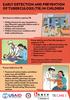 EARLY DETECTION AND PREVENTION OF TUBERCULOSIS (TB) IN CHILDREN Risk factors in children acquiring TB: Children living in the same household as a lung TB patient (especially children under 5) Children
Life Care Plan vs. Medical Cost Projection: Claims Management Tools
 Life Care Plan vs. Medical Cost Projection: Claims Management Tools Nurse Case Manager Life Care Planner Lynn works for: Stubbe & Associates Miller Park Crain Accident Life Care Plans What is a life care
Health-Care Associated Infection Rates among Adult Patients in Bahrain Military Hospital: A Cross Sectional Survey
 Bahrain Medical Bulletin, Vol. 32, No. 1, March 2010 Health-Care Associated Infection Rates among Adult Patients in Bahrain Military Hospital: A Cross Sectional Survey Kelechi Austin Ofurum, M.Sc, B.Sc*,
Better Breathing with COPD
 Better Breathing with COPD People with Chronic Obstructive Pulmonary Disease (COPD) often benefit from learning different breathing techniques. Pursed Lip Breathing Pursed Lip Breathing (PLB) can be very
Levels of Critical Care for Adult Patients
 LEVELS OF CARE 1 Levels of Critical Care for Adult Patients STANDARDS AND GUIDELINES LEVELS OF CARE 2 Intensive Care Society 2009 All rights reserved. No reproduction, copy or transmission of this publication
CPT codes are for information only; consult your payer organization for reimbursement information.
 CPT codes are for information only; consult your payer organization for reimbursement information. Coverage for Spirometry/Oximetry Spirometry is a component of pulmonary function testing (PFTs). PFTs
Southwark Clinical Commissioning Group Lambeth Clinical Commissioning Group
 Getting the Vision Right: A multi-disciplinary approach to providing integrated care for respiratory patients Dr Noel Baxter, GP NHS Southwark CCG Dr Irem Patel, Integrated Consultant Respiratory Physician
BUNDLES IN 2013: SURVIVING SEPSIS CAMPAIGN
 BUNDLES IN 2013: SURVIVING SEPSIS CAMPAIGN R. Phillip Dellinger MD, MSc, MCCM Professor of Medicine Cooper Medical School of Rowan University Professor of Medicine University Medicine and Dentistry of
Rehabilitation within critical care. By David McWilliams Senior Specialist Physiotherapist Critical Care Manchester Royal Infirmary
 Rehabilitation within critical care By David McWilliams Senior Specialist Physiotherapist Critical Care Manchester Royal Infirmary Contents Negative effects of Critical illness/ prolonged ventilation Evidence
Assessment of Patient Outcomes of Rehabilitative Care Provided in Inpatient Rehabilitation Facilities (IRFs) and After Discharge
 Assessment of Patient Outcomes of Rehabilitative Care Provided in Inpatient Rehabilitation Facilities (IRFs) and After Discharge PREPARED FOR: ARA Research Institute PRESENTED BY: Al Dobson, Ph.D. PREPARED
Overview. Geriatric Overview. Chapter 26. Geriatrics 9/11/2012
 Chapter 26 Geriatrics Slide 1 Overview Trauma Common Medical Emergencies Special Considerations in the Elderly Medication Considerations Abuse and Neglect Expanding the Role of EMS Slide 2 Geriatric Overview
How To Improve Care For Bronchiolitis
 Implementation of an Evidence- Based Care Guideline for Inpatient Bronchiolitis Management J E A N E T T E J O N E S, R N + T H O M A S M A Y E S, M D, M B A * + M A R I S S A M A R T I N E Z, M D + S
Ruchika D. Husa, MD, MS Assistant t Professor of Medicine in the Division of Cardiology The Ohio State University Wexner Medical Center
 Modified Early Warning Score (MEWS) Ruchika D. Husa, MD, MS Assistant t Professor of Medicine i in the Division of Cardiology The Ohio State University Wexner Medical Center MEWS Simple physiological scoring
Scope and Standards for Nurse Anesthesia Practice
 Scope and Standards for Nurse Anesthesia Practice Copyright 2010 222 South Prospect Ave. Park Ridge, IL 60068 www.aana.com Scope and Standards for Nurse Anesthesia Practice The AANA Scope and Standards
CYSTIC FIBROSIS CLINICS AS A MODEL OF INTERPROFESSIONAL CARE
 CYSTIC FIBROSIS CLINICS AS A MODEL OF INTERPROFESSIONAL CARE 1. Cystic fibrosis introduction 2. CF Foundation centers 3. Care disciplines: physician specialists (pulmonary, GI, endocrine, genetics, palliative
CLINICAL PATHWAY. Acute Medicine. Chronic Obstructive Pulmonary Disease
 CLINICAL PATHWAY Acute Medicine Chronic Obstructive Pulmonary Disease Chronic Obstructive Pulmonary Disease Table of Contents (tap to jump to page) INTRODUCTION 1 Scope of this Pathway 1 Pathway Contacts
COPD - Education for Patients and Carers Integrated Care Pathway
 Patient NHS COPD - Education for Patients and Carers Integrated Care Pathway Date ICP completed:. Is the patient following another Integrated Care Pathway[s].. / If yes, record which other Integrated Care
PROP Acute Care/Rehab Discharge Planning Requirements 1. PROP Medical Criteria 2. PROP Prescription for Services 3
 BC Association for Individualized Technology and Supports for People with Disabilities (BCITS) Proviinciiall Respiiratory Outreach Program ((PROP)) Discharge Planning Guide For ventilator dependent and
Oxygenation. Chapter 21. Anatomy and Physiology of Breathing. Anatomy and Physiology of Breathing*
 Oxygenation Chapter 21 Anatomy and Physiology of Breathing Inspiration ~ breathing in Expiration ~ breathing out Ventilation ~ Movement of air in & out of the lungs Respiration ~ exchange of O2 & carbon
CONTENTS. Note to the Reader 00. Acknowledgments 00. About the Author 00. Preface 00. Introduction 00
 Natural Therapies for Emphysema By Robert J. Green Jr., N.D. CONTENTS Note to the Reader 00 Acknowledgments 00 About the Author 00 Preface 00 Introduction 00 1 Essential Respiratory Anatomy and Physiology
Karen R. Waters. Advanced Nurse Practitioner and Professor Martin Johnson, University of Salford
 Dying with dementia: A retrospective case note analysis of nursing and care home residents who died in hospital. Karen R. Waters. Advanced Nurse Practitioner and Professor Martin Johnson, University of
FREQUENTLY ASKED QUESTIONS ABOUT PERTUSSIS (WHOOPING COUGH)
 FREQUENTLY ASKED QUESTIONS ABOUT PERTUSSIS (WHOOPING COUGH) What is pertussis? General Questions About Pertussis Pertussis, or whooping cough, is a contagious illness that is spread when an infected person
Respiratory Concerns in Children with Down Syndrome
 Respiratory Concerns in Children with Down Syndrome Paul E. Moore, M.D. Associate Professor of Pediatrics and Pharmacology Director, Pediatric Allergy, Immunology, and Pulmonary Medicine Vanderbilt University
Respiratory, Ventilator and Trach Resources
 The following excerpt has been taken from the Christopher & Dana Reeve Foundation Paralysis Resource Center website. http://www.paralysis.org/site/c.erjmjuoxfmh/b.1306557/k.a18e/respiratory.htm Respiratory,
The challenges of conducting clinical development in rare / orphan diseases: The Industry Perspective
 The challenges of conducting clinical development in rare / orphan diseases: The Industry Perspective Thomas Meier, PhD (Chief Scientific Officer) Muscle Study Group, September 22, 2009 Agenda Santhera