
Who is the document aimed at?
|
|
|
- Lillian Moody
- 10 years ago
- Views:
Transcription
1 Document Details Title Alcohol Early Discharge Policy Trust Ref No Local Ref (optional) Main points the document Describes the process of assessed medical discharge from general hospital, covers enabling safe continuation and monitoring of alcohol detoxification in the Who is the document aimed at? community by the Alcohol Liaison Service or Home Detox Service. Those working with clients who have alcohol dependency issues and who get admitted to hospital: DARS, CSMT, Aquarius, Impact, Nacro, General Practitioners, Hospital medical staff Author Mark Lee and Joanne Hudson Approval Process Approved by Medicines Management Group (Committee/Director) Approval Date 25 th November 2013 Initial Equality Impact Yes Screening Full Equality Impact No Assessment Lead Director Alastair Neale Category Policy Sub Category Review date November 2016 Distribution Who the policy will be Clinical Staff DARS LA Staff Clinical Staff SATH RAID distributed to Method Document Links Required by CQC Yes Required by NHLSA Yes Other Amendments History No Date Amendment 1 12/06/13 Amendments made by Nicki Johnston, Louisa Bridgwood & Mandy Roach Alcohol Early Discharge Policy October 2013

2 CONTENTS: The Shrewsbury and Telford Hospital NHS Trust 1. MEDICALLY FIT FOR DISCHARGE 2. EQUIPMENT OR RESOURCES INVOLVED 3. CONTRA-INDICATIONS 4. WHAT TO DO IF SOMETHING GOES WRONG 5. ADHERENCE TO POLICY 6. SPECIFIC OR SPECIAL CIRCUMSTANCES 7. PROCESS 8. ABBREVIATION SHEET APPENDIX: 1. DISCHARGE CHECK SHEET 2. GUIDELINES FOR DOCTORS REGARDING THE CORRECT PROCEDURE IN ORGANISING A TAIL-END DETOXIFICATION IN THE COMMUNITY 3. STANDARD TAIL-END DETOXIFICATION MEDICATION REGIME 4. TAIL-END DETOXIFICATION PATIENT CONTRACT AND CONSENT FORM 5. YOUR MEDICATION REGIME 6. INFORMATION REGARDING ALCOHOL WITHDRAAL FOR PARTNER/FRIEND 7. EARLY DAYS WITHOUT DRINKING 8. LETTER TO GP AND SHROPDOC 9. MANAGEMENT ALGORITHM FOR PATIENTS UNDERGOING ALCOHOL DETOXIFICATION OTHERWISE MEDICALLY FIT 10. SEVERITY OF ALCOHOL DEPENDENCE QUESTIONNAIRE Alcohol Early Discharge Policy 2 October 2013

3 Shrewsbury & Telford Hospital Trust and Shropshire Community Trust ALCOHOL LIAISON SERVICE EARLY DISCHARGE POLICY Introduction This policy relates to those patients who require pharmacological support for the management of alcohol withdrawal and who have no medical or psychiatric illness that would otherwise necessitate continued in-patient care. The protocol is designed for use by the Alcohol Liaison Nurse Services at Princess Royal Hospital, Royal Shrewsbury Hospital from Drug & Alcohol Recovery Service, Portico House, and Telford and Community Substance Misuse Team, Crown House, Shrewsbury. Rationale To optimise the medical management of patients undergoing withdrawal from alcohol, to reduce the length of inpatient stay and facilitate appropriate completion of medically assisted detoxification and on-going community support. Benefit to the Patient Community management of alcohol withdrawal syndrome with specialist nurse support is an established and wellaccepted clinical practice. It promotes patient confidence and ability in developing self care skills in the management of their alcohol problems. It offers immediate support to family and to carers as well as affording greater insight and assessment of socio-domestic influences on patient recovery. Patients are noted to show greater compliance with such treatment and are more likely to engage with relapse prevention measures. The Alcohol Liaison Nurses will offer follow up relapse prevention sessions in clinics at both Princess Royal Hospital and Royal Shrewsbury Hospital. Core Guidelines Ideally, the Alcohol Liaison Nurse will be contacted on the first working day of hospital admission to liaise on treatment intervention relating to alcohol withdrawal with a view to facilitating safe early discharge if appropriate. 1. MEDICALLY FIT FOR DISCHARGE: Does the patient meet all the criteria for completing their detoxification in the community? 1.1. Criteria 1.2. Action Patient expressing wish to abstain from alcohol and agrees to continue reduction regime Chlordiazepoxide under supervision of an Alcohol Liaison Nurse or Home Detox Nurse. Patient medically fit for discharge with no significant acute medical/mental health problems. No history of delirium tremens, hallucinations, seizures or Wernicke s encephalopathy. Consideration given to patients who receive a regular benzodiazepine prescription in the community. Patient has consumed less than or equal to 80mg of Chlordiazepoxide on day 3 or later day of the regime (including PRN doses). Patient willing to engage in Alcohol Liaison Nurse Follow up or community support as an out-patient. Liaison has occurred between an Alcohol Liaison Nurse to facilitate the tail end of the detoxification. Patient has a supportive home environment. Patient is registered with identified general Practitioner. A. Criteria not met: If the patient is not suitable, contact Alcohol Liaison Nurse to discuss continued Chlordiazepoxide reduction whilst on ward. B. Criteria met: If the patient is suitable, contact the Alcohol Liaison Nurse who will liaise with the Home Detox Service to facilitate the tail end completion of detox. 2. EQUIPMENT OR RESOURCES INVOLVED 2.1 The patient will have been assessed and agreed to community management. The Responsible Medical Officer will supply a prescription for the required medication. The patient or carer will take responsibility for the prescribed TTO s. 2.2 Relevant patient information about the use of the medicine and managing alcohol withdrawal will be supplied. Alcohol Early Discharge Policy 3 October 2013

4 3. CONTRA-INDICATIONS 3.1 Community management of alcohol withdrawal syndrome should not be undertaken in patients that are suffering other severe illnesses or have a history that includes recent severe withdrawal symptoms such as seizures, delirium or poor compliance. It should not be considered as a repeat approach to management in patients who are recurrent attendees. Lack of suitable social support may contra-indicate this approach to care. 3.2 PATIENTS WHO HAVE RAISED BILIRUBIN, UREA & CREATININE OR A LOW HAEMOGLOBIN, ALBUMIN, SODIUM OR PLATELET COUNT SHOULD COMPLETE DETOX IN HOSPITAL AND ARE LIKELY TO BENEFIT FROM FOLLOW-UP BY A PHYSICIAN. 4. WHAT TO DO IF SOMETHING GOES WRONG 4.1 Patients are advised that in the event of untoward or unexpected symptoms occurring, they should contact the Alcohol Liaison Service, during working hours (Mon Fri 9.00 a.m p.m.) Out of hours patients should contact Shropdoc or in the case of emergency aid, A&E Department. 4.2 In the event of patients failing to comply with the medication regime and/or resuming alcohol consumption, the detox will be stopped and the supply of medication will be withdrawn and returned to the pharmacy by the ALN undertaking the review. GP to be advised of detox progress. 5. ADHERENCE TO POLICY 5.1 The Alcohol Liaison Service Manager will, on a regular basis, ensure adherence to policy through nurse audit, case note review and clinical supervision. This will be audited through numbers referred and numbers who have received a home detoxification. Audit will include the numbers ineligible and reasons for this. This will take place on a quarterly basis. 6. SPECIFIC OR SPECIAL CIRCUMSTANCES 6.1 In exceptional circumstances including weekends, ward medical staff may decide to discharge a patient who is suffering moderate alcohol withdrawal symptoms to continue medication at home. This would therefore be a clinical decision made on the understanding that the Alcohol Liaison Nurse cannot provide ongoing support to complete the detox. The Alcohol Liaison Nurse can offer phone call support on Monday to determine if they would benefit from a supportive visit from key worker. Referral to Impact/Aquarius for counselling or an ALN clinic support session (to be arranged). At no time should any patient be given more than a maximum of 130mg Chlordiazepoxide in a single prescription. 7. PROCESS 7.1 The decision to discharge must be documented in the patient case notes (Appendix 1, 2 & 3). 7.2 The patient will be assessed by the Alcohol Liaison Nurse or see appendix All relevant information and risk assessment must be documented in the patient's case note by the ALN. 7.4 A detox care plan will be discussed with the patient and medical staff to establish if the patient is suitable for early discharge. 7.5 If the patient meets criteria for early discharge:- Doctor will prescribe TTO s in accordance with hospital policy, for safe management by ALN. ALN will inform the patients GP/Shropdoc of discharge. An appointment for patient review with the ALN to discuss follow up support will be given to the patient prior to discharge from hospital. 8. ABBREVIATION: ALN ALS PRN TTO SATH SCHT Alcohol Liaison Nurse Alcohol Liaison Service To be given when medically required To Take Out (home) Shropshire and Telford Hospital Shropshire Community Health Trust Alcohol Early Discharge Policy 4 October 2013

5 APPENDIX 1 First NameSurname. Hospital No.. D.O.B Discharge Check Sheet Protocol for Discharge to Community for Alcohol Detoxification Completion NB: This is for patients who have completed 3 days of the detoxification regime as an in-patient. Procedure YES Initials 1. Assess patient inclusion criteria : see Appendix 2 2. Does the patient want to continue the detox and are they willing to engage in support? Yes No If Yes go to point 3. If No discharge patient with no detox medication and advise to not stop drinking suddenly. Advise patient to contact Impact or Aquarius if they wish to commence detox in future. 3. ALN to complete with patient the Patient Contract and Consent Form. Write down the patient s regime ( Your Medication Regime ) and give this page to the patient, along with information sheet. ALN to ensure client has received this 3 item information pack. 4. Responsible Medical Officer complete discharge prescription for the remaining 4 days of detoxification. ALN will give direction re day by day reducing regime. Please also prescribe thiamine 50mg QDS, Vitamin B Co Strong 2 tablets BD and Acamprosate 666mg TDS for 7 days. NB If patient less than 60kg prescribe as per BNF direction. ALN must Fax standard letter to the patient s GP / Shropdoc including all information regarding their management plan and commencement on tail-end detoxification regime. Alcohol Early Discharge Policy 5 October 2013

6 5. CONTACTS: Inform ALN Monday Friday 9.00 a.m p.m. Telford: Alcohol Liaison Service ext: 4562 Mob: or Bleep 308 Shrewsbury: Home Detox Service on Alcohol Liaison Service Mob: or Mob: or Bleep 307 Out Of Working Hours: SHROPDOC: Alcohol Early Discharge Policy 6 October 2013

7 APPENDIX 2 Guidelines for doctors regarding the correct procedure in organising a tail-end assisted withdrawal in the community. Protocol for discharge to Community for Alcohol Detoxification completion First NameSurname... Hospital No. D.O.B This is for patients who have completed 3 or more days of the detoxification regime as an in-patient. p i t a l s Criteria 1. The patient expresses a wish to abstain from alcohol and agrees to continue a reduction regime of chordiazepoxide under the supervision of an alcohol liaison nurse. 2. The patient is medically fit for discharge with no significant acute medical/mental health problems. 3. NO history of delirium tremens, hallucinations, seizures or Wernicke s encephalopathy. 4. Consideration given to patients who receive regular benzodiazepine script in community. 5. The Patient has consumed less than or equal to 80mg Chlordiazepoxide on day 3 of regime (including PRN doses). 6. The Patient is willing to engage in Alcohol Liaison Nurse follow up and community support as out-patient. 7. Liaison has occurred between ALN to facilitate tail end of assisted withdrawal regime. 8. Patient has supportive home environment. 9. Patient is registered with identified General Practitioner. YES Initials N o... O. B D Action Initial A Criteria Not Met: Patient not suitable, contact Alcohol Liaison Nurse to discuss continued chlordiazepoxide reduction whilst on ward B Criteria Met: Patient suitable, contact Alcohol Liaison Nurse to facilitate tail-end completion of assisted withdrawal Alcohol Early Discharge Policy 7 October 2013

8 APPENDIX 3 Standard Tail-End Assisted Withdrawal Medication Regime First NameSurname. Hospital No.. D.O.B Name of Capsules: Chlordiazepoxide 10mg A STEDMR TTO can only be dispensed following completion of at least Day 3 or later day as an inpatient. Day/ Date Morning Lunch Tea Bedtime 1 (In Hospital) 30mg 30mg 30mg 30mg 2 (In Hospital) 30mg 20mg 20mg 30mg 3 (In Hospital) 20mg 20mg 20mg 20mg 4 Outpatient 20mg 20mg 20mg 5 Outpatient 10mg * 10mg * 10mg * 10mg * 6 Outpatient 10mg * 10mg * 7 Outpatient 10mg * NB. As the patient is completing the assisted withdrawal as an outpatient their regime is extended to 7 days to reduce the risk of complications. Prescribed as: Drug Dose Route Frequency Days Supply GP to continue Pharmacy dispense Chlordiazepoxide 130mg in Oral As directed 4 No Yes 10mg Capsules Total * By ALN Acamprosate 666mg Oral Three times daily 7 Yes Yes (Weight and Creatinine levels to be taken into account NB If weight under 60kg prescribe as per BNF) Vitamin B Compound Strong Two tablets Oral TWO times daily 7 Yes Yes Thiamine 100mg Oral TWO times daily 7 Yes Yes * Doses may be reviewed consensually through a clinical management plan including the RMO, ALN and service user. Alcohol Early Discharge Policy 8 October 2013

9 APPENDIX 4 First NameSurname.. Hosp no.. D.O.B. Tail-End Detoxification Patient Contract and Consent Form Please keep a copy in the patient s notes Patient to read and sign this form: 1. You (The Patient) agree to complete your detoxification in the community 2. The detoxification procedure has been explained to you Please tick if you understand the following: The effects of alcohol withdrawal upon your health, including what symptoms to expect, things to look out for and when to seek further medical help. Ways in which to manage these alcohol withdrawal symptoms - fully explained in the 'how to look after yourself' leaflet The effects of the medicines you are given on your body including possible side effects. This includes cautions and contradictions of the prescribed medicines i.e. driving/operating heavy machinery The dangers associated with drinking alcohol during your detoxification and its effects on the medicine used. The risks associated with using other drugs both during and after your detoxification The importance of accessing support services both during and after your detoxification. 3. You agree to the following conditions: o o o You will not drink alcohol during the agreed period of detoxification. You will take all medication as prescribed and agreed with you, your doctor, and the ALN. You will make a follow-up appointment with Alcohol Liaison Nurse or Community Services to support you after your detoxification to ensure ongoing sobriety. My appointment is with On At Signed (patient) Date Print Name Signed (Health Care Professional) Date Print Name Designation: Alcohol Early Discharge Policy 9 October 2013

10 APPENDIX 5 First NameSurname.. Hosp no.. D.O.B. You re Medication Regime Name of Capsules: Chlordiazepoxide 10mg You have been commenced on the SATH & SCT tail-end assisted withdrawal regime and will complete your alcohol detoxification with the assistance of medication in the community. You have been assessed as suitable and of low risk of any complications with this treatment and therefore do not need to remain in hospital. If your condition changes and you feel you need a change of treatment plan please contact the Alcohol Liaison service during Working hours, (Monday - Friday, 9.00am to 5.00pm) Out of hours and at weekends contact Shropdoc. In the case of emergency seek medical assistance. Please ensure we have your correct contact details at all times. My Regime: Day Morning Lunch Tea Bedtime 1(In Hospital) 30mg 30mg 30mg 30mg 2(In Hospital) 30mg 20mg 20mg 30mg 3(In Hospital) 20mg 20mg 20mg 20mg 4 ( ) 5 ( ) 6 ( ) 7( ) Client Signature: Practitioner Signature: Print Name: Print Name: Alcohol Early Discharge Policy 10 October 2013

11 APPENDIX 6 The process of stopping drinking alcohol and staying stopped can be a difficult one, for the drinker and also for the partner/friend and family. In addition to my role during detoxification, I will be available to give further support, advice or counselling at any future time. Never be afraid to ask. My name is: My contact number is: Shropshire Community Health Trust Drug & Alcohol Recovery Service INFORMATION ABOUT ALCOHOL WITHDRAWAL FOR THE PARTNER OR FRIEND OF THE PROBLEM DRINKER During home detoxification, it is helpful if the person undergoing treatment is offered support by a partner or friend. I shall visit regularly at agreed times during this period, to supervise the detoxification and to support you in your role. If you have any concerns or queries, please feel free to discuss these during my visit, or by contacting me on the telephone number given below. During alcohol withdrawal, attention and care must be given and you can actively and safely participate as follows; SAFETY Your partner/friend may feel tremulous or drowsy, especially in the early stages of detoxification. Therefore, it is important to make the home environment as safe as possible: supervise smoking, don t allow the person to pour hot water and avoid swimming, unsupervised bathing, driving or operating of machinery. HYGIENE It is possible that your partner/friend may sweat excessively. This is not unusual. Assistance with washing or bathing may be helpful if difficulty is experienced. ENVIRONMENT During alcohol withdrawal, the nervous system occasionally gets overexcited; your partner/friend may complain of extreme sensitivity to his or her surroundings (e.g. light, or noise). He or she may also complain of feeling anxious and may appear irritable. Try to keep the home surroundings as calm, relaxing and quiet as possible. Tell me if you think these problems are getting worse. Alcohol Early Discharge Policy 11 October 2013

12 PSYCHOLOGY If your partner/friend complains of feeling anxious or fearful, or is unable to sleep, try to act in a reassuring manner and avoid unnecessary demands or stresses. Allow plenty of rest, especially in the first few days. However, if possible discourage too much napping during the day as this may prevent the person sleeping at night. Sometimes withdrawal symptoms are worse at night. Your partner/friend may find it helpful if a light is kept on in the bedroom. HYDRATION In cases of excessive sweating and/or vomiting in the early stages of withdrawal, it is important that your partner/friend drinks plenty of fluids. Orange juice may irritate the stomach and cause nausea. Milk is better as it eases digestive problems and, of course, water is an excellent thirst quencher. Sweet drinks, such as sweet tea or coffee, should be encouraged to prevent the blood sugar from falling too low. EATING Encourage small meals if possible (little and often), but don t worry if this is not possible in the first few days. The tablets that I give will help replace any lost vitamins. It is best to offer a diet rich in protein (e.g. fish, dairy products and vegetables) and vitamins (e.g. cereals, nuts, pulses, milk, cheeses, liver, poultry, citrus fruits, tomatoes and potatoes). DRUGS A tranquillizer drug may have been prescribed to increase safety and comfort during the withdrawal period. As with all drugs, this is potentially addictive; it is therefore important that the correct dose is given and only for a limited number of days. I will explain to you separately about any side-effects to look out for. It is important that you agree to take responsibility for any medication; holding it and giving it as prescribed. If you feel unable to do this, then it is possible for me to maintain control of the drug. We will provide you with a booklet in which to record all the drugs taken, the dose, the time and any side effects. WITHDRAWAL FITS Very rarely withdrawal fits occur, (one in 100 people undergoing detoxification). In the unlikely event of this happening, it is important that you follow a few simple rules. When a person is having a fit, the initial stage visible to you will be collapse and shaking/twitching of the limbs and torso. This may appear dramatic and frightening, but do not be tempted to intervene at this stage. You will be more help to your partner/friend if you move any obstacles out of the way to prevent injury. This stage may last for a few seconds or a few minutes. Call an emergency ambulance on the 999 number immediately and monitor the time the fit started and ended. In the majority of cases there is a full and quick recovery, with no long-term ill effects. Here are a few do s and don ts to help you: Don t try to restrict the person when he or she is having the fit. Don t put, or force, anything into their mouth when the person is having a fit. By doing so, you may cause damage to the teeth and mouth, and possibly damage to your hands. Do remove any obstacles which the person may knock him or herself on. After the fit has stopped, do check the mouth and make sure the airway is clear. If there are any obstructions, remove them. Do time the fit if possible. When the person has stopped fitting he or she will go into a semi-conscious state. This is perfectly natural. Do ensure that breathing is normal; then lay the person on one side in a semi-prone position. Ensure that the mouth is clear of any obstructions and place the head in such a way as to allow any fluids, or vomit, to run freely out without being inhaled. For a short time after waking, the person may appear irritable and/or confused/disorientated. This is natural and will not last. Do allow the person time to come round completely; then make him or her comfortable and explain what happened. Loss of muscle control during the fit may have caused incontinence which will be embarrassing for your partner/friend. Do reassure them that this is alright and natural. As soon as your partner/friend feels able, assist a change into comfortable and dry clothes. Do ring me or the GP on the contact number available. Note: If any symptoms persist, or appear to worsen, do not hesitate to contact me or your GP for advice. Alcohol Early Discharge Policy 12 October 2013

13 APPENDIX 7 EARLY DAYS WITHOUT DRINKING HOW TO LOOK AFTER YOURSELF 1. Clean up your Environment. Get rid of all alcohol. Tip it down the sink; give it away, including the special bottle you thought you would save for guests. If people in your home still drink, get them at least to keep it out of sight. Don t buy alcohol for anyone else let them buy their own! Train everyone around you to stop automatically offering you drink. 2. Stay away from environments associated with alcohol. This includes your local, the off-licence, and your drinking friend's flat. By being in the physical presence of alcohol, you are at risk of reaching out and picking it up, especially in an unguarded moment. Even if this does not happen the first, second or third time, experiences clearly show that sooner or later, a relapse may happen. It s a well known saying that if you sit in the barber s chair often enough, you ll end up with a haircut! You may feel confident and proud of your willpower to not drink when all about you are drinking, but how long can you honestly go through this, before feelings of discomfort, craving or resentment become too much? 3. Structure your day and establish a routine. Get up and go to bed at a set time. Consider other ways of spending your time. There are plenty of activities that don t involve alcohol! Allow time for your recovery attend a non drinking group, such as AA and make contact with other people in recovery too. 4. Eat Well. Eat regular meals; if you feel full, you are less likely to want to drink. Make sure you have breakfast. This will make craving less likely by maintaining your blood sugar level. This also will reduce the chance of feeling irritable due to low blood sugar levels. Try to eat a healthy diet with plenty of fresh fruit and vegetables 5. If you crave sugar. Eat fruit or treat yourself to some chocolate. Don t worry about putting weight on. You are most probably consuming far fewer calories than when you were on a liquid diet. 6. Drink plenty of fluids Non-alcoholic of course. Do not drink low alcohol or dealcoholised drinks as the will remind you of the real thing, and it may trigger craving. 7. Get some physical exercise Walk, swim or get down to the gym! Start looking after your body. This will give you energy, relieve aches and pains, improve sleep and help you relax (and you thought alcohol was the answer!). 8. Learn to relax Have a relaxing soak in the bath, listen to some soothing music, read a book, use a relaxation tape, try a yoga class at your local community centre. 9. Don t expect too much of others I ve changed People may have heard it all before. Like recovery, trust will take time to develop. You cannot expect others to change their thinking or lifestyle just because you have. Alcohol Early Discharge Policy 13 October 2013

14 Private & Confidential Head of Care & Support: Karen Kalinowski Substance Misuse Team Tier 3 Portico House 22 Vineyard Road Wellington Telford TF1 1HB Tel: (01952) Fax: (01952) Dear Dr. / Shropdoc RE: D.O.B: The client above was discharged from the Princess Royal Hospital on. [email protected] He/she has completed the first..days of an alcohol detox whilst on the ward. He/she has been considered medically fit for discharge and has been offered the opportunity to complete the tail-end detox at home under the supervision of an alcohol liaison nurse from Telford & Wrekin Drug & Alcohol recovery Service. He/she is in possession of a client information pack which comprises the signed contract, their planned personal detox regime and a supportive information sheet, which provides contact names and numbers. Post detox he/she will be supported by the alcohol liaison service in addition to any other service options requested by the client. This letter is to confirm that a Tail-End Detoxification is occurring and to provide supportive information if the client requires medical support outside normal working hours. If you are required to provide a medical intervention for this client, we would certainly appreciate you informing us as soon as possible. We thank you for support in advance. Kind Regards Alcohol Liaison Service Alcohol Early Discharge Policy 14 October 2013

15 Team Manager: Monique Scott Community Substance Misuse Team Crown House St Mary s Street Shrewsbury Shropshire SY1 1DS Tel: (01743) Fax: (01743) Dear Dr. / Shropdoc RE: D.O.B: The client above has recently been discharged from the Royal Shrewsbury Hospital on He/she has completed the first days of an alcohol detox whilst on the ward. He/she has been considered medically fit for discharge and has been offered the opportunity to complete the tail end detox at home under the supervision of an alcohol liaison nurse from Telford & Wrekin Drug & Alcohol recovery Service. He/she is in possession of a client information pack which comprises the signed contract, their planned personal detox regime and a supportive information sheet, which provides contact names and numbers. Post detox he/she will be supported by alcohol liaison service in addition to any other service options requested by the client. This letter is to confirm that a Tail End Detoxification is occurring and to provide supportive information if the client requires medical support outside normal working hours. If you are required to provide a medical intervention for this client, we would certainly appreciate you informing us as soon as possible. We thank you for support in advance. Kind Regards Alcohol Liaison Service Alcohol Early Discharge Policy 15 October 2013

16 APPENDIX 9 Management for patients undergoing alcohol detoxification otherwise medically fit for discharge No Yes I.e. complex needs preventing home detox completion Alcohol withdrawal symptoms under control no complex needs No Continue detox on ward. On-going support from ALN Yes Review medication and continue to reassess for suitability of discharge Prescribe medication as tail-end assisted withdrawal regime. Discuss discharge care plan with ALN, patient and ensure community services involved Yes Ensure review by ALN for discharge planning and follow up Discharge Alcohol Early Discharge Policy 16 October 2013

17 APPENDIX 10 Patient First Name Surname D.O.B Date Severity of Alcohol Dependence Questionnaire (SADQ) Please answer all questions We would like to know about the last three months. Please fill in the month and the year. Month Year We would like to know more about your drinking during this time and during the other periods when your drinking experience was similar. We want to know how often you experienced certain feelings. Please reply to each statement by putting a circle round Never or Almost Never or Sometimes or Often or Nearly Always after each question. Please indicate below the physical symptoms that you have experienced the day after drinking alcohol. 1) I wake up feeling sweaty 2) My hands shake first thing in the morning 3) My whole body shakes violently first thing in the morning if I don t have a drink Never/Almost Sometimes Often Nearly Always 4) I wake up absolutely drenched in sweat The following statements refer to moods and states of mind you may have experienced first thing in the morning during these periods of heavy drinking. 5) I dread waking up in the morning 6) I am frightened of meeting people first thing in the morning 7) I feel at the edge of despair when I first wake up 8) I feel very frightened when I first wake up Alcohol Early Discharge Policy 17 October 2013

18 The following statements refer to morning drinking habits during the recent periods when you were drinking heavily, and periods like it. Patient First Name Surname D.O.B Date 9) I like to have a morning drink 10) I always gulp my first few morning drinks as quickly as possible 11) I drink in the morning to get rid of the shakes 12) I have a very strong craving for a drink when I wake up The following statements refer to degree of alcohol consumption during the recent period of heavy drinking and periods like it. 13)I drink more than a quarter bottles of spirits a day (4 doubles or 1 bottle of wine or 4 pints of lager/beer) 14)I drink more than half a bottle of spirits per day (or 2 bottles of wine or 8 pints of lager/beer) 15)I drink more than one bottle of spirits per day (or 4 bottles of wine or 15 pints of lager/beer) 16)I drink more than two bottles of spirits per day (or 8 bottles of wine or 30 pints of lager/beer) Alcohol Early Discharge Policy 18 October 2013

19 Patient First Name Surname D.O.B Date Imagine the following situation: a) You have hardly drunk any alcohol b) You then drink heavily for two days How would you feel the morning after those two days of heavy drinking? 17) I would start to sweat: Not at all Slightly Moderately Quite a lot 18) My hands would shake: Not at all Slightly Moderately Quite a lot 19) My body would shake: Not at all Slightly Moderately Quite a lot 20) I would be craving for a drink: Not at all Slightly Moderately Quite a lot Thank you for completing this form. Total Score (A total score of 30 indicates a mild to moderate dependence, 30+ indicates severe dependence) Alcohol Early Discharge Policy 19 October 2013

20 This policy will be reviewed 3 yearly or when there is a change in national policy. This policy is the 4th version of The Early Discharge Policy written by Mark Lee and Joanne Hudson. The policy has been shared with the following staff: Dr.Sally Bailey GP Specialist Substance Misuse Kate Halliday Senior Practioner & Shared Care co-ordinator Katrina Wainwright Head of Health for Shropshire Prisons, Community Substance Misuse & Sexual Health Sue Chalk Impact Alcohol & Addiction Services Debbie Palmer Impact Alcohol & Addiction Services Julie Kermode Impact Alcohol & Addiction Services Dr O Toole GP The Health Centre Wellington Mark Lee Clinical Nurse Manager Drug & Alcohol Recovery Service Barbara Jones Team Manager Drug & Alcohol Recovery Service Dr James GP The Medical Centre Sutton Hill Rob Eyres Service User Representative John Gough Service User Representative Dr Awty GP Woodside Medical Practice Dr Spencer GP Webb House Dawley Dr Shaw GP Stirchley Health Centre Hitesh Patel Pharmaceutical Advisor NHS Telford & Wrekin Bernadette Heywood Joint Commissioning & Contracting Officer for Alcohol Services Michael Bennett Lead Joint Commissioning & Contacting Manager for Mental Health, Substance Misuse, Adults with Learning Disabilities & Employment Anne McLachlan Clinical Psychologist Drug & Alcohol Recovery Service Alex Owen Alcohol Liaison Nurse Princess Royal Hospital & DARS Aaron Carnahan Nurse Band 6 Drug & Alcohol Recovery Service Amanda Roach Nurse Band 6 Drug & Alcohol Recovery Service Emma Turrell Nurse Band 6 Drug & Alcohol Recovery Service Rita O Brien Chief Pharmacist Shropshire Community Health Trust Members Prisons & CSMT Drug & Therapeutic Committee Meeting Frances Carron Service Delivery Manager, Personalisation, Support & Service Provision, Care & Support Members DARS Governance Group Meeting SaTH Clinicians to be added. References Cooper, D., B. (1996) Alcohol Home Detoxification and Assessment. Oxford: Radcliffe Medical Press Department of Health (2007) Drug misuse and dependence: UK guidelines on clinical management. London: Department of Health National Treatment Agency for Substance Misuse (2006) Review of the effectiveness of treatment for alcohol problems. London: NTA National Institute for Health & Clinical Excellence (2011) Alcohol Use Disorders: Diagnosis, assessment & management of harmful drinking and alcohol dependence. National Clinical Practice Guideline 115. London: NICE National Institute for Health & Clinical Excellence (2010) Alcohol Use Disorders: Diagnosis & clinical management of alcohol related physical complications. NICE Clinical Guideline 100. London: NICE National Institute for Health & Clinical Excellence (2010) Alcohol Use Disorders: Preventing the development of hazardous & harmful drinking. NICE Public Health Guidance 24. London: NICE Owen, L. Nurse Consultant (2006) Early Discharge Policy. The Royal Liverpool & Broadgreen University Hospital Trust Skills for Health (2005) Drug & Alcohol National Occupational Standards. London: Skills for Health, NHS Stockwell, T., Murphy, D., Hodgson, R. (1983) The Severity of alcohol dependence questionnaire: its use, reliability and validity. British Journal of addiction 78(2): Sullivan, J.T., Sykora, K., Schneiderman, J., Naranjo, C. A., & Sellars, E.M. (1989) Assessment of alcohol Withdrawal: The revised Clinical Institute Withdrawal Assessment for Alcohol scale (CIWA-Ar) British Journal of addiction 84: Alcohol Early Discharge Policy 20 October 2013

Coping With Alcohol Withdrawal
 Coping With Alcohol Withdrawal Central and North West London NHS Foundation Trust Addictions Services Alcohol withdrawal When a person is dependent on alcohol and suddenly stops drinking there are certain
Medically assisted withdrawal from alcohol at home: A guide for you and your carer. Patient information leaflet
 Medically assisted withdrawal from alcohol at home: A guide for you and your carer Patient information leaflet What is medically assisted withdrawal from alcohol, and what is involved? For some people
Supported Alcohol Withdrawal Treatment Information
 Supported Alcohol Withdrawal Treatment Information Alcohol Liaison Service What is Alcohol Withdrawal Syndrome? If you are dependent on alcohol and suddenly stop drinking or you are admitted to hospital
SPECIFICATION FOR THE LOCAL COMMISSIONED SERVICE FOR THE MANAGEMENT ALCOHOL MISUSE
 SPECIFICATION FOR THE LOCAL COMMISSIONED SERVICE FOR THE MANAGEMENT OF ALCOHOL MISUSE Date: March 2015 1 1. Introduction Alcohol misuse is a major public health problem in Camden with high rates of hospital
Alcohol Liaison Service. Alcohol Withdrawal. Information
 Alcohol Liaison Service Alcohol Withdrawal Information Alcohol withdrawal If you are dependent on alcohol and suddenly stop drinking, there are a series of symptoms that you may experience. These include:
Alcoholism and Problem Drinking
 Page 1 of 5 Alcoholism and Problem Drinking Alcoholism is a word which many people use to mean 'alcohol dependence' (alcohol addiction). Some people are 'problem drinkers' without being dependent on alcohol.
Alcohol. Problems with drinking alcohol
 Alcohol Alcoholism is a word which many people use to mean alcohol dependence (alcohol addiction). Some people are problem drinkers without being dependent on alcohol. If you are alcohol- dependent then
A Guide to Alcoholism and Problem Drinking
 A Guide to Alcoholism and Problem Drinking Alcoholism is a word which many people use to mean alcohol dependence (alcohol addiction). Some people are problem drinkers without being dependent on alcohol.
How To Detox At Respite House
 Respite House Alcohol Detox Client Information Sheet Cambridgeshire Community Services NHS Trust: delivering excellence in drug services across Luton as part of the ResoLUTiONs Pathway Respite House client
Alcohol detoxification
 Alcohol detoxification A guide to alcohol detoxification for service users and families. Stockton Treatment Alcohol and Recovery Service Alcohol dependence If you are dependent on alcohol then you will
Benzodiazepine & Z drugs withdrawal protocol
 Benzodiazepine & Z drugs withdrawal protocol Rationale The NSF for Older People has highlighted the issues of dependence, sedation and fall in the elderly when taking these types of medications. It has
Guidance for the Detoxification of Alcohol Dependent Patients in Community or Outpatient Settings
 Title: Identifier: Replaces: Guidance for the Detoxification of Alcohol Dependent Patients in Community or Outpatient Settings NHSG/Guid/Detox_ADP/MGPG663 N/A - New document Across NHS Boards Organisation
GUIDELINES FOR COMMUNITY ALCOHOL DETOXIFICATION IN SHARED CARE
 GUIDELINES FOR COMMUNITY ALCOHOL DETOXIFICATION IN SHARED CARE Dr Millicent Chikoore MBBS MRCPsych Dr O Lagundoye MBBS MRCPsych Community based alcohol detoxification is a safe and effective option for
Alcohol and Dependence
 The facts about... Alcohol and Dependence Five key things you need to know A glass of wine with dinner, a beer after work, a cocktail in the sunshine on holiday. Alcohol makes an appearance in so many
Alcoholism and Problem Drinking
 Page 1 of 5 Alcoholism and Problem Drinking Alcoholism is a word which many people use to mean alcohol dependence (alcohol addiction). Some people are problem drinkers without being dependent on alcohol.
Quit plan. Your free guide on how to stop smoking. www.want2stop.info
 Quit plan Your free guide on how to stop smoking www.want2stop.info Thinking? about stopping Around three quarters of those people in Northern Ireland who smoke say they would like to stop. If you are
Adjunctive psychosocial intervention. Conditions requiring dose reduction. Immediate, peak plasma concentration is reached within 1 hour.
 Shared Care Guideline for Prescription and monitoring of Naltrexone Hydrochloride in alcohol dependence Author(s)/Originator(s): (please state author name and department) Dr Daly - Consultant Psychiatrist,
Maintenance of abstinence in alcohol dependence
 Shared Care Guideline for Prescription and monitoring of Acamprosate Calcium Author(s)/Originator(s): (please state author name and department) Dr Daly - Consultant Psychiatrist, Alcohol Services Dr Donnelly
ALCOHOL DETOXIFICATION (IN-PATIENTS) PRESCRIBING GUIDELINE
 ALCOHOL DETOXIFICATION (IN-PATIENTS) PRESCRIBING GUIDELINE Authors Sponsor Responsible committee Ratified by Consultant Psychiatrist; Pharmacist Team Manager Medical Director Medicines Management Group
Naltrexone Shared Care Guideline for the treatment of alcohol dependence and opioid dependance
 Naltrexone Shared Care Guideline for the treatment of alcohol dependence and opioid dependance Introduction Indication/Licensing information: Naltrexone is licensed for use as an additional therapy, within
CALDERDALE ALCOHOL TEAM & Calderdale Substance Misuse Service COMMUNITY ALCOHOL DETOXIFICATION GUIDELINE
 CALDERDALE ALCOHOL TEAM & Calderdale Substance Misuse Service COMMUNITY ALCOHOL DETOXIFICATION GUIDELINE Unique Identifier Number: Approved By: NYA Effective From July 2010 Review Date: July 2012 Review
St. Mark s House Residential Detoxification. Client Guide
 Alcohol Services Leeds St. Mark s House Residential Detoxification Client Guide St Anne s Mission To support individuals to achieve their aspirations by providing services that promote dignity, independence,
Opioid Analgesic Medication Information
 Opioid Analgesic Medication Information This handout provides information about treating pain with opioid analgesics or narcotics. Please read this entire handout. We want to be sure that you understand
Patient information. Using strong Opioids to control your pain
 Patient information Using strong Opioids to control your pain Published: April 2013. Date for review: April 2016 Introduction This leaflet explains what strong opioids (pronounced oh-pee-oyds) e are and
Alcohol treatment Information for service users Page
 South London and Maudsley NHS Foundation Trust Alcohol treatment Information for service users Page This leaflet tells you what you can expect during treatment for problems related to using alcohol. It's
New York State Office of Alcoholism & Substance Abuse Services Addiction Services for Prevention, Treatment, Recovery
 New York State Office of Alcoholism & Substance Abuse Services Addiction Services for Prevention, Treatment, Recovery USING THE 48 HOUR OBSERVATION BED USING THE 48 HOUR OBSERVATION BED Detoxification
Version 2 This guideline describes how to manage patients who are showing signs and symptoms of alcohol withdrawal and Wernicke s Encephalopathy.
 Title of Guideline (must include the word Guideline (not protocol, policy, procedure etc) Contact Name and Job Title (author) Directorate & Speciality A Guideline for the Management of Acute Alcohol Withdrawal
Borderline personality disorder
 Understanding NICE guidance Information for people who use NHS services Borderline personality disorder NICE clinical guidelines advise the NHS on caring for people with specific conditions or diseases
Auricular Acupuncture Protocol In The Treatment of Chemical Dependency. (Outpatient Treatment) Copyright Fernando Bernall, AP
 Auricular Acupuncture Protocol In The Treatment of Chemical Dependency. (Outpatient Treatment) Copyright Fernando Bernall, AP Acupuncture's Role In Detox and Rehabilitation Programs Acupuncture is best
Discharge Information Information for patients This leaflet is intended to help you, your carer, relatives and friends understand and prepare for
 Discharge Information Information for patients This leaflet is intended to help you, your carer, relatives and friends understand and prepare for your discharge or transfer from hospital. Healthcare professionals
THE BASICS. Community Based Medically Assisted Alcohol Withdrawal. World Health Organisation 2011. The Issues 5/18/2011. RCGP Conference May 2011
 RCGP Conference May 2011 Community Based Medically Assisted Alcohol Withdrawal THE BASICS An option for consideration World Health Organisation 2011 Alcohol is the world s third largest risk factor for
OUT-PATIENT DETOX CLINIC NEIL TURNER: ALCOHOL LIAISON NURSE
 OUT-PATIENT DETOX CLINIC NEIL TURNER: ALCOHOL LIAISON NURSE Introduction Admissions to hospital for alcohol detoxification in Skye and Lochalsh have been up to 78% higher than national average (www.scotpho.org))
BARKING & DAGENHAM COMMUNITY ALCOHOL TEAM
 CRI Barking & Dagenham Community Alcohol Service St Luke s Centre Dagenham Road Dagenham RM10 7UP Tel 0208 595 1375 Fax 0208 595 1445 BARKING & DAGENHAM COMMUNITY ALCOHOL TEAM ALCOHOL DETOXIFICATION ON
Alcohol Dependence Inpatient management of Alcohol Withdrawal
 NHS Fife Community Health Partnerships Addiction Services Alcohol Dependence Inpatient management of Alcohol Withdrawal Intranet Procedure No A9 Author Dr. A. Baldacchino Copy No Lead Clinician Implementation
Alcohol use disorders: sample chlordiazepoxide dosing regimens for use in managing alcohol withdrawal
 Alcohol use disorders: sample chlordiazepoxide dosing regimens for use in managing alcohol withdrawal February 2010 NICE clinical guidelines 100 and 115 1 These sample chlordiazepoxide dosing regimens
A patient guide to mild traumatic brain injury
 A patient guide to mild traumatic brain injury Delivering the best in care UHB is a no smoking Trust To see all of our current patient information leaflets please visit www.uhb.nhs.uk/patient-information-leaflets.htm
OVERVIEW WHAT IS POLyDRUG USE? Different examples of polydrug use
 Petrol, paint and other Polydrug inhalants use 237 11 Polydrug use Overview What is polydrug use? Reasons for polydrug use What are the harms of polydrug use? How to assess a person who uses several drugs
Memantine (Ebixa) Drug treatment for Alzheimer s disease
 IS 20 October 2011 Information sheet Memantine (Ebixa) Drug treatment for Alzheimer s disease Introduction... 1 How does Ebixa work?... 1 Who might benefit?... 2 What effect might Ebixa have?... 2 How
Patient information. How to Stop Smoking Before your Operation PIF 734 V5
 Patient information How to Stop Smoking Before your Operation PIF 734 V5 Fag Ends can help you stop smoking before your operation. To contact Fag Ends for help to stop smoking please call Freephone: 0800
Guidelines for the Prescribing, Supply and Administration of Methadone and Buprenorphine on Transfer of Care
 Hull & East Riding Prescribing Committee Guidelines for the Prescribing, Supply and Administration of Methadone and Buprenorphine on Transfer of Care 1. BACKGROUND Patients who are physically dependent
ORAL ANTICOAGULANTS RIVAROXABAN (XARELTO) FOR PULMONARY EMBOLISM (PE)
 ORAL ANTICOAGULANTS RIVAROXABAN (XARELTO) FOR PULMONARY EMBOLISM (PE) Information Leaflet Your Health. Our Priority. Page 2 of 6 What Are Anticoagulants And What Do They Do? This information leaflet has
Glasgow Assessment and Management of Alcohol
 Glasgow Assessment and Management of Alcohol If you would like further information or advice on the alcohol screening and withdrawal management guideline(gmaws) please contact your local acute addiction
Your guide to stopping smoking for good
 Your guide to stopping smoking for good Reading this is your first step to stopping smoking for good Help2Quit gives you advice and support to help stop smoking for good. Nicotine replacement therapy and
How to cut down on your drinking 1
 How to cut down on your drinking 1 If you are drinking too much, you can improve your life and health by cutting down. How do you know if you drink too much? Read these questions and answer yes or no :
Non-epileptic seizures
 Non-epileptic seizures a short guide for patients and families Information for patients Department of Neurology Royal Hallamshire Hospital What are non-epileptic seizures? In a seizure people lose control
DRUG AND ALCOHOL DETOXIFICATION: A GUIDE TO OUR SERVICES
 01736 850006 www.bosencefarm.co.uk DRUG AND ALCOHOL DETOXIFICATION: A GUIDE TO OUR SERVICES An environment for change Boswyns provides medically-led drug and alcohol assessment, detoxification and stabilisation.
Alcohol. And Your Health. Psychological Medicine
 Alcohol And Your Health Psychological Medicine Introduction Alcohol, when used in moderation and as part of a healthy lifestyle, can have beneficial effects for some people, particularly in the prevention
SCOTTISH PRISON SERVICE DRUG MISUSE AND DEPENDENCE OPERATIONAL GUIDANCE
 SCOTTISH PRISON SERVICE DRUG MISUSE AND DEPENDENCE OPERATIONAL GUIDANCE 1 P a g e The following Operational Guidance Manual has been prepared with input from both community and prison addictions specialists
What Is Medically. Supervised Detoxification? Chapter 13
 Chapter 13 What Is Medically Supervised Detoxification? T I have been a heroin addict for three years and am desperately trying to stop. As the withdrawal symptoms are very severe, the muscle cramps, shakes,
What you should know about treating your pain with opioids. Important information on the safe use of opioid pain medicine.
 What you should know about treating your pain with opioids Important information on the safe use of opioid pain medicine. If your healthcare provider has determined that opioid therapy is right for you,
Enhanced recovery after laparoscopic surgery (ERALS) programme: patient information and advice 2
 This booklet is funded by, and developed in collaboration between University Hospital Southampton NHS Foundation Trust and Pfizer Limited. NPKAM0198 March 2014 Enhanced recovery after laparoscopic surgery
MDwise Right Choices Program
 Welcome to the MDwise Right Choices Program Helping you get the right care at the right time at the right place. MDwise Right Choices Program What is the Right Choices program? The Right Choices program
John Radcliffe Hospital, Oxford Heart Centre. Discharge advice after your coronary angiogram, angioplasty or stent insertion (PCI)
 John Radcliffe Hospital, Oxford Heart Centre Discharge advice after your coronary angiogram, angioplasty or stent insertion (PCI) This booklet contains important information. Please read it carefully.
a five-day medically supervised residential detoxification programme
 Substance PICU and Acute Misuse and Services Detox Services Psychiatric Cygnet Hospital Intensive Harrogate Care and Acute services a five-day medically supervised residential detoxification programme
ORAL ANTICOAGULANTS - RIVAROXABAN (XARELTO) FOR DEEP VEIN THROMBOSIS (DVT)
 ORAL ANTICOAGULANTS - RIVAROXABAN (XARELTO) FOR DEEP VEIN THROMBOSIS (DVT) Information Leaflet Your Health. Our Priority. Page 2 of 6 What Are Anticoagulants And What Do They Do? This information leaflet
Alcohol information. A standard drink contains about 10g of alcohol takes a healthy liver about 1 hour to remove alcohol from the body.
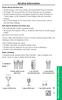 Alcohol information Facts about alcohol use Alcohol (grog) is the most widely used recreational drug in Australia NT drinks 70% more and WA 25% more than the rest of Australia Alcohol related deaths for
Controlling Pain Part 2: Types of Pain Medicines for Your Prostate Cancer
 Controlling Pain Part 2: Types of Pain Medicines for Your Prostate Cancer The following information is based on the general experiences of many prostate cancer patients. Your experience may be different.
ORAL ANTICOAGULANTS - RIVAROXABAN (XARELTO) FOR ATRIAL FIBRILLATION
 ORAL ANTICOAGULANTS - RIVAROXABAN (XARELTO) FOR ATRIAL FIBRILLATION Information Leaflet Your Health. Our Priority. Page 2 of 6 What Are Anticoagulants And What Do They Do? This information leaflet has
Supporting your child after a burn injury
 Royal Manchester Children s Hospital Supporting your child after a burn injury Information for Parents and Carers of Young Children 2 Contents Page Introduction 4 Trauma and children 4 Normal reactions
Manage cancer related fatigue:
 Manage cancer related fatigue: For People Affected by Cancer In this pamphlet: What can I do to manage fatigue? What is cancer related fatigue? What causes cancer related fatigue? How can my health care
Treatment of Alcoholism
 Treatment of Alcoholism Why is it important Prevents further to body by getting people off alcohol. Can prevent death. Helps keep health insurance down. Provides assistance so alcoholics don t t have to
Alcohol and stroke. How can drinking alcohol increase my risk of stroke? Stroke Helpline: 0303 3033 100 Website: stroke.org.uk
 Stroke Helpline: 0303 3033 100 Website: stroke.org.uk Alcohol and stroke Regularly drinking large amounts of alcohol greatly increases your risk of stroke. This factsheet explains how alcohol can increase
Understanding. Depression. The Road to Feeling Better Helping Yourself. Your Treatment Options A Note for Family Members
 TM Understanding Depression The Road to Feeling Better Helping Yourself Your Treatment Options A Note for Family Members Understanding Depression Depression is a biological illness. It affects more than
Cardiac rehabilitation
 Information For Patients & Carers Cardiac rehabilitation Liverpool Heart and Chest Hospital NHS Trust Thomas Drive Liverpool Merseyside L14 3PE Telephone: 0151-228 1616 www.lhch.nhs.uk This leaflet has
Your admission for day surgery
 Royal Berkshire NHS Foundation Trust London Road Reading Berkshire RG1 5AN 0118 322 5111 (switchboard) West Berkshire Community Hospital London Road, Benham Hill Thatcham Berkshire RG18 3AS 01635 273300
The SAOR Model for Screening and Initial Assessment
 The SAOR Model for Screening and Initial Assessment The key components of the SAOR model are outlined below: Support Ask & Assess Offer Assistance Refer The support aspect of the intervention is guided
Medication for Dementia (Acetylcholinesterase Inhibitors)
 Older People s Mental Health Service Medication for Dementia (Acetylcholinesterase Inhibitors) August 2011 ^ ãéãäéê çñ `~ãäêáçöé råáîéêëáíó eé~äíü m~êíåéêë What are they? A group of medications used to
COMMUNITY BUPRENORPHINE PRESCRIBING IN OPIATE DEPENDENCE
 COMMUNITY BUPRENORPHINE PRESCRIBING IN OPIATE DEPENDENCE INTRODUCTION High dose sublingual buprenorphine (Subutex) tablets are available in the following strengths 0.4 mg, 2 mg, and 8 mg. Suboxone tablets,
Percutaneous Nephrostomy. Care of your Nephrostomy. Department of Urology
 Percutaneous Nephrostomy Care of your Nephrostomy Department of Urology You may encounter some problems at home but these are usually easily overcome. Listed below are some questions patients commonly
Pain and problem drug use
 Pain and problem drug use Information for patients Prepared by the British Pain Society in consultation with the Royal College of Psychiatrists, the Royal College of General Practitioners and the Advisory
TABLE OF CONTENT. How to Take the First Step Is Inpatient Rehab the Right Choice? Get the Help Needed Today
 TABLE OF CONTENT 3 The Need for Inpatient Rehab 3 Success with Inpatient Treatment 4 Numbers Rarely Lie 4 An Overview of Inpatient Substance Abuse Treatment 7 Participating in the Program 9 Get the Most
MEDICATION GUIDE Xyrem (ZĪE-rem) (sodium oxybate) oral solution CIII
 MEDICATION GUIDE Xyrem (ZĪE-rem) (sodium oxybate) oral solution CIII Read this Medication Guide carefully before you start taking Xyrem and each time you get a refill. There may be new information. This
Reintegration. Recovery. Medication-Assisted Treatment for Alcohol Dependence. Reintegration. Resilience
 Reintegration Recovery Medication-Assisted Treatment for Alcohol Dependence Reintegration Resilience 02 How do you free yourself from the stress and risks of alcohol dependence? Most people cannot do it
Methadone treatment Information for service users Page
 South London and Maudsley NHS Foundation Trust Methadone treatment Information for service users Page What can happen if I stop using heroin? If you are addicted to or dependent on heroin, you develop
Assessment and management of alcohol dependence and withdrawal in the acute hospital
 Assessment and management of alcohol dependence and withdrawal in the acute hospital Concise guidance to good practice series June 01 CONCISE GUIDANCE Clinical Medicine 01, Vol 1, No : 71 Assessment Main
Asthma, anxiety & depression
 Anxiety and are common in people with asthma. The good news is that there are effective treatments both for asthma and for anxiety and. With careful management, the symptoms of anxiety and can be treated
The first 6 weeks after gastric band/bypass surgery
 Patient information The first 6 weeks after gastric band/bypass surgery Eating and drinking In the first 4-6 weeks after the operation it is vital that you keep to the diet that we have advised in order
DERBYSHIRE JOINT AREA PRESCRIBING COMMITTEE (JAPC) SHARED CARE AGREEMENT FRAMEWORK
 DERBYSHIRE JOINT AREA PRESCRIBING COMMITTEE (JAPC) SHARED CARE AGREEMENT FRAMEWORK ACAMPROSATE CALCIUM (Campral EC) for alcohol abstinence ESCA: Adjunct in the treatment of chronic alcohol dependence (under
Northside West Clinic
 Northside West Clinic Contents Overview Treatments Inpatient Services Day Programs The Clinic What are the Costs? How to Get Started The Northside Group of Clinics How to Find Us Overview At some point
don t let drink sneak up on you how to catch it out and cut back
 don t let drink sneak up on you how to catch it out and cut back A couple of glasses at home. A few after work... Drink can sneak up on us After a long day, many of us like to unwind with a nice glass
Specialist Alcohol & Drug Services in Lanarkshire
 Specialist Alcohol & Drug Services in Lanarkshire This brochure describes what help is available within Lanarkshire s specialist treatment services. These include the North Lanarkshire Integrated Addiction
Recovery plan: radical cystectomy Information for patients
 Recovery plan: radical cystectomy Information for patients Help for you following a bereavement 5 This leaflet will help you know what to expect during your time with us. Please take some time to read
How To Diagnose And Treat An Alcoholic Problem
 guideline for identification and treatment of alcohol abuse/dependence in primary care This guideline is informational in nature and is not intended to be a substitute for professional clinical judgment.
Document Details Title. Early Warning Score Protocol for Community Hospitals and Prisons to detect the Deteriorating Patient
 Document Details Title Early warning Score Protocol for community Hospitals and Prisons to Detect the Deteriorating Patient Trust Ref No 1558-29748 Local Ref (optional) Main points the document This protocol
Maple Lodge. www.lpft.nhs.uk
 Maple Lodge www.lpft.nhs.uk Our philosophy of care Provide a safe environment, offering individually negotiated care for people with mental health needs. Ensure privacy, dignity and respect for our service
Opioids in Palliative Care- Patient Information Manual
 Version 2.0 with MST example Introduction The following pages explain what opioids are and what we think you may want to know about them. There is quite a lot of information here, most of it is based on
Oxford Health NHS Foundation Trust. A guide to Opioid Detoxification
 Oxford Health NHS Foundation Trust A guide to Opioid Detoxification If you re considering detox, congratulations. You have obviously been visualising a drug free life and planning your future goals. Detox
Living With Congestive Heart Failure
 Living With Congestive Heart Failure Information for patients and their families Patient information developed by EPICORE Centre, Division of Cardiology, University of Alberta The REACT study: supported
Welcome to the acute medical unit. A patient guide
 Welcome to the acute medical unit A patient guide Contact us AMU 1 (green) 023 8120 6496 AMU 2 (purple) 023 8120 5127 AMU 3 (pink) 023 8120 8609 Please note, confidential information cannot be communicated
YOU AND YOUR ANAESTHETIC
 YOU AND YOUR ANAESTHETIC Information Leaflet Your Health. Our Priority. Page 2 of 8 This leaflet aims to answer some of the questions you may have about your anaesthetic and contains fasting instructions.
Oxford University Hospitals. NHS Trust. Oxford Centre for Head and Neck Oncology. Pain Relief. Information for patients
 Oxford University Hospitals NHS Trust Oxford Centre for Head and Neck Oncology Pain Relief Information for patients Introduction This booklet has been written to give you information about pain relief.
Taking Care of Yourself and Your Family After Self-Harm or Suicidal Thoughts A Family Guide
 It is devastating to have a suicidal family member and to live with the feelings that go with this kind of traumatic anxiety. That is why this guide is developed for you. It will give you some important
A PATIENT S GUIDE TO DEEP VEIN THROMBOSIS TREATMENT
 A PATIENT S GUIDE TO DEEP VEIN THROMBOSIS TREATMENT This medicine is subject to additional monitoring. This will allow quick identification of new safety information. If you get any side effects, talk
Living and succeeding with a gastric band. Practical advice for patients
 Living and succeeding with a gastric band Practical advice for patients page 2 Living and succeeding with a gastric band Bariatric surgery (weight loss surgery) is currently the most effective treatment
2.6.4 Medication for withdrawal syndrome
 .6.3 Self-medication Self-medication presents a risk during alcohol withdrawal, particularly when there is minimal supervision (low level and medium level 1 settings). Inform patients of the risk of selfmedication
Development and Implementation of an Evidence-Based Alcohol Withdrawal Order Set. Kathleen Lenaghan MSN, RN-BC
 Development and Implementation of an Evidence-Based Alcohol Withdrawal Order Set Kathleen Lenaghan MSN, RN-BC 1 2 Genesis Medical Center Davenport, Iowa Objectives Identify the process of developing and