
CURTIS PARK LANDMARK DISTRICT H
|
|
|
- Chester Dickerson
- 10 years ago
- Views:
Transcription
1 CURTIS PARK LANDMARK DISTRICT H 2343 Stout Street An Application for Landmark Designation to the Denver Landmark Preservation Commission November 24, 2010 Revision: January 20, 201

2 (page intentionally blank for pagination)

3 Table Of Contents 1. DISTRICT IDENTIFICATION...2 Boundaries of the District APPLICATION INFORMATION DOCUMENTS STATEMENT OF SIGNIFICANCE ARCHITECTURAL DESCRIPTION...11 Location and Setting (5a)...11 Architectural Description (5b)...11 Non-Residential Contributing Structures...24 Architects...27 Inventory List and Contributing/Non-Contributing Map (5c)...29 Character-Defining Features (5d)...29 Criteria For Contributing/Non-Contributing Status (5e)...30 Contributing Structures Post-Period of Significance...30 Alterations to Contributing Structures...31 Trends in the District (5f) HISTORY OF THE DISTRICT AND ITS ASSOCIATIONS...33 Period of Significance...33 Circumstances of Construction (6a)...33 Specific Historical Associations (6b)...34 Resources Cited or Used as Reference Material (6c) GEOGRAPHY OF THE PROPOSED DISTRICT OUTREACH EFFORTS...44 ATTACHMENTS...45 Attachment A: Inventory List with Contributing/Non-Contributing Map...46 Attachment B: Contemporary Character Photographs...71 Attachment C: Owners of Record Obtained from the Assessor s Office November 2, Attachment D: Petition Signature Pages Attachment E: Outreach Letters Attachment F: Outreach Flyers Attachment G: Legal Description of the District...140

4 AN APPLICATION FOR THE CREATION OF A NEW LANDMARK DISTRICT CURTIS PARK DISTRICT H 1. DISTRICT IDENTIFICATION Boundaries of the District The middle of Park Avenue West, from the middle of Arapahoe Street to the middle of California Street; the middle of California Street, from the middle of Park Avenue West to the middle of 24th Street; the middle of 24th Street, from the middle of California Street to the middle of Stout Street; the middle of Stout Street, from the middle of 24th Street to the middle of 25th Street; the middle of 25th Street, from the middle of Stout Street to the extended middle line of the alley between Stout and Champa Streets; the extended middle line of the alley between Stout and Champa Streets, from the middle of 25th Street to the middle of 28th Street; the middle of 28th Street, from the extended middle line of the alley between Stout and Champa Streets to the extended middle line of the alley between Champa and Curtis Streets; the extended middle line of the alley between Champa and Curtis Streets, from the middle of 28th Street to the middle of 27th Street; the middle of 27th Street, from the extended middle line of the alley between Champa and Curtis Streets to the middle of Champa Street; the middle of Champa Street, from the middle of 27th Street to the middle of 25th Street; the middle of 25th Street, from the middle of Champa Street to the extended middle line of the alley between Champa and Curtis Streets; the extended middle line of the alley between Champa and Curtis Streets, from the middle of 25th Street to the middle of 26th Street; the middle of 26th Street, from the extended middle line of the alley between Champa and Curtis Streets to the extended middle line of the alley between Curtis and Arapahoe Streets; the extended middle line of the alley between Curtis and Arapahoe Streets, from the middle of 26th Street to the middle of 27th Street; the middle of 27th Street, from the extended middle line of the alley between Curtis and Arapahoe Streets and the middle of Arapahoe Street; the middle of Arapahoe Street, from the middle of 27th Street to the middle of 25th Street; the middle of 25th Street along the extended middle line of 25th Street, from middle of Arapahoe Street to the middle of Lawrence Street; the middle of Lawrence Street, from the extended middle line of 25th Street to the middle of 24th Street; the middle of 24th Street, from the middle of Lawrence Street to the middle of Arapahoe Street; the middle of Arapahoe Street, from the middle of 24th Street to the middle of Park Avenue West. The middle of 26th Street, from the middle of California Street to the extended middle line of the alley between Welton and California Streets; the extended middle line of the alley between Welton and California Streets, from the middle of 26th Street to the middle of 27th Street; the middle of 27th Street, from the extended middle line of the alley between Welton and California Streets to the extended middle line of the alley between California and Stout Streets; the extended middle line of the alley between California and Stout Streets from the middle of 27th Street to the extended middle line of the property boundary between 2625 California Street and 2633 California Street; the extended middle line of the property boundary between 2625 California Street and 2633 California Street, from the middle of the alley between California and Stout Streets to the middle of California Street; the middle of California Street, from the extended middle line of the property between 2625 California Street and 2633 California Street to the middle of 26th Street. The middle of 24th Street, from the middle of California Street to the extended middle line of the alley between California and Welton Streets; the extended middle line of the alley between California and Welton Streets, from the middle of 24th Street to the middle of 25th Street; the middle of 25th Street, from the extended middle line of the alley between California Street and Welton Street to the middle of California Street; the middle of California Street, from the middle of 25th Street to the middle of 24th Street. 2

5 B d L 28th Street 27th Street Curtis Champa 26th Street 25th Street 24th Street Park Ave 3

6 Downing Broadway 4th Street 33rd Street N 31st Street 32nd Street Larimer Lawrence 29th Street 30th Street Arapahoe 28th Street G Stout 27th Street C Curtis F Champa California 26th Street 25th Street B E Welton G Glenarm Pl. 24th Street D Park Ave A Historic Districts Curtis Park National Register Historic Districts Proposed Curtis Park Landmark District H Existing Curtis Park Landmark Districts (A-G) Existing Welton Street & Ballpark Landmark Districts 4

7 Legal Description: Historic Name of District: Proposed Name of District: Historic Uses: Present Uses: Zone District: See Attachment G None Curtis Park Landmark District H Residential Residential Predominantly U-RH-2.5 and D-AS, with some U-MX-3, G-MU-3, B-8-A OD-5, and U-MX APPLICATION INFORMATION Applicants Elizabeth Cito 2431 Stout Street Denver, CO, (303) John Hayden 2418 Champa Street Denver, CO, (303) Thomas Iseman 2537 Curtis Street Denver, CO, (303) Rich Maginn 2655 Stout Street Denver, CO, (303) Joel Noble 2705 Stout Street Denver, CO, (303) Pat Romero 2751 Champa Street Denver, CO, (303) Kathy Struble 2343 Stout Street Denver, CO, (303) William A. West 2826 Curtis Street Denver, CO, (303)

8 6

9 3. DOCUMENTS A map showing the boundaries of the district is included on page 3, and in the broader context of existing historic districts on page 4 of this application. Maps indicating the location of contributing/ non-contributing structures are included in section 5 of this application. A list of owners of record is included as Appendix Photographs showing the contemporary character of the district are included in Appendix B. Petitions and copies of letters sent to absentee property owners are included as Appendices D and E. Outreach flyers included in letters, left with neighbors, and provided at meetings are in Appendix F. 4. STATEMENT OF SIGNIFICANCE The Curtis Park Landmark District H meets the criteria for designation in all three categories. 1. HISTORY. To have historical significance, the district shall be 30 or more years old or have extraordinary importance to the historical development of Denver, and shall: a) Have direct association with the historical development of the city, state, or nation. The history of the area now known as Curtis Park, named for the park Denver s oldest in its midst, is intimately connected to the history of early Denver. When the railroad finally reached the city in 1870, Denver was scarcely more than another frontier town that serviced nearby mining activities, its population only 4,759. By 1880, however, in just ten years, that figure had jumped to 35,629, and another ten years later, in 1890, to 106,713, a twenty-fold population increase in only 20 years. Denver grew faster in that brief period than any other city in the country. So large a population increase was accompanied, needless to say, by a building boom. Denver s streets, originally laid out more or less parallel to the Platte River, were extended in a northeasterly direction, and it was along the old town site streets Curtis, Champa, Stout, California, and Welton that Denver s first residential building boom occurred. A visit to the Robinson Real Estate Atlas, published in 1887, indicates that most of the houses along the old town site streets had been built out by the time of the atlas publication. That means that in a mere approximately ten-year period, Denver had acquired a substantial residential section, extending from the downtown area all the way to Downing Street where the old streets ended and a new grid system was established. The heyday of Curtis Park lasted only briefly. Two events had an adverse affect upon the area. First, the development of Capitol Hill in the 1890s gave those with money or social pretensions an option they had not hitherto had: namely, to live among others of the same social and economic status. In contrast, 7

10 Curtis Park had, from its inception, been characterized as an area where men and women from a wide variety of economic levels lived cheek by jowl, their economic status reflected by the sizes of the houses they built or occupied. It represented a truly democratic mix of peoples. It took a while for the development of an elite new neighborhood to effect the old. In 1892, Denver s first social register appeared. Already by that time, a majority of those listed lived in Capitol Hill, but the Curtis Park area was still well represented. When another social register appeared just six years later, in 1898, almost no one who lived outside of Capitol Hill was deemed worthy of notice. There were a few who remained behind as most others of note migrated out of the old neighborhood, but they were a minority. The second event that adversely affected Curtis Park was the Silver Crash of 1893, an event that affected the whole state of Colorado as well as the nation. Many of Curtis Park s larger homes, no longer occupied by their first, affluent owners, were soon divided into smaller units, a practice that continued well into the future as the decline of the neighborhood went on. Please note: This is the first application for local historic district designation submitted for Curtis Park in which recent history is included for special consideration. See pp for that important portion of this application. 2. ARCHITECTURE. To have architectural importance, the structure or district shall have design quality and integrity, and shall: a) Embody distinguishing characteristics of an architectural style or type; The houses that were built during the brief period of the building boom that produced them represent two dominant architectural styles: the Italianate and the Queen Anne. In fact, the houses represent the shift that was occurring at the time, from the earlier style (the Italianate) to the newer, more ornate style (the Queen Anne). Other houses combined elements from both styles in often unusual and original combinations of eclectic design, representing the eclectic nature of much of Victorian architecture. Houses that were built in the period after the Silver Crash of 1893 reflect less decorative trends, though they were built in ways that honored the built environment already in place: i.e. they were set back on their lots, in alignment with adjacent houses; and they continued to be built of brick, sometimes with decorative shingles on the upper levels. The scale of the newer buildings also matched that of existing structures. The result was the creation of a homogenous streetscape of various elements, none of which seemed out of place and most of which remains today. 8

11 3. GEOGRAPHY. To have geographical importance, the structure or district shall: b) Promote understanding and appreciation of the urban environment by means of distinctive physical characteristics c) Make a special contribution to Denver s distinctive character. The streetscapes of historic Curtis Park are made up of remarkably intact collections of houses from the late 19th century. One of the most historically interesting aspects of the neighborhood is the difference not only in the styles of the houses, but in their scales as well. The difference in the sizes of the houses represents the brief time in Denver s earliest days when people of widely varying social and economic backgrounds shared a common neighborhood in a truly democratic mix. That period didn t last long, because, with the establishment of Capitol Hill, many of those who could afford to began to leave for greener pastures. The footprint of that early egalitarian time in Denver s history, however, is still perfectly apparent in the makeup of Curtis Park. Happily, the area continues to represent a true mix of the city s diverse population. Three of the four earliest local historic district designations in Curtis Park (Districts A, B, and D) were made in what has been for over 50 years the B-8 zoned portion of Curtis Park. Those areas not included in the earlier Landmark districts for one reason or another nonetheless also contain superb examples of late 19th century houses in groupings that constitute wonderful streetscapes from the past, and are included in this, the proposed final Curtis Park Landmark district. This new Curtis Park Landmark District H would furthermore tie together and unify the districts already in place, finally providing the neighborhood with the kind of comprehensive protection still needed to assure its continuance into the future. 9

12 10

13 5. ARCHITECTURAL DESCRIPTION Location and Setting (5a) The Curtis Park Landmark District H is part of the greater Curtis Park neighborhood, Denver s oldest intact residential neighborhood, located northeast of Denver s downtown core. This area is near Curtis Park Landmark Districts A, B, and D. (See map on page 3.) Architectural Description (5b) The Italianate Style Curtis Park has Denver s best collection of houses in the Italianate style, probably the most prestigious style of the city s early history. The most impressive of these are two-story, all-brick structures, usually with stone embellishments. They rise to overhanging eaves decorated with ornamental brackets (the style is sometimes called the bracketed style) above which there is a low pitched, truncated pyramidal roofs, often originally crowned with iron cresting. The windows and doors of the buildings exteriors are symmetrically arranged so that the windows on the second story are perfectly aligned with the windows and doors of the first. Full wooden porches stretch across the front of them, many with ornate decorative feature. One of the most impressive examples of the Italianate style in all of Curtis Park is the Kaub house at 2343 Stout, a richly ornamented example of the type. Like other Italianates, the house is characterized by its low pitched, truncated pyramidal roof that overhangs the metal cornice work at the top of the façade. A small pediment rises from the middle of the cornice, a not unusual feature of an Italianate house, rising above a half-round window. Both side elevations of the house come forward under higher gables than the one in front that rise above round windows at the third floor level. The house also illustrates another feature of the typical Italianate, namely the balance and symmetry of its façade elements: the windows on the second floor are directly above the windows and door on the first. Above the windows are heavy smooth stone caps, left plain. The stone above the front door is divided by a keystone, with an elaborate incised design. The original full front porch of this house is especially fine. There are three brackets at the top of the columns that support the porch roof, one on each side, and a shallower one that comes forward from the post. All the brackets are richly ornamented and, 2343 Stout Street 11

14 together with the elaborate cornice, make the house an especially decorative Italianate. The house has its original pair of handsome front doors, though the stained glass in them is not original Champa Street 2752 Champa Street Another fine early Italianate this one by one of Denver s earliest trained architects, Emmet Anthony is the house at 2461 Champa. This example, like the previous one, is characterized by a gable that rises from the center of the building s façade. The overhanging eaves of the house are supported in the classic fashion by wooden brackets, between which run rows of dentils. The usual symmetry of the Italianate prevails: the double doors in the center of the first floor are balanced by a large window on the second floor; and the pairs of windows on either side of the front door are in perfect alignment with the pairs of windows that flank the large window above the front door. The narrow stone window and door caps are ornamented with incised geometric designs; and the top portion of the decorative front porch has survived. Unfortunately the current owner of the building has played fast and loose with the window replacements he has installed, but the house is fundamentally intact. Though not as obviously impressive as other Italianates in Curtis Park, the house at 2752 Champa nonetheless deserves to be given special consideration as a kind of story-book example of the type. The house consists of a simple solid block, topped with the characteristic low, truncated pyramidal roof typical of virtually all Italianates. Supporting the overhanging eaves of the roof, there are pairs of brackets, between which run rows of dentils. The symmetry of the windows and door on the front façade is also typical of the form. The stone of the window and door caps is incised with modest stylized floral ornaments, the stones of the first floor level being somewhat larger than those above, while those on the second level have a bottom cut not found on the stones below. Everything about the house seems both proper and restrained until the eye comes to its full, original front porch which stands forward as a truly distinguished architectural feature. The posts which hold up the porch roof are surmounted with brackets considerably more complicated and decorative than those at the top of the house; and spanning the space between the posts, cut-work boards come together in the middle of the span where finials drop down to join them. The delicacy and richness of the porch gives this otherwise somewhat restrained house its distinguishing, refined 12

15 aspect, making it a truly admirable example of the Italianate house. There are also one-story Italianate cottages, like the twins at 2523 and 2525 Curtis, and another pair of twins at 2729 and 2733 Champa. They follow a simple form found elsewhere in the neighborhood that may in fact be the most popular of the house forms built to satisfy persons of modest means in the early days of the neighborhood when those of widely differing economic levels settled here. These four have central gables that rise to the level of the truncated pyramidal roof lines, in which small, arched windows are placed. The houses are relatively plain, straightforward. There are overhanging eaves, but no brackets; and simple brick arches cap the windows and doors. The two on Champa are slightly more ornate than their cousins on Curtis. Barge boards with sawn decorative edges are still in place at 2733 Champa, and both of the Champa houses have flat boards with decorative edges that outline the roof and gable lines. The house at 2729 is exceptional among houses of this type in that it still has its original front porch Curtis Street 2525 Curtis Street 2729 Champa Street 2733 Champa Street Another pair of twin Italianate cottages shows how far this simple form could be taken, with the introduction of elements common to the Queen Anne style. These unlikely survivors at the corner of Curtis and 24th (2357 and 2361 Curtis), have the same gable that rises to the level of the truncated pyramidal roofs, like their neighbors up the street, though these gables are brought forward over slightly projecting bays which contain two windows. The houses are primarily noteworthy for the elaborate decoration on their facades. Their stone window caps are deeply carved with stylized flowers. Bracketed only at the two side corners, flat panels run from bracket to bracket and up the central gable, each panel cut 2357 & 2361 Curtis Street 13

16 with a stylized leaf design. The overall effect on such small houses is sumptuous and entertaining. A variation of the Italianate style is the row-house type, so called because of its perfectly flat and usually unornamented side walls which made it look as if it might have been intended to be attached to similar buildings. This type has a flat roof. As a rule, the ornamentation of such houses, which in some cases may be considerable, is only found on their front elevations. Again, the front walls rise to cornices, the top portions of which come forward and appear to be supported by brackets 2737 Champa Street 2426 Champa Street A classic example of this type is the house at 2737 Champa. A two-story, three-window front bay dominates the front of the house. At the top of the façade, an overhanging eave is supported by decorative brackets. Like other Italianates of the row-house type, the windows and doors on the façade are arranged in symmetrical alignments. Here, the windows are capped with low brick arches which are centered on stone keystones. The sides of the house are perfectly flat. It has unfortunately lost its front porch. Another good example of the row-house Italianate style is the house at 2426 Champa. Here the two-story front bay is flat and contains pairs of windows that are united by stone window caps that span both windows. The bottom of the stone caps has a sawtooth edge, and stylized geometric designs are incised into the centers of the stones. Crowning the façade, as usual, are brackets that rise to an overhanging projection. The sides of the house are perfectly plain. An unusual assemblage of three row-house style Italianates stand side by side in the 2500 block of Curtis (2531, 2537, and 2541) Curtis Street 2537 Curtis Street 2541 Curtis Street 14

17 Almost certainly originally identical, the three have lost many of the stylistic features that would once have visually united them. Their most apparent similarity is the two-story, three-sided front bay that constitutes their most important architectural feature. Another obvious similarity is the raised brick window and door arches, centered on stone keystones, common to all three. Only the center house, 2537 Curtis has its original cornice at the top of its façade, consisting of an overhanging shelf supported by decorative brackets. None of the porches are original, though the bottom portion of the porch at 2537 Curtis probably goes back to the early 20th century. The houses are somewhat unusual in that their sides are not perfectly flat and plain which is a common feature of row-house Italianates: the slightly projecting window caps and sills that occur on the front of the buildings are found along their sides as well. The house at 2347 Stout is another good example of the rowhouse variation of the Italianate style. The cornice work at the top of the façade appears to be supported by the brackets usual to the style. The window pairs on the two levels are aligned, and there is a small second story window in alignment with the front door, so that the usual symmetry of the Italianate house is observed, though the rounded window caps are unusual and suggest the influence of the Queen Anne style. What is also unusual in this example of the row-house Italianate is that the metal cornice from the front of the house is carried around onto the left side of the house, which features a two-story bay window as well. The front porch here is almost certainly original Another example of the row-house Italianates included in this application for landmarking stands at 2751 Champa. A shallow, two-story bay projects slightly from the left of the primary front surface of the house in which pairs of windows, surmounted by plain stone caps, are located one above the other in symmetrical alignment, typical of the Italianate. Brick banding run between the stone caps on the second story level. A gable rises above the shallow bay, interrupting a slightly overhanging eave which is supported by pairs of brackets. The inside of the gable is decorated by flat panels cut with ornamental scroll work. The elaborate façade of the house is crowned by iron cresting, originally a common decorative feature for Italianate house of all kinds. The house is fortunate to have its original front porch. It was recently handsomely restored, for which it won an Historic Denver award Stout Street 2751 Champa Street 15

18 The Queen Anne Style The Queen Anne style represents a dramatic shift away from Italianate norms. The use of shingles rather than brick, along with other wooden decorations, for the upper portions of a Queen Anne, make it appear lighter, more ornate, than the all-brick Italianate; and steeply pitched roof lines, instead of the truncated pyramids and flat roofs that typify Italianates, give the style a verticality that is new. The style is also characterized by the asymmetrical arrangement of its massing and details. In A Guide to Colorado Architecture published by the Colorado Historical Society, the Queen Anne is characterized as perhaps the most ornate style of the Victorian Period and was popular between 1880 and 1910 General characteristics include a vertical orientation, asymmetrical massing, corner towers and bays, prominent front porches, projecting gables, and contrasting materials, particularly brick and wood. The Queen Annes of Curtis Park are considerably more modest than those erected in newer residential areas that spread out from Curtis Park The proposed district does not have collections of fine Queen Annes like those found along Lafayette Street, just to the east of Curtis Park, or like the large examples to be found in the San Rafael neighborhood or upper Capitol Hill. As Curtis Park grew in the direction of Downing Street, more and more Queen Annes were built; there are fewer in the older part of the neighborhood, toward downtown Denver, the area being addressed in this application for Denver Landmark designation Stout Street The house at 2329 Stout is an example of a modest Queen Anne style house, characterized by its peaked roof and its use of wooden shingles. Here, the gabled roof comes down over the upper portion of the side brick walls; and the wooden shingles are only used in the upper portion of the gable. The house has its original full front porch with its own gable centered on the front door to the left of the façade. The porch gable is inscribed with a stylized flower and leaves, a motif echoed in smaller detail in the wood trim above the windows of the house. Another typical Queen Anne feature of the house is the asymmetrical arrangement of the windows on the front façade: the two on the second story are not in alignment with the two on the first story. The brick arches above the windows on the two levels are also different, which is in keeping with the asymmetrical tendencies of the Queen Anne style. The first floor windows have projecting brick arches of a fairly traditional kind, while on the second level 16

19 fans of vertically laid brick rise from the window tops to a straight course of brick just below the shingles of the gable. Another classic, if relatively simple example of the Queen Anne style is the house at 2750 Champa. It has the typical high pitched roof. The main front gable is filled with fish-scale shingles in two patterns. Within this main gable is the smaller gable of the twostory front porch, also decorated with shingles; and its skirt, which comes down over the top of the main entry level, is entirely covered with shingles as well. The low arched window on the main floor is another typical feature of a Queen Anne, this one surmounted by a raised brick cap which connects to a band of brick course work across the front of the house Champa Street Eclectic Houses And Rowhouses A majority of the houses of Curtis Park are best described as eclectic structures. They were designed by builders rather than trained architects borrowed elements from the dominant styles of the day, the Italianate and the Queen Anne, assembling them in new and interesting ways, to create original, unique statements of their own. The house at 2335 Stout nicely illustrates how the Italianate and Queen Anne styles come together in an eclectic manner. The main body of the house has the straightforward mass of an Italianate house. The façade elements are symmetrically arranged in the usual Italianate manner, windows on the second level above those on the first and, in this case, the main door aligned with another door at the second level. The roof, however, is steeply pitched; and the gable at the top of the house is ornamented with shingles, very much in the Queen Anne mode. Where the sides of the top gable meet the brick wall of the façade, a pair of heavy brick brackets come forward in support, again a feature associated with Italianate houses. The house is fortunate to have its original full front porch; and on the second level, a small porch comes forward just behind the gable on the porch roof which is covered with shingles, again a Queen Anne feature Stout Street 17

20 The smaller eclectic house at 2351 Stout seems similar to the Italianate row-house next door at 2347, which it abuts. It, too, has a cornice at the top of its façade, similar to the one beside it, very much in the Italianate mode. However, the large round-headed window on the first floor is obviously indebted to the Queen Anne Style, as is the two-window oriel just above it. Its original front porch comes forward into a gable which is filled with open lattice work, as are the sides. Above the front porch, there is a small round-headed window, dwarfed by the oriel window next to it Stout Street 2435 Stout Street The important and unusual house at 2435 Stout was built to the designs of Frank Edbrooke, among Denver s most important early architects. The house seems primarily to be a row-house style Italianate with perfectly plain side walls and a fully furnished façade. Here the cornice is entirely of brickwork that projects slightly out from the main surface of the house in the Italianate manner. But the large low arched window on the first floor shows the influence of the Queen Anne style which favored such windows. Perhaps its most distinctive features are the massive rusticated sandstone caps above the second-story windows as well as above the front door which are characteristic of Richardsonian Romanesque. The house has its original full front porch. Another eclectic house that uses rusticated stone to striking effect is the house at 2648 Champa. The mass of the house is again fundamentally Italianate, its façade containing roughly symmetrical elements. It high pitched roof, however, is clearly a Queen Anne element, as are the shingles used within the front gable. The bands of rusticated stone that frame the tops of the windows on both the first and second floor are decorative elements that belong to neither the Queen Anne nor the Italianate styles and create an overall asymmetrical effect for the façade of the house. The wrap-around front porch is original to the house Champa Street 18

21 2418 Champa was most likely a house designed by an architect. The all-brick basic block of the house suggests an Italianate structure; but the overall effect of the building is more Queen Anne than Italianate. The roof, though not especially steep, nonetheless rises to a point which is ornamented by metal finials. Within the front gable, shingles are used to decorative effect; and both the main gable and the porch gable are richly decorated with wooden elements. The two pairs of windows, one above the other, at the front of the house, separated by bands of decorated wood, are topped by low brick arches, the whole ensemble more suggestive of the Queen Anne than the Italianate style. The beautiful front porch is an original feature of the house. Two row-houses included in this application for designation are eclectic structures also worthy of note. The triplex at th Street must seem, given its highly ornate façade, fundamentally inspired by the Queen Anne idea. The vertical arrangement of its façade elements is strictly symmetrical, which suggests an Italianate influence, but the elements themselves, including the use throughout of round-headed windows, are much more richly varied than in the earlier style. The crown of the building represents original ideas. The two end units rise to gables, flanked by tall finials, within which there are round-headed windows surmounted by decorative raised brick arches; while the central bay, with a three-light window on the first level, above which three separate windows stand, rises to three arches within which there is decorative brick work and over which, at the top of the building, an ornate flat pediment presides, again within finials that match those which flank the end gables. Unfortunately, the building has lost its original porches, but it remains an eclectic tour de force Champa Street th Street 19
22 Stout Street Another truly remarkable eclectic building, also originally a triplex, stands at Stout. It is unique in the use of rusticated stones, in two contrasting colors, to cover its façade. To the right of each front door, the entryways still covered by original front porches, two-story bays rise, the central one a curved bay with three windows on each level, the windows separated by stones of alternating colors. The two end bays are brought forward from the main wall with rounded corners that yield to a flat surface at the front of the bay. At the first floor level of these side bays there is a large round-headed window, above which is a pair of smaller windows. All the windows here are framed with red sandstone. Surmounting the central rounded bay is a squat tower with a round roof, topped with a decorative metal finial. This central tower rises from the cornice at the top of the façade. The two end bays rise to lower towers which commence just above the second story pair of windows where ornamental shelves project forward from the façade. Gables rise from the shelves to odd square top-notches, like keyholes. The peaks of the shorter end tower roofs are also topped with elaborate metal finials, different from the taller one in the center of the building Stout Street The overall effect is one of remarkable complexity and richness. The use of both white and red rusticated stone in elaborate design arrangements, and the powerful massing of architectural elements, constitute a truly original masterwork. According to the Western Architecture and Building News issue of January, 1890, the building was further decorated with stained glass, most of which has been lost. Otherwise, the impressive façade of the building is completely intact and has recently been restored. 20
23 The building now numbered th Street was originally a duplex built behind Stout Street in Unlike the triplex, this structure was not faced with stone but with the brick which was the primary building material of both buildings. Here there is red sandstone coursing and the same rusticated stone foundation that appears in the front building. The building has been substantially altered over the years, primarily by the application of thick stucco to its façade and the creation of a single entryway into the building, replacing whatever porches the two units originally had. Its connection to the Stout Street triplex is made clear by the bay on the alley which is identical in shape to the two end bays at 2355 and 2363 Stout. Built in 1890, just after the triplex at Stout Street, the two-building apartment complex now known as the Peerless at the corner of Champa and 24th Streets, again attests to the remarkable diversity of Curtis Park s architectural heritage. An early instance of the Spanish revival which was later to become popular and much more common, the upper portion of the building is reminiscent of such Spanish mission structures as the famous Alamo in San Antonio, Texas. All first floor windows have round headed windows, as do the entryways into the building. The second floor windows, which are not rounded, are connected by common sills, supported by graduated rows of brick coursing. Three individual porches along the Champa Street side and two facing 24th Street have survived in remarkably good condition. The porch roofs are supported by round columns which are spanned by unusual tri-part arches, again reminiscent of Spanish models th Street th Street 21
24 2747 Champa (c.1939) The French Second Empire Style 2747 Champa is one of Curtis Park s few French Second Empire style houses, and the only one included in this application for landmarking. The crowded façade of this example features an original front porch and a three-sided bay whose windows at the second story level protrude out from the Mansard roof under their own hoods. Unfortunately, the wooden cornice that once divided the bay into an upper and lower portion has been lost. It is still apparent in the vintage photograph. The Jan. 1, 1889 edition of the Denver Republican indicates that the then owner of the house, John F. Adams, a jeweler, had added onto his house in 1888 which suggests that the Mansard roof second story part of the house was an addition to the original structure Champa The Richardsonian Romanesque Style Curtis Park s best example of a Richardsonian Romanesque building is the remarkable fourplex at th Street, designed by Robert Roeschlaub and built in 1890 for $14,000. The massive square columns, with capitols carved with stylized Romanesque designs, support the heavy architrave of the front porch in a way reminiscent of the work of H. H. Richardson, champion of the Romanesque Revival. The pairs of rounded windows on either side of the porch, capped by heavy stone arches that rest on blocks carved with Romanesque scroll work, find their echo in four more pairs of round-headed windows on the third floor level where the building th Street (c.1960) th Street 22
25 breaks into its most ornamental flourishes, complete with the terracotta tiles which Roeschlaub was especially fond of using, some of which was stolen when the building stood blackened by fire and abandoned in the 1960s. Fortunately, it was rescued and restored in the nick of time and survives as one of Curtis Park s most noteworthy buildings. Post-Victorian, Early 20th Century Styles Five residential structures included in this application as contributing structures were built in the period immediately after the high Victorian era, characterized by its love of architectural embellishment, when simpler styles became preferred. The houses fall into the category named the Foursquare in A Guide to Colorado Architecture, published by the Colorado Historical Society, though such buildings are also referred to locally as Denver Squares. They are relatively simple and straightforward in their design. All have low hipped roofs, with a dormer placed in the middle of the front elevation of the roof within which small windows are placed. They are also characterized by their front porches, whose roofs are supported by stylized Greek columns with fairly simple capitals at their tops. The five houses included in this application fall into two groups. The twin houses at 2654 and 2656 Champa have overhanging roofs, with bands of dentils to mark the juncture of the overhang and the vertical wall. The tight ensemble of three houses at 2560 Champa and 832 and th Street are made somewhat more interesting by the use of rusticated stone window caps and sills. The upper panes of the second storey windows of the house at 2560 Champa is further ornamented by wooden dividers for the glass. The house at th, is a one-story version of its neighbors Champa 2656 Champa th Street th Street 2560 Champa Street 23
26 Non-Residential Contributing Structures The Temple Emmanuel Synagogue Located at the corner of Curtis and 24th Streets (2400 Curtis), the Temple Emanuel synagogue is a massive structure of indeterminate style, though some of its details were originally described as mooresque. Its walls are supported by heavy exterior buttresses, an unusual feature; though its most distinctive feature is a large tower at the corner of the building which was originally extended by a wooden spire, the victim of a fire early in the building s life. Drawing of the 24th and Curtis Street Temple from Temple Emanuel: A Centennial History by Marjorie Hornbein Ornamental sculptural features at the front of the building, within the gable of its shed roof, have unfortunately been damaged and these elements are lost. For more information on Temple Emanuel, please see p. 28 (Architecture) and p (History) Curtis Street, Curtis side 2400 Curtis Street, 24th side 2400 Curtis Street (December 1985) 24
27 The Original National Guard Armory Built in 1889 to the design of William Quayle at the corner of Curtis and 26th (2565 Curtis), the old armory has served in a number of capacities since its original use. Among other things, it has been a dance hall and boxing arena. Now stuccoed, the building s original shape is still perfectly apparent Curtis Street 2565 Curtis Street 2565 Curtis Street - Colorado National Guard, mustered to combat the labor strike of the Western Federation of Miners, march on Curtis Street. (1903) The Ideal Laundry Building The first portion of the Ideal was built in Additions were made in over several years, by which time the building occupied almost an entire half of the 2500 block of Curtis. When fully operational, the laundry used its own artesian well water, pumped on site. The building is now the home of a Montessori School Curtis Street (detail) 2500 Curtis Street 25
28 2433 Curtis Street The A.E. Meek Trunk and Baggage Co. factory The luggage factory at 2433 Curtis Street, built for the A.E. Meek Company circa 1905, has typical Italianate features. The projecting brick cornice at the top of the facade is its main decorative feature. The windows on the second level that face Curtis have simple caps of raised brick, as well as stone sills. At street level, the building once had large windows which have been bricked up. Both sides of the building have long banks of windows, on its downtown side on both levels, on the other side on only the second level. The windows have brick arches and stone sills Arapahoe Street Crofton Elementary School Crofton Elementary School, located at 2409 Arapahoe Street, was constructed in A later addition to the structure was constructed in The original building is a classic school building of the period. Two entry doors stand at either end of the façade, above which dramatic tall windows rise from shallow, false balconies over the doorway arches. A flat, vertical bay, containing small windows, separates the decorative entry walls from the main architectural feature of the building, namely a great window wall, typical of early school buildings. Two groups of six windows each, three over three, are separated by long pilasters which rise to art deco cornices. The windows are large, 8 panes over 12, and give the structure its airy, comfortable look. 26
29 Architects This application contains the work of more of Denver s prominent early architects than any Curtis Park district designated so far. Emmet Anthony A noteworthy early Italianate, the house at 2461 Champa, is probably the only surviving house in Denver designed by Anthony, a pioneer architect of Denver Champa Street Henry Dozier Dozier is the architect responsible for the remarkable triplex at the corner of Stout and 24th Streets, the front of which is covered with stone. F. Eberly Three of Eberly s fine houses (2535, 2545, and 2663 Champa) are already contained within Denver Landmark districts in Curtis Park, but he also designed the impressive house at 2335 Stout which is designated as an individual structure for preservation in Denver, but would now be included in a Denver Landmark district Stout Street 2335 Stout Street 27
30 The Edbrooke brothers W. J. Edbrooke designed the original Temple Emanuel Synagogue at 2400 Curtis. Built in 1882, it suffered a major fire in In 1902, the building was repaired for another congregation under the direction of Frank Edbrooke, W. J. s brother, making it the only structure in Denver in which both Edbrookes had a hand. Frank Edbrooke also designed the house at 2435 Stout Street Curtis Street William Quayle Though the house at 2418 Champa is not a documented Quayle structure, it has enough stylistic features characteristic of his work especially the attic windows on the right side of the house to attribute this to Quayle. The former Colorado National Guard Armory building, at 2565 Curtis, is another Quayle building. Though somewhat disfigured by its heavy stucco, its heavily Romanesque features still give it the look of an armory Stout Street 2418 Champa Street 2565 Curtis Street 28
31 Robert Roeschlaub The massive fourplex residence at th street, built in 1890 in the Richardsonian Romanesque style. Inventory List and Contributing/Non-Contributing Map (5c) Please see Appendix A for a complete inventory of properties, contributing/non-contributing status for each, and block-by-block maps also showing contributing/non-contributing status th Street Character-Defining Features (5d) All the contributing structures, except for the six buildings described above, were built as residences. All of the contributing structures except for Crofton Elementary School (2409 Arapahoe), 2544 and 2556 Arapahoe Street were built within the period of significance (see section 6). Nearly all of the historic contributing buildings within the proposed new district were built of brick or a combination of brick and wood, a characteristic of the Queen Anne style. There are no surviving all-wooden houses. There is a mixture of one-story and two-story buildings, with one three-story residence at th Street. Historic, contributing residential structures setbacks are largely consistent throughout the proposed district, although it should be noted that the setbacks along the numbered streets are less than those along the named streets that come out of downtown Denver. Non-residential structures are sited at the front property line, with the exception of the school. All contributing structures have entrances that are oriented to the street. All of the early residential structures would have had front porches originally. 29
32 Criteria For Contributing/Non-Contributing Status (5e) The criteria by which each structure was evaluated for contributing/non-contributing status included the following: The structure should be visually reflective of the Period of Significance. The structure should be constructed in a manner appropriate to the period The structure should reflect one of the architectural styles used in the period of significance in Denver. The structure s front entrance(s) should be oriented to the street, and should have a front setback compatible with structures on its face block from the period of significance The structure must retain its original integrity, considering the seven aspects of integrity (Location, Design, Setting, Materials, Workmanship, Feeling, Association) as defined in the Denver Landmark Preservation Ordinance. Most of the criteria must be met to be considered contributing, but original integrity is required. Contributing Structures Post-Period of Significance Crofton Elementary School, 2409 Arapahoe, 1919 This is a classic early 20th century school building whose most distinguishing characteristic are its banks of large windows that face Arapahoe Street. Its other architectural details are discussed in the architectural section of this application. Though the building is currently not in use, it appears to have been well maintained and its red brick presence on the edge of the neighborhood is a Curtis Park asset. It is unfortunately currently separated from the neighborhood by a full block used as a parking lot for Greyhound busses, beyond which Greyhound s maintenance facilities stand. The Greyhound properties, both vacant and built, are included in this application in hopes that when they are developed, Crofton School will again become a part of the Curtis Park neighborhood. Note that the later addition on the northeast side of the building is non-contributing and 2556 Arapahoe Street These two small, one-story houses, built in 1926 and 1920 respectively, were built so that they are perfectly aligned with the other houses on the block, all of which are perched atop at fairly high embankment looking out in a northwesterly direction. Because they are built of brick, 2554 in red and 2556 in tan brick, and because of their alignment with other earlier houses on the block, they seem perfectly at home in their setting and are therefore counted as contributing structure. 30
33 Alterations to Contributing Structures The most frequent change to the contributing historic houses included in this application for Curtis Park Landmark District H is related to their front porches. Originally, both the base of the porch and the superstructure above it would have been constructed of wood, a material subject to rot. During the long period when the area was occupied by home owners and tenants without the means to adequately repair or replace deteriorating porches, many of the original ones were removed or replaced using inappropriate materials or design. Frequently, the wooden bases were replaced with concrete, and in a number of cases the superstructure was supported by heavy brick columns. Already as early as the 1920s and 30s, new heavier porches began to make their appearance throughout Curtis Park. Alternatively, the superstructure was simply not replaced with anything. Another, though less frequent, alteration to the look of the houses from the period of significance is the result of removing original windows and replacing them with so-called picture windows. 31
34 Trends in the District (5f ) The downtown edge of the Curtis Park neighborhood suffered the same neglect that the rest of the neighborhood did, though it was more seriously impacted because the spread of downtown Denver inevitably led to the demolition of many of the earliest houses that stood in its way. The destruction of the downtown portion of the neighborhood was heightened by the zoning ordinance passed in 1956 which imposed the B-8 zone from 23rd (now Park Avenue West) to 27th Streets. The blocks between 23rd and 25th were especially hard hit by the new zoning. After a district designation on the National Register of Historic Places was awarded to Curtis Park in 1976, enough attention was given to the area that a new generation of home-buyers began to purchase long-neglected houses in the neighborhood, many of them buying homes in that portion of the neighborhood most at risk because of the B-8 zone which did not encourage residential use. A neighborhood organization was soon established which began to lobby for local preservation; and though there were still some serious losses, the neighborhood stabilized and slowly but surely began to improve. Most of Curtis Park is now protected by Denver Landmark designation, and the new zoning code has further strengthened the prospects for the future of this historic part of Denver. In the recent past, the reputation of the area has sufficiently improved that developers have begun to look favorably upon it and have purchased empty land to build new structures. The good news about that development is that virtually all of it has been residential in character; the bad, however, is that some of the development has not been compatible with the neighborhood. It is the purpose of this application for landmark status to guarantee the protection of the old and to assure that new development will be compatible and harmonious with the historic structures found this earlist of Denver s residential neighborhoods, with review that will seek to ensure good urban design. 32
35 6. HISTORY OF THE DISTRICT AND ITS ASSOCIATIONS Period of Significance A great majority of the houses herein nominated for inclusion in a new landmark district were built in the building boom that lasted roughly from the late 1870s until 1893, the year of the Silver Crash and the depression that followed it. Nearly all of the contributing structures included in this application for landmark designation fall within the period prior to and including 1915, which is the Period of Significance for this district. Circumstances of Construction (6a) Details concerning the dates of construction can be found in Section 5. 33
36 Specific Historical Associations (6b) Early History The downtown edge of Curtis Park shares its history with the rest of the neighborhood. As the early city expanded from its historic core, what we now think of as Denver s downtown streets Arapahoe, Curtis, Champa, Stout, California, and Welton were extended in the direction of Downing Street and became the city s primary residential area. When the home of Wolfe Londoner, Mayor of Denver , at 2222 Champa was razed in 1940, a newspaper article said of it that For many years [it] was a show place of the district, then regarded as the most fashionable of Denver. Another article said that In the immediate neighborhood [of Londoner s house] were homes of many other early-day civic leaders. Unlike later residents of Capitol Hill, many of whom, like Molly Brown, made their money in mining towns and then moved to Denver, the early residents of Curtis Park tended to be purveyors of the goods and services which the young city needed if it was to survive. Among the several Curtis Park residents who owned retail establishments of one kind or another, serving the needs of early Denver, were Mr. and Mrs. Charles Ballin. Their store, the Paris Bazar, located on Larimer Street, catered to women of fashionable tastes who wanted to be dressed a la mode. According to an article in the Denver Tribune, Jan. 1, 1880, Their laces and embroideries are of the most exquisite designs, most of which... are imported directly from the manufactories in France and Germany. After only ten years in their house at 2461 Champa, the Ballins followed other Curtis Park residents of means and moved to Capitol Hill, an out-migration with important consequences for the area. Ironically, though the house to which they moved when 2461 Champa they left Curtis Park is gone, their old one on Champa still stands. The history of the 2300 block of Stout Street, odd numbered side of the street, is uniquely tied to the history of a single family who made considerable contributions to the young city of Denver. The paterfamilias was Frank Kaub, who lived with his wife at 2343 Stout. Born in southern Germany, he and his bride-to-be came to the US in their 20s, he for political reasons. His story is a classic American tale of hard work and enterprise which made it possible for him to prosper in his new homeland. Beginning as a porter in a saloon in New York City, Frank Kaub moved on to Illinois where we became a master mechanic for the Chicago and North Western Railroad. In 1871, at a time when Denver was just getting started, he came here to install a pump in the city s first water works. He went on to become a locomotive engineer and worked for the narrow gauge South Park and Pacific Railway in its early days, the rail line that ran between Denver and Leadville. He also served as the driver and engineer on Denver s first horse-drawn steam pumper of the Denver Fire Department. Around 1885, he bought or built the Kaub Block at 17th and Champa, a commercial building that paid so well he was 34
37 able to live off its income for the rest of his life. When he died in his house at 2343 Stout in 1911, the Denver Post said of him that He accumulated a fortune in Denver real estate. The house (individually designated a Denver Landmark, as with 2335 Stout) is of special interest because it is that extremely rare thing in Curtis Park: a house with much of its original interior decoration still intact. The Kaubs had four daughters and a son. Three of their daughters eventually came to live on the same block as their parents. Ten or twelve years after Frank Kaub came to America, another young German, age 21, also arrived in New York City. His name was Henry Nagel. While in NYC, he learned the watchmaker s trade. In 1869, three years after arriving in the US, he decided to come west. He went by train to Cheyenne, thence to Denver by stage coach, there being no rail connection at the time. Hired as a watchmaker by Gottesleben & Son, his repair bench faced a front window where he was seen by three of the Kaub daughters on their way home from school. Eventually, Nagel and Clara Kaub met, and the rest is history. About the same time that his father-in-law, Frank Kaub, was building his new home at 2343 Stout, circa 1885, Henry and Clara Kaub Nagel erected a smaller house at 2329 Stout. At the time, they already had four children, and when the family grew larger, they built another house at 2335 Stout on what was probably the Kaub s side yard. Well before building the Stout Street houses, Nagel had gone into business for himself. His jewelry store was first located on Larimer, then moved on to 17th Street, then to 16th. His long experience as a watch and clock repairman led to his position as the official clock man whose task it was to service the clocks in all of Denver s public schools. He also became the official watch-inspector for the engineers and trainmen on the railroads running into Denver, a position he probably got through his father-in-law who was the Nagels in Germany (1905) local treasurer of the Brotherhood of Locomotive Engineers. Nagel also dabbled in real estate. He owned the four lots at the corner of Stout and 23rd (now Park Avenue West), just down the street from his own house, on which some frame houses stood. Around 1890, he tore them down and built a terrace complex, five units facing Stout Street, three facing 23rd, all of them rental units. A number of descendents of the Nagels still live in the Denver area. In 1871, another young 21-year-old, Frederick Sigel, arrived in Denver, just a couple of years after Henry Nagel arrived. His father owned a large tannery in New York state, and young Fred went into the shoe and leather business upon his arrival here. In connection with his business, he travelled widely in western Colorado, selling leather and buying hides. At the time, Indian tribes and old trappers and hunters were common on the Western Slope and Sigel knew them and befriended some. In 1876, Sigel became an associate of Philip Zang, the prominent brewer, and three years later married one of his daughters. When she died, Fred met and married Clara Kaub Nagel s sister, Anna. The same year as his marriage, 1889, Sigel built the five unit complex at the corner of Stout and 24th Streets, three 35
38 units facing Stout and two facing 24th. He and his new wife lived at 2363 Stout. He died there in By the time of his death, he was reported to be a millionaire, his wealth coming from a variety of sources mining, real estate, cattle-raising, and banking among them. The third of the Kaub sisters to reside on the paternal block of Stout Street was Emilie, who married and eventually divorced Andrew Campion, about whom less is known than his brothers-inlaw. He was primarily involved in the livestock and meatpacking businesses. He was one of the two organizers of the Burkhardt Packing Company, which became the Colorado Packing Company. Eventually, he most likely went into business with his brother-inlaw, Fred Sigel, in a company called the Sigel-Campion Live Stock Stout Street Comm. Co. Andrew and Emilie lived at four different addresses on the 2300 block of Stout, moving with some frequency, which suggests that he rented rather than owned property there. The one house he owned was 2351 Stout, which he gave as his address from 1901 to That means, that five of the buildings still standing on the 2300 block of Stout were owned by members of the same family, surely something of a record. In a family history written by Fritz Nagel, one of the children of Henry and Clara Kaub Nagel, he reports that his grandfather, Frank Kaub, liked to play skat, a German card game, with his three sonsin-law, Nagel, Sigel, and Campion in the wintertime; and that On summer evenings most of the family congregated on Grandpa Kaub s front porch and discussed the events of the day or indulged in gossip. I remember sitting on the front porch railing and drinking in all that was said. The now-derelict synagogue at 2400 Curtis has played an extremely important part in the life of Denver s Jewish population. Originally built in 1882 as the Temple Emanuel for the Congregation Emanuel (founded in 1873) which consisted of Liberal Jews, primarily of German origin, it took the place of the first temple which had been built in A number of the prominent founders of the congregation lived in the Curtis Park area, among them Louis Anfenger (in whose home the congregation was organized), John Elsner, the Salomon brothers (Fred, Hyman, and Adolph), Charles Schayer, Isaac Gotthelf, and Sam Rose. With one exception, all of their homes are still standing in parts of the neighborhood already protected by landmark designation. Louis Anfenger (c. 1890) In 1889, the legendary Rabbi, William Friedman, came to the congregation. His impact was felt throughout the city, both as a popular orator and as a public figure. In 1890, members of the congregation founded the Jewish Hospital Association which 36
39 eventually led to the establishment of the National Jewish Hospital. In 1897, a fire caused serious damage to the temple which led to the decision to erect a new temple, the one now standing at Pearl and l6th Streets. The Temple was then purchased by the BMH congregation, which kept the building until that congregation, too, left it in 1921 for a new temple at Gaylord and 16th Streets. The old building was then purchased by the few Jews who still lived in the area. At one point during this period of the building s diminishing congregation, Samuel Rose, an orthodox rabbi who had pursued his rabbinical studies in Warsaw, ministered to the small group of the faithful who still attended services in the old Temple building. Rose, who earned his living as a tailor, lived most of his life in Curtis Park in rented accommodations. His son, Maurice, became the highest ranking Jewish officer in the US Army during WWII. Rose Hospital is named for him. The last congregation held the building until after WWII, by which time it was in a sadly deteriorated condition. Despite its remarkable history in serving the needs of a wide spectrum of Jewish congregations, the building then began its sad life as a warehouse. The factory for the A.E. Meek Trunk and Baggage Co., at 2433 Curtis, was built circa 1905 to supply the well-known company store in downtown Denver. The company was founded circa 1877 shortly after Arthur (A.E.) and his brother Leonard came to Denver from their home in Halifax, S. in When Arthur died in 1898, Leonard took over the business. He was joined by a younger brother, Rupert, in 1905, about the time the factory building was constructed on Curtis. Shortly after WWII, the factory building was sold to the Atlas Luggage Company who held the building until 1977 when it was purchased by the current owner. A Rocky Mountain News article in 1963 said that the company was believed to be the oldest business in the city owned and managed by the same family through the years ; and their own catalogue claimed to be the state s oldest family-owned retail establishment. Recent History In Section 4 of this application, Statement of Significance (1) History, the early history of the Curtis Park area, from its earliest days until the Silver Crash of 1893, is briefly sketched. The slow but steady decline of the neighborhood that had already commenced by the end of the 19th century continued until, by the 1970s, its future was in doubt. Dereliction, abandonment, and demolition were then common. The area of the neighborhood herein proposed for Landmark status the part of the neighborhood closest to Denver s downtown inevitably suffered the most damage. As downtown spread in the direction of the old residential neighborhood, the Victorian houses in the way of its expansion were either torn down and replaced with new buildings serving non-residential purposes or converted to office or business uses. The destruction of the neighborhood s downtown edge was dramatically accelerated when, on November 8, 1956, Denver s City Council passed what a Rocky Mountain News article described as a new comprehensive and controversial zoning map and law for the city. (Ordinance 392, Series of 1956) As a result, Curtis Park was divided into two zone districts, with 27th Street becoming the dividing line 37
40 between the new B-8 and R-3 zones. The actual residential use of the area and its historic importance were ignored. Instead, the B-8 portion of the neighborhood was seen merely as an area that would provide services for downtown Denver, which the new zone abutted. Among the 54 permitted uses in the new zone, 4 were residential; but the overwhelming majority were not only non-residential but were antithetical to normal residential usage: pawn shops, auto repair garages, brewpubs, manufacturing, among a wide variety of other uses which were allowed. The effect was to encourage the demolition of old houses still standing and the creation in their place of non-residential uses. To be sure, the decline of the neighborhood in the years during which it became primarily an area of working-class or low-income minority families also saw the intrusion of non-residential uses, as witness the Ideal Laundry building on Curtis Street, and the Puritan Pie building on Champa. The first portion of the Ideal Laundry building went up in 1910, with later additions over serveral years, until it had replaced 11 residential structures. The Puritan Pie building was erected in 1918, replacing 9 residential structures; but the major damage came after the B-8 zone was put into effect. Coincidently and instructively, in the same year that the new zoning ordinance went into effect, 1956, the Sanborn Fire Insurance Maps of 1929 were updated. The maps show the footprints of all buildings standing in A comparison of those maps with today s conditions shows that in the years since the B-8 zone was inflicted upon the downtown portion of the Curtis Park neighborhood, 88 residential structures have been torn down (row houses and doubles are counted as single structures here). If one counts the number of residential units destroyed (counting the number of units in the row houses and doubles as two), that figure rises to 160. What is perhaps surprising is the number of historic houses that have survived. Three of the first landmark districts created in Curtis Park (Districts A, B, and D) are located within the B-8 zone. The early concentration of neighborhood efforts at landmarking in that zone occurred precisely because the danger of demolition in that zone was well known. This application aims finally to fill in the gaps and protect those historic surviving portions of the neighborhood within the B-8 zone that are still not protected. Only the 2700 block of Champa is not in the B-8 zone. Because the former B-8 zone district no longer exists as a result of the new zoning code adopted in 2010, Curtis Park now has the opportunity to reunify a neighborhood that has been damagingly divided since Fortunately, the upper portion of the old B-8 (primarily the area of the neighborhood between 25th and 27th Streets) had almost entirely retained its residential character and could, therefore, be assigned the same new residential zone (U-RH-2.5) that now extends, with few exceptions, from 25th to Downing. What hasn t already been desginated in a Denver Landmark district between 25th Street and 27th Streets is proposed for landmark designation in this application. Included within the new landmark boundaries are those two early non-residential buildings already referenced: the Ideal Laundry and the Puritan Pie buildings. Their early construction and scale make both seem to be part of the historic fabric of the neighborhood, so both are listed as contributing structures. The lower Curtis Park portion of the former B-8 zone, the blocks between Park Avenue West (formerly 23rd Street) and 25th Street, present more complicated problems, but that portion of the neighborhood has also been included in this application for landmark designation. A little more than 38
41 half of the land between 24th and 25th Streets has also been reunited with the rest of the neighborhood through the application of the same residential zoning now in force between 25th and 27th Streets (U-RH-2.5) because of the surprising survival of the original housing stock there (primarily along Stout and California Streets). The rest of the land between 24th and 25th Streets as well as some of the land between Park Avenue West and 24th Street has been newly assigned zones that reflect the mixed land usage there, both residential and non-residential, at contextually appropriate scale. (Most of the blocks between Park Avenue West and 24th Street are awaiting appropriate zoning, as an in-progress area plan is studying alternatives to the current B-8-A OD-5 (or D-AS ) zoning for the area.) This is the area of Curtis Park where the detrimental impact of the old B-8 Zone is most apparent. Most of the Victorian housing stock that has survived in the extreme lower part of the neighborhood exists on Stout Street, on both sides of the 2400 block and the odd-numbered side of the 2300 block of Stout Street. Other late 19th century residences are scattered among modern apartment buildings or new rowhouses. We wish nonetheless to include the entire area between Park Avenue West and 25th Street in the new landmark district, extending protection to these remaining histroic structures and benefiting from design review in the area. We do so in the interests of achieving a greater coherence for the neighborhood than can be achieved without the design review which landmark district designation affords. Curtis Park Neighbors, Curtis Park s registered neighborhood organization, has consistently registered itself with the city as extending from Park Avenue West to Downing. The interests and concerns of the neighborhood are not exclusive to its core intact historic residential areas, since those areas are of course constantly impacted by adjacent parts of the neighborhood without historic interest. The issue of primary concern to Curtis Park is the quality of future developments in the downtown edge of the neighborhood. The good news about recent developments there is that it is almost exclusively residential, in keeping with the rest of the neighborhood. But without design guidelines or controls, some recent developments have seriously compromised the character of the neighborhood. There remains, within the boundaries of the new landmark district area proposed herewith, a great deal of developable land. Three empty blocks are owned by DHA, which has agreed to having its land included in the new landmark district. One of those blocks, the one bordered by Park Avenue West, Stout, California and 24th Streets, was where the new fledgling neighborhood organization cut its teeth in its long battle to save and protect the neighborhood by turning back a development that would have had a permanently negative effect on Curtis Park. For that story, see the section below. Another large portion of the downtown edge of the neighborhood is owned by the Greyhound Bus Company. Some of its land is built out, some empty and used for parking. Greyhound hopes to relocate out of the neighborhood, and if and when it does, the potential for development compatible or incompatible will be significant. Other vacant parcels are also included within the boundaries of the new proposed landmark district with their impact on the rest of the neighborhood yet to be determined. 39
42 In the recently-published Owner s Guide for Historically Designated Homes and Buildings, put out by Historic Denver and the City of Denver s Landmark Preservation Commission, one of the advantages of landmark designation is to Promote good urban design. (p.6), echoing the Landmark Ordinance in 30-1 (2)(f). The development that will occur in Curtis Park at its interior edges will be controlled in good part by what the new zoning will allow there, and landmark design review will be a great aid in ensuring compatible design. Of course, new buildings will reflect modern architectural tastes and styles: the 88 late Victorian residential structures lost through demolition cannot ever be replaced. Virtually all the vacant parcels included in this application for district desgination either abut or face the early 19th century residences of Curtis Park, which constitute the interest and beauty of the neighborhood. What is built on them will either enhance or detract from its special charm. It is for that reason that we ask for the inclusion of the vacant parcels shown within this application s boundaries so that new development, as it occurs, will be subject to the review of the Landmark staff and the Landmark Commission. The Recent History Of The Block Between Stout and California, Park Avenue West to 24th Street The block across from the odd numbered side of the 2300 block of Stout, bounded by Stout and California Streets, Park Avenue West and 24th, now has nothing on it except for a gas and electric substation that occupies about a quarter of the block at the corner of California and 24th. Nonetheless, the block s history and particularly its recent history is of interest and importance to the neighborhood and makes its inclusion in this new application for a Denver Landmark district especially appropriate. The block never attracted the kind of development that occurred elsewhere in the area where singlefamily houses were erected in dense profusion. According to two local newspaper articles, the land served as a city market for over 40 years, until the beginning of the 20th century. The market served truck farmers who sold their produce there. The land was also used in part as a circus ground. Such activities obviously would have inhibited residential use, though the Baist Real Estate Atlas of 1905 shows two terraces, or rowhouses, facing Stout, one built from the corner of 23rd and Stout, the other at the other end of the block at Stout and 24th. The same atlas shows another terrace on the other side of the block, at California and 23rd. By the time of the National Register listing in 1975, the block was occupied both by the Public Service substation and an unsightly empty warehouse that stretched along Stout. On the California side of the warehouse, a heavy-duty loading dock had enabled semitrailers to back in to take on or off their cargoes. Early in 1979, when neighborhood improvements were just getting started, it was learned that the Greyhound Bus Company had purchased the warehouse with the intention of turning it into a maintenance facility for its buses. Jay Feichter, who then owned 2435 California, immediately went into action. Picketing by neighbors began and a petition containing 500 names was gathered. Letters were written to Greyhound s headquarters in Phoenix, which emphasized the National Register listing and the revitalization efforts underway. The response from the Phoenix office indicated that the company planned to proceed with its plans since the B-8 zoning allowed for the use they intended. 40
43 Enter Elvin Caldwell, who represented the greater Five Points area on Denver s City Council at the time. Having received the petition of opposition containing 500 names, he wrote to the Greyhound Company, in a letter dated April 17, 1979, as follows: This is a very proud neighborhood with many residents who have lived there for a number of years, mixed with a number of family-type individuals who are moving back into the core city to rehabilitate some of our structurally sound and architecturally beautiful old homes. This neighborhood needs all the encouragement that we can give it if it s going to continue experiencing this type of improvement. I am aware of your response and the position of your corporation This was negative in our opinion and unacceptable to us. Caldwell went on to say that the city was prepared to buy the land from Greyhound and find a more suitable location for it maintenance facility. Instrumental in the final Article from Westword, April 27, 1979 success of getting Greyhound to locate elsewhere was Larry Borger, an administrative assistant to Mayor Bill McNichols. He proved to be as stalwart a defender of Curtis Park as Councilman Caldwell, and between the two of them the crisis ended in the neighborhood s favor. Greyhound agreed to let the city purchase the building and to move its maintenance facility elsewhere. It was a crucial victory, which could not have been won without the direct assistance of Caldwell and Borger. Never since has Curtis Park had such important help from Denver s city government. After the city purchased the land, DHA was called upon to develop the site in ways that would be appropriate to the historic character of Curtis Park. Two plans were developed. One would have seen the 41
44 construction of a large apartment-style building for low-income residents only, a plan staunchly opposed by neighborhood residents, 60 of whom showed up at a DHA board meeting to express their opposition. With the help of then-councilman Hiawatha Davis, who succeeded Caldwell on City Council, that DHA proposal was shelved. A second plan, this one endorsed by the neighborhood, would have seen a private developer erect market-rate side-by-side townhouses. Several were erected on the Stout side of the block, but the demonstration buildings were never completed and were eventually torn down. More recently, in the early 1990s, Denver s Fire Department expressed a strong interest in building a new firehouse on part of the DHA land. The residents of the neighborhood were mostly in favor of that plan, though nothing came of it following further analysis of the Fire Department s service times in this portion of the city. The block occupies an extremely important site for Curtis Park. Directly across the street, on the Stout Street side, is an exemplary collection of five houses and one rowhouse, all dating from the late 19th century. Their survival in so exposed a situation is remarkable. They constitute the only intact group of houses in the 2300 blocks of Curtis Park. They also act as a gateway to the neighborhood. Stout Street is a one-way street coming out of downtown Denver. The new, four-storey apartment building at the corner of Park Avenue West and Stout somewhat blocks the great collection of buildings just beyond, but once past the modern building, the observant will realize that they have now entered another world, an impression confirmed by the next block (the 2400 block of Stout) where both sides of the street are intact. Obviously, an appropriate development by DHA on this empty land, across the street from the group of Victorian buildings it would face, would greatly enhance the entrance to the neighborhood. The other side of the DHA empty block, facing California, would face Sonny Lawson Park, open land that would also attract a quality development. 42
45 Resources Cited or Used as Reference Material (6c) Jeanne E Abrams. Jewish Denver, , Arcadia Publishing, Images of America Series, 2007 Wayne Curtis. Block by Block. Preservation, September/October Historic Denver, Owner s Manual for Historically Designated Homes & Buildings. Historic Denver, Denver Revised Municipal Code, Chapter 30: Landmark Preservation Marjorie Hornbein. Temple Emanuel of Denver: A Centennial History. A. B. Hirchfeld Press, Graciously loaned from the personal collection of Mr. Eugene Tepper. Sarah J. Pearce. A Guide to Colorado Architecture, Colorado Historical Society, 1983 F. Robinson. Outline and Index Map of the City of Denver, Colorado (a.k.a. The Robinson Real Estate Atlas), Ida Libert Uchill, Pioneers Peddlers and Tsadikim: The Story of Jews in Colorado, University Press of Colorado, Numerous articles in the Rocky Mountain News, the Denver Post, and other periodicals. 7. GEOGRAPHY OF THE PROPOSED DISTRICT The geography of that portion of the Curtis Park neighborhood herewith proposed for local designation and protection is different from the geography of other parts of the neighborhood already protected. For the first time, what is proposed includes a mixed-use area consisting of some of the finest late 19th century houses in Denver; a few early 20th century commercial buildings, listed as contributing structures; and several non-contributing buildings, some of them constructed in the recent past. In addition to the structures that constitute the built environment of the proposed new district, there are several parcels of vacant land abutting or adjacent to the historic strucutures, whose eventual development will greatly impact the built environment, including those portions of it of great historic interest. It is therefore that they are also included to assure that new development benefits by the review of the Landmark staff and Commission. 43
46 8. OUTREACH EFFORTS In the residential portions of the neighborhood included in this application, volunteers have gone door to door to speak with their neighbors about what landmark designation means to the individual property owner. Fliers, in both English and Spanish, have been distributed which answer the usual questions raised about what landmark designation means, and the economic benefits of designation. (See Appendix E.) To reach those who live in apartment buildings, letters have been sent inviting questions and support. Letters have also been sent by first-class mail to all property owners who do not live in the neighborhood, and to resident owners who not be reached or whose signatures could not be obtained in the door-todoor petition efforts, advising them that their properties will be included in the new landmark district application, and whether those properties are contributing or non-contributing structures. An example copy of these letters are included as Attachment D, and the outreach flyers in Appendix E were included with each letter sent. Earlier, as Curtis Park began this recent series of district applications, the Curtis Park Neighbors organization held a special neighborhood-wide meeting on April 1st, 2008 at the Blair-Caldwell African American Research Library. At the meeting, the architectural styles found in Curtis Park were displayed in an hour-long slide show, along with a discussion of Denver Landmark district requirements and limitations. Outreach flyers (Attachment F) were distributed. There were 54 people in attendance who signed in. The meeting was advertised in the monthly Curtis Park Times, delivered door-to-door to nearly 1,500 addresses in Curtis Park. Updates on the progress of the landmark applications in the neighborhood have regularly been communicated through the Curtis Park Times, each time including contact information for questions and encouraging involvement. The Curtis Park Times is a monthly newsletter produced by Curtis Park Neighbors and delivered by volunteers to approximately 1,500 addresses in Curtis Park, as well as being distributed electronically. 44
47 ATTACHMENTS 45
48 Attachment A: Inventory List with Contributing/Non-Contributing Map Column C/N designates Contributing or Non-Contributing. Vacant land is listed as N (Vac.). Address Built Notes C/N th St c. 1887, At this property record s C & N c. 1905, c address, the units with street addresses 811, 815, and 817 are contributing structures, circa Street address 805 appears as part of 2401 Stout, which is the Goldman Grocery, circa 1887, which is contributing. The more modern units at 807 and th Street were constructed in the 1980s and are non-contributing. 814 #1 24th St 1889 C 814 #2 24th St 1889 C 814 #3 24th St 1889 C 814 #4 24th St 1889 C 908 #2 24th St 1890 Peerless Lofts C 908 #3 24th St 1890 Peerless Lofts C 908 #5 24th St 1890 Peerless Lofts C 908 #6 24th St 1890 Peerless Lofts C 908 #7 24th St 1890 Peerless Lofts C 908 #8 24th St 1890 Peerless Lofts C 908 #9 24th St 1890 Peerless Lofts C 908 #10 24th St 1890 Peerless Lofts C 918 #1 24th St 1890 Peerless Lofts C 1012 Vcnt 24th St Vacant lot N (Vac.) th St 1885 C th Street 1901 C th St c Note that the new cinderblock parking enclosure on the front corner of this property is non-contributing. C 46
49 Address Built Notes C/N th St Land surrounding new N (Vac.) residences at Champa Street and th Street th St 2008 N th St 2008 N th St 2008 N th St 2008 N th St 2008 N th St 2008 N 1001 Apprx 25th St Narrow strip of land N (Vac.) next to alley between 2500 Arapahoe and 2501 Curtis th St Vacant land with billboard N (Vac.) th St 1901 C th St 1901 C th St 1885 C th St 1885 C th St 1906 C th St 1906 C th St 1906 C th St 1906 C th St 1906 C th St 1893 C th St 1889 C th St 1889 C th St 1900 Brick accessory structure C on alley is noncontributing th St 1889 C th St 2004 N th St 1900 Recently demolished N (Vac.) th St 1910 C 2318 Arapahoe St 1885 C 2322 Arapahoe St 1885 C 2350 Arapahoe St 1972 N 47
50 Address Built Notes C/N 2409 Arapahoe St 1919 Crofton School C Contributing structure post-period of Significance (see section 5). Note that later addition on northeast side is non-contributing Arapahoe St Greyhound Parking N (Vac.) 2500 Arapahoe St 1980s? Gregory Inn N 2524 Arapahoe St 1885 C 2530 Arapahoe St 1880 C 2534 Arapahoe St 1880 C 2542 Arapahoe St 1885 C 2546 Arapahoe St 1880 C 2550 Arapahoe St 1900 C 2554 Arapahoe St s infill residence - in C scale and character with the block, considered contributing (see section 5) 2556 Arapahoe St s infill residence - in C scale and character with the block, considered contributing (see section 5) 2610 Arapahoe St 1885 C 2614 Arapahoe St 1885 C 2618 Arapahoe St 1885 C 2624 Arapahoe St 1891 C 2628 Arapahoe St 1905 C 2630 Arapahoe St 1904 Cinderblock front C addition is noncontributing 2642 Arapahoe St 1889 To be demolished; Section N (Vac.) 106 review completed (DHA) 2646 Arapahoe St 1885 C 2650 Arapahoe St 1890 Recently demolished N (Vac.) 2654 Arapahoe St 1911 Recently demolished N (Vac.) 2658 Arapahoe St 1910 Recently demolished N (Vac.) 2301 Apprx California St Xcel Energy (substation) N (Vac.) 48
51 Address Built Notes C/N 2301 Apprx California St Xcel Energy (strip of land) N (Vac.) California St 1993 Central Baptist Church N 2633 California St 1988 Deep Rock N 2640 California St 1977 Deep Rock N 2301 Champa St 1907 Sno-White Lofts N - Modified beyond recognition 2301 Prk Champa St Parking Lot N 2305 Champa St 1907 Sno-White Lofts N - Modified beyond recognition 2307 Champa St 1907 Sno-White Lofts N - Modified beyond recognition 2309 Champa St 1907 Sno-White Lofts N - Modified beyond recognition 2311 Champa St 1907 Sno-White Lofts N - Modified beyond recognition Champa St 2003 N 2326 Champa St 1901 C 2328 Champa St 1885 C 2340 Champa St 1942 La Fiesta restaurant N 2347 Champa St 1887 Abandoned, boardedup C home. Reportedly unsafe and beyond repair. If this is true, LPC allows demolition per its procedures 2355 #12 Champa St 1890 C 2363 #4 Champa St 1890 C 2363 #11 Champa St 1890 C 2400 #1 Champa St 2005 N 2400 #2 Champa St 2005 N 2400 #3 Champa St 2005 N 2400 #4 Champa St 2005 N 2400 #5 Champa St 2005 N 2400 #6 Champa St 2005 N 2400 #7 Champa St 2005 N 2400 #8 Champa St 2005 N 49
52 Address Built Notes C/N 2400 #9 Champa St 2005 N 2403 Champa St 1970 Golden Bell Press N 2418 Champa St 1881 C 2422 Champa St 1890 C 2426 Champa St 1886 C 2428 Champa St 2007 N 2430 Champa St 2007 N 2432 Champa St 2007 N 2434 Champa St 2007 N 2436 Champa St 2007 N 2438 Champa St 2007 N 2440 Champa St 2007 N 2442 Champa St 2007 N 2446 Champa St 2008 N Champa St 1886 Includes street addresses C currently found as 2449, 2553, and Champa St 2008 N 2466 Champa St 2008 N 2476 Champa St 2008 N 2486 Champa St 2008 N 2494 Champa St 2008 N 2496 Champa St 2008 N Champa St 1904 Amalgam apartment N (significant alterations in 1980s) building incorporating and heavily modifying previous structures. As-modified is a noncontributing building #1 Champa St 1907 C 2524 #2 Champa St 1907 C 2524 #3 Champa St 1907 C 2524 #4 Champa St 1907 C Champa St c Original house is heavily N (original house) modified, and hidden behind newer small storefronts Champa St 1905 C 2554 Champa St 1933 Grocery storefront N 2558 Champa St? (later addition to 2560) Small storefront addition to 2560 N 50
53 Address Built Notes C/N 2560 Champa St 1901 C 2600 Apprx Champa St Vacant land northeast of N (Vac.) Puritan Pie 2612 Champa St 1918 Puritan Pie N 2648 Champa St 1890 C 2654 Champa St c C 2656 Champa St c C Champa St 1896 Church of the Risen N Lord structure heavily modified from original 2701 Champa St Church Parking Lot N (Vac.) 2705 Champa St 1998 N 2707 Champa St 1984 N 2710 Champa St 1885 C 2720 Champa St 1886 Heavily modified, no N longer resembles original structure 2723 Champa St 1882 C 2724 Champa St 1888 C 2727 Champa St 1887 C 2729 Champa St 1886 C 2733 Champa St 1886 C 2736 Champa St 1900 C 2737 Champa St 1885 C 2741 Champa St 1886 C 2747 Champa St 1887 C 2750 Champa St 1886 C 2751 Champa St 1885 C 2752 Champa St 1886 C 2753 Champa St 1890 C 2755 Champa St 1890 C 2757 Champa St 1890 C 2761 Champa St 1890 C 2300 Apprx Curtis St Parking Lot across from and owned by St. Francis Center. Also known as 2322 Curtis St. N (Vac.) 51
54 Address Built Notes C/N 2301 Curtis St Greyhound Parking N (Vac.) (Note: illogical address in City records - this is on the north corner of 24th/Curtis and should likely be called 2401 Curtis instead. Parcel ID # ) 2304 Vcnt Curtis St Parking Lot on Park N (Vac.) Avenue West 2307 Curtis St 2008 Also known as 1001 Park N Avenue West Curtis St 2007 N 2314 Curtis St 2007 N 2316 Curtis St 2007 N 2318 Curtis St 2007 N 2320 Curtis St 2007 N 2323 Curtis St 1965 N 2339 Curtis St 1887 C 2340 #1 Curtis St 2005 N 2340 #2 Curtis St 2005 N 2340 #3 Curtis St 2005 N 2340 #4 Curtis St 2005 N 2340 #5 Curtis St 2005 N 2347 Curtis St 1960 N 2357 Curtis St 1885 C 2360 #1 Curtis St 1948 Furniture Factory Lofts N 2360 #2 Curtis St 1948 Furniture Factory Lofts N 2360 #3 Curtis St 1948 Furniture Factory Lofts N 2360 #4 Curtis St 1948 Furniture Factory Lofts N 2360 #5 Curtis St 1948 Furniture Factory Lofts N 2360 #6 Curtis St 1948 Furniture Factory Lofts N 2360 #7 Curtis St 1948 Furniture Factory Lofts N 2360 #8 Curtis St 1948 Furniture Factory Lofts N 2360 #9 Curtis St 1948 Furniture Factory Lofts N 2360 #10 Curtis St 1948 Furniture Factory Lofts N 2361 Curtis St 1885 C 2400 Curtis St 1882 Synagogue C Curtis St 1953 Greyhound maint. facility N 2433 Curtis St 1907 A.E. Meek Trunk & Baggage Co. Factory C 52
55 Address Built Notes C/N 2485 Curtis St 1981 Phone company central N office 2500 Curtis St 1910 Entire building, including C several additions which comprise the whole 2501 Curtis St Fenced parking area N (Vac.) 2515 Curtis St 1885 C 2517 Curtis St 1880 C 2523 Curtis St 1880 C 2523 Curtis St Small vacant property N (Vac.) behind 2523 Curtis St., approximately where alley would be 2525 Curtis St 1880 C 2525 Curtis St Small vacant property N (Vac.) behind 2525 Curtis St., approximately where alley would be 2531 Curtis St 1880 C 2537 Curtis St 1880 C 2541 Curtis St 1880 C 2565 Curtis St 1890 Armory C 701 Apprx Park Avenue West Denver Housing Auth. N (Vac.) vacant land on Park Avenue West between Stout and California Streets (south corner of block) 827 Park Avenue West 2003 N 837 Park Avenue West 2003 N 909 Park Avenue West 1891 C 911 Park Avenue West 1891 C 913 Park Avenue West 1891 C 919 Park Avenue West 1891 C 1075 Park Avenue West 1923 Weisco Motors N Stout St Parking lot N (Vac.) 2329 Stout St by 1887 C 2335 Stout St by 1887 C 2343 Stout St 1885 C 2347 Stout St 1885 C 53
56 Address Built Notes C/N 2350 Stout St Denver Housing Auth. N (Vac.) vacant land on Stout between Park Avenue West and 24th Streets (stout street face of block) 2350 Stout St Xcel Energy (strip of land) N (Vac.) 2351 Stout St 1885 C 2355 Stout St 1889 C 2357 Stout St 1889 C 2359 Stout St 1889 C 2361 Stout St 1889 C 2363 Stout St 1889 C 2365 Stout St 1889 C 2401 Stout St c Corner storefront C & N (formerly Goldman Grocery) is contributing. New construction known by street address 2407 Stout is non-contributing Stout St 1886 Apartment C 2421 Stout St 1886 C 2427 Stout St 1888 C 2429 Stout St 1884 C 2431 Stout St 2005 N 2435 Stout St 1886 C 2441 Stout St 1888 Contributing elements C include later addition built in front setback Stout St 1888 C 2449 Stout St 1892 C 54
57 24th Street Arapahoe Street Park Avenue West 1075 Contributing / Non-Contributing Structures on the 2300 block of Arapahoe Street (Note: all property addresses are as found in Denver property records, for consistency. Street addresses on buildings may sometimes vary due to subdividing and other situations.) 55
58 VCNT th Street 2360 MASTR Curtis Street 2360#1 2360#2 2360#3 2360#4 2360#5 2360# #1 2360#7 2360#8 2360# #2 2360# # # # APPRX (all 2340, #1-5) Park Avenue West 2304 VCNT Contributing / Non-Contributing Structures on the 2300 block of Curtis Street (Note: all property addresses are as found in Denver property records, for consistency. Street addresses on buildings may sometimes vary due to subdividing and other situations.) 56
59 908MASTR 918#1 908#2 908#3 908#5 24th Street 908#6 908#7 908# #9 908# # #4 2355# PRK Champa Street Park Avenue West Contributing / Non-Contributing Structures on the 2300 block of Champa Street (Note: all property addresses are as found in Denver property records, for consistency. Street addresses on buildings may sometimes vary due to subdividing and other situations.) 57
60 #1 814#2 814 #3 814 # th Street Stout Street APPRX Park Avenue West 2301 APPRX 701 APPRX California Street Contributing / Non-Contributing Structures on the 2300 block of Stout Street (Note: all property addresses are as found in Denver property records, for consistency. Street addresses on buildings may sometimes vary due to subdividing and other situations.) 58
61 25th Street 2409 Arapahoe Street th Street Contributing / Non-Contributing Structures on the 2400 block of Arapahoe Street (Note: all property addresses are as found in Denver property records, for consistency. Street addresses on buildings may sometimes vary due to subdividing and other situations.) 59
62 25th Street Curtis (illogical address in Denver property records) Curtis Street th Street 2400 Contributing / Non-Contributing Structures on the 2400 block of Curtis Street (Note: all property addresses are as found in Denver property records, for consistency. Street addresses on buildings may sometimes vary due to subdividing and other situations.) 60
63 25th Street th Street MASTR Champa Street 2400 # # # # # # # # # (All: 820, 822, 824, 828, 830, 832, 2446, 2456, 2466, 2476, 2486, 2494, 2496) Contributing / Non-Contributing Structures on the 2400 block of Champa Street (Note: all property addresses are as found in Denver property records, for consistency. Street addresses on buildings may sometimes vary due to subdividing and other situations.) 61
64 th Street & (see table) Stout Street th Street & (see table) Contributing / Non-Contributing Structures on the 2400 block of Stout Street (Note: all property addresses are as found in Denver property records, for consistency. Street addresses on buildings may sometimes vary due to subdividing and other situations.) 62
65 25th Street California Street th Street Contributing / Non-Contributing Structures on the 2400 block of California Street (Note: all property addresses are as found in Denver property records, for consistency. Street addresses on buildings may sometimes vary due to subdividing and other situations.) 63
66 26th Street 2556 Arapahoe Street th Street APPRX Contributing / Non-Contributing Structures on the 2500 block of Arapahoe Street (Note: all property addresses are as found in Denver property records, for consistency. Street addresses on buildings may sometimes vary due to subdividing and other situations.) 64
67 26th Street Curtis Street th Street Contributing / Non-Contributing Structures on the 2500 block of Curtis Street (Note: all property addresses are as found in Denver property records, for consistency. Street addresses on buildings may sometimes vary due to subdividing and other situations.) 65
68 26th Street Champa Street # # # # th Street Contributing / Non-Contributing Structures on the 2500 block of Champa Street (Note: all property addresses are as found in Denver property records, for consistency. Street addresses on buildings may sometimes vary due to subdividing and other situations.) 66
69 27th Street th Street Arapahoe Street Contributing / Non-Contributing Structures on the 2600 block of Arapahoe Street (Note: all property addresses are as found in Denver property records, for consistency. Street addresses on buildings may sometimes vary due to subdividing and other situations.) 67
70 27th Street Champa Street 2600 APPRX th Street 823 Contributing / Non-Contributing Structures on the 2600 block of Champa Street (Note: all property addresses are as found in Denver property records, for consistency. Street addresses on buildings may sometimes vary due to subdividing and other situations.) 68
71 27th Street California Street th Street Contributing / Non-Contributing Structures on the 2600 block of California Street (Note: all property addresses are as found in Denver property records, for consistency. Street addresses on buildings may sometimes vary due to subdividing and other situations.) 69
72 Champa Street th Street th Street Contributing / Non-Contributing Structures on the 2700 block of Champa Street (Note: all property addresses are as found in Denver property records, for consistency. Street addresses on buildings may sometimes vary due to subdividing and other situations.) 70
73 Attachment B: Contemporary Character Photographs 71
74 2343 Stout Street 2461 Champa Street 72
75 2523 Curtis Street 2525 Curtis Street 73
76 2729 Champa Street 2733 Champa Street 74
77 2752 Champa Street 2357 & 2361 Curtis Street 75
78 2737 Champa Street 2531 Curtis Street 76
79 2537 Curtis Street 2541 Curtis Street 77
80 2426 Champa Street 2347 Stout Street 78
81 2751 Champa Street 2329 Stout Street 79
82 2750 Champa Street 2335 Stout Street 80
83 2351 Stout Street 2435 Stout Street 81
84 2648 Champa Street th Street 82
85 2565 Curtis Street 2565 Curtis Street 83
86 Stout Street Stout Street 84
87 814 24th Street th Street 85
88 2747 Champa 2409 Arapahoe Street 86
89 832 26th Street 2654 Champa th Street 2656 Champa 2560 Champa Street 87
90 th Street (c.1960) 88
91 th Street (detail) 2347 Champa Street 89
92 2400 Curtis Street, Curtis side 2400 Curtis Street, 24th side 90
93 2500 Curtis Street 2500 Curtis Street (detail) 91
94 2612 Champa Street 2433 Curtis Street 92
95 2435 Stout Street 2418 Champa Street 93
96 2328 Champa Street Stout Street 94
97 2422 Champa Street 2445 & 2449 Champa Street 95
98 2524 Champa Street Champa Street 96
99 2727 Champa Street Park Avenue West 97
100 Attachment D: Petition Signature Pages 108
101 Attachment E: Outreach Letters Owners of property in the proposed district who do not reside at the property, and any other owners who could not be reached during the petition process, were sent a letter from Julie Rubsam, President of Curtis Park Neighbors, by first-class mail, regarding the landmarking effort. One example copy of each two versions of the letters is included below. The letters were sent November 24, AGUILA,BIBIANA M & JOHN JR 3010 STOUT ST DENVER, CO Curtis Street Denver, CO November 24, 2010 After a fifteen-year effort on the part of local residents, a large part of the historic neighborhood of Curtis Park is now included in Denver landmark designation, which protects historic structures from the threat of demolition. The area shown in blue on the attached map is now assured of a future as well as a past. The area in yellow on the map will be our last landmark district. Historic buildings within this area, like your own at 2524 #1 Champa St, which are called contributing structures in Denver landmark terminology, will all be protected from demolition, preserving the historic character that is a unique asset to Curtis Park Denver s oldest residential neighborhood. New construction and exterior changes that require permits on any properties in the district would be required to be reviewed by the Denver Landmark Commission. Curtis Park has fifteen years of experience with Denver Landmark districts, and the reaction and experience of neighbors in our existing districts has been very positive. The included fact sheets summarize answers to the key questions that have arisen during the effort, which have been reviewed for accuracy by the Denver Landmark staff. Also included is some important information on how historic designation helps property values and provides access to historic tax credits. It should be noted that having your property included in a landmark district would not affect its use. Zoning determines allowed uses, and landmark designation does not change anyone s rights under zoning. Your property would continue to be useable for any purpose zoning allows. If you have any questions or comments about this proposed district, please contact either Joel Noble at [email protected] / (303) , or Bill West at [email protected] / (303) They have provided the included maps and fact sheets about landmark designation for your reference. We would appreciate your show of support for this effort, either by signing a petition or providing a letter of support. Thank you, Julie Rubsam Curtis Park Neighbors President Curtis Park Neighbors, Inc. is a 501(c)(3) non-profit organization [email protected] A Denver Registered Neighborhood Organization 127
102 2800 Curtis Street Denver, CO November 24, 2010 AFG NETWORK LLC 100 JACKSON ST 201 DENVER, CO After a fifteen-year effort on the part of local residents, a large part of the historic neighborhood of Curtis Park is now included in Denver landmark designation, which protects historic structures from the threat of demolition. The area shown in blue on the attached map is now assured of a future as well as a past. The area in yellow on the map will be our last landmark district. Historic buildings within this area, which are called contributing structures in Denver landmark terminology, will be protected from demolition. Other structures that are not historic, parking lots, and vacant land, are all considered non-contributing, and demolition of non-contributing structures may be allowed. Buildings in this area which are not historic structures from the early period of the neighborhood s development, like your property at 2428 Champa St, would be listed as non-contributing which means that you will retain your right to replace the building after the district s designation. New buildings built in the district would be required to be reviewed by the Denver Landmark Commission for compatibility with the historic district. This lower portion of Curtis Park, above Park Avenue, is a mixed-use area which we envision will develop as a historic district similar to the model of the LoDo Historic District in Denver s lower downtown, which has demonstrated the dramatic economic benefits of being in a historic district. The great advantage to being included in a landmark district is the design review process of the Denver Landmark Commission. The example of the LoDo Historic District is illustrative, as it contains several wonderful modern buildings approved by the Landmark Commission, with the kind of quality development we hope to attract to the downtown edge of Curtis Park. What we wish to achieve in the long run is a transitional, mixed-used area combining a remarkable, protected collection of buildings from the late 19th century with an equally fine collection of modern buildings from the 21st century. This area s wonderful mix of uses and building ages will transition smoothly into the consistently-residential portion of the neighborhood extending up to Downing Street. It should be noted that having your property included in a landmark district would not affect its use. Zoning determines allowed uses, and landmark designation does not change anyone s rights under zoning. Your property would continue to be useable for any purpose zoning allows. If you have any questions or comments about this proposed district, please contact either Joel Noble at [email protected] / (303) , or Bill West at [email protected] / (303) They have provided the included maps and fact sheets about landmark designation for your reference. We would appreciate your show of support for this effort, either by signing a petition or providing a letter of support. Thank you, Julie Rubsam Curtis Park Neighbors President Curtis Park Neighbors, Inc. is a 501(c)(3) non-profit organization [email protected] A Denver Registered Neighborhood Organization 128
103 Attachment F: Outreach Flyers The following two-sided flyers describing the benefits and limitations of Denver Landmark designation were distributed at the Curtis Park Neighbors meeting in April 2008, were provided for distribution by all neighbors collecting petition signatures, and were included in the letters sent to nonresident owners and owners not reachable at home in Curtis Park. Landmark Protection for the Curtis Park Neighborhood Facts, Q&A, Resources In Curtis Park, Denver s oldest residential neighborhood, we have the opportunity to protect the character of our neighborhood by including more blocks under Landmark Designation, and it s important to understand what that means. In order to preserve the historic collection of buildings, the key restriction in a Denver Landmark District is that structures designated as contributing (the historic structures) will generally not be approved for demolition by the Denver Landmark Preservation Commission. Landmark designation also requires that any exterior alterations to structures in a landmark district that would normally require permits, and window replacement, also be reviewed for approval by the Landmark Preservation Commission. This includes new construction, additions, and exterior alterations that normally require a permit. The purpose of this design review process is to ensure that changes preserve the historic character to the extent possible. Additionally, owners of landmarked structures are eligible for State Historic Tax Credits for projects that involve physical preservation (such as rehabilitation and code compliance), cost more than $5,000, meet historic preservation standards, and will take 24 months or less to do. If the process is followed and approved, a tax credit of 20% of the qualified rehabilitation costs (up to $50,000 per qualified property) is issued. Questions and Answers What about non-historic buildings in the neighborhood? Both existing and future non-contributing buildings those that are not historic are allowed in a Landmark district. The presence of recent buildings does not disqualify a block from Landmark designation. New buildings built in landmark districts benefit from Landmark design review, and tend to fit into the historic neighborhood better. Different guidelines are applied for new structures than for contributing (historic) structures where preservation is the primary goal. Landmark designation does not change the underlying zoning, which controls building types, dimensions, and uses. Will I have to re-do or un-do any changes that have already been made to my home if we landmark my block? No, only future exterior changes that you initiate will be reviewed by the Landmark Preservation Commission. Can I landscape my yard any way that I like, including adding or cutting down trees? Yes. There is no landmark review necessary for landscaping or trees. Only the normal city processes and rules apply. (For instance, be sure to talk with the City Forester before removing trees on a public right-of-way.) Can I add a new garage, or change or remove an existing garage? Yes, however, there will be a landmark review since garages are structures requiring permits to build and demolish. Keep in mind that historic garages and outbuildings may be required to be preserved, and the landmark review process can assist in coming up with acceptable modifications. Can I replace my house s exterior doors and windows? Yes, after the replacement is approved by the Landmark Preservation Commission. Windows and doors are some of the main elements that give a house its historical character. If windows are removed and replaced with new windows that do not look like the old ones, the appearance of the house is changed. Can I add a porch, or change or remove an existing porch? Yes. Adding or modifying a porch does need a permit, and as a part of the process, the Landmark Preservation Commission will need to review and approve your plans. You may tear off a historically incorrect porch or one that is no longer structurally safe, but again this needs a demolition permit and a city review along with a landmark review. Where can I learn more? Contact neighbors who are familiar with landmarking and its processes. Write to Joel Noble at [email protected], call Joel at (303) , or call Bill West at (303) In many cases, after district designation, a real sense of pride develops in the neighborhood, because it has a distinction as a special area. Even with building changes that don t require approval, often residents will choose to stay within the spirit of the district if they want a new fence or when they are repainting their building. Sometimes it seems that a district becomes even more sharply defined after designation when residents become involved in preserving the historic character. Can I paint my house any color I want and decorate as I want? Yes, you can. There is no review necessary for painting or decoration. Nancy Widmann, Denver Historic Preservation Consultant This summary was created by Curtis Park Neighbors, a Denver Registered Neighborhood Organization. Information presented is believed to be accurate. Please review the Denver Landmark Preservation Ordinance and other authoritative sources for full details. 136
104 PRESERVATION IN COLORADO UPDATE Landmark Protection for the Curtis Park Neighborhood Economic Benefits of Landmark Designation Landmark protection will help protect the character of the neighborhood, but does historic preservation mean a reduction in property value? Here are three perspectives on why landmark designation helps property values, while at the same time preserving the variety of houses that support the mix of incomes that create a vibrant community like Curtis Park. National As a category, old houses are worth less than new ones. [ ] The picture looks a lot brighter for old houses when they re in historic districts, where many studies have consistently shown that properties sell for a premium compared to houses of similar size and age that are outside the districts. Overall, the studies suggest that buyers may be attracted to historic districts because designation acts as a safe-guard against teardowns, poorly maintained houses, and overbuilding, and provides some assurance of the neighborhood s quality in the future. The State of Old-House Real Estate, Catherine Siskos Old House Journal, Nov/Dec 2006, page 62 Colorado & Denver How have properties in locally designated districts increased in value compared to the surrounding areas? In the three Denver case studies, we found that property values within the designated historic areas increased more than in the THE ECONOMIC BENEFITS OF HISTORIC PRESERVATION IN COLORADO non-designated comparison areas. [ ] In three of four case studies, we found that the median sales price in the designated historic area was greater 2005 UPDATE than the median sales price in the community at large (in the fourth, they were about the same). Furthermore, in three of the districts, the median sales prices in the designated areas have increased at faster rates (or parallel to, in the case of Whitter-Cofield) than in the nearby, non-designated areas. [ ] Our Colorado research supports the general conclusion that historic designation does not decrease property values. This effect was not observed in any of the areas researched for this study or in any similar national studies. On the contrary, property values in the designated areas experienced value increases that were either higher than, or the same as, nearby undesignated areas. The Economic Benefits of Historic Preservation in Colorado Property Values in Residential Neighborhoods: Denver and Durango section, page 22 Colorado Historical Foundation, January 2002 Curtis Park John Hayden, a Realtor with Kentwood City Properties specializing in Curtis Park homes for the past 9 years, studied Curtis Park home sales for the year between mid-2006 and mid He found that homes in the landmarked blocks of Curtis Park sold for an average of 10% more per square foot than homes in the non-landmarked blocks of Curtis Park. His contact with home buyers looking in Curtis Park has consistently shown him that buyers understand landmark designation brings a greater certainty that the historic character of the block will be maintained. John says, Prospective home buyers seek out the character and historic charm of Curtis Park, and the historic fabric is what draws many to the area. Knowing that it will remain intact with landmark design review adds value and stability, things which people look for when making such a large investment. Historic properties are a limited commodity no one is making any more real estate or more historic buildings. John Hickenlooper This summary was created by Curtis Park Neighbors, a Denver Registered Neighborhood Organization. Information presented is believed to be accurate. Please review the Denver Landmark Preservation Ordinance and other authoritative sources for full details. 137
105 Protección de Landmarks para la Vecindad de Curtis Park Datos, Preguntas y Respuestas Recursos En Curtis Park, la vecindad residencial más antigua de Denver, tenemos la oportunidad de proteger el carácter de nuestra vecindad que incluye más bloques bajo designación de Landmark, y es importante que comprendamos lo que eso significa. Para preservar la colección histórica de edificios, la restricción dominante en un distrito de señal de Denver es que las estructuras señaladas como contribuyentes: (típicamente las estructuras históricas) no son generalmente aprobadas para demolición por parte de la Comisión de la Preservación de Señales de Denver. La designación de la señal también requiere que cualquier alteración exterior a las estructuras en un distrito de señal que normalmente requiere permisos también sea repasada para la aprobación por la Comisión de la Preservación de la Señal. Esto incluye la nueva construcción, las adiciones, y las alteraciones exteriores que normalmente requieren permiso. El propósito de este proceso de revisión de diseño es asegurarse que los cambios preserven el carácter histórico en la medida lo más posible. Además, los dueños de las estructuras señaladas históricas son elegibles por créditos fiscales del estado para los proyectos que implican una preservación física (tales como la rehabilitación y conformidad a los códigos), cuestan más de $5.000, conforman con los estándares históricos de la preservación, y tardarán menos de 24 meses a cumplir. Si el proceso está seguido y aprobado, se publica un crédito fiscal del 20% de los costes calificados por la rehabilitación (hasta $ para propiedades calificadas). Preguntas y Respuestas Qué pasa con los edificios no históricos en la vecindad? Se permiten los edificios históricos actuales y los edificios futuros que no contribuyen históricamente en un distrito de señal y deben pasar por el mismo proceso de revisión. No descalifica la presencia de edificios recientemente construidos en un bloque con designación de señal. Se benefician estos edificios de la revisión de diseño de señal, y se ubican mejor en la vecindad histórica. Tendré que hacer de nuevo o deshacer cambios que ya se hayan realizados a mi hogar si nosotros hacemos señal de mi bloque? No, solamente se le repasarán futuros cambios del exterior que hayan sido iniciados por parte de la Comisión de la Preservación de la Señal Histórica. Puedo pintar mi casa el color que yo quiera y puedo decorarla como quiero? Sí, puedes hacerlo. No hay revisión necesaria para pintar la casa ni para adornarla. Puedo ajardinar mi yarda a mi gusto, incluyendo una adición de árboles o cortar (quitar) los árboles que no quiero? Sí. No hay revisión de la señal necesaria para ajardinar ni para quitar los árboles. Solamente se aplican los procesos y las reglas normales de la ciudad. (Por ejemplo, hay que estar seguro de hablar con el silvicultor de la ciudad antes de quitar árboles en un derecho de paso público) Puedo agregar un nuevo garaje o quitar un garaje que ya existe? Sí, sin embargo, habrá una revisión ya que los garajes son estructuras que requieren permisos de construir y de demoler. Hay que tener presente que los garajes y las dependencias históricas se pueden requerir para ser preservados, y el proceso de la revisión de señal puede asistir a encontrar modificaciones aceptables. Puedo sustituir las puertas exteriores y las ventanas de mi casa? Sí, después de que el reemplazo esté aprobado por la Comisión de la Preservación de la Señal. Las ventanas y las puertas son algunos de los elementos principales que dan carácter histórico a la casa. Si se quitan y sustituyen las ventanas viejas por ventanas nuevas que no parecen viejas, cambian el aspecto de la casa. Puedo agregar un pórtico, o cambiar o quitar un pórtico existente? Sí. La adición o la modificación de un pórtico necesita un permiso, y como parte del proceso, la Comisión de la Preservación de la Señal necesitará repasar y aprobar tus planes. Puedes quitar un pórtico que no sea históricamente correcto ni que sirve por su estructura pero éste necesitará un permiso de demolición y una revisión de la ciudad junto con una revisión de señal. Dónde puedo aprender más? Ensambla al nuevo Comité de Landmark de los Vecinos de Curtis Park, donde contestaremos a otras preguntas que se presentan y planearemos nuestro siguiente solicitud de Landmark/ Señal para Proteger a Curtis Park! Escríbenos a [email protected]. Este resumen fue creado por los Vecinos de Curtis Park, una organización vecindario registrada en Denver. La información presentada aquí se cree ser cierta y acertada. Por favor, revisen Denver Landmark Preservation Ordinace y otros recursos autorizados para informarse de más detalles. 138
106 PRESERVATION IN COLORADO UPDATE Protección de Landmarks para la Vecindad de Curtis Park Las Ventajas Económicas de la Designación de Landmark La protección de Landmarks (señales históricas) ayudará a proteger el carácter de la vecindad, pero hay que pensar si esa preservación histórica significa una reducción en el valor de una propiedad. Aquí hay tres perspectivas que ayudan los valores de una propiedad con designación de Landmark, mientras que a la vez preservan la variedad de casas que apoya la mezcla de rentas que cree una comunidad vibrante como el de Curtis Park. Nacional Como categoría, las casas viejas valen menos que las nuevas. Hay muchas más ventajas para las casas viejas cuando están localizados en distritos históricos. Hay estudios que han demostrado que las características de aquellas casas se venden para mucho más dinero que las casa del mismo tamaño y edad que se situan afuera de los distritos históricos. Por lo general, los estudios sugieren que los distritos históricos atraigan más a los clientes que van a comprar una casa porque la designación actúa como protección contra las casas desmontadas, las casas mal mantenidas, o las casas excesivamente desarrolladas, y a la vez ofrezcan una cierta garantía de alta calidad a la vecindad en el futuro. The State of Old-House Real Estate, Catherine Siskos, Old House Journal, noviembre/diciembre 2006, página 62 Colorado y Denver Cómo se comparan los aumentos de valor en las propiedades en los distritos designados localmente con las de los THE ECONOMIC BENEFITS OF HISTORIC PRESERVATION IN COLORADO alrededores? En los tres casos estudiados en Denver, encontramos que aumentaron más 2005 UPDATE los valores de una propiedad dentro de las áreas históricas que en las áreas no-designadas. En tres de cuatro casos estudiados, encontramos que el precio de la venta mediano en la área histórica era mayor que el precio de venta mediano en la comunidad en grande (en el cuarto caso, eran casi iguales). Además, en tres de los distritos, los precios de venta medianos han aumentado en tarifas más rápidas en las áreas señaladas (o paralelo a, en el caso de Whitter-Cofield) que en las áreas próximas, no designadas históricas. Nuestra investigación aquí en Colorado apoya las conclusiones generales que la designación histórica no disminuye los valores de una propiedad. Este efecto no fue observado en las áreas investigadas aquí ni en ninguna otra investigación similar al nivel nacional. A lo contrario, los valores de una propiedad experimentaron aumentos de valor más altos o iguales en las áreas señaladas que en las áreas no designadas en las vecindades cercanas. The Economic Benefits of Historic Preservation in Colorado Property Values in Residencial Neighborhoods: Denver and Durango página 22, Colorado Historical Foundation, enero 2002 Curtis Park John Hayden, un agente inmobiliario con Kentwood City Properties especializándose en Curtis Park se ha dirigido a estudiar las ventas caseras de Curtis Park por los últimos 9 años (desde medios del año 2006 hasta medios del año 2007). Sr. Hayden encontró que los hogares en los bloques señalados de Curtis Park se vendieron por un promedio del 10% más por pie cuadrado que los hogares en los bloques sin señal de Curtis Park. Su contacto con los clientes que buscan casas en Curtis Park afirma que ellos entienden que la designación de señal trae mayor certeza y que mantendrá el carácter y el encanto histórico del bloque. John dice, los clientes buscan el carácter y el encanto histórico de Curtis Park y la tela histórica es lo que atrae a mucha gente a esta zona de la ciudad. Sabiendo que la revisión del diseño de la señal permanecerá intacta, agrega el valor y la estabilidad, cosas que la gente busca al hacer una inversión económica tan grande. Hay una escasez de propiedades históricas ya no hay más producción de propiedades inmobiliarias ni edificios históricos John Hickenlooper Este resumen fue creado por los Vecinos de Curtis Park, una organización vecindario registrada en Denver. La información presentada aquí se cree ser cierta y acertada. Por favor, revisen Denver Landmark Preservation Ordinace y otros recursos autorizados para informarse de más detalles. 139
107 Attachment G: Legal Description of the District Three (3) parcels of land in the SE 1/4 of Section 27 and the NE 1/4 of Section 34, Township 3 South, Range 68 West of the 6th P.M., City and County of Denver, State of Colorado, more particularly described as follows: PARCEL 1: BEGINNING at the intersection of Park Avenue West and Arapahoe Street; thence southeasterly along the centerline of Park Avenue West to the intersection with the centerline of California Street; thence northeasterly along said centerline of California Street to the intersection with the centerline of 24th Street; thence northwesterly along said centerline of 24th Street to the intersection with the centerline of Stout Street; thence northeasterly along said centerline of Stout Street to intersection with the centerline of 25th Street; thence northwesterly along said centerline of 25th Street to the intersection with the extended centerline of the alley between Stout and Champa Streets; thence northeasterly along said extended centerline of the alley between Stout and Champa Streets to the intersection with the centerline of 28th Street; thence northwesterly along said centerline of 28th Street to the intersection with the extended centerline line of the alley between Champa and Curtis Streets; thence southwesterly along said extended centerline of the alley between Champa and Curtis Streets to the intersection with the centerline of 27th Street; thence southeasterly along said centerline of 27th Street to the intersection with the centerline of Champa Street; thence southwesterly along said centerline of Champa Street to the intersection with the centerline of 25th Street; thence northwesterly along said centerline of 25th Street to the intersection with the extended centerline of the alley between Champa and Curtis Streets; thence northeasterly along said extended centerline of the alley between Champa and Curtis Streets to the intersection with the centerline of 26th Street; thence northwesterly along said centerline of 26th Street to the intersection with the extended centerline of the alley between Curtis and Arapahoe Streets; thence northeasterly along said extended centerline of the alley between Curtis and Arapahoe Streets to the intersection with the centerline of 27th Street; thence northwesterly along said centerline of 27th Street to the intersection of the centerline of Arapahoe Street; thence southwesterly along said centerline to the intersection of the centerline of 25th Street; thence northwesterly along the centerline of vacated 25th Street to the intersection of the centerline of Lawrence Street; thence southwesterly along said centerline of Lawrence Street to the intersection with the centerline of 24th Street; thence southeasterly along said centerline of 24th Street to the intersection with the centerline of Arapahoe Street; thence southeasterly along said centerline of Arapahoe Street to the POINT OF BEGINNING. 140
108 PARCEL 2: BEGINNING at the intersection of 26th and California Streets; thence southeasterly along the centerline of California Street to the intersection with the extended centerline of the alley between Welton and California Streets; thence northeasterly along said extended centerline of the alley between Welton and California Streets to the intersection with the centerline of 27th Street; thence northwesterly along said centerline of 27th Street to the extended centerline of the alley between California and Stout Streets; thence southwesterly along said extended centerline of the alley between California and Stout Streets to the extended boundary between 2625 California Street and 2633 California Street, also being the southwesterly line of the northeasterly one-half of Lot 23, Block 150, Adaes Addition to Denver; thence southeasterly along said extended boundary between 2625 California Street and 2633 California Street to the centerline of California Street; thence southwesterly along said centerline of California Street to the POINT OF BEGINNING. PARCEL 3: BEGINNING at the intersection of the centerline of 24th Street and the extended centerline of the alley between California and Welton Streets; thence northeasterly along said extended centerline of the alley between California and Welton Streets to the intersection with the centerline of 25th Street; thence northwesterly along said centerline of 25th Street to the intersection with the centerline of California Street; thence southwesterly along said centerline of California Street to the intersection with the centerline of 24th Street; thence southeasterly along said centerline of 24th Street to the POINT OF BEGINNING. 141
Georgian Dates/Era: Late 1760s- 1790s Location: England/Colonial America, USA Significance: - General buildings were 5 bays with 2 stories and a
 Eras/Styles to Know: Romanesque Dates/Era: 900s - end of 1100 s Location: Medieval Europe Significance: - Round headed arches, arcades, symbolism, sometimes squished elements to fit into tight spaces Gothic
ARCHITECTURAL STYLES. Turn of the Century Styles American Foursquare UNIVERSITY PARK HPOZ PRESERVATION PLAN - JULY 14, 2005
 American Foursquare The American Foursquare style dates from 1900-1920. It was common in Los Angeles from the turn of the last century through the nineteen-teens. The American Foursquare is a residential
ARCHITECTURE 101. This is a reading is designed to give architectural empowerment and increases your comfort using building vocabulary.
 ARCHITECTURE 101 How many times have you tried to describe a building to someone and ended up saying, And it has one of those curly thingamajigs under the eave? This is a reading is designed to give architectural
Certificate of Appropriateness Applications
 Certificate of Appropriateness Applications Huntsville Historic Preservation Commission August 10, 2015 Applicant: Philip Buzzetta Submission Date: 07/07/15 Architectural Style: Dutch Colonial Status:
2.1. Architectural Character. Mountain. Agrarian. Craftsman. Gold Rush
 2 A r c h i t e c t u r a l C h a r a c t e r 2.1 Introduction Development within the corridor is not required to be any one architectural style but should incorporate elements from one of the following
CERTIFICATE OF APPROPRIATENESS Planning and Development Department, Neighborhood Services
 Owner: Midas Equity, LLC. Applicant: Nine Lite Construction Time Frame Date Accepted April-12-2011 90-day Waiver N/A SITE INFORMATION: Lot 7, Block 247, Houston Heights Subdivision,, Harris County, Texas.
Architectural Precedents of Style Facade Diagrams, Image Influences
 120' - 2" 23' - 8" 66' - 10" 121' - 2 1/4" 29' - 8" 23' - 8" 12' - 0" 14' - 0" 19' - 4" 21' - 6" 29' - 8" 36' - 8" 13' - 0" 20' - 4" 21' - 6 1/4" 99' - 5 1/4" 41' - 3 1/4" 58' - 2" 29' - 0" 10' - 8" 1'
A site plan or floor plan clearly identifying the location(s) of all new replacement window(s)
 WINDOW REPLACEMENT GUIDELINES Community Development Planning & Building 2263 Santa Clara Ave., Rm. 190 Alameda, CA 94501-4477 alamedaca.gov 510.747.6800 F: 510.865.4053 TDD: 510.522.7538 Hours: 7:30 a.m.
3. TOWN/NEAREST TOWN: Millsboro vicinity? 4. MAIN TYPE OF RESOURCE: building structure site object landscape district
 DELAWARE STATE HISTORIC PRESERVATION OFFICE 15 THE GREEN, DOVER, DE 19901 CULTURAL RESOURCE SURVEY PROPERTY IDENTIFICATION FORM CRS # S-12215 SPO Map 16-17-08 Hundred Dagsboro Millsboro Quad Other 1. HISTORIC
Bungalow. Essential Elements. Prominent porch columns,
 Bungalow Essential Elements Prominent porch columns, especially square or battered piers Deep porches One or one and a half stories Roof that is either hipped with low pitch or gabled with moderate to
When a homeowner decides to replace the windows in their home it is advantageous that they thoroughly consider all options available.
 When a homeowner decides to replace the windows in their home it is advantageous that they thoroughly consider all options available. Many times it is common place to sell the homeowner just a window,
CITY OF MIAMI FIRE TRAINING TOWER 3700 NW 7 TH AVENUE
 CITY OF MIAMI FIRE TRAINING TOWER 3700 NW 7 TH AVENUE Designation Report City of Miami REPORT OF THE CITY OF MIAMI PRESERVATION OFFICER TO THE HISTORIC AND ENVIRONMENTAL PRESERVATION BOARD ON THE POTENTIAL
2.2 College Street Historic District
 2.2 College Street Historic District 2.2.1 A BRIEF HISTORY OF COLLEGE STREET The College Street Historic District consists of residential and commercial buildings in a continuous streetscape of 12 blocks,
For Historically Designated Homes & Buildings
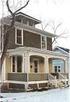 Ninth Street Historic Park Acknowledgements This project was paid for in part by a State Historical Fund grant from the Colorado Historical Society. The contents contained herein do not necessarily reflect
WEST OF THE BOULEVARD DESIGN OVERLAY DISTRICT BACKGROUND AND DESIGN GUIDELINES
 WEST OF THE BOULEVARD DESIGN OVERLAY DISTRICT BACKGROUND AND DESIGN GUIDELINES ADOPTED BY THE CITY PLANNING COMMISSION DECEMBER 9, 1996 PREPARED BY THE WEST OF THE BOULEVARD CIVIC ASSOCIATION Resolution
Spring Garden Historic District. Inventory. Philadelphia Historical Commission
 1 Spring Garden Historic District Inventory Designated 11 October 2000 Philadelphia Historical Commission 2 NORTH BOUVIER STREET - 600 Block Paving: granite block Sidewalks: concrete Curbs: concrete Light
MANAGEMENT PLAN STONE BAY RIFLE RANGE HISTORIC DISTRICT MCB CAMP LEJEUNE
 MANAGEMENT PLAN STONE BAY RIFLE RANGE HISTORIC DISTRICT MCB CAMP LEJEUNE This management plan is to be used in association with procedures outlined in Chapter of the Historic Buildings Management Handbook.
Residential Window Replacement Design Guidelines
 Residential Window Replacement Design Guidelines Community Development Department Planning Division This page intentionally left blank Residential Window Replacement Design Guidelines 2 Table of Contents
GUIDELINES FOR REHABILITATION OF TRADITIONAL COMMERCIAL BUILDINGS DESIGN GUIDELINES
 GUIDELINES FOR REHABILITATION OF TRADITIONAL COMMERCIAL BUILDINGS DESIGN GUIDELINES PAGE 13 DESIGN GUIDELINES The following design guidelines have been developed to guide appropriate design in the Downtown
-- As the designated authority under the National Historic Preservation Act
 ... ---------------------------------------- ----------------- 4. State/Federal Agency Certification -- As the designated authority under the National Historic Preservation Act of 1986, as amended, I hereby
Trinomial NRHP Status Code 3CS Other Listings Review Code Reviewer Date Page 1 of 6 *Resource Name or #: (Assigned by recorder) 1101 Sutter Street
 HRI # PRIMARY RECORD Trinomial NRHP Status Code 3CS Other Listings Review Code Reviewer Date Page 1 of 6 *Resource Name or #: (Assigned by recorder) 1101 Sutter Street P1. Historic name of building (if
Postcard showing East Ridgewood Avenue looking east from Broad Street, c. 1940 s.
 Introduction Postcard showing East Ridgewood Avenue looking east from Broad Street, c. 1940 s. Ridgewood s Village Center Historic District is a wonderful place to walk, shop, and meet friends. To a large
Katharine Teats House HABS No. CA-2162 3560 Seventh Avenue San Diego San Diego County /J/Vf# <? California /WtO
 Katharine Teats House 3560 Seventh Avenue San Diego San Diego County /J/Vf#
INVENTORY SHEET FOR GROUP NOMINATIONS: IDAHO STATE HISTORICAL SOCIETY, BOISE, IDAHO
 INVENTORY SHEET FOR GROUP NOMINATIONS: IDAHO STATE HISTORICAL SOCIETY, BOISE, IDAHO NOMINATION: (TOURTELLOTTE AND HUMMEL ARCHITECTURE» * ^ ^ f f~ ^ ^ SITE NAME: Pierce-Borah House >-- " SITE NUMBER: 1
How To Find Out What Happened To Slave Housing
 Slave Housing Data Base Building Name: Presquisle Brick Duplex 2 (northern building) Evidence Type: Extant Site ID: Historical Site Name: City or Vicinity: County: Culpeper State: Virginia UTM: Easting:
TULSA PRESERVATION COMMISSION
 TULSA PRESERVATION COMMISSION COA SUBCOMMITTEE - STAFF REPORT Thursday, July 2, 2015 COA-15-028 COA NUMBER: COA-15-028 PROPERTY ADDRESS: 1008 N. DENVER AVE. DISTRICT: BRADY HEIGHTS HISTORIC DISTRICT APPLICANT:
FORM B BUILDING MASSACHUSETTS HISTORICAL COMMISSION MASSACHUSETTS ARCHIVES BUILDING 220 MORRISSEY BOULEVARD BOSTON, MASSACHUSETTS 02125.
 FORM B BUILDING MASSACHUSETTS HISTORICAL COMMISSION MASSACHUSETTS ARCHIVES BUILDING 220 MORRISSEY BOULEVARD BOSTON, MASSACHUSETTS 02125 Photograph Assessor s Number USGS Quad Area(s) Form Number 73-116
M E M O R A N D U M PLANNING AND COMMUNITY DEVELOPMENT DEPARTMENT CITY OF SANTA MONICA PLANNING DIVISION
 M E M O R A N D U M PLANNING AND COMMUNITY DEVELOPMENT DEPARTMENT CITY OF SANTA MONICA PLANNING DIVISION DATE: September 10, 2007 TO: FROM: The Honorable Landmarks Commission Planning Staff SUBJECT: 11A.
DESIGN GUIDELINES FOR UTILITY METERS D.C. HISTORIC PRESERVATION REVIEW BOARD
 DESIGN GUIDELINES FOR UTILITY METERS D.C. HISTORIC PRESERVATION REVIEW BOARD Introduction Utility meters are a necessary component for any building. When older buildings were originally provided with utility
How To Preserve A Theatre In Kaupore
 Hastings CBD Heritage Inventory Project FORMER COSY THEATRE OTHER NAMES: Embassy Building LOCATION: Photo: R. Murray, 2012 Street and Number: 301-309 Heretaunga Street West Location Information: Located
A description of the Listed Buildings in the Parish of Lower Penn
 A description of the Listed Buildings in the Parish of Lower Penn The following listed building descriptions use the same standard format NAME C.P. (Civil Parish) AREA WITHIN PARISH (Optional where relevant)
Historic Preservation Certification Application Part 2 343-345 Main Street West South Haven, Vermont NPS Project No. 12345
 Exterior Features 1 site and drainage 2 foundation 3 wood siding and trim 4 exterior doors 5 windows / storm windows 6 porches front and rear 7 chimneys 8 roofing Interior Features 9 frame 10 basement
Presentation: Proposed Plan Amendments
 Epstein s Rehabilitation Plan Presentation: Proposed Plan Amendments MORRISTOWN REDEVELOPMENT ENTITY March 14, 2013 Epstein s Rehabilitation Plan Presentation Part 1: Morristown Planning Division Neighborhood
Area 5: Emma Place/Millbay Road.
 Area 5: Emma Place/Millbay Road. Emma Place This area was one of the first to have been built as part of the early residential development of Stonehouse, and while these terraces are only a fragment of
941 Key Street HPO File No. 140817 CERTIFICATE OF APPROPRIATENESS
 Application Date: August 6, 2014 Applicant: Mary S Beaver, owner CERTIFICATE OF APPROPRIATENESS Property:, lot 10, block 220, East Subdivision. The property includes a historic 1,200 square foot one story
DADE COUNTY COURTHOUSE 73 WEST FLAGLER STREET
 DADE COUNTY COURTHOUSE 73 WEST FLAGLER STREET Designation Report City of Miami REPORT OF THE CITY OF MIAMI PLANNING DEPARTMENT TO THE HERITAGE CONSERVATION BOARD ON THE POTENTIAL DESIGNATION OF DADE COUNTY
City of Fort Lauderdale Historic Preservation Design Guidelines
 City of Fort Lauderdale Historic Preservation Design Guidelines New Construction & Additions When considering the construction of a new building within a historic context, property owners are encouraged
DESIGN GUIDANCE NOTE: 11 PORCHES
 DESIGN GUIDANCE NOTE: 11 PORCHES 1. INTRODUCTION This guidance note is one of a series giving advice on various types of development within Barnet. It advises on designing porch extensions including canopies.
TULSA PRESERVATION COMMISSION COA SUBCOMMITTEE - STAFF REPORT
 TULSA PRESERVATION COMMISSION COA SUBCOMMITTEE - STAFF REPORT Tuesday, June 16, 2015 COA-15-028 COA NUMBER: COA-15-028 PROPERTY ADDRESS: 1008 N. DENVER AVE. DISTRICT: BRADY HEIGHTS HISTORIC DISTRICT APPLICANT:
Memorandum WORK PROPOSED
 TO: Scott Albright, City of Santa Monica DATE: November 9, 2011 CC: FROM: Jon L. Wilson, M.Arch, LEED AP RE: SECRETARY OF THE INTERIOR S STANDARDS REVIEW: 2009 LA MESA DRIVE, SANTA MONICA, CA PCR has conducted
Virginia Fire and Marine Insurance Company Building HABS No. VA-8^J> 1015 East Main Street 'Richmond ^ Virginia. l^.ftjei
 Virginia Fire and Marine Insurance Company Building HABS No. VA-8^J> 1015 East Main Street 'Richmond ^ Virginia. l^.ftjei 94-. PHOTOGRAPHS WRITTEN HISTORICAL AND DESCRIPTIVE DATA Historic American Buildings
Industrial Suburban District Regulations City of St. Petersburg City Code Chapter 16, Land Development Regulations
 16.20.110 - Industrial Suburban District ( IS ) Figure REFERENCE Typical Buildings in the IS District Figure REFERENCE Site Plan of a typical development in the IS District Sections: 16.20.110.1 Composition
BROWNSVILLE STRUCTURES STUDY. July 2012. Prepared by. LDA ARCHITECTS 33 Terminal Way, Suite 317 Pittsburgh, Pennsylvania 15219 1208
 BROWNSVILLE STRUCTURES STUDY July 2012 Prepared by LDA ARCHITECTS 33 Terminal Way, Suite 317 Pittsburgh, Pennsylvania 15219 1208 TABLE OF CONTENTS I. SUMMARY OF BUILDING ANALYSIS.. 1 II. INDIVIDUAL BUILDING
OMC Study Group MEETING 3: NOTES. Section 1: Building Design Page 2 Section 2: Site Layout Page 9 Section 3: Summary Page 16
 OMC Study Group MEETING 3: NOTES Section 1: Building Design Page 2 Section 2: Site Layout Page 9 Section 3: Summary Page 16 Section 1 Building Design Page 2 of 16 General Comments during Building Design
RENOVATION AND RESTORATION OF OLD BUILDINGS IN SRI LANKA
 234 Abstract RENOVATION AND RESTORATION OF OLD BUILDINGS IN SRI LANKA Eng. Nandana Abeysuriya B.Sc. Eng (Hons), M.Eng.,C.Eng.,FIE(SL), Int PE(SL) 1A, Ananda Road, Melder Place, Nugegoda, Sri Lanka. Tel/Fax:
Heritage Statement 22 Royal Crescent London W11 4SL
 15 th June 2015 Tel: 020 8905 7505 Fax: 020 8205 5374 Symal House, 423 Edgware Road, London, NW9 0HU Heritage Statement London W11 4SL 1.0 INTRODUCTION 2.0 STATUTORY PROTECTION 3.0 BUILDING DESCRIPTION
FIRST MIAMI HIGH SCHOOL 142 SW 11 TH STREET
 FIRST MIAMI HIGH SCHOOL 142 SW 11 TH STREET Designation Report City of Miami REPORT OF THE CITY OF MIAMI PRESERVATION OFFICER TO THE HISTORIC AND ENVIRONMENTAL PRESERVATION BOARD ON THE POTENTIAL DESIGNATION
PHOTOGRAPHS WRITTEN HISTORICAL AND DESCRIPTIVE DATA
 VERHILLS, HUNT STABLE RESIDENCE No. 1 HABS NC-407-B NC-407-B Overhills Historic District East of Nursery Road Fort Bragg Harriett County North Carolina PHOTOGRAPHS WRITTEN HISTORICAL AND DESCRIPTIVE DATA
Architectural Inventory Form
 OAHP1403 Rev. 9/98 COLORADO CULTURAL RESOURCE SURVEY Architectural Inventory Form Official eligibility determination (OAHP use only) Date Initials Determined Eligible- NR Determined Not Eligible- NR Determined
An ordinance pertaining to the Maya Angelou Birthplace, located at 3130 Hickory Street (the
 1 2 3 4 5 6 7 8 9 10 11 12 13 14 15 16 17 18 19 20 21 22 23 24 BOARD BILL NO. 76 INTRODUCED BY ALDERWOMAN MARLENE DAVIS, ALDERMAN TERRY KENNEDY ALDERMAN MARLENE DAVIS, ALDERMAN TERRY KENEDY, ALDERMAN FREEMAN
Roof Tutorial. Chapter 3:
 Chapter 3: Roof Tutorial The majority of Roof Tutorial describes some common roof styles that can be created using settings in the Wall Specification dialog and can be completed independent of the other
APPENDIX B: Updated Photographs of Previously Inventoried Buildings
 APPENDIX B: Updated Photographs of Previously Inventoried Buildings Updated photograph(s) of previously inventoried property IDENTIFICATION USN 02940. Building Name: P.S. No 59 Address: 769 [775] Best
Householder Applications: Supplementary Planning Guidance GENERAL POINTS
 Householder Applications: Supplementary Planning Guidance Environment Committee: 28 January 2004 Chief Planning Officer Town Hall The Parade Epsom Surrey KT18 5BY tel 01372 732000 web www.epsom-ewell.gov.uk
Historic District Design Standards 2-1
 Historic District Design Standards 2-1 DESIGN STANDARDS INTRODUCTION "Preservation" is a term that everybody understands in some way, but the number of interpretations is surprising. To some it means museum
Cambridge Boathouses April 2010
 Cambridge Boathouses April 2010 Contents Introduction...5 Map 1...6 Map 2...7 Christ s College...8 Lady Margaret...9 Queens College...10 Caius College...11 Peterhouse...12 Fitzwilliam...13 Cambridge Rowing
3365 COMMERCIAL DRIVE
 3365 COMMERCIAL DRIVE STATEMENT OF SIGNIFICANCE MARCH 2014 STATEMENT OF SIGNIFICANCE: 3365 COMMERCIAL DRIVE Address: 3365 Commercial Drive, Vancouver, British Columbia Original Owner: Conrad Myers Date
Planning & Building Control Division. Development. East Ayrshire Planning. Design Guidance
 Planning & Building Control Division Design Guidance 1 East Ayrshire Planning Design Guidance Householder Development 1 EAST AYRSHIRE PLANNING: DESIGN GUIDANCE Design of the built environment can affect
II. CASTLE HILL HISTORIC DISTRICT
 I. INTRODUCTION A. PURPOSE The Castle Hill Historic District Design Standards (Standards) provide a guide for decisionmaking regarding changes in the exterior appearance of buildings and sites within the
Residential design guidance: Roof extensions
 Residential design guidance: Roof extensions Introduction Conversions of roof-space to useable accommodation can be a relatively cheap and effective way to extend residential property. However, roof alterations
Glossop Design & Place Making Strategy
 Supplementary Planning Document to the High Peak Local Plan June 2011 Design Brief for the Town Hall Complex GILLESPIES I GERALD EVE Reproduced from the Ordnance Survey map with the permission of Ordnance
DESIGN REVIEW CHECKLIST Chapter 6 Special Consideration Design Guidelines
 DESIGN REVIEW CHECKLIST Chapter 6 Special Consideration Design Guidelines A. Offices a. Office buildings should be built to the minimum required setback. b. Surface parking should be located towards the
ROOFS - Guidance for Repair, Maintenance and Replacement
 ROOFS - Guidance for Repair, Maintenance and Replacement Guilford Association Architectural Committee ROOFING Slate and tile roofs are a critical design feature of Guilford homes. The homes were designed
to encourage high quality tropical vernacular Queensland architecture throughout the Shire;
 9.1 BUILDING DESIGN & ARCHITECTURAL ELEMENTS Intent The intent of this Policy is to specify and illustrate the architectural elements and building design features considered appropriate for residential
PANEL CONCEPTS LLLP.
 The Small Cottage Company DO-IT-YOURSELF CABINS & COTTAGES PANEL CONCEPTS INC. PANEL CONCEPTS LLLP. 2826 Gold 331 Creek N. M-33, Road Mio, Gold Michigan Creek, Montana 4864759733 (989) 826-6511 (406) 288-8585
Manthorpe Grantham Conservation Area
 U E N SO KES T VE Manthorpe Grantham Conservation Area TH N I CI L T D S CT C OU I R DESIGNATED DECEMBER 1970 APPRAISAL & AMENDMENT AUGUST 2007 1 MANTHORPE CONSERVATION AREA Location and context The village
The First Modern Skyscraper: New York & Chicago
 The The First Modern Skyscraper: New York & Chicago By: Matthew Tucker Ryan Ho Jonathan Megallon Table of Contents: 1. History 2. Culture 3. Style 4. Materials and Procedures 5. The New York World Building
Texas Main Street. Design Services: Case Studies from Main Street Cities
 Texas Main Street Design Services: Case Studies from Main Street Cities 1717 7 th, Fat Grass Restaurant, Bay City Rendering Key Recommendations from Texas Main Street Design Center After removal of the
R 1 Design Review Application
 City of Beverly Hills Planning Division 455 N. Rexford Drive Beverly Hills, CA 90210 Tel. (310) 285 1141 Fax. (310) 858 5966 R 1 Design Review Application Design Review Overview Beverly Hills residential
CHAPTER 1 INTRODUCTION
 1. PURPOSE The Southeast Area Plan Architectural Style Guide (ASG) is intended to enhance the quality, consistency, and compatibility of all building designs in the Southeast Policy Area. The ASG requires
Lincoln Townscape Assessment. Swanpool Garden Suburb Inherited Character Area Statement
 Lincoln Townscape Assessment Swanpool Garden Suburb Inherited Character Area Statement November 2008 Page 2 of 11 Table of Contents Page Overview 2 Historical Development 2 Urban form 3 Views 5 Condition
PRESERVATION PLANNING ASSOCIATES 519 Fig Avenue, Santa Barbara, CA 93101 Telephone (805) 450-6658 Email: [email protected]
 PRESERVATION PLANNING ASSOCIATES 519 Fig Avenue, Santa Barbara, CA 93101 Telephone (805) 450-6658 Email: [email protected] June 17, 2015 Ms. Kimberley Heaton McCarthy Supervising Planner Building and Safety
Friends Seminary Presentation to NYC Landmarks Preservation Commission 21 April 2015 Kliment Halsband Architects
 Presentation to NYC Landmarks Preservation Commission 21 April 2015 Kliment Halsband Architects FRIENDS SEMINARY RE-DEVELOPMENT PROJECT NYC LPC SUBMISSION 16 APRIL 2015 INDEX 1 Project Description 2 Stuyvesant
The New Texas Historic Preservation Tax Credit
 How do you apply? Tips for Part 1/A - Evaluation of Significance: Application processing takes 30 days, however new National Register listings generally can take 1 year for reviews and final approval by
Prior to submission of drawings for building permit, the architectural control process will be undertaken for the developer and/or builders.
 6.0 Design Review process 6.0 Design Review Process The design review process will coordinate the public and private realm architecture for the community, i.e., the site planning, streetscape, and architecture
City of Bethlehem, Pennsylvania South Bethlehem Historic Conservation Commission
 City of Bethlehem, Pennsylvania South Bethlehem Historic Conservation Commission D ESIGN G UIDELINES The historic Kreidler Buildings have been adapted for use by new businesses. Even though the new businesses
MARBURG CITATIONS 1 Table of Contents
 MARBURG CITATIONS 1 Table of Contents All Saints Anglican Church and Hall Clarence Villa Farmhouse Former Residence Dr Sirois 111 Queen Street 106 Edmond Street Cochranes Road 123 Edmond Street 41 Edmond
Roof Tutorial. Chapter 3:
 Chapter 3: Roof Tutorial The first portion of this tutorial can be completed independent of the previous tutorials. We ll go over some common roof styles that can be created using settings in the Wall
PHASE 1 NATIONAL REGISTER NOMINATION(S) PROJECT COLLEGE PARK/IDLEWILD NEIGHBORHOODS RALEIGH, NORTH CAROLINA. Submitted by
 PHASE 1 NATIONAL REGISTER NOMINATION(S) PROJECT COLLEGE PARK/IDLEWILD NEIGHBORHOODS RALEIGH, NORTH CAROLINA Submitted by Mattson, Alexander and Associates, Inc. 309 E. Park Avenue, No.4 Charlotte, N.C.
Building Construction. Lightweight construction. Conventional Construction
 Ventilation 53 Building Construction The firefighter s ability to safely and efficiently ventilate a building through its roof will depend to some degree on the firefighter s understanding of roof construction.
K a i s e r C o n s t r u c t i o n C o m p a n y i n c.
 by Kaiser Construction Horse Barn: Roof Framing Styles: Gable Horse Barn Roof Offset Gable Horse Barn Roof Clerestory Horse Barn Roof Gambrel Horse Barn Roof Gothic Horse Barn Roof Single Slope Horse Barn
Division 51-4.400. Yard, Lot, and Space Regulations.
 Division 51-4.400. Yard, Lot, and Space Regulations. SEC. 51-4.401. MINIMUM FRONT YARD. (a) General provisions. (1) Required front yards must be open and unobstructed except for fences. Except as otherwise
Doors to your world. catalogue of inspirations 2011. by porta group
 Doors to your world catalogue of inspirations 2011 by porta group About the company PORTA Group was established in 1992 in Poland, Bolszewo (45 km to Gdansk) and within few years the company became the
George Weston Foods 24-78 Laurens Street, West Melbourne
 George Weston Foods 24-78, Expert Witness Statement to Panel Amendment C207 to the Melbourne Planning Scheme Bryce Raworth Prepared under instructions from Herbert Smith Freehills November 2013 bryce raworth
SOULARD NEIGHBORHOOD HISTORIC DISTRICT REHABILITATION AND NEW CONSTRUCTION STANDARDS
 SOULARD NEIGHBORHOOD HISTORIC DISTRICT REHABILITATION AND NEW CONSTRUCTION STANDARDS ARTICLE 1: INTRODUCTION The character, size and quantity of the relatively unaltered historic buildings contained within
Village of Oak Park Chicago & Harlem Neighborhood Plan. Architectural and Historical Survey. Prepared by:
 Village of Oak Park Chicago & Harlem Neighborhood Plan Architectural and Historical Survey Prepared by: Thomason and Associates P.O. Box 121225 Nashville, TN 37212 January 2008 TABLE OF CONTENTS Project
Nomination Application & Instructions
 Nomination Application & Instructions City of Austin Founded by Congress, Republic of Texas, 1839 Historic Preservation Office Planning and Development Review Department One Texas Center, 505 Barton Springs
Architectural Condition Survey
 Architectural Condition Survey Santa Fe Railroad / AMTRAK Depot, Lawrence. Kansas for the City of Lawrence, 2002 Survey: (student) PI: William Carswell, Associate Dean, School of Architecture, University
THE CLASSICAL ORDERS M401 MADE TO ORDER. WhiteRiver.com l 800.558.0119
 THE CLASSICAL ORDERS From the ancient Greco-Roman world, the Classical Orders and the Rules of Classical Architecture boldly embark the 21st century. 8th century Gothic, 14th century Renaissance, 16th
Architectural Design Standards Example Guide DESIGN STANDARDS EXAMPLE GUIDE
 Architectural Design Standards Example Guide DESIGN STANDARDS EXAMPLE GUIDE Commercial, Professional Office, and Public Facility Developments Purpose This Guide offers examples to clarify and explain the