
SCABIES PREVENTION AND CONTROL GUIDELINES ACUTE AND SUB-ACUTE CARE FACILITIES
|
|
|
- Kevin Turner
- 10 years ago
- Views:
Transcription
1 LOS ANGELES COUNTY DEPARTMENT OF PUBLIC HEALTH ACUTE COMMUNICABLE DISEASE CONTROL PROGRAM SCABIES PREVENTION AND CONTROL GUIDELINES ACUTE AND SUB-ACUTE CARE FACILITIES July 2009 Version 3

2 CONTENTS I. Introduction... 3 II. General Information... 3 A. Biology of the Scabies Mite... 3 B. Clinical Presentation Typical Scabies Atypical Scabies... 5 C. Epidemiology of Scabies Transmission Incubation Period Period of Communicability... 6 D. Diagnosis... 6 III. Scabies Prevention and Control Programs... 6 IV. Scabies Outbreak Management... 7 A. Overview... 7 B. Summary of Action Steps... 8 C. Management of Symptomatic Cases Symptomatic Health Care Workers Symptomatic Patients D. Management of Contacts HCW Contacts Patient Contacts E. Extending Recommendations for Prophylaxis F. Notification of Staff, Visitors and Household Members V. Reporting VI. Appendices A. Diagnosis of Scabies by Skin Scraping B. Treatment and Prophylaxis of Scabies a) Application of Scabicides: General Principles b) Scabicides c) Treatment Regimen: Typical Scabies Infection d) Treatment Regimen: Crusted (Norwegian) or Atypical Scabies e) Treatment Failures C. Treatment Options D. Directions For Scabies Treatment or Prophylaxis With Elimite E. Scabies Fact Sheet F. Isolation and Environmental Control For Patients with Scabies G. Scabies Case/Contact Line-Listing Form: Employees H. Scabies Case/Contact Line-Listing Form: Patients I. Sample Letter to Discharged Patients J. Sample Letter to Physicians of Discharged Patients K. Scabies Outbreak Management Checklist VII. References... 31

3 I. INTRODUCTION Scabies is an ectoparasitic infestation of the skin caused by the human itch mite, Sarcoptes scabiei var. hominis. The actual incidence of scabies in Los Angeles County (LAC) is unknown because single occurrences of typical scabies are not reportable to the county health department. Outbreaks of scabies infestations in health care facilities (HCF) and single cases of atypical scabies are reportable to the local health department and present a continuing public health problem in LAC. While regarded as a nuisance disease by many health care professionals, scabies outbreaks in HCFs can be extremely costly in terms of direct and indirect costs of outbreak management, poor public relations, and discomfort and anxiety of affected patients, employees, and their family members. Furthermore, secondary bacterial skin infection is a common complication of scabies infestation that, in elderly or immunocompromised individuals, can lead to sepsis and even death. A number of factors influence the extent of scabies transmission within a facility, including the mite load and the required level of care of the source case, as well as the duration of the exposure period. Each HCF scabies outbreak is unique and requires an individualized approach. Due to the increase in the number of outbreaks reported by HCF in LAC, these guidelines were developed to provide a rational approach to the prevention and control of scabies. They are intended to assist infection control committees and administrators of HCF in developing a scabies prevention and control program for their facility, and they are based on best practices, state and federal scabies guidelines, current literature and the extensive experience of Acute Communicable Disease Control Program (ACDC) staff. II. GENERAL INFORMATION A. BIOLOGY OF THE SCABIES MITE Infestation begins when one or several pregnant female mites are transferred from the skin of an infested person to the skin of an uninfested person. After transfer from the skin of an infested person, or, rarely, from fomites, to the skin of an uninfested person, the adult female mite travels on the skin surface at the rate of about 1 inch per minute seeking a burrow site. After finding a suitable location, she burrows into superficial layers of the skin, forming a slightly elevated narrow tunnel where she deposits 2 to 3 eggs daily during her 4 to 6 week life span. The eggs progress through larval and nymphal stages to form adults in 10 to 17 days. The adults migrate to the skin surface and mate. The males die quickly and the females penetrate the skin and repeat the cycle. The mite requires human skin to complete its life cycle and is unable to survive off the host at room temperature for more than 3 to 4 days. 3

4 Life Cycle: From the CDC website: B. CLINICAL PRESENTATION Scabies infestations are generally categorized as typical or atypical (crusted, keratotic or Norwegian). 1. Typical Scabies Patients with typical (conventional) scabies usually have only 10 to 15 live adult female mites on the body at any given time. Usually, only one or two mites, and frequently none, are recovered from skin scrapings. Intense pruritis, usually worse at night, and a papular rash with or without burrows occur. The rash and pruritis result from an immune-mediated delayed hypersensitivity reaction to the mite, its eggs, and fecal material. Areas of the body commonly involved are wrists, finger webs, antecubital fossae, anterior axillary folds, breasts, waistline, lower abdomen, genitals, and buttocks. The scalp and face are rarely involved in adults, but may be observed in young children with scabies. 4

5 2. Atypical Scabies When diagnosis and treatment are delayed, scabies can have an unusual or atypical presentation, involving heavy infestation with hundreds to thousands of mites. Atypical clinical presentations are more prevalent in institutionalized or debilitated patients, or those who are immunosuppressed from underlying disease or drug therapy. When extensive hyperkeratotic skin lesions with crusting and scaling develop, the infestation is called crusted scabies or hyperkeratotic (formerly Norwegian ) scabies. Crusted scabies is highly contagious because thousands of mites are imbedded in the thick crusts and easily shed in scales and flakes from affected skin. Crusted scabies is commonly misdiagnosed by dermatologists, and patients with crusted scabies may develop symptoms of typical scabies in as little as a few days. C. EPIDEMIOLOGY OF SCABIES 1. Transmission Transfer of the mite is usually from one person to another by direct skin-toskin contact. Procedures such as bathing a patient, applying body lotions, back rubs, or any extensive hands-on contact can provide an opportunity for mite transmission. Mites may also be transmitted via clothing, bed linen or other fomites. Fomites play a minor role in situations where the infestation in the source case is typical scabies; the inanimate environment of patients with crusted scabies, however, has been shown to be heavily contaminated with infectious mature and immature mites. In HCF, scabies may be introduced into the facility by a newly admitted resident with an unrecognized infestation or by visitors or health care workers as a result of contact with an infested person in the home or community. 2. Incubation Period In a previously unexposed healthy individual, the interval between exposure and the onset of itching is usually 4-6 weeks. In persons who have been sensitized to the mite by a previous infestation, re-exposure may produce 5

6 D. DIAGNOSIS symptoms in 48 hours or less (owing to prior sensitization to the mite and its saliva and feces). Following exposure to a source case with crusted scabies involving extremely large numbers of mites, the incubation period may be reduced from the usual time of 4-6 weeks to as little as a few days. 3. Period of Communicability Since the scabies mite is an ectoparasite, an exposed individual is potentially immediately infectious to others, even in the absence of symptoms. Cases are communicable from the time of infestation until mites and eggs are destroyed by treatment. Definitive diagnosis requires microscopic identification of the mite and/or its eggs or fecal pellets on specimens collected by skin scraping, biopsy or other means (Appendix A, Diagnosis of Scabies by Skin Scraping ). The yield from skin scrapings is highly dependent on the experience of the operator and the severity of the infestation. A negative skin scraping from a person with typical scabies does not rule out scabies infestation; mites are easily recovered, however, in skin scrapings from persons with crusted scabies. III. SCABIES PREVENTION AND CONTROL PROGRAMS It is recommended that HCF incorporate a scabies prevention program that involves all levels of the health care team. The program should include an assessment of the skin, hair and nail beds of all new admissions as soon as possible following arrival. Pruritus, rashes and skin lesions should be documented and brought to the attention of the nursing supervisor and the attending physician for further follow-up. Essential elements of a successful scabies prevention program include: 1. Written policies and procedures for prevention and control of nosocomial scabies; 2. Health care workers who are trained to be suspicious of scabies in themselves or their patients if unexplained rash or pruritus occurs in themselves or their patients, and to report such occurrences to their supervisors; 3. A policy to screen newly admitted patients for scabies during the initial assessment (especially if transferred from another healthcare facility) and any suspect patient will immediately be placed on contact isolation until examined for scabies; 4. A policy that all new employees (especially employees who work at more than one facility) will be screened for scabies as part of pre-employment screening; 6

7 5. Access to and use as needed of the diagnostic skills of a consultant experienced in recognizing scabies to evaluate difficult or unusual cases or response to treatment; 6. Assurance of adequate support from hospital administration, medical staff, infection control, employee health and line staff for appropriate evaluation and treatment of employees, in-house patients and exposed discharged patients should an outbreak of nosocomial scabies occur. IV. SCABIES OUTBREAK MANAGEMENT A. OVERVIEW The primary goal of an outbreak investigation is to identify risk factors contributing to the outbreak and to take corrective action to prevent further transmission of scabies cases. In general, an outbreak can be defined as an increase in the incidence of new cases above baseline within a defined period of time and within a defined geographical location (nursing unit, one floor or one wing, a department or, in some cases, the entire hospital). A baseline for scabies is not a standard hospital measurement and the definition of a scabies outbreak may be multifaceted. A case definition should be developed to determine whether an outbreak has occurred or to estimate the magnitude of the outbreak. The following are examples of scabies hospital outbreak definitions: Two (2) or more confirmed (positive skin scraping) cases of scabies identified in patients, healthcare workers, volunteers and/or visitors during a two (2) week period of time, or One (1) confirmed (positive skin scraping) and at least two (2) clinically suspect cases identified in patients, healthcare workers, volunteers and/or visitors during a two (2) week period of time, or At least two (2) clinically suspect cases identified in patients, healthcare workers, volunteers and/or visitors during a two (2) week period of time. Nosocomial transmission is highly probable if scabies is confirmed in two or more health care workers who have worked in the same area of the facility within the previous six weeks and who do not have an apparent source of exposure outside the facility. Outbreak management should include planning for protective equipment and pharmacy supplies. Provisions should be made for obtaining additional personal protective equipment (PPE) such as disposable, long sleeve gowns and gloves. The pharmacy should also make arrangements for obtaining permethrin (Elimite) 5% cream. If ivermectin (Stromectol) is recommended as a scabies treatment option the pharmaceutical company should be notified and arrangements made for overnight shipping if necessary. 7

8 B. SUMMARY OF ACTION STEPS 1. Immediately remove from work any health care worker with signs and symptoms of scabies and refer to employee health or other designated consultant or clinician experienced in the diagnosis of scabies. 2. Evaluate patients on affected units and immediately place patients with suspected scabies in contact isolation (Appendix F) 3. Report nosocomial scabies outbreaks and single cases of crusted scabies infestation to LAC ACDC. 4. Meet with key staff to coordinate control measures. Representatives from the following departments should be included: Administration, Employee Health, Environmental Services, Infection Control, Pharmacy, Medical Staff, and Nursing. One person, generally the Infection Preventionist (formerly Infection Control Professional), should coordinate control measures and should be given adequate resources to accomplish this objective in a timely and efficient manner. 5. Search for a possible source case. If two or more employees working in the same unit/area are diagnosed with scabies, it is likely that the source case was a patient with crusted scabies infestation. 6. Confirm the presence of scabies by microscopic identification of the mite or its products (skin scraping) in one or more symptomatic patients or employees. 7. Prepare a line listing of symptomatic patients and health care workers and a separate line listing of their contacts (Appendix G and H). Evaluate contacts for scabies. 8. Treat symptomatic patients and health care workers with an approved scabicide, provide prophylactic scabicide to all contacts of symptomatic cases, and perform environmental cleaning of affected units. Ideally, these steps (treatment, prophylaxis, and environmental cleaning) should all be accomplished within the same 24 hour period to prevent re-infestation of treated or prophylaxed individuals. 9. Provide training to all staff on the signs and symptoms of scabies. Stress that people can be infested and contagious for up to 6 weeks before any symptoms start. 10. Perform environmental cleaning of affected units (Appendix F). 8

9 11. Arrange for follow-up evaluation and prophylactic treatment of discharged patients who were contacts to scabies. (Appendix I and J). C. MANAGEMENT OF SYMPTOMATIC CASES Often the first indications of a scabies outbreak are complaints of itching and rash in two or more health care workers or patients/residents. Properly performed skin scrapings will almost always be positive in persons with crusted scabies but are generally negative in cases of typical scabies, even when performed by experienced operators. None-the-less, it is recommended that efforts be made to confirm the diagnosis of scabies (perform skin scraping) in at least one symptomatic individual. 1. Symptomatic Health Care Workers Health care workers (HCW) refer to all facility employees, contract employees, medical staff, house staff, students, religious workers and volunteers, etc. a. Immediately remove from work any HCW with signs or symptoms consistent with scabies and refer to employee health or other designated consultant experienced in the diagnosis of scabies. Confirm the presence of scabies by microscopic identification of the mite or its products in one or more symptomatic patient or employee (Appendix A). b. Prepare a line-listing of symptomatic HCWs that includes name, age, gender, symptoms, date of onset, result of scabies evaluation, any prior treatment for scabies, usual work and "float" assignments from six weeks before onset of symptoms until the current date, and symptoms in household or other close contacts (Appendix G). c. Treat all HCWs with confirmed or suspected scabies infestation with an approved scabicide according to consultant s recommendation or as outlined in Appendix B. Review scabicide package insert before prescribing, dispensing, or applying scabicide. Provide clearly written instructions for proper application of dispensed scabicide (Appendix D). Re-evaluate cases weekly to monitor response to treatment. d. Symptomatic HCWs can return to work as soon as treatment is completed but should use gowns and gloves for direct patient care to prevent reinfestation until all control measures for affected units/areas have been completed. e. Provide scabicide prophylaxis, along with written instructions for application, for all household contacts of symptomatic HCWs. 9

10 2. Symptomatic Patients a. Immediately place any patient in whom scabies infestation is suspected in contact isolation as outlined in the CDC Guideline for Isolation Precautions in Hospitals and Appendix F, Isolation and Environmental Control for Patients with Scabies. Maintain contact isolation until treatment is completed and/or case is determined by dermatology consultant or other experienced designee to be non-infectious. b. Attempt to confirm the diagnosis of scabies by microscopic identification of the mite, its eggs, or fecal pellets if the patient is the suspected source of the outbreak or if the clinical diagnosis of scabies is in question (Appendix A). If patient is a suspected case of crusted scabies, obtain dermatology consult for assistance with diagnosis and management. c. Treat with an approved scabicide according to consultant s recommendation or as described in Appendix B. d. Perform environmental cleaning of case-patient s room/ area as described in Appendix F. D. MANAGEMENT OF CONTACTS Contacts to typical (non-crusted) scabies cases are defined as persons who had hands-on contact, handled infested clothing or bed linen, or slept in the same bed as the case-patient during the exposure period. Contacts to atypical (crusted) scabies also include persons who had substantial contact with a crusted scabies case-patient s environment, including HCWs who worked (regular or float assignment) on the same unit/area as the case-patient during the exposure period. If the case-patient was housed on more than one unit before control measures were initiated, each unit must be considered affected. The outbreak exposure period is the period between the admission date of a scabies case and the date the condition is correctly diagnosed and control measures are implemented. If the case-patient is a long-term care resident, this period extends from six weeks prior to onset of symptoms. The identification of two or more symptomatic HCWs assigned to a particular unit suggests that prophylaxis is indicated for all unit/area contacts, whether or not they were direct contacts of a known scabies case. Occasionally, a source case cannot be identified. In this situation, the exposure period should be considered to extend from 6 weeks before onset of symptoms (most often in HCWs) to the date of implementation of control measures. 10

11 1. HCW Contacts a. Identify and prepare a line listing of all HCWs who were direct contacts to a patient or fellow employee with scabies during the exposure period (Appendix G). b. Interview HCW contacts to determine presence of scabies symptoms and possible source of exposure; manage as a case if symptomatic. c. Provide prophylactic scabicide along with written instructions for application, as described in Appendix B, to all HCW with direct contact to a scabies case. HCW scabies contacts who refuse prophylactic treatment must be required to wear gowns and gloves for contacts with patients or fellow employees for 6 weeks from the date of last potential exposure (usually 6 weeks from implementation of control measures). 2. Patient Contacts a. Identify and prepare a line listing of all patients who were contacts to a patient with scabies or employee with scabies during the exposure period (Appendix H). This includes patients who resided on the same ward as a crusted scabies case during the exposure period and those who were already discharged. b. Examine in-house patient contacts to determine presence of signs and symptoms of scabies. If symptomatic, manage as a case. c. Apply prophylactic scabicide, as described in Appendix B, to in-house patients with direct contact to a scabies case. d. Patients who resided on the same ward as a crusted scabies patient with no direct contact to the case should be monitored with daily skin observations until six weeks past the date of last potential exposure and follow-up as appropriate. e. Notify discharged patient contacts of their potential exposure to scabies. Screen discharged patients for symptoms of scabies. Symptomatic patients should receive treatment and their family contacts should receive prophylaxis. Asymptomatic patients should be directed to follow up with their physician regarding possible scabies exposure and at a minimum, observe skin daily until six weeks past the date of last potential exposure. It is the responsibility of the facility to ensure that all discharged exposed patients receive appropriate follow-up 11

12 (Appendices I and J, Sample letters to discharged patients and their physicians ). f. Notify facilities to which patient contacts have been transferred of their potential exposure. E. EXTENDING RECOMMENDATIONS FOR PROPHYLAXIS Facility-wide (mass) prophylaxis of all patients and at-risk employees (employees involved in direct patient care or exposed to patient care environment) should be considered if positive scrapings are found in patients or employees assigned to 2 or more areas of the facility where no direct link with an infested case-patient or HCW can be established. F. NOTIFICATION OF STAFF, VISITORS AND HOUSEHOLD MEMBERS V. REPORTING Healthcare workers, volunteers, family members, sexual partners, and anyone else who have had contact with a scabies case should be notified immediately of the facility outbreak and assessed for symptoms. A scabies fact sheet and notification letter, which includes information about the scope of the outbreak and strategies that are being implemented to control the outbreak and prevent future cases, should be distributed to the above groups. Single cases of atypical (crusted) scabies and all outbreaks of scabies are required to be reported to Los Angeles County Department of Public Health during normal business hours, Monday through Friday, 8:00 A.M. to 5:00 P.M. Acute care facilities should report by phone to their ACDC Liaison Public Health Nurse or the Hospital Outreach Unit at (213) Long term care facilities and home health agencies should report to the Morbidity Unit at (888) Outbreaks are also reportable to Los Angeles County Department of Public Health, Health Facilities Division of Licensing and Certification. The Scabies Prevention and Control Guidelines Acute and Sub-Acute Care Facilities and additional scabies information and resources can be found at the ACDC website 12

13 APPENDICES 13

14 APPENDIX A DIAGNOSIS OF SCABIES BY SKIN SCRAPING The diagnosis of scabies can be confirmed by microscopic identification of mites, eggs or scybala (fecal pellets) from specimens obtained by skin scrapings. A physician or nurse from the facility can be taught the procedure by a dermatologist, the consulting physician or by a nurse or technician who has had professional training to perform the procedure. A confirmed diagnosis of scabies should be made in at least one symptomatic case before recommending wide-spread scabicide prophylaxis in health care facility outbreaks. A physician, nurse or other healthcare professional who has been trained to perform the procedure should only do skin scrapings. Equipment 1. Gloves and gowns 8. Mineral oil or immersion oil 2. Magnifying glass 9. Slides and cover slips 3. Light source such as goose neck lamp 10. Laboratory requisition forms 4. Felt tip pen, green or blue washable ink 11. Sharps container 5. Alcohol swabs/wipes 12. Clear nail polish 6. #15 scalpel blade and handle, 13. Microscope 7. Glass slides or curettes for scraping Procedure Observe patient s skin with a magnifying lens and look for lesions suggestive of scabies infestation. The shoulders, back, abdomen, hands, wrists, elbows, buttocks, axillae, knees, thighs and breasts are common sites for burrows. 1. Use hand magnifying lens to identify recent burrows or papules. A bright light and magnifying lens will assist in visualizing the tiny dark speck (the mite) at the end of the burrow. 2. Identify these high yield lesions by applying mineral oil (best used over dry scaly areas) or by applying the burrow ink test to possible burrows. The burrow ink test is done by using a wide felt tip pen (blue or green are best) over burrows and then wiping off with an alcohol swab. The alcohol will remove most surface ink, but will not remove the ink taken up by the burrow, thus leaving a dark irregular line. 14

15 3. Apply mineral oil or preferably microscope immersion oil to lesions or scalpel blade and glass slides. 4. Scrape non-excoriated, non-inflamed areas (burrows and papules) vigorously with a #15 scalpel blade or glass slide held at a 90-degree angle to the skin, while holding the skin taut, until the stratum corneum is removed. (Vigorous scraping appropriately results in a few red blood cells visible under the microscope, but there should not be frank bleeding.) Some practitioners prefer using a small curette. Change blades or curettes between scrapings on different persons. Blades can be placed on and removed from the handle with a forceps. Used blades must be placed in a sharps container. 5. Transfer skin scrapings from at least 6 different sites to a single slide or to separate slides. These scrapings can be pushed onto the slide edge and then moved to the center of the slide. 6. Place the cover slip over the slide. 7. Examine entire slide methodically under low power (2.5-4x) and then at 25-50x magnification. Microscopic examination of the skin scrapings should be performed at the facility; however, if the practitioner is not trained in reading the prepared slides, the cover slip should be secured to the slide at all edges with clear nail polish and transported by courier, or by mail (in a secure mailer) to a hospital or laboratory or to a physician s office with prior-arrangements. 15

16 APPENDIX B TREATMENT AND PROPHYLAXIS OF SCABIES A. Application of Scabicides: General Principles 1. Gowns and gloves are worn when applying scabicides to patients. 2. Bathe patients as usual and change bed linens. Allow skin to cool completely. 3. Apply scabicide to every square inch of skin, from the posterior ear folds down over the entire body. Include intergluteal cleft, umbilicus, skin folds, palms and soles, and webs between fingers and toes. If scabicide is washed off during handwashing, toileting, or perineal care, it must be reapplied. 4. In infants and young toddlers, the elderly, and the immunocompromised, the head (forehead, temples, and scalp) requires application of scabicide. Pay close attention to the area behind the ears. Do not get the scabicide near the eyes or mouth. Prior treatment failure may be an indication to include the head upon retreatment. 5. Fingernails and toenails should be clipped and scabicide applied under nails. 6. Follow directions and precautions outlined in the package insert accompanying scabicide. 7. A cleansing bath is taken when scabicide is to be removed. 8. Linens and clothing are changed after treatment. Contaminated clothing and linens may be 1) dry-cleaned or 2) washed in the hot cycle of the washing machine and dried in the hot cycle of the dryer for minutes. 9. Provide detailed written instructions for scabicide use when dispensing scabicide for home application by employees and household members. B. Scabicides 1. 5% permethrin cream (Elimite, Acticin) - currently considered drug of choice. a. The usual adult dose is 30 grams. A 60 gram tube should treat two adults. b. For adults and children, the cream should be massaged into the skin from below the chin to the soles of the feet. Scabies rarely infests the scalp of adults, although the hairline, neck, temple, and forehead may be infested in 16

17 infants and geriatric patients. Infants should be treated on the scalp, temple and forehead. c. The patient should be instructed to remove the medication by thoroughly bathing 8 to 14 hours after application. Contact with the eyes and mouth should be avoided. If contact with the eyes occurs, they should be immediately flushed with water. d. Permethrin is regarded as safe for children two months of age and older. No instance of toxicity following accidental ingestion has been reported. The most commonly reported side effects are pruritus, edema and erythema, which may continue for up to two weeks after treatment. Patients should be told that the itching or stinging of scabies infestation may continue after treatment, and repeated application of the scabicide should be avoided. Demonstrable living mites after 14 days indicate that retreatment is necessary. e. Although animal studies showed no adverse effects to reproductive function or damage to the fetus, no adequate studies have been done on pregnant women. Therefore, permethrin should be used during pregnancy only when clearly necessary. If treatment is necessary for lactating mothers, breastfeeding should be discontinued during the treatment period % crotamiton cream or lotion (Eurax) a. Massage thoroughly into skin once a day for two to five days. Remove by bathing 48 hours after last application. b. Crotamiton is 60% effective when full five-day course is given. c. Can be used on young children and elderly with dry, sensitive, but no denuded skin. d. Avoid contact with eyes and mucous membranes. 3. Ivermectin (Mectizan or Stromectol ) Ivermectin is an antiparasitic agent shown to be safe and effective for treatment of onchocerciasis in humans in Africa. Experience with the agent in a single dose administered orally is limited, but encouraging, for treatment of crusted scabies or for infestations that do not respond to topical therapy. It is not yet approved by the Food and Drug Administration, but can be obtained from the manufacturer (Merck and Co, West Point, Pa.). A recent report described increased mortality from all causes in a small series of elderly patients who had received ivermectin. C. Treatment Regimen for Typical Scabies Infestation 17

18 1. A single adequate application of 5% permethrin cream is usually sufficient to eradicate typical scabies, whether a symptomatic case or asymptomatic carrier. Reevaluate response to treatment in 14 days. 2. In facilities with recurrent or endemic scabies or when application of scabicide for treatment of symptomatic scabies is not performed by a trained individual, a second application 3-7 days after the first is recommended by some authorities. 3. Asymptomatic contacts, including household and sexual contacts, of persons with clinical or confirmed scabies require one treatment with reevaluation in 14 days. D. Treatment Regimens for Crusted (Norwegian) or Severe Atypical Scabies 1. Cases of crusted scabies and other variants of severe atypical scabies are best managed with the assistance of a dermatologist. Controlled studies to determine the most effective regimen for treatment of crusted scabies infestation have not been performed. The following regimens were selected from several that have appeared in the literature and have been successful in single or small series of cases. They are included as examples and are not necessarily endorsed by ACDC. 2. Patients with crusted or keratotic lesions should be soaked in a tub of lukewarm water for 10 minutes immediately prior to application of scabicide to hydrate the skin; use of keratolytic agents (e.g., salicylic acid) may soften scales and enhance penetration of scabicide. Allow skin to cool before applying scabicide. 3. Regimen A a. 5% permethrin cream for 12 hours, followed by repeat application of 5% permethrin cream for 12 hours, wash off. b. After seven days, repeat step (a), above. c. Seven days following last treatment, obtain scrapings from at least 3 sites. If scrapings are positive or if symptoms unabated, treat again. 4. Regimen B a. Apply 5% permethrin cream, as previously described, on day one. b. Apply 10% crotamiton lotion, as previously described, on days 2-6. c. Reapply 5% permethrin cream on day 7. 18

19 d. Reassess on days 7 through 14, obtain scrapings from at least 3 sites in one month. If scrapings are positive or if symptoms unabated, begin regimen again. 5. Regimen C a. Ivermectin 200 ug/kg in a single oral dose in combination with 5% permethrin cream on day one. b. Two weeks after therapy (day 15), obtain scrapings from at least 3 sites. If scrapings are positive or if symptoms unabated, treat again. E. Treatment Failures 1. Treatment failures can result from: a. Inadequate application of scabicide; b. Infected, crusted, or keratotic lesions with insufficient penetration of scabicide; c. Reinfestation from untreated contacts; d. Resistance of mites to scabicide. 2. Pruritus and rash can continue for 1-4 weeks after treatment and should not be considered evidence of treatment failure until one month after last treatment. To ameliorate these signs and symptoms, some dermatologists use 1% hydrocortisone cream or triamcinolone cream (0.1%-0.025%) applied to the most intense rash sites after the first scabicide treatment. Oral antihistamines are also used to alleviate the hypersensitivity response. 19

20 APPENDIX C Patient Being Treated Treatment Options Dose How To Treat How Long is Treatment Who Can Be Treated? Typical Scabies Treatment A 5% permethrin cream (Elimite, Acticin) Treatment B Ivermectin (Mectizan or Stromectol ) oral antiparasitic Adult dose 30 grams 60 gram tube can treat two adults Massage cream into skin from under chin to soles of feet Attention to hairline, neck, temple in geriatric patients 200 mcg/kg Given orally to treat suspect/confirmed cases of scabies One treatment usually sufficient May repeat if needed 7 days after 1 st treatment Single dose; 2 nd dose may be necessary to eliminate infection Cases > 2 months, healthy adults Used for prophylaxis of asymptomatic contacts Cases > 12 years Atypical Scabies Used for patients who have failed treatment with or cannot tolerate topical treatment Treatment A 5% permethrin cream (Elimite, Acticin) Treatment B 5% permethrin cream (Elimite, Acticin) 10% crotamiton lotion (Eurax) Treatment C 5% permethrin cream (Elimite, Acticin) Adult dose 30 grams Adult dose 30 grams Enough lotion to cover skin chin to feet Adult dose 30 grams Massage cream into skin from under chin to soles of feet Apply permethrin once as above and again 12 hrs later on day 1 and day 7 Apply crotamiton as above on days 2-6 Apply permethrin once as above and again 12 hrs later Apply once, 2 nd application 12 hrs later May repeat if needed 7 days after 1 st round of treatment One week long treatment sufficient; reassess 7 days after treatment completed One treatment; reassess 14 days after treatment Cases > 2 months, healthy adults Cases > 2 months, healthy adults Cases > 12 years Ivermectin (Mectizan or Stromectol ) oral antiparasitic 200 mcg/kg Single oral dose 20

21 APPENDIX D DIRECTIONS FOR SCABIES TREATMENT OR PROPHYLAXIS WITH ELIMITE Clothing, towels, and bed linen that have been used within the last four days should be machine washed and dried using the hot cycle for minutes. Articles that cannot be washed can be dry cleaned or tied in a plastic bag for a week. Floors and carpets should be vacuumed and the vacuum bag placed in a plastic bag and discarded. DIRECTIONS 1. Take a bath, soaping the body completely, rinse well, and then dry thoroughly. Allow your body to cool. 2. Apply Elimite into the skin from the chin to the soles of the feet. Scabies rarely infests the scalp of adults, although the hairline, neck, temple, and forehead may be infested in infants and geriatric patients. Pay particular attention to skin folds and creases. Avoid contact with the eyes. Reapply if washed off following use of the toilet, handwashing, etc. 3. Put on clean clothing. Use freshly laundered bed linens and towels. 4. Leave cream on for at least 8 hours but no more than 14 hours, and then take a warm shower or bath, soaping the body completely, rinsing and drying well. 5. Put on clean clothing. Re-launder towels and bed linens used during treatment. 6. Itching may continue for days or weeks. 7. A single treatment is generally adequate. CAUTION 1. If pregnant or a nursing mother, consult your private physician. 2. Elimite is approved for use in children two months of age and older.
22 APPENDIX E SCABIES FACT SHEET What is scabies? Scabies is an infestation of the skin caused by a mite. The female mite burrows into the top layer of the skin. This forms a slightly raised tunnel where the mite lays eggs and leaves waste. Who gets scabies? Anyone can get scabies. How is scabies spread? The mite is passed from person to person by skin contact or sharing bedding, clothing or other linens with a person who has scabies. What are the symptoms and when do they appear? The most common symptom is an itchy rash. Often the rash itches most at night. It can appear anywhere on the body but is usually on the hands, wrists, elbows, breasts, armpits, waistline, and groin. Persons who have never had scabies before usually notice symptoms about 4 to 6 weeks after their contact with someone with scabies. Persons who have had scabies before may notice their symptoms sooner, often within a few days to 1 week. Elderly persons, persons in institutions, and persons whose immune system is weak may not have itching. Any unusual skin problem should be checked by a doctor. How long is a person able to spread scabies? A person is probably able to spread scabies from the moment of contact until after all treatment is complete. How is scabies diagnosed? Scabies is diagnosed by a doctor or nurse looking at the rash and/or by taking a scraping from the skin. What is the treatment? A medicated cream will be prescribed by your doctor. It is put on the skin, left on for several hours, and then washed off. You must put on clean clothes and use freshly laundered bed and bath linens. An oral medication may also be prescribed. Can a person get scabies again? Yes. In fact, the symptoms (itching and rash) will appear more quickly. Should infested persons be excluded from school or work? Yes, until treatment has been finished, but generally this is less than one day. What are the health problems associated with scabies? 22
23 Usually none. Occasionally, secondary skin infections may occur from scratching. What can be done to prevent its spread? Persons with symptoms should be checked and treated by their doctor as quickly as possible. Household members and other persons with skin-to-skin contact should be preventively treated. Clothing, bedding, and bath linens used within the 4 days before initiation of therapy should be washed in a washer using hot water and dried using the hot drier cycle. Clothing and other items that cannot be laundered should be stored in a closed plastic bag for one week. 23
24 APPENDIX F ISOLATION AND ENVIRONMENTAL CONTROL FOR PATIENTS WITH SCABIES A. Typical Scabies 1. Place patients with typical scabies on contact precautions during the treatment period; 24 hours after application of 5% permethrin cream or 24 hours after last application of scabicides requiring more than one application. 2. HCWs must wear gloves and a long-sleeved gown for hands-on contact. Wash hands after removal of gloves. 3. Place bed linens, towels and clothing used by an affected person during the 4 days prior to initiation of treatment in plastic bags inside the patient s room, handled by gloved and gowned laundry workers without sorting, and washed in hot water for at least 10 minutes. The hot cycle of the dryer should be used for at least minutes. Nonwashable blankets and articles can be placed in a plastic bag for 7 days, dry cleaned or tumbled in a hot dryer for 20 minutes. 4. Change all bed linens, towels and clothes daily. 5. Disinfect multiple patient-use items, such as walking belts, blood pressure cuffs, stethoscopes, wheelchairs, etc., before using on other patients. Discard all creams, lotions or ointments used prior to effective treatment. 6. Vacuum mattresses, upholstered furniture and carpeting. There is no need for special treatment of furniture, mattresses or rugs or fumigation of areas. General cleaning and thorough vacuuming is recommended. 7. Routine disinfection procedures are adequate. 8. Symptomatic employees should be allowed back to work the morning following overnight treatment with 5% permethrin cream. Disposable gloves should be worn 2-3 days by symptomatic staff who most provide extensive hands-on care to their patients. 24
25 B. Crusted (Atypical )Scabies (Maintain contact isolation until treatment is completed and/or case is determined by dermatology consultant or other experienced designee to be non-infectious). 1. Assign patient to a private room. Restrict visitors until treatment regimen completed; alternatively, require visitors to gown and glove as required for contact isolation precautions. If resources permit, cohort employees to care for this patient only (no other direct care responsibilities) until effective treatment is completed. 2. HCWs must wear gloves and a long-sleeved gown with the wrist area covered and shoe covers to attend to patient needs, for housekeeping duties, and handling of laundry. Consider spraying pyrethrin insect repellent to wrist (edge of glove and ribbing of sleeve area), arms and front of gown. Remove gown before leaving the room. Wash hands. 3. Bed linens, towels and clothing used by the affected persons during the 4 days prior to initiation of treatment should be placed in plastic bags inside the patient s room, handled by gloved and gowned laundry workers without sorting, and laundered in hot water for at least 10 minutes. The hot cycle of the dryer should be used for at least minutes. Non-washable blankets and articles can be placed in a plastic bag for 7 days, dry cleaned or tumbled in a hot dryer for 20 minutes. 4. Change all bed linens, towels and clothes daily. 5. Blood pressure cuffs, walking belts, stethoscopes, etc. should be designated for single patient use and left in the patient s room. Discard all creams, lotions or ointments used prior to effective treatment. 6. Upholstered furniture containing any cloth fabric should be removed from the room and, if necessary, replaced with plastic or vinyl furniture. Mattresses must be covered with plastic or vinyl. 7. The patient s room should be vacuumed daily with a vacuum cleaner designated for this room alone, followed by routine room cleaning and disinfection. The vacuum cleaner bag should be changed daily; removal and disposal of contaminated bags should be performed in accordance with infection control protocol. 8. The room should be terminally cleaned upon discharge or upon transfer of the patient from the room. 25
26 APPENDIX G SCABIES CASE/CONTACT LINE LIST FORM: EMPLOYEES* Submitted by (Name & Title): Date: / / Facility: Outbreak#: Employee Name Job Title Location/ Description of Rash Date of Symptom Onset Dx d/ Eval. By (Name) Usual Work Assign Skin Scraping Scabicide Dates of Rx Follow-Up/ Dates, Results Family Members Sx Family Members Rx d *Includes employees, family and other non-patient contacts 26
27 APPENDIX H SCABIES CASE/CONTACT LINE LIST FORM: PATIENTS Submitted by (Name & Title): Date: / / Facility: Outbreak #: Patient Name Age/ Sex Medical Record Number Adm. Date Dx Date Curr. Unit/ Bed No. Dates Exposed - Exposure Period Bed/Unit since Exposed Scabies Signs/ Symp. Dr. s Name / Date Evaluated Skin Scraping Results Scabicide Rx/ Dates 27
28 APPENDIX I Sample Letter to Discharged Patients Facility Letterhead Date Dear Patient: During your recent hospitalization you may have been exposed to scabies. Although it is unlikely that the exposure will result in you becoming infected with scabies, we want to alert you to the possible exposure. We are working in collaboration with Los Angeles County Public Health and want to ensure that you are informed of the possible exposure and the appropriate follow-up steps are taken, if needed. Scabies is a contagious skin condition caused by a mite that requires skin-to-skin contact. Signs and symptoms include a rash and itching, especially at night. It can appear anywhere on the body but is usually on the hands, wrists, elbows, breasts, armpits, waistline, and groin. Scabies has a long incubation period (the time from possible exposure to the time symptoms develop), usually four to six weeks. Persons who have scabies are infectious to others, even before symptoms develop. Scabies is diagnosed by a physician or nurse looking at the rash and/or taking a scraping from the skin. Usually, scabies is easily treated by a medicated cream or oral medication prescribed by your physician. Public Health recommends that you check your skin daily and if a rash and/or itching occurs, notify your personal physician as soon as possible, or you may call me at if you have any questions. Thank you for your cooperation. Sincerely, Name, Title
29 APPENDIX J Sample Letter to Physicians of Discharged Patients Facility Letterhead Date Dear Physician: Our medical center is currently experiencing an outbreak of scabies. Attached is a list of your patients who may have been exposed. The period of potential exposure was from to. Patients whose last date of exposure was more than six weeks ago should be questioned regarding symptoms consistent with scabies. Those patients found to be symptomatic should be evaluated and treated as necessary. Family members and other close contacts should receive prophylactic scabicide therapy at the same time the patient is treated. Permethrin 5% cream (Elimite) is now the recommended agent for treatment of scabies. Patients whose last date of exposure was less than six weeks from this date should be treated with topical scabicide or monitored for symptoms until the six week period is over. Close contacts of symptomatic patients should also receive treatment or monitoring as well. Enclosed is a list of your patients who are considered exposed and their last date of exposure. Please notify at if any of your patients develop scabies. Thank you for your assistance. Sincerely, Name, Title 29
30 Appendix K Scabies Outbreak Management Checklist Outbreak Interventions Communication N/A Completed Date Signature Notification of facility administration Notification of infection prevention and control team Outbreak reported to the local health officer LAC Acute Communicable Disease Control Program Outbreak reported to CDPH Licensing & Certification local office LAC Health Facilities Division Notification of patients and relatives/visitors Health facility closed to new admissions Health facility reopened to new admissions Investigation and Monitoring N/A Completed Date Signature Symptomatic health care workers removed from work and referred to Employee Health and/or evaluated by a clinician Patients evaluated for scabies and placed in contact isolation Patient line list completed Employee line list completed Confirm confirmed skin scraping in symptomatic patients/employees Daily skin assessments documented on all patients Treatment N/A Completed Date Signature Symptomatic patients/employees treated with scabicide (refer to Appendix B, C & D) Prophylactic treatment offered to staff Prophylactic treatment offered to family/visitors Environmental Cleaning N/A Completed Date Signature Enhanced environmental cleaning done throughout the outbreak period Education N/A Completed Date Signature Training provided to all staff on the signs and symptoms of scabies 30
31 References Sargent SJ. Ectoparasites. In Mayhall CG (ed): Hospital Epidemiology and Infection Control, Third Edition. Baltimore: Williams & Wilkins 2004: Schultz MW, Gomez M, Hansen RC, et al. Comparative study of 5% permethrin cream and 1% lindane lotion for the treatment of scabies. Arch Dermatol 1990; 126: Green MS. Epidemiology of scabies. Epidemiologic Reviews 1989; 11: Lettau LA. Nosocomial transmission and infection control aspects of parasitic and ectoparasitic diseases Part III. Ectoparasites/summary and conclusions. Infect Control Hosp Epidemiol 1991; 12: Carslaw RW, Dobson RM, Hood AJK, Taylor RN. Mites in the environment of cases of Norwegian scabies. Brit J Derm 1975;92: Arlian LG, Estes SA, Vyszenski-Moher MS. Prevalence of Sarcoptes scabiei in the homes and nursing homes of scabietic patients. J Am Acad Dermatol 1988;11: California Department of Public Health Division of Communicable Disease Control in Conjunction with Licensing and Certification. Prevention and Control of Scabies in California Long-Term Care Facilities. March Missouri Bureau of Communicable Disease Control. Guidelines for Scabies Prevention and Control. Missouri Epidemiologist. November-December 1994 Siegel JD, Rhinehart E, Jackson M, Chiarello L, and the Healthcare Infection Control Practices Advisory Committee, 2007 Guideline for Isolation Precautions: Preventing Transmission of Infectious Agents in Healthcare Settings, June Meinking TL, Taplin D. Safety of permethrin vs lindane for the treatment of scabies. Arch Dermatol 1996;132: Purvis RS, Tyring SK. An outbreak of lindane-resistant scabies treated successfully with permethrin 5% cream. J Am Acad Dermatol 1991;25: Drugs for Parasitic Infections. The Medical Letter 2007;5(Suppl):e1-e15. Meinking TL, Taplin D, Hermida JL, Pardo R, Kerdel FA. The treatment of scabies with ivermectin. N Engl J Med 1995;333: Brown S, Becher J, Brady W. Treatment of ectoparasitic infections: Review of the English-language literature, Clin Infect Dis 1995;2-(S):S
32 Barkwell R, Shields S. Death asociated with ivermectin treatment of scabies. Lancet 1997;34: Haag ML, Brozena SJ, Fenske NA. Attack of the scabies: What to do when an outbreak occurs. Geriatrics 1993;48: Wilson, BB. Scabies, In: Mandell GL, Douglas RG, Bennett JF eds. Principles and Practice of Infectious Diseases, New York; Churchill Livingstone 2005:
33 Acknowledgements The Los Angeles County Department of Public Health would like to thank Rachael K. Lee RN, MSN/MPH, CNS and Carol Peterson, MD, MPH for developing the Guidelines for the Prevention and Control of Scabies in Los Angeles County Health Care Facilities, March 2006 upon which the current guidelines are based. Revisions The current revision and expansion of the Scabies Prevention and Control Guidelines for Acute and Sub-Acute Care Facilities was prepared by the Acute Communicable Disease Control Program, in conjunction with Community Health Services Division. L Tanya English, RN, MPH Acute Communicable Disease Control Patricia Marquez, MPH Acute Communicable Disease Control Rachel Civen, MD, MPH Acute Communicable Disease Control Kelly Ivie, RN, BSN Community Health Services Division Laurene Mascola, MD, MPH Acute Communicable Disease Control Dawn Terashita Gastelum, MD, MPH Acute Communicable Disease Control Lorraine Sisneros, RN, MSN/MPH Acute Communicable Disease Control Juliet Bugante, RN, BSN Acute Communicable Disease Control Paula Marin, RN, BSN Community Health Services Division David Dassey, MD, MPH Acute Communicable Disease Control 33
Scabies. Care Homes IPC Study Day. Sue Barber Lead Nurse Infection Prevention & Control AV & Chiltern CCG s
 Scabies Care Homes IPC Study Day Sue Barber Lead Nurse Infection Prevention & Control AV & Chiltern CCG s Scabies What is it? (warning you will experience itching during this session) Ancient disease evidence
Pubic lice and Scabies. Looking after your sexual health
 Pubic lice and Scabies Looking after your sexual health 2 Pubic lice and Scabies Pubic lice are tiny parasitic insects that live in coarse body hair, such as pubic hair. They are yellow-grey and about
Management of Norovirus Infection Outbreaks in Hospitals and Nursing Homes Noroviruses are a group of viruses that cause acute gastroenteritis in
 Management of Norovirus Infection Outbreaks in Hospitals and Nursing Homes Noroviruses are a group of viruses that cause acute gastroenteritis in humans. Norovirus was recently approved as the official
Guidelines for Hand Foot and Mouth Disease HFMD
 Guidelines for Hand Foot and Mouth Disease HFMD Hand, foot, and mouth disease, or HFMD, is a contagious illness caused by different viruses. Infants and children younger than 5 years are more likely to
To provide direction for the safe handling, administration and disposal of hazardous drugs.
 Subsection: MEDICATION Related terms: Cytotoxic Drugs, Antineoplastic Drugs Authorized by: Clinical Directors CS-04-02-01 Page 1 of 9 Date Established: October 2006 Date For Review: September 2014 Dates
MRSA. Living with. Acknowledgements. (Methicillin-Resistant Staphylococcus aureus)
 How can I keep myself healthy? Hand washing and use of an alcohol-based hand sanitizer are the primary way to prevent acquiring or transmitting bacteria. If you get a cut or scrape, wash it well with soap
Nursing Process Focus: Patients Receiving LINDANE (Kwell)
 Nursing Process Focus: Patients Receiving LINDANE (Kwell) ASSESSMENT Prior to administration: Obtain complete health history including allergies, drug history, and possible drug interactions. Assess vital
Black Hills Healthcare System
 Black Hills Healthcare System Methicillin Resistant Staphylococcal Aureus (MRSA) Patient and Family Information What is MRSA? Staphylococcus Aureus, often referred to simply as staph, is a bacteria commonly
Head Lice Fact Sheet
 Head Lice Fact Sheet What are head lice? Head lice are tiny insects that live on the human scalp. These insects lay eggs (nits) which stick to the hair close to the scalp. Head lice are not a health risk,
Massachusetts Department of Developmental Services MRSA, VRE, and C. Diff Management Protocol
 Massachusetts Department of Developmental Services MRSA, VRE, and C. Diff Management Protocol PURPOSE: To provide guidance for personnel in order to prevent the spread of Antibiotic Resistant Microorganisms
General Practice Service Willows Information Sheets. Ectoparasites (fleas and other skin parasites) in dogs
 General Practice Service Willows Information Sheets Ectoparasites (fleas and other skin parasites) in dogs Flea Tick Mite Louse Ectoparasites (fleas and other skin parasites) in dogs What types of skin
Lice Protocol Federal Bureau of Prisons Clinical Practice Guidelines October 2014
 Federal Bureau of Prisons Clinical Practice Guidelines October 2014 Clinical guidelines are made available to the public for informational purposes only. The Federal Bureau of Prisons (FBOP) does not warrant
What Is. Norovirus? Learning how to control the spread of norovirus. Web Sites
 Web Sites Centers for Disease Control and Prevention (CDC) http://www.cdc.gov/norovirus/index.html Your Local Health Department http://www.azdhs.gov/diro/lhliaison/countymap.htm What Is Ocument dn Norovirus?
How to safely collect blood samples from persons suspected to be infected with highly infectious blood-borne pathogens (e.g.
 How to safely collect blood samples from persons suspected to be infected with highly infectious blood-borne pathogens (e.g. Ebola) Step 1: Before entering patient room, assemble all equipment (1 st part)
X-Plain Psoriasis Reference Summary
 X-Plain Psoriasis Reference Summary Introduction Psoriasis is a long-lasting skin disease that causes the skin to become inflamed. Patches of thick, red skin are covered with silvery scales. It affects
Living healthy with MRSA
 Stamford Health System Having MRSA means what? Living healthy with MRSA Discharge information for patients and families WASHING YOUR HANDS IS THE KEY!!! Staph aureus is a bacteria that lives on your skin
METHICILLIN-RESISTANT STAPHYLOCOCCUS AUREUS (MRSA) COMMUNITY ACQUIRED vs. HEALTHCARE ASSOCIATED
 METHICILLIN-RESISTANT STAPHYLOCOCCUS AUREUS (MRSA) COMMUNITY ACQUIRED vs. HEALTHCARE ASSOCIATED Recently, there have been a number of reports about methicillin-resistant Staph aureus (MRSA) infections
VRE. Living with. Learning how to control the spread of Vancomycin-resistant enterococci (VRE)
 VRE Living with Learning how to control the spread of Vancomycin-resistant enterococci (VRE) CONTENTS IMPORTANT VRE is a serious infection that may become life-threatening if left untreated. If you or
Advice for those affected by MRSA outside of hospital
 Advice for those affected by MRSA outside of hospital If you have MRSA this leaflet provides information and advice for managing your day-to-day life. 1 About MRSA There are lots of different types or
Advice for Colleges, Universities, and Students about Ebola in West Africa For Colleges and Universities
 Advice for Colleges, Universities, and Students about Ebola in West Africa For Colleges and Universities Advice for Study Abroad, Foreign Exchange, or Other Education-related Travel Is it safe to travel
Hazardous Precautions. Prepared By: Hazardous Precautions Working Group Updated: March 2014
 Hazardous Precautions Prepared By: Hazardous Precautions Working Group Updated: March 2014 1 What are Hazardous Medications? They are therapeutic agents that are often used in the treatment of: cancer,
Theresa A. Dellinger and Eric Day, Department of Entomology, Virginia Tech
 Lice Found on Humans Psocodea: Phthiraptera human head louse, Pediculus humanus capitus Pediculus humanus humanus De Geer human body louse, Pediculus humanus humanus L. De Geer Theresa A. Dellinger and
PATIENT HANDBOOK AND JOURNAL DAY OF SURGERY
 PATIENT HANDBOOK AND JOURNAL DAY OF SURGERY PREPARING YOUR SKIN BEFORE SURGERY PRE-OP HIBICLENS BATHING INSTRUCTIONS: General Information: Because the skin is not sterile, it is important to make sure
Living with MRSA. Things to remember about living with MRSA: This is really serious. I need to do something about this now!
 Things to remember about living with MRSA: 1. Wash your hands often. 2. Take care of yourself: Eat right, exercise, quit smoking, and avoid stress. 3. Take good care of your skin. 4. Keep skin infections
MRSA Positive. An information guide
 TO PROVIDE THE VERY BEST CARE FOR EACH PATIENT ON EVERY OCCASION MRSA Positive An information guide MRSA Positive What is MRSA? Staphylococcus aureus is a germ often found on the skin and up the nose of
Moving to a hospital or skilled nursing facility
 H Moving to a hospital or skilled nursing facility What to expect when you have MRSA (Methicillin-resistant Staphylococcus aureus) A booklet for patients, residents, family members, and caregivers About
Learning About MRSA. 6 How is MRSA treated? 7 When should I seek medical care?
 IMPORTANT MRSA is a serious infection that can become life-threatening if left untreated. If you or someone in your family has been diagnosed with MRSA, there are steps you need to take now to avoid spreading
Safe Handling of Cytotoxic Materials
 Safe Handling of Cytotoxic Materials Kara Henman RN, MN, CON(C) Oncology Practice Consultant Cancer Care Nova Scotia What are hazardous drugs? Chemotherapy Immunosuppressive agents Biological agents Antiviral
CYTOTOXIC PRECAUTIONS A GUIDE FOR PATIENTS & FAMILIES
 Perth and Smiths Falls District Hospital Attention: Manager, Quality 60 Cornelia Street, West Smiths Falls, Ontario K7A 2H9 CYTOTOXIC PRECAUTIONS A GUIDE FOR PATIENTS & FAMILIES This guide has been prepared
Recommendations for the Safe Use of Handling of Cytotoxic Drugs
 Recommendations for the Safe Use of Handling of Cytotoxic Drugs Introduction Cytotoxic drugs are toxic compounds and are known to have carcinogenic, mutagenic and/or teratogenic potential. With direct
THIS IS AN OFFICIAL NH DHHS HEALTH ALERT
 THIS IS AN OFFICIAL NH DHHS HEALTH ALERT Distributed by the NH Health Alert Network [email protected] December 11, 2014; 1030 EST (10:30 AM EST) NH-HAN 20141211 Start of Norovirus Season in New Hampshire
INFECTION CONTROL POLICY MANUAL
 Page 1 of 7 POLICY MANUAL Key Words: personal protective equipment, PPE, safety equipment, infection control, standard precautions Policy Applies to: All staff employed by Mercy Hospital. Credentialed
Infection control. Self-study course
 Infection control Self-study course Course objectives By the end of this course you will be able to: 1) Define a germ 2) Define the environment that a germ needs to live and grow 3) Explain the chain of
Linen and Laundry Guidance. Infection Control
 Linen and Laundry Guidance Infection Control Version: 3 Issue date: June 2011 Review date: June 2014 Executive Lead: Approved by: Infection Control Committee Lead Author: Infection Control Team Summary:
GUIDELINES TO PREVENT TRANSMISSION INFECTIOUS DISEASES IN SCHOOLS
 GUIDELINES TO PREVENT TRANSMISSION OF INFECTIOUS DISEASES IN SCHOOLS May 1991 Precautions, Procedures and Instructions for Handling Body Fluids DUVAL COUNTY PUBLIC SCHOOLS CONTENTS PAGE Introduction...
Exposure. What Healthcare Personnel Need to Know
 Information from the Centers for Disease Control and Prevention National Center for Infectious Diseases Divison of Healthcare Quality Promotion and Division of Viral Hepatitis For additional brochures
Protecting Myself from MRSA By Angela Ulferts RN, BSN
 Protecting Myself from MRSA By Angela Ulferts RN, BSN What is MRSA? MRSA stands for Methicillin-Resistant Staphylococcus Aureus. This is an infection that has been around for some time. But it has always
INSTITUTIONAL POLICY AND PROCEDURE (IPP) Department: Manual: Section:
 HOSPITAL NAME INSTITUTIONAL POLICY AND PROCEDURE (IPP) Department: Manual: Section: TITLE/DESCRIPTION POLICY NUMBER HANDLING OF H AZARDOUS DRUGS EFFECTIVE DATE REVIEW DUE REPLACES NUMBER NO. OF PAGES APPROVED
Chemotherapy Spill Response:
 Chemotherapy Spill Response: Antineoplastic Spills Outside Of A Fume Hood Lisa Hudley, RN Training Coordinator Safety & Environmental Compliance William Guess Director Safety & Environmental Compliance
Environmental Management of Staph and MRSA in Community Settings July 2008
 Page 1 of 7 Environmental Management of Staph and MRSA in Community Settings July 2008 Questions addressed on this page What are Staph and MRSA? How is Staph and MRSA spread? What is the role of the environment
OCCUPATIONAL SAFETY AND HEALTH ADMINISTRATION (OSHA)
 OCCUPATIONAL SAFETY AND HEALTH ADMINISTRATION (OSHA) The OSHA/VOSH 1910.1030 Blood borne Pathogens Standard was issued to reduce the occupational transmission of infections caused by microorganisms sometimes
b. Povidone Iodine 5% Swabsticks, Single Pack (4 packs) c. Clean gloves
 Program Agenda SUBJECT: Universal Decolonization Protocols for Pre-operative Orthopedic Patients EFFECTIVE DATE: 5/2014 REVISED DATE: I. Policy: The largest fraction of hospital acquired infections (HAIs),
Healthcare workers report that various factors contribute to poor compliance with hand hygiene. These include:
 RISKTOPICS Hand hygiene in the healthcare setting January 2013 Proper hand hygiene is the best way to keep from getting sick and prevent germs from being spread to others. For hospitals, nursing homes
4. Infection control measures
 4. Infection control measures Apart from general hygienic practices and vaccination, staff of institutions should also adopt specific infection control measures against communicable diseases. The measures
SAFE HANDLING OF HAZARDOUS MEDICATIONS. Cytotoxic and Non-Cytotoxic. Winnipeg Regional Health Authority Policy # 110.160.010
 SAFE HANDLING OF HAZARDOUS MEDICATIONS Cytotoxic and Non-Cytotoxic Winnipeg Regional Health Authority Policy # 110.160.010 By the end of this presentation staff should be able to 1. Understand what information
Laboratory confirmation requires isolation of Bordetella pertussis or detection of B. pertussis nucleic acid, preferably from a nasopharyngeal swab.
 Pertussis Epidemiology in New Zealand New Zealand has continued to experience outbreaks of pertussis in recent decades. This is in part due to historically low immunisation rates and in part because immunity
JAC-CEN-DEL COMMUNITY SCHOOLS BLOODBORNE PATHOGENS UNIVERSAL PRECAUTIONS A BACK TO SCHOOL TRADITION
 JAC-CEN-DEL COMMUNITY SCHOOLS BLOODBORNE PATHOGENS UNIVERSAL PRECAUTIONS A BACK TO SCHOOL TRADITION UNIVERSAL PRECAUTIONS AGAINST BLOODBORNE PATHOGENS Employees working in a school system are potentially
BLOODBORNE PATHOGENS EXPOSURE CONTROL PROGRAM
 BLOODBORNE PATHOGENS EXPOSURE CONTROL PROGRAM Purpose: The purpose of this program is to eliminate or minimize employee and student exposure to blood and other potentially infectious materials. This exposure
Advice about MRSA for people not in hospital. If you have MRSA, this leaflet tells you about things you should do in your everyday life.
 Advice about MRSA for people not in hospital If you have MRSA, this leaflet tells you about things you should do in your everyday life. Easy read This booklet is about a germ called MRSA. It is an Easy
Looking after. and treating skin infections. A guide for parents and families
 Looking after and treating skin infections A guide for parents and families Healthy Skin These things help keep your child s skin healthy: Eating healthy food like meat, fruit and vegetables. Drinking
DO YOU WORK AROUND BLOOD OR BODY FLUIDS? Cal/OSHA s New Rules
 DO YOU WORK AROUND BLOOD OR BODY FLUIDS? Cal/OSHA s New Rules Labor Occupational Health Program University of California, Berkeley 1994 ACKNOWLEDGMENTS This booklet is a publication of the Labor Occupational
Understand nurse aide skills needed to promote skin integrity.
 Unit B Resident Care Skills Essential Standard NA5.00 Understand nurse aide s role in providing residents hygiene, grooming, and skin care. Indicator Understand nurse aide skills needed to promote skin
A P P E N D I X SAMPLE FORMS
 A P P E N D I X A SAMPLE FORMS Authorization for Disclosure Consent for HBV/HCV Antigens, HIV Antibody Documentation of Staff Education Employees Eligible for Hepatitis-B Vaccination Hepatitis-A Consent
PSORIASIS AND ITS. Learn how vitamin D medications play an important role in managing plaque psoriasis
 PLAQUE PSORIASIS AND ITS TREATMENTS Learn how vitamin D medications play an important role in managing plaque psoriasis 2 Understanding Plaque Psoriasis WHAT CAUSES PLAQUE PSORIASIS? No one knows exactly
Norwalk-Like Viruses Decontamination Guidelines for Environmental Services
 Norwalk-Like Viruses Decontamination Guidelines for Environmental Services This document has been developed in accordance with current applicable infection control and regulatory guidelines. It is intended
Illinois Long Term Care Facilities and Assisted Living Facilities
 TO: FROM: RE: Illinois Long Term Care Facilities and Assisted Living Facilities Richard Dees, Chief, Bureau of Long Term Care Karen McMahon, Immunization Section Chief Craig Conover, MD, Medical Director,
Appendix J IBC Biohazard Spill Management Plan
 OVERVIEW Prevention is the most important part of any spill management plan. Be sure to read and understand standard operating procedures (SOP s) and protocols for safe manipulation of biohazards before
Guidance for the Selection and Use of Personal Protective Equipment (PPE) in Healthcare Settings
 Guidance for the Selection and Use of Personal Protective Equipment (PPE) in Healthcare Settings 1 : Program Goal Improve personnel safety in the healthcare environment through appropriate use of PPE.
C. difficile. Answers to frequently asked questions about. at the Jewish General Hospital. www.jgh.ca SIR MORTIMER B. DAVIS JEWISH GENERAL HOSPITAL
 Answers to frequently asked questions about C. difficile at the Jewish General Hospital SIR MORTIMER B. DAVIS JEWISH GENERAL HOSPITAL A McGill University Teaching Hospital www.jgh.ca 1. CLOSTRIDIUM DIFFICILE
General information and infection prevention and control precautions to prepare for and manage norovirus in care homes
 General information and infection prevention and control precautions to prepare for and manage norovirus in care homes Norovirus season starts every year usually in October. So that everyone is prepared
PERTUSSIS SURVEILLANCE AND RESPONSE PROTOCOL
 PERTUSSIS SURVEILLANCE AND RESPONSE PROTOCOL Public Health Action 1. Educate the public, particularly parents of infants, about the dangers of whooping cough and the advantages of initiating immunization
Bed Bugs: An Overview
 Bed Bugs: An Overview What you need to know, and then some Jeff Hyman CSEA OSH Specialist 1. Overview Bed Bug History What are Bed Bugs? How and When do they Feed? Are Bed Bugs Harmful? Bed Bug Bites 2
Kean University BS Degree Program in Athletic Training BLOOD BORN PATHOGENS POLICY
 Kean University BS Degree Program in Athletic Training BLOOD BORN PATHOGENS POLICY Effective September 2, 2014 The following policy will apply to students taking classes and faculty teaching those classes
X-Plain Foley Catheter Male Reference Summary
 X-Plain Foley Catheter Male Reference Summary Introduction A Foley catheter is a tube that is put through the urinary opening and into your bladder to drain urine. Your doctor may have placed or may ask
Bloodborne Pathogens. Updated 1.21.13
 Bloodborne Pathogens Updated 1.21.13 Purpose OSHA s Blood-borne Pathogens Standard protects anyone with a job-related risk of contracting a blood-borne borne disease The standard outlines preventative
Stachybotrys chartarum a mold that may be found in water-damaged homes
 Stachybotrys chartarum a mold that may be found in water-damaged homes November 2000 Environmental Health Investigations Branch California Department of Health Services Stachybotrys chartarum ecology Stachybotrys
TOPICAL TREATMENTS FOR PSORIASIS
 TOPICAL TREATMENTS FOR PSORIASIS What are the aims of this leaflet? Patients with psoriasis are usually treated with preparations that are applied to the skin. This leaflet has been written to help you
Official reprint from UpToDate www.uptodate.com 2012 UpToDate
 1 of 8 4/11/2012 11:07 AM Official reprint from UpToDate www.uptodate.com 2012 UpToDate Authors Adam O Goldstein, MD, MPH Beth G Goldstein, MD Section Editors Robert P Dellavalle, MD, PhD, MSPH Moise L
OCCUPATIONAL HEALTH, DISABILITY AND LEAVE SECTOR MEASURES TO MINIMIZE EXPOSURE TO BLOODBORNE PATHOGENS AND POST-EXPOSURE PROPHYLAXIS POLICY
 UNIVERSITY OF OTTAWA OCCUPATIONAL HEALTH, DISABILITY AND LEAVE SECTOR MEASURES TO MINIMIZE EXPOSURE TO BLOODBORNE PATHOGENS AND POST-EXPOSURE PROPHYLAXIS POLICY Prepared by the Occupational Health, Disability
Norovirus Outbreak Among Residents of an Assisted Living Facility, Houston County, Alabama 2010 (AL1003NRV 35a)
 Norovirus Outbreak Among Residents of an Assisted Living Facility, Houston County, Alabama 2010 (AL1003NRV 35a) Introduction On March 9, 2010, Public Health Area (PHA) 10 surveillance nurse contacted the
Bloodborne Pathogens. San Diego Unified School District Nursing & Wellness Program August 2013
 Bloodborne Pathogens San Diego Unified School District Nursing & Wellness Program August 2013 Why Another In-service?? Cal/OSHA mandates that employees with occupational exposure are informed at the time
Bloodborne Pathogens (HIV, HBV, and HCV) Exposure Management
 Bloodborne Pathogens Exposure Policy and Procedures Employees of the State of South Dakota Department of Health Bloodborne Pathogens (HIV, HBV, and HCV) Exposure Management PEP Hotline 1-888-448-4911 DOH
AXIRON (AXE-e-RON) CIII
 Medication Guide 1 AXIRON (AXE-e-RON) CIII (testosterone) topical solution Read this Medication Guide before you start using AXIRON and each time you get a refill. There may be new information. This information
PATIENT GUIDE. Care and Maintenance Drainage Frequency: Max. Drainage Volume: Dressing Option: Clinician s Signature: Every drainage Weekly
 PATIENT GUIDE Care and Maintenance Drainage Frequency: Max. Drainage Volume: Dressing Option: Every drainage Weekly Clinician s Signature: ACCESS SYSTEMS Pleural Space Insertion Site Cuff Exit Site Catheter
3. Blood and blood products such as serum, plasma, and other blood components.
 Mississippi Downloaded 01/2011 101.11 Infectious Medical Waste. The term "infectious medical waste" includes solid or liquid wastes which may contain pathogens with sufficient virulence and quantity such
6.0 Infectious Diseases Policy: Student Exposure Control Plan
 6.0 Infectious Diseases Policy: Student Exposure Control Plan 6.1 PURPOSE & SCOPE This exposure control plan has been established to define the infection control program for students of Pacific University.
Evidence Preservation in Sexual Assault: Between the Crime Scene and the Medical Examination
 Evidence Preservation in Sexual Assault: Between the Crime Scene and the Medical Examination Pacific Police Development Program Global Justice Solutions LOCARD S PRINCIPLE VICTIM CRIME SCENE OFFENDER Evidence
Yes, I know I have genital herpes:
 Counseling Messages for Herpes Simplex Type II (HSV-II) Genital herpes Always take the time to attend to the participant s feelings and emotional state; for some people, this is the most devastating news
BODY SUBSTANCE ISOLATION (BSI): THE STANDARD OF CARE
 CRAIG HOSPITAL POLICY/PROCEDURE Approved: NPC, IC, MEC, P&P 05/06 Effective Date: 02/88 P&P 06/09 Attachments: Revised Date: 05/03, 04/06 Decision Tree for Isolation Precautions Comments on Specific Diseases
Response to Biological Spills in the Laboratory (Intentional or Accidental)
 Response to Biological Spills in the Laboratory (Intentional or Accidental) Exposure Management For splash to eyes, mucous membranes, or broken area of the skin Irrigate eyes with clean water, saline or
CLEAN UP FOR VOMITING & DIARRHEAL EVENT IN RETAIL FOOD FACILITIES
 CLEAN UP FOR VOMITING & DIARRHEAL EVENT IN RETAIL FOOD FACILITIES GENERAL INFORMATION Noroviruses are a group of viruses that cause gastroenteritis [gas-trō-en-ter-ī-tis] in people. Gastroenteritis is
CSULB Housing and Residential Life Response to Bed Bugs
 CSULB Housing and Residential Life Response to Bed Bugs Bed bugs have become an increasing problem nationwide. The increase is believed to be due to the discontinued use of the toxic chemicals which are
Recommendations for the Prevention and Control of Influenza in Nursing Homes Virginia Department of Health
 Recommendations for the Prevention and Control of Influenza in Nursing Homes Virginia Department of Health Settings such as nursing homes that house persons at high risk for influenza-related complications
NOTICE OF PUBLIC HEARING REGARDING PROPOSED CHANGES IN HEALTH CARE SERVICES PROVIDED BY FRESNO COUNTY
 NOTICE IS HEREBY GIVEN that a public hearing will commence on Tuesday, September 23, 2008, at 9:00 a.m. (subject to continuance on that date of the hearing) at the Fresno County Board of Supervisors Chambers,
Information for patients and relatives
 Ambulatory Care & Local Networks MRSA Information for patients and relatives This leaflet explains how we treat infections with a bacterium called MRSA (meticillin-resistant Staphylococcus aureus). If
Leader s Guide E4017. Bloodborne Pathogens: Always Protect Yourself
 E4017 Bloodborne Pathogens: Always Protect Yourself 1 Table of Contents Introduction 3 Video Overview.3 Video Outline.4 Preparing for and Conducting a Presentation. 7 Discussion Ideas..8 Quiz..9 Quiz Answers...11
Ancillary Staff Training
 Ancillary Staff Training Goals of Infection Prevention Protect the patients Protect the staff Prevent spread of diseases How Does The Virus Spread Between People? Direct contact through broken skin, mouth,
BLOODBORNE PATHOGENS EXPOSURE CONTROL PLAN
 BLOODBORNE PATHOGENS EXPOSURE CONTROL PLAN Facility Name: University of Arkansas at Little Rock Date of Preparation: 01-17-06 In accordance with the OSHA Bloodborne Pathogens Standard, 1910.1030, the following
Interim Illinois Department of Public Health Guidance for Monitoring and Movement of Persons with Potential Ebola Virus Exposure
 Interim Illinois Department of Public Health Guidance for Monitoring and Movement of Persons with Potential Ebola Virus Exposure Updated: November 10, 2014 The world is facing the biggest and most complex
Standard Operating Procedure for Blood Borne Infectious Disease Control Measures at Calvin College
 Standard Operating Procedure for Blood Borne Infectious Disease Control Measures at Calvin College Clean up should be done by non-student employees and trained personnel only Cleaning Up BODY FLUIDS from
Discharge Information after a Coronary Angiogram or Coronary Angioplasty/ Stent Procedure
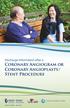 Discharge Information after a Coronary Angiogram or Coronary Angioplasty/ Stent Procedure FORM # W-00500 June 2014 Discharge Information after a Coronary Angiogram or Coronary Angioplasty/ Stent Procedure
GUIDELINES FOR THE CLEANING UP OF BODILY FLUIDS
 GUIDELINES FOR THE CLEANING UP OF BODILY FLUIDS INTRODUCTION This Guidance Note is aimed at employees who may be dealing with or responsible for the cleaning up of bodily fluids as a part of their work
Ambulance Service. Patient Care. and. Transportation Standards
 Ambulance Service Patient Care and Transportation Standards Ministry of Health and Long-Term Care Emergency Health Services Branch Patient Care A. General Each operator and each emergency medical attendant
Training on Standard Operating Procedures for Health Care Waste Management Swaziland 12 May, 2011
 Training on Standard Operating Procedures for Health Care Waste Management Swaziland 12 May, 2011 Safe Infectious Waste Handling and Transport Objective Waste Overview Roles and Responsibilities of Waste
High Dose Radioactive Iodine (I-131) Therapy for Treatment of Thyroid Cancer
 12 High Dose Radioactive Iodine (I-131) Therapy for Treatment of Thyroid Cancer Please arrive 15 minutes early to allow for parking and registration. If you have questions or need to cancel your appointment
Hygiene and Infection. Control advice in the home
 Introduction The Infection Control Department Mid-Western Regional Hospital, Ennis, wrote this booklet with Clare Primary Community and Continuing Care and C-Diff Patients and Families Group. This booklet
Sierra Leone Emergency Management Program Standard Operating Procedure for Safe, Dignified Medical Burials
 Sierra Leone Emergency Management Program Standard Operating Procedure for Safe, Dignified Medical Burials Approved By: Burial Pillar Date Approved: 24 February 2015 Version 2 Page 1 of 8 Table of Contents
Bed Bugs: What Schools Need to Know
 Bed Bugs: What Schools Need to Know Recently, Michigan and other states have seen an increased number of bed bug infestations plaguing residents. As bed bugs infest more and more homes, they may find their