
Advantage of endoscopic mucosal resection with a cap for rectal neuroendocrine tumors
|
|
|
- Jody O’Brien’
- 10 years ago
- Views:
Transcription
1 Submit a Manuscript: Help Desk: DOI: /wjg.v21.i World J Gastroenterol 2015 August 21; 21(31): ISSN (print) ISSN (online) 2015 Baishideng Publishing Group Inc. All rights reserved. ORIGINAL ARTICLE Retrospective Study Advantage of endoscopic mucosal resection with a cap for rectal neuroendocrine tumors Su Bum Park, Hyung Wook Kim, Dae Hwan Kang, Cheol Woong Choi, Su Jin Kim, Hyeong Seok Nam Su Bum Park, Hyung Wook Kim, Dae Hwan Kang, Cheol Woong Choi, Su Jin Kim, Hyeong Seok Nam, Department of Internal Medicine, Pusan National University School of Medicine and Research institute for Convergence of Biomedical Science and Technology, Pusan National University Yangsan Hospital, Yangsan-si, Gyeongsangnam-do , South Korea Author contributions: Kim HW designed the study; Park SB, Kim HW and Choi CW carried out the procedures; Kim SJ helped data collection; Nam HS and Kang DH analyzed the data and performed the statistical analysis; Park SB wrote the paper; Kang DH and Kim HW revised the article; all authors approved the final version of the paper. Institutional review board statement: The study was reviewed and approved by the Pusan National University Yangsan Hospital Institutional Review Board. Informed consent statement: All study participants, or their legal guardian, provided informed written consent prior to study enrollment. Conflict-of-interest statement: The authors have no conflicts of interest. Data sharing statement: Technical appendix, statistical code, and dataset available from the corresponding author at [email protected] Participants gave informed consent for data sharing. Open-Access: This article is an open-access article which was selected by an in-house editor and fully peer-reviewed by external reviewers. It is distributed in accordance with the Creative Commons Attribution Non Commercial (CC BY-NC 4.0) license, which permits others to distribute, remix, adapt, build upon this work non-commercially, and license their derivative works on different terms, provided the original work is properly cited and the use is non-commercial. See: licenses/by-nc/4.0/ Correspondence to: Hyung Wook Kim, MD, PhD, Department of Internal Medicine, Pusan National University School of Medicine and Research institute for Convergence of Biomedical Science and Technology, Pusan National University Yangsan Hospital, Beomeo-ri, Mulgeum-eup, Yangsan-si, Gyeongsangnamdo , South Korea. [email protected] Telephone: Fax: Received: January 22, 2015 Peer-review started: January 23, 2015 First decision: March 10, 2015 Revised: March 30, 2015 Accepted: May 7, 2015 Article in press: May 7, 2015 Published online: August 21, 2015 Abstract AIM: To compare the outcomes of endoscopic mucosal resection with a cap () with those of endoscopic submucosal dissection () for the resection of rectal neuroendocrine tumors. METHODS: One hundred and sixteen lesions in 114 patients with rectal neuroendocrine tumor (NET) resected with or were included in the study. This study was performed at Pusan National University Yangsan Hospital between July 2009 and August We analyzed endoscopic complete resection rate, pathologic complete resection rate, procedure time, and adverse events in the (n = 65) and (n = 51) groups. We also performed a subgroup analysis by tumor size. RESULTS: Mean tumor size was 4.62 ± 1.66 mm in the group and 7.73 ± 3.14 mm in the group (P < 0.001). Endoscopic complete resection rate was 100% in both groups. Histologic complete resection rate was significantly greater in the group (92.3%) than in the group (78.4%) (P = 0.042). Mean procedure time was significantly longer in the group (14.43 ± 7.26 min) than in the 9387 August 21, 2015 Volume 21 Issue 31

2 group (3.83 ± 1.17 min) (P < 0.001). Rates of histologic complete resection without complication were similar for tumor diameter 5 mm (, 96%;, 100%, P = 0.472) as well as in cases of 5 mm < tumor diameter 10 mm (, 80%;, 71.0%, P = 0.524). CONCLUSION: may be simple, faster, and more effective than in removing rectal NETs and may be preferable for resection of small rectal NETs. Key words: Neuroendocrine tumor; Endoscopic mucosal resection with cap; Endoscopic submucosal dissection; Complete resection; Complication The Author(s) Published by Baishideng Publishing Group Inc. All rights reserved. Core tip: This study suggests that rates of endoscopic and histologic complete resection without adverse events were high in endoscopic mucosal resection with a cap () for treating rectal neuroendocrine tumors (NETs). seems to be a safe, easy, and effective method for the resection of rectal NETs because it is technically easier and less time-consuming than endoscopic submucosal dissection. Park SB, Kim HW, Kang DH, Choi CW, Kim SJ, Nam HS. Advantage of endoscopic mucosal resection with a cap for rectal neuroendocrine tumors. World J Gastroenterol 2015; 21(31): Available from: URL: com/ /full/v21/i31/9387.htm DOI: org/ /wjg.v21.i INTRODUCTION Rectal neuroendocrine tumor (NET) is a slow growing tumor that originates in the cells of the neuroendocrine system. Rectal NETs comprise 8% to 30% of all gastro-intestinal (gi) NETs [1]. The frequency of rectal NETs is higher in Asian countries compared to Western countries [2]. The incidence of rectal NETs has recently increased more in South Korea; this is related to the increasing number of screening colonoscopies, improved detection through endoscopic developments, and a deeper understanding of rectal NETs. Rectal NETs usually appear as sessile submucosal lesions covered with yellowish mucosa [3,4]. Clinical course of tumors less than 10 mm in diameter is relatively good. The risk of metastases has been reported to be 0%-10% for tumors < 10 mm and 4%-30%, for tumors mm in diameter [5], and 57%-80% for tumors 20 mm in diameter [6]. Standard treatment for rectal NETs < 10 mm is endoscopic resection, and the appropriate therapies for rectal NETs mm in diameter are endoscopic resection, transanal resection [or transanal endoscopic microsurgery (TEM)], or radical rectal resection [7]. Endoscopic treatment is acceptable for small rectal NETs, but there is still controversy regarding which type of endoscopic resection is best. Numerous treatment strategies for rectal NETs have been reported. Conventional endoscopic mucosal resection (EMR) is simple, but there is some risk of incomplete resection. Endoscopic submucosal dissection () has several advantages over conventional EMR, including a higher en bloc resection rate, lower local recurrence rate, and more accurate pathological evaluation [8]. However, requires great skill and experience and more time, and carries a risk of adverse events such as perforation and bleeding [9]. EMR with a cap () is an endoscopic procedure for cutting the submucosal layer by lifting the mucosa with saline injection, followed by aspirating the lesion into a transparent cap. has advantages over both EMR and. An advantage of is that it is simpler and less time-consuming. Previous studies comparing with showed inconsistent results; Zhou et al [9] reported a completeresection rate of only 52.5% for, but Zhao et al [10] reported the rate to be 100%. This study compares the efficacy of with that of for the resection of rectal NETs. MATERIALS AND METHODS Between July 2009 and August 2014, and were performed for 116 lesions in 114 patients with rectal NETs at Pusan National University Yangsan Hospital. Sixty-five lesions were resected with and 51 with. We performed endoscopic ultrasonography (EUS) using a UM-DP20-25R, 20-MHz (Olympus Medical Systems Corp., Tokyo, Japan) to estimate the size and the depth of invasion of rectal NETs in all patients before resection. Tumors invading the muscularis propria layer were treated surgically, tumors measuring mm on EUS were treated with, and and were alternated, if possible, for tumors 10 mm in diameter. The procedures were performed by three endoscopists (authors KHW, CCW, and PSB). Data were obtained retrospectively from a database. All resection specimens were measured and vertical and lateral resection margins evaluated. We analyzed the rate of endoscopic and histologic complete resection, procedure time, and adverse events. We also performed a subgroup analysis of and outcomes by tumor size. Tumors 10 mm in diameter were divided into two groups, 5 mm and 5-10 mm. Procedure time was defined as the time from submucosal injection to completion of resection, and adverse events were defined as bleeding (including immediate and delayed bleeding) and perforation (including microperforation and frank perforation) August 21, 2015 Volume 21 Issue 31

3 A B C D E F Figure 1 Endoscopic mucosal resection with a cap. A: Transparent cap is attached to the distal end of the scope; B: Saline solution with indigo-carmine solution is injected submucosally beneath the tumor; C: A crescent-shaped snare is positioned on the internal circumferential ridge; D: The submucosal layer is suctioned and dissected with the snare; E: A clear resection surface is observed; F: The resection specimen is retrieved and measured. : Endoscopic mucosal resection with a cap. Technique : We used a single-channel scope (GIF-H260, Olympus Medical Systems Corp.) with an oblique distal attachment (MAJ-290, Olympus Medical Systems Corp.) and a 25-mm single-use crescent electrosurgical snare (SD-221L-25, Olympus Medical Systems Corp.). First, submucosal injection was used to lift the tumor. After attaching the oblique cap to the distal end of the endoscope, the crescent-shaped snare was positioned on the internal circumferential ridge at the tip of the cap. The lesion was drawn into the cap using the suction function, then snared and resected using an electrosurgical unit (ERBE VIO 300 D, ERBE Elektromedizin GmbH, Tübingen, Germany) (Figure 1). : was carried out with a single-channel scope (GIF-H260, Olympus Medical Systems Corp.) and an electrosurgical unit (ERBE VIO 300 D, ERBE Elektromedizin GmbH). After lifting the tumor with submucosal injection, a circumferential incision was made around the lesion and submucosal dissection carried out with a DualKnife Electrosurgical Knife (Olympus Medical Systems Corp.). Histopathologic evaluation: Each resected rectal NET was measured. All specimens were fixed in 10% formalin and stained with hematoxylin-eosin. Depth of invasion and margin infiltration were evaluated. Histologic complete resection (R0) was defined as histopathologically tumor-free lateral and vertical margins. Indeterminate margin (Rx) was defined as margin that could not be evaluated for reasons such as electrocautery artifact and inappropriate orientation. Statistical analysis Statistical analysis was performed using PASW for Windows, Version 18.0 (SPSS Inc., Chicago, IL, United States). Quantitative results are expressed as medians and ranges. Statistical comparisons between the two groups were performed using the χ 2 statistic and Fisher s exact test. A < 0.05 was considered to be significant. RESULTS Of 116 lesions in 114 patients, 65 lesions were treated with and 51 with. The baseline characteristics and clinical outcomes of the and groups are shown in Tables 1 and 2, respectively. Outcomes of and As seen in Table 1, mean patient age did not differ significantly between the and groups (P = 0.063). The size of the resected specimen was significantly larger in the group than in the group (P < 0.001). The size of the tumor was also significantly larger in the group (P < 0.001). Table 2 shows that resection time was significantly longer in the group (P < 0.001). Endoscopic complete resection rates were 100% in both groups, and histologic complete resection rate was significantly higher in the group than in the group (P 9389 August 21, 2015 Volume 21 Issue 31

4 Table 1 Baseline patient characteristics n (%) (n = 65) (n = 51) Age (yr), mean ± SD ± ± Male gender 43 (66.2) 33 (64.7) Follow up period (d), ± ± mean ± SD Specimen size (mm), ± ± 3.99 < mean ± SD (range) ( ) ( ) Tumor size (mm), 4.62 ± ± 3.14 < mean ± SD (range) ( ) ( ) EUS measured size (mm), 4.72 ± ± 2.54 < mean ± SD (range) ( ) ( ) Tumor size (mm) 0 < tumor size < tumor size > : Endoscopic mucosal resection with a cap; : Endoscopic submucosal dissection. = 0.042). Vertical, lateral, and vertical and lateral resection margin involvement did not differ between groups (P = 0.864, P = 0.710, and P = 0.159, respectively; Table 2). Indeterminate margin resection rate did not differ between groups (P = 0.178). No local recurrence or distant metastasis occurred during the follow-up periods of cases of incomplete resection. Rates of adverse events are shown in Table 2. All bleeding was successfully controlled using coagulation. There were significantly more adverse events in the group than in the group (P = 0.044). Lymphovascular invasion occurred in one case in the group. Outcomes of / by tumor size A subgroup analysis was performed for patients who had small rectal NETs ( 10 mm in diameter). Of 116 lesions, 109 were 10 mm in diameter. Tumors 10 mm in diameter were further divided into two groups: 5 mm and 5-10 mm in diameter. Tumor size 5 mm Table 3 presents the results of subgroup analysis of baseline characteristics for both groups by tumor size 5 mm. Mean diameters were similar between groups (P = 0.158), but resection time was significantly longer in the group than in the group (P < 0.001). Rates of endoscopic complete resection were 100% in both groups. Histologic complete resection rate did not differ significantly between groups (P = 0.472). Margin involvement for both groups is also given in Table 3. Adverse events occurred more frequently in the group, but there was not a significant difference between groups [two cases of bleeding (15.4%) in the group; no adverse events in the group (P = 0.165)]. Table 2 Clinical outcomes by endoscopic treatment modality n (%) Tumor sizes > 5 mm and 10 mm Results of subgroup analysis of clinical outcomes for both groups by tumor size > 5 mm and 10 mm are shown in Table 4. Patients in the group were significantly older than those in the group (P = 0.011). Although the size of the resected specimen was significantly larger in the group (P = 0.004), tumor size was similar between groups (P = 0.051). Resection time was significantly longer in the group (P < 0.001), and rates of endoscopic complete resection were 100% in both groups. There was not a significant difference in histologic complete resection rate between groups (P = 0.524). Margin involvement for both groups for this range of tumor sizes is shown in Table 4. Vertical margin involvement was 0% for both groups. Between-group differences in lateral, vertical and lateral, and indeterminate margin involvement were not significant (P = 0.979, P = and P = 0.810, respectively; Table 4). Adverse events occurred more frequently in the group, but there was not a significant difference between groups [two cases of bleeding (6.5%) in the group; no adverse events in the group (P = 0.161)]. DISCUSSION (n = 65) (n = 51) Procedure time (min), 3.83 ± ± 7.26 < mean ± SD, Complication 0 (0.0) 4 (7.8) Bleeding 0 4 (7.8) Perforation 0 0 Endoscopic complete 65/65 (100) 51/51 (100) resection Histologic complete resection 60/65 (92.3) 40/51 (78.4) Vertical margin involvement 1 (1.5) 1 (2.0) Lateral margin involvement 1 (1.5) 2 (3.9) Vertical and Lateral margin 0 (0.0) 2 (3.9) involvement Indeterminate margin 3 (4.6) 6 (11.8) Vertical:Lateral:Vertical and 2:1:0 1:3:2 Lateral, n Lymphovascular invasion : Endoscopic mucosal resection with a cap; : Endoscopic submucosal dissection. The incidence of rectal NETs is increasing with the number of screening colonoscopies, advances in endoscope technology, and deeper understanding of rectal NETs. Rectal NETs commonly appear as submucosal lesions with yellowish mucosa [3,4]. There is still controversy about the treatment of rectal NETs, and numerous treatment strategies have been reported [7]. The standard treatment for rectal 9390 August 21, 2015 Volume 21 Issue 31

5 Table 3 Baseline characteristics by tumor size n (%) NET size Size 5 mm (n = 63) 5 mm < size 10 mm (n = 46) (n = 50) (n = 13) (n = 15) (n = 31) Age (yr), mean ± SD ± ± ± ± Male gender 33 (66.0) 7 (53.8) (66.7) 21 (67.7) Follow up period (d), mean ± SD ± ± ± ± Specimen size (mm), mean ± SD ± 2.21 ± 2.78 ± 2.26 ± 3.68 Tumor size (mm), mean ± SD ± 0.95 ± 0.75 ± 1.25 ± 1.43 EUS measured size (mm), mean ± SD ± 1.31 ± 2.01 ± 1.47 ± 5.80 : Endoscopic mucosal resection with a cap; : Endoscopic submucosal dissection; EUS: Endoscopic ultrasound; NET: Neuroendocrine tumor. Table 4 Clinical outcomes by tumor size n (%) size 5 mm (n = 63) 5 mm < size 10 mm (n = 46) (n = 50) (n = 13) (n = 15) (n = 31) Procedure time (min), mean ± SD 3.94 ± ± 3.42 < ± ± 8.85 < Complication 0 2 (15.4) (6.5) Bleeding 0 2 (15.4) 0 2 (6.5) Perforation Endoscopic complete resection 50 (100) 13 (100) 15 (100) 31 (100) Histologic complete resection 48 (96.0) 13 (100) (80.0) 22 (71.0) Vertical margin involvement 0 (0.0) 0 (0.0) 0 (0.0) 0 (0.0) Lateral margin involvement 0 (0.0) 0 (0.0) 1 (6.7) 2 (6.5) Vertical and Lateral margin involvement 1 (2.0) 0 (0.0) (6.5) Indeterminate margin 1 (2.0) 0 (0.0) (13.3) 5 (16.1) Vertical:lateral: Vertical and Lateral 1:0:0 0:0:0 1:1:0 1:2:2 : Endoscopic mucosal resection with a cap; : Endoscopic submucosal dissection. NETs < 10 mm in diameter is endoscopic resection; appropriate therapies for lesions mm in diameter are endoscopic local resection, transanal resection, or radical rectal resection [7]. The European Neuroendocrine Tumors Society has published consensus guidelines for the management of patients with colorectal neuroendocrine neoplasms [11]. EUS can be used to evaluate tumor size and depth of invasion, and its accuracy in determination of depth of invasion is high (91%-100%) [12-14]. EMR has been widely used because of its simplicity and low rate of adverse events [15-17]. However, rectal NETs are located in the deep mucosal layer toward the submucosal layer, so conventional EMR can result in incomplete resection or local recurrence after EMR [18,19]. Compared with conventional EMR, the advantage of is its low rate of positive tumor resection margin [20,21]. has advantages of higher en bloc resection and more accurate pathologic evaluation, but requires great skill and experience and longer time, and carries a risk of adverse events such as perforation and bleeding [9]. Compared with, the advantage of is that it is simpler and less timeconsuming. has several advantages over both EMR and. The tumor is elevated into the cap using suction, and the procedure can be safely and easily performed in a short time and does not require special endoscopic skill. This study demonstrated that was a simple and less time consuming endoscopic procedure than. Previous studies of reported complete resection rates from 52.5% to 100%, but those studies contained small numbers of patients [9,10,20-25]. In our study, was performed on 65 lesions, with a complete resection rate of 92.3%. Interestingly, the histologic complete resection rate was significantly higher in the group (92.3%) than in the group (78.4%) (P = 0.042). The rate of indeterminate margin was higher in the group (six cases, 11.8%) than in the group (three cases, 4.6%). Positive resection margins do not necessarily indicate remnant tumor; rather, they may indicate cautery damage during endoscopic resection [12,26]. The circular resected margin of a tumor obtained using can remain undamaged, but during, the use of electrocautery during incision and dissection may damage the tumor margins and explains the high rate of pathologic incomplete resection in the group. More important is the endoscopic complete resection rate. We followed up patients every six months for 9391 August 21, 2015 Volume 21 Issue 31

6 two years, and then yearly thereafter. We checked general condition, computed tomography scans and colonoscopy (or sigmoidoscopy) results. There was no tumor recurrence in either group, including in patients who had positive or indeterminate margins, during a mean follow-up period of d. Lymphovascular invasion was found in one patient with a 6-mm tumor treated with. Although metastatic involvement of tumors < 10 mm occurs in about 0%-10% of cases [1,5,6,26,27], endoscopic treatment is acceptable for small rectal NETs. Konishi et al [28] reported an incidence of lymph node metastasis as high as 7% in rectal NETs 10 mm treated with radical resection. Our study demonstrated a rate of metastasis of 0.92% (one of 109 patients). This patient with lymphovascular invasion required additional surgical therapy. In cases of tumors 5 mm in size, endoscopic and histologic complete resections were 100% and 96.0%, respectively, for the group, and there were no adverse events. In cases of 5 < tumor diameter 10 mm, endoscopic and histologic complete resections were 100% and 80.0%, respectively, for the group, without adverse events. These results are similar to those of, suggesting that is not inferior to for resecting small NETs. There is a theoretical possibility that perforation due to insufficient submucosal injection or too much suction could cause adverse events in. However, because appropriate suction was used in our study, no perforation occurred. This study has some limitations. Firstly, this is a retrospective, single-center study. Secondly, the study was not randomized. EUS was performed before resection, so the procedure was performed according to the endoscopist s preference. Large prospective, randomized, controlled studies will be necessary to validate our results. In conclusion, may be feasible for the resection of rectal NETs because it is technically easier and less time-consuming than. This study also suggests that rates of endoscopic and histologic complete resection without adverse events were high in for treating rectal NETs. COMMENTS Background endoscopic mucosal resection with a cap () and endoscopic submucosal dissection () have been used to treat neuroendocrine tumors (NETs) for decades and the reported results have been variable. Until now, there has been no consensus about which modality is superior. The advantages of include more accurate pathological evaluation, but the authors experienced some indeterminate margin pathologic results after. So, they compared the efficacy of with that of for the resection of rectal NETs. Research frontiers Many previous studies have evaluated the outcomes of endoscopic procedures for rectal NETs. The authors evaluated a somewhat larger number of patients undergoing and performed a subgroup analysis by tumor size. Innovations and breakthroughs Endoscopic complete resection rate was 100% in both groups. Histologic complete resection rate was significantly greater in the group than in the group. The study demonstrates the rate of histologic complete resection of to be superior to that of because the circumferential tumor-resection margin treated in will be undamaged. Applications is feasible for the resection of rectal NETs because it is technically easier and less time-consuming than. These results will provide important information to select a treatment strategy for patients with small rectal NETs. Terminology is an endoscopic procedure for cutting the submucosal layer by lifting the mucosa with saline injection, followed by aspirating the lesion into a transparent cap. Peer-review The authors concluded that may be simple, faster, and more effective than in removing rectal NETs and may be preferable for resection of small rectal NETs. The paper is well written and brings forward some new information. The experience the authors shared in this manuscript is beneficial for further study in this field. REFERENCES 1 Gleeson FC, Levy MJ, Dozois EJ, Larson DW, Wong Kee Song LM, Boardman LA. Endoscopically identified well-differentiated rectal carcinoid tumors: impact of tumor size on the natural history and outcomes. Gastrointest Endosc 2014; 80: [PMID: DOI: /j.gie ] 2 Choi HH, Kim JS, Cheung DY, Cho YS. Which endoscopic treatment is the best for small rectal carcinoid tumors? World J Gastrointest Endosc 2013; 5: [PMID: DOI: /wjge.v5.i10.487] 3 Jetmore AB, Ray JE, Gathright JB, McMullen KM, Hicks TC, Timmcke AE. Rectal carcinoids: the most frequent carcinoid tumor. Dis Colon Rectum 1992; 35: [PMID: DOI: /BF ] 4 Matsui K, Iwase T, Kitagawa M. Small, polypoid-appearing carcinoid tumors of the rectum: clinicopathologic study of 16 cases and effectiveness of endoscopic treatment. Am J Gastroenterol 1993; 88: [PMID: ] 5 Fahy BN, Tang LH, Klimstra D, Wong WD, Guillem JG, Paty PB, Temple LK, Shia J, Weiser MR. Carcinoid of the rectum risk stratification (CaRRs): a strategy for preoperative outcome assessment. Ann Surg Oncol 2007; 14: [PMID: DOI: /s ] 6 Soga J. Early-stage carcinoids of the gastrointestinal tract: an analysis of 1914 reported cases. Cancer 2005; 103: [PMID: DOI: /cncr.20939] 7 de Mestier L, Brixi H, Gincul R, Ponchon T, Cadiot G. Updating the management of patients with rectal neuroendocrine tumors. Endoscopy 2013; 45: [PMID: DOI: / s ] 8 Lee DS, Jeon SW, Park SY, Jung MK, Cho CM, Tak WY, Kweon YO, Kim SK. The feasibility of endoscopic submucosal dissection for rectal carcinoid tumors: comparison with endoscopic mucosal resection. Endoscopy 2010; 42: [PMID: DOI: /s ] 9 Zhou PH, Yao LQ, Qin XY, Xu MD, Zhong YS, Chen WF, Ma LL, Zhang YQ, Qin WZ, Cai MY, Ji Y. Advantages of endoscopic submucosal dissection with needle-knife over endoscopic mucosal resection for small rectal carcinoid tumors: a retrospective study. Surg Endosc 2010; 24: [PMID: DOI: / s z] 10 Zhao ZF, Zhang N, Ma SR, Yang Z, Han X, Zhao YF, Gao F, Gong ZJ, Yang L. A comparative study on endoscopy treatment in rectal 9392 August 21, 2015 Volume 21 Issue 31

7 carcinoid tumors. Surg Laparosc Endosc Percutan Tech 2012; 22: [PMID: DOI: /SLE.0b013e e0f] 11 Caplin M, Sundin A, Nillson O, Baum RP, Klose KJ, Kelestimur F, Plöckinger U, Papotti M, Salazar R, Pascher A; Barcelona Consensus Conference participants. ENETS Consensus Guidelines for the management of patients with digestive neuroendocrine neoplasms: colorectal neuroendocrine neoplasms. Neuroendocrinology 2012; 95: [PMID: DOI: / ] 12 Park CH, Cheon JH, Kim JO, Shin JE, Jang BI, Shin SJ, Jeen YT, Lee SH, Ji JS, Han DS, Jung SA, Park DI, Baek IH, Kim SH, Chang DK. Criteria for decision making after endoscopic resection of welldifferentiated rectal carcinoids with regard to potential lymphatic spread. Endoscopy 2011; 43: [PMID: DOI: /s ] 13 Ishii N, Horiki N, Itoh T, Maruyama M, Matsuda M, Setoyama T, Suzuki S, Uchida S, Uemura M, Iizuka Y, Fukuda K, Suzuki K, Fujita Y. Endoscopic submucosal dissection and preoperative assessment with endoscopic ultrasonography for the treatment of rectal carcinoid tumors. Surg Endosc 2010; 24: [PMID: DOI: /s x] 14 Abe T, Kakemura T, Fujinuma S, Maetani I. Successful outcomes of EMR-L with 3D-EUS for rectal carcinoids compared with historical controls. World J Gastroenterol 2008; 14: [PMID: DOI: /wjg ] 15 Puli SR, Kakugawa Y, Gotoda T, Antillon D, Saito Y, Antillon MR. Meta-analysis and systematic review of colorectal endoscopic mucosal resection. World J Gastroenterol 2009; 15: [PMID: DOI: /wjg ] 16 Ichikawa J, Tanabe S, Koizumi W, Kida Y, Imaizumi H, Kida M, Saigenji K, Mitomi H. Endoscopic mucosal resection in the management of gastric carcinoid tumors. Endoscopy 2003; 35: [PMID: DOI: /s ] 17 Kiesslich R, Neurath MF. Endoscopic mucosal resection: an evolving therapeutic strategy for non-polypoid colorectal neoplasia. Gut 2004; 53: [PMID: DOI: / gut ] 18 Oda I, Saito D, Tada M, Iishi H, Tanabe S, Oyama T, Doi T, Otani Y, Fujisaki J, Ajioka Y, Hamada T, Inoue H, Gotoda T, Yoshida S. A multicenter retrospective study of endoscopic resection for early gastric cancer. Gastric Cancer 2006; 9: [PMID: DOI: /s ] 19 Oka S, Tanaka S, Kaneko I, Mouri R, Hirata M, Kawamura T, Yoshihara M, Chayama K. Advantage of endoscopic submucosal dissection compared with EMR for early gastric cancer. Gastrointest Endosc 2006; 64: [PMID: DOI: / j.gie ] 20 Oshitani N, Hamasaki N, Sawa Y, Hara J, Nakamura S, Matsumoto T, Kitano A, Arakawa T. Endoscopic resection of small rectal carcinoid tumours using an aspiration method with a transparent overcap. J Int Med Res 2000; 28: [PMID: DOI: / ] 21 Kim YJ, Lee SK, Cheon JH, Kim TI, Lee YC, Kim WH, Chung JB, Yi SW, Park S. [Efficacy of endoscopic resection for small rectal carcinoid: a retrospective study]. Korean J Gastroenterol 2008; 51: [PMID: ] 22 Sohn DK, Han KS, Hong CW, Chang HJ, Jeong SY, Park JG. Selection of cap size in endoscopic submucosal resection with cap aspiration for rectal carcinoid tumors. J Laparoendosc Adv Surg Tech A 2008; 18: [PMID: DOI: / lap ] 23 Celebi Kobak A, Zeybel M, Ayhan S, Kara E, Ellidokuz E. Endoscopic submucosal resection of a rectal carcinoid tumor by cap aspiration - snare resection method. Turk J Gastroenterol 2006; 17: [PMID: ] 24 Imada-Shirakata Y, Sakai M, Kajiyama T, Kin G, Inoue K, Torii A, Kishimoto H, Ueda S, Okuma M. Endoscopic resection of rectal carcinoid tumors using aspiration lumpectomy. Endoscopy 1997; 29: [PMID: DOI: /s ] 25 Nagai T, Torishima R, Nakashima H, Ookawara H, Uchida A, Kai S, Sato R, Murakami K, Fujioka T. Saline-assisted endoscopic resection of rectal carcinoids: cap aspiration method versus simple snare resection. Endoscopy 2004; 36: [PMID: ] 26 Kwaan MR, Goldberg JE, Bleday R. Rectal carcinoid tumors: review of results after endoscopic and surgical therapy. Arch Surg 2008; 143: [PMID: DOI: / archsurg ] 27 Modlin IM, Oberg K, Chung DC, Jensen RT, de Herder WW, Thakker RV, Caplin M, Delle Fave G, Kaltsas GA, Krenning EP, Moss SF, Nilsson O, Rindi G, Salazar R, Ruszniewski P, Sundin A. Gastroenteropancreatic neuroendocrine tumours. Lancet Oncol 2008; 9: [PMID: DOI: /S (07) ] 28 Konishi T, Watanabe T, Kishimoto J, Kotake K, Muto T, Nagawa H; Japanese Society for Cancer of the Colon and Rectum. Prognosis and risk factors of metastasis in colorectal carcinoids: results of a nationwide registry over 15 years. Gut 2007; 56: [PMID: ] P- Reviewer: Buanes TA, Guo XZ, Lorenzo-Zuniga V, Paoluzi OA, Tomizawa M S- Editor: Ma YJ L- Editor: Logan S E- Editor: Wang CH 9393 August 21, 2015 Volume 21 Issue 31

8 Published by Baishideng Publishing Group Inc 8226 Regency Drive, Pleasanton, CA 94588, USA Telephone: Fax: Help Desk: I S S N Baishideng Publishing Group Inc. All rights reserved.

ESD for colorectal lesions I am in favour. Alessandro Repici, MD Digestive Endoscopy Unit IRCCS Istituto Clinico Humanitas Milano, Italy
 ESD for colorectal lesions I am in favour Alessandro Repici, MD Digestive Endoscopy Unit IRCCS Istituto Clinico Humanitas Milano, Italy Surgery for early colonic lesions 51 pts referred for lap colectomy
Endoscopic mucosal resection (EMR) of colorectal neoplasms ENDOSCOPY CORNER
 CLINICAL GASTROENTEROLOGY AND HEPATOLOGY 2012;10:22 26 ENDOSCOPY CORNER Efficacy of Endoscopic Mucosal Resection With Circumferential Incision for Patients With Large Colorectal Tumors TAKU SAKAMOTO, TAKAHISA
EMR Can anyone do this?
 EMR Can anyone do this? Norio Fukami, MD University of Colorado Piecemeal resection? 1 Endoscopic mucosal resection (EMR) and Endoscopic submucosal dissection (ESD) Endoscopic removal of premalignant or
Learning Luncheon 7: Endoscopic Mucosal Resection: When, Where and How?
 Endoscopic Mucosal Resection (EMR): When, Where, and Charles J. Lightdale, MD Columbia University New York, NY Endoscopic Mucosal Resection (EMR) EMR developed for removal of sessile or flat neoplasms
Endoscopic mucosal resection for treatment of early gastric cancer
 Gut 2001;48:225 229 225 Endoscopic mucosal resection for treatment of early gastric cancer H Ono, H Kondo, T Gotoda, K Shirao, H Yamaguchi, D Saito, K Hosokawa, T Shimoda, S Yoshida Department of Endoscopy
How to report Upper GI EMR/ESD specimens
 Section of Pathology and Tumour Biology How to report Upper GI EMR/ESD specimens Dr.H.Grabsch Warning. Most of the criteria, methodologies, evidence presented in this talk are based on studies in early
Challenges in gastric, appendiceal and rectal NETs Leuven, 29.11.2014
 Challenges in gastric, appendiceal and rectal NETs Leuven, 29.11.2014 Prof. Dr. Chris Verslype, Leuven Prof. Dr. Aurel Perren, Bern Menue Challenges: 1. Gastric NET 2. Appendiceal NET 3. Rectal NET SEER,
These parameters cannot, at the present time, be determined by non-invasive imaging techniques.
 Endoscopic Mucosal Resection for Upper Gastrointestinal Lesions Kenneth K. Wang, M.D. Chairman, WEO Publication and Guidelines Committee Professor of Medicine, Mayo Clinic Rochester, Minnesota Upper gastrointestinal
Endoscopic Resection for Barrett s Esophagus and Early Cancer 2014 Masters of Minimally Invasive Surgery
 Endoscopic Resection for Barrett s Esophagus and Early Cancer 2014 Masters of Minimally Invasive Surgery Matthew Hartwig, M.D. Duke Cancer Institute Case Presentation: Patient ER 51 y/o man with schizophrenia
Evolution of Barrett s esophagus
 Endoscopic Treatment and Surveillance of Esophageal Cancer: GI Perspective Charles J. Lightdale, MD Columbia University New York, NY Evolution of Barrett s esophagus Squamous esophagus Chronic inflammation
Bridging Techniques. What s between EMR and Traditional Surgery? Elisabeth C. McLemore, MD, FACS, FASCRS
 Bridging Techniques What s between EMR and Traditional Surgery? Elisabeth C. McLemore, MD, FACS, FASCRS Associate Professor of Surgery Assistant Program Director, General Surgery Residency Disclosures
Endoscopic Submucosal Dissection (E.S.D.) vs. Endoscopic Mucosal Resection (E.M.R.) in Colombia. Advocating E.M.R.
 Controversies in Gastroenterology Endoscopic Submucosal Dissection (E.S.D.) vs. Endoscopic Mucosal Resection (E.M.R.) in Colombia. Advocating E.M.R. Raúl Cañadas Garrido, MD. 1 1 Internist-Gastroenterologist.
Endoscopic Therapy for Early Esophageal Cancer: EMR and ESD
 Endoscopic Therapy for Early Esophageal Cancer: EMR and ESD AATS Toronto April 26, 2014 Lorenzo Ferri MD PhD David S. Mulder Chair in Surgery Associate Professor of Surgery and Oncology Disclosures Olympus
ERBEJET 2. The versatility of waterjet surgery: ERBEJET 2 with hybrid instruments WATERJET SURGERY
 ERBEJET 2 The versatility of waterjet surgery: ERBEJET 2 with hybrid instruments WATERJET SURGERY Gentle interventions in surgery and endoscopy Waterjet surgery with hybrid technology Waterjet surgery
Success rate of curative endoscopic mucosal resection with circumferential mucosal incision assisted by submucosal injection of sodium hyaluronate
 Success rate of curative endoscopic mucosal resection with circumferential mucosal incision assisted by submucosal injection of sodium hyaluronate Hironori Yamamoto, MD, Hiroshi Kawata, MD, Keijiro Sunada,
Captivator EMR Device
 Device Clinical Article and Abstract Summary Endoscopic Mucosal Bergman et al: EMR Training Tips Bergman et al: EMR Learning Curve ASGE: EMR & ESD Guidelines Bergman et al: Captivator EMR vs Cook Duette
How to treat early gastric cancer. Surgery
 How to treat early gastric cancer Surgery Mark I. van Berge Henegouwen Department of Surgery, AMC, Amsterdam Director upper GI surgical unit Academic Medical Center Upper GI surgery at AMC 100 oesophagectomies
Developing an endoscopic mucosal resection service in a district general hospital
 RESEARCH Developing an endoscopic mucosal resection service in a district general hospital Chris A Lamb, 1 Jamie A Barbour 2 1 Institute of Cellular Medicine, Newcastle University, The Medical School,
Post-DDW OAG Course - Therapeutic Endoscopy
 Post-DDW OAG Course - Therapeutic Endoscopy June 13, 2015 Jeffrey Mosko Division of Gastroenterology St. Michael's Hospital University of Toronto [email protected] Program Name: Post-DDW OAG course CanMEDS
Endo Conference: Large Polypectomy & EMR
 Endo Conference: Large Polypectomy & EMR Dr. Whang Feb 3, 2015 VOGELGRAM: genetic pathway of colorectal cancer & genes affected by point mutations Outline I. Baseline Colonoscopy II. Colon Polyps III.
Cancer of the Cardia/GE Junction: Surgical Options
 Cancer of the Cardia/GE Junction: Surgical Options Michael A Smith, MD Associate Chief Thoracic Surgery Center for Thoracic Disease St Joseph s Hospital and Medical Center Phoenix, AZ Michael Smith, MD
Magnetic Anchor for More Effective Endoscopic Mucosal Resection
 Jpn J Clin Oncol 2004;34(3)118 123 Magnetic Anchor for More Effective Endoscopic Mucosal Resection Toshiaki Kobayashi 1, Takushi Gotohda 1, Katsunori Tamakawa 2, Hirohisa Ueda 3 and Tadao Kakizoe 1 1 National
E L E C T R O S U R G E R G Y / W A T E R J E T S U R G E R Y. Endoscopic Submucosal Dissec tion
 E L E C T R O S U R G E R G Y / W A T E R J E T S U R G E R Y E S D W o r k s t a t i o n w i t h H y b r i d K n i f e Endoscopic Submucosal Dissec tion fast, safe and easy with the HybridKnife. introduc
This is a prospective study that analyzed the factors associated with cancer progression after
 Sample Peer-Review of a Fictitious Manuscript Reviewer A s Comments to Authors: This is a prospective study that analyzed the factors associated with cancer progression after EMR of Barrett s esophagus
HOW I DO IT Endoscopic mucosal resection (EMR) in the esophagus
 HOW I DO IT (EMR) in the esophagus AUTHORSHIP How I do it: Horst Neuhaus, MD Department of Internal Medicine Evangelisches Krankenhaus Düsseldorf Germany Comment Hiroyasu Makuuchi, MD Professor and Chairman
LOWER GI ENDOSCOPIES So why is CMS yanking our chain? General Concepts for all GI Endoscopy Procedures
 LOWER GI ENDOSCOPIES We have lots of changes to lower GI coding for 2015 to talk about. Code definitions have been revised and many new codes have been added to this chapter. First the good news: All these
PANCREATIC AND PERIAMPULLARY TUMORS: PANCREATICODUODENECTOMY. Dr. Shailesh V. Shrikhande
 PANCREATIC AND PERIAMPULLARY TUMORS: PANCREATICODUODENECTOMY Dr. Shailesh V. Shrikhande Associate Professor & Consultant Surgeon GI and HPB Surgical Oncology Tata Memorial Hospital, Mumbai INDIA HELICAL
Early Colonoscopy in Patients with Acute Diverticulitis Simon Bar-Meir, M.D.
 Early Colonoscopy in Patients with Acute Diverticulitis Simon Bar-Meir, M.D. Professor of Medicine Germanis Kaufman Chair of Gastroenterology Director, Dept. of Gastroenterology Chaim Sheba Medical Center,
Endoscopic Management of Barrett s High-Grade Dysplasia and Early Stage Esophageal Cancer
 VOLUME 10, ISSUE 2, YEAR 2011 Endoscopic Management of Barrett s High-Grade Dysplasia and Early Stage Esophageal Cancer James L. Wise, MD Duluth, MN. Introduction: In recent years there has been intense
Billing Guideline. Subject: Colorectal Cancer Screening Exams (Invasive Procedures) Effective Date: 1/1/2012 Last Update Effective: 4/16
 Subject: Colorectal Cancer Screening Exams (Invasive Procedures) Effective Date: 1/1/2012 Last Update Effective: 4/16 Billing Guideline Background Health First administers benefit packages with full coverage
The Royal Marsden. Surgery for Gastric and GE Junction Cancer: primary palliative where and when? William Allum
 The Royal Marsden Surgery for Gastric and GE Junction Cancer: primary palliative where and when? William Allum Any surgeon can cure Surgeon - dependent No surgeon can cure EMR D2 GASTRECTOMY H N SN. WEDGE
ENDOSCOPY IN GASTRIC CANCER: NEW IMAGING TECHNIQUES, NEW TREATMENT MODALITIES (EMR, ESD)
 ENDOSCOPY IN GASTRIC CANCER: NEW IMAGING TECHNIQUES, NEW TREATMENT MODALITIES (EMR, ESD) Fabrice Caillol Paoli Calmettes Institute, Marseille, France June 10th, Prague, Czech Republic EUS AND STAGING 1980:
Endoscopic Diagnosis and Treatment for Colorectal Cancer
 17 Endoscopic Diagnosis and Treatment for Colorectal Cancer Hiroyuki Kato, Teruhiko Sakamoto, Hiroko Otsuka, Rieko Yamada and Kiyo Watanabe Tokyo Women s Medical University, Medical Center East, Department
Victims Compensation Claim Status of All Pending Claims and Claims Decided Within the Last Three Years
 Claim#:021914-174 Initials: J.T. Last4SSN: 6996 DOB: 5/3/1970 Crime Date: 4/30/2013 Status: Claim is currently under review. Decision expected within 7 days Claim#:041715-334 Initials: M.S. Last4SSN: 2957
Thursday, November 3, 2005
 Thursday, November 3, 2005 8:30-10:30 a. m. Gastric Tumors, Session 1 Chairman: P. Ruszniewski, Clichy, France 9:00-9:30 a. m. Working Group Sessions Pathology and Genetics Group leaders: G. Rindi, Parma,
Endoscopic submucosal dissection: European Society of Gastrointestinal Endoscopy (ESGE) Guideline
 Guideline 829 Endoscopic submucosal dissection: European Society of Gastrointestinal Endoscopy (ESGE) Guideline Authors Institutions Pedro Pimentel-Nunes 1, Mário Dinis-Ribeiro 1, Thierry Ponchon 2, Alessandro
Current Status and Perspectives of Radiation Therapy for Breast Cancer
 Breast Cancer Current Status and Perspectives of Radiation Therapy for Breast Cancer JMAJ 45(10): 434 439, 2002 Masahiro HIRAOKA, Masaki KOKUBO, Chikako YAMAMOTO and Michihide MITSUMORI Department of Therapeutic
GENERAL SUMMARY AND DISCUSSION
 GENERAL SUMMARY AND DISCUSSION In the last 30 years, abdominal surgery has progressed from the standard open approach to less invasive techniques such as laparoscopy and natural orifice translumenal endoscopic
Effects of Herceptin on circulating tumor cells in HER2 positive early breast cancer
 Effects of Herceptin on circulating tumor cells in HER2 positive early breast cancer J.-L. Zhang, Q. Yao, J.-H. Chen,Y. Wang, H. Wang, Q. Fan, R. Ling, J. Yi and L. Wang Xijing Hospital Vascular Endocrine
ORIGINAL ARTICLE: Clinical Endoscopy
 ORIGINAL ARTICLE: Clinical Endoscopy Large refractory colonic polyps: is it time to change our practice? A prospective study of the clinical and economic impact of a tertiary referral colonic mucosal resection
Laparoscopic Ultrasonography Assisted Retroperitoneal Lymph Node Sampling in Patients Evaluated for Stomach Cancer Recurrence
 Case Series Laparoscopic Ultrasonography Assisted Retroperitoneal Lymph Node Sampling in Patients Evaluated for Stomach Cancer Recurrence Honsoul Kim, MD, Woo Jin Hyung, MD, Joon Seok Lim, MD, Mi-Suk Park,
Center for Endoscopic Research & Therapeutics
 Center for Endoscopic Research & Therapeutics 5758 South Maryland Avenue (MC9028) Chicago, Illinois 60637 (773) 702-1459 www.uchospitals.edu Center for Endoscopic Research & Therapeutics To refer a patient
Oncological outcome of surgical treatment in 336 patients with renal cell carcinoma
 窑 Original Article 窑 Chinese Journal of Cancer Oncological outcome of surgical treatment in 336 patients with renal cell carcinoma Zhi Ling Zhang,2, Yong Hong Li,2, Yong Hong Xiong 3, Guo Liang Hou,2,
Hemostasis Solutions Boston Scientific is committed to improving patient care in the management of gastrointestinal bleeding.
 Hemostasis Solutions Boston Scientific is committed to improving patient care in the management of gastrointestinal bleeding. Through innovation and continuous educational support, we offer a wide range
7. Prostate cancer in PSA relapse
 7. Prostate cancer in PSA relapse A patient with prostate cancer in PSA relapse is one who, having received a primary treatment with intent to cure, has a raised PSA (prostate-specific antigen) level defined
9. Discuss guidelines for follow-up post-thyroidectomy for cancer (labs/tests) HH
 9. Discuss guidelines for follow-up post-thyroidectomy for cancer (labs/tests) HH Differentiated thyroid cancer expresses the TSH receptor on the cell membrane and responds to TSH stimulation by increasing
Endoscopic resection in the colon: A practical guide. Michael Bourke
 Endoscopic resection in the colon: A practical guide. Michael Bourke INTRODUCTION Colonoscopic polypectomy is a fundamental tool in the prevention and treatment of colorectal cancer. Colonoscopic polypectomy
Gastrointestinal and pancreatic neuroendocrine tumours. Dr. med. Henrik Csaba Horváth
 Gastrointestinal and pancreatic neuroendocrine tumours Dr. med. Henrik Csaba Horváth What is the definition of neuroendocrine tumours? Neuroendocrine tumours are neoplastic lesions, composed either by
SUNY DOWNSTATE MEDICAL CENTER SURGERY GRAND ROUNDS February 28, 2013 VERENA LIU, MD ROSEANNA LEE, MD
 SUNY DOWNSTATE MEDICAL CENTER SURGERY GRAND ROUNDS February 28, 2013 VERENA LIU, MD ROSEANNA LEE, MD Case Presentation 35 year old male referred from PMD with an asymptomatic palpable right neck mass PMH/PSH:
The Captivator II Snares are the first line of stiff and rounded snares available in multiple sizes with both a hot and cold snaring indication.
 Captivator II Single-Use Snares The Captivator II Snares are the first line of stiff and rounded snares available in multiple sizes with both a hot and cold snaring indication. The Captivator II Snare
Endoscopic Mucosal Resection Perform with Confidence Expand your Practice. An Assessment-Based Curriculum
 Skills Training Assessment Reinforcement Endoscopic Mucosal Resection Perform with Confidence Expand your Practice Upper GI EMR An Assessment-Based Curriculum Earn 20 ABIM MOC Points! November 12-13, 2016
Ching-Yao Yang, Yu-Wen Tien
 Ching-Yao Yang, Yu-Wen Tien Division of General Surgery, Department of Surgery, National Taiwan University Hospital Oct-30-2010 Pancreatic NET have poorer prognosis when presence of liver metastases at
Sentinel Lymph Node Mapping for Endometrial Cancer. Locke Uppendahl, MD Grand Rounds
 Sentinel Lymph Node Mapping for Endometrial Cancer Locke Uppendahl, MD Grand Rounds Endometrial Cancer Most common gynecologic malignancy in US estimated 52,630 new cases in 2014 estimated 8,590 deaths
Adiuwantowe i neoadiuwantowe leczenie chorych na zaawansowanego raka żołądka
 Adiuwantowe i neoadiuwantowe leczenie chorych na zaawansowanego raka żołądka Neoadiuvant and adiuvant therapy for advanced gastric cancer Franco Roviello, IT Neoadjuvant and adjuvant therapy for advanced
Survival analysis of 220 patients with completely resected stage II non small cell lung cancer
 窑 Original Article 窑 Chinese Journal of Cancer Survival analysis of 22 patients with completely resected stage II non small cell lung cancer Yun Dai,2,3, Xiao Dong Su,2,3, Hao Long,2,3, Peng Lin,2,3, Jian
Captivator II. Single-Use Snares
 Captivator II Single-Use Snares Captivator II Snares are the first line of stiff and rounded snares available in multiple sizes with both a hot and cold snaring indication. The Captivator II Snare line
New Data Supporting Modified RECIST (mrecist) for Hepatocellular Carcinoma. Running Title: Modified RECIST (mrecist) for Hepatocellular Carcinoma
 New Data Supporting Modified RECIST (mrecist) for Hepatocellular Carcinoma Running Title: Modified RECIST (mrecist) for Hepatocellular Carcinoma Riccardo Lencioni Author s Affiliation: Division of Diagnostic
Detection and staging of recurrent prostate cancer is still one of the important clinical problems in prostate cancer. A rise in PSA or biochemical
 Summary. 111 Detection and staging of recurrent prostate cancer is still one of the important clinical problems in prostate cancer. A rise in PSA or biochemical recurrence (BCR) is the first sign of recurrent
Integrating Chemotherapy and Liver Surgery for the Management of Colorectal Metastases
 I Congresso de Oncologia D Or July 5-6, 2013 Integrating Chemotherapy and Liver Surgery for the Management of Colorectal Metastases Michael A. Choti, MD, MBA, FACS Department of Surgery Johns Hopkins University
Preoperative drainage is always indicated in malignant CBD strictures PRO. Horst Neuhaus Evangelisches Krankenhaus Düsseldorf, Germany
 Preoperative drainage is always indicated in malignant CBD strictures PRO Horst Neuhaus Evangelisches Krankenhaus Düsseldorf, Germany Background Jaundice is associated with high perioperative morbidity
The digestive system. Medicine and technology. Normal structure and function Diagnostic methods Example diseases and therapies
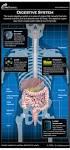 The digestive system Medicine and technology Normal structure and function Diagnostic methods Example diseases and therapies The digestive system An overview (1) Oesophagus Liver (hepar) Biliary system
HOW I DO IT Removing large or sessile colonic polyps
 HOW I DO IT AUTHORSHIP How I do it: Brian Saunders MD FRCP St Mark s Academic Institute Harrow Middlesex UK Comment Gregory G. Ginsberg, MD University of Pennsylvania Health Systems Philadelphia USA Summary