
Post Acute and Long Term Care: instrument for evaluating outcomes
|
|
|
- Arlene Byrd
- 10 years ago
- Views:
Transcription
1 Post Acute and Long Term Care: instrument for evaluating outcomes National Network for Integrated Continuous Care Portugal RNCCI National Coordination Mission Unit for Integrated Continuous Care J.M. de Abreu Nogueira*, Maria João Girão**, Inês Guerreiro*** Background In Portugal, National Network for Integrated Continuous Care RNCCI has a scope of services of health and social support that is applicable to situations of post acute care (PAC), with a predicable end, and to situations that may stand all lifelong related to long term care. The development of Integrated Continuing Care ( CCI ) is an international reality for several years and has common principles, such as the need for better service related to continuous support to frail people, for rehabilitation in post acute care and to decrease unnecessary admissions to acute care. These assumptions has led to the adoption of some key objectives in health policy, to be achieved by developing networks of integrated continuum of care with flexible organization and planning resources on the basis of local identification of care needs. Promotion and maintenance of functional independence to the highest degree that is reasonably possible is the primary goal of care in National Network for Integrated Continuous Care RNCCI. Comprehensive Multidisciplinary Care include high risk screening to identify frail people at risk; assessment for further evaluation; effective and efficient multidisciplinary care management. In addition to treating any underlying conditions, a multidisciplinary approach is critical in addressing issues related to functional impairment. After assessment and identification of risks, implementation of recommended individual care plan is coordinated with physicians, nurses, social workers, and other members of the multidisciplinary care team (Carpenito Moyer L, 2004). Although the individual aspects of health and social care services for people who depend on continuous support are now an area of extensive research in many countries, the concepts, indicators and models for international comparisons and for the identification of good practice across countries are still very much in their infancy. Even at a national level, methodology and measurement is often deficient to bring these aspects or elements together (Health systems and long term care for older people in Europe, 2008). Data from post acute and long term care are not widespread in the literature and are essential for international benchmarking. There are different instruments to characterize the needs for those citizens eligible to promotion of autonomy due to disability. International recommendations point to an integrated bio psychosocial instrument for initial and ongoing evaluation to assess results of care and research (Cruz Jentoft AJ et al, 2008). *EES Member, Member of the National Coordination - Mission Unit for Integrated Continuous Care. ** Member of the National Coordination - Mission Unit for Integrated Continuous Care. *** National Coordinator - Mission Unit for Integrated Continuous Care

2 Objectives To develop an integrated instrument for bio psychosocial evaluation and its implementation on the evaluation of users in need of post acute and long term care. Methods For the creation of the instrument it was established a partnership with a university to assemble different instruments of evaluation regarding physical autonomy, activities of daily living, mental and cognitive status, nutrition, falls, pressure ulcers and social. At the end the instrument gives a score for each parameter analyzed and a combined score. The evaluation must allow making placement decisions related to the most appropriate PAC setting and services; serving as a core set of information that should be transmitted to the receiving provider to enhance the safety and quality of care transitions; and providing baseline information for longitudinal follow up of health and function, elements of which would be repeated over time. (Andrew Kramer, 2006). These issues have been the target of the studies that led to the development of the Integrated bio psychosocial Evaluating Instrument IAI, based on a set of standard scales in the form of structured survey, in Portuguese, and validated under the standpoint of reproducibility and applicability. The experience thus gained, as well as reading and reflection kept updated on the issue, led to the necessity and opportunity for restructuring this type of evaluation, a model that can be sufficiently comprehensive and synthetic, and allow a structured, standardized, tracking, recording and classifying individuals on the bio psychosocial dependency. This assessment tool/instrument is divided into areas, variables and its components: 1. "BIO": a. Gender b. Age c. Health complaints d. State of nutrition, e. Falls f. Locomotion g. Activities of daily physical autonomy or self care (Katz adjusted to 4 levels of categorization: 0 incapacity; 1 dependent, 2 autonomous, 3 independent) (Katz S et al, 1963) h. Daily activities of instrumental autonomy or adaptation to the environment (Lawton and Brody adjusted to 4 levels of categorization: 0 incapacity; 1 dependent, 2 autonomous, 3 independent) (Lawton MP, Brody EM, 1969) 2. "PSYCHO": i. Emotional complaints j. Cognitive status (based in Mini mental State MMS examination) (Folstein MF et al, 1975) 3. "SOCIAL": k. Social status l. Habits 2

3 The quotations/scores of variables and its components leading to the classification of areas are predominantly quotations/scores of four levels: "0", "1", "2" or "3". These scores mean: 0 Incapacity Need, indispensably and regularly, caregivers and / or means of support for functional replacement; does not cooperates. 1 Dependent Need, indispensably and regularly, caregivers and / or means of support for functional replacement; cooperates. 2 Autonomous Need means (not caregivers) of support for functional replacement; cooperates. 3 Independent No need for caregivers and / or means for functional replacement. The result obtained, transcribed sequentially, allows a record set of synthetic evaluation, called Bio psychosocial Profile with the following sequence: Gender, Age, Health Claims, Nutrition, Locomotion, Physical Self, Autonomy, Instrumental, Emotional, Cognitive Status, Social Status, Habits, and is presented as a sequence of 12 digits between 0 and 3, for example: "IAI" items related to the ability to complete every day activities: "Activities of Daily Living" and "Instrumental Activities of Daily Living", consider two international scales Katz and Lawton respectively adapted and validated by Medicine University to standardize categorization with the remaining items of this instrument in 0/1/2/3 where: 0 and 1 bad / undesirable; 2 and 3 favorable / desirable. For the item "falls", this instrument allows the identification of their number and their causes: intrinsic (person), extrinsic (environmental) or both. The item "health complaints" identifies whether there are "complaints of skin and thus to evaluate and characterize the wounds identified (eg: pressure ulcers). Results After the validation of the instrument in the university it was implemented in the National Network for Continuous Integrated Care RNCCI, to be used for evaluating users in need of post acute and long term care and their outcomes. The introduction of the tool allowed ongoing monitoring of different parameters in a holistic approach gathering bio psychosocial data from a single tool and benchmarking. There are four different types of inpatient units: Convalescence, for expected 30 days recovery, Midterm Rehabilitation (UMDR), for expected 90 days recovery, Long Term Maintenance (ULDM) that aims avoid deterioration and Palliative care. Evaluation of the users with the tool is made every two weeks for Convalescence, monthly for Midterm Rehabilitation (UMDR) and every three months for long term care Long Term Maintenance (ULDM). Discussion IAI is an evaluation and monitoring screening tool of bio psychosocial information, which is based on international validated scales. The opportunity for an instrument like IAI is due to the fact that there is heterogeneity in evaluation in this field, related to content and scaling, and applied as non standardized adaptations that compromise their comparability. The compilation of the variables that compose IAI and the decision of their categorization in four levels come from work done in Portugal, based on the analysis of a series of studies performed with adequate samples, namely the last one done in almost three thousand people representative of national population (Botelho, 1999). 3

4 The advantage of summarizing the information in a numerical layout gives the possibility of obtaining a short and confidential report of extended data, which detail is implicit and can always be detailed. It also allows easily compare data, in the same and in groups of individuals, and the sum of its components can be used as a score, this one needing validation. The National Institute of Administration performed a study to characterize the users of the National Network for Integrated Continuous Care RNCCI with data gathered with this instrument (Rato, H., Rodrigues, M. 2009). IAI also presents some useful operational properties, the possibility of being applied by a trained professional of any category, in different care settings, to people with diverse health states, by interview with the patient and/or a caregiver, part of it with the possibility of being collected by observation. Heinemann refers that comparing outcomes across post acute settings has been hampered by the lack of a common outcome assessment instrument across settings and that there is absence of scientific evidence and a way to compare outcomes across settings. Post acute rehabilitation care is a key component of the health care delivery system, yet we know little about the active ingredients of the rehabilitation process that produce the best outcomes. Critical research needs include developing validated measures, standardizing measures and timing of routine measurement and quality assurance purposes across sites of care, examining differences in content and processes of care both within facilities of the same type and across types of facilities, identifying patient characteristics that vary by region, cultural characteristics, and referral patterns and implementing a strategic plan for effectiveness research that is characterized by collaboration between health authorities, researchers, and care sites (Heinemann AW, 2007). Haley et al refer that, efforts to evaluate the effectiveness of a broad range of post acute care services have been hindered by the lack of conceptually sound and comprehensive measures of outcomes. A variety of outcome instruments are currently in use in post acute care that have been developed for defined patient populations and/or specific clinical settings. The World Health Organization's International Classification of Functioning, Disability and Health (ICF) provide a conceptual framework and classification system for developing comprehensive outcome instruments for post acute care. An initial step in using the ICF to guide outcomes assessment is to determine the major domains of activity that are most critical to postacute care services, and to develop a pool of activity items to examine each activity domain. (Haley SM at al, 2004). The construction of an integrated evaluation tool, with ICF for physical autonomy, needs development and validation for postacute and long term care. We are aiming this evolution but with the international recommendations, this should be done with international partnerships, to obtain an instrument that will allow international benchmark of outcomes. Conclusion/Application to practice Evaluating users in post acute and long term care is based on a holistic approach and there is a need for research regarding care needs and outcomes using a tool for biopsychosocial evaluation. This instrument allows accomplishing these recommendations 4

5 and allows comparability between evaluations, following the evolution of every IAI component, in the same or in different settings. References Andrew Kramer (2006). Uniform Patient Assessment for Post Acute Care. Division of Health Care Policy and Research. Report for Medicare & Medicaid. Division of Health Care Policy and Research University of Colorado at Denver and Health Sciences Center Botelho, M Amália Silveira (1999). Autonomia funcional em idosos: caracterização multidimensional em idosos de um centro de saúde urbano. Lisboa: [UNL. FCM] Carpenito Moyer L. (2004). Nursing care plans and documentation, 4th ed. Philadelphia, PA: Lippincott, Williams&Williams Cruz Jentoft, A.J., Franco, A., Sommer, P., Baeyens, J.P., Jankowska, E., Maggi, A., Ponikowski, P., Ryś, A., Szczerbińska, K., Milewicz, A. (2008). European Silver Paper on the Future of Health Promotion and Preventive Actions, Basic Research, and Clinical Aspects of Age Related Disease. European Summit on Age related Disease. Wroclaw Folstein MF, Folstein SE, McHugh PR. (1975). "Mini mental state". A practical method for grading the cognitive state of patients for the clinician. J Psychiatr Res. Nov;12(3): Haley, SM., Coster, WJ., Andres, PL., Ludlow, LH., Ni, P., Bond, TL., Sinclair, SJ., Jette, AM. (2004). Activity Outcome Measurement for Postacute Care. Med Care; 42(1 Suppl):I49 61 Health systems and long term care for older people in Europe Modelling the INTERfaces and LINKS between prevention, rehabilitation, quality of services and informal care Coordinator: European Centre for Social Welfare Policy and Research Heinemann, AW. (2007). State of the Science on Postacute Rehabilitation: Setting a Research Agenda and Developing Evidence Base for Practice and Public Policy. An Introduction. J Spinal Cord Med.;30: Katz S, Ford AB, Moskowitz RW, Jackson BA, Jaffe MW (1963): Studies of illness in the aged: the index of ADL; a standardized measure of biological and psychosocial function. JAMA; 185: Lawton MP, Brody EM. (1969). Assessment of older people: self maintaining and instrumental activities of daily living. Gerontologist; 9: Rato, H., Rodrigues, M. (2009). Characterization of the users of the National Network for Integrated Continuous Care (RNCCI). INA: National Institute of Administration. Research Multidisciplinary Team 5

May 7, 2012. Submitted Electronically
 May 7, 2012 Submitted Electronically Secretary Kathleen Sebelius Department of Health and Human Services Office of the National Coordinator for Health Information Technology Attention: 2014 edition EHR
High Desert Medical Group Connections for Life Program Description
 High Desert Medical Group Connections for Life Program Description POLICY: High Desert Medical Group ("HDMG") promotes patient health and wellbeing by actively coordinating services for members with multiple
Medical College of Georgia Augusta, Georgia School of Medicine Competency based Objectives
 Medical College of Georgia Augusta, Georgia School of Medicine Competency based Objectives Medical Knowledge Goal Statement: Medical students are expected to master a foundation of clinical knowledge with
SCOPE OF PRACTICE. Statement of Purpose The purpose of this document is to define the scope of practice in occupational therapy in order to
 SCOPE OF PRACTICE Statement of Purpose The purpose of this document is to define the scope of practice in occupational therapy in order to 1. delineate the domain of occupational therapy practice that
Coordinating Transitions of Care: It Takes a Village
 Coordinating Transitions of Care: It Takes a Village Ken Laube RN, BSN, MBA: Vice President Clinical Excellence Situation/Background Patients face significant challenges when moving from one health care
Standards of Practice & Scope of Services. for Health Care Delivery System Case Management and Transitions of Care (TOC) Professionals
 A M E R I C A N C A S E M A N A G E M E N T A S S O C I A T I O N Standards of Practice & Scope of Services for Health Care Delivery System Case Management and Transitions of Care (TOC) Professionals O
The role of t he Depart ment of Veterans Affairs (VA) as
 The VA Health Care System: An Unrecognized National Safety Net Veterans who use the VA health care system have a higher level of illness than the general population, and 60 percent have no private or Medigap
Rehabilitation and Sub Acute Care. The Discovery Health experience
 Rehabilitation and Sub Acute Care The Discovery Health experience Agenda The Context The Discovery Health Journey The Discovery Health model The Lessons learnt The context Severity of condition Complex
Medicare Skilled Nursing Facility Prospective Payment System
 Medicare Skilled Nursing Facility Prospective Payment System Payment Rule Brief FINAL RULE Program Year: FFY 2016 Overview and Resources On August 4, 2015, the Centers for Medicare and Medicaid Services
American Society of Addiction Medicine
 American Society of Addiction Medicine Public Policy Statement on Treatment for Alcohol and Other Drug Addiction 1 I. General Definitions of Addiction Treatment Addiction Treatment is the use of any planned,
MEDICAL POLICY No. 91608-R1 MENTAL HEALTH RESIDENTIAL TREATMENT: ADULT
 MENTAL HEALTH RESIDENTIAL TREATMENT: ADULT Effective Date: June 4, 2015 Review Dates: 5/14, 5/15 Date Of Origin: May 12, 2014 Status: Current Summary of Changes Clarifications: Pg 4, Description, updated
4.401 Substance Use Partial Hospitalization Program (Adults and Adolescents)
 4.40 STRUCTURED DAY TREATMENT SERVICES 4.401 Substance Use Partial Hospitalization Program (Adults and Adolescents) Description of Services: Substance use partial hospitalization is a nonresidential treatment
MSC - Catalog 2006-2008 Academic Programs - School of Nursing 131
 MSC - Catalog 2006-2008 School of Nursing 131 MISSION AND GOALS The School of Nursing is responsible for teaching, research, and service in the discipline of nursing, as accomplished through its educational
Organization of Rehabilitation and Post-Acute Care
 Organization of Rehabilitation and Post-Acute Care Inaugural Meeting of NECC Boston, MA - September 13, 2006 Janet Prvu Bettger, ScD University of Pennsylvania Department of Physical Medicine and Rehabilitation
Standards of Practice & Scope of Services. for Hospital/Health System Case Management
 A M E R I C A N C A S E M A N A G E M E N T A S S O C I A T I O N Standards of Practice & Scope of Services for Hospital/Health System Case Management O U R M I S S I O N To be THE Association that offers
Occupational Therapy Practice Framework: Domain & Process, 2nd
 Occupational Therapy Practice Framework: Domain & Process, 2nd Occupational Therapy Practice Framework: Domain & Process, 2nd 1. Introduction Occupational Therapy Practice Framework; Framework An official
Seniors Health Services
 Leading the way in care for seniors Seniors Health Services Capital Health offers a variety of services to support seniors in communities across the region. The following list highlights programs and services
May 21, 2015 Joint Committee on Finance Paper #352
 Legislative Fiscal Bureau One East Main, Suite 301 Madison, WI 53703 (608) 266-3847 Fax: (608) 267-6873 Email: [email protected] Website: http://legis.wisconsin.gov/lfb May 21, 2015 Joint
Rehabilitation Nursing Criteria for Determination and Documentation of Medical Necessity in an Inpatient Rehabilitation Facility
 Rehabilitation Nursing Criteria for Determination and Documentation of Medical Necessity in an Inpatient Rehabilitation Facility An ARN Position Statement The objective of this Position Statement is to
For trauma, there are some additional attributes that are unique and complex:
 Saving Lives, Reducing Costs of Trauma Care Trauma Center Association of America Model of Value Based Trauma Care to Evaluate, Test and Pilot July 25, 2013 Unique Nature of Trauma Injury and Treatment:
IRG/APS Healthcare Utilization Management Guidelines for West Virginia Health Homes - Bipolar and Hepatitis
 IRG/APS Healthcare Utilization Management Guidelines for West Virginia Health Homes - Bipolar and Hepatitis CHANGE LOG Medicaid Chapter Policy # Effective Date Chapter 535 Health Homes 535.1 Bipolar and
How To Manage Health Care Needs
 HEALTH MANAGEMENT CUP recognizes the importance of promoting effective health management and preventive care for conditions that are relevant to our populations, thereby improving health care outcomes.
PA PROMISe 837 Institutional/UB 04 Claim Form
 Table of Contents 2 1 Appendix H Bureau of Provider Support (BPS) Field Operations Review Process Contents: A. General Background B. Explanation of Forms and Terms used in the Field Operations Section
Identifying High-Risk Medicare Beneficiaries with Predictive Analytics
 Identifying High-Risk Medicare Beneficiaries with Predictive Analytics September 2014 Until recently, with the passage of the Affordable Care Act (ACA), Medicare Fee-for-Service (FFS) providers had little
Rehabilitation Where You Recover. Inpatient Rehabilitation Services at Albany Medical Center
 Rehabilitation Where You Recover Inpatient Rehabilitation Services at Albany Medical Center You're Here and So Are We As the region s only academic medical center, Albany Medical Center offers a number
A Sustainable Source for Services through Health Home Legislation: What it Means for Supportive Housing
 A Sustainable Source for Services through Health Home Legislation: What it Means for Supportive Housing The Source for Housing Solutions Sharon Rapport, CSH Lezlie Murch, Exodus Recovery Brenda Goldstein,
Provider Evaluation of Performance. Plan. Tennessee
 Provider Evaluation of Performance Plan Tennessee 2015 Executive Summary UnitedHealthcare Community Plan is committed to ensuring the services members receive from network providers meet the requirements
Date Issued 10/28/2013. Page 1 of 6 Section: Patient Care-Patient Treatment Directive: Inpatient Programs
 A. Policy Statement State of New York 1 of 6 Persons appropriate for admission to State operated psychiatric hospitals have been determined to need intensive, 24 hour, specialized psychiatric intervention
Mental Health and Substance Abuse Reporting Requirements Section 425 of P.A. 154 of 2005
 Mental Health and Substance Abuse Reporting Requirements Section 425 of P.A. 154 of 2005 By April 1, 2006, the Department, in conjunction with the Department of Corrections, shall report the following
other caregivers. A beneficiary may receive one diagnostic assessment per year without any additional authorization.
 4.b.(8) Diagnostic, Screening, Treatment, Preventive and Rehabilitative Services (continued) Attachment 3.1-A.1 Page 7c.2 (a) Psychotherapy Services: For the complete description of the service providers,
A collaborative model for service delivery in the Emergency Department
 A collaborative model for service delivery in the Emergency Department Regional Geriatric Program of Toronto, December 2009 Background Seniors over the age of 75 years now have the highest Emergency Department
Illinois Licensure Testing System
 Illinois Licensure Testing System FIELD 182: SCHOOL NURSE February 2004 Subarea Range of Objectives I. Foundations of Knowledge 01 04 II. The Coordinated School Health Program 05 09 III. Professional Roles
Course Title: ADD 103 ASSESSMENT IN ADDICTION REHABILITATION: INTAKE, EVALUATION AND DIAGNOSIS
 Course Title: ADD 103 ASSESSMENT IN ADDICTION REHABILITATION: INTAKE, EVALUATION AND DIAGNOSIS Texts: Addictions A Comprehensive Guidebook, 1 st edition Publisher: Oxford University Press Prerequisites:
ISSUED BY: TITLE: ISSUED BY: TITLE: President
 CLINICAL PRACTICE GUIDELINE PROFESSIONAL PRACTICE TITLE: Stroke Care Rehabilitation Unit DATE OF ISSUE: 2005, 05 PAGE 1 OF 7 NUMBER: CPG 20-3 SUPERCEDES: New ISSUED BY: TITLE: Chief of Medical Staff ISSUED
Assisted living and nursing homes: Apples and oranges?
 Assisted living and nursing homes: Apples and oranges? Based upon the work of: Sheryl Zimmerman, MSW, PhD, Professor at the University of North Carolina, Chapel Hill School of Social Work Developed by
RESIDENTIAL TREATMENT CENTER (RTC)
 RESIDENTIAL TREATMENT CENTER (RTC) Service Description Residential Treatment Center (RTC) IOS provides 24-hour staff supervised all-inclusive clinical services in a community-based therapeutic setting
National Standards. Council for Standards in Human Service Education. http://www.cshse.org 2013 (2010, 1980, 2005, 2009)
 Council for Standards in Human Service Education National Standards ASSOCIATE DEGREE IN HUMAN SERVICES http://www.cshse.org 2013 (2010, 1980, 2005, 2009) I. GENERAL PROGRAM CHARACTERISTICS A. Institutional
Risk Factors for Readmission
 Strategies for Identifying and Decreasing for Pamela Roberts, PhD, OTR/L, SCFES, FAOTA, CPHQ, FNAP Cedars Sinai Medical Center California Hospital Association Center for Post Acute Care Annual Conference
4. Program Regulations
 Table of Contents iv 437.401: Introduction... 4-1 437.402: Definitions... 4-1 437.403: Eligible Members... 4-2 437.404: Provider Eligibility... 4-3 437.405: Out-of-State Hospice Services... 4-3 437.406:
Transitions of Care: The need for collaboration across entire care continuum
 H O T T O P I C S I N H E A L T H C A R E, I S S U E # 2 Transitions of Care: The need for collaboration across entire care continuum Safe, quality Transitions Effective C o l l a b o r a t i v e S u c
Medical Necessity Criteria
 Medical Necessity Criteria 2015 Updated 03/04/2015 Appendix B Medical Necessity Criteria Purpose: In order to promote consistent utilization management decisions, all utilization and care management staff
Performance Standards
 Performance Standards Co-Occurring Disorder Competency Performance Standards are intended to provide a foundation and serve as a tool to promote continuous quality improvement and progression toward best
Critical Issues and Trends: Underserved Populations Rethinking Prevention for People with Disabilities Part I: A Conceptual Model for Promoting Health
 Critical Issues and Trends: Underserved Populations Rethinking Prevention for People with Disabilities Part I: A Conceptual Model for Promoting Health Donald L. Patrick, PhD, MSPH PURPOSE Health promotion
Recommended Geropsychiatric Competency Enhancements for Nurse Practitioners Who Provide Care to Older Adults but are not Geriatric Specialists
 Recommended Geropsychiatric Competency Enhancements for Nurse Practitioners Who Provide Care to Older Adults but are not Geriatric Specialists These recommended competency enhancement statements are not
STATE OF NEVADA Department of Administration Division of Human Resource Management CLASS SPECIFICATION
 STATE OF NEVADA Department of Administration Division of Human Resource Management CLASS SPECIFICATION TITLE GRADE EEO-4 CODE LICENSED PRACTICAL NURSE III 33* C 10.364 LICENSED PRACTICAL NURSE II 31* C
Developmental. SBIRT Substance Abuse (AUDIT & DAST Scales)
 s Tools Developmental 96110 Developmental testing; limited (e.g., Pediatric Symptom Checklist, Vanderbilt AD/HD, Developmental Screening Test II, Early Language Milestone Screen), with interpretation and
Good Samaritan Inpatient Rehabilitation Program
 Good Samaritan Inpatient Rehabilitation Program Living at your full potential. Welcome When people are sick or injured, our goal is their maximum recovery. We help people live to their full potential.
CMS Innovation Center Improving Care for Complex Patients
 CMS Innovation Center Improving Care for Complex Patients ECRI Institute Dr. Patrick Conway, M.D., MSc CMS Chief Medical Officer and Deputy Administrator for Innovation and Quality Director, Center for
Joan Carroll RN, CDMS, CCM Director of Care Transitions Lee Memorial Health System
 Joan Carroll RN, CDMS, CCM Director of Care Transitions Lee Memorial Health System 1 Explain how patients experience transitions of care Identify variables that affect transitions due to lack of patient
American Psychological Association D esignation Criteria for Education and
 American Psychological Association D esignation Criteria for Education and Training Programs in Preparation for Prescriptive Authority Approved by APA Council of Representatives, 2009 Criterion P: Program
How To Know If You Can Get Help For An Addiction
 2014 FLORIDA SUBSTANCE ABUSE LEVEL OF CARE CLINICAL CRITERIA SUBSTANCE ABUSE LEVEL OF CARE CLINICAL CRITERIA Overview Psychcare strives to provide quality care in the least restrictive environment. An
What to know if Medicare denies coverage
 What to know if Medicare denies coverage What Medicare covers Necessary post-hospital extended care for up to 100 days Extended care: nursing care and rehab provided to a Medicare beneficiary who is an
Partial Hospitalization - MH - Adult (Managed Medicaid only Service)
 Partial Hospitalization - MH - Adult (Managed Medicaid only Service) Definition Partial hospitalization is a nonresidential treatment program that is hospital-based. The program provides diagnostic and
Resources and Services Directory for Head Injury and Other Conditions
 Resources and Services Directory for Head Injury and Other Conditions Section 2: Accessing and Paying for TBI and Related Services 1000 NE 10 TH ST. OKC, OK 73117 TEL 405.271-3430 OR 800.522.0204 (OK only)
Compassionate Care Right at Home.
 Words cannot express how thankful we are for all that your nurses did for our dad during those last few weeks more than anything they treated him with respect and love and gave him the peace and comfort
STRUCTURED OUTPATIENT ADDICTION PROGRAM (SOAP)
 STRUCTURED OUTPATIENT ADDICTION PROGRAM (SOAP) Providers contracted for this level of care or service are expected to comply with all requirements of these service-specific performance specifications.
interrai Suite as a Tool for Management of Health Services for the Elderly: An Integrated Screening and Assessment System
 interrai Suite as a Tool for Management of Health Services for the Elderly: An Integrated Screening and Assessment System John P. Hirdes, Ph.D. Ontario Home Care Research and Knowledge Exchange Chair Professor,
Appendix D. Behavioral Health Partnership. Adolescent/Adult Substance Abuse Guidelines
 Appendix D Behavioral Health Partnership Adolescent/Adult Substance Abuse Guidelines Handbook for Providers 92 ASAM CRITERIA The CT BHP utilizes the ASAM PPC-2R criteria for rendering decisions regarding
How To Cover Occupational Therapy
 Guidelines for Medical Necessity Determination for Occupational Therapy These Guidelines for Medical Necessity Determination (Guidelines) identify the clinical information MassHealth needs to determine
MEDICAL POLICY No. 91332-R3 NON-ACUTE INPATIENT SERVICES
 NON-ACUTE INPATIENT SERVICES Effective Date: November 16, 2007 Review Dates: 1/93, 12/99, 12/01, 12/02, 11/03, 11/04, 10/05, 10/06, 10/07, 10/08, 10/09, 10/10, 10/11, 10/12, 10/13, 11/14 Date of Origin:
Mode & Service Function Information
 Mode & Service Function Information 20 S/D Mode 05 = 24-Hour Services SD/MC Mode 05 = Residential/PHF SD/MC Mode 07 = General Hospital SD/MC Mode 08 = Psych Hospital: Age < 21 SD/MC Mode 09 = Psych Hospital:
Standards for the School Nurse [23.120]
![Standards for the School Nurse [23.120]](/thumbs/25/4559478.jpg "Standards for the School Nurse [23.120]") Standards for the School Nurse [23.120] STANDARD 1 Content Knowledge The certificated school nurse understands and practices within a framework of professional nursing and education to provide a coordinated
Standards for the School Nurse [23.120] STANDARD 1 Content Knowledge The certificated school nurse understands and practices within a framework of professional nursing and education to provide a coordinated
STRUCTURED OUTPATIENT ADDICTION PROGRAM (SOAP)
 STRUCTURED OUTPATIENT ADDICTION PROGRAM (SOAP) Providers contracted for this level of care or service will be expected to comply with all requirements of these service-specific performance specifications.
Learning Disabilities Nursing: Field Specific Competencies
 Learning Disabilities Nursing: Field Specific Competencies Page 7 Learning Disabilities Nursing: Field Specific Competencies Competency (Learning disabilities) and application Domain and ESC Suitable items
IMPACT Act: Connecting Post-Acute Care Across the Care Continuum
 IMPACT Act: Connecting Post-Acute Care Across the Care Continuum Jennie Harvell, M.Ed, Senior Technical Adviser, Centers for Medicare & Medicaid Services Terrence A. O Malley, MD, Physician, Massachusetts
Charting the System for Persons with Autism Spectrum Disorder. Page 1
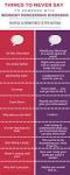 EI Early Intervention Families with eligible children receive an Individualized Family Service Plan (IFSP), which lists the s and supports that are needed for the child to achieve his/her outcomes. Services
How To Become A Registered Psychiatric Nurse
 CODE of ETHICS & STANDARDS of PSYCHIATRIC NURSING PRACTICE APPROVED May 2010 by the Board of the College of Registered Psychiatric Nurses of BC for use by CRPNBC Registrants REGISTERED PSYCHIATRIC NURSES
Telemedicine services. Crisis intervcntion response services, except
 Approved: MAY 2 4 2010 ATTACHMENT 3.1 -A Page 54j 4. Consultation with relatives, guardians, friends, employers, treatment providers, and other significant people, in order to change situations and allow
Professional Reference Series Depression and Anxiety, Volume 1. Depression and Anxiety Prevention for Older Adults
 Professional Reference Series Depression and Anxiety, Volume 1 Depression and Anxiety Prevention for Older Adults TA C M I S S I O N The mission of the Older Americans Substance Abuse and Mental Health
CMS Quality Measurement and Value Based Purchasing Programs Kate Goodrich, MD MHS Director, Quality Measurement and Health Assessment Group, CMS
 CMS Quality Measurement and Value Based Purchasing Programs Kate Goodrich, MD MHS Director, Quality Measurement and Health Assessment Group, CMS American Urological Association Quality Improvement Summit
UNIVERSITY OF ILORIN, FACULTY OF EDUCATION, DEPARTMENT OF COUNSELLOR EDUCATION COURSEWARE CED 307 (REHABILITATION COUNSELLING)
 UNIVERSITY OF ILORIN, FACULTY OF EDUCATION, DEPARTMENT OF COUNSELLOR EDUCATION COURSEWARE CED 307 (REHABILITATION COUNSELLING) Course: CED 307 Rehabilitation Counselling (2 Credits-Compulsory) Course Duration:
Appendix Health Service Psychology: Preparing Competent Practitioners
 Appendix Health Service Psychology: Preparing Competent Practitioners This document is copyrighted by the American Psychological Association or one of its allied publishers. Advances in psychological science
October 2013 Family Choice: Best Practices in Care for Nursing Home Residents
 SNP Alliance Best Practices October 2013 Family Choice: Best Practices in Care for Nursing Home Residents Overview of Family Choice of New York I-SNP Independent Health s Medicare Advantage Family Choice
How To Become A Personal Support Worker
 PROGRAM OBJECTIVES The Personal Support Worker program prepares students to deliver appropriate short or longterm care assistance and support services in either a long-term care facility, acute care facility,
SALT LAKE COMMUNITY COLLEGE PHILOSOPHY OF THE NURSING PROGRAM
 SALT LAKE COMMUNITY COLLEGE PHILOSOPHY OF THE NURSING PROGRAM The philosophy of the nursing program is consistent with the mission statement and values of Salt Lake Community College. The mission of the
DEPARTMENT OF HEALTH AND HUMAN SERVICES Centers for Medicare & Medicaid Services. Discharge Planning
 DEPARTMENT OF HEALTH AND HUMAN SERVICES Centers for Medicare & Medicaid Services ICN 908184 October 2014 This booklet was current at the time it was published or uploaded onto the web. Medicare policy
Optum By United Behavioral Health. 2015 Florida Medicaid Managed Medical Assistance (MMA) Level of Care Guidelines
 Optum By United Behavioral Health 2015 Florida Medicaid Managed Medical Assistance (MMA) Level of Care Guidelines Statewide Inpatient Psychiatric Program Services (SIPP) Statewide Inpatient Psychiatric
Texas Resilience and Recovery
 Texas Resilience and Recovery Utilization Management Guidelines Child & Adolescent Services Texas Resilience and Recovery Utilization Management Guidelines: Child and Adolescent Services Effective September
Coventry Health Care of Florida, Inc. Coventry Health Plan of Florida, Inc. Summit Health Plan of Florida
 Coventry Health Care of Florida, Inc. Coventry Health Plan of Florida, Inc. Summit Health Plan of Florida Medicare Quality Management Program Overview Quality Improvement (QI) Overview At Coventry, we
REHABILITATION SERVICES
 REHABILITATION SERVICES Table of Contents GENERAL... 2 TERMS AND ABBREVIATIONS... 2 PRIOR AUTHORIZATION REQUIREMENTS FOR MEDICAID REIMBURSEMENT OF INPATIENT REHABILITATION SERVICES (Updated 4/1/11)...
B.Sc. in Nursing. Study Plan. * For prerequisite & equivalent courses see the Courses Description. 6 C.H. University Compulsory Courses Page ( 64 )
 140 B.Sc. in Nursing Study Plan University Compulsory Courses Page ( 64 ) University Elective Courses Pages ( 64 & 65 ) Faculty Compulsory Courses 16 C.H 9 C.H 10 C.H Line No. Code Course 10101 MED10A
National Standards. Council for Standards in Human Service Education. http://www.cshse.org 2013 (2010, 1980, 2005, 2009)
 Council for Standards in Human Service Education National Standards BACCALAUREATE DEGREE IN HUMAN SERVICES http://www.cshse.org 2013 (2010, 1980, 2005, 2009) I. GENERAL PROGRAM CHARACTERISTICS A. Institutional