
Chlorhexidine for Umbilical Cord Care: A new, low-cost intervention to reduce newborn mortality
|
|
|
- Clemence Cameron
- 10 years ago
- Views:
Transcription
1 Chlorhexidine for Umbilical Cord Care: A new, low-cost intervention to reduce newborn mortality Cord care with 7.1% chlorhexidine digluconate saves newborn lives Key facts: Each year 3 million newborns die globally, and infection causes approximately 13% of these deaths. 1 Poor hygiene and antisepsis at birth and in the first week of life increases the risk of deadly but preventable infections. 7.1% chlorhexidine digluconate was added to the 2013 World Health Organization (WHO) List of Essential Medicines for Children, specifically for umbilical cord care. Chlorhexidine has an excellent safety record and is an acceptable, feasible, and cost-effective intervention. It can be easily administered by health professionals, including community health workers, as well as family members. In January 2014, the WHO issued a new recommendation for umbilical cord care. Daily chlorhexidine (7.1% chlorhexidine digluconate aqueous solution or gel, delivering 4% chlorhexidine) application to the umbilical cord stump during the first week of life is recommended for newborns who are born at home in settings with high neonatal mortality (30 or more neonatal deaths per 1000 live births). Clean, dry cord care is recommended for newborns born in health facilities and at home in low neonatal mortality settings. Use of chlorhexidine in these situations may be considered only to replace application of a harmful traditional substance, such as cow dung, to the cord stump. 2 Pathogenesis and prevention The recently-cut umbilical cord is an entry point for bacteria that can cause newborn sepsis and death. Bacteria rapidly colonize the moist cord stump and have direct access to the bloodstream through umbilical vessels that remain patent for the first few days after birth. In addition, bacterial colonization may lead to cord infection (omphalitis) with potential spread to the surrounding tissues and blood stream. Ensuring optimal cord care at birth and in the first week of life (including use of chlorhexidine), especially in settings with poor hygiene, is a crucial strategy to prevent lifethreatening sepsis and cord infections, and avert preventable neonatal deaths. Countries moving forward 2.95 million Annual number of newborn deaths 1 Hundreds of thousands Potential annual number of newborn lives saved globally from widespread chlorhexidine use 3 In late 2011, Nepal became the first country to introduce chlorhexidine at scale for umbilical cord care. The Government of Nepal approved the use of chlorhexidine as part of essential newborn care for both home and facility births. The product is now included in the national essential drug list and is provided by a local pharmaceutical company. Scale-up involves the integration of chlorhexidine into ongoing government services and incorporation into pre-service and in-service training curricula for professionally qualified birth attendants. Mother and newborn in Bangladesh. Photo: PATH/Mutsumi Metzler. Countries in sub-saharan Africa have also begun to move forward with chlorhexidine for umbilical cord care. Recently, chlorhexidine was introduced for cord care in the Nigerian state of Sokoto through community-based distribution. As a result of this successful effort, the Nigerian Ministry of Health has made 7.1% chlorhexidine digluconate a priority commodity for newborn health and has committed to scaling it nationally. Efforts to establish local production capacity in the country are also underway. Both Liberia and Madagascar have completed formative research and are now beginning pilot introduction programs of 7.1% chlorhexidine digluconate for umbilical cord care. Further, the adoption of chlorhexidine for umbilical cord care is under earnest consideration by the ministries of health in several other countries in sub- Saharan Africa and South Asia.

2 Chlorhexidine Cord Care: Evidence for Impact on Mortality Context for research trials: Nepal, Bangladesh, and Pakistan The three countries where chlorhexidine research has been conducted have many factors in common. Neonatal mortality is a high proportion of under-5 mortality, and progress has slowed in the latter half of the first decade of this century. In each, institutional deliveries are increasing but the majority of births still take place at home. All three countries have well-developed essential newborn care policies and guidelines, as well as policies on clean and dry umbilical cord care. The national neonatal mortality rates range from moderate to high. Challenges to the health systems are similar including insufficient coverage of existing high-priority interventions. All studies applied 7.1% chlorhexidine digluconate liquid on the day of birth, followed by once-daily applications ranging from 7 to 14 days post-birth. The studies were cluster randomized control trials, so the evidence is high grade. Over 90% of the births included in the studies happened at home. Key Findings: Nepal 4 Chlorhexidine was applied to the umbilical cord by project field workers 7 times in the first 10 days, according to a specified regimen. Compared to dry cord care, chlorhexidine cord care reduced newborn deaths among those enrolled in the study by 24% and reduced severe omphalitis by 75%. Neonatal deaths were reduced by 34% if chlorhexidine was first applied within 24 hours of birth (but deaths were not reduced among those who had the first application more than 24 hours after birth). Photo Credit: David Greedy/Save the Children Products examples. Photo: PATH/Patrick McKern. Key Findings: Bangladesh 5 Two regimens were compared to the standard recommendation of dry cord care: a single chlorhexidine application only on the day of birth, and 7-day chlorhexidine application. Single chlorhexidine application on the first day of life reduced newborn deaths among those enrolled in the study by 20%, and moderately reduced severe omphalitis, as well as cord bacterial colonization 7-day chlorhexidine application reduced severe cord infection by 65% and reduced bacterial colonization; but neonatal mortality was only 6% lower in this group than among controls (not statistically significant). The investigators concluded that the relative lack of mortality effect in the 7-day chlorhexidine application group had occurred as a result of chance. Mortality reduction was greatest in preterm babies. Key Findings: Pakistan 6 In this effectiveness trial and within the context of existing government programs, traditional birth attendants applied chlorhexidine on the day of birth and promoted and distributed chlorhexidine for umbilical cord care for home births for use during the first two weeks after birth, with members of the control group counseled to practice dry cord care. Neonatal deaths were 38% lower in the chlorhexidine group compared to the dry cord care group. Severe cord infection was 42% lower in the chlorhexidine cord care compared to the dry cord care group. Acceptability and feasibility Independent operational research in Bangladesh, Nepal, and Pakistan demonstrated that different formulations (e.g., liquid, gel) of chlorhexidine were acceptable to families, and that families typically were able to use the product as recommended. A pilot study in four districts in Nepal showed that chlorhexidine cord care could feasibly be delivered through the government s existing cadre of Community Health Workers and Female Community Health Volunteers at relatively high coverage. 7 Based on these findings, the government of Nepal is now scaling the use of chlorhexidine for umbilical cord care nationally.

3 Product description Chlorhexidine is an antiseptic with a broad spectrum of activity against gram-negative and gram-positive bacteria. There is a 40-year history of chlorhexidine use for the umbilical cord from developed countries, as well as widespread experience using chlorhexidine as a presurgical and an oral antiseptic. The safety record has been well established, in adults as well as in newborns. For umbilical care, a concentration of 7.1% was selected to be sufficiently potent as an antiseptic.8 Beyond the direct antiseptic effect, chlorhexidine cord care may replace common, harmful practices such as applying substances to the cord. Cost effectiveness Preliminary cost-effectiveness estimates from the Bangladesh research study suggest that if chlorhexidine is added onto an existing community-based essential newborn care program, the mean incremental cost per DALY averted is less than US $ This estimate falls well within the range of other low-cost, highpriority interventions recommended for adoption in South Asia by the Disease Control Priorities Project, 2nd Edition, including childhood immunizations for TB, DPT, polio and measles ($8.00); HIV/AIDS services voluntary testing and counseling, ARVs to prevent vertical transmission, etc. ($68); surgical services and emergency care ($109); community case management of childhood pneumonia ($146); and maternal and newborn care, inclusive of increased primary care, targeted newborn care, and improved emergency and newborn care ($261).10 Mother Rihana Maniyar, with assistance from a Female Community Health Volunteer, applied chlorhexidine to her baby s umbilical cord soon after birth to prevent infection. Banke District, Nepal. Photo: Save the Children/ Nayan Pokhrel Sindhuliya. Delivery strategies Chlorhexidine can be delivered through existing health services and initiatives such as antenatal and delivery care, and postnatal care in the first days and week of life including essential newborn care. It can also be provided through retail outlets including pharmacies, providers working in in public facilities and/or communities (e.g., traditional birth attendants), and community health workers who have contact with pregnant women. How to apply Immediately after cutting the cord, apply chlorhexidine to the tip of the cord, the stump and around the base of the stump. If feasible, repeat application once daily through the first week of life or until the cord separates. It is most important that chlorhexidine be applied early; further benefits may be realized from multiple applications, including reduced local infection and displacement of non-hygienic traditional applications. Product Availability Chlorhexidine for umbilical cord care comes in both gel and liquid forms. The gel is currently available from Lomus Pharmaceuticals in Nepal ( [email protected]) and Drugfield Pharmaceuticals in Nigeria ( The liquid is available through the UNICEF Supply Division Catalogue ( 7.1% chlorhexidine digluconate as gel or liquid is relatively simple to produce and would be amenable to local production by facilities that meet GMP. Technical assistance may be available to help countries identify local/regional manufacturers to make this product more accessible and available.

4 Resources For more information about chlorhexidine for umbilical cord care, please visit the chlorhexidine technical resource page on the Healthy Newborn Network site: The Chlorhexidine Working Group The Chlorhexidine Working Group is an international collaboration of organizations committed to advancing the use of 7.1% chlorhexidine digluconate (delivering 4% chlorhexidine) for umbilical cord care through advocacy and technical assistance. PATH is the chair of the CWG, and members include individuals representing (alphabetically): Bill & Melinda Gates Foundation; Boston University; Clinton Health Access Initiative; GlaxoSmithKline; Global Health Action; Jhpiego; John Snow, Inc., Johns Hopkins Bloomberg School of Public Health; Lomus Pharmaceuticals Pvt. Ltd., the Maternal and Child Health Integrated Program; PATH; Promoting the Quality of Medicines Program/United States Pharmacopeia; Population Services International; Save the Children/Saving Newborn Lives program; Systems for Improved Access to Pharmaceuticals and Services Program/Management Sciences for Health; United Nations Children s Fund; the United States Agency for International Development; University of Illinois at Chicago, College of Nursing, Venture Strategies Innovations; and the World Health Organization. During an antenatal visit, Female Community Health Volunteer Sita uses a doll to show mother Bimala how to apply chlorhexidine properly. Banke district, Nepal. Photo: Save the Children/Nayan Pokhrel Sindhuliya References: 1. Liu L, Johnson HL, Cousens S, et al. Child Health Epidemiology Reference Group of WHO and UNICEF. Global, regional, and national causes of child mortality: An updated systematic analysis for 2010 with time trends since Lancet. 2012;379(9832): World Health Organization. WHO Recommendations on Postnatal Care of the Mother and Newborn bitstream/10665/97603/1/ _eng.pdf 3. Segre, Coffey, Metzler, et al. Chlorhexidine for Umbilical Cord Care. A case study prepare for the UN Commission on Life-Saving Commodities for Women and Children. February Mullany LC, Darmstadt GL, Khatry SK, et al. Topical applications of chlorhexidine to the umbilical cord for prevention of omphalitis and neonatal mortality in southern Nepal: A community-based, cluster-randomised trial. Lancet. 2006;367(9514): Arifeen SE, Mullany LC, Shah R, et al. The effect of cord cleansing with chlorhexidine on neonatal mortality in rural Bangladesh: A community-based, cluster-randomised trial. Lancet. 2012;379(9820): Soofi S, Cousens S, Imdad A, et al. Topical application of chlorhexidine to neonatal umbilical cords for prevention of omphalitis and neonatal mortality in a rural district of Pakistan: a community-based, cluster-randomised trial. Lancet. 2012;379(9820): PATH for the Chlorhexidine Working Group. Chlorhexidine for Umbilical Cord Care: Evidence Base and the Way Forward. November Mullany LC, Darmstadt GL, Tielsch JM. Safety and impact of chlorhexidine antisepsis interventions for improving neonatal health in developing countries. Pediatric Infectious Disease Journal. 2006;25(8): Costs were derived incrementally on top of existing platform of maternal and newborn health services, from a program perspective and included operational and support costs as well as costs associated with product delivery through village health workers and supervising community health workers. Costs may be higher or lower in non-effectiveness trial settings, and/or where an existing platform and infrastructure for community based maternal and newborn health does not exist. 10. Musgrove, Fox-Rushby. Cost-effectiveness analysis for priority setting. Chapter 15 in: Jamison D et al. Disease Control Priorities in Developing Countries (2nd edition). The World Bank and Oxford University Press; 2006.

5 CWG Member Organizations PATH is the Secretariat for the CWG, which includes representation from the following organizations: Edited by PATH for the Chlorhexidine Working Group

cambodia Maternal, Newborn AND Child Health and Nutrition
 cambodia Maternal, Newborn AND Child Health and Nutrition situation Between 2000 and 2010, Cambodia has made significant progress in improving the health of its children. The infant mortality rate has
Chlorhexidine for Umbilical Cord Care
 Chlorhexidine for Umbilical Cord Care Prepared for the United Nations Commission on Commodities for Women s and Children s Health February 2012 Revised version, July 2012 Authors Joel Segrè 1, Patricia
The 2011 World Health Organization (WHO) Model List of Essential Medicines for Children
 MEMORANDUM November 30, 2012 TO: FROM: RE: World Health Organization Expert Committee on the Selection and Use of Essential Medicines PATH, on behalf of the Chlorhexidine Working Group Change requested
Maternal and Neonatal Health in Bangladesh
 Maternal and Neonatal Health in Bangladesh KEY STATISTICS Basic data Maternal mortality ratio (deaths per 100,000 births) 320* Neonatal mortality rate (deaths per 1,000 births) 37 Births for women aged
Best Practice for Umbilical Cord Care. Kaitlin Robertson. Radford University School of Nursing
 Best Practice for 1 Running head: BEST PRACTICE FOR UMBILICAL Best Practice for Umbilical Cord Care Kaitlin Robertson Radford University School of Nursing Best Practice for 2 Significance During pregnancy
INDICATOR REGION WORLD
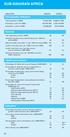 SUB-SAHARAN AFRICA INDICATOR REGION WORLD Demographic indicators Total population (2005) 713,457,000 6,449,371,000 Population under 18 (2005) 361,301,000 2,183,143,000 Population under 5 (2005) 119,555,000
INDICATOR REGION WORLD
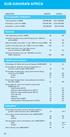 SUB-SAHARAN AFRICA INDICATOR REGION WORLD Demographic indicators Total population (2006) 748,886,000 6,577,236,000 Population under 18 (2006) 376,047,000 2,212,024,000 Population under 5 (2006) 125,254,000
Girls education the facts
 Education for All Global Monitoring Report Fact Sheet October 2013 Girls education the facts Millions of girls around the world are still being denied an education PRIMARY SCHOOL: There are still 31 million
NO MORE MISSED MDG4 OPPORTUNITIES: OPTIMIZING EXISTING HEALTH PLATFORMS FOR CHILD SURVIVAL. Polio Campaigns
 NO MORE MISSED MDG4 OPPORTUNITIES: OPTIMIZING EXISTING HEALTH PLATFORMS FOR CHILD SURVIVAL Polio Campaigns With fewer than 600 days remaining to the Millennium Development Goal (MDG) deadline, new strategies
World Health Day Diabetes and RMNCAH in Africa: R for Reproductive Health
 World Health Day Diabetes and RMNCAH in Africa: R for Reproductive Health Managing diabetes and reproductive health in developing contexts. The 2016 World Health Day theme to scale up prevention, strengthen
Global Update on HIV Treatment 2013: Results, Impact and Opportunities
 June 2013 Global Update on HIV Treatment 2013: Results, Impact and Opportunities WHO/UNAIDS/UNICEF v2 Outline Results: Progress towards Global Targets - Antiretroviral treatment - Prevention of mother-to-child
Health, history and hard choices: Funding dilemmas in a fast-changing world
 Health, history and hard choices: Funding dilemmas in a fast-changing world Thomson Prentice Global Health Histories Health and Philanthropy: Leveraging change University of Indiana, August 2006 An embarrassment
Global Health Research Internship 2016 in Boston
 801 Massachusetts Ave, Crosstown 2079 Boston, MA 02118-2335 Tel: 617-414-6933 E-mail: [email protected] Karsten Lunze, MD, MPH, DrPH, FACPM, FAAP Research Assistant Professor of Medicine Global
SRI LANKA SRI LANKA 187
 SRI LANKA 187 List of Country Indicators Selected Demographic Indicators Selected demographic indicators Child Mortality and Nutritional Status Neonatal, infant and under-five mortality rates: trends Distribution
ECD the foundation for each child s future learning, well being and prosperity Access to high-quality ECD is the right of the child ECD interventions
 ECD the foundation for each child s future learning, well being and prosperity Access to high-quality ECD is the right of the child ECD interventions necessary For every US$1 spent, the return could be
Home visits for the newborn child: a strategy to improve survival
 WHO/UNICEF Joint Statement Home visits for the newborn child: a strategy to improve survival Every year, about 3.7 million babies die in the first four weeks of life (2004 estimates). Most of these newborns
HIV/AIDS: General Information & Testing in the Emergency Department
 What Is HIV? HIV/AIDS: General Information & Testing in the Emergency Department HIV is the common name for the Human Immunodeficiency Virus. HIV is a retrovirus. This means it can enter the body s own
Promoting Family Planning
 Promoting Family Planning INTRODUCTION Voluntary family planning has been widely adopted throughout the world. More than half of all couples in the developing world now use a modern method of contraception
Central African Republic Country brief and funding request February 2015
 PEOPLE AFFECTED 2 700 000 affected with 2,000,000 target by Humanitarian response 1 472 000 of those in need, targeted for health service support by WHO 430 000 internally displaced 426 000 refugees HEALTH
Frequently Asked Questions (FAQs)
 Frequently Asked Questions (FAQs) Research Rationale 1. What does PrEP stand for? There is scientific evidence that antiretroviral (anti-hiv) medications may be able to play an important role in reducing
BEHAVIOR CHANGE COMMUNICATION AS AN INTERVENTION TO IMPROVE FAMILY HEALTH OUTCOMES
 BEHAVIOR CHANGE COMMUNICATION AS AN INTERVENTION TO IMPROVE FAMILY HEALTH OUTCOMES GARY L. DARMSTADT AND USHA KIRAN TARIGOPULA Low coverage of life-saving preventive health interventions stemming from
ORGANIZATIONS. Organization Programmatic Areas of Focus Notes Interviewed? Yes. Averting Maternal Death and Disability (AMDD)
 Averting Maternal Death and Disability (AMDD) Bixby Center for Global Reproductive Health (UCSF) Global advocacy, human rights, strengthening health systems (conducting needs assessments for EmOC, strengthening
Challenges & opportunities
 SCALING UP FAMILY PLANNING SERVICES IN AFRICA THROUGH CHRISTIAN HEALTH SYSTEMS Challenges & opportunities Samuel Mwenda MD Africa Christian Health Associations Platform/CHAK Presentation outline Introduction
Vitamin A Deficiency: Counting the Cost in Women s Lives
 TECHNICAL BRIEF Vitamin A Deficiency: Counting the Cost in Women s Lives Amy L. Rice, PhD INTRODUCTION Over half a million women around the world die each year from conditions related to pregnancy and
Implementing Community Based Maternal Death Reviews in Sierra Leone
 Project Summary Implementing Community Based Maternal Death Reviews in Sierra Leone Background Sierra Leone is among the poorest nations in the world, with 70% of the population living below the established
Pakistan Demographic and Health Survey 2006-07
 Education Most Pakistani Women Lack Any Education Only one in three ever-married women ages 15-49 in Pakistan has any education. Most women never learn how to read. The new Demographic and Health Survey
Testimony of Henry B. Perry, MD, PhD, MPH Senior Associate, Department of International Health, Johns Hopkins Bloomberg School of Public Health
 Testimony of Henry B. Perry, MD, PhD, MPH Senior Associate, Department of International Health, Johns Hopkins Bloomberg School of Public Health Congressional Hearing: The First One Thousand Days of Life
2014-2017. UNICEF/NYHQ2012-1868/Noorani
 UNICEF STRATEGIC PLAN 2014-2017 UNICEF/NYHQ2012-1868/Noorani UNICEF s Strategic Plan 2014-2017 is a road map for the realization of the rights of every child. The equity strategy, emphasizing the most
International Service Program 2010-2012
 International Service Program 2010-2012 Prevention of Mother-to-Child Transmission of HIV and Gender-Based Violence in Rwanda UNICEF USA$500,000 Project Description THE GOAL To prevent mother-to-child
Current Trends in Immunization
 Current Trends in Immunization Christian Lease Director, Immunization Policy, Novartis Vaccines 2011 NCSL Meeting Objectives Review the benefits of immunization Discuss where the immunization enterprise
Water, sanitation and hygiene in health care facilities in Asia and the Pacific
 Water, sanitation and hygiene in health care facilities in Asia and the Pacific A necessary step to achieving universal health coverage and improving health outcomes This note sets out the crucial role
PROGRESS REPORT 2013-2015 DECREASE CHILD DEATHS
 PROGRESS REPORT 2013-2015 DECREASE CHILD DEATHS PROGRESS REPORT 2013-2015 Results for children in Pakistan DECREASE CHILD DEATHS Copyright UNICEF Pakistan Printed in July 2015 Editing Sarah Nam Graphic
Chlorhexidine Navi Care Program JSI Research & Training Institute, Inc. July 2013. Chlorhexidine in Nepal: A Public Private Partnership Case Study
 Chlorhexidine in Nepal: A Public Private Partnership Case Study Chlorhexidine Navi Care Program JSI Research & Training Institute, Inc. July 2013 Chlorhexidine in Nepal: A Public Private Partnership Case
TB CARE EARLY DETECTION AND PREVENTION OF TUBERCULOSIS (TB) IN CHILDREN. Risk factors in children acquiring TB:
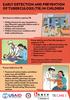 EARLY DETECTION AND PREVENTION OF TUBERCULOSIS (TB) IN CHILDREN Risk factors in children acquiring TB: Children living in the same household as a lung TB patient (especially children under 5) Children
SIXTY-SEVENTH WORLD HEALTH ASSEMBLY. Agenda item 12.3 24 May 2014. Hepatitis
 SIXTY-SEVENTH WORLD HEALTH ASSEMBLY WHA67.6 Agenda item 12.3 24 May 2014 Hepatitis The Sixty-seventh World Health Assembly, Having considered the report on hepatitis; 1 Reaffirming resolution WHA63.18,
UNAIDS ISSUES BRIEF 2011 A NEW INVESTMENT FRAMEWORK FOR THE GLOBAL HIV RESPONSE
 UNAIDS ISSUES BRIEF 2011 A NEW INVESTMENT FRAMEWORK FOR THE GLOBAL HIV RESPONSE Copyright 2011 Joint United Nations Programme on HIV/AIDS (UNAIDS) All rights reserved The designations employed and the
Free healthcare services for pregnant and lactating women and young children in Sierra Leone
 Free healthcare services for pregnant and lactating women and young children in Sierra Leone November 2009 Government of Sierra Leone Contents Foreword 3 Country situation 4 Vision 5 Approach 6 Focus 6
MATERNAL AND CHILD HEALTH
 MATERNAL AND CHILD HEALTH 9 George Kichamu, Jones N. Abisi, and Lydia Karimurio This chapter presents findings from key areas in maternal and child health namely, antenatal, postnatal and delivery care,
The Challenge of Appropriate Pneumonia Case Management and the Impact for Child Health
 The Challenge of Appropriate Pneumonia Case Management and the Impact for Child Health Dr. Shamim Qazi Department of Maternal, Newborn, Child and Adolescent Health 1 ASTMH New Orleans November 2014 Major
WHO Recommendations for the Prevention of Postpartum Haemorrhage Results from a WHO Technical Consultation October 18-20, 2006
 WHO Recommendations for the Prevention of Postpartum Haemorrhage Results from a WHO Technical Consultation October 18-20, 2006 Panel Presentation: M E Stanton, USAID; R Derman, UM/KC; H Sangvhi, JHPIEGO;
Objectives. What is undernutrition? What is undernutrition? What does undernutrition look like?
 Objectives Basics Jean-Pierre Habicht, MD, PhD Professor Division of Nutritional Sciences Cornell University Types and causes Determinants Consequences Global occurrence and progress Way forward What is
Preventable mortality and morbidity of children under 5 years of age as a human rights concern
 Preventable mortality and morbidity of children under 5 years of age as a human rights concern 1. Has your government developed a national policy/strategy/action plan aimed at reducing mortality and morbidity
Zambia Project Mwana: Using mobile phones to improve early infant HIV diagnostic services, post-natal follow-up and care
 East and Southern Africa Regional Office (ESARO) October 2011 UNICEF/Zambia2010/Merrick Schaefer Case Study on Narrowing the Gaps for Equity Zambia Project Mwana: Using mobile phones to improve early infant
Public Health. 2000 2001 2001 2002 2002 2002 Major Service Actual Budget Projected Request Executive Adopted
 Agency Number: 44 Budget Function: Public Safety and Health Public Health The Madison Department of Public Health is the official agency of the City of Madison responsible for promotion of wellness, prevention
Dual elimination of mother-to-child transmission (MTCT) of HIV and syphilis
 Training Course in Sexual and Reproductive Health Research 2014 Module: Principles and Practice of Sexually Transmitted Infections Prevention and Care Dual elimination of mother-to-child transmission (MTCT)
Global Child Health Equity Focused Strategies Kim Wilson, MD MPH Global Pediatric program Boston s children s hospital, Harvard Medical - child
 Global Child Health Equity Focused Strategies Kim Wilson, MD MPH Global Pediatric program Boston s children s hospital, Harvard Medical child survival and MDG targets chronic diseases and disability historical
Maternal and child health in nepal: scaling up priority health care services * A. Morgan,
 Maternal and child health in nepal: scaling up priority health care services * A. Morgan, Y. Prasai, E. Jimenez-Soto, Z. Dettrick, S. Firth, A. Byrne Aims: * The research that forms the basis of this report
Session 4: The Drug Management Cycle: Selection. David Peters
 This work is licensed under a Creative Commons Attribution-NonCommercial-ShareAlike License. Your use of this material constitutes acceptance of that license and the conditions of use of materials on this
Community Participation and Mobilization in Community-Based Maternal, Newborn and Child Health Programmes in Nepal
 Special Issue Articles J Nepal Res Counc 2011 Oct;9(19):101-6 Participation and Mobilization in -Based Maternal, Newborn and Child Programmes in Nepal KC NP, 1 KC A, 2 Sharma N, 2 Malla H, 2 Thapa N, 2
COUNTRY REPORT: CAMBODIA Sophal Oum, MD, MTH, DrPH, Deputy Director-General for Health
 COUNTRY REPORT: CAMBODIA Sophal Oum, MD, MTH, DrPH, Deputy Director-General for Health I. ESTABLISHED PROFESSIONAL QUALIFICATIONS IN HEALTH, 2003 Sector Medical Service, Nursing, First Aid Medical Service
Population, Health, and Human Well-Being-- Benin
 Population, Health, and Human Well-Being-- Benin Demographic and Health Indicators Benin Sub- Saharan Africa World Total Population (in thousands of people) 1950 2,046 176,775 2,519,495 2002 6,629 683,782
HARM REDUCTION FOR PEOPLE WHO INJECT DRUGS INFORMATION NOTE
 HARM REDUCTION FOR PEOPLE WHO INJECT DRUGS INFORMATION NOTE Introduction The Global Fund supports evidence-based interventions that aim to ensure access to HIV prevention, treatment, care and support for
Five-Year Strategic Plan (2011-2015) HEALTH INFORMATION SYSTEM MYANMAR
 MINISTRY OF HEALTH Five-Year Strategic Plan (2011-2015) HEALTH INFORMATION SYSTEM MYANMAR Department of Health Planning CONTENTS Acknowledgement Executive Summary i ii Introduction 1 Myanmar Health Care
Routine care of a newborn baby
 Routine care of a newborn baby Slide NC-l,2 Introduction All mothers need help, support, and advice in the first few days after delivery to ensure proper care of their newly born babies. The care and help
Public Health Services
 Public Health Services FUNCTION The functions of the Public Health Services programs are to protect and promote the health and safety of County residents. This is accomplished by monitoring health status
Philippines: PCV Introduction and Experience. Dr. Enrique A. Tayag Assistant Secretary Department of Health Philippines
 Philippines: PCV Introduction and Experience Dr. Enrique A. Tayag Assistant Secretary Department of Health Philippines Outline Evidence Communications and Advocacy Role of professional Organizations Role
Pentavalent Vaccine. Guide for Health Workers. with Answers to Frequently Asked Questions
 Pentavalent Vaccine Guide for Health Workers with Answers to Frequently Asked Questions Ministry of Health and Family Welfare Government of India 2012 Immunization is one of the most well-known and effective
Country Case Study E T H I O P I A S H U M A N R E S O U R C E S F O R H E A L T H P R O G R A M M E
 Country Case Study E T H I O P I A S H U M A N R E S O U R C E S F O R H E A L T H P R O G R A M M E GHWA Task Force on Scaling Up Education and Training for Health Workers S U M M A R Y Ethiopia suffers
healthcare associated infection 1.2
 healthcare associated infection A C T I O N G U I D E 1.2 AUSTRALIAN SAFETY AND QUALITY GOALS FOR HEALTH CARE What are the goals? The Australian Safety and Quality Goals for Health Care set out some important
Borderless Diseases By Sunny Thai
 Borderless Diseases By Sunny Thai Millennium Development Goal #6 6. Combat HIV/AIDS, malaria and other borderless diseases. A. Halt and begin reversing spread of HIV by 2015. B. Achieve universal access
Surviving the First Day
 Surviving the First Day State of the World s Mothers 2013 1 Contents Foreword by Melinda Gates... 2 Introduction by Carolyn Miles... 3 Executive Summary: Key Findings and Recommendations... 5 Two Decades
Social Marketing and Breastfeeding
 Global Journal of Management and Business Studies. ISSN 2248-9878 Volume 3, Number 3 (2013), pp. 303-308 Research India Publications http://www.ripublication.com/gjmbs.htm Social Marketing and Breastfeeding
Development of Birth Preparedness Tool (BPT) -A tool to assess mother's preparedness for delivery, postnatal and new born care
 Development of Birth Preparedness Tool (BPT) -A tool to assess mother's preparedness for delivery, postnatal and new born care Varinder Kaur, Sushma Kumari Saini, Indarjit Walia Abstract : Birth Preparedness
The Basics of Drug Resistance:
 CONTACT: Lisa Rossi +1-412-641-8940 +1-412- 916-3315 (mobile) [email protected] The Basics of Drug Resistance: QUESTIONS AND ANSWERS HIV Drug Resistance and ARV-Based Prevention 1. What is drug resistance?
Addressing Substance Use in Pregnancy
 Addressing Substance Use in Pregnancy Stefan Maxwell, MD Director, NICU, CAMC Women and Children s Hospital Chair, Drug Use in Pregnancy Committee West Virginia Perinatal Partnership July 31, 2013 WV Early
Substance-Exposed Newborns
 Substance-Exposed Newborns State of Oklahoma 2013 Substance-Exposed Newborns State of Oklahoma 2013 Legal Background Federal guidelines in the Child Abuse Prevention and Treatment Act (CAPTA) require states
FIGHTING AGAINST MATERNAL AND NEONATAL MORTALITY IN DEVELOPING COUNTRIES
 PRESS KIT February 2014 FIGHTING AGAINST MATERNAL AND NEONATAL MORTALITY IN DEVELOPING COUNTRIES WIVES ID M G IN T C E CONN CONTENT 02 Key figures 03 Launch of the international "Connecting Midwives" web
X-Plain Pediatric Tuberculosis Reference Summary
 X-Plain Pediatric Tuberculosis Reference Summary Introduction Tuberculosis, or TB, is a bacterial infection that causes more deaths in the world than any other infectious disease. When a child gets TB,
MALARIA A MAJOR CAUSE OF CHILD DEATH AND POVERTY IN AFRICA
 MALARIA A MAJOR CAUSE OF CHILD DEATH AND POVERTY IN AFRICA CONTROLLING THE MALARIA BURDEN IN AFRICA KEY ACTIONS FOR UNICEF Strengthen UNICEF input to evidence-based antenatal services Forge partnership
Thank you, Dr. Fan, for that kind introduction.
 Remarks by Dr. Chris Elias, President, Global Development Programs, Bill and Melinda Gates Foundation, at the Second Global Conference on Biofortification March 31, 2014 Kigali, Rwanda Thank you, Dr. Fan,
Vaccination against pertussis (whooping cough) - the replacement of Repevax with Boostrix -IPV an update for registered healthcare practitioners
 Vaccination against pertussis (whooping cough) - the replacement of Repevax with Boostrix -IPV an update for registered healthcare practitioners Questions and Answers May 2014 Health Protection Scotland
Rural Health Advisory Committee s Rural Obstetric Services Work Group
 Rural Health Advisory Committee s Rural Obstetric Services Work Group March 15 th webinar topic: Rural Obstetric Patient and Community Issues Audio: 888-742-5095, conference code 6054760826 Rural Obstetric
Improving Clinical Management of Newborns at Hospitals to Reduce Neonatal Deaths
 Improving Clinical Management of Newborns at Hospitals to Reduce Neonatal Deaths Bridging the Research-Policy Divide Australian National University (ANU) Canberra BUN Sreng Department of Communicable Disease
Haemophilus influenzaetype b (Hib) Vaccination Position Paper. July 2013
 Haemophilus influenzaetype b (Hib) Vaccination Position Paper July 2013 Hib burden-pre vaccine era In 2000, before widespread introduction of Hib vaccine in resource-poor countries, Hib caused: 8.13 million
Delaying First Pregnancy
 Delaying First Pregnancy Introduction The age at which a woman has her first pregnancy affects the health and life of a mother and her baby. While pregnancy can present health risks at any age, delaying
Tuberculosis OUR MISSION THE OPPORTUNITY
 Tuberculosis OUR MISSION Guided by the belief that every life has equal value, the Bill & Melinda Gates Foundation works to help all people lead healthy, productive lives. Our Global Health Program is
FOCUSING RESOURCES ON EFFECTIVE SCHOOL HEALTH:
 FOCUSING RESOURCES ON EFFECTIVE SCHOOL HEALTH: a FRESH Start to Enhancing the Quality and Equity of Education. World Education Forum 2000, Final Report To achieve our goal of Education For All, we the
APPENDIX B SAMPLE INFORMED CONSENT FORM
 APPENDIX B SAMPLE INFORMED CONSENT FORM B.1 INFORMED CONSENT TO PARTICIPATE IN A RESEARCH STUDY Umbilical Cord Blood Banking for Transplantation You are being asked to take part in a research study that
UGANDA HEALTH CARE SYSTEM
 UGANDA HEALTH CARE SYSTEM Community and Home based Rehabilitation Course Julius Kamwesiga KI May 2011 Objectives 1. Define a Health System 2. Describe how Ugandan Health care System is organized 3. Outline
Cover for pregnancy and childbirth
 Cover for pregnancy and childbirth 2015 How we cover pregnancy and childbirth in 2015 The Maternity Benefit covers day-to-day and in-hospital medical expenses for expecting mothers and newborns. Overview
Long Term Socio-Economic Impact of HIV/AIDS on Children and Policy Response in Thailand
 Long Term Socio-Economic Impact of HIV/AIDS on Children and Policy Response in Thailand Wattana S. Janjaroen Faculty of Economics and College of Public Health Chulalongkorn University Suwanee Khamman and
PUBLIC HEALTH AND NUTRITION SECTOR OVERVIEW AND STRATEGIC APPROACH
 PUBLIC HEALTH AND NUTRITION SECTOR OVERVIEW AND STRATEGIC APPROACH Niger Cassandra Nelson/Mercy Corps An Overview The current state of global health presents a unique challenge. While there are many advances
SIGNIFICANT IMPROVEMENTS IN THE HEALTH OF ETHIOPIANS
 Health in Ethiopia has improved markedly in the last decade, with government leadership playing a key role in mobilizing resources and ensuring that they are used effectively. A central feature of the
Annex 1 Cadre definitions used in the project
 WHO recommendations OPTIMIZEMNH Optimizing health worker roles to improve access to key maternal and newborn health interventions through task shifting Annex 1 Cadre definitions used in the project DEFINITIONS
Maternity Benefit Summary
 Maternity Benefit Summary 2015 How we cover pregnancy and childbirth in 2015 The Maternity Benefit covers day-to-day and in hospital medical expenses for expecting mothers and newborns. Overview This document
Health Care Access to Vulnerable Populations
 Health Care Access to Vulnerable Populations Closing the Gap: Reducing Racial and Ethnic Disparities in Florida Rosebud L. Foster, ED.D. Access to Health Care The timely use of personal health services
Or download the manual from www.crhcs.org.tz or www.fantaproject.org.
 is a publication of the East, Central and Southern African Health Community Secretariat (ECSA-HC), the Food and Nutrition Technical Assistance (FANTA) Project of FHI 360, and the LINKAGES Project of FHI
GLOBAL HEALTH ESSENTIAL CORE COMPETENCIES
 GLOBAL HEALTH ESSENTIAL CORE COMPETENCIES All medical graduates should understand the major factors that influence the health of individuals and populations worldwide. They should have a basic understanding
Q&A on methodology on HIV estimates
 Q&A on methodology on HIV estimates 09 Understanding the latest estimates of the 2008 Report on the global AIDS epidemic Part one: The data 1. What data do UNAIDS and WHO base their HIV prevalence estimates