
TREATMENT STRATEGIES FOR MANAGING TYPE 2 DIABETES MELLITUS. Friday, August 16, 13
|
|
|
- Cornelia Conley
- 10 years ago
- Views:
Transcription
1 TREATMENT STRATEGIES FOR MANAGING TYPE 2 DIABETES MELLITUS 1

2 Heather Healy, FNP-BC Martha Shelver, CS, ACNP-BC Saint Alphonsus Regional Medical Center 2

3 OBJECTIVES 3

4 Review the current management algorithms Review the major classes of oral/injectable agents Brief overview of recently approved FDA antihyperglycemic agents Discuss cases studies of diabetic patients in the inpatient and outpatient settings 4

5 Major Classifications Of Medications 5

6 BIGUANIDES Causes the liver to decrease the amount of glucose released between meals and by increasing peripheral insulin sensitivity. METFORMIN: Fortamet, Glumetza, Riomet, Glucophage, Glucophage XR Powers A.C., D Alession D. (2011). Chapter 43. Endocrine Pancreas and Pharmacoltherapy of Diabetes Mellitus and Hypoglycemia. In L.L. Brunton, B.A.Chabner, B.C. Knollmann (Eds), Goodman & Gilman The Pharmacological Basis of Therapeutics, 12e. Retrieved July 10, 2013 from 6

7 SULFONAUREAS Prompt insulin production during and between meals Can cause HYPOGLYCEMIA GLIMEPIRIDE: Amaryl GLIPIZIDE: Glucotrol, Glucotrol XL Powers A.C., D Alession D. (2011). Chapter 43. Endocrine Pancreas and Pharmacoltherapy of Diabetes Mellitus and Hypoglycemia. In L.L. Brunton, B.A.Chabner, B.C. Knollmann (Eds), Goodman & Gilman The Pharmacological Basis of Therapeutics, 12e. Retrieved July 10, 2013 from 7

8 DPP-4 INHIBITORS Used for secretin defect Allows more insulin to be released by the cells SITAGLIPTIN: Januvia Powers A.C., D Alession D. (2011). Chapter 43. Endocrine Pancreas and Pharmacoltherapy of Diabetes Mellitus and Hypoglycemia. In L.L. Brunton, B.A.Chabner, B.C. Knollmann (Eds), Goodman & Gilman The Pharmacological Basis of Therapeutics, 12e. Retrieved July 10, 2013 from 8

9 THIAZOLIDINEDIONES (TZDS) Insulin sensitizer Increases insulin mediated glucose uptake by 50% Used for patients who are insulin resistant Pioglitazone: Actos Powers A.C., D Alession D. (2011). Chapter 43. Endocrine Pancreas and Pharmacoltherapy of Diabetes Mellitus and Hypoglycemia. In L.L. Brunton, B.A.Chabner, B.C. Knollmann (Eds), Goodman & Gilman The Pharmacological Basis of Therapeutics, 12e. Retrieved July 10, 2013 from 9

10 MEGLITINIDES Used to stimulate beta cells in the pancreas to produce insulin REPAGLINIDE: Prandin NATEGLINIDE: Starlix Powers A.C., D Alession D. (2011). Chapter 43. Endocrine Pancreas and Pharmacoltherapy of Diabetes Mellitus and Hypoglycemia. In L.L. Brunton, B.A.Chabner, B.C. Knollmann (Eds), Goodman & Gilman The Pharmacological Basis of Therapeutics, 12e. Retrieved July 10, 2013 from 10

11 ALPHA-GLUCOSIDASE INHIBITORS Decrease the amount of glucose in the intestines by delaying absorption Inhibits body from breaking down carbohydrates Take before first bite of food! ACARBOSE: Precose MIGLITOL: Glyset Powers A.C., D Alession D. (2011). Chapter 43. Endocrine Pancreas and Pharmacoltherapy of Diabetes Mellitus and Hypoglycemia. In L.L. Brunton, B.A.Chabner, B.C. Knollmann (Eds), Goodman & Gilman The Pharmacological Basis of Therapeutics, 12e. Retrieved July 10, 2013 from 11

12 GLP-1 AGONISTS Used for incretin deficits Exenatide: Byetta, Bydureon Liraglultide: Victoza Powers A.C., D Alession D. (2011). Chapter 43. Endocrine Pancreas and Pharmacoltherapy of Diabetes Mellitus and Hypoglycemia. In L.L. Brunton, B.A.Chabner, B.C. Knollmann (Eds), Goodman & Gilman The Pharmacological Basis of Therapeutics, 12e. Retrieved July 10, 2013 from aid=

13 INSULINS Long acting: Glargine: Lantus Detemir: Levemir Short acting: SQ: HumULIN R, HumULIN R U-500, NovOLIN R, Regular IV: Regular Intermediate acting: Isophane Insulin Suspension ( NovoLIN NPH, HumULIN N) Powers A.C., D Alession D. (2011). Chapter 43. Endocrine Pancreas and Pharmacoltherapy of Diabetes Mellitus and Hypoglycemia. In L.L. Brunton, B.A.Chabner, B.C. Knollmann (Eds), Goodman & Gilman The Pharmacological Basis of Therapeutics, 12e. Retrieved July 10, 2013 from 13

14 Rapid Acting: Glulisine: Apidra, Lispro: Aspart: HumALOG NovOLOG Combinations: Isophane Human Insulin (70%) & Regular Human Insulin (30%): HumULIN 70/30, NovOLIN 70/30, Insulin Lispro Protamine/ Insulin Lispro: HumALOG Mix 75/25 Insulin/Aspart Protamine/ Insulin Aspart: NovOLOG Mix 70/30 Powers A.C., D Alession D. (2011). Chapter 43. Endocrine Pancreas and Pharmacoltherapy of Diabetes Mellitus and Hypoglycemia. In L.L. Brunton, B.A.Chabner, B.C. Knollmann (Eds), Goodman & Gilman The Pharmacological Basis of Therapeutics, 12e. Retrieved July 10, 2013 from 14

15 NEW: SGLT-2 INHIBITOR SGLT-2 Inhibitor: SGLT-2 facilitates high glucose reabsorption in the kidneys. SGLT-2 Inhibitor inhibits blocks the renal reabsorption; thereby, increasing glucose excretion and decreasing blood glucose. Joffee D. (ed). SGLT2 Inhibitors: Diabtes in Control.: A new Class of Diabetes Medications. Retrieved July 17, 2013 from control.com/articles/91-how-glp-1-works/ sglt2-inhibitors-a-new-class-of-diabetes-medications 15

16 Canagliflozin: Invokana Use with DPP-4 or GLP-1 agonists Indicated as an adjunct to diet and exercise Dosage mg PO daily. Give before 1st meal. CrCl ml/min: 100 mg/daily; CrCl ml/min: avoid use; CrCl <30 ml/min; contraindicated Adverse events: > DPP-4; similar to GLP-1. Hypoglycemia > insulin, sulfonylureas or meglitinides. Joffee D. (ed). SGLT2 Inhibitors: Diabtes in Control.: A new Class of Diabetes Medications. Retrieved July 17, 2013 from control.com/articles/91-how-glp-1-works/ sglt2-inhibitors-a-new-class-of-diabetes-medications 16

17 NEW: DPP-4 INHIBITOR Alogliptin: Nesina Indicated as an adjunct to diet and exercise in T2DM. Dosage: 25 mg daily; taken with or without food Dosage with CrCl > 30 to < 60 ml/min: 12.5 mg daily Dosage < 30 ml/min or ESRD: 6.25 mg daily Hypoglycemia: 1.5% compared to 1.6% with placebo DailyMed FDA Approved Information on Prescription Drugs. Nesina. Web. 10 Aug

18 18

19 AMERICAN ASSOCIATION OF CLINICAL ENDOCRINOLOGIST AACE COMPREHENSIVE DIABETES MANAGEMENT ALGORITHM

20 Comprehensive plan for management of : Obesity Pre-diabetes Diabetes Cardiovascular health Garber A.J. (Task Force Chair), AACE Comprehensive Diabetes Management Algorithm 2013 Endocrine Practive Vol19 No.2 March/April 2013, pp

21
22 PRE-DIABETES Life style modifications CVD risk factors Dyslipidemia HTN Anti-Obesity therapies Garber A.J. (Task Force Chair), AACE Comprehensive Diabetes Management Algorithm 2013 Endocrine Practive Vol19 No.2 March/April 2013, pp
23
24 GLYCEMIC CONTROL GOALS A1c < to 6.5% For healthy patient w/o concurrent illness and at low hypoglycemic risk A1c > 6.5% Individual goals for patients with concurrent illness and at risk for hypoglycemia Garber A.J. (Task Force Chair), AACE Comprehensive Diabetes Management Algorithm 2013 Endocrine Practive Vol19 No.2 March/April 2013, pp
25 24
26 AMERICAN DIABETES ASSOCIATION ADA 2013 GUIDELINES 24
27 GLYCEMIC, BLOOD PRESSURE, LIPID CONTROL A1c: <7.0% B/P: < 140/<80 mm Hg Lipids: LDL-C: <100 mg/dl. Statin therapy for patients with MI history or aged >40 years with other risk factors American Diabetes Association. Diabetes Care. 2013;36(supp 1):S
28 26
29 CASE STUDIES 26
30 OUTPATIENT #1 51 y/o F. Wt kg. Ht. 160 cm Hx: T2DM, COPD, OSA, Depression, Rheumatic Heart Disease, PAT, MVR, TVR, ASD repair, HTN, Hyperlipidemia A1c 10.3% (avg. BS) 249 MEDS METFORMIN 1000 mg BID GLIPIZIDE 10 mg Daily LANTUS 15 Units BID 27
31 OUTPATIENT PLAN - Audience Feedback 28
32 OUTPATIENT PLAN #1 DC Glipizide - potential tolerance if patient has been on it a long time. Keep Metformin - Beta cell protection Slowly increase Lantus to in the evening and ( X ) am - depending on blood sugars and level of control Initiate Novolog with sliding scale and carb counting May take 3 months to find good control COPD patient - are they on frequent prednisone tapers or daily prednisone? We need to adjust for steroid use. Strict diet log - assess where hidden sugars/carbs are Depression - address patient s depression issues - determine if medications and/or counseling is necessary 29
33 INPATIENT #1 Chest Pain; N-STEMI Admit BG 244. Lantus 15 u BID; Correction mg/dl +2 units, mg/dl +3 units, then +3 units for q 50mg/dl > 200 mg/dl. I/C = 1/ cal consistent CHO 30
34 Follow the Blood Sugars Lantus 15 units BID Novolog correction mg/dl +2 units; mg/dl +3 units, then +3 units for q 50 mg/dl > 200 mg/dl; HS/0200 Correction: mg/dl +2 units, mg/dl +3 units, then add +3 units for q 50 mg/dl > 250 mg/dl. I/C = 1/12; 1800 cal consistent CHO diet Admit Lantus 25 BID Novolog Correction unchanged I/C = HD Lantus 32 units BID Novolog unchanged 1/C = 1/5 HD DISCHARGED LANTUS 32 Units BID Novolog 10 units with meals Novolog Correction with meals mg/dl +2 Units, mg/dl +3 units, then +3 units for q 50 mg/dl > 200 mg/dl. D/C all oral agents. 31
35 PATIENT NOW MOVES TO THE OUTPATIENT- WHAT NEXT? 32
36 OUR INPATIENT #1- IS NOW HOME New medications - LANTUS 32 Units BID Novolog 10 units with meals Novolog Correction with meals mg/dl +2 Units, mg/dl +3 units, then +3 units for q 50 mg/dl > 200 mg/dl. Hospital F/U - 7 days after discharge Make sure all other medications are clear and patient is set with blood sugar machine and test strips Confirm patient and family members have a plan for hypoglycemia episodes - travel pack is ready for emergencies Review blood work, if there was not an A1c - complete that along with CBC, CMP, Micro/Albumin creatin ratio (urine) - also Vitamin D levels, TSH/T4 free and Lipids - CMP will give you your liver function studies Consider outpatient diabetes education - classes and APRN management F/U in 6 weeks to review blood sugar logs, check weight, check edema and patients emotional status with new insulin start 33
37 OUTPATIENT #2 77 y/o F. Wt kg Ht cm HX: RA, A-Fib, T2DM, CHF, HTN, Dyslipidemia, CKD, PAD, Hypothyroidism A1c: 8.5% (avg. BS)
38 OUTPATIENT #2 MEDS: Prednisone 5 mg daily H.S. Vitorin 10 mg/20 mg daily H.S. Diltiazem ER 30 mg q 6 hrs Lisinopril 10 mg daily Actos 30 mg daily Glimepiride 1 mg daily Levothyroxine mg daily Warfarin per schedule 35
39 OUTPATIENT PLAN Audience Feedback 36
40 OUTPATIENT PLAN #2 Close to goal - as 77 yo - her A1c goal is between 7-8 and not 5-6. The risk of falls from hypoglycemia increase with age and we need to be careful to get her averaging blood sugar She is on prednisone, so we need to adjust for this. Is she a good candidate for some of the new agents? Strict diet log - assess where hidden sugars/carbs are Need to discuss weight loss - BMI = 36.6 Depression - address patient s depression issues - determine if medications and/or counseling is necessary 37
41 INPATIENT #2 Sepsis; Diastolic Heart Failure Admit BG 201 Lantus 10 units BID Novolog correction w/ meals. +3 units for every 50 mg/dl > 150 mg/dl Novolog correction HS/ units for every 50 mg/dl > 200 mg/ 1800 cal consistent CHO diet 38
42 Follow the Blood Sugars Lantus 10 units BID Novolog correction +3 units for every 50mg/dl > 150 mg/dl ADMIT HD HD HD ADD TO HD 7 NOVOLOG 5 UNITS TID w/ meals HD *
43 Follow the Blood Sugars Lantus 10 units BID; Novolog +3 units q 50 mg/dl > 150 mg/dl; Nov +5 TID meals HD Lantus 10 units HS CHANGED to 12 units HS HD HD D/C AM Lantus & Correction. Begin Glimepiride 1 mg daily HD D/C home HD
44 OUTPATIENT PLAN Audience Feedback 41
45 OUR INPATIENT #2- IS NOW HOME New medications - LANTUS 32 Units BID Novolog 10 units with meals Novolog Correction with meals mg/dl +2 Units, mg/dl +3 units, then +3 units for q 50 mg/dl > 200 mg/dl. Hospital F/U - 7 days after discharge Make sure all other medications are clear and patient is set with blood sugar machine and test strips Confirm patient and family members have a plan for hypoglycemia episodes - travel pack is ready for emergencies Review blood work, if there was not an A1c - complete that along with CBC, CMP, Micro/Albumin creatin ratio (urine) - also Vitamin D levels, TSH/T4 free and Lipids - CMP will give you your liver function studies Consider outpatient diabetes education - classes and APRN management F/U in 6 weeks to review blood sugar logs, check weight, check edema and patients emotional status with new insulin start 42
46 OUTPATIENT #3 49 y/o M. Wt. 111 kg Ht cm T2DM, HTN, Hyperlipidemia, PTSD, BiPolar Affective Disorder, Depression, Epilepsy, Leukemia AIc 16.1 % (avg. BS) 415 MEDS Metformin 500 mg BID Novolog ~ 15 units each meal 43
47 OUTPATIENT PLAN Audience Feedback 44
48 OUTPATIENT PLAN #3 Greatest challenge with this patient is their Bi-Polar and depression Metformin increase to 1000 mg BID Lantus/Levimer BID (titrate over 6-8 weeks to control) Continue with Novolog and sliding scale - High Set up social work services to determine if patient has resources for food, counseling, transportation Frequent visits - every 2 weeks while you are titrating insulin Consider referral to Endo 45
49 SAMPLE CORRECTION SCALES High Dose Short Acting < 150 No insulin units units units units > units Call your provider 46
50 SAMPLE CORRECTION SCALES Medium Dose Short Acting < 150 No insulin units units units units > units Call your provider 47
51 SAMPLE CORRECTION SCALES Low Dose Short Acting < 150 No insulin units units units units >349 5 units Call your provider 48
52 INPATIENT #3 N-STEMI Admit BG 0123: 371 Novolog 15 units 0327: 300 Regular insulin 10 units 0528 serum: cal consistent CHO diet 49
53 Follow the Blood Sugars Lantus 25 units BID I/C = 1/8 TID Meals Novolog w/ Meals: +3 units for q 50 mg/dl >150 mg/dl Novolog HS/0200: +3 units for q 50 mg/dl>200 mg/dl HD Lantus 30 units BID D/C I/C; Begin Novolog 15 units TID Meals Novolog w/ Meals: +3 units for q 50 mg/dl >150 mg/dl Novolog HS/0200: +3 units for q 50 mg/dl>200 mg/dl HD
54 Follow the Blood Sugars Lantus 30 units am Lantus 26 units hs D/C I/C; Begin Novolog 15 units TID Meals Novolog w/ Meals: +3 units for q 50 mg/dl >150 mg/dl Novolog HS/0200: +3 units for q 50 mg/dl>200 mg/dl HD Discharged. 51
55 OUTPATIENT PLAN Audience Feedback 52
56 OUR INPATIENT #3- IS NOW HOME New medications - Lantus 30 units am, Lantus 26 units hs Begin Novolog 15 units TID Meals Novolog w/ Meals: +3 units for q 50 mg/dl >150 mg/dl Novolog HS/0200: +3 units for q 50 mg/dl>200 mg/dl Hospital F/U - 7 days after discharge Make sure all other medications are clear and patient is set with blood sugar machine and test strips Confirm patient and family members have a plan for hypoglycemia episodes - travel pack is ready for emergencies Review blood work, if there was not an A1c - complete that along with CBC, CMP, Micro/Albumin creatin ratio (urine) - also Vitamin D levels, TSH/T4 free and Lipids - CMP will give you your liver function studies Consider outpatient diabetes education - classes and APRN management F/U in 6 weeks to review blood sugar logs, check weight, check edema and patients emotional status with new insulin start 53
57 INPATIENT #4 SEVERE 3 VESSEL DISEASE--> CABG A1c 10.7% (avg. BS) 260 BG: 204. Balloon pump. Insulin drip. 54
58 Follow the Blood Sugars Lantus 50 units BID Novolog 15 units TID meals Novolog correction w/meals: + 2 units mg/dl; +3 units mg/dl, then add +3 units for q 50 mg/dl >200 mg/dl. Novolog HS/0200 correction: +2 units mg/dl; + 3 units mg/dl, then add +3 units for q 50 mg/dl > 250 mg/dl. POD
59 Follow the Blood Sugars Lantus 40 units BID Novolog 10 units TID meals Novolog correction w/meals: + 2 units mg/dl; +3 units mg/dl, then add +3 units for q 50 mg/dl >200 mg/dl. Novolog HS/0200 correction: +2 units mg/dl; + 3 units mg/dl, then add +3 units for q 50 mg/dl > 250 mg/dl. POD
60 Follow the Blood Sugars Lantus 40 units BID Novolog 12 units TID meals Novolog correction w/meals: + 2 units mg/dl; +3 units mg/dl, then add +3 units for q 50 mg/dl >200 mg/dl. Novolog HS/0200 correction: +2 units mg/dl; + 3 units mg/dl, then add +3 units for q 50 mg/dl > 250 mg/dl. POD POD 7 94 D/C Home Lantus 38 Units BID Novolog 12 units TID Meals Novolog correction w/ Meals +3 units for q 50 mg/dl > 150 mg/dl 57
61 OUTPATIENT PLAN Audience Feedback 58
62 OUR INPATIENT #4- IS NOW HOME New medications - Lantus 38 Units BID Novolog 12 units TID Meals Novolog correction w/ Meals +3 units for q 50 mg/dl > 150 mg/dl Hospital F/U - 7 days after discharge Patient does not want to continue on insulin - what are next steps/ options? What is potential bridge to get patient on orals? 59
63 YOUR CASE STUDIES What are some of your stories? Share with the group your pearls of wisdom? 60
64 CONTACT INFO Martha Shelver - [email protected] Heather Healy - [email protected] 61
Mary Bruskewitz APN, MS, RN, BC-ADM Clinical Nurse Specialist Diabetes
 Mary Bruskewitz APN, MS, RN, BC-ADM Clinical Nurse Specialist Diabetes Objectives Pathophysiology of Diabetes Acute & Chronic Complications Managing acute emergencies Case examples 11/24/2014 UWHealth
Add: 2 nd generation sulfonylurea or glinide or Add DPP-4 inhibitor Start or intensify insulin therapy if HbA1c goals not achieved with the above
 Guidelines for Type Diabetes - Diagnosis Fasting Plasma Glucose (confirm results if borderline) HbAIC Normal FPG < 00 < 5.5 Impaired Fasting Glucose (IFG) 00 to < 5.7%-.5% Diabetes Mellitus (or random
How To Treat Diabetes
 Overview of Diabetes Medications Marie Frazzitta DNP, FNP c, CDE, MBA Senior Director of Disease Management North Shore LIJ Health Systems Normal Glucose Metabolism Insulin is produced by beta cells in
Diabetes Medications. Minal Patel, PharmD, BCPS
 Diabetes Medications Minal Patel, PharmD, BCPS Objectives Examine advantages and disadvantages of oral anti-hyperglycemic medications Describe the differences between different classes of insulin Explore
10/30/2012. Anita King, DNP, RN, FNP, CDE, FAADE Clinical Associate Professor University of South Alabama Mobile, Alabama
 Faculty Medications for Diabetes Satellite Conference and Live Webcast Wednesday, November 7, 2012 2:00 4:00 p.m. Central Time Anita King, DNP, RN, FNP, CDE, FAADE Clinical Associate Professor University
FYI: (Acceptable range for blood glucose usually 70-110 mg/dl. know your institutions policy.)
 How Insulin Works: Each type of insulin has an onset, a peak, and a duration time. Onset is the length of time before insulin reaches the bloodstream and begins lowering blood Peak is the time during which
Type 2 Diabetes Medicines: What You Need to Know
 Type 2 Diabetes Medicines: What You Need to Know Managing diabetes is complex because many hormones and body processes are at work controlling blood sugar (glucose). Medicines for diabetes include oral
Comparing Medications for Adults With Type 2 Diabetes Focus of Research for Clinicians
 Clinician Research Summary Diabetes Type 2 Diabetes Comparing Medications for Adults With Type 2 Diabetes Focus of Research for Clinicians A systematic review of 166 clinical studies published between
Approximate Cost Reference List i for Antihyperglycemic Agents
 Alpha Glucosidase Inhibitor Acarbose (Glucobay ) Biguanides Metformin (Glucophage, generic) Metformin ER (Glumetza ) Approximate Cost Reference List i for Antihyperglycemic Agents Incretin Agents - DPP-4
Let s Talk About Meters and Meds. Adapted for Upstate Medical University by: Kristi Shaver, BS, RN, CDE, MS-CNS Student (2014) January 2014
 Let s Talk About Meters and Meds Adapted for Upstate Medical University by: Kristi Shaver, BS, RN, CDE, MS-CNS Student (2014) January 2014 How to monitor diabetes control: Hemoglobin A 1 C, or just A 1
Antidiabetic Drugs. Mosby items and derived items 2011, 2007, 2004 by Mosby, Inc., an affiliate of Elsevier Inc.
 Antidiabetic Drugs Mosby items and derived items 2011, 2007, 2004 by Mosby, Inc., an affiliate of Elsevier Inc. Diabetes Mellitus Two types Type 1 Type 2 Type 1 Diabetes Mellitus Lack of insulin production
Pharmaceutical Management of Diabetes Mellitus
 1 Pharmaceutical Management of Diabetes Mellitus Diabetes Mellitus (cont d) Signs and symptoms 2 Elevated fasting blood glucose (higher than 126 mg/dl) or a hemoglobin A1C (A1C) level greater than or equal
Diabetes Treatments: Options for Insulin Delivery. Bonnie Pepon, RN, BSN, CDE Certified Diabetes Educator Conemaugh Diabetes Institute
 Diabetes Treatments: Options for Insulin Delivery Bonnie Pepon, RN, BSN, CDE Certified Diabetes Educator Conemaugh Diabetes Institute Diabetes 21 million people in the U.S. have diabetes $132 billion each
Primary Care Type 2 Diabetes Update
 Primary Care Type 2 Diabetes Update May 16, 2014 Presented by: Barb Risnes APRN, BC-ADM, CDE Objectives: Discuss strategies to address common type 2 diabetes patient management challenges Review new pharmacological
Diabetes: When To Treat With Insulin and Treatment Goals
 Diabetes: When To Treat With Insulin and Treatment Goals Lanita. S. White, Pharm.D. Director, UAMS 12 th Street Health and Wellness Center Assistant Professor of Pharmacy Practice, UAMS College of Pharmacy
Making Clinical Sense of Diabetes Medications. Types of Diabetes. Pathophysiology. Beta Cell Function & Glucagon
 Making Clinical Sense of Diabetes Medications Kathy Reily, RD, CDE Prince William Hospital Diabetes Program Coordinator Virginia Dietetic Association April 4, 2011 Types of Diabetes Type 1 DM = Beta Cell
Fundamentals of Diabetes Care Module 5, Lesson 1
 Module 5, Lesson 1 Fundamentals of Diabetes Care Module 5: Taking Medications Healthy Eating Being Active Monitoring Taking Medication Problem Solving Healthy Coping Reducing Risks Foundations For Control
Noninsulin Diabetes Medications Summary Chart Medications marked with an asterisk (*) can cause hypoglycemia MED GROUP DESCRIPTOR
 Noninsulin Diabetes Medications Summary Chart Medications marked with an asterisk (*) can cause MED GROUP DESCRIPTOR INSULIN SECRETAGOGUES Sulfonylureas* GLYBURIDE* (Diabeta) (Micronase) MICRONIZED GLYBURIDE*
Diabetes Update Lanita S. Shaverd, Pharm.D. Director, UAMS 12 th Street Health and Wellness Center Assistant Professor, UAMS College of Pharmacy
 Objectives Review oral medications used for the treatment of diabetes Explain how to effectively combine oral diabetes medications for optimal results Discuss insulins and non-insulin injectable diabetes
Diabetes: Medications
 Diabetes: Medications Presented by: APS Healthcare Southwestern PA Health Care Quality Unit (APS HCQU) May 2008 sh Disclaimer Information or education provided by the HCQU is not intended to replace medical
Medicines Used to Treat Type 2 Diabetes
 Goodman Diabetes Service Medicines Used to Treat Type 2 Diabetes People who have type 2 diabetes may need to take medicine to help lower their blood glucose, in addition to being active & choosing healthy
Diabetes Mellitus 1. Chapter 43. Diabetes Mellitus, Self-Assessment Questions
 Diabetes Mellitus 1 Chapter 43. Diabetes Mellitus, Self-Assessment Questions 1. A 46-year-old man presents for his annual physical. He states that he has been going to the bathroom more frequently than
SUBJECT: DIABETES MEDICATION MANAGEMENT PROTOCOLS
 SUBJECT: DIABETES MEDICATION MANAGEMENT PROTOCOLS PURPOSE To establish a process that will enable Certified Diabetes Educators (CDE) and/or staff with Board Certification in Advanced Diabetes Management
Diabetes Fundamentals
 Diabetes Fundamentals Prevalence of Diabetes in the U.S. Undiagnosed 10.7% of all people 20+ 23.1% of all people 60+ (12.2 million) Slide provided by Roche Diagnostics Sources: ADA, WHO statistics Prevalence
Antidiabetic Agents. Chapter. Biguanides
 ajt/shutterstock, Inc. Chapter 2 Antidiabetic Agents Charles Ruchalski, PharmD, BCPS Biguanides Introduction For newly diagnosed patients with type 2 diabetes, the biguanide metformin is the drug of choice
Guidelines for Type 2 Diabetes Diagnosis
 Guidelines for Type 2 Diabetes Diagnosis Fasting Plasma Glucose (in asymptomatic individuals, repeat measurement to confirm the test) Normal FPG < 100 2-hr OGTT < 140 HbA1C < 5.5% Impaired Fasting Glucose
Medications for Diabetes
 AGS Diab Med Brochure 4/18/03 3:43 PM Page 1 Medications for Diabetes An Older Adult s Guide to Safe Use of Diabetes Medications THE AGS FOUNDATION FOR HEALTH IN AGING AGS Diab Med Brochure 4/18/03 3:43
Anti-Diabetic Agents. Chapter. Charles Ruchalski, PharmD, BCPS. Drug Class: Biguanides. Introduction. Metformin
 Chapter Anti-Diabetic Agents 2 Charles Ruchalski, PharmD, BCPS Drug Class: Biguanides The biguanide metformin is the drug of choice as initial therapy for a newly diagnosed patient with type 2 diabetes
Diabetes: Beyond the D50. Leslie Huntington, BS, Paramedic Mobile Training Unit Oregon OHA-EMS and Trauma Systems
 Diabetes: Beyond the D50 Leslie Huntington, BS, Paramedic Mobile Training Unit Oregon OHA-EMS and Trauma Systems The EMS View of Diabetes Management BG low? Give some form of sugar. Hero! BG somewhere
DIABETES MEDICATION-ORAL AGENTS AND OTHER HYPOGLYCEMIC AGENTS
 Section Two DIABETES MEDICATION-ORAL AGENTS AND OTHER HYPOGLYCEMIC AGENTS This section will: Describe oral agents (pills) are specific for treating type 2 diabetes. Describe other hypoglycemic agents used
Treatment of Type 2 Diabetes
 Improving Patient Care through Evidence Treatment of Type 2 Diabetes This information is based on a comprehensive review of the evidence for best practices in the treatment of type 2 diabetes and is sponsored
Managing the Hospitalized Patient on Insulin: Care Transition. Catie Prinzing MSN, APRN, CNS
 Managing the Hospitalized Patient on Insulin: Care Transition Catie Prinzing MSN, APRN, CNS Diabetes and Hospitalization People with DM are hospitalized 3x more frequently than patients without diabetes
Diabetes Medications: Insulin Therapy
 Diabetes Medications: Insulin Therapy Courtesy Univ Texas San Antonio Eric L. Johnson, M.D. Department of Family and Community Medicine Diabetes and Insulin Type 1 Diabetes Autoimmune destruction of beta
Type 2 Diabetes Medications: SGLT2 Inhibitors
 Type 2 Diabetes Medications: SGLT2 Inhibitors SGLT2 inhibitors are a class of type 2 diabetes medications used along with diet and exercise to lower blood glucose How are they taken? SGLT2 inhibitors is
DIABETES EDUCATION. *Read package insert each time you refill your medications in case there is new information SULFONYLUREAS
 DIABETES EDUCATION *Read package insert each time you refill your medications in case there is new information SULFONYLUREAS ACTION: Sulfonylureas stimulate the pancreas to make more insulin (pancreas
BASAL BOLUS INSULIN FOR MEDICAL- SURGICAL INPATIENTS
 BASAL BOLUS INSULIN FOR MEDICAL- SURGICAL INPATIENTS C O N T A C T D I A B E T E S S E R V I C E S F O R M O R E I N F O R M A T I O N 8 4 7-9 1 7-6 9 0 7 THIS SLIDE PRESENTATION WAS PREPARED BY SUE DROGOS,
Pills for Type 2 Diabetes. A Guide for Adults
 Pills for Type 2 Diabetes A Guide for Adults December 2007 Fast Facts on Diabetes Pills n Different kinds of diabetes pills work in different ways to control blood sugar (blood glucose). n All the diabetes
Medicines for Type 2 Diabetes A Review of the Research for Adults
 Medicines for Type 2 Diabetes A Review of the Research for Adults Is This Information Right for Me? Yes, if: Your doctor or health care provider has told you that you have type 2 diabetes and have high
Intensive Insulin Therapy in Diabetes Management
 Intensive Insulin Therapy in Diabetes Management Lillian F. Lien, MD Medical Director, Duke Inpatient Diabetes Management Assistant Professor of Medicine Division of Endocrinology, Metabolism, & Nutrition
Diabetes Mellitus Pharmacology Review
 Diabetes Mellitus Pharmacology Review Hien T. Nguyen, Pharm.D., BCPS Clinical Pharmacist Specialist AtlantiCare Regional Medical Center E-Mail: [email protected] Objectives 1. Review the epidemiology
Diabetes Medications at the End of Life. Goals and Objectives. Diabetes. Type 2 Diabetes Mellitus. Types of Diabetes
 Diabetes Medications at the End of Life Paul J. Schmidt Jr., R.Ph., M.S. Clinical Supervisor HospiScript Services [email protected] Goals and Objectives Describe the Current Impact of Diabetes Mellitus
Acarbose INITIAL: 25 mg PO TID ($45) Miglitol INITIAL: 25 mg PO TID ($145)
 PL Detail-Document #310601 This PL Detail-Document gives subscribers additional insight related to the Recommendations published in PHARMACIST S LETTER / PRESCRIBER S LETTER June 2015 Drugs for Type 2
CASE A1 Hypoglycemia in an Elderly T2DM Patient with Heart Failure
 Hypoglycemia in an Elderly T2DM Patient with Heart Failure 1 I would like to introduce you to Sophie, an elderly patient with long-standing type 2 diabetes, who has a history of heart failure, a common
Management of Clients with Diabetes Mellitus
 Management of Clients with Diabetes Mellitus Black, J.M. & Hawks, J.H. (2005) Chapters 47, (pp 1243-1288) 1288) Baptist Health School of Nursing NSG 4037: Adult Nursing III Carole Mackey, MNSc,, RN, PNP
Diabetes, Type 2. RelayClinical Patient Education Sample Topic Diabetes, Type 2. What is type 2 diabetes? How does it occur?
 What is type 2 diabetes? Type 2 diabetes is a disorder that happens when your body does not make enough insulin or is unable to use its own insulin properly. The inability to use insulin is called insulin
Antihyperglycemic Agents Comparison Chart
 Parameter Metformin Sulfonylureas Meglitinides Glitazones (TZD s) Mechanism of Action Efficacy (A1c Reduction) Hepatic glucose output Peripheral glucose uptake by enhancing insulin action insulin secretion
Intensifying Insulin Therapy
 Intensifying Insulin Therapy Rick Hess, PharmD, CDE, BC-ADM Associate Professor Gatton College of Pharmacy, Department of Pharmacy Practice East Tennessee State University Johnson City, Tennessee Learning
CLASS OBJECTIVES. Describe the history of insulin discovery List types of insulin Define indications and dosages Review case studies
 Insulins CLASS OBJECTIVES Describe the history of insulin discovery List types of insulin Define indications and dosages Review case studies INVENTION OF INSULIN 1921 The first stills used to make insulin
INSULIN INTENSIFICATION: Taking Care to the Next Level
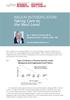 INSULIN INTENSIFICATION: Taking Care to the Next Level By J. Robin Conway M.D., Diabetes Clinic, Smiths Falls, ON www.diabetesclinic.ca Type 2 Diabetes is an increasing problem in our society, due largely
Second- and Third-Line Approaches for Type 2 Diabetes Workgroup: Topic Brief
 Second- and Third-Line Approaches for Type 2 Diabetes Workgroup: Topic Brief March 7, 2016 Session Objective: The objective of this workshop is to assess the value of undertaking comparative effectiveness
Oral Therapy for Type 2 Diabetes
 Oral Therapy for Type 2 Diabetes Diabetes pills can help to manage your blood sugar. These pills are not insulin. They work to manage your blood sugar in several ways. You may be given a combination of
INPATIENT DIABETES MANAGEMENT Robert J. Rushakoff, MD Professor of Medicine Director, Inpatient Diabetes University of California, San Francisco
 INPATIENT DIABETES MANAGEMENT Robert J. Rushakoff, MD Professor of Medicine Director, Inpatient Diabetes University of California, San Francisco CLINICAL RECOGNITION Background: Appropriate inpatient glycemic
we have to keep up. Timothy S. Reid, M.D. Mercy Diabetes Center Janesville, WI Entity Activity Financial Consideration Comments
 Timothy S. Reid, M.D. Mercy Diabetes Center Janesville, WI Entity Activity Financial Consideration Comments Novo Nordisk Speaker/Consultant Speaker Fees/Honoraria Sanofi-Aventis Speaker/Consultant Speaker
Clinical Assistant Professor. Clinical Pharmacy Specialist Wesley Family Medicine Residency Program. Objectives
 What s New in Diabetes Medications? Matthew Kostoff, PharmD, BCPS, BCACP Clinical Assistant Professor Clinical Pharmacy Specialist Wesley Family Medicine Residency Program Objectives Discuss new literature
Diabetes and the Elimination of Sliding Scale Insulin. Date: April 30 th 2013. Presenter: Derek Sanders, D.Ph.
 Diabetes and the Elimination of Sliding Scale Insulin Date: April 30 th 2013 Presenter: Derek Sanders, D.Ph. Background Information Epidemiology and Risk Factors Diabetes Its Definition and Its Impact
A Simplified Approach to Initiating Insulin. 4. Not meeting glycemic goals with oral hypoglycemic agents or
 A Simplified Approach to Initiating Insulin When to Start Insulin: 1. Fasting plasma glucose (FPG) levels >250 mg/dl or 2. Glycated hemoglobin (A1C) >10% or 3. Random plasma glucose consistently >300 mg/dl
Presented By: Dr. Nadira Husein
 Presented By: Dr. Nadira Husein I have no conflict of interest Disclosures I have received honoraria/educational grants from the following: Novo Nordisk, Eli Lilly, sanofi-aventis, Novartis, Astra Zeneca,
Diabetes Mellitus Type 2
 Diabetes Mellitus Type 2 What is it? Diabetes is a common health problem in the U.S. and the world. In diabetes, the body does not use the food it digests well. It is hard for the body to use carbohydrates
 Cara Liday, PharmD, CDE Associate Professor, Idaho State University Clinical Pharmacist and CDE, InterMountain Medical Center Pocatello, ID The planners and presenter have disclosed no conflict of interest,
Insulin Initiation and Intensification
 Insulin Initiation and Intensification ANDREW S. RHINEHART, MD, FACP, CDE MEDICAL DIRECTOR AND DIABETOLOGIST JOHNSTON MEMORIAL DIABETES CARE CENTER Objectives Understand the pharmacodynamics and pharmacokinetics
Targeting the Kidney. Renal Glucose Transport 11/4/2015. Non insulin Agents Available IBITORS. Chao EC, et al. Nat Rev Drug Discovery. 2010;9:551 559.
 SGLT-2i and DPP-IVi in the Management of Diabetes Mellitus Type 2 Abel Alfonso, D.O., F.A.C.E. Endocrinologist November 5, 2015 DIABETES: CURRENT RATES AND PROJECTIONS CDC Press Release 2010: 1 in 3 adults
Newer Anticoagulants and Newer Diabetic Drug Classes. Nicole N. Nguyen, PharmD Senior Clinical Pharmacist Health Care Services August 21, 2013
 Newer Anticoagulants and Newer Diabetic Drug Classes Nicole N. Nguyen, PharmD Senior Clinical Pharmacist Health Care Services August 21, 2013 Apixaban Newer Anticoagulants Dabigatran etexilate Rivaroxaban
Management of Type 2 Diabetes Mellitus
 Diabetes Mellitus Guideline Team Team Leaders Connie J Standiford, MD General Internal Medicine Sandeep Vijan, MD General Internal Medicine Team Members Hae Mi Choe, PharmD College of Pharmacy R Van Harrison,
ALL IN THE FAMILY 75 YEARS OF DIABETES TREATMENT OPTIONS FROM GLASS SYRINGES TO SGLT2 INHIBITORS PETER A. KRECKEL, R.PH.
 ALL IN THE FAMILY 75 YEARS OF DIABETES TREATMENT OPTIONS FROM GLASS SYRINGES TO SGLT2 INHIBITORS PETER A. KRECKEL, R.PH. ALL IN THE FAMILY 75 YEARS OF DIABETES TREATMENT OPTIONS FROM GLASS SYRINGES TO
Kaiser Sunnyside Medical Center Inpatient Pharmacy Manual
 Page: 1 of 10 PURPOSE To provide a standard procedure for optimizing care of the inpatient with hyperglycemia and/or diabetes. Substantially provide safe and effective glucose control for all adult inpatients.
Types of insulin and How to Use Them
 Diabetes and Insulin Pumps Amy S. Pullen Pharm.D ISHP Spring Meeting April 2012 Objectives Describe the different types of insulin used in diabetes Identify the types of insulin that are compatible with
Diabetes may be classified as. i) Type - I Diabetes mellitus. Type - II Diabetes mellitus. Type - 1.5 Diabetes mellitus. Gestational Diabetes INSULIN
 HYPOGLYCEMIC AGENT Diabetes mellitus is a chronic metabolic disorder of multiple aetiology characterized by chronic hyperglycaemia with disturbances of carbohydrate, fat and protein metabolism resulting
There seem to be inconsistencies regarding diabetic management in
 Society of Ambulatory Anesthesia (SAMBA) Consensus Statement on Perioperative Blood Glucose Management in Diabetic Patients Undergoing Ambulatory Surgery Review of the consensus statement and additional
INSULIN TREATMENT FOR TYPE 2 DIABETES MANAGEMENT
 INSULIN TREATMENT FOR TYPE 2 DIABETES MANAGEMENT APIRADEE SRIWIJITKAMOL DIVISION OF ENDOCRINOLOGY AND METABOLISM DEPARTMENT OF MEDICINE FACULTY OF MEDICINE SIRIRAJ HOSPITOL QUESTION 1 1. ท านเคยเป นแพทย
Antidiabetic Drugs: An Overview
 Antidiabetic Drugs: An Overview Review Article Prashant B Mane*, Rishikesh V Antre and Rajesh J Oswal Department of Pharmaceutical Chemistry, JSPM`s Charak College of Pharmacy & Research, Wagholi, Pune,
Update on the management of Type 2 Diabetes
 Update on the management of Type 2 Diabetes Mona Nasrallah M.D Assistant Professor, Endocrinology American University of Beirut 10 th Annual Family Medicine Conference October 14,2011 Global Prevalence
Effective pharmacological treatment regimens for diabetes usually require
 Medications Used in Diabetes in Patients Presenting for Anesthesia By Gabrielle O Connor, M.D., M.Sc., CCD, MRCP, FACP Dr. Gabrielle O Connor, a board certified endocrinologist who graduated from University
MANAGEMENT OF TYPE 2 DIABETES: REVIEW OF DRUG THERAPY
 MANAGEMENT OF TYPE 2 DIABETES: REVIEW OF DRUG THERAPY AND THE ROLE OF THE PHARMACIST NINA BEMBEN, PHARMD MARY LYNN MCPHERSON, PAHRMD, MA, BCPS, CDE ZEMEN HABTEMARIAM, STUDENT PHARMACIST MANAGEMENT OF TYPE
INSULIN AND INCRETIN THERAPIES: WHAT COMBINATIONS ARE RIGHT FOR YOUR PATIENT?
 INSULIN AND INCRETIN THERAPIES: WHAT COMBINATIONS ARE RIGHT FOR YOUR PATIENT? MARTHA M. BRINSKO, MSN, ANP-BC CHARLOTTE COMMUNITY HEALTH CLINIC CHARLOTTE, NC Diagnosed and undiagnosed diabetes in the United
ADJUSTING INSULIN DOSES CONFLICTS OF INTEREST
 ADJUSTING INSULIN DOSES CONFLICTS OF INTEREST Vahid Mahabadi, MD Research grants from Sanofi and Amylin Pharmaceutical Companies Mayer B. Davidson, MD Advisory Board Sanofi Pharmaceutical Company Chief
trends in the treatment of Diabetes type 2 - New classes of antidiabetic drugs. IAIM, 2015; 2(4): 223-
 Review Article Pharmacological trends in the treatment of Diabetes type 2 - New classes of antidiabetic Silvia Mihailova 1*, Antoaneta Tsvetkova 1, Anna Todorova 2 1 Assistant Pharmacist, Education and
Challenges in Glycemic Control in Adult and Geriatric Patients. Denyse Gallagher, APRN-BC, CDE Endocrinology Nurse Practitioner
 Challenges in Glycemic Control in Adult and Geriatric Patients Denyse Gallagher, APRN-BC, CDE Endocrinology Nurse Practitioner Provide an overview of diabetes prevalence; discuss challenges and barriers
Treatment Approaches to Diabetes
 Treatment Approaches to Diabetes Dr. Sarah Swofford, MD, MSPH & Marilee Bomar, GCNS, CDE Quick Overview Lifestyle Oral meds Injectables not insulin Insulin Summary 1 Lifestyle & DM Getting to the point
Diabetes Mellitus. Diabetes Mellitus. DR. JOHN O BRYAN Email: [email protected] 4091 COMRB
 INSULIN AND ORAL HYPOGLYCEMICS Rang, Chapter 15 pp380-393 Katzung, Chapter 41 pp693-711 additional reference: Goodman and Gilman The Pharmacological Basis of Therapeutics DR. JOHN O BRYAN Email: [email protected]
Management of Diabetes in the Elderly. Sylvia Shamanna Internal Medicine (R1)
 Management of Diabetes in the Elderly Sylvia Shamanna Internal Medicine (R1) Case 74 year old female with frontal temporal lobe dementia admitted for prolonged delirium and frequent falls (usually in the
My Diabetes Care Plan
 My Diabetes Care Plan You may use the charts below to help you better understand your diabetes. Ask your healthcare provider to review your goals and targets with you. Discuss the results and set up an
Information for Patients
 Information for Patients Guidance for Diabetic Persons having bowel preparation for a flexible sigmoidoscopy or a colonoscopy or a combined gastroscopy and colonoscopy This guidance is provided to assist
Premixed Insulin for Type 2 Diabetes. a gu i d e f o r a d u lt s
 Premixed Insulin for Type 2 Diabetes a gu i d e f o r a d u lt s March 2009 What This Guide Covers / 2 Type 2 Diabetes / 3 Learning About Blood Sugar / 4 Learning About Insulin / 5 Comparing Medicines