
DIABETES MELLITUS is a chronic organic disorder that affects
|
|
|
- Augustine Nelson
- 5 years ago
- Views:
Transcription
1 Photomedicine and Laser Surgery Volume 24, Number 4, 2006 Mary Ann Liebert, Inc. Pp Comparison between Wound Healing in Induced Diabetic and Nondiabetic Rats after Low-Level Laser Therapy SYLVIA BICALHO RABELO, D.D.S., M.S.D., 1 ANTONIO BALBIN VILLAVERDE, Ph.D., 1 RENATA AMADEI NICOLAU, D.D.S., Ph.D., 1 MIGUEL A. CASTILLO SALGADO, Ph.D., 2 MILENE DA SILVA MELO, M.S.D., 1 and MARCOS TADEU T. PACHECO, Ph.D. 1 ABSTRACT Objective: The aim of this work was to compare the effect of low-level laser therapy (LLLT) on the wound healing process in nondiabetic and diabetic rats. Background Data: Among the clinical symptoms caused by diabetes mellitus, a delay in wound healing is a potential risk for patients. It is suggested that LLLT can improve wound healing. Methods: The tissue used for this study was extracted from animals suffering from diabetes, which was induced by Streptozotocin, and from nondiabetic rats. Animals were assembled into two groups of 25 rats each (treated and control) and further subdivided into two groups: diabetic (n = 15) and nondiabetic (n = 10). A full-thickness skin wound was made on the dorsum area, with a round 8-mm holepunch. The treated group was irradiated by a HeNe laser at nm, with the following parameters: 15 mw, exposition time of 17 sec, cm 2 irradiated area, and energy density of 10 J/cm 2. Square full-thickness skin samples (18 mm each side, including both injured and noninjured tissues) were obtained at 4, 7, and 15 days after surgery and analyzed by qualitative and quantitative histological methods. Results: Quantitative histopathological analysis confirmed the results of the qualitative analysis through histological microscope slides. When comparing tissue components (inflammatory cells, vessels and fibroblast/area), we found that treated animals had a less intense inflammatory process than controls. Conclusion: Results obtained by both qualitative and quantitative analyses suggested that irradiation of rats with HeNe (632.8 nm), at the tested dose, promoted efficient wound healing in both nondiabetic and diabetic rats as, compared to the control group. INTRODUCTION DIABETES MELLITUS is a chronic organic disorder that affects many people and procedures uncomfortable clinical symptoms. Complications include impaired wound healing, circulatory alterations, decreased collagen production, and skin defects. 1 5 It has been suggested that diabetes mellitus causes macro- and microvascular alterations, as well as neurological diseases. Some authors have demonstrated that lowlevel laser therapy (LLLT) stimulates wound healing, by increasing collagen deposition and blood flow in the wound area Some lasers, when used with the proper parameters, affect fibroblasts and collagen production in vitro, and promising results have been found utilizing the HeNe laser (632.8 nm) with multiple exposures. 9,14 19 One effect of laser therapy (5 J/cm 2 ) is increased local blood flow in normal human skin of the sole of the foot. 6 A comparative study of LLLT on fibroblasts in vitro, using fluence of 2 J/cm 2 and various irradiances, concluded that the proliferation rate of human gingival fibroblasts was increased when under conditions of nutritional deficit and stress. 14 Laser parameters (such as wavelength, time of exposure, and dosage) used for in vivo studies of the effect of LLLT on wound healing have not been standardized yet. 11,20 It is difficult to compare results from different experiments when laser parameters are variable. 1Instituto de Pesquisa e Desenvolvimento (IP&D), Universidade do Vale do Paraiba (UNIVAP), São José dos Campos, São Paulo, Brazil. 2Faculdade de Odontologia (FOSJC), Universidade Estadual Paulista (UNESP), São José dos Campos, São Paulo, Brazil. 474

2 LLLT of Wounds in Diabetic and Nondiabetic Rats 475 However, it is known that LLLT (fluence of 2 J/cm 2 ) affects fibroblast proliferation in vitro and that the condition of cell stress intensifies laser s biological effect. Additionally, LLLT has beneficial effects on human chronic wound closure by stimulating angiogenesis and scarring at the damaged area. 14,16 One in vivo experiment showed that the HeNe laser stimulated collagen synthesis during wound healing in rats. The most effective fluence was 4 J/cm 2, and the rate of wound closure was enhanced days 3 12 after surgery. 21 Among the different lasers used for LLLT, the HeNe and others with nearby wavelengths were found to be the most effective for wound healing The aim of this study is to investigate the biostimulatory effect of HeNe laser irradiation, at nm and 10 J/cm 2 of fluence, on wound healing in rats suffering from diabetes induced by Streptozotocin, as compared to nondiabetic rats. A quantitative analysis was accomplished to confirm qualitative histological observations of samples containing wound healing tissues. METHODS Animals Fifty male Wistar rats (Rattus norvergicus albinus), weighing g, were used for this study. Animals were observed for an adaptation period of 7 days. Then, they were separated into two groups of 25 animals each, hereafter known as treated and control groups, respectively. Each of those groups was then subdivided into two groups: diabetic (15 animals) and nondiabetic (10 animals). Animals were housed in standard plastic cages, and when urine collection was necessary, they were individually caged in metallic metabolic cages. The animals were kept under constant conditions of temperature (20 ± 1 C) and natural light, with ad libitum access to food and water. All animals were physically alike, and the diabetes condition was induced by an intravenous injection of Streptozotocin. Ethical aspects The animals were handled in accordance with national guidelines for the humane treatment of laboratory animals. This study was approved by the Committee of Ethics in Research at the Universidade do Vale do Paraíba (UNIVAP), Brazil, under protocol number A005/2002/CEP. Diabetes induction and glucose control Diabetes was induced for 30 animals, after they were anesthetized with an intramuscular injection of Zoletil 50 Virbac 0.1 cc/100 g body weight. The control group received a buffer intravenous injection to simulate the diabetes induction. A solution of Streptozotocin in 0.05 M citrate buffer, ph 4.2, was injected through the caudal vein, at a dosage of 65 mg/kg of body weight. To establish a baseline, all animals had their blood glucose levels measured. The nondiabetic condition was confirmed by an initial value of glucose of <200 mg/dl of blood. The diabetic condition was set at a glucose level of >217 mg/dl of blood. The blood examination, utilizing a glucometer Prestige LX, was done at the 7 th day post-induction and, after that, once a week throughout the entire experiment. Glucose levels in the urine were also measured to confirm a stable diabetes condition, around the 15 th day after induction. Urinary analysis Diabetes was confirmed through urinary analysis of the glucose level. Urine samples were collected during 24 h, with animals individually housed in metallic metabolic cages, between the 15 th and 17 th days after diabetes induction. Nondiabetic animals also had urine samples analyzed. Wounding procedure After diabetes was confirmed and with the high blood glucose levels stabilized for more than 15 days after induction, a small dorsal surgery was performed with animals under anesthesia by intramuscular injection of Zoletil 50 Virbac 0.1 cc/100 g body weight. The dorsal area was shaved, and a fullthickness skin wound was aseptically made on the right side, with a round 8.0-mm hole-punch. Wounds were kept open throughout the entire experiment, without dressing. After the wounding procedure was finished, animals were housed again and observed until the study was finished. Experimental groups Both laser irradiated and control groups were treated exactly the same way until the end of the surgical procedure. Following this procedure, the 25 animals from the treated group (diabetics and nondiabetics) were exposed to laser irradiation three times a week, whereas the control group was only observed. Full-thickness square skin samples with 18-mm sides (including both injured and noninjured tissues) were obtained at 4, 7, and 15 days of healing after surgery. Samples were fixed in 10% buffered formaldehyde, and for histopathologic analysis, they were paraffin embedded, sectioned 6 µm thick, and stained with hematoxylin and eosin. Laser irradiation A continuous wave (CW) HeNe laser (Spectra-Physics, model 127), at the wavelength of nm and with an output power of 15 mw, was used to irradiate the animals wounds. Before starting the experiment, the laser was calibrated using a 2-W Broadband Power/Energy Meter (model 13 PEM 001/J). The laser fluence on the rat skin was 10 J/cm 2, corresponding to an irradiated area of cm 2 and an exposure time of 17 sec. Wounds were irradiated at only one point, at their central region. Qualitative histopathological analysis Histopathological analysis was performed by observing the superficial area of wound tissue and the dermis underneath. Study the evolution of wound healing, we analyzed the degree of re-epithelialization (number of cell lines), granulation tissue formation, inflammatory cellular migration, fibroblast proliferation, collagen deposition, and neovascularization.

3 476 Rabelo et al. Quantitative histological analysis A quantitative histopathological analysis was performed to confirm the quality of the tissue observed in the histological microscope slides. That analysis was accomplished with a camera-coupled microscope and a computer, using the software Leica Qwin RGB. Each microscope slide, containing a wound area defective tissue, was observed at 400 magnification. Superficial and depth dermis were analyzed. Vessels, inflammatory cells, and fibroblasts were quantified by only one observer. The automatic counting system was discarded to avoid identifying errors. Each sample was analyzed three times, considering an observation area of mm 2, based on pixels of mm. Statistical analysis We used Prism 2.0 software to carry out the statistical analysis. The one-way analysis of variance (ANOVA), complemented by the Bonferroni test, was performed to verify if significant differences (p < 0.05) were observed between the mean values of the number of cells and vessels presented by the treated and the control groups, for diabetic and nondiabetic animals. RESULTS The concentration of glucose, expressed by mg/dl of blood, was monitored for all animals during the experiment. The initial glucose mean values, before diabetes induction, were approximately 110 mg/dl. From the 7 th day after diabetes induction, the blood glucose level remained almost stable. Stability was established from the 15th day after diabetes induction. The diabetic condition was confirmed when glucose was also present in the urine samples. A mean value of 578 mg/dl for glucose in urine was found in the animals from both diabetic groups, treated and control. The wound healing process was monitored throughout the experiment, by macroscopic and microscopic analyses. Macroscopic evolution From a macroscopic analysis of the superficial wound area, we found that treated animals (diabetic and nondiabetic) showed accelerated reduction of the wound area when compared to controls. Area reduction was significant at the 7 th day (p < 0.04), when the group that received LLLT presented better healing and reduced wound size compared to controls. Only small differences were found at the beginning of the healing process (4 th day) and at the second week (15 days after surgery). The diabetic group presented a slower healing process than the nondiabetic group. Microscopic qualitative analysis Qualitative histopathological analysis was used to evaluate the healing process of the wound area and surrounding tissues. Samples were extracted at 4 th, 7 th, and 15 th days of the healing process, for all treated and control groups. Treated animals had a less intense inflammatory process than controls, for animals that belong to the same group, diabetic or not. Diabetic animals showed more intense inflammatory response when compared to nondiabetic animals. At the three healing times, we observed the following: i. 4 days Samples from the treated group showed granulation tissue with few vessels and infiltrated mononuclear inflammatory cells forming groups. Samples from the control group presented extensive capillarity and mononuclear inflammatory cells distributed over the entire wound area. The microscope slides from diabetic animals presented congested granulation tissue, with intense inflammatory cell density, poor organization, and congested capillaries when compared to the nondiabetic group. ii. 7 days The treated group showed granulation tissue with fewer capillaries and a better quality of epithelialization than the control group, for both diabetic and nondiabetic animals. The samples from nondiabetic animals showed smaller inflammatory cell density when compared to diabetic animals; the laser-treated nondiabetic group presented well-organized healing tissue in the best condition. iii. 15 days Only small differences were found between diabetic and nondiabetic animals. After 15 days, irradiated groups showed intense fibroblast proliferation and extensive collagen fiber deposition. Epithelialization for the treated group was extensive, and epithelial tissue for the treated group had a better quality of differentiation compared to the control group. Microscopic quantitative analysis Table 1 presents densities of the inflammatory cells, vessels, and fibroblastic cell indices for the control and irradiated groups (nondiabetic and diabetic animals), obtained from an analysis of the superficial and depth dermis. It was possible to verify the following: i. Inflammatory cells for nondiabetic group A significant reduction of inflammatory cell density (superficial dermis) occurred during the period between the 4 th (58.3 ± 2.9) and the 7 th (29.5 ± 3.7) days for laser-treated animals (p = 1.25e 5 ) and also after the second week (15.1 ± 1.0, p = 0.003), whereas the density reduction between the 4 th (73.4 ± 4.4) and 7 th (58.9 ± 5.2) days of healing was not significant for the control group. For this group (depth dermis), a significant decrease of inflammatory cells occurred between the 7 th (66.3 ± 7.8) and 15 th (21.1 ± 2.1) days of healing (p = 9.64e 6 ). ii. Inflammatory cells for diabetic group Samples from diabetic animals showed a continuous decrease of the inflammatory cell density for control and laser-treated groups throughout the entire experimental period. That decrease was, most of the time, larger for the diabetic group than for the nondiabetic group (control and laser-treated). Figure 1 displays the density of inflammatory cells on the wound surface as a function of the number of days of healing, for the two groups (treated, control), and the subgroups (diabetic and nondiabetic). A comparison between lasertreated and control groups for the same condition (both diabetic or not), and at a certain time of healing, days 4 7 and days 7 15, indicated a significant decrease (p < 0.05) of the inflammatory cell density for laser-treated samples.

4 LLLT of Wounds in Diabetic and Nondiabetic Rats 477 TABLE 1. ANALYSIS OF THE INFLAMMATORY CELLS, VESSELS, AND FIBROBLASTIC CELLS INDEXES (AREA = MM 2 ) OF THE CONTROL AND IRRADIATED GROUPS (NONDIABETIC AND DIABETIC ANIMALS) Nondiabetic group Diabetic group Control Laser Control Laser Days Surface Depth Surface Depth Surface Depth Surface Depth Inflammatory cells ± ± ± ± ± 14 abc 141 ± 18 abc 87.3 ± ± 5.4 d ± ± ± ± ± 7.1 abc 110 ± 6.0 abc 60.3 ± 7.4 d 73.6 ± 8.4 d ± ± ± ± ± 7.8 c 50.5 ± 11 abc 30.1 ± ± 2.4 Vessels ± 5.7 e 73.0 ± ± ± ± ± ± ± ± 2.5 f 94.3 ± 4.4 bef 56.9 ± ± ± ± ± ± ± ± ± ± ± ± ± ± 6.8 Fibroblastic cells ± ± ± ± ± ± ± ± ± ± ± ± ± ± ± ± ± ± ± ± ± ± ± 12 a 99.8 ± 11 Level of statistical significance was calculated for the comparison between the nondiabetic and diabetic groups (control and laser treated). Data are expressed as means ± SEM. a fp <0.05 (a, diabetic control vs. diabetic laser; b, diabetic control vs. nondiabetic control; c, diabetic control vs. nondiabetic laser; d, diabetic laser vs. nondiabetic laser; e, diabetic laser vs. nondiabetic control; f, nondiabetic control vs. nondiabetic laser). The laser-irradiated diabetic group showed inflammatory cell densities that are similar or even lower than the control group for later healing times. The inflammatory cell density of the diabetic group showed a significant level of difference (diabetic control versus diabetic laser) at the 4 th day (p < 0.01) and at the 7 th day (p < 0.01) when laserirradiated animals were compared to control (superficial and depth dermis). A nonsignificant reduction in inflammatory cells was observed for samples from the nondiabetic groups (control and laser-treated). iii. Vessels and fibroblasts for both groups Both the nondiabetic and diabetic groups showed a significant decrease in capillarity during only the first week of experiment when control animals were compared to laser irradiated. Quantitative analysis demonstrated a continuous decrease of capillarity in both groups, but the relative number of vessels was lower for the laser-irradiated animals than for the controls for the same period of healing. No significant differences were found for nondiabetic treated, diabetic control, and diabetic treated groups as a function of time of healing. The number of fibroblasts had a significant decrease at the 15th day for the lasertreated diabetic group compared to the diabetic control group (superficial dermis). non diabetic - control Inflammatory cells/µm non diabetic - laser diabetic - control diabetic - laser Days FIG. 1. Inflammatory cells in the wound surface (/µm 2 ), versus days after surgery, for all the groups: control and irradiated (laser) nondiabetic and diabetic animals. Symbols represent mean ± standard error of the mean (SEM). p < 0.05

5 478 Rabelo et al. DISCUSSION Wound healing is a complex biologic and biochemical process that commences right after tissue injury. Low oxygen tension and the formation of platelet plugs characterize the coagulation phase. Macrophages, polymorphnuclear neutrophilis, and lymphocytes appear during the inflammatory phase for debris and infection control, and the secretion of growth factors occurs for fibroplasias, angiogenesis, and reepithelialization. During the past decade, a growing interest in photomedicine has emerged from the creative use of lasers, giving rise to the field of laser biostimulation or low-level laser therapy (LLLT). This form of therapy is now widely used for the treatment of a variety of conditions, including wound healing, reduction of edema, and elimination of pain of various etiologies. 26 In this study, we examined the hypothesis that laser photostimulation can facilitate healing of impaired wounds in experimental diabetes using a rat model. Our results using LLLT show a decreased number of inflammatory cells in the injury site. Previous studies have reported-beneficial effects of LLLT on chronic wound healing, in healthy and nonhealthy rats, as well as in some other small animals. 7,10,19 22 Since blood flow is increased in the microcirculation during laser therapy, this could explain the enhancement of wound healing and reduced pain. 6,7 Others have suggested that LLLT is beneficial for wound healing in diabetics. They reported that LLLT, at 830 nm, significantly enhanced cutaneous wound tensile strength in a murine diabetic model. 13 Yu et al. 7 showed that LLLT enhanced wound healing in diabetic mice, as evidenced by wound closure and the histopathological evaluation of wounds of treated and untreated animals. Others found 21 that maximum enhancement of skin wound healing using a HeNe laser was reached at a daily dose of 4 J/cm 2, whereas a slight deceleration was noticed at 20 J/cm 2. Results from the present experiment seem to indicate that an irradiation of nm at 10 J/cm 2 accelerates wound healing in nondiabetic rats, as well as for induced diabetes. No inhibition effect was found, and treated animals had a better quality of healing tissue. The differences in the reduction of the wound area size were more evident for diabetic animals than for nondiabetic when compared with controls. This fact probably occurred due to stress, caused as a consequence of diabetes. 14 Only small differences in wound size could be noted between treated and untreated animals at the 4 th and 15 th days, (i.e., at the beginning and at the end of the experiment). This was because the irradiation time was not enough to produce significant changes at the 4 th day, and in the second case (at the 15 th day) was due to the fact that healing was almost complete for both groups. On the contrary, significant reductions in wound sizes (at least by a factor of two) were observed for the treated group at the 7 th day, when compared to the control, indicating a distinct acceleration of the healing process stimulated by laser irradiation. Histopathologic evaluation showed better re-epithelialization in treated groups at the 7 th and 15 th days after surgery than in control animals. Thick epithelium was seen in some cases by the 15 th day, with queratin on the surface. Treated animals presented, at the 7 th day, a dermis healing tissue with fewer capillaries and more discrete inflammatory cells compared to the untreated group, especially in nondiabetic animals. Fibroblast proliferation in the treated group seemed to be a little more accelerated, with connective tissue showing advanced maturity and organization. Those factors suggest modulation of the inflammatory reaction is the mechanism by which light acts in the healing process. CONCLUSION In conclusion, irradiation of nondiabetic and diabetic rats with HeNe laser (dose of 10 J/cm 2 at nm) promoted efficient wound healing for both. The nondiabetic laser-treated groups showed the earliest wound healing when compared to the other groups. Laser-treated groups presented better quality of wound tissues at macroscopic and the microscopic analysis. ACKNOWLEDGMENTS This study was supported by Fundação de Amparo à Pesquisa do Estado de São Paulo (FAPESP). REFERENCES 1. Spanheimer, R.G., Umpierrez, G.E., and Stumpf, V. (1988). Decreased collagen production in diabetic rats. Diabetes 37, Fortes, Z.B., Garcia Leme, J., and Scivoletto, R. (1984). Vascular reactivity in diabetes mellitus: possible role of insulin on the endothelial cell. Br J Pharmacol. 83, Davidson, M.B. (2001). Diabetes Mellitus: Diagnóstico e Tratamento, 4 th ed. Rio de Janeiro: Revinter. 4. Goodson, W.H., III, and Hunt, T.K. (1979). Wound healing and the diabetic patient. Surg. Gynecol. Obstet. 149, Caballero, A.E., Arora, S., Saouaf, R., et al. (1999). Microvascular and macrovascular reactivity is reduced in subjects at risk for type 2 diabetes. Diabetes 48, Schaffer, M., Bonel, H., Sroka, R., et al. (2000). Effects of 780-nm diode laser irradiation on blood microcirculation: preliminary findings on time-dependent T1-weighted contrast-enhanced magnetic resonance imaging (MRI). J. Photochem. Photobiol. B. Biol. 54, Yu, W., Naim, J.O., and Lanzafame, R.J. (1997). Effects of photostimulation on wound healing in diabetic mice. Lasers Surg. Med. 20, Simunovic, Z., Ivankovich, A.D., and Depolo, A. (2000). Wound healing of animal and human body sport and traffic accident injuries using low-level laser therapy treatment: a randomized clinical study of seventy-four patients with control group. J. Clin. Laser Med. Surg. 18, Abergel, R.P., Meeker, C.A., Lam, T.S., et al. (1984). Control of connective tissue metabolism by lasers: recent developments and future prospects. J. Am. Acad. Dermatol. 11, Lyons, R.F., Abergel, R.P., White, R.A., et al. (1987). Biostimulation of wound healing in vivo by a helium-neon laser. Ann. Plast. Surg. 18, Surinchak, J.S., Alago, M.L., Bellamy, R.F., et al. (1983). Effects of low-level energy lasers on the healing of full-thickness skin defects. Lasers Surg. Med. 2,

6 LLLT of Wounds in Diabetic and Nondiabetic Rats Mester, E., Mester, A.F., and Mester, A. (1985). The biomedcal effects of laser application. Lasers Surg. Med. 5, Stadler, I., Lanzafame, R., Evans, R., et al. (2001). 830-nm irradiation increases the wound tensile strength in a diabetic murine model. Lasers Surg. Med. 28, Almeida-Lopes, L., Rigau, J., Zângaro, R.A., et al. (2001). Comparison of the low-level laser therapy effects on cultured human gingival fibroblasts proliferation using different irradiance and same fluence. Lasers Surg. Med. 29, Young, S., Bolton, P., Dyson, M., et al. (1989). Macrophage responsiveness to light therapy. Lasers Surg. Med. 9, Rigau, J. (1996). Acción de la luz láser a baja intensidad en la modulación de la función cellular [Ph.D. dissertation]. Reus, Spain: University of Rovira i Virgil. 17. Stein, A., Benayahu, D., Maltz, M., et al. (2005). Low-level laser irradiation promotes proliferation and differentiation of human osteoblasts in vitro. Photomed. Laser Surg. 23, Vinck, E.M., Cagnie, B.J., Cornelissen, M.J., et al. (2005). Green light-emitting diode irradiation enhances fibroblast growth impaired by high glucose level. Photomed. Laser Surg. 23, Maiya, G., Kumar, P., and Laxmi, R. (2005). Effect of lowintensity helium-neon (He-Ne) laser irradiation on diabetic wound healing dynamics. Photomed. Laser Surg. 23, Conlan, M.J., Rapley, J.W., and Cobb, C.M. (1996). Biostimulation of wound healing by low-energy laser irradiation. J. Clin. Periodontol. 23, Kana, J.S., Hutschenreiter, G., Haina, D., et al. (1981). Effect of low-power density laser radiation on healing of open skin wounds in rats. Arch. Surg. 116, Al-Watban, F.A.H., and Zhang, X.Y. (1999). The acceleration of wound healing is not attributed to laser skin transmission. Laser Ther. 11, Al-Watban, F.A.H., Bernard, L.A., and Zhang, X.Y. (2000). Wound healing efficacy of HeNe laser (632.8 nm) and pharmacological treatments in normal rats. Lasers Life Sci. 9, Tsuchida, T., Aizawa, K., Baba, J., et al. (1991). Wound healing in mice using He-Ne scanning laser. J. Clin. Laser Med. Surg. 9, Reddy, G.K., Stehno-Bittel, L., and Enwemeka, C.S. (2001). Laser photostimulation accelerates wound healing in diabetic rats. Wound Rep. Reg. 9, At-Watban, F.A.H., and Andres, B.L. (2000). Laser photons and pharmacological treatments in wound healing. Laser Ther. 12, Address reprint requests to: Dr. Antonio Balbin Villaverde IP&D Univap Av Shishima Hifumi 2911 Urbanova, São José dos Campos, SP, Brazil [email protected]

PowerLight LED Light Therapy. The FUTURE of corrective skin
 PowerLight LED Light Therapy The FUTURE of corrective skin care TODAY LED facial treatments Effective when used with correct protocols Non thermal stimulation of collagen Increases circulation and lymphatic
WHAT YOU SHOULD KNOW BEFORE YOU BUY A THERAPEUTIC LASER
 WHAT YOU SHOULD KNOW BEFORE YOU BUY A THERAPEUTIC LASER Laurie Edge- Hughes, BScPT, MAnimSt(Animal Physio), CAFCI, CCRT Faculty, Canine Rehab Institute, Wellington, FL Co- Owner, The Canine Fitness Centre
Low-Level Laser Therapy Enhances Wound Healing in Diabetic Rats: A Comparison of Different Lasers
 Photomedicine and Laser Surgery Volume 2, Number 2,2007 @ Mary Ann Liebert, Inc. Pp.72-77 DOI: 10.1089/pho.2006.1094 Low-Level Laser Therapy Enhances Wound Healing in Diabetic Rats: A Comparison of Different
Low-level laser therapy for diabetic foot wound healing.(wound care)
 Low-level laser therapy for diabetic foot wound healing.(wound care) Source: The Diabetic Foot Date: 12/22/2005 Author: Houreld, Nicolette;Abrahamse, Heidi Introduction An alternative to traditional treatment
New Therapies for Hair Loss: What works and what doesn t?
 New Therapies for Hair Loss: What works and what doesn t? Dr. Adel Alsantali Consultant Dermatologist, Subspecialty: Hair Diseases and Hair Transplant King Fahd Armed Forces Hospital Jeddah, Saudi Arabia
Technological platforms
 Advitech Advitech is a life sciences & technology company Its mission is to discover and commercialize proprietary and evidence-based natural health products Focus on milk, whey and bovine colostrum R&D,
Humoral response to therapeutic low-intensity pulsed ultrasound (LIPUS) treatment of rat maxillary socket after the removal of a molar tooth
 Humoral response to therapeutic low-intensity pulsed ultrasound (LIPUS) treatment of rat maxillary socket after the removal of a molar tooth Kouki Hidaka *1, Chihiro Miyamoto *2, Satoko Wada-Takahashi
Inflammation and Healing. Review of Normal Defenses. Review of Normal Capillary Exchange. BIO 375 Pathophysiology
 Inflammation and Healing BIO 375 Pathophysiology Review of Normal Defenses Review of Normal Capillary Exchange 1 Inflammation Inflammation is a biochemical and cellular process that occurs in vascularized
The exploration of low intensity laser therapy
 Article Utilization of laser therapy in dermal ulceration secondary to diabetes mellitus: A case profile Fred Kahn, Christal Sookram, Fernanda Saraga Citation: Kahn F, Sookram C, Saraga F (2015) Utilization
THE IMPOSSIBLE DOSE HOW CAN SOMETHING SIMPLE BE SO COMPLEX? Lars Hode
 THE IMPOSSIBLE DOSE HOW CAN SOMETHING SIMPLE BE SO COMPLEX? Lars Hode Swedish Laser-Medical Society The dose is the most important parameter in laser phototherapy. At a first glance, the dose seem very
Laser-Accelerated INFLAMMATION/PAIN REDUCTION AND HEALING. Compromised cells and tissues respond
 Laser-Accelerated INFLAMMATION/PAIN REDUCTION AND HEALING Low Level Laser Therapy (LLLT) precipitates a complex set of physiological interactions at the cellular level that reduces acute inflammation,
Mark Silverman DVM, MS. Sporthorse Veterinary Services
 Mark Silverman DVM, MS Sporthorse Veterinary Services Light has long been recognized as being crucial to normal human function and health. Our ability to remain alert and active, along with some of the
Low-level laser therapy (LLLT) stimulates cell
 The American Journal of Cosmetic Surgery Vol. 26, No. 3, 2009 1 6 ORIGINAL SCIENTIFIC RESEARCH Low-Level Laser Therapy Effectiveness for Reducing Pain After Breast Augmentation Robert F. Jackson, MD; Gregory
Effects of topical Cymbopogon martinii oil essential oil in wound healing on diabetes induced rats
 ISSN: 2319-776 Volume 3 Number 8 (214) pp. 84-9 http://www.ijcmas.com Original Research Article Effects of topical Cymbopogon martinii oil essential oil in wound healing on diabetes induced rats K.Umasankar
LOOK, FEEL AND LIVE BETTER. Topical Skin Care
 LOOK, FEEL AND LIVE BETTER Topical Skin Care Pycnogenol in Topical Skin Care Pycnogenol is widely used in topical and oral applications for various dermatological indications. A unique combination of pharmacological
CLASS IV THERAPY LASERS
 CLASS IV THERAPY LASERS 80% More than 80% of your patients can benefit from K-Laser therapy. 970 - - - - - - - - - - - - - - - - - - - - - - - - - - - - - PEAK OF WATER 905 - - - - - - - - - - - - - -
FOX 1064 - Laser Therapy ONYCHOMYKOSIS FUNGAL NAIL INFECTION (ONYCHOMYCOSIS) FOX 1064 nm LASER INNOVATION MA DE IN GERMA NY
 US? G N U F L I A N N A IL S FOX: CLEAR DICATION WITHOUT ME FOX 1064 - Laser Therapy ONYCHOMYKOSIS FUNGAL NAIL INFECTION (ONYCHOMYCOSIS) FOX 1064 LASER INNOVATION MA DE IN GERMA NY FOX Laser offers an
Wound Management and Basic Suturing Techniques. Disclosures
 Wound Management and Basic Suturing Techniques 10 July 2016 Douglas Winstanley, DO FAAD FACMS West Michigan Dermatology Grand Rapids MI Hugh Greenway s 33 nd Annual Cutaneous Anatomy and Surgery Course
Tuberculosis And Diabetes. Dr. hanan abuelrus Prof.of internal medicine Assiut University
 Tuberculosis And Diabetes Dr. hanan abuelrus Prof.of internal medicine Assiut University TUBERCULOSIS FACTS More than 9 million people fall sick with tuberculosis (TB) every year. Over 1.5 million die
Non-Fractional Broadband Infrared Light for: Acne Scarring - Preliminary Results
 Non-Fractional Broadband Infrared Light for: Acne Scarring - Preliminary Results Ilaria Ghersetich Jean Luc Levy M.D. M.D., Daisy Kopera and Mario A Trelles M.D. M.D.,, Presented at (ESLAS), the European
Diabetes mellitus. Lecture Outline
 Diabetes mellitus Lecture Outline I. Diagnosis II. Epidemiology III. Causes of diabetes IV. Health Problems and Diabetes V. Treating Diabetes VI. Physical activity and diabetes 1 Diabetes Disorder characterized
BIOPHYSICAL AND PHYSIOLOGICAL MECHANISMS OF LOW ENERGY LASERS INTERACTIONS WITH LIVING CELLS AND THEIR IMPLICATIONS IN PAIN TREATMENT
 ANALELE ŞTIINŢIFICE ALE UNIVERSITĂŢII AL. I. CUZA IAŞI Tomul I, s. Biofizică, Fizică medicală şi Fizica mediului 2005 BIOPHYSICAL AND PHYSIOLOGICAL MECHANISMS OF LOW ENERGY LASERS INTERACTIONS WITH LIVING
The effects of low level laser therapy (LLLT) on the testis in elevating serum testosterone level in rats.
 Biomedical Research 2013; 24 (1): 28-32 ISSN 0970-938X The effects of low level laser therapy (LLLT) on the testis in elevating serum testosterone level in rats. Jin-Chul Ahn 1,2, Young-Hoon Kim 3 and
Brain Tumor Treatment
 Scan for mobile link. Brain Tumor Treatment Brain Tumors Overview A brain tumor is a group of abnormal cells that grows in or around the brain. Tumors can directly destroy healthy brain cells. They can
Temperature Increase in the. Human Eye When Subjected to a. Laser Source
 Validation of a Model to Predict Temperature Increase in the Human Eye When Subjected to a Laser Source Corinna Sue Thompson, Antonio Campo, PhD., University of Vermont, Undergraduate Research Endeavors
A: Nursing Knowledge. Alberta Licensed Practical Nurses Competency Profile 1
 A: Nursing Knowledge Alberta Licensed Practical Nurses Competency Profile 1 Competency: A-1 Anatomy and Physiology A-1-1 A-1-2 A-1-3 A-1-4 A-1-5 A-1-6 A-1-7 A-1-8 Identify the normal structures and functions
UNIVERSIDAD DE GUAYAQUIL DEPARTMENT OF CHEMICAL SCIENCES
 CODE: 38/05 TITLE: Establishment of the potential anti-inflammatory effect of the product known as CUMANDA, originating from NutraMedix Laboratories, LLC, Florida OBJECTIVES: To study the possible anti-inflammatory
DOSIMETRIC CHARACTERIZATION OF DYED PMMA SOLID DOSIMETERS FOR GAMMA RADIATION
 2005 International Nuclear Atlantic Conference - INAC 2005 Santos, SP, Brazil, August 28 to September 2, 2005 ASSOCIAÇÃO BRASILEIRA DE ENERGIA NUCLEAR - ABEN ISBN: 85-99141-01-5 DOSIMETRIC CHARACTERIZATION
MRET-Shield Synopsis of Scientific Research Updated on June 1, 2007
 MRET-Shield Synopsis of Scientific Research Updated on June 1, 27 MRET-Shield material and devices made, when placed in proximity to persons, animals and plants serve to lessen adverse health effects caused
FUNCTIONS OF THE SKIN
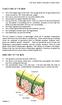 FUNCTIONS OF THE SKIN Skin is the largest organ of the body. The average adult has 18 square feet of skin which account for 16% of the total body weight. Skin acts as a physical barrier for you to the
Surgical Site Infection Prevention
 Surgical Site Infection Prevention 1 Objectives 1. Discuss risk factors for SSI 2. Describe evidence-based best practices for SSI prevention 3. State principles of antibiotic prophylaxis 4. Discuss novel
Phototherapy with blue (415 nm) and red (660 nm) light in the treatment of acne vulgaris
 British Journal of Dermatology 2000; 142: 973±978. Phototherapy with blue (415 nm) and red (660 nm) light in the treatment of acne vulgaris P.PAPAGEORGIOU, A.KATSAMBAS* AND A.CHU Unit of Dermatology, Imperial
Imagine LIFE WITHOUT PAIN
 Imagine LIFE WITHOUT PAIN High Dosage Laser Therapy (HDLT) What does it do? High Dosage Laser Therapy (HDLT) from Diowave offers a powerful new solution for numerous painful conditions previously refractive
Periorbital skin tightening with broadband infrared light device - Preliminary Results
 Periorbital skin tightening with broadband infrared light device - Preliminary Results Elman Monica, MD* Elman Aesthetics Clinic, Rishon Le Zion, Israel Abstract Background and Objectives: Periorbital
Guidance for Industry Diabetes Mellitus Evaluating Cardiovascular Risk in New Antidiabetic Therapies to Treat Type 2 Diabetes
 Guidance for Industry Diabetes Mellitus Evaluating Cardiovascular Risk in New Antidiabetic Therapies to Treat Type 2 Diabetes U.S. Department of Health and Human Services Food and Drug Administration Center
Patient Information and Consent for Medical/Laser/Intense Pulsed Light Treatment. VASClinic PROCEDURES
 This consent form includes general descriptions of various dermatological treatments, including possible benefits and risks that may occur as a result of these treatments. Your doctor or nurse will describe
San Diego Stem Cell Treatment Center Frequently Asked Questions
 San Diego Stem Cell Treatment Center Frequently Asked Questions What is a Stem Cell? A stem cell is basically any cell that can replicate and differentiate. This means the cell can not only multiply, but
An extraordinary claim requires extraordinary proof. Marcello Truzzi
 How Not To Promote Laser Therapy By Jan Tunér, DDS Lars Hode, DrSci (Swedish Laser Medical Society) Peter A Jenkins, MBA (Australian Medical Laser Association) We can talk to the cells, but we must learn
Suffering from varicose veins? Patient Information. ELVeS Radial Minimally invasive laser therapy of venous insufficiency
 Suffering from varicose veins? Patient Information ELVeS Radial Minimally invasive laser therapy of venous insufficiency Do you suffer from heavy legs or visible veins? This makes diseases of the veins
UNIVERSIDAD DE GUAYAQUIL DEPARTMENT OF CHEMICAL SCIENCES
 CODE: 38/05 TITLE: Establishment of the potential anti-inflammatory effect of the product known as SAMENTO, originating from NutraMedix Laboratories, LLC, Florida OBJECTIVES: To study the possible anti-inflammatory
Skin grafts are alternatives to the closure of extensive
 44 Original Article Macro and microscopic analysis of island skin grafts after low- level laser therapy Análises macro e microscópicas de enxertos cutâneos por semeadura após laserterapia de baixa intensidade
An Essential Tool For The Care DFUs
 Adjunct HBO 2 Therapy: March 16, 2016 William Tettelbach, MD, FACP, FIDSA System Medical Director of Wound & Hyperbaric Medicine Services An Essential Tool For The Care DFUs Fedorko, L., et al., Hyperbaric
Chiropractic Physician: Emphasis in neurology, sports medicine and muscle rehabilitation
 Chiropractic Physician: Emphasis in neurology, sports medicine and muscle rehabilitation Practice locations: NeuroBalance Center - Barrington Il Physical Medicine Associates - Naperville Il Alternative
2nd MuscleTech Network Workshop. From translational Research to translational Medicine. CONCLUSIONS AND CLOSING REMARKS Dr.
 2nd MuscleTech Network Workshop. From translational Research to translational Medicine. CONCLUSIONS AND CLOSING REMARKS Dr. Carles Pedret MUSCLE AND TENDON WORKSHOP HEALTH AND GENERAL POPULATION SPORTS
Support Program for Improving Graduate School Education Advanced Education Program for Integrated Clinical, Basic and Social Medicine
 Support Program for Improving Graduate School Education Advanced Education Program for Integrated Clinical, Basic and Social Medicine January 27, 2009 Dear Professors (representative) of departments, Subject:
AAGPs TM Anti-Aging Glyco Peptides. Enhancing Cell, Tissue and Organ Integrity Molecular and biological attributes of lead AAGP molecule
 AAGPs TM Anti-Aging Glyco Peptides Enhancing Cell, Tissue and Organ Integrity Molecular and biological attributes of lead AAGP molecule 1 Acknowledgements This presentation was prepared by Dr. Samer Hussein
There are different types of lasers that according the wavelength of their beams have different indications; the most common ones used on skin are:
 What is Laser Surgery? Laser (Light Amplification by Stimulated Emission of Radiation) surgery uses a very hot, focused beam of light to remove or cauterise a skin lesion and control bleeding without affecting
Safe and Effective Long-Term Hair Reduction in Tanned Patients Using an 800 nm Diode Laser
 Lum 1051 Campos ppr.v8 Safe and Effective Long-Term Hair Reduction in Tanned Patients Using an 800 nm Diode Laser VALERIA B. CAMPOS, MD, Jundiai, Brazil This clinical summary provided by Lumenis, Inc.
Diabetes Mellitus. Melissa Meredith M.D. Diabetes Mellitus
 Melissa Meredith M.D. Diabetes mellitus is a group of metabolic diseases characterized by high blood glucose resulting from defects in insulin secretion, insulin action, or both Diabetes is a chronic,
Objectives PERINATAL INSULIN PUMPS: BASICS FOR NURSES. Historical Perspective. Insulin Pumps in Pregnancy. Insulin Pumps in the US
 Objectives PERINATAL INSULIN PUMPS: BASICS FOR NURSES Jo M. Kendrick, APN BC, CDE [email protected] Describe indications and contraindications for insulin pump use in hospitalized patients Differentiate
Healing your pain changing your life.
 Healing your pain changing your life. About K-Laser What is Laser Therapy? Laser Therapy, or photobiomodulation, is the use of specific wavelengths of light (red and nearinfrared) to create therapeutic
TEMPOROMANDIBULAR DISORDER (TMD) is the communal
 Photomedicine and Laser Surgery Volume 24, Number 1, 06 Mary Ann Liebert, Inc. Pp. 45 49 Management of Mouth Opening in Patients with Temporomandibular Disorders through Low-Level Laser Therapy and Transcutaneous
Hypoglycemia (Technician-Paramedic) Protocol revised October 2008
 Hypoglycemia (Technician-Paramedic) Protocol revised October 2008 Preamble Prolonged hypoglycemia may result in serious neurologic complications and death. Glucose and glucagon can be administered to correct
GRADUATE PROGRAM IN NURSE ANESTHESIA. Course Descriptions and Student Learning Objectives
 GRADUATE PROGRAM IN NURSE ANESTHESIA Course Descriptions and NA640 Chemistry & Physics for Nurse Anesthesia - 4 Credits This course examines the principles of inorganic chemistry, organic chemistry, biochemistry
STEM CELL FELLOWSHIP
 Module I: The Basic Principles of Stem Cells 1. Basics of Stem Cells a. Understanding the development of embryonic stem cells i. Embryonic stem cells ii. Embryonic germ cells iii. Differentiated stem cell
Transepithelial Crosslinking vs. Corneal Pocket Crosslinking. Christoph Kranemann MD Anna Yu OD
 Transepithelial Crosslinking vs. Corneal Pocket Crosslinking Christoph Kranemann MD Anna Yu OD Rome 2013 We have no financial interests in this presentation. Corneal collagen cross linking Creates new
1400 Telegraph Bloomfield Hills, MI 48302 248-334-6877-Phone number/248-334-6877-fax Number CANCER TREATMENT
 1400 Telegraph Bloomfield Hills, MI 48302 248-334-6877-Phone number/248-334-6877-fax Number CANCER TREATMENT Learning that your pet has a diagnosis of cancer can be overwhelming. We realize that your pet
Ankle Block. Indications The ankle block is suitable for the following: Orthopedic and podiatry surgical procedures of the distal foot.
 Ankle Block The ankle block is a common peripheral nerve block. It is useful for procedures of the foot and toes, as long as a tourniquet is not required above the ankle. It is a safe and effective technique.
adj., departing from the norm, not concentric, utilizing negative resistance for better client outcomes
 Why Eccentrics? What is it? Eccentric adj., departing from the norm, not concentric, utilizing negative resistance for better client outcomes Eccentrics is a type of muscle contraction that occurs as the
Disease/Illness GUIDE TO ASBESTOS LUNG CANCER. What Is Asbestos Lung Cancer? www.simpsonmillar.co.uk Telephone 0844 858 3200
 GUIDE TO ASBESTOS LUNG CANCER What Is Asbestos Lung Cancer? Like tobacco smoking, exposure to asbestos can result in the development of lung cancer. Similarly, the risk of developing asbestos induced lung
Wound Healing. Outline. Normal Wound Healing. Wounds and nutrition refresher UPHS evidence-based guideline for. wounds
 Wound Healing Clinical Nutrition Support Service Hospital of the University of Pennsylvania Jung Kim, RD CNSD, LDN Tricia Stefankiewicz, MA, RD, CNSC, LDN Outline Wounds and nutrition refresher UPHS evidence-based
DIAGNOSTIC TEST OF BOVINE TUBERCULOSIS
 THAI AGRICULTURAL STANDARD TAS 10001-2004 DIAGNOSTIC TEST OF BOVINE TUBERCULOSIS National Bureau of Agricultural Commodity and Food Standards Ministry of Agriculture and Cooperatives ICS 11.220 ISBN 974-403-223-5
Tired, Aching Legs? Swollen Ankles? Varicose Veins?
 Tired, Aching Legs? Swollen Ankles? Varicose Veins? Healthy Legs 2006 http://healthylegs.com Page 1 Venous disorders are widespread Leg problems are widespread throughout the world, but what most people
Innovative Low Fluence-High Repetition Rate Technology for Hair Removal
 Innovative Low Fluence-High Repetition Rate Technology for Hair Removal Dr. Joseph Lepselter Alma Lasers Ltd. Caesarea, Israel Houten, Holland April 14, 2012 Terms LHR = laser hair removal SHR = super
Omega-3 fatty acids improve the diagnosis-related clinical outcome. Critical Care Medicine April 2006;34(4):972-9
 Omega-3 fatty acids improve the diagnosis-related clinical outcome 1 Critical Care Medicine April 2006;34(4):972-9 Volume 34(4), April 2006, pp 972-979 Heller, Axel R. MD, PhD; Rössler, Susann; Litz, Rainer
Laser Phototherapy: A New Modality for Nerve Cell Tissue Engineering Technology, Cell Therapy and Nerve Repair
 Laser Phototherapy: New Modality for Nerve Cell Tissue Engineering Technology, Cell Therapy and Nerve Repair S. Rochkind Division of Peripheral Nerve Reconstruction, Department of Neurosurgery, Tel viv
RELAPSE MANAGEMENT. Pauline Shaw MS Nurse Specialist 25 th June 2010
 RELAPSE MANAGEMENT Pauline Shaw MS Nurse Specialist 25 th June 2010 AIMS OF SESSION Relapsing/Remitting MS Definition of relapse/relapse rate Relapse Management NICE Guidelines Regional Clinical Guidelines
Radiation therapy involves using many terms you may have never heard before. Below is a list of words you could hear during your treatment.
 Dictionary Radiation therapy involves using many terms you may have never heard before. Below is a list of words you could hear during your treatment. Applicator A device used to hold a radioactive source
Breast Reconstruction Options. Department of Plastic Surgery #290 Santa Clara Homestead Campus
 Breast Reconstruction Options Department of Plastic Surgery #290 Santa Clara Homestead Campus Importance of Breast Reconstruction As successes in treating breast cancer have grown, more women have been
Chapter 7. Expose the Injured Area
 Chapter 7 GUNSHOT WOUNDS KEY FIGURES: Entrance/exit wounds This chapter describes how to treat the external, surface wounds caused by a bullet. The evaluation for underlying injury related to gunshot wounds
Inpatient Treatment of Diabetes
 Inpatient Treatment of Diabetes Alan J. Conrad, MD Medical Director Diabetes Services EVP, Physician Alignment Diabetes Symposium November 12, 2015 Objectives Explain Palomar Health goals for inpatient
Ozone-Therapy. Medical Ozone. Applications and Indications. Ozone SeminarCongress, Munich May 23 25, 2003. Medical Society for Ozone
 Ozone-Therapy Applications and Indications of Medical Ozone Ozone SeminarCongress, Munich May 23 25, 2003 Medical Ozone Medical Ozone is a mixture of pure Oxygen and pure Ozone 0,05 % O 3-5 % O 3 (Vol.)
Effets biologiques des facteurs de croissance sur la régénération musculaire
 Effets biologiques des facteurs de croissance sur la régénération musculaire Xavier Bigard (MD, PhD) Professeur Agrégé du Val-de-Grâce Institut de Recherche Biomédicale des Armées (IRBA) La Tronche (Grenoble)
Wound and Skin Assessment. Mary Carvalho RN, BSN, MBA Clinical Coordinator Johnson Creek Wound and Edema Center
 Wound and Skin Assessment Mary Carvalho RN, BSN, MBA Clinical Coordinator Johnson Creek Wound and Edema Center Skin The largest Organ Weighs between 6 and 8 pounds Covers over 20 square feet Thickness
Effects of Two Proprietary Compounds in Multiple Sclerosis DATE
 Effects of Two Proprietary Compounds in a Model of Multiple Sclerosis DATE Authentication This study was conducted under the terms of a Services Agreement between Inc. and CLIENT dated DATE. Sponsor XXX
Inflammatory Cytokine-induced Expression of Vasohibin-1 by Rheumatoid Synovial Fibroblasts
 9 6 6 958 Inflammatory Cytokine-induced Expression of Vasohibin- by Rheumatoid Synovial Fibroblasts a b c a a a a d e a* a a b c d e 5 6 6 9 5 56 67 7 ʼ ʼ ʼ ʼ ʼ ʼ ʼ ʼ 5 6 6 ʼ 5 75 989 6 69 8 95 56 56896
A Genetic Analysis of Rheumatoid Arthritis
 A Genetic Analysis of Rheumatoid Arthritis Introduction to Rheumatoid Arthritis: Classification and Diagnosis Rheumatoid arthritis is a chronic inflammatory disorder that affects mainly synovial joints.
Visual Disorders in Middle-Age and Elderly Patients with Diabetic Retinopathy
 Medical Care for the Elderly Visual Disorders in Middle-Age and Elderly Patients with Diabetic Retinopathy JMAJ 46(1): 27 32, 2003 Shigehiko KITANO Professor, Department of Ophthalmology, Diabetes Center,
Advanced MRI methods in diagnostics of spinal cord pathology
 Advanced MRI methods in diagnostics of spinal cord pathology Stanisław Kwieciński Department of Magnetic Resonance MR IMAGING LAB MRI /MRS IN BIOMEDICAL RESEARCH ON HUMANS AND ANIMAL MODELS IN VIVO Equipment:
Skin cancer Patient information
 Skin cancer Patient information What is cancer? The human body is made up of billions of cells. In healthy people, cells grow, divide and die. New cells constantly replace old ones in an orderly way. This
Summary of the risk management plan (RMP) for Ofev (nintedanib)
 EMA/738120/2014 Summary of the risk management plan (RMP) for Ofev (nintedanib) This is a summary of the risk management plan (RMP) for Ofev, which details the measures to be taken in order to ensure that
NCT00272090. sanofi-aventis HOE901_3507. insulin glargine
 These results are supplied for informational purposes only. Prescribing decisions should be made based on the approved package insert in the country of prescription Sponsor/company: Generic drug name:
Kensington Eye Center 4701 Randolph Road, #G-2 Rockville, MD 20852 (301) 881-5701 www.keceyes.com
 Kensington Eye Center 4701 Randolph Road, #G-2 Rockville, MD 20852 (301) 881-5701 www.keceyes.com Natasha L. Herz, MD INFORMED CONSENT FOR DESCEMET S STRIPPING and AUTOMATED ENDOTHELIAL KERATOPLASTY (DSAEK)
Skin & Wound Care Prevention & Treatment. By Candy Houk, RN Skin & Wound Program Manager
 Skin & Wound Care Prevention & Treatment By Candy Houk, RN Skin & Wound Program Manager OBJECTIVES Classify Stage 1 and 2 pressure ulcers Recognize suspected Stage 3, 4, DTI, and unstageable pressure ulcers
Surgery in Individuals Age 65+ Possible Risks. Possible Benefits. Potential Causes of POCD 11/24/2014. What is POCD?
 Surgery in Individuals Age 65+ Postoperative Cognitive Dysfunction in Older Adults Ryan W. Schroeder, Psy.D., LP, ABPP-CN Neuropsychologist & Assistant Professor University of Kansas School of Medicine
LASER PHOTONS AND PHARMACOLOGICAL TREATMENTS IN WOUND HEALING
 LASER PHOTONS AND PHARMACOLOGICAL TREATMENTS IN WOUND HEALING Farouk A.H. Al-Watban, MSc, PhD, and Bernard L. Andres, MT(AMT) Laser Medicine Research Section, Biological and Medical Research Department,
Effect of Coccinia indica on Blood Glucose Levels in Alloxan-induced Diabetic Mice. Kathryn Niedzielski Advisor: Dr. Linda Swift
 Effect of on Blood Glucose Levels in Alloxan-induced Diabetic Mice Kathryn Niedzielski Advisor: Dr. Linda Swift ABSTRACT Diabetes is a condition in the body where the pancreas does not produce enough insulin
PROVEN NON-INVASIVE TREATMENT FOR RHEUMATOID ARTHRITIS
 PROVEN NON-INVASIVE TREATMENT FOR RHEUMATOID ARTHRITIS BIONICARE HAND SYSTEM Non-drug, non-invasive Adjunctive therapy For patients symptomatic despite current therapy For patients intolerant to drug
(From the Department of Pathology, Emory University School of Medicine, Atlanta) Methods
 THE DEVELOPMENT OF THE ACUTE INFLAMMATORY RESPONSE TO EXPERIMENTAL CUTANEOUS MUCORMYCOSIS IN NORMAL AND DIABETIC RABBITS* Bx WALTER H. SHELDON, M.D., At',m HEINZ BAUER, M.D. (From the Department of Pathology,
Mesothelioma. 1995-2013, The Patient Education Institute, Inc. www.x-plain.com ocft0101 Last reviewed: 03/21/2013 1
 Mesothelioma Introduction Mesothelioma is a type of cancer. It starts in the tissue that lines your lungs, stomach, heart, and other organs. This tissue is called mesothelium. Most people who get this
Gibbs Pharmacy 1427-b Baddour Parkway Lebanon, TN 37087 Phone 615-449-3355 Fax 615-449-0083
 Gibbs Pharmacy 1427-b Baddour Parkway Lebanon, TN 37087 Phone 615-449-3355 Fax 615-449-0083 Scar/Wound Treatment Compound Ingredients All Scar Types Pracasil -Plus compounding base Pracasil -Plus is a
Human Clinical Study for Free Testosterone & Muscle Mass Boosting
 Human Clinical Study for Free Testosterone & Muscle Mass Boosting GE Nutrients, Inc. 920 E. Orangethorpe Avenue, Suite B Anaheim, California 92801, USA Phone: +1-714-870-8723 Fax: +1-732-875-0306 Contact
STUDY TITLE: BONE METASTASES FROM PROSTATE CANCER EXPERIMENTAL MODEL
 STUDY TITLE: BONE METASTASES FROM PROSTATE CANCER EXPERIMENTAL MODEL Updated 2011/01/11 Protocol study Animals: Age: Sex: Strain: Supplier: Rats 5 weeks old (upon delivery) Male Sprague Dawley Charles
chronos BOne VOid Filler Beta-Tricalcium Phosphate (b-tcp) bone graft substitute
 chronos BOne VOid Filler Beta-Tricalcium Phosphate (b-tcp) bone graft substitute chronos Bone Void Filler Osteoconductive Resorbable Synthetic chronos Granules and Preforms are synthetic, porous, osteoconductive,