
Low-level laser therapy for diabetic foot wound healing.(wound care)
|
|
|
- Hugo Mathews
- 10 years ago
- Views:
Transcription
1 Low-level laser therapy for diabetic foot wound healing.(wound care) Source: The Diabetic Foot Date: 12/22/2005 Author: Houreld, Nicolette;Abrahamse, Heidi Introduction An alternative to traditional treatment modalities for diabetic ulcers is low-level laser therapy (LLLT). A number of published studies demonstrate the beneficial effects of LLLT (Ribeiro et al, 2002), although several other studies also exist which indicate results to the contrary (Malm and Lundeberg, 1991; Loevschall and Arenholt-Bindslev, 1994). Further work focusing on cellular and molecular mechanisms of responses to laser irradiation is required to establish LLLT as a reliable, safe and inexpensive treatment modality. This article reviews LLLT as a treatment modality for diabetic ulcers. KEY WORDS * Wound healing * Laser therapy * Photobiostimulation ********** Due to its serious complications diabetes remains an important cause of morbidity and mortality. The principal complications arise from macro- and microangiopathy. The nervous system is also affected, which can lead to sensory loss and subsequent damage to the limbs. Atrophy of fat and muscle tissue, combined with sensory loss, can result in pressure sores on the feet, which, in turn, can lead to lower-limb amputation. Approximately 15% of people with diabetes will develop

2 foot ulcers, and 6% of these will require hospitalization for the treatment of such ulcers (Carrington et al, 2001). Diabetes accounts for 50% of all non-traumatic amputations (Schindl et al, 1998). Changes to the vascular system results in delayed wound healing. People with diabetes have poor circulation, poor resistance to infection, and poor local nutrition, thus these wounds are highly susceptible to infection. Low-level laser therapy Low-level laser therapy (LLLT; also known as biostimulation and photobiostimulation) is a form of phototherapy that involves the application of low-power monochromatic and coherent light to injuries and lesions in order to stimulate wound healing. LLLT has been shown to increase the speed, quality and tensile strength of tissue repair, resolve inflammation and provide pain relief (supporting literature is reviewed later in the article). Lasers are already used in a variety of medical and surgical fields, including dentistry, chiropractice, osteopathy, physiotherapy, cosmetic, pain attenuation, wound healing and acupuncture to name but a few (e.g. Walsh, 1997). The effects of LLLT are photochemical, not thermal, and the responses of cells occur due to changes in photoacceptor molecules (also known as chromophores [molecules which are able to absorb photonic energy]; Tuner and Hode, 2002), such as porphyrin. The exact mechanism of action of LLLT is not completely understood. However, it is known that during laser irradiation cells absorb photonic energy that is incorporated into chromophores, which, in turn, stimulates cellular metabolism (Pinheiro et al, 2002). The chromophore is able to transfer the absorbed energy to other molecules and thus cause chemical reactions in surrounding tissue. The acceptor molecules' kinetic energy is increased, thereby activating or deactivating enzymes, which, in turn, are able to alter the physical and/or chemical properties of other macromolecules (for example DNA and RNA; Matic et al, 2003; Takac and Stojanovic, 1998) in order to facilitate wound healing. Energy which is delivered to the cells produces insignificant and minimal temperature changes, typically in the range of [degrees]C (Nemeth, 1993). LLLT and wound healing Normal wound healing requires both destructive and reparative processes in controlled balance. Proteases and growth factors play an important role in regulating this balance, and if disrupted in favour of degradation then delayed healing ensues, which is a trait of chronic wounds (Cullen et

3 al, 2002). It has been shown that low-level laser irradiation at certain fluences and wavelengths can enhance the release of growth factors and stimulate cell proliferation (Yu et al, 2001). The effects of LLLT include wound epithelialisation, reduction of oedema and inflammation, and re-establishment of arterial, venous and lymph microcirculation. Increased rates of ATP, RNA and DNA synthesis are also observed (Takac and Stojanovic, 1998). Major changes seen in wounds treated with LLLT include increased granulation tissue, early epithelialisation, increased fibroblast proliferation, increased extracellular matrix synthesis and enhanced neovascularisation (Walsh, 1997), all of which lead to better tissue oxygenation and nutrition, and, in turn, enhanced wound healing. The effects of LLLT on wound healing are summarised in Table 1. It has been shown that low-level irradiation of fibroblasts stimulates the production of basic fibroblast growth factor and stimulates the transformation of fibroblasts into myofibroblasts (Walsh, 1997). LLLT also affects immune cells, and acts directly and selectively on the immune system (Tadakuma, 1993). Stimulation of the immune system means that infected wounds can be cleared more readily. The use of low-level lasers in wound healing has been shown to speed up the healing of leg ulcers and burn wounds; it has also been shown to improve skin-healing capabilities (Ribeiro et al, 2002). LLLT and wound healing in vitro It has been shown that exposure to a 308nm excimer laser reduces bacterial growth in vitro (Folwaczny et al, 1998). This may be of significant clinical importance in bacterially infected wounds: not only could LLLT increase wound closure, but it may also speed up the clearing of an infected wound--a definite benefit to people with diabetes. LLLT and diabetic wound healing in rodents Yu and colleagues (1997) evaluated whether low-level laser irradiation could improve wound healing in mice with diabetes. Genetically diabetic mice (C57BL/KsJ-db/db) were exposed to an argon dye laser (wavelength: 630nm; power density: 20mW/[cm.sup.2] [see Table 2 for definitions]). They demonstrated that laser irradiation enhanced wound closure over time; histological evaluation indicated improved wound epithelialisation, cellular content, granulation tissue formation and collagen deposition as compared to the negative control group. LLLT has also been shown to enhance cutaneous wound tensile strength. Stadler and colleagues (2001) exposed the wounds of wounded female C57BL/KsJ-db/db mice to low-level laser

4 irradiation and measured tensile strength. The wounded mice were exposed to low-level laser irradiation daily for 5 days, (wavelength: 830nm; power density: 79mW/[cm.sup.2]; energy density: 5.0J/[cm.sup.2] [see Table 2 for definitions]) starting either on the day of wounding or 3 days later. Compared with control mice (which received no irradiation) there was an increase in tensile strength in exposed mice sacrificed on days 11 and 23 post-injury. Higher tensile strengths were noted at 23 days in mice that received their course of irradiation 3 days after wounding. Stadler and colleagues (2001) felt that further investigation of the mechanism of LLLT in primary wound healing is warranted. Reddy and colleagues (2001) concluded that photobiostimulation promotes tissue repair by accelerating the production of collagen and promotes overall connective tissue stability in wound healing. Male rats with streptozotocin-induced diabetes received circular wounds 6mm in diameter either side of the spine--one wound was treated with a helium--neon (He--Ne) laser (wavelength: 632.8nm; energy density: 1.0J/[cm.sup.2]) 5 days per week until there was wound closure. The other wound received no laser irradiations and was used as the control. In 2003, Reddy compared these results with wounded rats with streptozotocin-induced diabetes exposed to a gallium--arsenide (Ga--As) laser (wavelength: 904nm; energy density: 1.0J/[cm.sup.2]). The wound to the left of the spine was irradiated 5 days per week for a period of 3 weeks, while the wound to the right was used as a control. After 3 weeks, the rats were sacrificed and the wound sites analysed (Reddy, 2003). Measurements of the He--Ne-irradiated wounds indicated there was an increase in maximum load, stress, strain, energy absorption and toughness compared with the controls (Reddy et al, 2001). There was an increase in tensile strength and toughness of the wound exposed to the Ga--As laser as compared with the control wounds. There were no changes in energy absorption between the control and irradiated wounds (Reddy, 2003). Biochemical analysis revealed that the amount of total collagen was significantly increased in laser-treated wounds over control wounds, with an increase in the concentration of acid- and saltsoluble collagen and insoluble collagen. There was also a decrease in proteolytic digestion as measured by a decrease in pepsin-soluble collagen (Reddy et al, 2001; Reddy, 2003). It is the opinion of Reddy (2003) that irradiation with an He--Ne laser for wound healing in mice with diabetes is better than irradiation with a Ga--As laser, and that the different biochemical responses may be wavelength and coherence dependent. LLLT and diabetic wound healing in humans Exposure to low-level laser irradiation abates the inflammatory reaction and stimulates the

5 immune system, leading to an increase in wound healing in infected wounds in people with diabetes (Khurshudian, 1989). Khurshudian treated 174 people with diabetes with suppurative diseases. Patients were exposed to a helium--cadmium laser beam of wavelength 441.6nm. A single exposure to 4.5J/[cm.sup.2] led to a rapid decrease in the inflammatory reaction, and there was a cleansing and acceleration of regeneration processes in the infected wounds. This was supported by work conducted by Kuliev and Babaev (1991). They studied the immune status after laser irradiation in 152 people with diabetes with purulent soft tissue injuries. There was a rapid stabilisation of the immune system, thus reducing the duration of treatment. Potinen (1992) determined the stabilisation of the immune system by the observation of the increased release of various cytokines upon LLLT. He also observed an increase in the leucocyte population and an arrest in bacterial growth. Kuliev and colleagues (1992) determined the effectiveness of including both a magnetic field (provided by various methods such as magnetic bracelets and wraps) and LLLT in the treatment of 119 people with diabetes with suppurative wounds. Immunological status was stabilised in a shorter time and the process of wound healing followed a quicker course, resulting in a shortened treatment time. It was suggested that the magnetic-laser combined effect has an advantage over the separate use of these factors. Low-level laser irradiation induces wound healing in conditions of reduced microcirculation. Schindl and colleagues investigated the effect of LLLT in patients with diabetic microangiopathy by infrared thermography on skin blood circulation (Schindl et al, 1998; Schindl et al, 2002). In the first study (Schindl et al, 1998), 30 people with diabetic ulcers or gangrene received either a single low-intensity laser irradiation (He--Ne laser; wavelength: 632.8nm; beam power: 30m/W; energy density: 30J/[cm.sup.2]), or a sham irradiation over both forefoot regions. At 20 minutes of laser irradiation, there was a significant rise in skin temperature in the forefoot area, with an increase of 0.58 [+ or -] 0.68[degrees]C (P<0.001). The increase was 1.06 [+ or -] 1.03[degrees]C at the end of irradiation (50 minutes; P<0.001) and 1.22 [+ or -] 1.01[degrees]C (P<0.001) 15 minutes after the end of irradiation. There was a slight, but significant, drop in skin temperature in the placebo group (P<0.001). In the second study (Schindl et al, 2002), patients were exposed once to an He--Ne laser, (wavelength: 632.8nm; energy density: 30J/[cm.sup.2]), or a sham irradiation over the forefoot region of one foot. A rise in skin temperature in both feet in the laser group was noted, whereas a drop in both feet in the placebo group was noted. The group showed that athermic laser
![2] led to a rapid decrease in the inflammatory reaction, and there was a cleansing and acceleration of regeneration processes in the infected wounds.](/docs-images/45/5124657/images/page_5.jpg "This was supported by work conducted by Kuliev and Babaev (1991). They studied the immune status after laser irradiation in 152 people with diabetes with purulent soft tissue injuries.")
6 irradiation on one foot in people with diabetes with angiopathy causes a significant increase in skin circulation in both feet and points to the possibility of systemic effects. Schindl and colleagues (Schindl et al, 1999) conducted a study on a person with diabetes with sensory neuropathy, macroangiopathy and microangiopathy. The patient was exposed (in 16 sessions within a 4-week period) to a 670nm diode laser, as well as conventional treatments (such as using dressings and antibiotics). There was complete healing of the ulcer with no recurrence after 9 months, despite the patient's unstable metabolic condition. Despite the fact that LLLT was not applied alone, LLLT may be a useful alternative treatment modality for the induction of wound healing of ulcers in people with diabetes which is free of side effects. Exposure of blood to LLLT results in a decrease in free radical oxidation (Grigor'eva et al, 1991). Grigor'eva and colleagues investigated the activity of primary and secondary products of lipid peroxidation and antiperoxide protection enzymes. The blood of 33 people with diabetes was irradiated for 60 minutes with the help of a light guide. After laser irradiation, there was a decrease in the activity of processes of free radical oxidation compared with blood samples taken before laser irradiations. This decrease is probably due to the effect of LLLT on antiperoxide enzymes. The group also found an increase in microcirculation, which is in accordance with the work of Schindl and colleagues (Schindl et al, 1998; 2002). Current literature Currently there is no accepted theory to explain the mechanism of low-level laser biostimulation, and this lack of knowledge complicates the evaluation of conflicting reports in the literature. Lasers have been shown to be both stimulatory and inhibitory. These differences in the literature can be explained by the different treatment parameters used, such as wavelength, fluence, output power and treatment regimens (Baxter et al, 1991). Few articles provide all the relevant laser parameters, making it difficult to reproduce the work. Patient status, size and type of wound also play important roles. LLLT has been used extensively in former Eastern bloc countries, thus there is a vast amount of experience and information available, although most of this work is published in Russian journals, and during the translation of these papers information can become lost. According to the American Diabetes Association (1999), the following criteria should be included when evaluating new treatments for diabetic foot wound care: randomised controlled studies; a sufficient number of patients; relevant outcomes; control patients; primary end point, with a proportion of patients with complete wound healing within the study period; and evaluation of the

7 cost and effectiveness of the treatment and the quality of the patient's life. Of all the studies mentioned in this paper, none of them make mention of the costs and quality of patient life. The paper by Schindl and colleagues (1999) was written on a single patient. Conclusion The exploitation of phototherapy in medicine and surgery is of great interest, and there is a growing interest in the use of lasers for the treatment of various conditions and disorders, including the treatment of diabetic wounds. There is a need to develop alternative treatment modalities which can improve the endogenous capacity of the healing process, particularly during disease conditions with impaired wound healing. Using lasers as a source of photobiostimulation looks to be an attractive branch of medicine for the future. Chronic skin ulcers present a challenge in dermatology, and among the various non-invasive treatments used in wound healing, LLLT has steadily increased in its applications to include a wide variety of medical and surgical specialties (such as physiotherapists, dentists, dermatologists and rheumatologists, and also in nerve regeneration; Karu, 2003). LLLT as a treatment is a choice that appeals to people (Forney and Mauro, 1999), it is a simple and noninvasive treatment that offers pain relief and has no reported side effects. As outlined above, LLLT has been shown by various studies to be effective in the treatment of diabetic wound healing. Due to disturbances of the circulation in people with diabetes, wounds heal slowly and are susceptible to infection. LLLT has been shown to speed up the time needed for wound closure in people with diabetes (Khurshudian, 1989; Kuliev and Babaev, 1991; Yu et al, 1997; Reddy et al, 2001); and there is improved wound epithelialisation, increased cellular content, increased granulation tissue formation and increased collagen deposition (Yu et al, 1997). There is a decrease in the inflammatory reaction (Khurshudian, 1989), and a stimulatory effect on the immune system (Khurshudian, 1989; Kuliev and Babaev, 1991). LLLT has also been shown to increase microcirculation (Grigor'eva et al, 1991; Schindl et al, 1998; Schindl et al, 1999; Schindl et al, 2002), enhance wound tensile strength (Stadler et al, 2001), accelerate collagen production (Reddy et al, 2001; Reddy, 2003), and decrease free radical oxidation processes (Grigor'eva et al, 1991) in people with diabetes. Due to the increasing cost of care of diabetic wounds, and the burden incurred by the patients and society, there is a need to develop new, inexpensive and safe treatment modalities which

8 increase wound healing. From the results of published studies on diabetic wound healing, large, properly controlled studies seem justified. At the correct wavelength, intensity and fluence, LLLT can be a complementary therapy modality in the treatment of impaired wound healing and future research should be developed to find adequate wavelengths and doses. American Diabetes Association (1999) Consensus development conference on diabetic foot wound care. Diabetes Care 22(8): Baxter GD, Bell AJ, Allen JM and Ravey J (1991) Low level laser therapy: Current clinical practice in Northern Ireland. Physiotherapy 77(3): Carrington AL, Abbott CA, Griffiths J, Jackson N, Johnson SR, Kulkarni J et al (2001) A foot care program for diabetic unilateral lower-limb amputees. Diabetes Care 24(2): Cullen B, Watt PW, Lundqvist C, Silcock D, Schmidt RJ, Bogan D, Light ND (2002) The role of oxidised regenerated cellulose/collagen in chronic wound repair and its potential mechanism of action. The International Journal of Biochemistry and Cell Biology 34(12): Folwaczny M, Liesenhoff T, Lehn N, Horch HH (1998) Bactericidal action of 308 nm excimer-laser radiation: an in vitro investigation. Journal of Endodontics 24(12): Forney R, Mauro T (1999) Using lasers in diabetic wound healing. Diabetes Technology and Therapeutics 1(2): Grigor'eva IV, Rakita DR, Garmash Vla (1991) [Effect of endovascular laser irradiation of the blood of patients with diabetic angiopathies.] Problemy Endokrinologii (Mosk) 37(6): Karu TI (2003) Low level laser therapy. In: T Vo-Dinh ed. Biomedical photonics handbook. CRC Press, Florida, USA, chapter 48: 1-25 Khurshudian AG (1989) [Use of helium-cadmium lasers in the complex treatment of suppurative diseases in patients with diabetes mellitus.] Khirurgiia (Mosk) June(6): Kuliev RA, Babaev RF (1991) [Therapeutic action of laser irradiation and immunomodulators in purulent injuries of the soft tissues in diabetic patients.] Problemy Endokrinologii (Mosk) 37(6): 31-2 Kuliev RA, Babaev RF, Akhmedova LM, Ragimova AI (1992) Treatment of suppurative wounds in

9 patients with diabetes mellitus by magnetic field and laser irradiation. Khirurgiia (Mosk) July- August(7-8): 30-3 Loevschall H, Arenholt-Bindslev D (1994) Effect of low level diode laser irradiation of human oral mucosa fibroblasts in vitro. Lasers in Surgery and Medicine 14(4): Malm M, Lundeberg T (1991) Effect of low power gallium arsenide laser on healing of venous ulcers. Scandinavian Journal of Plastic Reconstructive Surgery and Hand Surgery 25(3): Matic M, Lazetic B, Poljacki M, Duran V, Ivkov-Simic M (2003) [Low level laser irradiation and its effect on repair processes in the skin.] Medicinski Pregled 56(3-4): Nemeth AJ (1993) Lasers and wound healing. Dermatologic Clinics 11(4): Pearl SH, Kanat IO (1988) Diabetes and healing: a review of the literature. The Journal of Foot Surgery 27(3): Pinheiro AL, Carneiro NS, Vieira AL, Brugnera A Jr, Zanin FA, Barros RA, Silva PS (2002) Effects of low-level laser therapy on malignant cells: in vitro study. Journal of Clinical Laser Medicine and Surgery 20(1): 23-6 Potinen PJ (1992) Biological effects of LLLT. In: PJ Potinen, ed. Low level laser therapy as a medical treatment modality. Art Urpo, Tampere, Finland, Reddy GK (2003) Comparison of the photostimulatory effects of visible He-Ne and infrared Ga-As lasers on healing impaired diabetic rat wounds. Lasers in Surgery and Medicine 33(5): Reddy GK, Stehno-Bittel L, Enwemeka CS (2001) Laser photostimulation accelerates wound healing in diabetic rats. Wound Repair and Regeneration 9(3): Ribeiro MS, Silva DF, Maldonado EP, de Rossi W, Zezell DM (2002) Effects of 1047-nm neodymium laser radiation on skin wound healing. Journal of Clinical Laser Medicine & Surgery 20(1): Schindl A, Heinze G, Schindl M, Pernerstorfer-Schon H, Schindl L (2002) Systemic effects of lowintensity laser irradiation on skin microcirculation in patients with diabetic microangiopathy. Microvascular Research 64(2): 240-6

10 Schindl A, Schindl M, Pernerstorfer-Schon H, Kerschan K, Knobler R, Schindl L (1999) Diabetic neuropathic foot ulcer: successful treatment by low-intensity laser therapy. Dermatology 198(3): Schindl A, Schindl M, Schon H, Knobler R, Havelec L, Schindl L (1998) Low-intensity laser irradiation improves skin circulation in patients with diabetic microangiopathy. Diabetes Care 21(4): Stadler I, Lanzafame RJ, Evans R, Narayan V, Dailey B, Buehner N, Naim JO (2001) 830-nm irradiation increases the wound tensile strength in a diabetic murine model. Lasers in Surgery and Medicine 28(3): Tadakuma T (1993) [Possible application of the laser in immunobiology.] The Keio Journal of Medicine 42(4): Takac S, Stojanovic S (1998) [Diagnostic and biostimulating lasers.] Medicinski Pregled 51(5-6): Tuner J, Hode L (2002) Laser therapy: Clinical practice and scientific background. Prima Books, Grangesburg, Sweden Walsh LJ (1997) The current status of low level laser therapy in dentistry. Part I. Soft tissue applications. Australian Dental Journal 42(4): Yu W, Naim JO, Lanzafame RJ (1997) Effects of photostimulation on wound healing in diabetic mice. Lasers in Surgery and Medicine 20(1): Nicolette Houreld is a Doctoral Student and Professor Heidi Abrahamse a Senior Research Fellow at The Laser Research Unit, Faculty of Health Sciences, Doornfontein, Johannesburg, South Africa. RELATED ARTICLE: ARTICLE POINTS 1 Low-level laser therapy (LLLT) is an alternative treatment modality for diabetic wounds. 2 LLLT increases the speed, quality and tensile strength of tissue repair, and also resolves inflammation and provides pain relief.

11 3 LLLT is a noninvasive treatment with no reported side effects. 4 LLLT improves wound epithelialisation and increases cellular content, granulation tissue, collagen deposition and microcirculation. 5 LLLT stimulates the immune system, enhances wound tensile strength and decreases free radical oxidation processes. RELATED ARTICLE: PAGE POINTS 1 The use of low-level lasers in wound healing has been shown to speed up healing of leg ulcers and burn wounds; it has also been shown to improve skin-healing capabilities. 2 It has been shown that exposure to a 308nm excimer laser reduces bacterial growth in vitro. RELATED ARTICLE: PAGE POINTS 1 Low-level laser therapy has also been shown to enhance cutaneous wound tensile strength. 2 Irradiation with an He--Ne laser for wound healing in mice with diabetes is better than irradiation with a Ga-As laser, and that the different biochemical responses may be wavelength and coherent dependent. RELATED ARTICLE: PAGE POINTS 1 The magnetic-laser effect has an advantage over the separate use of these factors. 2 Exposure of blood to LLLT has shown a decrease in free radical oxidation. 3 LLLT as a treatment is a choice that appeals to people, it is a simple and non-invasive treatment that offers pain relief and has no reported side effects. 4 Due to disturbances to circulation in people with diabetes, wounds heal slowly and are susceptible to infection. RELATED ARTICLE: PAGE POINTS 1 Due to the increasing cost of care of diabetic wounds, and the burden incurred by the patients

12 and society, there is a need to develop new, inexpensive and safe treatment modalities, which increase wound healing. Table 1. Summary of events during wound healing and the effects of low-level laser therapy (LLLT; adapted from Pearl and Kanat, 1988). Phase Duration Events Lag 0-10 days Inflammation Clot formation Epithelialisation Fibroblast migration Proliferation 2-4 weeks Mitogenesis Fibrinogenesis Cellular migration Wound contraction Angiogenesis Granulation tissue formation Epithelialisation Remoulding lysis [greater than or equal to]1 Scar formation year Collagen maturation Collagen synthesis and in balance Phase Effects of LLLT at all phases Lag Increased epithelialisation Re-establishment of arterial venous and lymph microcirculation Decreased oedema Pain attenuation Increased ATP, RNA and DNA synthesis Proliferation Increased granulation tissue Increased mitogenesis Increased neovascularisation Increased matrix synthesis Increased fibrinogenesis Decreased inflammation Increased cytokines and growth factors Increased stimulation of immune system Remoulding Increased tissue nutrition and oxygenation Increased wound closure Increased angiogenesis Increased tensile strength Table 2. Explanation of units used for LLLT. Power density refers to the light output per unit area of the target tissue being irradiated. This is measured in watts per square centimetre

13 (W/[cm.sup.2]) or milliwatts per square centimetre (mw/[cm.sup.2]). Energy density is equivalent to dose (or fluence) and is measured in joules per square centimetre (J/[cm.sup.2]). Energy density refers to the amount of energy per unit area brought to bear on the tissue being irradiated. It is measured using the following formula. Energy density (D;J/[cm.sup.2]) = [power (W; watts) X time (s; seconds)]/[area treated ([cm.sup.2])] The wavelength of the lasers used is always measured in nanometres (nm). COPYRIGHT 2005 S.B. Communications This material is published under license from the publisher through the Gale Group, Farmington Hills, Michigan. All inquiries regarding rights should be directed to the Gale Group. Click here to see more articles on this topic. Try your research topic on HighBeam Research now (great for any business, educational or personal research need). About HighBeam Research HighBeam Research, Inc. (formerly Alacritude, LLC) operates an online research engine for individuals, filling the gap between free search engines and high-end research services. By delivering sophisticated research tools with convenient access to the free Web, paid online services, and our proprietary Library database, we empower individual researchers to efficiently locate, organize and deliver answers. HighBeam Research is located at HighBeam Research, Inc. Copyright All rights reserved.

PowerLight LED Light Therapy. The FUTURE of corrective skin
 PowerLight LED Light Therapy The FUTURE of corrective skin care TODAY LED facial treatments Effective when used with correct protocols Non thermal stimulation of collagen Increases circulation and lymphatic
Healing your pain changing your life.
 Healing your pain changing your life. About K-Laser What is Laser Therapy? Laser Therapy, or photobiomodulation, is the use of specific wavelengths of light (red and nearinfrared) to create therapeutic
WHAT YOU SHOULD KNOW BEFORE YOU BUY A THERAPEUTIC LASER
 WHAT YOU SHOULD KNOW BEFORE YOU BUY A THERAPEUTIC LASER Laurie Edge- Hughes, BScPT, MAnimSt(Animal Physio), CAFCI, CCRT Faculty, Canine Rehab Institute, Wellington, FL Co- Owner, The Canine Fitness Centre
BIOPHYSICAL AND PHYSIOLOGICAL MECHANISMS OF LOW ENERGY LASERS INTERACTIONS WITH LIVING CELLS AND THEIR IMPLICATIONS IN PAIN TREATMENT
 ANALELE ŞTIINŢIFICE ALE UNIVERSITĂŢII AL. I. CUZA IAŞI Tomul I, s. Biofizică, Fizică medicală şi Fizica mediului 2005 BIOPHYSICAL AND PHYSIOLOGICAL MECHANISMS OF LOW ENERGY LASERS INTERACTIONS WITH LIVING
The exploration of low intensity laser therapy
 Article Utilization of laser therapy in dermal ulceration secondary to diabetes mellitus: A case profile Fred Kahn, Christal Sookram, Fernanda Saraga Citation: Kahn F, Sookram C, Saraga F (2015) Utilization
Mark Silverman DVM, MS. Sporthorse Veterinary Services
 Mark Silverman DVM, MS Sporthorse Veterinary Services Light has long been recognized as being crucial to normal human function and health. Our ability to remain alert and active, along with some of the
Scientific fraud in laser therapy
 Scientific fraud in laser therapy By Lars Hode & Jan Tunér Swedish Laser Medical Society A number of reports on scientific fraud have recently been highlighted in the international press. The main stories
Technological platforms
 Advitech Advitech is a life sciences & technology company Its mission is to discover and commercialize proprietary and evidence-based natural health products Focus on milk, whey and bovine colostrum R&D,
LED Light Photo - Therapy
 LED Light Photo - Therapy What are the Benefits of LED? Skin Unique s Multi-light LED Panels. Hand held system see below. Activates fibroblast cells which create collagen and elastin Restores skin s natural
Inflammation and Healing. Review of Normal Defenses. Review of Normal Capillary Exchange. BIO 375 Pathophysiology
 Inflammation and Healing BIO 375 Pathophysiology Review of Normal Defenses Review of Normal Capillary Exchange 1 Inflammation Inflammation is a biochemical and cellular process that occurs in vascularized
Denise Hawkins and Heidi Abrahamse.
 African Journal of Biomedical Research, Vol. 10 (2007); 99-109 ISSN 1119 5096 Ibadan Biomedical Communications Group Review Article Phototherapy a treatment modality for wound healing and pain relief Full-text
HIGH INTENSITY LASER A REVOLUTION IN THERAPEUTIC LASER TECHNOLOGY
 HIGH INTENSITY LASER A REVOLUTION IN THERAPEUTIC LASER TECHNOLOGY [email protected] www.btlnet.com All rights reserved. Although every care has been taken to provide accurate and up-to-date information,
Knowledgable Doctors & Caring Staff
 Knowledgable Doctors & Caring Staff Better Technology = Better Results = Patient Satisfaction Hello and thank you for visiting our website. We hope you find the information here helpful. We REGULARLY travel,
CLASS IV THERAPY LASERS
 CLASS IV THERAPY LASERS 80% More than 80% of your patients can benefit from K-Laser therapy. 970 - - - - - - - - - - - - - - - - - - - - - - - - - - - - - PEAK OF WATER 905 - - - - - - - - - - - - - -
APPENDIX 1: INTERDISCIPLINARY APPROACH TO PREVENTION AND MANAGEMENT OF DIABETIC FOOT COMPLICATIONS
 APPENDIX 1: INTERDISCIPLINARY APPROACH TO PREVENTION AND MANAGEMENT OF DIABETIC FOOT COMPLICATIONS Template: Regional Foot Programs should develop a list of available health professionals in the following
Laser-Accelerated INFLAMMATION/PAIN REDUCTION AND HEALING. Compromised cells and tissues respond
 Laser-Accelerated INFLAMMATION/PAIN REDUCTION AND HEALING Low Level Laser Therapy (LLLT) precipitates a complex set of physiological interactions at the cellular level that reduces acute inflammation,
Lasers and Pain Treatment
 Oficiální orgán Společnosti pro využití laseru v medicíně ČLS JEP of the Czech Society for Official paper the Use of Laser in Medicine Vydáváno s oficiální odbornou podporou EMLA Edited under official
Independent Clinics Lasers and Intense Pulse Light Source Treatments
 Independent Clinics Lasers and Intense Pulse Light Source Treatments Registration & Inspection Unit May 2008 (amended October 2013) Department of Health and Social Care Rhyenn Slaynt as Kiarail y Theay
LOOK, FEEL AND LIVE BETTER. Topical Skin Care
 LOOK, FEEL AND LIVE BETTER Topical Skin Care Pycnogenol in Topical Skin Care Pycnogenol is widely used in topical and oral applications for various dermatological indications. A unique combination of pharmacological
PRINIPLES OF RADIATION THERAPY Adarsh Kumar. The basis of radiation therapy revolve around the principle that ionizing radiations kill cells
 PRINIPLES OF RADIATION THERAPY Adarsh Kumar The basis of radiation therapy revolve around the principle that ionizing radiations kill cells Radiotherapy terminology: a. Radiosensitivity: refers to susceptibility
Imagine LIFE WITHOUT PAIN
 Imagine LIFE WITHOUT PAIN High Dosage Laser Therapy (HDLT) What does it do? High Dosage Laser Therapy (HDLT) from Diowave offers a powerful new solution for numerous painful conditions previously refractive
STEM CELL FELLOWSHIP
 Module I: The Basic Principles of Stem Cells 1. Basics of Stem Cells a. Understanding the development of embryonic stem cells i. Embryonic stem cells ii. Embryonic germ cells iii. Differentiated stem cell
1400 Telegraph Bloomfield Hills, MI 48302 248-334-6877-Phone number/248-334-6877-fax Number CANCER TREATMENT
 1400 Telegraph Bloomfield Hills, MI 48302 248-334-6877-Phone number/248-334-6877-fax Number CANCER TREATMENT Learning that your pet has a diagnosis of cancer can be overwhelming. We realize that your pet
Support Program for Improving Graduate School Education Advanced Education Program for Integrated Clinical, Basic and Social Medicine
 Support Program for Improving Graduate School Education Advanced Education Program for Integrated Clinical, Basic and Social Medicine January 27, 2009 Dear Professors (representative) of departments, Subject:
Compartmentalization of the Cell. Objectives. Recommended Reading. Professor Alfred Cuschieri. Department of Anatomy University of Malta
 Compartmentalization of the Cell Professor Alfred Cuschieri Department of Anatomy University of Malta Objectives By the end of this session the student should be able to: 1. Identify the different organelles
Adult CCRN/CCRN E/CCRN K Certification Review Course: Integumentary and Musculoskeletal
 Adult CCRN/CCRN E/CCRN K Certification Review Course: Integumentary and Musculoskeletal Carol Rauen RN BC, MS, PCCN, CCRN, CEN Integumentary IV infiltration Pressure ulcers Wounds Infectious Surgical Trauma
2nd MuscleTech Network Workshop. From translational Research to translational Medicine. CONCLUSIONS AND CLOSING REMARKS Dr.
 2nd MuscleTech Network Workshop. From translational Research to translational Medicine. CONCLUSIONS AND CLOSING REMARKS Dr. Carles Pedret MUSCLE AND TENDON WORKSHOP HEALTH AND GENERAL POPULATION SPORTS
AAGPs TM Anti-Aging Glyco Peptides. Enhancing Cell, Tissue and Organ Integrity Molecular and biological attributes of lead AAGP molecule
 AAGPs TM Anti-Aging Glyco Peptides Enhancing Cell, Tissue and Organ Integrity Molecular and biological attributes of lead AAGP molecule 1 Acknowledgements This presentation was prepared by Dr. Samer Hussein
Informed Consent for Cosmetic Laser Skin Resurfacing with the DOT laser
 Informed Consent for Cosmetic Laser Skin Resurfacing with the DOT laser INSTRUCTIONS This informed-consent document has been prepared to help inform you about laser procedure, its risks, as well as alternative
Smoothbeam Laser Treatment of Acne Vulgaris. Emerging Applications
 Smoothbeam Laser Treatment of Acne Vulgaris Emerging Applications About Acne Vulgaris Very common - Affects 80% of population Almost every person experiences acne Most common reason to visit dermatologist
Chapter 4 Physiological Therapeutics. 1 Cryotherapy
 Chapter 4 Physiological Therapeutics 1 Cryotherapy CRYOTHERAPY PHYSIOLOGIC EFFECTS OF ICE APPLICATION 1. Decreased circulation 5. Increased tissue stiffness 2. Local vasoconstriction 6. Decreased muscle
DIABETES A chronic, debilitating and often deadly disease A global epidemic Diabetes in Africa
 DIABETES A chronic, debilitating and often deadly disease Diabetes is a chronic condition that arises when the pancreas does not produce enough insulin, or when the body cannot effectively use the insulin
A.C.N.E. H.E.L.P. Advanced Comedolytic & Normalizing Effect by Heat, Electricity & Light for Prevention & Treatment of Acne.
 A.C.N.E. H.E.L.P. Advanced Comedolytic & Normalizing Effect by Heat, Electricity & Light for Prevention & Treatment of Acne. The acne More than 80% of the world population suffers at least once in a lifetime
FUNCTIONS OF THE SKIN
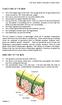 FUNCTIONS OF THE SKIN Skin is the largest organ of the body. The average adult has 18 square feet of skin which account for 16% of the total body weight. Skin acts as a physical barrier for you to the
Research at. The Department of Anatomy Trinity Biomedical Sciences Institute Trinity College Dublin. http://www.medicine.tcd.
 Research at The Department of Anatomy Trinity Biomedical Sciences Institute Trinity College Dublin http://www.medicine.tcd.ie/anatomy The Department of Anatomy, Trinity College Dublin Anatomy is the study
Critically evaluate the organization of diabetic foot ulcer services and interdisciplinary team working
 Rationale of Module Accurate nursing assessment is the key to effective diabetic foot ulcer prevention, treatment and management. A comprehensive assessment identifies ulcer aetiology and the factors which
Suffering from varicose veins? Patient Information. ELVeS Radial Minimally invasive laser therapy of venous insufficiency
 Suffering from varicose veins? Patient Information ELVeS Radial Minimally invasive laser therapy of venous insufficiency Do you suffer from heavy legs or visible veins? This makes diseases of the veins
THE IMPOSSIBLE DOSE HOW CAN SOMETHING SIMPLE BE SO COMPLEX? Lars Hode
 THE IMPOSSIBLE DOSE HOW CAN SOMETHING SIMPLE BE SO COMPLEX? Lars Hode Swedish Laser-Medical Society The dose is the most important parameter in laser phototherapy. At a first glance, the dose seem very
Diabetes mellitus. Lecture Outline
 Diabetes mellitus Lecture Outline I. Diagnosis II. Epidemiology III. Causes of diabetes IV. Health Problems and Diabetes V. Treating Diabetes VI. Physical activity and diabetes 1 Diabetes Disorder characterized
treatment of varicose and spider veins patient information SAMPLE a publication by advancing vein care
 treatment of varicose and spider veins patient information a publication by advancing vein care Since most veins lie deep to the skin s surface, vein disorders are not always visible to the naked eye.
Biochemistry. Entrance Requirements. Requirements for Honours Programs. 148 Bishop s University 2015/2016
 148 Bishop s University 2015/2016 Biochemistry The Biochemistry program at Bishop s is coordinated through an interdisciplinary committee of chemists, biochemists and biologists, providing students with
Y O U R S U R G E O N S. choice of. implants F O R Y O U R S U R G E R Y
 Y O U R S U R G E O N S choice of implants F O R Y O U R S U R G E R Y Y O U R S U R G E O N S choice of implants F O R Y O U R S U R G E R Y Your Surgeon Has Chosen the C 2 a-taper Acetabular System The
Disability Evaluation Under Social Security
 Disability Evaluation Under Social Security Revised Medical Criteria for Evaluating Endocrine Disorders Effective June 7, 2011 Why a Revision? Social Security revisions reflect: SSA s adjudicative experience.
THE SPINAL CORD AND THE INFLUENCE OF ITS DAMAGE ON THE HUMAN BODY
 THE SPINAL CORD AND THE INFLUENCE OF ITS DAMAGE ON THE HUMAN BODY THE SPINAL CORD. A part of the Central Nervous System The nervous system is a vast network of cells, which carry information in the form
Overview of the Cattle Immune System 1
 Oregon State University BEEF043 Beef Cattle Library Beef Cattle Sciences Overview of the Cattle Immune System 1 Reinaldo F. Cooke 2 Introduction On average, the U.S. cattle industry loses more than $1
Mechanism of short-term ERK activation by electromagnetic fields at mobile phone frequencies. Biochemistry Journal. August 1, 2007 405, pp.
 Mechanism of short-term ERK activation by electromagnetic fields at mobile phone frequencies 1 Biochemistry Journal August 1, 2007 405, pp. 559 568 Joseph Friedman, Sarah Kraus, Yirmi Hauptman, Yoni Schiff
Lasers and Pain Treatment Dr. Kevin Moore Department of Anaesthesia The Royal Oldham Hospital, UK
 Used by permission of the Czech Society for the Use of Laser in Medicine, www.laserpartner.org Lasers and Pain Treatment Dr. Kevin Moore Department of Anaesthesia The Royal Oldham Hospital, UK Summary
Demystifying Stem Cells. Brent Bost M.D., CPA, MBA, FACOG
 Demystifying Stem Cells Brent Bost M.D., CPA, MBA, FACOG Disclaimers Author currently serves on Board of Directors of CordTrack Most applications discussed today are not currently FDA approved and are,
Other Noninfectious Diseases. Chapter 31 Lesson 3
 Other Noninfectious Diseases Chapter 31 Lesson 3 Diabetes Diabetes- a chronic disease that affects the way body cells convert food into energy. Diabetes is the seventh leading cause of death by disease
How does Diabetes Effect the Feet
 How does Diabetes Effect the Feet What Skin Changes May Occur? Diabetes can cause changes in the skin of your foot. At times your foot may become very dry. The skin may peel and crack. The problem is that
Wound and Skin Assessment. Mary Carvalho RN, BSN, MBA Clinical Coordinator Johnson Creek Wound and Edema Center
 Wound and Skin Assessment Mary Carvalho RN, BSN, MBA Clinical Coordinator Johnson Creek Wound and Edema Center Skin The largest Organ Weighs between 6 and 8 pounds Covers over 20 square feet Thickness
ARTHROSCOPIC HIP SURGERY
 ARTHROSCOPIC HIP SURGERY Hip Arthroscopy is a relatively simple procedure whereby common disorders of the hip can be diagnosed and treated using keyhole surgery. Some conditions, which previously were
Graduate and Postdoctoral Affairs School of Biomedical Sciences College of Medicine. Graduate Certificate. Metabolic & Nutritional Medicine
 Graduate and Postdoctoral Affairs School of Biomedical Sciences College of Medicine Graduate Certificate in Metabolic & Nutritional Medicine Graduate Certificate Metabolic & Nutritional Medicine Purpose
Basal Cell Carcinoma Affecting the Eye Your Treatment Explained
 Basal Cell Carcinoma Affecting the Eye Your Treatment Explained Patient Information Introduction This booklet is designed to give you information about having a Basal Cell Carcinoma near your eye and the
TREATMENT OF VARICOSE AND SPIDER VEINS Patient Info
 TREATMENT OF VARICOSE AND SPIDER VEINS Patient Info www.heartofthevillages.com TIRED & ACHING LEGS? If you suffer from varicose and spider veins, you are not alone. It is estimated that there are more
High Dose Laser Therapy Revolutionizing Pain Management
 High Dose Laser Therapy Revolutionizing Pain Management The Best New Profit Center In Physical Medicine & Rehabilitation TECHNOLOGICAL MEDICAL ADVANCEMENTS, LLC High Dosage Laser Therapy (HDLT) Common
The use of laser therapy in small animal patients has
 PEER REVIEWED RecoVeRy & Rehab What It Is, How It Works, & When It Benefits Patients David Dycus, DVM, MS, Diplomate ACVS (Small Animal) Regional Institute for Veterinary Emergencies and Referrals (RIVER),
Master of Physician Assistant Studies Course Descriptions for Year I
 FALL TERM COURSES: Master of Physician Assistant Studies Course Descriptions for Year I PHAC 7230 Fundamentals in Pharmacology for Health Care I Credit Hrs: 3 This course will build on foundational knowledge
Wound Classification Name That Wound Sheridan, WY June 8 th 2013
 Initial Wound Care Consult Sheridan, WY June 8 th, 2013 History Physical Examination Detailed examination of the wound Photographs Cultures Procedures TCOM ABI Debridement Management Decisions A Detailed
10. T and B cells are types of a. endocrine cells. c. lymphocytes. b. platelets. d. complement cells.
 Virus and Immune System Review Directions: Write your answers on a separate piece of paper. 1. Why does a cut in the skin threaten the body s nonspecific defenses against disease? a. If a cut bleeds, disease-fighting
Post-surgical V.A.C. VeraFlo Therapy with Prontosan Instillation on Inpatient Infected Wounds * COLLECTION OF CASE STUDIES
 COLLECTION OF CASE STUDIES Post-surgical V.A.C. VeraFlo Therapy with Prontosan Instillation on Inpatient Infected Wounds * *All patients were treated with systemic antibiotics Post-surgical V.A.C. VeraFlo
The Science of Muscle Growth and Repair By William Cabot M.D., FAAOS
 The Science of Muscle Growth and Repair By William Cabot M.D., FAAOS Part 2 - The Role Individual Amino Acids Play in Muscle growth and Repair American Casein Company has been a worldwide leader in supplying
Recurrent Varicose Veins
 Information for patients Recurrent Varicose Veins Sheffield Vascular Institute Northern General Hospital You have been diagnosed as having Varicose Veins that have recurred (come back). This leaflet explains
DCCT and EDIC: The Diabetes Control and Complications Trial and Follow-up Study
 DCCT and EDIC: The Diabetes Control and Complications Trial and Follow-up Study National Diabetes Information Clearinghouse U.S. Department of Health and Human Services NATIONAL INSTITUTES OF HEALTH What
Module 9: Diseases of the Endocrine System and Nutritional Disorders Exercises
 Module 9: Diseases of the Endocrine System and Nutritional Disorders Exercises 1. An 86 year old male with brittle Type I DM is admitted for orthopedic surgery. The physician documents in the operative
Chronic Low Back Pain
 Chronic Low Back Pain North American Spine Society Public Education Series What is Chronic Pain? Low back pain is considered to be chronic if it has been present for longer than three months. Chronic low
X-Plain Psoriasis Reference Summary
 X-Plain Psoriasis Reference Summary Introduction Psoriasis is a long-lasting skin disease that causes the skin to become inflamed. Patches of thick, red skin are covered with silvery scales. It affects
Soft Laser for Powerful Relief
 LASER DENTAL PRO Exclusively for Dental Professionals Soft Laser for Powerful Relief Fast pain relief, Quicker healing Increased laser emission for good health Exclusively for Dental Professionals Improved
High Power Laser Therapy (HPLT)
 High Power Laser Therapy (HPLT) Revolutionizing The Non-Surgical Treatment of Neuro-musculoskeletal Pain and Wound Healing PHYSICIAN SEMINAR Presented by: Bruce R. Coren, DVM, MS Cofounder, Chairman and
DIABETES MELLITUS is a chronic organic disorder that affects
 Photomedicine and Laser Surgery Volume 24, Number 4, 2006 Mary Ann Liebert, Inc. Pp. 474 479 Comparison between Wound Healing in Induced Diabetic and Nondiabetic Rats after Low-Level Laser Therapy SYLVIA
An Essential Tool For The Care DFUs
 Adjunct HBO 2 Therapy: March 16, 2016 William Tettelbach, MD, FACP, FIDSA System Medical Director of Wound & Hyperbaric Medicine Services An Essential Tool For The Care DFUs Fedorko, L., et al., Hyperbaric
Graduate Certificate Pre-Med Program Course Descriptions For Year 2015-2016 FALL
 Graduate Certificate Pre-Med Program Course Descriptions For Year 2015-2016 FALL COURSE TITLE: BIOCHEMISTRY COURSE NUMBER: 5104 This course emphasizes biochemical compounds, processes and systems, designed
Chiropractic Physician: Emphasis in neurology, sports medicine and muscle rehabilitation
 Chiropractic Physician: Emphasis in neurology, sports medicine and muscle rehabilitation Practice locations: NeuroBalance Center - Barrington Il Physical Medicine Associates - Naperville Il Alternative
Institute of Ophthalmology. Thyroid Eye Disease. aka Thyroid Associated Ophthalmopathy
 Institute of Ophthalmology Thyroid Eye Disease aka Thyroid Associated Ophthalmopathy Causes TED/TAO is an eye disease associated with disease of the thyroid gland Most commonly, it occurs with an overactive
Journal of Craniomaxillofacial Research
 Journal of Craniomaxillofacial Research Vol.1 No. 2 Spring, 2014 Effectiveness of low level laser in minimizing edema and promoting wound healing after third molar surgery: a randomized clinical trial
Response to Stress Graphics are used with permission of: Pearson Education Inc., publishing as Benjamin Cummings (http://www.aw-bc.
 Response to Stress Graphics are used with permission of: Pearson Education Inc., publishing as Benjamin Cummings (http://www.aw-bc.com) Page 1. Introduction When there is an overwhelming threat to the
Varicose Veins Operation. Patient information Leaflet
 Varicose Veins Operation Patient information Leaflet 22 nd August 2014 WHAT IS VARICOSE VEIN SURGERY (HIGH LIGATION AND MULTIPLE AVULSIONS) The operation varies from case to case, depending on where the
Wound Healing Community Outreach Service
 Wound Healing Community Outreach Service Wound Management Education Plan January 2012 December 2012 Author: Michelle Gibb Nurse Practitioner Wound Management Wound Healing Community Outreach Service Institute
The Family Library. Understanding Diabetes
 The Family Library Understanding Diabetes What is Diabetes? Diabetes is caused when the body has a problem in making or using insulin. Insulin is a hormone secreted by the pancreas and is needed for the
ORTHODONTIC TREATMENT
 ORTHODONTIC TREATMENT Informed Consent for the Orthodontic Patient As a general rule, positive orthodontic results can be achieved by informed and cooperative patients. Thus, the following information
Endocrine System: Practice Questions #1
 Endocrine System: Practice Questions #1 1. Removing part of gland D would most likely result in A. a decrease in the secretions of other glands B. a decrease in the blood calcium level C. an increase in
Phototherapy with blue (415 nm) and red (660 nm) light in the treatment of acne vulgaris
 British Journal of Dermatology 2000; 142: 973±978. Phototherapy with blue (415 nm) and red (660 nm) light in the treatment of acne vulgaris P.PAPAGEORGIOU, A.KATSAMBAS* AND A.CHU Unit of Dermatology, Imperial
Section 2. Overview of Obesity, Weight Loss, and Bariatric Surgery
 Section 2 Overview of Obesity, Weight Loss, and Bariatric Surgery What is Weight Loss? How does surgery help with weight loss? Short term versus long term weight loss? Conditions Improved with Weight Loss
Your Life Your Health Cariodmetabolic Risk Syndrome Part VII Inflammation chronic, low-grade By James L. Holly, MD The Examiner January 25, 2007
 Your Life Your Health Cariodmetabolic Risk Syndrome Part VII Inflammation chronic, low-grade By James L. Holly, MD The Examiner January 25, 2007 The cardiometabolic risk syndrome is increasingly recognized
University of Cyprus. Photodynamic Therapy Low Level Laser Therapy
 University of Cyprus Biomedical Imaging and Applied Optics Photodynamic Therapy Low Level Laser Therapy Photodynamic Therapy (PDT) Photosensitiser (retained in tumour) + Visible light - wavelength to activate
PSA Screening for Prostate Cancer Information for Care Providers
 All men should know they are having a PSA test and be informed of the implications prior to testing. This booklet was created to help primary care providers offer men information about the risks and benefits
Physiotherapy in Rheumatoid Arthritis. Information for patients Gina Wall Senior Physiotherapist
 Physiotherapy in Rheumatoid Arthritis Information for patients Gina Wall Senior Physiotherapist What do Physiotherapists do? We conduct assessments by asking detailed questions about your symptoms, medical
Statement of the Chief Medical Health Officer
 Statement of the Chief Medical Health Officer June, 2011 Health Concerns About Cellular Phone Transmission Antennae and Base Stations In 2005, in response to community concerns and after reviewing the
Statistics of Type 2 Diabetes
 Statistics of Type 2 Diabetes Of the 17 million Americans with diabetes, 90 percent to 95 percent have type 2 diabetes. Of these, half are unaware they have the disease. People with type 2 diabetes often
SEDICO Newsletter Issue 8. Varicose veins
 SEDICO Newsletter Issue 8 Definition: Varicose veins Varicose veins are veins that have become enlarged and twisted. The term commonly refers to the veins on the leg, although varicose veins occur elsewhere.
How long has low-level laser therapy been around? How does low-level laser therapy for smoking cessation work?
 How long has low-level laser therapy been around? Low-level laser therapy (LLLT) has been in use for more than 35 years and has experienced rapid growth over the last several as an alternative method in
Pharmacology of the Respiratory Tract: COPD and Steroids
 Pharmacology of the Respiratory Tract: COPD and Steroids Dr. Tillie-Louise Hackett Department of Anesthesiology, Pharmacology and Therapeutics University of British Columbia Associate Head, Centre of Heart
 CAMBRIDGE UNIVERSITY CENTRE FOR BRAIN REPAIR A layman's account of our scientific objectives What is Brain Damage? Many forms of trauma and disease affect the nervous system to produce permanent neurological
Medicare Podiatry Services: Information for Medicare Fee-For-Service Health Care Professionals
 R DEPARTMENT OF HEALTH AND HUMAN SERVICES Centers for Medicare & Medicaid Services FACT SHEET Medicare Podiatry Services: Information for Medicare Fee-For-Service Health Care Professionals Overview This
Wound Management and Basic Suturing Techniques. Disclosures
 Wound Management and Basic Suturing Techniques 10 July 2016 Douglas Winstanley, DO FAAD FACMS West Michigan Dermatology Grand Rapids MI Hugh Greenway s 33 nd Annual Cutaneous Anatomy and Surgery Course
Class IV Laser Therapy Interventional and case reports confirm positive therapeutic outcomes in multiple clinical indications
 Published by: LiteCure, LLC. 2009 Class IV Laser Therapy Interventional and case reports confirm positive therapeutic outcomes in multiple clinical indications Brian A. Pryor, PhD ABSTRACT Tissue that