
Denise Hawkins and Heidi Abrahamse.
|
|
|
- Randolf Ray
- 10 years ago
- Views:
Transcription
1 African Journal of Biomedical Research, Vol. 10 (2007); ISSN Ibadan Biomedical Communications Group Review Article Phototherapy a treatment modality for wound healing and pain relief Full-text available at Received: Accepted (Revised): Published Denise Hawkins and Heidi Abrahamse. Laser Research Group, Faculty of Health Sciences,University of Johannesburg, P.O. Box 17011,Doornfontein, Johannesburg, South Africa, 2028 ABSTRACT When applied properly, phototherapy or Low Level Laser Therapy (LLLT) has proved to be very efficient in relieving pain and improving wound healing. However, until recently there has been a lack of scientific scrutiny concerning the clinical efficacy of this procedure. This does not mean that phototherapy does not work. A search for laser and therapy on the ISI Web of Knowledge database reported that the USA accounts for 35.69% of the research material while only 18 papers were reported from South Africa ( ) which accounts for 0.17% of the papers analyzed. Despite the lack of scientific research, clinical results have been exceptional. Clinicians around the world, based on their professional experiences, confirm the analgesic effect of phototherapy. Unfortunately, from a strictly scientific point of view, these reports are hardly conclusive. There has been little or no standardization in the application of phototherapy. This review investigates key aspects of phototherapy and the efficacy of laser therapy for specific applications namely, wound healing and pain relief. (Afr. J. Biomed. Res. 10: Keywords: wound healing, pain relief, LLLT, phototherapy, laser *Address for Correspondence: P.O. Box 17011, Doornfontein, South Africa 2028 TEL , FAX , habrahamseuj.ac.za Abstracted by: African Index Medicus (WHO), CAB Abstracts, Index Copernicus, Global Health Abstracts, Asian Science Index, Index Veterinarius, Bioline International, African Journals online

2 INTRODUCTION The use of laser as a non-surgical medical treatment modality for assisting the normal processes of healing has increased over the last few years. However, the efficacy of laser in reducing pain or promoting tissue repair still remains controversial (Enwemeka et al, 2004). Laser therapy aims to restore the normal biological function of injured or stressed cells so Normalization is the keystone of laser therapy (Tunér and Hode, 2002). The stimulatory effect of laser therapy can be seen in wounded cells or in cells that are growing suboptimally whereas cells that are normal or fully functional remain unaffected and no therapeutic effect can be observed (Smith, 1991). 1. Photobiology Laser light has the unique properties of monochromaticity (a single wavelength), collimation (travels in a single direction without divergence) and coherence (with all waves in phase) (Matic et al, 2003). These properties are what allows laser light to penetrate the skin surface non-invasively (Matic et al, 2003; Theralase, 2003; Schindl et al., 1999). Therapeutic lasers are athermic with no appreciable heat transfer (<0.65 C) so the photonic energy is transferred directly to the target cells and thermal damage is avoided (Matic et al, 2003; Theralase, 2003). Therapeutic lasers use monochromatic light in the 630 to 905 nm range, known as the therapeutic window (Stadler et al, 2004). Cellular effects of phototherapy can be classified into primary (light-induced), secondary (which occur in response to the primary effects) and tertiary effects (Schindl et al, 1999; Stadler et al, 2004; Dyson, 2006). Primary reactions are generally restricted to the absorption of photons while secondary effects are not unique to phototherapy and, because their occurrence depends on the sensitivity of the cells, are less predictable than primary effects (Dyson, 2006). Tertiary effects are the least predictable since the response is influenced by the internal and external environment and by intracellular interactions. The tertiary effect is also known as the systemic effect and explains why the treatment of one lesion can stimulate the healing of both the directly treated lesion and other lesions that the patient may have (Dyson, 2006). In primary responses, photons emitted by the laser reach the mitochondria (Theralase, 2003) and cell membranes of low lying cells (fibroblasts, keratinocytes or endothelial) where the photonic energy is absorbed (Olsen et al., 1980) by chromophores (mitochondrial cytochromes, porphyrins and flavoproteins) and is converted to chemical kinetic energy (Matic et al, 2003) within the cell. This causes changes in membrane permeability, improved signaling between mitochondria, nucleus and cytosol, nitric oxide formation and increased oxidative metabolism to produce more ATP (Morimoto et al, 1994; Yu et al, 1997; Karu, 1989), which ultimately leads to normalization of cell function, pain relief and wound healing (Figure 1) (Matic et al, 2003; Dyson, 2006; Olsen et al, 1980). Secondary reactions lead to the amplification of the above-mentioned primary photoreactions. A cascade of metabolic effects results in various physiological changes at the cellular level such as changes in cell membrane permeability (Figure 1) (Smith, 1991; Dyson, 2006; Olsen et al, 1980). Calcium is released from the mitochondria into the cytoplasm with changes in intracellular calcium levels (Tunér and Hode, 2002; Smith, 1991) which stimulates cell metabolism and the regulation of signaling pathways responsible for significant events required for wound repair such as cell migration, RNA and DNA synthesis, cell mitosis, protein secretion and cell proliferation (Takac and Stojanovic, 1998; Klepeis et al, 2001). Tertiary effects are induced in cells at a distance from the cells in which the secondary events occur (Dyson, 2006). Irradiated or energized cells communicate with each other, and with nonirradiated cells, through increased levels of cytokines or growth factors (Smith, 1991; Vladimirov, 2004) resulting in inter-cellular communication (Tunér and Hode, 2002). There is an increase in the immune response with the activation of T-lymphocytes, macrophages and number of mast cells (Hamblin and Deidova, 2006). An increase in the synthesis of endorphins and decrease in bradykinin results in pain relief. Studies have matched action spectra for biostimulation with absorption spectra of 100 Phototherapy for wound healing and pain relief

3 cytochrome c oxidase and have found remarkable similarities in the red and near- infrared (IR) regions of the spectrum (Hamblin and Deidova, 2006). All the individual oxidation states of the cytochrome c oxidase enzyme have different absorption spectra, thus probably accounting for differences in the action spectra of LLLT. The wavelength range important for phototherapy ( nm) has four active regions, but peak positions are not exactly the same for all action spectra. The peak positions are between and nm (in one spectrum, at 606 nm) in the red maximum. The far-red maximum has exact peak positions between and nm while two near-infrared maxima have peak positions in the range nm and nm, respectively (Karu and Kolyakov, 2005). Figure 1. The primary mechanisms relate to the interaction between photons and molecules in tissue, while the secondary mechanisms relate to the effect of the chemical changes induced by the primary effects. The stimulation of cellular ATP production has been suggested as one of the most important effects of laser therapy. The secondary mechanisms include effect on pain, effect on blood circulation, effect on stimulatory and regulatory mechanisms and effects on the immune system. Adapted and modified from the original text of Tunér and Hode (2002). Phototherapy for wound healing and pain relief 101

4 Other mechanisms may be operating in LLLT. Certain molecules such as porphyrins can be converted into a long-lived triplet state after photon absorption. This triplet state can interact with ground-state oxygen with energy transfer leading to the production of a reactive singlet oxygen species (Hamblin and Deidova, 2006). Another proposed mechanism is the alteration of mitochondrial metabolism and activation of the respiratory chain by illumination, which would also increase production of superoxide anions 0 2. It has also been proposed that laser irradiation could reverse the inhibition of cytochrome c oxidase by nitric oxide (NO) and thus increase the rate of respiration with consequently more ATP synthesis (Hamblin and Deidova, 2006). Figure 2. Key aspects of phototherapy that can be used to establish an effective therapeutic regimen for the treatment of superficial wounds or skin conditions and musculoskeletal injuries. 102 Phototherapy for wound healing and pain relief

5 Key aspects that influence phototherapy can be used as guide to establish an effective therapeutic regimen for the treatment of superficial wounds or skin conditions and musculoskeletal injuries (Figure 2). Some of the key aspects include: Lasers: Diode lasers emit light with a shorter coherence length than Helium-Neon (HeNe, 632.8nm) lasers and the biological effects of light from a 633 nm diode laser are less obvious than those from a HeNe laser. A diode laser can obtain similar results by using a higher power output (25-50 mw) and higher doses (Tunér and Hode, 2002; Ohshiro and Calderhead, 1988). Wavelength: Wavelength is the distance between two peaks of a wave. The symbol for wavelength is λ (lambda) and the unit of measurement is nanometers (nm) (Peavy, 2002). The penetration of laser light depends on the wavelength, the output power and the treatment technique used. (Tunér and Hode, 2002; Theralase, 2003; Pontinen, 1992). Power: The unit of power is Watt (W) and since the laser output power is low it is expressed in milliwatts (mw) (Peavy, 2002). The power density or light intensity of the beam on the tissue surface is expressed in mw/cm 2 which is the power divided by the area of the target tissue being illuminated by the laser light (Schindl et al, 1999; van Breugal and Dop Bar, 1992). The stronger the power output (mw) the shorter the treatment time. Energy density: (dose or fluence) is expressed in Joules per cm 2 (J/cm 2 ), which is the product of power (mw) and time (5) per spot size (cm 2 ) (Tunér and Hode, 2002; Ohshiro and Calderhead, 1988). The dose administered is influenced by the power, time, irradiance (power density) and treatment intervals but the dose required depends on the wavelength, type of tissue, condition and depth of target tissue, chronic or acute problem, pigmentation and treatment technique (contact versus non-contact) (van Breugal and Dop Bar, 1992; Woodruff et al, 2004; Baxter et al, 1997). Biostimulatory studies report using doses from as low as J/cm 2 to 10 J/cm 2 however effective doses of near-ir light may be much higher than 10 J/cm 2 especially for deep lesions. Doses that are too low result in a weak effect with no observable effect. If a dose above the highest one suitable is administered (van Breugal and Dop Bar, 1992), a negative or minimal effect is detected. With an even greater dose, a biosuppressive or inhibitory effect may be observed (Coombe et al, 2001). In treatment, the dose is often referred to as the number of Joules per point where a point is defined as an area that is 5 mm in diameter (0.2 cm 2 ) or less. Continuous versus pulsed wave technology: A light source that emits light at a constant intensity is known as continuous wave (CW) emission whereas pulsed light has varying intensity (Ohshiro and Calderhead, 1988). When a laser is pulsed, the laser light power varies between the pulse peak output power and zero so the average power is used to calculate the dose while continuous wave lasers use the output power (mw). Contact versus non-contact: A laser can be used in a scanning mode or in contact with the surface of the skin, with or without pressure and held flat against the skin or with the aperture protruding (Ohshiro and Calderhead, 1988; Pontinen, 1992). In order for a laser system to provide optimal penetration through the skin it must be in direct contact with the skin and at an incident angle of 90 degrees (perpendicular to the skin) (Ohshiro and Calderhead, 1988; Mendez et al, 2004). This will minimize any reflection from the skin s surface and allow the best penetration into the tissue. 2. Therapeutic applications Several studies have demonstrated either a stimulatory or inhibitory effect of phototherapy on healing mechanisms using in vitro cell culture studies (van Breugal and Dop Bar, 1992). In vivo studies have demonstrated that phototherapy has a positive effect on wound healing in the clinical environment; however the exact mechanism is still not completely understood since a specific therapeutic window, dosimetry or mechanism of action has not been determined (Smith, 1991; Coombe et al, 2001; Karu et al, 1984). The effect on the patient and how it effects healing has however been well documented but the lack of knowledge complicates the evaluation of conflicting reports found in literature (Tunér and Hode, 2002). Lack of quality control has produced negative results in some studies and criticism of many of the positive Phototherapy for wound healing and pain relief 103

6 studies (Tunér and Hode, 2002). Studies claim that laser therapy dramatically reduces healing time compared to other traditionally used modalities. Hospitals in the UK use laser therapy in postsurgical recovery rooms and have found that patients have less pain, take 50% less pain medication, heal in half the time and have significantly less scar tissue (Rudnick, 2005). However, Allendorf et al, (1997) reported that HeNe laser irradiation (1J/cm 2, 2 J/cm 2 and 4 J/cm 2 ) had no measurable benefit on wound healing and a biostimulatory mechanism could not be elucidated. Likewise, Colver and Priestley (1989) concluded that HeNe (633 nm, 5 mw, 1 mm diameter beam) laser irradiation (three times a day for 3 days) did not have any significant effect on cell proliferation. Trelles et al, (1989) reviewed the use of local irradiation with phototherapy and found this approach elicited the following types of effects: biostimulatory, analgesic, anti-exudative, antihaemorrhagic, anti-inflammatory, anti-neuralgic, anti-oedematous, anti-spasmotic and vasodilatory. Furthermore, Medrado et al, (2003) studied the effect of LLLT on wound healing and concluded laser therapy reduced the inflammatory reaction and increased collagen deposition with a greater proliferation of myofibroblasts in experimental cutaneous wounds. Both studies found the main clinical uses of LLLT included wound healing, pain control, soft tissue injury, arthropathy, osteopathy and treatment of existing scars (Medrado et al, 2003; Trelles et al, 1989). Some of the clinical effects of phototherapy are that it: 1. reduces pain in a large variety of acute and chronic pain entities including pain related to abnormalities in nerves, soft tissue, muscles, tendons, joints and bone. 2. reduces swelling and inflammation associated with acute injuries in superficial muscles, tendons, ligaments, bursae, and sheaths (Smith, 1991; Woodruff eta!, 2004; de Freitas et al, 2001), 3. improves wound healing of slow-to-heal or nonhealing wounds in soft tissues, tendons and bone due to improved tissue oxygenation and nutrition (Takac and Stojanovic, 1998; Woodruff et al, 2004; Kubota, 2004; Gabel, 1995), 4. improves absorption of interstitial fluid (antioedematous) and increases lymphatic circulation and drainage which results in better tissue regeneration (Takac and Stojanovic, 1998), 5. improves local and systemic blood circulation which is useful in blood-related conditions such as Buerger s and Raynaud s diseases and torpid leg ulcers, 6 enhance autoimmune response in immunedeficient conditions such as psoriasis, rheumatoid arthritis and atopic dermatitis (Woodruff et al, 2004), 7. controls hypertension by increasing flow rate and increasing the diameter of the vessel (Gabel, 1995), and 8. restores normal pigment in abnormally coloured cutaneous lesions. Laser therapy also has benefits for patients with Bell s palsy, psoriasis and unhealed donor areas following skin grafting (Baxter et al, 1997). A neodymium:yttrium-aluminumgarnet (Nd:YAG, 1064 nm) laser with the correct dosage, as with other lasers, can be used to successfully treat herpes simplex lesions (Ohshiro and Calderhead, 1988). 3. Phototherapy for superficial wound healing The types of wounds that can be mentioned under wound healing not only include pressure sores and ulcers, but also burns, skin donor areas and postoperative wounds (Ohshiro and Calderhead, 1988; Pontinen, 1992; Baxter et al, 1997). Franks and Gilbert (1998) reported rapid demarcation of chronic wounds after initial treatment with clearance of necrotic or sloughy tissue, reduced signs of infection, reduced amount and odour of fluid in highly exuding wounds, reduced pain and resumption of the immune response initiated by the inflammatory phase. Medrado et al, (2003) evaluated the effects of laser therapy in experimental cutaneous wound healing and concluded that a dose of 4 J/cm 2 was superior to that of 8 J/cm 2. Furthermore, Hawkins and Abrahamse (2005b; 2006a) reported that 5 J/cm 2 using a HeNe laser stimulates mitochondrial activity, which leads to normalization of cell function and ultimately stimulates cell proliferation and migration of wounded fibroblasts to accelerate wound closure 104 Phototherapy for wound healing and pain relief

7 while a dose of 10 J/cm 2 was associated with a significant amount of cellular and molecular damage. Pereira et al, (2002) studied the effect of a 120 mw GaAs diode laser on fibroblasts and concluded that 3 J/cm 2 stimulated fibroblast proliferation without impairing procollagen synthesis. Pourzarandian et al, (2005) studied the effect of Er:YAG laser irradiation on cell growth of cultured human gingival fibroblasts and concluded that the optimal stimulative energy density was 3.37 J/cm 2. The results indicate that Er:YAG laser irradiation may benefit wound healing. A visible light probe ( nm) has a penetration depth of a few millimetres ( mm) and is used for wound healing and superficial skin conditions (Olsen et al, 1980; Moore et al, 2002). Of four different wavelengths tested (660 nm, 820 nm, 880 nm and 950 nm), Karu et al, (1993) found that 660 nm was the most effective. A 660 nm probe followed by a cluster of five 660 nm diodes is usually recommended for superficial wounds and skin conditions (van Breugal and Dop Bar, 1992). For acne, scar tissue and small lesions a visible red (660 nm) single point laser probe (30 mw) is usually recommended. Large cluster probes are usually used for large wounds or burns where the treatment area requires a deeper effect with a reduced treatment time. For wounds at a medium depth the probe is pressed against the skin. The deeper the tissue to be treated the higher the pressure. For open wounds or ulcers, the laser probe is normally held 1-2cm from the wound while the periphery is treated with the laser probe in direct contact. The open area of the wound should receive a lower dose than the skin periphery (Tunér and Hode, 2002). A single laser probe (660 nm) can be used around the wound margin of superficial wounds while a cluster probe (visible red and infra-red laser light) can be used for the soft tissue inflammation. In the treatment of a chronic ulcer for example, a higher dose such as 3-4 J/cm 2 will be used on points along the periphery of the wound followed by a lower dose of 0.5 J/cm 2 over the open wound (Tunér and Hode, 2002; Ohshiro and Calderhead, 1988). The open wound needs a lower dosage than the skin-covered periphery as the laser light is not reflected or scattered but rather absorbed by the skin in the unprotected wound since it hits the uncovered cells directly. There remains some controversy over whether infected wounds do indeed respond better to laser treatment so special precautions such as holding the probe close (non-contact) to the wound and cleaning the probe with an alcohol wipe have to be used to reduce contamination during laser treatment (Tunér and Hode, 2002; Ohshiro and Calderhead, 1988; Baxter et al, 1997). Nussbaum et al, (2002; 2003) reported that phototherapy using a wavelength of 630 nm (1-20 J/cm 2 ) results in bacterial inhibition which may be an important consideration when selecting the correct wavelength for infected wounds (Lucas et al, 2003). An infected ulcer can be treated twice weekly until the infection clears. Patients on prescribed medication or who have conditions known to cause photosensitivity reactions should also avoid LLLT. It is unlikely that a combination of laser and drug will trigger a photosensitivity response however patients should be patch tested with a small dose and examined after hours to determine if there is a hypersensitivity reaction. Acute wounds should be treated daily while chronic wounds should be treated 1-2 times a week (Ohshiro and Calderhead, 1988). When treating through a dark complexion, adipose or highly vascular tissue, more light will be absorbed with reduced penetration to the target tissue, so a greater irradiance will be required in order to achieve the same biological effect (Stadler et al, 2004; Greppi, 2001). Chronic tissue conditions require more treatment intervals where two or three treatments a week are considered as the maximum (Ohshiro and Calderhead, 1988). The deeper the lesion or target tissue the more treatment will be required. It has been shown to be beneficial to treat at closer intervals in the beginning (every other day or every third day for two weeks) and then at longer intervals (once a week for several weeks). As a general rule, it is better to use 3-4 treatments a week with moderate doses than using higher doses and fewer treatments (Tunér and Hode, 2002). 4. Phototherapy for musculoskeletal pain relief Soft tissue injuries such as tendonopathies (tendonitis and tenosynovitis) and ligamentous injuries are easier to treat since the lesions are easier to locate and palpate (Ohshiro and Calderhead, Phototherapy for wound healing and pain relief 105

8 1988; Woodruff et al, 2004). Various arthritic conditions have been identified as responding well to laser therapy particularly where osteoarthritis has affected the small joints of the hands and feet (Ohshiro and Calderhead, 1988). Laser therapy provides relief for musculoskeletal pain, postfracture pain, pain at origin or insertion of any muscle or tendon, haematoma, and neurogenic pain (Ohshiro and Calderhead, 1988). Most acute musculoskeletal injuries should be treated daily over a short period whereas chronic musculoskeletal injuries should be treated over a longer period every week if palliative or every 2-3 days if there is low grade inflammation (Tunér and Hode, 2002). Laser therapy has also been indicated for other painful conditions such as shingles (Ohshiro and Calderhead, 1988). Moore et al, (2002) concluded that there was a 50% reduction in the severity of pain and 50% reduction in the use of analgesics in patients receiving 24 J/cm 2 per point when compared to the control group. Gaida et al, (2004) showed that 670 nm laser irradiation of burn scars using 400 mw twice a week over 8 weeks had a positive effect on the macroscopic appearance, pruritus and pain. An infra-red probe has a penetration depth of several centimetres and is used for musculoskeletal injuries, acupoints, neurogenic pain and trigger points (Theralase, 2003; Moore et al, 2002). The most frequently used laser for pain therapy is the GaAIAs diode that emits coherent light in the nearinfrared waveband, usually nm, and with a continuous wave power output of 60 mw (Moore et al, 2002). A near infrared (810 nm) laser probe can be used to treat pain while a cluster probe can be used for soft tissue inflammation and pain trigger points (muscle, tendon and ligaments). The greatest active depth is achieved when the laser probe is held in direct contact with the skin and the probe is pressed against the skin. 5. Current and future directions In vitro studies currently being performed by the Laser Research Group include investigating the effect of nm HeNe, 830 nm diode and 1064 nm Nd:YAG laser irradiation on normal, wounded, diabetic and diabetic wounded fibroblast cells. (Hawkins and Abrahamse, 2005a; 2005b; 2006a; 2006b; 2007a; 2007b). The in vitro studies have established important laser variables such as dose (J/cm 2 ) (Hawkins and Abrahamse, 2005b, 2006a), number of exposures (Hawkins and Abrahamse, 2006b) and specific irradiation conditions (Hawkins and Abrahamse, 2007a) that accelerate wound closure, cell-cell communication and cell proliferation and these in vitro results may be used as a guideline for the initiation of a clinical study. Future studies include investigating other conditions of cell stress or damage such as a change in intracellular ph to mimic metabolic acidosis that is common with diabetes, a reduction in the oxygen tension (p0 2 ) or hypoxia that is common in chronic inflammation and indolent wounds (Yu et al, 2002) and in vitro ischemia that is common in ischemic heart disease, stroke and hypoxia (Abercrombie, 1966). The results from these in vitro studies will be used to investigate the effect of laser irradiation on a wounded three-dimensional (3D) artificial skin construct. The skin equivalent is a suitable alternative method to animal testing since it represents an advanced alternative to normal cell culture and its natural 3D structure closely reproduces an in vivo situation. In addition, the potential use of laser irradiation on the stimulation of adult adipose derived stem cell differentiation for the use as autologous grafts in wound healing is being investigated. Conclusion Lasers are widely used for pain relief and wound healing without negative or long-term side effects (Theralase, 2003; Coombe et al, 2001). Laser therapy allows the user to combine different probes or cluster heads depending on the laser that is available and the specific application. For example, a 660 nm probe can be used to treat the periphery of a superficial wound followed by a cluster probe of visible and infrared laser light for the soft tissue and inflammation. The laser treatment parameters can be changed and adapted depending on the type of laser used (visible or infra-red, continuous or pulsed) and the application (acute or chronic). The most important parameter that should be maintained is the dose or the energy density (J/cm 2 ). Factors such as contact or non-contact method and the treatment interval can be modified and adapted according to the specific application and treatment area. 106 Phototherapy for wound healing and pain relief

9 In order to monitor the effects of the therapy, a record should be kept that includes a comprehensive list of the treatment parameters and documents changes or any signs of improvement (Pontinen, 1992). Laser therapy requires the user to test and retest after the laser therapy to determine if there are any signs of improvement in terms of movement, pain relief or wound healing. Since laser has a systemic effect, it is important to observe caution in interpreting results of studies in which laser has treated one part of the body while another part of the same body has been used as a control (Tunér and Hode, 2002). Some patients require a combination of medications and will respond to LLLT used in combination with other therapeutic modalities. If no improvement is noted after several treatments the therapy should be discontinued. Laser users have reported a good success rate for a wide range of applications in veterinary, health, dentistry (Pourzarandian et al, 2005) and physiotherapy for both wound healing and pain relief. Enwemeka et al, (2004) conducted a meta-analysis on 34 peerreviewed papers and concluded that laser phototherapy is a highly effective therapeutic armamentarium for tissue repair and pain relief. By improving the study design as well as the reporting of all the variables used in trials, laser therapy may become as well recognized as laser surgery. In order to obtain full acceptance as a valid medical modality, new and high quality studies are required (Tunér and Hode, 2002). ACKNOWLEDGEMENTS This project is jointly funded by the University of Johannesburg, National Laser Centre (NLC), National Research Foundation (NRF) and Medical Research Council (MRC). REFERENCES Abercrombie M. and Heaysman J.E.M. (1966) The directional movement of fibroblasts emigrating from cultured explants. Ann Med Exp. Fenn. 44, Allendorf J.D., Bessler M., Huang J., Kayton M.L., Laird D., Nowygrod R., and Treat M.R. (1997) Helium-neon laser irradiation at fluences of 1, 2, and 4J/cm 2 failed to accelerate wound healing as assessed by both wound contracture rate and tensile strength. Lasers Surg Med. 20(3), Baxter G.D., Diamantopoulos C., O Kane S. and Shields S. (1997) Therapeutic Lasers Theory and Practice, Churchill Livingstone, New York, N.Y. Colver G.B. and Priestley G.C. (1989) Failure of helium-neon laser to affect components of wound healing in vitro. British Journal of Dermatology. 121, Coombe A.R., Ho C.T. Darendeliler M.A., Hunter N., Philips J.R., Chapple C.C. and Yum L.W. (2001) The effects of low level laser irradiation on osteoblastic cells. Clin Orthod Res. 4(1), de Freitas A.C., Pinheiro A.L.B., Miranda P., Thiers F.A. and Vieira A.L de B. (2001) Assessment of antiinflammatory effect of 830 nm laser light using C-reactive protein levels. Braz Dent J. 12(3), Dyson M. (2006) Primary, secondary and tertiary effects of phototherapy: a review. Mechanisms of Low Level Light Therapy. Mechanisms for Low-Light Therapy, edited by Michael R. Hamblin, Ronald W. Waynant, Juanita Anders, Proceedings of SPIE Vol (SPIE, Bellingham, WA, 2006) 6140, Enwemeka C.S., Parker J.C., Dowdy D.S., Harkness E.E., Sanford L.E., and Woodruff L.D. (2004) The efficacy of low power lasers in tissue repair and pain control: a meta-analysis study. Photomed Laser Surg. 22(4), Gabel C.P. (1995) Does laser enhance bruising in acute sporting injuries. Aust J Physio. 41(4), Gaida K., Koller R., Isler C., Aytekin 0., Al-Awamin M., Meissi G. and Fry M. (2004) Low level laser therapy a conservative approach to the burn scar?. Burns. 30(4), Greppi I. (2001) Diode laser hair removal of the black patient. Lasers Surg Med. 28(2), Hamblin M.R., and Deidova, T.N. (2006) Mechanisms of Low Level Light Therapy. Mechanisms for Low-Light Therapy, edited by Michael R. Hamblin, Ronald W. Waynant, Juanita Anders, Proceedings of SPIE Vol (SPIE, Bellingham, WA, 2006) Hawkins D., and Abrahamse H. (2005a) Laboratory methods for evaluating the effect of low level laser therapy (LLLT) in wound healing. African Journal of Biomedical Research. 8, Hawkins D., and Abrahamse H. (2005b) Biological effects of helium-neon (632.8 nm) laser irradiation on normal and wounded human skin fibroblasts. Journal of Photomedicine and Laser Surgery. 23(3), Hawkins D., and Abrahamse H. (2006a) The role of fluence in cell viability, proliferation and membrane integrity of wounded human skin fibroblasts following helium-neon laser irradiation. Lasers in Surgery and Medicine. 38(1), Hawkins D., and Abrahamse H. (2006b) Effect of multiple exposures of Low Level Laser Therapy on the cellular responses of wounded human skin fibroblasts. Journal of Photomedicine and Laser Surgery. 24(6), Phototherapy for wound healing and pain relief 107

10 Hawkins D., and Abrahamse H. (2007a) How long after laser irradiation should cellular responses be measured to determine the laser effect? An in vitro study. Journal of Laser Applications. 19(1), Hawkins D., and Abrahamse H. (2007b) Changes in cell viability of wounded fibroblasts following laser irradiation in broad-spectrum or infrared light. Laser Chemistry. 2007, Karu T,I., Tiphiova U,A. and Fedoseyeva G.E. (1984) Biostimulating action of low intensity monochromatic visible light: is it possible?. Laser Chemistry 5, Karu T.I. (1989) Photobiology of low power laser therapy. London, Harwood Academic Publishers. Karu T., Andreichuck T and Ryabykh T. (1993) Suppression of human blood chemi-liminescence by diode laser irradiation at wavelengths 660, 820, 880 and 950 nm. Laser Therapy. 5(2), 103. Karu T.I. and Kolyakov S.F. (2005) Exact action spectra for cellular responses relevant to phototherapy. Photomedicine and Laser Surgery. 23(4), Kiepeis V.E., Cornell-Bell A. and Trinkaus-Randall V. (2001) Growth factors but not gap junctions play a role in injury induced Ca 2 waves in epithelial cells. J Cell Sci. 114(Pt23), Kubota J. (2004) Defocused diode laser therapy (830 nm) in the treatment of unresponsive skin ulcer: a preliminary trial. J. Cosmet Laser Ther. 6(2), Lucas C., van Gemert M.J. and De Haan R.J. (2003) Efficacy of low level laser therapy in the management of stage Ill decubitus ulcers: a prospective, observer-blinded multicentre randomized clinical trial. Lasers Med Sci. 18(2), Matic M., Lazetic B., Poljacki M., Duran V. and lvkov- Simic M. (2003) Low level laser irradiation and its effects on repair processes in the skin. Med Pregl. 56(3-4), Medrado A.R., Pugliese L.S., Reis S.R. and Andrade Z.A. (2003). Influence of low level laser therapy on wound healing and its biological action upon myofibroblasts. Lasers Surg Med. 32(3), Mendez T.M., Pinheiro A.L., Pacheco M.T., Nascimento P.M. and Ramalho L.M. (2004) Dose and wavelength of laser light have influence on the repair of cutaneous wounds. J. Clin Laser Med Surg. 22(1), Moore P., Ridgeway T.D., Higbee R.G., Howard E.W. and Lucroy M.D. (2002) Effect of wavelength on low intensity laser irradiation stimulated cell proliferation in vitro. Lasers Surg Med. 36(1), Morimoto Y., Arai T., Kikuchi M., Nakajima S. and Nakamura H. (1994) Effect of low intensity Argon laser irradiation on mitochondria respiration. Lasers Surg Med. 15, Nussbaum EL, Lilge L, and Mazzulli T. (2002) Effects of 630-, 660-, 810-, and 905 nm laser irradiation delivering radiant exposure of 1-50 J/cm2 on three species of bacteria in vitro. J Clin Laser Med. and Surg. 20 (6), Nussbaum E.L, Lilge, L., and Mazzulli, T. (2003) Effects of low-level laser therapy (LLLT) of 810 nm upon in vitro growth of bacteria: relevance of irradiance and radiant exposure. J Clin Laser Med Surg. 21(5), Ohshiro T., and Calderhead R.G. (1988) Low Level Laser Therapy: A practical introduction. Published by Wiley and Sons, Inc. New York and Brisbane. pp. 17, 28, 29, 30, 33, 34, Olsen J.E., Schimmerling W. and Tobias C.A. (1980) Laser action spectrum of reduced excitability in nerve cells. Brain Res. 204, Peavy G.M. (2002) Lasers and laser-tissue interaction. Vet Clin Small Anim. 32, Pereira A.N., Eduardo Cde. P., Matson E. and Marques M.M. (2002) Effect of low power laser irradiation on cell growth and procollagen synthesis of cultured fibroblasts. Lasers Surg Med. 31(4), Pontinen P.J. (1992) Guidelines for LLLT. Low Level Laser Therapy as a medical treatment modality: A manual for Physicians, Dentists, Physiotherapists and Veterinary surgeons. Pontinen P.J., Eds Art Urpo Ltd. Tampere, Finland. Pourzarandian A., Watanabe H., Ruwanpura S.M., Aoki A. and Ishikaw I. (2005) Effect of low level Er:YAG laser irradiation on cultured human gingival fibroblasts. J. Periodontal. 76(2), Rudnick, L. W. (2005) Low intensity laser therapy Too good to be true or a valid scientific form of treatment. Accessed date: 12/04/2007. Schindi A., Schindi M., Pernerstorfer-Schon H., Kerschan K., Knobler R. and Schindi, L. (1999) Diabetic neuropathic foot ulcer: Successful treatment by low intensity laser therapy. Dermatology. 198, Smith K. (1991) Light and Life: The photobiological basis of the therapeutic use of radiation from lasers. Progress in Laser Therapy: Selected papers from the October 1990 ILTA Congress. Published by Wiley and Sons, Inc. New York and Brisbane. pp 17. Stadler I., Lanzafame R., Oskoui P., Zhang R., Coleman J. and Whittaker M. (2004) Alteration of skin temperature during low level laser irradiation at 830nm in a mouse model. Photomedicine and Laser Surgery. 22(3), Takac and Stojanovic S. (1998) Diagnostic and biostimulating lasers. Med Pregl. 51(5-6), Theralase (2003) Therapeutic laser treatment Laser Theory from designers and manufacturers of therapeutic medical laser systems. Accessed on 108 Phototherapy for wound healing and pain relief

11 12/04/2007. Trelles M.A, Mayayo E., Miro L. et al. (1989) The action of low reactive Level Laser Therapy (LLLT) on mast cells: a possible relief mechanism examined. Laser Therapy. 1, Tunér J. and Hode L., (2002) Laser Therapy Clinical Practice and Scientific Background. Prima Books AB, Grangesberg, Sweden. Chapter 1. Some basic laser physics. pp. 12, 21, 22, (ISBN: ). van Breugal H.F.I. and Dop Bar P.R. (1992) Power density and exposure time of He-Ne laser irradiation are more important than total energy dose in photobiomodulation of human fibroblasts in vitro. Lasers in Surgery and Medicine. 12, Vladimirovlu. A., Klebanov G.l., Borisenko G.G. and OsipovA.N. (2004) Molecular and cellular mechanism of the low intensity laser radiation effect. Biofizika. 49(2), Woodruff L., Bounkeo J., Brannon W., Dawes K., Barham C., Waddell D. and Enwemeka C. (2004) The efficacy of laser therapy in wound repair: A meta-analysis of the literature. Photomedicine and Laser Surgery. 22(3), Yu A.C.H., Lau A.M.F., Eu A.W.Y., Lau L.T., Lam P.Y., Chen X.Q. and Xu Z.Y. (2002) Changes in ATP and ADP in cultured astrocytes under and after in vitro ischemia. Neurochemical Research. 27(12), Yu W., McGown M., Ippolito K. and Lanzafame R.J. (1997) Photostimulation of oxidative metabolism and electron chain enzymes in rate liver mitochondria. Photochem. Photobiol. 66, Phototherapy for wound healing and pain relief 109

PowerLight LED Light Therapy. The FUTURE of corrective skin
 PowerLight LED Light Therapy The FUTURE of corrective skin care TODAY LED facial treatments Effective when used with correct protocols Non thermal stimulation of collagen Increases circulation and lymphatic
WHAT YOU SHOULD KNOW BEFORE YOU BUY A THERAPEUTIC LASER
 WHAT YOU SHOULD KNOW BEFORE YOU BUY A THERAPEUTIC LASER Laurie Edge- Hughes, BScPT, MAnimSt(Animal Physio), CAFCI, CCRT Faculty, Canine Rehab Institute, Wellington, FL Co- Owner, The Canine Fitness Centre
Healing your pain changing your life.
 Healing your pain changing your life. About K-Laser What is Laser Therapy? Laser Therapy, or photobiomodulation, is the use of specific wavelengths of light (red and nearinfrared) to create therapeutic
Mark Silverman DVM, MS. Sporthorse Veterinary Services
 Mark Silverman DVM, MS Sporthorse Veterinary Services Light has long been recognized as being crucial to normal human function and health. Our ability to remain alert and active, along with some of the
BIOPHYSICAL AND PHYSIOLOGICAL MECHANISMS OF LOW ENERGY LASERS INTERACTIONS WITH LIVING CELLS AND THEIR IMPLICATIONS IN PAIN TREATMENT
 ANALELE ŞTIINŢIFICE ALE UNIVERSITĂŢII AL. I. CUZA IAŞI Tomul I, s. Biofizică, Fizică medicală şi Fizica mediului 2005 BIOPHYSICAL AND PHYSIOLOGICAL MECHANISMS OF LOW ENERGY LASERS INTERACTIONS WITH LIVING
CLASS IV THERAPY LASERS
 CLASS IV THERAPY LASERS 80% More than 80% of your patients can benefit from K-Laser therapy. 970 - - - - - - - - - - - - - - - - - - - - - - - - - - - - - PEAK OF WATER 905 - - - - - - - - - - - - - -
Lasers and Pain Treatment
 Oficiální orgán Společnosti pro využití laseru v medicíně ČLS JEP of the Czech Society for Official paper the Use of Laser in Medicine Vydáváno s oficiální odbornou podporou EMLA Edited under official
The use of laser therapy in small animal patients has
 PEER REVIEWED RecoVeRy & Rehab What It Is, How It Works, & When It Benefits Patients David Dycus, DVM, MS, Diplomate ACVS (Small Animal) Regional Institute for Veterinary Emergencies and Referrals (RIVER),
Knowledgable Doctors & Caring Staff
 Knowledgable Doctors & Caring Staff Better Technology = Better Results = Patient Satisfaction Hello and thank you for visiting our website. We hope you find the information here helpful. We REGULARLY travel,
Low-level laser therapy for diabetic foot wound healing.(wound care)
 Low-level laser therapy for diabetic foot wound healing.(wound care) Source: The Diabetic Foot Date: 12/22/2005 Author: Houreld, Nicolette;Abrahamse, Heidi Introduction An alternative to traditional treatment
Lasers and Pain Treatment Dr. Kevin Moore Department of Anaesthesia The Royal Oldham Hospital, UK
 Used by permission of the Czech Society for the Use of Laser in Medicine, www.laserpartner.org Lasers and Pain Treatment Dr. Kevin Moore Department of Anaesthesia The Royal Oldham Hospital, UK Summary
THE IMPOSSIBLE DOSE HOW CAN SOMETHING SIMPLE BE SO COMPLEX? Lars Hode
 THE IMPOSSIBLE DOSE HOW CAN SOMETHING SIMPLE BE SO COMPLEX? Lars Hode Swedish Laser-Medical Society The dose is the most important parameter in laser phototherapy. At a first glance, the dose seem very
LED Light Photo - Therapy
 LED Light Photo - Therapy What are the Benefits of LED? Skin Unique s Multi-light LED Panels. Hand held system see below. Activates fibroblast cells which create collagen and elastin Restores skin s natural
Imagine LIFE WITHOUT PAIN
 Imagine LIFE WITHOUT PAIN High Dosage Laser Therapy (HDLT) What does it do? High Dosage Laser Therapy (HDLT) from Diowave offers a powerful new solution for numerous painful conditions previously refractive
Explaining Ellipse I 2 PL
 Explaining Ellipse I 2 PL CLINICALLY PROVEN SAFE AND EFFECTIVE Ellipse I 2 PL stands for Ellipse secondgeneration Intense Pulsed Light The Ellipse I 2 PL system is used for the treatment of a wide range
Inflammation and Healing. Review of Normal Defenses. Review of Normal Capillary Exchange. BIO 375 Pathophysiology
 Inflammation and Healing BIO 375 Pathophysiology Review of Normal Defenses Review of Normal Capillary Exchange 1 Inflammation Inflammation is a biochemical and cellular process that occurs in vascularized
HIGH INTENSITY LASER A REVOLUTION IN THERAPEUTIC LASER TECHNOLOGY
 HIGH INTENSITY LASER A REVOLUTION IN THERAPEUTIC LASER TECHNOLOGY [email protected] www.btlnet.com All rights reserved. Although every care has been taken to provide accurate and up-to-date information,
Laser-Accelerated INFLAMMATION/PAIN REDUCTION AND HEALING. Compromised cells and tissues respond
 Laser-Accelerated INFLAMMATION/PAIN REDUCTION AND HEALING Low Level Laser Therapy (LLLT) precipitates a complex set of physiological interactions at the cellular level that reduces acute inflammation,
High Dose Laser Therapy Revolutionizing Pain Management
 High Dose Laser Therapy Revolutionizing Pain Management The Best New Profit Center In Physical Medicine & Rehabilitation TECHNOLOGICAL MEDICAL ADVANCEMENTS, LLC High Dosage Laser Therapy (HDLT) Common
The exploration of low intensity laser therapy
 Article Utilization of laser therapy in dermal ulceration secondary to diabetes mellitus: A case profile Fred Kahn, Christal Sookram, Fernanda Saraga Citation: Kahn F, Sookram C, Saraga F (2015) Utilization
Chapter 4 Physiological Therapeutics. 3 Therapeutic Ultrasound
 Chapter 4 Physiological Therapeutics 3 Therapeutic Ultrasound Therapeutic Ultrasound PHYSIOLOGIC EFFECTS OF ULTRASOUND 1. Increased collagen extensibility 5. Increased nerve conduction velocities 2. Increased
What are spider veins? What is the best treatment for spider veins?
 Laser Spider/Leg Vein Q & A What are spider veins? Millions of women and men are bothered by unsightly spider veins on their faces and legs. Spider veins or telangiectasias are those small red, blue and
Phototherapy with blue (415 nm) and red (660 nm) light in the treatment of acne vulgaris
 British Journal of Dermatology 2000; 142: 973±978. Phototherapy with blue (415 nm) and red (660 nm) light in the treatment of acne vulgaris P.PAPAGEORGIOU, A.KATSAMBAS* AND A.CHU Unit of Dermatology, Imperial
University of Cyprus. Photodynamic Therapy Low Level Laser Therapy
 University of Cyprus Biomedical Imaging and Applied Optics Photodynamic Therapy Low Level Laser Therapy Photodynamic Therapy (PDT) Photosensitiser (retained in tumour) + Visible light - wavelength to activate
COLD LASERS IN PAIN MANAGEMENT
 COLD LASERS IN PAIN MANAGEMENT Low energy laser therapy has been shown at appropriate dosimetry, wavelength, duration, and site-specific application to reduce tissue pain/ tenderness, normalize circulation
Y O U R S U R G E O N S. choice of. implants F O R Y O U R S U R G E R Y
 Y O U R S U R G E O N S choice of implants F O R Y O U R S U R G E R Y Y O U R S U R G E O N S choice of implants F O R Y O U R S U R G E R Y Your Surgeon Has Chosen the C 2 a-taper Acetabular System The
Chapter 4 Physiological Therapeutics. 1 Cryotherapy
 Chapter 4 Physiological Therapeutics 1 Cryotherapy CRYOTHERAPY PHYSIOLOGIC EFFECTS OF ICE APPLICATION 1. Decreased circulation 5. Increased tissue stiffness 2. Local vasoconstriction 6. Decreased muscle
How long has low-level laser therapy been around? How does low-level laser therapy for smoking cessation work?
 How long has low-level laser therapy been around? Low-level laser therapy (LLLT) has been in use for more than 35 years and has experienced rapid growth over the last several as an alternative method in
hire the lasers Light therapy proves valuable in many veterinary and rehabilitation clinics 01 Barbara Dobbins, August 2013
 hire the lasers Light therapy proves valuable in many veterinary and rehabilitation clinics by barbara dobbins reprinted with permission. originally appeared in whole dog journal, august 2013 One look
Arthritis of the Shoulder
 Arthritis of the Shoulder In 2011, more than 50 million people in the United States reported that they had been diagnosed with some form of arthritis, according to the National Health Interview Survey.
User Manual Table of Contents. Instructions for Using the LaserTouchOne Charging the Unit... 5 Holding the Device... 5 Treatment Steps...
 User Manual User Manual Table of Contents Introduction The LaserTouchOne... 3 Device Features and Controls (Photo of device)... 4 Product Contents... 4 Laser Safety... 4 Electrical Safety... 5 Instructions
1400 Telegraph Bloomfield Hills, MI 48302 248-334-6877-Phone number/248-334-6877-fax Number CANCER TREATMENT
 1400 Telegraph Bloomfield Hills, MI 48302 248-334-6877-Phone number/248-334-6877-fax Number CANCER TREATMENT Learning that your pet has a diagnosis of cancer can be overwhelming. We realize that your pet
A.C.N.E. H.E.L.P. Advanced Comedolytic & Normalizing Effect by Heat, Electricity & Light for Prevention & Treatment of Acne.
 A.C.N.E. H.E.L.P. Advanced Comedolytic & Normalizing Effect by Heat, Electricity & Light for Prevention & Treatment of Acne. The acne More than 80% of the world population suffers at least once in a lifetime
PROVEN NON-INVASIVE TREATMENT FOR RHEUMATOID ARTHRITIS
 PROVEN NON-INVASIVE TREATMENT FOR RHEUMATOID ARTHRITIS BIONICARE HAND SYSTEM Non-drug, non-invasive Adjunctive therapy For patients symptomatic despite current therapy For patients intolerant to drug
Soft Laser for Powerful Relief
 LASER DENTAL PRO Exclusively for Dental Professionals Soft Laser for Powerful Relief Fast pain relief, Quicker healing Increased laser emission for good health Exclusively for Dental Professionals Improved
New Methods for Guidance of Light-Based Treatments Using Objective Melanin Measurements
 New Methods for Guidance of Light-Based Treatments Using Objective Melanin Measurements Sean Doherty, MD, 1 Richard Cohen, PhD, 2 Felicia Whitney, RN, 2 Oksana Bradley, MD, 2 (Ukraine) Brooke Seckel, MD
There are different types of lasers that according the wavelength of their beams have different indications; the most common ones used on skin are:
 What is Laser Surgery? Laser (Light Amplification by Stimulated Emission of Radiation) surgery uses a very hot, focused beam of light to remove or cauterise a skin lesion and control bleeding without affecting
Class IV Laser Therapy Interventional and case reports confirm positive therapeutic outcomes in multiple clinical indications
 Published by: LiteCure, LLC. 2009 Class IV Laser Therapy Interventional and case reports confirm positive therapeutic outcomes in multiple clinical indications Brian A. Pryor, PhD ABSTRACT Tissue that
Long Term Use of Antacid Medications Can Cause an Increased Risk for Osteoporosis and Much More
 Long Term Use of Antacid Medications Can Cause an Increased Risk for Osteoporosis and Much More By: Jeremie Pederson D.C., C.S.C.S. Many people are concerned about the FDA news release dated May 25, 2010
PRINIPLES OF RADIATION THERAPY Adarsh Kumar. The basis of radiation therapy revolve around the principle that ionizing radiations kill cells
 PRINIPLES OF RADIATION THERAPY Adarsh Kumar The basis of radiation therapy revolve around the principle that ionizing radiations kill cells Radiotherapy terminology: a. Radiosensitivity: refers to susceptibility
Technological platforms
 Advitech Advitech is a life sciences & technology company Its mission is to discover and commercialize proprietary and evidence-based natural health products Focus on milk, whey and bovine colostrum R&D,
Health Science Career Field Allied Health and Nursing Pathway (JM)
 Health Science Career Field Allied Health and Nursing Pathway (JM) ODE Courses Possible Sinclair Courses CTAG Courses for approved programs Health Science and Technology 1 st course in the Career Field
A Genetic Analysis of Rheumatoid Arthritis
 A Genetic Analysis of Rheumatoid Arthritis Introduction to Rheumatoid Arthritis: Classification and Diagnosis Rheumatoid arthritis is a chronic inflammatory disorder that affects mainly synovial joints.
SEE HOW VALID OUR WORK IS AT ASACAMPUS
 SEE HOW VALID OUR WORK IS AT ASACAMPUS Working closely with an international network of researchers, ASAcampus has allowed us to demonstrate the validity of our work by: u extensively studying the photochemical,
Making our pets comfortable. A modern approach to pain and analgesia.
 Making our pets comfortable. A modern approach to pain and analgesia. What is pain? Pain is an unpleasant sensory and emotional experience with awareness by an animal to damage or potential damage to its
San Diego Stem Cell Treatment Center Frequently Asked Questions
 San Diego Stem Cell Treatment Center Frequently Asked Questions What is a Stem Cell? A stem cell is basically any cell that can replicate and differentiate. This means the cell can not only multiply, but
The Physiology of Hyperbaric Oxygen Therapy. Free Radicals and Reactive Oxygen Species. I. Introduction Definition, Source, function and Purpose
 The Physiology of Hyperbaric Oxygen Therapy Free Radicals and Reactive Oxygen Species I. Introduction Definition, Source, function and Purpose A. Definition of free radicals and reactive oxygen species
Therapeutic Canine Massage
 Meet our Certified Canine Massage Therapist, Stevi Quick After years of competitive grooming and handling several breeds in conformation, I became interested in training and competing with my dogs in the
FUNCTIONS OF THE SKIN
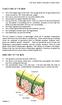 FUNCTIONS OF THE SKIN Skin is the largest organ of the body. The average adult has 18 square feet of skin which account for 16% of the total body weight. Skin acts as a physical barrier for you to the
An Overview of Cells and Cell Research
 An Overview of Cells and Cell Research 1 An Overview of Cells and Cell Research Chapter Outline Model Species and Cell types Cell components Tools of Cell Biology Model Species E. Coli: simplest organism
Suffering from varicose veins? Patient Information. ELVeS Radial Minimally invasive laser therapy of venous insufficiency
 Suffering from varicose veins? Patient Information ELVeS Radial Minimally invasive laser therapy of venous insufficiency Do you suffer from heavy legs or visible veins? This makes diseases of the veins
Chapter 4 Physiological Therapeutics. 2 Superficial Heat
 Chapter 4 Physiological Therapeutics 2 Superficial Heat Date revised 8/27/03 Superficial Heat PHYSIOLOGICAL EFFECTS OF HEAT APPLICATION 1. Increases blood flow 5. Promotes abnormal ossification 2. Increases
Benefits of Cold Laser Therapy in Pain Management CURE SOME, COMFORT ALL. Disclaimer, Conflict of Interest. Objectives
 Benefits of Cold Laser Therapy in Pain Management Disclaimer, Conflict of Interest A Guide for Health Care Professionals Jason Reed, MD, Medical Director 2010 Partly Adapted/Revised from Meditech-Bioflex
Scientific fraud in laser therapy
 Scientific fraud in laser therapy By Lars Hode & Jan Tunér Swedish Laser Medical Society A number of reports on scientific fraud have recently been highlighted in the international press. The main stories
STEM CELL FELLOWSHIP
 Module I: The Basic Principles of Stem Cells 1. Basics of Stem Cells a. Understanding the development of embryonic stem cells i. Embryonic stem cells ii. Embryonic germ cells iii. Differentiated stem cell
High Power Laser Therapy (HPLT)
 High Power Laser Therapy (HPLT) Revolutionizing The Non-Surgical Treatment of Neuro-musculoskeletal Pain and Wound Healing PHYSICIAN SEMINAR Presented by: Bruce R. Coren, DVM, MS Cofounder, Chairman and
Physiotherapy in Rheumatoid Arthritis. Information for patients Gina Wall Senior Physiotherapist
 Physiotherapy in Rheumatoid Arthritis Information for patients Gina Wall Senior Physiotherapist What do Physiotherapists do? We conduct assessments by asking detailed questions about your symptoms, medical
Provided by the American Venous Forum: veinforum.org
 CHAPTER 1 NORMAL VENOUS CIRCULATION Original author: Frank Padberg Abstracted by Teresa L.Carman Introduction The circulatory system is responsible for circulating (moving) blood throughout the body. The
Non-Fractional Broadband Infrared Light for: Acne Scarring - Preliminary Results
 Non-Fractional Broadband Infrared Light for: Acne Scarring - Preliminary Results Ilaria Ghersetich Jean Luc Levy M.D. M.D., Daisy Kopera and Mario A Trelles M.D. M.D.,, Presented at (ESLAS), the European
2nd MuscleTech Network Workshop. From translational Research to translational Medicine. CONCLUSIONS AND CLOSING REMARKS Dr.
 2nd MuscleTech Network Workshop. From translational Research to translational Medicine. CONCLUSIONS AND CLOSING REMARKS Dr. Carles Pedret MUSCLE AND TENDON WORKSHOP HEALTH AND GENERAL POPULATION SPORTS
MLS Laser Therapy: demonstrated scientifically.
 MLS Laser Therapy: demonstrated scientifically. ASAlaser: valid innovation. We have increased our experience day after day since 1983, successfully dedicating ourselves to therapy solutions in Pain Management
.org. Arthritis of the Hand. Description
 Arthritis of the Hand Page ( 1 ) The hand and wrist have multiple small joints that work together to produce motion, including the fine motion needed to thread a needle or tie a shoelace. When the joints
What Each Vitamin & Mineral Does In Your Body. Vitamin A
 What Each Vitamin & Mineral Does In Your Body Vitamin A Prevents skin disorders, such as acne, wrinkling and age spots. Enhances the immune system protects against colds, flu, and infections to kidney,
Endoscopic Plantar Fasciotomy
 Endoscopic Plantar Fasciotomy Introduction Plantar fasciitis is a common condition that causes pain centralized around the heel. It may be severe enough to affect regular activities. Health care providers
Level 1, 131-135 Summer Street ORANGE NSW 2800 Ph: 02 63631688 Fax: 02 63631865
 Write questions or notes here: Level 1, 131-135 Summer Street ORANGE NSW 2800 Ph: 02 63631688 Fax: 02 63631865 Document Title: Total Knee Replacement Further Information and Feedback: Tell us how useful
THE SPINAL CORD AND THE INFLUENCE OF ITS DAMAGE ON THE HUMAN BODY
 THE SPINAL CORD AND THE INFLUENCE OF ITS DAMAGE ON THE HUMAN BODY THE SPINAL CORD. A part of the Central Nervous System The nervous system is a vast network of cells, which carry information in the form
Acute Low Back Pain. North American Spine Society Public Education Series
 Acute Low Back Pain North American Spine Society Public Education Series What Is Acute Low Back Pain? Acute low back pain (LBP) is defined as low back pain present for up to six weeks. It may be experienced
Other Noninfectious Diseases. Chapter 31 Lesson 3
 Other Noninfectious Diseases Chapter 31 Lesson 3 Diabetes Diabetes- a chronic disease that affects the way body cells convert food into energy. Diabetes is the seventh leading cause of death by disease
Demystifying Stem Cells. Brent Bost M.D., CPA, MBA, FACOG
 Demystifying Stem Cells Brent Bost M.D., CPA, MBA, FACOG Disclaimers Author currently serves on Board of Directors of CordTrack Most applications discussed today are not currently FDA approved and are,
A single device, a plethora of treatments.
 A single device, a plethora of treatments. A single device, a plethora of treatments. ETHEREA was developed to bring in the market the best, most efficient and top-rated technologies device for laser and
Patient Information and Consent for Medical/Laser/Intense Pulsed Light Treatment. VASClinic PROCEDURES
 This consent form includes general descriptions of various dermatological treatments, including possible benefits and risks that may occur as a result of these treatments. Your doctor or nurse will describe
ARTHROSCOPIC HIP SURGERY
 ARTHROSCOPIC HIP SURGERY Hip Arthroscopy is a relatively simple procedure whereby common disorders of the hip can be diagnosed and treated using keyhole surgery. Some conditions, which previously were
LOOK, FEEL AND LIVE BETTER. Topical Skin Care
 LOOK, FEEL AND LIVE BETTER Topical Skin Care Pycnogenol in Topical Skin Care Pycnogenol is widely used in topical and oral applications for various dermatological indications. A unique combination of pharmacological
Elbow Injuries and Disorders
 Elbow Injuries and Disorders Introduction Your elbow joint is made up of bone, cartilage, ligaments and fluid. Muscles and tendons help the elbow joint move. There are many injuries and disorders that
Smoothbeam Laser Treatment of Acne Vulgaris. Emerging Applications
 Smoothbeam Laser Treatment of Acne Vulgaris Emerging Applications About Acne Vulgaris Very common - Affects 80% of population Almost every person experiences acne Most common reason to visit dermatologist
Independent Clinics Lasers and Intense Pulse Light Source Treatments
 Independent Clinics Lasers and Intense Pulse Light Source Treatments Registration & Inspection Unit May 2008 (amended October 2013) Department of Health and Social Care Rhyenn Slaynt as Kiarail y Theay
Neutral Superoxidized solution vs. benzoyl peroxide gel 5% in the treatment of. Superoxidized solution (SOS) is an electrochemically processed aqueous
 Neutral Superoxidized solution vs. benzoyl peroxide gel 5% in the treatment of acne vulgaris: a randomized open-label clinical trial. Summary. Superoxidized solution (SOS) is an electrochemically processed
.org. Posterior Tibial Tendon Dysfunction. Anatomy. Cause. Symptoms
 Posterior Tibial Tendon Dysfunction Page ( 1 ) Posterior tibial tendon dysfunction is one of the most common problems of the foot and ankle. It occurs when the posterior tibial tendon becomes inflamed
Periorbital skin tightening with broadband infrared light device - Preliminary Results
 Periorbital skin tightening with broadband infrared light device - Preliminary Results Elman Monica, MD* Elman Aesthetics Clinic, Rishon Le Zion, Israel Abstract Background and Objectives: Periorbital
Clinical and Therapeutic Cannabis Information. Written by Cannabis Training University (CTU) All rights reserved
 Clinical and Therapeutic Cannabis Information Written by Cannabis Training University (CTU) All rights reserved Contents Introduction... 3 Chronic Pain... 6 Neuropathic Pain... 8 Movement Disorders...
The Science of Muscle Growth and Repair By William Cabot M.D., FAAOS
 The Science of Muscle Growth and Repair By William Cabot M.D., FAAOS Part 2 - The Role Individual Amino Acids Play in Muscle growth and Repair American Casein Company has been a worldwide leader in supplying
Low-Level Laser Acupuncture
 Low-Level Laser Acupuncture By Jose T. Vargas, MSc ABSTRACT Traditional Chinese Medicine (TCM) theory states that Qi, or the vital energy, is the living force behind life, all the cosmic forces in nature,
Stem Cell Quick Guide: Stem Cell Basics
 Stem Cell Quick Guide: Stem Cell Basics What is a Stem Cell? Stem cells are the starting point from which the rest of the body grows. The adult human body is made up of hundreds of millions of different
ANIMALS FORM & FUNCTION BODY DEFENSES NONSPECIFIC DEFENSES PHYSICAL BARRIERS PHAGOCYTES. Animals Form & Function Activity #4 page 1
 AP BIOLOGY ANIMALS FORM & FUNCTION ACTIVITY #4 NAME DATE HOUR BODY DEFENSES NONSPECIFIC DEFENSES PHYSICAL BARRIERS PHAGOCYTES Animals Form & Function Activity #4 page 1 INFLAMMATORY RESPONSE ANTIMICROBIAL
MRET-Shield Synopsis of Scientific Research Updated on June 1, 2007
 MRET-Shield Synopsis of Scientific Research Updated on June 1, 27 MRET-Shield material and devices made, when placed in proximity to persons, animals and plants serve to lessen adverse health effects caused
An extraordinary claim requires extraordinary proof. Marcello Truzzi
 How Not To Promote Laser Therapy By Jan Tunér, DDS Lars Hode, DrSci (Swedish Laser Medical Society) Peter A Jenkins, MBA (Australian Medical Laser Association) We can talk to the cells, but we must learn
 CAMBRIDGE UNIVERSITY CENTRE FOR BRAIN REPAIR A layman's account of our scientific objectives What is Brain Damage? Many forms of trauma and disease affect the nervous system to produce permanent neurological
Chetek-Weyerhaeuser High School
 Chetek-Weyerhaeuser High School Anatomy and Physiology Units and Anatomy and Physiology A Unit 1 Introduction to Human Anatomy and Physiology (6 days) Essential Question: How do the systems of the human
The role of negative -ION in the improvement of our health
 What are IONS and where do they come from? IONS are particles with a positive or a negative electrical charge The percentage and number of +IONS and -IONS change depending on the time and place. IONS can
4 Week Body Contour / Lipo Light Program
 Natural Health Solutions 14698 Galaxie Ave. Apple Valley, MN 55124 (952) 891-22225 4 Week Body Contour / Lipo Light Program Welcome and Congratulations! This is an important decision towards improving
Mechanism of short-term ERK activation by electromagnetic fields at mobile phone frequencies. Biochemistry Journal. August 1, 2007 405, pp.
 Mechanism of short-term ERK activation by electromagnetic fields at mobile phone frequencies 1 Biochemistry Journal August 1, 2007 405, pp. 559 568 Joseph Friedman, Sarah Kraus, Yirmi Hauptman, Yoni Schiff
7 Answers to end-of-chapter questions
 7 Answers to end-of-chapter questions Multiple choice questions 1 B 2 B 3 A 4 B 5 A 6 D 7 C 8 C 9 B 10 B Structured questions 11 a i Maintenance of a constant internal environment within set limits i Concentration
Informed Consent for Cosmetic Laser Skin Resurfacing with the DOT laser
 Informed Consent for Cosmetic Laser Skin Resurfacing with the DOT laser INSTRUCTIONS This informed-consent document has been prepared to help inform you about laser procedure, its risks, as well as alternative
AcneBooklet_A02.qxp 25-04-2007 14:05 Side 1. Acne treatment CLINICALLY PROVEN SAFE AND EFFECTIVE
 AcneBooklet_A02.qxp 25-04-2007 14:05 Side 1 Acne treatment CLINICALLY PROVEN SAFE AND EFFECTIVE AcneBooklet_A02.qxp 25-04-2007 14:05 Side 2 AcneBooklet_A02.qxp 25-04-2007 14:05 Side 3 At some point in
Promising Treatments for SCI: What s on The Horizon. SCI: A Devastating Injury. Case: Mr. MC 9/21/2015. Epidemiology: Costs:
 Promising Treatments for SCI: What s on The Horizon Shawn Song, MD SCI Fellow University of Washington/VA Puget Sound Healthcare System SCI: A Devastating Injury Epidemiology: Incidence of ~12,000 patients/year.
Top Ten Things to Know About Stem Cell Treatments
 Top Ten Things to Know About Stem Cell Treatments Many clinics that are offering stem cell treatments make claims about what stem cells can and cannot do that are not supported by our understanding of
Thyroid Eye Disease. Anatomy: There are 6 muscles that move your eye.
 Thyroid Eye Disease Your doctor thinks you have thyroid orbitopathy. This is an autoimmune condition where your body's immune system is producing factors that stimulate enlargement of the muscles that