
Gastrointestinal Intervention
|
|
|
- Luke Lang
- 10 years ago
- Views:
Transcription
1 Gastrointest Interv 2012; 1:58 62 Contents lists available at SciVerse ScienceDirect Gastrointestinal Intervention journal homepage: Review Article Current guidelines for endoscopy in patients receiving antithrombotic medication Christopher J.L. Khor *, Juanda L. Hartono abstract Antiplatelet agents and anticoagulants make up the larger group of antithrombotic medications, which have seen increasing use worldwide as populations in developed countries age, and ischemic heart disease prevalence rises. Antithrombotic medications reduce the risk of thromboembolic events in susceptible individuals, but increase the risk of gastrointestinal bleeding. Cessation of antithrombotic drugs prior to endoscopic therapy has been proposed, aimed at reducing the risk of immediate and early bleeding. However, interruption of antithrombotic therapy is associated with cardiovascular risk. The peri-endoscopic management of patients at high thromboembolic risk therefore requires knowledge of both the bleeding risk associated with endoscopic procedures, and the potential risks of stopping antithrombotic therapy. Three major endoscopy organizations (British Society of Gastroenterology, American Society of Gastrointestinal Endoscopy & European Society of Gastrointestinal Endoscopy) have published guidelines aimed at providing a rational strategy for the endoscopist in managing the individual patient on antithrombotic medication. This article compares and contrasts the approach of each guideline, in an attempt at consensus. The British Society of Gastroenterology and American Society of Gastrointestinal Endoscopy guidelines address the use of both antiplatelet agents and anticoagulants during the peri-endoscopic period, while the European Society of Gastrointestinal Endoscopy guideline is focused solely on antiplatelet medication. The guidelines were formulated with reference mainly to observational studies and expert opinion, and therefore have a limited basis in evidence. A rational strategy is proposed for common scenarios encountered in gastrointestinal endoscopy, based on the published guidelines. Despite the existence of these guidelines, they serve at best as a framework for individualized management tailored to the patient s particular clinical scenario. Copyright Ó 2012, Society of Gastrointestinal Intervention. Published by Elsevier. All rights reserved. Keywords: Antiplatelet, Aspirin, Gastrointestinal endoscopy, Thienopyridine, Warfarin bleeding Introduction Antiplatelet agents and anticoagulants make up the larger group of antithrombotic medications. These drugs have seen increasing use worldwide as populations in developed countries age, and ischemic heart disease prevalence rises. The antiplatelet agents are comprised of, the non-steroidal anti-inflammatory drugs (NSAIDs), the thienopyridines (e.g., clopidogrel, prasugrel & ticlodipine) and the glycoprotein IIb/IIIa receptor inhibitors. Anticoagulants include,, heparin and the low-molecular-weight heparins. Antithrombotic medications reduce the risk of thromboembolic events in susceptible individuals, but increase the risk of gastrointestinal bleeding. 1 Cessation of antithrombotic drugs prior to endoscopic therapy has been proposed in a number of studies, aimed at reducing the risk of immediate and early bleeding. Interruption of antithrombotic therapy is however associated with cardiovascular risk; it has been estimated that about 5% of hospitalizations for acute coronary syndrome are due to discontinuation of antiplatelet therapy in patients undergoing a non-cardiovascular procedure. 2 The periendoscopic management of patients at high thromboembolic risk therefore requires knowledge of both the bleeding risk associated with endoscopic procedures, and the potential risks of stopping antithrombotic therapy. 3 The guidelines Three major endoscopy organizations have published guidelines aimed at providing a rational strategy for the endoscopist in managing the individual patient on antithrombotic medication. This paper will compare and contrast the approach of each guideline, in an attempt at consensus. Department of Gastroenterology & Hepatology, National University Hospital, 1E Kent Ridge Rd, NUHS Tower Block, Level 10, Singapore , Singapore Received 10 September 2012; Revised 23 September 2012; Accepted 24 September 2012 * Corresponding author. Department of Gastroenterology & Hepatology, National University Hospital, 1E Kent Ridge Rd, NUHS Tower Block, Level 10, Singapore , Singapore. address: [email protected] (C.J.L. Khor) /$ see front matter Copyright Ó 2012, Society of Gastrointestinal Intervention. Published by Elsevier. All rights reserved.

2 Christopher J.L. Khor and Juanda L. Hartono / Endoscopy and antithrombotic medication 59 The published guidelines, in chronological order of publication, are: (1) Guidelines for the management of anticoagulant and antiplatelet therapy in patients undergoing endoscopic procedures published by the British Society of Gastroenterology (BSG) in ; (2) Management of antithrombotic agents for endoscopic procedures, which is an update of two guidelines and was published by the American Society of Gastrointestinal Endoscopy: () in ; and (3), Endoscopy and antiplatelet agents by the European Society of Gastrointestinal Endoscopy (ESGE) published in The BSG and guidelines address the use of both antiplatelet agents and anticoagulants during the peri-endoscopic period, while the ESGE guideline is focused solely on antiplatelet medication. All three guidelines stratify the risk of bleeding by procedure type (low vs. high bleeding risk) and the risk of thromboembolic events (low vs. high risk) arising from discontinuation of therapy. It is noteworthy that these guidelines were formulated with reference mainly to observational studies and expert opinion, and many of the recommendations made therefore have a limited basis in evidence. The guidelines also vary by the depth into which specific endoscopic procedures are discussed with respect to associated bleeding risk. The BSG does not discuss individual procedures. The discusses diagnostic endoscopy, colonic polypectomy, endoscopic sphincterotomy and percutaneous endoscopic gastrostomy (PEG). The ESGE guideline carries the most detailed discussion of the bleeding risks associated with all the procedures highlighted by the, but in addition reviews endoscopic mucosal resection (EMR) and endoscopic submucosal dissection (ESD), EUS-FNA, endoscopic stent placement and dilation, device-assisted enteroscopy, endoscopic variceal ligation, and argon plasma coagulation Table 1 Bleeding Risk Stratified by Type of Endoscopic Procedure Bleeding risk Type of procedure Guideline where risk is specified Low risk for Diagnostic EGD, colonoscopy bleeding (including biopsy) Colonic polypectomy <1 cm ESGE ERCP without sphincterotomy EUS without FNA EUS-FNA of solid masses ESGE Stricture dilation ESGE Digestive stenting Argon plasma coagulation ESGE Diagnostic enteroscopy and balloon-assisted enteroscopy Capsule endoscopy bleeding ERCP with sphincterotomy, with or without balloon papillary dilation Polypectomy Stricture dilation Variceal therapy PEG placement Endoscopic hemostasis EUS with FNA Cyst-enterostomy Tumor ablation any technique EMR, ESD and ampullary resection EMR All in and BSG; >1 cm in ESGE, BSG All in, BSG; cystic lesions only, in ESGE ESGE, BSG, American Society of Gastrointestinal Endoscopy; BSG, British Society of Gastroenterology; EGD, Esophago-Gastro-Duodenoscopy; EMR, endoscopic mucosal resection; ERCP, endoscopic retrograde cholangiopancreatography; ESD, endoscopic submucosal dissection; ESGE, European Society of Gastrointestinal Endoscopy; EUS, Endoscopic Ultrasound; FNA, Fine Needle Aspiration; PEG, percutaneous endoscopic gastrostomy. Table 2 Thrombosis Risk Stratification for Discontinuation of Clopidogrel Low risk for thrombosis thrombosis Coronary DES >12 mos previously Bare metal coronary stents inserted >6 wks previously without associated risk factors Stroke without cardiac failure >6 wks previously Ischemic heart disease without coronary stents Cerebrovascular disease Peripheral vascular disease Coronary DES inserted 12 mos previously Bare metal coronary stents inserted 6 wks previously or >6 wks previously with associated risk factors Stroke 6 wks previously Acute coronary syndrome Non-stented percutaneous coronary intervention after myocardial infarction DES, drug-eluting stents. Adapted from ESGE, BSG and guidelines. (APC) hemostasis. Table 1 summarizes bleeding risk stratified by type of endoscopic procedure. Tables 2 and 3 stratify cardiovascular conditions by thromboembolic risk when antiplatelet agents and anticoagulant therapy are discontinued, respectively. Procedures at low risk of peri-endoscopic bleeding All three guidelines are in agreement that is to be continued. The BSG and recommend continuing thienopyridines. The ESGE however recommends stopping the thienopyridines for these particular scenarios although they are deemed low-risk for bleeding: removal of subcentimeter colonic polyps, stricture dilation, enteral stent placement, APC and EUS-FNA of solid lesions. Except for enteral stent placement (), these are ed high-risk procedures by the other two societies. For anticoagulants, BSG and guidelines advocate continuation at therapeutic international normalized ratio (INR). Procedures at high risk of peri-endoscopic bleeding In the main, these are procedures involving endoscopic resection and cautery, plus procedures with the potential to induce bleeding that is inaccessible to endoscopic therapy. The three guidelines each dichotomize the approach between conditions at low thromboembolic risk, and those at high thromboembolic risk, with respect to use of, thienopyridines and anticoagulants (the ESGE guideline deals only with antiplatelet agents). The general recommendation with regards to low thromboembolic risk conditions is to stop the therapy concerned before endoscopy (thienopyridine 5 7 days before, Table 3 Thromboembolic Risk Stratification for Discontinuation of Anticoagulant Therapy Low risk for thromboembolism thromboembolism Adapted from BSG and guidelines. Prosthetic metal heart valve in aortic position Bioprosthetic valve Atrial fibrillation without valvular disease Venous thromboembolism >3 mos previously Prosthetic metal heart valve in mitral position Prosthetic heart valve and atrial fibrillation Prosthetic heart valve in any position and previous thromboembolic event Atrial fibrillation with valvular heart disease, prosthetic valves, active congestive heart failure, left ventricular ejection fraction of < 35%, a history of a thromboembolic event, hypertension, diabetes mellitus, or age >75 ys Venous thromboembolism <3 mos previously Thrombophilia syndromes

3 60 Gastrointestinal Intervention (1), days before). For conditions associated with high thromboembolic risk the societies advise delaying endoscopy until the thienopyridine/dual antiplatelet therapy course has ended, or stopping the medication temporarily in consultation with the managing cardiologist. Consideration should also be given to performing an alternative or temporizing procedure associated with lower bleeding risk, if possible. Aspirin should be maintained in all cases, or used in place of the thienopyridine. 2 In patients taking, both BSG and recommend stopping 5 days before the procedure, and bridging with low-molecular-weight heparin. Risk of interrupting antithrombotic therapy for a procedure at higher risk of bleeding, versus the risk of peri-endoscopic bleeding when antithrombotic medication is continued Prior to performing an endoscopic procedure for a patient on antithrombotic therapy, one should first the risks of a thromboembolic event related to interruption of antithrombotic medication, and second, bleeding related to endoscopic therapy while on antithrombotic medication. One should be mindful that a thromboembolic event that may occur following withdrawal of medication can be devastating, whereas bleeding after high-risk procedures, although increased in frequency, is rarely associated with significant morbidity or mortality. 5 Conditions carrying a higher risk of thromboembolic events if antithrombotic therapy is interrupted include atrial fibrillation associated with valvular heart disease, mechanical valves in the mitral position, and mechanical valves in patients who have had a previous thromboembolic event. Study data indicate that the absolute risk of an embolic event for patients in whom anticoagulation is interrupted for 4 to 7 days is about 1%. 6,7 Patients with coronary stents are at high risk of stent thrombosis when dual antiplatelet therapy is discontinued before the minimum duration specified by the American College of Cardiology (ACC); 1 year for drug-eluting stents, and 1 month for bare metal stents. 8 One large prospective study reported a hazard ratio of 89 for stent thrombosis when antiplatelet therapy was discontinued prematurely. 9 Case fatality is extremely high, at 20% to 45%. 3,9 Patients who require dual antiplatelet therapy should always be kept on, and the decision to discontinue the thienopyridine should be taken in consultation with the attending cardiologist. The peri-endoscopic bleeding risk for patients on antithrombotic therapy may be ed by procedure; this review will focus on the procedures at higher risk of bleeding for which more evidence exists. For colonoscopic polypectomy while on or NSAIDs, the bleeding risk appears to be small. 10 Warfarin use is associated with increased bleeding risk, as is resumption of anticoagulation within 1 week of polypectomy. 10,11 Several studies of prophylactic endoclip application suggest that it keeps bleeding rates low in anticoagulated patients, but current evidence is insufficient for its routine use to be recommended. 12,13 The risk of bleeding after endoscopic sphincterotomy (ES) is 0.3% to 2% Withdrawal of does not appear to reduce this risk 17 ; anticoagulation with or heparin however increases the risk of postsphincterotomy bleeding. 18 Large balloon papillary dilation in combination with ES (to avoid mechanical lithotripsy for the removal of large biliary calculi) is associated with higher bleeding risk than ES alone. In PEG placement, the overall risk of bleeding is about 2.5%, 19 but the additional risk conferred by antithrombotic therapy is not known. EMR is done less frequently in the West than in the East; Western series report higher bleeding rates of 4.6% to 12%. Duodenal polypectomy is associated with higher risk of bleeding than polypectomy at other sites, and is reported as 3.1% to 11.6% in the five most recent prospective studies using EMR techniques. The technique of endoscopic ampullectomy is similar to EMR, and is associated with bleeding risk of 5.6% from five large retrospective series. 2 A recent meta-analysis showed that ESD has a two-fold risk of bleeding when compared with EMR (OR 2.20; 95% CI, ). Antiplatelet agents and anticoagulants were routinely stopped ahead of all studies involving these high-risk procedures. Appendix summarizes the approach of each of the three guidelines towards the management of antithrombotic agents for endoscopic procedures at high risk for periprocedural bleeding. Urgent endoscopy in the patient with acute coronary syndrome or a recently placed coronary stent The guideline is the only one that discusses this frequently-encountered scenario in depth. An estimated 1% to 3% of patients with acute coronary syndrome (ACS) will have an associated gastrointestinal (GI) bleed, and these individuals are expected to have a four- to seven-fold increase in the risk of in-hospital mortality over those without GI bleeding. 5 The overall risk of peri-procedural complications associated with upper GI endoscopy is about 1% to 2% (1% with colonoscopy), 20,21 but may be as high as 12% for endoscopy done on the same day as the acute cardiac event. 22 The data in this setting however remains scanty. A decision analysis showed that upper endoscopy before cardiac catheterization was beneficial in patients who presented with overt GI bleed in the setting of ACS, significantly reducing overall mortality. 23 The suggests withholding antiplatelet agents until hemostasis is achieved, but qualifies that no strong recommendation can be made. Conclusion All three guidelines stratify patients by thromboembolic risk if antithrombotic therapy needs to be interrupted, but differ in the detail with which they discuss the individual endoscopic procedures. The ESGE guideline deals only with antiplatelet agents. There is general agreement among them with respect to antiplatelet therapy continuation for individuals at low risk of thromboembolism and for continuation of anticoagulant use, but broad differences are seen in the ESGE review of specific endoscopic therapies. The decision to interrupt antithrombotic therapy has to be individualized in ation of the patient s condition and procedure risks. In patients with coronary stent placement of duration shorter than the appropriate minimum stipulated by the ACC, the high risk of a thrombotic event with devastating consequences mandates that the decision to interrupt antiplatelet therapy is taken in consultation with the attending cardiologist. Conflict of Interest The author & co-author have no conflict of interest to report. References 1. Aronow HD, Steinhubl SR, Brennan DM, Berger PB, Topol EJCREDO Investigators. Bleeding risk associated with 1 year of dual antiplatelet therapy after percutaneous coronary intervention: insights from the clopidogrel for the reduction of events during observation (CREDO) trial. Am Heart J. 2009;157:

4 Christopher J.L. Khor and Juanda L. Hartono / Endoscopy and antithrombotic medication Boustiere C, Veitch A, Vanbiervliet G, Bulois P, Deprez P, Laquiere A, et al. Endoscopy and antiplatelet agents. European Society of Gastrointestinal Endoscopy (ESGE) guideline. Endoscopy. 2011;43: Montalescot G, Hulot JS, Collet JP. Stent thrombosis: who s guilty? Eur Heart J. 2009;30: Veitch AM, Baglin TP, Gershlick AH, Harnden SM, Tighe R, Cairns S, et al. Guidelines for the management of anticoagulant and antiplatelet therapy in patients undergoing endoscopic procedures. Gut. 2008;57: Standards of Practice Committee, Anderson MA, Ben-Menachem T, Gan SI, Appalaneni V, Banerjee S, et al. Management of antithrombotic agents for endoscopic procedures. Gastrointest Endosc. 2009;70: Blacker DJ, Wijdicks EF, McClelland RL. Stroke risk in anticoagulated patients with atrial fibrillation undergoing endoscopy. Neurology. 2003;61: Garcia DA, Regan S, Henault LE, Upadhyay A, Baker J, Othman M, et al. Risk of thromboembolism with short-term interruption of therapy. Arch Intern Med. 2008;168: King 3rd SB, Smith Jr SC, Hirshfeld Jr JW, Jacobs AK, Morrison DA, Williams DO, et al focused update of the ACC/AHA/SCAI 2005 guideline update for percutaneous coronary intervention: a report of the American College of Cardiology/American Heart Association task force on practice guidelines. JAm Coll Cardiol. 2008;51: Iakovou I, Schmidt T, Bonizzoni E, Ge L, Sangiorgi GM, Stankovic G, et al. Incidence, predictors, and outcome of thrombosis after successful implantation of drug-eluting stents. JAMA. 2005;293: Hui AJ, Wong RM, Ching JY, Hung LC, Chung SC, Sung JJ. Risk of colonoscopic polypectomy bleeding with anticoagulants and antiplatelet agents: analysis of 1657 cases. Gastrointest Endosc. 2004;59: Sawhney MS, Salfiti N, Nelson DB, Lederle FA, Bond JH. Risk factors for severe delayed postpolypectomy bleeding. Endoscopy. 2008;40: Sobrino-Faya M, Martinez S, Gomez Balado M, Lorenzo A, Iglesias-García J, Iglesias-Canle J, et al. Clips for the prevention and treatment of postpolypectomy bleeding (hemoclips in polypectomy). Rev Esp Enferm Dig. 2002;94: Friedland S, Soetikno R. Colonoscopy with polypectomy in anticoagulated patients. Gastrointest Endosc. 2006;64: Freeman ML. Complications of endoscopic biliary sphincterotomy: a review. Endoscopy. 1997;29: Masci E, Toti G, Mariani A, Curioni S, Lomazzi A, Dinelli M, et al. Complications of diagnostic and therapeutic ERCP: a prospective multicenter study. Am J Gastroenterol. 2001;96: Cotton PB, Garrow DA, Gallagher J, Romagnuolo J. Risk factors for complications after ERCP: a multivariate analysis of 11,497 procedures over 12 years. Gastrointest Endosc. 2009;70: Hui CK, Lai KC, Yuen MF, Wong WM, Lam SK, Lai CL. Does withholding for one week reduce the risk of post-sphincterotomy bleeding? Aliment Pharmacol Ther. 2002;16: Hussain N, Alsulaiman R, Burtin P, Toubouti Y, Rahme E, Boivin JF, et al. The safety of endoscopic sphincterotomy in patients receiving antiplatelet agents: a case-control study. Aliment Pharmacol Ther. 2007;25: Schapiro GD, Edmundowicz SA. Complications of percutaneous endoscopic gastrostomy. Gastrointest Endosc Clin N Am. 1996;6: Cappell MS, Iacovone Jr FM. Safety and efficacy of esophagogastroduodenoscopy after myocardial infarction. Am J Med. 1999;106: Cappell MS. Safety and efficacy of colonoscopy after myocardial infarction: an analysis of 100 study patients and 100 control patients at two tertiary cardiac referral hospitals. Gastrointest Endosc. 2004;60: Spier BJ, Said A, Moncher K, Pfau PR. Safety of endoscopy after myocardial infarction based on cardiovascular risk categories: a retrospective analysis of 135 patients at a tertiary referral medical center. J Clin Gastroenterol. 2007;41: Yachimski P, Hur C. Upper endoscopy in patients with acute myocardial infarction and upper gastrointestinal bleeding: results of a decision analysis. Dig Dis Sci. 2009;54:

5 Appendix Management of antiplatelet/anticoagulant therapy in endoscopic procedures associated with high risk of bleeding. 62 Procedure BSG ESGE 2011 Continue Continue TPD Continue Continue Continue TPD Continue Continue Continue TPD Thromboembolic risk Thromboembolic risk Thromboembolic risk Low High Low High Low High Low High Low High Low High Colon polypectomy a Pneumatic or bougie dilation a Stop TPD 7 ds before scope Continue if already on, otherwise alone when TPD stopped Consult cardiologist, stopping if Stop 5 ds before endoscopy b No Postpone scope No, bridging LMWH/UFH No Use High risk: beyond minimum duration for in addition start LMWH 2 ds after b No EUS + FNA TPD therapy, continue stopping b Consider No No Endoscopic sphincterotomy Percutaneous endoscopic gastrostomy Endoscopic variceal ligation continuing/starting in dual therapy/tpd alone for patients in periendoscopic period If emergent, stopping and delaying for 7 10 ds; continuing/starting in dual therapy/tpd monotherapy patients in the periendoscopic period Stop for cystic lesions b c 1) Stop TPD 2) use blended current for the extraction of large biliary stones in patients on, mechanical lithotripsy recommended over ES+ LBD b b No Endoscopic b (no hemostasis a recommendation for DAT) EMR/ESD & ampullectomy Device-assisted enteroscopy (EMR only) (EMR only) No No No Consider stopping / instead + cardio consult Gastrointestinal Intervention (1), Note: From Endoscopy in the patient on antithrombotic therapy, by H Abu Daya, L Younan and AI Sharara, 2012 Curr Opin Gastroenterol 28, p Copyright 2012, Lippincott Williams & Wilkins. Adapted with permission. DAT, dual antiplatelet therapy; EMR, endoscopic mucosal resection; ES, endoscopic sphincterotomy; ESD, endoscopic submucosal dissection; EUS, endoscopic ultrasound; FNA, fine needle aspiration; LBD, large balloon dilation; LMWH, low-molecular-weight heparin; TPD, thienopyridine; UFH, unfractionated heparin. a Colon polypectomy <1 cm, dilation of digestive stenosis, EUS with FNA of solid masses, and argon plasma coagulation (APC) are ed low-risk procedures by the ESGE. Aspirin should be continued in all these procedures, whereas thienopyridines are to be continued only in APC of angiodysplasias according to the ESGE. b Consider stopping it if possible, or else can be continued. c If large balloon papillary dilation is to be performed then should be stopped.

Management of the new antiplatelets and anticoagulants
 Management of the new antiplatelets and anticoagulants Session No.: 1 Name: C. Boustiere, T Ponchon Guidelines : Anti-thrombotic agents and digestive endoscopy 2006 : French guideline (SFED) 2007 : Japanese
Management of Antithrombotic Therapy in the Peri-endoscopic Period: An Update
 Management of Antithrombotic Therapy in the Peri-endoscopic Period: An Update Nimeesh Shah, MD March 6, 2015 Santa Clara Valley Medical Center Stanford University School of Medicine None Financial Disclosures
Endoscopy and antiplatelet agents. European Society of Gastrointestinal Endoscopy (ESGE) Guideline
 Guidelines 445 Endoscopy and antiplatelet agents. European Society of Gastrointestinal Endoscopy (ESGE) Guideline Authors C. Boustière 1, A. Veitch 2, G. Vanbiervliet 3, P. Bulois 4, P. Deprez 5, A. Laquiere
Stopping Anti-platelet Agents: Will You Cause a Stroke?
 Stopping Anti-platelet Agents: Will You Cause a Stroke? Glenn M. Eisen MD,MPH The Oregon Clinic-West Hills GI Clinical Professor of Medicine, OHSU Thanks for staying. 1 Don t cause a stroke Objective(s)
Duration of Dual Antiplatelet Therapy After Coronary Stenting
 Duration of Dual Antiplatelet Therapy After Coronary Stenting C. DEAN KATSAMAKIS, DO, FACC, FSCAI INTERVENTIONAL CARDIOLOGIST ADVOCATE LUTHERAN GENERAL HOSPITAL INTRODUCTION Coronary artery stents are
CLINICAL GUIDELINE FOR MANAGEMENTS OF PATIENTS TAKING ANTICOAGULANTS IN ENDOSCOPY 1. Aim/Purpose of this Guideline
 CLINICAL GUIDELINE FOR MANAGEMENTS OF PATIENTS TAKING ANTICOAGULANTS IN ENDOSCOPY 1. Aim/Purpose of this Guideline 1.1. The purpose of this guideline is to assist decision making of whether anticoagulants
STROKE PREVENTION IN ATRIAL FIBRILLATION. TARGET AUDIENCE: All Canadian health care professionals. OBJECTIVE: ABBREVIATIONS: BACKGROUND:
 STROKE PREVENTION IN ATRIAL FIBRILLATION TARGET AUDIENCE: All Canadian health care professionals. OBJECTIVE: To guide clinicians in the selection of antithrombotic therapy for the secondary prevention
Endoscopy. Learning Objectives
 Antiplatelet Agents and Endoscopy Neena S. Abraham, MD, MSCE, FACG Michael E. DeBakey Veterans Affairs Medical Center Sections of Gastroenterology & Health Services Research Associate Professor of Medicine
CHADS score of 5 or 6 Recent (within 3mo) stroke or TIA Rheumatic valvular heart disease CHADs score of 3 or 4
 LAMC Department of Pharmacy Services: ANTICOAGULATION: Surgical Intervention Table 1: Classification of Surgical interventions according to bleeding risk t required to discontinue anticoagulation Dental
The Anti coagulated Patient: The Cardiologist s View. February 28, 2015
 The Anti coagulated Patient: The Cardiologist s View February 28, 2015 Conflicts Dr. McMurtry has no conflicts to disclose. CanMeds Medical Expert (as Medical Experts, physicians integrate all of the CanMEDS
STROKE PREVENTION IN ATRIAL FIBRILLATION
 STROKE PREVENTION IN ATRIAL FIBRILLATION OBJECTIVE: To guide clinicians in the selection of antithrombotic therapy for the secondary prevention of ischemic stroke and arterial thromboembolism in patients
Objectives. Preoperative Cardiac Risk Stratification for Noncardiac Surgery. History
 Preoperative Cardiac Risk Stratification for Noncardiac Surgery Kimberly Boddicker, MD FACC Essentia Health Heart and Vascular Center 27 th Heart and Vascular Conference May 13, 2011 Objectives Summarize
Antiplatelet and Antithrombotics From clinical trials to guidelines
 Antiplatelet and Antithrombotics From clinical trials to guidelines Ashraf Reda, MD, FESC Prof and head of Cardiology Dep. Menofiya University Preisedent of EGYBAC Chairman of WGLVR One of the big stories
Antiplatelet and anticoagulation treatment of patients undergoing carotid and peripheral artery angioplasty
 Round Table: Antithrombotic therapy beyond ACS Antiplatelet and anticoagulation treatment of patients undergoing carotid and peripheral artery angioplasty M. Matsagkas, MD, PhD, EBSQ-Vasc Associate Professor
Financial Disclosures. Learning Objectives 05/06/2015. None
 ANTITHROMBOTIC MANAGEMENT PRE AND POST ENDOSCOPY Dustin Loomes, MD, FRCPC, Advanced training in Inflammatory Bowel Disease University of Alberta Hospital, Edmonton, AB St. Paul s Hospital, Vancouver, BC
CPT COD1NG UPDATES Gastroenterology CPT Advisors
 2014 CPT COD1NG UPDATES Gastroenterology CPT Advisors Joel V. Brill, MD, AGA CPT Advisor Daniel C. DeMarco, MD, ACG CPT Advisor Glenn D. Littenberg, MD, ASGE CPT Advisor The American College of Gastroenterology
Atrial Fibrillation, Chronic - Antithrombotic Treatment - OBSOLETE
 Atrial Fibrillation, Chronic - Antithrombotic Treatment - OBSOLETE Clinical practice guidelines serve as an educational reference, and do not supersede the clinical judgment of the treating physician with
2016 Quick Reference Coding Chart
 43197 Trans nasal esophagoscopy 43198 Biospy Trans Nasal Esophagoscopy Esophagoscopy 43200 Esophagoscopy Includes collection of specimen(s) by brushing or washing, when performed. 43201 Submucosal injection
Endoscopy and infection: Prevention of infection during endoscopy Treatment of infection by endoscopy. M. Arvanitakis SRBG June 2009
 Endoscopy and infection: Prevention of infection during endoscopy Treatment of infection by endoscopy M. Arvanitakis SRBG June 2009 Outline Antibiotic prophylaxis during endoscopy Upper GI endoscopy Lower
Dual Antiplatelet Therapy. Stephen Monroe, MD FACC Chattanooga Heart Institute
 Dual Antiplatelet Therapy Stephen Monroe, MD FACC Chattanooga Heart Institute Scope of Talk Identify the antiplatelet drugs and their mechanisms of action Review dual antiplatelet therapy in: The medical
Reducing Adverse Drug Events With Anti Coagulation Clinics. McFarland Clinic. McFarland Protime Clinic 09/05/12
 Reducing Adverse Drug Events With Anti Coagulation Clinics Dr. Donald Skinner, MD McFarland Clinic 182 Physicians (149 Shareholders) 40 Mid Level Providers 13 Administrators/Executive Directors 1,200 Support
Principles of training in GI endoscopy
 Communication from the ASGE Training Committee REPORT ON TRAINING Principles of training in GI endoscopy This document, prepared by the American Society for Gastrointestinal Endoscopy Committee on Training,
Peri-Operative Anticoagulation Bridging Guidelines
 Peri-Operative Anticoagulation Bridging Guidelines Anticoagulation Bridging Based on Thrombotic Risk and Indication Risk of TE Mechanical Valves Mechanical Valve Bridge Therapy High Any mitral prosthesis
PHARMACOLOGICAL Stroke Prevention in Atrial Fibrillation STROKE RISK ASSESSMENT SCORES Vs. BLEEDING RISK ASSESSMENT SCORES.
 PHARMACOLOGICAL Stroke Prevention in Atrial Fibrillation STROKE RISK ASSESSMENT SCORES Vs. BLEEDING RISK ASSESSMENT SCORES. Hossam Bahy, MD (1992 2012), 19 tools have been identified 11 stroke scores 1
ANESTHESIA FOR PATIENTS WITH CORONARY STENTS FOR NON CARDIAC SURGERY. Dr. Mahesh Vakamudi. Professor and Head
 ANESTHESIA FOR PATIENTS WITH CORONARY STENTS FOR NON CARDIAC SURGERY Dr. Mahesh Vakamudi Professor and Head Department of Anesthesiology, Critical Care and Pain Medicine Sri Ramachandra University INTRODUCTION
How to Effectively Code for Endoscopic Procedures in Gastroenterology
 How to Effectively Code for Endoscopic Procedures in Gastroenterology Ariwan Rakvit, MD Associate Professor Interim Chief, Division of Gastroenterology Texas Tech University Health Science Center All rights
Long term anticoagulant therapy in patients with atrial fibrillation at high risk of stroke: a new scenario after RE-LY trial
 Long term anticoagulant therapy in patients with atrial fibrillation at high risk of stroke: a new scenario after RE-LY trial Camillo Autore Università di Roma Sapienza II Facoltà di Medicina e Chirurgia
GUIDELINE FOR THE MANAGEMENT OF ORAL ANTICOAGULATION BEFORE AND AFTER ELECTIVE SURGERY OR PROCEDURES
 GUIDELINE FOR THE MANAGEMENT OF ORAL ANTICOAGULATION BEFORE AND AFTER ELECTIVE SURGERY OR PROCEDURES OBJECTIVE The objective of this guideline is to optimize the quality of care for patients who require
Treating AF: The Newest Recommendations. CardioCase presentation. Ethel s Case. Wayne Warnica, MD, FACC, FACP, FRCPC
 Treating AF: The Newest Recommendations Wayne Warnica, MD, FACC, FACP, FRCPC CardioCase presentation Ethel s Case Ethel, 73, presents with rapid heart beating and mild chest discomfort. In the ED, ECG
New Anticoagulants and GI bleeding
 New Anticoagulants and GI bleeding DR DANNY MYERS MD FRCP(C) CLINICAL ASSISTANT PROFESSOR OF MEDICINE, UBC Conflicts of Interest None I am unbiased in the use of NOAC s vs Warfarin based on risk benefit
To Bridge or Not to Bridge. Periop Anticoagulation Management. Don Weinshenker, MD Ambulatory Care Denver VAMC
 To Bridge or Not to Bridge Periop Anticoagulation Management Don Weinshenker, MD Ambulatory Care Denver VAMC Financial Disclosure Information Nothing to report Periop AC Management Chronically anti-coagulated
Complications of pediatric endoscopy and colonoscopy. Informed consent. Learning objectives. Complication types. Complications (adults) 10/3/2012
 Complications of pediatric endoscopy and colonoscopy I have no financial relationships with any commercial entity to disclose Petar Mamula, M.D. The Children s Hospital of Philadelphia University of Pennsylvania
The Anticoagulated Patient A Hematologist s Perspective
 The Anticoagulated Patient A Hematologist s Perspective Deborah M. Siegal MD MSc FRCPC Clinical Scholar Division of Hematology and Thromboembolism Thrombosis Canada Research Fellow McMaster University
Novel oral anticoagulant (NOAC) for stroke prevention in atrial fibrillation Special situations
 Novel oral anticoagulant (NOAC) for stroke prevention in atrial fibrillation Special situations Dardo E. Ferrara MD Cardiac Electrophysiology North Cascade Cardiology PeaceHealth Medical Group Which anticoagulant
Anticoagulants in Atrial Fibrillation
 Anticoagulants in Atrial Fibrillation Starting and Stopping Them Safely Carmine D Amico, D.O. Overview Learning objectives Introduction Basic concepts Treatment strategy & options Summary 1 Learning objectives
Antithrombotic therapy
 Orthogeriatrics Clinical Summary Document Antithrombotic therapy Topics Preexisting anticoagulation and timing of surgery Reversal of anticoagulation Perioperative thromboprophylaxis When should we be
University of Ulsan College of Medicine, Asan Medical Center on behalf of the REAL-LATE and the ZEST-LATE trial
 Duration of Dual Antiplatelet Therapy After Drug-Eluting Stent Implantation A Pooled Analysis of the REAL-LATE and the ZEST-LATE Trial Seung-Jung Park MD PhD Seung-Jung Park, MD, PhD, University of Ulsan
WOEST TRIAL- NO ASPIRIN IN STENTED PATIENTS REQUIRING ANTICOAGULATION. Van Crisco, MD, FACC, FSCAI First Coast
 WOEST TRIAL- NO ASPIRIN IN STENTED PATIENTS REQUIRING ANTICOAGULATION Van Crisco, MD, FACC, FSCAI First Coast Conflicts of Interest I have been a paid consultant and speaker for AstraZeneca, makers of
THE INTERNET STROKE CENTER PRESENTATIONS AND DISCUSSIONS ON STROKE MANAGEMENT
 THE INTERNET STROKE CENTER PRESENTATIONS AND DISCUSSIONS ON STROKE MANAGEMENT Stroke Prevention in Atrial Fibrillation Gregory Albers, M.D. Director Stanford Stroke Center Professor of Neurology and Neurological
DATE: 29 August 2012 CONTEXT AND POLICY ISSUES
 TITLE: Dual Antiplatelet Therapy and Enoxaparin or Unfractionated Heparin for patients with ST-elevation Myocardial Infarction: A Review of the Clinical Evidence DATE: 29 August 2012 CONTEXT AND POLICY
Clinical Practice Guideline for Anticoagulation Management
 Clinical Practice Guideline for Anticoagulation Management This guideline is to inform practitioners of the Standard of Care for providing safe and effective anticoagulation management for ambulatory patients.
Therapeutic Approach in Patients with Diabetes and Coronary Artery Disease
 Home SVCC Area: English - Español - Português Therapeutic Approach in Patients with Diabetes and Coronary Artery Disease Martial G. Bourassa, MD Research Center, Montreal Heart Institute, Montreal, Quebec,
NHS FIFE WIDE POLICY - HAEMATOLOGY MANAGEMENT OF ANTICOAGULATION THERAPY DURING MAJOR AND MINOR ELECTIVE SURGERY
 MANAGEMENT OF ANTICOAGULATION THERAPY DURING MAJOR AND MINOR ELECTIVE SURGERY The scope of this guideline is to simplify the management of patients on oral anticoagulation undergoing major and minor surgery.
Optimizing Anticoagulation Selection for Your Patient. C. Andrew Brian MD, FACC NCVH 2015
 Optimizing Anticoagulation Selection for Your Patient C. Andrew Brian MD, FACC NCVH 2015 Who Needs to Be Anticoagulated and What is the Patient s Risk? 1. Atrial Fibrillation ( nonvalvular ) 2. What regimen
East Kent Prescribing Group
 East Kent Prescribing Group Rivaroxaban (Xarelto ) Safety Information Approved by the East Kent Prescribing Group. Approved by: East Kent Prescribing Group (Representing Ashford CCG, Canterbury and Coastal
9/5/14. Objectives. Atrial Fibrillation (AF)
 Novel Anticoagulation for Prevention of Stroke in Patients with Atrial Fibrillation Objectives 1. Review current evidence on use of warfarin in individuals with atrial fibrillation 2. Compare the three
None. Dual Antiplatelet Therapy Plus Systemic Anticoagulation: Bleeding Risk and Management. 76 year old male LINGO 1/5/2015
 Financial Disclosure Information Dual Antiplatelet Therapy Plus Systemic Anticoagulation: Bleeding Risk and Management Robert D. McBane, M.D. Division of Cardiology Mayo Clinic Rochester Dual Antiplatelet
Periprocedural Anticoagulation Adult Inpatient and Ambulatory Clinical Practice Guideline. Cover Sheet
 Periprocedural Anticoagulation Adult Inpatient and Ambulatory Clinical Practice Guideline Cover Sheet Target Population: Inpatient and Ambulatory Adult Patients CPG Contact: Name: Sara Shull, PharmD, MBA,
The 50-year Quest to Replace Warfarin: Novel Anticoagulants Define a New Era. CCRN State of the Heart 2012 June 2, 2012
 The 50-year Quest to Replace Warfarin: Novel Anticoagulants Define a New Era CCRN State of the Heart 2012 June 2, 2012 Disclosures I have I have been involved in trials of new anticoagulants and have received
3/25/14. To Clot or Not What s New In Anticoagulation? Clotting Cascade. Anticoagulant drug targets. Anita Ralstin, MS CNS CNP. Heparin.
 To Clot or Not What s New In Anticoagulation? Anita Ralstin, MS CNS CNP 1 Clotting Cascade 2 Anticoagulant drug targets Heparin XI VIII IX V X VII LMWH II Warfarin Fibrin clot 1 Who Needs Anticoagulation
Optimal Duration of Dual Antiplatelet Therapy
 Optimal Duration of Dual Antiplatelet Therapy Luis A Guzman, MD, FACC, FSCAI Associate Professor of Medicine Director, Cardiac and Vascular Cath Lab University of Florida College of Medicine - Jacksonville
The author has no disclosures
 Mary Bradbury, PharmD, BCPS Clinical Pharmacy Specialist, Cardiac Surgery September 18, 2012 [email protected] This presentation will discuss unlabeled and investigational use of products The author
Perioperative Anticoagulation Management. Tony Ochoa, MD, FACC
 Perioperative Anticoagulation Management Tony Ochoa, MD, FACC Interrupting Anticoagulation: To Bridge or Not? Peri-operative is most common reason Injury/Acute internal bleeding (not discussed) Atrial
Cilostazol versus Clopidogrel after Coronary Stenting
 Cilostazol versus Clopidogrel after Coronary Stenting Seong-Wook Park, MD, PhD, FACC Division of Cardiology, Asan Medical Center University of Ulsan College of Medicine Seoul, Korea AMC, 2004 Background
Stroke Risk Scores. CHA 2 DS 2 -VASc. CHA 2 DS 2 -VASc Scoring Table 2
 Bleeding/Clotting Risk Evaluation Tools for Atrial Fibrillation Patients Before prescribing anticoagulants, providers should weigh the risk of thrombosis against the risk of bleeding. The tools below can
New Oral Anticoagulants Increase Risk for Gastrointestinal Bleeding - A Systematic Review and Meta-Analysis
 New Oral Anticoagulants Increase Risk for Gastrointestinal Bleeding - A Systematic Review and Meta-Analysis Holster IL, Valkhoff VE, Kuipers EJ, Tjwa ET Departments of Gastroenterology and Hepatology,
DUAL ANTIPLATELET THERAPY. Dr Robert S Mvungi, MD(Dar), Mmed (Wits) FCP(SA), Cert.Cardio(SA) Phy Tanzania Cardiac Society Dar es Salaam Tanzania
 DUAL ANTIPLATELET THERAPY Dr Robert S Mvungi, MD(Dar), Mmed (Wits) FCP(SA), Cert.Cardio(SA) Phy Tanzania Cardiac Society Dar es Salaam Tanzania DUAL ANTIPLATELET THERAPY (DAPT) Dual antiplatelet regimen
CARDIAC RISKS OF NON CARDIAC SURGERY
 CARDIAC RISKS OF NON CARDIAC SURGERY N E W S T U D I E S & N E W G U I D E L I N E S W. B. C A L H O U N, M D, F A C C 2014 ACC/AHA Guideline on perioperative cardiovascular evaluation and management
Apixaban Plus Mono vs. Dual Antiplatelet Therapy in Acute Coronary Syndromes: Insights from the APPRAISE-2 Trial
 Apixaban Plus Mono vs. Dual Antiplatelet Therapy in Acute Coronary Syndromes: Insights from the APPRAISE-2 Trial Connie N. Hess, MD, MHS, Stefan James, MD, PhD, Renato D. Lopes, MD, PhD, Daniel M. Wojdyla,
GREEN ZONE No action needed. You are doing great
 Blood Thinner Safety Plan: Which zone are you in? Check your zone often to stay healthy and safe The name of my blood thinner is: (CIRCLE the medications you take): Coumadin (warfarin) Pradaxa (dabigatran)
The digestive system. Medicine and technology. Normal structure and function Diagnostic methods Example diseases and therapies
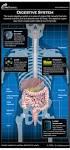 The digestive system Medicine and technology Normal structure and function Diagnostic methods Example diseases and therapies The digestive system An overview (1) Oesophagus Liver (hepar) Biliary system
LOWER GI ENDOSCOPIES So why is CMS yanking our chain? General Concepts for all GI Endoscopy Procedures
 LOWER GI ENDOSCOPIES We have lots of changes to lower GI coding for 2015 to talk about. Code definitions have been revised and many new codes have been added to this chapter. First the good news: All these
DERBYSHIRE JOINT AREA PRESCRIBING COMMITTEE (JAPC) MANAGEMENT of Atrial Fibrillation (AF)
 DERBYSHIRE JOINT AREA PRESCRIBING COMMITTEE (JAPC) MANAGEMENT of Atrial Fibrillation (AF) Key priorities Identification and diagnosis Treatment for persistent AF Treatment for permanent AF Antithrombotic
Antiplatelet and Antithrombotic Therapy. Dr Curry Grant Stroke Prevention Clinic Quinte Health Care
 Antiplatelet and Antithrombotic Therapy Dr Curry Grant Stroke Prevention Clinic Quinte Health Care Disclosure of Potential for Conflict of Interest Dr. F.C. Grant Atrial Fibrillation FINANCIAL DISCLOSURE:
Anticoagulation in Atrial Fibrillation
 Anticoagulation in Atrial Fibrillation Parag P. Patel, MD FACC Disclosures Eliquis Speakers Bureau 1 Clinical Scenario Ms. L is a 76F admitted to the stroke service with a dense right sided hemiparesis
Rivaroxaban for acute coronary syndromes
 Northern Treatment Advisory Group Rivaroxaban for acute coronary syndromes Lead author: Nancy Kane Regional Drug & Therapeutics Centre (Newcastle) May 2014 2014 Summary Current long-term management following
Thrombosis and Hemostasis
 Thrombosis and Hemostasis Wendy Lim, MD, MSc, FRCPC Associate Professor, Department of Medicine McMaster University, Hamilton, ON Overview To review the important developments in venous thromboembolism
Center for Endoscopic Research & Therapeutics
 Center for Endoscopic Research & Therapeutics 5758 South Maryland Avenue (MC9028) Chicago, Illinois 60637 (773) 702-1459 www.uchospitals.edu Center for Endoscopic Research & Therapeutics To refer a patient
Atherosclerosis of the aorta. Artur Evangelista
 Atherosclerosis of the aorta Artur Evangelista Atherosclerosis of the aorta Diagnosis Classification Prevalence Risk factors Marker of generalized atherosclerosis Risk of embolism Therapy Diagnosis Atherosclerosis
Backgrounder. Current anticoagulant therapies
 Backgrounder Bayer AG Investor Relations 51368 Leverkusen Germany www.investor.bayer.com Current anticoagulant therapies Anticoagulant drugs have significantly reduced the risk of thromboembolic events
Dabigatran (Pradaxa) Guidelines
 Dabigatran (Pradaxa) Guidelines Dabigatran is a new anticoagulant for reducing the risk of stroke in patients with atrial fibrillation. Dabigatran is a direct thrombin inhibitor, similar to warfarin, without
UHS CLINICAL CARE COLLABORATION: Outpatient & Inpatient
 Guidelines for Anticoagulation Initiation and Management Y2014 UHS CLINICAL CARE COLLABORATION: Outpatient & Inpatient Topic Page Number MEDICATION FLOW AND PATIENT FLOW... 2 AND 3 PARENTERAL ANTICOAGULANTS...
Evolution of Barrett s esophagus
 Endoscopic Treatment and Surveillance of Esophageal Cancer: GI Perspective Charles J. Lightdale, MD Columbia University New York, NY Evolution of Barrett s esophagus Squamous esophagus Chronic inflammation
What You Should NOAC About the New Anticoagulants. Dr Calum Young Cardiologist
 What You Should NOAC About the New Anticoagulants Dr Calum Young Cardiologist Overview The Burden of AF What s Wrong With Warfarin? The Era of NOACs NOACs in New Zealand Clinical Trials with NOACs Potential
New Anticoagulants for the Treatment of Thromboembolism With a little subplot on superficial thrombophlebitis. Mark Crowther
 New Anticoagulants for the Treatment of Thromboembolism With a little subplot on superficial thrombophlebitis Mark Crowther 1 Disclosures Advisory Boards in last 24 months Pfizer, Alexion, Bayer, CSL Behring,
Goals 6/6/2014. Stroke Prevention in Atrial Fibrillation: New Oral Anti-Coagulants No More INRs. Ashkan Babaie, MD
 Stroke Prevention in Atrial Fibrillation: New Oral Anti-Coagulants No More INRs Ashkan Babaie, MD Arrhythmia Service Providence Heart Clinic June 8 th, 2014 Goals Discuss the data behind approval of NOACs
Presenter: Marco Valgimigli, MD PhD, FESC Erasmus MC, Thoraxcenter Rotterdam The Netherlands
 Comparing zotarolimus-eluting and bare-metal stent efficacy in selected high bleeding risk patients treated with a short dual antiplatelet therapy duration. A pre-specified analysis from the The Zotarolimuseluting
Post-DDW OAG Course - Therapeutic Endoscopy
 Post-DDW OAG Course - Therapeutic Endoscopy June 13, 2015 Jeffrey Mosko Division of Gastroenterology St. Michael's Hospital University of Toronto [email protected] Program Name: Post-DDW OAG course CanMEDS
Dabigatran etexilate for the treatment and secondary prevention of deep vein thrombosis and/or pulmonary embolism ERRATUM
 Dabigatran etexilate for the treatment and secondary prevention of deep vein thrombosis and/or pulmonary embolism ERRATUM This report was commissioned by the NIHR HTA Programme as project number 12/78
Use of Antithrombotic Agents In The Presence Of Neuraxial Anesthesia
 Use of Antithrombotic Agents In The Presence Of Neuraxial Anesthesia Insertion, removal or presence of a catheter in selected sites can place a patient who is antithrombotic agent at risk for a local bleeding
A Patient s Guide to Primary and Secondary Prevention of Cardiovascular Disease Using Blood-Thinning (Anticoagulant) Drugs
 A Patient s Guide to Primary and Secondary Prevention of PATIENT EDUCATION GUIDE What Is Cardiovascular Disease? Cardiovascular disease (CVD) is a broad term that covers any disease of the heart and circulatory
Atrial Fibrillation 2014 How to Treat How to Anticoagulate. Allan Anderson, MD, FACC, FAHA Division of Cardiology
 Atrial Fibrillation 2014 How to Treat How to Anticoagulate Allan Anderson, MD, FACC, FAHA Division of Cardiology Projection for Prevalence of Atrial Fibrillation: 5.6 Million by 2050 Projected number of
FOR THE PREVENTION OF ATRIAL FIBRILLATION RELATED STROKE
 www.bpac.org.nz keyword: warfarinaspirin FOR THE PREVENTION OF ATRIAL FIBRILLATION RELATED STROKE Key Concepts In atrial fibrillation (AF) warfarin is more effective than aspirin for stroke prevention.
The largest clinical study of Bayer's Xarelto (rivaroxaban) Wednesday, 14 November 2012 07:38
 Bayer HealthCare has announced the initiation of the COMPASS study, the largest clinical study of its oral anticoagulant Xarelto (rivaroxaban) to date, investigating the prevention of major adverse cardiac
Anticoagulation Therapy Update
 Anticoagulation Therapy Update JUDY R. WALLING, FNP-BC ARRHYTHMIA MANAGEMENT MUSC CARDIOLOGY Outline Who do we anticoagulate? Review classes of Anticoagulants Review examples of Anticoagulants Review CHADS2
Atrial Fibrillation and Heart Failure: A Cause or a Consequence
 Atrial Fibrillation and Heart Failure: A Cause or a Consequence Rajat Deo, MD, MTR Assistant Professor of Medicine Division of Cardiology, Electrophysiology Section University of Pennsylvania November
A focus on atrial fibrillation
 A focus on atrial fibrillation Is being female really a risk factor for stroke? Dr Justin Mariani MBBS BMedSci PhD FRACP FCSANZ Consultant Cardiologist and Interventional Heart Failure Specialist Alfred