
PROJECT REPORT. MSc Community Eye Health. Refractive Errors Presenting to Eye Clinics in Ghana. Title:
|
|
|
- Delilah Ward
- 9 years ago
- Views:
Transcription


1 PROJECT REPORT MSc Community Eye Health Title: Refractive Errors Presenting to Eye Clinics in Ghana Candidate Number: Supervisor: Mr Ian Murdoch Word Count: 7838 Project Length: Standard Submitted in part fulfilment of the requirements for the degree of MSc Community Eye Health For Academic Year
2 DEDICATION This project is dedicated to God Almighty for He has been so good to me. To my wife, daughter and son: Doris, Nana Tenah and Kobby and the entire extended family. 2
3 ACKNOWLEDGEMENT My sincerest appreciation goes to my supervisor Mr Ian Murdoch for his patience, guidance and gentle but firm supervision from the conception of the project to fruition. I got this far because you always made me believe that it was possible. I am really grateful to Dr Daksha Patel the course organiser for the numerous roles she played in organising the course and encouragement throughout the period. Without the entire teaching team and the supporting staff, the course would not have been complete. Thanks so much. Without the kind financial support from Lt Col Henry Kirkpatrick foundation (LSHTM), Sight Savers International and The International Federation of Ophthalmological Societies/International Council of Ophthalmology I would not have been on the course at all. I am most grateful. Many thanks to Emma Sydenham and Adrienne Burrough for their support and assistance in mobilising funds for my studies. I do acknowledge the very important role played by Gloria Avalos and Mr Oxygen Gershion Wullar in turning the raw data into statistically recognisable material to enable the project to proceed. The data collection demanded a lot of coordination and commitment. Dr Charles Cofi and Mr Richard Bessa you made this possible with a resounding success. Thanks so much. Special thanks to Dr Wiafe Boateng and the participating eye clinics for the part they played in getting the project taking off and completed. It has been a blessing and pleasure belonging to this wonderful CEH group. 3
4 ABBREVIATIONS ASH - BAR - Ashanti Region Brong Ahafo Region CR - Central Region ER - Eastern Region GAR - GDP - Greater Accra Region Gross Domestic Product NR - Northern Region POW - Programme of Work PPP - Purchasing Power Parity UER - UWR - Upper East Region Upper West Region VR - Volta Regions WHO - World Health Organisation WR - Western Region 4
5 TABLE OF CONTENTS DEDICATION..2 ACKNOWLEDGEMENT ABBREVIATIONS. 4 ABSTRACT.7 1. INTRODUCTION Refractive error and visual impairment Magnitude of refractive errors globally Regional and national situation The country s profile Eye care in Ghana RATIONALE FOR THE STUDY AIM OBJECTIVES METHODOLOGY Study design Study Area Target Population Ethics Inclusion and exclusion criteria Sample population Collection of data Data management and statistical analysis RESULTS Demographic characteristics of participants Types of refractive errors Visual acuity at presentation and usage of distance glasses DISCUSSION Limitations of study CONCLUSION RECOMMENDATION AND FUTURE WORK 49 5
6 REFERENCES.50 APPENDICES..53 6
7 ABSTRACT Aim To study the patterns of refractive errors presenting to eye clinics in Ghana Methodology The study, which was a cross sectional study, was conducted over a period of six weeks from the 1st week of June, eye clinics including state, mission and private eye clinics with optometry services in all the 10 regions of Ghana were selected. Designated optometrist or refractionist from the 31 eye clinics collected demographic data and refracted 50 sequential participants aged 5 years and above who had attended the clinic and been referred for refraction after a thorough ophthalmic examination by the ophthalmologist or ophthalmic personnel. Findings Out of the expected 1550 participants expected to take part in the study, 1505 were recruited (97.1%). 9 regions of the country instead of 10 were included in the study because the tenth region was experiencing problems of security at the time of the study. The minimum age of participation was 5 years and the maximum was 89 years with 57.1% and 42.9% females and males respectively. Most of the participants have had secondary level of education and above but males tended to have a higher level of education than females. Refractive errors were of similar proportions in the study with 35.25% hyperopia, 33.5% of myopia and the rest emmetropic with refractive status being similar between males and 7
8 females. Myopia was more prevalent in the younger population, students and the unemployed while hyperopia was prevalent in the older age group, civil servants and the self employed. Also both myopia and hyperopia showed a trend of increasing proportion with increasing level of education. However refractive errors were not associated with ethnicity and sex in this study. Glasses wearing characteristics showed an increasing proportion of wearing prescribed spectacles with increasing age and increasing level of education. Conclusion Refractive errors are common eye conditions presenting in eye clinics in Ghana with equal proportions and significantly associated with age and level of education but not ethnicity and sex. 8
9 1. INTRODUCTION Blindness and its prevention has been on the agenda of the World Health Organisation (WHO ) for decades, thus when VISION 2020 was launched in 1999, the mission statement was to eliminate the main causes of avoidable blindness in order to give all people in the world, particularly the millions of needlessly blind, the right to sight. [1] With this mission, the aim was to eliminate avoidable blindness by the year 2020, targeting cataract, refractive errors/ low vision, trachoma, onchocerciasis and vitamin A deficiency/ other causes of childhood blindness, which were considered responsible for 75 % of all blindness. [1] 1.1 REFRACTIVE ERROR AND VISUAL IMPAIRMENT Refractive error as a cause of blindness has been largely overlooked because the definition of blindness have been based on best corrected distance visual acuity in the better eye. Blindness is defined as a visual acuity (VA) of less than 3/60 with best correction, or a visual field no greater than 10 degrees around fixation, in the better eye (ICD -10 visual categories 3 4 and 5), and low vision is defined as VA less than 6/18 but equal to or better than 3/60, with best correction in the better eye (ICD -10 visual impairment categories 1 and 2). Low vision and blindness combined referred to as visual impairment (ICD- 10 categories and 5) [2] This definition presupposes that everybody wears their most appropriate optical correction all the time, and so the only visual impairment to consider is that which remains after the provision of the best correction. [3] 9
10 The extent of visual impairment resulting from uncorrected or inadequately corrected refractive errors is appreciated if visual impairment is assessed based on presenting vision, that is, visual acuity obtained with currently available refractive correction, if any. [4] A WHO consultative meeting in 2003 recommended that the definition of blindness and low vision be amended and presenting VA substituted for best corrected visual acuity. [1].Thus low vision is replaced by two categories: moderate visual impairment (presenting visual acuity less than 6/18 but equal to or better than 6/60) and severe visual impairment (presenting visual acuity less than 6/60 but equal to or better than 3/60). [4] This definition would give the real magnitude of blindness in a population since this is the visual impairment faced by people in their day to day activities [4,5] Normally, parallel rays of light are brought to a focus on the fovea in an unaccommodating eye in emmetropia, that is, an eye without error of refraction. With refractive error, the optical system of the unaccommodating eye is unable to bring the parallel rays of light to a focus on the fovea. In myopia and hyperopia (hypermetropia) the rays come to a focus in front or behind the fovea respectively. [6] 10


11 Figure 1.Picture showing the optics of emmetropia, myopia and hyperopia Astigmatism results from unequal curvature of the outer corneal surface leading to the focusing of light sharply in only one meridian in the visual plane. Presbyopia is the condition when nearer objects can not be focused on the retina because of failure of accommodation in the fourth and fifth decades. [7] The above conditions result in blurred vision because there is improper focusing on the fovea. Figure 2.Picture showing astigmatism 11
12 1.2 MAGNITUDE OF REFRACTIVE ERRORS GLOBALLY Estimates by WHO in 2002 stated that 161 million people were visually impaired globally, 124 million with low vision and 37 million blind (this excluded refractive errors). Recently released global estimates by WHO in 2006, acknowledged the factor of uncorrected refractive error. It is estimated that 153 million people are visually impaired from uncorrected refractive error (excluding presbyopia), of which 8 million are blind. Adding this estimate to the 161 million in 2002, 314 million people are visually impaired globally from all causes. Uncorrected refractive error thus becomes the second cause of blindness and the main cause of low vision globally. [8] A recently published systematic review estimated the prevalence of visual impairment from uncorrected refractive for all ages above 5 years; for age group 5 to 15 years the global prevalence was 0.96% with highest prevalence in South East Asia and China. A prevalence of 1.1% was estimated for the 16 to 39 year group, between 2 and 5% for the 40 to 49 year group and 95 million people aged 50 and above are visually impaired. [4] Studies from urban India estimated that about 493 million of those aged 15 years and more may have refractive errors [9] and that under corrected refractive error is the most common cause of reversible blindness. [10] 1.3 REGIONAL AND NATIONAL SITUATION In the early 20 th century it was not possible to compile a comprehensive list on blindness globally because of lack of population based survey and varying definition of blindness used in studies. Surveys were therefore organised in the 1950 s to address the paucity in Ghana, Nigeria, 12
13 Sierra Leone and Central and East Africa. [1]. However, there are few blindness surveys on the African continent. A systematic review of studies done over the past 20 years showed a prevalence of blindness of 1%, with refractive error being a significant cause of low vision (vision of less than 6/18 but better than 3/60). [11] A population based survey on the prevalence of major blinding disorders conducted in the Wenchi district of Ghana in 1991 showed prevalence of blindness of 1.7% with 4.2% of this attributable to refractive errors. [12].Another population based survey conducted in the Volta region of Ghana in 2001 estimated the prevalence of refractive errors /uncorrected aphakia as 16.7%. [13] A recent survey done in Greater Accra region to determine the prevalence of refractive error and other eye diseases in school children showed 7.0% prevalence of refractive errors. [14] 1.4 THE COUNTRY S PROFILE Ghana is in West Africa located on the Gulf of Guinea only a few degrees north of the equator with Cote d Ivoire on her west, Burkina Faso to the north, Togo to her east and the Gulf of Guinea as the southern boundary. The climate is tropical with warm and comparatively dry weather along the southeast coast, hot and humid in the southwest and hot and dry in the north. [15] Ghana occupies a land area of 230,940 sq km and total area of 239,460 sq km. With a growth rate of 1.927% the population is 22,931,299 (2007 estimates). The 0 to 14 year age group form 13
14 about 38.2%, the 15 to 64 year group 58.2% and 65 years and above group 3.6% with a median age of 20.2 years. [16] The infant mortality rate is deaths/ 1,000 live births and life expectancy at birth is years. The literacy rate is 75%. There are several ethnic groups with the Akan forming 45.3%, Mole-Dagbon 15.2%, Ewe 11.7%, Ga-Dangme 7.3%, Guan 4%, Gurma 3.6%, Grusi 2.6%, Mande- Busanga 1% other tribes 9.3%. [16] Ghana which used to be called the Gold Coast before independence practises constitutional type of democracy with the capital in Accra. There are 10 administrative regions namely Greater Accra, Central, Western, Volta and Eastern regions. The rest are Ashanti, Brong Ahafo, Northern, Upper West and upper East regions. The country is well endowed with natural resources like gold, timber, diamond, bauxite and agricultural products like cocoa, rice, timber and bananas with gold and cocoa being major sources of foreign exchange. 14
15 Figure 3.Map of Ghana showing the 10 regions The country s GDP-real growth rate is 6.2% and the GDP-per capita (PPP) is $ 1,400. The labour force is million with 56% in agriculture, 15% in industry and 29% in the services. The population below the poverty line is 28.5%. [16] 15
16 1.4.1 EYE CARE IN GHANA The Ghana Health Services recognises that the eye health of Ghanaians is as important as any other aspect of health. The Government of Ghana signed and launched the global declaration of support to the VISION 2020-The Right to Sight in October, The aim of the National Eye Health Programme (NEHP) is the elimination of avoidable blindness by the year [18] Until 1988, eye care provision in Ghana was offered in a few institutions in Accra and other urban areas. Thus access to quality eye care was available to citizens residing in these areas and also those who could afford the cost of care, leaving majority of Ghanaians to either selfmedicate or seek help from traditional healers. [19] In 1991 at the beginning of the 1 st 5 year Programme of Work (POW), only 9 centres in the country provided eye care services. By the end of the 1 st POW and the beginning of the 2 nd 5 year POW the number of eye care centres had increased to 53 and subsequently 66 by the end of [18] No national population based prevalence of blindness study or survey has been conducted till date except for regional population based surveys in the Volta, Northern and Upper West regions. Thus figures stated for causes of blindness in Ghana are estimates using prevalence of blindness of 1%. For a projected population of 20,000,000 in 2000, 200,000 were estimated to be blind from all causes with cataract responsible for 45-50%, glaucoma 15-20%, trachoma 5%, onchocerciasis 5%, childhood blindness 5-10%, refractive errors and low vision 5% and others 10-15%. [18] 16
17 The National Eye Health Programme has targeted 5 main diseases comprising cataract, trachoma, onchocerciasis, childhood blindness and refractive errors and low vision. Other ocular conditions like glaucoma, diabetic retinopathy and sickle cell eye complications are on the agenda for the next phase of the Programme of Work. Human resource is a big challenge in eye care in Ghana. In 2004, there were 42 ophthalmologists in the country with 50% of these based in Accra. There are about 216 ophthalmic nurses serving a population of 20,000,000 with unequal distribution in the regions. There were about 42 optometrists trained from 2 of the country s universities most of whom are based in the cities. Table 1.Table showing the distribution of eye care cadres by regions in 2004 [20] DISTRIBUTION OF EYE CARE PROVIDERS BY CATEGORY PER REGION Region Population Ophthalmologists Optometrists Ophthalmic Nurses Eastern 2,079, Greater Accra 3,451, Western 2,186, Central 1,559, Volta 1,763, Ashanti 4,115, Brong Ahafo 2,003, Northern 2,033, Upper East 961, Upper West 616, National 20,771,
18 Eye care services in the country have seen a lot of progress through collaboration and partnership with World Health Organisation, Sight Savers International, Christoffel Blindenmission, Swiss Red Cross/LIONS Club International and Sight First. Other partners are Valco Trust, Shell (GH) Limited, Rotary Clubs Ghana and International, International trachoma Initiative, carter Centre, World Vision International.. [18] In August 2003 the Ghana Government passed the National Health Insurance act. The primary aim was to improve access to and quality of basic health care services including eye care in Ghana through the establishment of mandatory district level mutual health organisations or district wide insurance schemes. [21] The scheme aims to have every Ghanaian registered within five years from the beginning of the programme, thus enabling Ghanaians to have at least basic health care without paying cash at the health facility as it used to be with the cash and carry system. It covers Ghanaians not working in the formal sector and encompasses both the poor and the rich. The minimum benefits package provides a comprehensive list of services including eye care and medications listed on the national health insurance scheme drug list. Coverage at the end of 2005 was 27% and at the end of December 2006 it had risen to 38% and currently it is about 41%. [22] The minimum benefit package covers about 95% of diseases in Ghana. Certain diseases are not covered unfortunately by the package because it may be too expensive.conditions not covered currently are optical aids (spectacles), hearing aids, beautification aids and others. [23] 18
19 2.0 RATIONALE FOR THE STUDY Uncorrected refractive error is a major cause of blindness and the leading cause of visual impairment in the world as recognised by WHO. Uncorrected refractive errors can have adverse effect on general quality of life, affect performance in school and reduce employability and productivity. Yet correction of refractive errors with the appropriate means is among the most cost effective intervention in eye health care. [4] Data on the magnitude, patterns of refractive errors and associated factors is lacking especially from low and middle income countries. There is an urgent need to conduct a population based survey in Ghana to determine the prevalence of refractive errors and also its association to age, sex, occupation, ethnicity and educational level. The types of refractive errors presenting to eye clinics in the country is not known and therefore this study is a pilot national survey to determine the types and distribution of refractive errors presenting to eye clinics and subsequently a stimulus for population based study. 3.0 AIM The aim of the study is to determine the patterns of refractive errors presenting to eye clinics in Ghana. 4.0 OBJECTIVES The objectives of the study are 1. To determine the types and distribution of refractive errors presenting to eye clinics in Ghana. 2. To explore the demography of refractive errors presenting to eye clinics in Ghana. 19
20 3. To determine the proportion of people needing glasses who are using glasses in those attending eye clinics in Ghana. 5.0 METHODOLOGY Figure 4. Methodology Flow Chart for Refractive Error Study All ten(10) regions of Ghana included in the study Thirty two(32) eye clinics with optometry services including mission and private clinics in the ten regions selected GAR CR WR VR ER ASH BAR NR UWR UER Two(2) assistant investigators (an ophthalmologist and an optometrist) appointed and trained by principal investigator via telephone and internet on the study, data collection Optometrist/refractionist in each clinic contacted, data collection forms, study information sheet and instructions on completion of forms sent by registered post or hand delivered and training on form completion done mainly via telephone 50 sequential refractions including demographic characteristics done from the 1 st week of June,2008 from each eye clinic Completed forms returned by registered post or hand delivered to principal investigator by 2 nd week of July,2008. Sorting out missing data and validation of results in 3 rd week of July,2008 Data entry using EPI INFO version Data analysis using STATA and SPSS 16.0
21 The figures in the 3 rd box from the top of the methodology flow chart refer to the number of eye clinics that took part in the study per the regions of Ghana. 5.1 STUDY DESIGN The study is a cross-sectional study 5.2 STUDY AREA The study involved all the ten (10) regions of Ghana. All eye clinics both government or mission operated with operational optometry services (optometrist and or refractionist) in all the 10 regions were included in the study. Private eye clinics in the country may have a different pattern of refractive error presentation. It was not possible to enumerate all private clinics in the study however in order to assess this aspect of eye care, private eye clinics in Greater Accra Region (have the greatest concentration of eye clinics) with optometry services were included. 21

22 Figure 5. Regional map of Ghana showing Participating Eye Clinics by Regions Each black spot represents eye clinic selected for participation in the study Two black dots (one in Brong Ahafo and the other in Greater Accra regions) with purple partially covering represent clinics that presented less than 50 sequential refraction The clinic in Upper East region was excluded because of insecurity in the town 22
23 5.3 TARGET POPULATION All patients from the age of 5 years and above attending the eye clinics as new patients and referred for refraction after anterior and posterior segment examination from the first week of June, ETHICS Ethical approval was obtained from the London School of Hygiene and Tropical Medicine Ethics Committee and the Ghana Eye Care secretariat gave approval for the conduct of the study. All participants agreed to an informed consent after having had the information sheet read and explained to them. 5.5 INCLUSION AND EXCLUSION CRITERIA All patients from five 5 years of age and above following an initial anterior and or posterior segment examination and referred for refraction were included in the study. Patients below the age of five (5) years and those with obvious eye diseases other than refractive errors that can explain the reduction in visual acuity or symptom were excluded in the study. 5.6 SAMPLE POPULATION Fifty (50) sequential patients referred for refraction for each eye clinic. Thirty two (32) eye clinics were selected; twelve (12) including four (4) private clinics in Greater Accra Region (GAR), three (3) in the Central region (CR), one (1) in Western Region (WR), two (2) in the Volta Region (VR) and four (4) in Eastern Region (ER). Also five (5) in Ashanti Region ASH), 23
24 two (2) in Brong Ahafo Region (BAR) and one (1) each in the Northern (NR), Upper West (UWR) and Upper East Regions (UER). The projected sample size was COLLECTION OF DATA The principal investigator contacted an ophthalmologist and optometrist working in the Greater Accra Region by telephone and via the internet and appointed them as assistant investigators in the study. Briefing and training on the study including the completion of the data collection forms started from the first week in the month of May, 2008 till the actual data collection commenced. A pilot study was done in one of the eye clinics in the second week of May, 2008 and data collected for 20 participants faxed to the principal investigator in the third week of May. The data collection forms were amended and the final form sent via the internet with appropriate coding for the regions and the hospitals, information sheet and instructions on completion of the forms in the last week of May. Training of the optometrist or refractionist was done by the assistant investigators mainly through the telephone after the study documents comprising the information sheet, instructions on completion of the forms and the data collection forms had been sent by registered post or hand delivered. The study commenced in the first week of June. Completion of the form was done by the optometrist after reading the information sheet to potential participants and consent has been granted. The first part involved collection of demographic characteristics like age, sex, 24
25 educational level occupation and ethnicity. Also information of distance glasses use was collected. The second part of the data collection involved checking of vision of participants as presenting vision. Those who had glasses were checked with their glasses on and those without were checked and recorded as such. Objective refractions were done with the equipments available (retinoscope or autorefractometer) and then subjective refraction followed. Results of the subjective refraction were recorded on the forms. Other information on method of refraction and the eye care cadre performing the examination was also recorded. 25
26 Patterns of Refractive Errors in Ghana Data Collection Form Study 1. Regional number 2. Hospital number 3. Sequential number 4. Age (yrs) 5.Sex 1 male 2 female 6. Ethnic Group 7. Highest level of schoo 1 none 2 primary 3 secondary 4 polytechnic/university 8. Occupation 9. Distance glasses 1 with glasses 2 forgot glasses 3 have no glasses Right Left 10. Presenting vision / / 11. Subjective refraction ± ± 12. Near refraction 13. Dispensed 1 not dispensed 2 distance only 3 near only 4 bifocal/separate pairs 14. Method of refraction 1 autorefraction 2 autorefraction with cycloplegia 3 manual 4 manual with cycloplegia 15. Refraction done by 1 Optometrist 2 Refractionist Figure 6 Outline of Data Collection Form used for the Study 26
27 Telephone calls and physically going to some of the participating eye clinics to check on quality of data collection was done actively by the author and the assistant investigators. This was also done to minimise cases of non response. Questions that came up on completing the forms were addressed mainly through the medium of telephone communication. Completed forms for 50 sequential refractions per eye clinic were sent back to the principal investigator by registered post or hand delivered by the second week of July. Forms were checked for missing data and omissions corrected. Data validation was done by randomly selecting three of the clinics and checking the information on the completed forms with their clinic records. 5.8 DATA MANAGEMENT AND STATISTICAL ANALYSIS Completed data forms were kept securely by author under lock and key to ensure confidentiality of participants. Data entry was done using EPI INFO version Data was transferred to STATA/IC10 and Statistical Package for Social Services computer software (SPSS) 16.0 through STAT/Transfer 9 for analysis. Data analysis was done by observing frequencies and cross tabulating variables like sex. age, occupation, level of education, and presenting vision. Other variables cross tabulated were use of distance glasses, refractive errors and type of eye clinic whether state, mission or privately administrated. Pearson chi squared or likelihood ratio estimates were done for the appropriate cross tabulation. 27

28 Figure 7 Picture showing refraction of a participant at one of the eye clinics. 6.0 RESULTS A total of 31 eye clinics out of the expected 32 were recruited into the study. The eye centre representing the Upper East Region was excluded because of the security situation in the town during the period. Of the expected 1550, 1505 people were interviewed and refracted at the end of the study (97.1% of target). 28
29 6.1 Demographic characteristics of Participants Age(years) % 10.8 Series yrs 15-24yrs 25-34yrs 35-44yrs 45-54yrs 55-64yrs 65-74yrs 75+yrs Figure 8 Age distribution of participants The minimum age of participation was 5years and the maximum was 89 years. All ages were fairly represented except for the 75 years and above having 4% representation. 29
30 Distribution of sex % Greater Accra Ce ntral Western Volta Eastern Ashanti Brong Ahafo Northern Upper West male female Figure 9 Sex distribution in the study and across the regions Of the 1505 participants, 859 (57.1%) were females. This trend was the same in all the regions except the Upper West Region were the males were slightly more than the females. Table 2 Occupation of participants by regions Regions (%) Greater Accra Central Western Volta Eastern Ashanti Brong Ahafo Civil servants (37.5) (31.3) (22.0) (32.0) (29.0) (28.7) (46.6) Self employed (33.5) (38.7) (44.0) (29.0) (44.0) (43.0) (34.2) Students (23.4) (26.0) (28.0) (25.0) (25.5) (23.9) (17.8) Unemployed (5.7) (4.0) (6.0) (14.0) (1.5) (4.4) (1.4) Total (100) (100) (100) (100) (100) (100) (100) Northern 25 (51.0) 7 (14.3) 16 (32.7) 1 (2.0) 50 (100) Upper West 33 (66.0) 10 (20.0) 7 (14.0) 0 (0.0) 50 (100) Total 530 (35.2) 542 (36.0) 361 (24.0) 72 (4.8) 1505 (100) 30
31 As shown in table 2 the unemployed formed a small percentage of refractive errors presenting to the eye clinics (4.8%). The Upper West region however had the highest civil servant (66.0%) and the lowest student representation (14.0%). Educational level of participants by sex none primary secondary polytectechnic/u niversity % male female Figure 10 Educational level of participants Most of the respondents have had secondary level of education with a small proportion who have not had any form of formal education as shown in figure 10. Males however tended to have a higher level of education than females. 31
32 Ethnic group of participants 11% 2% 11% Akan Ewe Ga 19% 57% Hausa Others Figure 11 Ethnicity of participants in the study Of the 1505 respondents, 57% were of Akan ethnicity. The 11% comprised of tribes mainly from the Northern and Upper West regions. 6.2 Types of Refractive Errors This study was designed as a pilot survey to look at the patterns and distribution of refractive errors presenting to eye clinics across the country and not only at errors associated with visual impairment. Thus all types of refractive errors whether low or high were included bearing in mind that low refractive errors may result in asthenopic complaints more than visual impairment. The definition of refractive errors thus used were any minus spherical error was considered myopia, any plus spherical error considered as hyperopia and emmetropia none of the two above. 32
33 Mixed refractive error analysed in this study refers to an individual having myopia in one eye and having hyperopia in the second eye. Astigmatism and presbyopia were not looked at and analysed in this study. Out of the 1505 people recruited and interviewed 1504 had their refractions done and completed. One participant was not refracted because the blood sugar was not properly controlled at the time of the study. The refractive errors were of similar proportions in the study. About a third were emmetropic, another third myopic and the remaining third were hyperopic as seen in figure 12. Majority of the participants had similar refractive errors in both eyes with a small proportion having different results in the two eyes. Types and proportion of refractive errors % Series Emmetropia Myopia Hyperopia Mixed Figure 12 Types of refractive errors and the proportions in the study 33
34 The frequency distribution of refractive status among males and females is similar as seen in figure13. Out of the 1504 who had the refractions completed, 147 (9.8%) had refractive errors of and above in at least one eye while 26 (1.7%) had errors of and above. Degree of refractive errors by gender % %M %F -6 and above -4 to to to to 1.9 Refractive errors 2 to and above Figure 13 Frequency distribution of refractive status Table 3 shows the association of age and refractive errors in the study. Myopia peaked at age years while there was a trend of increasing proportions of hyperopia with increasing age. 34
35 Table 3 Distribution of refractive errors with age Types of refractive errors(%) Age groups(yrs) Emmetropia Myopia Hyperopia Mixed Total 5-14yrs 38 (8.6) 46 (9.1) 18 (3.4) 2 (7.7) 104 (6.9) 15-24yrs 89 (20.0) 123 (24.4) 51 (9.6) 2 (7.7) 265 (17.6) 25-34yrs 42 (9.5) 68 (13.5) 18 (3.4) 1 (3.8) 129 (8.6) 35-44yrs 120 (27.0) 44 (8.7) 54 (10.2) 1 (3.8) 219 (14.6) 45-54yrs 97 (21.8) 79 (15.7) 157 (29.7) 2 (7.7) 335 (22.3) 55-64yrs 32 (7.2) 45 (8.9) 147 (27.8) 5 (19.2) 229 (15.2) 65-74yrs 20 (4.5) 67 (13.3) 68 (12.9) 7 (26.9) 162 (10.8) 75+yrs 6 (1.4) 32 (6.3) 16 (3.0) 6 (23.1) 60 (4.0) Total 444 (100) 504 (100) 529 (100) 26 (100) 1503 (100) Pearson chi2= 3.294(21) P As shown in table 5 there was more myopia among students and the unemployed while hyperopia was more prevalent among the civil servants and self employed. Table 4 Occupation and refractive errors Refractive errors (%) Occupation Emmetropia Myopia Hyperopia Mixed Total Civil Servants 148 (28.0) 156 (29.5) 217 (41.0) 8 (1.5) 529 (100) Self employed 158 (29.2) 150 (27.7) 222 (41.0) 11 (2.0) 541 (100) Students 126 (34.9) 166 (46.0) 66 (18.3) 3 (8) 361 (100) Unemployed 12 (16.7) 32 (44.4) 24 (33.3) 4 (5.6) 72 (100) Total 444 (29.5) 504 (33.5) 529 (35.2) 26 (1.7) 1503 (100) Pearson chi2=83.237(9) p There was little difference in refractive errors between males and females. 35
36 Table 5 Gender and refractive errors Types of refractive error (%) Gender Emmetropia Myopia Hyperopia Mixed Total Male 179 (27.7) 226 (35.0) 230 (35.6) 11 (1.7) 646 (100) Female 265 (30.9) 278 (32.4) 299 (34.9) 15 (1.8) 857 (100) Total 444 (29.5) 504 (33.5) 529 (35.2) 26 (1.7) 1503 (100) Pearson chi2=2.057 (3) p=0.561 Table 6 Refractive errors and level of education Types of refractive errors (%) Level of education Emmetropia Myopia Hyperopia Mixed Total None 22 (5.0) 62 (12.3) 41 (7.8) 3 (11.5) 128 (8.5) Primary 99 (22.3) 108 (21.4) 92 (17.4) 7 (26.9) 306 (20.4) Secondary 187 (42.1) 196 (38.9) 225 (42.5) 10 (38.5) 618 (41.1) Polytechnic/University 136 (30.6) 138 (27.4) 171 (32.3) 6 (23.1) 451 (30.0) Total 444 (100) 504 (100) 529 (100) 26 (100) 1503 (100) Pearson chi2= (9) p=0.006 Both myopia and hyperopia showed a trend of increasing with increasing level of education and peaking within the secondary level of education. Types of refractive errors seen at the private, mission and state eye clinics were similar except for a higher proportion of myopia (47.3%) presenting to private eye clinics as seen in table 7. 36
37 Table 7 Distribution of refractive errors by eye clinic administration Types of refractive errors Eye clinics Emmetropia Myopia Hyperopia Mixed Total State 272 (33.1) 249 (30.3) 287 (34.9) 14 (1.7) 822 (100) Mission 128 (25.7) 169 (33.9) 193 (38.7) 9 (1.8) 499 (100) Private 44 (24.2) 86 (47.3) 49 (26.9) 3 (1.6) 182 (100) Total 444 (29.5) 504 (33.5) 529 (35.2) 26 (1.7) 1503 (100) Chi 2= (6) p Ethnicity did not show any association with refractive errors in this study as shown in table 8. Table 8 Ethnicity and refractive errors Types of refractive errors (%) Emmetropia Myopia Hyperopia Mixed Total Akan 252 (56.8) 289 (57.3) 301 (56.9) 14 (53.8) 856 (57.0) Ewe 95 (21.4) 89 (17.7) 94 (17.8) 5 (19.2) 283 (18.8) Ga 37 (8.3) 65 (12.9) 61 (11.5) 5 (19.2) 168 (11.2) Hausa 5 (1.1) 15 (3.0) 10 (1.9) 0 (0.0) 30 (2.0) Others 55 (12.4) 46 (9.1) 63 (11.9) 2 (7.7) 166 (11.0) Total 444 (100) 504 (100) 529 (100) 26 (100) 1503 (100) Chi 2= (12) p=
38 6.3 Visual acuity at presentation and usage of distance glasses Visual acuity testing used in this study is presenting vision. Thus respondents who attended wearing or having their glasses were tested with the glasses on while those who had forgotten or did not have glasses had their vision checked unaided. Table 9 Visual acuity at presentation Presenting vision right eye Presenting Vision left eye Normal Visual impairment Severe Visual impairment Blind Total Normal Visual impairment Severe Visual I Blind Total Out of a total of 1500 participants analysed for visual acuity at presentation, 22 (1.5%) were blind in both eyes, 44 (2.9%) were blind in one eye and visually or severe visually impaired in the other eye. 507 representing 33.8% had some form of visual impairment in one or both eyes. 38
39 Distance glasses characteristics of Participants % 40 Series have glasses forgot glasses have no glasses Figure 14 Chart showing the proportions with or without glasses About two thirds of participants have no glasses prescribed for them. 11% forgot to bring their glasses and 21% had their glasses at time of presentation. The proportion of people with glasses increased with increasing age but there was little difference of having glasses or forgetting glasses between males and females. The proportion of those who had glasses prescribed and wearing them was 65.4%. 39
40 Table 10 Distance Glasses Cross tabulation of distance glasses and age Age group in years (%) Total Have glasses 5 (1.6) 30 (9.7) 16 (5.2) 20 (6.5) 81 (26.3) 81 (26.3) 51 (16.6) 24 (7.8) 308 (100) Forgot glasses 7 (4.3) 27 (16.6) 14 (8.6) 14 (8.6) 44 (27.0) 26 (16.0) 23 (14.1) 8 (4.9) 163 (100) Have no glasses 92 (8.9) 208 (20.1) 99 (9.6) 186 (18.0) 211 (20.4) 122 (11.8) 88 (8.5) 28 (2.7) 1034 (100) Total (6.9) (17.6) (8.6) (14.6) (22.3) (15.2) (10.8) (4.0) (100) Pearson chi2 = (14) p As shown in table 11, the proportion of participants having glasses increased with increasing level of education. Table 11 Distance glasses Cross tabulation of distance glasses and educational level Level of education (%) None Primary Secondary Polytechnic/University Total Have glasses 23 (7.5) 41 (13.3) 103 (33.4) 141 (45.8) 308 (100) Forgot glasses 10 (6.1) 21 (12.9) 71 (43.6) 61 (37.4) 163 (100) Have no glasses 95 (9.2) 245 (23.7) 445 (43.0) 249 (24.1) 1034 (100) Total (8.5) (20.4) (41.1) (30.0) (100) Pearson chi2= (6) p
41 7.0 DISCUSSION This study was a cross sectional survey involving all ages from 5 years and above. It is the first descriptive national survey of refractive errors presenting to eye clinics and its association to demographic characteristics in Ghana. The large sample size is sufficient to give moderately precise estimates of prevalence. The similar participation of all ages except the 75 year group and above is the expected trend as life expectancy at birth for Ghana is 59.1 years and the population above 65 years form about 3.6% of the total population. [16] There was a slightly higher proportion of females than males in the study in all the regions and overall except in the Upper West Region. It is an interesting observation since it may suggest that there are no obstacles or inhibition in the health seeking behaviour between gender, and particularly that females are not prevented or sidelined in eye care provision specifically and accessibility to health care in general. Most of the participants were civil servants and self employed. Across the regions the trend was the same except in the Upper West Region were there were a high proportion of civil servants and a much lower number of students. The study also showed that the unemployed formed a small proportion (4.8%) across all the regions. The finding is similar to the national average of unemployment in the country (5.4%). [29] However this situation could also be as a result of the fact that the National Health Insurance 41
42 Scheme does not cover optical devices like spectacles necessitating patients going for optical services to pay cash if these are prescribed. The unemployed may also be uneducated or have little education making them not appreciate the need to go for refractive services. More than half of the participants who took part in the study were of Akan ethnicity. This is in agreement with literature on the country s demographic characteristics. This however may be an overestimation since the Akan grouping in this study included other ethnic groups that normally would have been considered different. It is interesting to observe that most of the respondents have had some education with 41.0% attaining secondary level education. Males however tended to have a higher level of education than females especially at the polytechnic and university level. The study showed that about a third of the patients who presented in eye clinics and got referred for refraction after complete ophthalmic examination were emmetropic. The proportions with myopia and hyperopia were similar 33.5% and 35.2% respectively. The observation that about a third of the referrals were emmetropic needs to be looked at for efficient planning of eye care services. Patients would have to be examined critically to minimise the referrals thus minimising waste of resources and making more time available for optometry personnel to handle other time demanding cases. 42
43 The refractive status was not different in both males and females in this study. Comparison of these findings to data from India reported by Prema et al and Dandona et al showed similar observations. [9, 24] As expected myopia increased with age and peaked at the 15 to 24 year group. This is the group that are in school and learning and doing a lot of near work. [25] There was a significant association of myopia with occupation especially students and unemployed. Association of unemployment with myopia needs to be looked at in subsequent work since most of the unemployed were in the older age group. Myopia was also significantly associated to level of education increasing with increasing level of education and peaking at the secondary level. Education status as a variable has been shown to involve a lot of near work, and near work has been shown to be associated to myopia in some studies in Finland. [25] Myopia was also associated significantly to the administration running the eye clinics. The state and mission eye clinics had 30.3% and 33.9% myopia while a much higher proportion 47.3% was seen in the private eye clinics. This finding could be as a result of ophthalmic practitioners in the private eye sector selectively referring less emmetropes or more myopes for refraction, or the calibre of people who elect to go to private clinics for various reasons or a combination of the two. 43
44 This study did not find any association of myopia to ethnicity. Population based studies from the United States, Australia and Nepal among others have shown different refractive errors in different ethnic and racial groups. [26, 27, 28] The finding may be explained by the fact that in Ghana there is so much inter ethnic marriages that the possible unique ethnic gene pool related or linked to particular refractive states may have been altered over generations. Hyperopia showed a definite trend of increasing proportions with increasing age and peaking at the year group. This association may be due to reduction in refractive power of the ageing and growing crystalline lens or induced myopia as a result of nuclear sclerosis. Similar observations were made in population based refractive error studies in India and the United States of America. [9,24, 26] Furthermore the association of hyperopia with age showed an interesting finding akin to studies in tropical countries like India. The proportions of hyperopia increased with age and peaked at 54years. It then decreased gradually with increasing age till the age of 64 years. Then there followed a sharp decline with increasing age. These findings are different from those in temperate countries and giving rise to the belief that environmental factors may play an important part in the prevalence of refractive errors in older population. [24] Unlike the finding with myopia, hyperopia was significantly associated to civil servant and self employed occupations. Individuals in these groups were older than the other occupations. 69.1% and 72.0% of civil servants and self employed respectively were aged between 35 to 64 years while 62.3% of students were within the 15 to 24 year group. 44
45 Educational level was significantly associated to hyperopia increasing with higher levels of education especially secondary level. Dandona R et al found an association of borderline significance in their study in urban India. [9] The Indian study was a population based study while this study was people presenting to eye clinics. Thus there could have been a bias in selection if more educated people came to the eye clinics. Reports from studies elsewhere including the refractive error study in rural India have shown an association between hyperopia and gender with the condition being more prevalent in females. [24] This study however showed no significant association. This study showed that 1.5% of participants were blind in both eyes at presentation, and 2.9% were blind in one and visually impaired or severely visually in the other eye. Also 33.8% had some form of visual impairment in one eye or the other. This observation would have been missed completely if the World Health Organisation s definition of best corrected vision was used. People with uncorrected refractive error do their daily activities with this vision and therefore are visually impaired or blind until they seek refractive services or the services catch up with them. In a study to investigate the contribution of refractive errors to visual impairment in patients attending eye clinic in Accra, it was shown that uncorrected refractive error was a major cause of visual impairment. [31] It is interesting to note that about 30% of people referred for refraction after a thorough ophthalmic examination in the study were emmetropic after the procedure. The remaining 70% had refractive errors of varying degrees and types. However just 21% of participants were having 45
46 and using glasses prescribed for them. The implication is that about a third of respondents were doing their daily activities with uncorrected refractive errors with varying effects on vision and subsequently on the quality of work being performed. The study also showed that age was significantly associated with wearing glasses that had been prescribed for refractive errors. The proportion of participants with distant glasses increased with increasing age. This may be because with increasing age, there is the appreciation for the need to see well and comfortably. Also the onset of presbyopia with age puts additional visual strain on the existing failing distance vision. They are therefore compelled to seek optometry help and comply with glasses prescribed. Younger people on the other hand may feel reluctant to wear prescribed glasses because of teasing from their peers. In a study in the United Kingdom, Jeremy Horwood et al found that 35% to 37% of children wearing glasses or having a history of eye patching were more likely to suffer from verbal or physical bullying. [32] The association of age and wearing of glasses in this study agrees with similar findings in a population based study in Bangladesh to determine the prevalence of uncorrected refractive errors. [30] As may be expected, the more educated one is the more likely it is that prescribed glasses for refractive error would be worn. The study found a significant association between educational level and wearing distance glasses with increasing proportion of glasses wear with increasing level of education. This observation is similar to the Andhra Pradesh and Bangladesh studies [9,33]. 46
47 7.1 Limitations of study The study looked at refractive errors presenting to eye clinics. It was not population based therefore findings can not be generalised to the entire population of the country. Exclusion of one region from the study because of insecurity may introduce selection bias. This population may be different from the rest sampled in demographic characteristics or refractive states. The population studied in this survey may be different because there are several optical establishments in the cities with a large patient base. People attending to these facilities may differ from those in my study. Presbyopia and astigmatism were not included in the study this time because of the short period for the conduct of the study. 8.0 Conclusion Refractive errors are common eye conditions with consequences ranging from mild to severe impairment of vision. However,most refractive errors can be easily corrected or remedied with appropriate spectacles or other optical devices. Data on refractive errors and the demographic associations are lacking in Africa in general and Ghana specifically. The objectives of the study which were: to determine the types and distribution of refractive errors presenting to eye clinics in Ghana; to explore the demography of refractive errors 47
48 presenting to eye clinics in Ghana; and, to determine the proportion of people needing glasses who are using glasses in those attending eye clinics in Ghana have been achieved. The study showed that refractive errors are common eye conditions presenting to eye clinics in Ghana with myopia representing 33.5%, hyperopia 35.3%, mixed 1.7% and emmetropia 29.6%. Myopia was more prevalent in the younger population while hyperopia was more prevalent in older population. Also, refractive errors occurred in almost equal proportions between males and females (42.9% and 57.1% respectively) but not significantly associated with ethnicity. However, both myopia and hyperopia showed a trend of increasing with increasing level of education. The study also revealed that 68.7% of participants have not had any glasses prescribed for them. Out of the 31.3% who had glasses prescribed, two thirds wore their glasses at the time of the examination. Data from this study should provide information to help estimate the real burden of refractive errors in the country and also help in the planning of refractive services to minimise visual impairment and blindness resulting from refractive errors. 48
49 9.0 Recommendation and future work Following this study it is recommended that a population based study be conducted in one of the regions which is very cosmopolitan in nature to compare to the findings. Survey on presbyopia should also be conducted since it affects most people above the age of 40 years and studies elsewhere have shown the effect it has on the quality of life of individuals. [30] Looking into the future, I hope to pursue the recommendations stated to help reduce the burden of visual impairment due to refractive errors and provide data for the country specifically. 49
50 REFERENCES 1. World Health Organisation (WHO ), State of the World s Sight VISION 2020: the Right to Sight International Statistical Classification of Diseases and related Health Problems: tenth revision. Geneva WHO, Taylor H R. Refractive Errors: Magnitude of the Need. J Comm Eye Health 2000: 13 (33) : Resnikoff S, et al. Global Magnitude of Visual Impairment caused by uncorrected refractive Errors in Bull of WHO 5. Dandona R and Dandona L. Refractive Error Blindness, Bull WHO, The Eye Diseases Prevalence Research Group. The Prevalence of Refractive Errors Among Adults in The US, Western Europe and Australia, Arch Ophthalmology 2004; 122 ; Robert A Weale, RefractiveErrors and Presbyopia, The Epidemiology of Eye Diseases. 8. World Health Organisation, Action Plan , VISION 2020 Global Initiative for the Elimination of Avoidable Blindness 9. Dandona R, Dandona L, Naduvilath TJ, Srinivas M, McCarty CA and Rao GN, Refractive Errors in An Urban Population in Southern India. The Andhra Pradesh Eye Disease Study. Investigative Ophthalmology and Visual Science, Nov 1999, Vol. 40,No Dandona L, Dandona R et al, Burden of Moderate Visual Impairment in An Urban Population in Southern India. Ophth 1999; 106; Susan Lewallen, Paul Courtright, Blindness in Africa: Present Situation and Future Needs. Br J Ophthalmol August 2001; 85: Moll A C et al. Prevalence of Blindness and Low Vision of People Over 30 years in The Wenchi District, Ghana, In Relation to Eye Care Program, Br J Ophthalmol 1994; 78: Guzek J P, Anyomi F K, Fiadoyor S and Nyonator F. Prevalence of Blindness in People Over 40 Years in the Volta Region of Ghana, Ghana Medical Journal June 2005; 39 (2) :
51 14. Ntim Amponsah C T, Ofosu-Amaah S, Prevalence of Refractive Error and other Eye Diseases in Schoolchildren in the Greater Accra Region Of Ghana, J Paediatric Ophthalmol Strabismus, Sep-Oct 2007; 44 (5): Country Profile, accessed on 31 st March, Central Intelligence Agency, The World Fact book, accessed on 31 st March, Maps of Ghana, accessed on 31 st March, National Eye Health Programme, Imagine Ghana Free of Avoidable Blindness. Framework for Action Ministry of Health, Eye Care Programme First 5 Year Action Plan 20. Ghana Health Service, Annual Eye Care Report, Sara Sulzbach, Bertha Garshon, Gertrude Owusu-Banahene, Evaluating The Effects Of The National Health Insurance Act In Ghana: Baseline Report, accessed 31 March, Osei D, Akazili J and Asenah PA, Implementation of the National Health Insurance Scheme (NHIS) in Ghana, Experience Sharing accessed on 26 August, National Health Insurance Scheme-Health Care For All, accessed 31 March, Prema Raju, S. Ve Ramesh, Hemamalini Arvind, Ronnie George, Mani Baskaran, Pradeep G Paul, Govindasamy Kumaramanickavel, Catherine McCarty and Lingam Vijaya, Prevalence of Refractive Errors in a Rural South Indian Population, Investigative Ophthalmology and Visual Science, December 2004, Vol, 45, No Aine E, Refractive Errors in a Finnish Rural Population, Acta Ophthalmol, 1984 ; 62:
52 26. Wang Q, Klein B E et al, Refractive Status in the Beaver Dam Study, Investigative Ophthalmology and Visual Science, 1994; Allebo k, Ivers RQ et al, Refractive Errors in an older population: The Blue Mountains Eye Study. Ophthalmology; 106: Karki KJD, Karki M, Refractive Error Profile-A Clinical Study, Kathmandu University Medical Journal, 2003, Vol 2. 3, Issue 7, Ghana Statistical Service, 2003 Core Welfare Indicators Questionnaire Survey,Ghana, accessed on 30 August, Llesh Patel, Beatriz Munoz, Andrew G Burke, Andrew Kayongoya, Wilson Mchiwa, Alison W Schwarzwalder and Sheila K West, Impact of Presbyopia on the Quality of Life In a Rural African Setting, Ophthalmology, May 2006, Volume 113, Issue 5, Pages Ntim-Amponsah CT, Contribution of refractive Errors to Visual Impairment in Patients at Korle-Bu Teaching Hospital, Ghana Medical Journal, June 2007, Volume 41, Number Horwood J. Waylen A, Herrick D, Williams C, Wolke D and the Avon Longitudinal Study of Parents and Children Study Team, Common Visual Defects and Peer Victimization in Children, Investigative Ophthalmology & Visual Science, April 2005, Vol. 46, No Bourne RRA, Dineen BP, Noorul Huq DM, Ali SM and Johnson GJ, Correction of Refractive Error in the Adult Population of Bangladesh: Meeting the Unmet Need, Investigative Ophthalmology & Visual Science, February 2004, Vol. 45. No

53 Appendix 1 - Project Approval Form APPENDICES 53

54 54

55 Appendix 2 - LSHTM Ethics Approval 55

56 56

57 57
58 Appendix 3 - Approval from Ghana Health Service 58

59 Appendix 3 - Project Risk Assessment Form 59

60 60

61 Appendix 4 - Student s Questionnaire 61

62 Appendix 5 - Data Collection Form 62
Monitoring Visual Outcomes of Cataract Surgery performed by a Non-physician Cataract Surgeon, at New Sight Eye Center, Paynesville City, Liberia
 Monitoring Visual Outcomes of Cataract Surgery performed by a Non-physician Cataract Surgeon, at New Sight Eye Center, Paynesville City, Liberia Presentation at Unite For Sight, Global Health & Innovation
Preferential and Non-Preferential Reasons for Opting Contact Lens
 Preferential and Non-Preferential Reasons for Opting Contact Lens Ravipati Sarath 1, *Jannitha PA 1 and Pavan KV 2 1 School of Medical Sciences, University of Hyderabad, Hyderabad, Andhra Pradesh, India
Social Protection and Healthcare Financing: Ghana s NHIS Experience by Danaa Nantogmah, FES Ghana
 Social Protection and Healthcare Financing: Ghana s NHIS Experience by Danaa Nantogmah, FES Ghana Introduction and Background The 2010 provisional census results estimated Ghana s population at 24,233,431
Your one stop vision centre Our ophthalmic centre offers comprehensive eye management, which includes medical,
 sight see OLYMPIA EYE & LASER CENTRE Your one stop vision centre Our ophthalmic centre offers comprehensive eye management, which includes medical, At the Olympia Eye & Laser Centre, our vision is to improve
PROPOSED REGULATORY FRAMEWORK FOR OPTOMETRISTS AND OPTICIANS IN SINGAPORE
 PROPOSED REGULATORY FRAMEWORK FOR OPTOMETRISTS AND OPTICIANS IN SINGAPORE PUBLIC CONSULTATION PAPER MOH SEPTEMBER 2005 The Ministry of Health seeks the public s views, comments and feedback on the proposed
TRUSTED LASIK SURGEONS. Eye Conditions Correctable by Refractive Surgical Procedures
 Eye Conditions Correctable by Refractive Surgical Procedures How does the eye focus? Light rays are focused on to the retina (where the image is relayed to the brain) by the cornea and the lens of the
Vision Screening by Teachers in Southern Indian Schools : Testing a New "All Class Teacher" Model
 Management Vision Screening by Teachers in Southern Indian Schools : Testing a New "All Class Teacher" Model Priya Adhiseshan, Dr. K. Veena, R.D.Thulasiraj, Dr. Moutappa Frederick, Dr. Rengaraj Venkatesh,
Important Issues on Ageing in India Recommendations To Planning Commission- Will social improvements for elderly grow by 8 %?
 Important Issues on Ageing in India Recommendations To Planning Commission- Will social improvements for elderly grow by 8 %? HELPAGE INDIA Comparative Demographic Facts 25 21 21 20 % 15 10 8 12 India
Regional workshop on the development of public health control strategies on glaucoma
 Summary report on the Regional workshop on the development of public health control strategies on glaucoma Cairo, Egypt 14 16 December 2009 Summary report on the Regional workshop on the development of
Child Marriage and Education: A Major Challenge Minh Cong Nguyen and Quentin Wodon i
 Child Marriage and Education: A Major Challenge Minh Cong Nguyen and Quentin Wodon i Why Does Child Marriage Matter? The issue of child marriage is getting renewed attention among policy makers. This is
Visual Acuity, Impairments and Vision Insurance Plan Provisions. Stuart West Specialty Sales Manager Virginia CE Forum 2009 Course # 201718
 Visual Acuity, Impairments and Vision Insurance Plan Provisions Stuart West Specialty Sales Manager Virginia CE Forum 2009 Course # 201718 How Vision Works Light passes through the cornea & lens Light
Gender inequalities in South African society
 Volume One - Number Six - August 2001 Gender inequalities in South African society South Africa's national policy framework for women's empowerment and gender equality, which was drafted by the national
Summary. Accessibility and utilisation of health services in Ghana 245
 Summary The thesis examines the factors that impact on access and utilisation of health services in Ghana. The utilisation behaviour of residents of a typical urban and a typical rural district are used
Principles of Ophthalmic Nursing Unit Outline
 Principles of Ophthalmic Nursing Unit Outline Continuing Professional Education (CPE) Course: Application for credit worthiness in progress Prerequisites: Nil Incompatible Units: Nil Co ordinator: Amanda
Progress and prospects
 Ending CHILD MARRIAGE Progress and prospects UNICEF/BANA213-182/Kiron The current situation Worldwide, more than 7 million women alive today were married before their 18th birthday. More than one in three
Global Estimates: 285 million people are affected by visual impairment*. 80% of Visual Impairment is avoidable (can be prevented or cured)
 Visual Impairment and Blindness 2010 Global Estimates: 285 million people are affected by visual impairment*. VI: 285M (4.2) Blind 39M (1) World Population: 6,697M Low Vision 246M (8) 8 of Visual Impairment
HEALTH TRANSITION AND ECONOMIC GROWTH IN SRI LANKA LESSONS OF THE PAST AND EMERGING ISSUES
 HEALTH TRANSITION AND ECONOMIC GROWTH IN SRI LANKA LESSONS OF THE PAST AND EMERGING ISSUES Dr. Godfrey Gunatilleke, Sri Lanka How the Presentation is Organized An Overview of the Health Transition in Sri
PATIENT INFORMATION BOOKLET
 (060110) VISIONCARE S IMPLANTABLE MINIATURE TELESCOPE ( BY DR. ISAAC LIPSHITZ ) AN INTRAOCULAR TELESCOPE FOR TREATING SEVERE TO PROFOUND VISION IMPAIRMENT DUE TO BILATERAL END-STAGE AGE-RELATED MACULAR
Refractive Errors. Refractive Surgery. Eye Care In Modern Life. Structure of the Eye. Structure of the Eye. Structure of the Eye. Structure of the Eye
 Structure of the Eye Eye Care In Modern Life Dr. Dorothy Fan Department of Ophthalmology & Visual Sciences September 2007 Information age > 90% of sensory input Blindness is one of the most fearful disabilities
PREVALENCE OF VISUAL IMPAIRMENT AMONG DIABETIC PATIENTS IN THE KUMBA URBAN AREA, CAMEROON
 International Journal of Innovation and Applied Studies ISSN 2028-9324 Vol. 15 No. 4 May 2016, pp. 872-876 2016 Innovative Space of Scientific Research Journals http://www.ijias.issr-journals.org/ PREVALENCE
THE EYES IN MARFAN SYNDROME
 THE EYES IN MARFAN SYNDROME Marfan syndrome and some related disorders can affect the eyes in many ways, causing dislocated lenses and other eye problems that can affect your sight. Except for dislocated
Eye Care In Modern Life
 Eye Care In Modern Life Dr. Dorothy Fan Department of Ophthalmology & Visual Sciences November 2009 [email protected] Structure of the Eye Information age > 90% of sensory input Blindness is one of
NATIONAL/MUTUAL HEALTH INSURANCE IN GHANA INTRODUCTION, ACCESS, FRAMEWORK
 NATIONAL/MUTUAL HEALTH INSURANCE IN GHANA INTRODUCTION, ACCESS, FRAMEWORK By Dr. Adobea Yaa Owusu Pro MHI Africa Pro MHI Africa is kindly funded by the ACP-EU Cooperation Programme in Higher Education
LASER VISION CORRECTION SURGERY A GUIDE FOR PATIENTS. Professional care for your eye health
 LASER VISION CORRECTION SURGERY A GUIDE FOR PATIENTS Professional care for your eye health Contents About Dr John Males... 1 COMMON QUESTIONS How does an eye work?... 2 What is Myopia (short sightedness)...
CODE OF PRACTICE FOR THE SUPPLY OF CONTACT LENSES AND CONTACT LENS CARE PRODUCTS
 CODE OF PRACTICE FOR THE SUPPLY OF CONTACT LENSES AND CONTACT LENS CARE PRODUCTS Published by the NZAO; Wellington; May 2001 Reviewed March 2013 NZAO Code of Practice for the Supply of Contact Lenses and
VISX Wavefront-Guided LASIK for Correction of Myopic Astigmatism, Hyperopic Astigmatism and Mixed Astigmatism (CustomVue LASIK Laser Treatment)
 CustomVue Advantage Patient Information Sheet VISX Wavefront-Guided LASIK for Correction of Myopic Astigmatism, Hyperopic Astigmatism and Mixed Astigmatism (CustomVue LASIK Laser Treatment) Statements
Information for parents and guardians
 Oxford University Hospitals NHS Trust Orthoptic and Optometry Services Oxford Eye Hospital Children s glasses Information for parents and guardians page 2 The aim of this leaflet is to explain the types
Refractive errors are caused by an imperfectly shaped eyeball, cornea or lens, and are of three basic types:
 Tips on Lasik Eye Surgery If you re tired of wearing glasses or contact lenses, you may be considering Lasik eye surgery one of the newest procedures to correct vision problems. Before you sign up for
Assessing the Accuracy of the Technology-based Eye Care Services (TECS) Protocol to a Standard Clinical Ophthalmic Exam
 Assessing the Accuracy of the Technology-based Eye Care Services (TECS) Protocol to a Standard Clinical Ophthalmic Exam Introduction: As patients age, they are more at risk to lose vision. Routine eye
SMILE SURGERY A GUIDE FOR PATIENTS. Professional care for your eye health
 SMILE SURGERY A GUIDE FOR PATIENTS Professional care for your eye health Contents About Dr John Males... 1 Our Commitment to Our Patients... 2 COMMON QUESTIONS How Does an Eye Work?... 3 What is Myopia
UNAIDS 2014 LESOTHO HIV EPIDEMIC PROFILE
 UNAIDS 214 LESOTHO HIV EPIDEMIC PROFILE 214 LESOTHO Overview The Kingdom of Lesotho is landlocked and surrounded by South Africa. It has a surface area of 3 355 square kilometres and its population is
AUTHORS Sheila John, M Premila, Mohd Javed and Vikas G Amol Wagholikar
 A Pilot Study to Improve Access to Eye Care Services for Patients in Rural India by Implementing Community Ophthalmology through Innovative Telehealth Technology DR SHEILA JOHN AUTHORS Sheila John, M Premila,
Shutterstock TACstock
 Shutterstock TACstock 10 Introduction Since 2000, the IDF Diabetes Atlas has detailed the extent of diabetes and this seventh edition shows how it is impacting every country, every age group and every
INTERNATIONAL PRIVATE PHYSICAL THERAPY ASSOCIATION DATA SURVEY
 INTERNATIONAL PRIVATE PHYSICAL THERAPY ASSOCIATION DATA SURVEY May 215 International Private Physical Therapy Association (IPPTA) IPPTA Focus Private Practitioner Business Education Benchmarking for Member
TRADE UNION MEMBERSHIP 2014. Statistical Bulletin JUNE 2015
 TRADE UNION MEMBERSHIP 2014 Statistical Bulletin JUNE 2015 Contents Contents... 2 Introduction... 3 Key findings... 5 1. Long Term Trends... 6 2.Private and Public Sectors. 12 3. Personal and job characteristics...
New South Wales State and Regional Population Projections 2001-2051. 2004 Release TRANSPORT AND POPULATION DATA CENTRE
 New South Wales State and Regional Population Projections 21-251 251 24 Release TRANSPORT AND POPULATION DATA CENTRE THE TRANSPORT AND POPULATION DATA CENTRE (TPDC) The TPDC is located in the NSW Department
KNOWLEDGE, ATTITUDES AND PRACTICE (KAP) SURVEY - 2010
 KNOWLEDGE, ATTITUDES AND PRACTICE (KAP) SURVEY - 2010 TAKEO PROVINCE, CAMBODIA June 2011 Final Report ACKNOWLEDGEMENTS The Knowledge Attitude and Practice (KAP) was a CBM Cambodia/Australia project, conducted
1.17 Life expectancy at birth
 1.17 Life expectancy at birth The life expectancy of Aboriginal and Torres Strait Islander males and females for a given period. Data sources Life expectancy estimates for the years 2005 2007 presented
Excimer Laser Refractive Surgery
 Excimer Laser Refractive Surgery In the field of ophthalmology has achieved great technological advances and, undoubtedly, the most representative have focused on refractive surgery, which aims to eliminate
Eye and Vision Care in the Patient-Centered Medical Home
 1505 Prince Street, Alexandria, VA 22314 (703) 739-9200200 FAX: (703) 739-9497494 Eye and Vision Care in the Patient-Centered Medical Home The Patient Centered Medical Home (PCMH) is an approach to providing
Climate Parliament Climate Change & Energy Access for the Poor March 26-28, 2010, Limbe, Cameroun
 Climate Parliament Climate Change & Energy Access for the Poor March 26-28, 2010, Limbe, Cameroun SHEP Ghana s Self-help Electrification Programme By Henry Vanderpuye Energy Consultant, Ministry of Energy
Guide to Eye Surgery and Eye-related Claims
 If you or a loved one have suffered because of a negligent error during eye treatment or surgery, you may be worried about how you will manage in the future, particularly if your eyesight has been made
YOUR CHILD S GLASSES. Information Leaflet. Your Health. Our Priority.
 YOUR CHILD S GLASSES Information Leaflet Your Health. Our Priority. Page 2 of 5 If your child is found to have reduced vision or has a squint then he or she will be referred to the community optometrist
Population, Health, and Human Well-Being-- Benin
 Population, Health, and Human Well-Being-- Benin Demographic and Health Indicators Benin Sub- Saharan Africa World Total Population (in thousands of people) 1950 2,046 176,775 2,519,495 2002 6,629 683,782
Ministry of Education, Science and Sports
 Ministry of Education, Science and Sports Republic of Ghana Report on Basic Statistics and Planning Parameters for TEACHER TRAINING COLLEGES in Ghana 2007/2008 EMIS Project March, 2008 ACKNOWLEDGEMENT
Change the Definition of Blindness
 Change the Definition of INTRODUCTION The categorization of visual impairment currently in use worldwide is based on the ICD 10th Revision 1st and 2nd edition. This is derived from a WHO Study group on
Guidelines on the provision of Sustainable eye care for Aboriginal and Torres Strait Islander Australians
 Guidelines on the provision of Sustainable eye care for Aboriginal and Torres Strait Islander Australians (Note: These Guidelines should not be used as a substitute for statutory responsibilities. Optometrists
Tucson Eye Care, PC. Informed Consent for Cataract Surgery And/Or Implantation of an Intraocular Lens
 Tucson Eye Care, PC Informed Consent for Cataract Surgery And/Or Implantation of an Intraocular Lens INTRODUCTION This information is provided so that you may make an informed decision about having eye
Survey the community for early detection of eye defects.
 Minutes of 2 nd meetings of the Committee of Experts held On 8th November, 2010 to formulate the revisied duties of Ophthalmic Assistants under the National Programme for Control of Blindness (NPCB) The
A SNAPSHOT OF ALPENA COUNTY
 A SNAPSHOT OF ALPENA COUNTY agbioresearch.msu.edu msue.msu.edu About the Data This County Profile is to be used with the 2015-2016 Issue Identification process for State University Extension. Unless otherwise
Regional Membership Supplement. USA Canada Caribbean Islands 417-EN (313)
 USA Canada Caribbean Islands 2013 417-EN (313) 2 Introduction This resource accompanies Strategies for Attracting & Engaging Members (417). The supplement contains regional data and membership trends that
LASIK. What is LASIK? Eye Words to Know. Who is a good candidate for LASIK?
 2014 2015 LASIK What is LASIK? LASIK (laser in situ keratomileusis) is a type of refractive surgery. This kind of surgery uses a laser to treat vision problems caused by refractive errors. You have a refractive
CHAPTER 3. Research methodology
 39 CHAPTER 3 Research methodology 3.1 INTRODUCTION In this chapter the research methodology used in the study is described. The geographical area where the study was conducted, the study design and the
Customized corneal ablation can be designed. Slit Skiascopic-guided Ablation Using the Nidek Laser. Scott MacRae, MD; Masanao Fujieda
 Slit Skiascopic-guided Ablation Using the Nidek Laser Scott MacRae, MD; Masanao Fujieda ABSTRACT PURPOSE: To present the approach of using a scanning slit refractometer (the ARK 10000) in conjunction with
INDICATOR REGION WORLD
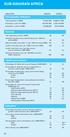 SUB-SAHARAN AFRICA INDICATOR REGION WORLD Demographic indicators Total population (2005) 713,457,000 6,449,371,000 Population under 18 (2005) 361,301,000 2,183,143,000 Population under 5 (2005) 119,555,000
Hopefully this information will be useful for people with dementia, their families, carers and medical professionals.
 et ision 2020 UK The right to sight ementia and Sight Loss Interest Group Cataracts and dementia Cataracts are a very common eye condition in older people. Most people with cataracts are over the age of
INDICATOR REGION WORLD
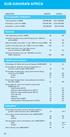 SUB-SAHARAN AFRICA INDICATOR REGION WORLD Demographic indicators Total population (2006) 748,886,000 6,577,236,000 Population under 18 (2006) 376,047,000 2,212,024,000 Population under 5 (2006) 125,254,000
PATIENT REGISTRATION FORM PATIENT INFORMATION
 Siepser Laser Eye Care PATIENT REGISTRATION FORM : PATIENT INFORMATION First Name Middle Initial: Last Name: Birth : Gender: Male Female Marital Status: SSN: Driver s License #: Address: City: State: Zip:
Part 4 Burden of disease: DALYs
 Part Burden of disease:. Broad cause composition 0 5. The age distribution of burden of disease 6. Leading causes of burden of disease 7. The disease and injury burden for women 6 8. The growing burden
Poverty among ethnic groups
 Poverty among ethnic groups how and why does it differ? Peter Kenway and Guy Palmer, New Policy Institute www.jrf.org.uk Contents Introduction and summary 3 1 Poverty rates by ethnic group 9 1 In low income
SUMMARY- REPORT on CAUSES of DEATH: 2001-03 in INDIA
 SUMMARY- REPORT on CAUSES of DEATH: 2001-03 in INDIA Background: Long-term mortality measurement by cause, gender and geographic area has been the requirement of every country. With this in view, Medical
MEDICARE BENEFITS SCHEDULE ITEM USE GUIDE
 MEDICARE BENEFITS SCHEDULE ITEM USE GUIDE An Optometry Australia guide for members This document has been developed by Optometry Australia. It is not a legal document and, in case of discrepancy, the legislation
Referral Letter Template. College of Opticians of Alberta
 Referral Letter Template College of Opticians of Alberta October 2014 This is a teaching tool to aid you in writing a Referral letter to a Colleague, Optometrist or Ophthalmologist. Below you will see:
Sierra Leone. Country coverage and the methodology of the Statistical Annex of the 2015 HDR
 Human Development Report 2015 Work for human development Briefing note for countries on the 2015 Human Development Report Sierra Leone Introduction The 2015 Human Development Report (HDR) Work for Human
NOTICE ABOUT REFRACTION
 NOTICE ABOUT REFRACTION We have you scheduled for a complete eye exam today. A complete eye exam involves two components: 1. Refraction this portion of the examination determines the best lens correction
Questions and Answers on Universal Health Coverage and the post-2015 Framework
 Questions and Answers on Universal Health Coverage and the post-2015 Framework How does universal health coverage contribute to sustainable development? Universal health coverage (UHC) has a direct impact
Disability Rights Commission Disability Briefing June 2005
 Disability Rights Commission Disability Briefing June 2005 Contents Page Introduction 1 Definitions of disability used in the LFS 2 Some Key Facts and Figures 3 Section 1: Autumn 2004 Data 5 Table 1: Economic
What are your options for correcting astigmatism?
 What are your options for correcting astigmatism? If you depend upon eyeglasses, you may have experienced the inconvenience of not being able to find your glasses when you really need them. Eyeglasses
Briefing note for countries on the 2015 Human Development Report. Burkina Faso
 Human Development Report 2015 Work for human development Briefing note for countries on the 2015 Human Development Report Burkina Faso Introduction The 2015 Human Development Report (HDR) Work for Human
7/29/2014. Optometric Care in the Nursing Home setting- Is it worth it? Disclosure. Objectives of this lecture. James F. Hill III, OD, FAAO
 A little bit about me Charleston, SC Optometric Care in the Nursing Home setting- Is it worth it? James F. Hill III, OD, FAAO Please silence all mobile devices. Unauthorized recording of this session is
To: all optometrists and billing staff
 Number: Opto 27 Date: September 29, 2011 Page: 1 of 1 Subject: Schedule of Optometric Benefits amendments October 1, 2011/New explanatory code list Reference: Schedule of Optometric Benefits To: all optometrists
SOCIAL BACKGROUND OF OFFICERS IN THE INDIAN ADMINISTRATIVE SERVICE SANTOSH GOYAL
 SOCIAL BACKGROUND OF OFFICERS IN THE INDIAN ADMINISTRATIVE SERVICE SANTOSH GOYAL The Indian Administrative Service (IAS) is the highest cadre of the civil services in India and is the successor to the
BriefingPaper. The access/relationship trade off: how important is continuity of primary care to patients and their carers?
 CONTINUITY OF CARE SEPTEMBER 2006 BriefingPaper The access/relationship trade off: how important is continuity of primary care to patients and their carers? Key messages Patients want both quick access
Vision Glossary of Terms
 Vision Glossary of Terms EYE EXAMINATION PROCEDURES Eyeglass Examinations: The standard examination procedure for a patient who wants to wear eyeglasses includes at least the following: Case history; reason
in children less than one year old. It is commonly divided into two categories, neonatal
 INTRODUCTION Infant Mortality Rate is one of the most important indicators of the general level of health or well being of a given community. It is a measure of the yearly rate of deaths in children less
COI Research Management Summary on behalf of the Department of Health
 COI Research Management Summary on behalf of the Department of Health Title: Worth Talking About Campaign Evaluation 2010 / 2011 Quantitative research conducted by TNS-BMRB COI Reference number: 114770
THE IMPACT OF USING BLOOD SUGAR HOME MONITORING DEVICE TO CONTROL BLOOD SUGAR LEVEL IN DIABETIC PATIENTS
 THE IMPACT OF USING BLOOD SUGAR HOME MONITORING DEVICE TO CONTROL BLOOD SUGAR LEVEL IN DIABETIC PATIENTS Alshammari S., *Al-Jameel N., Al-Johani H, Al-Qahtani A., Al-Hakbani A., Khan A. and Alfaraj S.
THE EYE INSTITUTE. Dear Patient:
 THE EYE INSTITUTE Eye Associates of Wayne P.A. 968 Hamburg Turnpike Wayne, NJ 07470 p. 973-696-0300 f. 973-696-0464 Eye Institute North, LLC 5677 Berkshire Valley Rd. Oak Ridge, NJ 07438 p. 973-208-0600
Standards of proficiency. Dietitians
 Standards of proficiency Dietitians Contents Foreword 1 Introduction 3 Standards of proficiency 7 Foreword We are pleased to present the Health and Care Professions Council s standards of proficiency for
IBADAN STUDY OF AGEING (ISA): RATIONALE AND METHODS. Oye Gureje Professor of Psychiatry University of Ibadan Nigeria
 IBADAN STUDY OF AGEING (ISA): RATIONALE AND METHODS Oye Gureje Professor of Psychiatry University of Ibadan Nigeria Introduction The Ibadan Study of Ageing consists of two components: Baseline cross sectional
The Eye Care Center of New Jersey 108 Broughton Avenue Bloomfield, NJ 07003
 The Eye Care Center of New Jersey 108 Broughton Avenue Bloomfield, NJ 07003 Dear Patient, Welcome to The Eye Care Center of New Jersey! It means a great deal to us that you have chosen us to serve as your
MOST FREQUENTLY ASKED CLIENT QUESTIONS
 6/2 Victor Crescent Narre Warren VIC 3805 Ph: (03) 8794 8255 Fax: (03) 8794 8256 www.ortho-k.com.au Sleep your way to great vision MOST FREQUENTLY ASKED CLIENT QUESTIONS What is ortho-k? Ortho-k (Orthokeratology)
Nepal. Country coverage and the methodology of the Statistical Annex of the 2015 HDR
 Human Development Report 2015 Work for human development Briefing note for countries on the 2015 Human Development Report Nepal Introduction The 2015 Human Development Report (HDR) Work for Human Development
Standards of proficiency. Chiropodists / podiatrists
 Standards of proficiency Chiropodists / podiatrists Contents Foreword 1 Introduction 3 Standards of proficiency 7 Foreword We are pleased to present the Health and Care Professions Council s standards
The role of population on economic growth and development: evidence from developing countries
 MPRA Munich Personal RePEc Archive The role of population on economic growth and development: evidence from developing countries Akinwande A. Atanda and Salaudeen B. Aminu and Olorunfemi Y. Alimi Datatric
Briefing note for countries on the 2015 Human Development Report. Niger
 Human Development Report 2015 Work for human development Briefing note for countries on the 2015 Human Development Report Niger Introduction The 2015 Human Development Report (HDR) Work for Human Development
Trinidad and Tobago Strategic Actions for Children and GOTT-UNICEF Work Plan 2013-2014 1
 Trinidad and Tobago Strategic Actions for Children and GOTT-UNICEF Work Plan 2013-2014 1 The Trinidad and Tobago Strategic Actions for Children and the Government of Trinidad and Tobago-UNICEF Work Plan
LASIK and Refractive Surgery. Laser and Lens Vision Correction Options
 LASIK and Refractive Surgery Laser and Lens Vision Correction Options For over 30 years, The Eye Institute of Utah has been giving people vision for life... Dr. Andrew Lyle, vision pioneer and founder
PEI Population Demographics and Labour Force Statistics
 PEI Population Demographics and Labour Force Statistics PEI Public Service Commission PEI Population Demographics and Labour Force Statistics Diversity Division PEI Public Service Commission November 2010.
Esotropia (Crossed Eye(s))
 Esotropia (Crossed Eye(s)) Esotropia is a type of strabismus or eye misalignment in which the eyes are "crossed," that is, while one eye looks straight ahead, the other eye is turned in toward the nose.
Differentials in Infant and Child Mortality Rates in Nigeria: Evidence from the Six Geopolitical Zones
 Differentials in Infant and Child Mortality Rates in Nigeria: Evidence from the Six Geopolitical Zones Aigbe, Gladys O., PhD Department of Geography and Planning Lagos State University, Ojo Lagos State,