
Woggon and Scoliosis: An Interrogated Review
|
|
|
- Rolf Booker
- 5 years ago
- Views:
Transcription
1 Woggon and Woggon Scoliosis (2015) 10:29 DOI /s RESEARCH Open Access Patient-reported side effects immediately after chiropractic scoliosis treatment: a cross-sectional survey utilizing a practice-based research network A. Joshua Woggon * and Dennis A. Woggon Abstract Background: Concern exists regarding the potential for chiropractic treatment to cause adverse effects in individuals with scoliosis. The aim of this paper is to present the self-reported responses of 189 scoliosis patients over 3198 unique visits, collected over one calendar year from nine chiropractic clinics, regarding how they felt and the side effects they experienced immediately after chiropractic treatment. Methods: Thirty six private chiropractic clinics specializing in the treatment of scoliosis were asked to participate in a prospective study regarding the side-effects of the chiropractic treatment of scoliosis; 9 agreed to participate. A response form was provided to each scoliosis patient at the end of their clinic visit, and consisted of two questions: How do you feel after your treatment today? and Did you experience any side-effects as a result of your treatment today? Results: One hundred eighty nine informed consent forms were collected and 3198 response forms were collected, suggesting an average of 17 visits per patient. Patients reported feeling worse post-treatment after 5.0 % of the visits. The incidence of side-effects was 29.7 %. Muscle soreness accounted for 35.2 % of all side effects % of all side effects were classified as mild. Six moderate side-effects (sprains/strains) were reported out of 3,198 visits. There were no reported cases of severe side effects. Conclusion: Mild side effects were common, although the frequency was slightly lower than the average for chiropractic interventions. The rate of moderate side effects reported was one per 533 visits involving the care of 189 scoliosis patients surveyed from 9 chiropractic offices over a timeframe of one calendar year. No serious adverse events occurred that required medical attention, hospital stays, or surgical intervention. Based upon this preliminary data, side effects reported by scoliosis patients immediately after chiropractic treatment appear to be relatively common but generally benign. Background Scoliosis is a three-dimensional deformity that results in changes to the structure and function of the spine as well as the para-spinal soft tissue structures, and may be linked to imbalances or dysfunctions in the proprioceptive and vestibular systems. It is commonly diagnosed in adolescence, but can be found in adults as well. Conventional treatments for scoliosis include observation, bracing and surgery. The Scoliosis Research Society (SRS) views physical therapy as an alternative treatment for scoliosis, along with yoga and chiropractic (among * Correspondence: [email protected] CLEAR Scoliosis Institute, 437 North 33rd Ave, Saint Cloud, MN 56303, USA others) [1]. The official position of the SRS is that these methods have not demonstrated any scientific value and should not be used to formally treat the curvature, but can be utilized if they provide physical benefit. Increasing the level of evidence could influence physician attitudes on these treatment methods [2]. Chiropractic is a healthcare discipline that focuses upon the diagnosis and treatment of problems that affect the alignment of the muscles and bones of the body. Doctors of chiropractic are often perceived as doctors of the spine. This drives many scoliosis patients to selfselect chiropractic care for their scoliosis, either as an alternative to bracing or surgery, or as a complementary or preventative measure; however, one study found that 2015 Woggon and Woggon. Open Access This article is distributed under the terms of the Creative Commons Attribution 4.0 International License ( which permits unrestricted use, distribution, and reproduction in any medium, provided you give appropriate credit to the original author(s) and the source, provide a link to the Creative Commons license, and indicate if changes were made. The Creative Commons Public Domain Dedication waiver ( applies to the data made available in this article, unless otherwise stated.

2 Woggon and Woggon Scoliosis (2015) 10:29 Page 2 of 6 the procedures employed by most chiropractors to treat scoliosis are ineffective even in mild cases [3]. The chiropractic treatment of scoliosis is controversial. Chiropractic is not currently recognized as an accepted treatment for scoliosis in published guidelines [4]. Despite this, nearly 3 million scoliosis patients in the United States self-select chiropractic care for their condition every year [5]. This raises concerns among many healthcare professionals, as the lack of high-quality evidence renders drawing accurate conclusions regarding the chiropractic care of scoliosis difficult. A scoliosis-specific chiropractic protocol was developed [6] that case reports [7 9] suggest may have greater potential to help scoliosis patients than general manual therapy [3, 10], possibly in the same way PSSE s are preferable to general physiotherapy [11]. Due to concerns regarding the safety of chiropractic scoliosis treatment, an initiative was undertaken to identify potential side effects of scoliosis-specific chiropractic treatment and to lay the foundation for future quantitative research. This study aims to provide preliminary data regarding the frequency and severity of side effects reported immediately following scoliosis-specific chiropractic treatment, and to provide patients with the opportunity to document their perceived changes in health status immediately after treatment to determine how many patients felt worse after care. Methods This study used a cross-sectional survey design involving a practice-based research network. 36 private chiropractic clinics specializing in the treatment of scoliosis who were involved in a practice-based research network and had completed NIH Training for the Protection and Safety of Human Subjects in Research were asked to participate. Of the clinics invited to participate, nine volunteered to contribute all relevant patient data over the calendar year of No compensation was provided to doctors or clinics for their participation. Prior to the implementation of the study on January 1 st, 2014, these nine clinics participated in a five-month trial period where various questionnaire designs were collected and evaluated for their ease-of-use and clarity. During this trial period, the patients became accustomed to filling out the forms properly after each visit, and the clinic staff were trained in how to collect the forms and handle them in such a manner that would not compromise patient confidentiality nor raise the possibility of patient acquiescence; namely, that patients would misrepresent their answers on the forms out of concern that they would be viewed by the treating chiropractor or their staff. Standardized instructions were provided to the staff and to the patients prior to the beginning date of the study. The treating doctor was instructed not to view the forms and to ensure that patients knew that the forms would be kept confidential and would not be viewed by the doctor or their staff. Participating clinics were instructed to follow strict inclusion criteria and include only patients who were diagnosed with either adolescent or adult idiopathic scoliosis with Cobb angles measuring above 10 degrees accompanied by vertebral rotation (Lovett positive) and a positive Adam s Forward Bending Test with no prior diagnoses of congenital or neuromuscular disorders nor prior surgical intervention. Informed consent was obtained from every patient and patient participation was voluntary with no compensation. The collected response forms were sent to an independent researcher for analysis. The data was tabulated in a manner that removed all identifying information regarding the patients. To reduce any potential biases, the clinics were blinded to the results, forms did not have any indication of the treating doctor, and individual results from each clinic were not recorded separately. The survey was provided to each scoliosis patient at the end of their clinic visit, and consisted of two questions: How do you feel after your treatment today? and Did you experience any of the following as a result of your treatment today? Possible responses to the first question included: Better; Same; or, Worse. Possible responses to the second question included: Muscle Soreness; Joint Stiffness; Nausea; Dizziness; Headache; Neck pain; Back pain; Strain/sprain; Discomfort from adjustment; Discomfort from adjusting instrument; Fracture; Stroke; Disc herniation; Joint dislocation; Open wound; and, Other (with an open-ended response allowed). Patients were allowed to select multiple side effects, but instructed to select only one answer to the first question. Side effects were broken down into three categories (mild, moderate, or severe). Sprains/strains were classified as moderate; fractures, strokes, disc herniations, joint dislocations, and open wounds were classified as severe. All other side effects were considered mild. Each visit was treated as a unique event. Description of the treatment protocol The treatment applied to the patients in this study consisted of a standardized protocol that did not differ significantly at any of the participating clinics. This protocol included active spinal mobility exercises (such as sidebends), stretches, gentle axial traction and passive spinal distraction (dynamic loading and unloading of spinal discs and soft tissues), vibration therapy, massage therapy, chiropractic manipulative therapy (CMT), Whole- Body Vibration (WBV) therapy, and sensorimotor re-
![Despite this, nearly 3 million scoliosis patients in the United States self-select chiropractic care for their condition every year [5].](/docs-images/58/3919951/images/page_2.jpg "This raises concerns among many healthcare professionals, as the lack of high-quality evidence renders drawing accurate conclusions regarding the chiropractic care of scoliosis difficult.")
3 Woggon and Woggon Scoliosis (2015) 10:29 Page 3 of 6 integration strategies (balance exercises performed with the aid of body weights and cantilevers on an unstable surface). Active spinal mobility exercises, side-bends, and stretches were performed on a pivoting seat cushion for approximately 5 min. Intermittent over-the-door cervical axial traction was performed 100 times in two-second intervals over a time span of approximately 5 min. Passive spinal distraction therapy (sometimes also referred to as flexion-distraction therapy) was performed for approximately 15 min; this is a chiropractic technique primarily used for addressing intervertebral disc pathology and radiculopathies [12]. In this specialized manifestation, it is combined with a three-point stabilization system of straps to induce a mirror-image configuration of the scoliotic spine and used to address vertebral wedging. Passive vibration therapy was used to relax the para-spinal soft tissues and intervertebral discs to create a spinal-lengthening effect [13]. Massage therapy was performed, both manually and with the aid of a percussive massage device. CMT was provided to the thoracic and lumbar spine, and to the cervical spine with the aid of a mechanical precision adjusting instrument. Balance training and sensorimotor re-integration strategies were performed while the patient is standing upon a compliant surface placed on top of a Whole-Body Vibration (WBV) platform. This was accompanied by weights and cantilevers strategically placed on the patient s body to create a reactive change in their posture. A form of WBV therapy was employed in a seated position, in conjunction with de-rotation, axial traction, and lateral traction. Results From the nine participating clinics over the 2014 calendar year, 189 informed consent forms were collected (109 adolescents and 80 adults) and 3252 response forms were collected (1987 from adolescents and 1265 from adults), suggesting an average of 17 visits per patient. No patients declined to participate or discontinued participation midway through the study; however, 54 forms were discarded due to patients providing multiple answers to the question, How do you feel after your treatment today; Better, Same, or Worse, leaving a total of 3198 forms to be analyzed (1943 from adolescents and 1255 from adults). Patients reported feeling worse post-treatment after 5.0 % of the visits. Side effects were reported after 29.7 % of visits. The most common side-effect reported was muscle soreness (accounting for 35.2 % of all side effects). The next common most side-effects were neck pain (13.6 % of side effects), back pain (12.0 %), headache (10.6 %), stiffness (7.8 %), and discomfort from the adjusting instrument (7.1 %). The most severe side-effect reported was a sprain/strain, which occurred 6 times. There were no reported incidents of open wounds, fractures, strokes, or joint dislocations immediately after treatment (Table 1). 463 times (14.5 % of visits), the patient noted one or more side-effects as a result of treatment, but also reported feeling better. 331 times (10.4 % of visits), patients reported side-effects and stated they felt the same (Table 2). Discussion With the exception of bracing, the side effects of conservative treatment for scoliosis have not been thoroughly investigated. A recent literature review found very low quality evidence that quality of life is not affected by wearing a brace, and that quality of life, back pain, and psychological and cosmetic issues did not change in the long term; the authors recommended additional research on pulmonary disorders, disability, back pain, psychological and cosmetic issues, quality of life, and side effects to improve the quality of the available evidence [14]. While wearing a brace can be stressful, a team approach may be helpful in recovering from stress and improving compliance [15]. This is the first study conducted specifically on the side effects of chiropractic scoliosis treatment, although a similar study involving a practice-based research network was conducted on the safety of pediatric chiropractic care; in this study, chiropractors reported three adverse events per 5348 office visits involving the care of 577 children, and parents reported two adverse events from 1735 office visits involving the care of 239 children [16]. The applied scoliosis-specific chiropractic protocol includes therapies and modalities which are not typically utilized in general chiropractic practice; for this reason, a more specific investigation into the safety and side effects of the chiropractic treatment of scoliosis is useful. Studies on the safety and potential side-effects of CMT generally agree that adverse events are benign and self-limiting, and serious adverse events are rare [17 19]. In regards to infants and children, there are no published reports of deaths associated with chiropractic care, and published cases of serious adverse events are similarly rare [20]. No serious adverse events have been reported in any of the clinical studies for both adults and pediatric patients undergoing CMT [16, 21 26]. The incidence of side effects in this study did not differ significantly between adolescents and adults, with the exception of headaches and dizziness. Headaches occurred more than three times as often in adolescents compared to adults (7.8 % of adolescent visits, compared to 2.5 % for adults); this result is unexpected, and the literature is sparse concerning the relationship between scoliosis and headaches; one study found a history of

4 Woggon and Woggon Scoliosis (2015) 10:29 Page 4 of 6 Table 1 Side effects reported after treatment visit # of occurrences in adults % frequency with adults # of occurrences in adolescents % frequency with adolescents % of total side effects Muscle soreness % % 35.2 % Neck pain % % 13.6 % Back pain % % 12.0 % Headache % % 10.6 % Stiffness % % 7.8 % Discomfort from adjusting instrument % % 7.1 % Discomfort from adjustments/ therapies % % 4.4 % Dizziness % % 4.3 % Nausea % % 1.8 % Fatigue % % 1.4 % Hip pain % % 0.7 % Sprain/strain % % 0.3 % Rib pain % % 0.2 % Shoulder pain % % 0.2 % Knee pain % % 0.1 % Foot pain % % 0.1 % Numbness/tingling % % 0.1 % headaches in one-third of children with idiopathic scoliosis and Arnold Chiari malformation Type I [27]. It is possible there could be an association between cerebellar tonsillar ectopia, headaches, and scoliosis. Dizziness occurred in 4.7 % of adults, compared to just 0.8 % of adolescents; this could be related to cardiovascular issues found more commonly in adults than teenagers. A systematic review in 2009 found the frequency of adverse events after chiropractic interventions varied between 33 % and 60.9 % [19], comparative to the side effects reported in this study at 29.7 %. The most common side effects of CMT are soreness, neck pain, and headaches; these were reported after 18.9 %, 7.3 %, and 5.7 % of visits in this study, respectively. The most Table 2 Patient-reported status after treatment visit Adult No side effects % of adult visits with no side effects With side effects % of adult visits with side effects Total Better % % 764 Same % % 420 Worse % % 70 Total % % 1255 Adolescent No side effects % of adolescent visits with no side effects With side effects % of adolescent visits with side effects Total Better % % 1110 Same % % 744 Worse % % 89 Total % % 1943 Total (adult and adolescent combined) No side effects % of total visits with no side effects With side effects % of total visits with side effects Total Better % % 1874 Same % % 1164 Worse % % 159 Total % % 3198

5 Woggon and Woggon Scoliosis (2015) 10:29 Page 5 of 6 severe side effects of CMT are cardiovascular accidents (CVA s) such as bleeding around the spine and stroke, which are estimated to occur between 1.5 times out of every 10,000,000 visits up to 5 times/100,000 visits. These rare but serious side effects are typically reported after CMT of the cervical spine, performed manually, that involves rotation of the cranio-cervical junction [28]. This type of CMT was not applied to any of the patients in this study, and no incidents of stroke were reported. In regards to therapies common to chiropractic offices, anecdotal evidence suggests over-the-door manual traction is safe [29], particularly when performed actively by the patient. There are no reported side effects in the literature. The incidence of side effects from massage therapy has been reported to be around 10 %, all minor and self-limiting [30]. There are no published studies specifically investigating the side effects of spinal distraction therapy; however, no adverse events have been reported in clinical trials [31, 32]. In regards to modalities unique to the described scoliosis-specific protocol, vibration therapy was applied to the spine at a frequency around 4 5 Hertz; this has a resonant effect upon the spine [33], and in a weightbearing state, this effect can be detrimental [34]. No studies have been conducted on the effects of introducing this frequency in a relaxed, supine state. The main risk of balance exercises is the possibility of a fall resulting in a fracture or soft tissue injury. Special care was taken to ensure that patients undergoing balance training exercises had adequate supervision and handholds to prevent this from occurring; one of the main risks of a fall is a fracture, and no fractures were reported throughout the duration of this study. The risks to WBV exposure in an occupational setting are welldocumented; [35] however, when used therapeutically, WBV appears quite safe, with no serious adverse events reported [36]. The amplitude, frequency, and type of vibration employed in this study were selected as to minimize these risks and to stay within the safe guidelines for WBV exposure as established by the International Standards Organization ISO-2631 [37]. The same considerations for the safety of seated WBV therapy apply as with the standing WBV therapy performed with balance training, minus the potential for falls. Stitzel et al. documented that the combination of seated vibration, axial traction, lateral traction, and de-rotation can be detrimental when improperly applied to the spine over extended periods of time [38]. In the same way that in-brace x-rays can be used to validate the corrective effect of a brace, in-chair x- rays can be used to ensure proper patient positioning to prevent this [39]. Commonly observed side effects of WBV therapy include nausea and dizziness; these were reported a combination of 106 times, or after 3.3 % of visits. The most common side effect reported in this study was muscle soreness, accounting for over one-third of all side-effects. Although categorized as a mild side effect, muscle soreness could also be considered an inevitable consequence of an effective muscle rehabilitation and strengthening program. Future research on the side effects of PSSE s could be helpful in this regard to determine if various physiotherapeutic scoliosis exercise programs result in a comparative incidence of muscle soreness and thus validate this hypothesis. This study is a cross-sectional survey documenting the responses of scoliosis patients immediately after chiropractic treatment. As such, it has several limitations. Patient curve type, skeletal maturity indicators, and Cobb angles were not recorded; it is not known if certain subgroups would report a higher or lesser rate of side effects than others. The response forms were collected immediately after treatment and each treatment visit was treated as a non-longitudinal, unique event; therefore, conclusions cannot be drawn regarding the length or duration of the observed changes in health status or side effects. It is also unknown if some side effects would not be apparent immediately after treatment yet potentially manifest in the long-term. The purpose of the study was to determine if the chiropractic treatment of scoliosis was associated with an excessive frequency of severe side effects or negative changes in health status immediately following treatment; it was not intended to evaluate the effectiveness of the protocol. No objective outcome measures were included with the data collection for this study, and although the majority of patients reported feeling better immediately after treatment, it cannot be concluded that patient-reported changes in health status necessarily correlate with any objective assessments. For these reasons, no conclusions can be drawn regarding the effectiveness of the described intervention, either in the long-term or the short-term. Investigating the long-term effect of these therapies, while monitoring the patients for signs of adverse events, could be the goal of further research. Conclusion Mild side effects were common, although the frequency was lower than the reported average for chiropractic interventions. The rate of moderate side effects reported was one per 533 visits involving the care of 189 scoliosis patients surveyed from 9 chiropractic offices over a timeframe of one calendar year. No serious adverse events occurred that required medical attention, hospital stays, or surgical intervention. Based upon this preliminary data, side effects reported by adult and adolescent idiopathic
![These rare but serious side effects are typically reported after CMT of the cervical spine, performed manually, that involves rotation of the cranio-cervical junction [28].](/docs-images/58/3919951/images/page_5.jpg "This type of CMT was not applied to any of the patients in this study, and no incidents of stroke were reported.")
6 Woggon and Woggon Scoliosis (2015) 10:29 Page 6 of 6 scoliosis patients immediately after chiropractic treatment appear to be relatively common but generally benign. Received: 29 April 2015 Accepted: 23 September 2015 References 1. Scoliosis Research Society. Observation / Alternative Treatment, Non- Operative Treatments conditions-and-treatments/adolescents/treating-scoliosis. Accessed 1 Oct Marti CL, Glassman SD, Knott PT, Carreon LY, Hresko MT. Scoliosis Research Society members attitudes towards physical therapy and physiotherapeutic scoliosis specific exercises for adolescent idiopathic scoliosis. Scoliosis. 2015;10: Lantz CA, Chen J. Effect of chiropractic intervention on small scoliotic curves in younger subjects: a time-series cohort design. J Manipulative Physiol Ther. 2001;24(6): Negrini S, Aulisa AG, Aulisa L, Circo AB, de Mauroy JC, Durmala J, et al SOSORT guidelines: Orthopaedic and rehabilitation treatment of idiopathic scoliosis during growth. Scoliosis. 2012;7:3. 5. Christensen MG, Kerkhoff D, Kollasch MW. Job analysis of chiropractic Greeley: National Board of Chiropractic Examiners; Woggon A, Martinez D. Chiropractic treatment of idiopathic scoliosis with the CLEAR Institute method: a description of the protocol. Scoliosis. 2013;8 Suppl 2:6. 7. Morningstar MW, Woggon D, Lawrence G. Scoliosis treatment using a combination of manipulative and rehabilitative therapy: a retrospective case series. BMC Musculoskeletal Disorders. 2004;5: Woggon A, Martinez D. Cobb angle changes after standardized chiropractic intervention in 12 females with adolescent idiopathic scoliosis with double major curve types: a retrospective review of patient records. Scoliosis. 2013;8(Supple 2):P5. 9. Woggon A, Martinez D. Changes in clinical and radiographic parameters after a regiment of chiropractic manipulation combined with soft tissue therapy and neuromuscular rehabilitation in 7 patients with adolescent idiopathic scoliosis. Scoliosis. 2013;8 Suppl 1: Romano M, Negrini S. Manual therapy as a conservative treatment for adolescent idiopathic scoliosis: a systematic review. Scoliosis. 2008;3: Negrini S, De Mauroy JC, Grivas TB, Knott P, Kotwicki T, Maruyama T, et al. Actual evidence in the medical approach to adolescents with idiopathic scoliosis. Eur J Phys Rehabil Med. 2014;50(1): Cambron JA, Gudavalli MR, Hedeker D, McGregor M, Jedlicka J, Keenum M, et al. One-year follow-up of a randomized clinical trial comparing flexion distraction with an exercise program for chronic low-back pain. J Altern Complement Med. 2006;12(7): Bonney RA, Corlett EN. Vibration and spinal lengthening in simulated vehicle driving. Appl Ergon. 2003;34(2): Negrini S, Minozzi S, Bettany-Saltikov J, Chockalingam N, Grivas TB, Kotwicki T, et al. Braces for idiopathic scoliosis in adolescents. Cochrane Database of Systematic Reviews. 2015;6:CD Taverno Pellegrini A, Tessadri F, Zaina F, Zonta A, Negrini S. Team care to cure adolescents with braces (avoiding low quality of life, pain and bad compliance): a case-control retrospective study SOSORT Award winner. Scoliosis. 2012;7: Alcantara J. The safety and effectiveness of pediatric chiropractic: a survey of chiropractors and parents in a practice-based research network. Explore. 2009;5: Thiel HW, Bolton JE, Docherty S, Portlock JC. Safety of chiropractic manipulation of the cervical spine: a prospective national survey. Spine (Phila Pa 1976). 2007;32(21): Cagnie B, Vinck E, Beernaert A, Cambier D. How common are the side effects of spinal manipulation and can these side effects be predicted? Manual Therapy. 2004;9(3): Gouveia LO, Castanho P, Ferreira JJ. Safety of chiropractic interventions: a systematic review. Spine (Phila Pa 1976). 2009;34(11):E Marchand AM. Chiropractic care of children from birth to adolescence and classification of reported conditions: an internet cross-sectional survey of 956 European chiropractors. J Manipulative Physiol Ther. 2012;35(5): Todd AJ, Carroll MT, Robinson A, Mitchell EK. Adverse Events Due to Chiropractic and Other Manual Therapies for Infants and Children: A Review of the Literature. J Manipulative Physiol Ther. 2014;30:S Carnes D, Mars TS, Mullinger B, Froud R, Underwood M. Adverse events and manual therapy: a systematic review. Man Ther. 2010;15(4): Miller JE, Benfield K. Adverse effects of spinal manipulative therapy in children younger than 3 years: a retrospective study in a chiropractic teaching clinic. J Manipulative Physiol Ther. 2008;31: Senstad O, Leboeuf-Yde C, Borchgrevink C. Frequency and characteristics of side effects of spinal manipulative therapy. Spine. 1997;22: Rubinstein SM, Leboeuf-Yde C, Knol DL, de Koekkoek TE, Pfeifle CE, van Tulder MW. The benefits outweigh the risks for patients undergoing chiropractic care for neck pain: a prospective, multicenter, cohort study. J Manipulative Physiol Ther. 2007;30: Rubinstein SM, Knol DL, Leboeuf-Yde C, van Tulder MW. Benign adverse events following chiropractic care for neck pain are associated with worse short-term outcomes but not worse outcomes at three months. Spine. 2008;33:E Krieger MD, Falkinstein Y, Bowen IE, Tolo VT, McComb JG. Scoliosis and Chiari malformation Type I in children. J Neuro Surg. 2011;7(1): Klougart N, Leboeuf-Yde C, Rasmussen LR. Safety in chiropractic practice. Part II: Treatment to the upper neck and the rate of cerebrovascular incidents. J Manipulative Physiol Ther. 1996;19(9): Swezey R, Swezey AM, Warner K. Efficacy of home cervical traction therapy. Am J Phys Med Rehab. 1999;78(1): Cambron JA, Dexheimer J, Coe P, Swenson R. Side-effects of massage therapy: a cross-sectional study of 100 clients. J Altern Complement Med. 2007;13(8): Schliesser JS, Kruse R, Fallon LF. Cervical radiculopathy treated with chiropractic flexion distraction manipulation: a retrospective study in a private practice setting. J Manipulative Physiol Ther. 2003;26(9): Cambron JA, Schneider M, Dexheimer JM, Iannelli G, Chang M, Terhorst L, Cramer GD. A Pilot Randomized Controlled Trial of Flexion-Distraction Dosage for Chiropractic Treatment of Lumbar Spinal Stenosis. J Manipulative Physiol Ther. 2014;37(6): Panjabi MM, Andersson GB, Jorneus L, Hult E, Mattsson L. In vivo measurements of spinal column vibrations. J Bone Joint Surg Am. 1986;68(5): Wilder DG, Woodworth BB, Frymoyer JW, Pope MH. Vibration and the Human Spine. Spine (Phila Pa 1976). 1982;7(3): Johanning E. Whole-body vibration-related health disorders in occupational medicine an international comparison. Ergonomics. 2015;6: Matute-Llorente A, González-Agüero A, Gómez-Cabello A, Vicente-Rodríguez G, Casajús Mallén JA. Effect of whole-body vibration therapy on healthrelated physical fitness in children and adolescents with disabilities: a systematic review. J Adolesc Health. 2014;54(4): Muir J, Kiel DP, Rubin CT. Safety and severity of accelerations delivered from whole-body vibration exercise devices to standing adults. J Sci Med Sport. 2013;16(6): Stitzel CJ, Dovorany B, Morningstar MW, Siddiqui A. Clinical evaluation of the ability of a proprietary scoliosis traction chair to de-rotate the spine: 6- month results of Cobb angle and rotational measurements. Clin Pract. 2014;4: Woggon AJ, Woggon D. Reply to: clinical evaluation of the ability of a proprietary scoliosis traction chair to de-rotate the spine: 6-month results of Cobb angle and rotational measurements. Clin Pract. 2014;4:3. Submit your next manuscript to BioMed Central and take full advantage of: Convenient online submission Thorough peer review No space constraints or color figure charges Immediate publication on acceptance Inclusion in PubMed, CAS, Scopus and Google Scholar Research which is freely available for redistribution Submit your manuscript at

Case Studies Updated 10.24.11
 S O L U T I O N S Case Studies Updated 10.24.11 Hill DT Solutions Cervical Decompression Case Study An 18-year-old male involved in a motor vehicle accident in which his SUV was totaled suffering from
What types of scoliosis are there?
 Patient and Family Education Scoliosis About idiopathic scoliosis and its treatment This handout covers the most common type of scoliosis, adolescent idiopathic scoliosis. Other types of scoliosis may
SPINAL FUSION. North American Spine Society Public Education Series
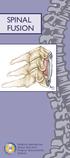 SPINAL FUSION North American Spine Society Public Education Series WHAT IS SPINAL FUSION? The spine is made up of a series of bones called vertebrae ; between each vertebra are strong connective tissues
Injury Prevention for the Back and Neck
 Injury Prevention for the Back and Neck www.csmr.org We have created this brochure to provide you with information regarding: Common Causes of Back and Neck Injuries and Pain Tips for Avoiding Neck and
Low Back Injury in the Industrial Athlete: An Anatomic Approach
 Low Back Injury in the Industrial Athlete: An Anatomic Approach Earl J. Craig, M.D. Assistant Professor Indiana University School of Medicine Department of Physical Medicine and Rehabilitation Epidemiology
Notice of Independent Review Decision DESCRIPTION OF THE SERVICE OR SERVICES IN DISPUTE:
 Notice of Independent Review Decision DATE OF REVIEW: 08/15/08 IRO CASE #: NAME: DESCRIPTION OF THE SERVICE OR SERVICES IN DISPUTE: Determine the appropriateness of the previously denied request for physical
Diagnosis and Management for Chronic Back Pain: Critical for your Recovery
 Diagnosis and Management for Chronic Back Pain: Critical for your Recovery Dr. Connie D Astolfo, DC, PhD (candidate) In past articles I have stressed that the causes of back pain can be very complex. This
DUKE ORTHOPAEDIC SURGERY GOALS AND OBJECTIVES SPINE SERVICE
 GOALS AND OBJECTIVES PATIENT CARE Able to perform a complete musculoskeletal and neurologic examination on the patient including cervical spine, thoracic spine, and lumbar spine. The neurologic examination
Aulisa Angelo Gabriele, Guzzanti V, Giordano M, Falciglia F, Fuiano M* and Aulisa L*.
 UOC Orthopaedic and Traumatology Childrens Hospital Bambino Gesu, Rome, Italy Is the measurement in Cobb degrees the only parameter to be considered in the conservative treatment of adolescent idiopathic
Temple Physical Therapy
 Temple Physical Therapy A General Overview of Common Neck Injuries For current information on Temple Physical Therapy related news and for a healthy and safe return to work, sport and recreation Like Us
33 % of whiplash patients develop. headaches originating from the upper. cervical spine
 33 % of whiplash patients develop headaches originating from the upper cervical spine - Dr Nikolai Bogduk Spine, 1995 1 Physical Treatments for Headache: A Structured Review Headache: The Journal of Head
.org. Fractures of the Thoracic and Lumbar Spine. Cause. Description
 Fractures of the Thoracic and Lumbar Spine Page ( 1 ) Spinal fractures can vary widely in severity. While some fractures are very serious injuries that require emergency treatment, other fractures can
Neck Pain & Cervicogenic Headache Integrating Research into Practice: San Luis Sports Therapy s Approach to Evidence-Based Practice
 Neck Pain & Cervicogenic Headache Integrating Research into Practice: San Luis Sports Therapy s Approach to Evidence-Based Practice PROBLEM: Neck Pain and Cervicogenic Headache 66% Proportion of individuals
PT and Physician Perspectives
 PT and Physician Perspectives Specialists in evaluating and treating movement disorders Restore, maintain, and promote optimal physical function, as well as, optimal wellness and fitness and optimal quality
THE LUMBAR SPINE (BACK)
 THE LUMBAR SPINE (BACK) At a glance Chronic back pain, especially in the area of the lumbar spine (lower back), is a widespread condition. It can be assumed that 75 % of all people have it sometimes or
Alberta s chiropractors: Spine care experts Patient satisfaction and research synopsis
 www.albertachiro.com 11203 70 Street NW Edmonton, AB T5B 1T1 Telephone: 780.420.0932 Fax: 780.425.6583 Alberta s chiropractors: Spine care experts Patient satisfaction and research synopsis Chiropractic
Handicap after acute whiplash injury A 1-year prospective study of risk factors
 1 Handicap after acute whiplash injury A 1-year prospective study of risk factors Neurology 2001;56:1637-1643 (June 26, 2001) Helge Kasch, MD, PhD; Flemming W Bach, MD, PhD; Troels S Jensen, MD, PhD From
OUTPATIENT PHYSICAL AND OCCUPATIONAL THERAPY PROTOCOL GUIDELINES
 OUTPATIENT PHYSICAL AND OCCUPATIONAL THERAPY PROTOCOL GUIDELINES General Therapy Guidelines 1. Therapy evaluations must be provided by licensed physical and/or occupational therapists. Therapy evaluations
How You Can Do Research in Your Practice: Case Studies
 How You Can Do Research in Your Practice: Case Studies SCCA Convention 2014 Luke Henry, D.C. 1 Introduction Why you should be interested in research Enhance chiropractic education Increases recognition
Name of Policy: Medical Criteria for Physical/Occupational Therapy and Osteopathic/Chiropractic Manipulative Treatment
 Name of Policy: Medical Criteria for Physical/Occupational Therapy and Osteopathic/Chiropractic Manipulative Treatment Policy #: 132 Latest Review Date: January 2015 Category: Administrative Policy Grade:
Back & Neck Pain Survival Guide
 Back & Neck Pain Survival Guide www.kleinpeterpt.com Zachary - 225-658-7751 Baton Rouge - 225-768-7676 Kleinpeter Physical Therapy - Spine Care Program Finally! A Proven Assessment & Treatment Program
Symptoms and Signs of Irritation of the Brachial Plexus in Whiplash Injuries
 1 Symptoms and Signs of Irritation of the Brachial Plexus in Whiplash Injuries J Bone Joint Surg (Br) 2001 Mar;83(2):226-9 Ide M, Ide J, Yamaga M, Takagi K Department of Orthopaedic Surgery, Kumamoto University
Spinal Decompression
 Spinal Decompression Spinal decompression is just one more tool we have to treat radiculopathy. With appropriate education and exercises, this modality has been proven to assist in the resolution of symptoms
Cervical Traction. Distinguishing Features and Benefits 2. Cervical Traction Frequently Asked Questions 2
 Cervical Traction Distinguishing Features and Benefits 2 Cervical Traction Frequently Asked Questions 2 Evidence for Saunders Cervical Traction Protocols in Peer-Reviewed Literature 5 Peer Reviewed Article
Cervical Spondylosis (Arthritis of the Neck)
 Copyright 2009 American Academy of Orthopaedic Surgeons Cervical Spondylosis (Arthritis of the Neck) Neck pain is extremely common. It can be caused by many things, and is most often related to getting
UTILIZING STRAPPING AND TAPING CODES FOR HEALTH CARE REIMBURSEMENT:
 UTILIZING STRAPPING AND TAPING CODES FOR HEALTH CARE REIMBURSEMENT: A GUIDE TO BILLING FOR SPIDERTECH PRE-CUT APPLICATIONS AND TAPE Billing and coding taping and strapping services can be a complex issue.
Neck Exercises for Car Accident Victims 3 Steps to a Healthier Neck
 Neck Exercises for Car Accident Victims 3 Steps to a Healthier Neck DR BARRY L. MARKS CHIROPRACTOR AUTHOR LECTURER Neck Exercises for Car Accident Victims 3 Steps to a Healthier Neck 2012 Dr. Barry L.
A chiropractic approach to managing migraine
 A chiropractic approach to managing migraine What is chiropractic? Chiropractic is a primary healthcare profession that specialises in the diagnosis, treatment and overall management of conditions that
Whiplash: a review of a commonly misunderstood injury
 1 Whiplash: a review of a commonly misunderstood injury The American Journal of Medicine; Volume 110; 651-656; June 1, 2001 Jason C. Eck, Scott D. Hodges, S. Craig Humphreys This review article has 64
Is manual physical therapy more effective than other physical therapy approaches in reducing pain and disability in adults post whiplash injury?
 Is manual physical therapy more effective than other physical therapy approaches in reducing pain and disability in adults post whiplash injury? Clinical Bottom Line Manual therapy may have a role in the
A Patient s Guide to Diffuse Idiopathic Skeletal Hyperostosis (DISH)
 A Patient s Guide to Diffuse Idiopathic Skeletal Hyperostosis (DISH) Introduction Diffuse Idiopathic Skeletal Hyperostosis (DISH) is a phenomenon that more commonly affects older males. It is associated
Return to same game if sx s resolve within 15 minutes. Return to next game if sx s resolve within one week Return to Competition
 Assessment Skills of the Spine on the Field and in the Clinic Ron Burke, MD Cervical Spine Injuries Sprains and strains Stingers Transient quadriparesis Cervical Spine Injuries Result in critical loss
How To Help The Government With A Whiplash Injury
 Reducing the number and costs of whiplash claims Chartered Society of Physiotherapy Consultation response To: By email: Scott Tubbritt Ministry of Justice 102 Petty France London SW1H 9AJ [email protected]
(STREET) (CITY) (STATE) (ZIP) DOB: / / Soc. Sec # : - - Employer Address: (STREET) (CITY) (STATE) (ZIP)
 PATIENT INFO Name: Address: (LAST) (MI) (FIRST) (STREET) (CITY) (STATE) (ZIP) Home Phone: Work Phone: Cell Phone: Email Address: DOB: / / Soc. Sec # : - - Driver s License #: State: Marital Status: S M
Medical Report Prepared for The Court on
 Medical Report Prepared for The Court on Mr Sample Report Claimant's Address Claimant's Date of Birth Instructing Party Instructing Party Address Instructing Party Ref Solicitors Ref Corex Ref 1 The Lane
Degenerative Lumbar Scoliosis with Stenosis Successfully Treated with Cox Distraction Manipulation
 Cox Technic Case Report #92 (sent February 2011 2/8/11 ) 1 Degenerative Lumbar Scoliosis with Stenosis Successfully Treated with Cox Distraction Manipulation Presented By Robert E. Patterson Jr., D.C.
New Patient Form Please print clearly
 New Patient Form Today s Date: Name: Last First MI Preferred name to be called: Email: Address: Street City State Zip DOB: Age: Sex: SSN#: - - Please check a box for the preferred # to call to confirm
Options for Cervical Disc Degeneration A Guide to the Fusion Arm of the M6 -C Artificial Disc Study
 Options for Cervical Disc Degeneration A Guide to the Fusion Arm of the M6 -C Artificial Disc Study Each year, hundreds of thousands of adults are diagnosed with Cervical Disc Degeneration, an upper spine
CHIROPRACTIC WELLNESS AWARENESS ONE FREE MASSAGE SESSION
 CHIROPRACTIC WELLNESS AWARENESS Do you want to have a healthy body? Do you like to maintain your high energy level? Do you want to be stress-less? Do you like to be pain free? Please call Conrad Nieh D.C.
LOW BACK PAIN; MECHANICAL
 1 ORTHO 16 LOW BACK PAIN; MECHANICAL Background This case definition was developed by the Armed Forces Health Surveillance Center (AFHSC) for the purpose of epidemiological surveillance of a condition
Updates into Therapeutic Exercise Programs for Patients with LBP. Maximizing Patient Motivation and Outcomes Alice M.
 Updates into Therapeutic Exercise Programs for Patients with LBP Maximizing Patient Motivation and Outcomes Alice M. Davis, PT, DPT Objectives Review Statistics on LBP Discuss current research findings
Whiplash and Whiplash- Associated Disorders
 Whiplash and Whiplash- Associated Disorders North American Spine Society Public Education Series What Is Whiplash? The term whiplash might be confusing because it describes both a mechanism of injury and
Each year, hundreds of thousands of adults are diagnosed with Cervical Disc Degeneration, The Cervical Spine. What is the Cervical Spine?
 Each year, hundreds of thousands of adults are diagnosed with Cervical Disc Degeneration, an upper spine condition that can cause pain and numbness in the neck, shoulders, arms, and even hands. This patient
ADVANCED 3 - D TREATMENT OF SCOLIOSIS (C2) ACCORDING TO THE PRINCIPLES OF C.L. SCHROTH
 present ADVANCED 3 - D TREATMENT OF SCOLIOSIS (C2) ACCORDING TO THE PRINCIPLES OF C.L. SCHROTH BSPTS Program Purpose The BSPTS program teaches 3-D scoliosis treatment according to the principles of Katharina
Spine Injury and Back Pain in Sports
 Spine Injury and Back Pain in Sports DAVID W. GRAY, MD 1 Back Pain Increases with Age Girls>Boys in Teenage years Anywhere from 15 to 80% of children and adolescents have back pain depending on the studies
SpineFAQs. Whiplash. What causes this condition?
 SpineFAQs Whiplash Whiplash is defined as a sudden extension of the cervical spine (backward movement of the neck) and flexion (forward movement of the neck). This type of trauma is also referred to as
Closed Automobile Insurance Third Party Liability Bodily Injury Claim Study in Ontario
 Page 1 Closed Automobile Insurance Third Party Liability Bodily Injury Claim Study in Ontario Injury Descriptions Developed from Newfoundland claim study injury definitions No injury Death Psychological
SOUTH DAKOTA DC'S ARE REQUIRED TO OBTAIN 40 HOURS WITHIN THE CURRENT TWO YEAR EDUCATION CYCLE WHICH IS FROM JANURY 1, 2016 THROUGH DECEMBER 31, 2017
 SOUTH DAKOTA DC'S ARE REQUIRED TO OBTAIN 40 HOURS WITHIN THE CURRENT TWO YEAR EDUCATION CYCLE WHICH IS FROM JANURY 1, 2016 THROUGH DECEMBER 31, 2017 MANDATED HOURS FOR 2016/2017 EDUCATION CYCLE INCLUDE
Prepared by: Kaitlin MacDonald, MOT, OTR/L 1, Stephanie Ramey, MS, OTR/L 1, Rebecca Martin, OTR/L, OTD 1 and Glendaliz Bosques 1,2, MD
 1 The Relationship between Power and Manual Wheelchair Mobility and Upper Extremity Pain in Youths with Low Level Cervical Spinal Cord Injury Prepared by: Kaitlin MacDonald, MOT, OTR/L 1, Stephanie Ramey,
Our mission is to help you experience the greatest benefits possible. Our physicians and care staff are dedicated to your needs.
 What to Expect Our mission is to help you experience the greatest benefits possible. Our physicians and care staff are dedicated to your needs. You will most likely require 20-30 procedure sessions to
Care and Prevention of Sedentary Workplace Injuries. By: Colin Beattie, BKIN, mpt, cafci Registered physical therapist & medical acupuncturist
 Care and Prevention of Sedentary Workplace Injuries By: Colin Beattie, BKIN, mpt, cafci Registered physical therapist & medical acupuncturist Learning Objectives By the end of this presentation you should
Nonoperative Management of Herniated Cervical Intervertebral Disc With Radiculopathy. Spine Volume 21(16) August 15, 1996, pp 1877-1883
 Nonoperative Management of Herniated Cervical Intervertebral Disc With Radiculopathy 1 Spine Volume 21(16) August 15, 1996, pp 1877-1883 Saal, Joel S. MD; Saal, Jeffrey A. MD; Yurth, Elizabeth F. MD FROM
Lumbar Disc Herniation/Bulge Protocol
 Lumbar Disc Herniation/Bulge Protocol Anatomy and Biomechanics The lumbar spine is made up of 5 load transferring bones called vertebrae. They are stacked in a column with an intervertebral disc sandwiched
ADVANCED 3 - D TREATMENT OF SCOLIOSIS (C2) ACCORDING TO THE PRINCIPLES OF C.L. SCHROTH
 present ADVANCED 3 - D TREATMENT OF SCOLIOSIS (C2) ACCORDING TO THE PRINCIPLES OF C.L. SCHROTH BSPTS Program Purpose The BSPTS program teaches 3-D scoliosis treatment according to the principles of Katharina
Lower Back Pain An Educational Guide
 Lower Back Pain An Educational Guide A publication from the Center of Pain Medicine and Physiatric Rehabilitation 2002 Medical Parkway Ste 150 1630 Main St Ste 215 Annapolis, MD 21401 Chester, MD 21619
X-Plain Neck Exercises Reference Summary
 X-Plain Neck Exercises Reference Summary Introduction Exercising your neck can make it stronger, more flexible and reduce neck pain that is caused by stress and fatigue. This reference summary describes
New York State Workers' Comp Board. Mid and Lower Back Treatment Guidelines. Summary From 1st Edition, June 30, 2010. Effective December 1, 2010
 New York State Workers' Comp Board Mid and Lower Back Treatment Guidelines Summary From 1st Edition, June 30, 2010 Effective December 1, 2010 General Principles Treatment should be focused on restoring
LOW BACK PAIN. common of these conditions include: muscle strain ( pulled muscle ), weak core muscles
 LOW BACK PAIN Most episodes of low back pain are caused by relatively harmless conditions. The most common of these conditions include: muscle strain ( pulled muscle ), weak core muscles (abdominal and
Document Author: Frances Hunt Date 03/03/2008. 1. Purpose of this document To standardise the treatment of whiplash associated disorder.
 Guideline Title: WHIPLASH ASSOCIATED DISORDER Document Author: Frances Hunt Date 03/03/2008 Ratified by: Frances Hunt, Head of Physiotherapy Date: 16.09.15 Review date: 16.09.17 Links to policies: All
Case Series on Chronic Whiplash Related Neck Pain Treated with Intraarticular Zygapophysial Joint Regeneration Injection Therapy
 Pain Physician 2007; 10:313-318 ISSN 1533-3159 Case Series Case Series on Chronic Whiplash Related Neck Pain Treated with Intraarticular Zygapophysial Joint Regeneration Injection Therapy R. Allen Hooper
Spine University s Guide to Kinetic MRIs Detect Disc Herniations
 Spine University s Guide to Kinetic MRIs Detect Disc Herniations 2 Introduction Traditionally, doctors use a procedure called magnetic resonance imaging (MRI) to diagnose disc injuries. Kinetic magnetic
Name Date of Birth Social Security # XXX-XX- Address Apt. # City State Zip. Home Ph# Cell Ph# Driver s License #
 PATIENT INFORMATION Name Date of Birth Social Security # XXX-XX- Address Apt. # City State Zip Home Ph# Cell Ph# Driver s License # E-mail address: Race: Afro-American Am-Indian American Asian Black Caucasian
Effects of vertebral axial decompression on intradiscal pressure
 This article is reprinted with the permission of the authors from the Journal of Neurosurgery, Volume 81. J Neurosurg 81:350-353, 1994 Effects of vertebral axial decompression on intradiscal pressure GUSTAVO
Therapeutic Canine Massage
 Meet our Certified Canine Massage Therapist, Stevi Quick After years of competitive grooming and handling several breeds in conformation, I became interested in training and competing with my dogs in the
Soft-tissue injuries of the neck in automobile accidents: Factors influencing prognosis
 Soft-tissue injuries of the neck in automobile accidents: Factors influencing prognosis 1 Mason Hohl, MD FROM ABSTRACT: Journal of Bone and Joint Surgery (American) December 1974;56(8):1675-1682 Five years
A Patient s Guide to Artificial Cervical Disc Replacement
 A Patient s Guide to Artificial Cervical Disc Replacement Each year, hundreds of thousands of adults are diagnosed with Cervical Disc Degeneration, an upper spine condition that can cause pain and numbness
Minimally Invasive Spine Surgery For Your Patients
 Minimally Invasive Spine Surgery For Your Patients Lukas P. Zebala, M.D. Assistant Professor Orthopaedic and Neurological Spine Surgery Department of Orthopaedic Surgery Washington University School of
First Year. PT7040- Clinical Skills and Examination II
 First Year Summer PT7010 Anatomical Dissection for Physical Therapists This is a dissection-based, radiographic anatomical study of the spine, lower extremity, and upper extremity as related to physical
.org. Cervical Spondylosis (Arthritis of the Neck) Anatomy. Cause
 Cervical Spondylosis (Arthritis of the Neck) Page ( 1 ) Neck pain can be caused by many things but is most often related to getting older. Like the rest of the body, the disks and joints in the neck (cervical
Cervical Whiplash: Considerations in the Rehabilitation of Cervical Myofascial Injury. Canadian Family Physician
 Cervical Whiplash: Considerations in the Rehabilitation of Cervical Myofascial Injury 1 Canadian Family Physician Volume 32, September 1986 Arthur Ameis, MD Dr. Ames practices physical medicine and rehabilitation,
Therapeutic Massage .(W). Chiropractor
 Therapeutic Massage Please take a moment to answer the following questions. The information you provide will be used to customize your session to your needs and exclude any techniques that may be medically
BOYER CHIROPRACTIC INC
 Patient Name: Birthdate: Sex: M / F Address: City: State: Zip: Telephone: Social Security #: Driver Lic. #: Occupation: Employer: Work Phone: Address: City: State: Zip: Subscriber Name: Health Plan: Subscriber
Tension Type Headaches
 Tension Type Headaches Research Review by : Dr. Ian MacIntyre Physiotherapy for tension-type Headache: A Controlled Study P. Torelli, R. Jenson, J. Olsen: Cephalalgia, 2004, 24, 29-36 Tension-type headache
.org. Ankle Fractures (Broken Ankle) Anatomy
 Ankle Fractures (Broken Ankle) Page ( 1 ) A broken ankle is also known as an ankle fracture. This means that one or more of the bones that make up the ankle joint are broken. A fractured ankle can range
Hills St. Sports Medicine & Rehabilitation Centre
 LUMBAR SPINE PREVENTATIVE & REHABILITATION PROGRAM Theron King B. Ed. (Sports Science) Hills St. Sports Medicine & Rehabilitation Centre Denny Shearwood B.APP.SC. (Physiotherapy) M.A.P.A. Appointed Physiotherapist
Ron Schenk PT, PhD 1
 Ron Schenk PT, PhD 1 Objectives Describe the anatomy of the neck (cervical spine) and low back (lumbar spine) Describe the risk factors associated with neck and low back injury Describe physical therapy
The Spine Journal 11 (2011) 369 380. Clinical Study
 The Spine Journal 11 (2011) 369 380 Clinical Study Idiopathic scoliosis patients with curves more than 45 Cobb degrees refusing surgery can be effectively treated through bracing with curve improvements
Whiplash Associated Disorder Integrating Research into Practice: San Luis Sports Therapy s Approach to Evidence-Based Practice
 Whiplash Associated Disorder Integrating Research into Practice: San Luis Sports Therapy s Approach to Evidence-Based Practice PROBLEM: WHIPLASH ASSOCIATED DISORDER (WAD) Injury Impact may result in bony
Herniated Disk. This reference summary explains herniated disks. It discusses symptoms and causes of the condition, as well as treatment options.
 Herniated Disk Introduction Your backbone, or spine, has 24 moveable vertebrae made of bone. Between the bones are soft disks filled with a jelly-like substance. These disks cushion the vertebrae and keep
UNDERSTANDING STRESS AND YOUR BODY
 UNDERSTANDING STRESS AND YOUR BODY Life s demands create stress and although some stress may be good, too much can cause health problems. Most people equate stress with high blood pressure, a heart attack
Orthopaedic Issues in Adults with CP: If I Knew Then, What I Know Now
 Orthopaedic Issues in Adults with CP: If I Knew Then, What I Know Now Laura L. Tosi, MD Director, Bone Health Program Children s National Medical Center Washington, DC Epidemiology 87-93% of children born
Pain and tissue-interface pressures during spineboard immobilization.
 Ann Emerg Med. 1995 Jul;26(1):31-6. Links Pain and tissue-interface pressures during spineboard immobilization. Cordell WH, Hollingsworth JC, Olinger ML, Stroman SJ, elson DR. Emergency Medicine and Trauma
Physical Therapy Self-Referral ( Direct Access )
 Physical Therapy Self-Referral ( Direct Access ) Summary of Statutes and Regulations by State December 2007 The American Association of Orthopaedic Surgeons (AAOS) supports a patient-centered approach
Get Back to the Life You Love! The MedStar Spine Center in Chevy Chase
 Get Back to the Life You Love! The MedStar Spine Center in Chevy Chase The MedStar Spine Center in Chevy Chase Relief from Pain, Restoration of Function Non-surgical, Minimally Invasive and Complex Surgical
Clinical guidance for MRI referral
 MRI for cervical radiculopathy Referral by a medical practitioner (excluding a specialist or consultant physician) for a scan of spine for a patient 16 years or older for suspected: cervical radiculopathy
Osteopathic Manipulative Treatment is a distinct and separate procedure,
 The Science of Medicine The Art of Caring The Power of Touch The purpose of this letter is to request reconsideration of your denial of the Evaluation and Management service (with the -25 modifier) when
Manual treatment for neck pain; how strong is the evidence?
 Manual treatment for neck pain; how strong is the evidence? 1 SIMON DAGENAIS, DC, PHD ASSISTANT PROFESSOR, DEPARTMENT OF EPIDEMIOLOGY AND COMMUNITY MEDICINE, DIVISION OF ORTHOPEDIC SURGERY UNIVERSITY OF
DIRECT ACCESS TO PHYSICAL THERAPY LAWS SEPTEMBER 2015
 Last Updated: 9/1/15 Contact: [email protected] A SUMMARY OF DIRECT ACCESS LANGUAGE IN STATE PHYSICAL THERAPY PRACTICE ACTS DIRECT ACCESS TO PHYSICAL THERAPY LAWS SEPTEMBER 2015 STATE & Year Obtained AL-
Non-Surgical Multi-Purpose Therapeutic Device. ExtenTrac Elite. M3D [Multi-Directional Disc Decompression]
![Non-Surgical Multi-Purpose Therapeutic Device. ExtenTrac Elite. M3D [Multi-Directional Disc Decompression]](/thumbs/27/11142437.jpg "Non-Surgical Multi-Purpose Therapeutic Device. ExtenTrac Elite. M3D [Multi-Directional Disc Decompression]") Non-Surgical Multi-Purpose Therapeutic Device ExtenTrac Elite M3D [Multi-Directional Disc Decompression] The World s Most Versatile Multi-Functional 3D Therapeutic Device Extentrac Elite is a patented,
Non-Surgical Multi-Purpose Therapeutic Device ExtenTrac Elite M3D [Multi-Directional Disc Decompression] The World s Most Versatile Multi-Functional 3D Therapeutic Device Extentrac Elite is a patented,
Doctor of Physical Therapy Degree Curriculum:
 Doctor of Physical Therapy Degree Curriculum: SUMMER SEMESTER 1 st YEAR (BOTH SESSIONS) DPT 744 Gross Human Anatomy I 2 credits DPT 744L Gross Human Anatomy I Lab 1 credit DPT 745 Gross Human Anatomy II
WHIPLASH! Therapeutic Massage by Lucy Lucy Dean, LMT, NMT, MMT. Helpful and effective treatment with Neuromuscular Therapy. What does Whiplash mean?
 WHIPLASH! Helpful and effective treatment with Neuromuscular Therapy Therapeutic Massage by Lucy Lucy Dean, LMT, NMT, MMT What does Whiplash mean? Whiplash is a non-medical term used to describe neck pain
How to Get and Keep a Healthy Back. Amy Eisenson, B.S. Exercise Physiologist
 How to Get and Keep a Healthy Back Amy Eisenson, B.S. Exercise Physiologist Lesson Objectives Statistics of Back Pain Anatomy of the Spine Causes of Back Pain Four Work Factors Core Muscles Connection