
The Spine Journal 11 (2011) Clinical Study
|
|
|
- James Woods
- 10 years ago
- Views:
Transcription
1 The Spine Journal 11 (2011) Clinical Study Idiopathic scoliosis patients with curves more than 45 Cobb degrees refusing surgery can be effectively treated through bracing with curve improvements Stefano Negrini, MD*, Francesco Negrini, Claudia Fusco, MD, Fabio Zaina, MD Rehabilitation Department, ISICO (Italian Scientific Spine Institute), Via Bellarmino 13/1, Milan, Italy Received 13 January 2010; revised 2 November 2010; accepted 4 December 2010 Abstract Keywords: BACKGROUND CONTEXT: It is a broad consensus today that scoliosis curves cannot be improved through bracing, and the Scoliosis Research Society (SRS) methodological criteria for bracing have the avoidance of progression as their only objective. Consequently, in curves more than 45, fusion is considered as basically the only possible treatment. PURPOSE: The purpose of the study was to verify in a series of patients who utterly refused surgery if it was possible to achieve improvements of scoliosis of more than 45 through a complete conservative treatment (bracing and exercises). STUDY DESIGN/SETTING: Retrospective cohort from a prospective database. PATIENT SAMPLE: Out of 1,148 idiopathic scoliosis (IS) patients at the end of treatment, the sample comprised 28 subjects older than 10 years, still growing, with at least one curve above 45, who had continually refused fusion. The group comprised 24 females and four males, including 14 in which previous brace treatments had failed; at the start of treatment, the age was years and Cobb degrees in the curve were 49.4 (range, ). Subgroups considered were gender, bone age, type of scoliosis, treatment used, and previous failed treatment. OUTCOME MEASURES: Self-report measurement: SRS-22; physiological measures: Cobb degrees, Bunnell angle of trunk rotation (ATR), aesthetic index (AI), and sagittal plumb line distances. METHODS: The methods comprised full-time treatment (23 or 24 hours per day) for 1 year with Risser cast, Lyon, or Sforzesco brace; weaning of 1 to 2 hours every 6 months; with strategies to maximize compliance through the Society on Scoliosis Orthopaedic and Rehabilitation Treatment (SOSORT) management criteria applied and specific scientific exercises approach to scoliosis exercises (SEAS) performed. RESULTS: Reported compliance in the treatment years was 94%, with satisfaction regarding treatment and excellent results at the SRS-22. Two patients (7%) remained above 50 Cobb but six patients (21%) finished between 30 and 35 Cobb and 12 patients (43%) finished between 36 and 40 Cobb. Improvements have been found in 71% of patients and a 5 Cobb progression in one patient. Statistically, we found highly significant reductions of the main ( 9.25 ), average ( 6.6 ), thoracic ( 7.8 ), and lumbar ( 15.9 ) curves. Statistically significant improvements have been found for the AI and ATR, with a general decrease in plumb line distances. CONCLUSIONS: Bracing can be successfully used in patients who do not want to undergo operations for IS with curves ranging between 45 and 60 Cobb, given sufficient clinical expertise to apply good braces and achieve great compliance. Future studies could demonstrate the percentages at which this result can be achieved. Ó 2011 Elsevier Inc. All rights reserved. Adolescent idiopathic scoliosis; Juvenile idiopathic scoliosis; Bracing; Surgery FDA device/drug status: not applicable. Author disclosures: SN: Stock Ownership (including options and warrants): ISICO (30%); Board of Directors: SOSORT (nonfinancial); Scientific Advisory Board: GSS (nonfinancial); Other Office: European Journal of Physical and Rehabilitation Medicine (nonfinancial). FN: Nothing to disclose. CF: Nothing to disclose. FZ: Speaking and/or Teaching Arrangements: ISICO (B); Scientific Advisory Board: GSS (A), SOSORT (nonfinancial). The disclosure key can be found on the Table of Contents and at www. TheSpineJournalOnline.com. * Corresponding author. ISICO (Italian Scientific Spine Institute), Via Bellarmino 13/1, Milan, Italy. Tel.: (39) ; fax: (39) address: [email protected] (S. Negrini) /$ - see front matter Ó 2011 Elsevier Inc. All rights reserved. doi: /j.spinee

2 370 S. Negrini et al. / The Spine Journal 11 (2011) Context Curves greater than 45 in growing children are often addressed surgically. In this article, radiographic and clinical outcomes in patients who refused surgery and who were treated with a bracing/exercise regimen were assessed. Contribution Given significant compliance with brace wear (nearly continuous) over long temporal periods (4 to 7 years), the authors found that 71% of children older than 10 years of age with greater than 45 curves (at the beginning of treatment) improved their curves by a minimum of 5 and reported good clinical outcomes on validated measures. Implication The results are intriguing, but the article has several shortcomings, including small numbers, a retrospective case series design, and use of a brace and treatment regimen developed by the authors themselves, which might bias the findings. The findings might serve as a nisus for prospectively designed, independently assessed studies. Additionally, brace application, compliance, and length of treatment issues need to be assessed for the ability to generalize. The Editors Introduction The clinical question is what can we do in patients with more than 45 Cobb, still growing, who do not want to be fused. Moreover, is there any possibility that we can truly avoid fusion at least in some patients who have more than 45 Cobb and still growing? The broad consensus is that bracing in idiopathic scoliosis (IS) is at least able to stabilize curves but is not able to reduce them. Consequently, the avoidance of progression is considered the main objective of brace treatment [1,2]. In the most important study on brace efficacy produced by the Scoliosis Research Society (SRS), the end point of the failure of treatment was not the inability to improve the curve, but instead the curvature was allowed to progress at least 6 from the radiographic measurement at the start of treatment [3]. The SRS criteria for bracing studies propose, as an outcome, only the percentage of patients who have a curve progression of less than 6 ; the criteria do not mention the percentage of patients improved [4]. This approach (avoiding progression) could be considered correct when curves are under the usual thresholds of risk in adulthood [1,5], but it is obviously not enough when facing important curves in which the treatment should be intended to reduce them. The generally accepted idea that improvement is not possible brings forth the consequence that curves more than 45 are most often considered immediately surgical, without even trying conservative treatment [1,6 8]. On rare occasions, attempts have been made in these curves to treat conservatively; they have been proposed in the literature, although not without debate [6,7,9,10]. Certain articles published over the past few years have proved that it is possible to improve minor curves and, in some cases, major ones as well. Studies by Negrini et al. [11] and Aulisa et al. [12], which followed the SRS and Society on Scoliosis Orthopaedic and Rehabilitation Treatment (SOSORT) criteria for bracing [13], showed statistically significant improvements in 40.9% and 94% of patients, respectively, in curves between 25 and 40 at the start of treatment. In a retrospective study on a prospective database by Negrini et al. [14], the curvatures exceeding 40, which numbered 11 at the start of observation, were reduced to three at the end of treatment. Recently, improvements with bracing have been reported also by Landauer et al. [15], Maruyama et al. [16], Rigo et al. [17], and Weiss et al. [18]. If it is possible to improve scoliosis, it could also be possible to hypothesize a conservative brace treatment so as to avoid surgery at least in a percentage of patients having curvatures exceeding 45. Since some years, we proposed brace treatment in scoliosis of more than 45 to patients who absolutely refused surgery and whose growth was not yet finished, with the aim of trying to reduce the curve, and improve overall balance of the spine so to decrease the risk of a future fusion. Moreover, we aim at improving aesthetics [5,19]. The aim of this article is to retrospectively review the results obtained by all patients treated in these years in the institute with curves more than 45 and refusing surgery. Materials and methods Study design The subject study was a retrospective cohort study (on a prospective database) that was started in March 2003 and included all visits conducted since September When the study was carried out in July 2009, 7,511 patients and 23,056 evaluations were included in the database in which 4,751 patients had IS and 1,148 had reached the end of treatment (Fig. 1). Population We considered all the consecutive patients included in our database who had finished treatment, and according to our data, complied with the following inclusion criteria at the start of treatment: diagnosis of IS; past age of 10 years at first evaluation at the institute and start of

3 S. Negrini et al. / The Spine Journal 11 (2011) Patients in the database 7,511 Scoliosis patients 4,751 End of treatment 1,148 Curves > 45 refusing surgery 28 Treatment Lyon brace Risser cast Sforzesco brace Whole studied population 28 Primary outcome Cobb degrees Secondary outcome Clinical data SRS-22 questionnaire Pretreatment data End of treatment data year follow-up years follow-up Fig. 1. Flowchart of the selection process for the population included in the study, treatment proposed, and outcome data collected. SRS, Scoliosis Research Society. treatment; Risser from 0 to 4 and ringapophysis not closed; Cobb angle of 45 or more in at least one curve; and surgery proposed and steadfastly refused before starting treatment. Consequently, we considered 28 patients (24 females and 4 males); at the start of treatment, the age was years, whereas Cobb angle in the worst curve was 49.4 (range, )(Table 1; Fig. 2). We had 19 single curves (14 right thoracic, 1 left thoracolumbar, and 4 left lumbar) and 9 double curves (seven right thoracic left lumbar, one right thoracic left thoracolumbar, and one Moe type). We had subgroups according to gender, Risser test (Risser 0 2 vs. Risser 3 4), type of IS (juvenile idiopathic scoliosis [JIS] vs. adolescent idiopathic scoliosis [AIS]), treatment proposed (Risser cast [RC] vs. brace [C23]), and previous treatment (Table 1). Treatments Patients were treated with two different protocols, according to the date on which the treatment started: patients who came to the institute before 2005 had been treated with the RC followed by the Lyon brace or with the Lyon brace only if they refused the inpatient approach required for casting; and those who came to the institute in 2005 or later were treated with the Sforzesco brace. The change of protocol followed the development of the new Sforzesco brace to replace casting, as reported in the previous studies [20 23]. In the study, we will look at the entire group, as well as the two subgroups, to determine whether the Sforzesco brace is truly comparable to Risser casting as previously reported [20]. The RC [20,24,25] (RC subgroup) had to be worn a year (three casts at 4 months each) and was followed by the Lyon brace according to the following protocol: 23 hours per day for the first 6 months, followed by a reduction of 2 hours for every 6 months. Bracing (with the Lyon brace [26,27] until 2004 or Sforzesco brace [20 23] from 2005) had to be worn for 23 hours each day for a year, followed by 6 months at 22 hours per day after which a 2-hour reduction was implemented every 6 months. This protocol has been developed in our institute for many years to help the postural neuromuscular system to maintain the correction thus achieved [23] and maximize compliance. In fact, although scoliosis is a bone deformity, there is also a postural component of the curve [28] that always increases it [29] and can be at the base of its progression [23,30]. Moreover, movement has been shown to be a crucial progression factor [31,32], whereas it can also be reorganized to become a stability factor [33]. Braces directly interfere with such neuromuscular functions [30,34]. Because posture and movement require long-term adaptations [30,35 37], the longer the weaning phase is, the better the neuromuscular system should adapt, hopefully maintaining the inputs received by the brace even after complete weaning. In this respect, proper stabilization exercises

4 372 S. Negrini et al. / The Spine Journal 11 (2011) Table 1 Baseline characteristics of the entire sample and the identified subgroups Subgroups Abbreviation Number M/F Age BMI Cobb degrees AI ATR Total 28 24/ (2 6) Gender Females F (2 6) Males M (4 6) p NS NS NS!.01 NS Type of idiopathic scoliosis Adolescent AIS 24 21/ (2 6) Juvenile JIS 4 3/ (3 6) p NS NS NS NS NS NS Skeletal maturity Risser 0 2 R / (2 6) Risser 3 4 R / (2 6) p NS!.05 NS NS NS NS Treatment Brace C / (2 6) Risser cast RC 14 12/ (2 6) p NS!.05 NS NS NS NS Previous treatment No 15 12/ (2 6) Yes 13 12/ (2 6) p NS NS NS NS NS NS M/F, male/female; BMI, body mass index; AI, aesthetic index; ATR, angle of trunk rotation; NS, not significant. Values are average6standard deviation, apart from AI were median and range have been reported. should play a major role, as recently shown [23,38]. All this should positively interfere with bone tissue formation [31,32], even if the postural system per se is a part of the problem to be corrected [28 30]. The first full-time bracing of the 1-year phase (with either the RC or the brace) is intended to achieve the maximum possible correction [20]; the remaining is a gradual weaning of the brace with the goal of maintaining the achieved correction (and occasionally even increase it) through a very slow decrease in brace wearing. This should allow a progressive adaptation of the postural system, with the determinant help of stabilizing exercises [38]. Moreover, this protocol shows a significantly positive psychological impact, appearing to the patient and family as a reward system based on the results achieved. The foregoing protocols were adapted individually in all cases according to the demonstrated stability. This was verified clinically for every 6 months, allowing a maximum of 2 angle of trunk rotation (ATR) worsening from the last evaluation, and radiographically (X-ray without the brace for the same number of hours corresponding to the weaning time) [23], each year allowing a maximum of 4 Cobb worsening Fig. 2. Radiographic characteristics of the worst curve in the considered sample of patients at the start of the study.

5 S. Negrini et al. / The Spine Journal 11 (2011) Fig. 3. Radiographic results of the worst curves in Cobb degrees. Only one patient (4%) worsened 5 or more, whereas 21 of 28 (71%) improved 5 or more. from the previous results [38]. A discussion was held each time with the patient and family. The primary objective was to optimize compliance, eventually reducing a bit more of the hours if needed by the patient so as to avoid failure (brace withdrawal); in the case of a loss of correction during treatment, the reduction was slowed (to 1 hour or none) if the patient was deemed able to stand this slowing. In every case, we avoided prescribing the use of a brace for less than 18 hours per day before the patient reached Risser 3. The weaning process continued from that day at the rate of 2 hours for every 6 months and required a period ranging from 2.5 to 3.5 years to reach completion [38]. We prescribed specific scientific exercises approach to scoliosis (SEAS) exercises for each patient, to be performed twice a week [38,39]. During treatment, we followed the SOSORT criteria, and based on that classification we had an excellent approach, with 43 of 44 questions receiving yes responses [13]. Outcome criteria The primary outcome criteria were the radiographic results (Cobb degrees), and we had all data from all the patients obtained after 48 to 72 hours without the brace (our standard weaning time in which to determine final brace total weaning); 12 (43%) patients reached a 2-year follow-up, and 18 (68%) patients reached 1-year follow-up. To validate the radiographic readings, two of the authors blindly remeasured all the radiographs we had been able to collect from the patients of this cohort (23 radiographs). We found no statistically significant difference among the three sets of measurements (paired analysis of variance). The secondary outcome criteria comprised the clinical results (ATR, aesthetic index [AI], and sagittal plumb line distances) obtained in the last 24 (of 28) consecutive patients. Since 2005, we introduced also the use of the SRS-22 questionnaire [40,41] in the Italian version [42], and we report its results at the end of treatment in 14 patients who have the first evaluation during treatment of years before; in five, we had the follow-up data at 1 year. The subgroup with neither all the clinical data nor the SRS-22 answers differed statistically from the remainder of the sample for any other considered parameter. We considered the results in the main curves (if there was more than one curve, both were considered main curves if their difference was below 10 Cobb) and in all curves deemed important and measured by the treating physician (average curve): 53 in the 28 patients, 16 lumbar, 4 thoracolumbar, 28 thoracic, and 5 proximal thoracic. Reported compliance has also been considered [11]. At each visit, the patient and his/her parents were carefully queried regarding how many hours per day she/he had used the brace and the average usage during the period reported. This was compared with the prescription, and a percentage of compliance was computed. Computations and statistical analyses We used the paired analysis of variance, the Tukey- Kramer test, paired t test, and chi-square analysis according

6 374 S. Negrini et al. / The Spine Journal 11 (2011) to what was appropriate. Evaluating the percentage of patients changed, we considered significant clinical changes if the repeatability error was exceeded, namely: Cobb degrees, 5 [43]; ATR, 2 [44]; AI, two points [45]; and plumb line distances, 10 mm for C7 and 15 mm for L3 [43]. We did not perform more advanced statistics for subgroups (such as regression analysis, whether multiple or not) because the retrospective cohort design we had adopted did not permit solid inferences to be gathered. Results The treatment period lasted 4 years and 10 months (range, ): 5 patients used the brace for 6 years or more, 16 patients used it for 4 to 5 years, and 7 patients used it for less than 3 years. These seven patients (25%) followed a personalized prescription with rapid weaning when compared with the classical protocol. This was because of either very good results or a high risk of withdrawal; this group included also the patient with the lowest compliance; four more patients (14.2%) required only once, for the same reasons, an increase in the progressive weaning of more than 2 hours (3 or 4 hours). During the overall treatment, on average in this cohort the brace was declared to be worn for hours per day. The average reported compliance was 94%, and only three patients remained below 90% (45%, 83%, and 87%, respectively). According to the SRS-22 questionnaire, the patients were satisfied with treatment (between four and five points, apart from one 3 and one 2.5) and had good results in all subscales (pain and activity four to five with one 3 each, health and aesthetics three to five). There were no statistically significant differences with results during treatment of 2.9 years before, whereas at the 1-year follow-up there was an improvement (only two patients had one 3, both in the Aesthetics scale) (p!.05). We observed improvements both radiographically and clinically in most of the parameters considered, but the best results were obtained in the main curves: 71% of patients improved at least 5 Cobb, whereas only one patient worsened (4%) (Fig. 3); and regarding the curve average, these percentages were 64% and 7%, respectively. Moreover, 71% of patients in this cohort concluded treatment below 45, with 2 patients (7%) remaining above 50, 6 patients (21%) finishing between 30 and 35, and 12 patients (43%) between 36 and 40 (Fig. 4). None of the patients who reached the 1- and 2-year follow-ups showed an increase in curvature. The average improvement was Cobb (p!.0001) in the main curve and Cobb (p!.0001) for the curve average; thoracic and lumbar main curves decreased (p!.0001) and (p!.0005), respectively, whereas the decrease of in the only two thoracolumbar main curves was not statistically significant (Table 2). The improvement of lumbar main curvature was statistically Fig. 4. Radiographic characteristics of the worst curve in the considered sample of patients at the end of the study. Two patients (7%) remained above 50, six patients (21%) finished between 30 and 35, and 12 patients (43%) finished between 36 and 40.
![plumb line distances, 10 mm for C7 and 15 mm for L3 [43].](/docs-images/45/2803340/images/page_6.jpg "We did not perform more advanced statistics for subgroups (such as regression analysis, whether multiple or not) because the retrospective cohort design we had adopted did not permit solid inferences")
7 S. Negrini et al. / The Spine Journal 11 (2011) Table 2 Radiographic results in the different regions of the spine in the total sample and in the considered subgroups Subgroups Curves studied Region of the spine Total Females Males AIS JIS Risser 0 2 Risser 3 4 Brace Risser cast Main curve Lumbar Thoracolumbar Thoracic p*!.01!.1 NS!.1 NA!.05 NS NS!.01 All curves Lumbar Thoracolumbar Thoracic p* NS NS NS NS NS NS NS NS!.1 AIS, adolescent idiopathic scoliosis; JIS, juvenile idiopathic scoliosis; NA, not applicable; NS, not significant. * Statistically significant differences could be reached only between thoracic and lumbar curves because of the reduced thoracolumbar groups. significantly higher than thoracic one (p!.01). This remained true in the RC and Risser 0 to 2 subgroups ( vs and vs , respectively), whereas it was not in the C23 and Risser 3 to 4 subgroups. Improvements have been observed also in the ATR ( ;p!.001) and AI ( 4; p!.0001) in general and in all subindexes (shoulders, scapulae, and waist), whereas we observed a decrease (worsening) of the C7 plumb line ( mm; p!.01) (Table 3). Looking at the subgroups, the four males considered presented lumbar curves and aesthetics that were worse than the females at the start of treatment; the results of the males were better than those of the females in the main (p!.05), average (p!.01), and lumber curves (p!.05) (Table 3). The four JIS had a worse sagittal plane than AIS at the start of treatment, but at the end of treatment, there were no differences in all parameters (Table 3). As expected, Risser 0 to 2 group was younger than Risser 3 to 4 at the start of treatment (Table 1); treatment lasted longer ( vs years; p!.005), but no other differences were found in the pretreatment data or in the results (Table 3). The difference was found neither at the start of treatment nor in the results, regardless of whether the patients had previously failed treatment. Looking at the two treatment protocols used in this study, the patients in the RC group tended to be younger (p!.1) (Table 3) and had been treated longer ( years vs years; p!.05), with more hours of treatment prescribed (27,75065,466 vs. 37,85467,563 hours; p!.001) and done (25,47266,839 hours vs. 36,44667,891; p!.005) than C23. Moreover, the last group was engaged in sports times per week versus times per week in the RC (p!.05). In both groups, there were improvements in the main (Fig. 5) and lumbar curves as well as the AI, whereas the C23 also improved in terms of the thoracic and average curves. There were statistically different results among the groups in the thoracic curve in favor of C23 (Table 3), whereas from a statistical perspective, the plumb line distances worsened in the RC group, which differentiated it from C23 (Table 4). Discussion The above results mean that it is possible to answer the clinical questions offered at the beginning of this article. Table 3 Clinical and radiographic results in the whole sample and subgroups Cobb degrees ATR AI Subgroups Av I (%) U (%) W (%) Av I (%) U (%) W (%) Av I (%) U (%) W (%) Entire sample Main curves * * ( 2; 2)* Gender Females *$ * ( 3; 2)*$ Males *$ ( 4; 2)*$ Type of scoliosis Adolescent * # ( 3; 2)* Juvenile # ( 4; 1) Skeletal maturity Risser * ( 3; 1)*$ Risser * ( 4; 2)*$ Treatment Brace * # ( 3; 2)* Risser cast * ( 4; 1)* AI, aesthetic index; ATR, angle of trunk rotation according to Bunnell; Av, average6standard deviation; I, improved; U, unchanged; W, worsened. Prepost differences: *, statistically significant (p!.05); #, statistical tendency to difference (p!.1). Among subgroups differences: $, statistical tendency to difference (p!.1). Average improvements were statistically significant in all parameters for the main curves.

8 376 S. Negrini et al. / The Spine Journal 11 (2011) Fig. 5. Individual results in the worst curves in the two subgroups of patients treated only with bracing (Lyon or Sforzesco: brace [C23] subgroup) vs. those who had previously been treated with casting (Risser cast [RC] subgroup): in deep (C23) or light (RC) blue for start of treatment; in deep (C23) or light (RC) purple for end of treatment. The results were superior in the C23 subgroup. First, there is a possibility of truly avoiding fusion for at least some patients with curves more than 45 Cobb and still growing (Fig. 6). It is possible to improve in some cases up to 20 Cobb (Fig. 7). Second, if the patient refuses to be fused, one can propose a brace treatment that, for the sake of possible success, must be done properly (good compliance) for some years (4 7 years, depending on the starting bone age). The improvements found were more than simply statistical but were also clinically significant (around 10 Cobb on average, with 71% of patients improved 5 Cobb or more). Obviously, Table 4 Results in the sagittal plane according to the plumb line distances Subgroups Plumb line distances C7 L3 Total (main curves) * Gender Females * Males Type of scoliosis Adolescent * x Juvenile x Skeletal maturity Risser Risser * Treatment Brace x Risser cast * *x A decrease of the distances in C7 means a reduction of kyphosis, an increase of the L3 distance means an increase of lordosis, whereas that in T12 a decrease of junctional kyphosis. Prepost differences: *, statistically significant (p!.05). Among subgroups differences: x, statistically significant (p!.05). a long-term follow-up of this cohort is advisable, but the short-term follow-up performed in a subgroup of patients showed no progression. We believe it is preferable, as a means to better understand such results, to discuss the strengths and limitations of the study described in this article. This is a retrospective cohort study, and therefore, it can offer only an efficacy analysis because the number of dropouts is not known. Currently, a prospective study is underway through our database, which was started in 2003, but we need at least 2 or 3 more years to reach the end of treatment in a sufficient number of patients. On completion of this prospective study, we will also be able to have an intent-to-treat analysis and the number of patients refusing such treatment (but whom we hope will serve as controls) and dropouts. The present study has been done on patients who had refused surgery at the start of treatment and continued to refuse it until the end of treatment. This particular population can have much greater motivation than others do, which could explain the high compliance rates thus reported (even if they are comparable to other published studies [11]). In any case, it must be taken into account that reported compliance is different from real compliance, but this was unavoidable in such a retrospective study. In other settings, it will be necessary to check for proper compliance, and in future studies, it will be essential to use compliance meters
![those who had previously been treated with casting (Risser cast [RC] subgroup): in deep (C23) or light (RC) blue for start of treatment; in deep (C23) or light (RC) purple for end of treatment.](/docs-images/45/2803340/images/page_8.jpg "The results were superior in the C23 subgroup. First, there is a possibility of truly avoiding fusion for at least some patients with curves more than 45 Cobb and still growing (Fig. 6).")
9 S. Negrini et al. / The Spine Journal 11 (2011) Fig. 6. Clinical and radiographic results in one female patient who started treatment at Risser 3, 46 Cobb lumbar curve (Trunk Aesthetic Clinical Evaluation [TRACE] 9/12) [34] and finished at 30 Cobb (TRACE 3/12). Left column, in top-down direction, starting frontal X-ray, actual posterior aesthetics, and actual brace, posterior view. Middle column, in top-down direction, evolution of radiographic and clinical parameters where significant changes from start have been reported under the blue lines: thoracic and lumbar Cobb degrees in blue lines with dates and Risser stages in the flags; TRACE [34] (aesthetics evaluation in 12 point) in yellow line; thoracic and lumbar ( Livello lombare ) Bunnell angle of trunk rotation in green and rib hump in blue lines. Right column, in top-down direction, final situation: frontal X-ray, aesthetics, and actual brace, posterolateral view. [4,46 48] as soon as they are ready for everyday clinical use. In this study, we cannot draw the real percentages of improvement/worsening in such a population, because of the fact that some patients, or even many, could have dropped out. Thus, we can properly answer the initial clinical questions, but we cannot state the percentages at which surgery can actually be avoided. Finally, the lack of follow-up preclude the possibility to understand future variations; the 12 (43%) patients who reached the classical 2-year follow-up and the 18 (68%) patients who reached 1-year follow-up remained all stable, both clinically and radiographically, but future studies only will reveal which changes could occur with time. Nevertheless, because of the lack of knowledge in this field and in the actual consensus [1,2,4,49], these results are truly worth publication because they could change the actual paradigm of treatment. Given a patient with a curve exceeding 45 and is past the age of 10 years and still growing, according to these results, a conservative treatment could be proposed, provided that the patient and family are highly motivated and the members of the treating team (physician, orthotist, and physiotherapist) [13] are highly skilled. According to these results, a brace treatment can be at least as effective as (but presumably more effective than) treatment with an RC, thereby confirming the previously published results in the short term [20]. Meanwhile, the patient s gender, type of IS (AIS or JIS), and bone age according to Risser staging do not appear to play a major role. Such patients were, on average, older than those who are normally treated for AIS [2,11,12,39,40], but this is typical of the worst clinical situations [14] in which many patients have already been treated and treatment failed. All our JIS patients had already failed in terms of treatment, and this was also true for nine of the AIS subjects. Nevertheless, according to our data, the results were not affected by the fact that any of the patients had previously failed treatment. The results confirm the previously published reporting improvements in patients treated with braces for AIS [11,12,14 18]. Additionally, they confirm other results in worst-case patients that demonstrated improvements [14]. The SOSORT criteria for management of braced

10 378 S. Negrini et al. / The Spine Journal 11 (2011) Fig. 7. Clinical and radiographic results in one male patient who started treatment at Risser 4, 47 Cobb thoracic and 53 lumbar curves (Trunk Aesthetic Clinical Evaluation [TRACE] 10/12) [34] and finished at 31 and 36 Cobb, respectively (TRACE 4/12). Left column, in top-down direction, starting situation: frontal X-ray, aesthetics, and actual brace, posterior view. Middle column, in top-down direction, evolution of radiographic and clinical parameters where significant changes from start have been reported under the blue lines: thoracic and lumbar Cobb degrees in blue lines with dates and Risser stages in the flags; TRACE [34] (aesthetics evaluation in 12 point) in yellow line; Thoracic and Lumbar Bunnell angle of trunk rotation in green and rib hump in blue lines. Right column, in top-down direction, final situation: frontal X-ray, aesthetics, and actual brace, posterolateral view. patients [13] have been carefully followed throughout this treatment, and our results confirm the importance of such an approach, which presumably increases compliance [11,12]. Additionally, exercises could have a major role in the overall results, mainly in terms of increased maximum correction [39] and reduced loss of results during weaning [38] but possibly through increased compliance [13] as well. The results vary among the various regions of the spine, depending on the treatment applied, so that they appear better in the lumbar region if an RC is used. Apparently, the exclusive use of a brace improves the results in the thoracic region, whereas the lumbar region does not seem to react as much as it does after casting; so, there is a closing of the gap between the two regions of the spine in the C23 subgroup. Larger samples, and more homogeneous (the group of braced patients comprised two different braces Lyon and Sforzesco according to different concepts and with different results) [21], could confirm or deny those results. Other subgroup analysis failed for various reasons such as the following: The type of brace used (Lyon or Sforzesco) in the C23 subgroup: The patients who ended treatment using the Sforzesco brace were much older than those treated with the Lyon brace because the former has only been implemented for 5 years, and only oldest patients could have finished treatment in this period of time; Declared compliance: We had only three patients who declared less than 90% compliance; Duration of treatment and total hours of treatment: Patients with the highest values in these parameters were treated with the RC, with a polarization precluding such an analysis; Increased time of weaning when compared with described protocol: In fact, this reduction was allowed for very good results or for very poor compliance, and in such a reduced group of patients [7], it was not possible to reach any statistical significance. Conclusions Bracing can be successfully used in patients who do not want to be operated for IS with curvatures ranging between

11 S. Negrini et al. / The Spine Journal 11 (2011) and 60 Cobb, provided there is clinical expertise to apply good braces and achieve high compliance. In that respect, fulfilling the SOSORT criteria could be a key to success [11 13]. This study provides some evidence that bracing may be an effective treatment alternative to surgery, but a prospective study is required before definitive conclusions can be drawn. References [1] Weinstein SL, Dolan LA, Cheng JC, et al. Adolescent idiopathic scoliosis. Lancet 2008;371: [2] Dolan LA, Weinstein SL. Surgical rates after observation and bracing for adolescent idiopathic scoliosis: an evidence-based review. Spine 2007;32(Suppl 19):S91 S100. [3] Nachemson A, Peterson L, Society MoBSGotSR. Effectiveness of treatment with a brace in girls who have adolescent idiopathic scoliosis. J Bone Joint Surg 1995;77: [4] Richards BS, Bernstein RM, D Amato CR, Thompson GH. Standardization of criteria for adolescent idiopathic scoliosis brace studies: SRS Committee on Bracing and Nonoperative Management. Spine 2005;30: ; discussion [5] Negrini S, Grivas TB, Kotwicki T, et al. Why do we treat adolescent idiopathic scoliosis? What we want to obtain and to avoid for our patients. SOSORT 2005 Consensus paper. Scoliosis 2006;1:4. [6] Weiss HR, Goodall D. The treatment of adolescent idiopathic scoliosis (AIS) according to present evidence. A systematic review. Eur J Phys Rehabil Med 2008;44: [7] Weiss HR. Adolescent idiopathic scoliosis (AIS) an indication for surgery? A systematic review of the literature. Disabil Rehabil 2008;30: [8] Donaldson S, Stephens D, Howard A, et al. Surgical decision making in adolescent idiopathic scoliosis. Spine 2007;32: [9] Hawes MC, O Brien JP. A century of spine surgery: what can patients expect? Disabil Rehabil 2008;30: [10] Telang SS, Suh SW, Song HR, Vaidya SV. A large adolescent idiopathic scoliosis curve in a skeletally immature patient: is early surgery the correct approach? Overview of available evidence. J Spinal Disord Tech 2006;19: [11] Negrini S, Atanasio S, Fusco C, Zaina F. Effectiveness of complete conservative treatment for adolescent idiopathic scoliosis (bracing and exercises) based on SOSORT management criteria: results according to the SRS criteria for bracing studies SOSORT Award 2009 Winner. Scoliosis 2009;4:19. [12] Aulisa AG, Guzzanti V, Galli M, et al. Treatment of thoraco-lumbar curves in adolescent females affected by idiopathic scoliosis with a progressive action short brace (PASB): assessment of results according to the SRS committee on bracing and nonoperative management standardization criteria. Scoliosis 2009;4:21. [13] Negrini S, Grivas TB, Kotwicki T, et al. Guidelines on Standards of management of idiopathic scoliosis with corrective braces in everyday clinics and in clinical research : SOSORT Consensus Scoliosis 2009;4:2. [14] Negrini S, Atanasio S, Zaina F, et al. End-growth results of bracing and exercises for adolescent idiopathic scoliosis. Prospective worstcase analysis. Stud Health Technol Inform 2008;135: [15] Landauer F, Wimmer C, Behensky H. Estimating the final outcome of brace treatment for idiopathic thoracic scoliosis at 6-month followup. Pediatr Rehabil 2003;6: [16] Maruyama T, Kitagawa T, Takeshita K, et al. Conservative treatment for adolescent idiopathic scoliosis: can it reduce the incidence of surgical treatment? Pediatr Rehabil 2003;6: [17] Rigo M, Reiter C, Weiss HR. Effect of conservative management on the prevalence of surgery in patients with adolescent idiopathic scoliosis. Pediatr Rehabil 2003;6: [18] Weiss HR, Weiss G, Schaar HJ. Incidence of surgery in conservatively treated patients with scoliosis. Pediatr Rehabil 2003;6: [19] Zaina F, Negrini S, Fusco C, Atanasio S. How to improve aesthetics in patients with Adolescent Idiopathic Scoliosis (AIS): a SPoRT brace treatment according to SOSORT management criteria. Scoliosis 2009;4:18. [20] Negrini S, Atanasio S, Negrini F, et al. The Sforzesco brace can replace cast in the correction of adolescent idiopathic scoliosis: a controlled prospective cohort study. Scoliosis 2008;3:15. [21] Negrini S, Marchini G. Efficacy of the symmetric, patient-oriented, rigid, three-dimensional, active (SPoRT) concept of bracing for scoliosis: a prospective study of the Sforzesco versus Lyon brace. 2007;43: [22] Negrini S, Atanasio S, Zaina F, Romano M. Rehabilitation of adolescent idiopathic scoliosis: results of exercises and bracing from a series of clinical studies. Europa Medicophysica-SIMFER 2007 Award Winner. Eur J Phys Rehabil Med 2008;44: [23] Negrini S. The evidence-based ISICO approach to spinal deformities. 1st ed. Milan, Italy/Boston, MA: ISICO, [24] Mammano S, Scapinelli R. Plaster casts for the correction of idiopathic scoliosis. Acta Orthop Belg 1992;58(Suppl 1):81 4. [25] Risser JC. Scoliosis treated by cast correction and spine fusion. Clin Orthop Relat Res 1976;116: [26] de Mauroy JC, Fender P, Tato B, et al. Lyon brace. Stud Health Technol Inform 2008;135: [27] de Mauroy JC, Lecante C, Barral F, et al. The Lyon brace. Disabil Rehabil Assist Technol 2008;3: [28] Duval-Beaupere G, Lespargot A, Grossiord A. Flexibility of scoliosis. What does it mean? Is this terminology appropriate? Spine 1985;10: [29] Torell G, Nachemson A, Haderspeck-Grib K, Schultz A. Standing and supine Cobb measurements in girls with idiopathic scoliosis. Spine 1985;10: [30] Smania N, Picelli A, Romano M, Negrini S. Neurophysiological basis of rehabilitation of adolescent idiopathic scoliosis. Disabil Rehabil 2008;30: [31] Burwell RG, Aujla RK, Grevitt MP, et al. Pathogenesis of adolescent idiopathic scoliosis in girls: a double neuro-osseous theory involving disharmony between two nervous systems, somatic and autonomic, as expressed in the spine and trunk; possible dependence on the sympathetic nervous system and hormones with implications for medical therapy. Scoliosis 2009;4:24. [32] Stokes IA, Burwell RG, Dangerfield PHIBSE. Biomechanical spinal growth modulation and progressive adolescent scoliosis: a test of the vicious cycle pathogenetic hypothesis; summary of an electronic focus group debate of the IBSE. Scoliosis 2006;1:16. [33] Coillard C, Leroux MA, Zabjek KF, Rivard CH. SpineCor: a nonrigid brace for the treatment of idiopathic scoliosis; post-treatment results. Eur Spine J 2003;12: [34] Negrini S, Minozzi S, Bettany-Saltikov J, et al. Braces for idiopathic scoliosis in adolescents. Cochrane Database Syst Rev 2010;(1). CD [35] Didier JP. [Plasticity of motor function]. 1st ed. Paris, France: Springer, [36] Zaina F, Atanasio S, Ferraro C, et al. Review of rehabilitation and orthopedic conservative approach to sagittal plane diseases during growth: hyperkyphosis, junctional kyphosis, and Scheuermann disease. Eur J Phys Rehabil Med 2009;45: [37] Negrini S. Focus on flexed posture and hyperkyphosis: prevention and rehabilitation to reduce disability and increase quality of life. Eur J Phys Rehabil Med 2009;45: [38] Zaina F, Negrini S, Atanasio S, et al. Specific exercises performed in the period of brace weaning can avoid loss of correction in Adolescent Idiopathic Scoliosis (AIS) patients: winner of SOSORT s 2008 Award for Best Clinical Paper. Scoliosis 2009;4:8. [39] Negrini S, Negrini A, Romano M, et al. A controlled prospective study on the efficacy of SEAS.02 exercises in preparation to bracing

12 380 S. Negrini et al. / The Spine Journal 11 (2011) for idiopathic scoliosis. Stud Health Technol Inform 2006;123: [40] Asher M, Min Lai S, Burton D, Manna B. Discrimination validity of the scoliosis research society-22 patient questionnaire: relationship to idiopathic scoliosis curve pattern and curve size. Spine 2003;28:74 8. [41] Asher M, Min Lai S, Burton D, Manna B. The reliability and concurrent validity of the scoliosis research society-22 patient questionnaire for idiopathic scoliosis. Spine 2003;28:63 9. [42] Monticone M, Carabalona R, Negrini S. Reliability of the scoliosis research society-22 patient questionnaire (Italian version) in mild adolescent vertebral deformities. Eura Medicophys 2004;40: [43] Zaina F, Atanasio S, Negrini S. Clinical evaluation of scoliosis during growth: description and reliability. Stud Health Technol Inform 2008;135: [44] Grosso C, Negrini S, Boniolo A, Negrini AA. The validity of clinical examination in adolescent spinal deformities. Stud Health Technol Inform 2002;91: [45] Zaina F, Negrini S, Atanasio S. TRACE (Trunk Aesthetic Clinical Evaluation), a routine clinical tool to evaluate aesthetics in scoliosis patients: development from the Aesthetic Index (AI) and repeatability. Scoliosis 2009;4:3. [46] Takemitsu M, Bowen JR, Rahman T, et al. Compliance monitoring of brace treatment for patients with idiopathic scoliosis. Spine 2004;29: ; discussion [47] Mac-Thiong JM, Petit Y, Aubin CE, et al. Biomechanical evaluation of the Boston brace system for the treatment of adolescent idiopathic scoliosis: relationship between strap tension and brace interface forces. Spine 2004;29: [48] Edgar M. Brace wear compliance. Scoliosis Research Society Available at: section3.pdf. Accessed January 8, [49] Dolan LA, Donnelly MJ, Spratt KF, Weinstein SL. Professional opinion concerning the effectiveness of bracing relative to observation in adolescent idiopathic scoliosis. J Pediatr Orthop 2007;27:270 6.
![[41] Asher M, Min Lai S, Burton D, Manna B. The reliability and concurrent validity of the scoliosis research society-22 patient questionnaire for idiopathic scoliosis. Spine 2003;28:63 9.](/docs-images/45/2803340/images/page_12.jpg "[42] Monticone M, Carabalona R, Negrini S. Reliability of the scoliosis research society-22 patient questionnaire (Italian version) in mild adolescent vertebral deformities.")
Aulisa Angelo Gabriele, Guzzanti V, Giordano M, Falciglia F, Fuiano M* and Aulisa L*.
 UOC Orthopaedic and Traumatology Childrens Hospital Bambino Gesu, Rome, Italy Is the measurement in Cobb degrees the only parameter to be considered in the conservative treatment of adolescent idiopathic
MINERVA MEDICA COPYRIGHT
 EUR J PHYS REHABIL MED 28;44:169-76 Rehabilitation of adolescent idiopathic scoliosis: results of exercises and bracing from a series of clinical studies Europa Medicophysica-SIMFER 27 Award Winner Aim.
Scoliosis-Specific exercises can reduce the progression of severe curves in adult idiopathic scoliosis: a long-term cohort study
 Negrini et al. Scoliosis (2015) 10:20 DOI 10.1186/s13013-015-0044-9 RESEARCH Scoliosis-Specific exercises can reduce the progression of severe curves in adult idiopathic scoliosis: a long-term cohort study
Marta Tavernaro 1, Anna Pellegrini 2, Fabrizio Tessadri 3, Fabio Zaina 4, Andrea Zonta 1,5 and Stefano Negrini 6,7*
 Tavernaro et al. Scoliosis 2012, 7:17 RESEARCH Open Access Team care to cure adolescents with braces (avoiding low quality of life, pain and bad compliance): a case control retrospective study. 2011 SOSORT
MINERVA MEDICA COPYRIGHT
 EURA MEDICOPHYS 2007;43:171-81 Efficacy of the Symmetric, Patient-oriented, Rigid, Three-dimensional, active (SPoRT) concept of bracing for scoliosis: a prospective study of the Sforzesco versus Lyon brace
DUKE ORTHOPAEDIC SURGERY GOALS AND OBJECTIVES SPINE SERVICE
 GOALS AND OBJECTIVES PATIENT CARE Able to perform a complete musculoskeletal and neurologic examination on the patient including cervical spine, thoracic spine, and lumbar spine. The neurologic examination
Stefano Negrini 1, Gianfranco Marchini 2, Fabrizio Tessadri 3. Corresponding author. Email addresses: SN: [email protected]
 - 1 - The Sforzesco and Sibilla braces, and the SPoRT (Symmetric, Patient oriented, Rigid, Threedimensional, active) concept: focused on worst idiopathic scoliosis curves correction Stefano Negrini 1,
What types of scoliosis are there?
 Patient and Family Education Scoliosis About idiopathic scoliosis and its treatment This handout covers the most common type of scoliosis, adolescent idiopathic scoliosis. Other types of scoliosis may
Complications in Adult Deformity Surgery
 Complications in Adult Deformity Surgery Proximal Junctional Kyphosis: Thoracolumbar and Cervicothoracic Sigurd Berven, MD Professor in Residence UC San Francisco Disclosures Research/Institutional Support:
ADVANCED 3 - D TREATMENT OF SCOLIOSIS (C2) ACCORDING TO THE PRINCIPLES OF C.L. SCHROTH
 present ADVANCED 3 - D TREATMENT OF SCOLIOSIS (C2) ACCORDING TO THE PRINCIPLES OF C.L. SCHROTH BSPTS Program Purpose The BSPTS program teaches 3-D scoliosis treatment according to the principles of Katharina
SPINAL FUSION. North American Spine Society Public Education Series
 SPINAL FUSION North American Spine Society Public Education Series WHAT IS SPINAL FUSION? The spine is made up of a series of bones called vertebrae ; between each vertebra are strong connective tissues
ADVANCED 3 - D TREATMENT OF SCOLIOSIS (C2) ACCORDING TO THE PRINCIPLES OF C.L. SCHROTH
 present ADVANCED 3 - D TREATMENT OF SCOLIOSIS (C2) ACCORDING TO THE PRINCIPLES OF C.L. SCHROTH BSPTS Program Purpose The BSPTS program teaches 3-D scoliosis treatment according to the principles of Katharina
The Relationship Between Corrective and Massage Therapy
 ISSN No. (Print): 0975-1130 ISSN No. (Online): 2249-3239 The Efficacy of Massage therapy and corrective exercises on indicators of postural scoliosis of girls 8-14 years Hadis Soltani Nejad*, Yahya Sokhanguei**
Orthopaedic Issues in Adults with CP: If I Knew Then, What I Know Now
 Orthopaedic Issues in Adults with CP: If I Knew Then, What I Know Now Laura L. Tosi, MD Director, Bone Health Program Children s National Medical Center Washington, DC Epidemiology 87-93% of children born
Protrusions and slipped discs as phenomena originated by compression A new approach with the global non-compensated muscular stretching
 Protrusions and slipped discs as phenomena originated by compression A new approach with the global non-compensated muscular stretching Authors: prof. Daniele RAGGI Degree in Sport Science, Physiotherapist,
Effects of vertebral axial decompression on intradiscal pressure
 This article is reprinted with the permission of the authors from the Journal of Neurosurgery, Volume 81. J Neurosurg 81:350-353, 1994 Effects of vertebral axial decompression on intradiscal pressure GUSTAVO
MECHANICAL SCANNER OF VERTEBRAL COLUMN
 MECHANICAL SCANNER OF VERTEBRAL COLUMN László Danka 1, Gabriella Träger 2, Annamária Paróczi 3, Péter Tamás 3, József Molnár 3, Norbert Szakály 3 1Hospital of Brothers Hospitallers of St. John of God at
If several different trials are mentioned in one publication, the data of each should be extracted in a separate data extraction form.
 General Remarks This template of a data extraction form is intended to help you to start developing your own data extraction form, it certainly has to be adapted to your specific question. Delete unnecessary
Sagittal Spinal Pelvic Alignment
 Sagittal Spinal Pelvic Alignment Eric Klineberg, MD a, *, Frank Schwab, MD b, Justin S. Smith, MD, PhD c, Munish C. Gupta, MD a, Virginie Lafage, PhD b, Shay Bess, MD d KEYWORDS Spine Deformity Adult Radiographic
Spinal Surgery Functional Status and Quality of Life Outcome Specifications 2015 (01/01/2013 to 12/31/2013 Dates of Procedure) September 2014
 Description Methodology For patients ages 18 years and older who undergo a lumbar discectomy/laminotomy or lumbar spinal fusion procedure during the measurement year, the following measures will be calculated:
Nonoperative Management of Herniated Cervical Intervertebral Disc With Radiculopathy. Spine Volume 21(16) August 15, 1996, pp 1877-1883
 Nonoperative Management of Herniated Cervical Intervertebral Disc With Radiculopathy 1 Spine Volume 21(16) August 15, 1996, pp 1877-1883 Saal, Joel S. MD; Saal, Jeffrey A. MD; Yurth, Elizabeth F. MD FROM
How do I know if I or my child has it?
 know the facts What is scoliosis? Scoliosis means that the spine curves to the side. The curve can be in a C or S shape. The spine can also twist at the same time. Scoliosis is not a disease it just means
The goals of modern spinal surgery are to maximize
 SPRING 2013 Robot-Guided Spine Surgery Christopher R. Good, M.D., F.A.C.S. and Blair K. Snyder, P.A.-C. The goals of modern spinal surgery are to maximize patient function and accelerate a return to a
Retrospective Cost Effectiveness Analysis of Implanet Jazz Sublaminar Bands for Surgical Treatment of Adolescent Idiopathic Scoliosis
 Retrospective Cost Effectiveness Analysis of Implanet Jazz Sublaminar Bands for Surgical Treatment of Adolescent Idiopathic Scoliosis Doria Cole 1, Brice Ilharreborde, MD, PhD, APHP 2, Raymond Woo, MD
Case Series on Chronic Whiplash Related Neck Pain Treated with Intraarticular Zygapophysial Joint Regeneration Injection Therapy
 Pain Physician 2007; 10:313-318 ISSN 1533-3159 Case Series Case Series on Chronic Whiplash Related Neck Pain Treated with Intraarticular Zygapophysial Joint Regeneration Injection Therapy R. Allen Hooper
Minimally Invasive Spine Surgery For Your Patients
 Minimally Invasive Spine Surgery For Your Patients Lukas P. Zebala, M.D. Assistant Professor Orthopaedic and Neurological Spine Surgery Department of Orthopaedic Surgery Washington University School of
Wheelchair Back Supports
 Wheelchair Back Supports Mark R. Schmeler, MS, OTR/L, ATP Mary Ellen Buning, MS, OTR, ATP Center for Assistive Technology, UPMC Health System Department of Rehabilitation Science & Technology University
As mandated by the Italian Ministry of Health, the
 GUIDELINES IN REHABILITATION EUR MEDICOPHYS 2005;41:183-201 Italian guidelines on rehabilitation treatment of adolescents with scoliosis or other spinal deformities S. NEGRINI 1, 2, L. AULISA 3, C. FERRARO
School Spinal Screening Guidelines
 School Spinal Screening Guidelines Written by Kathy Sater, RN, MSN, Nancy White, RN, MSN, CPNP & Richard Haynes, MD Shriners Hospitals for Children - Houston In collaboration with: Texas Department of
Low Back Pain (LBP) Prevalence. Low Back Pain (LBP) Prevalence. Lumbar Fusion: Where is the Evidence?
 15 th Annual Cleveland Clinic Pain Management Symposium Sarasota, Florida Lumbar Fusion: Where is the Evidence? Gordon R. Bell, M.D. Director, Cleveland Clinic Low Back Pain (LBP) Prevalence Lifetime prevalence:
Patient Information. Anterior Cervical Discectomy and Fusion Surgery (ACDF).
 Patient Information. Anterior Cervical Discectomy and Fusion Surgery (ACDF). Understanding your spine Disc Between each pair of vertebrae there is a disc that acts as a cushion to protect the vertebra,
AOSpine Masters Symposium Adult deformity of the cervical, thoracic and lumbar spine
 EUROPE Event program AOSpine Masters Symposium Adult deformity of the cervical, thoracic and lumbar spine June 13 14, 2014 Florence, Italy June 13 14, 2014 Florence, Italy 3 Dear AOSpine Participant On
SCREENING TELEDIAGNOSTICS OF SPINAL DEFORMITIES BASED ON OPTICAL 3D SHAPE MEASUREMENT SYSTEM AND AUTOMATED DATA ANALYSIS PRELIMINARY REPORT
 XI Conference "Medical Informatics & Technologies" - 2006 3D shape measurement, fringe and Gray code projection, cloud of points, 3D calibration, posture evaluation, spinal deformities, screening, telediagnostics
GUIDELINES FOR ASSESSMENT OF SPINAL STABILITY THE CHRISTIE, GREATER MANCHESTER & CHESHIRE. CP57 Version: V3
 GUIDELINES FOR ASSESSMENT OF SPINAL STABILITY THE CHRISTIE, GREATER MANCHESTER & CHESHIRE Procedure Reference: Document Owner: CP57 Version: V3 Dr V. Misra Accountable Committee: Acute Oncology Group Network
Primary prevention of disc degeneration related symptoms
 Primary prevention of disc degeneration related symptoms Aron Lazary SPINE SCIENCES STATE OF THE ART FORUM September 13/14, 2013, Geneva Why the prevention? Popular saying: Prevention is better than cure
.org. Fractures of the Thoracic and Lumbar Spine. Cause. Description
 Fractures of the Thoracic and Lumbar Spine Page ( 1 ) Spinal fractures can vary widely in severity. While some fractures are very serious injuries that require emergency treatment, other fractures can
Evaluation of an Algorithmic Approach to Pediatric Back Pain
 ORIGINAL ARTICLE Evaluation of an Algorithmic Approach to Pediatric Back Pain David S. Feldman, MD, Joseph J. Straight, MD, Mohammad I. Badra, MD, Ahamed Mohaideen, MD, and Sanjeev S. Madan, MD Abstract:
Patient Information. Lateral Lumbar Interbody Fusion Surgery (LLIF).
 Patient Information. Lateral Lumbar Interbody Fusion Surgery (LLIF). Understanding your spine Disc Between each pair of vertebrae there is a disc that acts as a cushion to protect the vertebra, allows
Lumbar Spinal Stenosis Materclass: Surgical management of lumbar spinal stenosis:
 Lumbar Spinal Stenosis Materclass: Surgical management of lumbar spinal stenosis: Presented By: Michelle Emsley Senior Spinal In-Patient Physiotherapist Learning objectives Indications Evidence Post operative
Case Studies Updated 10.24.11
 S O L U T I O N S Case Studies Updated 10.24.11 Hill DT Solutions Cervical Decompression Case Study An 18-year-old male involved in a motor vehicle accident in which his SUV was totaled suffering from
Spine Trauma: When to Transfer. Alexander Ching, MD Director, Orthopaedic Spine Trauma OHSU
 Spine Trauma: When to Transfer Alexander Ching, MD Director, Orthopaedic Spine Trauma OHSU Disclosures Depuy Spine Consultant (teaching and courses) Department education and research funds Atlas Spine
Biomechanical Analysis of the Deadlift (aka Spinal Mechanics for Lifters) Tony Leyland
 Biomechanical Analysis of the Deadlift (aka Spinal Mechanics for Lifters) Tony Leyland Mechanical terminology The three directions in which forces are applied to human tissues are compression, tension,
Conservative Treatment of Childhood Scoliosis. Friday, June 12, 2015
 Conservative Treatment of Childhood Scoliosis Friday, June 12, 2015 Course Directors Hagit Berdishevsky, PT, MSPT, DPT, MDT, Co-Director, Center for Conservative Care of Children with Curves, Columbia
Kyphosis. Robert S. Pashman, MD. Scoliosis and Spinal Deformity Surgery www.espine.com
 Kyphosis Robert S. Pashman, MD Scoliosis and Spinal Deformity Surgery www.espine.com Kyphosis Defined This drawing depicts the spinal condition of kyphosis. Kyphosis is an abnormal increase in normal kyphotic
The Functions of the Skeletal System
 OpenStax-CNX module: m46341 1 The Functions of the Skeletal System OpenStax College This work is produced by OpenStax-CNX and licensed under the Creative Commons Attribution License 3.0 By the end of this
Stability of the spine modelled as an arch
 Loughborough University Institutional Repository Stability of the spine modelled as an arch This item was submitted to Loughborough University's Institutional Repository by the/an author. Citation: XIAO,
Effects of Vertebral Axial Decompression (VAX-D) On Intradiscal Pressure
 Effects of Vertebral Axial Decompression (VAX-D) On Intradiscal Pressure Gustavo Ramos, M.D., William Marin, M.D. Journal of Neursurgery 81:35-353 1994 Departments of Neurosurgery and Radiology, Rio Grande
R/F Using Tomosynthesis Images for Measuring Total Spine Alignment Parameters Using the SONIALVISION safire Series
 R/F Using Tomosynthesis Images for Measuring Total Spine Alignment Parameters Using the SONIALVISION safire Series Also Using Tomosynthesis Department of Central Radiology, Tokyo Women's Medical University
A new score predicting the survival of patients with spinal cord compression from myeloma
 A new score predicting the survival of patients with spinal cord compression from myeloma (1) Sarah Douglas, Department of Radiation Oncology, University of Lubeck, Germany; [email protected] (2) Steven
Competency Based Goals and Objectives:
 PEDIATRIC SPORTS MEDICINE FELLOWSHIP COMPETENCY-BASED GOALS AND OBJECTIVES & OVERALL EDUCATIONAL GOALS Competency Based Goals and Objectives: Mission: Train fellows to become sports medicine physicians
Spine University s Guide to Vertebral Osteonecrosis (Kummel's Disease)
 Spine University s Guide to Vertebral Osteonecrosis (Kummel's Disease) 2 Introduction Kummel's disease is a collapse of the vertebrae (the bones that make up the spine). It is also called vertebral osteonecrosis.
Study on Structural Behaviour of Human Vertebral Column Using Staad.Pro
 Study on Structural Behaviour of Human Vertebral Column Using Staad.Pro Healtheephan alexis. S Post graduate student, Government College of Technology, Coimbatore 641 013 [email protected] ABSTRACT
Medical Report Prepared for The Court on
 Medical Report Prepared for The Court on Mr Sample Report Claimant's Address Claimant's Date of Birth Instructing Party Instructing Party Address Instructing Party Ref Solicitors Ref Corex Ref 1 The Lane
Clinical Study Synopsis
 Clinical Study Synopsis This Clinical Study Synopsis is provided for patients and healthcare professionals to increase the transparency of Bayer's clinical research. This document is not intended to replace
Treatment of Young Athletes with Spine Injuries
 Treatment of Young Athletes with Spine Injuries North American Spine Society Public Education Series Treatment of the Young Athlete Although not common, low back injuries can occur in young athletes who
Conservative Treatment of Childhood Scoliosis. Thursday, June 30, 2016
 Conservative Treatment of Childhood Scoliosis Thursday, June 30, 2016 Course Directors Prachi Bakarania, DPT, BSPTS Scoliosis Therapist, Department of Orthopaedic Surgery, Columbia University College of
Cervical Spondylotic Myelopathy Associated with Kyphosis or Sagittal Sigmoid Alignment: Outcome after Anterior or Posterior Decompression
 Cervical Spondylotic Myelopathy Associated with Kyphosis or Sagittal Sigmoid Alignment: Outcome after Anterior or Posterior Decompression 1 Journal of Neurosurgery: Spine November 2009, Volume 11, pp.
Wellness & Lifestyles Australia
 Wellness & Lifestyles Australia MANUAL HANDLING IN AGED CARE AND THE HEALTH CARE INDUSTRY E-BOOK prepared by Wellness & Lifestyles Australia 2007,2008,2009 Table of Contents Page No. IMPORTANT NOTICE...
Below the lumbar region is the sacrum, a shield-shaped bony structure that connects with the pelvis at the sacroiliac joints.
 Scoliosis What is Scoliosis? Suken A. Shah, MD Pediatric Orthopaedic and Scoliosis Surgery Department of Orthopaedics 1600 Rockland Road, PO Box 269 Wilmington, DE 19899 302-651-5904 The Spine The spine
Al-Eisa E, Egan D, Deluzio K, & Wassersug R (2006). Spine; 31(3): E71-79.
 Effects of Pelvic Skeletal Asymmetry on Trunk Movement: Three-Dimensional Analysis in Healthy Individuals versus Patients with Mechanical Low Back Pain Al-Eisa E, Egan D, Deluzio K, & Wassersug R (2006).
LOW BACK PAIN. common of these conditions include: muscle strain ( pulled muscle ), weak core muscles
 LOW BACK PAIN Most episodes of low back pain are caused by relatively harmless conditions. The most common of these conditions include: muscle strain ( pulled muscle ), weak core muscles (abdominal and
SHOULDER INSTABILITY IN PATIENTS WITH EDS
 EDNF 2012 CONFERENCE LIVING WITH EDS SHOULDER INSTABILITY IN PATIENTS WITH EDS Keith Kenter, MD Associate Professor Sports Medicine & Shoulder Reconstruction Director, Orthopaedic Residency Program Department
Off the shelf orthoses are commonly used to treat conditions such as foot and ankle sprains, minor shoulder injuries and to provide back support.
 Orthotic Bracing: Why and How Orthotic braces, or orthoses, are used to provide support to a weakened body part or joint. While many times they are worn for a short period of time, usually after an injury
Exploration of Cervical Problems Arising from Inappropriate Posture and. Improvement. By Li Nianlin. Director: Luo Leisheng
 Exploration of Cervical Problems Arising from Inappropriate Posture and Improvement By Li Nianlin Director: Luo Leisheng The High School Attached to Tsinghua University Abstract Many people have problems
Thoracolumbar Spine Fractures. Outline. Outline. Holmes Criteria. Disclosure:
 Thoracolumbar Spine Fractures C. Craig Blackmore, MD, MPH Department of Radiology Virginia Mason Medical Center Affiliate Professor, University of Washington Disclosure: Book Royalties, Springer-Verlag
LONG-TERM CONSEQUENCES OF STABLE FRACTURES OF THE THORACIC AND LUMBAR VERTEBRAL BODIES
 LONG-TERM CONSEQUENCES OF STABLE FRACTURES OF THE THORACIC AND LUMBAR VERTEBRAL BODIES M. H. YOUNG, CARDIFF, WALES Senior Lecturer iii Ortliopaedic Surgery, Welsh National School of Medicine I-Jo,zorarv
A Patient s Guide to Diffuse Idiopathic Skeletal Hyperostosis (DISH)
 A Patient s Guide to Diffuse Idiopathic Skeletal Hyperostosis (DISH) Introduction Diffuse Idiopathic Skeletal Hyperostosis (DISH) is a phenomenon that more commonly affects older males. It is associated
Adult Spine Rotation Specific Evaluation Orthopaedic Surgery Training Program School of Medicine, Queen s University
 Adult Spine Rotation Specific Evaluation Orthopaedic Surgery Training Program School of Medicine, Queen s University CanMEDS Roles / Competencies Name: PGY Rotation Dates: s s Exceeds N/A Attending Staff:
Spina Bifida Occulta. Lo-Call 1890 20 22 60. Occulta Means Hidden
 Occulta Means Hidden Spina Bifida Occulta is not easily detected because skin covers the area, such as the spinal cord, spinal bone or nerve roots, which may be affected. Spina Bifida Occulta can affect
Stretching the Low Back THERAPIST ASSISTED AND CLIENT SELF-CARE STRETCHES FOR THE LUMBOSACRAL SPINE
 EXPERT CONTENT by Joseph E. Muscolino photos by Yanik Chauvin body mechanics THE ESSENCE OF MOST MANUAL THERAPIES, and certainly clinical orthopedic massage therapy, is to loosen taut soft tissues, thereby
Title Older people s participation and engagement in falls prevention interventions: Comparing rates and settings
 Title Older people s participation and engagement in falls prevention interventions: Comparing rates and settings Keywords: patient adherence; falls, accidental; intervention studies; patient participation;
1.0 Abstract. Title: Real Life Evaluation of Rheumatoid Arthritis in Canadians taking HUMIRA. Keywords. Rationale and Background:
 1.0 Abstract Title: Real Life Evaluation of Rheumatoid Arthritis in Canadians taking HUMIRA Keywords Rationale and Background: This abbreviated clinical study report is based on a clinical surveillance
Skeletal System. Axial Skeleton: Vertebral Column and Ribs
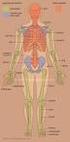 Skeletal System Axial Skeleton: Vertebral Column and Ribs Functions Regions Cervical Thoracic Lumbar Sacral Primary & secondary curvatures There are three major functions of the vertebral column. First,
Degenerative Spine Solutions
 Degenerative Spine Solutions The Backbone for Your Surgical Needs Aesculap Spine Backbone for Your Degenerative Spine Needs Comprehensive operative solutions, unique product technology and world-class
Produced by. 3rd Edition. Sponsored by
 Produced by 3rd Edition Sponsored by A Note from the Sponsors Rady Children s Hospital-San Diego is proud to join Harms Study Group and Setting Scoliosis Straight Foundation in support of scoliosis education,
Pediatric Spinal Deformity On the Cutting Edge V
 Pediatric Spinal Deformity On the Cutting Edge V April 10 11, 2015 The Westin Colonnade Coral Gables, Florida A comprehensive pediatric spine course with CME credit Course Chairman: Harry L. Shufflebarger,
Options for Cervical Disc Degeneration A Guide to the Fusion Arm of the M6 -C Artificial Disc Study
 Options for Cervical Disc Degeneration A Guide to the Fusion Arm of the M6 -C Artificial Disc Study Each year, hundreds of thousands of adults are diagnosed with Cervical Disc Degeneration, an upper spine
DETECTION AND NONOPERATIVE MANAGEMENT OF PEDIATRIC DEVELOPMENTAL DYSPLASIA OF THE HIP IN INFANTS UP TO SIX MONTHS OF AGE SUMMARY
 DETECTION AND NONOPERATIVE MANAGEMENT OF PEDIATRIC DEVELOPMENTAL DYSPLASIA OF THE HIP IN INFANTS UP TO SIX MONTHS OF AGE SUMMARY Disclaimer This Clinical Practice Guideline was developed by an AAOS clinician
FACTORS ASSOCIATED WITH ADVERSE EVENTS IN MAJOR ELECTIVE SPINE, KNEE, AND HIP INPATIENT ORTHOPAEDIC SURGERY
 FACTORS ASSOCIATED WITH ADVERSE EVENTS IN MAJOR ELECTIVE SPINE, KNEE, AND HIP INPATIENT ORTHOPAEDIC SURGERY Dov B. Millstone, Anthony V. Perruccio, Elizabeth M. Badley, Y. Raja Rampersaud Dalla Lana School
Rodding Surgery. 804 W. Diamond Ave., Ste. 210 Gaithersburg, MD 20878 (800) 981-2663 (301) 947-0083
 Rodding Surgery 804 W. Diamond Ave., Ste. 210 Gaithersburg, MD 20878 (800) 981-2663 (301) 947-0083 Fax: (301) 947-0456 Internet: www.oif.org Email: [email protected] The Osteogenesis Imperfecta Foundation,
Updates into Therapeutic Exercise Programs for Patients with LBP. Maximizing Patient Motivation and Outcomes Alice M.
 Updates into Therapeutic Exercise Programs for Patients with LBP Maximizing Patient Motivation and Outcomes Alice M. Davis, PT, DPT Objectives Review Statistics on LBP Discuss current research findings
Advances In Spine Care. James D. Bruffey M.D. Scripps Clinic Division of Orthopaedic Surgery Section of Spinal Surgery
 Advances In Spine Care James D. Bruffey M.D. Scripps Clinic Division of Orthopaedic Surgery Section of Spinal Surgery Introduction The Spine - A common source of problems Back pain is the #2 presenting
John E. O Toole, Marjorie C. Wang, and Michael G. Kaiser
 Hypothermia and Human Spinal Cord Injury: Updated Position Statement and Evidence Based Recommendations from the AANS/CNS Joint Sections on Disorders of the Spine & Peripheral Nerves and Neurotrauma &
Jonathan R. Gottlieb, MD 7220 SW 127 Street Pinecrest, FL 33156 [email protected]
 Jonathan R. Gottlieb, MD 7220 SW 127 Street Pinecrest, FL 33156 [email protected] CURRENT PRACTICE September 2009-present University of Miami School of Medicine Assistant Professor, Department of
Corporate Medical Policy Spinal Manipulation under Anesthesia
 Corporate Medical Policy Spinal Manipulation under Anesthesia File Name: Origination: Last CAP Review: Next CAP Review: Last Review: spinal_manipulation_under_anesthesia 5/1998 1/2015 1/2016 1/2015 Description
Clinical Reasoning The patient presents with no red flags and no indications of maladaptive behaviour in regard to fear avoidance.
 The McKenzie Institute International 2014 Vol. 3, No. 3 CASE REVIEW: A CLINICIAN S PERSPECTIVE Case Review: 35-Year-Old Male with History of Low Back Pain Brian Østergaard Sørensen, PT, Dip.MDT Introduction
Audit on treatment and recovery of ankle sprain
 Hong Kong Journal of Emergency Medicine Audit on treatment and recovery of ankle sprain WY Lee Study Objectives: The object of this study is to audit the care of ankle sprain of different severity and
Thoracic Epidural Catheterization Using Ultrasound in Obese Patients for Bariatric Surgery
 IBIMA Publishing Journal of Research in Obesity http://www.ibimapublishing.com/journals/obes/obes.html Vol. 2014 (2014), Article ID 538833, 6 pages DOI: 10.5171/2014.538833 Research Article Thoracic Epidural
Mechanical Diagnosis And Therapy of the Cervical Spine. The McKenzie Method. Allan Besselink, PT, Dip.MDT Smart Sport International Austin, Texas
 Mechanical Diagnosis And Therapy of the Cervical Spine The McKenzie Method Allan Besselink, PT, Dip.MDT Smart Sport International Austin, Texas Background Physical Therapist Queen s s University 1988 McKenzie
33 % of whiplash patients develop. headaches originating from the upper. cervical spine
 33 % of whiplash patients develop headaches originating from the upper cervical spine - Dr Nikolai Bogduk Spine, 1995 1 Physical Treatments for Headache: A Structured Review Headache: The Journal of Head
Online Supplement to Clinical Peer Review Programs Impact on Quality and Safety in U.S. Hospitals, by Marc T. Edwards, MD
 Online Supplement to Clinical Peer Review Programs Impact on Quality and Safety in U.S. Hospitals, by Marc T. Edwards, MD Journal of Healthcare Management 58(5), September/October 2013 Tabulated Survey
1 Risk Factors for Prolonged Disability After Whiplash Injury: A Prospective Study. Spine: Volume 30(4), February 15, 2005, pp 386-391
 1 Risk Factors for Prolonged Disability After Whiplash Injury: A Prospective Study Spine: Volume 30(4), February 15, 2005, pp 386-391 Gun, Richard Townsend MB, BS; Osti, Orso Lorenzo MD, PhD; O'Riordan,
Injury Prevention for the Back and Neck
 Injury Prevention for the Back and Neck www.csmr.org We have created this brochure to provide you with information regarding: Common Causes of Back and Neck Injuries and Pain Tips for Avoiding Neck and
Osteoporosis and Vertebral Compression (Spinal) Fractures Fact Sheet
 Osteoporosis and Vertebral Compression (Spinal) Fractures Fact Sheet About Osteoporosis Osteoporosis is estimated to affect 200 million women worldwide. 1 Worldwide, osteoporosis causes more than nine