
Screening guidelines tool
|
|
|
- Shana Andrews
- 10 years ago
- Views:
Transcription
1 Screening guidelines tool Disclaimer: This material is intended as a general summary of screening and management recommendations; it is not intended to be comprehensive. Colorectal cancer (CRC) screening guidelines are updated at regular intervals and may change over time. Providers should view the most up-to-date version of the relevant NCCN Colorectal Screening guidelines at nccn.org/professionals/physician_gls/f_guidelines.asp, and the American College of Gastroenterology Guidelines for Colorectal Cancer Screening. Screening recommendations for individual patients vary according to their level of risk, with patients at higher risk requiring more intensive and more frequent interventions to reduce morbidity and mortality. Risk is not static and may change over time based on changes in both personal and family medical history. Therefore, it is important to update patient information regularly and to store this information in a format that is easy to interpret and modify. Screening guidelines for individuals at average (population) risk Summary of CRC screening recommendations guide Average risk Age 50; Age 45 for African American men No history of adenoma or hamartoma No history of inflammatory bowel disease Negative family history Most patients fall into this category; they have little or no family history and no personal risk factors. These patients can be advised that specific lifestyle changes may modify the risk for colon and other cancers. Colonoscopy every 10 years; or Flexible sigmoidoscopy every 5 years; or Double contrast barium enema every 5 years; or Computed tomographic colonography every 5 years; or Fecal immunochemical test (FIT) Colonoscopy is the most effective and most invasive. All other screening tests may result in referral for colonoscopy if the test is abnormal or if a polyp is found that needs removal. References: Screening at average risk NCCN Clinical Practice Guidelines in Oncology (2011). Colorectal Cancer Screening V Accessed December 6, 2010 from NOTE: Free registration and login are required to view guidelines. Scroll down to Guidelines for Detection, Prevention, & Risk Reduction, click on Colorectal Cancer Screening. US Multi-Society Task Force on Colorectal Cancer, and the American College of Adenomatous Polyps, 2008: A Joint Guideline from the American Cancer Society, the Screening and Surveillance for the Early Detection of Colorectal Cancer and Radiology (2008). CA: a Cancer Journal for Clinicians, 58, Accessed December 6, 2010 from ACG Guidelines for Colorectal Cancer Screening American Journal of Gastroenterology 104(3): Colorectal Cancer Fact Sheets: Screening guidelines 1

2 Screening guidelines for individuals at increased risk This category includes those who have one first- or two second-degree relatives* with colon cancer, and those with personal risk factors such as inflammatory bowel disease or a history of polyps. These patients are at higher-than-average risk but do not meet the criteria for a hereditary colon cancer syndrome. Regular updates of family history are important because the diagnosis of polyps, CRC or a Lynch-related cancer in one or more relatives may change a patient s risk category. Patients can be counseled that lifestyle changes may help modify their risk. Summary of patient history and CRC screening recommendations Increased risk NOTE: Evaluate for possible hereditary cancer syndrome 1 2 small tubular adenoma(s); <1cm Colonoscopy every 5 10 years after initial polypectomy 3 10 adenomas or 1 adenoma > 1cm, villous features or high-grade dysplasia Colonoscopy 3 years after initial polypectomy, if normal or if 1 2 small tubular adenomas, then every 5 years Personal history of CRC, after curative surgery Colonoscopy in one year or earlier in absence of complete preoperative colonoscopy; repeat every 1 3 years depending on results; periodic limited endoscopic evaluation of rectal anastomosis to identify local recurrence; new primary cancer should prompt update of family history and consideration of possible hereditary cancer syndrome >10 adenomas on a single exam Individual management including colonoscopy <3 years after initial polypectomy; evaluate for FAP/AFAP CRC or adenomatous polyps in any FDR* <60, or two or more in FDRs at any age, or multiple cases of Lynch/HNPCC** related cancers Colonoscopy every 3 5 years starting at age 40 or 10 years before youngest case in immediate family CRC or adenomatous polyps in any FDR* 60 or two SDRs* with CRC Colonoscopy every 5 years beginning at age 50 Inflammatory bowel disease (Chronic ulcerative colitis, Crohn s colitis) Colonoscopy with biopsies for dysplasia every 1 2 years starting 8 10 years after onset of symptoms Additional sampling of strictures and masses Endoscopic polypectomy with appropriate biopsies of surrounding mucosa for assessment of dysplasia If dysplasia or intraepithelial neoplasia, prophylactic protocolectomy with ileoanal pouch preferred *A first-degree relative (FDR) is a parent, sibling or child. A second-degree relative (SDR) is a grandparent, grandchild, uncle, aunt, nephew, niece, half-sibling. **HNPCC related cancers [CRC, endometrial, ovarian, duodenal/small bowel, gastric, ureteral/renal pelvis, hepatobillary/pancreas, brain (particularly glioblastoma), sebaceous adenoma/or sebaceous carcinoma]. Note that the American College of Gastroenterology considers CRC or adenomatous polyps in any FDR 60 as average risk, with colonoscopy every 10 years beginning at age 50. Colorectal Cancer Fact Sheets: Screening guidelines 2

3 Screening guidelines for individuals at high risk This category includes patients who have been diagnosed with a hereditary colon cancer syndrome such as Lynch/HNPCC or FAP/AFAP, or have a highly suggestive family or personal history. Because of the high risk for colon and other cancers, these individuals require more intensive and frequent screening. Prophylactic surgery for risk reduction and participation in clinical trials are often options for these patients. They benefit from a referral to a cancer genetics specialist to discuss the implications of their diagnosis in more detail. Summary of CRC and extra colonic high-risk screening and surveillance recommendations Colorectal Gastric and small bowel Urothelial Central nervous system Pancreatic Endometrial and ovarian (women) Diagnosis of Lynch syndrome/hnpcc (hereditary non-polyposis syndrome) Colonoscopy every 1 2 years starting at age or 2 5 years prior to the earliest colon cancer in the family if diagnosed under age 25 Consider EGD with extended duodenoscopy and polypectomy beginning at age 30, repeat every 2 3 years Consider annual urinalysis Annual physical exam, no added screening No recommendations due to limited data Consider endometrial sampling and concurrent transvaginal ultrasound (preferably day 1 10 of cycle if premenopausal) annually starting age or 5 10 years prior to earliest age at first diagnosis if these cancers are in the family Consider prophylactic hysterectomy and bilateral salpingo-oophrectomy after childbearing is completed Diagnosis of familial adenomatous polyposis (FAP) Colorectal: APC gene positive Flexible sigmoidoscopy or colonoscopy annually starting age 10 15, consider colectomy Colorectal: Suspected FAP, not tested Flexible sigmoidoscopy or colonoscopy starting age annually until age 24 - every 2 years until age 34 - every 3 years until age 44 Colorectal Duodenal, gastric, or periampular (near the Ampulla of Vater or union of pancreatic duct and common bile duct) Thyroid CNS cancer Personal history of FAP: Screening, surveillance and treatment (post-colectomy) Endoscopic evaluation every 6 months to 3 years, depending on proctocolectomy or colectomy status Consider NSAID chemoprevention to reduce polyp as pharmacologic adjunct to endoscopy Baseline upper endoscopy (including side-viewing exam), and repeat every 1 3 years depending on severity of polyposis Examine stomach at time of duodenoscopy Annual thyroid exam starting in late teens Annual physical exam, no added screening :2/12:jt:Updated Feb 2012 Colorectal Cancer Fact Sheets: Screening guidelines 3

4 Intra-abdominal desmoids (benign soft tissue tumors occurring most often in the abdomen with FAP) Small bowel polyps and cancer Hepatoblastoma (childhood cancer associated with FAP) Pancreatic Annual abdominal palpation; with a family history of desmoids, consider abdominal CT or MRI every 1 3 years post-colectomy and then at 5 10 year intervals Consider adding small bowel visualization with CT or MRI for desmoids as outlined above, especially with advanced duodenal polyps Consider liver palpation, abdominal ultrasound and measurement of α-fetoprotein every 3 6 months until age 5 Recommend FAP genetic testing in untested children with hepatoblastoma No recommendations have been made < 21 years, small adenoma years, small adenoma > 40 years, small adenoma Significant polyposis not manageable with polypectomy Screening/ chemoprevention AFAP, personal history Personal history of AFAP (attenuated familial adenomatous polyposis) Colonoscopy and polypectomy every 1 2 years; surgical evaluation and counseling Colectomy with ileorectal anastomosis (IRA), or colonoscopy and polypectomy every 1 2 years; surgical evaluation and counseling Strongly consider colectomy with IRA; surgical evaluation and counseling Colectomy with IRA (preferred in most cases) or proctocolectomy with ileal J-pouch anal anastomosis If patient had colectomy with IRS, endoscopic exam of rectum every 6 12 months depending on polyp Annual physical exam; annual thyroid exam Consider NSAID chemoprevention Baseline upper endoscopy every 6 months to 4 years starting at age APC positive or not tested APC negative Family history of AFAP (attenuated familial adenomatous polyposis) Colonoscopy starting in late teens, then every 2 3 years Average risk screening Sibling with MYH polyposis + pt is asymptomatic + MYH mutation positive or untested Note: MYH polyposis has a recessive pattern Diagnosis of MYH-associated polyposis, family history of sibling with MYH polyposis Colonoscopy starting age and every 3 5 years if negative (consider shorter intervals with advancing age) Consider upper endoscopy and side viewing duodenoscopy starting age and every 3 5 years Patients with duodenal adenomas are treated as in FAP Genetic counseling and testing for the familial MYH polyposis mutation(s) is recommended :5/11:jt Colorectal Cancer Fact Sheets: Screening guidelines 4

5 Personal history of being MYH mutation positive; or History of adenomatous polyposis + negative APC testing (>10 at one time or >15 in 10 years) Note: MYH polyposis has a recessive inheritance pattern MYH-associated polyposis, personal history No MYH testing + polyposis + negative APC testing Genetic counseling and testing for MYH polyposis mutation(s) is recommended; if negative, refer to increased risk colorectal cancer screening guidelines for multiple adenomatous polyps MYH positive + adenomas manageable with colonoscopy and polypectomy Colonoscopy and polypectomy every 1 2 years Consider upper endoscopy and side viewing duodenoscopy starting age every 3 5 years Patients with duodenal adenomas treated as in FAP MYH positive + dense or large polyps not manageable with colonoscopy and polypectomy Subtotal colectomy or proctocolectomy depending on ademona density and distribution; counseling regarding surgical options Upper endoscopy and side viewing duodenoscopy starting age every 3 5 years Patients with duodenal adenomas treated as in FAP Counseling regarding surgical options References: Screening at increased and high risk NCCN Clinical Practice Guidelines in Oncology (2011). Colorectal Cancer Screening V Accessed December 6, 2010 from NOTE: Free registration and login are required to view guidelines. Scroll down to Guidelines for Detection, Prevention, & Risk Reduction, click on Colorectal Cancer Screening US Multi-Society Task Force on Colorectal Cancer, and the American College of Adenomatous Polyps, 2008: A Joint Guideline from the American Cancer Society, the Screening and Surveillance for the Early Detection of Colorectal Cancer and Radiology (2008). CA: a Cancer Journal for Clinicians, 58, Accessed December 6, 2010 from caonline.amcancersoc.org/cgi/reprint/58/3/130 Lindor, N. M., Petersen, G. M., Hadley, D. W., Kinney, A. Y., Miesfeldt, S., Lu, K. H., et al. (2006). Recommendations for the care of individuals with an inherited predisposition to Lynch syndrome: a systematic review. JAMA, 296(12), Nielsen, M., Franken, P. F., Reinards, T. H., Weiss, M. M., Wagner, A., van der Klift, H., et al. (2005). Multiplicity in polyp count and extracolonic manifestations in 40 Dutch patients with MYH associated polyposis coli (MAP). Journal of Medical Genetics, 42(9), e54. Winawer, S., Fletcher, R., Rex, D., Bond, J., Burt, R., Ferrucci, J., et al. (2003). Colorectal cancer screening and surveillance: clinical guidelines and rationale-update based on new evidence. Gastroenterology, 124(2), ACG Guidelines for Colorectal Cancer Screening American Journal of Gastroenterology 104(3): :2/12:jt:Updated Feb 2012 Colorectal Cancer Fact Sheets: Screening guidelines 5

Risk stratification for colorectal cancer especially: the difference between sporadic disease and polyposis syndromes. Dr. med. Henrik Csaba Horváth
 Risk stratification for colorectal cancer especially: the difference between sporadic disease and polyposis syndromes Dr. med. Henrik Csaba Horváth Why is risk stratification for colorectal cancer (CRC)
Genetic Testing for Familial Adenomatous Polyposis and MYH-Associated Polyposis (Lynch Syndrome)
 Harmony Behavioral Health, Inc. Harmony Behavioral Health of Florida, Inc. Harmony Health Plan of Illinois, Inc. HealthEase of Florida, Inc. Ohana Health Plan, a plan offered by WellCare Health Insurance
The Hereditary Colorectal Cancer Website has been sponsored by the Robert Rauschenberg Foundation
 Introduction The Hereditary Colorectal Cancer Website has been sponsored by the Robert Rauschenberg Foundation Hereditary nonpolyposis colorectal cancer (HNPCC) syndrome was first described over 100 years
Screening for Cancer in Light of New Guidelines and Controversies. Christopher Celio, MD St. Jude Heritage Medical Group
 Screening for Cancer in Light of New Guidelines and Controversies Christopher Celio, MD St. Jude Heritage Medical Group Screening Tests The 2 major objectives of a good screening program are: (1) detection
Advice about familial aspects of breast cancer and epithelial ovarian cancer a guide for health professionals DECEMBER 2010
 Advice about familial aspects of breast cancer and epithelial ovarian cancer a guide for health professionals DECEMBER 2010 This guide has three parts: 1. Information for health professionals 2. Tables
GENETIC TESTING FOR INHERITED MUTATIONS OR SUSCEPTIBILITY TO CANCER OR OTHER CONDITIONS MED207.110
 GENETIC TESTING FOR INHERITED MUTATIONS OR SUSCEPTIBILITY TO CANCER OR OTHER CONDITIONS MED207.110 COVERAGE: Pre- and post-genetic test counseling may be eligible for coverage in addition to the genetic
COLORECTAL CANCER SCREENING
 COLORECTAL CANCER SCREENING By Douglas K. Rex, M.D., FACG & Suthat Liangpunsakul, M.D. Division of Gastroenterology and Hepatology, Department of Medicine Indiana University School of Medicine Indianapolis,
As Reported by the Senate Health, Human Services and Aging Committee. 127th General Assembly Regular Session Sub. S. B. No. 278 2007-2008 A B I L L
 As Reported by the Senate Health, Human Services and Aging Committee 127th General Assembly Regular Session Sub. S. B. No. 278 2007-2008 Senator Coughlin Cosponsors: Senators Stivers, Mumper, Spada, Miller,
Colorectal Cancer: Preventable, Beatable, Treatable. American Cancer Society
 Colorectal Cancer: Preventable, Beatable, Treatable American Cancer Society Reviewed January 2013 What we ll be talking about How common is colorectal cancer? What is colorectal cancer? What causes it?
ACG Clinical Guideline: Genetic Testing and Management of Hereditary Gastrointestinal Cancer Syndromes
 PRACTICE GUIDELINES nature publishing group 223 CME ACG Clinical Guideline: Genetic Testing and Management of Hereditary Gastrointestinal Cancer Syndromes Sapna Sy nga l, MD, M PH, FAC G 1, 2, 3, R and
patient education Fact Sheet PFS007: BRCA1 and BRCA2 Mutations MARCH 2015
 patient education Fact Sheet PFS007: BRCA1 and BRCA2 Mutations MARCH 2015 BRCA1 and BRCA2 Mutations Cancer is a complex disease thought to be caused by several different factors. A few types of cancer
Genetic Testing for Lynch Syndrome/Colorectal Cancer and Polyposis Syndromes
 Genetic Testing for Lynch Syndrome/Colorectal Cancer and Polyposis Syndromes Policy Number: Original Effective Date: MM.02.007 09/01/2011 Line(s) of Business: Current Effective Date: HMO; PPO 09/01/2011
This letter can be copied and pasted in a word document for use with your letterhead.
 This letter can be copied and pasted in a word document for use with your letterhead. Date Name Street City Dear (Name): Our office has made a commitment to promote the health of its members, and to provide
Colon Cancer Syndromes. Robin B. Mendelsohn MD Memorial Sloan Kettering Cancer Center Department of Medicine Gastroenterology and Nutrition Service
 Colon Cancer Syndromes Robin B. Mendelsohn MD Memorial Sloan Kettering Cancer Center Department of Medicine Gastroenterology and Nutrition Service Background: Etiology of Colorectal Cancer (CRC) Sporadic:
Cancer Screening and Early Detection Guidelines
 Cancer Screening and Early Detection Guidelines Guillermo Tortolero Luna, MD, PhD Director Cancer Control and Population Sciences Program University of Puerto Rico Comprehensive Cancer Center ASPPR Clinical
Colorectal Cancer: Preventable, Beatable, Treatable. American Cancer Society
 Colorectal Cancer: Preventable, Beatable, Treatable American Cancer Society Reviewed January 2016 What we ll be talking about How common is colorectal cancer? What is colorectal cancer? What causes it?
How common is bowel cancer?
 information Primary Care Society for Gastroenterology Bowel Cancer (1 of 6) How common is bowel cancer? Each year 35,000 people in Britain are diagnosed with cancer of the bowel, that is to say cancer
Clinical Indicator Ages 19-29 Ages 30-39 Ages 40-49 Ages 50-64 Ages 65+ Frequency of visit as recommended by PCP
 SCREENING EXAMINATION & COUNSELING UPMC Health Plan Clinical Indicator Ages 19-29 Ages 30-39 Ages 40-49 Ages 50-64 Ages 65+ Annually Physical Exam and Counseling 1 Blood Pressure 2 At each visit. At least
Epi procolon The Blood Test for Colorectal Cancer Screening
 Epi procolon The Blood Test for Colorectal Cancer Screening Epi procolon is an approved blood test for colorectal cancer screening. The US Preventive Services Task Force, the American Cancer Society and
GASTROENTEROLOGY 2006;130:1872 1885
 GASTROENTEROLOGY 2006;130:1872 1885 Guidelines for Colonoscopy Surveillance After Polypectomy: A Consensus Update by the US Multi-Society Task Force on Colorectal Cancer and the American Cancer Society
Colorectal cancer. A guide for journalists on colorectal cancer and its treatment
 Colorectal cancer A guide for journalists on colorectal cancer and its treatment Contents Contents 2 3 Section 1: Colorectal cancer 4 i. What is colorectal cancer? 4 ii. Causes and risk factors 4 iii.
Ovarian Cancer Genetic Testing: Why, When, How?
 Ovarian Cancer Genetic Testing: Why, When, How? Jeffrey Dungan, MD Associate Professor Division of Clinical Genetics Department of Obstetrics & Gynecology Northwestern University Feinberg School of Medicine
Cancer Facts for Women
 2006, American Cancer Society, Inc. No.200700-Rev.03/08 The American Cancer Society is the nationwide community-based voluntary health organization dedicated to eliminating cancer as a major health problem
Colorectal Cancer Prevention and Early Detection
 Colorectal Cancer Prevention and Early Detection What is colorectal cancer? Colorectal cancer is a term used to refer to cancer that develops in the colon or the rectum. These cancers are sometimes referred
Hereditary Breast Cancer. Nicole Kounalakis, MD Assistant Professor of Surgery University of Colorado Medical Center
 Hereditary Breast Cancer Nicole Kounalakis, MD Assistant Professor of Surgery University of Colorado Medical Center Outline Background Assessing risk of patient Syndromes BRCA 1,2 Li Fraumeni Cowden Hereditary
Understanding Lynch Syndrome
 ESSENTIALS Lynch Syndrome Understanding Lynch Syndrome Certain cancers can run in families. Sometimes this happens because of harmful changes (called mutations) in our genes that are passed from one generation
Laparoscopic Surgery of the Colon and Rectum (Large Intestine) A Simple Guide to Help Answer Your Questions
 Laparoscopic Surgery of the Colon and Rectum (Large Intestine) A Simple Guide to Help Answer Your Questions What are the Colon and Rectum? The colon and rectum together make up the large intestine. After
How to Effectively Code for Endoscopic Procedures in Gastroenterology
 How to Effectively Code for Endoscopic Procedures in Gastroenterology Ariwan Rakvit, MD Associate Professor Interim Chief, Division of Gastroenterology Texas Tech University Health Science Center All rights
Screening for colorectal cancer (CRC) in asymptomatic patients
 GASTROENTEROLOGY 2012;143:844 857 Guidelines for Colonoscopy Surveillance After Screening and Polypectomy: A Consensus Update by the US Multi-Society Task Force on Colorectal Cancer DAVID A. LIEBERMAN,*
The Forzani MacPhail Colon Cancer Screening Centre Frequently Asked Questions. What is the Forzani MacPhail Colon Cancer Screening Centre?
 The Forzani MacPhail Colon Cancer Screening Centre Frequently Asked Questions What is the Forzani MacPhail Colon Cancer Screening Centre? The Forzani and MacPhail Colon Cancer Screening Centre (CCSC) is
Kate O Hanlan, M. D. F. A. C. O. G., F. A. C. S.
 Kate O Hanlan, M. D. F. A. C. O. G., F. A. C. S. Gynecologic Oncology, Surgery and Endoscopy 4370 Alpine Road Portola Valley, CA 94028-7523 Phone: (650)-851-6669 FAX: (650) 851-9747 Regarding Ovarian Cancer,
Cancer Genetic Counseling
 Cancer Genetic Counseling Guest Expert: Ellen, MS Director of the Yale Cancer Center Cancer Genetic Counseling Program www.wnpr.org www.yalecancercenter.org I am Bruce Barber and this is Yale Cancer Center
Examples of good screening tests include: mammography for breast cancer screening and Pap smears for cervical cancer screening.
 CANCER SCREENING Dr. Tracy Sexton (updated July 2010) What is screening? Screening is the identification of asymptomatic disease or risk factors by history taking, physical examination, laboratory tests
Overview of testing for Lynch syndrome/hnpcc
 Overview of testing for Lynch syndrome/hnpcc This overview provides detailed information about interpreting MSI/IHC testing and genetic testing for Lynch syndrome/hnpcc. It is intended to be a reference
Hugh Sanderson, Andrew Walker and Denise Young
 [This page: 449] 6 Colorectal Cancer Hugh Sanderson, Andrew Walker and Denise Young 1 Summary Occurrence Colorectal cancer is a major cause of mortality and morbidity in the UK and care for this disease
Billing Guideline. Subject: Colorectal Cancer Screening Exams (Invasive Procedures) Effective Date: 1/1/2012 Last Update Effective: 4/16
 Subject: Colorectal Cancer Screening Exams (Invasive Procedures) Effective Date: 1/1/2012 Last Update Effective: 4/16 Billing Guideline Background Health First administers benefit packages with full coverage
GENETIC CONSIDERATIONS IN CANCER TREATMENT AND SURVIVORSHIP
 GENETIC CONSIDERATIONS IN CANCER TREATMENT AND SURVIVORSHIP WHO IS AT HIGH RISK OF HEREDITARY CANCER? Hereditary Cancer accounts for a small proportion of all cancer or approximately 5-10% THE DEVELOPMENT
Frequently Asked Questions About Ovarian Cancer
 Media Contact: Gerri Gomez Howard Cell: 303-748-3933 [email protected] Frequently Asked Questions About Ovarian Cancer What is ovarian cancer? Ovarian cancer is a cancer that forms in tissues
Common Cancers & Hereditary Syndromes
 Common Cancers & Hereditary Syndromes Elizabeth Hoodfar, MS, LCGC Regional Cancer Genetics Coordinator Kaiser Permanente Northern California Detect clinical characteristics of hereditary cancer syndromes.
Colon and Rectal Cancer
 Colon and Rectal Cancer What is colon or rectal cancer? Colon or rectal cancer is the growth of abnormal cells in your large intestine, which is also called the large bowel. The colon is the last 5 feet
The digestive system. Medicine and technology. Normal structure and function Diagnostic methods Example diseases and therapies
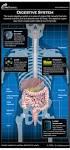 The digestive system Medicine and technology Normal structure and function Diagnostic methods Example diseases and therapies The digestive system An overview (1) Oesophagus Liver (hepar) Biliary system
Colonoscopy Data Collection Form
 Identifier: Sociodemographic Information Type: Zip Code: Gender: Height: (inches) Race: Ethnicity Inpatient Outpatient Male Female Birth Date: Weight: (pounds) American Indian (Native American) or Alaska
GUIDE TO COLORECTAL CANCER
 GUIDE TO COLORECTAL CANCER Comprehensive, oncologistapproved cancer information from the American Society of Clinical Oncology (ASCO) www.cancer.net Made available through: ABOUT ASCO The American Society
Colorectal Cancer Care A Cancer Care Map for Patients
 Colorectal Cancer Care A Cancer Care Map for Patients Understanding the process of care that a patient goes through in the diagnosis and treatment of colorectal cancer in BC. Colorectal Cancer Care Map
Colorectal Cancer Facts and Figures In support of the SPECTAcolor Biobank Project
 Colorectal Cancer Facts and Figures In support of the SPECTAcolor Biobank Project ITALY Contact: Mathilde Fenoulhet, Fundraising Project Coordinator EORTC Headquarters [email protected] +32 2
Gastrointestinal Bleeding
 Gastrointestinal Bleeding Introduction Gastrointestinal bleeding is a symptom of many diseases rather than a disease itself. A number of different conditions can cause gastrointestinal bleeding. Some causes
patient guide BRCA1 and BRCA2 Genetic Testing for Hereditary Breast and Ovarian Cancer
 patient guide BRCA1 and BRCA2 Genetic Testing for Hereditary Breast and Ovarian Cancer What is hereditary cancer? Cancer affects many people in the U.S.: breast cancer affects 1 in 8 women and ovarian
Cigna Medical Coverage Policy
 Cigna Medical Coverage Policy Subject Colorectal Cancer Screening and Surveillance Table of Contents Coverage Policy... 1 General Background... 2 Coding/Billing Information... 26 References... 28 Effective
The Genetics of Early- Onset Breast Cancer. Cecelia Bellcross, Ph.D., M.S.,C.G.C. Department of Human Genetics Emory University School of Medicine
 The Genetics of Early- Onset Breast Cancer Cecelia Bellcross, Ph.D., M.S.,C.G.C. Department of Human Genetics Emory University School of Medicine All cancers are genetic BUT Not all cancers are hereditary
WHAT S WRONG WITH MY GALL BLADDER? GALL BLADDER POLYPS
 WHAT S WRONG WITH MY GALL BLADDER? GALL BLADDER POLYPS This is a patient information booklet providing specific practical information about gall bladder polyps in brief. Its aim is to provide the patient
THINGS TO BE AWARE OF ABOUT PROSTATE AND LUNG CANCER. Lawrence Lackey Jr., M.D. Internal Medicine 6001 W. Outer Dr. Ste 114
 THINGS TO BE AWARE OF ABOUT PROSTATE AND LUNG CANCER Lawrence Lackey Jr., M.D. Internal Medicine 6001 W. Outer Dr. Ste 114 WHAT IS CANCER? The body is made up of hundreds of millions of living cells. Normal
PROSTATE CANCER SCREENING PROSTATE CANCER SCREENING
 3:45 4:45pm Screening Guidelines for Men's Health SPEAKER Radha Rao, MD Presenter Disclosure Information The following relationships exist related to this presentation: Radha Rao, MD: No financial relationships
Office of Population Health Genomics
 Office of Population Health Genomics Policy: Protocol for the management of female BRCA mutation carriers in Western Australia Purpose: Best Practice guidelines for the management of female BRCA mutation
Name of Policy: Genetic Testing for Inherited Cancer Predisposition and/or Pharmacogenetics related to Cancer Treatment
 Name of Policy: Genetic Testing for Inherited Cancer Predisposition and/or Pharmacogenetics related to Cancer Treatment Policy #: 133 Latest Review Date: April 2015 Category: Laboratory Policy Grade: D
colon cancer Talk to your doctor about getting tested for colon cancer. They know how to prevent and you can, too. Take a look inside.
 2006, American Cancer Society, Inc. No. 243900 Rev.01/08 The American Cancer Society is the nationwide community-based voluntary health organization dedicated to eliminating cancer as a major health problem
This publication was developed and produced with funding from the Centers for Disease Control and Prevention under a cooperative agreement.
 This publication was developed and produced with funding from the Centers for Disease Control and Prevention under a cooperative agreement. Suggested Citation Centers for Disease Control and Prevention.
Understanding Your Risk of Ovarian Cancer
 Understanding Your Risk of Ovarian Cancer A WOMAN S GUIDE This brochure is made possible through partnership support from Project Hope for Ovarian Cancer Research and Education. Project HOPE FOR OVARIAN
There are many different types of cancer and sometimes cancer is diagnosed when in fact you are not suffering from the disease at all.
 About Cancer Cancer is a disease where there is a disturbance in the normal pattern of cell replacement. The cells mutate and become abnormal or grow uncontrollably. Not all tumours are cancerous (i.e.
NOTTINGHAM UNIVERSITY HOSPITAL NHS TRUST NOTTINGHAM BREAST INSTITUTE BREAST AND OVARIAN FAMILY HISTORY GUIDELINES
 NOTTINGHAM UNIVERSITY HOSPITAL NHS TRUST NOTTINGHAM BREAST INSTITUTE BREAST AND OVARIAN FAMILY HISTORY GUIDELINES GP Referrals All GP referrals for asymptomatic women with a family history of breast and/or
National Program of Cancer Registries Education and Training Series. How to Collect High Quality Cancer Surveillance Data
 National Program of Cancer Registries Education and Training Series How to Collect High Quality Cancer Surveillance Data 1 NAACCR Administers NPCR-Education Contract for the Centers for Disease Control
ScreenWise. Breast, Cervical, and Hereditary Cancer Screenings OCTOBER 28, 2015
 ScreenWise Breast, Cervical, and Hereditary Cancer Screenings OCTOBER 28, 2015 ScreenWise Three programs working together to bring quality screening services to Oregon residents Why we all do this work
Polyp Guideline: Diagnosis, Treatment, and Surveillance for Patients With Colorectal Polyps*
 THE AMERICAN JOURNAL OF GASTROENTEROLOGY Vol. 95, No. 11, 2000 2000 by Am. Coll. of Gastroenterology ISSN 0002-9270/00/$20.00 Published by Elsevier Science Inc. PII S0002-9270(00)02227-9 PRACTICE GUIDELINES
Macrae FA 1, Good N 3, Young GP, Bampton P 2, Lane J 2, St John DJB 1, Diehl R 3, J O Dwyer 3, Slattery M 1.
 Macrae FA 1, Good N 3, Young GP, Bampton P 2, Lane J 2, St John DJB 1, Diehl R 3, J O Dwyer 3, Slattery M 1. Colorectal Medicine and Genetics, and University of Melbourne Dept of Medicine The Royal Melbourne
Complications that may occur with ulcerative colitis:
 Ulcerative Colitis What is ulcerative colitis? Ulcerative colitis is one of the major forms of inflammatory bowel disease. The other major form is Crohn s disease. Ulcerative colitis is felt to be due
Bowel cancer: should I be screened?
 Patient information from the BMJ Group Bowel cancer: should I be screened? Bowel cancer is a serious condition, but there are good treatments. Treatment works best if it's started early.to pick up early
A Decision Support Tool to Facilitate Cancer Risk Assessment and Referral for Genetics Services. Kristen Vogel Postula, MS, CGC & Leigh Baumgart, PhD
 A Decision Support Tool to Facilitate Cancer Risk Assessment and Referral for Genetics Services Kristen Vogel Postula, MS, CGC & Leigh Baumgart, PhD Importance of Family History Increasing awareness of
Guide to Abdominal or Gastroenterological Surgery Claims
 What are the steps towards abdominal surgery? Investigation and Diagnosis It is very important that all necessary tests are undertaken to investigate the patient s symptoms appropriately and an accurate
X-ray (Radiography), Lower GI Tract
 Scan for mobile link. X-ray (Radiography), Lower GI Tract What is Lower GI Tract X-ray Radiography (Barium Enema)? Lower gastrointestinal (GI) tract radiography, also called a lower GI or barium enema,