
Student Loans Terms To Know
|
|
|
- Erica Palmer
- 10 years ago
- Views:
Transcription
1 Student Loans Terms To Know Borrower The borrower in most cases is the student. The loan is made in the borrower s name and he/she is responsible for paying back the loan(s) including principal plus any interest. Federal Loans: Subsidized Loans the student is the borrower. Unsubsidized Loans the student is the borrower. PLUS Loans the parent or a graduate/professional student is the borrower. Private Loans the student or parent can be the borrower, depending on how the lender defines the borrower. Consolidation Direct Loan Consolidation is available from the federal government for Direct and FFEL loans. This option can combine multiple federal loans into one loan, extend your repayment term (based on your total outstanding loans) and lower your monthly payment. There are pros and cons to loan consolidation. It allows you to consolidate (combine) multiple loans into one new loan so you have a single monthly payment instead of multiple payments. However, you can also lose some important benefits such as interest rate reductions or eligible payments made towards Public Service Loan Forgiveness (PSLF). While loan consolidation may lower monthly payments by giving you additional time to repay your loan, as you increase the length of your repayment period, you will also make more payments and pay more in interest. Other loan repayment plans may be a better option since extending your loan term may also increase the amount of interest you will repay over the term of the loan. Loan consolidation for private loans may be available, but it is typically not check with your lender/ servicer to determine what options may be available. This refinancing option is primarily beneficial to those borrowers who: have student loan debt that currently has a variable interest rate those who have multiple loan holders and want to have a single loan to repay each month, or are hoping to qualify for Public Service Loan Forgiveness (PSLF) and currently have loans in the FFEL program. (Please note that only payments you make on the new Direct Consolidation Loan will count toward the required 120 qualifying loan payments for PSLF.) For more information regarding PSLF, see the Life Events Handout. The Federal Direct Consolidation Loan has a fixed interest rate that is equal to the weighted average of the interest rates of the loans being consolidated, rounded up to the nearest 1/8th percent, capped at 8.25%. These loans have a repayment period of up to 30 years, depending on your total student loan debt (which includes any of your outstanding private/institutional student loans). Make sure you make the right choice for your situation. Do your homework to determine if the pros outweigh the cons before you consolidate. Consolidation for Defaulted Loans You also have an option for getting out of default through loan consolidation. Loan consolidation allows you to pay off the outstanding combined balance(s) for one or more federal student loans to create a new single loan with a fixed interest rate. A defaulted federal student loan may be included in a consolidation loan after you have made a required number of payments (usually at least three consecutive, voluntary and on-time payments) prior to consolidation.
2 Default Defaulting on a student loan occurs when the borrower fails to fulfill the repayment terms as defined in the promissory note. If a borrower defaults, the entire unpaid balance and collection fees on the applicable loan(s) will become immediately due and payable. Loan defaults have serious negative consequences to the borrower s credit and may result in: wage garnishments denial or loss of a professional license the offset of tax refunds Deferment A deferment is used under certain situations to temporarily postpone monthly payments made by the borrower during repayment. For federal student loans, deferments are an entitlement and are granted for specific situations and have specific time limitations and eligibility conditions. Common deferment situations include: Enrollment in school (at least half-time) Study in a graduate fellowship program Rehabilitation training program for disabled individuals Unemployment Economic hardship Military service Post-active duty student deferment While you are in deferment, the government pays the interest on your Federal Subsidized Stafford Loans and/or your Federal Direct Subsidized Loans, but interest accrues on your Federal Unsubsidized Stafford Loans, your Federal Direct Unsubsidized Loans and your Federal PLUS Loans. You are responsible for paying the interest. However, you do not have to pay the interest while in deferment; you can allow the accrued interest to be capitalized (added to the principal balance of your loan) when the deferment ends. Remember that capitalized interest increases the amount you will repay. Most deferments are not automatic and you will likely need to submit a request to your lender/servicer. Contact your lender/servicer for more specific details regarding requesting for a deferment since there are specific eligibility and additional documentation requirements for some deferments. Delinquency If a borrower fails to make a payment by the due date, the account is past due or delinquent. The delinquency continues until the borrower makes a payment covering the past due amount or makes other satisfactory arrangements with the lender to bring the account current. During delinquency, the lender will attempt to resolve the situation with the borrower using due diligence contacts such as telephone calls, letters, s, skip tracing, and contacting references. Federal Loans Your federal student loans were likely made through the William D. Ford Direct Loan Program with the U.S. Department of Education (federal government) as your lender. If you have older student loans made prior to July 1, 2010, your loans could have been made through the Federal Direct Loan Program or the Federal Family Education Loan (FFEL) Program. 2
3 Forbearance A forbearance is available at the lender s discretion to help the borrower by temporarily lowering or postponing making their monthly payments during a difficult time when a deferment is not an option. Interest will continue to accrue (accumulate), and you are responsible for paying the interest on your subsidized and unsubsidized loans (including all PLUS Loans) during forbearance. If you do not pay the interest on your loan during forbearance, it may be capitalized (added to the principal balance) and the amount you pay in the future will be higher. There are two types of forbearances: 1. Discretionary Your lender/servicer decides whether to grant forbearance or not. 2. Mandatory If you meet the eligibility criteria for the forbearance, you lender/servicer is required to grant the forbearance. Contact your lender/servicer to request forbearance. Most lenders/servicers are willing to help you through tough times, as long as you notify them early, while you re still making payments, and before you default on your loan. Grace Period This is a period of time after borrowers graduate, leave school, or drop below half-time enrollment when they are not required to make payments on their student loans. Holder The holder of a student loan owns the loan promissory note and has the right to collect from the borrower. The lender can sell education loans to another entity and thus your holder may change. The holder must notify the borrower if the loan is transferred to another holder. A contracted third party servicer may be representing your current holder in managing the administration of your loan(s). Federal Direct Loans The loan holder is the federal government. FFEL Loans The loan holder could be the original lender or another entity that purchased your loan from its original holder or another holder. Private Loans The loan holder could be the original lender or another entity if the loan is transferred or sold. If you have multiple student loans, you could have multiple loan holders. You can view the holder(s) of your federal loans by going to the National Student Loan Data System (NSLDS) at NSLDS.ed.gov. Interest This is a charge assessed to the borrower for the use of loan funds over time. Interest is included in the monthly payment made to the lender. Interest is calculated as a percentage of the unpaid principal amount of the loan. 3
4 Lender A lender is an entity that initially provides money to a borrower with the expectation of repayment in a timely manner. The total loan amount includes the original principal amount borrowed plus interest. An education lender could be the student s college or university, a bank, credit union, or other lending institution; or the U.S. Department of Education. The lender you originally borrowed from may or may not still be the holder of your student loan(s); your loan(s) could have been sold or transferred to a new holder. If you took out multiple student loans, you could have multiple lenders to work with. Multiple lenders could mean you have to make multiple monthly payments. Your lender may have put or transferred your loans under the FFEL Program to the federal government. Federal Loans (Subsidized/Unsubsidized Loans & PLUS Loans) Direct Loans the federal government through the U.S. Department of Education is the lender. FFEL Program a private financial institution is the lender. Private Loans a private financial institution is the lender. Loan Rehabilitation To rehabilitate your defaulted Direct Loan or FFEL Program loan you and the Department or the guaranty agency (if you have an FFEL Program loan) must agree on a reasonable and affordable payment plan. Once you have made 9 reasonable and affordable, on time, voluntary, full and consecutive payments within 10 months, your loan is considered rehabilitated and you regain eligibility for benefits that were available on your loan before you defaulted. These benefits may include deferment, forbearance, a choice of repayment plans, loan forgiveness and eligibility for additional federal student aid. You may only rehabilitate a loan once. If you rehabilitate and then default, you will not have the option on that loan again. Other benefits of loan rehabilitation include the removal of the default status on your defaulted loan, the default status reported to the national credit bureaus, wage garnishment, and any withholding of your income tax refund made by the Internal Revenue Service (IRS). Private Loans Private Loans, sometimes called Alternative Loans, are sources of funds available to students and parents to help pay for education related expenses. These are typically offered by commercial lending institutions and the lenders define the loan terms and borrowing criteria. There can be vast differences in private loan programs from one lender to another. Repayment This is the period of time when the borrower pays the loan funds to the lender. The repayment begin date can be after a grace period or immediately after the loan is disbursed, with the final payment date being the repayment end date. Repayment terms define the monthly payment date, the amount due, the length of the repayment period, and different plan options. 4
5 Servicer A servicer is a contracted company that works on behalf of the lender to collect payments on a loan, respond to customer service inquiries, and perform other administrative tasks associated with maintaining student loans. Federal Direct Loans The federal government contracts with student loan servicers to manage loan administrative functions. A Direct Loan is assigned to a loan servicer by the U.S. Department of Education after the entire loan amount is disbursed (paid out) to the borrower. FFEL Loans The loan servicer could be the original lender or a contracted third party performing administrative tasks on behalf of the lender. Private Loans The loan servicer could be the original lender or a contracted third party performing administrative tasks on behalf of the lender. If you have multiple student loans, you could have multiple loan servicers. You can view the servicer(s) of your federal loans by going to the National Student Loan Data System (NSLDS) at NSLDS.ed.gov. Subsidized Subsidized loans are need based. Interest does not accrue while the borrower is enrolled in school at least half-time, during grace period, and during an approved deferment. (Subsidized Direct Stafford Loans with a first disbursement on or after 7/1/12 and before 7/1/14 are not eligible for the federal interest subsidy during the 6-month grace period before repayment begins.) Term The length of the repayment period. Keep in mind you will be paying your loan back over a time period that could be up to 10 years, 15 years, 20 years, or as long as 25 years. Unsubsidized Unsubsidized loans are not need based. The borrower is responsible for all interest that accrues once the loan is disbursed regardless of the loan status. Interest on unsubsidized loans accrues from the date of disbursement and continues throughout the life of the loan. 5
How To Get Out Of A Subgratame Loan With A Credit Card
 Income Based Repayment Questions and Answers (Q&A) Prepared by Federal Student Aid U.S. Department of Education January 5, 2010 The Questions & Answers (Q&As) that follow provide information about the
Income-Based Repayment Program Questions and Answers (Q&As)
 Prepared by Federal Student Aid U.S. Department of Education February 7, 2011 The questions and answers (Q&As) that follow provide information about the Income-Based Repayment (IBR) Plan that is available
EXIT COUNSELING GUIDE FOR BORROWERS OF DIRECT LOANS AND FEDERAL FAMILY EDUCATION PROGRAM LOANS
 EXIT COUNSELING GUIDE FOR BORROWERS OF DIRECT LOANS AND FEDERAL FAMILY EDUCATION PROGRAM LOANS U.S. Department of Education Arne Duncan Secretary Federal Student Aid James W. Runcie Chief Operating Officer
Widener University School of Law. Exit Interview Counseling Presentation Managing your student loan repayment
 Widener University School of Law Exit Interview Counseling Presentation Managing your student loan repayment Types Of Education Debt Three Types Federal Loans Stafford Subsidized/Unsubsidized Federal Direct
Repaying Your Student Loan. Florida Coastal School of Law
 Repaying Your Student Loan Florida Coastal School of Law Workshop Objectives At the end of the workshop you will understand: What options are available during repayment What education-related tax incentives
How To Resolve A Defaulted Loan
 Default Issues in Detail Since most of your current students will be eligible for inschool deferment if they re attending at least half-time, you are most likely to be involved in default issues with students
NAVIGATING LOAN REPAYMENT
 NAVIGATING LOAN REPAYMENT Navigating Loan Repayment Agenda Federal Loan Exit Counseling Basics of Student Loan Repayment Federal Repayment Plans Other Repayment Considerations Helpful Links Question and
STUDENT LOAN FORGIVENESS AND REPAYMENT: WHAT YOU NEED TO KNOW
 STUDENT LOAN FORGIVENESS AND REPAYMENT: WHAT YOU NEED TO KNOW From here to repayment IUPUI updates your enrollment status. Your grace period begins. Your student loan servicer sends you details about
STUDENT LOAN EXIT COUNSELING AND REPAYMENT. Sam Krow-Lucal, Student Loan Coordinator, Stanford Financial Aid Office
 STUDENT LOAN EXIT COUNSELING AND REPAYMENT Sam Krow-Lucal, Student Loan Coordinator, Stanford Financial Aid Office Presentation Overview Loan Repayment Terminology Federal Loan Repayment Plans Federal
Managing Your Student Loans 101. Basic Understanding of the Repayment Process
 Managing Your Student Loans 101 Basic Understanding of the Repayment Process Katherine Coates Office of Federal Student Aid Kansas City, MO Adam Essex Office of Federal Student Aid Washington D.C. Kevin
How To Get A Loan From A College
 STUDENT LOANS: AFTER YOU BORROW Student Loan Basics Nearly Everyone CAN Borrow, however: Loans have to be repaid! Borrow only what you need!! Interest What you are charged for using someone else s money
EXIT COUNSELING GUIDE FOR BORROWERS OF DIRECT LOANS AND FEDERAL FAMILY EDUCATION PROGRAM LOANS
 EXIT COUNSELING GUIDE FOR BORROWERS OF DIRECT LOANS AND FEDERAL FAMILY EDUCATION PROGRAM LOANS U.S. Department of Education Arne Duncan Secretary Federal Student Aid James W. Runcie Chief Operating Officer
2014 Exit Counseling / Student Loan Repayment Information. May 7, 2014 University of Maryland, Baltimore County
 2014 Exit Counseling / Student Loan Repayment Information May 7, 2014 University of Maryland, Baltimore County First. If you are graduating: Congratulations! Know your loans Know the type(s) of loan (Stafford
EXIT COUNSELING GUIDE FOR BORROWERS OF DIRECT LOANS AND FEDERAL FAMILY EDUCATION PROGRAM LOANS
 EXIT COUNSELING GUIDE FOR BORROWERS OF DIRECT LOANS AND FEDERAL FAMILY EDUCATION PROGRAM LOANS U.S. Department of Education Arne Duncan Secretary Federal Student Aid James W. Runcie Chief Operating Officer
STUDENT LOAN REPAYMENT
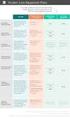 STUDENT LOAN REPAYMENT Chase College of Law Financial Aid Presentation April 14 th, 2011 TOPICS TO BE COVERED General Repayment Information Loan consolidation Repayment Plans Public service loan forgiveness
Student Loans A comprehensive look at student aid and the various repayment options
 Student Loans A comprehensive look at student aid and the various repayment options How Much Does College Cost? According to the Bureau of Labor Statistics and the US Department of Labor, the average cost
EXIT COUNSELING GUIDE
 EXIT COUNSELING GUIDE For Federal Student Loan Borrowers Contents Intro 1 Exit Counseling Federal Student Loan Programs Getting Started 1 Types of Federal Student Loans Loan Terminology Repaying Your
Federal Loan Repayment Options
 Federal Loan Repayment Options The Standardized Repayment Plan- allows you to pay off your federal student loans in the shortest amount of time. This repayment Plan saves you money over time because your
Federal Stafford Loan Counseling Checklist
 Student s Name (Please Print) Social Security Number You are receiving a Federal Stafford loan to help you cover the costs of your education. You must repay this loan. Before you receive your Stafford
Types of Title IV Loans - Loan Modification Options
 Loans 101: Understanding the Basics Objectives 1 2 3 4 The role of loans in financial aid Overview of the Title IV Loan Program Repayment options Counseling resources The Role of Student Loans in Financial
WiseBorrower Education Series
 FEDERAL STUDENT LOANS: Repayment 101 How do I determine my loan repayment strategy? What repayment plans are available? What repayment tools will help me navigate tough financial times? What is the best
Helping Students Repay their Loans: Repayment Plan Overview. Greg Carlo Senior Client Relationship Manager
 Helping Students Repay their Loans: Repayment Plan Overview Greg Carlo Senior Client Relationship Manager Agenda Information you can share with your students Understanding Loan Repayment Top 10 Things
REPAYING YOUR FEDERAL FAMILY EDUCATION LOAN
 What s Inside: REPAYING YOUR FEDERAL FAMILY EDUCATION LOAN Getting Started Understanding My Statement Repayment Plans Standard Income Sensitive Graduated Extended Income-Based Repayment (IBR) PLUS Interest
TEACH Grant Conversion to Unsubsidized Stafford Loan
 TEACH Grant Conversion to Unsubsidized Stafford Loan Why would my grant convert to a loan? TEACH Grants will convert to an Unsubsidized Stafford Loan if: The student requests conversion, regardless of
EXIT INTERVIEW FACT SHEET
 EXIT INTERVIEW FACT SHEET All students who have borrowed a Federal Direct/FFEL student loan are required by law to complete an Exit interview at this point of graduation or if they leave school, or drop
William D. Ford Federal Direct Loan Program Direct Subsidized Loan and Direct Unsubsidized Loan Borrower s Rights and Responsibilities Statement
 Important Notice: This Borrower s Rights and Responsibilities Statement provides additional information about the terms and conditions of the loans you receive under the accompanying Master Promissory
Loan Exit. Agenda. Goals. O Interest Rates O Rights & Responsibilities
 Loan Exit Loan Exit Agenda O Interest Rates O Rights & Responsibilities O Payment information O Consolidation O Benefits O Consequences O Last steps O Contacts Goals O Fulfill requirement O Translate terms
Direct Loan Exit Counseling
 Direct Loan Exit Counseling Understanding your student loan rights and responsibilities is critical to successful repayment! This guide will help you understand Federal Stafford Loans and Direct Loans.
William D. Ford Federal Direct Loan Program Direct Subsidized Loan and Direct Unsubsidized Loan Borrower s Rights and Responsibilities Statement
 Important Notice: This Borrower s Rights and Responsibilities Statement provides additional information about the terms and conditions of the loans you receive under the accompanying Master Promissory
William D. Ford Federal Direct Loan Program Direct Subsidized Loan and Direct Unsubsidized Loan Borrower s Rights and Responsibilities Statement
 Important Notice: This Borrower s Rights and Responsibilities Statement provides additional information about the terms and conditions of the loans you receive under the accompanying Master Promissory
Private Loan Guide. Apply for free, federal and state financial aid programs:
 Private Loan Guide Private loan basics Private student loans are non-federal loans. You should only borrow private loans to fund your education as a last resort. Do all of the following before you consider
TAKE CHARGE OF LOAN REPAYMENT!
 1 TAKE CHARGE OF LOAN REPAYMENT! Strategies for Managing Your Debt Successfully Fall 2013 Jeffrey Hanson Education Services Boston University School of Law Your Action Plan 5 Steps 2 1. Take stock of your
Exit Counseling Guide for Direct Loan Borrowers
 You borrowed Direct Subsidized Loans and/or Direct Unsubsidized Loans to help you finance your education. Repaying these loans is a serious responsibility. This guide explains some of the most important
Managing Your Student Loans During Turbulent Times
 Managing Your Student Loans During Turbulent Times You Will Learn: The different types of student loans How to get detailed information on your existing student loans Repayment options In today s workplace,
ENTRANCE COUNSELING GUIDE
 ENTRANCE COUNSELING GUIDE For Direct Loan Borrowers Contents Direct Loan Types 1 Borrow Wisely 2 Borrow Direct Subsidized Loans and Direct Unsubsidized Loans First 2 You Must Repay Your Loans 3 Use of
DIRECT CONSOLIDATION LOAN GUIDE for SCHOOLS
 DIRECT CONSOLIDATION LOAN GUIDE for SCHOOLS Since January 1995, the U.S. Department of Education has been consolidating the federal education loans of borrowers in repayment and borrowers in default. The
William D. Ford Federal Direct Loan Program Direct PLUS Loans Borrower s Rights and Responsibilities Statement
 William D. Ford Federal Direct Loan Program Direct PLUS Loans Borrower s Rights and Responsibilities Statement Important Notice: This Borrower s Rights and Responsibilities Statement provides additional
Federal Direct Exit Loan Counseling
 Federal Direct Exit Loan Counseling Student Financial Services Fall 2012 What is Exit Counseling and Why are You Here? Exit counseling is a way for students to understand their rights and responsibilities.
Public Service Loan Forgiveness Program Questions and Answers (Q&As) for Borrowers
 Public Service Loan Forgiveness Program Questions and Answers (Q&As) for Borrowers Prepared by Federal Student Aid U.S. Department of Education March 14, 2012 The following Questions & Answers (Q&As) for
Types of student loans.
 Types of student loans. Events like losing a job, getting sick and having financial trouble can create many challenges. In such situations, before you borrow, make sure you know the basic types of student
8/4/2015. Agenda. Student Loan Repayment and other exciting activities after GRADUATION! Types of Loans. Key Players. Stafford Loan Interest Rates
 Student Repayment and other exciting activities after GRADUATION! Agenda types & interest rate The grace period Repayment plans Forgiveness Avoiding delinquency & default Financial Planning 1 2 Key Players
Federal Student Aid Public Service Loan Forgiveness Program
 Federal Student Aid Public Service Loan Forgiveness Program Questions and Answers (Q&As) for Federal Student Loan Borrowers The following questions and answers (Q&As) provide federal student loan borrowers
Income-Driven Repayment Plans: Frequently Asked Questions
 Income-Driven Repayment Plans: Frequently Asked Questions Contents Introduction...1 General Information...2 Eligible Borrowers...6 Eligible Loans...9 Monthly Payment Amount... 12 Repayment Period & Loan
fyi Federal loans: The smart way to borrow
 Federal loans: The smart way to borrow If you don t receive enough free money to pay for college and you aren t able to cover your costs with savings or other resources, consider federal student loans.
Student Loans Bankruptcy and Student Loans: NUTS & BOLTS The Options (pressing your plea Prov 6:1-5) Federal loan
 Student Loans Bankruptcy and Student Loans: Must prove undue hardship Must initiate an adversary hearing, a separate lawsuit within the bankruptcy where the undue hardship is illustrated. Most can t afford
Federal Student Aid Glossary (edited. Original at: http://studentaid.ed.gov/glossary) Academic Year This is the amount of the academic work you must
 Federal Student Aid Glossary (edited. Original at: http://studentaid.ed.gov/glossary) Academic Year This is the amount of the academic work you must complete each year, and the time period in which you
Federal Student Loan Repayment
 Federal Student Loan Repayment The Road to Zero Know your financial goals. Know what you owe. Know what time it is. Know your options. Select your plan. Manage your payments. AccessGroup.org Financial
Entrance Counseling Guide for Direct Loan Borrowers
 You are borrowing Direct Subsidized Loans and/or Direct Unsubsidized Loans to help you finance your education. Repaying these loans is a serious responsibility. This guide explains some of the most important
2009 Texas Guaranteed Student Loan Corporation. TG Industry Series
 2009 Texas Guaranteed Student Loan Corporation Managing Student Loan Repayment Understanding your options Learning objectives Take inventory your federal student loans Explore repayment plans available
Financial Aid and Loan Repayment for Graduate Students. Nick Bromley Counselor GVSU Financial Aid Office
 Financial Aid and Loan Repayment for Graduate Students Nick Bromley Counselor GVSU Financial Aid Office Financial Aid for Graduate Students Financial Aid is Scholarships Grants Loans Employment funds that
https://youtu.be/rfrdgmzy-ri
 https://youtu.be/rfrdgmzy-ri Federal Loan Exit December 2015 Jess Christensen Assistant Director of Financial Aid [email protected] 218-299-3010 Types of Direct Student Loans Subsidized Federal Direct
Student loan terms to know
 Definition of words related to federal student loans and the Nelnet payment process. Accrue The act of interest accumulating on the borrower s principle balance. Aggregate Loan Limit The maximum total