
The R- Wrap AFO: An Old Concept, A New Application
|
|
|
- Dorthy Bruce
- 10 years ago
- Views:
Transcription
1 The R- Wrap AFO: An Old Concept, A New Application By Beverly Cusick, MS, PT, BOC Orthotist, John Russell, CPO, BOCOP, CPO, BOCOP Anne Russell, MA, PT. John G. Russell Jr. Academic Degrees AA. Primary affiliations Collier Rehabilitation Systems Inc. Complete address 3161 Putnam Blvd. Phone The funding for this work is from the operating expenses of Collier Rehabilitation Systems Inc. The warranty for the standard AFO at Collier Rehabilitation Systems Inc. has been the driving force for the creation of this new design. The purpose of this article is to introduce the orthotic community to a new 2- piece style of AFO, called the R- wrap AFO, which has been successful in treating patients with UMNS who have supinatory foot deformities related to dominant, synergistic muscle activation patterns. More than just an orthotic design, the R- Wrap AFO is part of a treatment approach used by orthotists, physical therapists and physiatrists at a large rehab facility in Northern California. The collaboration of this rehab team has evolved a set of standards to select appropriate candidates for this AFO. The R- Wrap AFO has contributed toward shortened hospital admissions by reducing contractures, controlling synergistic patterns of the foot and ankle, thereby improving function in transfers and/or gait. This article briefly describes the AFO, its rationale, and also describes a preparatory AFO that is sometimes used to reduce contractures prior to casting. The article presents the evaluation- screening tool used by the rehab team. Follow- up on the R- Wrap AFO users showed that after using the AFO for months, 8% improved in function adequately to be advanced to a new articulating style of the R- Wrap AFO. The 2- piece, polypropylene, R- Wrap AFO is used primarily for clients with upper motor neuron syndrome (UMNS) due to traumatic brain injury or cerebral vascular accident. Depending upon the timing of orthotic intervention, the unique design features of the R- Wrap AFO have 3814 offered Auburn Blvd. hundreds Suite 75 Sacramento, of patients CA with UMNS (916) both prevention FAX (916) and effective management of the particular foot deformities common to the syndrome. The design of the AFO also succeeds in controlling In Association the painful with Northern spasms California that are Medical related to dominant, synergistic muscle activation patterns. 1 During the seven- year period between 1994 and

2 2001, since John Russell, CP and BOC orthotist, had completed the development of the R- Wrap design, 689 of these braces were delivered to 584 patients, the majority who were patients at Kaiser Foundation Rehabilitation Center. (Some of the braces were for patients with bilateral deformities and some got two R- Wrap AFOs) The success of its clinical application and follow- up has led physical therapists and physiatrists at that facility to evolve a set of evaluative criteria that identifies the patients who can be expected to benefit from wearing the R- Wrap AFO. Two features of the R- Wrap resemble a below- knee serial cast: 1.) The total contact design feature, assuring optimum comfort by applying alignment forces to the foot and ankle over the greatest possible surface area. 2.) It captures and immobilizes the calcaneus and the talo- crural joint securely while allowing small increments of movement of the leg and forefoot. However, the R- Wrap AFO is removable and remarkably lightweight, as it is typically made with polypropylene, using a thickness of < 3/32. Deformities that require treatment of contractures prior to orthotic intervention can be prepared with the application of one or more Flexcast Preparatory AFO s, in the manner of serial casting. 2,3 In customizing the R- Wrap AFO through special casting and modification techniques, the foot alignment of each patient is kept at a familiar and comfortable position, rather than submitting it to an aggressive correction of the alignment. 4,5 Inherent in the design of the AFO is some degree of transverse- plane flexibility that seems to contribute to the high level of comfort reported by patients. 1a The intimate fit of a polypropylene device is achieved by the appropriate use of the specialized In Association pads with Northern that fill California the sulci Medical beside the Achilles tendon. Flexibility of the forefoot, specifically at the MP s, allows some sagittal- plane motion, which assists with the toe off phase of the gait cycle. The application of pressure to the Achilles

3 tendon by the same pads may reduce H- Reflex amplitudes in the calf musculature, or hyperreflexia. 6 A group of physical therapists at KFRC, primarily Karla Nubling P.T., and Sharon Nicholas P.T. (retired), joined John Russell in developing an orthotic evaluation protocol. (Figures 1) The orthotic assessment is completed for each neurologically impaired patient at the appropriate time following a brain insult resulting in UMNS. Many physiological signs are recorded and monitored at each meeting with the physical therapist and orthotist. Through clinical experience and hundreds of trials, the rehab team has created an orthotic evaluation designed to detect three physiological signs that serve as reliable indicators for which orthosis is most appropriate. The presence of 2 out of the 3 signs may result in a prescription for an R- Wrap AFO. The criteria are as follows: 1.) More than four beats of clonus. 2.) Active or volitional foot and ankle motion that occurs only in conjunction with abnormal synergistic patterns. These patterns can be in any of three muscle groups: plantarflexors, dorsiflexors or peroneals. The synergistic patterns must not simply be present; they must be strong enough to show up when the muscle works against gravity. 3.) Loss of passive ankle dorsiflexion (DF) range of motion (ROM) with the knee flexed or extended (usually observed by comparing the affected ankle to the DFROM available in the opposite ankle.)

4 Using these criteria, the patients who met the 2 out of 3 of these physiological indicators were fitted with the R- Wrap AFO. These patients typically improved in ambulation and/or ability to perform transfers with full weight bearing on the lower extremities. Relatively few revisions were necessary, and when revisions were needed, they were often necessary because ankle DFROM had improved and volume had increased at the ankle. Russell reduced the need for orthotic revisions due to ROM and limb volume increases by developing and using the Flexcast Preparatory AFO system, which reduces static or stiff ankle plantar flexion contractures prior to casting for the R- Wrap AFO. Appropriate use of the R- Wrap AFO can improve the bottom line for health care providers by contributing to decreased length of stays in the rehabilitation facility while improving functional outcomes. The rehabilitation team at KFRC considers the R- Wrap AFO to be a major factor in getting patients with severe hypertonus up sooner, either walking or improved in transfers. Patients who have tried other orthotic designs usually prefer the R- Wrap, reporting that the latter is more comfortable and more effective in controlling hypertonicity and involuntary movements than other types of ankle- foot orthoses, including clam- shell designs. In addition, skin problems associated with wearing the R- Wrap are rare. The only complaint with the R- Wrap AFO is the donning process. Therapists need to spend extra time teaching the caregiver/patient how to don/doff the AFO and have learned certain techniques that make the process more successful. Of the 584 R- Wraps users, 54, or about 8% of this group, eventually progressed to an articulating style of the R- Wrap AFO after 1-2 years of wearing and using the standard R- Wrap AFO. Because they experienced increased function, time up walking, and improved ankle and foot joint mobility, these patients advanced to the articulating R- Wrap (AR- Wrap) AFO, which permits a few degrees of ankle DF motion by providing a total- contact, intrinsic ankle joint. It is doubtful that these positive changes would have been possible without a preliminary orthotic system that had effectively managed their muscle tone, was comfortable in restoring functional foot and ankle alignment, and had contributed to a gain in ankle DFROM. Some of the delay is also attributable to lack of follow- up visits for outpatients who lived far from the medical offices. After just 6 weeks of use, improvement in ankle range of motion among some R- Wraps users has been significant enough to progress them to an AR- Wrap AFO. The R- Wrap AFO has been very successful as a means of comfortable control for the abnormal patterns of movement common to UMNS, thereby allowing improved function. As with many neurological problems, early recognition and treatment of the motor problems usually yield better results, by preventing the abnormal patterns from becoming

5 habitual. 4a Topics for future study are identification of the best time to progress the patient to a more advanced, articulating model of the R- Wrap AFO, called the AR- Wrap, which gives the ankle greater degrees of motion, but still controls the rotary problems of the ankle. Authors: Beverly Cusick, MS, PT BOC Orthotist, is President of Progressive Gaitways Inc., 536 Society Dr., Suite C- 3, Telluride, CO John G. Russell Jr., CPO, BOCOP, is President of Collier Rehabilitation System Inc., 3161 Putnam Blvd, Pleasant Hill, CA Anne Russell, MA, PT, is affiliated with Kaiser Home Health Agency, 200 Muir Road, Martinez, CA Cusick, Beverly. Serial Casts: Their use in the Management of Spasticity-Induced Foot Deformity, revised edition. Tucson: Therapy Skill Builders; An instructional, how-to Flexcast Preparatory AFO fabrication videotape is available, with an accompanying monograph explaining the pathophysiology of foot deformity related to UMNS. For ordering information, contact or Progressive GaitWays, LLC, PH/FAX: Cusick, Beverly. Serial Casting to Restore Soft tissue Extensibility in the Ankle and Foot: Lower Extremity Deformity Management for Children and Adults. Placerville: Progressive Gaitways, LLC, 2000: McCurtie, Ben. Investigating the current trends and advancements of pediatric cerebral palsy. Winston Churchill Fellowship Report Sponsored by the Jack Brockhoff Foundation. Paper delivered in world tour from 2/10/02 5/16/02. 5 Herbert, Robert. The passive mechanical properties of muscle and their adaptations to altered patterns of use. The Australian Journal of Physiotherapy 1988; 34 no. 3: a Cusick, Beverly. Serial Casts: Their use in the Management of Spasticity-Induced Foot Deformity, revised edition. Tucson: Therapy Skill Builders; Maier A, Eldred E Adaptations to long-term stretch in the passive discharge of muscle spindles. Exp. Neurol. 52: a McCurtie, Ben. Investigating the current trends and advancements of pediatric cerebral palsy. Winston Churchill Fellowship Report Sponsored by the Jack Brockhoff Foundation. Paper delivered in world tour from 2/10/02 5/16/02.

The WalkOn Range. Dynamic Lower Leg Orthoses. NeW. Information for physicians, orthotists and physiotherapists
 The WalkOn Range Dynamic Lower Leg Orthoses NeW Information for physicians, orthotists and physiotherapists One Range Many Different Applications The WalkOn product range allows you to address the specific
12. Physical Therapy (PT)
 1 2. P H Y S I C A L T H E R A P Y ( P T ) 12. Physical Therapy (PT) Clinical presentation Interventions Precautions Activity guidelines Swimming Generally, physical therapy (PT) promotes health with a
Non-Surgical Treatments for Spasticity in Cerebral Palsy and Similar Conditions by Susan Agrawal
 www.complexchild.com Non-Surgical Treatments for Spasticity in Cerebral Palsy and Similar Conditions by Susan Agrawal Children with cerebral palsy and other conditions that affect muscle tone often present
RX: Custom Thermoplastic AFO Compliance Documentation
 RX: Custom Thermoplastic AFO Compliance Documentation Doctor Name: Phone: Patient Name: HICN: DOB: Indicate Quality ARIZONA THERMOPLASTIC ARTICULATED AFO, DORSI-ASSIST CROW L4631 A bivalved custom molded
DROP FOOT AND TREATMENTS YOUNGMEE PARK
 DROP FOOT AND TREATMENTS YOUNGMEE PARK WHAT IS FOOT DROP Foot drop / Drop foot the inability to lift the front part of the foot not a disease a symptom of some other medical problems a sign of an underlying
Webinar title: Know Your Options for Treating Severe Spasticity
 Webinar title: Know Your Options for Treating Severe Spasticity Presented by: Dr. Gerald Bilsky, Physiatrist Medical Director of Outpatient Services and Associate Medical Director of Acquired Brain Injury
MUSCLE/TENDON LENGTHENING. Following Selective Dorsal Rhizotomy (SDR) StLouisChildrens.org
 MUSCLE/TENDON LENGTHENING Following Selective Dorsal Rhizotomy (SDR) StLouisChildrens.org Patients who undergo selective dorsal rhizotomy (SDR) surgery at St. Louis Children s Hospital s Center for Cerebral
Predislocation syndrome
 Predislocation syndrome Sky Ridge Medical Center, Aspen Building Pre-dislocation syndrome, capsulitis, and metatarsalgia are all similar problems usually at the ball of the foot near the second and third
Splinting in Neurology. Jo Tuckey MSc MCSP
 Splinting in Neurology Jo Tuckey MSc MCSP Splinting in Neurology When should splinting be considered? How to choose the most appropriate splint or position for splinting. Practicalities of providing a
WALKING BOOTS WALKING BOOTS. AFO s: Provider vs Prescriber? Provider. Prescriber
 Douglas H. Richie, Jr., D.P.M. 550 Pacific Coast Highway Suite 209 Seal Beach, California 90740 562.493.2451 phone 562.596.3157 fax [email protected] WALKING BOOTS Definitions: L 4360 (defined by HCPS):
Off the shelf orthoses are commonly used to treat conditions such as foot and ankle sprains, minor shoulder injuries and to provide back support.
 Orthotic Bracing: Why and How Orthotic braces, or orthoses, are used to provide support to a weakened body part or joint. While many times they are worn for a short period of time, usually after an injury
PATHOLOGIC GAIT -- MUSCULOSKELETAL. Focal Weakness. Ankle Dorsiflexion Weakness COMMON GAIT ABNORMALITIES
 Pathological Gait I: Musculoskeletal - 1 PATHOLOGIC GAIT -- MUSCULOSKELETAL Normal walking is the standard against which pathology is measured Efficiency is often reduced in pathology COMMON GAIT ABNORMALITIES
Treatment of Spastic Foot Deformities
 Penn Comprehensive Neuroscience Center Treatment of Spastic Foot Deformities Penn Neuro-Orthopaedics Service 1 Table of Contents Overview Overview 1 Treatment 2 Procedures 4 Achilles Tendon Lengthening
Edited by P Larking ACC Date report completed 18 January 2010
 Brief report Hart Walker Reviewer Adrian Purins AHTA Edited by P Larking ACC Date report completed 18 January 2010 1. Background Cerebral Palsy (CP) is a group of disorders that arise from brain damage
OUTPATIENT PHYSICAL AND OCCUPATIONAL THERAPY PROTOCOL GUIDELINES
 OUTPATIENT PHYSICAL AND OCCUPATIONAL THERAPY PROTOCOL GUIDELINES General Therapy Guidelines 1. Therapy evaluations must be provided by licensed physical and/or occupational therapists. Therapy evaluations
Cerebral Palsy. Causes
 Cerebral Palsy Cerebral Palsy (sera brul PAUL zee) (CP) is an injury or abnormality of the developing brain that affects movement. This means that something happened to the brain or the brain did not develop
Achilles Tendon Repair Surgery Post-operative Instructions Phase One: The First Week After Surgery
 Amon T. Ferry, MD Orthopedic Surgery Sports Medicine Achilles Tendon Repair Surgery Post-operative Instructions Phase One: The First Week After Surgery Amon T. Ferry, MD Orthopedic Surgery / Sports Medicine
Rehabilitation Guidelines for Lateral Ankle Reconstruction
 UW HEALTH SPORTS REHABILITATION Rehabilitation Guidelines for Lateral Ankle Reconstruction The ankle is a very complex joint. There are actually three joints that make up the ankle complex: the tibiotalar
Cerebral palsy can be classified according to the type of abnormal muscle tone or movement, and the distribution of these motor impairments.
 The Face of Cerebral Palsy Segment I Discovering Patterns What is Cerebral Palsy? Cerebral palsy (CP) is an umbrella term for a group of non-progressive but often changing motor impairment syndromes, which
Patellofemoral/Chondromalacia Protocol
 Patellofemoral/Chondromalacia Protocol Anatomy and Biomechanics The knee is composed of two joints, the tibiofemoral and the patellofemoral. The patellofemoral joint is made up of the patella (knee cap)
Screening Examination of the Lower Extremities BUY THIS BOOK! Lower Extremity Screening Exam
 Screening Examination of the Lower Extremities Melvyn Harrington, MD Department of Orthopaedic Surgery & Rehabilitation Loyola University Medical Center BUY THIS BOOK! Essentials of Musculoskeletal Care
NICE Pathways bring together all NICE guidance, quality standards and other NICE information on a specific topic.
 Rehabilitation for movement difficulties after stroke bring together all NICE guidance, quality standards and other NICE information on a specific topic. are interactive and designed to be used online.
Instructions & Forms for Submitting Claims to Medicare
 Instructions & Forms for Submitting Claims to Medicare The Centers for Medicare and Medicaid services have issued a national coverage policy for the WalkAide. CMS will cover patients who have a diagnosis
Self Management Program. Ankle Sprains. Improving Care. Improving Business.
 Ankle Sprains Improving Care. Improving Business. What is an ankle sprain? Ligaments attach to the ankle bones and allow for normal movement and help prevent too much motion within the joint. Ankle sprains
Passive Range of Motion Exercises
 Exercise and ALS The physical or occupational therapist will make recommendations for exercise based upon each patient s specific needs and abilities. Strengthening exercises are not generally recommended
Staying Mobile & Active Post Stroke. Kevin Lockette PT Ohana Pacific Rehab Services, LLC Honoulu- Kailua www.ohanapacificrehab.
 Staying Mobile & Active Post Stroke Kevin Lockette PT Ohana Pacific Rehab Services, LLC Honoulu- Kailua www.ohanapacificrehab.com 808 262 1118 Aging Process Changes in body composition Loss of muscle tissue/increase
Theodore B. Shybut, M.D. 7200 Cambridge St. #10A Houston, Texas 77030 Phone: 713-986-5590 Fax: 713-986-5521. Sports Medicine
 Anterior Cruciate Ligament Reconstruction Accelerated Rehab This rehabilitation protocol has been designed for patients with ACL reconstruction who anticipate returning to a high level of activity as quickly
ORTHOTIC MANAGEMENT OF THE LOWER LIMB OF CHILDREN WITH CEREBRAL PALSY
 ORTHOTIC MANAGEMENT OF THE LOWER LIMB OF CHILDREN WITH CEREBRAL PALSY Marty Carlson, CPO Tamarack Habilitation Technologies, Inc. 1670 94 th Lane NE Blaine, MN 55449-4323 As we all know, the manifestations
Anterior Cruciate Ligament Reconstruction Accelerated Rehabilitation Protocol Dr. Mark Adickes
 Anterior Cruciate Ligament Reconstruction Accelerated Rehabilitation Protocol Introduction: This rehabilitation protocol is designed for patients with ACL injuries who anticipate returning early to a high
Foot and Ankle Conditioning Program. Purpose of Program
 Prepared for: Prepared by: OrthoInfo Purpose of Program After an injury or surgery, an exercise conditioning program will help you return to daily activities and enjoy a more active, healthy lifestyle.
I. Ankle and Foot Orthotics: (AFO) are considered medical necessary when One or more of the following are met:
 Moda Health Plan, Inc. Medical Necessity Criteria Subject: Origination Date: 05/2015 Revision Date(s): Developed By: Medical Criteria Committee Effective 07/01/2015 Ankle-Foot Orthotics (AFO) Page 1 of
MEDIAL PATELLA FEMORAL LIGAMENT RECONSTRUCTION Rehab Protocol
 Rehab Protocol This rehabilitation protocol has been designed for patients who have undergone an MPFL reconstruction. Dependent upon the particular procedure, this protocol also may be slightly deviated
Ankle Injury/Sprains in Youth Soccer Players Elite Soccer Community Organization (ESCO) November 14, 2013
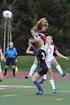 Ankle Injury/Sprains in Youth Soccer Players Elite Soccer Community Organization (ESCO) November 14, 2013 Jeffrey R. Baker, DPM, FACFAS Weil Foot and Ankle Institute Des Plaines, IL Ankle Injury/Sprains
ACCELERATED REHABILITATION PROTOCOL FOR POST OPERATIVE POSTERIOR CRUCIATE LIGAMENT RECONSTRUCTION DR LEO PINCZEWSKI DR JUSTIN ROE
 ACCELERATED REHABILITATION PROTOCOL FOR POST OPERATIVE POSTERIOR CRUCIATE LIGAMENT RECONSTRUCTION DR LEO PINCZEWSKI DR JUSTIN ROE January 2005 Rationale of Accelerated Rehabilitation Rehabilitation after
APPENDIX 1: INTERDISCIPLINARY APPROACH TO PREVENTION AND MANAGEMENT OF DIABETIC FOOT COMPLICATIONS
 APPENDIX 1: INTERDISCIPLINARY APPROACH TO PREVENTION AND MANAGEMENT OF DIABETIC FOOT COMPLICATIONS Template: Regional Foot Programs should develop a list of available health professionals in the following
What is the Spasticity Clinic?
 The Spasticity Clinic This booklet can help you learn about: the Spasticity Clinic at McMaster Children s Hospital spasticity and how it may be treated Your therapist will give you more information and
CUSTOM ORTHOTICS/SHOES FAQ AND GLOSSARY
 CUSTOM ORTHOTICS/SHOES FAQ AND GLOSSARY What is GSC s new orthotics and orthopedic shoe policy? Only certain health professionals can prescribe and provide you with custom orthotics, orthopedic shoes,
Gait. Maturation of Gait Beginning ambulation ( Infant s gait ) Upper Limb. Lower Limb
 Gait Terminology Gait Cycle : from foot strike to foot strike Gait Phase : stance (60%) : swing (40%) Velocity : horizontal speed along progression Cadence : no. of steps per unit time Step length : distance
A new ankle foot orthosis for running
 Prosthetics and Orthotics International September 2009; 33(3): 192 197 TECHNICAL REPORT A new ankle foot orthosis for running DAVID BISHOP 1, ALLAN MOORE 2, & NAVEEN CHANDRASHEKAR 1 1 Department of Mechanical
Calcaneus (Heel Bone) Fractures
 Copyright 2010 American Academy of Orthopaedic Surgeons Calcaneus (Heel Bone) Fractures Fractures of the heel bone, or calcaneus, can be disabling injuries. They most often occur during high-energy collisions
Plantar fascia. Plantar Fasciitis (pain in the heel of the foot)
 ! Plantar fascia Plantar Fasciitis (pain in the heel of the foot) Plantar Fasciitis is the most common foot problem seen in runners and is often associated with an increase in running mileage. Typically
Integra. Subtalar MBA Implant
 Integra Subtalar MBA Implant Patient EDUCATION Overview: What is Flatfoot? Flatfoot is a physical deformity where there is an absence of the arch that runs from the heel of the foot to the toes. A common
Reflex Physiology. Dr. Ali Ebneshahidi. 2009 Ebneshahidi
 Reflex Physiology Dr. Ali Ebneshahidi Reflex Physiology Reflexes are automatic, subconscious response to changes within or outside the body. a. Reflexes maintain homeostasis (autonomic reflexes) heart
The Five Most Common Pathomechanical Foot Types (Rearfoot varus, forefoot varus, equinus, plantarflexed first ray, forefoot valgus)
 The Five Most Common Pathomechanical Foot Types (Rearfoot varus, forefoot varus, equinus, plantarflexed first ray, forefoot valgus) Pathomechanical foot types usually refer to structural deformities that
The goals of surgery in ambulatory children with cerebral
 ORIGINAL ARTICLE Changes in Pelvic Rotation After Soft Tissue and Bony Surgery in Ambulatory Children With Cerebral Palsy Robert M. Kay, MD,* Susan Rethlefsen, PT,* Marty Reed, MD, K. Patrick Do, BS,*
Physical & Occupational Therapy
 In this section you will find our recommendations for exercises and everyday activities around your home. We hope that by following our guidelines your healing process will go faster and there will be
The Insall Scott Kelly Center for Orthopaedics and Sports Medicine 210 East 64th Street, 4 th Floor, New York, NY 10065
 ANTERIOR CRUCIATE LIGAMENT RECONSTRUCTION POST-OPERATIVE REHABILITATION PROTOCOL 2003 AUTOGRAFT BONE-PATELLA TENDON-BONE and ALLOGRAFT PROTOCOL PHASE I-EARLY FUNCTIONAL (WEEKS 1-2) Goals: 1. Educate re:
First Year. PT7040- Clinical Skills and Examination II
 First Year Summer PT7010 Anatomical Dissection for Physical Therapists This is a dissection-based, radiographic anatomical study of the spine, lower extremity, and upper extremity as related to physical
Therapeutic Canine Massage
 Meet our Certified Canine Massage Therapist, Stevi Quick After years of competitive grooming and handling several breeds in conformation, I became interested in training and competing with my dogs in the
ALL ABOUT SPASTICITY. www.almirall.com. Solutions with you in mind
 ALL ABOUT SPASTICITY www.almirall.com Solutions with you in mind WHAT IS SPASTICITY? The muscles of the body maintain what is called normal muscle tone, a level of muscle tension that allows us to hold
The Science Behind MAT
 The Science Behind MAT Muscle Activation Techniques (MAT) is a system designed to evaluate and treat muscular imbalances, I will expand on the process of evaluation in response and the use of isometrics
Hip Arthroscopy Rehabilitation Protocol
 Hip Arthroscopy Rehabilitation Protocol Phase I: Healing Phase (0-2 Weeks) Goal: Protect Incision, Reduce Inflammation, Allow Tissues to Heal, and Rest Wound Care: Keep Incision covered with sealed dressing
Post-Operative ACL Reconstruction Functional Rehabilitation Protocol
 Post-Operative ACL Reconstruction Functional Rehabilitation Protocol Patient Guidelines Following Surgery The post-op brace is locked in extension initially for the first week with the exception that it
B. TED MAURER, MD POSTOPERATIVE REHABILITATION PROTOCOL TOTAL KNEE ARTHROPLASTY
 B. TED MAURER, MD POSTOPERATIVE REHABILITATION PROTOCOL TOTAL KNEE ARTHROPLASTY Goals addressed prior to discharge from hospital setting: Independence with bed mobility, transfers (supine to sit and sit
Tone Management in Cerebral Palsy. Jenny Wilson, MD [email protected] OHSU and Shriners Hospital for Children October, 2015
 Tone Management in Cerebral Palsy Jenny Wilson, MD [email protected] OHSU and Shriners Hospital for Children October, 2015 Disclosures I am involved in a Dysport sponsored research study Goals Describe
Many of our friends would say that our daughter Kaya is
 TheraSuit Soft Dynamic Proprioceptive Orthotic (United States) Izabela Koscielny Many of our friends would say that our daughter Kaya is lucky. She was born at 28 weeks to a family where both parents are
ASOP Exams PO Box 7440 Seminole, FL 33775. The Manual of Fracture Casting & Bracing Exam 80% Passing ID # Name Title. Address. City State Zip.
 The Manual of Fracture Casting & Bracing Exam 80% Passing ID # Name Title Address City State Zip Tel# Email Certification Organization Cert# Mail a copy of your completed exam to: ASOP Exams PO Box 7440
ACL Reconstruction Rehabilitation Program
 ACL Reconstruction Rehabilitation Program 1. Introduction to Rehabilitation 2. The Keys to Successful Rehabilitation 3. Stage 1 (to the end of week 1) 4. Stage 2 (to the end of week 2) 5. Stage 3 (to the
Range of Motion. A guide for you after spinal cord injury. Spinal Cord Injury Rehabilitation Program
 Range of Motion A guide for you after spinal cord injury Spinal Cord Injury Rehabilitation Program This booklet has been written by the health care providers who provide care to people who have a spinal
ANTERIOR CRUCIATE LIGAMENT RECONSTRUCTION Hamstring Graft/PTG-Accelerated Rehab
 The rehabilitation protocol has been designed for patients with ACL reconstruction who anticipate returning early to a high level of activity postoperatively. The ACL Rehabilitation protocol for all three
ACL RECONSTRUCTION POST-OPERATIVE REHABILITATION PROGRAMME
 ACL RECONSTRUCTION POST-OPERATIVE REHABILITATION PROGRAMME ABOUT THE OPERATION The aim of your operation is to reconstruct the Anterior Cruciate Ligament (ACL) to restore knee joint stability. A graft,
PHYSICAL EXAMINATION OF THE FOOT AND ANKLE
 PHYSICAL EXAMINATION OF THE FOOT AND ANKLE Presenter Dr. Richard Coughlin AOFAS Lecture Series OBJECTIVES 1. ASSESS 2. DIAGNOSE 3. TREAT HISTORY TAKING Take a HISTORY What is the patient s chief complaint?
Frequently Asked Questions following Anterior Cruciate Ligament Reconstruction Surgery 1
 Frequently Asked Questions following Anterior Cruciate Ligament Reconstruction Surgery 1 Will my knee be normal after surgery and recovery? Unfortunately, even with an ACL reconstructive procedure, it
.org. Plantar Fasciitis and Bone Spurs. Anatomy. Cause
 Plantar Fasciitis and Bone Spurs Page ( 1 ) Plantar fasciitis (fashee-eye-tiss) is the most common cause of pain on the bottom of the heel. Approximately 2 million patients are treated for this condition
P U T T I N G T H E P I E C E S T O G E T H E R
 MEDICAL THERAPY PROGRAM P U T T I N G T H E P I E C E S T O G E T H E R CALIFORNIA CHILDREN SERVICES CCS is a statewide program providing medical care and rehabilitation to children with physical disabilities.
Review of Last Lecture - TE
 Gait Review of Last Lecture - TE Interventions to increase flexibility Generating muscle force depends on Open chain vs. closed chain PNF Balance strategies Benefits of aerobic exercise Gait An individual
Medial Collateral Ligament (MCL) Rehabilitation Protocol
 Introduction: This rehabilitation protocol is designed for patients with Medial Collateral Ligament (MCL) Rehabilitation Protocol MCL injuries who require an early return to high level activity following
Rehabilitation Guidelines for Patellar Tendon and Quadriceps Tendon Repair
 UW Health Sports Rehabilitation Rehabilitation Guidelines for Patellar Tendon and Quadriceps Tendon Repair The knee consists of four bones that form three joints. The femur is the large bone in the thigh
National Hospital for Neurology and Neurosurgery. Managing Spasticity. Spasticity Service
 National Hospital for Neurology and Neurosurgery Managing Spasticity Spasticity Service If you would like this document in another language or format, or require the services of an interpreter please contact
Providing Professional Care in Rehabilitation Services
 For more information about Inspira Rehab Care or for a patient evaluation, please contact any one of our facilities: Inspira Rehab Care Bridgeton Health Center 333 Irving Avenue Bridgeton, NJ 08302 (856)
International Standards for the Classification of Spinal Cord Injury Motor Exam Guide
 C5 Elbow Flexors Biceps Brachii, Brachialis Patient Position: The shoulder is in neutral rotation, neutral flexion/extension, and adducted. The elbow is fully extended, with the forearm in full supination.
Rehabilitation Guidelines for Achilles Tendon Repair
 UW HEALTH SPORTS REHABILITATION Rehabilitation Guidelines for Achilles Tendon Repair The Achilles tendon is the strongest and thickest tendon in the body. It attaches the calf muscles (soleus and gastrocnemius)
Range of Motion Exercises
 Range of Motion Exercises Range of motion (ROM) exercises are done to preserve flexibility and mobility of the joints on which they are performed. These exercises reduce stiffness and will prevent or at
Anterior Cruciate Ligament Reconstruction Rehabilitation Protocol
 The First Two Weeks After Surgery You will go home with crutches and be advised to use ice. Goals 1. Protect reconstruction 2. Ensure wound healing 3. Maintain full knee extension 4. Gain knee flexion
By Agnes Tan (PT) I-Sports Rehab Centre Island Hospital
 By Agnes Tan (PT) I-Sports Rehab Centre Island Hospital Physiotherapy Provides aids to people Deals with abrasion and dysfunction (muscles, joints, bones) To control and repair maximum movement potentials
Flat foot and lower back pain
 Flat foot and lower back pain Dr James Tang, MBA, BDS, LDS RCS General Dental Practitioner, NASM Corrective Exercise Specialist with special interest in postural dysfunction & lower back problems, Level
Anterior Cruciate Ligament Reconstruction. ACL Rehab Protocol
 Anterior Cruciate Ligament Reconstruction Rehab Protocol This rehabilitation protocol has been designed for patients following ACL reconstruction who anticipate returning to a high level of activity as
Podo Pediatrics Identifying Biomechanical Pathologies
 Podo Pediatrics Identifying Biomechanical Pathologies David Lee, D.P.M., D. A.B.P.S. Purpose Identification of mechanical foot and ankle conditions Base treatments Knowing when to refer to a podiatrist
Advanced Certificate in Neurological Physiotherapy 2013
 Advanced Certificate in Neurological Physiotherapy 2013 Fast Facts The Advanced Certificate in Neurological Physiotherapy (ACNP) is conducted jointly by SGH Department of Physiotherapy and SGH Postgraduate
A compressive dressing that you apply around your ankle, and
 Ankle Injuries & Treatment The easiest way to remember this is: R.I.C.E. Each of these letters stands for: Rest. Rest your ankle. Do not place weight on it if it is very tender. Avoid walking long distances.
Post Operative Physical Therapy Guide
 Post Operative Physical Therapy Guide Limb Lengthening and Complex Reconstruction Service (LLCRS) Notes Dear Patient, You have embarked on a journey to a better lifestyle. Our office, in conjunction with
GENERAL ADMISSION CRITERIA INPATIENT REHABILITATION PROGRAMS
 Originator: Case Management Original Date: 9/94 Review/Revision: 6/96, 2/98, 1/01, 4/02, 8/04, 3/06, 03/10, 3/11, 3/13 Stakeholders: Case Management, Medical Staff, Nursing, Inpatient Therapy GENERAL ADMISSION
Physiotherapy in Rheumatoid Arthritis. Information for patients Gina Wall Senior Physiotherapist
 Physiotherapy in Rheumatoid Arthritis Information for patients Gina Wall Senior Physiotherapist What do Physiotherapists do? We conduct assessments by asking detailed questions about your symptoms, medical
Dr Doron Sher MB.BS. MBiomedE, FRACS(Orth)
 Dr Doron Sher MB.BS. MBiomedE, FRACS(Orth) Knee, Shoulder, Elbow Surgery ACL REHABILITATION PROGRAM (With thanks to the Eastern Suburbs Sports Medicine Centre) The time frames in this program are a guide
Sports Injuries of the Foot and Ankle. Dr. Travis Kieckbusch August 7, 2014
 Sports Injuries of the Foot and Ankle Dr. Travis Kieckbusch August 7, 2014 Foot and Ankle Injuries in Athletes Lateral ankle sprains Syndesmosis sprains high ankle sprain Achilles tendon injuries Lisfranc
PHASE I ANKLE REHABILITATION EXERCISES
 PHASE I ANKLE REHABILITATION EXERCISES SWELLING CONTROL S REST: Keep your standing and walking activities to a minimum while swelling is a problem. ICE: Use an ice pack in a moist towel for 10-15 minutes
Effective Plantar Fasciitis Exercises
 Effective Plantar Fasciitis Exercises Effective Plantar Fasciitis Exercises - 12 Week Plantar Fasciitis Exercise Solution - 1 3 Month Plantar Fasciitis Exercise Program Stage 1 Stage 2 Stage 3 Structure
The Use of the Lokomat System in Clinical Research
 International Neurorehabilitation Symposium February 12, 2009 The Use of the Lokomat System in Clinical Research Keith Tansey, MD, PhD Director, Spinal Cord Injury Research Crawford Research Institute,
PHYSICAL THERAPY ASSISTANT PROGRAM (Associate in Applied Science, AAS)
 PHYSICAL THERAPY ASSISTANT PROGRAM (Associate in Applied Science, AAS) ADMISSION PROCEDURES To be admitted to the Physical Therapy Assistant Program (AAS), a prospective student must be interviewed by
PHYSICAL THERAPY ASSISTANT PROGRAM (Associate in Applied Science, AAS)
 PHYSICAL THERAPY ASSISTANT PROGRAM (Associate in Applied Science, AAS) ADMISSION PROCEDURES To be admitted to the Physical Therapy Assistant Program (AAS), a prospective student must be interviewed by
Neck Exercises for Car Accident Victims 3 Steps to a Healthier Neck
 Neck Exercises for Car Accident Victims 3 Steps to a Healthier Neck DR BARRY L. MARKS CHIROPRACTOR AUTHOR LECTURER Neck Exercises for Car Accident Victims 3 Steps to a Healthier Neck 2012 Dr. Barry L.
SECTION 9. Mobility, positioning, and transfers. Moving after a stroke 9.1. Fatigue. Loss of sensation. Loss of motor function.
 SECTION 9 Mobility, positioning, and transfers Section overview This section looks at: Moving after a stroke Assisting with mobility Positioning Managing the affected limb Transfers Wheelchair use Walking
Musculoskeletal System
 CHAPTER 3 Impact of SCI on the Musculoskeletal System Voluntary movement of the body is dependent on a number of systems. These include: The brain initiates the movement and receives feedback to assess
CLINICAL PRACTICE GUIDELINES FOR MANAGEMENT OF LOW BACK PAIN
 CLINICAL PRACTICE GUIDELINES FOR MANAGEMENT OF LOW BACK PAIN Low back pain is very common, up to 90+% of people are affected by back pain at some time in their lives. Most often back pain is benign and
Self-Myofascial Release Foam Roller Massage
 How it works. Self-Myofascial Release Foam Roller Massage Traditional stretching techniques simply cause increases in muscle length and can actually increase your chances of injury. Self-myofascial release
Cerebral Palsy. www.teachinngei.org p. 1
 Cerebral Palsy What is cerebral palsy? Cerebral palsy (CP) is a motor disability caused by a static, non-progressive lesion (encephalopathy) in the brain that occurs in early childhood, usually before
Mobility After Stroke
 Mobility After Stroke Issues facing stroke survivors and their families Regaining Mobility Moving around safely and easily is not something you may think about, until you have had a stroke. Each year more