
"Home Energy Efficiency for Real Estate Professionals" online course
|
|
|
- Gwenda Reynolds
- 10 years ago
- Views:
Transcription
1 Welcome to InterNACHI s free online Home Energy Efficiency for Real Estate Professionals course. The typical home buyer purchases a home without first fully understanding what it costs to operate it. Most homeowners do not understand where energy (and, therefore, money) is being wasted in their home. For the average American homeowner, heating and cooling accounts for over 55% of annual energy usage. There are many approaches to reducing the heating and cooling costs of the utility bill, including: properly maintaining the existing HVAC system; improving the energy efficiency of a system in need of repair; and picking the right heating and cooling equipment when replacement is needed. Upon successful completion of this training course, the individual be able to: understand the value of home energy inspections for current and prospective homeowners; understand and provide informative options to help homeowners cut their energy use, reduce their carbon footprint, and increase their homes comfort, health, and safety; and help homeowners make informed decisions about purchasing new HVAC equipment or improving existing equipment for more efficient operation. And, in keeping with InterNACHI's commitment to Continuing Education, this online training course is open and free to all real estate professionals, and can be taken again and again, without limit. Page 1 of 145

2 This course has been approved by: the State of Colorado Division of Real Estate; the International Association of Certified Home Inspectors; the Master Inspector Certification Board; and the International Association of Certified Indoor Air Consultants. The Home Energy Efficiency for Real Estate Professionals course includes: 4 Continuing Education credit hours; 27,200 words; one 3-minute video; 30 questions within four quizzes; a 40-question final exam (drawn from a larger pool); instant grading; a downloadable, printable Certificate of Completion; and accreditations and state approvals. The course covers the following categories and chapters: Student Verification and Interactivity Introduction Learning Objectives Acknowledgments Throwing Money Away Whole-House Approach Energy Upgrades Home Performance Energy Assessment How to Find a Certified Energy Contractor Space Heating and Cooling Federal, State & Utility Incentive Programs Typical U.S. Homeowner's Energy Bill Building Permits and Codes Heating Systems Introduction How Much Does it Cost? Decision Chart for Replacing Heating System Common Heating System Options Furnaces Page 2 of 145

3 Furnace Efficiency Furnace and Boiler Equipment Efficiency Low-Efficiency Furnaces (Less than 78%) Mid-Efficiency Furnaces (80% to 82%) High-Efficiency Furnaces (90 to 98%) Bigger isn't Always Better Repair or Replace? A Furnace Tune-Up Checklist ANSI/ACCA HVAC Standards Ducts Existing Ducts New Ducts A Word about Chimneys Quiz 1 Electric Heaters Electric Central Furnaces Room Heaters slide Zoning Heat Pumps Heat Pump Heating Efficiency Central-Air-Source Heat Pumps Central-Air-Source Heat Pump Checklist Ductless Heat Pumps Ground-Source Heat Pumps Boilers and Hydronic Heating Introduction Steam & Hot Water Radiators Radiant Floor Heating A Boiler Tune-Up Repair or Replace? Wood and Pellet Heating 2.9 Million Traditional Open Pellets Check Codes Consider Upgrading Solar Heating Page 3 of 145

4 Introduction Passive Solar Heating Active Solar Heating Quiz 2 Cooling Systems Introduction Cooling Efficiency Decision Flow Chart for New AC System Common Cooling Systems Options Central Air Conditioning Introduction Sizing Up Old Air Conditioners Bigger is Not Always Better Repair or Replace? ANSI/ACCA HVAC Standards Room Air Conditioning Room Air Conditioning Information Efficiency Ratings Heat Pumps Introduction Central- and Ground-Source Heat Pumps Ductless Heat Pumps Absorption Heat Pumps Evaporative Coolers Introduction Indirect Evaporative Cooler Water-Cooled Photovoltaic PV Radiant Cooling Information Dehumidifiers Dehumidifiers Page 4 of 145

5 Natural Cooling Strategies Introduction Fans & Ventilation for Cooling Central Fan-Integrated Night Cooling Natural Draft Window Fans Attic Vents Whole House Fans Passive Cooling Windows Window Rating Shading Replace Roof with a Cool One Radiant Barriers Ventilation Introduction How Much Ventilation? Exhaust-Only Ventilation Supply-Only Ventilation Balanced Systems Semi-Balanced System Ventilation System Types, Cost & Performance Quiz 3 The Home Performance Energy Assessment Introduction Certified Energy Contractors The Energy Assessment Process Step 1: Assessment Step 2: Making Energy-Efficiency Upgrades Step 3: Testing Quiz 4 References Conclusion Final Exam Page 5 of 145

6 Upon completion of this course and passing the 30-question final exam (drawn from a larger pool), the student can download and print his/her own Certificate of Completion, which is autogenerated in the student's name. The student's information is recorded on InterNACHI's servers for compliance verification, and automatically logs completion into InterNACHI's online Continuing Education log. It counts as four InterNACHI Continuing Education hours (4 CEU). This course is open and free to all real estate professionals. Page 6 of 145

7 Introduction Welcome to InterNACHI's free, online Home Energy Inspections for Real Estate Professionals course. Upon successful completion of this course, the real estate professional will: understand the value of home energy inspections for current and prospective homeowners; and be able to provide informative options to help homeowners cut their energy use, reduce their carbon footprint, and increase their homes comfort, health, and safety. The typical home buyer purchases a home without first fully understanding what it costs to operate it. Most homeowners do not understand where energy (and, therefore, money) is being wasted in their home. For the average American homeowner, heating and cooling accounts for over 55% of annual energy usage. There are many approaches to reducing the heating and cooling costs of the utility bill, including: properly maintaining the existing HVAC system; improving the energy efficiency of a system in need of repair; and picking the right heating and cooling equipment when replacement is needed. Page 7 of 145

8 Student Verification and Interactivity Student Verification By enrolling in this course, the student hereby attests that s/he is the person completing all coursework. S/he understands that having another person complete the coursework for him or her is fraudulent and will result in being denied course completion and corresponding credit hours. The course provider reserves the right to make contact as necessary to verify the integrity of any information submitted or communicated by the student. The student agrees not to duplicate or distribute any part of this copyrighted work or provide other parties with the answers or copies of the assessments that are part of this course. If plagiarism or copyright infringement is proven, the student will be notified of such and barred from the course and/or have his/her credit hours and/or certification revoked. Communication on the message board or forum shall be of the person completing all coursework. Interactivity Interactivity between the student and the course provider is made by the opportunity to correspond via . Students will receive a timely response within 24 hours during the work week and by close of business on Monday for questions received over the weekend. The student can join in the conversation with other students by visiting the course s online forum. Students are free to post questions and comments there. The thread will be monitored by the course instructor. Contact Director of Education Ben Gromicko at [email protected]. Page 8 of 145

9 Acknowledgments This course is based upon: the research conducted by the U.S. Department of Energy (DOE) has shown that Americans can significantly improve the energy efficiency, safety, and comfort of their homes while reducing emissions and utility bills; and "HVAC Energy Renovations: A Guide of Contractors" by the U.S. Department of Energy's Building America Building Technologies program. The content provided here are primarily based on the results of research and demonstration projects conducted by DOE s Building America research teams. Building America collaborates with building scientists, researchers, and more than 300 home builders across the country with the goal of constructing homes that are safer and more energy-efficient, comfortable, and durable, with low or no additional cost. Much of the information in the ventilation chapter was drawn from work prepared by Armin Rudd of Building Science Corporation, one of the Building America research teams. All photographs and figures in this course were prepared by Pacific Northwest National Laboratory (PNNL), a U.S. Department of Energy government resource laboratory, unless otherwise noted. Page 9 of 145

10 Typical U.S. Homeowner's Energy Bill This chart illustrates how the typical U.S. homeowner's energy bill gets divided. (Source: DOE Building Energy Data Book 2009) Page 10 of 145

11 Throwing Money Away Most homeowners throw away an equivalent of a 55 flat screen TV every year in wasted energy. They re throwing away a brand new mountain bike, or throwing away a really nice gas grill, or a weekend getaway vacation, every year because their home is wasting energy. And wasting energy is like throwing money away. The typical American home wastes energy. We know that out of the 130 million homes in the U.S., 80 million were built before 1980 (they pre-date modern energy standards and are associated with higher energy use and operating costs per square foot). We also know that Americans spend about $2,000 per household on energy every year. But what most homeowners don t know is that about 30% of that energy (30% of that money) is wasted. Home Energy Inspection Reports Many homeowners could save hundreds of dollars every year without really changing their lifestyle. InterNACHI s Home Energy Inspection Reports provide simple, basic prescriptive measures millions of homeowners can take to reduce their energy bill, while making their homes more comfortable, and use that money for something they really need or want. Page 11 of 145

12 Energy Upgrades Energy upgrades, especially those related to HVAC systems, can improve the energy efficiency, air quality, and comfort of a home, and can save money in the long term. However, it is important to recognize that each component of the HVAC system interacts with the rest of the house. Changing one component for example upgrading heating or cooling equipment, adding ventilation, increasing insulation or air sealing without taking into account these system interactions could result in safety issues. To ensure health and safety, HVAC options should be considered within a whole-house, systemsbased approach advocated by the U.S. Department of Energy Building America program and building scientists across the country. This whole-house approach, which is based on years of research in thousands of real homes, takes into account how one change in a home s HVAC system can affect the energy efficiency, comfort, durability, health, and safety of the whole house. To implement this whole-house approach and and to confirm real energy-use improvements, Building America recommends that HVAC home energy upgrades start with a home performance energy assessment. Page 12 of 145

13 Home Performance Energy Assessment The home energy assessment is conducted within the context of a whole-house system-based approach to home performance to ensure homeowner health and safety as well as energy performance. The home energy assessment should be conducted by a contractor who is trained in building science principles, such as those described in the DOE Guidelines for Home Energy Upgrade Professionals and the U.S. Environmental Protection Agency s Healthy Indoor Environment Protocols for Home Energy Upgrades, as well as those recommended by Home Performance with ENERGY STAR, the Building Performance Institute (BPI) standards, state weatherization programs, or accredited college program recommendations. The assessment (also known as an audit) consists of three steps: testing in, conducting the work, and testing out. In the test-in step, the contractor interviews homeowners about any concerns they have about their HVAC system, such as comfort complaints or high utility bills; conducts safety tests and tests for air leakage in the ducts and whole house; and visually inspects for insulation levels and signs of mold or moisture problems. The contractor uses energy software to analyze the results and gives this report to the homeowner, along with a prioritized list of recommendations. The homeowner works with the energy performance contractor or HVAC contractor to determine a scope of work and have the work completed. In the test-out step, the completed work is evaluated with safety tests and visual inspections. Page 13 of 145

14 Home Energy Auditor 3:31 video time In any season, a leaky home costs money. How do you stop it? It starts with a comprehensive home energy checkup. That's a series of tests and inspections to find out where your house could be more efficient. The end goal is to save energy, save money, and make your house more comfortable. Installing energy efficient lighting and appliances will help. So will creating a sealed barrier around your house, kinda like putting a blanket around the outside, minimizing the leaks. Upgrading your home to save energy can put anywhere from 5 to 30% of your energy bill back in your pocket. To get a thorough home energy check-up you'll need some help from a professional Look for a home energy technician -- called an "auditor" -- in your area. In this cold weather evaluation, the auditor starts on the outside, looking for problems around walls, joints and under the eaves. If there's not a tight fit, you're losing energy and money. Next, the technician might head up to your attic to check for leaks on the top of your home barrier. That trap door could be a culprit -- letting cold air pass into the house. Page 14 of 145

15 A big part of the check-up is determining how well the insulation insulates. Insulation should be correctly installed in between all areas of the house frame. That means it needs to be evenly applied and not just jammed into spaces. And, of course, if the insulation has fallen down, it's not working. Your energy auditor will inspect the holes where electrical lines pass through. If they're not sealed, they're leaking. Then it's down to the basement. Your furnace and water heater could be wasting energy. The auditor will check to see how energy efficient the furnace is. Furnaces generally lose efficiency as they get older and it could cost you more to keep yours running than to replace it with a new one. Maybe all you need is a new filter. Some people haven't changed their filter for months -- even years. That gunk clogging the filter means your furnace has to work harder to heat your home. If the water heater is several years old, it may not be efficient. And if it isn't insulated, it's also losing energy. Now, it's on to the ductwork. The technician will inspect connections to make sure they make a tight fit. They have to be sealed to keep the warm air going where it's supposed to go. If the screwdriver can go in the hole, it means one thing for sure: Money is going out! Now for the blower door test. The energy auditor will close all the windows and doors and anything else that lets outside air in. This special fan will depressurize the home. The idea is to suck air out of the house, allowing outside air to rush into the home through all those openings you didn't know about. With the windows and doors closed and the fan running, leaks are easy to spot with an infrared camera. In winter the auditor will scan the interior of the home looking for cold air rushing in. Here, the darker the color, the worse it is. These black spots mean one big air leak. It's an eye opening experience. For this house, the recessed lighting fixtures are big problems. The auditor will also take a look at the kinds of light bulbs in those fixtures. If they're incandescents, they're using a lot of energy. Warm compact fluorescents are an energy saving alternative. So, the home energy assessment reveals the ways that energy escapes your home, costing you money. The good news is, you'll have a comprehensive home energy report showing which efficiency upgrades are right for you and where to stop those pesky leaks. Page 15 of 145

16 How to Find a Certified Energy Contractor An easy way to find a certified energy contractor is through a national or regional retrofit program. One such program is Home Performance with ENERGY STAR, a national program from the U.S. Environmental Protection Agency and the U.S. Department of Energy that is applied at the state level. Go to and click on the link for Home Performance with ENERGY STAR. Next, click on the locations link for certified contractors in your state. You can also find local contractors who understand the whole-house approach through the Building Performance Institute, and the Residential Energy Services Network, The Air Conditioning Contractors of America website has a list of members at ACCA produced a checklist homeowners can use to evaluate HVAC contractors' bid proposals (ACCA 2011a). North American Technician Excellence (NATE) also certifies HVAC contractors ( Page 16 of 145

17 Space Heating and Cooling Replacing or upgrading an HVAC system offers excellent opportunities for cutting the utility bills and improving a home s indoor air quality, comfort, and durability. A certified energy contractor or HVAC contractor can help a homeowner determine which heating and cooling options are right for them. The homeowner should talk to a contractor about fuel types and prices in their region. A contractor can help determine whether it is safe and cost-effective to repair and improve the HVAC equipment they already have or to replace or supplement it with new, more efficient equipment. The contractor can also provide advice about other ways to improve the energy efficiency of a home, such as by sealing air leaks and adding insulation. These efficiency improvements are often the most cost-effective means of saving energy in the long run. If a homeowner decides to replace an existing heating or cooling system, one option is to replace the existing equipment with an updated model of the same type, especially if the distribution system (ducts or radiators) is still good. However, this may not be the most efficient heating and cooling option for the money. Page 17 of 145

18 Federal, State & Utility Incentive Programs Many local, state, and federal entities offer grants and tax credits for energy-efficient home improvements. Check with your local utility or city, or check the DOE-sponsored Database of State Incentives for Renewables and Efficiency (DSIRE) at This site is frequently updated and is a wealth of information, organized by state, regarding state, local, utility, and federal incentives, tax credits, and rebates for renewable energy and energyefficiency upgrades Page 18 of 145

19 Building Permits and Codes A qualified contractor should check with the local building department to determine what building codes apply and to obtain any needed permits. Depending on the extent of the project, a homeowner may need a building permit and plumbing, electrical, or mechanical permits. State or local building codes, including health, safety, and energy codes, may apply to building alterations and additions. Local utilities are a good resource for equipment incentives, rebates, and low-interest loan programs, as well as listings of local licensed contractors and details on any utility requirements that might affect a project. Underwriters Laboratory is responsible for third-party testing of HVAC equipment, so a homeowner should look for the Underwriters Laboratory seal when purchasing equipment (ANSI 2011). Page 19 of 145

20 Introduction A variety of technologies are available for heating a house. Each of these is described in more detail in the upcoming sections. They are listed here from most to least common (EIA 2005). FURNACES Furnaces are the most common way to heat a home; 65% of single-family homes in the United States have a central forced-air furnace that distributes heated air throughout the house via ducts. More than twothirds of these are fueled by natural gas; other heat sources are electricity, oil, and propane. ELECTRIC HEATING Not including heat pumps, 14% of single-family homes are heated with electric resistance heat; most are central forced-air electric furnaces, but many homes use electric space heating, either wall-mounted or baseboard, as their main heat source. HEAT PUMPS 10% of U.S. homes use heat pumps. These systems can be air-source or ground-source, and are ducted or ductless. BOILERS Boilers are used for heating in 8% of U.S. homes. Boilers use natural gas, oil, electricity, or propane to heat water for steam or hot water that is distributed via pipes to upright radiators, baseboard convectors, or radiant floor tubing. Combination units can provide space and water heating. WOOD AND PELLET-FUEL STOVES These provide a way to heat a home using biomass or waste sources and are a primary heat source for 3.5% of single-family homes. SOLAR Active solar heating uses the sun to heat air that is then ducted or blown into living space. Less than 0.4% of homes have active solar heating. Solar water heaters can preheat water for radiators or radiant floor heat. Page 20 of 145

21 How Much Does it Cost? ENERGY STAR A homeowner should look for the ENERGY STAR label when shopping for HVAC equipment and other home appliances to find products that meet high energy-efficiency and performance criteria. NREL The National Renewable Energy Laboratory (NREL) has created a database of purchase and installation costs for heating and cooling equipment and energy-efficiency upgrades ( Heating Fuel Costs Costs for heating oil and natural gas have varied greatly in recent years. For an apples-to-apples comparison of heating types by cost and percent efficiency, see the Heating Fuel Comparison Calculator developed by the U.S. DOE Energy Information Administration (EIA). Page 21 of 145
22 Fuel costs are tied to databases that update weekly or daily ( Page 22 of 145
23 Decision Chart for Replacing Heating System These heating types are described in the next sections of the course. Decisions about repair or replacement are influenced by many factors that a contractor can help evaluate in the context of whole-house performance. Take a look at the following basic decision flow chart for replacing the existing heating system. Page 23 of 145
24 Larger view PDF Page 24 of 145
25 Common Heating System Options Furnace Electric Resistance Air- Source Heat Pump Ground Source Heat Pump Ductless Mini-split Heat Pump Fuel Type Installed Cost* Natural Gas, Fuel Oil, Propane Medium- High Ducts or No Ducts Central or Room Heating Ducts Central Best Climates Moderate- Cold Electricity Low Either Either Warm- Hot Electricity Medium- High Electricity Very High Electricity Medium- High Ducts Central Moderate- Warm Minimum Federal Efficiency Requirements Expected Efficiency of High- Performing Models 78% AFUE 90%-98% AFUE % NA 7.7 HSPF HSPF, 200+% Ducts Central All 7.7 HSPF COP, 300+% No Ducts Room Heating All 7.7 HSPF HSPF ENERGY STAR Version 3.0 Minimum Efficiency** Gas: 80% AFUE CZ 1-3; 90% AFUE CZ 4-8 Oil: 80% AFUE CZ 1-3; 85% AFUE CZ HSPF CZ 1-3; 8.5 HSPF CZ 4; 9.25 HSPF CZ 5; 9.5 HSPF CZ 6*** ENERGY STAR Qualified Models 8.2 HSPF CZ 1-3; 8.5 HSPF CZ 4; 9.25 HSPF CZ 5; CEE Minimum Efficiency Tier 1: 90% AFUE Tier 2: 92% AFUE Tier 3: 94% AFUE Tier 1: 8.5 HSPF Tier 2:>_ 8.5 HSPF Closed-loop 3.3 COP; Open-loop 3.6 COP; Direct Expansion 3.5 COP; With Desuperheater Tier 1: 8.5 HSPF Tier 2: 9.0 HSPF Page 25 of 145
26 Boiler Wood, Pellet Natural Gas, Fuel Oil, Propane Wood, Pellet High Low- High No Ducts No ducts Central Cold 75% AFUE steam, 80% AFUE hot water Room Heating 90%-95% AFUE All Varies 72% to 90% 9.5 HSPF CZ 6*** 80% AFUE CZ 1-3; 85% AFUE CZ % -- Tier 1: 85% AFUE * Estimated typical installed cost ranges for retrofits. These estimates do not include adding or repairing distribution systems. Low: $2,000 or less, Medium: $2,000 $4,500, High: $4,500 $10,000, Very High: $10,000 or more ( ** ENERGY STAR Version 3.0 criteria, which became effective 4/1/2011, are climate specific and are based on the U.S. climate zones (CZ) identified in the International Energy Conservation Code (IECC) 2009 as defined by the U.S. DOE Building Energy Codes Program ( *** An 8.2 HSPF air-source heat pump will qualify for ENERGY STAR in Climate Zones 4 8 if it is combined with an ENERGY STAR-qualified dual-fuel backup furnace. CEE = the Consortium for Energy Efficiency, Annual Fuel Utilization Efficiency (AFUE): AFUE is the amount of fuel converted to space heat in proportion to the amount of fuel entering the boiler or furnace; expressed as a percentage. It does not include the electricity consumption of the fan and controls. Coefficient of Performance (COP): COP is a measure of efficiency for heat pumps in the heating mode that represents the ratio of total heating capacity to electrical energy input. For example, if a heat pump has a COP of 3, it will deliver three units of energy for every one unit of electricity consumed. Heating Seasonal Performance Factor (HSPF): HSPF is a measure of a heat pump s energy efficiency over one heating season. It represents the total heating output of a heat pump (including supplementary electric heat) during the normal heating season (in Btus) as compared to the total electricity consumed (in watt-hours) during the same period. Page 26 of 145
27 Furnaces More than 65% of U.S. homes are heated with central forced-air furnaces. Most furnaces heat air by burning gas, oil, or propane. Some use electricity to heat an element. The furnace burner is located in the air handler box along with a fan. The fan blows the heated air into supply ducts, for distribution to registers located throughout the house. Air from individual rooms or common areas is drawn into return registers and brought back through return ducts to the furnace air handler where it is reheated and redistributed. Page 27 of 145
28 Furnace Efficiency The efficiency of a furnace or boiler is measured by annual fuel utilization efficiency (AFUE). AFUE is the ratio of heat output of the furnace or boiler to the total amount of fuel consumed by a furnace or boiler. An AFUE of 90% means that 90% of the energy in the fuel becomes heat for the home and the other 10% escapes out the vent pipe and through the furnace jacket. AFUE doesn t include the power consumption of the fan and controls. Nor does it include heat losses of the duct system, which can be up to 30% or more when ducts are leaky, poorly insulated, and located in an uninsulated attic or crawlspace. If not properly maintained, the actual efficiency of the furnace can be significantly lower than the rated efficiency. Page 28 of 145
29 Furnace and Boiler Equipment Efficiency AFUE (annual fuel utilization efficiency) is the amount of fuel converted to space heat in proportion to the amount of fuel entering the boiler or furnace; it is expressed as a percentage. It does not include the electricity consumption of the fan and controls. In 1987 the federal minimum efficiency standard was set at 78% AFUE for gas and oil furnaces, 75% for steam boilers, and 80% for hot water boilers, effective 1992, per the National Appliance Energy Conservation Act of 1987 (NAECA). In 2007 new efficiency minimums were set at 80% AFUE for gas furnaces, 82% for oil furnaces, 82% for gas-fired hot-water boilers, and 83% for oil-fired hot-water boilers, effective 2015 (LBNL 2011). New Standards in May 2013 After much debate, new regional standards for HVAC equipment have become a reality. On Oct. 25, 2011, the Department of Energy (DOE) confirmed that it adopted new residential appliance standards for central air conditioners, furnaces, and heat pumps. According to the new rule, the country will be divided into three regions, and the minimum efficiency standards for these appliances will vary depending on the region they are installed in. The new rules become effective in May 2013 for non-weatherized furnaces, and in January 2015 for weatherized furnaces, central air conditioners, and heat pumps. Larger Map View PDF Page 29 of 145
30 Under the new rule, the U.S. is divided into three regions: (1) the North, comprised of states with population-weighted heating degree days (HDD) equal to or greater than 5,000; (2) the South, comprised of states with population-weighted HDD less than 5,000; and (3) the Southwest, comprised of Arizona, California, Nevada, and New Mexico. The regions are shown on the map. The federal minimum energy efficiency standards are shown in the table below. In the North, most furnaces will be required to have an efficiency of 90% or more, essentially requiring condensing furnaces. This is an improvement from the current national standard of 78%. In the South, central air conditioners will be required to have a SEER of 14, up from the present national requirement of SEER 13. Heat pump and oil furnace standards will rise on a nationwide basis. The standards apply to residential single-phase air conditioners and heat pumps less than 65,000 Btu/h of cooling capacity (except through-the-wall and small duct high velocity products) and single-phase weatherized and non-weatherized forced-air furnaces (including mobile home furnaces) below 225,000 Btu/h heat input. For split air conditioners, minimum EER values (energy demand on a very hot day) also are specified for the states of Arizona, California, Nevada, and New Mexico. The new standards will take effect in 2013 for non-weatherized furnaces and in 2015 for air conditioners, heat pumps, and weatherized furnaces. Page 30 of 145
31 Low-Efficiency Furnaces (Less than 78%) While nearly all furnaces sold today have an AFUE of at least 80%, many older, less efficient furnaces in the 56% to 72% range are still in operation, including even old coal burners that have been switched over to oil or gas. If a furnace has a pilot light, it was probably installed prior to 1992 and likely has an efficiency of less than 72%. Old gas furnaces may lack a vent damper (which saves energy by limiting the flow of heated air up the chimney when the heating system is off). Page 31 of 145
32 Older low-efficiency (<72%) gas furnaces relied on natural draft to bring in combustion air and exhaust pollutants. The burn was less efficient and a lot of heat was lost up the chimney. Page 32 of 145
33 Older style furnaces can be called draft-hood furnaces because they draw combustion and dilution air from the room in which they are located; the dilution air enters through a draft hood (also called a draft diverter). Oil furnaces use a barometric damper instead of a draft diverter for dilution air in the chimney or vent system to decouple the burner from the chimney, thus avoiding poor combustion. Older style furnaces also rely on natural draft to carry exhaust gases out of the home. The combustion gases exit the home through the chimney using only their buoyancy, combined with the stack effect of the chimney s height. Naturally drafting chimneys can have problems exhausting the combustion gases because of chimney blockage, wind, or depressurization of the home, which can overcome the buoyancy of the gases. Depressurization is a situation that can occur if more air is being pulled out of the home than is being drawn into the home through air leaks or intentional ventilation. Certain changes in the home can lead to depressurization, for example, if a new kitchen range is installed with a highpowered exhaust fan or if a significant amount of air sealing is done. These changes could possibly increase the risk of backdrafting, where exhaust products spill back into the house rather than going up the flue. A certified energy contractor will conduct combustion safety testing as part of any combustion appliance repair or replacement or air sealing project. The testing will ensure that the furnace and combustion appliances have adequate combustion air and are venting properly. Page 33 of 145
34 Mid-Efficiency Furnaces (80% to 82%) Mid-efficiency (80% to 82%) furnaces have no draft hood. Instead, they use fan-assisted draft with a fan located at the outlet (draft inducer) of the heat exchanger to create a regulated flow of combustion air. This design change increased efficiency from 65% AFUE in atmospheric draft furnaces to over 80% in fan-assisted furnaces. Fan-assisted draft minimizes the risk of backdrafting. For furnaces with an oil burner, one way to determine the age and efficiency is to look at the nameplate. If the oil furnace has a nameplate motor speed of 1,725 rpm, it is most likely an older model with a less efficient burner. Models with a nameplate motor speed of 3,450 are newer than 20 years old and have a flame retention burner that wastes less heat; they have a steady-state efficiency of 80% or more. Mid-efficiency furnaces (80% to 82%) use fan-assisted combustion systems to pull flue gases through the heat exchanger. No dilution air is required for the vent system, which is still buoyancy-driven. Page 34 of 145
35 High-Efficiency Furnaces (90 to 98%) The most efficient furnaces available today are sealed-combustion (direct-vent) condensing furnaces, which have efficiencies of 90% to 98%. About 12% of the heat from the combustion process is captured in water vapor as latent heat. A condensing furnace condenses this water vapor through a secondary heat exchanger to capture the heat rather than letting it escape up the flue. This technological advance enabled gas furnaces to jump from 82% AFUE to 90% AFUE or higher (ACEEE 2011). There are no gas furnaces with AFUE ratings between 83% and 89% because of problems arising from condensation in the heat exchangers that occur within this range. High-efficiency (90% to 98%) furnaces add a second heat exchanger to pull more heat out of exhaust vapor, then vent emissions directly outside, eliminating the risk of back-drafting flue gases into the home. High-efficiency condensing furnaces avoid back-drafting issues by having sealed combustion. These furnaces are designed to vent exhaust gases (combustion products) directly to the outside through a dedicated vent pipe. They should also be installed with a second vent pipe to bring outside air directly into the combustion chamber. Although a condensing unit costs more than a non-condensing unit, the condensing unit will save money in fuel costs over its 15- to 20-year life and is a particularly wise investment in cold climates. Page 35 of 145
36 Both mid- and high efficiency furnaces are available with two-stage gas valves, two-speed draft fans, and variable-speed blower fans, which reduce their electricity usage by better matching air flow rate to the heating needs of the home. Nearly all combustion furnaces sold today meet or exceed 80% AFUE. About one-third of current sales on a national basis are 90% AFUE or better. In just the past 10 years alone, about 7.5 million condensing furnaces went into replacement installations in the United States (ACEEE 2011). The AFUE rating for an all-electric resistance furnace or boiler is between 95% and 100%; because there is no combustion, no heat loss occurs up the flue, but there may be some heat loss through the furnace housing. However in some parts of the country, electricity is expensive to purchase and it can be expensive to produce from an environmental standpoint as well, making electric heat a less cost-effective option. Page 36 of 145
37 Bigger Isn't Always Better Many older furnaces and central air conditioning systems are oversized. An energy performance contractor can run energy analysis software to help determine the heating and cooling needs after air sealing and insulation improvements are made. In the past, many HVAC contractors used rules of thumb to determine HVAC sizing and, as a result, many installed oversized systems. Today's trained HVAC contractor should determine the heating and cooling loads, and the right size for the HVAC equipment, based on calculations developed by the Air Conditioning Contractors of America (ACCA 2005; 1995; 2009). The ACCA published its guidelines in Manuals J, S, and D. Manual J outlines the procedures necessary to estimate the heat loss and heat gain of residential structures. Manual S provides guidance for equipment selection based on load calculations. Manual D describes proper duct sizing and design. It should be noted that, in a cold climate, if the homeowner chooses to install an air-source central heat pump for heating and cooling, the contractor may opt for a larger size heat pump than indicated by Manual S to minimize the need for back up heat. This is a tradeoff as the heat pump may then be oversized for the cooling load. Also, with the variable-speed motors and variable refrigerant flow compressors now available in some of the newest models of furnaces and heat pumps, oversizing is less of an issue because the equipment can modulate to operate at lower, more energy-efficient speeds when the demand is lower. Page 37 of 145
38 Repair or Replace? Although older combustion furnaces have efficiencies in the range of 56% to 70%, modern conventional heating systems can achieve efficiencies as high as 98%, converting nearly all the fuel to useful heat for the home. Energyefficiency upgrades like sealing ducts and air leaks and adding insulation, together with a new highefficiency heating system, can often cut the fuel bills and the furnace s pollution output in half. Upgrading the furnace or boiler from 60% to 90% efficiency in an average cold-climate house will save 1.5 tons of carbon dioxide emissions each year if the homeowner heats with gas, or 2.5 tons of emissions if the home is heated with oil (ENERGY STAR calculator, A contractor can help determine whether your furnace or boiler is too old, worn out, inefficient, or oversized. If it is, the simplest solution is to replace it with a modern high-efficiency model. A newer furnace may be more efficient but is still likely to be oversized. If the homeowner plans to make energy-efficiency improvements to the home at the same time that they replace the furnace, the homeowner should talk to the contractor about how they will affect the furnace system. With a better building envelope, the new furnace or boiler can sometimes be a smaller size than the original, which can save the homeowner money. Whenever the homeowner makes energy efficiency upgrades, their contractor should test to make sure that any new and existing combustion appliances (such as a furnace, water heater, or clothes dryer) still operate safely. When shopping for high-efficiency furnaces and boilers, the homeowner should look for the ENERGY STAR label. The Consortium for Energy Efficiency also provides efficiency ratings and HVAC information at The homeowner should invest in the highest efficiency system they can afford, especially if thet live in a cold climate. They can estimate the annual savings from heating system replacements by using the following table, which shows how much a homeowner will save for every $100 they spend in fuel when they replace their old furnace with a more efficient furnace. For example, if the homeowner currently spends $1,000 per year on heating costs and they switch from an AFUE 65% furnace to an AFUE 95% furnace, they could save about $320 per year in heating costs. The table assumes that both furnaces have the same heat output. However, most older systems are oversized, and will be particularly oversized if the homeowner significantly improves the energy efficiency of their home. Because of this additional benefit, the actual Page 38 of 145
39 savings in upgrading to a new, smaller system or one with a variable speed motor could be higher than indicated in the table. If the furnace is less than 15 to 20 years old and the homeowner decides to keep it, they should talk to their contractor about options for improving its efficiency. Repairing the furnace and its distribution system to increase efficiency may be an option. The costs of repairs should be weighed against the cost of a new furnace, taking into consideration the age and condition of the system. If the cost of repairs is more than half the cost of replacement, it is better to replace with a new system than to invest in repairing an old one (Krigger and Dorsi 2009). One way to improve furnace efficiency may be to replace a single-speed blower fan motor with an electrically commutated (ECM) variable-speed fan motor. The HVAC contractor should take into account the size and condition of the current ducts when considering this option to determine if any energy savings can be gained. (If the ducts are poorly installed or in bad condition, an ECM motor will work harder to push air through, negating any energy savings compared to a standard split-capacitor fan motor.) Other ways to improve HVAC energy efficiency include installing programmable thermostats, and pressure testing, air sealing, and insulating ducts. For more suggestions on improving furnace efficiency, see Furnaces and Boilers. Table: How Much Can Be Saved By Increasing the Heating Equipment Efficiency: * Existing System AFUE Annual Estimated Savings for Every $100 You Spend on Fuel New/Upgraded System AFUE 75% 80% 85% 90% 95% 50% $33 $38 $41 $44 $47 55% $27 $31 $35 $39 $42 60% $20 $25 $29 $33 $38 65% $13 $19 $24 $28 $32 70% $7 $13 $18 $22 $26 75% ---- $7 $12 $17 $21 80% $6 $11 $16 85% $6 $11 90% $5 * Assuming the same heat output. Source: Page 39 of 145
40 Page 40 of 145
41 A Furnace Tune-Up Checklist A homeowner should have an HVAC technician tune-up the furnace to improve its efficiency and check for problems that may justify a replacement. Test for flue gas spillage and fix. Check the condition of the vent connector and chimney. Check heat exchanger for cracks or leaks. Adjust temperature controls for efficiency and comfort. Adjust blower control and supply-air temperature. Clean and oil the blower motor. If this is an old, <75% efficient furnace; most mid- and high-efficiency blower motors are permanently lubricated. Remove dirt, soot, and corrosion from the furnace or boiler. Check fuel input and flame characteristics, and adjust if necessary. Air seal connections between the furnace and main ducts. Page 41 of 145
42 ANSI/ACCA HVAC Standards The Air Conditioning Contractors of America has produced several American National Standards Institute (ANSI) approved standards on HVAC equipment installation and maintenance, including: ANSI/ACCA Standard #4 Maintenance of Residential HVAC Systems (ACCA 2010a) ANSI/ACCA Standard #5 HVAC Quality Installation Specification (ACCA 2010b) ANSI/ACCA Standard #6 Restoring the Cleanliness of HVAC Systems (ACCA 2010c) ANSI/ACCA Standard #9 Quality Installation Verification (ACCA 2010d). Page 42 of 145
43 Ducts Heated air from the furnace is distributed throughout the home via ducts located in the attic, basement, crawlspace, in ceiling soffits, or between floors. Supply ducts supply conditioned air from the furnace to the rooms of the house. Return air is air that comes from the rooms back to the furnace for filtering and reconditioning, either through individual ducted returns in each room or through a return register located in a central place like a hallway ceiling. The age and condition of these ducts is a factor in deciding whether to keep or replace a heating system. For example, the cost of replacing a poorly installed, leaky duct system may justify the switch to ductless heat pumps. As part of a home performance assessment, the energy contractor will inspect the ducts for proper installation and insulation and test them for duct air tightness and air flow at each register. Heating and cooling comfort complaints can often be addressed by fixing blocked registers, stuck dampers, or disconnected or damaged ducts, or by replacing register grilles that don't direct the air adequately. Page 43 of 145
44 Page 44 of 145
45 Existing Ducts If the homeowner decides to replace the HVAC equipment but keep the existing ducts, the energy contractor can assess the ducts for proper sizing, balanced pressures, and adequate air flow to each register, and adequate return air to the furnace. The contractor will test the leakiness of the ducts with a Duct Blaster test. For some comparison of what is considered leaky, the International Energy Conservation Code (IECC) 2009 requires that duct leakage be tested in new construction if the ducts are located in unconditioned space, like an attic or crawlspace. According to the IECC 2009, total duct leakage in a finished house should not exceed 12 cubic feet per minute (cfm) per 100 ft2 of conditioned floor area at 25 Pascals of pressure if the ducts are located in unconditioned space. (Duct leakage must be less than or equal to 6 cfm/100 ft2 CFA at 25 Pa if the ducts are tested at rough in, per IECC ) For the IECC 2012, these requirements will go to 4 cfm total leakage/100 ft2 CFA at 25 Pa, whether tested at rough in or finished construction. If the duct system is shown to be leaky, steps can be taken to seal the ducts, joints, and air handler cabinet. Ducts and air handler connections should be sealed with mastic, which is painted on all seams and joints. Flex duct connections should be reinforced with approved metal tape and compression bands (clamps). Cloth-backed duct tape should not be used; DOE studies have shown that it can dry out and fail within months (Sherman et al. 2000). As noted in the beginning of this course, testing out should be done by a certified energy contractor after duct sealing to make sure no combustion safety problems are introduced (Cummings et al. 2011). If the ducts are located in conditioned space (inside the living area of the house, for example in a dropped soffit or between floors), an attempt should still be made to seal the ducts wherever accessible, at least at the registers, boots, and connection to the air handler. Page 45 of 145
46 Ducts not located in conditioned space should be insulated to R-8 for supply ducts and R-6 for return ducts (IECC ). Ducts within the house should be insulated if possible to ensure heated and cooled air gets where it is needed and to reduce the possibility of condensation and mold on or inside the ducts. One common problem with existing duct systems is lack of adequate return air flow, which can hamper furnace performance. Return air is air that comes from the rooms back to the furnace either through individual ducted returns in each room or through a central return register located in an open area like a hallway. Central return ducts are often undersized in existing duct systems; installing a large central return duct can improve system performance and reduce noise. There are several options that allow air to return from rooms that are often closed. Individual return air ducts can be installed in these rooms; transfer grilles can be installed in the doors or walls; jump ducts can be installed in the ceilings to connect the rooms to open areas. Some contractors use door undercuts, but these may not provide adequate air flow. Page 46 of 145
47 New Ducts If the contractor recommends installing a new duct system in the house, there are several things that can be done to ensure the new duct system is as efficient as possible. It should be sized according to the ACCA Manual D or equivalent. The homeowner should work with their HVAC contractor to see if it is possible to install the ducts and furnace in conditioned space inside their home. Building America has shown this can be a source of significant energy savings and can also improve indoor air quality because leaking ducts aren t heating, cooling, or drawing air from unintended places and furnace and airconditioning equipment isn't having to overcome the effects of cold crawlspaces or hot attics. Putting the ducts inside can be accomplished in several ways. The ducts can be installed in a dropped ceiling chase in the main hallway of a one-story house or between floors in a two-story house that uses open-web floor trusses (Beal et al. 2011). Another option is ducts can be installed in an insulated basement or an insulated attic (i.e., where the insulation is installed along the underside of the roof deck instead of on the ceiling deck.) The ducts could also be installed in an insulated, air-sealed crawlspace (i.e., where insulation is on the walls of the crawlspace, not the underside of the floor). The air handler can be located in a utility closet inside the house or in an air-sealed closet in the garage. Duct design and installation is also important. In homes that are well insulated, the ducts can be laid out in a compact duct design with shorter runs and registers mounted on inside walls for adequate heating with less distribution losses. The HVAC contractor should select supply registers for adequate throw, drop, and spread of conditioned air. For adequate air flow, ducts should be laid straight with adequate support and no sharp turns. If flex duct is used, it should be fully stretched and supported at least every 4 feet with strapping at least 1.5 inches wide to prevent sagging. Care should be taken to avoid tearing, compressing, or kinking the flex duct during installations (CEC 2009). Page 47 of 145
48 A Word about Chimneys If the homeowner is upgrading to a 90% or higher condensing furnace or boiler, it will have its own dedicated exhaust and may no longer use the chimney. If no other appliances exhaust through the chimney, it can be closed up or removed, reducing chimney maintenance costs and possibly adding living space to the home. If another appliance, such as an atmospheric vented gas water heater, still uses the chimney, the chimney may now be oversized, which could lead to a situation where the chimney provides inadequate draft allowing combustion exhaust gases to spill back into the home. The chimney will need to be relined and sized to the water heater alone, or it may be less expensive, and more safe, to replace the old water heater with a higher efficiency sealed combustion water heater. If the homeowner is replacing an old furnace with a midefficiency 80% to 82% furnace or boiler (90%+ is recommended), the chimney may need to be relined and sized to handle the lower volume, lower temperature exhaust gases. The cost of relining the chimney may justify upgrading to a 90%+ furnace. Page 48 of 145
49 Zoning Many homeowners who have forced-air systems will shut vents and close a door in a room they aren t using, thinking that this saves energy. This is not recommended because it can reduce airflow through the air handler, causing pressure imbalances, putting stress on the duct connections, and affecting air quality if you are using your air handler for ventilation. Zoning can be accomplished with central forced-air systems, using damper controls installed in the ducts by an HVAC professional, but the dampers will affect system efficiency and balance. In large homes, zoning of central heating and forced-air systems is more commonly (and more effectively) accomplished by installing multiple systems, with one unit per floor. Hydronic heating systems can be configured, with piping and valves, to provide zone heating. Zone control works best in homes where the different zones can be isolated from each other with closable doors. Never shut off the heat entirely in an unused part of your home because condensation could form on cold inside wall surfaces leading to mold. Keep all rooms at a minimum of 50 F in the winter to prevent water pipes from freezing. Room heaters can be used as an inexpensive way to provide zone heating when a central forced-air system is the main heating system for the home. Other forms of room heating that might be considered for supplemental heating or for additions include ductless heat pumps, electric radiant wall and ceiling panels, active solar space heating, sealed-combustion gas room heaters, and high-efficiency wood or pellet stoves. Page 49 of 145
50 Quiz 1 T/F: It is important to recognize that each component of the HVAC system interacts with the rest of the house. True False T/F: Changing one component for example upgrading heating or cooling equipment, adding ventilation, increasing insulation or air sealing without taking into account these system interactions could result in safety issues. True False % of single-family homes in the United States have a central forced-air furnace that distributes heated air throughout the house via ducts According to the decision chart, if the heating system is broken, and the repairs cost less than half the cost of replacement, then it should be. replaced repaired If a furnace has a, it was probably installed prior to 1992 and likely has an efficiency of less than 72%. circulating fan pilot light sealed combustion chamber flue pipe Energy-efficiency upgrades like sealing ducts and air leaks and adding insulation, together with a new high-efficiency heating system, can often cut the fuel bills and the furnace s pollution output by Page 50 of 145
51 If the contractor recommends installing a new duct system in the house, it should be sized according to the ACCA Manual or equivalent. A D S J According to the IECC 2009, total duct leakage in a finished house should not exceed cubic feet per minute (cfm) per 100 ft2 of conditioned floor area at Pascals of pressure if the ducts are located in unconditioned space. 12, 25 31, 25 22, 50 Page 51 of 145
52 Introduction Currently, 14% of U.S. single-family homes use electric resistance heat to heat their homes: almost 11% have an electric central forced-air furnace, and more than 3% use some form of electric space heating. An additional 10% use heat pumps, which will be described in the next section. Page 52 of 145
53 Electric Central Furnaces Electric forced-air furnaces distribute heat with an air handler and ducts, just like gas furnaces. The AFUE rating for an all-electric furnace is 95% to 100%. This is because electric furnaces provide heat through resistance, not combustion, so there are no heat losses up the chimney. All of the electricity is converted to heat, minus a small amount of heat loss through the air handler cabinet. This AFUE rating does not include any heat losses through leaky or uninsulated ducts. However, although it varies based on local utility rates, electricity is still one of the most expensive heating fuels. If you have an electric furnace and your duct system is good, consider switching to a highperformance air-source heat pump. Electricity savings can be 30% or more when compared with electric resistance heating. Page 53 of 145
54 Room Heaters Room heating here refers to heating systems that heat one room or area of a home, unlike central systems, which distribute heat throughout the entire house via ducts or piping. Electricity is the most common fuel type for room heaters, but there are other fuel types as well. Unvented combustion space heaters, which can release dangerous combustion gases into the home, are illegal in some states and should not be used. The use of portable space heaters is also not recommended because of their inefficiency and potential burn and tripping hazards. In an average- or large-sized home with minimal or average insulation, electric resistance room heaters (baseboard or wall-mounted) are not typically a cost-effective method for heating the whole house over the long term. In a very well-insulated and air sealed home that requires little heating, they can be a cost-effective choice. They can also be a cost-effective choice for heating infrequently used rooms when the main living areas are heated with ductless heat pumps or radiant floor heat. Page 54 of 145
55 Introduction A heat pump uses the same refrigeration cycle technology as the home s refrigerator or air conditioner pooling heat from one environment and dumping it in another. Because a heat pump is equipped with a reversing valve, it can both heat and cool the home. During the heating season, heat pumps move heat from the outdoor air to warm the house; during the cooling season, the cycle is reversed. About 85% of the installed residential heat pumps are air-source heat pumps, which transfer heat between the house and the outside air. These can be either large central units that distribute heat and cooling through ducts or smaller ductless units that are installed in one or more areas of the home for zoned heating and cooling. Ground-source and water-source heat pumps are other options. Page 55 of 145
56 Heat Pump Heating Efficiency Heating Season Performance Factor (HSPF) is a measure of a heat pump s energy efficiency over one heating season. It represents the total heating output of a heat pump (including supplementary electric heat) during the normal heating season (in Btus) as compared to the total electricity consumed (in watt-hours) during the same period. Heat pumps and furnaces must have an HSPF of 7.7 or higher (per federal requirements that went into effect in 2006). Ground-source heat pump efficiency is also measured by Coefficient of Performance (COP). The COP is a measure of efficiency in the heating mode that represents the ratio of total heating capacity to electrical energy input. For example, if a heating system has a COP of 3, it will deliver three units of energy for every one unit of electricity consumed. Heating COPs for heat pumps range from 1.5 to 4 depending on climate, design, and installation. Page 56 of 145
57 Central-Air-Source Heat Pumps Most heat pumps installed in U.S. homes are central airsource heat pumps that distribute heated and cooled air through ducts, just like a central forced-air furnace. Most of these air-source heat pumps are split systems meaning that the air handler (which houses the blower fan) is indoors and the compressor is outdoors. The air handler contains the blower and the inside coil for the heat pump. Current federal law requires that air-source heat pumps have a minimum heating efficiency, or Heating Season Performance Factor (HSPF), of 7.7 and a minimum cooling efficiency of Seasonal Energy Efficiency Ratio (SEER) of 13. Higher efficiency central air-source heat pump models are available with up to 9.6 HSPF and SEER 23. Because the heating efficiency of standard, central air-source heat pumps drops when outside temperatures drop below about 35 F, a backup heat source is often needed, especially in cold climates. Air-source heat pumps can be all-electric or dual-fuel systems. All-electric air-source heat pumps come equipped with electric-resistance strip heaters for supplementary heat if needed. Dual-fuel systems combine the air-source heat pump with another source of supplementary heat, such as a gas furnace. Another type of central airsource heat pump developed in Canada for cold climates is the bivalent heat pump; it uses a gasor propane-fired burner to increase the temperature of the air entering the outdoor coil, allowing the unit to operate at lower outdoor temperatures with less frost buildup on the outside coil (NRCan 2009). If the homeowner heats with electricity, a heat pump can trim the amount of electricity used for heating by as much as 30% to 40% compared to electric resistance heat. The efficiency of today's air-source heat pumps is one to two times greater than those available 30 years ago due to technical advances such as thermostatic expansion valves, variable-speed blowers, improved coil design, two-speed compressors (instead of single-speed compressors), and improved motor designs ( Variable-speed compressor designs that better match refrigerant flow to load are in development and will make heat pumps more effective at lower outside temperatures. Variable-refrigerant-flow, ductless mini-split heat pumps are already available that can heat at 100% capacity at outdoor temperatures as low as 5 F. If the homeowner plans to install a heat pump, they should ask the HVAC installer to confirm that the existing ducts are appropriately sized for the heat pump. Ducts may need to be larger for a heat pump than for a gas or oil furnace because furnaces generally deliver air to the living space at between 130 F and 140 F. Heat pumps provide air at about 80 F to 115 F so more air needs to be delivered to provide the same amount of warmth (NRCan 2009). The HVAC contractor should confirm that the supply air registers achieve a throw appropriate for a heat pump. Choosing the Page 57 of 145
58 right register design can be important for minimizing comfort complaints because heat pumps blow more air at cooler temperatures than gas- or oil-fired furnaces. Some researchers suggest central-air-source heat pumps may need to be slightly oversized, to enable the system to provide enough warmth without turning on the backup heat. Central-Air-Source Heat Pump Checklist Here is a checklist of maintenance activities that a homeowner or a HVAC contractor can do to maintain a heat pump s efficiency and performance. Inspect and clean filters monthly or per manufacturers instructions. Vacuum or brush coils. Clean the fan; oil the fan motor only if the manufacturer instructions specify this, newer models are sealed. Check the fan for incorrect pulley settings, loose fan belts, or incorrect motor speeds. Inspect ductwork; make sure air flow is not restricted by loose insulation, abnormal buildup of dust, or any other obstacles that occasionally find their way through the grills. Be sure that vents and registers are not blocked by furniture, carpets, or other items that can stop airflow. Confirm that the drain pan is draining correctly. Page 58 of 145
59 Ductless Heat Pumps High-performance ductless heat pumps are an efficient alternative to central ducted heat pump systems. Ductless heat pumps are sometimes referred to as mini-split heat pumps because they consist of a single outside compressor/condenser unit connected to one or more wall- or ceilingmounted indoor air handler units. They can provide zone heating and cooling without ducts. The outdoor units are mounted on the wall or on a concrete or stone pad outside the house; refrigerant tubing connects the inside and outside units through a small hole in the wall. Ductless heat pumps have been used in Asia and Europe since the 1970s and they comprise 80% to 90% of the residential HVAC market there. They have been used in U.S. commercial buildings since the 1980s, but they still comprise less than 3% of the U.S. residential market (Karr 2011). They are 25% to 50% more efficient than electric baseboard or wall heaters (NEEA 2009). Ductless heat pumps provide increased energy savings over standard heat pumps in several ways. Because they are ductless and mounted inside conditioned space, they avoid the distribution losses of a central furnace that has leaky ducts installed in an unheated attic or crawlspace. Ductless heat pumps provide zoned heating because units can be turned off or not installed in rooms that aren t being used. They use a much smaller blower than central units; however, more than one inside unit is typically needed to serve the whole house. Up to eight inside units can be connected to one outside unit. Advances in technology in recent years have increased performance to the point that units are now available with heating efficiencies as high as 12 HSPF and cooling efficiencies as high as SEER 26. The most efficient ductless heat pumps use a variable-speed compressor that can vary the refrigerant flow. They also have linear expansionvalves rather than open/close valves, and multi-speed rather than single-speed fans to continuously match the heating or cooling load. Unlike conventional air-conditioning and heating systems that stop and start repetitively, the inverter technology adjusts the motor speed, allowing the system to adapt more smoothly to shifts in demand with less temperature variation and much lower energy use. When maximum capacity is not needed, compressor revolution and power decreases, increasing energy efficiency. For example, one model reports a capacity range of 3,100-24,000 Btus in heating mode and 3,800-14,500 Btus in cooling mode. Page 59 of 145
60 The best performing ductless heat pump models perform at a much wider temperature range than standard heat pumps. Some models can operate at an outdoor temperature range of -5 F to 75 F for heating and 14 F to 115 F for cooling, eliminating the need for backup heat sources in most locations. Page 60 of 145
61 Ground-Source Heat Pumps A ground-source heat pump is an electric heat pump that exchanges heat with the ground or ground water, instead of air. The temperature of the earth below the surface remains fairly constant at a U.S. average of 55 F throughout the year (cooler in the north, warmer in the south) with less than 20 degrees variation over the year at 5 feet below the surface. Collector Configuration Options for Closed-Loop Ground-Source Heat Pumps. Unlike airsource heat pumps, which draw heat from the air, ground-source heat pumps use the moderate temperature below ground to achieve high efficiencies of 300%+ year round. In a closedloop system, piping loops can be laid horizontally, vertically, or looped in the ground or in ponds. These collector options are shown in heating mode with fluid circulating to collect heat (red) from the ground, release it to the indoor heat pump through a heat exchanger, and return cooled fluid (blue) to collect more heat. Because heat is exchanged with the ground rather than the outside air, which has more erratic temperatures, ground-source heat pumps remain a very efficient source of heating and cooling all year. Additional efficiency is gained by using water rather than air as the heat-exchange fluid (Karr 2011). (The ground-source systems we are describing here do not include the geothermal systems that use high below-ground temperatures associated with volcanic activity for heat and power production.) Ground-source heat pumps may be closed-loop or open-loop systems. A closed-loop groundsource heat pump circulates water (or a mixture of water and anti-freeze) from the heat pumps to horizontal or vertical pipes that are buried in the ground in contact with the earth, which serves as Page 61 of 145
62 a heat source in winter and heat sink in summer. After exchanging heat with the ground, the water is circulated back to the heat pumps in a closed loop. Closed-loop configurations include piping laid in horizontal rows or loops in trenches 5 to 10 feet deep, or vertical loops inserted in boreholes that are 75 to 500 feet deep and filled in with bentonite or other grout materials to aid heat transfer to the soil. Closed loops can also be laid in a private pond to exchange heat with the pond water. Another much less common type of closed-loop system is the direct exchange heat pump, which circulates refrigerant rather than water or antifreeze directly through the ground in a single closed loop of copper tubing. This system uses more refrigerant and copper tubing, which are expensive but are more efficient at heat transfer so less tubing length and thus less digging is required. An open-loop ground-source heat pump uses groundwater from a well as the heat source and heat sink. The water circulates through the heat pump(s) once and is returned to the ground through a separate injection well or through surface discharge (EIA 2010). In heating mode, the heat is transferred from the ground loop to the refrigerant loop in the heat pump, then distributed to the home via a second heat exchanger, by warming either air, which is blown over the heat exchanger and through ducts just like a central furnace, or fluid, which flows through tubing installed in the floors to provide radiant heat to the rooms. Because the compressor for the ground-source heat pump is located inside the home, it is subject to much less wear and tear than the outdoor compressor fans of air-source heat pumps, and as a result, ground-source heat pump equipment lasts longer and maintains its efficiency better than air-source heat pumps. Two-speed compressors that more effectively match demand and scroll compressors with fewer moving parts have dramatically increased efficiency since the 1990s. Ground-Source Heat Pump in Heating Mode In heating mode, the heat is transferred from the ground loop to the refrigerant loop in the heat pump and then distributed to the home via a second heat exchanger, by warming air, which is blown over the heat exchanger and through ducts just like a central furnace. The heat can also be distributed via heated fluid, which flows through tubing installed in the floors to provide radiant heat to the rooms. In cooling mode, a desuperheater can use some of the heat pulled from the home's interior to heat domestic hot water. Most ground-source heat pumps are equipped with a desuperheater, which is an auxiliary heatrecovery system that can be connected to the home s water heater tank to provide up to 25% to 50% of the home s domestic hot water (Smith and Arco 1996). Because they use extra heat from the cooling process they are more effective in hot climates where the heat pump is in cooling mode most of the time. Ground-source heat pumps can have high installation costs because they require drilling or trenching (CEC 2011). If there is a pond on the property, the loops can be laid on the pond bed, a less costly installation than digging trenches, as long as the tubing is covered by 8 feet of water year-round. Ground-source heat pumps have risen in popularity in the United States from 35,600 units shipped in 2000 to 115,400 ground-source heat pumps shipped in The ground-source Page 62 of 145
63 closed-loop units shipped in 2009 had an averaged rated heating efficiency of 4.1 Energy Efficiency Ratio (EER) Btus/hr/W and an average rated cooling efficiency of 20.4 EER Btus/hr/W (EIA 2010). Ground-source heat pump efficiencies of 300% to 600% have been reported, compared to 175% to 250% for central ducted air-source heat pumps ( Pump power consumption is not usually included in the rated efficiency of the system and should be taken into account when considering a ground-source heat pump installation (Sherwin et al. 2010). Good thermal connectivity between the loop and ground is essential for high efficiency and soil irregularities can affect performance. System life is estimated at 25 years for the inside components and 50+ years for the ground loop ( While ground-source heat pumps can save more energy than central ducted air-source-heat pump systems, studies are still being done to determine whether their additional costs justify their installation over variable refrigerant flow ductless heat pumps. One option that has been proposed for increasing ground-source heat pump efficiency is combining the ground-source heat pump with the variable refrigerant flow technology of ductless heat pumps. In a modeling study of multifamily housing (using energy savings data that were confirmed by field studies), groundsource heat pumps combined with variable refrigerant flow technology cut energy use by 36% compared to an air-source central heat pump system, while ductless heat pumps cut energy use by 32% and a regular ground-source heat pump alone cut energy use by 28% (Karr 2011). Page 63 of 145
64 Introduction Hydronic heating systems use steam or hot water that is heated by a boiler and distributed via pipes to radiators or baseboard convectors, or to tubes for radiant floor heating. The hot water can also be used to heat air via a coil and blower. The boiler may burn oil, gas, propane, or wood or use electricity to heat the water. The water may be preheated using a solar thermal system or ground-source heat pump. Steam is distributed via pipes to steam radiators. Hot water can be distributed via baseboard radiators, wall radiators, or radiant floor systems; or, the hot water can be used to heat air via a coil and blower. Steam boilers operate at a higher temperature than hot water boilers and are inherently less efficient, but high-efficiency versions of both types of boilers (up to 95%) are currently available. The minimum federal rating for a fossil-fueled boiler is 80%. For more on boiler efficiency and considerations on replacing the existing boiler. Hydronic heating systems can provide energy and cost savings by being zoned to only provide heating to areas of the house that are in use. Zoning can be done by installing separate circulating lines, using zone valves controlled by separate thermostats, or using a central electronic controller and emitters with controls on them. Page 64 of 145
65 Steam & Hot Water Radiators Steam heating is one of the oldest heating technologies. Steam moves itself through piping without the use of pumps. Older, high-mass boilers are less efficient and there is also a significant lag time from when the boiler turns on to when the heat arrives in the radiators. Hot-water systems pipe the hot water to the different rooms of the house where heat is distributed through baseboard convectors or upright wall radiators (similar in design to steam radiators) or through radiant floor heating loops. Page 65 of 145
66 Radiant Floor Heating Hydronic radiant floor systems pump heated water through tubing, which is laid in a pattern underneath the floor. The cost of installing a hydronic radiant floor system varies by location and also depends on the size of the home, the type of installation, the floor covering, and the cost of labor. Because radiant floor heating requires lower temperature water than radiator heating, the water for hydronic floor heating can be heated or preheated with a solar thermal heating system or a ground-source heat pump. When the heat source is a ground-source heat pump, the cycling can be reversed in the summer to provide cooling. Radiant floor cooling works best in dry climates; it is not recommended in humid climates because of the potential for condensation to form on the floor surface. The tubing can be installed in traditional concrete slabs, a thin layer of concrete, or pre-grooved wood panels. The slab under the radiant tubing must be insulated. Some flooring types such as thick carpet can diminish the heat transfer ability of radiant flooring. Radiant heat wall and ceiling panels that distribute hot water through tubing installed in wall- or ceiling-mounted panels are also available. Page 66 of 145
67 A Boiler Tune-Up Proper maintenance and inspection by an HVAC technician can improve system performance for greater efficiency and may identify problems that justify replacing the boiler. For Both Hot Water and Steam Systems: Test for carbon monoxide spillage and remedy if found. Check the condition of the vent connection pipe and chimney. Check the heat exchanger for cracks or leaks. Adjust temperature controls for efficiency and comfort. For Hot Water Systems: At the start of each heating season, bleed air from each radiator. Test pressure-relief valve. Test high-limit control. Confirm that pressure tank is filled with air, not water. Clean the heat exchanger. For Steam Systems: Drain some water from the boiler to remove sediments. Test low-water cutoff safety control and high-limit safety control. Drain the float chamber to remove sediments. Analyze boiler water and add chemicals as needed to control deposits and corrosion. Check and replace clogged air vents. Check that radiator is level and drains fully when cool. Check and replace sticking steam traps. Clean the heat exchanger. Install reflectors behind wall radiators. Page 67 of 145
68 Repair or Replace? If the house has an existing hydronic system that the homeowner is not ready to replace, the homeowner should talk to their contractor about what can be done to improve its efficiency. Hydronic systems can have problems with corrosion that clogs components. Some annual maintenance is required by homeowners and HVAC technicians. Page 68 of 145
69 2.9 Million About 2.9 million households use wood as their primary heating source, and 8.9 million homes use it as a secondary heating source (EIA 2005). Newer wood- and pellet-burning appliances include models that are cleaner burning, more efficient, and powerful enough to heat many average-sized, modern homes. Page 69 of 145
70 Traditional Open Masonry heaters, also known as Russian, Siberian, and Finnish fireplaces, produce more heat and less pollution than any other wood- or pellet-burning appliance. They commonly reach a combustion efficiency of 90%. Masonry heaters include a firebox, a large masonry mass (such as bricks), and long twisting smoke channels that run through the masonry mass. A small hot fire built once or twice a day releases heated gases into the long masonry heat tunnels. The masonry absorbs the heat and then slowly releases it into the house over a period of hours. New high-efficiency wood stoves with catalytic combustors have advertised efficiencies of 70% 80%. Modern fireplaces (which have vents under the firebox for drawing in room air, a heat exchanger, vents at the top of the fireplace for routing heated air, and a dedicated supply of outside air for combustion) provide benefits at efficiencies near those of woodstoves. Page 70 of 145
71 Pellets Pellet stoves, which burn small pellets made from compacted sawdust, wood chips, bark, recycled paper, or agricultural crop waste, are among the cleanest wood-burning options. They have combustion efficiencies of 78% 85%, heating capacities of 8,000 to 90,000 Btu per hour. They can be direct-vented to the outside and do not need a chimney. They require electricity to run the fans, controls, and pellet feeders. Page 71 of 145
72 Check Codes Before a homeowner invests in a new wood-burning appliance, they should check with their local building codes department or state environmental agency about wood-burning restrictions. Page 72 of 145
73 Consider Upgrading If the homeowner has an older wood-burning appliance, they should consider upgrading to one of the newer >75% efficient appliances certified by the U.S. Environmental Protection Agency (EPA). More information on wood-burning appliances and tax credits can be found on the EPA website, Page 73 of 145
74 Introduction Solar energy is a hot topic in buildings today. When you mention solar, many people think of photovoltaic (PV) panels mounted on the roof to produce electricity. This electricity can certainly be used by homeowners to offset the cost of heating and cooling, especially with electric equipment like heat pumps. However, solar energy can also be used to directly heat homes, using either passive or active methods. Page 74 of 145
75 Passive Solar Heating Passive solar heating uses a home's design elements to take advantage of sunlight that reaches into the living spaces of the home. Passive solar design features like thermal mass walls and floors, sun rooms, and south-facing building orientation are most easily incorporated when designing a new home. However, existing buildings can be adapted or retrofitted to passively collect and use solar heat. The energy savings from passive solar heating are very dependent on climate. It may not be cost-effective to add passive heating features in a cold climate location with few sunny winter days. In hot climates the extra cooling load may offset any winter heat gains. Regardless of the climate, when considering passive solar heating options, know that the homeowner will have to take steps to minimize unwanted heat gain during the summer. This might include planting shade trees, adding awnings, or increasing roof overhangs. THERMAL MASS WALLS OR FLOORS A thermal mass wall or thermal mass floors can be incorporated into a remodeling project. A thermal mass floor or wall is made of a material that will absorb and retain a large amount of heat, for example, a brick wall or concrete slab floor. The thermal mass is located where it will absorb sun through a large window for several hours of the day, then, because heat moves from hot to cold, the mass will release that heat gradually during the evening hours. In the morning, when the wall or floor has cooled, it will be ready to absorb more heat. SUN ROOM A sun room or sun porch can be added that has large south, and possibly east- and west-facing windows. The sun room should be separated from the rest of the house by an insulated wall with openable doors and shaded windows so that heat can be let in during the winter and kept out to avoid overheating the house during the summer. SOUTH-FACING WINDOWS If the homeowner is already planning to add or replace windows as part of a remodel and if they live in a cold or mixed climate that gets adequate sun during the winter, they may want to consider adding larger, south-facing windows that can let in winter sun but are protected by overhangs, awnings, plants, or shades to keep out summer sun. The windows should be high-performance ENERGY STAR-rated windows to minimize heat loss. Page 75 of 145
76 Page 76 of 145
77 Quiz 2 T/F: Room heaters can be used as an inexpensive way to provide zone heating when a central forced-air system is the main heating system for the home. True False Currently, % of U.S. single-family homes use electric resistance heat to heat their homes The AFUE rating for an all-electric furnace is. 80% to 85% 60% to 70% 95% to 100% T/F: It is recommended for homeowners who have forced-air systems to shut vents and close a door in a room they aren t using in order to save energy. False True About million households use wood as their primary heating source, and 8.9 million homes use it as a secondary heating source Choosing the right register design can be important for minimizing comfort complaints because heat pumps blow more air at temperatures than gas- or oil-fired furnaces. hotter cooler Introduction Page 77 of 145
78 Air conditioning and other manufactured cooling systems are used throughout most of the country. This chapter describes typical cooling technologies, including air conditioning, heat pumps, evaporative cooling, radiant floor cooling, and dehumidifiers. However, with home improvements such as air sealing and insulating, in some climates home cooling needs can be met naturally, without the use of air conditioners, so fans, ventilation and passive cooling strategies are also described. In moderate climates in a well-insulated home, passive cooling strategies like shading, low-solar heat gain windows, and radiant barriers can be combined with ceiling fans, ventilation, and dehumidification to eliminate or limit the need for air conditioning. These techniques should be considered before installing a new air conditioning system. See the following sections for more information about natural cooling strategies, including the use of fans, night cooling, and passive cooling design techniques. Many types of air conditioning systems are available, including central ducted air conditioners, room air conditioners, and heat pumps (both ducted and ductless). Evaporative coolers and radiant cooling are options in dry climates. Over the past few decades, cooling systems have become much more efficient. In 2006, the federal government raised the minimum efficiency level for residential cooling equipment from SEER 10 to SEER 13. Heat pumps are more efficient than standard electric air conditioning and new models of ductless heat pumps offer SEER ratings as high as 26 at a wide outdoor temperature range. The following sections describe the advantages and disadvantages of typical mechanical cooling systems and recommendations for maximizing the efficiency of a new system while reducing upfront costs. A contractor can help the homeowner determine which system is best for their home. The homeowner's choice will likely be influenced by the age and condition of the current system, the climate zone, cost, other remodeling activities, and energy-efficiency goals. Here are some things to consider. If the homeowner has a central air conditioning system, existing ductwork might be reused but have the duct system inspected before assuming it is usable. The ducts may have been installed poorly, gotten damaged over time, or be incorrectly sized for a new system. If the homeowner has a furnace but doesn't have central air conditioning, it may be possible to incorporate it with your existing ductwork, depending on cooling load and sizing. If the homeowner does not have ductwork, installing ducts in an existing home may not be worth the cost (unless you are also installing a central furnace). Ductless mini-split heat pumps may be a good alternative. If the homeowner only plans on cooling sections or additions to the home, ductless heat pumps work well for zone cooling. Alternatively, window unit air conditioners can be used to cool individual rooms. Look for energy-efficient models. If the homeowner lives in a moderate climate, they should consider passive cooling strategies. Page 78 of 145
79 Fact: In the United States, 61% of households have a central cooling system (EIA 2011). Nearly all new homes are built with central air conditioning. Energy-efficient alternatives are available. Cooling Efficiency The cooling efficiency of air conditioners and heat pumps is referred to as the Seasonal Energy Efficiency Ratio (SEER). SEER is a measure of equipment energy efficiency over the cooling season. It represents the total cooling of a central air-conditioner or heat pump (in Btus) during the normal cooling season as compared to the total electric energy input (in watt-hours) consumed during the same period. Cooling efficiency can also be measured by the Energy Efficiency Ratio (EER). The EER is a measure of the instantaneous energy efficiency of cooling equipment. EER is the steady-state rate of heat energy removal (e.g., cooling capacity) by the equipment in Btu per hour divided by the steady-state rate of energy input to the equipment in watts. This ratio is expressed in Btu per hour per watt (Btu/hr/watt). EER is used for room units, while SEER is used for centralized units. The current minimum standard for air conditioner and heat pump cooling efficiency is SEER 13; this went into effect January 23, Prior to that, the minimum efficiency mandated by the federal government was SEER 10 which took effect in The standard is scheduled to be revised by DOE in 2011, with new requirements becoming effective in Page 79 of 145
80 Decision Flow Chart for New AC System Should the homeowner install a new central air conditioning system? Use the following basic decision flow chart for replacing the cooling system. Larger view PDF Common Cooling Systems Options Page 80 of 145
81 Ducted Central AC (Split)* Fuel Type Cost* Ducts or No Duct? Operates as Heater in Winter Federal Minimum Efficiency Requirement Efficiency Range for highperforming models Electricity Medium Ducts No SEER 13 SEER , EER 9-15 Energy Star Minimum Efficiency SEER 14.5, EER 12 CEE Minimum Efficiency Tier 1: 14.5 SEER, 12 EER; Tier 2: 15 SEER, 12.5 EER; Tier 3: 16 SEER, 13 EER Room Air Conditioning Electricity Low No Ducts No EER 9.8 EER EER*** EER Air-Source Heat Pump Electricity Medium- High Ducts Yes SEER 13 SEER , EER 9-14 SEER 14.5, EER 12 Tier 1: 14.5 SEER, 12 EER; Tier 2: 14.5 SEER, 12 EER; Ground- Source Heat Pump Ductless Heat Pump Electricity Very High Ducts Yes --- EER II Electricity High No Ducts Yes SEER 13 SEER EER 14.1 SEER 14.5, EER 12 Tier 3: 15 SEER, 12.5 EER Closed-loop 14.1 EER; Open-loop 16.2 EER; Direct Expans. 15 EER with desuperheater. Tier 1: 14.5 SEER, 12 EER; Tier 2: 14.5 SEER, 12 EER; Tier 3: 15 Page 81 of 145
82 SEER, 12.5 EER *Estimated typical installed costs; does not include adding or repairing ducts. Low: $1,500 or less; Medium: $1,500-$4,500; High: $4,500-$10,000; Very High: $10,000 or more ( **This is the ENERGY STAR level for closed-loop water-to-air systems. Find minimum EERs for other configurations at EnergyStar.gov. ***This is the ENERGY STAR level for window units with louvered sides and capacities between 14,000-19,999 Btu/Hr. Find minimum EERs for other configurations at EnergyStar.gov. CEE is the Consortium for Energy Efficiency, Depends on air conditioner size: >8,000 Btu/hr: Tier EER, Tier EER 8,000 13,999 Btu/hr: Tier EER, Tier EER 14,000-19,999 Btu/hr: Tier EER, Tier EER >20,000 Btu/hr: Tier EER, Tier EER Seasonal Energy Efficiency Ratio (SEER): SEER is a measure of equipment energy efficiency over the cooling season. It represents the total cooling of a central air conditioner or heat pump (in Btu) during the normal cooling season as compared to the total electric energy input (in watt-hours) consumed during the same period. Energy Efficiency Ratio (EER): EER is an efficiency rating for room air conditioners based on how many Btus of heat per hour the unit can remove for each watt of power it draws. This ratio is expressed in Btu per hour per watt (Btu/hr/watt). Bottom of Form Page 82 of 145
83 Introduction Central air conditioning provides cooled air throughout the house. Central air conditioners are typically installed with central furnaces and use the same ducts and blower. Refrigerant is piped to the evaporator coil in the air handler unit where it cools the distribution air. Central air conditioners are generally more efficient than room air conditioners, so if the homeowner plans on cooling the majority of their house, a central air conditioner can save energy and money. Air conditioners have become much more efficient over the past few decades. Technology improvements include variable-speed motors that allow more control over air distribution, which can lower energy consumption and increase comfort. The majority of systems rated SEER 15 or higher incorporate variable-speed motors to achieve this efficiency. Advanced compressors and micro-channel heat exchangers are other advancements that have improved efficiency. If the existing air conditioner is a pre-2006 model, a new unit could reduce the cooling costs by 20% to 40% (DOE 2010). Central air conditioning systems are rated according to their seasonal energy efficiency ratio (SEER). The homeowner should look for units with high SEER ratings to maximize their energy savings over the course of the cooling season. Since 2006 the federal government has required new air conditioners sold in the United States to have a SEER rating of 13 or higher. However, many older systems have much lower SEER ratings. Split system air conditioners (the most common in homes) can use the ENERGY STAR label if their SEER is 14.5 or greater. The best available air conditioning units can have SEER ratings of over 20. Page 83 of 145
84 Table below lists the potential energy cost savings from switching to a high-efficiency unit per $100 spent on cooling costs. For example, if the homeowner currently spends $400 per year on cooling costs (what the typical family spends annually on cooling in warm climates [EIA 2008]) and the homeowner switches from a SEER 10 unit to a SEER 15 unit, they will save about $132 per year. Studies indicate that if the homeowner upgrades from a SEER 9 unit to a new SEER 15 unit, they can save 35% in cooling costs. If their air conditioner is a SEER 6 and they upgrade to a SEER 15, savings could be as high as 51%. Savings will be higher if the house is in a hot climate. Annual savings will increase over time if utility rates rise. Existing System SEER Table: How Much a Homeowner Will Save When They Increase their Cooling Equipment Efficiency Annual Estimated Savings for Every $100 of Costs. New/Upgraded System SEER $23 $29 $33 $38 $41 $44 $47 $50 Page 84 of 145
85 11 $15 $21 $27 $31 $35 $39 $42 $45 12 $8 $14 $20 $25 $29 $33 $37 $40 13 $7 $13 $19 $24 $28 $32 $35 14 $7 $13 $18 $22 $26 $30 15 $6 $19 $17 $21 $25 16 $6 $11 $16 $20 Source: Page 85 of 145
86 Sizing Up Old Air Conditioners Not sure of the current size of the air conditioner? Air conditioners are sized by their capacity in terms of tons. One ton equals 12,000 Btu of cooling capacity. Look at the name plate on the outdoor condensing unit and locate the model number (not the serial number). You are looking for two digits in the model number that match the numbers below to indicate tons or Btus. 18 = 1.5 Ton (18,000 Btu/hr) 24 = 2 Ton (24,000 Btu/hr) 30 = 2.5 Ton (30,000 Btu/hr) 36 = 3 Ton (36,000 Btu/hr) 42 = 3.5 Ton (42,000 Btu/hr) 48 = 4 Ton (48,000 Btu/hr) 60 = 5 Ton (60,000 Btu/hr) For example, a model SSX240GX1 is a 2-ton (24,000 Btu) air conditioner. Page 86 of 145
87 Bigger Is Not Always Better An old air conditioner may be oversized. An overly large system will blast on quickly, bringing the air temperature below the set point and shutting off before it has had time to remove moisture from the air, which can be a problem where summers are humid. Contractors sometimes oversize central air conditioners because they use rules of thumb rather than performing load calculations. The contractor should use ACCA Manual J to calculate the cooling load and ACCA Manual S to correctly size the new central air conditioning system (ACCA 2005; 1995). This is especially important if the homeowner has done significant air sealing and insulating, which will reduce the heating and cooling load. (The ACCA has produced two 2-page brochures for contractors on using Manual J and Manual S.) Note that central air-to-air heat pumps may require some oversizing to perform adequately because they typically do not supply as much cooling per air volume as a standard air conditioner. Also oversizing is less of an issue with some of the latest heating and cooling equipment that has variable speed motors and compressors, which can operate at lower speeds and capacities that better match low demand times, while having the ability to increase capacity when demand spikes. Page 87 of 145
88 Repair or Replace? High-efficiency units can cost more than units with the minimum required SEER (ConsumerSearch Inc. 2008) but should pay for themselves over time (see air conditioning at for a payback calculator). The homeowner should talk to their contractor about costs and savings in comparison to heat pumps. The contractor can provide recommendations for getting the most out of a new or existing central air conditioning system: SIZING The air conditioner should be properly sized using ACCA s Manual S. If the homeowner has improved the efficiency of their house, it may be possible to select a smaller size when replacing their unit or to replace two central units with one central unit, recouping part of their investment in energy efficiency. Oversized air conditioners will cycle on and off frequently, decreasing efficiency and increasing maintenance costs. Frequent cycling means that oversized units do not dehumidify as well as properly sized units (an important consideration for humid climates). AIR CONDITIONER SETTINGS The time-delay relay on many newer air conditioning units is set to keep the fan running for about two minutes after the compressor shuts off. The relay can help boost efficiency in dry climates, but allows some of the moisture on the evaporator coil to evaporate back into the air stream, contributing to indoor humidity in humid climates. The time-delay relay is typically jumper selectable and should be set to 30 seconds or less in humid climates. Also, the fan on central air conditioning systems should always be set to Auto rather than On for the most efficient operation. Set the compressor to start before the blower. Make sure the drain pans are correctly installed. ZONING A contractor may recommend two or more air conditioners to provide zoning of separate floors of a multi-story house. Dampered zoning has some performance issues, including noise and difficulty maintaining flow over the coil. ECONOMIZERS In dry climates, take advantage of night-time cooling with economizers that draw in outside air during evening and early morning hours (McWilliams and Walker 2005). Page 88 of 145
89 FILTERS Building America recommends using filters that are rated MERV 8 or higher in new furnaces that are built to accommodate 2-inch to 4-inch thick filters. In older air handlers that have 1-inch filter slots, high-merv 1-inch filters may block air flow; it may be preferable to use lower MERV filters that are replaced more often, even monthly, when the air handler is running often. REFRIGERANT CHARGE The level of refrigerant may be too low (undercharged) because of leaks or too high (overcharged) because the installer added too much. One study found that in a system that was undercharged by 20%, the efficiency dropped by about 21%. Likewise, in a system that was overcharged by 20%, the efficiency dropped by about 12% (Farzad and O Neal 1998). The EPA reports that 75% of installed air conditioners had the wrong amount of refrigerant when tested. Incorrect refrigerant levels can lower efficiency by 5% to 20% and can cause premature component failure, resulting in costly repairs (see EPA Heating and Cooling Refrigerant Charging guidelines at TEST AIR FLOW AND DUCT LEAKAGE Improper air flow and leaking ducts can significantly affect the performance and efficiency of the system. The only way to know if the homeowner has a blocked or disconnected duct, big air leaks, or inadequate air flow is to test the ducts with duct leakage and air flow tests. Page 89 of 145
90 ANSI/ACCA HVAC Standards The Air Conditioning Contractors of America has produced several American National Standards Institute (ANSI) approved standards on HVAC equipment installation and maintenance including: ANSI/ACCA Standard #4 Maintenance of Residential HVAC Systems (ACCA 2010a) ANSI/ACCA Standard #5 HVAC Quality Installation Specification (ACCA 2010b) ANSI/ACCA Standard #6 Restoring the Cleanliness of HVAC Systems (ACCA 2010c) ANSI/ACCA Standard #9 Quality Installation Verification (ACCA 2010d). Page 90 of 145
91 Introduction Window and through-thewall air conditioners are used to cool single rooms or small zones within a house. They typically have a lower efficiency than central AC systems. Window units often lack insulation and air sealing around them because they are usually temporary installations; therefore, using them is not considered an energyefficient best practice. However, room air conditioners will cost less to purchase and install than a central AC system, and there may be some energy savings if the homeowner only plans to cool a small part of their house. If the homeowner chooses to install a room air conditioner for zone cooling, they should find a unit with an EER of 10 or more. Properly size the unit to the space because oversized units will cycle on and off frequently, affecting their ability to reduce humidity levels. Direct sunshine on the outdoor components can reduce efficiency by as much as 10%, so ideally window units should be installed in a shady area on the north or east side of the house (DOE 2010). Room air conditioners may be an effective solution if air conditioning is rarely called for. However, if air conditioning is desired on a daily basis for most of the cooling season, consider investing in a ductless heat pump. Page 91 of 145
92 Efficiency Ratings The efficiency of window units is measured by their energy efficiency ratio (EER, the ratio of cooling capacity in Btu/hour to power input in watts). Minimum Federal standards were first established in 1987 and became effective in The requirement varies by unit size and type, but for the most common type (an 8,000 13,999 Btu/hour unit with side vents) the 1987 law required an efficiency of 9.0 EER. This was revised by the Federal government to 9.8 EER effective October DOE is required to publish a new standard by June 2011, to be effective in 2014, and an EER of 11.0 is being considered. ENERGY STAR specifications were last updated in 2001 and specify a 10.8 EER for the most common units. Specifications for ENERGY STAR Version 3.0 were due in May 2011 and will be effective in February 2012 (ACEEE Page 92 of 145
93 Introduction Standard air-source heat pumps, ground-source heat pumps, and ductless mini-split heat pumps all provide cooling as well as heating. Heat pumps also dehumidify like air conditioners. Air-Source Heat Pump Cooling Cycle: In cooling mode, an airsource heat pump evaporates a refrigerant in the indoor coil. As the liquid evaporates, it pulls heat from the air in the house. After the gas is compressed, it passes into the outdoor coil and condenses, releasing heat to the outside air. The pressure changes caused by the compressor and the expansion valve allow the gas to condense at a high temperature outside and evaporate at a lower temperature indoors. Page 93 of 145
94 Central- and Ground-Source Heat Pumps Central air-source heat pumps and ground-source heat pumps are described previously in this course. Efficient centralized heat pumps have a SEER of 15 or more; very efficient heat pumps can have a SEER of 18 to 21. Ground-source heat pumps can achieve efficiencies of 300% Page 94 of 145
95 Ductless Heat Pumps Ductless heat pump technology was described in a previous section. Ductless heat pumps save energy and money because they can be used for zone cooling (only cooling parts of the house) and because they avoid the large fan energy and duct losses typically associated with central ductwork. The advanced inverter technology incorporated into these units has also increased their efficiency at a wider temperature range so that backup heating is unnecessary. Ductless heat pump models are available with SEER ratings as high as 26. Ductless mini-splits generally cost about 30% more than central heat pumps, not including the cost of ductwork for central systems (DOE 2010). However, if the homeowner would need to install ducts to add a central AC system to their home, the ductless mini-split heat pumps may be a less expensive option up front. Ductless heat pumps are a good option for additions. Ductless mini-split air conditioning systems, which provide cooling but not heating, are also available. Mini-split AC systems could be an option in houses that use a non-ducted heating system that the homeowner isn't ready to replace. Page 95 of 145
96 Absorption Heat Pumps Absorption heat pumps, sometimes called gas-fired heat pumps, are essentially air-source heat pumps driven not by electricity, but by a heat source such as natural gas, propane, solar-heated water, or geothermal-heated water. The cooling version is called an absorption cooler or gas-fired cooler. It works on the same heat pump principle but is not reversible and cannot serve as a heat source as well. Although mainly used in industrial or commercial settings, absorption coolers are now available for large homes (4,000 ft2 or more). Absorption heat pumps for smaller homes are being developed. Absorption coolers and heat pumps have lower efficiencies than other heat pumps (1.2+ COP for heating; 0.7+ COP for cooling), but they can make use of solar energy, geothermal hot water, or other heat sources and may be cost-effective where electricity rates are very high. Page 96 of 145
97 Introduction Evaporative coolers can be an effective and less expensive alternative to compressorbased air conditioners for cooling a home if the house is located in a dry climate. Evaporative coolers (known in the past as swamp coolers) use evaporation and blowing air to cool. They can use about one-quarter as much energy as central air conditioners and cost half the price. Evaporative coolers require regular maintenance to keep the water reservoir clean. Today s evaporative coolers come in one of three general designs: direct, indirect, and indirect/direct. Direct, single-stage evaporative coolers work by drawing outside air through water-saturated pads. The flowing air evaporates some of the water, giving up heat in the process, which can reduce the air temperature by 15 F to 40 F. The cooled, humidified air is then blown into the home. The air is not recirculated inside the house but is blown through the house and an exit must be provided for it; thus, a window or vent must be opened to allow air to leave the house. Lower air flow helps the cooler to work more efficiently. An evaporative cooler should have at least two speeds and a vent-only option. The vent-only operation allows the unit to be used as a house fan during mild weather. In reference to the graphic above: Direct evaporative coolers consist of a fan surrounded by thick pads that are continually soaked with sprayed water. As the fan pulls outside air through the pads, the water absorbs heat from the air and evaporates, which lowers the dry bulb temperature of the incoming airstream. The cooled air is blown into the house through a short duct to direct the cold air to the home s main living area. Two advanced forms of evaporative coolers are now available. Indirect coolers use an air-to-air heat exchanger so they don t add humidity to the cool air. Indirect/direct coolers use a heat exchanger to precool the air then pass it through the direct cooling stage which further cools and humidifies the air. Page 97 of 145
98 Page 98 of 145
99 Indirect Evaporative Cooler Indirect coolers use an air-to-air heat exchanger so they don t add humidity to the cool air. The main fan supplies outside air that is cooled by passing through the heat exchanger into the home. A second fan draws exhaust air from the home and/or outside air through the wet pads, which are in contact with the heat exchanger and cool it without raising the humidity of the air that flows into the home. Indirect/direct coolers cool in two stages. In the first stage, the air passes through an indirect cooler, which lowers the temperature without adding humidity. The air then enters the second, direct cooling stage where it flows through the wet pads to be further cooled and humidified before flowing into the home. One model, developed by Building America partner Davis Energy, reportedly provides up to 5 tons of cooling while using less than 1600 watts. The model is eligible for utility rebates up to $1,100 in several south-western states. The installed cost for an efficient indirect/direct evaporative cooler is similar to or less than that of a new central air conditioning system (Eastment et al. 2005). Evaporative coolers do use water and water costs should be included when considering installing an evaporative cooler. Page 99 of 145
100 Water-Cooled Another innovative evaporative technology is the water-cooled evaporative condenser, which is a scaled-down residential version of the 250-ton chillers used on commercial buildings. Inside the housing, a mist of water is continually sprayed on the condenser coils to remove heat from the refrigerant and at the same time reduce the work of the compressor. Unlike traditional air conditioners, which use 10% more power for each 10 F increase in temperature above 95 F, an evaporative-cooled condenser draws about the same power over a wide range of outdoor temperatures. It uses about half the energy costs of conventional air-cooled condensing units. One model has an EER of 17 at 95 F. Page 100 of 145
101 Photovoltaic PV There are now evaporative coolers on the market that use photovoltaic (PV) panels to create the electricity used to run the blower and the water pump. For hot, desert areas, the combination of evaporative cooling and solar power is a perfect match: the afternoon, when the most solar energy is available, is also the hottest part of the day, when cooling is most needed. And, because evaporative coolers use a fraction of the energy of air conditioners, PV cells can provide enough electricity to run the system effectively (CEC 2011). Page 101 of 145
102 Introduction Ground-source heat pumps can be used to provide radiant cooling as well as heating. Closed-loop systems circulate cool water through tubes in the floor, ceiling, or wall panels, cooling living spaces as they absorb heat, which is transported and released through loops in the ground or in cooling ponds. While radiant heating has been well received, radiant cooling is problematic due to comfort issues (bare feet on cold floors) and condensation issues in rugs and carpets. Because of the moisture issues, radiant cooling is only recommended in dry climates. Page 102 of 145
103 Introduction In hot, humid climates, there are times of the year, especially in the spring and fall, when the temperature is not high enough to call for air conditioning, but the humidity level is high enough to make conditions inside the home uncomfortable. At times like these, a dehumidifier can bring the humidity down to a comfortable level, without the need for air conditioning. One study done by Building America partner Building Science Corporation in Houston, Texas (Rudd et al. 2005) indicated that separate dehumidification is even more necessary in energy-efficient homes because efficiency measures like better insulation, air sealing, and energy-efficient windows reduce the home s temperature but don t reduce humidity. Also, in an energy-efficient home, a central air conditioning system does not have to operate as much to bring the indoor temperature down. Therefore, the air conditioner may not operate long enough to reduce the humidity, especially in the spring and fall when outdoor temperatures are not much higher than indoor temperatures. The study also compared dehumidifier technologies and found that stand-alone dehumidifiers were a cost-effective option compared to more expensive, integrated systems. Before installing a dehumidifier, the homeowner's contractor will rule out other sources of moisture in the home that need to be repaired. This could include a dirt basement or crawlspace floor that is not covered with a plastic vapor barrier, open sump pumps, improper site grading that allows water to pool around the foundation, inadequate exhaust ventilation, or exhaust fans that vent to the attic (Cummings et al. 2011). Page 103 of 145
104 Introduction In a well-insulated home in a moderate climate, summer heat may be adequately controlled by ventilation and dehumidification, combined with passive cooling strategies, such as low-solar heat gain windows, shading, cool roofs, and radiant barriers to minimize summer solar heat gain. Through the energy assessment, the contractor can help the homeowner determine whether their home needs additional air sealing and insulation. Once these things are done, and before installing a central air conditioning system, consider the following strategies as described in the next sections. Page 104 of 145
105 Fans & Ventilation for Coolings Natural and fan ventilation strategies can be the least expensive and most energy-efficient way to cool buildings. Fans works best in moderate to cool climates, in climates where temperatures drop at night, and in climates that are not excessively humid. In hot, humid climates where temperatures stay warm through the night and outdoor air remains humid through most of the summer, ventilation alone may not be enough to control the heat and the homeowner may want to consider air conditioning. However, even in hot, humid climates, ventilation and supplemental dehumidification, combined with the heat-avoiding passive cooling strategies discussed in the next sections, will reduce the homeowner's air conditioning needs. Page 105 of 145
106 Central Fan-Integrated Night Cooling Fan-integrated night cooling uses the central furnace fan and a fresh air intake to draw in cool outside air at night, mix it with returning house air, and distribute it through the house. Dampers on the fresh air intake can be controlled by temperature sensors to open when outside evening or early morning temperatures drop below inside temperatures. Humidistat sensors can close the dampers if humidity levels outside are too high. The system is most cost-effective in dry climates. This fan-integrated night cooling provides several advantages over just opening windows: the incoming outside air can be drawn through a filter, it is evenly distributed throughout the home, and there is security in not having to leave windows open at night. It is best implemented with a variable-speed fan motor that allows lower air flow rates and energy savings. This system is further described in Chapter 4.0, Ventilation. If the home doesn't have a central furnace fan, the homeowner can still use this concept to take advantage of night cooling by having an outside air duct with a mechanical damper installed that connects to a centrally located exhaust fan installed in reverse to draw air in rather than pull air out. Both the fan and the damper can be wired to a temperature sensor. Night Breeze Building America Partner Davis Energy Group developed the NightBreeze system, an intelligent sensor-controlled system that integrates ventilation cooling and fresh air ventilation with regular ducted central heating and air conditioning systems. Studies for the California Energy Commission have shown that NightBreeze can reduce cooling energy costs by about 25%-40% in California central valley climates and can eliminate the need for air conditioning in coastal climates while improving indoor air quality and comfort. Unlike whole house fans, it filters outdoor air and does not require windows to be opened. (Source: Davis Energy Group) Page 106 of 145
107 Natural Draft Depending on the location and design of the home, natural convection and cool breezes can help cool the home without requiring even the aid of mechanical fans. If the homeowner is replacing windows, they should determine if picture windows can be replaced with windows that open, if they face favorable prevailing breezes. If the homeowner has a two-story house, they can take advantage of the stack effect. (You can see this at work in a chimney when air rises through the column and out the opening at the top due to air pressure differences inside and outside of the chimney.) Windows can be opened downstairs at the same time as windows upstairs, or at the tops of stairwells, or at openable skylights to draw hot air up and out of the house. In relation to the image to the right: Building America s research team lead Building Science Corporation used convection to help cool this structural insulated panel (SIP) cottage in Georgia. Cool air from the screened porches is drawn into the building s interior where it heats up and is pulled up and out by the stack effect" (in the same way that air is drawn up a chimney by differences in the air pressure inside the chimney and outside the chimney). The air flows out the second-story windows, drawing more air in through the shaded first-story windows. Page 107 of 145
108 Window Fans Window fans use relatively little electricity and can provide sufficient cooling for homes in many parts of the country. Window fans are best used in windows facing away from the prevailing wind; the fan is installed facing in to pull air out of the house, not push air into the house. The window fan will work best if they close windows near the fan and open windows at the opposite end of the house. If the house is multilevel, put the fan in an upstairs window and open windows downstairs at the other end of the house. Windows on shaded parts of the house provide the best intake air for cooling. When buying window fans, the homeowner should look for ENERGY STAR rated fans, which are 20% more efficient than standard models. Page 108 of 145
109 Attic Vents Ventilating the attic can reduce the amount of accumulated heat that would otherwise warm the house and make air conditioning equipment installed in the attic work harder. Properly sized and placed roof vents help prevent overheating in the attic. Ventilated attics are about 30 F cooler than poorly ventilated attics ( Electric and solar-powered attic fans that mount in gable vents are available, but they are not necessarily recommended. They have not been shown to reduce air conditioning bills. They can pull air-conditioned air out of the home and into the attic if the ceiling of your home is not well air sealed. Page 109 of 145
110 Whole House Fans If the homeowner lives in a dry, moderate climate with a large day-to-night temperature difference, a whole house fan might be worth considering for home cooling. Whole house fans are located in the ceiling of a centrally located area on the upper floor of the home. (Installed in the second-story if it is a two-story home.) The fan is operated with lower-floor windows open. The attic must be well ventilated with ridge and/or gable vents. Whole house fans draw air through the house and push it out through the attic. Whole house fans can quickly cool the house at night, once the outside temperature has dropped. The fans are large and can be loud, especially if they are poorly designed. Also, be cautious and avoid running the fan while combustion equipment (like a natural-draft water heater) is running. Combustion equipment may backdraft when the fan turns on, if not enough windows are open. Whole-house fans are not recommended in humid climates, because they pull in humid air and add humidity to the attic. They may not be appropriate in areas where opening first-floor windows at night would cause security concerns. When not in use the fan should be covered from the attic side with a tight-fitting, gasketed, insulated cover. Page 110 of 145
111 Passive Cooling Passive cooling refers to use of the home s design to keep the home s interior cool. While the best time to incorporate passive design is in the home s initial construction, many passive strategies can be incorporated in common remodeling projects. These include upgrading windows, adding shading, replacing roofing with cool roof materials, and installing radiant barriers. Page 111 of 145
112 Windows NEW WINDOWS While energy-savings alone won t necessarily justify the purchase of highperformance windows, if the homeowner is already planning to replace their windows, they should invest in energy-efficient windows that meet the ENERGY STAR criteria. A contractor can help them determine which windows are best for their climate zone, using window ratings such as the solar heat gain coefficient (SHGC) and the U-factor. SHGC is a measure of how well the window blocks heat caused by sunlight. The homeowner should look for windows with a lower SHGC if they live in a warm climate. U-factor is a measure of how well the window performs at stopping heat flow. They should look for windows with a lower U-factor (the lower the U-factor, the better). Their contractor will likely recommend ENERGY STAR-certified windows. ENERGY STAR ratings for windows vary based on the climate they live in. The current minimum specification for ENERGY STAR windows in southern climates is less than or equal to 0.27 SHGC and less than or equal to! 0.60 U-factor. In northern climates, the current minimum specification for ENERGY STAR windows is a U-factor of less than or equal to 0.30; the SHGC is not specified because solar heat gain is desirable for much of the year in cold climates. In warm climates, look for windows manufactured with spectrally selective low-emissivity coatings. These super-thin, virtually invisible metal coatings block heat gain but allow most visible light to come through. For more information about windows, see the DOE-sponsored Efficient Windows Collaborative website at EXISTING WINDOWS If the homeowner is keeping the existing windows, there are some steps they can take to reduce how much heat they let in. On south- and west-facing windows, they can install sun screens that have small aluminum louvers, fiberglass mesh, or tough metalized polyester film laminated to vinyl. Such removable shade screens can be taken down to allow the homeowner to take advantage of the sun s heat during the winter. A homeowner can also reduce heat from the sun by applying window-tinting films. One problem with these films is that they can reduce the clarity of the glass; they may also need to be reapplied. However, such treatments and shades are much less expensive than new windows. Page 112 of 145
113 Widow Rating Solar Heat Gain Coefficient measures the fraction of solar energy transmitted and tells how well the product blocks heat caused by sunlight. SHGC is measured on a scale of 0 to 1; values typically range from 0.25 to The lower the SHGC, the less solar heat the window transmits. The Shading Coefficient (SC) describes how much solar energy is transmitted through a window compared to a clear single glass, which has an SC of 1.0. The lower the number, the less solar heat will enter the home and the lower the cooling bills will be. For example, a window treatment with a shading coefficient of 0.40 will prevent about 60% of the solar heat gain while a shading coefficient of 0.3 will block out about 70%. U-Factor (U-value) measures the rate of heat transfer and tells how well the window insulates. U-factor values generally range from 0.25 to 1.25 and are measured in Btu/hr"ft#" F. The lower the U-factor, the better the window insulates. Visible Transmittance (VT) measures the amount of light the window lets through. VT is measured on a scale of 0 to 1; values generally range from 0.20 to The higher the VT, the more light you see. Page 113 of 145
114 Shading According to the U.S. Department of Housing and Urban Development, stopping the sun s heat before it penetrates windows and sliding glass doors is up to seven times more effective than using interior blinds or curtains (APS 2009). Trees reduce cooling requirements, particularly when located on the south and west side of the home, by blocking the peak solar-gain of low-angle, late-afternoon sun. Deciduous trees are ideal for summer shading in cold climates because their lack of leaves in the winter will not block desirable sunshine during the heating season. Studies have shown a mature tree canopy can reduce peak July afternoon temperatures around a home by 1 F to 3 F, and the total effect of shading lower summer air temperature and reduced wind speed can reduce cooling costs by 5% to 10% (McPherson et al. 1994). Exterior shading options include trees, porches, awnings, pergolas, trellises, working shutters. If the remodeling project includes changing the roofline, include overhangs in the design, especially on south-facing walls. Overhangs protect windows and walls from heat gain and ultraviolet radiation, as well as rain, hail, and snow. Page 114 of 145
115 Optimal overhang dimensions for blocking summer sun while allowing winter sun to come in can be calculated at Page 115 of 145
116 Take a look at the Evergreen Windbreak illustration above. Careful landscaping can preserve roof-top solar exposure for solar panels and provide shading to help control solar heat gain through windows. Large deciduous shade trees on the southwest corner of the home provide welcome relief from summer afternoon sun while allowing desirable winter sun to warm the house (Walker and Newman 2009). Page 116 of 145
117 Replace Roof with a Cool One If the homeowner is replacing their roof and they live in a hot climate, they should consider replacing it with a cool roof. Cool roofs are white or lightcolored roofs or roofs made with coatings that have high solar reflectance. These roofs reflect back most of the solar energy received, and they have high thermal emittance so they are able to radiate back absorbed solar heat (Parker and Sherwin 2008). Studies show that cooling cost savings of 7% to 15% are possible ( Savings will be greater if the heating and cooling ducts are installed in the attic. Page 117 of 145
118 Radiant Barriers Radiant barriers can be installed in attics to reduce solar heat gain. These work well in hot climates where you want to keep heat out of the attic but are not recommended in cold climates where heat gain is desirable. Sometimes called reflective insulation, radiant barriers can come in sheets that consist of a layer of aluminum foil with a backing of kraft paper, plastic film, polyethylene bubbles, or cardboard. The sheets are stapled to the underside of the attic rafters to shield the attic from solar heat gain. The barrier is stapled shiny side down with an air gap of at least 3/4 inch between the shiny side and the attic insulation below so the radiant barrier can work properly. Also available are radiant barriers that come factory-adhered to OSB roof sheathing. Research by the Florida Solar Energy Center (a Building America team) showed radiant barriers can provide cooling energy savings of about 8% to 12%. (See the FSEC Radiant Barrier Primer for more information, including installation recommendations, Page 118 of 145
119 Introduction Ventilation is needed for good air quality inside a home. Ventilation brings in fresh air and removes stale air, including indoor contaminants like house cleaning chemicals and off-gassing paints and plastics, excess moisture from showering and cooking, and pollutants like carbon monoxide and other combustion byproducts. Air may be brought in and removed incidentally through air leaks or naturally through open windows. Or, it can be brought in and removed intentionally through mechanical means. Most home heating and cooling equipment, including forced-air heating equipment, is not manufactured to bring fresh air into the house and expel stale air. To accomplish this, either the heating and cooling equipment must be combined with a ventilation system or a separate ventilation system must be installed. Ventilation equipment can be thought of in three categories: exhaust-only, which removes stale air from the house; supply-only, which provides fresh air to the house; and balanced systems, which do both. These ventilation strategies are described below and are described in depth with numerous examples of configuration options in the report, Local Exhaust and Whole House Ventilation Strategies, prepared by Building Science Corporation for Building America (Rudd 2011). Advantages and disadvantages of each strategy are summarized in Table 4.1 at the end of this chapter. The best strategy for a home depends on several factors, including the climate the homeowner lives in, the air tightness of the home, and what type of heating and cooling equipment the home has. Page 119 of 145
120 How much ventilation do we need? The American Society of Heating, Refrigerating and Air-Conditioning Engineers (ASHRAE) provides recommended indoor ventilation requirements for new homes in a standard known as ASHRAE 62.2 (2010 is the most recent version). States and jurisdictions can adopt this standard by referencing it in their state or local building codes. Many utility weatherization programs require it and it is recommended by BPI and HERS raters. Most states that adopt the family of international building codes automatically adopt the International Mechanical Code, which includes less detailed requirements for mechanical ventilation. If the homeowner is remodeling an existing home, they should check with their building department to determine what ventilation requirements may apply. Even if not required by code, additional mechanical ventilation may be needed if they increase the air tightness of their home. Their energy performance contractor can advise them on how much ventilation is needed. Page 120 of 145
121 How Much Ventilation? In ASHRAE Standard 62.2, the American Society of Heating, Refrigerating and Air-Conditioning Engineers recommends a continuous ventilation rate of 1 cubic foot per minute (cfm) per 100 ft2 of building area plus 7.5 cfm x (# bedrooms +1). An intermittent fan (an exhaust fan on a timer) can meet this requirement if the airflow rate is adjusted upward based on specific ventilation effectiveness requirements published in the standard. In relation to the illustration above, homes might use exhaust-only, supply-only, ERV/HRV, or some combination of all three types (Rudd 2011). Larger view PDF Page 121 of 145
122 Exhaust-Only Ventilation For mechanical ventilation, the strategy most people are familiar with is exhaust-only, using exhaust fans located in bathrooms and over the kitchen range. Continuously operating an exhaust fan located in a bathroom or central area of the house provides low-cost ventilation that meets the requirement of ASHRAE 62.2, although this may not be the best option in humid climates where it can pull in humidity. High-quality, quiet, efficient fans that have lower and higher speeds for ventilation and exhaust are typically used for this application. Exhaust fans help to improve indoor air quality by removing air contaminants near their source, such as moisture from a shower. Exhaust fans, even ENERGY STAR-rated models, are a relatively inexpensive way to ventilate a home. It is important that each exhaust fan be ducted to the outside of the house and not into the attic. Another solution is to have several exhaust ducts that are connected and routed through a single, continuously operating, high-efficiency fan that is vented to the outside. If exhaust fans are used and incoming air is not intentionally provided to the home, the home will depressurize (like sucking the air out of a straw), forcing outside air to be pulled in. Often it comes from somewhere undesirable, for example, from the crawlspace through cracks or holes in the subfloor or sill plates or from the garage through air leaks in adjoining walls and ceilings. In a high-performance home, those air leaks have been sealed up, so a fresh air intake must be added to the home to supply fresh air. Failing to provide an outside air intake can cause the home to become negatively pressurized (i.e., depressurized). This can increase the risk of backdrafting any atmospheric-vented, combustion (fuel-burning) appliances or fireplaces that may be in the home. Page 122 of 145
123 Supply-Only Ventilation Supply whole-house ventilation systems draw in fresh outside air from a known location (as opposed to through leaks in the building shell) and deliver it to the interior living space. The outside air can be brought in through a duct from a fresh air intake located for example in a porch ceiling or under a roof eave. The air can be brought through a filter on the air intake register and it should be conditioned by mixing it with recirculated indoor air before blowing it into living spaces (Rudd 2011). Supply ventilation will tend to pressurize an interior space relative to the outdoors, causing inside air to be forced out through leaks in the building shell. In warm, humid climates, this strategy minimizes moisture entry into the building enclosure from outdoors. In cold climates, it may be advisable to balance the air intake with exhaust to minimize the risk of condensation inside walls (Rudd 2011). Central fan integrated supply (CFIS) ventilation systems provide ventilation air through a duct that extends from outdoors to the return air side of a central heating and cooling system air handling unit (AHU). By using the existing central system air ducts, CFIS ventilation systems achieve full distribution of ventilation air. However, CFIS ventilation systems only provide ventilation air when the AHU fan is operating, therefore, an automatic timer must be used to ensure ventilation air is periodically supplied during periods of heating and cooling inactivity. A motorized outside air damper and associated control should also be added to limit outside air introduction to a maximum regardless of how long the fan operates. Continuous operation of the air handler fan is not recommended as it would consume too much electricity and is detrimental to humidity control in warm, humid climates (Rudd 2011). Central fan integrated supply ventilation can be used with a central air handler equipped with an electronically commutated motor (ECM) rather than a permanent split capacitor (PSC) motor and some fan energy consumption savings may be possible (Rudd 2011). The key is that the ducts have been properly designed and installed according to manufacturers specifications to eliminate excessive airflow resistance. However, there are still concerns that at the high speed required to draw enough air in through the CFIS system the ECM is likely to have no savings relative to a PSC blower and at the lower air flows where the ECM performs better, the air flow through the exterior duct will not meet desired ventilation rates (Walker 2011). Because the operational time of the air handler fan is increased with central fan integrated ventilation, the importance of sealing and insulating the ducts is increased. Of course, for every Page 123 of 145
124 central space conditioning system, the best practice is always to locate the entire air distribution system inside conditioned space (Rudd 2011). For homes that don't have a central heating and cooling system, a fan, like an exhaust fan, can be used to draw in outside air. This outside air should be mixed with indoor air to temper it before it is delivered into the home (Rudd 2011). Page 124 of 145
125 Balanced Systems Balanced systems intentionally provide both supply and exhaust. The best means for providing this balanced ventilation is with a heat recovery ventilator (HRV) or an energy recovery ventilator (ERV). Both provide a controlled way of ventilating a home while minimizing energy loss because they incorporate a heat exchanger that uses the heat or cooling from the outgoing exhaust air to warm or cool the fresh incoming air. The incoming and outgoing air volumes are balanced and air is evenly distributed throughout the house. These ventilators are whole-house systems; they can share a central furnace air handler and duct system or have their own duct system. The main difference between an HRV and an ERV is the way the heat exchanger works. With an ERV (also called an enthalpy-recovery ventilator), the heat exchanger transfers water vapor along with heat energy, while an HRV only transfers heat. See the manufacturers' specifications for determining which model is best in which climate and install it according to their directions for best performance, especially in regard to ERVs in humid climates. Most ERVs can recover about 70% to 80% of the sensible energy in the exiting air (Rudd 2011). Page 125 of 145
126 Semi-Balanced System Balanced whole-house ventilation systems both exhaust and supply in roughly equal amounts. Inside air is exhausted to the outdoors and outside air is supplied indoors. Balanced ventilation, by definition, should not affect the pressure of the interior space relative to outdoors. HRVs and ERVs are balanced systems. A balanced system can also be made up of any combination of the exhaust and supply ventilation systems described above (Rudd 2011). In reality the balance may never be perfect due to fluctuations in wind and stack pressures. Balanced ventilation can be used effectively in any climate. Rudd 2011 shows several examples of configurations of balanced systems. Page 126 of 145
127 Ventilation System Types, Cost & Performance Table: Summary of whole-house ventilation system types and cost and performance tradeoffs. (adapted from Rudd, A Local Exhaust and Whole House Ventilation Strategies, prepared by BSC for DOE Building America) Balanced Systems Exhaust Systems Supply Systems ERVs/HRVs and semibalanced exhaust/supply Exhaust fan and fresh air supply fan running simultaneously. Can be integrated with heat/cool system ducts and air handler. Use timers or other controls to empower continuous and intermittent use. Install heat recovery ventilator or energy recovery ventilator with independent system of smaller sized ducts to supply filtered outdoor air to each room or zone and return stale air from each room or zone passing thru heat exchanger enroute to exhaust vent to temper incoming air. ERVs transfer some moisture as well. Use continuous operation or use timers or other controls to empower intermittent use. Use a fresh air duct into central air handler return duct, or use a separate supply fan with recirculation air for tempering. Use a fan timer and damper control. Combined with low airflow resistance, ECM air handlers help save energy. Advantages: Most effective regardless of house airtightness. Advantages: Simple and inexpensive. Good for removal of Advantages: Simple, inexpensive, uses existing central duct system. Page 127 of 145
128 Applicable in all climate zones. Known source of ventilation air. Less likely to affect combustion appliance venting. HRV or ERV technology can recover up to 70% of heat. Have opportunity to filter and temper fresh air. pollutants at their source. Good, quiet local exhaust can double for whole-house ventilation. Negative pressure can help keep walls drier in cold climates. Known source of ventilation air. Ensures good fresh air distribution. Gives opportunity to filter and condition fresh air. Positive pressure minimizes combustion spillage potential, and can help keep walls drier in warm, humid climates. Tempers fresh air and filters it if filter is located at the air handler after the air inlet not at return grilles. Design/Installation Issues: Requires interlock with central air. handler fan if integrated with central ducts. ERVs/HRVs more expensive first cost. ERVs/HRVs require pre-planning for unit, vents, and duct locations. Design/Installation Issues: Unknown source and entry path of outdoor air. Test to see if make-up air is needed to avoid combustion spillage and soil gas entry. No opportunity to filter, temper, or condition incoming air. May lack fresh air distribution Design/Installation Issues: Need proper duct design and installation to ensure adequate air flow. Need proper register grille design to avoid uncomfortable drafts. Still need bathroom local exhaust. May need to operate blower continuously to get enough air flow. Page 128 of 145
129 Quiz 3 In the United States, % of households have a central cooling system (EIA 2011), and nearly all new homes are built with central air conditioning In 2006, the federal government raised the minimum efficiency level for residential cooling equipment from SEER 10 to SEER T/F: If the homeowner has a furnace but doesn't have central air conditioning, it may be possible to incorporate it with your existing ductwork, depending on cooling load and sizing. False True EER is used for units, while SEER is used for units. room, centralized centralized, room T/F: According to the basic decision flow chart related to installing a new air conditioner, if the central air conditioner unit is pre-2006, replacement should be considered. False True If the homeowner currently spends $400 per year on cooling costs and the homeowner switches from a SEER 10 unit to a SEER 15 unit, they will save about $ per year Page 129 of 145
130 When looking at the name plate on the outdoor condensing unit to locate the model number, you should see digits in the model number to indicate tons or Btus. one three four two T/F: Contractors sometimes oversize central air conditioners because they use rules of thumb rather than performing load calculations. False True The EPA reports that % of installed air conditioners had the wrong amount of refrigerant when tested. nearly 100 only According to the U.S. Department of Housing and Urban Development, stopping the sun s heat before it penetrates windows and sliding glass doors is up to times more effective than using interior blinds or curtains. two five three seven Page 130 of 145
131 Introduction The U.S. Department of Energy Office of Renewable Energy and Energy Efficiency (DOE-EERE) and the U.S. Environmental Protection Agency are committed to a wholehouse approach to energy upgrading a home to ensure homeowner health and safety as well as cost-effective energy savings. This approach is based on an understanding that every system in the home interacts with the other systems in the home. Thus, changes to the home's heating, ventilating, and cooling equipment can have health and safety consequences that must be taken into account. A home energy performance assessment, conducted by trained contractors, following recognized guidelines such as DOE s Workforce Guidelines for Home Energy Upgrades, will take into account these interactions and help homeowners identify and implement safe, effective energy improvements. Homeowners should have a home energy performance assessment done when adding or replacing HVAC equipment, when they want to improve their home's efficiency by air sealing or adding new insulation, or when they are planning a major remodeling project. Page 131 of 145
132 Video 3:31 video length Page 132 of 145
133 Certified Energy Contractors A Building America-approved home energy assessment is conducted by a contractor who is trained and certified in building science principles and follows a prescribed approach to ensure the safest and most efficient ways to improve your home s energy efficiency. There are two nationally recognized energy certifications for home performance energy contractors: the Building Performance Institute (BPI) Building Analyst certification and the Residential Energy Services Network (RESNET) HERS Rater certification. Historically, BPI certification has focused on understanding the building science of retrofitting existing homes and RESNET has focused on building science in new home construction. Also, states have adapted BPI and RESNET standards in state-specific training programs offered through weatherization programs and Home Performance with ENERGY STAR, a national program from EPA and DOE that promotes a comprehensive, whole-house approach to energy-efficiency improvements. Page 133 of 145
134 The Energy Assessment Process Details of a home energy assessment will vary by program, but let's go over what a homeowner can typically expect. There are three steps. Page 134 of 145
135 Step 1: Assessment First, the energy contractor will evaluate the homeowner s energy upgrade needs, comfort issues, past home energy performance, home health and safety, and cost considerations. Here is what the assessment should include: SIZING THINGS UP The contractor will interview the homeowner to understand their concerns about any comfort, heating, cooling, or safety issues related to their home. The contractor will ask for printouts of the last 12 months of utility bills, which the homeowner can access by contacting their utility companies. The utility data will show if the house is using too much energy for heating or cooling and areas to focus on for improvement. The contractor will take measurements of the home s total square footage, window area, and door area, and document specific features of the living space, such as if a basement is heated or cooled through furnace ducts. While taking these measurements, the contractor will also visually check for moisture problems outside and inside the home, including site drainage issues, gutter problems, and any evidence of water staining, dry rot, or mold. TESTING With this preliminary information collected, the energy contractor begins conducting safety tests. These include checking all natural gas lines and gas appliances for gas leaks, performing a worst-case depressurization test and worst-case spillage test for combustion (fuel-burning) appliances that are naturally drafting (lack an enclosed flue pipe), and checking carbon monoxide levels around combustion furnaces and appliances. Exhaust fan operation is checked. Insulation levels in walls, attics, and basements are visually checked. Ducts are visually inspected. Furnace filters are checked. After all safety tests reveal that the whole house operates safely, only then will the contractor conduct tests to determine energy performance. These tests include a blower door test to measure whole-house air leakage and a duct blaster test to measure duct leakage. Tools like a pressure pan, infrared camera, or smoke stick also might be used to identify air leaks. Page 135 of 145
136 SAFETY FIRST Visual inspections and health and safety tests can identify problems that need immediate attention, such as a hole in a roof or excessive mold in a wall structure. Addressing these problems is a priority, and the energy upgrade process will continue after such issues are resolved. COST-BENEFIT ANALYSIS AND ESTIMATES The contractor will estimate the costs of installing specific energy-improvement measures and use a computer program to estimate the expected energy savings. The cost of the measures divided by the annual savings will tell you the simple payback or how many years the measures will take to pay for themselves. Often investments in energy efficiency provide a better return than stocks, bonds, or savings accounts, while improving comfort. Page 136 of 145
137 Step 2: Making Energy-Efficiency Upgrades Within a week or so, the contractor will review the test results and provide the homeowner with a detailed proposal, including a prioritized list of energy-efficiency measures, packaged options, and price estimates. Together the contractor and homeowner agree on an energy-upgrade approach, costs, and timelines. Sometimes the certified analyst is an HVAC contractor who can perform the work. Other times, the energy contractor brings in qualified contractors and subcontractors as needed. An energy contractor understands state and local building codes and will work with code officials when necessary to ensure that the improvements meet building code requirements. Page 137 of 145
138 Step 3: Testing After the energy upgrades are completed, the contractor will conduct another round of testing to make sure the renovations have improved the home s performance and that safety standards have been met. This testing out step usually includes visual inspections, combustion safety (if opencombustion equipment is in the home), and duct blaster and blower door tests. Homeowners should receive a report summarizing the work completed, test results, and estimated energy savings. Page 138 of 145
139 Quiz 4 T/F: The whole-house approach has proven that every system in the home does not interact with the other systems in the home. True False T/F: Homeowners should have a home energy performance assessment done when adding or replacing HVAC equipment, when they want to improve their home's efficiency by air sealing or adding new insulation, or when they are planning a major remodeling project. False True The home s envelope contains the insulation in the attic, walls, and floor. vapor siding letter building T/F: After the energy upgrades are completed, the contractor will conduct another round of testing to make sure the renovations have improved the home s performance and that safety standards have been met. True False T/F: Visual inspections and health and safety tests can identify problems that need immediate attention, such as a hole in a roof or excessive mold in a wall structure. False True T/F: Visual inspections and health and safety tests can identify problems that need immediate attention, such as a hole in a roof or excessive mold in a wall structure. False True Page 139 of 145
140 Home Energy Inspections There are over 9,000 Certified Home Energy Inspectors in the United States. To find your local Home Energy Inspector, visit and ask for an InterNACHI Home Energy Inspection. Play the 1-minute video below: YOUR OPERATING COSTS It takes a lot of energy to heat, cool, and operate a home. Most home buyers purchase a home without first understanding what it will cost to operate it once they move in. HOME ENERGY REPORT The Home Energy Report will give a home buyer a quick understanding of: how much a home will cost to operate once they move in; where energy (and, therefore, money) is being wasted in the home; and what can be done to save energy and increase comfort. The average homeowner can save over $500 every year on utility bills by following the prioritized recommendations within the Home Energy Report. CERTIFIED INSPECTION To produce a Home Energy Report, your inspector will collect over 40 data points related to home energy, then use an advanced energy calculator developed by the International Association of Certified Home Inspectors to: estimate the home s yearly energy usage; pinpoint potential energy inefficiencies; develop recommendations for energy improvements; and determine your potential energy savings. Page 140 of 145
141 HOME ENERGY BOOK The Home Energy Book is included with your Home Energy Report. This companion e-book describes additional ways to save energy, increase comfort, and protect the environment. It also includes do-it-yourself tips to save energy right now, including easy low-cost and no-cost ways to save energy. MAKING HOME ENERGY IMPROVEMENTS The benefits from making energy improvements include saving on your utility bills, increasing the comfort of your home, and reducing your use of natural resources. In the example report shown above, this home will cost the homeowner $1,451 per year to operate. If the family makes the recommended energy improvements after they move in, they could expect to save $571 every year. These estimates and recommendations are based on the energy calculations and cost databases administered by the U.S. Department of Energy and its Lawrence Berkeley National Laboratory. Find a Home Energy Inspector Near You. Page 141 of 145
142 References ACCA Manual S: Residential Heating and Cooling Equipment Selection, Air Conditioning Contractors of America, Arlington, VA. ACCA Manual J: Residential Load Calculation, Eighth Edition. Air Conditioning Contractors of America, Arlington, VA. ACCA Manual D: Residential Duct Systems. Air Conditioning Contractors of America, Arlington, VA. ACCA. 2010a. ANSI/ACCA Standard #4 Maintenance of Residential HVAC Systems, Air Conditioning Contractors of America, Arlington, Virginia, ACCA. 2010b. ANSI/ACCA Standard #5 HVAC Quality installation Specification, Air Conditioning Contractors of America, Arlington, Virginia, ACCA. 2010c. ANSI/ACCA Standard #6 Restoring the Cleanliness of HVAC Systems, Air Conditioning Contractors of America, Arlington, Virginia, ACCA. 2010d. ANSI/ACCA Standard #9 Quality Installation Verification. Air Conditioning Contractors of America, Arlington, Virginia, ACCA. 2011a. Residential Quality HVAC Installation, Air Conditioning Contractors of America, accessed , Files/?id=186 ACCA. 2011b. Verifying ACCA Manual J Procedures. Air Conditioning Contractors of America, accessed , ACCA. 2011c. Verifying ACCA Manual S Procedures. Air Conditioning Contractors of America, accessed , ACEEE Appliance Standards Awareness Project, American Council for an Energy- Efficient Economy, AHRI Unitary Air Conditioning and Air-Source Heat Pump Equipment. Standard 210/240, Air-Conditioning & Refrigeration Institute. Arlington, Virginia, RI%20(ARI)%20Standard% pdf Page 142 of 145
143 ANSI Resources: Conformity Assessment Bodies in the U.S., American National Standards Institute, APS Shade Treatments and Window Treatments. Arizona Public Service Company, MM-5K-0699-AS, ASHRAE Standard , Method of Testing General Ventilation Air-Cleaning Devices for Removal Efficiency by Particle Size, American Society of Heating, Refrigerating and Air Conditioning Engineers, Beal, D. J. McIlvaine, K. Fonorow, and E. Martin Summary of Interior Ducts in New Construction, Including an Efficient, Affordable Method to Install Fur-Down Interior Ducts, prepared by BA-PIRC/Florida Solar Energy Center for the U.S. Department of Energy Building America program, CEC Procedures for HVAC System Design and Installation, California Energy Commission. California Energy Commission Geothermal Ground Source Heat Pumps. ConsumerSearch, Inc Central Air Conditioners: Reviews. The New York Times Company. Cummings, J., C. Withers, E. Martin, and N. Moyer Managing the Drivers of Air Flow and Water Vapor Transport in Existing Single Family Homes, prepared by BA-PIRC/Florida Solar Energy Center for the U.S. Department of Energy Building America program, DOE Building America Best Practices Series, Volume 6: High-Performance Home Technologies: Solar Thermal & Photovoltaic Systems. NREL/TP ; PNNL-16362, Prepared by Pacific Northwest National Laboratory for the U.S. Department of Energy, Richland, WA. DOE Table Residential Energy End-Use Splits, by Fuel Type. U.S. Department of Energy Building Energy Data Book. DOE Energy Savers: Space Heating and Cooling. U.S. Department of Energy. DOE Building America Best Practices Series Volume 12: Builders Challenge Guide to 40% Whole-House Energy Savings in the Cold and Very Cold Climates, PNNL-20139, Prepared by the Pacific Northwest National Laboratory for the U.S. Department of Energy, Page 143 of 145
144 Eastment, M., E. Hancock, and C. Kutscher Projected Costs and Benefits of New Residential Evaporative Cooling Systems, Golden, CO: National Renewable Energy Laboratory. EIA Residential Energy Consumption Survey: Preliminary Housing Characteristics Tables, U.S. Energy Information Administration, EIA Geothermal Heat Pump, U.S. Energy Information Administration. EIA Average Expenditures for Air-Conditioning by Equipment Type, 2005, U.S. Energy Information Administration. Farzad, M. and D.L. O Neal An Evaluation of Improper Refrigerant Charge on the Performance of a Split System Air Conditioner with Capillary Tube Expansion, Prepared for the Energy Systems Laboratory Research Consortium, Texas A&M University. ESLTR-88/ Henkenius, Merle Geothermal Heating, Popular Mechanics, Oct 1, 1998, IECC International Energy Conservation Code, International Code Council (ICC), Washington, D.C. Karr, M Ground-Source Variable Refrigerant Flow Heat Pumps, Washington State University Extension Energy Program, Feb2011.pdf Krigger, John and Chris Dorsi Residential Energy: Cost Savings and Comfort for Existing Buildings, 5th Edition, Saturn Resource Management, LBNL Energy Efficiency Standards, Lawrence Berkeley National Laboratory, accessed McPherson, G.E., D.J. Nowak, and R.A. Rowntree (eds) Chicago s Urban Forest Ecosystem: Results of the Chicago Urban Forest Climate Project. U.S. Department of Agriculture, Forest Service, Northeastern Research Station. McWilliams, J.A., I.S. Walker Renovating Residential HVAC Systems, Lawrence Berkeley National Laboratory. LBNL Northwest Energy Efficiency Alliance Ductless Heat Pump Project, NEEA, NRCan Personal: Residential Air-Source Heat Pumps, Natural Resources Canada, Page 144 of 145
145 Parker, D., J. Sherwin Experimental Evaluation of the NightCool Nocturnal Radiation Cooling Concept: Annual Performance Assessment in Scale Test Buildings, Florida Solar Energy Center, Rudd, Armin, Joseph Lstiburek, and Kohta Ueno Residential Dehumidification Systems Research for Hot-Humid Climates, Building Science Corporation Research Report 0505, Rudd, Armin Local Exhaust and Whole House Ventilation Strategies, Prepared by Building Science Corporation for the U.S. Department of Energy, Russell, Marion, Max Sherman, and Armin Rudd, Review of Residential Ventilation Technologies. LBNL Report 57730, Ernest Orlando Lawrence Berkeley National Laboratory. Sherman, M.H., I.S. Walker, and D.J. Dicerkhoff Stopping Duct Quacks: Longevity of Residential Duct Sealants, in Proceedings of the 2000 ACEEE Summer Study on Energy Efficiency in Buildings, prepared by Lawrence Berkeley National Laboratory. Sherwin, J., C. Colon, D. Parker, and E. Martin Performance of Four Near Zero Energy Homes: Lessons Learned, In Proceedings of the ASHRAE Thermal Performance of the Exterior Envelopes of Whole Buildings XI International Conference, December 5-9, 2010, in Clearwater Beach, FL, FSEC-PF , Florida Solar Energy Center, Smith, B.R. and J. Arco "Do You Dig Ground Source Heat Pumps?" Home Energy Magazine, dis.anl.../ html Walker, Ian, Lawrence Berkeley Laboratory, Personal Communication Walker, L. and S. Newman Landscaping for Energy Conservation. No 7.225, Page 145 of 145
Steam systems require higher temperatures, which make them inherently less efficient than forced air or hot water.
 Types of Heating Systems Gas heating systems can be fueled by either natural gas or propane with simple modifications accounting for the different characteristics of each. We refer to both fuels as simply
air conditioners how to choose a cooling system
 air conditioners how to choose a cooling system taking responsibility As an individual, your efficient use of energy brings benefits such as lower bills, improved comfort levels in your home and a reduced
Energy Efficiency for the Homeowner
 Efficiency for the Homeowner How to Reduce Your Home s Bills October 2009 National Mall Washington, DC A Quick Test Using Efficient Products and Practices Can: A. Make your home more affordable B. Make
When considering your heating options, keep in mind that 60% of your energy. costs are attributed to space heating. You
 Heating Options Furnaces & Boilers September 2005 CONSUMERS GUIDE - TO HOME HEATING OPTIONS CONTENTS Heat Distribution Energy Source Boilers Proper Sizing Energy Efficiency - Standards - Rating System
The Only GUY To Call. Why are my utility bills so high? What can I do to lower my energy expenses?
 The Only GUY To Call May 2014 412.885.2356 Why are my utility bills so high? What can I do to lower my energy expenses? Did you know... that between 2007 and 2012, the average U.S. household spent more
Home Energy Evaluation Report
 Home Energy Evaluation Report Nate Begeman, 1550 Saint Francis Dr San Jose, CA 95125 Air Infiltration Current Air Leakage 2,852 Current Air Changes Per Hour 0.91 Recommended Air Changes Per Hour 0.35 Percent
First Time Home Buyers Energy Efficiency Workshop Guide
 First Time Home Buyers Energy Efficiency Workshop Guide Why is efficiency important when buying a home? Affordability: lower utility bills Environmental responsibility: reduces your carbon footprint and
!"#$%&'!(()*)#"+,, -#.+)"%,."/,0112)"%3,
 !"#$%&'!(()*)#"+,, -#.+)"%,."/,0112)"%3,!"#$%&$'(&)*+",-./&" Change the World, and Start with a Home Energy Inspection... The average household spends more than $2,200 a year on energy bills, with nearly
Category Measure Minimum Efficiency / Certification Requirements
 ENERGYSMART and DENVER ENERGY CHALLENGE RESIDENTIAL LOAN ELIGIBLE MEASURES s! Please check https://www.elevationscu.com/energyloans/home-loans to ensure you are using the most up to date version of the
Glossary of Heating, Ventilation and Air Conditioning Terms
 Glossary of Heating, Ventilation and Air Conditioning Terms Air Change: Unlike re-circulated air, this is the total air required to completely replace the air in a room or building. Air Conditioner: Equipment
Energy Efficiency. Energy Efficient Home Cooling:
 Energy Efficiency Energy Efficient Home Cooling: Choosing an air conditioning system is an important decision. A poor choice may be costly to purchase and operate and yet fail to provide the desired cooling
Your Personal Home Energy Action Plan
 www.centralvalleyenergytuneup.org g Your Personal Home Energy Action Plan 123 Sample Street Fresno, Ca 93710 Home Energy Rater Name Company Evaluation Date Joe Rater Rater Services, Inc. 9/1/2013 This
1. What percent of a commercial business s energy usage comes from their HVAC system? A. 13% B. 23% C. 33% D. 43% E. 53%
 1 1. What percent of a commercial business s energy usage comes from their HVAC system? A. 13% B. 23% C. 33% D. 43% E. 53% 2. How much money do commercial facilities spend per square foot on energy costs
Residential Duct Systems for New and Retrofit Homes
 Residential Duct Systems for New and Retrofit Homes Why it is important to properly design and install high quality, efficient ducted air systems? The efficiency of air distribution systems has been found
QUESTIONS TO ASK WHEN REPLACING YOUR HVAC TOGETHERWESAVE.COM
 QUESTIONS TO ASK WHEN REPLACING YOUR HVAC TOGETHERWESAVE.COM TOGETHERWESAVE.COM IS IT TIME TO REPLACE YOUR HVAC SYSTEM? If your heating and cooling system is 15 to 20 years old and is experiencing problems,
AIR CONDITIONING EFFICIENCY F8 Energy eco-efficiency opportunities in Queensland Foundries
 AIR CONDITIONING EFFICIENCY F8 Energy eco-efficiency opportunities in Queensland Foundries Hot tips and cool ideas to save energy and money! Air conditioning units or systems are often used by foundries
Energy Efficiency in Industrial HVAC Systems
 Energy Efficiency in Industrial HVAC Systems Heating, ventilation and air conditioning (HVAC) constitutes up to 35 percent of energy used in manufacturing facilities. This fact sheet is geared towards
How to Live in a Better Building: Home Energy Evaluations and Energy Efficiency Upgrades
 How to Live in a Better Building: Home Energy Evaluations and Energy Efficiency Upgrades Danielle Sass Byrnett U.S. Department of Energy Better Buildings Neighborhood Program September 30, 2011 www.solardecathlon.gov
Sample DTE Energy Rebate Programs Follow:
 Sample DTE Energy Rebate Programs Follow: Refrigerator recycling (freezers, air conditioners & dehumidifiers too) Washing machines &programmable thermostats Forced air tune up Insulation and window replacement
Your Guide to Buying an Energy-Efficient Central Air Conditioner
 NJ Clean Energy Cool Advantage Rebates 866-NJSMART For more information on energy efficiency and renewable energy programs for New Jersey, visit New Jersey s Clean Energy website, www.njcleanenergy.com.
BPC Green Builders. Green building for new and existing homes. Health Comfort Energy
 BPC Green Builders Green building for new and existing homes Health Comfort Energy Mechanical Systems Installed HVAC Systems Primary energy source large, roof mounted, solar thermal array (AET flat plate)
The efficient heat pump
 The efficient heat pump KCP&L has worked hard to build one of the best reliability records in the industry and we want to help you make the most of the energy we provide. That s why we offer information
ENERGY EFFICIENT HEATING
 RE-ENERGIZE YOUR HOME ENERGY EFFICIENT HEATING PSE.COM/ReENERGIZE RE-ENERGIZE YOUR HOME, YOUR HEATING, YOUR SAVINGS A warm home is a comfortable home for you and your family, and yet your heating system
Heating Ventilation and Air Conditioning Diagnostics for Single Family Homes
 Heating Ventilation and Air Conditioning Diagnostics for Single Family Homes Vincent Pedalino FSL Home Improvements Phoenix, AZ 1 HVAC Basics Ways to improve the performance of existing air conditioning
Fuel and Energy Conversion and Equivalence Chart
 Fuel and Energy Conversion and Equivalence Chart Please note, the fuel economy estimates within this document are examples only. Maine Public Service does not consult with customers regarding fuel source
Chapter 8. Duct Design and Sealing
 Chapter 8 Duct Design and Sealing Duct Materials The three most common types of duct material used in home construction are metal, rigid fiberglass duct board, and flex-duct. Both metal and fiberglass
Energy-Saving Tips. Energy Saving Tips
 Energy-Saving Tips Energy Saving Tips TABLE OF CONTENTS How Do You Spend Your Energy Dollars?.. 1 Easy Ways to Save... 2 Investing in Energy Savings... 6 EarthCents... 7 How Do You Spend Your Energy Dollars?
Heating, Ventilation, and Air Conditioning
 Chapter 7 Heating, Ventilation, and Air Conditioning One of the most important decisions regarding a new home is the type of heating and cooling system to install. Equally critical is the heating and cooling
Center for Energy Education Laboratory
 Paper ID #7072 Center for Energy Education Laboratory Dr. Robert Gilbert, Sinclair Community College Robert B. Gilbert, Ph.D., LEED AP, BA, is an Associate Professor of Energy Management Technology, and
Training Course Catalog
 Training Course Catalog Our courses are designed and taught by industry experts who have hands-on experience across the nation, bringing the most current and practical knowledge to our students. With 30
FREQUENTLY ASKED QUESTIONS about HERS and CHEERS Provided by the California Energy Commission Consumer Energy Center
 http://www.energy.ca.gov/ FREQUENTLY ASKED QUESTIONS about HERS and CHEERS Provided by the California Energy Commission Consumer Energy Center Relevant Standard The Residential Manual for Compliance with
FLORIDA SOLAR ENERGY CENTER
 FLORIDA SOLAR ENERGY CENTER Creating Energy Independence High Performance Existing Homes Partnerships and Research Janet McIlvaine Research Analyst, Florida Solar Energy Center A Research Institute of
Facts About Home Cooling
 Facts About Home Cooling Energy Savings When keeping cool means air conditioning, keeping comfortable can often be expensive. Especially since air conditioning can add up to over 11% of your bill. But
THREE. Heating and Cooling
 THREE Heating and Cooling 17 Condensation Drain Line The line that drains condensed moisture away from your heating and/or cooling unit needs periodic maintenance. If your unit is located in the attic,
BUILDING PERFORMANCE INSTITUTE TECHNICAL STANDARDS
 BUILDING PERFORMANCE INSTITUTE TECHNICAL STANDARDS FOR THE HEATING PROFESSIONAL Health and Safety Personal Safety All technicians performing diagnostic tests, inspections, or installations, must have access
4. Building HVAC Requirements
 Table of Contents Page i Table of Contents 4. Building HVAC Requirements... 1 4.1 Overview... 1 4.1.1 Introduction and Organization... 1 4.1.2 What s New for the 2013 Standards... 2 4.1.3 Common System
A Guide to Energy-Efficient Heating and Cooling
 A Guide to Energy-Efficient Heating and Cooling Change the World, Start with ENERGY STAR... The average household spends more than $2,200 a year on energy bills, with nearly half of this going to heating
energy-saving checklist a guide for rental property owners
 energy-saving checklist a guide for rental property owners taking responsibility As an individual, your efficient use of energy brings benefits such as lower bills, improved comfort levels in your home
heating 3 & cooling heating and cooling 2010 PulteGroup, Inc. All Rights Reserved.
 3 & cooling 17 heating 2010 PulteGroup, Inc. All Rights Reserved. condensation The line that drains condensed moisture away from your heating and/or cooling unit needs periodic maintenance. Air conditioning
Analysis of 2009 International Energy Conservation Code Requirements for Residential Buildings in Kansas City, Missouri
 PNNL-20699 Prepared for the U.S. Department of Energy under Contract DE-AC05-76RL01830 Analysis of 2009 International Energy Conservation Code Requirements for Residential Buildings in Kansas City, Missouri
Air-Conditioning Buying Guide
 Air-Conditioning Buying Guide Buying a new air-conditioning system is a big decision. This Air-Conditioning Buying Guide can help you make the right choice, save energy and money. Shop with confidence
Duct Leakage Testing 101 Frank Spevak The Energy Conservatory Minneapolis, MN
 Duct Leakage Testing 101 Frank Spevak The Energy Conservatory Minneapolis, MN Copyright 2011 The Energy Conservatory Minneapolis MN 612-827-1117 Housekeeping If you do not hear anything from your computer
Evaluate, Clean, and Tune Guidance
 Evaluate, Clean, and Tune Guidance The Evaluate, Clean and Tune (ECT) process serves three essential purposes in the Weatherization Assistance Program (WAP). The first is to evaluate the existing system
IECC Compliance Guide for Homes in Virginia
 IECC Compliance Guide for Homes in Virginia Amended Version of 2012 International Energy Conservation Code July 14, 2014 Climate Zone Since the entire state of Virginia falls in the IECC Climate Zone 4,
Creating Efficient HVAC Systems
 Creating Efficient HVAC Systems Heating and Cooling Fundamentals for Commercial Buildings Heating, ventilating, and air conditioning (HVAC) systems account for nearly half of the energy used in a typical
Heat Pumps for Cold Climates?? Yes, Indeed!
 Heat Pumps for Cold Climates?? Yes, Indeed! by Bob Zogg, Carlisle Energy Task Force (http://greencarlisle.org) August 26, 2014 This is not your parent s heat pump! The conventional wisdom is that it s
ENERGY STAR Certified Homes, Version 3 Cost & Savings Estimates
 November 1, 2013 Contents ENERGY STAR Certified Homes, Version 3 Section 1: Executive Summary... 3 Section 2: Detailed Incremental Cost Estimates... 6 Section 3: Incremental Cost & Savings of the Thermal
Smart Ideas(R) Energy Efficiency Program for ComEd Customers
 October 2015 CUBFacts Smart Ideas(R) Energy Efficiency Program for ComEd Customers **New Appliance and Smart Thermostat Rebates Available!** Discounts on Energy Efficient Lighting You can receive instant
This permit does not include replacement or upgrading of the existing electrical panel or service (a separate electrical permit must be obtained).
 CITY OF MILPITAS Building & Safety Department 455 E. Calaveras Blvd. Milpitas, CA 95035 408-586-3240 www.ci.milpitas.ca.gov RESIDENTIAL AIR CONDITIONING, REPLACEMENT 1. PERMIT INFORMATION: The replacement
ENERGY EFFICIENCY ENERGY EFFICIENCY: Saving Dollars While Clearing the Air
 : Saving Dollars While Clearing the Air After labor and food, energy is the largest controllable cost in a restaurant s operation. And energy is a great place to start in becoming a green restaurant because
Energy Efficient Homes: Air Conditioning 1
 FCS3262 Energy Efficient Homes: Air Conditioning 1 Wendell A. Porter, Hyun-Jeong Lee, and Kathleen C. Ruppert 2 Quick Facts Heating, ventilation and air conditioning accounts for more than 40% of your
How to choose a heat pump and use it wisely
 How to choose a heat pump and use it wisely Contents How does a heat pump work? 2 Insulating your home 3 Heat loss in the home Not all heat pumps are created equal 4 Choosing a heat pump 4 Choosing by
Integrated Solar Radiant Systems
 Integrated Solar Radiant Systems William Shady PE President Topics Radiant heating Indoor air quality Radiant Cooling Project Photos Questions and answers The goal for our clients Healthy Comfort Why Radiant
Makeup Air For Exhaust Systems In Tight Houses. Tony Jellen Engineering Projects
 Makeup Air For Exhaust Systems In Tight Houses Tony Jellen Engineering Projects PA Housing & Land Development Conference February 23, 2012 Effects of Kitchen Ventilation on Residential Dwellings Anthony
Heating, Ventilation and Air-Conditioning (HVAC)
 Heating, Ventilation and Air-Conditioning () Energy Code Requirements The energy requirements of the building code that apply to installations (ECCCNYS Section 503) are in addition to any plumbing, mechanical,
WHOLE-HOUSE VENTILATION SYSTEMS
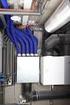 Technology Fact Sheet WHOLE-HOUSE VENTILATION SYSTEMS Improved control of air quality Buildings for the 21st Century Buildings that are more energy efficient, comfortable, and affordable that s the goal
Building Energy Systems. - HVAC: Heating, Distribution -
 * Some of the images used in these slides are taken from the internet for instructional purposes only Building Energy Systems - HVAC: Heating, Distribution - Bryan Eisenhower Associate Director Center
EarthCents (DSM) Program Summary
 EarthCents (DSM) Program Summary Renewable Energy EarthCents Programs Solar Water Heating This program is available to residential customers for the installation of a qualifying solar thermal water heater.
It Pays. To Save Energy FPO. Guide to Xcel Energy rebates, incentives and programs for residential customers in Minnesota
 It Pays To Save Energy Guide to Xcel Energy rebates, incentives and programs for residential customers in Minnesota FPO 10% Cert no. SW-COC-1865 xcelenergy.com 2012 Xcel Energy Inc. Xcel Energy is a registered
Hot Water Heating: Technologies and Use
 Hot Water Heating: Technologies and Use Skip Hayden Integrated Energy Systems CanmetENERGY Better Buildings by Design 2010 Burlington Vermont February 2010 Natural Resources Canada Ressources naturelles
Massachusetts COOL SMART. RESIDENTIAL CENTRAL AC/DUCTED AIR SOURCE HEAT PUMP Rebate Application
 Massachusetts COOL SMART 2015 RESIDENTIAL CENTRAL AC/DUCTED AIR SOURCE HEAT PUMP Rebate Application COOL SMART CENTRAL AC/HP PROGRAM COOL SMART is a residential central air conditioning rebate program
Air Conditioning. The opportunity for energy efficiency. Low cost actions to reduce energy usage now
 Fact Sheet #6 Air Conditioning In this fact sheet you will discover: The opportunity for energy efficiency How air conditioning works Low cost actions to reduce energy usage now Investments to reduce costs
1932 Lexington Houston, Texas 77098-4220 (713) 524-4877. Recommendations for installation of cooling systems
 1932 Lexington Houston, Texas 77098-4220 (713) 524-4877 The purpose for this information is to provide a better understanding of the HVAC equipment, components, designs, and installations, of HVAC system
Energy Efficient Homes: Air Conditioning
 Energy Efficient Homes: Air Conditioning Quick Facts The average energy bill for a typical single family home in the U.S. is $2,200. Roughly 46 percent of the bill, or $1,012, is spent on heating, ventilation,
Installation Questions
 Installation Questions How do I determine what type of heat I have? There may be several ways to determine what type of heat you have. First, if you can access the unit that is responsible for creating
SAVE ENERGY AT HOME INSULATE AND AIR SEAL
 SAVE ENERGY AT HOME INSULATE AND AIR SEAL Check the roof insulation level and add insulation to maintain minimum R-38 (6 of blown cellulose or equal). Use R-19 between frame or R-10 rigid insulation for
EASY WAYS TO SAVE ENERGY
 Apollo Heating & Cooling has served Greater Cincinnati since 1910. We are a family owned and operated business with a history of keeping our promises and fixing it right the first time. We also have a
Attic condensation during winter can
 Housing Fact Sheet Causes and Cures of Attic Condensation and Roof Ice Damming Problems Attic condensation during winter can decrease the effectiveness of insulation and over time can cause significant
Sample Customer 123 Conservation Way TAMPA FL 33626 Tracking Number: 000675309
 Thank you for completing the Online Home Energy Audit. Based on the answers that you provided in the questionnaire, the following is a complete analysis of your household's energy consumption. We have
Condensing Boiler Efficiency
 Condensing Boiler Efficiency Date: July 17, 2012 PRES E NT ED BY DO N L E O NA RDI LE O N A RD I I NC. HV AC T RAI N I N G & C ON SU LT IN G Concepts 1 The current state of evolution in boiler design 2
Poor Performing AC? High Electric Bills? High Humidity?
 Poor Performing AC? High Electric Bills? High Humidity? If you answered yes to any or all of these questions, it may be time to consider a new Air Conditioning system. Read on for useful information when
Residential HVAC System Sizing
 Residential HVAC System Sizing William P. Goss University of Massachusetts, Amherst, Massachusetts, USA Corresponding email: [email protected] SUMMARY Heating, ventilating and air-conditioning (HVAC)
HVAC INSTALLATION SUCCESS WITH 2012 IECC DELAWARE. for Builders & Trades. Recommended Practices for Optimized Energy Savings
 SUCCESS WITH 2012 IECC DELAWARE Recommended Practices for Optimized Energy Savings for Builders & Trades COPYRIGHT 2015 ADVANCED ENERGY. ALL RIGHTS RESERVED VERSION 2015.1.0 CHECKLIST: JOB READY 1. 2.
HVAC INSTALLATION. Success with 2015 IECC Northeast & Mid-Atlantic. Checklist for Builders & Trades
 Success with 2015 IECC Northeast & Mid-Atlantic Checklist for Builders & Trades COPYRIGHT 2015 ADVANCED ENERGY. ALL RIGHTS RESERVED TEMPLATE 2015.1.0 PAGE 1 CHECKLIST: JOB READY 1. 2. 3. 4. 5. 6. 7. 8.
ANSI/BPI-1200-S-2015:
 Guidelines for Home Energy Professionals Project Standard Work Specifications (SWS) Update to Align SWS with the Combustion Appliance Section of ANSI/BPI-1200-S-2015: Standard Practice for Basic Analysis
Energy Efficiency Evaluation Reportii House file number: 9900D00001ii
 Energy Efficiency Evaluation Reportii House file number: 9900D00001ii Household, John, 123 Main St., Ottawa, Ontario, K1K 1K1 64 EnerGuide ratingii 74! Your house currently rates 64.! If you implement
Before You Start an Energy Efficiency Retrofit The Building Envelope
 ABOUT YOUR HOUSE Before You Start an Energy Efficiency Retrofit The Building Envelope The building envelope is the outer layer of the building that separates the indoor living space from the outdoor environment,
Green Heat Pre-Approval Application
 Green Heat Pre-Approval Application Did you know you can increase your savings potential, and be eligible for higher rebates, when you enroll for a Home Energy Assessment? Contact us for more details.
Cost-Effective, Energy-Efficient Home Improvements for Florida Homes August 8, 2012
 Cost-Effective, Energy-Efficient Home Improvements for Florida Homes August 8, 2012 Karen Sutherland, Research Analyst Florida Solar Energy Center A Research Institute of the University of Central Florida
GEOTHERMAL HEATING AND COOLING INTRODUCTION
 GEOTHERMAL HEATING AND COOLING INTRODUCTION Geothermal Heating and Cooling Systems provide space conditioning -- heating, cooling, and humidity control. They may also provide water heating -- either to
Home Energy Evaluation Report for Fritz Kreiss and Catherine McQueen
 Home Energy Evaluation Report for Fritz Kreiss and Catherine McQueen May 2008 Wisconsin Area PO BOX 115 Lake Geneva, WI 53147 CELL (414) 550-4765 Home Performance with ENERGY STAR Evaluation Report Customer
Standardized Terminology for Combustion Appliances and. Combustion Safety Testing
 Standardized Terminology for Combustion Appliances and Combustion Safety Testing Air-Free Carbon Monoxide A measurement of CO in an air sample or flue gas that takes into account the amount of excess air
Colorado Energy and Cost Savings
 BUILDING TECHNOLOGIES PROGRAM Colorado Energy and Cost Savings for New Single and Multifamily Homes: 2009 and 2012 IECC as Compared to the 2006 IECC 1 2009 AND 2012 IECC AS COMPARED TO THE 2006 IECC Colorado
Training course catalog
 1 Training course catalog CLEAResult training courses are designed and taught by industry experts with hands-on experience from across the nation, bringing the most current and practical knowledge to our
Natural Gas Appliance Testing Action Guidelines (Non ESA/Low Income 5 )
 Natural Gas Appliance Testing Action Guidelines (n ESA/Low Income 5 ) The purpose of these Action Guidelines is to describe the actions participating contractors and/or inspectors should take in the event
HEAT PUMP FREQUENTLY ASKED QUESTIONS HEAT PUMP OUTDOOR UNIT ICED-UP DURING COLD WEATHER:
 HEAT PUMP FREQUENTLY ASKED QUESTIONS HEAT PUMP OUTDOOR UNIT ICED-UP DURING COLD WEATHER: It is normal for a heat pump to have a build up of white frost on the outside coil during cold damp weather. The
Air Conditioning Systems DOE, DOE ARRA, LIHEAP WX, RMP. Heating Systems DOE, DOE ARRA, LIHEAP WX, LIHEAP Crisis, Questar
 Air Conditioning Systems DOE, DOE ARRA, LIHEAP WX, RMP Air conditioning system replacement or repair is an approved Weatherization Measure for our climate when auditing with a SIR of 1 or higher. It is
AIR CONDITIONER REPLACEMENT GUIDE
 IR CONDITIONER REPLCEMENT GUIDE Wherever you live in Canada, your summer can be much more comfortable with the right air conditioner sending cool air through every room in your home. This buying guide
Ductless Heat Pumps. Gary Nordeen January 2009. www.nwbuildings.org/dhp.aspx [email protected]
 Ductless Heat Pumps Gary Nordeen January 2009 www.nwbuildings.org/dhp.aspx [email protected] Outline Heat Pump Basics Ductless Heat Pumps Efficiency Advantages Commercial installations Planning (applications,
The Potential for Energy Retrofits within the City of Sacramento s Rental Housing Inspection Program
 PNNL-20343 Prepared for the U.S. Department of Energy under Contract DE-AC05-76RL01830 The Potential for Energy Retrofits within the City of Sacramento s Rental Housing Inspection Program MM Iverson S
3/29/2012 INTRODUCTION HVAC BASICS
 INTRODUCTION HVAC BASICS AND HVAC SYSTEM EFFICIENCY IMPROVEMENT SECTION O HVAC systems or Heating, Ventilating and Air-Conditioning systems control the environment for people and equipment in our facilities.
Mississippi. Energy and Cost Savings. for New Single and Multifamily Homes: 2009 and 2012 IECC as Compared to the 2006 IECC
 BUILDING TECHNOLOGIES PROGRAM Mississippi Energy and Cost Savings for New Single and Multifamily Homes: 2009 and 2012 IECC as Compared to the 2006 IECC 1 2009 AND 2012 IECC AS COMPARED TO THE 2006 IECC
Amendment: Combustion Appliance Testing Standards Removal. Proponent: Brett Dillon, Chair Standards Development Committee
 Amendment: Combustion Appliance Testing Standards Removal Proponent: Brett Dillon, Chair Standards Development Committee Applies to: 2006 Mortgage Industry National Home Energy Rating Systems Standards,
A Resident s Guide to Warm Weather Energy Savings:
 March 2004 A Resident s Guide to Warm Weather Energy Savings: Lowering Utility Bills without Losing Comfort Kouba-Cavallo Associates, Inc. Phone: 630 971-2016 E-mail: [email protected] Web: www.kouba-cavallo.com