
LEVEL I PRE-ACQUISITION ENVIRONMENTAL SITE ASSESSMENT GUIDANCE MANUAL
|
|
|
- Ada Parks
- 10 years ago
- Views:
Transcription
1 LEVEL I PRE-ACQUISITION ENVIRONMENTAL SITE ASSESSMENT GUIDANCE MANUAL MARCH 1999 National Park Service Washington, DC 20013

2 SECTION TABLE OF CONTENTS PAGE 1.0 INTRODUCTION Policy and Requirements Environmental Law and Due Diligence LEVEL I SURVEY Level I Survey Process Who May Conduct a Level I Survey Timing LEVEL I SURVEY CHECKLIST Use Owner and Occupant Inquiry Site Inspection Guide to Property Description Guide to Site Inspection Screening - All Properties Property Use Fill Dirt Water Bodies Dumps and Landfills Distressed Vegetation Owner or Occupant Knowledge Environmental Assessments Violations Lawsuits Federal to Federal Transfer Guide to Site Inspection Screening - Improved Properties Chemical Storage Staining Storage Tanks Domestic Wells Monitoring Wells Wastewater Discharges Septic Systems Polychlorinated Biphenyls (PCBs) Lead-Based Paint Asbestos Guide to Record Searches Government Records Historical Uses Inquiry Guide to Interview Records Guide to Recommendations i

3 SECTION TABLE OF CONTENTS PAGE 3.8 Guide to List of Attachments Guide to Certifications LEVEL I SURVEY REPORT Report Outline Opening Sections Introduction Scope of Work Site Assessment Record Searches Conclusions and Recommendations Approvals LIST OF APPENDICES Appendix A: Department of the Interior, Departmental Manual 602 DM 2 Appendix B: NPS Level I Survey Checklist Appendix C: General PCB Information Appendix D: Level I Survey Report Example ii

4 1.0 INTRODUCTION The purpose of this Level I Pre-Acquisition Environmental Site Assessment Guidance Manual (Manual) is to provide National Park Service (NPS) personnel with the context and guidance for the process of conducting a Level I Pre-Acquisition Environmental Site Assessment (Level I Survey). The Level I Survey is a systematic assessment of potential sources of environmental liability associated with a real property. The Level I Survey enables NPS to more accurately assess the value of and risks associated with a property. In addition, the Level I Survey documents the level of inquiry necessary to support an innocent landowner defense claim under the Comprehensive Environmental Response, Compensation, and Liability Act of 1980 (CERCLA) if the property is contaminated and the assessment fails to identify the problem. 1.1 Policy and Requirements The Department of Interior (DOI) and NPS maintain policy and requirements for the assessment of real property prior to acquisition. The most recent DOI policy is presented in 602 DM 2, released on September 29, 1995 (see Appendix A). Among the requirements, 602 DM 2 mandates conducting a pre-acquisition environmental site assessment to determine the presence or potential release of hazardous substances, in or into the environment. 602 DM 2 states: The requirements of this chapter shall apply to any proposed acquisition of real property to which liability can attach. In addition, this policy shall apply to withdrawn public domain lands returning to Departmental jurisdiction. All acquisitions of real property, whether discretionary or non-discretionary, will require a pre-acquisition environmental site assessment to be performed. This includes real property acquisitions between Departmental bureaus, as well as other departments and agencies of the United States. DOI policy also states that pre-acquisition environmental site assessments are considered adequate for a period not to exceed 12 months prior to the date of acquisition of real property. The NPS utilizes a multi-phased approach to implementing the DOI policy, beginning with the Level I Survey described in this Manual. In most instances, the Level I Survey should be sufficient to evaluate the potential for environmental liabilities associated with a property acquisition. However, NPS policy requires subsequent assessments if known or potential environmental contamination is identified. These additional phases include a Level II Survey to conduct further research or investigation into areas of potential concern, including characterizing the nature and extent of contamination, and a Level III Survey to determine the potential cost of remediation. 1.2 Environmental Law and Due Diligence CERCLA, also known as the Superfund legislation, established liability for contamination caused by releases of hazardous substances, and provides for an innocent landowner defense for purchasers who demonstrate due diligence investigation into a property prior to acquisition. To 1

5 meet the requirements of the innocent landowner defense, CERCLA states that at the time of acquisition, the owner must have undertaken all appropriate inquiry into the previous ownership and uses of the property consistent with good commercial and customary practice. 1 Although there is currently no legal or regulatory standard defining all appropriate inquiry, the American Society of Testing and Materials (ASTM) has developed the most comprehensive guidance to date in an effort to standardize the basis for determining appropriate inquiry. ASTM is a non-profit standards-writing organization that publishes specifications, test methods, and practices concerning engineering materials, manufactured products, and the environment. The ASTM standards related to pre-acquisition environmental site assessments include: Standard Practice for Environmental Site Assessments: Phase I Environmental Site Assessment (ASTM E ), and Standard Practice for Environmental Site Assessments: Transaction Screen Process (ASTM E ). Departmental policy 602 DM 2 requires all bureau procedures for pre-acquisition environmental site assessments to adapt ASTM standards, and to be complete in terms of technical accuracy and comprehensiveness. NPS has developed a Level I Survey process which adapts the ASTM Standard Practice E /Transaction Screen Process. The Transaction Screen Process is designed to not require the judgment of an environmental professional, and may be conducted by the user (i.e., a purchaser, potential tenant, owner, lender, or property manager of the property), or wholly or partially by an environmental professional. 1 With respect to this due diligence showing, the United States would need to demonstrate that at the time of acquisition it did not know and had no reason to know of the disposal of the hazardous substances at issue. In the alternative, the United States also qualifies for the innocent landowner defense (found at CERCLA 101(35); see also CERCLA 107(b)) if the United States acquired the facility by escheat, any other involuntary transfer or acquisition, through the exercise of eminent domain authority by purchase or condemnation, or by inheritance or bequest. Under both alternatives, the United States also would need to demonstrate that: 1) the property at issue was acquired after the hazardous substance disposal or placement; 2) the hazardous substance release or threatened release was caused solely by an unrelated third party (except with respect to the prior landowner if the other requirements described in this footnote are met); 3) it exercised due care with respect to the hazardous substances at issue; and 4) it took precautions against foreseeable acts, ommissions, and the consequences thereof of the parties causing the release 2

6 2.0 LEVEL I SURVEY 2.1 Level I Survey Process The Level I Survey process is used to identify recognized environmental conditions (RECs) in connection with the property. ASTM E defines RECs as the presence or likely presence of any hazardous substances or petroleum products on the property under conditions that indicate an existing release, a past release, or a material threat of a release of any hazardous substances or petroleum products into structures on the property or into the ground, groundwater, or surface water of the property. The Level I Survey includes the following steps: Asking the owners or occupants of the property the questions contained in the NPS Level I Survey Checklist for Proposed Real Estate Acquisitions (see Section 3.1.1). Conducting a site inspection and observing site conditions utilizing the NPS Level I Survey Checklist for Proposed Real Estate Acquisitions (see Sections 3.2 through 3.4). Conducting limited research of certain governmental records and historical sources outlined in the NPS Level I Survey Checklist for Proposed Real Estate Acquisitions (see Section 3.5). Following completion of the checklist, a Level I Survey report is prepared which summarizes the findings and conclusions of the assessment. A format for the Level I Survey report is presented in Section Who May Conduct a Level I Survey According to 602 DM 2, the pre-acquisition environmental site assessment must be conducted or supervised by a qualified individual. The NPS Level I Survey should be conducted or supervised by personnel who have completed the NPS Pre-Acquisition Environmental Site Assessment Training Program, or equivalent training or education, or should be conducted or supervised by individuals authorized by personnel meeting the NPS training requirements. All individuals conducting or supervising Level I Surveys should be familiar with this Manual. 2.3 Timing In order to be consistent with the requirements of 602 DM 2, a Level I Survey should be conducted within 12 months prior to the date of the property acquisition. According to 602 DM 2.5(B), real property acquisition is defined as under the jurisdiction or control of the U.S. for any period of time, however short. For practical purposes, the Level I Survey should be performed within 12 months prior to NPS taking legal title to the property, and where NPS can potentially 3

7 incur environmental liability. Exceptions to this policy may be considered in special situations where the property is located in adverse climatic or geographical areas. Information from a prior Level I Survey may be utilized if it meets or exceeds the current NPS policy and requirements, as described in this Manual, and conditions likely to affect RECs in connection with the property have not materially changed since the prior Level I Survey. For instance, historical research in a prior Level I Survey may be used in the historical uses inquiry. However, the use of information from a prior Level I Survey does not take the place of conducting a current Level I Survey within 12 months prior to the date of the property acquisition. 4

8 3.0 LEVEL I SURVEY CHECKLIST A copy of the NPS Level I Survey Checklist (Checklist) has been provided in Appendix B. The following sections describe the appropriate use of the Checklist, and provide further instruction and guidance on completing the Checklist. 3.1 Use The Checklist outlines all the steps necessary for preparing an accurate and complete Level I Survey. This Checklist incorporates two levels of inquiry, according to the presence of human intrusion on the land. All sections of the Checklist must be completed for Improved Properties. Section C of the Checklist may be excluded for Unimproved Properties. A definition of Improved and Unimproved Properties is as follows: Improved Properties include those properties with any past or present human modification to the land, including but not limited to, structures, building foundations, graded areas, unpaved or paved roadways, wells, or other indications of human disturbance of the land. Unimproved Properties include those properties which in the past and currently are undeveloped for human use. Minor dirt pedestrian trails are considered undeveloped land for the purposes of this definition. In using the Checklist, it is important to note that NPS policy and ASTM E guidelines recognize that the Level I Survey is intended to reduce, not eliminate, the risks associated with the potential for RECs in connection with a property, and there must be a balance between this assessment and the reasonable limits of cost and time. In completing the Checklist, the term reasonably ascertainable is used as a guideline in determining whether the intent of the inquiry has been met. Reasonably ascertainable is defined by ASTM E to include information which is publicly available; obtainable from its source within reasonable time and cost constraints; and is provided by the source in a manner and in a form that yields information relevant to the property without the need for extraordinary analysis of irrelevant data. NPS personnel are expected to obtain only reasonably ascertainable data. Sections A through C of the Checklist include a series of questions which are intended to be asked of the owner or occupant of the property and to be completed by NPS personnel based on site observations. Section D addresses the Government Records and Historical Uses portion of the assessment, and will require some limited research by NPS personnel (see Section 3.3). 5

9 3.1.1 Owner and Occupant Inquiry The questions in Sections A through C of the Checklist should be asked of the current owner and of any major occupants of the property (e.g., a major occupant uses at least 40% of the leasable area of the property). This information may be obtained directly through interviews, or in writing by submitting the Checklist to the owner and occupant for completion. Section C of the Checklist need not be asked of the owner for Unimproved Properties. More complete answers are often obtained by interview, and therefore, this is considered the method of choice. The owner and occupant inquiry can often be combined with the site inspection to occur concurrently or immediately before or after the site inspection. However, it is recognized that the owner or occupant may not always be accessible or responsive, and a written request for the required information may be the most practical approach. It is further recognized that the owner or occupant may have no obligation to provide answers to the Checklist, and therefore, this inquiry is required only to the extent reasonably ascertainable. NPS personnel should direct the owner and occupant inquiry to individuals who are likely to have knowledge of the property. If the owner and occupant inquiry is submitted in writing, the request should be documented. If no response is returned after at least two follow-up telephone calls, the inquiry will be considered to have been completed Site Inspection A site inspection is required for all Level I Surveys. NPS personnel should use the Checklist during the site inspection, and complete all questions in those applicable Sections A through C, based on site observations. A complete site inspection should include the visual and physical observation of the property and any structures located on the property, except as obstructed by water bodies, dense vegetation, cliffs, adjacent buildings, or other impassable obstacles. If areas of the property are inaccessible, these areas should be documented in the Level I Survey. In conducting the site inspection, the periphery of the property should be visually and physically observed, including the periphery of all structures. Also, the property should be observed from any adjacent public thoroughfares. If areas of dense vegetation are present, these areas should be inspected to the extent accessible. In particular, roads or paths with no apparent outlet should be inspected to their ends. Overgrown areas can be the site of illegal dumping or other environmental concerns. The interior of structures on the property should be inspected. These interior areas include accessible common areas, a representative sample of owner and occupant spaces, and maintenance and repair areas, including boiler rooms. Inspecting under floors, above ceilings or behind walls is not expected. The health and safety of NPS personnel is always the most important priority. Never enter any areas of a property in which contamination is suspected, or other safety concerns are present. If health and safety concerns are identified, a supervisor should be contacted immediately. In addition, if chemical containers, 55-gallon drums, chemical sacks, tanks, or waste piles are identified, never open or handle containers or suspect materials. These containers 6

10 may hold acidic, explosive, or toxic substances. Instead, read the labels and/or note any identifying characteristics. Photographic documentation should be taken of the site observations on Improved Properties. Site photographs can be valuable in the assessment of potential environmental concerns subsequent to the site visit, and are a very useful tool for NPS personnel who may be involved in reviewing the Level I Survey or determining the need for a Level II or III Survey at a later date. In particular, any areas of potential concern should be photographed. These areas might include container storage areas, tanks, stained soil or structures, dumping or waste piles, distressed vegetation, potentially contaminated areas, and other site-specific concerns identified in completing the Checklist. Notable features of the property or adjoining properties should also be photographed. 3.2 Guide to Property Description The following guide is intended to assist NPS personnel in completing Section A of the Checklist, Property Description. Much of the property description information, including the NPS Unit, Tract/Plot No., Tract Owner, and Size of Tract, should be available from the Land Acquisition Office, and should ideally be obtained prior to the site visit. The questions regarding Current Land Use and Adjoining Land Use may require site observations to complete. Current Land Use - refers to a general statement describing the current activity or condition of the land, such as single-family residence, cattle ranch, or wooded undeveloped land. Adjoining Land Use - refers to a general statement describing the current activity or condition of adjoining land in each direction. For the purposes of the Level I Survey, adjoining property refers to land which is contiguous or partially contiguous with the property or which is separated from the property by only a street, road, or other public thoroughfare. Adjoining properties include properties across a street or other right-of-way. An example of completing this question is as follows: North - South - East - West - wooded, undeveloped land community water storage tanks wooded, undeveloped land fire station The question regarding the Date of Survey refers to the date(s) of the site visit. 7

11 3.3 Guide to Site Inspection Screening - All Properties The following guide is intended to assist NPS personnel in completing Section B of the Checklist, Site Inspection Screening - All Properties. Section B is applicable to both Improved and Unimproved Properties Property Use Items 1 and 2 of the Checklist address the question of current or previous industrial use of the property or adjoining properties. This question is asked of all properties, including Unimproved Properties, to ensure that information is gathered regarding whether what appears to be undeveloped land currently was developed in the past. A determination of the current or previous industrial use of a property or adjoining properties is important since these types of uses generally have a higher risk of potential environmental concerns. Current property use should be ascertainable based on site observations, or interviews. Previous property use may or may not be available. Evidence of previous property use may be observable during the site inspection through signage on the property or structures, discarded equipment on the property, interviews, or prior knowledge of the property. Additional information on previous property use may become apparent during the historical uses inquiry discussed in Section 3.5. For the purposes of the Level I Survey, an industrial use is defined broadly to include any use which involves the processing, handling, management, disposal, storage, manufacture, or transportation of hazardous substances or petroleum products. This definition encompasses the typical types of operations that might be considered industrial, such as a manufacturing facility or an oil tank farm, and also includes less common types of industrial uses such as those most likely to be found on NPS properties. A partial list of industrial uses most commonly found on NPS properties includes mining, lumber milling, aerial spray operations or landing strips, unexploded ordnance, and illegal drug laboratories. All of these examples of property uses potentially involve the use of hazardous substances and petroleum products and, therefore, fall under the definition of industrial uses. Note: If unexploded ordnance is known or suspected to be present on a property, do not enter the site. A supervisor should be notified and an explosives expert should be contacted. If an illegal drug laboratory is identified or suspected, do not enter the facility. A supervisor and local law enforcement agency should be notified. In addition to those industrial uses listed above, other examples include agricultural uses in which pesticides are used, mixed, or stored on the property; ranching operations; machinery storage or repair operations; and vehicle fueling areas, among others. ASTM E asks about specific industrial uses which involve the use of hazardous substances and are often connected to contamination problems. These include gasoline stations, motor vehicle repair facilities, dry cleaners, photo developing laboratories, commercial printing facilities, junkyards or landfills, and waste treatment, storage, disposal, processing, or recycling 8

12 facilities. These uses are considered by ASTM E to represent concerns requiring further inquiry Fill Dirt Item 3 of the Checklist addresses the presence of fill dirt on the property. Fill dirt refers to soil, sand, or other earth brought to the property from off-site to fill holes or depressions, create mounds, or change the grade or elevation of the property. It is not intended to include materials used during typical landscaping activities. There are two primary environmental concerns associated with fill dirt on the property. The first concern is the potential for the fill materials to have originated from an off-site contaminated source. The second environmental concern is the potential for contamination to be present beneath the fill dirt, along the original topography of the property. The presence of past holes or depressions on the property requiring filling may be an indication of waste treatment, disposal or other forms of human intrusion on the land. In addition, if structures were demolished on the property, and the debris left in place with fill dirt compacted over the materials, there is a potential environmental concern for asbestos, lead-based paint, or other hazardous substances to have been present in the debris. The presence of fill dirt on the property may or may not be apparent through site observations, interviews, or prior knowledge of the property. The modifications to site topography may only become apparent during the historical records search, such as the historical aerial photograph review. If fill dirt is identified on the property, the origin of the fill dirt and the past land use in the area of the fill dirt should be determined, to the extent reasonably ascertainable. If the fill dirt is clean fill and the origin of the modified topography does not indicate activities of environmental concern, no further inquiry may be necessary. If the origin of the fill dirt and the modified topography is unknown, a Level II Survey may be required. Additional information on the presence of fill dirt may become apparent during the government records and historical uses inquiry discussed in Section Water Bodies Item 4 of the Checklist addresses the current or previous presence of pits, ponds, lagoons, or other water bodies on the property in connection with waste treatment or waste disposal activities, or in which a sheen is observed. This question refers to water bodies of all sizes, from seasonal areas of puddled water or ephemeral streams to ponds and lagoons of substantial size. The current or previous presence of water bodies which were used for waste treatment or disposal or in which a sheen is present indicates a potential for a contaminated property, as they may hold or have held liquids or sludges containing hazardous substances or petroleum products. The use of pits, ponds, or lagoons for the disposal of waste materials was a common practice in the past, and has resulted in significant contamination problems in some areas of the country. The current presence of these water bodies on the property should be ascertainable based on site observations, or interviews. Evidence of the presence of hazardous substances or petroleum products in these water bodies includes discolored water, distressed vegetation, or the presence of a discharge into the water bodies. 9

13 The previous presence of these water bodies on the property may or may not be available through interviews, or prior knowledge of the property. Additional information on previous water bodies on the property may become apparent during the government records and historical uses inquiry discussed in Section Dumps and Landfills Item 5 of the Checklist addresses the current or previous presence of dumps or landfills on the property. Waste disposal practices, including dumping above grade, burying, or burning, on the property represent an environmental concern because they may have resulted in the release of hazardous substances or petroleum products. Even dump sites which appear to contain primarily household type wastes can include automotive batteries, tires and other unidentified waste materials that can cause the release of hazardous substances or petroleum products into the environment. The type and general volume of waste materials found should be noted in the Checklist. If the wastes could easily be properly disposed of as municipal trash in a dumpster, the presence of these wastes may not represent an environmental risk, and no further inquiry may be necessary. The current presence of dumps or landfills on the property should be ascertainable based on site observations, or interviews. Evidence of waste disposal may include open trash piles, areas of disturbed ground which appear as mounds or depressions, and charred areas which appear to be the remains of burn piles. Unauthorized dumping often occurs along paths or roads in overgrown areas, and all such areas should be inspected, as accessible. The previous presence of dumps or landfills on the property may or may not be ascertainable through site observations, interviews, or prior knowledge of the property. Evidence of previous waste disposal on the property may include the same items listed above, although the areas may appear overgrown, and more difficult to recognize. Additional information on previous dumps or landfills on the property may become apparent during the government records and historical uses inquiry discussed in Section Distressed Vegetation Item 6 of the Checklist addresses the presence of distressed vegetation on the property or adjoining property. Distressed vegetation is often an indication a release of hazardous substances or petroleum products has occurred. The vegetation may be dead, discolored (i.e., yellowing), an area of bare ground, or different in other ways from the surrounding vegetation for no apparent reason. The presence of distressed vegetation on the property should be ascertainable solely based on site observations. 10

14 3.3.6 Owner or Occupant Knowledge Item 7 of the Checklist address specific knowledge the owner or occupant may have regarding the presence of hazardous substances or petroleum products on the property, and environmental violations with respect to the property. In many cases, the owner or occupant will have direct knowledge or have been notified of environmental concerns with respect to their property. Therefore, it is important that this inquiry is conducted. The responses to these questions should be available through interviews or distribution of the Checklist to the owner or occupant. Refer to Section for guidance on the owner/occupant inquiry Environmental Assessments Item 8 of the Checklist addresses the existence of prior environmental assessments of the property indicating an environmental concern. Prior environmental assessments can be a valuable resource, both for obtaining general knowledge of the property and for identifying hazardous substances or petroleum products on the property, contamination of the property, or prior recommendations for further assessments of the property. Prior environmental assessments of the property may be available through interviews or prior knowledge of the property. Copies of reasonably ascertainable prior environmental assessments of the property should be obtained and examined to determine whether environmental concerns requiring further inquiry have been identified. Information in a prior environmental assessment may be used to complete the Checklist provided the current Level I Survey updates the information to the present time, as applicable Violations Item 9 of the Checklist addresses the existence of environmental liens, environmental violations, or other governmental notifications with respect to the property. In most cases the federal or state government will notify a property owner prior to filing a lien on the property. In addition, government agencies may periodically inspect facilities to ensure compliance with environmental regulations, and determine whether violations have occurred. This question is intended to identify information available through the site inspection interviews, distribution of the Checklist to the owner or occupant, and prior knowledge of the property. NPS personnel are not expected to investigate or search records in answering this question. The government records search conducted as part of the Checklist is described in Section D.1 of the Checklist, and Section of this Manual Lawsuits Item 10 of the Checklist addresses the existence of lawsuits, administrative or judicial proceedings, or consent agreements alleging environmental damages with respect to the property. This question is intended to identify information available through the site inspection interviews, distribution of the Checklist to the owner or occupant, and prior knowledge of the property. NPS 11

15 personnel are not expected to investigate or search records on file with the court or public agency in answering this question. The government records search conducted as part of the Checklist is described in Section D.1 of the Checklist, and Section of this Manual Federal to Federal Transfer Item 11 the Checklist addresses whether another federal agency has reported to the NPS any current or past presence of hazardous substances generated, stored, released, or disposed of at the property. The information requested in this question should be available through interviews or prior knowledge of the property. In a federal to federal land transfer, the federal agency from which the NPS is acquiring the land should be considered as the property owner, and should be interviewed or asked to complete the Checklist. 3.4 Guide to Site Inspection Screening - Improved Properties The following guide is intended to assist NPS personnel in completing Section C of the Checklist, Site Inspection Screening - Improved Properties. Section C is applicable to Improved Properties only. Surveys of Unimproved Properties should proceed to Section D Chemical Storage Item 12 of the Checklist addresses the question of current or previous chemical storage on the property. The current presence of any containers of chemicals or hazardous substances stored on the property should be ascertainable based on site observations, or interviews. Examples of areas in which hazardous substances may be stored include sheltered or covered enclosures, sheds, cellars, closets, and other structures on the property. Examples of containers which may store hazardous substances include cans, buckets, cartons, sacks, drums, storage bins, and large canisters. Chemical storage is not intended to include consumer products in undamaged containers, such as copy toner or cleaning chemicals, unless large quantities are present (i.e., in excess of quantities customary for consumer use). If containers of hazardous substances are identified, NPS personnel should note the location and list the chemicals and their quantities. In addition, note the condition of the containers (e.g., good condition, rusted, damaged), and any evidence of staining or leaks from the containers. Unmarked containers may be found during a site inspection. If the contents of a container are unknown, assume hazardous substances are present until the materials are identified, and answer Item 12 Yes. Note: Never open or handle containers. They may contain explosive, acidic, or toxic substances. Read labels, if possible. If the containers are unmarked, note identifying characteristics. The previous presence of any containers of chemicals or hazardous substances stored on the property may or may not be ascertainable. Evidence of previous chemical storage may be observable during the site inspection through signage on the property or structures, discarded equipment on the property, interviews, or prior knowledge of the property. Additional 12

16 information on previous chemical storage may become apparent during the government records and historical uses inquiry discussed in Section Staining Items 13 and 14 of the Checklist address the current or previous presence of stained surfaces on the property. Staining may be present on exterior surfaces such as soil, concrete, asphalt, or surrounding stormwater drains (Item 13), or may be present on interior surfaces such as flooring, drains, or walls located on the property (Item 14). The current presence of stained surfaces on the property should be ascertainable based on site observations, or interviews. Stained exterior surfaces are often associated with contamination, and may indicate leakage from piping or liquid storage. Stained soils will often show a noticeable discoloration (i.e., darker, lighter, or otherwise colored) in comparison to the surrounding surfaces. Stained interior surfaces or odors from interior surfaces may also indicate leaks of hazardous substances. The previous presence of stained surfaces on the property may or may not be ascertainable through interviews, or prior knowledge of the property. Additional information on previous staining on the property may become apparent during the government records and historical uses inquiry discussed in Section Storage Tanks Item 15 of the Checklist addresses the current or previous presence of aboveground or underground storage tanks on the property. Storage tanks are often used to contain heating fuels, chemicals, and other petroleum products. Most commonly, storage tanks are associated with liquid fuel heating systems, such as oil furnaces, and vehicle fuels, such as gasoline or diesel. Leaks from the tanks and their accessories (i.e., pipelines, dispensers) or spills during tank filling or vehicle fueling activities are likely to result in contamination. The current presence of aboveground or underground storage tanks on the property should be ascertainable based on site observations, or interviews. Some specific indicators of the presence of storage tanks, particularly underground storage tanks, are listed in this item, including vent or fill pipes; access ways such as utility covers indicating a potential fill pipe; and concrete islands or fuel dispensers. These indicators may be protruding from the ground or adjacent to a structure on the property. In addition, asphalt or concrete patching may indicate an underground storage tank replacement or removal from the property. The previous presence of storage tanks on the property may or may not be ascertainable through site observations, interviews, or prior knowledge of the property. The storage tank indicators listed above are particularly useful in determining the previous presence of underground storage tanks on the property during the site inspection. Additional information on previous storage tanks on the property may become apparent during the government records and historical uses inquiry discussed in Section

17 3.4.4 Domestic Wells Item 16 of the Checklist addresses the current or previous presence of domestic wells on the property. The primary environmental concern with domestic wells is whether testing has indicated the presence of contamination in the groundwater. Private wells may provide drinking water, process water, irrigation water, or other agricultural uses. Testing of these wells is not necessarily required, but may have been conducted by the property owner/occupant, or may have been conducted by the County as part of a routine monitoring program of wells within their jurisdiction. If testing is conducted by the County, the property owner/occupant should know about the testing, and although they may not have been given the results, they should have been notified if contamination had been detected. Domestic wells used to provide drinking water to a group of people are considered a nonpublic water system, and are commonly required to perform testing of the water. The property owner/occupant should maintain copies of these results. Examples of the types of facilities most commonly involved in NPS acquisitions that may maintain nonpublic water systems include mining operations or lumber mill facilities which have an on site drinking water supply serving the employees. Wells which have been designated as contaminated by a governmental environmental/health agency are generally taken out of service. A list of identified contaminants should be provided in the Checklist, and a copy of test results should be obtained from the property owner/occupant and attached to the Checklist. The current presence of domestic wells on the property should be ascertainable based on site observations, or interviews. Evidence of well water may include a 4- to 12- inch diameter, low level pipe protruding from the ground which is capped; associated equipment such as pumps, a water tank and back-up power generator; or in paved areas, a well hole cover similar to a small manhole cover. The previous presence of domestic wells on the property may or may not be ascertainable through site observations, interviews, or prior knowledge of the property. Wells which are no longer in use may still be present on the property. Additional information on previous domestic wells on the property may become apparent during the government records and historical uses inquiry discussed in Section Monitoring Wells Item 17 of the Checklist addresses the current or previous presence of monitoring wells on the property. Monitoring wells are most often installed on a property when contamination has been detected, or as part of a prior environmental investigation on the property. Monitoring wells may be used to test groundwater contamination or vapors from contamination in the soil. The property owner/occupant should maintain copies of the monitoring results. A list of identified contaminants should be provided in the Checklist, and a copy of test results should be obtained from the property owner/occupant and attached to the Checklist. 14

18 The current presence of monitoring wells on the property should be ascertainable based on site observations, review of previous reports, or interviews. Evidence of monitoring wells may include the same equipment described above in Section The previous presence of monitoring wells on the property may or may not be ascertainable through site observations, interviews, or prior knowledge of the property. Wells which are no longer in use may still be present on the property. Additional information on previous monitoring wells on the property may become apparent during the government records and historical uses inquiry discussed in Section Wastewater Discharges Item 18 of the Checklist addresses the current or previous discharge of wastewater from the property. The primary environmental concern involves wastewater discharges other than stormwater or sanitary wastewater from household type uses. Evidence of other types of wastewater discharges may include drain traps, pipes, and water flows into ditches or streams or onto adjacent properties. The presence of an oil-water separator on the property is also indicative of a wastewater discharge, and is most often found in connection with vehicle or equipment repair or washing operations, gasoline service stations, and restaurants, among others. Oil-water separators are generally found outside a building beneath a manhole cover, and are periodically serviced to pump out the collected oil. The property should be inspected for these indicators. If the wastewater has been tested, a list of the contaminants or a copy of the test results should be provided with the Checklist. The current presence of wastewater discharges from the property should be ascertainable based on site observations, or interviews. The previous presence of wastewater discharges from the property may or may not be ascertainable through site observations, interviews, or prior knowledge of the property. Additional information on previous wastewater discharges from the property may become apparent during the government records and historical uses inquiry discussed in Section Septic Systems Item 19 of the Checklist addresses the use of a septic system on the property. Since septic systems result in a discharge into the ground on the property, they can potentially represent an environmental concern. If wastes such as chemicals, petroleum products or substances other than sanitary wastewater were disposed of into the system, the septic system would not be designed to handle them, and the contaminants may remain in the ground. The current presence of a septic system on the property should be ascertainable based on site observations, or interviews. The previous presence of a septic system on the property may or may not be ascertainable through site observations, interviews, or prior knowledge of the property. Additional information on the use of a septic system on the property may become apparent during the government records and historical uses inquiry discussed in Section

19 3.4.8 Polychlorinated Biphenyls (PCBs) Item 20 of the Checklist addresses the presence of PCB-containing equipment on the property. PCBs were used as a dielectric or insulating fluid in transformers, capacitors, and hydraulic equipment, such as elevators, automobile lifts or hoists, presses, compressors, and doors, until prohibited by U.S. EPA regulations in However, PCB-containing equipment manufactured prior to the U.S. EPA ban is still permitted to be used. The primary environmental concern associated with PCBs is leaks or spills from PCB-containing equipment, which is considered a hazardous substance release. NPS has developed an Envirofacts Sheet, titled Lighting Waste Management which may be a useful reference on the environmental issues associated with PCBs in fluorescent light ballasts. The presence of PCB-containing equipment on the property should be ascertainable through site observations, interviews, or prior knowledge of the property. During the site inspection, note labels which may be present on the equipment. Newer equipment may be labeled as No-PCBs. Older equipment may have the name of the fluid used inside. A list of fluid names likely to contain PCBs is included in Appendix C. If the electric equipment noted above is present on the property, the focus of the inspection should be on the following: whether there is evidence of oil leaks or spills from the equipment; whether the equipment is labeled as containing PCBs; and whether the equipment manufacture date is prior to If these conditions are not observed, no further inquiry is required. The hydraulic equipment noted above often has maintenance records from a contractor who services the equipment. If the maintenance records show no releases have occurred, the equipment has been regularly serviced, and there are no signs of damage or leaks from the equipment, no further inquiry is required Lead-Based Paint Item 21 of the Checklist addresses the presence of lead-based paint (LBP) on structures on the property. LBP is defined as paint containing 0.5% lead by weight, and was commonly used prior to The Consumer Product Safety Act (CSPA) of 1977 banned the commercial availability of LBP with levels exceeding 0.06 percent lead by weight. The primary hazards associated with LBP are to children who may ingest the paint if it is peeling, flaking, or disturbed. Legislation was passed known as The Residential Lead-Based Paint Hazard Reduction Act of 1992 (Title X of the Housing and Community Development Act) to reduce exposures to lead. There are also federal regulations establishing requirements for workers involved in LBP work in public and commercial buildings. As a result of these regulations, LBP removal may be required. In addition, if any structure containing LBP is going to be demolished or renovated, these regulations require construction workers to be certified for handling LBP, and the construction wastes may need to be handled as a hazardous substance. The costs associated with LBP removal may be significant and, therefore, LBP may represent a potential environmental liability. NPS has developed an Envirofacts Sheet titled Lead Based Paint which may be a useful reference on environmental concerns associated with LBP. 16

20 The presence of LBP on structures on the property may or may not be ascertainable through site observations, interviews, or prior knowledge of the property. If the structures on the property were constructed after 1978, no further inquiry is required. For structures built prior to 1978 or of unknown construction date, the inspection should focus on whether the painted surfaces appear peeling and flaking, and whether NPS intends to renovate or demolish the structure, or what use is intended for the structure. If the structure was built prior to 1978 or is of unknown construction date and is intended for demolition or renovation, a Level II Survey which tests for LBP will be required Asbestos Item 22 of the Checklist addresses the presence asbestos-containing materials (ACM) in structures on the property. Asbestos is a mineral that has been used in many types of building materials. The primary risk associated with asbestos is the inhalation of the fibers. Federal and state regulations govern the abatement and management of asbestos. As a result of these regulations, ACM removal may be required. The costs associated with ACM removal may be significant and, therefore, ACM may represent a potential environmental liability. NPS has developed an Envirofacts Sheet titled Asbestos which may be a useful reference on environmental concerns associated with ACMs. The presence of ACM in structures on the property may or may not be ascertainable through site observations, interviews, or prior knowledge of the property. Item 22 asks about both suspected and identified ACMs. Identified ACMs are those materials which have been previously tested, and determined to contain asbestos. Suspected ACMs are those building materials which are known to have been manufactured at one time using asbestos, but have not been tested on the property and, therefore, their asbestos content is unknown. Suspected materials may include vinyl floor tile; sheet vinyl flooring; glued carpet or covebase; gypsum board wall systems; pipe or boiler insulation; sprayed-on fireproofing; plaster; built-up roofing; and sprayed-on acoustical ceiling materials. If suspect ACMs are present, a Level II Survey which tests for ACM will be required. If any prior asbestos surveys have been performed, a copy of the report should be attached to the Checklist. Depending on the completeness of the Level II Survey, properties in which a prior asbestos survey identified ACMs may require a Level III Survey to determine the costs for abatement. 3.5 Guide to Record Searches The following guide is intended to assist NPS personnel in completing Section D of the Checklist, Record Searches. The records searches which are part of the Level I Survey are derived from the standard practice in ASTM E : Transaction Screen Process. These searches are an important part of determining the environmental risks associated with a property, and are necessary to meet the all appropriate inquiry requirement of CERCLA. Contact record sheets, included with the Checklist, should be completed to document all telephone or interview research conducted. 17

21 3.5.1 Government Records Section D.1 of the Checklist addresses the government agency records which should be investigated in connection with the property. The purpose of the government agency records search is to identify if known or potential contamination exists on the property or on surrounding properties. The regulatory listings of contaminated sites to be researched in the Level I Survey are included in Table D-1 in Section D.1 of the Checklist, along with categories identifying each listing as related to the property or its distance from the property. The distance of concern for each regulatory listing is based on ASTM E The lists of federal sites should be available from the U.S. EPA. The lists of state sites should be available from a state environmental agency, which will vary from state to state. In addition, the government agency records search for Improved Properties should include contacting the county environmental agency or local fire department. The County agencies will often maintain the lists which would identify whether the property is known to currently or historically store or contain hazardous materials or have an underground storage tank. There are two primary methods of conducting this records search. The government records may be obtained directly from the appropriate agency. In the case of the U.S. EPA, those records may be obtained by telephone contact or a formal written request to the regional U.S. EPA office may be required. The U.S. EPA may provide general information on an informal basis through telephone interviews. If a formal request is required, the information is obtained through Freedom of Information Act (FOIA) requests, and should include the property address and geographic area in which the records search is needed (i.e., the appropriate city, county or zip code to be searched). The FOIA request should be directed to the regional FOIA officer, and may take four to eight weeks for a response. In the case of state and local agencies, the requests may or may not be required in writing, and will vary in different areas of the country. Depending on the policy in each area, information may be available by telephone contact or by reviewing files at the local offices of the appropriate agency. There may be more than one state or local agency having jurisdiction over the regulatory listings required to be researched. For instance, different state agencies may have responsibility for state Superfund sites, leaking underground storage tanks, and solid waste/landfill facilities. The second method for researching government records is using a commercial service that maintains databases of all government contaminated site listings. These commercial services will typically require a property address or map showing the property location, and will provide a report identifying the various regulatory listings for the property and the surrounding area. Most commercial services will have a Transaction Screen report which will include the regulatory listings required for the Checklist with the appropriate distances. The Transaction Screen report from a commercial service will not include the local agency listings. If a commercial service is utilized, the local county agency will need to be contacted directly to determine any listings for the property. A good commercial service should include a brief description of the pertinent information for each site listed, such as the type of contamination or regulatory action; whether soil or groundwater is affected; and the status of the site as closed, remedial work underway, or under investigation. In addition, the service should keep their records current, updating their 18
22 databases at least every 90 days. A regional records search for known contaminated sites in the vicinity of Park boundaries may be available through the Superintendent s office Historical Uses Inquiry Section D.2 of the Checklist addresses the historical uses which should be investigated in connection with the property. The purpose of the historical uses inquiry is to determine whether any past use of the property would indicate an industrial use or the presence of contamination associated with the property. The goal is to identify uses of the property from the present back to the property s first obvious developed use, and at least back to The results of the historical uses inquiry should indicate the years for each past land use, and the sources used. For example, ; aerial photographs - undeveloped wooded land ; aerials, topographic map - farm or ranch land 1990-present; aerials, building dept. - residential Sources of historical information are listed in the Checklist. Aerial photographs and topographic maps should be examined for either Improved or Unimproved Properties. For Improved Properties, one of the following additional sources should be examined, if reasonably ascertainable, in order of preference: Sanborn Fire Insurance Maps; local building department records; and local fire department records. Aerial photographs can reveal much about the history of the property and adjoining properties which is not available from any other source. The presence of structures, roadways, water bodies, agricultural uses, or areas of disturbed land may be determined with aerial photographs. In addition, the general type of structure, such as residential, farm, or industrial, is often observable. Aerial photographs may be available through the local planning department, the local or college libraries, the U. S. Department of Agriculture Soil Conservation Service, private aerial photograph collections, and commercial services which provide the government records search. With the exception of the use of a commercial service, aerial photographs are generally viewed at the location of the collection. A fee for viewing or copies of the photographs is often required. Topographic maps may indicate the presence of structures on the property or adjoining properties, in addition to environmentally significant land uses, such as quarries, strip mines, large aboveground storage tanks, and industrial buildings. In addition, topographic maps provide good overall information regarding land use in the area of the property. Current topographic maps were often prepared and/or photorevised in the 1960s to 1980s, and provide a good indicator of land use during those periods. Historic topographic maps which indicate older land uses may also be available. Current topographic maps are available through the U.S. Geological Service (USGS), or commercial map services. Historic topographic maps may be available through local libraries, USGS, or commercial services which provide government records searches. 19
23 Sanborn Fire Insurance Maps are historical maps produced by private fire insurance map companies that indicate uses of properties at specified dates, sometimes as far back as the 1800s. These maps were produced for developed properties only, and may note the presence of chemical storage areas or tanks on the property. Fire insurance maps are typically available at local libraries, historical societies, and through commercial services. Commercial services often maintain the most complete collections. A key for abbreviations used on the maps should be available from the source providing the map, and are necessary for fully reading the maps. Local building department records are a good source of historical uses for an Improved Property. The building department will often maintain records dating back to the first date of construction on the property, and will indicate the type of past or current structures (i.e., residential, commercial, or industrial), the name of businesses which have occupied the site, and the installation of environmentally significant structures, such as underground storage tanks. The availability of these records can often be determined by telephone. Contact with the building department should include an inquiry as to the dates for which their records are maintained. The content of the records may be available by telephone, or a review of the files at the local office may be necessary. If numerous permits are on file for a property, the building permit department may be able to specify those records which are of interest, such as permits to construct, or permits for structures of environmental interest, such as the installation or removal of underground storage tanks. Table D-2 in the Checklist provides a list of additional potential sources of historical property uses. An inquiry into these sources is not required. However, if the required sources listed above are not available or include large gaps of time, use of the sources in Table D-2 is recommended, especially if early property development or past industrial uses are suspected. A description of some of the key additional sources is as follows: Property Tax Files can include records of past ownership, appraisals, maps, sketches, photographs, and other information pertaining to the property. These records are maintained by the local property taxing jurisdiction. City/County Street Directories, usually known as Polk or Haines Directories, will list property ownership or use by reference to the street address. These directories are a good source for developed areas, and may be available through the local libraries or commercial services dating as far back as the 1800s. Historical Societies may be a good resource for historical references, such as historical topographic maps or county records, and may have general knowledge regarding the history of the area. Title Reports and BLM Master Title Plats/Records provide information on historical property ownership, and may also indicate prior land use. 20
24 Interviews with previous and current owners, current tenants, park personnel, and nearby businesses or neighbors may provide general or detailed historical information on the property or the surrounding area. 3.6 Guide to Interview Records Section E of the Checklist documents the interviews conducted in completing the Level I Survey. This includes documenting interviews which were attempted, but for which the interviewee was unresponsive. All questions asked in connection with the Level I Survey are intended to request actual knowledge of the person, and are not intended to require the person to search out information he or she does not currently have. Sometimes the use of the phrase to the best of your knowledge may reassure the interviewee of this intention. 3.7 Guide to Recommendations The following guide is intended to assist NPS personnel in completing Section F of the Checklist, Recommendations. Upon completing the Site Inspection Screening and Record Searches, a determination is required whether no further inquiry is recommended, or a Level II or Level III Survey is recommended. The results should then be summarized in Table F-1. In order to make this determination, the Checklist should be reviewed, and each Yes or Unk answer should be evaluated to identify if it represents a REC (i.e., the presence or likely presence of any hazardous substances or petroleum products on the property under conditions that indicate an existing release, a past release, or a material threat of a release of any hazardous substances or petroleum products into structures on the property or into the ground, groundwater, or surface water of the property). In addition, any government records or historical uses identified in Section D should also be evaluated to determine if they represent an REC. In completing Table F-1, the following guidelines should be followed: If Yes or Unk is not checked on any item and no government agency records or past land uses of concern are identified, the first box in Table F-1 may be checked; no further studies are recommended. If Yes or Unk is checked, no government agency records or past land uses of concern are identified, and based on information obtained during the Level I Survey and the Preparer s best judgement, the items do not represent an REC, the first box in Table F-1 may be checked; no further studies are recommended. The reasons for the conclusion that no further inquiry is recommended must be presented in Table F-1 for each item. If Yes or Unk is checked or government agency records or past land uses of concern are identified and any item represents an REC, the sections of Table F-1 for a Level II or Level III Survey must be completed. For each REC, Table F-1 should be completed indicating the Checklist item leading to the recommendation, and a brief description of the site-specific environmental condition. In most cases, a Level II Survey will be the next 21
25 step, as the multi-phased approach is designed to be progressive. A Level II Survey involves further research or investigation into the specific identified item(s) of concern, including, but not limited to, performing testing to determine the nature and extent of potential or known contamination of soil, groundwater, surface water, or air. ASTM has developed a standard which may be used as guidance for a Level II Survey titled Standard Guide for Environmental Site Assessments: Phase II Environmental Site Assessment Process (ASTM E ). In some instances, if contamination has been quantified at the property during a previous investigation, a Level III Survey may be recommended. A Level III Survey involves developing the design and cost of cleanup measures and the cleanup of known contamination. For example, if a prior survey identified ACM or LBP on the property, a Level III Survey which developed a cost and design for abatement would be appropriate. 3.8 Guide to List of Attachments Section G of the Checklist documents the attachments included in completing the Checklist. A site location map and site photographs of Improved Properties are considered standard for all Level I Surveys. Additional attachments are included as applicable. 3.9 Guide to Certifications Section H of the Checklists requires signatures from the various levels of NPS personnel involved in conducting and approving the Level I Survey. Additional guidance on levels of departmental approval is specified in 602 DM 2 provided in Appendix A. 22
26 4.0 LEVEL I SURVEY REPORT Upon completion of the Checklist, a report should be prepared which summarizes the findings and conclusions of the Level I Survey. The report is intended to be a brief document (i.e., three to four pages) which provides a narrative description of the results of the Level I Survey. A Level I Survey report outline is provided in the following section. An example of a completed Level I Survey is included in Appendix D. 4.1 Report Outline Opening Sections The opening sections of the Level I Survey Report should include the following: Title Page which identifies the NPS Park Name, Tract Number and Landowner Name, and date of the Level I Survey. Executive Summary which gives a brief description of the property proposed for acquisition, investigative work completed, and any environmental concerns and recommendations for further inquiry identified Introduction The Introduction should include the following: Description of the Property which should include: the property location with an attached map; property description; ownership; current use; and proposed use. A location map should be attached to the report Scope of Work The Scope of Work should document the investigative activities conducted as part of the Level I Survey, and should include the following: Site inspection date(s), name and title of personnel, method of inspection (i.e., walk, drive, or combination), and any weather conditions or obstacles affecting accessibility or visual observation of the property. Owners or occupants who were provided or interviewed with the Checklist, and a brief description of their response. Copies of the Checklist completed during site inspection or by owners or occupants should be attached to the report. 23
27 4.1.4 Site Assessment The Site Assessment should summarize the results of the site inspection, and should include the following: Site conditions observed during the site inspection, particularly conditions representing any RECs that affect or could affect the property. Adjoining property conditions observed during the site inspection, particularly conditions that affect or could affect the property. Any known or suspected RECs identified by owner/occupants of the property. Copies of photographs documenting RECs and prominent site conditions of Improved Properties should be attached to the report Record Searches The Record Searches should summarize the results of the government records and historical uses inquiry, and should include the following: Summary of the method of government record searches, such as FOIA requests; names of agencies for which telephone interviews or file reviews were conducted; and commercial databases reviewed. Brief description of any regulatory listing identified for the property. Brief description of any contaminated sites in the surrounding area identified in the regulatory listings searched. Summary of the sources of historical records reviewed for the property, and a brief description of historical uses of the property. Brief description of any RECs identified for the property during the records search Conclusions and Recommendations The Conclusions and Recommendations summarizes the findings of the Level I Survey, and should include the following: Brief description of any RECs identified in connection with the property. If no RECs were identified, this should be stated in the report. 24
28 A statement of recommendation with respect to the property, and the need for further inquiry. The recommendation statement should be one of the following: Based on the information obtained during this Level I Survey, there is no evidence contaminants are present on this property, and there are no obvious signs of the effects of contamination. No further study is recommended Approvals Based on the information obtained during this Level I Survey, there is evidence of a potential for contaminants, or the effects of contaminants, to be present on the property. A Level II (or III) Survey to investigate [itemize RECs] is recommended. Based on the information obtained during this Level I Survey, there is evidence of known contamination on the property. Cleanup of contaminants on the property is recommended. The report should be signed by the preparer, the reviewer (if applicable), and the approving official. 25
29 APPENDIX A Department of the Interior, Departmental Manual 602 DM 2
30 APPENDIX B NPS Level I Survey Checklist
31 APPENDIX C General PCB Information
32 APPENDIX D Level I Survey Report Example
33 U.S. Department of the Interior NATIONAL PARK SERVICE [Park Name] [Tract Number] [Landowner Name] Level I Pre-Acquisition Environmental Site Assessment Survey [Date] Appendix D
34 EXECUTIVE SUMMARY The [Tract Number and Landowner Name] is proposed for acquisition within the boundaries of the [Park Name] (Park). The proposed use of the property is [description of proposed land use, such as open land, development of a parking area, development of a visitor center, hiking trail etc.]. A Level I Pre-Acquisition Environmental Site Assessment Survey (Level I Survey) was completed for [Tract Number], and is documented in the NPS Level I Survey Checklist for Proposed Real Estate Acquisitions (Checklist) included as Attachment 1. The Level I Survey included a site inspection on [date], submittal of the Checklist to the property owner for completion, and a review of government agency records and historical uses of the property. There are three potential recognized environmental conditions (REC) identified in connection with the property. An underground storage tank (UST) previously used for heating oil for the vacant residence on the property is located on site, suspect asbestos-containing materials (ACMs) were observed in the residence on the property, and based on the age of the building (1964), there is a potential that lead-based paint (LBP) is present in the residence on the property. Based on the information obtained during this Level I Survey, there is evidence of a potential for contaminants, or the effects of contaminants, to be present on the property. A Level II Survey to investigate the UST and the suspect ACMs on the property is recommended. 1 Appendix D
35 1.0 INTRODUCTION The [Tract Number] is located approximately ½ mile east of the intersection of Center Avenue and Frontage Road in Parkland, Colorado, and consists of approximately 2.2 acres of land. The property is owned by [owner name], and the current use of the property is a vacant residence. NPS proposes to use the property as [description of proposed land use, such as open land, development of a parking area, development of a visitor center, hiking trail etc.]. A site location map is included as Attachment SCOPE OF WORK A site inspection of the property was conducted by [Preparer s Name and Title] on [Date]. The property was walked with no limitations to accessibility. Sections A through C of the Checklist were provided to the landowner, and were completed and returned to NPS by mail. A telephone interview was also conducted with the property owner to inquire about the history of the property. According to the property owner, the residence was constructed in Prior to that time, the land was used for cattle grazing. The property owner was not aware of any previous structures on the site. In addition, a telephone interview was conducted with [Name], the prior occupant of the property. [Name] indicated a 500-gallon fuel oil UST is present on the property. The UST was part of the heating system for the residence. [Name] is unaware of any leaks or spills associated with the UST, and is also not aware whether fuel oil remains in the tank. A copy of the Checklist completed by the landowner is included as Attachment SITE ASSESSMENT A visual inspection of the property was conducted for all conditions outlined in the Checklist. The property includes a 1,250 square foot vacant residence, and two small wooden sheds. The residence is in good condition. The wooden sheds are in some disrepair and are also empty. The property is relatively flat, and wood fencing and open fields surround the structures on the approximately 2.2 acre parcel. The following potential RECs were identified in the site inspection. A UST which provided fuel oil to the heating system for the residence is located adjacent to the west side of the house. The fill pipe for the UST was identified, and a small area (i.e., approximately 2' x 2') of staining was observed surrounding the fill pipe. The UST was not accessible, and therefore, its contents could not be determined. The age of the tank and its condition was not available. Building materials which are suspect asbestos-containing materials (ACM) were observed in the residence. These include sprayed-on ceiling material and vinyl floor tile. 2 Appendix D
36 Based on the construction date of the residence (1964), there is a potential that the painted surfaces of the structure contain LBP. The paint appeared in good to fair condition. No areas of peeling or flaking paint were observed. The adjoining properties were observed during the site inspection. The property is surrounded by open fields and cattle grazing land to the north, south and west. A residential property is located to the east. There were no conditions representing a potential REC on the adjoining properties. Site photographs are included as Attachment RECORD SEARCHES The following government agency records were researched. A Freedom of Information Act (FOIA) request was submitted to the U.S. EPA office in [Regional U.S. EPA office location] regarding the federal regulatory listings identified in the Checklist. A written request and file review [or telephone interview] was conducted at the [State Agency] in [Regional State Agency office location] regarding the state regulatory listings identified in the Checklist. A telephone interview was conducted at the [County Environmental Agency name] regarding hazardous material or underground storage tank records for the property. The property was not identified on any of the researched government agency records. One Leaking Underground Storage Tank (LUST) site was identified within the ½-mile radius specified in the Checklist. The LUST files indicate the site has been closed. No RECs were identified in the government agency search conducted for this Level I Survey. The following historical sources were researched. Aerial photographs at the [source name] were reviewed for the years 1945, 1958, 1972, and Topographic map of the [Map Name] Quadrangle dated [Map Date] was reviewed. Building permit records from the [Local Agency Name] were discussed in a telephone interview. Based on the sources reviewed and interviews conducted during the Level I Survey, the property had the following historical uses: Open fields, undeveloped land on the property and adjoining properties. 3 Appendix D
37 present Single-family residential structure on the property, and open fields and residential use on the adjoining properties. No RECs were identified in the historical uses inquiry conducted for this Level I Survey. A summary of the government records and historical sources reviewed is presented in the Checklist included in Attachment CONCLUSIONS AND RECOMMENDATIONS Based on the site inspection, interviews, and records search conducted for this Level I Survey, there are three potential RECs identified in connection with the property. A UST previously used for heating oil for the vacant residence on the property is located on site. A small area of staining was observed surrounding the fill pipe. The age of the tank, its condition and its contents are unknown. Suspect ACMs were observed in the residence on the property. Based on the construction date of the residence (1964), there is a potential that the painted surfaces of the structure contain LBP. The paint appeared in good to fair condition. No areas of peeling or flaking paint were observed. Based on the information obtained during this Level I Survey, there is evidence of a potential for contaminants, or the effects of contaminants, to be present on the property. A Level II Survey to investigate the UST, suspect ACMs, and suspect LBP on the property is recommended. 6.0 APPROVALS Certifications by the Preparer, SSO Hazardous Materials Coordinator Reviewer, and Regional Director have been signed in Section H of the Checklist included as Attachment 1. 4 Appendix D
Improper storage of fuel on construction sites will increase the risk of water pollution that may occur as a result of leaks or spills.
 WQ-10 Best Management Practice (BMP) Water Quality Protection Guideline Secondary Containment Design Standards Fuel Storage on Construction Sites According to the EPA, the majority of water pollution in
New York State Department of Environmental Conservation 625 Broadway, Albany, NY 12233 www.dec.ny.gov. Environmental Self Audit For Small Businesses
 New York State Department of Environmental Conservation 625 Broadway, Albany, NY 12233 www.dec.ny.gov Environmental Self Audit For Small Businesses Disclaimer The materials in this document are intended
Hazardous Materials in Project Development
 Hazardous Materials in Project Development Environmental Documentation TxDOT Environmental Affairs Division Release Date: 2/2014 510.01.DS Version 1 Table of Contents Overview... 3 Assessment Type and/or
V. ENVIRONMENTAL IMPACT ANALYSIS E. Hazardous Materials
 E. HAZARDOUS MATERIALS An Environmental Site Assessment Phase I Update was performed on the subject properties by California Environmental Inc. in March 2000 1. This report is included in Appendix E of
Spill Prevention, Control and Countermeasure (SPCC) Rule
 Spill Prevention, Control and Countermeasure (SPCC) Rule Code of Federal Regulations Title 40 CFR Part 112 Training Guide for Oil and Fuel handlers on Farms 1 Purpose of SPCC Rule To prevent oil discharges
Draft ABCA : USEPA 2015 Brownfields Cleanup Grant Application for Former Hudepohl Brewery Site by Port of Greater Cincinnati Development Authority
 Analysis of Brownfield Cleanup Alternatives (ABCA) for Hudepohl Brewery Site Introduction & History The Port of Greater Cincinnati Development Authority (Port Authority) has developed a draft proposal
ALLEGANY WIND POWER PROJECT CONSTRUCTION SPILL PREVENTION PLAN
 ALLEGANY WIND POWER PROJECT CONSTRUCTION SPILL PREVENTION PLAN Best Management Practices (BMPs) will be implemented during construction of the Allegany Wind Power Project to prevent and contain spills.
ENVIRONMENTAL HEALTH & SAFETY/RISK MANAGEMENT Contractor Management (including Sub-Contractors)
 ENVIRONMENTAL HEALTH & SAFETY/RISK MANAGEMENT Contractor Management (including Sub-Contractors) Contractors have the responsibility to ensure the health and safety of their workers and that their work
What Constitutes Environmental Due Diligence?
 What Constitutes Environmental Due Diligence? Different Levels of Due Diligence for Different Types of Acquisitions: Green Fields, Brownfields, Operating Terminals and Leases By Gail A. Corrigan, Corrigan
4.7.2 Regulatory Framework
 CHAPTER 4 Environmental Analysis in the environment, can cause various human health effects, including liver injury, irritation of the skin and mucous membranes, and adverse reproductive effects. PCBs
ENVIRONMENTAL QUESTIONNAIRE - REAL ESTATE SECURED LOANS
 ENVIRONMENTAL QUESTIONNAIRE - REAL ESTATE SECURED LOANS Borrower: Property Known As: Property Address: City State NC Zip Code INSTRUCTIONS: For all loans, complete pages 1-3, answering all questions. If
Sanitary Sewer Overflow Response Plan Working Committee SANITARY SEWER OVERFLOW RESPONSE PLAN
 Sanitary Sewer Overflow Response Plan Working Committee SANITARY SEWER OVERFLOW RESPONSE PLAN I. PURPOSE The Municipality / Authority has structured this Sanitary Sewer Overflow Response Plan to satisfy
Waste Oil Collection / Storage
 ENVIRONMENTAL & REGULATORY SERVICES Storage Tank Regulation Section P. O. Box 7837 Madison, Wisconsin 53707-7837 TDD #: (608) 264-8777 http://www.commerce.state.wi.us http://www.wisconsin.gov Jim Doyle,
Commercial Real Estate Loans: Environmental Due Diligence for Lenders
 Commercial Real Estate Loans: Environmental Due Diligence for Lenders Robert W. Whetzel and Todd A. Coomes, Richards, Layton & Finger, P.A. with PLC Real Estate This Practice Note provides an introduction
Florida Department of Environmental Protection
 Florida Department of Environmental Protection Background Mobile vehicle and equipment washing involves washing at a location where vehicles are based (such as a trucking company, warehouse, bus station,
SILICON VALLEY CLEAN WATER. May 2015
 SILICON VALLEY CLEAN WATER May 2015 Slug Discharge Control and Spill Containment Guidelines This document was revised and used with the permission of the Los Angeles County Sanitation District, Industrial
Compliance Guidance for Motor Vehicle Waste Disposal Wells in Oregon September 2015
 Compliance Guidance for Motor Vehicle Waste Disposal Wells in Oregon September 2015 Underground Injection Control Program 700 NE Multnomah Street Suite 600 Portland, OR 97232 Phone: 503-229-6371 800-452-4011
Pollution Prevention And Best Management Practices For Dry Cleaners Operating In Broward County
 FORWARD In 1991, the Broward County Environmental Protection and Growth Management Department, who was then known as the Department of Natural Resource Protection (DNRP), initiated the development of Pollution
MAINE DEPARTMENT OF ENVIRONMENTAL PROTECTION
 Oxford Hills Bus Garage 36 Brown St, Norway, ME Oil Storage Inspection 2/20/14 CONDITIONS OBSERVED Underground Oil Storage: 12,000 gallon underground oil storage tank (split 10,000 gallon diesel/2,000
SPILL PREVENTION, CONTROL AND COUNTERMEASURE PLAN
 SPILL PREVENTION, CONTROL AND COUNTERMEASURE PLAN XXXX FARM (CITY OR COUNTY), MICHIGAN CONTACT (NAME), OWNER CERTIFICATION: I hereby certify that I have examined the facility, and being familiar with the
Property Condition Disclosure Statement
 NYS Department of State Division of Licensing Services P.O. Box 22001 Albany, NY 12201-2001 (518) 474-4429 www.dos.state.ny.us Name of Seller or Sellers: Property Address: General Instructions: The Property
District of Columbia Municipal Regulations UNDERGROUND STORAGE TANKS: GENERAL PROVISIONS 5500 COMPLIANCE WITH OTHER DISTRICT LAWS
 CHAPTER 55 UNDERGROUND STORAGE TANKS: GENERAL PROVISIONS Section 5500 Compliance with Other District Laws 5501 Applicability of UST Regulations 5502 Partial Applicability of UST Regulations to Particular
APPENDIX G Materials Storage and Handling Guidelines
 APPENDIX G Materials Storage and Handling Guidelines 1.0 INTRODUCTION Operations at Austin-Bergstrom International Airport (ABIA) comprise several different industrial activities including aircraft, ground
A GROUNDWATER PROTECTION PLAN FOR HOME HEATING OIL TANKS
 A GROUNDWATER PROTECTION PLAN FOR HOME HEATING OIL TANKS What is a groundwater protection plan? A groundwater protection plan identifies the activities being conducted that can pollute groundwater and
UDOT SPILL PREVENTION and RESPONSE PLAN for CONSTRUCTION SITES
 UDOT SPILL PREVENTION and RESPONSE PLAN for CONSTRUCTION SITES February 2014 The plan contained in the following pages was developed in part from UDOT Construction Division s Safety and Health Manual,
A Guide to Understanding SBA Environmental Due Diligence for Commercial Properties
 A Guide to Understanding SBA Environmental Due Diligence for Commercial Properties Partner Engineering and Science has prepared this guide to provide you with information that explains; Why SBA requires
History of the SPCC Rule
 2010 SPCC Training SPCC Rule History of the SPCC Rule The SPCC plan is a document required under the clean water act (CWA) It became effective in 1972 and has changed little in 32 years. The rule was formally
Appendix C3: Response Plan for Investigations of Illegal Discharges, 2016
 Appendix C3: Response Plan for Investigations of Illegal Discharges, 2016 Response Plan for Investigations For the City and County of Honolulu Municipal Separate Storm Sewer System National Pollutant Discharge
Chapter 2 Stormwater Pollution Prevention Plan (SWPPP) for Park Operations
 SWPPP for Park Operations 2 Chapter 2 Stormwater Pollution Prevention Plan (SWPPP) for Park Operations Bordered by Lake Washington & Lake Sammamish, the City of Bellevue has more than 60 miles of streams,
Extraction Oil and Gas, LLC. Diamond Valley Central Oil Terminal Waste Management Plan
 Extraction Oil and Gas, LLC. Diamond Valley Central Oil Terminal Waste Management Plan Scope: This Extraction Oil and Gas Waste Management Plan has been prepared to provide operations personnel at the
ASBESTOS MANAGEMENT PROGRAM
 ASBESTOS MANAGEMENT PROGRAM Prepared By: Triumvirate Environmental Program Approval Developed: August 2011 Updated: June 2015 Associate Vice President of Public Safety & Administrative Services Date Associate
MEMORANDUM. General: Foundation:
 MEMORANDUM State of Alaska Department of Transportation and Public Facilities Central Region - Division of Construction and Operations Public Facilities Branch TO: Jennifer Murrel DATE: August 19, 2010
Farm Fuel Tank Safety Guide
 Farm Fuel Tank Safety Guide This brochure is provided by North Dakota Department of Emergency Services, your Local Emergency Planning Committee, and the State Emergency Response Commission along with assistance
Improper storage of potential pollutants will increase the risk of water pollution that may occur because of spills.
 WQ-3 Best Management Practice (BMP) Water Quality Protection Guideline Secondary Containment Design and Operation Standards Section 1. Introduction According to the EPA, the majority of water pollution
BLUE ISLAND NORTHEAST MIXED-USE COMMERCIAL PARK 119TH STREET & VINCENNES AVENUE BLUE ISLAND, COOK COUNTY, ILLINOIS
 DRAFT ANALYSIS OF BROWNFIELDS CLEANUP ALTERNATIVES BLUE ISLAND NORTHEAST MIXED-USE COMMERCIAL PARK 119TH STREET & VINCENNES AVENUE BLUE ISLAND, COOK COUNTY, ILLINOIS PREPARED BY: Office of Sustainability
MEMORANDUM. Further discussion regarding the Community s solid waste facility is described further in this memorandum.
 MEMORANDUM File: Sanikiluaq Improvement of the Existing Wastewater Treatment Facility To: Government of Nunavut Department of Community and Government Services Attention: Mr. Grigor Hope,, Project Officer
ACTIVITY NAME. Training Requirements for Spill Prevention Control and Countermeasures (SPCC) 40 CFR Part 112 Naval Air Station Corpus Christi Texas
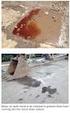 ACTIVITY NAME Training Requirements for Spill Prevention Control and Countermeasures (SPCC) 40 CFR Part 112 Naval Air Station Corpus Christi Texas CY 2014 BOTTOM LINE UP FRONT To prevent oil discharges
FUELING AND FUEL STORAGE
 FUELING AND FUEL STORAGE BENCHMARK Implement spill prevention measures whenever fuel is handled or stored. Report, minimize, contain and clean up spills that do occur. FUELING BMPS Spills of diesel, oil,
Critical Regulations SUMMARY OF. Stormwater Management Regulations (National Pollutant Discharge Elimination System or "NPDES ) 40 CFR 122.
 SUMMARY OF Critical Regulations Stormwater Management Regulations (National Pollutant Discharge Elimination System or "NPDES ) 40 CFR 122.26 Spill Prevention, Control, and Countermeasures Rule (SPCC) 40
SOP 4: Spill Response and Cleanup Procedures SOP 4: SPILL RESPONSE AND CLEANUP PROCEDURES
 SOP 4: SPILL RESPONSE AND CLEANUP PROCEDURES Municipalities are responsible for any contaminant spill or release that occurs on property they own or operate. Particular areas of concern include any facilities
Spill Prevention, Control & Cleanup SC-11
 Objectives Cover Contain Educate Reduce/Minimize Product Substitution Description Spills and leaks, if not properly controlled, can adversely impact the storm drain system and receiving waters. Due to
STATE OF SOUTH CAROLINA RESIDENTIAL PROPERTY CONDITION DISCLOSURE STATEMENT
 STATE OF SOUTH CAROLINA RESIDENTIAL PROPERTY CONDITION DISCLOSURE STATEMENT The South Carolina Code of Laws (Title 27, Chapter 50, Article 1) requires that an owner of residential real property (single
Spill Prevention Control and Countermeasure (SPCC) Regulations Fact Sheet
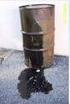 Spill Prevention Control and Countermeasure (SPCC) Regulations Fact Sheet REGULATORY SUMMARY The Spill Prevention Control and Countermeasure (SPCC) regulations strive to prevent oil from entering navigable
City of Bakersfield Public Works Department Sewer System Management Plan December 2014
 City of Bakersfield Public Works Department Sewer System Management Plan December 2014 C:\Users\hmayberry\Desktop\SEWER SYSTEM MANAGEMENT PLAN 2014.doc 1 Sewer System Management Plan Index: Section 1 Goals
Best Management Practices
 for The City of Paso Robles is required to implement a Phase II Municipal Water Program in order to reduce or eliminate the pollutants that enter our waterways from both storm water and non-storm water
SECTION 202. REMOVAL Of ROADWAYS AND BUILDINGS
 SECTION 202 REMOVAL Of ROADWAYS AND BUILDINGS 202.1 Description. This work shall consist of the removal and disposal of all existing improvements from the right of way and within the limits of any construction
Title 27A. Environment and Natural Resources Chapter 1 - Oklahoma Environmental Quality Act Article III - Jurisdiction of Environmental Agencies
 ODAFF AEMS Reference Date March 1, 2014 Title 27A. Environment and Natural Resources Chapter 1 - Oklahoma Environmental Quality Act Article III - Jurisdiction of Environmental Agencies 1-3-101. Responsibilities
RESIDENTIAL PROPERTY DISCLOSURE FORM
 STATE OF OHIO DEPARTMENT OF COMMERCE 2013 RESIDENTIAL PROPERTY DISCLOSURE FORM Purpose of Disclosure Form: This is a statement of certain conditions and information concerning the property actually known
Twenty-four contracting services environmental claim scenarios you may not have thought about.
 Environmental DIVISION Twenty-four contracting services environmental claim scenarios you may not have thought about. Contracting Services Environmental Liability Policy Great American Insurance Group
FACILITY ENVIRONMENTAL COMPLIANCE
 FACILITY ENVIRONMENTAL COMPLIANCE 2014 TxDOT Environmental Conference 2014 TxDOT Environmental Conference 2014 TxDOT Environmental Conference Table of Contents 1 Introduction 1 2 Facility Environmental
Exhibit A - Scope of Work
 Exhibit A - Scope of Work The Emergency Response and Hazardous Waste Management program responds to both emergency and non-emergency chemical spills, releases of regulated and/or hazardous materials, and
Work Type Definition
 Work Type Definition Page 1-6 details the work type definition. In order to become pre-qualified for this work type, please see the Work Type Submittal Requirements on pages 7-8. I. Description A. Work
Spill Control Prevention Plan (SCPP)
 Spill Control Prevention Plan (SCPP) FACILITY INFORMATION PLEASE PRINT Facility Name: Mailing Address: Physical address if different: Owner Name: Owner Address: Primary Contact Name: Work Phone Number:
Q 4/17/13: Thank you for your quick response to our email dated April 10, 2013. In looking over your comments, we have a few clarifying remarks.
 Q & A Q 4/10/13: In anticipation of the DEM action plan implementation in the next few days, Citizens Advocating for a Safe Environment (CASE) would like to bring a few concerns to your attention. Some
SPILL PREVENTION AND RESPONSE PLAN TEMPLATE FOR BUSINESSES IN DAYTON S SOURCE WATER PROTECTION AREA
 SPILL PREVENTION AND RESPONSE PLAN TEMPLATE FOR BUSINESSES IN DAYTON S SOURCE WATER PROTECTION AREA Regulated Substance Management: All Regulated Substances, including chemical wastes, are to be managed
Septic Records and Maintenance Guidelines
 1 Septic Records and Maintenance Guidelines Proper design, installation, and maintenance of your septic system will maximize your system's life. It will prevent failures that can be unsightly, foul-smelling,
ASBESTOS IN THE HOME
 ASBESTOS IN THE HOME This information will help you understand asbestos: what it is, its health effects, where it is in your home and what to do about it. Even if asbestos is present in your home, it is
Staff shall ensure that airflow is not obstructed by the blocking of ventilators with posters, furniture, books, or other obstacles.
 1 Environmental Safety AR 3514 The Superintendent may designate and train one or more employees to oversee and coordinate the district's environmental safety program(s). The responsibilities of the coordinator(s)
Appendix VIII: Spill Prevention, Control and Countermeasure (SPCC) Plans
 Appendix VIII: Spill Prevention, Control and Countermeasure (SPCC) Plans Background What is a Spill Prevention, Control and Countermeasure (SPCC) Plan? An SPCC plan is a written document that describes
POLLUTION PREVENTION FACT SHEET: AUTOMOBILE MAINTENANCE
 POLLUTION PREVENTION FACT SHEET: AUTOMOBILE MAINTENANCE Description This pollution prevention measure involves creating a program of targeted outreach and training for businesses involved in automobile
DIRECTIVE 055: STORAGE REQUIREMENTS FOR THE UPSTREAM PETROLEUM INDUSTRY. August 2012
 DIRECTIVE 055: STORAGE REQUIREMENTS FOR THE UPSTREAM PETROLEUM INDUSTRY August 2012 SECTION 2 The storage requirements in Directive 055 apply to upstream petroleum facilities, well sites, and pipelines
IC24. DISPOSAL OF WASTEWATER GENERATED BY MOBILE BUSINESSES AND OUTDOOR ACTIVITIES
 IC24. DISPOSAL OF WASTEWATER GENERATED BY MOBILE BUSINESSES AND OUTDOOR ACTIVITIES BEST MANAGEMENT PRACTICES (BMP) A BMP is a technique, measure, or structural control that is used for a given set of conditions
POTENTIALLY HAZARDOUS MATERIALS BUILDING INSPECTION REPORT. for
 POTENTIALLY HAZARDOUS MATERIALS BUILDING INSPECTION REPORT for Michigan State University Engineering and Architectural Services Physical Plant Building, Room 101 East Lansing, Michigan 48824-1326 at Michigan
Sacramento Municipal Utility District Headquarters Building and Site Rehabilitation Project March, 2015
 Addendum 1: Changes to the Draft IS/MND Text and Figures Introduction This summary presents minor corrections and revisions made to the Draft IS/MND initiated by the public, staff and/or consultants based
VILLAS OF TRADITIONS AT GREY OAKS
 Report of Turnover Survey VILLAS OF TRADITIONS AT GREY OAKS Grey Oaks Development Naples, Collier County, Florida Forge Engineering Project Number 2907-001.01 March 2015 Richard P..Lundberg, P.E cn=richard
Summary of Georgia s Lead-Based Paint (LBP) Renovation, Repair and Painting (RRP) Rules For Contractors, Property Managers, and Maintenance Personnel
 Second Edition Revised January 2014 Summary of Georgia s Lead-Based Paint (LBP) Renovation, Repair and Painting (RRP) Rules For Contractors, Property Managers, and Maintenance Personnel Summary of Requirements
Annual Storm Water Pollution Prevention Plan and Spill Prevention, Control and Countermeasures Plan Compliance Inspection
 Annual Storm Water Pollution Prevention Plan and Spill Prevention, Control and Countermeasures Plan Compliance Inspection September 22, 2014 Prepared By: Facilities Management Environmental Resources University
Presented by: Craig Puerta, PE, MBA December 12, 2012
 Presented by: Craig Puerta, PE, MBA December 12, 2012 Established in 2010 under charter from New York State to transfer lower priority sites from State s program. First municipally-run brownfield cleanup
Administrative Procedure. Asbestos
 Administrative Procedure FT107 Asbestos Board Received: January 30, 2012 Review Date: February 2015 Accountability: 1. Frequency of Reports As needed 2. Severity Threshold As needed (eg. Ministry of Labour
How To Safely Handle A Spill
 WD DWGB 22 6 2010 Best Management Practices for Fueling and Maintenance of Excavation and Earthmoving Equipment Env Wq 401, Best Management Practices for Groundwater Protection, applies to a variety of
Asbestos WHAT TO DO? Studies of people who were exposed to high levels of asbestos in factories and shipyards, are at increased risk of:
 Asbestos WHAT TO DO? What Is Asbestos? Asbestos is mineral fiber. It can be positively identified only with a special type of microscope. There are several types of asbestos fibers. In the past, asbestos
UNDERGROUND STORAGE TANK SYSTEM CLOSURE REPORT FORM
 APPENDIX D COMMONWEALTH OF PENNSYLVANIA DEPARTMENT OF ENVIRONMENTAL PROTECTION BUREAU OF ENVIRONMENTAL CLEANUP AND BROWNFIELDS UNDERGROUND STORAGE TANK SYSTEM CLOSURE REPORT FORM - Facility I.D. Facility
CHAPTER 15 MUNICIPAL SEPARATE STORM SEWER SYSTEM PROGRAM REQUIREMENTS
 CHAPTER 15 MUNICIPAL SEPARATE STORM SEWER SYSTEM PROGRAM REQUIREMENTS 15.1 INTRODUCTION In accordance with Section 402 (p) of the Clean Water Act, the National Pollutant Discharge Elimination System (NPDES)
Managing Floor Drains and Flammable Traps
 Managing Floor Drains and Flammable Traps Contents: Problem... 1 Solution... 2 Maintenance... 2 Waste Management Options... 2 For More Information... 4 BMP Chart... 5 This fact sheet discusses recommended
TRU Asbestos Management
 Number: OH&S 9.20.1 Revision Date: 09/08/2015 TRU Asbestos Management TRU Asbestos Management Page 1 of 5 1. PURPOSE 1.1. To describe the process and management of asbestos containing materials on the
Saxe Middle School Auditorium Renovation February 4, 2015
 Saxe Middle School Auditorium Renovation February 4, 2015 OVERVIEW OF PRESENTATION Renovation of Saxe Auditorium State & Federal Testing requirements Town Hires Tighe & Bond to perform testing Summary
Approved by: UBC ACT Committee
 The University of British Columbia Asbestos Safety Policy Prepared by: Russell R. English Policy Approved by: UBC ACT Committee Issue Date: April 1, 2004 Replaces: March, 1989 I-B-05 1.0 Policy: This policy
Compliance Bulletin Hazardous Waste Lighting Waste reviewed/revised March 2012
 Lamp Wastes Many commonly used lamps contain small amounts of mercury and other metals. Such lamps include fluorescent, compact fluorescent, high-pressure sodium, mercury vapor and metal halide lamps.
On Site Sewage System Maintenance Inspections. March 2011. Building and Development Branch Ministry of Municipal Affairs and Housing
 On Site Sewage System Maintenance Inspections March 2011 Building and Development Branch Ministry of Municipal Affairs and Housing Introduction The Building Code Act, 1992 and Building Code (Ontario Regulation
University of Pittsburgh Safety Manual. EH&S Guideline Number: 01-007 ASBESTOS
 Page 1 of 5 The inhalation of asbestos fibers in excess amounts can lead to chronic lung disease. Our knowledge of these health effects comes from studies of workers exposed routinely to high concentrations
SECTION 02221 SELECTIVE DEMOLITION
 SECTION 02221 PART 1 -GENERAL 1.01 DESCRIPTION This section includes all material, labor, machinery and supervision required to demolish and remove the following items where applicable and as noted on
Well Records and Maintenance Guidelines
 1 Well Records and Maintenance Guidelines If you have a home well, you alone are responsible for maintaining the safety of our drinking water supply. When your well system is suitably located, correctly
ORDINANCE NO. 3 OF 2009
 PENN TOWNSHIP CUMBERLAND COUNTY BOARD OF SUPERVISORS 1301 Centerville Road Tel: 717-486-3104 Newville, PA 17241 Fax: 717-486-3522 Email: [email protected] Website: www.penntwpcc.org ORDINANCE NO. 3 OF
Ulf Lindmark Litigation Support Experience
 Case No. 1 Retained by attorneys for defendant (furniture manufacturer) in case against the property owner, who sought damages for soil and groundwater contamination beneath the property. Case No. 2 Retained
ASBESTOS AWARENESS. For workers and building occupants
 ASBESTOS AWARENESS For workers and building occupants Asbestos Awareness Asbestos is a serious health hazard commonly found in our environment today. This module is designed to provide an overview of asbestos
CHAPTER 62-740 PETROLEUM CONTACT WATER
 CHAPTER 62-740 PETROLEUM CONTACT WATER 62-740.010 Declaration of Intent (Repealed) 62-740.020 Applicability 62-740.030 Definitions 62-740.040 General 62-740.100 Management Practices for Producers of PCW
British Columbia Institute of Technology. BCIT Safety Manual ASBESTOS MANAGEMENT
 BCIT Safety Manual Contents 1. Purpose... 3 2. Definitions... 3 2.1 Asbestos... 3 2.2 Asbestos Containing Material (ACM)... 3 2.3 Friable Material... 3 2.4 Low Risk Work Activity... 3 2.5 Moderate Risk
Petroleum Tanks at Municipal Facilities
 January/February 2013 Petroleum Tanks at Municipal Facilities This document was reprinted with permission from the New York Association of Towns Talk of the Towns/Topics magazine January/February 2013