
Arkansas Adult Services Guide
|
|
|
- Meredith Floyd
- 10 years ago
- Views:
Transcription
1 Arkansas Adult Services Guide

2 This booklet is the result of a collaborative effort between these two state programs and volunteers that share common goals in serving the citizens of Arkansas. Thanks to Alexander Human Development Center and Pathfinder Inc for photograph submissions. Division of Developmental Disabilities Services Donaghey Plaza North PO Box 1437, Slot N502 Waiver Services: (501) Adult Intake and Referral: (501) Little Rock, AR Phone (501) or Fax (501) Division of Aging & Adult Services 700 Main Street, PO Box 1437, Slot S530 Little Rock, AR Phone (501) Fax (501) To order additional copies of this guide, contact either of the agencies listed above. Disclaimer: This guide is provided for informational purposes only. This is not a legal document. If you have specific questions, please contact the Division of Developmental Disabilities Services at (501) If you need this material in an alternative format, such as large print, please contact our Americans with Disabilities Act (ADA) Coordinator at (501) or TDD (501) This pamphlet is a continuing work in progress that was supported in part by the Community Intergrated Personal Assistance Service and Supports (C- PASS) Grant No.18-P91567/6-01 from the Department of Human Services, Centers for Medicare and Medicaid Services (CMS) and Grant No. 90AM2912 from the Administration on Aging, Department of Human Services.

3 TABLE OF CONTENTS Where to Begin?...2 What Are the Rights of a Person With Disabilities?...6 Learn the Language...9 Language You Should Use...12 Services For Adults With Disabilities...13 Who Will Pay For Your Adult s Services?...23 Where Will Adults Live?...28 What Is Healthcare Fraud and Why You Should Care About It?...33 Dictionary of Other Words You May Need To Know...39 Alphabet Soup

4 PROMOTING SELF DETERMINATION FOR ADULTS - WHERE TO BEGIN? You Are Not Alone. Although you may feel isolated and overwhelmed by the challenges associated with your disability, many services and supports are available to assist you. Much of the information that you need is in the hands, heads, and hearts of other adults like yourself. 1 Seek out others who have been there and done that. Arkansas has a number of non-profit crossdisability organizations whose members are adults with disabilities and parents of persons with disabilities. Two of these are Advocates Needed Today, Inc. and Arkansas People First. They can provide emotional support and a wealth of information on how to get the services you need. They conduct training sessions for persons across the State and provide one on one personal assistance. 1 Brown, Goodman and Kupper (2003) The Unplanned Journey: When You Learn That Your Child Has a Disability, NICHCY News Digest 2

5 AND 2592 North Gregg Ave. Ste 1 Fayetteville, AR Toll free: Working together for our rights as PEOPLE FIRST, speaking for ourselves as members of the community. 3

6 Other organizations provide support and information about specific conditions like cerebral palsy, autism, or spinal cord injury or service programs. For a complete list of organizations and access to a library of educational materials on disabilities and disability services, contact: The Arkansas Independent Living Council (AILC) 8500 West Markham, Ste 215 Little Rock, AR Toll free: OR The Governor s Developmental Disabilities Council Freeway Medical Tower, 5800 West 10 th Street Little Rock, AR (501) Toll-free: , Extension 2589 Be sure to request a Vital Records Guide from the DD Council to keep track of important medical and personal care information. 4

7 and Information about the Alternative Community Services Home and Community Based Waiver that serves both adults and children, and other resources, can be obtained from the Arkansas Waiver Association or 5

8 WHAT ARE THE RIGHTS OF A PERSON WITH DISABILITIES? First and foremost, you have the same constitutional and legal rights as every other citizen, plus additional rights that have to do with having a disability. Right to be free from discrimination because you have a disability: 2 To have equal employment opportunities. To benefit from public programs such as education, employment, transportation, recreation, health care, social services, courts, voting, and town meetings, etc. To have equal access to public transportation (city buses, subways, commuter rails, etc) that is accessible (within reach, especially for persons in wheelchairs). To have access to public buildings and public accommodations such as restaurants, hotels, movie theaters, recreational facilities, etc. To have the use of special telephone services 3 and closed captioning of TV public service announcements for people with hearing and speech disabilities. 2 The Americans with Disabilities Act (ADA) 3 Telecommunications relay services (TRS) 6

9 Right to equal housing opportunities: 4 Landlords must make exceptions to a no pets rule for service animals (like guide dogs or hearing dogs, for example). Landlords must allow tenants to make changes to their private living area and common use spaces to make them handicapped accessible. Right to vote: 5 Polling places must be physically accessible to people with disabilities or provide alternate means to cast ballots. Voting aids must be provided for elderly and disabled voters, including telecommunications devices for the deaf. Right to fly: 6 People with disabilities must be assisted withboarding. Airplanes must have accessible features. 4 Fair Housing Act 5 Voting Accessibility for the Elderly and Handicapped Act 6 Air Carrier Access Act 7

10 Right to free appropriate public education (FAPE): Transition services must be provided or should have been provided to prepare you for further education, employment and independent living, and must begin no later than age 16. (A transition is a change from one environment or service delivery model to another for example, leaving high school to enter higher education models or work.) Schools must outline clear and specific transition goals in the IEP based on age appropriate transition assessments. These assessments provide the foundation for moving into adult services. If you feel that your rights are not being honored, contact: The Disability Rights Center (DRC) 1100 North University Avenue, Suite 201 Little Rock, AR v/tty Toll free v/tty www/arkdisabilityrights.org DRC is the Protection and Advocacy System and Client Assistance Program for people with disabilities in Arkansas. 8

11 LEARN THE LANGUAGE. What is a disability? A disability is a physical or mental impairment [injury] that substantially limits a major life function. 7 What is a developmental disability? A developmental disability is a substantial, long-term disability that begins any time from birth through age 21 and is expected to last for a lifetime. Although you may not always be able to see these disabilities, they can seriously limit daily activities of life, including self-care, communication, learning, mobility (the ability to move), or being able to work or live independently. Arkansas law says that a developmental disability is an impairment of general intellectual functioning or adaptive behavior that is a substantial handicap to the person s ability to function without appropriate support services, including, but not limited to, planned recreational activities, medical services such as physical therapy and speech therapy, and possibilities for sheltered employment or job training. It is caused by mental retardation or a closely related condition; cerebral palsy; epilepsy; autism; or dyslexia (difficulty learning to read and spell) resulting from cerebral palsy, epilepsy, or autism. 8 What is mental retardation? A person is considered to be mentally retarded if: he or she has a mental deficit requiring him or her to have special evaluation, treatment, care, education, training, supervision, 7 Arkansas Code (3) 8 Arkansas Code and Act 729 of

12 or control in his or her home or community, or in a state institution for the mentally retarded. 9 The definition also includes a functionally retarded person who may not exhibit an intellectual deficit on standard psychological tests, but who, because of other handicaps, functions as a retarded person. Other developmental disabilities: Autism is a complicated developmental disability that has a negative effect on verbal and nonverbal communication, social interaction, and schoolwork. Autistic people perform repetitive activities and movements, repeat words or phrases just spoken by others, and resist change in their surroundings or in daily routines. Autism usually appears during the first 3 years of life and affects each child differently, which makes early diagnosis and treatment very important. 9 Arkansas Code (6) 10

13 Cerebral palsy is a group of long-term conditions affecting body movements and muscle control and coordination. It is caused by damage to the brain during fetal development or shortly following birth. People with cerebral palsy may not be able to walk, talk, eat or play in the same ways as most other children. They may have involuntary movements, problems with sight, hearing or speech, and/ or seizures. Epilepsy is a brain disorder or ailment that causes seizures where the person may or may not lose consciousness and/or move or behave in an unusual way. It may be hereditary (passed down in families) or related to a brain injury, but most of the time the cause is unknown. Seizures are not a disease. They are a symptom or warning sign of many different disorders that can affect the brain. Some seizures cause loss of consciousness, with twitching or shaking of the body. However, others consist of staring spells that can easily go unnoticed. What is a learning disability? Simply stated, a learning disability is a problem with listening, speaking, reading, writing, spelling, reasoning and/or doing mathematics that is not caused by a visual or hearing problem, mental retardation, or cultural or economic disadvantage. Federal law defines it as a disorder in one or more of the basic psychological [mental] processes involved in understanding or in using language, spoken or written including conditions such as perceptual disabilities [related to awareness and understanding], brain injury, minimal brain dysfunction [impairment], dyslexia [difficulty learning to 11

14 read and spell], and developmental aphasia (See Dictionary of Words You Need to Know) that is not related to environmental, cultural, or economic disadvantage. 10 If the learning disability causes a person to function like a person with mental retardation, this condition may meet the definition of developmental disability. LANGUAGE YOU SHOULD USE: In recent years, people with disabilities have acquired a will and a voice of their own. More and more, self-advocates and their families are shaping public policy regarding the rights of people with disabilities and their wishes with regard to selfdetermination, equal opportunities, and self-respect. They have made it clear that they want to be viewed as people, rather than problems or conditions. To this end, they prefer the positive perception created by people first language that puts the person before the disability people with disabilities, not disabled people. Although federal and state law and regulations use the terms mental retardation and mentally retarded, you should not. People with mental retardation are considered to be developmentally disabled. Arkansas law says that developmental disabilities include conditions other than mental retardation (See Learn the Language). However, it is preferable to always say, a person has a developmental disability, rather than he is mentally retarded. Mental illness is another term that creates a negative perception. Instead of saying mentally ill person, say a person with an emotional disturbance or behavioral problem. 10 IDEA 12

15 Organizations that have been around for a long time like the ARC (previously the Association of Retarded Citizens) or VOR (previously the Voice of the Retarded) no longer spell out their names. Neither does NAMI (previously the National Alliance for the Mentally Ill). This is similar to the situation with AARP. It is no longer the American Association for Retired Persons because older people are working longer and retiring later. However, they continue to use the name AARP. People with disabilities view some of the older terminology as derogatory and hurtful, so WATCH YOUR WORDS! SERVICES FOR ADULTS WITH DISABILITIES: The good news is that many services are provided to meet the needs adults with disabilities primarily through the Arkansas Department of Human Services (DHS). They work with members of a statewide network of provider organizations that offer a variety of services from evaluations to specialty care. The bad news is that it is up to YOU to learn how the system works, to apply for financial assistance if you need it, and to monitor (supervise) the care you receive. This can be a daunting task. 13

16 Needs assessment, the first step: You know or think you have a disability. You have never requested or received services from the Department of Human Services, Division of Developmental Disabilities. Your first step is to get a diagnostic evaluation or needs assessment to find out what kind of disability you have. If you already know and have this information be sure it is readily available when you begin asking for assistance. Start by contacting your local Department of Human Services (DHS) County Office. For the address and phone number of the office closest to your home, call: DHS Client Assistance at: The county DHS offices are listed in the blue pages of your phone book under STATE OFFICES. Look for HUMAN SERVICES DEPARTMENT. The local offices are listed alphabetically in that section. (They are not listed in the section for COUNTY OFFICES.) Ask for the DDS Intake and Referral Specialist for Adult Services. Do not be concerned if you are not sure that your adult disability is a developmental disability (See Learn the Language) because most of the services for persons with disabilities are provided by the DHS Division of Developmental Disabilities Services (DDS). 14

17 The DDS Intake and Referral Unit will: Assist you to get a needs assessment, through a referral from your doctor or the school you last attended. Determine whether you are eligible for some kind of financial assistance (Medicaid, Special Needs, etc.) to pay for your services (See Who Will Pay For Your Care?). Develop a service plan for you. Refer you to the provider organizations that will furnish your services, and coordinate and monitor those services. Refer you to your local Community Mental Health Center (CMHC) if problems are behavioral only. Refer you to the Division of Aging and Adult Services if you are interested in receiving services through Waivers they operate or other services that may be available. Explain various programs and services that may be available to help meet your needs Assist you in completing forms and applications for services and programs. Provide you with provider lists containing address and contact information. This will enable you to contact and visit with providers who may have services that meet your needs. DDS Alternative Community Services (ACS) Home and Community Based Waiver: This is a Medicaid home- and community-based waiver 11 (See Who Will Pay For Your Services?) that serves individuals of 11 A Waiver is a tool used by states to get federal Medicaid money for long-term care services for patients who do not live in institutions. 15

18 all ages with developmental disabilities, who, without these services, would have to live in an institution such as a nursing home or intermediate care facility for the mentally retarded (ICF/ MR). No more than 3598 people can be participating in this program at any one time. The following services are provided: Case management (monitoring the provision of services included in the person s Multi-Agency Plan of Service (MAPS). This plan is similar to and synonymous with individual program plan. Case management services include locating, coordinating and monitoring all services and supports regardless of funding source. Supportive living services (to help you acquire, retain and improve self-help, socialization and adaptive skills necessary to reside successfully in a home-and communitybased setting) and ensuring the delivery of all direct care services, including making alternative living arrangements. Community experiences (flexible services to prepare you to function well in a community setting). 16

19 Respite care (Short term care in or outside the home to allow parents and primary caregivers a break. Non-medical transportation Adaptive equipment services (purchase, leasing and, as necessary, repair of adaptive, therapeutic and augmentative equipment to help people perform daily life tasks that would not be possible otherwise) Environmental modifications Supplemental support services (such as emergency medical costs, transitional expenses, fees for activities that are therapeutic in nature and complement and reinforce community living) Specialized Medical Supplies Consultation Services (provided by psychologists, social workers, counselors, certified parent educators, speech pathologists, occupational therapists, physical therapists, registered nurses, and certified providers of adaptive equipment aids) 17

20 Crisis intervention services (by a mobile intervention team or professional) to provide technical assistance and training in areas of behavior already identified Crisis Center Services that provide for specialized care and programming in the management of behaviors that cause a person short term inability to remain in their home in the community. Supported Employment that provides for paid employment through the use of job coaches. It is available when the same services are otherwise funded under the Rehabilitation Act of 1973 or Public Law (renumbered) are exhausted or are not available. Who is eligible? Persons of all ages, as long as the age of onset of the developmental disability is prior to the 22 nd birthday. The developmental disability must be severe enough that the individual meets the level of care criteria for admission to an ICF/MR. Persons who are Medicaid Income eligible at 300% of the poverty level. 18

21 Waiver Program Agency Program Eligibility Criteria ACS Home DDS ICF/MR and Medicaid and income elgibility and Community 300% poverty level Based Waiver ElderChoice DAAS Special income level equal to 300% of the SSI Federal Benefit (for 2007 it is $1, a month); countable resources that do not exceed the current ling term care limitations, the patient must meet the medical criteria for nursing home intermediate level of care. Living Choices DAAS Same as ElderChoice. In addition, the nurse will complete an assessment of Assisted Living Waiver Client s Alternatives for Adults with Physical Disabilities (AAPD) Independent Choices For information about ACS Waiver Contact the DDS Adult Specialist at your local DHS Office Other Adult Waivers: Age All Ages Age 65 and Older 21 Years of Age or Older Tier of Need. DAAS Same as ElderChoice. Age DAAS Only Categorically Needy Medicaid recipients are eligible. Must have physical disability necessitating the need for assistance with personal assistance services. On February 1, 2008 persons with developmental disabilities not residing in a congregate setting will become eligible. Age 18 or Older 19
22 For more information about Division of Aging & Adult Services (DAAS) Waivers Call (501) Community Mental Health Center (CMHC) services: Twenty-four-hour emergency care in the outpatient mental health clinic Diagnostic evaluation Treatment planning Individual or group therapy Medication management Case management Crisis services Vocational, housing and educational support Transportation Rehabilitative and day treatment services For information about Community Mental Health Centers Contact the DDS Adult Specialist at your local DHS Office 20
23 Individual Support Services: Integrated Supports to help a person with a developmental disability live, work, and enjoy recreational opportunities in the community independently or in a family environment. Services similar to those provided in the ACS waiver are available. Community Integration Companion: Activities to instruct the individual in daily living and community living skills in integrated settings (for example, shopping, sports, participation, etc.) Special Needs services such as transportation, respite for the primary family caregiver for an eligible individual who requires intensive care or is in an emergency situation, or to allow the parents/family to attend to other necessary activities of daily life, adaptive equipment, home modifications, utility deposits, rental assistance/deposits, etc. Who is eligible? Any person who requires services from multiple state and local agencies, and Who is exhibiting intense or excessive emotional, interpersonal, or behavioral challenges within the home, school, or community inconsistent with his or her age, intellectual level, and cultural background, and 21
24 Who has an emergency, crisis, or life threatening situation Who is transitioning to a less restrictive environment and There is formal documentation that all other service options within both natural environments and formal programs have been sought and denied. Other Service Options Developmental Day Treatment Services (DDTCS) is a program for adults age 21 (age 18 to 21 if the person has a diploma /certificate of completion). Services are provided in a clinic setting on an out-patient basis. Services include evaluation, instruction in areas of selfhelp, socialization and communication to help the person to develop and retain skills related to their ability to live in the community. Options for speck, physical and occupational therapy are available. Sheltered Workshop activities provide training and/or compensation focusing on independent living and vocational skills 22
25 For information about These Services Contact the DDS Adult Specialist at your local DHS Office WHO WILL PAY FOR YOUR SERVICES? Some of the services discussed above will be provided at no cost to you. Funding comes from the federal and state government, Medicaid, and private insurance. Whether you will have to pay something toward the cost depends on the specific services and your income. To find out if you are eligible for financial assistance contact your local DHS Office and ask for the DDS Adult Services Specialist. 23
26 Supplemental Security Income (SSI) Benefits For Adults with Disabilities: Supplemental Security Income supplements (adds to) a person s income up to a certain level. The level varies from one state to another and can go up every year based on costof-living increases. Your local Social Security office can tell you more about the Arkansas SSI benefit levels. To find your local Social Security office or for information about SSI benefits, call Toll Free: OR Toll Free tty:
27 Social Security rules for adults with disabilities: When you turn age 18, Social Security no longer considers parental income and assets in deciding if you get SSI. If you were not eligible for SSI before your 18th birthday because your parent s income or assets were too high may become eligible at age 18. If you are getting SSI and turn age 18 and continue to live with your parents and do not pay for food or shelter, a lower SSI payment rate may apply. SSI Definition of Disability: A person is considered to be disabled if he or she has a physical or mental condition (or a combination of conditions) that results in marked and severe functional limitations. If your impairment(s) does not meet or medically equal any of the impairments in the official Social Security listing of disabilities, a determination must be made as to whether it functionally equals a condition included in the listings. This involves an assessment of your condition and comparison of functioning to that of others the same age who do not have impairments: 1) Social Security Benefits For Adults Who Have Had a Disability Since Childhood. If a person received SSI as a child, he or she can continue to receive Medicaid through the local DHS Office under the Disabled Adult Child program. Although most of the people getting these benefits are in their 20s and 30s (or older), the benefit is considered to be a child s benefit because it is parent s Social Security earnings record. 25
28 Understanding Medicaid: MEDICAID is a joint federal and state health care assistance program that pays for medical care and services for people who meet the income and assets eligibility requirements. If you are eligible for Medicaid-funded services, Medicaid will pay either for services in a residential setting (long term care facility) or for home and community based services under a waiver. Medicaid waivers are tools used by states to obtain federal Medicaid matching funds to provide long term care to people in settings other than institutions. The Alternative Community Services (ACS) is a Medicaid funded program that allows people whose medical condition or disability generally would require admission to a hospital nursing facility or intermediate care facility for people with mental retardation to receive the services in the home. 26
29 Medicaid may also pay for some related clinic based services such as occupational, physical and speech therapy; adult development and work activity. Contact the DDS Specialist at your local DHS County office for information about Medicaidfunded services. Funding For Specific Programs or Services: What if you have private insurance? If you have private health insurance, the cost of some of your services may be covered. Your private health insurance must be billed first. However, when these costs exceed your maximum benefit, the DDS Adult Specialist at your local DHS County Office will assist you to locate and access other resources to pay for these services, including Medicaid. 27
30 WHERE WILL YOU LIVE? All over the nation, home and community-based care is increasingly being viewed as a preferable alternative to long term institutional care, not only for the people who may remain among friends and family as they grow into an adult, but also for the State, because services may be provided for less than the cost of institutional care. However, there are residential treatment options for people who do not have the resources, cannot handle the responsibility of living in the community, have complex health care needs, severe behavioral problems, and/or a combination of these. Human Development Centers (HDCs): An HDC is an institution maintained for the care and training of persons with developmental disabilities. 12 Arkansas has six HDCs that provide a comprehensive array of services and supports to individuals who, due to developmental disability, are incapable of managing their affairs and require special care, training, and treatment in a sheltered residential setting. Care is long term on a 24 hour a day, 7 days a week basis. Short term emergency respite care may be available. Admission criteria individuals must: Be 18 years of age or older, unless there are significant medical or behavioral challenges; Have a developmental disability attributable to mental retardation, cerebral palsy, epilepsy, and/or autism; and Have needs that can be met by the facility. 12 Arkansas Code (3) 28
31 Services provided at HDCs include: Medical/nursing Physical, occupational, and speech therapy Orthotics (which deals with the use of specialized mechanical devices to support or supplement weakened or abnormal joints or limbs) Intensive behavioral treatment and support for conditions such as aggression, destruction, self-injury, and noncompliance Special education services for children 18 and younger Adult transitioning skill training Placement and follow-up services Respite 29
32 For information about Arkansas Human Development Centers,call DDS Quality Assurance at: Intermediate Care Facilities for the Mentally Retarded (ICFs/MR): Arkansas has ICFs/MR that provide diagnosis, active treatment, and rehabilitation of persons with mental retardation or related conditions in a protective residential setting small facilities that house 10 residents and larger facilities for 16 or more residents. These facilities are not state operated; rather they are owned and operated by private, not-for-profit providers. For information about ICFs/MR, call the Office of Long Term Care at: Or the DDS Adult Specialist at your local DHS County Office 30
33 Group Homes: Group homes are private not-for-profit provider owned and operated residences located in the community. They provide congregate living settings for up to 14 people. Various services can be accessed such as personal care, transportation to and delivery from community activities. Supported Living Apartments: Supported Living Apartments are not for-profit provider owned and operated apartment complexes, generally HUD financed, that offer a range of services and activities such as in Group Homes but in a more integrated and independent living arrangement setting. 31
34 For information about Group Homes or Supported Living Apartments, call the DDS Adult Specialist at your local DHS Office Lists of providers with contact information are available for providers in the geographical area of your choice or on a statewide basis. A word about freedom: Freedom is defined as the capacity to exercise choice free will. Nothing is a greater testament to the importance of free will than the fact that, at any point in history, there have been people fighting and dying for it. In this country, the civil rights movement was followed by a movement to provide equal rights for people with disabilities. That movement led to the Americans with Disabilities Act (ADA) and the Individuals with Disabilities Education Act (IDEA Today the disability movement, composed primarily of people with disabilities and parents, is advocating for The Principles of Self-Determination. These are. Freedom to live a meaningful life in the community; Authority over dollars needed for support; Support to organize resources in ways that are life enhancing and meaningful; Responsibility for the wise use of public dollars; and Confirmation of the important leadership that self advocates must hold in a newly designed system. 32
35 We need to look at outcomes for people with disabilities and chronic illness in the context of the expectations and aspirations shared by all humans, not just standards specific to the human service system. These values include (but are not limited to): choice and control, valued and enduring relationships, freedom, health and safety and decent places to live, economic security, opportunities for community membership and contribution, and support by nurturing and caring human relationships and committed support personnel. 13 The decisions you or your legal representatives make may determine whether you will be able to work at a job, live in the community, attend church, swim in a public pool, or choose which color of socks to wear. Every person should have the opportunity to make choices even little ones. That s what happiness is all about. WHAT IS HEALTHCARE FRAUD AND WHY YOU SHOULD CARE ABOUT IT? As an adult or the legal representative of an adult with special needs, you have responsibilities that others may not have. You begin by finding out everything you can about your condition and how to live life to its fullest. Then you will become an expert on where to find services and supports, you will monitor your care with an eagle eye, and you will apply for financial aid, if you need it. As you learn about the different federal and state programs available, it will become clear that these programs are 13 Nerney, T (2004). Lost Lives: Why We Need A New Approach to Quality. The Center for Self Determination at: determination.com/pdf/lost_lives.pdf. 33
36 budget limited that is, the number of people served and the number of individual services provided for each person depend on availability of state and federal funds (primarily Medicaid and federal block grant dollars). Like Medicaid programs across the country, Arkansas Medicaid budget is growing at an alarming rate and competes with other necessary services for the citizens of the State. What happens when the money runs out? The answer is that services may be cut and the number of people on waiting lists for waiver services or admission to a long-term care facility may get longer. As an adult or legal representative of an adult with disabilities, you have a major stake in protecting the services and programs that may be needed possibly for the rest of your or his or her life. You also have a responsibility to become a good steward of the taxpayers money throughout the life span. When providers bill Medicaid for services never performed or medical equipment or supplies not ordered, or bill for a service at a higher rate than is actually justified, it may be fraud. Healthcare fraud affects everyone who pays taxes by wasting billions of tax dollars. It affects those who depend on Medicaid by diminishing the quality of the treatment they receive and putting their services at risk. Loss of money to fraud and abuse means that less money is available for necessary services and programs to assist un-paid caregivers, like parents. In addition, poor quality of care can impact your or your adult child s functional level, which may extend the need for services. 34
37 So what should you do? You can make a point of finding out whether the services being billed to Medicaid and other programs really match the services you/he or she receives. For example, are the physical, occupational or speech therapy sessions received in DDTCS really one-on-one, or are they group sessions billed at a higher rate? Are therapy sessions a full hour or half hour, or are they only 20 minutes or less. When direct service care givers do not report to or are late for work, are they paid by the provider? You are entitled to know, so don t be timid about asking. Unethical health care providers count on people not worrying about Medicaid bills after all, it s not your money. Generally, people on Medicaid do not receive payment summaries. Therefore, it may be hard for you to check whether Medicaid has been billed correctly for the care and services provided. However, if you suspect that Medicaid is being billed incorrectly you can request an Explanation of Medicaid Benefits (EOMB) or Medicaid Summary Notice (MSN) from the State Medicaid Agency. 35
38 You may also contact the DDS Intake and Referral Specialist at your local DHS Office To Request a Medicaid Statement Call Customer Service at or OR Write to DHS-DMS PO Box 1437, Slot S-401 Little Rock, AR Say that you want to receive a PAID HISTORY and give the following information: Your name Your Medicaid number The types of services, equipment, or supplies involved The dates of service Any other information that would make the request more specific You should review the Medicaid statement as you would your bank statement. Ask yourself three questions: 1. Did you receive the service or product for which Medicaid is being billed? 2. Did your doctor order the service or product? 3. To the best of your knowledge, is the service or product appropriate for your diagnosis or treatment? 36
39 Make sure you recognize the date(s) of service, the name of the doctor(s), the location of the doctor s office or clinic, and the services or supplies that were received. If you have questions about payments Medicaid or other insurers have made on behalf of you or your adult child, call ASMP at The Role of the Attorney General: In Arkansas, the Attorney General s Medicaid Fraud Control Unit (MFCU) investigates and prosecutes health care providers who commit Medicaid fraud. How Can You Prevent Healthcare Fraud? Ask questions! You have a RIGHT to know everything about your or your adult child s medical care, including costs billed to Medicaid. Educate yourself about what services are paid for by Medicaid and other publicly-funded programs. 37
40 It is in your best interest and that of all citizens to report suspected fraud. Healthcare fraud, whether against Medicaid, Medicare, another government program or private insurers, increases everyone s health care costs, much the same as shoplifting increases the costs of the food we eat and the clothes we wear. If we are to maintain and sustain our current health care system, we must work together to reduce costs. If you have reason to believe someone is defrauding the Arkansas Medicaid Program, contact: The Arkansas Attorney General s Medicaid Fraud Control Unit. Office of the Attorney General 323 Center Street, Suite 200 Little Rock, Arkansas (501) [email protected] OR Contact ASMP PO Box 1437, Slot 530 Little Rock, AR BE INFORMED BE AWARE BE INVOLVED
41 DICTIONARY OF MORE WORDS YOU MAY NEED TO KNOW Aphasia: Loss of the ability to speak or understand words due to a brain injury. Assistive technology device: Item, equipment, or product that increases, maintains, or improves the ability of a person with a disability to function in terms of mobility (ability to move), communication, learning, and employment. These devices have made it possible for persons with disabilities to be educated in regular classrooms alongside non disabled students. Some examples are: electronic communication aids, devices to enlarge printed words on a computer screen, devices that help people with hearing impairments to communicate, prosthetic devices (used to replace a missing body part, such as a limb, tooth, eye, or heart valve), Braille (a system of writing for the blind) writers, and keyboards adapted for fist or foot use. Assistive technology services help a person with a disability to choose, get, or use an assistive technology device. Developmental (congenital) aphasia is an inability to speak or understand words that becomes apparent during the language development process and is not the result of a specific brain damage. This is usually associated with immediate and involuntary repetition of words or phrases just spoken by others, poor attention, hyperactivity, poor eye contact, and difficulty understanding simple yes/no questions. Diagnosis is the process of determining the nature and cause of a disease or injury by examination of the patient, evaluation of the patient s history, and review of the results of laboratory tests 39
42 Durable Medical Equipment (DME) is medically necessary equipment, prescribed by a doctor, that can withstand repeated use, generally is not useful to a person in the absence of an illness or injury, and is appropriate for use in the home (such as wheelchairs, walkers, hospital beds, etc.) Dyslexia is difficulty learning to read. Some definitions also include difficulties with: writing; spelling; listening; speaking; and mathematics. Individuals with Disabilities Education Act (IDEA): A federal law that guarantees the delivery of special education services to all students with disabilities ages 3 through 21. Individualized Education Program (IEP): A written educational plan for a student receiving special education services. The plan includes statements of present level of functioning, annual goals, short term instructional objectives, specific educational services needed, dates of service, participation in regular education programs, and procedures for evaluating the person s progress on the IEP. Inclusion: The practice of including people with disabilities in settings or activities along with non disabled people. Medically necessary refers to health care products and services that are considered to be appropriate and would assist in the diagnosis or treatment of a disease. Medically necessary services, durable medical equipment (DME) and supplies are appropriate and required to diagnose or treat a medical condition; meet the standards of good medical practice in the local area, and are not mainly for the convenience of the person or the prescribing physician. Multidisciplinary refers to a group of qualified people who have different areas of training and experience generally used when talking about diagnostic evaluations. 40
43 Outpatients are individuals who travel to and from a treatment site on the same day, who do not live in an intermediate care facility for the mentally retarded (ICF/MR), and who are not inpatients of a hospital. Placement: The site where a person receives services or lives (such as own home, group home, supported living assisted apartment, HDC, RCF, etc Referral: A formal request sent to potential service providers to assist/consider a person for services or to obtain test assessments to determine if a person is eligible for Division or program services. You and Your: As used in this Guide means the person who is in need of services and assistance, or the person appointed as a person s legal representative to act in their behalf in these matters. 41
44 ALPHABET SOUP ACS = DDS Alternative Community Services Waiver ADA = Americans with Disabilities Act, a federal law that assures the full civil rights of all individuals with disabilities ADD = Attention Deficit Disorder, an inability to focus or maintain attention (same as AD/HD). ADE = Arkansas Department of Education AD/HD = Attention-Deficit/Hyperactivity Disorder ASB = Arkansas School for the Blind ASD = Arkansas School for the Deaf CMHC = Community Mental Health Center CMS = Centers for Medicare and Medicaid Services. DD = developmental disability; DDS = Developmental Disabilities Services; also Disability Determination Service of the Social Security Administration DDTCS = Developmental Day Treatment Clinic Services DME = durable medical equipment DOE = Department of Education EOMB = Explanation of Medicaid Benefits FAPE = Free Appropriate Public Education HDC = Human Development Center, a long-term care institution housing people with disabilities ICF/MR = Intermediate care facility for the mentally retarded 42
45 IDEA = Individuals with Disabilities Education Act, a federal law that assures all children with disabilities a free public education (FAPE) in the least restrictive environment (LRE). IEP = Individualized Education Program IFSP = Individualized Family Service Plan LRE = least restrictive environment MAPS = Multi-Agency Plan of Service MSN = Medicaid Summary Notice OT = Occupational Therapy PRTF = Psychiatric Residential Treatment Facility PT = Physical Therapy PWD = People with disabilities SEA = State Education Agency SSI = Supplemental Security Income, a federal assistance program. SSDI = Social Security Disability Income, a federal assistance program for disabled people who have paid Social Security taxes or are dependents of people who have paid. ST = Speech Therapy 43
46 44
47
48
Arkansas Guide. To Services For Children With Disabilities
 Arkansas Guide To Services For Children With Disabilities We would like to thank ASMP volunteer Gloria Gordon, who wrote this guide and the DDS Grants Advisory Council, who reviewed the guide. First Printing
ASSISTIVE TECHNOLOGY: HOW TO PAY FOR THE DEVICE OR SERVICE THAT YOU NEED
 ASSISTIVE TECHNOLOGY: HOW TO PAY FOR THE DEVICE OR SERVICE THAT YOU NEED COMMUNICATION HEARING MOBILITY LEARNING VISION Prepared by: Disability Rights Network of Pennsylvania www.drnpa.org 1414 N. Cameron
ASSISTIVE TECHNOLOGY FOR PERSONS WITH DISABILITIES: AN OVERVIEW
 ASSISTIVE TECHNOLOGY FOR PERSONS WITH DISABILITIES: AN OVERVIEW Figure 1: Man in manual wheelchair going up ramp to building. Prepared by: Disability Rights Network of Pennsylvania www.drnpa.org 1414 N.
Transition Planning Handbook
 Transition Planning Handbook A Checklist for Parents of Children with Disabilities Member: National Disability Rights Network The Protection and Advocacy System for Indiana Indiana Protection and Advocacy
Comprehensive Special Education Plan. Programs and Services for Students with Disabilities
 Comprehensive Special Education Plan Programs and Services for Students with Disabilities The Pupil Personnel Services of the Corning-Painted Post Area School District is dedicated to work collaboratively
APPENDIX A GLOSSARY OF TERMS AND ABBREVIATIONS
 APPENDIX A GLOSSARY OF TERMS AND ABBREVIATIONS GLOSSARY OF TERMS AND ABBREVIATIONS Special Education Terms/Legal Terms Annual Goals Educational performance to be achieved by a student within one year.
Chapter 4: Eligibility Categories
 23 Chapter 4: Eligibility Categories In this chapter you will: learn the different special education categories 24 IDEA lists different disability categories under which children may be eligible for services.
Introduction to One Care. MassHealth plus Medicare. www.mass.gov/masshealth/onecare
 Introduction to One Care MassHealth plus Medicare www.mass.gov/masshealth/onecare Overview of One Care Starting in fall 2013, MassHealth and Medicare will join together with health plans in Massachusetts
Charting the System for Persons with Autism Spectrum Disorder. Page 1
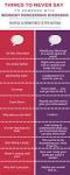 EI Early Intervention Families with eligible children receive an Individualized Family Service Plan (IFSP), which lists the s and supports that are needed for the child to achieve his/her outcomes. Services
J. PATRICK HACKNEY ALABAMA DISABILITIES ADVOCACY PROGRAM
 J. PATRICK HACKNEY ALABAMA DISABILITIES ADVOCACY PROGRAM WHAT IS MEDICAID? Medicaid is a joint state/federal program that provides medical assistance for certain individuals and families with low income
ASSISTANCE TO PARENTS OF CHILDREN WITH DISABILITIES
 ASSISTANCE TO PARENTS OF CHILDREN WITH DISABILITIES Help is Available As the parent or guardian of a child with a disability, you may have many questions about support and assistance available to you.
Related Services: How Do Special Needs Education Relate to Your Child?
 Related Services: How Do Special Needs Education Relate to Your Child? Family Driven Non-Profit 501(c)3 What makes FND unique is that the majority of our Board of Directors, all of our Management Staff
Connecticut Birth to Three System. A Family Handbook. Guide 3: Transition to Early Childhood Special Education
 Connecticut Birth to Three System A Family Handbook Guide 3: Transition to Early Childhood Special Education July 2013 Connecticut Birth to Three System A Family Handbook This handbook and others are available
ASSISTANCE & SERVICE ANIMALS FOR TENANTS WHO ARE PERSONS WITH DISABILITIES
 ASSISTANCE & SERVICE ANIMALS FOR TENANTS WHO ARE PERSONS WITH DISABILITIES This article was developed by the Fair Housing Partners of Washington to educate tenants who are persons with disabilities about
Animals & the Fair Housing Act
 The Fair Housing Act Animals & the Fair Housing Act The Fair Housing Act (FHA) prohibits discrimination in housing on the basis of race, color, religion, sex, national origin, familial status, and disability.
Vocational Rehabilitation Handbook of Services
 Vocational Rehabilitation Handbook of Services Employment Services for People with Disabilities We help people with disabilities find employment. To help Kansas citizens with disabilities meet their employment
Identifying the Scopes of Services for People with Disabilities in Travis County Executive Summary
 Identifying the Scopes of Services for People with Disabilities in Travis County Executive Summary By Louise Bonneau, Jennifer Gordon, Ann Roth, and Ted Wilson The University of Texas at Austin, School
Resources and Services Directory for Head Injury and Other Conditions
 Resources and Services Directory for Head Injury and Other Conditions Section 2: Accessing and Paying for TBI and Related Services 1000 NE 10 TH ST. OKC, OK 73117 TEL 405.271-3430 OR 800.522.0204 (OK only)
Florida Medicaid and Implementation of SB 2654
 Florida Medicaid and Implementation of SB 2654 Shachi Mankodi Counsel to the Chief of Staff Florida Agency for Health Care Administration Autism Compact Presentation September 18, 2008 Overview What is
Developmental Disabilities
 RIGHTS UNDER THE LAN TERMAN ACT Developmental Disabilities Chapter 2 This chapter explains: - What developmental disabilities are, - Who is eligible for regional center services, and - How to show the
Assistive Technology Fact Sheet
 What is Assistive Technology (AT)? Assistive Technology Fact Sheet The term assistive technology refers to both devices and services. An assistive technology device is any item, piece of equipment, or
Special Education Process
 Special Education Process Special education is intended to provide services to students who have disabilities, and who, because of those disabilities, need help to make progress in the general education
130 CMR: DIVISION OF MEDICAL ASSISTANCE MASSHEALTH COVERAGE TYPES TABLE OF CONTENTS
 Page 519.000 TABLE OF CONTENTS Section 519.001: Introduction 519.002: MassHealth Standard 519.003: Pickle Amendment Cases 519.004: Disabled Adult Children 519.005: Community Residents 65 Years of Age and
REHABILITATION FACILITIES
 Approved by Governor Date: 10/5/92 REHABILITATION FACILITIES I. DEFINITIONS A. Medical Rehabilitation Services: Medical/Physical Rehabilitation is the medical management of physical disability using all
Alabama Autism Task Force Preliminary Recommendations
 Alabama Autism Task Force Preliminary Recommendations Having reviewed the findings to date from the Alabama Autism Collaborative Group (AACG), The Alabama Autism Task Force proposes the following changes
Service and Assistance Animals in Oregon
 FIRST EDITION Service and Assistance Animals in Oregon 2013 Disability Rights Oregon Address: 610 SW Broadway, Suite 200, Portland OR 97205 Voice: 503-243-2081 or 1-800-452-1694 Fax: 503-243-1738 E-mail:
Catholic Conference of Ohio
 Catholic Conference of Ohio Q&A DOCUMENT TO ASSIST PARENTS OF SPECIAL NEEDS CHILDREN AND SERVE AS A RESOURCE FOR CATHOLIC SCHOOLS ENROLLING CHILDREN WITH DISABILITIES 1. What is the Individual Disability
130 CMR: DIVISION OF MEDICAL ASSISTANCE
 130 CMR 519.000: MASSHEALTH: COVERAGE TYPES Section 519.001: Introduction 519.002: MassHealth Standard 519.003: Pickle Amendment Cases 519.004: Disabled Adult Children 519.005: Community Residents 65 Years
EARLY CHILDHOOD TRANSITION PROCESS
 FALL 2015 EARLY CHILDHOOD TRANSITION PROCESS A guide for helping families of children with special needs prepare for smooth and effective transitions JOHN WHITE STATE SUPERINTENDENT OF EDUCATION Terms
Important Benefi ts for Medicaid Eligible Children: EPSDT EARLY & PERIODIC SCREENING DIAGNOSIS & TREATMENT. Ohio Legal Rights Service
 Important Benefi ts for Medicaid Eligible Children: EPSDT EARLY & PERIODIC SCREENING DIAGNOSIS & TREATMENT Ohio Legal Rights Service On October 26, 2005, Ohio Legal Rights Service (OLRS) fi led a lawsuit
CALIFORNIA SPECIAL EDUCATION MANAGEMENT INFORMATION SYSTEM (CASEMIS) SERVICE DESCRIPTIONS. San Diego Unified SELPA
 210 Family training, counseling, and home visits(ages 0-2 only): This service includes: services provided by social workers, psychologists, or other qualified personnel to assist the family in understanding
Special Education Advocacy for Children in Oregon. Brian V. Baker, Juvenile Rights Project, Inc. & Joel Greenberg, Oregon Advocacy Center, Inc.
 Special Education Advocacy for Children in Oregon Brian V. Baker, Juvenile Rights Project, Inc. & Joel Greenberg, Oregon Advocacy Center, Inc. Goals Understand eligibility for special education and Section
Clinical Medical Policy Outpatient Rehab Therapies (PT & OT) for Members With Special Needs
 Benefit Coverage Rehabilitative services, (PT, OT,) are covered for members with neurodevelopmental disorders when recommended by a medical provider to address a specific condition, deficit, or dysfunction,
Mental Health and Substance Abuse Services in Medicaid and SCHIP in Colorado
 Mental Health and Substance Abuse Services in Medicaid and SCHIP in Colorado As of July 2003, 377,123 people were covered under Colorado s Medicaid and SCHIP programs. There were 330,499 enrolled in the
Client Rights Handbook. Your rights and responsibilities as a consumer of Access Family Services, Inc.
 Client Rights Handbook Your rights and responsibilities as a consumer of Access Family Services, Inc. Key Contacts Chief Executive Officer 704 521 4977 Chief Operating Officer 704 521 4977 President Southeastern
3030. Eligibility Criteria.
 3030. Eligibility Criteria. 5 CA ADC 3030BARCLAYS OFFICIAL CALIFORNIA CODE OF REGULATIONS Barclays Official California Code of Regulations Currentness Title 5. Education Division 1. California Department
CONSUMER INFORMATION GUIDE: ASSISTED LIVING RESIDENCE
 CONSUMER INFORMATION GUIDE: ASSISTED LIVING RESIDENCE 1 TABLE OF CONTENTS Introduction 3 What is an Assisted Living Residence? 3 Who Operates ALRs? 4 Paying for an ALR 4 Types of ALRs and Resident Qualifications
An Overview of the Department of Assistive and Rehabilitative Services (DARS)
 An Overview of the Department of Assistive and Rehabilitative Services (DARS) House Committee on Human Services Veronda L Durden, Commissioner February 16, 2015 Mission and Responsibilities Mission To
PRESCHOOL PLACEMENT CATEGORIES
 PRESCHOOL PLACEMENT CATEGORIES CASEMIS 20 EARLY CHILDHOOD SPECIAL EDUCATION SETTING Early Childhood Special Education Setting: This is a placement setting where children receive all of their special education
The Thirteen Special Education Classifications. Part 200 Regulations of the Commissioner of Education, Section 4401(1)
 The Thirteen Special Education Classifications Part 200 Regulations of the Commissioner of Education, Section 4401(1) Student With a Disability: A student as defined in section 4401(1), who has not attained
Texas Medicaid Waivers
 WHICH WAIVER DOES WHAT An unofficial, quick reference quide to the Texas Medicaid Waivers Introduction Since early 2006, Imagine Enterprises has provided training about self-determination and the Medicaid
Arkansas Department of Health and Human Services Division of Medical Services P.O. Box 1437, Slot S-295 Little Rock, AR 72203-1437
 Arkansas Department of Health and Human Services Division of Medical Services P.O. Box 1437, Slot S-295 Little Rock, AR 72203-1437 Fax: 501-682-2480 TDD: 501-682-6789 & 1-877-708-8191 Internet Website:
Table 1100.1 Required Assessments and Qualified Examiners by Type of Disability Disability Assessments Required Qualified Examiners
 Table 1100.1 Required Assessments and Qualified Examiners by Type of Disability Disability Assessments Required Qualified Examiners AUTISM School School Professional Licensed to provide a DEAF-BLINDNESS
People First Language. Style Guide. A reference for media professionals and the public
 People First Language Style Guide A reference for media professionals and the public What is People First Language? People First Language (also referred to as Person First ) is an accurate way of referring
Adaptive Physical Education
 Adaptive Physical Education Adapted Physical Education - APE Adapted physical education is a diverse program of developmental activities, exercises, games, rhythms, and sports designed to meet the unique
Medical Rehabilitation. Rehabilitation Unit
 Medical Rehabilitation Rehabilitation Unit Medical Rehabilitation The purpose of this handout is to give you information about University Hospital s Rehabilitation Unit (2 North or 2N). It will explain:
Brain Injury Association of New Jersey
 Brain Injury Association of New Jersey 825 Georges Road, 2nd Floor North Brunswick, NJ 08902 Phone: 732-745-0200 Helpline: 1-800-669-4323 Website: www.bianj.org E-mail: [email protected] SOURCES OF FUNDING
How To Get Help For Your Child In Delaware County
 DELAWARE COUNTY WHERE TO GO FOR HELP A Guide to Outpatient Behavioral Health Services for Delaware County s Children and Adolescents Enrolled in Medical Assistance and CHIP A PUBLICATION OF: Public Citizens
MEDICAID SERVICES MANUAL TRANSMITTAL LETTER CUSTODIANS OF MEDICAID SERVICES MANUAL TAMMY MOFFITT, CHIEF OF PROGRAM INTEGRITY
 MEDICAID SERVICES MANUAL TRANSMITTAL LETTER October 19, 2015 TO: FROM: SUBJECT: CUSTODIANS OF MEDICAID SERVICES MANUAL TAMMY MOFFITT, CHIEF OF PROGRAM INTEGRITY MEDICAID SERVICES MANUAL CHANGES CHAPTER
Habilitative Services Senate Bill 701
 Habilitative Services Senate Bill 701 Who? The IFSP or IEP team must present the information to the family. When? Transition from ITP to preschool special education Initial IEP At least annually Upon the
eci early childhood intervention Planning Transition conference or Meeting Next Steps Terms You may hear Resources Timelines Regulations
 beyond early childhood intervention eci Planning Moving on from the Texas Early Childhood Intervention (ECI) Program! This booklet will help your family make the transition from ECI. Transition conference
STATE AGENCY WAIVER PROGRAMS: COMMUNITY LONG TERM CARE. Jocelin Dawson, SCDHHS Lori Manos, SCDDSN Susan Bolt, SCDHHS
 STATE AGENCY WAIVER PROGRAMS: COMMUNITY LONG TERM CARE Jocelin Dawson, SCDHHS Lori Manos, SCDDSN Susan Bolt, SCDHHS Presentation is current as of November 26, 2013 UPDATES ON MEDICAID LONG TERM CARE PROGRAMS
Advocating for Services: How a Parent Can Access a Special Education Program, Special Education Teacher Support Services and/or Related Services
 Advocating for Services: How a Parent Can Access a Special Education Program, Special Education Teacher Support Services and/or Related Services Applied Behavioral Counseling Applied ABC Presented by Joan
Florida Data as of July 2003. Mental Health and Substance Abuse Services in Medicaid and SCHIP in Florida
 Mental Health and Substance Abuse Services in Medicaid and SCHIP in Florida As of July 2003 2,441,266 people were covered under Florida's Medicaid and SCHIP programs. There were 2,113,820 enrolled in the
EDUCATION RELATED EDUCATIONAL INTERVENTION: EVALUATION, EDUCATION AND THE LAW
 National(Association(of(Pediatric(Nurse(Practitioners,(April(2013 EDUCATION RELATED EDUCATIONAL INTERVENTION: EVALUATION, EDUCATION AND THE LAW Once a pediatric healthcare provider recommends that a child
Benefits For Children With Disabilities
 Benefits For Children With Disabilities 2015 Contacting Social Security Visit our website At our website, www.socialsecurity.gov, you can: Create a my Social Security account to review your Social Security
How To Get Around The Country
 A Basic Glossary: Legal Terms for People with Brain Injury Living with Brain Injury This brochure was developed for persons with brain injury, family members, caregivers, and friends to suggest ways to
SCHREIBER PEDIATRIC REHAB CENTER OF LANCASTER COUNTY SCOPE OF CARE. Characteristics of Persons Served
 SCHREIBER PEDIATRIC REHAB CENTER OF LANCASTER COUNTY SCOPE OF CARE Ages: Children ages birth to 21 years of age may be served. Characteristics of Persons Served Cultural: Medical Status: Diagnosis(es):
SPECIAL EDUCATION PROGRAM LANGUAGE & BUSINESS ACCOUNTING RESOURCE
 SPECIAL EDUCATION PROGRAM LANGUAGE & BUSINESS ACCOUNTING RESOURCE April 28, 2014 SONOMA COUNTY CHARTER SPECIAL EDUCATION LOCAL PLAN AREA SPECIAL EDUCATION PROGRAM LANGUAGE & BUSINESS ACCOUNTING RESOURCE
A Roadmap to Understanding Texas Medicaid Waivers DRAFT
 A Roadmap to Understanding Texas Medicaid Waivers DRAFT Introduction A Roadmap to Understanding Texas Medicaid Waivers provides basic information with tips on access and use of Texas Medicaid Waivers.
6. HOME AND COMMUNITY-BASED SERVICE
 6. HOME AND COMMUNITY-BASED SERVICE For help call your ADRC/AAA toll-free at 1-877-222-3737. 83 For help call your ADRC/AAA toll-free at 1-877-222-3737. 84 6. Home & Community-Based Services The goal of
NEW YORK STATE MEDICAID PROGRAM REHABILITATION SERVICES POLICY GUIDELINES
 NEW YORK STATE MEDICAID PROGRAM REHABILITATION SERVICES POLICY GUIDELINES Version 2015-1 Page 1 of 11 Table of Contents SECTION I REQUIREMENTS FOR PARTICIPATION IN MEDICAID 3 QUALIFIED PRACTITIONERS. 3
Service Coordination Core Training Module Component 1
 Service Coordination Core Training Module Component 1 It is important to remember that the purpose of this training program is to provide general information about case management services for eligible
A Parent s Guide to Special Education in Commack School District
 COMMACK UNION FREE SCHOOL DISTRICT Commack, NY 11725 Pupil Personnel Services A Parent s Guide to Special Education in Commack School District This informational document is meant to clarify some commonly
MEDICAID. For SSI-related persons. Iowa Department of Human Services. Comm. 28 (Rev.7/10) PRINTED ON RECYCLED PAPER
 MEDICAID For SSI-related persons Comm. 28 (Rev.7/10) PRINTED ON RECYCLED PAPER Iowa Department of Human Services DHS POLICY ON NONDISCRIMINATION No person shall be discriminated against because of race,
Annual Public Notice of Special Education Services and Programs for Students with Disabilities
 1 Annual Public Notice of Special Education Services and Programs for Students with Disabilities Mastery Charter School publishes the following Annual Notice in the school s Parent-Student Handbook and
STEP-BY-STEP GUIDE TO VOCATIONAL REHABILITATION SERVICES
 STEP-BY-STEP GUIDE TO VOCATIONAL REHABILITATION SERVICES Stephen S. Pennington, Esquire, Executive Director Jamie Ray-Leonetti, Esquire, Co-Director CLIENT ASSISTANCE PROGRAM Attorney Margaret McKenna
Home Health Care. Medicare and. This book explains... The home health benefit and who is eligible. What is covered by the Original Medicare Plan.
 Medicare and Home Health Care This book explains... The home health benefit and who is eligible. What is covered by the Original Medicare Plan. How to find a home health agency. Where you can get more
Complete Program Listing
 Complete Program Listing Mental Health (MH) Services Division Adult Mental Health Outpatient Clinics - Provide outpatient mental health services to individuals 18 years and older who live with severe and
UW MEDICINE PATIENT EDUCATION. Your Care Team. Helpful information
 UW MEDICINE PATIENT EDUCATION Your Care Team Helpful information In this section: You: The Patient Medical Staff Nursing Staff Allied Health Professionals Support Staff Peer Mentors for People with Spinal
Ryan White Program Services Definitions
 Ryan White Program Services Definitions CORE SERVICES Service categories: a. Outpatient/Ambulatory medical care (health services) is the provision of professional diagnostic and therapeutic services rendered
The Federal Employees Health Benefits Program and Medicare
 The Federal Employees Health Benefits Program and Medicare This booklet answers questions about how the Federal Employees Health Benefits (FEHB) Program and Medicare work together to provide health benefits
State Resource Guide Virginia
 Please Report Incorrect Information to [email protected] State Resource Guide Virginia Last Updated: August 04, 2009 Table of Contents State Agencies and Organizations p.1-5 Organizations Especially
NEW MEXICO PRIMER ON SPECIAL EDUCATION IN CHARTER SCHOOLS: BACKGROUND SECTION
 NEW MEXICO PRIMER ON SPECIAL EDUCATION IN CHARTER SCHOOLS: BACKGROUND SECTION This section is divided into two parts: a discussion of the legal status of charter schools and their linkage to other local
Special Education Rights. A Handbook for Maryland Families and Professionals
 Special Education Rights A Handbook for Maryland Families and Professionals i MARYLAND DISABILITY LAW CENTER The Maryland Disability Law Center (MDLC) is a private, non-profit law firm. MDLC is designated
ARKANSAS DEPARTMENT OF EDUCATION SCHOOL - BASED DAY TREATMENT PROGRAMS GUIDELINES
 ARKANSAS DEPARTMENT OF EDUCATION SCHOOL - BASED DAY TREATMENT PROGRAMS GUIDELINES I. DESCRIPTION A. Day Treatment is the most intensive non-residential program that can be provided over an extended period
SPECIAL EDUCATION AND RELATED SERVICES
 i SPECIAL EDUCATION AND RELATED SERVICES Updated May 2008 i It is the policy of the South Dakota Department of Education, Office of Educational Services and Supports to provide services to all persons
The Healthy Michigan Plan Handbook
 The Healthy Michigan Plan Handbook Introduction The Healthy Michigan Plan is a health care program through the Michigan Department of Community Health (MDCH). The Healthy Michigan Plan provides health
ASSISTIVE TECHNOLOGY FOR PERSONS WITH BRAIN INJURY. Assistive technology is a device or service that can help you to be more
 Disability Rights Network of Pennsylvania 1414 N. Cameron Street Second Floor Harrisburg, PA 17103-1049 (800) 692-7443 (Voice) (877) 375-7139 (TDD) www.drnpa.org ASSISTIVE TECHNOLOGY FOR PERSONS WITH BRAIN
Special Education For Preschoolers
 C A L I F O R N I A E A R L Y S T A R T Special Education For Preschoolers A G U I D E F O R P A R E N T S Early Intervention services system encouraging partnerships between families and professionals,
Special Education Rights
 Special Education Rights A Handbook for Maryland Families and Professionals Maryland Disability Law Center 1500 Union Avenue, Suite 2000 Baltimore, Maryland 21211 Phone: 410.727.6352 TTY: 410.235.5387
Willamette University Long-Term Care Insurance Outline of Coverage
 JOHN HANCOCK LIFE INSURANCE COMPANY Group Long-Term Care PO Box 111, Boston, MA 02117 Tel. No. 1-800-711-9407 (from within the United States) TTY 1-800-255-1808 for hearing impaired 1-617-572-0048 (from
Health Professionals who Support People Living with Dementia
 Clinical Access and Redesign Unit Health Professionals who Support People Living with Dementia (in alphabetical order) Health Professional Description Role in care of people with dementia Dieticians and
An Overview of the Department of Assistive and Rehabilitative Services (DARS)
 An Overview of the Department of Assistive and Rehabilitative Services (DARS) House Committee on Human Services Veronda L. Durden, Commissioner September 3, 2014 Mission and Responsibilities Mission To
The Healthy Michigan Plan Handbook
 The Healthy Michigan Plan Handbook Introduction The Healthy Michigan Plan is a health care program through the Michigan Department of Community Health (MDCH). Eligibility for this program will be determined
Chapter 17. Medicaid Provider Manual
 Chapter 17 Medicaid Provider Manual February 2011 TABLE OF CONTENTS 17.1 Occupational Therapy... 1 17.1.1 Description... 1 17.1.2 Amount, Duration and Scope... 1 17.1.3 Exclusions... 1 17.1.4 Limitations...
Marianjoy Physical Therapy and. A Leader in Rehabilitation
 Marianjoy Physical Therapy and Outpatient Services A Leader in Rehabilitation Choose Wisely Choose Marianjoy Marianjoy Distinctly Different Marianjoy provides a complete range of rehabilitation services
Perkins Cancellation
 FEDERAL STUDENT AID HANDBOOK Volume 6 Managing Campus-Based Programs, 2011 2012 http://ifap.ed.gov/fsahandbook/attachments/1112fsahbkvol6ch5.pdf THIS IS AN EXCERPT FROM VOLUME 6, CHAPTER 5 CHAPTER 5 Perkins