
Phelsuma ISBN Volume 10 (supplement A) 2002
|
|
|
- Melinda Hodge
- 9 years ago
- Views:
Transcription
1 Phelsuma ISBN Volume 10 (supplement A) 2002 New species and interesting new records of spiders from Seychelles (Arachnida, Araneaea) Michael I. Saaristo Zoological Museum, Centre for Biodiversity University of Turku,FIN Turku FINLAND Key words: Spiders, Seychelles Abstract: Seven new species are described from Seychelles, namely Conothele truncicola (Ctenizidae), Clubiona hitchinsi (Clubionidae), Aridella bowleri, Lionneta veli and Opopaea suspecta (Oonopidae), Cenemus mikehilli (Pholcidae) and Prodida stella (Prodomidae) as well as one new oonopid genus, viz. Aridella. Furthermore the following are recorded as new for Seychelles: Creugas gulosus Thorell, 1878 and Oedignatha scrobiculata Thorell, 1881 (Corinnidae), Odontodrassus aphanes (Thorell, 1897) (Gnaphosidae), Agyneta pogonophora (Locket, 1968) n. comb., and Metalepthyphantes praecipuus Locket, 1968 (Linyphiidae), Orthobula impressa Simon, 1896 (Liocranidae), Ero comorensis Emerit, 1996 (Mimetidae), Palicanus caudatus Thorell, 1897 (Miturgidae), Cosmophasis squamata Kulczynski, 1910 and Epocilla calcarata (Karsch, 1880)(Salticidae) and Loxosceles rufescens Heineken & Lowe, 1832 (Sicariidae). Earlier records of Oedignatha scrobiculata refer to O. mogamoga Marples, Unknown males of A. pogonophora, C. squamata and Pseudicius seychellensis Wanless, 1984 and females of Orthobula impressa Simon, 1896 and M. praecipuus are described. Introduction This paper describes seven new species from different families collected from Seychelles. In addition, eleven new species and one new family (Sicariidae, Loxoscelininae) for Seychelles are presented. Thus the spider fauna of the granitic Seychelles now consists of 203 species divided between 40 families. In addition several other species, primarily from the families Araneidae, Oonopidae, Tetragnathidae and Theridiidae (Roberts 1983, Saaristo 2001), have been reported from the other parts of Seychelles. Further new records of some rarely collected species are given. Unknown opposite sexes of five species are also described. The material treated in this report has been provided by several persons as acknowledged later. Abbreviations: MRAC = Musée Royal de l Afrique Centrale, Tervuren, Belgium. MZT = Zoological Museum of Turku University, Finland. ZMH = Zoologisches Museum der Universität Hamburg, Germany. ZMMU = Zoological Museum of the Moscow University, Russia. 1
2 2 Fig. 1. Conothele truncicola n. sp. - Female dorsally. - Scale bar = 2.0 mm. Orig. TL = total length. CL = length of carapace.
3 CW = width of carapace. DSL = length of dorsal scutum. DSW = Width of dorsal scutum. Family CTENIZIDAE Thorell, cork-lid trapdoor spiders Conothele Thorell, 1878 Conothele truncicola n. sp. (Figs. 1-5) Conothele sp.?, Hirst 1911: 49. Gen. sp. ign., Saaristo 1999: 1. Types: Holotype female from Silhouette, Belle Vue, on Syzygium cuminis, , M. Saaristo & J. Gerlach leg. (MZT AA 0.724) and 6 juvenile paratypes with same data (MZT AA 0.725). Other material examined: Silhouette, Belle Vue, one juvenile , J. Gerlach leg. (MZT AA 1.304) and in the valley above Anse Mondon, one juvenile, , J. Gerlach leg.(mzt AA 1.317); Mahé: Morne Blanc, 350m, secondary tropical rainforest, 1f, , USSR. Zool. Exped. (ZMMU);. Figs 2-5 Conothele truncicola n. sp 2: Vulva ventarally. 3: Right chelicer ventrally. 4: Maxillae, labium, sternum. 5: Right tibia III laterally. Scale = 1 mm. Orig. Etymology: Named as truncicola which refers to its habit of building its well camouflaged, silken tubes in small crevices on tree trunks. 3
4 Diagnosis: This medium-sized (TL=ca.12), dark coloured species can be distinguished from all other Seychellian therasophids by the U-shaped fovea on carapace. Description: Female holotype (male unknown): Carapace length 5.04, length of abdomen Carapace and appendages very dark brown, sternum and ventral sides of coxae lighter. Abdomen blackish with purplish hue, venter lighter. Carapace glabrous, with a few hairs. Eyes in three rows on small, rounded elevation. Fovea U-shaped. Chelicerae with 5 promarginal and 4 retromarginal teeth; rastellum formed by some 12 special hairs. Endites with numerous short, black special hairs, apex of labium with some eight similar hairs and two of them near the base of labium. Legs spinose; pro- and retrolateral sides of tarsi, metatarsi, and tibiae of palps and legs I and II densely covered with short, hooked spines. Tibia III with a basal, saddle-like, glabrous depression. Vulva consisting a triangular sack with a pair of dorsal tubular, thin walled extensions with more or less spherical, thick walled end parts. Distribution: This apparently endemic species is found on Mahé (Hirst 1911: Conothele sp.?) and Silhouette (Saaristo 1999: Gen. sp. ign). Discussion: According to Main (1985) most Conothele species are terrestrial but at least one, C. arboricola Pocock, 1898 from New Britain is arboreal. Considering the long distance between Seychelles and New Britain as well as the sedentary life style of mygalomorphids as general, I assume that the Seychellian species is different from that found on New Britain. 4 Family CLUBIONIDAE Wagner, sac spiders Clubiona Latreille, 1804 Clubiona hitchinsi n. sp. (Figs. 6-10) Types: Holotype male and two female paratypes from Cousine, , M. Saaristo leg. (MZT AA 0.990); 5 male and 3 juvenile paratypes from Aride, litter sampling, July-November 2000, John Bowler leg. (MZT AA 2.118); one male and one female paratype from North, , J. Gerlach leg.(mzt AA 1.327); one male, 3 female and 2 juvenile paratypes from Silhouette, La Passe, , M. Saaristo leg. (MZT AA 0.991, 0.992, and 0.995); 2 male, 6 female and 10 juvenile paratypes from Silhouette, Anse Cimitiere, , M. Saaristo leg. (MZT AA and 0.994); one female paratype from Silhouette, Belle Vue, (pitfall traps), , J. Gerlach leg. (MZT AA 1.312); one male paratype from St. Francois, , J. Gerlach leg. (MZT AA 2.202). Other material examined: Alphonse, 1juv., , J. Gerlach leg. (MZT AA 2.165); Mahé, 1juv., , J. Gerlach leg. (MZT AA 0.989) and Roche Caiman
5 Bird Sanctuary, among vegetation, 1j., (MZT AA 0.308); Silhouette, La Passe, 1juv., Dec. 1993, J. Gerlach leg. (MZT AA 0.988), Etymology: Named for my friend Mr. Peter Hitchins who kindly invited me to Cousine during my arachnological excursion to Seychelles in 1999 I then learned his deep concern about the future of the native flora and fauna of Seychelles and especially that of the hawksbill turtle (Eretmochelys imbricata). Diagnosis: C. hitchinsi is readily distinguished from the other Seychellian Clubiona species, viz. C. mahensis Simon, 1893 by having only two small, well separated teeth on the lateral side of the biggest one while in C. mahensis there are five teeth touching each other; this character seems to hold true even for very small juveniles. Description: Medium-sized species; female larger than male (TL = , CL = ). Carapace pale orange - brown; chelicerae and endites dark brown; sternum and legs pale yellowish; abdomen mouse grey, venter lighter. Chelicerae protruding with 4 promarginal and 3 retromarginal teeth. Male palpal tibia with simple, pointed apophysis; embolus long, whip-like. Vulva consisting of a pair of large, somewhat club-like receptaculae; their posterior ends are wide apart while apical ends almost touch each other; dark, transverse collar-like bands form a border between the spherical anterior parts and the larger posterior parts of receptaculae. Figs Clubiona hitchinsi n. sp. (Figs. 6-9) and C. mahensis Simon, 1893 (Fig. 10). - 6: Right male palp ventrally. - 7: Right male palp laterally. - 8: Epigyne ventrally. - 9 and 10: Right chelicer from behind. - Scale bars = 0.2 5
6 mm. Orig. Discussion: Earlier (Saaristo 1995) I wrongly determined the Roche Caiman Bird Sanctuary juvenile as C. mahensis as is now shown by the cheliceral dentition. Family CORINNIDAE Karsch, 1880 Subfamily CORINNINAE Karsch, dark sac spiders Creugas Thorell, 1878 Creugas gulosus (Thorell, 1878) (Figs ) Creugas gulosus Thorell, 1878b: 175 (Dj.) Corinna gulosa, Simon 1898a: 196. Corinna gulosa, Deeleman-Reinhold 2001: 260, f (mf). - -, Kamura 2001: 57, f (mf). Creugas gulosus, Platnick NB. For more references and synonyms see Platnick (2002). Material examined: Aride, litter sampling, 1m, July-November 2000, John Bowler leg. (MZT AA 2.120); Cousin, in house, 1m, , O. Bourquin leg. (MZT AA 0.387); Cousine, 2mm, Oct. 1996, Stella Le Maitre leg. (MZT AA 0.406), 2subad. mm, May/June 1998, Stella Le Maitre leg. (MZT AA & 0.417), 2juvs., March 1998, J. Kelly leg. (MZT AA & 1.284), E-end, among rotten coconut leaves, 1m1subad.m3ff16juvs., , M. Saaristo leg. (MZT AA ); Mahé, Sans Soucis, 1m1f, Febr. 2002, Pat Matyot leg., (MZT AA 2.215); Silhouette, Anse Cimitiere, under Casuarina bark, 2juvs., , M. Saaristo leg. (MZT AA 0.446), La Passe, pile of coconut husks near Gerlachs, 1juv., , M. Saaristo leg.(mzt AA 0.447), La Passe (in house), 1m, , J. Gerlach leg. (MZT AA 1.303) Diagnosis: A medium-sized (total length ca mm), dark reddish brown species with dense, fine granulation on carapace. It can be distinguished from all other Seychellian corinnids by the transverse, bipartite chilum separate from clypeus. Description: Well described by Deeleman-Reinhold (2001) and Kamura (2001). Distribution: Cosmopolitan (Platnick 2002). Seychelles records from Aride(*), Cousin(*), Mahé(*), Cousine and Silhouette (Saaristo 1999: Genus ign. 2., sp. ign.). 6 Oedignatha Thorell, 1881 Oedignatha mogamoga Marples, 1955 (Figs. 16,17,19) Oedignatha mogamoga Marples 1955a: 467, pl. 57, f. 6-7, 9-10 (Dm). Oedignatha scrobiculata, Saaristo 1978: 112, f (f, misidentification). Paccius quadridentatus, Benoit, 1978k: 941, f. 1A-F (mf, misidentification).
7 Oedignatha mogamoga Deeleman-Reinhold, 2001: 273, f (mf). Material examined: Aride, 5mm5juvs., 1975, M. Mühlenberg leg. (MZT AA ); Cousin, 2mm4ff4juvs., 1978, Hugh Watkins leg. (MZT AA ); Cousine, 3mm1juv., 1998, Stella Le Maitre leg. (MZT AA ) and 4mm4ff1juv., , M. Saaristo leg. (MZT AA ); Farquhar Atoll, 9mm19ff31juvs., , USSR. Zool. Exped. (ZMMU); La Digue, 1m, 1994, USSR. Zool. Exped. (ZMMU); Mahé, golf green of the Reef Hotel, 4mm1f, , M. Saaristo leg. (MZT AA 0.020), Roche Caiman Bird Sanctuary, leaf litter, 2juvs., , J. Gerlach leg. (MZT AA ) and 1m2ff2juvs., 1994, J. Gerlach leg. (MZT AA 0.305), 3mm2ff, Jan. 1999, M. Saaristo, Pat Matyot & Maureen Kirkpatrick (MZT AA ); Petite Soeur, 1f, , M. Mühlenberg leg. (MRAC ); Poivre Atoll, 5mm33ff3juvs., , USSR. Zool. Exped. (ZMMU); Praslin, 7mm4ff10juvs., , M. Saaristo leg. (MZT AA 0.021); Silhouette, various places, 13mm19ff1juv., , M. Saaristo & J. Gerlach leg. (MZT AA ) and 3mm6ff9juvs., 1994, USSR. Zool. Exped. (ZMMU). Figs Creugas gulosus Thorell, : Right male palp ventrally. - 12: Epigyne ventrally. - 13: Carapace frontally. - 14: Ocular area and chelicerae dorsally. - 15: Right chelicer from behind. - Scale bars = 0.5 mm. Orig. 7
8 8 Figs Oedignatha mogamoga Marples, 1955 (Figs. 16, 17, 19) and O. scrobiculata Thorell, 1881 (Figs. 18, 20). - 16: Opistosoma and abdomen laterally and 18: Epigyne ventrally and 20: Right male palp laterally. - Scale bars = 1.0 mm. Orig. Diagnosis: Habitually O. mogamoga is very similar to O. scrobiculata and both species have 4 pairs of light spots on abdomen. The black, retrolateral apophysis on the tibia of male palp of the former species is long and its dorsal end is drawn in a straight, rather blunt pointed outgrowth while the latter species has a short apophysis with crooked, sharp pointed dorsal end. Females of O. mogamoga have bipartite seminal receptaculae which almost touch in the middle line while O. scrobiculata have simple ones, wide apart from each other. Description: The species has been well described by Saaristo (1978: Oedignatha scrobiculata), Benoit (1978: Paccius quadridentatus) and Deeleman-Reinhold (2001). Distribution: Outside Seychelles the species have been recorded from Malaysia, Borneo, and Samoa (Platnick 2002). In Seychelles it seems to be common and, at least locally, highly abundant. It has been collected from the following islands: Aride (Bowler et al. 1999), Cousin (*), Cousine (Saaristo 1999), Curieuse (Benoit 1978), Farquhar Atoll (*), La Digue (*), Mahé (Saaristo 1978 & 1999, Benoit 1978), Petit Soeur (*), Poivre Atoll (*), Praslin (Saaristo 1978, Benoit 1978), and Silhouette (Saaristo 1999). Saaristo 1978 records as O. scrobiculata, Benoit 1978 records as
9 Paccius quadridentatus Discussion: All earlier records of O. scrobiculta from Seychelles (Saaristo 1978 and 1999 and Bowler et al. 1999) in fact refer to O. mogamoga. It is also easy to see from Benoit s (1978k) figures that he is dealing with O. mogamoga not with Paccius quadridentatus. This has also been partly noticed by Platnick (2000b: 116): his specimens are clearly just misidendified members of Oedignatha. Oedignatha scrobiculata Thorell, 1881 (Figs. 18,20) Oedignatha scrobiculata Thorell, 1881: 209 (Df) Oedignatha scrobiculata, Deeleman-Reinhold 2001: 267, f (mf). Material examined: Bijoutier, 1f, , J. Gerlach leg. (MZT AA 2.194); MALAYSIA: Johor, Kota Tinggi, 2mm9ff, , P. T. Lehtinen leg. (MZT AA 5.634). Diagnosis: See diagnosis O. mogamoga. Description: The species has been well described by Deeleman-Reinhold (2001). Distribution: India to Philippines and Malay Archipelago (Deeleman-Reinhold 2001). According to Deeleman-Reinhold (2001) O. scrobiculata and O. mogamoga occur syntopically over a wide range. This is the first record from Seychelles (so far only from Bijoutier). Family GNAPHOSIDAE Banks, flat-bellied ground spiders Camillina Berland, 1919 Camillina aldabrae (Strand, 1907) (Figs. 21,23) Echemella aldabrae Strand, 1907: 726 (Dmf). Camillina aldabrae Platnick & Murphy, 1987: 7, f (Tmf from Echemella). - -, Bowler et al. 1999: 48 (misprinted as C. aldabae). Material examined: Aride, 2m, , M. Mühlenberg leg. (MZT AA 0.097); Petite Soeur, 1f, , M. Mühlenberg leg. (MRAC ). Diagnosis: The male of C. aldabrae is distinct from the other Camillina species found on Seychelles, viz. C. cordifera (Tullgren, 1910) (Figs. 22,24) by the abruptly narrowed tip of the distal point of the terminal apophysis which in the later species is blunt-tipped. The female of C. aldabrae has a U-shaped epigynal plate while that of C. cordifera is more or less triangular. 9
10 10 Figs Camillina cordifera (Tullgren, 1910) (Figs. 21, 23) and C. aldabrae (Strand, 1907) (Figs. 22, 24) and 22: Left male palp ventally and 24: Epigyne ventrally. - Scale bars = 0.2 mm. Orig. Description: The species has been well described by Platnick & Murphy (1987). Distribution: Central Africa south to Natal, Aldabra, and Borneo (probably introduced) (Platnick & Murphy 1987). In the granitic Seychelles known from Aride (Bowler et al. 1999) and Petite Soeur. Odontodrassus Jézéquel, 1965
11 Odontodrassus aphanes (Thorell, 1897) (Figs ) Drassus aphanes Thorell, 1897a: 218 (Df). Scotophaeus javanus Kulczyn ski, 1911b: 470, pl. 21, f. 21, 24 (Df). Drassodes ciusi Berland, 1924a: 192, f (Dm). Drassodes ciusi, Berland 1929a: 393, f. 3-4 (Df). Odontodrassus javanus,platnick 1981: 332, f.1-4 (Tf from Zelotes per Roewer, Sm). - -, Kamura, 1990: 32, f. 1-2 (f). Odontodrassus aphanes, Deeleman-Reinhold 2001: 530, f (Tf from Drassodes, Sm). Material examined: Bird, 1m, , J. Gerlach leg. (MZT AA 2.183). Diagnosis: This is a smallish (TL=5-5.8), light coloured species; carapace pale orange, abdomen dorsally mouse-grey with a small, triangular dark coloured apical scutum covered with long, curved and thickened hairs, venter creamy white. Male palp with enlarged embolar base bearing a long, whip-like embolus running along the retrolateral edge of large, flat conductor. Female epigynum with a wide median ridge covering two long, parallel median ducts with laterally directed anterior ends. Description: The species has been well described by Platnick (1981: Odontodrassus javanus) and Deeleman-Reinhold (2001). Distribution: The species seems to be widely distributed in the tropics, probably partly due to human introductions (Platnick 1981, Deeleman-Reinhold 2001). This is the first record of the species from Seychelles and so far found only from Bird. Figs Odontodrassus aphanes (Thorell, 1897). - 25: Left male palp ventrally. - 26: Epigyne ventrally. - 27: Ocular area. - Scale bars = 0.2 mm. Orig. 11
12 Family LINYPHIIDAE Blackwall, dwarf or money spiders Agyneta Hull, 1911 Agyneta pogonophora (Locket, 1968) n. comb. (Figs ) Meioneta pogonophora Locket, 1968: 71, f. 2A-C (Dm). Meioneta sp. Locket, 1968: 84, f. 13C (Df). Material examined: Alphonse, 1m, , J. Gerlach leg. (MZT AA 2.166), Poivre Atoll, 1f, USSR. Zool. Exped. leg. (ZMMU). Diagnosis: The male of A. pogonophora is easily recognised by the tongue-like, laterally pointing apicodorsal tibial apophysis and the female by the small, protruding epigyne with strongly diverging lateral lobes. Description: Female (male well described by Locket 1968): Small, dark, long legged species (TL = 1.33, CL = 0.57, CW = 0.43). Carapace dark, blackish brown; abdomen uniform greenish black; legs pale yellowish, strongly suffused with black. Epigyne small, protruding with strongly diverging lateral lobes. Distribution: Previously known only from Angola (Locket, 1968). The first records of the species from Seychelles are from Alphonse and Poivre Atoll. 12 Figs Agyneta pogonophora (Locket, 1968). - 28: Right male palp laterally. - 29: cymbium and tibia dorsally. - 30: Epigyne ventrally. - Scale = 0.2 mm. Orig.
13 Figs Metalepthyphantes praecipuus Locket, : Right male palp laterally.- 32: Epigyne ventrally. - Scale bars = 0.2 mm. Orig. Metalepthyphantes Locket, 1968 Metalepthyphantes praecipuus Locket, 1968 (Figs ) Metalepthyphantes praecipuus Locket, 1968: 109, f. 33A-D (Df). Material examined: Assumption, 1m1f, , USSR. Zool. Exped. leg. (ZMMU); Poivre, cocos (F-22), 2mm3ff, , USSR. Zool. Exped. leg. (MZT AA and ZMMU). Diagnosis: The male of M. praecipuus is easily recognised by two parallel, slightly curved apophyses on the lateral side of the palp and the female by the voluminous, spavin-like epigyne which is connected to the abdomen by a wide, weakly chitinized stalk. Description: Male (female well described by Locket 1968): Small, dark, long legged species (TL = 1.36, CL = 0.60, CW = 0.43). Carapace light brownish; abdomen uniform dark grey; legs pale yellowish. No tibial apophysis on male palp; cymbium and bulbus somewhat elongated; two parallel, slightly curved apophyses on lateral side of palp. Distribution: Previously known only from Angola (Locket, 1968). The first record from Seychelles are from Assumption and Poivre. 13
14 Figs Orthobula impressa Simon, : Epigyne ventrally. - 34: Carapace and abdomen dorsally. - 35: Bulbus of male palp. - 36: Sternum. - 37: First leg. - 38: Right male palp without bulbus laterally. - Scale = 0.2 mm. Orig. Family LIOCRANIDAE Simon, 1897 Subfamily Phrurolithinae Banks, Orthobula Simon, 1897 Orthobula impressa Simon, 1897 (Figs ) Orthobula impressa Simon, 1897b: 498 (Dmf). - -, Deeleman-Reinhold, 2001: 431, f (m, not f). Material examined: Aride, 1f, , J. Gerlach leg., Michael Saaristo det. (MZT AA 0.373); Silhouette, La Passe, 1f, , M. Saaristo leg. (MZT AA 0.437), Chemin Montagne Posee, 1m, , M. Saaristo leg. (MZT AA 0.438), Jardin Marron, Lodoicea litter, 1m, , M. Saaristo & J. Gerlach leg. (MZT AA 0.439), Anse Lascars, Takamaka leaves, 2mm, , M. Saaristo
15 & J. Gerlach leg. (MZT AA 0.440), and La Passe, chicken house, Pandanus & Coconut leaves, 2mm3ff1juv., , M. Saaristo & J. Gerlach leg. (MZT AA 0.441); Mahé, 3juvs., June 1994, J. Gerlach leg. (MZT AA 0.987); North, 1f, , J. Gerlach leg., M. Saaristo det. (MZT AA 1.351). Diagnosis: A rather small (TL= ), somewhat ant-like species, with dark orange, very punctate carapace; dorsum of abdomen green-black with dirty white pattern (in some specimens almost unicolorous), venter of abdomen whitish; legs contrastingly marked with five pairs of long, ventral spines on the first tibia. Tibia of the male palp with sharp-pointed, triangular apophysis. Bulbus large but simple with apical, spine-like anteriorly pointing embolus. Epigyne of the female with a pair of large, oval-shaped spermathecae close to epigastric furrow and anteriorly two pairs of small, spherical ones; two short laterally curving tubes from last pair of spermathecae. Description: A more detailed description will be given in a later paper. Distribution: Previously know only from Sri Lanka (Deeleman-Reinhold 2001). This is the first record from Seychelles (Aride, Silhouette, Mahé and North). Discussion: The structure of the female epigyne presented by Deeleman-Reinhold (2001) differs fundamentally from my specimens; it was not collected together with the male and apparently belongs to another taxon. Family MIMETIDAE Simon, pirate spiders Ero C. L. Koch, 1836 Ero comorensis Emerit, 1996 (Figs ) Ero comorensis Emerit, 1996: 102, f. 7D,9&11C (Dm). Material examined: Silhouette: La Passe, 1f1j., , M. Saaristo leg. (MZT AA 0.702) and 1f, 1994, USSR. Zool. Exped. (ZMMU). Diagnosis: This rather small species (TL = 2.3) is easily recognised by the two pairs of dorsal tubercles on the abdomen; also the densely freckled legs are characteristic. Description: Female (male well described by Emerit 1996): Somatic characters as in male. Epigyne protruding, with a pair of large, rounded openings; seminal receptaculae conspicuously large, bipartite, almost touching in the midline 15
16 Figs Ero comorensis Emerit, 1996: - 39: Abdomen of female dextrolaterally. - 40: Epigyne ventrally. - Scale bars: 39 = 1.0, 40 = 0.2 mm. Orig. Discussion: No male has been collected from Seychelles while Emerit (1996) had only a single male at his disposal when describing E. comorensis. However, as the Seychelles females resemble the Comores male in having four prominent dorsal abdominal tubercles, it is provisionally considered to belong to the same taxon. Distribution: Previously known only from Comores (Emerit 1996). This is the first record from Seychelles and so far found only from Silhouette. Family MITURGIDAE Lehtinen, forest-floor spider Palicanus Thorell, 1897 Palicanus caudatus Thorell, 1897 (Figs ) Palicanus caudatus Thorell, 1897a: 227 (Dm). - -, Deeleman-Reinhold, 2001: 220, f (m,df). Material examined: Aride, 1 juv., , M. Mühlenberg leg. (MZT AA 2.333); Silhouette, La Passe, rocky slope behind Gerlachs, coconut leaves, 2f, , M. Saaristo leg. (MZT AA 0.433), La Passe chicken house Pandanus & coconut leaves, 1subad.f, , M. Saaristo leg., Michael Saaristo det. (MZT AA 0.434), La Passe, lumber pile near Gerlachs, subad.1m, , M. Saaristo leg., Michael Saaristo det. (MZT AA 0.435), and La Passe, pile of coconut hulls near Gerlachs, 1m1subad.m, , M. Saaristo leg., Michael Saaristo det. (MZT AA 0.436). Diagnosis: This rather large (TL = ca. 8.0), mouse-grey species is easily recognized from all other ground-living Seychellian spiders by the conically elongated apical segments of the posterior spinnerets. Male palp characterized by the long and thin, slightly crooked tibial apophysis. In the middle of epigyne a small triangular depression; its dark sides form an anteriorly pointing chevron. 16
17 Figs Palicanus caudatus Thorell, : - Right male palp laterally. - 42: Right male palp mesially. - 43: Epigyne ventrally. - 44: Apex of left chelicer from behind. - 45: Left chelicer laterally. - 46: Carapace and abdomen dorsally. - Scale bars = 0.2 mm. Orig. Description: The species has been well described by Deeleman-Reinhold (2001). Distribution: Recorded from Myanmar, S China and E Indonesia (Deeleman-Reinhold 2001). From Seychelles known only from Silhouette (Saaristo 1999: Miturgidae: Gen. sp. ign.) and Aride (*). Discussion: Palicanus was transferred to Miturgidae from the Clubionidae by Lehtinen, 1967: 255. Removed from Clubionidae: Systariinae by Deeleman-Reinhold (2001: 219) but retained in Miturgidae by Platnick (2002). Family NESTICIDAE Simon, cave cobweb spiders Nesticella Lehtinen & Saaristo,
18 Nesticella sechellana (Simon, 1897) (Figs ) Nesticus sechellana Simon, 1897: 378 (Df). - -, Hubert 1970: 81, f (f). Nesticella sechellana, Lehtinen & Saaristo 1980: 56 (f). Material examined: Mahé, holotype f (ZMH) and Silhouette, forest litter, 590m, 1f, 1994 USSR. Zool. Exped. (ZMMU). Diagnosis: This small (TL = 2.7), unicolorous grey species can be distinguished from all other long legged Seychellian spiders by having eight eyes and tarsi IV with ventral row of serrated bristles. Description: Female (male unknown) well described by Hubert (1970). Distribution: Mahé (Simon 1897, Hubert 1970) and Silhouette (*). Figs Nesticella sechellana (Simon, 1873). - 47: Female sinistrolaterally. - 48: Carapace and abdomen dorsally. - 49: Epigyne ventrally. - Scale bars: 47,46 = 1.0, 48 = 0.2 mm. Orig. Family OONOPIDAE Simon, dwarf hunting spiders Aridella n. gen. Type species: Aridella bowleri n. sp. 18
19 Etymology: The generic name is derived from the name of the type locality of its type species, considered feminine in gender. Diagnosis: According to its heavily sclerotized, pitch black palps with entirely fused cymbium and bulbus the genus resembles Brignolia Dumitresco & Georgesco, 1983 and Lisna Saaristo 2001 but the structure of bulbal elements of the male palp are more like in Opopaea s. str. which, on the other hand, has normally sclerotized male palps with strongly swollen palpal patella. Also the large, oval-shaped, shallow depression on sternum may be of generic value. Aridella bowleri n. sp. (Figs ) Types: Holotype male from Aride, litter sampling, July-November 2000, John Bowler leg. (MZT AA 2.130) and one subadult male paratype with same data (MZT AA 2.131). Diagnosis: In addition to the genital organs the male (female unknown) of A. bowleri can be easily distinguished from all other Seychellian oonopids by its large anterior eyes and the median, oval-shaped depression on sternum. Figs Aridella bowleri n. sp. 50: Right male palp laterally. 51: Anterior part of the abdomen ventrally. 52: Carapace and chelicerae frontally. 53: Maxilla and labium ventrally. 54: Sternum and labium ventrally. - Scale = 0.2mm. Orig. Description: Medium-sized (TL = 1.61, CL = 0.71), completely chitinized species. Cephalothorax and abdomen light brown, legs pale brown. Carapace dorsally smooth, sides with numerous longitudinal striae. AMEs ca. twice as big as PMEs, which are ca. twice as big as PLMs. Small warts on either side of basal parts of chelicerae. Apical part of maxillae with curved, blunt-tipped extension bearing a 19
20 strong, curved hair. Sternum with shallow, median oval-shaped depression and radial furrows. Operculae small, slit-like. Male palp pitch black. Cymbium and bulbus fused together; cymbial part conspicuously small in relation to long bulbal part. Upper edge of bulbal part with two semicircular windows, lower edge with two fairly deep excavations. Opopaea Simon,1891 Opopaea suspecta n. sp. (Figs ) Types: Holotype female from Praslin, Vallée de Mai, , J. Gerlach leg. (MZT AA 2.298). Etymology: Named as suspecta because it is not clear that the species is truly a member of the genus Opopaea. Diagnosis: Female (male unknown) of O. suspecta can be recognized by having thick, erect hairs on palpal tibia and behind the epigastric furrow a round depression with a short, spiny extension at its middle. Figs Opopaea suspecta n. sp. 55: Epigastric area of female. 56: Abdomen ventrally. 57: Carapace dorsally. 58: Right palp latererally. Scale=0.2 mm. Orig. Description: Female (male unknown). Medium-sized (TL = 1.61, CL = 0.71), completely chitinized species. Cephalothorax and abdomen brown, legs pale yellowish. Carapace dorsally smooth, sides with numerous longitudinal striae. Four long hairs on clypeus; on either sides of the upper surface of carapace some ten 20
21 hairs in irregular rows and ten in a transverse row on posterior part of carapace. Eyes almost equal in size. Apical half of tarsus with numerous, erect thick hairs; similarly thickened hairs also on other palpal segments and legs. Operculae small, slit-like. Dorsolateral petiolar tube corners with triangular lobes opposed with boomerang-shaped ridges on epigastric scutum. Hairs on anal ring conspicuously thickened. On posterior side of epigastric furrow a light, round depression with dark, claw-like median elevation. Discussion: This species is assigned to Opopaea with some hesitation. The structure on the posterior side of epigastric furrow resembles that of Opopaea silhouettei (Benoit, 1979) and also the triangular lobes on petiolar tube are typical for the genus Opopaea. On the other hand, the form of operculae, presence of thickened hairs and large size are all typical of Lisna trichinalis (Benoit, 1979). Finding the male is essential for the proper generic placement of the species. Lionneta Benoit, 1979 Lionneta veli n. sp. (Fig. 59) Lionneta spp. inquirendae, Saaristo 2001: 333, f. 90A-C (f). Types: Holotype from Curieuse, pitfall, , Hill & Vel leg. (MZT AA 1.584), paratype male from Grande Soeur, pitfall, , Hill & Vel leg. (MZT AA 1.585), and paratype female from Grande Soeur [locality wrongly given as Petite Soeur in Saaristo 2001: 333], , M. Mühlenberg leg. (MRAC ). Etymology: Named for Mr. Terence Vel, who collected invertebrates as a technician on the BLS Management of Avian Ecosystems Project in Diagnosis: L. veli n. sp. resembles L. sechellensis Benoit, 1979 in having 4 prolateral and no retrolateral spines on the first femur. It differs in having a smooth carapace (finely but distinctly granulated in L. sechellensis). Also the embolus of L. veli is much shorter than that of L. sechellensis resembling more that of L. praslinensis (Benoit, 1979) or L. mahensis (Benoit, 1979) which have different spine formulae. Fig. 59. Lionneta veli n. sp. - Right male palp mesially. - Scale = 0.2 mm. Orig. Description: Female slightly larger than male; TL = , CL = 0.82, CW = 0.71, DSL = , DSW = Cephalothorax light yellow-brown, abdominal scuta brownish, legs yellowish. Cephalothorax smooth, abdominal scutum 21
22 likewise, well covered with short, suberect hairs. Fe I with four prolateral spines, no retrolateral ones. Embolus relatively long, U-shaped, with a transparent, slightly dilated apex; two dark, ribbon-like extensions close to base of embolus. Family PHOLCIDAE C. L. Koch, 1851 (8; ) - daddy-long-legs spiders Cenemus Saaristo, 2001 Cenemus mikehilli n.sp. (Fig. 60) Types: Holotype female from Marianne by sweeping, , Hill & Vel leg. (MZT AA 1.598) and paratype female from La Digue, , J. Gerlach leg. (MZT AA 2.289). Etymology: Named after Dr. Michael Hill, who collected the holotype specimen while working on the BLS Management of Avian Ecosystems Project. Diagnosis: Female (male unknown): Colouration and size (TL = ca. 4.5) of C. mikehilli n. sp. is indistinguishable from C. culiculus (Simon, 1898) and C. silhouette Saaristo, It is, however, easily recognised by its very wide genital lip which almost reaches the lateral sides of the abdomen. Description: See diagnosis. Distribution: Presumably this is an endemic species and found on La Digue and Marianne. Fig. 60. Cenemus mikehilli n. sp. - Epigyneal area ventrally. Scale=0.2 mm. Orig. Family PRODIDOMIDAE Simon, long-spinneret ground spiders Prodida de Dalmas,
23 Prodida stella n.sp. (Figs ) Type: Female holotype from Cousine, under the bark of Casuarina, , M.Saaristo leg.(mzt AA 0.432). Etymology: The specific name is a noun in apposition taken from the Christian name of Mrs. Stella Hitchins whose contribution to the reintroduction of the Seychelles magpie robin (Copsychus sechellarum) to Cousine has been essential. Diagnosis: This medium-sized, conspicuously light coloured species is easily recognised from all other Seychellian spiders by the circular arrangement of eyes, diverging chelicerae and large, elongated abdomen. Description: Female (male unknown). Medium-sized (TL = 4.5, CL = 1.35), light coloured species; carapace, chelicerae and legs light orange, sternum and abdomen pale yellowish. Eyes in circular arrangement; PMEs dark, circular, others light and more or less irregular in shape. Chelicerae divergent with long, curved fangs, toothless. First leg conspicuously heavier built than the others; coxa IV as long as trochanter IV. Palpal tarsus short, truncate with a bunch of short, rather thick, erect hairs apically. Epigynal plate roundish, bordered by black, curved hairs; more or less irregularly convoluted vulval tubes shining through the integument. Figs Prodida stella n. sp. - 61: Female dorsally. - 62: Epigyne ventrally. - 63: Right palp laterally. - Scale bars = 0.2 mm. Orig. Discussion: P. stella is close to P. longiventris de Dalmas, 1918 from Philippines. Epigyne of the unique specimen of P. longiventris seems to be lost. Differences between the epigyne of P. stella and de Dalmas (1918) figure of P. longiventris are small. Only after discovery of the males will it be possible to verify the taxonomic 23
24 status of these two species. Family SALTICIDAE Blackwall, jumping spiders Cosmophasis Simon, 1901 Cosmophasis squamata Kulczynski, 1910 (Figs ) Cosmophasis squamata Kulczynski, 1910: 402, pl. 17, f. 12 (Df). - -, Prószynski 1984: 24 (f). Material examined: Bird (#179), sweeping, 2f10juvs., March 2000, Hill & Vel leg. (MZT AA and 2.068); Mahé, La Rosiére, 1f, Jan. 1999, P. Matyot leg. (MZT AA 0.597), La Rousette, 1f, , M. Saaristo leg. (MZT AA 0.598), and Sans Soucis, 1m1f, Febr. 2002, Pat Matyot leg. (MZT AA 2.219). Diagnosis: Male of this smallish salticid is easily recognised by its slender, orange abdomen with black apex and spinnerets and female by having a distinct dorsal pattern formed by dark, squamous hairs. Description: Rather small salticid (TL= , CL=2.19, CW=1.51); female larger than male due the bigger abdomen. Carapace of both sexes orange brown, ocular area densely cowered with squamous, dark brown hairs. Legs pale yellowish. Male abdomen narrow, cowered with squamous, orange hairs; dark lateral stripes on anterior part; apex and spinnerets black. Female abdomen with distinct pattern of dark, squamous hairs. Tibia of male palp with bifid apophysis. Bulbus disk-like; long, whip-like embolus starting from its posterolateral part, running around it, ending close to tip of cymbium. Epigyne with narrow, median ridge, deeply V-shaped notched anteriorly; openings of fertilising ducts on either sides of posterior part; on both sides of duct openings close to epigastric furrow dark, medially opening arches. Distribution: Previously know only from Solomon Islands. This is the first record of the species from Seychelles and has been found on Bird and Mahé. Discussion: Previously only one female specimen was known of this species. Epigyne figures were presented by Kulczynski (1910) and Prοszynski (1984). Epigynes of my specimens correspond to them closely. The male is described here for the first time. 24
25 Figs Cosmophasis squamata Kulczynski, : Male dorsally. - 65: Female dorsally. - 66: Right leg I of male laterally. - 67: Right male palp ventrally. - 68: Right male palp laterally. - 69: Epigyne ventrally. - Scale bars: = 1.0, = 0.2 mm. Orig. Epocilla Thorell, 1887 Epocilla calcarata (Karsch, 1880) (Figs ) Plexippus calcaratus Karsch, 1880c: 398 (Dm). Goajara crassipes Peckham & Peckham, 1907: 616 (Dm). Epocilla calcaratus, Zabka 1985: 217, f (Tm from Plexippus, S). - -, Feng 1990: 218, f (mf). - -, Chen & Zhang, 1991: 315, f (m). - -, Peng et al. 1993: 51, f (mf). - -, Song, Zhu & Chen 1999: 509, f. 292H-I, 325D-E (mf). Material examined: Conception, sweeping, 1m, Febr. 2000, Hill & Vel leg. (MZT AA 2.069) and 1f, Febr. 2002, Pat Matyot leg. (MZT AA 2.231); Mahé, Sans Soucis, 1f, Febr. 2002, Pat Matyot leg. (MZT AA 2.220). Diagnosis: Male of this handsome, rather large salticid (TL = ca. 6.7) is easily recognised by the heavily build, dark brown first legs and bands of white hairs on the lateral sides of the broad carapace; abdomen slender with a orange median scutum which reaches about its middle and is covered with orange, squamous hairs. Female pale coloured with bright orange, lateral bands of squamous hairs both on carapace and abdomen. 25
26 Figs Epocilla calcarata (Karsch, 1880). - 70: Male dorsally. - 71: Female dorsally. - 72: Right leg I of male laterally. - 73: Right male palp laterally.- 74: Right male palp ventrally. - 75: Epigyne ventrally - Scale bars: = 1.0, = 0.2 mm. Orig. Description: The species has been well described by Zabka (1985). Distribution: The species has a wide distribution from China to Sulawesi and Hawaii (Platnick 2002). This is the first record of the species from Seychelles and found from Conception and Mahé. 26 Pseudicius Simon, 1885 Pseudicius seychellensis Wanless, 1984 (Figs ) Pseudicius seychellensis Wanless, 1984 Material examined: Aride, litter sampling, 1m, July-November 2000, John Bowler leg. (MZT AA 2.135) Diagnosis: P. seychellensis is readily distinguished from all other known salticids in Seychelles by the row of trichobothria below the posterior lateral eyes.
27 Figs Pseudicius seychellensis Wanless, : Male dorsally. - 77: Carapace sinistrolaterally. - 78: Right male palp ventrally. - Scale bars: 76,77 = 1.0, 78 = 0.2 mm. Orig. Description: Male (female well described by Wanless 1984) in general appearance much like female but legs I still heavier built, black. Male palp with spine-like tibial apophysis. Bulbus flattened, disk-like; long, whip-like embolus starting from its apicomesal part, running around it, ending close to tip of cymbium. Distribution: This is an endemic species of which for the present, only two specimens have been collected: Mahé (Wanless 1984) and Aride (*). Family SEGESTRIIDAE Simon, tubeweb spiders Ariadna Savinyi & Audouin, 1825 Ariadna ustulata Simon, 1898 (Figs ) Ariadna ustulata Simon, 1898: 372 (Dj). Material examined: Mahé, holotype, immature female (ZMH); Silhouette, Mt. Dauban, moss/litter 3juv., , J. Gerlach leg. (MZT AA 1.384) and 1f, , J. Gerlach leg. (MZT AA 2.169). 27
28 Diagnosis: A. ustulata is readily distinguished from all other Seychellian spiders by having six eyes in two rows, protruding chelicerae with strong, blunt-tipped lateral bosses, and distinct tracheal spiracles close to epigastric groove. Description: Female (male unknown). This is a medium-sized (TL = 4.6, CL = 2.38, CW = 1.54), dull coloured, relatively hairy species. Chelicerae black; carapace chestnut brown; sternum pale orange; abdomen dorsally dark brown, ventrally lighter; spinnerets pale yellow; legs pale orange, strongly suffused with black, especially femora which are almost totally black. Carapace densely covered with dark appressed hairs; abdomen sparsely clothed with long subdecumbent hairs in addition to the thick, appressed hairy coat; legs hairy with numerous, relatively short spines. In the middle of the epigyneal area a short, dark-coloured slightly convoluted streak. Distribution: This is an endemic species of which only the type specimen from Mahé was known previously. Now also collected on Silhouette. Figs Ariadna ustulata Simon, : Carapace and chelicerae dorsally. - 80: Carapace and chelicerae frontally. - 81: Cololus. - 82: Right leg I mesially. - 83: Right leg I laterally. - Scale bars: = 0.2, 82, 83 = 2.0 mm. Orig. Family SICARIIDAE Keyserling, 1880 Subfamily Loxoscelinae Simon, violin spiders 28
29 Loxosceles Heineken & Lowe, 1832 Loxosceles rufescens (Dufour, 1820) (Figs ) Scytodes rufescens Dufour, 1820c: 203, pl. 76, f. 5 (Dm). Loxosceles rufescens, Gertsch & Ennik, 1983: 353, f , (mf). For more references see Platnick (2002). Material examined: Assumption, 1f, 1984, USSR. Zool. Exped. (ZMMU) and Cousin, 1j., 1978, Hugh Watkins leg. (MZT AA 0.327). Diagnosis: This is a medium-sized (TL = 7-7.5), dull orange-brown species with long and slender legs and six eyes in three diads. Legs and body thickly covered with two kinds of hairs; (1) long, suberect, denticulate hairs and (2) between them fine, procumbent, basally feathered hairs. Figs Loxosceles rufescens (Dufour, 1820). - 84: Right male palp laterally. - 85: Carapace and abdomen dorsally. - 86: Male dextrolaterally with out palp. - Scale bars: 84 = 0.2, 85,86 = 2.0 mm. Orig. Description: The species has been well described by Gertsch & Ennik (1983). Distribution: L. rufescens is a cosmopolitan species (Platnick 2002). This is the first 29
30 record of the species from Seychelles and found on Assumption and Cousin. Discussion: Violin spiders live on dark places on the ground or under bark, some species are cavernicolous. They do not make a real web by rather spin a few irregularly placed strands of silk that serve as retreats. Loxoscelids are notorious for their bites which may cause cutaneos necrosis, known as necrotic arachnidism or loxoscelism. Their venom is mainly cytotoxic and to a lesser extent also haemotoxic and neurotoxic. Acknowledgements. I am grateful for the large spider collection sent to me by Dr. Michael Hill and colleagues as part of the BirdLife Seychelles Management of Avian Ecosystems Project. It is also my pleasure to thank the following persons for interesting and valuable spider samples from Seychelles: Dr. J. Gerlach, Dr. J. Bowler, Mr. Pat Matyot, and Mrs. Stella Hitchins. Thanks are also due to Dr. Joqué, Musée Royal de l Afrique Centrale, Tervuren and Dr. K. Mikhailov, Zoological Museum of the Moscow University, who kindly loaned specimens from their institutions. References Benoit, P. L. G Contributions à l étude de la faune terrestre des îles granitiques de l archipel des Séchelles (Mission P. L. G. Benoit & J. J. van Mol 1972). Clubionidae, Ctenidae et Pisauridae (Araneae). Rev. Zool. afr. 92: Berland, L Araignées de la Nouvelle Calédonie et des iles Loyalty. In Sarazin, F. & J. Roux (eds.), Nova Caledonia. Zoologie 3: Araignées recueillies par Madame Pruvot aux Iles Loyalty. Bull. Soc. zool. France 54: Bowler, J, Bullock, I, Cadbury, J., Gerlach, J., Hunter, J. & Saaristo, M. I Aride species list in Bowler, J, Bullock,I., Cadbury, J., Gerlach, J. & Hunter, J.: The ecology and conservation of Aride island, Seychelles. Phelsuma 7: Dalmas, R. de Synopsis des Araignées de la famille des Prodidomidae. Ann. Soc. ent. France 87: Deeleman-Reinhold, C. L Forest spiders of South East Asia: with a revision of the sac and ground spiders (Araneae: Clubionidae, Corinnidae, Liocranidae, Gnaphosidae, Prodidomidae and Trochanterriidae [sic]). Brill, Leiden, 591 pp. Doleschall, L Bijdrage tot de Kenntis der Arachniden van den Indischen Archipel. Nat. Tijdschr. Neder.-Ind. 13: Dufour, L Descriptions de cinq arachnides nouvelles. Ann. gén. sci. phys. 5: Emerit, M Contribution à l étude des aranéides de Madagascar et des Comores: I. La famille des Mimetidae. Rev. arachnol. 11: Gertsch W. J. & F. Ennik The spider genus Loxosceles in North America, Central America and the West Indies (Araneae, Loxoscelidae). Bull. Amer. 30
31 Mus. Nat. Hist. 175: Hirst, A. S. 1911: The Araneae, Opiliones and Pseudocorpiones. Percy Sladen Trust Expedition to the Indian Ocean in 1905 under the leadership of Mr. J. Stanley Gardiner. Trans. Linn. Soc. London, Zool. 14: Hubert, M Description de deux espéces nouvelles d araignées africaines, appartenant au genre Nesticus (Araneae, Nesticidae). Revue Zool. Bot. afr. 81: Kamura, T Notes on Japanese gnaphosid spiders (IV): One newly recorded species and two little-known species of Japan. Atypus 95: Karsch, F Arachnologische Blötter (Decas I). Zeitschr. ges. Naturw. 53: Koch, C. L Die Arachniden. Nürnberg, Eilfter Band, pp Kulczynski, W Araneae et Arachnoidea Arthrogastra. In Botanische und zoologische Ergebnisse einer wissenschaftlichen Forschungreise nach den Samoainsiln, dem Neuguinea-Archipel und den Solomon inseln von Marz bis Dezember 1905 von Dr Karl Rechinger. III Teil Symbola ad faunam Aranearum Javae et Sumatrae cognoscendam. II. Sicariidae, Dysderidae, Drassodidae, Zodariidae. Bull. Acad. Cracovie 1911: Lehtinen P. T. & Saaristo, M. I. 1980: Spiders of the Oriental-Australian region. II. Nesticidae. Ann. Zool. Fennici 17: Locket, G. H Spiders of the family Linyphiidae from Angola. Publ.des cult. Co. Diam. Angola 71: Main, B. Y Further studies on the systematics of ctenizid trapdoor spiders: a review of the Australian genera (Araneae: Mygalomorphae: Ctenitzidae). Australian J. Zool. Suppl. 108:1-85. Marples, B. J. 1955a. Spiders from Western Samoa. J. Linn. Soc. London (Zool.) 42: Platnick, N. I On the spider genus Odontodrassus (Araneae, Gnaphosidae). J. Arachnol. 9: The tracheline spider genus Paccius (Araneae, Corinnidae) in the Parc National de Marojejy, Madagascar. Fieldiana Zool. (n. ser.) 97: The world spider catalog, version 2.5. American Museum of Natural History, online at Platnick, N. I. & J. A. Murphy Studies on Malagasy spiders, 3. The Zelotine Gnaphosidae (Araneae, Gnaphosidae), with review of the genus Camillina. Am. Mus. Nov. 2874:1-33. Peckham, G. & E. G. Peckham The Attidae of Borneo. Trans. Wiscons. Ac. Sci. Arts Let. 15: Proszynski, J Atlas rysunkw diagnostycznych mniej znanych Salticidae (Araneae). Wyzsza Szkola Rolniczo-Pedagogiczna, Siedlcach 2: Roberts, M. 1983: Spiders of the familes Theridiidae, Tetragnathidae and Araneidae (Arachnida: Araneae) from Aldabra Atoll. Zool. J. Linn. Soc. 77: Saaristo, M. I Spiders (Arachnida, Araneae) from the Seychelle Islands, with 31
32 notes on taxonomy. Ann. Zool. Fennici 15: : Clubionids of the granitic islands of Seychelles (Aranea, Clubionidae). Phelsuma 3: : An arachnological excursion to the granitic Seychelles, 1-26th January Arachnid species lists for Silhouette, Cousine & Mahé. Phelsuma 7(A): : Dwarf hunting spiders or the Oonopidae (Arachnida, Araneae) of Seychelles. Insect Systematics & Evolution 32: Simon, E Etudes arachnologiques. 27e Mémoire. XLII. Descriptions d espéces nouvelles de l ordre des Araneae. Ann. Soc. ent. Fr. 65: a Histoire naturelle des araignées. Paris, 2: b. Etudes arachnologiques. 29e Mémoire. XLVI. Araichnides recueillis en par M. le Dr. A. Brauer (de l Université de Marburg) aus Iles Séychelles. Ann. Soc. Ent. France 66: Song, D. X., M. S. Zhu & J. Chen The Spiders of China. Hebei Sci. Technol. Publ. House, Shijiazhuang, 640 pp. Strand, E. 1907d. Diagnosen neuer Spinnen aus Madagaskar und Sansibar. Zool. Anz. 31: Thorell, T Studi sui ragni Malesi e Papuanti. II. Ragni di Amboina raccolti Prof. O. Beccari. Ann. Mus. civ. stor. nat. Genova 13: Studi sui Ragni Malesi e Papuanti. III. Ragni dell Austro Malesia e del Capo York, conservati nel Museo civico di storia naturale di Genova. Ann. Mus. civ. stor. nat. Genova 17: Wanless, F. R. 1984: Araneae - Salticidae. Contributions à l étude de la faune terrestre des îles granitiques de l archipel des Séchelles (Mission P. L. G. Benoit & J. J. van Mol). Mus. R. Afr. Cent., Tervuren, Belg. Ann. 8, Sci. Zool. 241:1-84. Zabka, M Systematic and zoogeographic study on the family Salticidae (Araneae) from Viet-Nam. Annls zool. Warsz. 39:
A NEW GENUS OF THE SPIDER SUBFAMILY GNAPHOSINA E FROM THE VIRGIN ISLANDS (ARANEAE, GNAPHOSIDAE ) Norman I. Platnick and Mohammad U.
 Platnick, N. I., and M. U. Shadab. 1977. A new genus of the spider subfamily Gnaphosinae from th e Virgin Islands (Araneae, Gnaphosidae). J. Arachnol. 3 :191-194. A NEW GENUS OF THE SPIDER SUBFAMILY GNAPHOSINA
A new species of Ohilimia Strand, 1911 from New Guinea (Araneae: Salticidae)
 Genus Vol. 21(4): 625-629 Wrocław, 27 XII 2010 A new species of Ohilimia Strand, 1911 from New Guinea (Araneae: Salticidae) Joanna Gardzińska 1 & Barbara Patoleta 2 Katedra Zoologii, Uniwersytet Przyrodniczo-Humanistyczny
A new species of Myrmarachne from Kenya (Araneae: Salticidae)
 Genus Vol. 13 (3): 409-415 Wroc³aw, 30 IX 2002 A new species of Myrmarachne from Kenya (Araneae: Salticidae) WANDA WESO OWSKA 1 and KATHRYN SALM 2 1 Zoological Institute, Wroc³aw University, Sienkiewicza
A new araneid genus from the Galapagos Islands (Araneae: Araneidae)
 A new araneid genus from the Galapagos Islands (Araneae: Araneidae) Herbert W. Levi ABSTRACT Contrib. Nat. Hist. 12: 893 898. A new araneid, Galaporella thaleri sp. nov., similar to species of the genus
A new species of Heteropoda (Araneae, Sparassidae, Heteropodinae) from Laos, the largest huntsman spider?
 A new species of Heteropoda (Araneae, Sparassidae, Heteropodinae) from Laos, the largest huntsman spider? Peter JAEGER Johannes Gutenberg-University Institute for Zoology, 55099 Mainz (Germany) [email protected]
floridanum Banks, the only species of the genus previously
 1944] Three Species o[ Coleosoma ]rom Florida 51 THREE SPECIES OF COLEOSOMA FROM FLORIDA (ARANE/E; THERIDIID.E) x BY ELIZABETH B. BRYANT Among material recently sent the Museum of Comparative Zoology by
FOUR NEW SPECIES OF. Joseph A. Beatt y. James W. Berry
 Beatty, J. A. and J. W. Berry. 1988. Four new species of Paratheuma (Araneae, Desidae) from the Pacific. J. Arachnol., 16 :339-347. FOUR NEW SPECIES OF PARATHEUMA (ARANEAE, DESIDAE) FROM THE PACIFI C Joseph
New Mites in the Family Caeculidae
 BULLETIN OF THE U N IV E R SIT Y OF UTAH Vol. 35 March 15, 1945 No. 17 New Mites in the Family Caeculidae B Y STANLEY M ULAIK BIOLOGICAL SERIES, Vol. VIII, No. 6 PUBLISHED BY THE UNIVERSITY OF UTAH SALT
ON A NEW SPECIES OF DENISONIA (REPTILIA, SERPENTES) FROM NEW GUINEA
 ON A NEW SPECIES OF DENISONIA (REPTILIA, SERPENTES) FROM NEW GUINEA by L. D. BRONGERSMA and M. S. KNAAP-VAN MEEUWEN Until now the Elapid genus Denisonia had not been recorded from New Guinea, and this
A survey of East Mediterranean Dasumia (Araneae, Dysderidae) with description of new species
 ZooKeys 137: 89 101 (2011) doi: 10.3897/zookeys.137.1783 www.zookeys.org A survey of East Mediterranean Dasumia... 89 Research article A peer-reviewed open-access journal Launched to accelerate biodiversity
Guide to common spiders of Bakersfield, California
 Carl T. Kloock Department of Biology California State University, Bakersfield Last Update: June 27, 2012 Why this guide? Identifying spiders can be an incredibly time consuming and frustrating process,
SPIDERS OF THE GENUS HEPTATHELA (ARANEAE, LIPHISTIIDAE) FROM VIETNAM, WITH NOTES ON THEIR NATURAL HISTORY
 1999. The Journal of Arachnology 27:37 43 SPIDERS OF THE GENUS HEPTATHELA (ARANEAE, LIPHISTIIDAE) FROM VIETNAM, WITH NOTES ON THEIR NATURAL HISTORY Hirotsugu Ono: Department of Zoology, National Science
Notes on Japanese Spiders of the Genera Paikiniana and Solenysa (Araneae, Linyphiidae)
 Bull. Natl. Mus. Nat. Sci., Ser. A, 37(3), pp. 121 129, August 22, 2011 Notes on Japanese Spiders of the Genera Paikiniana and Solenysa (Araneae, Linyphiidae) Hirotsugu Ono Department of Zoology, National
Avicularia rickwesti sp. nov., a remarkable new species of Avicularia (Theraphosidae: Aviculariinae) from Dominican Republic
 http://dx.doi.org/10.1590/s1984-46702013000300012 Avicularia rickwesti sp. nov., a remarkable new species of Avicularia (Theraphosidae: Aviculariinae) from Dominican Republic Rogério Bertani 1,3 & Jeremy
A new species of Fissiphalliidae from Brazilian Amazon Rain Forest (Arachnida: Opiliones)
 Zootaxa : 1 6 (2004) www.mapress.com/zootaxa/ Copyright 2004 Magnolia Press ISSN 1175-5326 (print edition) ISSN 1175-5334 (online edition) A new species of Fissiphalliidae from Brazilian Amazon Rain Forest
Drassodes species from the Parc national du Mercantour (French Alps), with the description of a new species (Araneae: Gnaphosidae)
 Drassodes species from the Parc national du Mercantour (French Alps), with the description of a new species (Araneae: Gnaphosidae) Christophe Hervé & Christine Rollard ABSTRACT Contrib. Nat. Hist. 12:
Sparassidae in China 2. Species from the Collection in
 Acta Arachnologica, 51(1): 23-31, June 28, 2002 Sparassidae in China 2. Species from the Collection in Changchun (Arachnida: Araneae) Peter Jagerl, Jiuchun Gaol, & Rui Fei2 Abstract - Two new species of
FIELD RECOGNITION OF THE LARVAE OF NATIVE COCCINELLIDAE, COMMON TO THE POTATO FIELDS OF AROOSTOOK COUNTY
 FIELD RECOGNITION OF THE LARVAE OF NATIVE COCCINELLIDAE, COMMON TO THE POTATO FIELDS OF AROOSTOOK COUNTY R. H. Storch Department of Entomolgy, University of Maine TECHNICAL BULLETIN 43 MAINE AGRICULTURAL
Insect identification sheet
 information leaflet Insect identification sheet To enable you to identify the insect you have in your home, we have provided some identification sheets. These depict the most common pest species that you
The genus Hygrocrates Deeleman-Reinhold, 1988 (Araneae, Dysderidae) in Turkey
 ZooKeys 85: 1 16 (2011) doi: 10.3897/zookeys.85.927 www.zookeys.org Hygrocrates in Turkey 1 RESEARCH ARTICLE A peer-reviewed open-access journal Launched to accelerate biodiversity research The genus Hygrocrates
IDENTIFICATION OF ADULT CORIXIDS 25
 IDENTIFICATION OF ADULT CORIXIDS 25 THE IDENTIFICATION OF BRITISH ADULT SPECIMENS OF SIGARA LATERALIS (LEACH), SIGARA CONCINNA (FIEBER), CALLICORIXA PRAEUSTA (FIEBER) AND CALLICORIXA WOLLASTONI (DOUGLAS
ZOOLOGISCHE MEDEDELINGEN
 ZOOLOGISCHE MEDEDELINGEN UITGEGEVEN DOOR HET RIJKSMUSEUM VAN NATUURLIJKE HISTORIE TE LEIDEN (MINISTERIE VAN CULTUUR, RECREATIE EN MAATSCHAPPELIJK WERK) Deel 56 no. 1 15 augustus 1980 T H E GENUS ODONTOFROGGATIA
A new genus and species of Tricorythidae (Ephemeroptera : Pannota) from Madagascar
 Annls Limnol. 31 (3) 1995 : 179-183 A new genus and species of Tricorythidae (Ephemeroptera : Pannota) from Madagascar W.P. McCafferty 1 T.-Q. Wang 1 Keywords : Tricorythidae, Madagascar, Provonshaka,
SPECIES DESCRIPTION Picture
 SPECIES DESCRIPTION Picture German Cockroach Cockroach egg case & nymphs 12-15mm (Adult Stage)Mid to dark brown body. Lighter area with 2 dark bars behind head. Wings. Very long antennae. Young are smaller
THREE NEW AGAMID LIZARDS FROM WESTERN AUSTRALIA
 Rec. West. Aust. Mus. 1981,8 (4) THREE NEW AGAMID LIZARDS FROM WESTERN AUSTRALIA G.M. STORR* ABSTRACT Three recently discovered species are described as new: Tympanocryptis aurita from east Kimberley,
First record of the family Pseudochiridiidae
 Barba ISSN 0065-1737 Díaz & Alegre Barroso: Pseudochiridiidae (Pseudoscorpiones) Acta Zoológica en Cuba Mexicana (n.s.), 29(3): 696-700 (2013) Nota Científica (Short Communication) First record of the
Descriptions of two new species of Gyrocarisa (Trichoptera: Petrothrincidae)
 Zootaxa : 15 20 (2005) www.mapress.com/zootaxa/ Copyright 2005 Magnolia Press ISSN 1175-5326 (print edition) ZOOTAXA ISSN 1175-5334 (online edition) Descriptions of two new species of Gyrocarisa (Trichoptera:
AUSTRALIAN MUSEUM SCIENTIFIC PUBLICATIONS
 AUSTRALIAN MUSEUM SCIENTIFIC PUBLICATIONS Bayly, I. A. E., 1971. A new species of Kelleria (Copepoda: Cyclopoida) from brackish water in Victoria. Records of the Australian Museum 28(6): 111 116. [27 September
SCHARFFIA, A REMARKABLE NEW GENUS OF SPIDERS FROM EAST AFRICA (ARANEAE, CYATHOLIPIDAE)
 1997. The Journal of Arachnology 25:269 28 7 SCHARFFIA, A REMARKABLE NEW GENUS OF SPIDERS FROM EAST AFRICA (ARANEAE, CYATHOLIPIDAE) Charles E. Griswold : Department of Entomology, California Academy of
The Genus Austroleptis from South Chile and Patagonia (Diptera, Rhagionidae)
 Title The Genus Austroleptis from (Diptera, Rhagionidae) South C Author(s) NAGATOMI, Akira; NAGATOMI, Hisako Citation 南 海 研 紀 要, 8(2): 139-156 Issue Date 1988-02-29 URL http://hdl.handle.net/10232/15696
ABSTRACT. to the family Actinopodidae and the new genus Plesiolena, based on Missulena bonneti. (Zapfe), the female of which is described for the
 AMERICAN MUSEUM Nornltates PUBLISHED BY THE AMERICAN MUSEUM OF NATURAL HISTORY CENTRAL PARK WEST AT 79TH STREET, NEW YORK, N.Y. 10024 Number 2888, pp. 1-1 5, figs. 1-44 September 2, 1987 A Review of the
How To Identify A Troglophile Spider
 A REPORT ON CAVE SPIDERS FROM MEXICO AND CENTRAL AMERICA 1 Willis J. Gertsch 2 Curator Emeritus, American Museum of Natural History, New York About one hundred species of spiders have so far been reported
SPIDER FAUNA (ARANEAE: ARACHNIDA) OF RAJASTHAN WITH SPECIAL REFERENCE TO RANTHAMBORE NATIONAL PARK, RAJASTHAN, INDIA
 Indian Society of Arachnology ISSN 2278-1587(Online) SPIDER FAUNA (ARANEAE: ARACHNIDA) OF RAJASTHAN WITH SPECIAL REFERENCE TO RANTHAMBORE NATIONAL PARK, RAJASTHAN, INDIA Sumana Saha, D. C. Dhali* and D.
PLATNICK1 ABSTRACT. and S. tofo), including the first known males ofthe. INTRODUCTION collection now belonging to the Polska Akademia
 AMERICAN MUSEUM Novitates PUBLISHED BY THE AMERICAN MUSEUM OF NATURAL HISTORY CENTRAL PARK WEST AT 79TH STREET, NEW YORK, N.Y. 10024 Number 2940, 9 pp., 15 figs. April 26, 1989 A Revision of the Spider
Stanislav Jákl. Geologická 1218, CZ- Praha 5-Hlubočepy, Czech Republic e-mail: [email protected]
 Studies and Reports Taxonomical Series 10 (2): 453-464, 2014 Contribution to knowledge of Cosmiomorpha (Microcosmiomorpha) Mikšič, 1977 (Coleoptera: Scarabaeidae: Cetoniinae: Goliathini) with descriptions
SYSTEMATICS AND NATURAL HISTOR Y. Robert G. Bennett2 Department of Biolog y Western Carolina Universit y Cullowhee, North Carolina 28723 US A
 Bennett, R. G. 1987. Systematics and natural history of Wadotes (Araneae, Agelenidae). J. Arachnol., 15 :91-128. SYSTEMATICS AND NATURAL HISTOR Y OF WADOTES (ARANEAE, AGELENIDAE) t Robert G. Bennett2 Department
ON TWO NEW SPECIES OF THE GENUS ACANTHOCHONDRIA OAKLEY (CRUSTACEA COPEPODA) FOUND IN JAPAN
 ON TWO NEW SPECIES OF THE GENUS ACANTHOCHONDRIA OAKLEY (CRUSTACEA COPEPODA) FOUND IN JAPAN by SUEO M. SHIINO Faculty of Fisheries, Prefectural University of Mie, Tsu, Japan Acanthochondria Oakley is a
ISOPERLA UMPQUA A NEW SPECIES OF WESTERN NEARCTIC STONEFLY (PLECOPTERA: ISOPERLINAE)
 Szczytko, S.W. and K.W. Stewart. 2013. Isoperla umpqua, a new species of western Nearctic stonefly (Plecoptera: Isoperlinae). http://zoobank.org/ urn:lsid:zoobank.org:pub:2dca0e5d-15be-4f6b-af64-3ac7aa19b1f4
TWO NEW SPECIES OF RHYACOPHILA PICTET (TRICHOPTERA, RHYACOPHILIDAE) FROM INDIA INTRODUCTION MATERIAL AND METHODS
 Acta Zoologica Academiae Scientiarum Hungaricae 58 (3), pp. 211 215, 2012 TWO NEW SPECIES OF RHYACOPHILA PICTET (TRICHOPTERA, RHYACOPHILIDAE) FROM INDIA KAUR, L. and SAINI, M. S. Department of Zoology
FURTHER MORPHOLOGICAL CONSIDERATIONS ON THE
 ARTÍCULO: FURTHER MORPHOLOGICAL CONSIDERATIONS ON THE GENUS BIRULATUS VACHON (SCORPIONES, BUTHIDAE), WITH THE DESCRIPTION OF A NEW SPECIES FROM ISRAEL Wilson R. Lourenço ARTÍCULO: Further morphological
A new record of the rare alpheid shrimp Coronalpheus natator from Isla Coiba, Panama, with remarks on Coronalpheus and Automate (Crustacea: Decapoda)
 A new record of the rare alpheid shrimp Coronalpheus natator from Isla Coiba, Panama, with remarks on Coronalpheus and Automate (Crustacea: Decapoda) Denis Poddoubtchenko 1, Arthur Anker 1 & Ingo S. Wehrtmann
TAXONOMIC (DICHOTOMOUS) KEYS
 TAXONOMIC (DICHOTOMOUS) KEYS One method of classifying and identifying objects includes using a taxonomic key, sometimes called a dichotomous key. A taxonomic key looks at the similarities and differences
Description of a new Omophron Latreille, 1802 species from Madagascar (Coleoptera: Carabidae: Omophronini)
 Baltic J. Coleopterol. 10(1) 2010 ISSN 1407-8619 Description of a new Omophron Latreille, 1802 species from Madagascar (Coleoptera: Carabidae: Omophronini) Uldis Valainis Valainis U. 2010. Description
ANNALES HISTORICO-NATURALES MUSEI NATIONALIS HUNGARICI Volume89. Budapest, 1997 pp. 151-156.
 ANNALES HISTORICO-NATURALES MUSEI NATIONALIS HUNGARICI Volume89. Budapest, 1997 pp. 151-156. Three new species and a new subspecies of Meoneura from the Alps (Diptera, Carnidae) L. PAPP Department of Zoology,
New Species of Leaf Beetles (Coleoptera, Chrysomelidae) from China: VI
 ISSN 0013-8738, Entomological Review, 2006, Vol. 86, No. 6, pp. 662 669. Pleiades Publishing, Inc., 2006. Original Russian Text I.K. Lopatin, 2006, published in Entomologicheskoe Obozrenie, 2006, Vol.
30 August 1985. PROC. BIOL. SOC. WASH. 98(3), 1985, pp. 615-621
 30 August 1985 PROC. BIOL. SOC. WASH. 98(3), 1985, pp. 615-621 FRESHWATER SHRIMPS FROM VENEZUELA III: MACROBRACHIUM QUELCHI (DE MAN) AND EURYRHYNCHUS PEMONI, N. SP.; (CRUSTACEA: DECAPODA: PALAEMONIDAE)
Systematics of the Australian orb-weaving spider genus Demadiana with comments on the generic classification of the Arkyinae (Araneae : Araneidae)
 CSIRO PUBLISHING www.publish.csiro.au/journals/is Invertebrate Systematics, 2010, 24, 139 171 Systematics of the Australian orb-weaving spider genus Demadiana with comments on the generic classification
New species and subspecies of Octavius from South Africa, with a key and additional distribution records (Coleoptera: Staphylinidae: Euaesthetinae)
 ACTA ENTOMOLOGICA MUSEI NATIONALIS PRAGAE Published 30.iv.2014 Volume 54(1), pp. 195 231 ISSN 0374-1036 http://zoobank.org/urn:lsid:zoobank.org:pub:d94600bd-1221-47b6-9c70-ba8c82b74cec New species and
Some Commonly Encountered Pennsylvania Spiders. (and two rarely encountered but medically important species)
 Some Commonly Encountered Pennsylvania Spiders (and two rarely encountered but medically important species) Contents 2 Introduction 3 4 Agelenidae Funnel Weavers 3 Grass Spiders (Agelenopsis sp.) 4 Barn
NOTES ON RHOPALOPSOLE KLAPÁLEK (PLECOPTERA: LEUCTRIDAE), WITH DESCRIPTIONS OF THREE NEW SPECIES FROM VIETNAM
 Stark, B.P., I. Sivec, and T. Shimizu. 2012. Notes on Rhopalopsole Klapálek (Plecoptera: Leuctridae), with descriptions of three new species NOTES ON RHOPALOPSOLE KLAPÁLEK (PLECOPTERA: LEUCTRIDAE), WITH
FOLIA ENTOMOLOGICA HUNGARICA ROVARTANI KÖZLEMÉNYEK Volume 70 2009 pp. 219 224
 FOLIA ENTOMOLOGICA HUNGARICA ROVARTANI KÖZLEMÉNYEK Volume 70 2009 pp. 219 224 Contributions to the knowledge of the scuttle fly fauna of Hungary (Diptera: Phoridae) G. D. LENGYEL Department of Zoology,
POCKET IDENTIFICATION GUIDE
 The Pennsylvania Native Bee Survey Citizen Scientist Pollinator Monitoring Guide POCKET IDENTIFICATION GUIDE Leo Donovall/Pennsylvania Department of Agriculture Bees vs. Wasps vs. Flies Bees Usually Very
Review of the Southern South American Spider Genus Platnickia (Araneae, Zodariidae)
 PUBLISHED BY THE AMERICAN MUSEUM OF NATURAL HISTORY CENTRAL PARK WEST AT 79TH STREET, NEW YORK, NY 10024 Number 3625, 19 pp., 78 figures, 2 maps September 10, 2008 Review of the Southern South American
S. G. ERMILOV. Dr. Sergey G. Ermilov, Tyumen State University, Tyumen 625003, Russia. E-mail: [email protected]
 Opusc. Zool. Budapest, 2013, 44(1): 9 14 Additional description of Scheloribates (Bischeloribates) mahunkai Subías, 2010 (Acari: Oribatida: Scheloribatidae) on the basis of Vietnamese specimens S. G. ERMILOV
TWO NEW FRESHWATER SPECIES OF THE GENUS JESOGAMMARUS (CRUSTACEA: AMPHIPODA: ANISOGAMMARIDAE) FROM CHINA
 THE RAFFLES BULLETIN OF ZOOLOGY 2004 THE RAFFLES BULLETIN OF ZOOLOGY 2004 52(2): 455-466 National University of Singapore TWO NEW FRESHWATER SPECIES OF THE GENUS JESOGAMMARUS (CRUSTACEA: AMPHIPODA: ANISOGAMMARIDAE)
JACK RUSSELL TERRIER
 05.12.2012 / EN FEDERATION CYNOLOGIQUE INTERNATIONALE (AISBL) SECRETARIAT GENERAL: 13, Place Albert 1 er B 6530 Thuin (Belgique) FCI-Standard N 345 JACK RUSSELL TERRIER SMOOTH COATED VARIETY BROKEN COATED
Reptiles and Amphibians of Curaçao
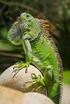 33 Reptiles and Amphibians of Curaçao BY Dr. Nelly de Rooij (With 2 Figures). The Zoological Museum of Amsterdam received some collections of reptiles from Curaçao made by Dr. J. BOEKE in 1905, by Dr.
SYSTEMATIC OBSERVATIONS ON THE SCORPION GENUS SYNTROPIS,
 Boletín Sociedad Entomológica Aragonesa, n1 40 (2007) : 119 136. SYSTEMATIC OBSERVATIONS ON THE SCORPION GENUS SYNTROPIS, WITH DESCRIPTIONS OF TWO NEW SPECIES (SCORPIONES: VAEJOVIDAE) Michael E. Soleglad
CONTRIBUTION TO THE KNOWLEDGE OF DERMESTIDAE (COLEOPTERA) FROM CHILE CONTRIBUCIÓN AL CONOCIMIENTO DE LOS DERMESTIDAE (COLEOPTERA) DE CHILE
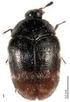 Rev. Chilena Ent. 2012, 37: 17-21 CONTRIBUTION TO THE KNOWLEDGE OF DERMESTIDAE (COLEOPTERA) FROM CHILE CONTRIBUCIÓN AL CONOCIMIENTO DE LOS DERMESTIDAE (COLEOPTERA) DE CHILE Jiří Háva 1 and Jaime Solervicens
Exhibit Inquiry. Rainforest. Aug 11
 Exhibit Inquiry Exhibit Inquiry Have students look for the following exhibits related to living things during their visit to the Ontario Science Centre: Where to go: (Level 6) What it's about: Tropical
Nephrupsis rosea Bate, 1888 Fig. 78 NEPH Nephps 10
 click for previous page 44 Geographical Distribution : Eastern Pacific from Baja California, Mexico (27ºN) to Valparaiso, Chile (ca. 32ºS) (Fig. 77). As Manning (1970:868) pointed out, the records from
A new genus of Philorheithridae (Trichoptera) from Madagascar
 Zootaxa 1825: 18 28 (2008) www.mapress.com/zootaxa/ Copyright 2008 Magnolia Press ISSN 1175-5326 (print edition) ZOOTAXA ISSN 1175-5334 (online edition) A new genus of Philorheithridae (Trichoptera) from
Vink, C. J.; Dupérré, N.; Malumbres-Olarte, J. 2013. Periegopidae (Arachnida: Araneae). Fauna of New Zealand 70: 41 pp.
 Vink, C. J.; Dupérré, N.; Malumbres-Olarte, J. 2013. Periegopidae (Arachnida: Araneae). Fauna of New Zealand 70: 41 pp. The Copyright notice printed on page 4 applies to the use of this PDF. This PDF is
Invasive Tree Species
 Invasive Tree Species A Contents Invasive Tree Species................. 1 Removal Permit Process.............. 2 Mitigation......................... 3 Identification Guide: Norway maple - Acer platanoides............
SCOTTISH TERRIER. FEDERATION CYNOLOGIQUE INTERNATIONALE (AISBL) SECRETARIAT GENERAL: 13, Place Albert 1 er B 6530 Thuin (Belgique) 10.01.
 FEDERATION CYNOLOGIQUE INTERNATIONALE (AISBL) SECRETARIAT GENERAL: 13, Place Albert 1 er B 6530 Thuin (Belgique) 10.01.2011/EN FCI-Standard N 73 SCOTTISH TERRIER M.Davidson, illustr. NKU Picture Library
Scott A. Stockwel l. Department of Biological Science s Texas Tech University Lubbock, Texas 79409 INTRODUCTION
 Stockwell, S. A. 1985. A new species of Heteronebo from Jamaica (Scorpiones, Diplocentridae). J. Arachnol., 13 :355-361. A NEW SPECIES OF HETERONEBO FROM JAMAICA (SCORPIONES, DIPLOCENTRIDAE) Scott A. Stockwel
Oscar F. Francke. Department of Zoolog y Arizona State Universit y Tempe, Arizona 8528 1
 Francke, O. F. 1977. Scorpions of the Genus Diplocentrus from Oaxaca, Mexico (Scorpionida, Diplocentridae). J. Arachnol. 4 :145-200. SCORPIONS OF THE GENUS DIPLOCENTR US FROM OAXACA, MEXICO (Scorpionida,
Scanning electron micrographs of medically important dust mite, Suidasia pontifica (Acari: Astigmata: Saproglyphidae) in Malaysia
 Tropical Biomedicine 28(2): 275 282 (2011) Scanning electron micrographs of medically important dust mite, Suidasia pontifica (Acari: Astigmata: Saproglyphidae) in Malaysia Ahamad, M. 1*, Louis, S.R. 2,
A revision of the spider genus Menemerus in Africa (Araneae: Salticidae)
 Genus Vol. 10 (2): 251-353 Wroc³aw, 30 VI 1999 A revision of the spider genus Menemerus in Africa (Araneae: Salticidae) WANDA WESO OWSKA Zoological Institute, Wroc³aw University, Sienkiewicza 21, 50-335
Description of a new Pygopleurus species (Col.: Glaphyridae), with a list of recorded species of the genera Pygopleurus and Eulasia from Iran
 Journal of Entomological Society of Iran 2007, 26(2), 1-6 1 Description of a new Pygopleurus species (Col.: Glaphyridae), with a list of recorded species of the genera Pygopleurus and Eulasia from Iran
PHYLOGENY AND CLASSIFICATION OF SPIDERS
 18 FROM: Ubick, D., P. Paquin, P.E. Cushing, and V. Roth (eds). 2005. Spiders of North America: an identification manual. American Arachnological Society. 377 pages. Chapter 2 PHYLOGENY AND CLASSIFICATION
Lab 5 Overview of the Skeleton: Classification and Structure of Bones and Cartilages Exercise 9 The Axial Skeleton Exercise 10
 Lab 5 Overview of the Skeleton: Classification and Structure of Bones and Cartilages Exercise 9 The Axial Skeleton Exercise 10 Overview of the Skeleton Locate the important cartilages in the human skeleton
One of the most difficult tasks for the backyard chicken breeder is that of sexing young chicks. Here are some useful tips by various authors.
 One of the most difficult tasks for the backyard chicken breeder is that of sexing young chicks. Here are some useful tips by various authors. SEXING WELSUMMER CHICKS By Geoffrey Johnson - Welsummer Club
A Morphological Study On Endemic Malabaila lasiocarpa Boiss. (Apiaceae) From Bingol (Turkey)
 Araştırma Makalesi/Research Article A Morphological Study On Endemic Malabaila lasiocarpa Boiss. (Apiaceae) From Bingol (Turkey) Ömer KILIÇ 1 Abstract- In this study morphological characters of Malabaila
Snakes of Massachusetts
 Snakes of Massachusetts Of the roughly 3,000 known species of snake found worldwide, only 15% are considered dangerous to humans. Luckily here in Massachusetts we only have two types of dangerous venomous
P O L I S H J O U R N A L O F E N T O M O L O G Y
 P O L I S H J O U R N A L O F E N T O M O L O G Y P O L S K I E P I S M O E N T O M O L O G I C Z N E VOL. 76: 177-182 Bydgoszcz 30 September 2007 Harmonia axyridis (PALLAS, 1773) (Coleoptera: Coccinellidae)
How to identify (or misidentify) the hobo spider Rick Vetter 1 and Art Antonelli 2
 How to identify (or misidentify) the hobo spider Rick Vetter 1 and Art Antonelli 2 PLS 116 Page 1 Since the late 1980s, many people in Washington have been concerned about the hobo spider because it has
SILVANUS MUTICUS SHARP, 1899: AN AMERICAN SILVANID FOUND OUT-OF-DOORS IN TWO GREEK ISLANDS (Coleoptera Cucujoidea Silvanidae)
 Boll. Mus. Civ. St. nat. Venezia, 53 (2002) 2002: 207-211. Enrico Ratti SILVANUS MUTICUS SHARP, 1899: AN AMERICAN SILVANID FOUND OUT-OF-DOORS IN TWO GREEK ISLANDS (Coleoptera Cucujoidea Silvanidae) Riassunto.
An Introduction to the Spiders of Chicago Wilderness, USA Common Spiders of the Chicago Region
 Common Spiders of the Chicago Region 1 ARANEIDAE ORB WEAVERS Orb Weavers and Long-Jawed Orb Weavers make classic orb webs made famous by the book Charlotte s Web. You can sometimes tell a spider by its
A revision of the Aphthona gracilis species group (Coleoptera: Chrysomelidae) A.S. Konstantinov
 Труды Русского энтомологического общества. С.-Петербург, 2006. Т. 77: 178 188. Proceedings of the Russian Entomological Society. St. Petersburg, 2006. Vol. 77: 178 188. A revision of the Aphthona gracilis
LABRADOR RETRIEVER. FEDERATION CYNOLOGIQUE INTERNATIONALE (AISBL) SECRETARIAT GENERAL: 13, Place Albert 1 er B 6530 Thuin (Belgique) 12.01.
 12.01.2011/EN FEDERATION CYNOLOGIQUE INTERNATIONALE (AISBL) SECRETARIAT GENERAL: 13, Place Albert 1 er B 6530 Thuin (Belgique) FCI-Standard N 122 LABRADOR RETRIEVER M.Davidson, illustr. NKU Picture Library
FCI-Standard N 105 / 29. 03. 2006 /GB FRENCH WATER DOG. (Barbet)
 FCI-Standard N 105 / 29. 03. 2006 /GB FRENCH WATER DOG (Barbet) 2 TRANSLATION : Jennifer Mulholland. ORIGIN : France DATE OF PUBLICATION OF ORIGINAL VALID STANDARD : 21.02.2006. UTILIZATION: Water dog
Article. http://dx.doi.org/10.11646/zootaxa.3841.1.7 http://zoobank.org/urn:lsid:zoobank.org:pub:6fb24193-a0db-4494-8c2c-f7591e614e9c
 Zootaxa 3841 (1): 127 134 www.mapress.com/zootaxa/ Copyright 2014 Magnolia Press Article http://dx.doi.org/10.11646/zootaxa.3841.1.7 http://zoobank.org/urn:lsid:zoobank.org:pub:6fb24193-a0db-4494-8c2c-f7591e614e9c
A new species of Halystus from Socotra Island (Coleoptera: Curculionidae: Scolytinae: Polygraphini)
 ACTA ENTOMOLOGICA MUSEI NATIONALIS PRAGAE Published 17.xii.2012 Volume 52 (supplementum 2), pp. 511 516 ISSN 0374-1036 A new species of Halystus from Socotra Island (Coleoptera: Curculionidae: Scolytinae:
Two new species of the family Aporcelaimidae (Nematoda: Dorylaimida)
 Genus Vol. 23(1): 189-199 Wrocław, 30 VI 2012 Two new species of the family Aporcelaimidae (Nematoda: Dorylaimida) István Andrássy Department of Systematic Zoology and Ecology of the Eötvös Loránd University,
Forthcoming title due to be published May 2008 Dominican
 Forthcoming title due to be published May 2008 Dominican Amber Spiders A comparative palaeontologicalneontological approach to identification, faunistics, ecology and biogeography Dr David Penney Siri