
UMRAH. A Complete Guide
|
|
|
- Kenneth Phillips
- 9 years ago
- Views:
Transcription
1 UMRAH A Complete Guide Arif Hajj & Umrah Services Limited Punjab House Victoria Avenue, Brierfield, Nelson, Lancashire, BB9 5RH Tel/Fax: Tel: Mob: [email protected] Written by Mohammad Hanif
2 CONTENTS Chapter Title Page Preface 1. Introduction 2. Quick guide for performing Umrah 3. Choosing your tour operator 4. Preparing yourself for Umrah 5. The Journey 6. Conditions For Umrah 7. Meeqat 8. Ihram A. What is Ihram B. Conditions of Ihram C. Good and bad deeds 9. Entering the state of Ihram 10. Arriving in the Holy city of Makkah Mukarama 11. Entering Masjid-e-Haram 12. Tawaaf A. Conditions of Tawaaf B. Types of Tawaaf C. Details of Tawaaf D. Essentials in performing Tawaaf E. Doubts in Tawaaf F. Wuzu in Tawaaf G. Menses (periods) in Tawaaf 13. Prayer at Maqam-e-Ibrahim 14. Drinking Zam Zam water 15. Saee 16. Halq or Taqseer 17. Arriving in the Holy city of Madina Munawara 2
3 Chapter Title Page 18. Visiting Masjid-e-Nabvi 19. Visiting the Roza Mubarak 20. Ziyarat inside Masjid-e-Nabvi 21. Ziyarat outside Masjid-e-Nabvi 22. Ziyarat in & around the Holy city of Makkah Mukarama 23. Namaz-e-Janaza 24. Glossary 3
4 1. INTRODUCTION In the name of Allah Almighty, the Most Compassionate, the Most Merciful Praise be to Allah Almighty and may his peace and blessings be upon the Holy Prophet Muhammad (Peace be upon him), the Ahle-Bait, the Sahaba and all those who follow him. The aim of this booklet UMRAH step by step guide is to cover key aspects of Umrah in a question and answer format. The booklet is simple, understandable and straightforward. This booklet will to provide you with some insight and clarification as you embark on your spiritual journey to the two Holy cities visiting the two Holy Haram s (Masjid-e-Haram and Masjid-e-Nabvi); also called the Haramain Sharifain. Umrah is sometimes referred to as the lesser pilgrimage; consists of the performance of a set of religious (devotional) rites in Masjid-e-Haram in the Holy City of Makkah Mukarama. It is very important that you and all other Hujjaj travelling for Umrah prepare themselves weeks and months before their departure mentally, physically and spiritually. You should bear in mind that you are going to visit the Holy cities and are not going for a normal holiday to visit a tourist attraction. The two Holy cities are always very busy day or night. During the Umrah journey you will be tested in a variety of ways, therefore you must always be patient and tolerant. No matter, how hard you may plan your journey, things could still go wrong. Also learn the dua s (at least the basic dua s), the layout of the two Holy Mosques and method for praying Janaza (funeral prayer). There will be Janaza prayer at least once a day. Always remember the purpose of your visit; spend as much time in the two Holy Mosques doing ibadat. Refrain from spending time in the shopping centres. We sincerely hope this booklet proves to be useful and we ask that you pass it on to others, Inshallah, who are blessed and fortunate enough to go also. By the grace of the Allah Almighty (SWT), I indeed have been blessed with the honour of producing this booklet for the benefit of those going to Umrah. I take the ultimate responsibility for any mistakes that may have occurred in this book. I thus seek forgiveness from Allah Almighty for any errors that might have occurred. Written by Mohammad Hanif 4
5 2. QUICK GUIDE FOR PERFORMING UMRAH UMRAH A Complete Guide by Arif Hajj & Umrah Services Recite the niyyat for Ghusl Perform Ghusl or Wuzu Change into your Ihram (before or at Meeqat) (men wear Rida and Izhar) Read two nafl (men cover their head) After reading Nafl (men uncover their head) Recite the Niyyat for Umrah at or before the relevant Meeqat Recite the Talbiya three times (men loudly, women quietly) Keep reading Talbiya until starting Tawaaf Read dua upon entering Masjid-e-Haram and make niyyat for NAFL Itikaf Prepare for Tawaaf Make Idtiba (Men only) Perform Istilam Perform Istilam Perform Ramal Do niyyat for Tawaaf After completing Tawaaf discontinue with the Idtiba Read two Nafl (Wajib) near Maqam-e-Ibrahim Drink Zam Zam water Perform Saee Perform Halq or Taqseer Umrah complete, Ihram conditions finished 5
6 3. CHOOSING YOUR TOUR OPERATOR Q1. I want to go on Umrah, what do I do? UMRAH A Complete Guide by Arif Hajj & Umrah Services Ans: To go to Umrah or Hajj, your travel arrangements have to be made through a Hajj and/or Umrah operator, who is approved by the Ministry of Hajj Kingdom of Saudi Arabia government. Also the operator must be ATOL Approved. Q2. Can I obtain an Umrah (hajj) visa myself? Ans: No. Only approved Hajj and/or Umrah operators can obtain visas from the Royal Embassy of Saudi Arabia in London. It is not like going to the British, Pakistani, Indian or Bangladeshi embassy s or consulates where an individual can walk in and obtain a visa. Q3. How do I find an operator who provides Umrah packages? Ans: There will be many Hajj and Umrah operators operating in your locality and nationally. The Umrah (and Hajj) operator you select must be: 1. Approved by the Ministry of Hajj, Kingdom of Saudi Arabia government. 2. Have ATOL (Air Travel Organisers' Licensing) approved by the British Civil Aviation Authority (CAA) and have a ATOL certificate. Q4. What is the benefit of ATOL? Ans: ATOL protects you, the client, if there are any problems in your travel arrangements. Q5. What is the difference between group leaders and approved agents? Ans: An approved agent must have met all the criteria of the Ministry of Hajj, Kingdom of Saudi Arabia and the UK government. They can then make all necessary Visa, travel and Accommodation arrangements in the UK and in Saudi Arabia. A group leader is a person who works with or for an approved agent and provides them customers (pilgrims) for Umrah or Hajj tours. A group leader cannot make any arrangements in Kingdom of Saudi Arabia on their own or their business name unless they are an approved agent. Q6. There are many group leaders in my local area who promote themselves as Umrah (Hajj) operators, how do I know if the group leader is approved? Ans: Ask the operator the following questions: 1. Do they own a business that that deals with Hajj and/or Umrah packages? 2. Is the business approved by the Ministry of Hajj, Kingdom of Saudi Arabia? 3. Is the business ATOL approved and hold an ATOL licence? 4. Is the business registered with the Inland Revenue? 6
7 If the answer to all the questions is YES, then book with them otherwise select an approved operator. Q7. How much should an Umrah package cost? Ans: The cost of the Umrah package depends on what your requirements are, such as: i. Duration of your stay ii. Which month you want to perform Umrah in (peak or off-peak season) iii. How many people travelling (single person will cost more than a few people because costs are shared among the few) iv. Type of hotel required: a. What star is the hotel, (basic, 2, 3, 4 or 5) b. The distance from the Holy Haram s c. Number of persons occupying each hotel room. v. Airlines you want to travel upon a. Direct flight from a UK airport to Jeddah b. Indirect flight vi. Is food included vii. Transport in Saudi Arabia: a. Jeddah airport to the Holy city of Makkah Mukarama b. From the Holy city of Makkah Mukarama to the Holy city of Madina Munawara c. From the Holy city of Madina Munawara to Jeddah airport. viii. Visiting Ziarat s ix. Umrah visa 4. PREPARING YOURSELF FOR UMRAH Q1. How should you prepare yourself for Umrah? Ans: It is very important that all individuals going for Umrah prepare themselves mentally, physically and spiritually, possibly weeks and months before their departure. You should bear in mind that you are going to visit the Holy Cities and are NOT going for a holiday to visit a tourist attraction. Q2. What should a pilgrim do to prepare themselves? Ans: The Pilgrim must start to do the following: A. Start preparing yourself a month or more before they start on their journey. B. Start reading Namaz. C. Start getting up at daily during the last hour of the night to pray. D. Learn the procedures for performing Umrah by talking to other Haji s, reading books, etc. E. Start exercising by walking, running, etc. No matter how young you are your perseverance will be tested. F. Read stories of the life of the Prophet Mohammed (Peace be upon him). G. Learn and memorise dua s. 7
8 Videoing and taking photos Q3. Is video filming and taking photos allowed? UMRAH A Complete Guide by Arif Hajj & Umrah Services Ans: Video filming and taking photos in Saudi Arabia are prohibited, especially near the 2 Holy Haram s both in Madina Munawara and Makkah Mukarama. It is better not to take Video equipment and camera with you. However nowadays mobiles are very sophisticated that allow you to take photos and make videos. If you are caught using them, the police officers, etc will confiscate them. Be very careful. Weather Q4. What is the weather like in Saudi Arabia? Ans: In Saudi Arabia the temperature varies between 20 to 30 degrees Celsius during November and February. For the remainder of the year it can go up to 48 degrees. It is particularly hot during Zuhr time. Identification Q5. Do I need to carry any identification (ID)? Ans: It is advisable that each person travelling must carry an ID card showing his/her name, photograph, passport number and nationality plus some medical information and telephone numbers of the hotels they will be staying. Water Q6. What about my water intake due to the weather? Ans: Due to the hot weather, it is recommended that you always carry a small bottle filled with water (preferably Zam Zam) from the time you land in Jeddah until you return to the UK. Bottles can be easily purchased anywhere, especially around the Holy Haram s. Respect of Holy Haram s Q7. How can I respect the Holy Haram s? Ans: There are 2 Holy Haram s; they are Masjid-e-Haram and Masjid-e-Nabvi. Calmness should be maintained in both of the Holy Haram's at all times. Worldly talk, discussions and arguments should be avoided at all times. Whilst in Holy Haram s, recite the Holy Quran, Dorood Shareef, Salawat, Tasbih, Zikr, Duas, Istighfar, etc as much as possible. Respect of Holy places Q8. How can I respect other holy sites? Ans: Respect and dignity of all the holy places should be maintained at all times especially while performing various rites and Ziyarat. Care should be taken to see that other Haji s are not inconvenienced. You are also advised not to occupy a certain place for a long time where others would like to pray. 8
9 Aadab Q8. What state should the body be? Ans: It is recommended that you should be in Wuzu at all times throughout your Umrah trip. Namaz-e-Janaza (funeral prayer) Q9. How often will Namaz-e-Janaza be performed? Ans: There will be Janaza prayer performed at least once a day in the Holy Harams. Therefore learn the duas and method for praying Janaza Items to take with on your Umrah trip Q10. What should baggage be like? Ans: You must try to travel as light as possible. All baggage must be tagged with your name, full address both inside and outside and should also be locked for security purposes. Q11. What items of clothing do I take with me on the Umrah trip? Ans: Some individuals going to Umrah have the tendency to take many unnecessary items of clothing with them. We, therefore, have prepared a list of items to be taken. Some of these items can be shared between couples and friends. List of items: i. Shampoo and soap. ii. Tooth brush and toothpaste. iii. Comb or hair brush. iv. A money pouch. v. Four pairs of shalwar kamis, vests, and some undergarments. vi. Alarm clock. vii. Pair of sandals for the daily usage. viii. You should take enough prescription medicine to last you during the entire trip. It is also advisable to carry a prescription of all your medication. ix. If you wear glasses then it is highly recommended to carry an extra pair with you. Q12. Do I take the same clothing for summer or winter? Ans: Saudi Arabia is a hot country all year round. However if you are doing Umrah in the months between November to January you may want to take a jumper with you because for the Fajr Namaz it is sometimes cold especially in the Holy city of Madina Munawarah. For ladies only Q13. Can women do anything about their menses? Ans: Women can contact their family doctor well in advance to prescribe the necessary medication to avoid menses during the trip. Ladies in menses CANNOT enter any Masjid, however they can recite Durood Shareef, Kalima, etc from outside. 9
10 Twenty things to do in Umrah Q14. When a thought comes to you saying now what do I do, what should you do? Ans: Many of those going for Umrah may find themselves sitting in their hotel room thinking to themselves, now what do I do. Some pick themselves up and go around doing things pleasing to Allah Almighty; others may not capture the moment due to inexperience. Here is a jot list of beneficial things to do during your Umrah trip. 1. Remember all the blessings Allah Almighty has bestowed upon you. 2. Say Salaam to strangers 3. Talk to Haji s from other countries 4. Help people in your group 5. Focus hard on helping those immediately near you 6. Carry bags for the elderly, women and children 7. Pray to Allah Almighty using his 99 most beautiful names (al Asmaa al Husna) 8. Send salaam and Durood Shareef upon the Holy Prophet Mohammad (Peace Be Upon Him) in abundance 9. Lower your gaze 10. Discuss with people about the lives of the Sahaba 11. Read Quran Paak with the Tafseer 12. Remind people of patience and why they came here 13. Explain the importance of purifying ones actions for the sake of Allah Almighty 14. Make dua for family, neighbours, new and old friends and your enemies 15. Remember Heaven (Janat) and hell (Jahanum) 16. Remind people to go home as better Muslims 17. Forgive people that wrong you 18. Talk to 10 people who you do not know 19. Use a Miswak 20. Fill your pockets with sweets and give to the children that you meet 5. THE JOURNEY Q1. How long will my journey take? Ans: The duration of your journey will be between 16 to 20 hours from leaving your home and when you begin your Tawaaf. This will depend upon your flight being direct or indirect, this seems a long time but it does take that long. Q2. When does my journey start? Ans: Your journey will start the moment you leave your home; make sure that you don t get involved in loose talk all through your journey until you reach Masjid-e-Haram and start your Tawaaf. Q3. What will the journey consist of? Ans: This journey will take time, therefore be relaxed, do not loose your cool or get annoyed, above all be patient and tolerant. The journey will consist of: 10
11 i. Travelling from your home to the airport. After checking in, go immediately for immigration. This will avoid loose talk with the people who have come to send you of. Remember you are doing Umrah, they are not. ii. Arrival at Jeddah airport and getting cleared through immigration will a few hours. iii. The journey from airport to your hotel iv. Brief rest at hotel before you depart for your Umrah 6. CONDITIONS FOR UMRAH Q1. What are the conditions for individuals to meet, so that they can perform Umrah? Ans: The following conditions must be met by any individual who is going to perform Umrah: i. Must be Muslim ii. Be of sound mind iii. Capable (can afford the journey) Q2. How many pillars does Umrah have? Ans: Umrah has three Pillars. If a pilgrim fails to perform any one of the following pillars, there Umrah will be void: i. Ihram ii. Tawaf iii. Saee Q3. How many Farz are there in Umrah? Ans: There are two Farz in Umrah. If a pilgrim fails to perform any one, there Umrah will be void: iv. To wear the Ihram v. To complete at least four circuits of Tawaf Q4. How many Waajibaats are there in Umrah? Ans: There are three Waajibaats in Umrah. i. Completion of all seven circuits of Tawaaf. ii. Saee between Safa and Marwah iii. Shaving of the hair or trimming it (equally) on all sides Q5. When can Umrah be performed? Ans: Umrah can be performed at anytime of the year. However according to Hanafi scholars Umrah is prohibited on the Day of Arafah and four days following it. 7. MEEQAT Q1. What is Meeqat? 11
12 Ans: Meeqat means fixed place. Any person not present in the Holy city of Makkah Mukarama, who wishes to come from outside the city to perform Umrah, will have to put on the Rida and Izar (called the Ihram) and enter the state of Ihram at or before the Meeqat (places appointed by Sharia). There are five Meeqat s if you are coming from outside of Saudi Arabia. Q2. In what state can Umrah be performed? Ans: An individual intending to perform Umrah is required to enter the state of Ihram. Q3. Where can you enter the state of Ihram? Ans: You can enter the state of Ihram at or before the relevant/prescribed Meeqat (boundary). Q4. Where should a pilgrim enter the state of Ihram who is travelling from the UK? Ans: You should enter the state of Ihram at the last point (airport) before leaving for Jeddah airport. If you are travelling directly from a British airport to Jeddah, then you should enter the state of Ihram at that British airport. If you are travelling from another European airport to Jeddah and have a couple of hours stay at that airport then you should enter the state of Ihram at that airport. If your stay at an airport outside the UK is for fuelling only or the airline will not let you out of the airport, then you should enter the state of Ihram at the British airport you are flying from. Q5. If a pilgrim passes the Meeqat without entering the state of Ihram, what should they do? Ans: Entering the state of Ihram from the Meeqat is one of the obligatory actions of Umrah. It is not permissible for anyone to pass the Meeqat without entering Ihram. The pilgrim must go back to the missed Meeqat and enter Ihram; if he does not or cannot do that then he must offer a daam (fidya, ransom or expiation). Q6. Should I enter the state of Ihram if I am travelling directly to the Holy City of Madina Munawara from the UK? Ans: You can only enter the state of Ihram if you are travelling directly from UK to the Holy City of Makkah Mukarama to perform the Umrah. If you are travelling to any other city or town of Saudi Arabia then you do not need to enter the State of Ihram. When you leave the Holy City of Madina Munawara for the Holy City of Makkah Mukarama, you will then enter the state of Ihram, 12
13 Q7. Where are Meeqat s located? Ans: Meeqat s are located at: 1. Masjid-e-Aisha: this is for people living in the Holy city of Makkah Mukarama. 2. Dhul Hulaifah: This is the meeqat specified for the people of the Holy city of Madina Munawara. It is a water place for Banu Jathm. It is the furthest meeqat, for it is 450 kilometers from the Holy city of Makkah Mukarama. 3. Al-Juhfah: This is the Meeqat specified for the people Egypt, Syria and countries farther to them. 4. Qarn Al-Manazil: It is a mountain near to Arafah. It is the place of putting on Ihram for the people of Taif and those further to them. 5. Yalamlam: It is a mountain in Tuhamah located 8 kilometers away from Mecca. It is the Meeqat for those coming from Yemen. 6. Dhat Irq: It is so called because it has a mountain called Irq close to the Valley of Al- `Aqiq. It is a village 94 kilometers to the north-east of the Holy city of Makkah Mukarama. Despite the fact that this Meeqat is not fixed by the Prophet (peace be upon him), scholars have unanimously agreed on it. 8. IHRAM Q. What is Ihram? Women Q1. For women what does Ihram consist of? Ans. Women are allowed to wear all types of sewn clothes and footwear during Ihram including their normal daily clothes except for hand gloves, wearing a veil, clothing that expose her body & beauty, does not resemble men's clothing, show her adornments or cause temptation to men. However it is highly recommended that it be white as it is the sign of purity. Men Q1. For men what does Ihram consist of? Ans. Ihram for men consists of two pieces of white cloth (Izar & Rida). Izar cloth should cover the man from the navel (around waist) to the ankles. It should not go below the ankle or above the knee. Rida should cover the man from the shoulders to the waist including the elbows. Q2. Are men allowed to wear any other clothing with the Ihram? Ans: Men are not allowed to wear anything else, not even underwear, socks, gloves, etc. 13
14 Q3. Are men allowed to wear anything else with the Ihram? Ans. Men are allowed to wear a money belt with sewn pockets for keeping money, traveller s cheques, passports and other valuables, slung around the shoulders or worn around the waist. Conditions for Ihram Q1. Are there any conditions for Ihram? Ans. Yes, the conditions are: i. The Ihram must not be sewn. ii. The cloth used for Ihram must be Paak (pure). iii. It must not be made of silk or golden threads. iv. It must not be made of animal hide or skin. v. It must not be Ghasbi. This means it must not be the one usurped from its rightful owner Q2. In the state of Ihram, can the clothes be changed? Ans: Yes. Either one or both of the clothes can be changed if required. Q3. What is the recommended size of cloth of Ihram? Ans. The Recommended size of cloth for Ihram is two and half yards in length and about 42/44 inches in width. Q4. What type of footwear can men wear in Ihram? Ans: The footwear that is worn must be such that the central bone of the upper part of the feet (the area of the shoe lace) is uncovered Good and bad deeds Q1. Which deeds or acts are recommended when Ihram (clothing) is put on and before entering the state of Ihram? Ans: The following deeds will earn great sawab: A. Having a bath. Bathing is also recommended for women in menses and in post delivery state. The Holy Prophet Mohammad (Peace Be Upon Him) ordered one of Hazrat Abu Bakr's (RA) wives, who intended to perform Hajj to wash herself after she had delivered. B. Clipping nails, trimming the moustache, shaving the armpit and the pubic hair because the Holy Prophet Mohammad (Peace Be Upon Him) had done. C. To wear white rida and izar (Upper and Lower cloth for Ihram). D. After praying an obligatory Salah, then to enter the state of Ihram. E. To repeat and renew Talbiya at the time of embarking, disembarking or Salah. F. To supplicate and pray for the Holy Prophet Mohammad (Peace Be Upon Him) after Talbiya, because the Holy Prophet Mohammad (Peace Be Upon Him) used to, after reciting Talbiya, ask Allah Almighty for Jannah (Paradise) and used to seek refuge of Allah Almighty from Hellfire. 14
15 Q2. What if a pilgrim fails to perform any of the above deeds? Ans: If a pilgrim fails to perform any of the above deeds, no daam (fidya, ransom or expiation) will be payable by them but will miss great sawaab and rewards. Q3. Which acts are forbidden in the state of Ihram? Ans. The following acts are forbidden for men & women and become Haraam for you as long as you are in the state of Ihram. They are: 1. Hunting: Hunting within the sacred area around and in the Holy city of Makkah Mukarama, known as the Haram, is always forbidden. It is not confined to Ihram. When in the state of Ihram, hunting anywhere also is forbidden. However you are allowed to kill scorpions, pythons, poisonous snakes and rats. You are allowed also to slaughter domestic fowls such as goats, sheep, camels, etc. 2. Perfumes: To use perfume or apply it on ones clothes. Perfumes like Saffron, Camphor, Cloves, Cardamom, Amber and all their uses are forbidden. Sweet smelling fruits like apples etc. may be eaten, but it is forbidden to smell them. 3. Make up: All methods of self-beautification, either by use of cosmetics or by ornaments is forbidden. A ring worn for the Niyyat of sawab, like a Firoza or Aqeeq or Dhoor-e-Najaf is permissible. Ladies must also refrain from wearing ornaments, except those they usually wear. But even these must not be displayed to men, even to the husband. 4. Surma: To apply black surma (eyeliner) in the eyes for cosmetic purposes are strictly forbidden. If it is neither black nor for any cosmetic or beautifying purposes, then it is allowed. The daam (expiation, fidya or ransom) of violation is one sheep. 5. Henna: To apply henna. The daam for the violation is ihtiyatan (precautionary) one sheep. 6. Ointment: It is forbidden to apply any kind of ointment to the body, whether it has a sweet smell or not. If however, it becomes necessary for medical reasons it is allowed. 7. To remove or pluck hair from ones own body, or from another's body, regardless of whether the other person is in Ihram or not. The daam for this is a handful of grain. There are four exceptions to this. i. If hair falls itself, while doing Wudhu or Ghusl, there is no objection. ii. If one s hair has grown to his/her eyelid and is causing distress and agony, one may remove it. iii. If the removal of hair becomes inevitable for any good reason and valid reason. But if due to the hair, there are too many lice on the body, and it becomes necessary to remove the hair so as to be relieved of the parasite. iv. You are allowed to stroke your hair or beard or slowly scratch your body, if you know that by so doing no hair would fall, and no bleeding would be caused. 8. Mirror: To look into a mirror for cosmetic reason, which means to appreciate ones looks and features, including combing hair etc is forbidden. The daam of this violation is one sheep. Wearing spectacle (glasses) is allowed provided they are not worn for fashion or beautification. 15
16 9. Smell or odour: To close ones nose or nostrils from bad smell or odour is not allowed. The daam of doing so is one sheep. However, there is no objection if one hastily passes away from the unpleasant odour. 10. Blood: To take out blood from ones own body, or to cause any bleeding by scratching or brushing the teeth etc. However, if this becomes inevitable for relief from any distress, it is allowed. The daam for ignoring this rule is one sheep. Note: One should use salt to brush teeth rather than scented toothpaste. 11. Sewn clothes: It is haram for men to wear sewn or stitched clothes including cover their head with a topi, cap, etc. Their clothes must not have sleeves or seams. One is not allowed to fasten the Ihram with pins or a needle or anything of that sort. You can not even tie a knot. Ladies are allowed to wear all types of sewn clothes, except for the hand gloves and a veil. The daam for violation of this rule is one sheep. 12. Shoes and socks: It is forbidden for men to cover the upper part of the feet from the toes to the ankle. So, men must not wear socks or full shoes. Women can wear them, (although), it is better for women to avoid wearing socks. The daam for men violating of this rule is one sheep. 13. Covering of the face: Women are not allowed to cover their faces with a mask or veil, not even partly. While saying her Salaat, they may cover part of their forehead etc., in an effort to cover her head and hair fully, but after Salaat, she has to see that her face is not covered even partially. She can cover her face while sleeping. She must also refrain from immersing her head in water. Men are not allowed to cover their face at all; their ears must also be visible. Men must not carry any baggage on their heads, nor dip themselves in water. However, a handkerchief or strip of cloth tied on the forehead for relief from a headache is allowed. The daam for this violation is one sheep. 14. Lying and abusing: To tell lies or abuse and scorn. Also to boast or brag about ones own superiority or excellence, with an intention to belittle or under estimate the others. This means one has to be very careful not to use abusive, foul or obscene language in ordinary conversation. If this is done the daam is one cow for violation of this rule. 15. Swearing: To take an oath or to swear in any form, particularly saying (by God no or by God yes) is haram. The daam is Istegfaar, (repentance) for the first and second time, and a sheep for the third time. 16. Killing insects: It is forbidden to kill insects or brush-off an insect originating from one s own body e.g. lice. There is no harm to transfer them from one place to another. The daam for this rule being violated is to give a handful of food to the poor. 17. Cutting of nails: Cutting of nails either whole or partly is not allowed unless the nail is causing pain. The daam (Kafara) for each fingernail being cut is a handful of food. If all nails of the hands are cut in the same place, the daam (Kafara) will be one sheep. The same is true of feet. If the nails of both the hands and feet are cut in the same place, the daam will be one sheep. If one cuts the nails of his hand in one place and the feet in another place the daam will be two sheep. 16
17 18. Carrying of weapons: One is not allowed to carry any weapons, unless it is absolutely necessary. There is no harm in carrying a knife, etc., for cutting fruits, etc. 19. Uprooting trees: To uproot, pluck or cut the grass, leaves of the trees and all that grows from the earth in Makkah and around it; is not allowed. This is forbidden during Ihram and also without Ihram. 20. Sexual intercourse: Sexual intercourse, Kissing and touching and masturbating (including all methods of self-abuse) or any other acts which would arouse sexual desire are forbidden. Even lustful glance at ones own wife or husband or any other lady or man is forbidden. The daam is one camel or a cow or a sheep in that order of affordability. 21. Marriage contract: To read Nikah for oneself or for others regardless of whether the other person is in Ihram or not. Also to be a witness to somebody's Nikah. The daam is one sheep. Q4. What if a pilgrim is ill or has an ailment in his scalp? Ans: Allah Almighty says: And if anyone of you is ill, or has an ailment in his scalp, (necessitating shaving), (he should) in compensation, either fast or feed (the poor), or offer sacrifice. (2:196) 9. ENTERING STATE OF IHRAM Q1. What actions does the pilgrim need to perform before entering the state of Ihram? Ans: The following actions need to be carried out in the following sequence: A. Performing Ghusl is Sunnah, if this is not possible for some reason then do Wuzu. B. Recite the following niyyat before doing Ghusl. The niyyat is: I am doing Ghusl for wearing Ihram Steps C, D and G are for men only C. Men must now wear the 2 clothes (Izar and Rida) for Ihram. Women s normal clothing will become their Ihram. D. Men must now cover their heads with a topi, cap, etc. E. All individuals must know read two nafl. Make sure it is not makrooh time. F. In the first rakat recite surah Fateha followed by Surah al-kaafirun (Kul-ya-ul-Kafiroon) and in the second rakat recite surah Fateha followed by surah Iklaas (Kul-o-Vala-o-Haad). G. After reading Nafl, men must remove whatever you are wearing on your head (topi, cap, etc). H. After completing Nafl, recite the Niyyat for Umrah at or before the relevant Meeqat. The Niyyat is: Meaning: O Allah, I intend performing Umrah, 17
18 render it easy for me, and accept it from me. I. After reading the nafl, you must recite the Talbiya three times (men must recite loudly but women should not recite quietly). A person who is dumb should point with his finger and move his tongue. Without Talbiya, Ihram is invalid. Labbaik, Allahumma Labbaik, Labbaik La Sharika Laka Labbaik, Innal Hamda Wan Ne amata Laka Walmuka La Sharika Lak Meaning: Here I am at Thy service O Lord, here I am. Here I am at Thy service, and Thou hast no partners. Thine alone is All Praise and All Bounty, and Thine alone is The Sovereignty. Thou hast no partners. " Q2. When are you in the state of Ihram? Ans: You will be in the state of Ihram when all the conditions of Ihram, mentioned in Q1: A to I, above have been completed in the sequence described above. Q3. What happens if you do not follow the sequence of actions described in Q1 above? Ans: If this sequence of actions is not followed then you will not be in the state of Ihram. Q4. What do I read in the state of Ihram? Ans: Talbiya must be read all the time until you start your Tawaaf, it is the most important dua and you will get the most sawab. Q5. What if I get tired of reading Talbiya? Ans: If you are finding reading Talbiya all the time is difficult, then read durood shareef, ayats of the holy Quran, Allah Almighty s name, Holy Prophets names, talk about religion, etc. Do not waste your time in idle talk; remember what the purpose of your journey is. Always return back to reading Talbiya. Q6. If a woman is in her menses, what should she do? Ans: Having a bath for Ihram is Sunnah for women, even if she is menstruating or experiencing postnatal bleeding (for cleanliness). Then make the niyyat for Umrah and start reciting the Talbiya. She should not perform the two rakats of nafl for Ihram. 18
19 Upon the woman attaining purity, she should perform the steps A to I mentioned above (except steps D and G). She will then enter Masjid Haram and perform Tawaaf and Saee. Her Umrah will then be completed. 10. ARRIVING IN THE HOLY CITY OF MAKKAH MUKARAMAH Q1. What do I do upon arrival at the hotel? Ans: Upon arrival at your hotel in the Holy city of Makkah Mukarama you will check into your hotel (have a rest if possible because performing Umrah takes a long time and you will be tired after the long journey from your home to the hotel). You then proceed to Masjid-e-Haram to perform Umrah. 11. ENTERING MASJID-E-HARAM Q1. How should a pilgrim enter Masjid-e-Haram? Ans: Enter the Holy Masjid-e-Haram with your right foot first, with utmost humbleness and respect and recite: Allah Hum-Maf Tah-Lee Ab-Va-Ba Rah-Ma-Tik Meaning: In the name of Allah, and prayers and peace be upon the Messenger of Allah. O Allah, open for us the doors of Your mercies, and make easy for as the means of livelihood Q2. When should I do niyyat for nafl Itikaaf? Ans: Upon entering the Masjid-e-Haram do Niyyat for nafl Itikaaf for the duration of your stay in the Masjid. This is not compulsory; however the sawwab you get is considerably more. The Niyyah for Itikaaf is: Meaning: I intend making Itikaaf for Allah till I remain in the Masjid Q3. What to do if you are entering Masjid-e-Haram for the first time? Ans: Upon entering Masjid-e-Haram keep looking ahead of you focusing on the ground (not looking around at the mosque or looking up in front of you). Go down the steps until you reach the location where the whole of the Holy Kaaba is visible to you. Read the 19
20 following verse and make dua; whilst making dua look at the Holy Kaaba. Which ever dua you make will be accepted at the first sighting of the Holy Kaaba. Dua upon seeing the Holy Kaaba is: ALLAH-O-AKBAR, ALLAH-O-AKBAR, ALLAH-O-AKBAR, LA-ILLA-HA ILLA-HO VALLAH-O-AKBAR Meaning: Allah is the greatest, Allah is the greatest, Allah is the greatest, There is none worthy of worship, except Allah. Allah is the greatest, This is the most beautiful sight in the world. Take your time admiring the beautiful Holy Kaaba. Your priority is to perform the Tawaaf as soon as possible upon entering the Masjid. 12. TAWAAF Conditions of Tawaaf Q1. What are the conditions for Tawaaf? Ans: Wuzu is Wajib for Tawaaf, as is Ghusl. One must must be Paak (pure) (due to: Janabat, Haiz or Nifas) before performing Tawaaf. If for any justifiable excuse, Ghusl or Wuzu cannot be performed, then you have to do Tayammum instead before performing Tawaaf. Women in Istehaddha would follow the rules, as in Salaat, that is, they would do Tawaaf after performing Ghusl and Wuzu. Types of Tawaaf Q1. How many types of Tawaaf are there in Umrah? Ans: There are two types of Tawaaf you may perform. They are: i. Tawaaf-ul-Umrah (also called Tawaaf-ul-Qudoom) is the Tawaaf you will perform upon arrival at Masjid-e-Haram from the Meeqat (either travelling from outside Saudi Arabia or going to Masjid Aisha), pursuant upon your niyyah of Umrah. This is the only Tawaaf in which you are required to wear Ihram and practice Idtiba, Ramal and Saee. ii. Nafl Tawaaf is a devotional Tawaaf you may perform any time, and as many times as, you wish. No Ihram is required for this Tawaaf. Saee is also not required. 20
21 Details of Tawaaf Q1. What is Tawaaf? Ans: Tawaaf of the Holy Kaaba is the heart and soul of the rites of Umrah. The mode and the details associated with Tawaaf were prescribed by the Holy Prophet Mohammad (peace be upon him) himself. Q2. What does Tawaaf consist of? Ans: Tawaaf consists of the following actions: A. To make Idtiba (for men only) B. To perform Istilam C. To do niyyat for Taawaf D. To perform Ramal E. To perform Istilam Q3. How do you make Idtiba? Ans Idtibaa is for men only. Before commencing the Tawaaf, make Idtibaa, this means the men drapes one end of the top part of his Ihram over his left shoulder back-to-front. The other end goes across his back, under his right arm, across his front, and is finally draped over his left shoulder. Q4. What is Istilam? Ans: Istilam: is the act of kissing Hajre-Aswad at the beginning and the end of every circuit of the Kabaa during Tawaf. If it is not possible physically to kiss Hajar-e-Aswad (Sacred Stone) for any reason, the pilgrim may extend his hand to touch the Hajar-e-Aswad and then kiss his own hand. If that is not possible, the pilgrim may raise his hands toward Hajar-e-Aswad and kiss their own hands. Q5. How many times is Istilam performed? Ans: Istilam is performed 8 times. It is performed at the beginning of each round, there are 7 rounds and also at the end of the Seventh round, a total of 8 times. Q6. Nowadays there is so much pushing at Hajre-Aswad, what do I do? Ans: Due to the amount of people doing tawaaf, it is very difficult to kiss Hajar-e-Aswad. Many people start pushing and shoving to reach and kiss Hajar-e-Aswad. In Islam to push and shove anybody during tawaaf is not allowed. Therefore if you don t get a chance to kiss Hajr-e-Aswad then raise your hands toward 21
22 Hajar-e-Aswad and kiss your own hands. The most important thing to remember is the adaab of Masjid-e-Haram. There should not be any kind of pushing and shoving anywhere in the Masjid. Q7. What is the niyyat for Tawaaf? Ans: Before starting your Tawaaf, recite the following niyyat, which is Waajib: Allah Huma Inee Uree-dul Tawaafa Bait-Tey-Kal Hara Mey Fa-Yasir Ho-Li Va-Ta-Kabal Ho Minee Sab-Aa-Ta Ash-Va-Tin Lillah Hey Ta-Aa-Lah Aza Va-Jala Meaning: O Allah, I intend performing Tawaaf around Your sacred house, seven circuits for Allah, who is Mighty and Dignified. hence render it easy for me and accept it from me. Q8. What is Ramal? Ans: Ramal is for men and only is performed in Tawaaf-ul-Umrah. Men in the first three circuits must walk quickly in small steps with their chests thrust forward and with their shoulders rolling slightly. During circuits 4 to 7 men should walk at a normal pace. Ladies are not required to practice Ramal. Q9. How is Tawaaf completed? Ans: When the pilgrim completes the seventh round, they must perform the Istilam. This means the Tawaaf is completed. Essentials of performing Tawaaf Q1. What is the essentials and method of performing the Tawaaf? Ans: The essentials and method of performing Tawaaf is as follows: 1. Tawaaf starts with the intention (niyyat) to perform this act for the sake of Allah Almighty only. 2. Each circuit starts from Hajar-e-Aswad with the pilgrim reciting "Bismillah, Allah-o- Akbar" and performing the Istilam of the sacred stone. 3. During Tawaaf-ul-Qudoom (in Ihram) do not touch Hajar-e-Aswad or the Holy Kaaba because they are continuously sprayed with perfumes. Fragrance of any type is forbidden whilst you are in Ihram. During nafl Tawaaf, kiss or touch Hajar-e-Aswad or the Holy kaaba as much as you possibly can. 4. In order for you to recognize the point of beginning of the Tawaaf, the floor of the Masjide-Haram has a strip of brown-black marble starting from the Hajar-e-Aswad out to the 22
23 wall of the Masjid-e-Haram. Also there is a green light on the same wall to identify this location. 5. Each circuit ends at Hajre-Aswad with Istilam. The pilgrim will begin a new circuit after reciting "Bismillah, Allah-o-Akbar" as before from this spot. 6. Each circuit is performed in the counter clockwise direction. During Tawaaf, the Holy Kaaba must remain to your left all the time. Your left shoulder should not turn away from the Holy Kaaba, otherwise that particular sector of movement will not be included in Tawaaf. 7. Ihram is worn only for Tawaaf-ul-Umrah. Your normal clothes are worn for nafl Tawaaf. 8. Idtiba and Ramal are performed only in Tawaaf-ul-Umrah and are not required for nafl Tawaaf. 9. Women are not required to perform Idtiba and Ramal. 10. There is a small arc shaped wall adjoining the Holy Kaaba on one side. It is called Hateem. While making Tawaaf, Hateem must be included in the round. If you pass between the Holy Kaaba and Hateem during Tawaaf, that particular circuit will be void. So, you will have to repeat the circuit. 11. Tawaaf is to be completed with no interruptions. However, if Azan (the call to prayers) is recited during the Tawaaf, you should stop to join the prayers at where ever you may be at that point in time, and resume the Tawaaf from there after the prayer is over. It is not necessary to restart the interrupted circuit afresh from Hajre-Aswad. 12. The number of circuits in each Tawaaf is seven. Each round begins from Hajre-Aswad and ends there. A Tawaaf of less or more then seven rounds is Batil (not valid). 13. You will be reciting prayers and supplications during Tawaaf. You may pray in any language you prefer, but the prayers most often recited by pilgrims is the third Kalima from Hajre-Aswad to Rukney Yamani. 14. From Rukney Yamani to Hajre-Aswad the following dua is recited: ر ب نا ء ات ن ا ف ى ا لد ن ي ا ح س ن ة و فى الاخ ر ة ع ذ اب ا لن ار ح س ن ة و ق ن ا Rabbana aatina fid dunniyya hasanatan wa fil akhirati hasanatan wa qina 'adhaban nar Meaning: Our Lord! Grant us good in this world and good in the hereafter, and save us from the punishment of the Fire. Q2. Is there lots of pushing during Tawaaf? Ans: Remember no one pushes or shoves intentionally, this occurs due to the large amount of people performing Tawaaf around the Holy Kaaba. Pilgrims should not shove or push anyone in order to touch the Hajre-Aswad. Men: If you are with your wife, daughter, mother, etc make sure that they are in front of so that you can protect them from all the pushing and shoving that happens during Tawaaf. 23
24 Q3. Is kissing the Hajre-Aswad a condition of Tawaaf? Ans: No. Kissing the Hajre-Aswad is a Sunnah act of Tawaaf and not a condition. If a person does not kiss it, his Tawaaf will be valid and complete. If you can touch the Hajre-Aswad in a calm and dignified manner, then it is appropriate for you to do so, and if it is not easy then pointing at the Hajre-Aswad is sufficient. If there are large crowds, pointing at the Hajre-Aswad may even be better than kissing it so that the pilgrim avoids harming his fellow pilgrims. Q4. Is nafl Tawaaf important? Ans: Next to the reading Namaz in Jamaat, nafl Tawaaf is the best worship to perform in Masjid-e-Haram. Nafl Tawaaf can be performed any time and as many times as possible. It is superior to nafl namaz in The Holy Mosque. During your stay in the Holy city of Makkah Mukarama try to perform as many nafl Tawaaf as possible. There is no Saee after nafl Tawaaf. Q5. What about people in wheelchairs? Ans: Be extra careful when pilgrims in wheelchairs are near to you. Some wheelchairs have sharp edges that can cause injury. Always try to make way for pilgrims in wheelchairs Doubts in Tawaaf Q1. What if I forget or I have a doubt about the number of rounds completed? Ans:. All doubts should be ignored. Simple rules to remember when you are in doubt about the number of circuits or rounds completed are: i. All doubts after the completion of Tawaaf or after having moved from the place of Tawaaf should be ignored. ii. When you are certain of having completed the seven rounds, but are doubtful whether you went round more than seven times, such doubts should also be ignored. iii. If you were doing Tawaaf that is Wajib, all doubts during Tawaaf would render batil. When in doubt for example whether the round is third or fourth, you will decide that it is third, complete the Tawaaf, and do it all over again. So the rule is that, determine the lesser number, complete the doubtful Tawaaf, and then repeat the whole set again. iv. If your Tawaaf is Mustahab, determine the lesser number and complete your Tawaaf. It would be correct. v. You can rely on your friend or companion who is doing Tawaaf with you. For example, if he/she tells you that the particular round is fifth, and if he/she says so with certitude, you can accept it. 24
25 Wuzu in Tawaaf Q1. What do I do if my Wuzu becomes batil (invalid) during Tawaaf? Ans: When Wuzu becomes batil during Tawaaf, (or when a woman finds that her menses etc. have commenced), the following rules should be follow: a. If Wuzu is batil before or just at half of the total Tawaaf, that is three and half round, Tawaaf becomes batil. Do your Wuzu again and repeat the whole Tawaaf. b. If Wuzu is batil unintentionally at the completion of the fourth round, you have to do Wuzu and continue further. There is no need to repeat the whole Tawaaf and making niyyat, just complete the remaining circuits which are due. c. If you make your Wuzu batil intentionally at any state, after performing Wuzu you will have to repeat the whole Tawaaf. Menses (periods) in Tawaaf Q1. If a woman starts her menses during Tawaaf, what should she do? Ans: When a woman starts her menses while performing Tawaaf, she must come out of Masjid-e-Haraam immediately. If she has completed half or more of the Tawaaf, (three and half rounds or more), those are valid. When she becomes Paak, after her Ghusl, she will complete the balance Q2. If a woman completes her Tawaaf and notices she is bleeding, what should she do? Ans: If a woman completes Tawaaf and she sees blood before she can say her Salaat-e-Tawaaf, she will come out of the Masjid-e-Haraam immediately. Her Tawaaf will remain valid, and she will wait until she is Paak, and after Ghusl, she will say her Salaate-Tawaaf. Q3. If a woman is not sure when her menses began, what should she do? Ans: If a woman is not sure whether her menses began after the Tawaaf and its' Salaat or during or before. Her Tawaaf and Salaat, will be deemed correct. Q4. If a woman is in Haiz or Nifas, what should she do? Ans: A woman who is not able to perform Tawaaf and its' Salaat because of Haiz or Nifas, and is also unable to do Ghusl, will do Tayammum instead of Ghusl and perform the Tawaaf and its' Salaat. It is recommended that she appoint a Naib (representative) who would do these Amaal on her behalf. The body and clothes must be Paak. Even small stains or dots of blood that are permissible in daily prayers are not allowed in Tawaaf. 25
26 Boil or a wound Q1. If a pilgrim has a boil or a wound, what should they do? Ans: If you have a boil or a wound, which persistently bleeds, and it cannot be removed from the body or the clothing, then it is permissible to continue to perform Tawaaf. 13. PRAYER AT MAQAM-E-IBRAHIM Q1. After completing Tawaaf what do I do? Ans: After the Tawaaf has been completed discontinue with the Idtibaa and cover both shoulders with your Ihram. Now perform the two Waajib Rakaat of Salat-us-Sunnah. These should NOT be performed with the arms and shoulders exposed, (i.e. with Idtibaa). Q2. Where is this salaah performed? Ans: The two rakaats of salat-us-sunnah need to be performed with the Maqam-e-Ibrahim between you and the Holy Kabaa. The Maqam-e-Ibrahim must be on your left. Make sure that your Salat does not interfere with the pilgrims doing Tawaaf, so read your salat well away from the Holy Kaaba. Q3. What if this is not possible? Ans: If that is not possible, Salaah offered anywhere in the Masjid-e-Haram is acceptable. Q4. Should we read anything special in this salah? Ans: In the two rakaats it is Mustahab to recite Surah Kaafiroon (Chapter 109) in the first Rakah and Surah Ikhlaas (Chapter 112) in the second Rakah. Q5. Can this salah be read at anytime? Ans: The two Rakaats should not be performed during the forbidden and Makrooh times, (i.e. at sunrise, Zawaal, sunset or after Asr Salaah). If you complete your Tawaaf after Asr Salaah, the two Waajib Rakaats (tawaaf rakaats) should be performed immediately after the three Farz of the Maghrib Salaah, before the sunnah and nafl rakaats. 14. DRINKING ZAM ZAM WATER Q1. Where do I drink Zam Zam water? 26
27 Ans: After reading the nafl, you must drink Zam Zam water. This is available all over the mosque. Zam Zam water must be drank in a minimum of three gulps whilst facing the Holy Kaaba in a standing position.. Q2. Which dua do I read after drinking Zam Zam water? Ans: After drinking Zam Zam water the following dua should be read: 15. SAEE Allah huma inee as-a-lo-ka il-mana fey anva riz-kanva sey anva she-fa-an min-kuley daa-in Meaning: O Allah, I am asking You for beneficial knowledge and abundance in provision and cure from every ailment Q1. What is Saee? Ans: Saee means walking between the two hills of Safaa and Marwah. Saee begins from Safaa and ends at Marwah. Each Saee consists of seven trips, it starts from Safaa ending at Marwaa, you have completed your first trip, you return from Marwah to Safaa will be second trip and so on until you end your seventh round at Marwah. Q2. Why is Saee performed? Ans: This is sunnat of Hazrat Hajra, who walked seven times between the hills of Safa and Marwah searching for water. Q3. What is the niyyat for performing Saee? Ans: Before starting Saee, the niyyat should be recited at the top of Safaa, if that s not possible anywhere on the hill will do. Your walk will start from Safaa and end at Marwah. Meaning: O Allah, I intend performing Saee between Safa and Marwah, seven circuits for Allah, therefore, make it easy for me, and accept it from me 27
28 Q4. What is the method of performing Saee? Ans: The method of performing Saee is as follows: 1. You will start your Saee at Safa, where you will face the Holy Kaaba, raise your hands in supplication to Allah, recite "Bismillah, Allah-o-Akbar" three times and start walking towards Marwah, 2. Midway between Safa and Marwah there are 2 sets of green lights, distance between is about 50 yards. Men only will walk faster or jog for the length of the lights. Women will walk at their normal pace between the green lights. 3. Your arrival at Marwah completes one leg of the Saee. 4. Upon arriving at Marwah, you will repeat the supplications offered at Safa (i.e. face the Holy Kaaba and repeat "Bismillah, Allah-o-Akbar" three times). Then walk back to Safa. This will complete the second leg of the Saee. 5. Repeat steps 1 to 4 until you complete the seventh rounds, which will end at Marwah. The Saee is now complete. During your seven rounds recite prayers and supplications of your choice. 6. If Azan is recited for prayer during Saee, stop where ever you may be and read Namaz. Then resume the Saee from that location. It is not necessary to restart the Saee, or the round affected by the pause, afresh from its starting point. Q5. Are there any points to remember for Saee? Ans: The following points must be remembered: a. Although Wuzu or even Ghusl is not a pre-requisite for Saee, it is Mustahab to be in a purified state. b. To do Saee with a minimum of delay after Salaat-e-Tawaaf. c. To drink Zam Zam water before performing Saee. It is also Mustahab to pour the water upon ones head and body. d. To climb the steps of Safaa. e. Saee can be performed walking or on the back of an animal, or on somebody's shoulders, or on a wheelchair or cart etc. f. To stand longer at Safaa. g. To conduct the Saee calmly and with reverence. h. To utter words of praise and gratitude for Allah Almighty, remembering His bounties, blessings, signs and kindness. i. To proceed with humility, reverence and composed frame of mind. j. It is Mustahab for men to do Harwala (jogging or trotting) between the two green lights. 16. HALQ OR TAQSEER Q1. What is the last action of Umrah? Ans: The shaving of the head or trimming of the hair is the last action of Umrah. All the restrictions imposed because of the Ihram, will then be lifted. The Umrah is now complete. Q2. How do men release themselves from the state of Ihram? 28
29 Ans: After the Saee, in order to release yourself from the Ihram, it is Waajib for men to shave or trim the hair of the entire head. Only then will the pilgrim be no longer in the state of Ihram. The most sawaab is obtained by shaving all of your hair from your head. If the pilgrim does want to do this then the length of hair to be cut should be the size of the first joint of the fore finger from all the head. Q3. Can the pilgrim cut his or her own hair? Ans: No the pilgrim cannot cut or trim their own hair to release themselves from the Ihram. Only a person who is not in the state of Ihram can cut or trim your hair. For women only another women or your mahram, who is not in the state of Ihram, can trim your hair. Q4. What if the pilgrim is bald? Ans: It is Wajib for a bald person or a person who has wounds on his head to simply pass the razor over the head. Q5. How do women release themselves from the state of Ihram? Ans: The females will not shave their heads. According to Shariah it is unlawful and haraam for them to do so. In order to release herself from the Ihram, a woman is only permitted to have her hair trimmed. The best method is that her hair be divided into three parts, keeping one section on her right, another to her left and one to her back thereafter hold each section separately and trim as much as the first joint of the fore finger (a little more than an inch) from each section. The women folk must have their hair trimmed in privacy and not on the streets, or the hairdresser. Q6. Is a non mahram allowed to cut a women s hair? Ans: A non mahram is not permitted to trim, touch or even look at their hair. Only a mahram or other women can trim her hair. 17. ARRIVING IN THE HOLY CITY OF MADINA MUNAWARA Q1. What do I do upon arrival at the hotel? Ans: Upon arrival at your hotel in the Holy city of Madina Munawara you will check into your hotel (have a rest if required). After resting perform Ghusl or Wuzu and then proceed to the Holy Prophet Mohammad s (peace Be Upon Him) Mosque, Masjid-e-Nabvi, 29
30 18. VISITING MASJID-E-NABVI Q1. What should be the intention of the pilgrim when visiting Masjid-e-Nabvi? Ans: A pilgrim should visit the Holy city of Madina Munawara with the intention of visiting and praying in the Holy Prophet Mohammad s (Peace Be Upon Him) mosque, Masjid-e- Nabvi. Q2. Do I wear an Ihram or read the Talbiya? Ans: The pilgrim does not wear an Ihram and does not read the Talbiya for the visit to Masjide-Nabvi. This is only done for performing the Umrah in Masjid-e-Haram. Q3. How should a pilgrim enter Masjid-e-Nabvi? Ans: Enter the Masjid-e-Nabvi with your right foot first, with utmost humbleness and respect and recite: Allah Hum-Maf Tah-Lee Ab-Va-Ba Rah-Ma-Tik Meaning: In the name of Allah, and prayers and peace be upon the Messenger of Allah. O Allah, open for us the doors of your mercies, and make easy for as the means of livelihood Q4. When should I do niyyat for nafl Itikaaf? Ans: Upon entering Masjid-e-Nabvi do niyyat for nafl Itikaaf for the duration of your stay in the Masjid. This is not compulsory; however the sawaab you get is considerably more. The niyyat for Itikaaf is: Meaning: I intend making Itikaaf for Allah Almighty till I remain in the Masjid Q5. What should I do upon entering Masjid-e-Nabvi? Ans: When you enter Masjid-e-Nabvi it is Sunnah to pray two rakaat s of Tahiyyat-al-Masjid (the Salah of greeting the mosque). Although you can perform this salah anywhere in the Mosque, if it is possible perform it in the Riaz-ul-Jannah. Q6. Is Masjid-e-Nabvi busy? 30
31 Ans: Masjid-e-Nabvi is one of the busiest places in the world, only second to the Holy Kaaba (Masjid-e-Haram). You may not get to read namaz in Riaz-ul-Jannah because it is always packed with pilgrims. Do not push or shove, read namaz where it is convenient. Do not forget the Aadab of the mosque, particularly this mosque. Q7. Where should pilgrims spend their time? Ans: During your stay in Holy city of Madina Munawara, you should spend as much time as possible in Masjid-e-Nabvi especially under the umbrella s, where the Green Dome of the Roza Mubarak can be viewed. 19. VISITING THE ROZA MUBARRAK Q1. Can all pilgrims visit the Roza Mubarak? Ans: Yes. Men can visit the Roza Mubarak at any time. Women are allocated two specific times in a day when they can visit only parts of the Roza Mubarak. Q2. How should a pilgrim approach the Roza Mubarak? Ans: There are many ways of presenting salaam to the Holy Prophet Mohammad (Peace Be Upon Him), this is only one of them for the men: i. The pilgrim walks towards the front side Roza Mubarak of the Holy Prophet Mohammad (Peace Be Upon Him), thinking to yourself who you are visiting. ii. Continuously keep reading the Durood Shareef. iii. Upon reaching the tomb (grave) of the Holy Prophet Mohammad (Peace Be Upon Him), stand before it with utmost respect and humbleness. iv. Greet by presenting (saying) your salaam. v. Then read Durood Shareef, followed by saying: Assalamu alaika, ayyuhan-nabiyya wa rahmatul-lahi wa barakatuhu" (Peace be on you, O Prophet, and the mercy and blessings of Allah.) vi. After this say: "Assalatu was-salamu alaika ya Rasul-Allah" "Assalatu was-salamu alaika ya Nabi-yallah" "Assalatu was-salamu alaika ya Habib-Allah". vii. Then supplicate to Allah Almighty for good things in this life and the life after death. You may use the same supplication recited earlier during the Tawaaf : "Rabbana atina fiddunya hasanatan wa fil-akhirati hasanatan wa qina azabin nar." viii. Now offer salaam of relatives or friends in your own language or say: "Asslamu alaika ya Rasul Allah min----." After the word "min", add the name of your friend or relative ix. Then take a step or two to your right to position himself before Hazrat Abu Bakr (AS). x. Greet by presenting (saying) your salaam. xi. Then say: "May the peace, mercy, and blessing of Allah Almighty be upon you, Oh Hazrat Abu Bakr (AS), first Caliph of the Messenger of Allah Almighty. May Allah Almighty be pleased with you and grant you a good reward on behalf of the Holy Prophet Mohammad (Peace Be Upon Him) followers." xii. Then take a step or two to your right to position himself before Hazrat Umar Farooq (AS). xiii. Greet by presenting (saying) your salaam. 31
32 xiv. Then say: "May the peace, mercy, and blessing of Allah Almighty be upon you, Oh Hazrat Umar Farooq (AS), second Caliph of the Messenger of Allah Almighty. May Allah Almighty be pleased with you and grant you a good reward on behalf of the Holy Prophet Mohammad (Peace Be Upon Him) followers." Q3. Can the pilgrim touch, kiss or rub their hands against the walls, chamber and Jali of the Roza Mubarak? Ans: The pilgrim should ask themselves the following question, am I so clean and pure both in mind and heart that I should be able to touch, kiss and/or rub my hands against the walls, chamber and Jali of the Roza Mubarak? If the answer is no that I am not that able; do not wipe, rub or touch your hands (or clothes) against the walls of the chamber containing the Prophet's tomb. If your answer is yes, then think again. Q4. Is a Tawaaf of the Holy Prophet Mohammad (Peace Be Upon Him) Roza Mubarak allowed? Ans: No. Tawaaf is only allowed in Masjid-e-Haram of the Holy Kaaba. Good advice During your stay in the Holy city of Madina Munawara, you should spend as much time as possible at Masjid-e-Nabvi especially under the umbrellas, where the Green Dome of the Roza Mubarak can be viewed. Q5. Is it a must to offer 40 prayers in Masjid-e-Nabvi? Ans: Offering as many prayers as possible in Masjid-e-Nabvi is very rewarding because it is the second most important mosque in the world after Masjid-e-Haram. Offering 40 prayers in Masjid-e-Nabvi is Mustahab (rewarding if done, but if not done there is no sin) but it is not a requirement of any kind. 20. ZIYARAT INSIDE MASJID-E-NABVI Q1. Are there any Ziyarat s inside Masjd-e-Nabvi? Ans: There are many Ziyarat s inside Masjid-e-Nabvi. They are listed below with brief explanations: i. Bab-e-Jibrael This is the door through which Jibrael used to come to the Holy Prophet Mohammad (Peace Be Upon Him). 32
33 ii. iii. iv. Maqam-e-Jibrael Whenever Jibrael came to the Holy Prophet Mohammad (Peace Be Upon Him) with a Wahee (revelation), he came through this door. Stage of Suffa The poor new Muslims who used to come to the Holy city of Madina Munawarah from different parts of the world used to stay at this stage (location) till they found their own shelter. Riaz-ul-Jannah (Riyadh-ul-Jannah) The Holy Prophet Mohammad (Peace Be Upon Him) said that a piece of Jannat is between my Mimber and my Zaree (grave). This is a garden from the gardens of Jannat and that is why it is called Riaz-ul-Jannah. It is also said that the Holy Prophet Mohammad (Peace Be Upon Him) said that this piece of land would be raised and placed in Jannat on the day of Qiyamat. v. Mimber-e-Rasul This is the same Mimber that the Holy Prophet Mohammad (Peace Be Upon Him) used to give khutbas from. vi. vii. viii. ix. Mehrab-e-Nabvi Just before the Mimber is the Mehrab-e-Nabvi. It is from this Mehrab that the Holy Prophet Mohammad (Peace Be Upon Him) used to conduct Salaat-e-Jamaat. Pillar Of Hanana Adjoining the Mehrab-e-Nabvi is the pillar of Hannaana. The Holy Prophet Mohammad (Peace Be Upon Him) used to lean against a date palm tree and give Khutba. After the Mimber was built, however, the Holy Prophet Mohammad (Peace Be Upon Him) used the mimber for giving khutba. The date palm tree complained and cried because of loneliness. The Prophet of Islam reassured the date palm tree that it would accompany the Holy Prophet Mohammad (Peace Be Upon Him) in Jannat. The pillar of Hanana was erected where the palm tree was. Pillar Of Aisha It is narrated that the Holy Prophet Mohammad (Peace Be Upon Him) was heard saying that there was one place in this Masjid where to say Salaat was great Sawab but he did not say where the place was. After the Holy Prophet Mohammad (Peace Be Upon Him) departed from this life to the next life, Hazrat Aisha (AS) pointed out this place where the Pillar of Aisha now stands. Pillar Of Tawba The pillar that is right in front of Kabar Mubarak is the Pillar of Tawba. It is narrated that Hazrat Abu Lababa (AS) spied on the Holy Prophet Mohammad (Peace Be Upon Him), he went and told the Jews that there was a plan to kill them. Hazrat Abu Lababa (AS) then repented for this mistake and he came to Masjid-e-Nabvi and tied himself to a date tree, crying desperately for forgiveness. One day when the Holy Prophet Mohammad 33
34 (Peace Be Upon Him) was resting in the hujra of Hazrat Umme Salma (AS), Jibrael came with the Ayah of the Holy Quran, which mentions the forgiveness of Hazrat Abu Lababa (AS). The Holy Prophet Mohammad (Peace Be Upon Him) untied him and gave him the good news that Allah Almighty had forgiven him. Here the Pillar was erected, it is recommended that one should try to pray two rakaats Salaat and ask for forgiveness at this pillar. x. Pillar Of Mahras This pillar stands where the Holy Prophet Mohammad (Peace Be Upon Him) companions used to stand guard over the Holy Prophet Mohammad (Peace Be Upon Him) when he slept at night. xi. xii. xiii. Pillar Of Wufood Whenever people from outside the Holy city of Madina Munawarah came to visit the Holy Prophet Mohammad (Peace Be Upon Him), he would receive their delegation here. House Of Imam Hassan When you come out through Bab-e-Jibrael and look straight towards the Qibla, you will see a white dome (silver) but now it is turned into a library and known as Maktab-e- Sheikh-Arif Hikmat House Of Abu Ayyub Ansari This is the famous hadith that when the Holy Prophet Mohammad (Peace Be Upon Him) first arrived in the Holy city of Madina Munawarah, several Ansars wanted to be his host. It was difficult for the Holy Prophet Mohammad (Peace Be Upon Him) to decide which Ansar to choose so he announced that he would stay wherever his camel stopped. The camel stopped in front of the House of Hazrat Abu Ayyub Ansari (AS). This is the first house in the Holy city of Madina Munawarah where the Holy Prophet Mohammad (Peace Be Upon Him) stayed. The house has been demolished and (now stands) in it s place the Court of Justice. 21. ZIYARAT OUTSIDE MASJID-E-NABVI Q1. Are there any Ziyarat s outside Masjd-e-Nabvi? Ans: There are many ziyarat s outside Masjd-e-Nabvi. They are listed below with brief explanations: a. Jannatul Baquee This cemetery has been in existence since the time of the Holy Prophet Mohammad (Peace Be Upon Him). Here many Ashab, Momineen and Shohada-e-Ohad have been buried. Also the graves of some of the family members of the Ahle Bayt can be found there, including: i. Janabe Fatima Zehra (AS) ii. Imam Hassan (AS) iii. Imam Zainul Abadeen (AS) iv. Imam Mohammed Baqer (AS) 34
35 v. Imam Jaffer Sadiq (AS) vi. Janabe Fatema Binte Asad vii. Ummul Baneen - Wife of Hazrat Imam Ali (AS) and mother of Hazrat Abbas (AS) viii. Hazrat Halima - the wet nurse of the Holy Prophet Mohammad (Peace Be Upon Him). ix. Janab-e-Safiya and Janab-e-Atika - Paternal aunts of the Holy Prophet Mohammad (Peace Be Upon Him). x. Hazrat Ruqayya (AS), Hazrat Umm-e-Kulthum (AS) and Hazrat Zaynab (AS) - They are the daughters of the Holy Prophet Mohammad (Peace Be Upon Him). xi. Hazrat Juwara (AS), Hazrat Saudah (AS), Hazrat Ayishah (AS), Hazrat Hafsah (AS), Hazrat Umm-e-Habiba (AS), Hazrat Umm-e-Salma (AS), Hazrat Safiyyah (AS) and Hazrat Zainab (AS) - The wives of the Holy Prophet Mohammad (Peace Be Upon Him) xii. Hazrat Abbas - Uncle of the Holy Prophet Mohammad (Peace Be Upon Him). xiii. Hazrat Ibrahim - Son of the Holy Prophet Mohammad (Peace Be Upon Him). xiv. Hazrat Ismail (AS) - Son of Imam Jaffer Sadique (AS). b. Masjid-E-Shams It is narrated that the Holy Prophet Mohammad (Peace Be Upon Him) fell asleep on the laps of Hazrat Imam Ali (AS) just before Zuhar time till nearly Maghrib. Hazrat Imam Ali (AS) said his Zuhar and Asar Salaat sitting down. Near the time of Maghrib, the Holy Prophet Mohammad (Peace Be Upon Him) woke up and pointed his finger at the setting sun, which came up and the Holy Prophet Mohammad (Peace Be Upon Him) prayed his Zuhar and Asr Salaat. c. Masjid-e-Zul Qiblatayn Our previous Qibla was Bait-ul-Muqaddas. The Jews used to taunt the Holy Prophet Mohammad (Peace Be Upon Him) that his followers did not have their own direction for Salaat. One day when the Holy Prophet Mohammad (Peace Be Upon Him) was leading the Salaat-e-Zuhar, a revelation came to him after the second Rakaat to change his direction of Salaat, from Bait-ul-Muqaddas to the Holy Kaaba. d. Masjid-e-Quba This was the first Masjid that the Holy Prophet Mohammad (Peace Be Upon Him) built on his arrival to Madina Munawara. It is narrated that the Holy Prophet Mohammad (Peace Be Upon Him) was heard saying that if you say two Rakaats Salaat in this Masjid you will get the sawab of one Umrah. e. The Saba Saba Masjids This was the place where the battlefield of Khandaq was fought and these masjids were erected thereafter. There are 5 Masjids near each other. The name Khandaq was given because Hazrat Salman-e-Farsee (AS) dug a very big trench during this battle so that the army of the non-believers could not jump over the trench. This was the battle strategy used in Iran where Hazrat Salaman-e-Farsee s (AS) originated from. f. Masjid-e-Fatah This Masjid is situated on the hilltop. It is narrated that the Holy Prophet Mohammad (Peace Be Upon Him) stayed in this tent for three days in his tent and prayed for the success of the Muslims. 35
36 g. Masjid-e-Salman-e-Farsee This Masjid is just at the bottom of Masjid-e-Fatah. It is said that at this Masjid the tent of Hazrat Salaman-e-Farsee (AS) was erected. h. Masjid-e-Ali This Masjid is on the hill opposite to Masjid-e-Fatah i. Masjid-e-Bibi Fatimah Zehra This Masjid is at the bottom of Masjid-e-Ali that was used by Hazrat Bibi Fatimah Zehra (AS) j. Masjid Ghamama This mosque is not far from Masjid-e-Nabvi. The Holy Prophet Mohammad (peace be upon him) used to offer his Eid prayers here. Once the Holy Prophet Mohammad (peace be upon him) led Istasqa prayer in it and suddenly the clouds appeared and it started raining, hence the name ghamama (clouds). k. Masid Abu Bakr, Masjid Umar Faooq and Masjid Ali These three mosques are near Masjid Ghamama l. Ohud Hazrat Hamza The lion of Allah Almighty, Hazrat Hamza (AS) the uncle of the Holy Prophet Mohammad (Peace Be Upon Him) is buried with many Shohada of Ohud here. The Holy Prophet Mohammad (Peace Be Upon Him) was heard saying that whoever does his Ziyarat and does not do the Ziyarat of his uncle Hazrat Hamza (AS) has been unfaithful to the Holy Prophet Mohammad (Peace Be Upon Him). This is the place where the second Islamic war took place. At the beginning of this war the Muslims were winning, but a group of archers who were stationed at the entrance of the mountain to block the army of unbelievers, left their position to go and loot the belongings of the running away soldiers of the unbelievers, in spite of strict instructions not to leave their position, thus the battle was almost lost. m. Jabal-e-Salaa This is the site for the battle of Ditch which was fought in 5 A.H. Now there are six mosques at this place 22. ZIYARATS IN & AROUND THE HOLY CITY OF MAKKAH MUKARAMA Q1. Are there any Ziyarat s in the Holy city of Makkah Mukarama? Ans: There are many ziyarat s in the Holy city of Makkah Mukarama. They are listed below with brief explanations: 36
37 A. Holy Kaaba The Holy Kaaba stands majestically in the center of Masjid-e-Haraam. The Holy Kaaba was first built by Prophet Adam (AS) exactly under Baitul Mamoor, which is in Jannat. B. Hateem In this arc Hazrat Ismail (AS), Bibi Hajra (AS) and many Prophets are buried. It is great sawab to recite two rakaat Salaat. If you are standing in the arc and if you raise your head to see the top of the Holy Kaaba you will see a golden pipe for draining out rain water from the roof of the Holy Kaaba. This is the place where you should ask all your duas. C. Hajre-Aswad This is the black stone from Heaven. It is narrated that Prophet Adam (AS) (when he was in Heaven) used to sit on this stone and pray. When Prophet Adam (AS) was sent down to the earth, the stone started crying because it was missing the company of Hazrat Adam (AS), so Allah Almighty (SWT) sent this stone to the earth and the angels put it in the Holy Kaaba. On the day of judgement it is a witness for those who have performed Hajj and Umrah. D. Makaam-e-Ibrahim There is a footprint of Prophet Ibrahim (which can be seen through the glass) when he used to put his foot on it when building the walls of the Holy Kaaba. E. Zam Zam By the order of Allah Almighty (SWT), Prophet Ibrahim (AS) left is wife Hazrat Hajra (AS) and his son Hazrat Ismail (AS) on the plains close to where the Holy Kaaba is situated to spread the word of God. Hazrat Ismail (AS) became thirsty so Bibi Hajra (AS) went to look for water. She went running seven times between the Hills of Safa and Marwa but could not find water. While Bibi Hajra (AS) desperately searching for water, Hazrat Ismail (AS) rubbed his heels on the ground as he was very thirsty and through the miracle of Allah Almighty (SWT) water sprang furiously near the feet of Hazrat Ismail (AS), so much water sprang forth that Bibi Hajra (AS) shouted Zam Zam which means stop. The well of Zam Zam is still there but now instead a well you see some pipes which brings the water supply to the Masjid and to the whole of Makkah Mukarama. It is said that the water level is the same, and it is pure and free from any kind of dirt or germs. F. Hills of Safa and Marwah These are the two hills which Bibi Hajra (AS) ran between them seven times to look for water for Hazrat Ismail (AS). Allah Almighty (SWT) loved this act of hers so much that He made it obligatory on all Haji s who are performing Hajj and Umrah. G. Janatul-Mualla This cemetery has been in existence since the time of the Holy Prophet Mohammad (Peace Be Upon Him), relatives of the Holy Prophet Mohammad (Peace Be Upon Him) are buried here including: 37
38 i. Hazrat Khadija Tul Kubra (AS) - She was very rich prosperous and successful businesswoman who entrusted the Holy Prophet Mohammad (Peace Be Upon Him) with her caravan going to Syria, Egypt and other places; she later married the Holy Prophet Mohammad (Peace Be Upon Him). ii. Hazrat Abu Talib (AS) - He was the father of Hazrat Ali (AS). He died when the Holy Prophet Mohammad (Peace Be Upon Him) was 50 years old. iii. Hazrat Abdul Mutalib (AS) - He was the Holy Prophet Mohammad (Peace Be Upon Him) paternal grandfather. iv. Hazrat Abdullah (AS) - He was the father of our Holy Prophet Mohammad (Peace Be Upon Him). H. Masjid-e-Jinn A group of Jinn were passing by, when they heard the Holy Prophet Mohammad (Peace Be Upon Him) reciting the Holy Quran. They were so moved and came to the Holy Prophet Mohammad (Peace Be Upon Him), repented and accepted Islam. A Masjid was later built here called Masjid-e-Jinn. I. Cave of Sawr During the Hijrah the Holy Prophet Mohammad (Peace Be Upon Him) with Hazrat Abu Bakr (AS) stayed here for three days. The Miraculous incident of a spider s web and a pigeon laying eggs occurred at the mouth of this cave. J. Cave of Hira The first revelation of Iqra Bismi Rabbek was revealed here to the Holy Prophet Mohammad (Peace Be Upon Him). 23. NAMAZ -E-JANAZAH (SALATUL JANAZAH) Q1) What is Namaz-e-Janazahh? Ans: Namaz-e-Janazahh is Farz Kafayah, that is, if one prays the prayer than all are bareeuz zimma [free of the responsiblity] otherwise all those who received the news but did not come are sinners. Jammat is not a condition for this prayer, it is sufficient even if one person prays, and to deny the farziat, compulsion, of this salah is kufr, an act of disbelief. Q2) What does Namaz-e-Janazahh consist of? Ans: There are two parts of this Salah: 1) To say Allah-o-Akbar four times 2) Qayam which has three Sunnat Mukeda: i. Sana, ii. Durood Shareef, iii. Dua for the deceased 38
39 Q3) What is the method of reading Namaz-e-Janazah? Ans: The following describes the method of reading Namaz-e-Janazahh: Both the Imam and Muqtadee should make the niyyat: I make the niyyat for the prayer 4 takbeer of this namaz-e-janazah, sana for Allah Almighty, Durood shareef for the Holy Prophet Muhammad (Peace be upon him), dua for this deceased, behind this Imam, facing Khana Kabba. Now the Imam and muqtadee should raise their hands to their ears reciting Allah-o- Akbar and fold their hands underneath the navel as if you are reading namaz. First Takbir: Read Sana (with a slight difference): Sub-ha-na kala huma, Wa bay ham-they ka, Wa-ta-ba-ra kas-mo ka, va ta-aa-la jaddu ka, Va jala sana oo-ka, Wa la-e-la ha, Ghai-rook Meaning is: Glory be to You Oh Allah, and praise be to You, and blessed is Your name, and exalted is Your Majesty, and there is none to be served besides You. Second Takbir: Then without your raising the hands, the Imam reads the takbeer (Allah-o-Akbar) aloud whereas the muqtadee must say it quietly. Then you read Durood-e-Ibraheem quietly (same as namaz); Allah-hum-ma sal-iay a-laa Muhammadinw, Wa-ala aa-li Muhammadin, Ka-maa sallayta a-laa ibraaheema, Wa-alaa aa-li ibraaheema, inna-ka hameedum majeed. Allah-hum-ma baa-rik a-laa Muhammadinw, Wa-ala aa-li Muhammadin, ka-maa baarak-ta a-laa ibraaheema, Wa-alaa aa-li ibraaheema, inna-ka hameedum majeed. Meaning is: O Allah! shower Your mercy upon Muhammad and the followers of Muhammad, as You showered Your mercy upon Ibrahim and the followers of Ibrahim. Behold, You are Praiseworthy, Glorious. Third Takbir: Then without you raising the hands, the Imam reads the takbeer (Allah-o-Akbar) aloud whereas the muqtadee must say it quietly. Then you read the following dua. Dua for adults (male or female), boys and girls are different. 39
40 Dua for an adult man or woman: Allah-hum-magh-fir li, Hay-yi-naa, Wa may-yiti-naa, Wa shaa-hi-di-naa, Wa ghaa-i-binaa, Wa sa-ghee-ri-naa, Wa ka-bee-ri-naa, Wa zaka-ri-naa, Wa un-saa-naa, Allah-hum-ma man, Ah-yay-ta-hoo, Min-naa fa-ah yi-hee, A-lal islaam, Wa man ta-waf-fay-ta-hoo, Minnaa fa-ta-waf-fa-hoo, A-lal ee-maan. Meaning is: Oh Allah! Forgive those of us that are alive and those of us that are dead; those of us that are present and those of us who are absent; those of us who are young and those of us who are adults; our males and our females. Oh Allah! Whomsoever You keep alive, let him live as a follower of Islam and whomsoever You cause to die, let him die a Believer. Dua for a boy: Allah-hum-maj, Al-hu la-naa, Fa-ra-tan-w waj, Al-hu la-naa, Zukh-ran-w waj, Al-hu lanaa, Shaa-fee, An-w wa, Mu-shaf-fa, Aa. Meaning is: Oh! Allah, make him (this child) a source for our salvation and make him a source of reward and treasure for us and make him an intercessor for us and one whose intercession is accepted. Dua for a girl: Allah-hum-maj, Al-ha la-naa, Fa-ra-tan-w waj, Al-ha la-naa, Zukh-ran-w waj, Al-ha lanaa, Shaa-fee, An-w wa, Mu-shaf-fa, Aa. Meaning is: Oh! Allah, make her (this child) a source for our salvation and make her a source of reward and treasure for us and make her an intercessor for us and one whose intercession is accepted. After the dua, say Allah Akbar and now drop the hands and then turn the head both sides for salaam. Fourth Takbir: Then without your raising the hands, the Imam reads the takbeer (Allah-o-Akbar) aloud whereas the muqtadee must say it quietly. Then without you raising the hands, the Imam says the Salam aloud whereas the muqtadee must say it quietly. Salam is: As-sa-laa-mu `a-lai-kum wa rah-ma-tul-laah. Meaning is: Peace be on you and the mercy of Allah Almighty 40
41 When the first Salam is read turn your face to the right and lower your right arm to your side, upon saying the second Salam turn your face to the left and lower your left arm to your side. 24. GLOSSARY Adaab Adhan Azan Daam Expiation Fidya Izar Halq Haram Shareef Hateem Ibadat Idtiba Ihram Istilam Respect, Manners The call to prayer also called Azan, Salat or Salah. The call to prayer also called Adhan, Salat or Salah. This is the atonement required of a pilgrim for a wilful violation of a prohibition or obligation whilst in the state of Ihram. Also known as kafara, fidya, ransom or expiation. This is the atonement required of a pilgrim for a wilful violation of a prohibition or obligation whilst in the state of Ihram. Also known as kafara, fidya, ransom or daam. This is the atonement required of a pilgrim for a wilful violation of a prohibition or obligation whilst in the state of Ihram. Also known as kafara, daam, fidya, ransom or expiation. Lower cloth of Ihram. Men: The complete shaving of the head by the male pilgrim. This is the last thing he does before getting out of the state of Ihram. Women: The requirements of Halq are satisfied if they trim their hair by approximately half an inch. The mosque around the Holy Kaaba. Also the area covered by Masjid-e-Nabvi. The area adjacent to the Holy Kaaba on its west side, enclosed by a low semicircular wall. Praying During Tawaf-ul-Umrah. The male pilgrim drapes one end of the top part of his Ihram over his left shoulder back-to-front. The other end goes across his back, under his right arm, across his front, and is finally draped over his left shoulder. Idtiba is not observed in any other type of Tawaaf. Men: Clothes worn during Umra. It consists of two pieces of white, plain and unsown cloth. One of the pieces (Izar) is wrapped around the midriff to cover his body from just above his navel to his ankles, and the other (Rida) is draped around his shoulders to cover the upper body. Women: Their normal clothes of daily wear constitute their Ihram. The act of kissing Hajre-Aswad at the beginning and the end of every circumambulation (circuit) of the Holy Kaaba during Tawaaf. If it is not possible physically to kiss Hajre-Aswad for any reason, the pilgrim may extend his hand to touch the Sacred Stone and then kiss his own hand. If even that is not possible, 41
42 Kaaba Kafara Marwah Mahram Makam-o- Ibrahim Masjid ul Haram Mesaa Meeqat Muhrim Multazam Niyyah Qasr Qibla Ramal Ransom Rida Roza he may raise his hand towards Hajre-Aswad and, thereafter, kiss his own hand. A cubic structure originally built by Prophet Ibrahim (AS) and his eldest son Prophet Ismaeel (AS). It is now housed within the Haram Shareef. All Muslims perform prayers (Salat) facing the direction of the Holy Kaaba. This is the atonement required of a pilgrim for a wilful violation of a prohibition or obligation whilst in the state of Ihram. Also known as daam, fidya, ransom or expiation. A hill located approximately one hundred yards from the Holy Kaaba. The pilgrim performs the devotional rite of Saee between the hill of Safa and Marwah. The husband or another male companion of a female pilgrim to whom her marriage is expressly prohibited by the Shariah (father, brother, uncle, nephew, etc.) A woman must be accompanied by a Mahram for Umra. The stepping stone used by Prophet Ibrahim (AS) during the original construction of the Holy Kaaba. The stone carries the foot prints of his feet, and is housed in a glass enclosure on the north side of the Holy Kaaba. The mosque around the Holy Kaaba also known as Haram Shareef. The stretch between Safa and Marwah. A boundary around the Holy city of Makkah Mukarama. A prospective pilgrim cannot cross this boundary without first changing into Ihram. The pilgrim changes into Ihram at or before the Meeqat and pronounces his intention to perform Umra. A pilgrim in the state of Ihram. The part of the Holy Kaaba between its door and Hajre-Aswad. This is a sacred part of the Holy Kaaba. It is recommended that, if possible, the pilgrim should touch the Holy Kaaba at Multazam and offer supplications to Allah Almighty. Intention. All acts of worship are preceded by an appropriate niyyah. The mode of shortened prayers usually offered when on a journey. The direction (towards the Holy Kaaba) that Muslims face to pray. Men during Tawaf-ul-Umrah are required to walk briskly with their chests thrust forward and with their shoulders rolling slightly during the first three circuits. Women are not required to practice Ramal. This is the atonement required of a pilgrim for a wilful violation of a prohibition or obligation whilst in the state of Ihram. Also known as kafara, fidya, daam or expiation. The upper cloth of Ihram. The Tomb of the Holy Prophet Mohammad (Peace Be Upon Him) in Masjid-e- 42
43 Mubarak Saee Safa Salah Salat Shawt Talbiya Nabvi. The act of walking seven times back and forth between the hill of Safa and Marwah. A hill located approximately one hundred yards from the Holy Kaaba. The pilgrim performs the devotional rite of Saee between the hill of Safa and Marwah. The call to prayer also called Azan, Salat or Adhan. The call to prayer also called Salah, Salat or Adhan. One complete circumambulation (circuit) of the Holy Kaaba. Each shawt (plural ashwaat) starts and ends at Hajre-Aswad. Seven ashwaat constitute one Tawaaf. A recital of the following words by the pilgrim during Umra: Labbaik Allahumma Labbaik. Labbaik, La Shareek Laka, Labbaik. Innal Hamdah, Wan Nematah, Laka wal Mulk, La Shareek Laka Translation: "Here I am at Thy service O Lord, here I am. Here I am at Thy service and Thou hast no partners. Thine alone is All Praise and All Bounty, and Thine alone is The Sovereignty. Thou hast no partners." Taqseer Tawaaf Tawaaf un Nafl Tawaf ul Umra Umrah Wudhu Wuzu Zam Zam The pilgrim starts the recital upon changing into the Ihram, and continues to recite it until starting the Tawaaf. Male pilgrims recite the Talbiya loudly whereas female pilgrims are required to recite it in a low voice. Shortening or clipping of the whole head of hair by the male pilgrim following the completion of Umrah. However, snipping off a few hairs here is not acceptable. The seven fold circumambulation of the Holy Kaaba. It constitutes an integral part of Umra. There are five different types of Tawaaf. A devotional Tawaaf which may be performed any time. The Tawaaf performed as a rite of Umra. A set of religious and devotional rites performed in the Holy city of Makkah Mukarama. The ablution that is performed prior to prayer, also called Wuzu. The ablution that is performed prior to prayer, also called Wudhu. The sacred water which sprang forth miraculously under Prophet Ishmael's (AS) tiny feet during his mother's search between Safa and Marwah. 43
Kino, Juana and Coyotito
 1 Kino, Juana and Coyotito K ino woke up early in the morning. The stars were still shining in the sky. The cockerels were beginning to crow 1 and the pigs were looking for something to eat. Outside the
Introduction FASTING IN ISLAM 1
 Introduction There are many different views of the onlooker to the society that practices fasting. In many of the Gulf States the society suddenly changes for a whole month; with the working hours reduced
Recite with the Heart
 Recite with the Heart We have now completed al-fatihah and move on to the Quran recitation after it. Did you ever notice that any Quran recited in Salah is always recited when we are in the standing position?
How to Convert to Islam and Become a Muslim
 How to Convert to Islam and Become a Muslim كيف تدخل ف الا سلام وتصبح مسلما ] إ ل ي - English [ www.islamreligion.com website موقع دين الا سلام 2013-1434 The word Muslim means one who submits to the will
First Holy Communion Prep Game
 ST. JOAN OF ARC ACADEMY S First Holy Communion Prep Game Learning the CatechismThrough Play directions Game pieces needed to play: 1 game board 1 set of questions 1 dice (1-4) game pieces (button, dime,
PUSD High Frequency Word List
 PUSD High Frequency Word List For Reading and Spelling Grades K-5 High Frequency or instant words are important because: 1. You can t read a sentence or a paragraph without knowing at least the most common.
Perfecting the Journey Spiritual and Legal Dimensions of Hajj 2013 DRAFT. Spiritual Insights from. Shaykh Zulfiqar Ahmad
 Perfecting the Journey Spiritual and Legal Dimensions of Hajj 2013 DRAFT Spiritual Insights from Shaykh Zulfiqar Ahmad Compiled by Shaykh Husain Abdul Sattar Sacred Learning NFP 2013 All rights reserved.
Bathing after Intercourse
 Bathing after Intercourse Cleanness is next to Godliness is a well known saying but there is a similar quotation of prophet Mohammad (1) Cleanness is half of one s religion. Fourteen hundred year ago in
UNDERSTANDING OTHER RELIGIONS Week 3: Islam 1. LEADER PREPARATION
 This includes: 1. Leader Preparation 2. Lesson Guide UNDERSTANDING OTHER RELIGIONS Week 3: Islam 1. LEADER PREPARATION LESSON OVERVIEW When you look at the major world religions, Islam is one of the youngest.
THE REQUIREMENTS OF COMMITTED MEMBERS Part 2
 THE REQUIREMENTS OF COMMITTED MEMBERS Part 2 We need to give strong support. We cannot give strong support unless we become mighty men. None of us should fail because this is God s plan. God wants us to
Islamic Studies. Student Workbook. Level 1. Name. 2 Dudley Street Cheetham Hill Manchester, M89DA. manchestersalafischool.
 Islamic Studies Level 1 Student Workbook Name 2 Dudley Street Cheetham Hill Manchester, M89DA manchestersalafischool.com 0161 317 1481 Islamic Studies Level 1 Student Workbook Overview Coming to the Masjid
Comparing an Islamic Mosque and a Christian Church
 Comparing an Islamic Mosque and a Christian Church This is a special building used by Muslims for their worship. It is called a Mosque. What is the special building used by Christians for their worship
Fry Phrases Set 1. TeacherHelpForParents.com help for all areas of your child s education
 Set 1 The people Write it down By the water Who will make it? You and I What will they do? He called me. We had their dog. What did they say? When would you go? No way A number of people One or two How
Islamic Studies Standardized Test. Standards and Competencies for Aqidah, Fiqh, and Aqlahq
 Islamic Studies Standardized Test Standards and Competencies for Aqidah, Fiqh, and Aqlahq 1 Standards and Competencies ( Aqidah, Fiqh, and Akhlaq) Assessment Topics for Grade 2 STANDARDS Conceptual Development
BASIC CATHOLIC PRAYERS
 BASIC CATHOLIC PRAYERS Sign of the Cross In the name of the Father, and of the Son, and of the Holy Spirit. Amen. The Apostles Creed I believe in God, the Father almighty, creator of heaven and earth.
Inheritance: Laws of Inheritance & Unfair Gifts
 Inheritance: Laws of Inheritance & Unfair Gifts A woman gifted her house to her niece only two weeks before her death, thus depriving her heirs, two sisters and a brother, from their shares of inheritance.
Shabbat - The Jewish Holy Day
 Shabbat - The Jewish Holy Day In the Jewish calendar most of the days of the week do not have names, they are simply known as the First Day (Sunday), the Second Day, and so on. The seventh day (Saturday)
World Youth Day USA Krakow Kickoff July 7, 2015 Bishop Frank J Caggiano s Opening Remarks (Video Clip 1)
 World Youth Day USA Krakow Kickoff July 7, 2015 Bishop Frank J Caggiano s Opening Remarks (Video Clip 1) Thank you for coming here this afternoon to inaugurate the Pilgrim Year of Preparation for World
Salat - Contact Prayer 109
 12 Salat Contact Prayer The Contact Prayer, or Salat, is known as the second pillar of Islam. It is a beautiful gift to us from God. It is the best means in my experience of keeping God foremost in your
Rules regarding the sacrifice on Eid ul Adhaa
 Rules regarding the sacrifice on Eid ul Adhaa All praises be to Allaah, Lord and Sustainer of the worlds, and may the peace and blessings of Allaah be upon our Prophet Muhammad (peace be upon him) and
Jesus is The Way. A copy of the activity sheet for each child A hole-punch Crayons, scissors, yarn, and double-sided tape Duct tape for one activity
 Jesus is The Way Teacher Pep Talk: How do we get to heaven? It seems like such a simple question, and it deserves a straightforward answer. Jesus gave that answer to His disciples on the night before His
THE GOLDEN RULE OF ALL RELIGIONS Notes for an Interfaith Meeting and Prayer Session
 1 THE GOLDEN RULE OF ALL RELIGIONS Notes for an Interfaith Meeting and Prayer Session Intent of these notes To emphasize the fact that at the heart of a true religion there has to be love others - as our
WELCOME TO GOD S FAMILY
 WELCOME TO GOD S FAMILY To all who received him, to those who believed in his name, he gave the right to become children of God children born not of natural descent, nor of human decision or a husband
Shafi Duas Of. Salaah. Dua is the core of worship Hadeeth Shareef DUAS BEFORE WUDHU. 1) Read: 2) Then: 3) Then read this dua:
 Shafi Duas Of DUAS BEFORE WUDHU 1) Read: 2) Then: Salaah 3) Then read this dua: الدعاء مخ العبادة Dua is the core of worship Hadeeth Shareef PE Darul-Uloom Publications 1 2 DUA AFTER WUDHU O Allah! Make
What Should Hajj Pilgrims and Those Who Perform Umrah Do?
 What Should Hajj Pilgrims and Those Who Perform Umrah Do? Collected and Prepared by : Khalid bin Abdullah bin Nasir Al- Ghailan Revised by: His Eminence: Shaikh - Abdullah Ibn Jibrin His Eminence: Shaikh
THE MOSQUE IN ISLAM. The whole earth is a Mosque. Muslims at prayer
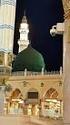 THE MOSQUE IN ISLAM Place of Worship and Remembrance of Allah Mosques are special places of worship for Muslims. Five times every day Muslims meet in the mosque and pray together; standing before God,
What are some of the virtues of Surah Al Baqarah?
 Lessons from Surat al Baqarah (Ayaat 1-7) What are some of the virtues of Surah Al Baqarah? * Virtues of learning it... Learn Surat Al-Baqarah and Al `Imran because they are two lights and they shade their
THE MANAGEMENT OF HAJJ OPERATIONS
 AFRICAN TRAINING AND RESEARCH CENTRE IN ADMINISTRATION FOR DEVELOPMENT TANGIER (MOROCCO) THE MANAGEMENT OF HAJJ OPERATIONS Series: Studies and Documents N' 10, Vol. 1 1999 Content No 10 1999 Pages 1 Forward
How To Develop Devotional Plan For Your Life
 How To Develop Devotional Plan For Your Life Daily devotions is a phrase used to describe the discipline of Bible reading and prayer with which Christians start or end their day. Bible reading can take
Major Canadian Christian Missionary Converts
 Major Canadian Christian Missionary Converts to Islam ( English ) إسلام مبشرنصراني كندي رفيع المستوى ) إنجليزي ( http://english.islamway.com By: Dr Garry Miller: A very important Christian missionary converted
Silat Al-Rahm (Family Ties) in Islam
 Silat Al-Rahm (Family Ties) in Islam Allah SWT says in the first verse of Surah Al-Nisa: And fear Allah from whom you seek help and [the rights of] your relatives In Surah (Al-Isra a/bani Israel) Allah
Objective: God is all Powerful! Bible Memory Verse: Matthew 19:26b With man this is impossible, but with God all things are THEME OVERVIEW
 Jesus the Magnificent Scripture: Luke 8:40-56 and Luke 18:35-43 Objective: God is all Powerful! Bible Memory Verse: Matthew 19:26b With man this is impossible, but with God all things are possible. THEME
Chapter 4 Islam & Ethics
 Chapter 4 Islam & Ethics Ethics, like other Islamic sciences, takes its origin form the Quran. The Quran lays down the foundation of a religious system on purely ethical principles, hence there is not
Duties of a Husband. Lesson
 Lesson 6 Duties of a Husband A happy young man hurried home to his parents to share with them the good news that his girl friend had promised to marry him. But the father, rather than responding as his
FINDING GOD S WILL. (Bro. Bakht Singh, Balance of Truth December 1957)
 FINDING GOD S WILL (Bro. Bakht Singh, Balance of Truth December 1957) Epaphras, who is one of you, a servant of Christ, saluteth you, always labouring fervently for you in prayers, that ye may stand perfect
September 15th TEACHER BIBLE STUDY. The Northern Kingdom Was Destroyed
 Big Picture Question: Why did God scatter His people? God s people sinned against Him. Bible Passage: 2 Kings 17:1-23 Christ Connection: The prophets called God s people to repentance as Christ calls people
A Guide to Breast Screening
 A Guide to Breast Screening Contents Information for Carers, Family, Friends and Medical Guardians of Care Introduction Information on BreastCheck Information on Attending Screening The Screening Story
How to. in the LORD. by Jeff Doles. David encouraged himself in the LORD his God. (1 Samuel 30.6 KJV)
 How to Encourage Yourself in the LORD by Jeff Doles David encouraged himself in the LORD his God. (1 Samuel 30.6 KJV) DAVID AND HIS BAND OF SOLDIERS HAD JUST RETURNED HOME TO ZIKLAG, only to find that
IN A SMALL PART OF THE CITY WEST OF
 p T h e L a s t L e a f IN A SMALL PART OF THE CITY WEST OF Washington Square, the streets have gone wild. They turn in different directions. They are broken into small pieces called places. One street
Jesus Invites Me! Affirmation. I am welcome in the flock! Word: INVITATION
 Jesus Invites Me! Word: INVITATION Come, you that are blessed by my Father, inherit the kingdom prepared for you from the foundation of the world. Affirmation I am welcome in the flock! (Matthew 25:34b)
Glory be to the Father, and to the Son, and to the Holy Spirit: As it was in the beginning, is now, and ever shall be, world without end. Amen.
 Traditional Prayers The Sign of the Cross. In the name of the Father, and of the Son, and of the Holy Ghost. Amen The Lord's Prayer, or Our Father. Our Father, Who art in heaven, hallowed be Thy name.
The Story of the Titanic Called "Lost or Saved?"
 The Story of the Titanic Called "Lost or Saved?" Introduction: Good afternoon everyone, my name is. Today I am here using this sketch board to share with you a great message. I would like to talk to you
God Gives Moses the Ten Commandments
 Gospel Story Curriculum (OT) PRESCHOOL Lesson 34 God Gives Moses the Ten Commandments Exodus 20:1 24 24 Bible Truth God demands perfect obedience l e s s o n snapshot 1. Opening Activity and Introduction....
Equal marriage What the government says
 Equal marriage What the government says Easy Read Document Important This is a big booklet, but you may not want to read all of it. Look at the list of contents on pages 3, 4 and 5. It shows what is in
Sunday, February 14, 2016 First Sunday of Lent
 FIRST WEEK OF LENT T he tempter is clever: he does not direct us immediately toward evil but toward a false good, making us believe that power and things that satiate primary needs are what is most real.
The Ten Best Ways. The basket for The Ten Best Ways is on one of the Old Testament shelves.
 The Ten Best Ways Background Focus: the Ten Commandments (Exodus 20:1-17, Deuteronomy 5:1-21) God was present to Moses at Sinai three times. First, God was present in the burning bush when God revealed
LORD S PRAYER WRITERS: REBA RAMBO-MCGUIRE, DONY MCGUIRE
 LORD S PRAYER OUR FATHER WHICH ART IN HEAVEN THY KINGDOM COME THY WILL BE DONE ON EARTH AS IT IS IN HEAVEN AND FORGIVE US OUR DEBTS AS WE FORGIVE OUR DEBTORS BUT DELIVER US FROM EVIL FOR THINE IS THE KINGDOM
LESSON TITLE: Jesus Heals Blind Bartimaeus
 Devotion NT257 CHILDREN S DEVOTIONS FOR THE WEEK OF: LESSON TITLE: Jesus Heals Blind Bartimaeus THEME: Jesus always has time for us! SCRIPTURE: Mark 10:46-52 Dear Parents Welcome to Bible Time for Kids!
THEME: Jesus knows all about us and He loves us.
 Devotion NT224 CHILDREN S DEVOTIONS FOR THE WEEK OF: LESSON TITLE: The Woman at the Well THEME: Jesus knows all about us and He loves us. SCRIPTURE: John 4:1-42 Dear Parents Welcome to Bible Time for Kids!
There is no difference for the game of Sevens, Tens or Fifteens; illegal is illegal
 Rugby is expanding quickly at all ages and with that comes more cross- over from other sports and activities. Players and coaches are bringing new techniques and skills from these other sports but with
How To Recover Your Spiritual Edge? II Kings 6:1-7 (NKJV)
 Message for THE LORD S DAY MORNING, February 12,2012 Christian Hope Church of Christ, Plymouth, North Carolina by Reggie A. Braziel, Minister REVIVALS How To Recover Your Spiritual Edge? II Kings 6:1-7
Phonics. High Frequency Words P.008. Objective The student will read high frequency words.
 P.008 Jumping Words Objective The student will read high frequency words. Materials High frequency words (P.HFW.005 - P.HFW.064) Choose target words. Checkerboard and checkers (Activity Master P.008.AM1a
By Abdullah Yusuf Ali. Al Fatihah. Introduction and Summary. C.42 - The running Commentary, in Rhythmic Prose
 Praise be to Allah, the Cherisher and Sustainer of the Worlds; By Abdullah Yusuf Ali Al Fatihah Introduction and Summary C.42 - The running Commentary, in Rhythmic Prose First comes that beautiful Surah,
THE ORDER OF THE MASS
 THE ORDER OF THE MASS The first part of the Mass is about getting to know everyone and welcoming everyone to God s house. It s called the INTRODUCTORY RITES. Entrance Song We sing to celebrate that we
Faith and Cultural Aspects of Grief, Bereavement and Dying. An Islamic perspective
 Faith and Cultural Aspects of Grief, Bereavement and Dying Dr Mohammad Anas* An Islamic perspective The care of dying patients and their relatives is one of the most difficult aspects of a doctor's job.
God is Eternal Lesson 1
 Preschool Curriculum (4K / 5K) August 15 th & 16 th, 2009 God is Eternal Lesson 1 Divine Attribute: Heart Response: God is Eternal Be Amazed Memory Verse: Jesus Christ is the same yesterday, today and
The Story of Mohammad
 The Story of Mohammad Mohammed, sometimes called Muhammad Abdullah, was the founder of the religion of Islam, and is considered by Muslims to be a messenger and prophet of God. Muslims believe he was the
Mama Maggie: The Egyptian Mother Teresa
 Mama Maggie: The Egyptian Mother Teresa A Long Journey of Love and Giving Leads to a Nobel Nomination She is a woman whose thin body belies the amount of strength and energy that overflows from it to serve
Greetings, Blessings, Scott DeWitt Director of Spiritual Outreach Casas por Cristo
 Team Devotional Greetings, Welcome to Casas por Cristo! If you are reading this, then more than likely you are embarking on a week-long adventure serving our Lord and Savior along the U.S. / México border
THE TEMPTATION OF JESUS (C.1.Spring.3)
 THE TEMPTATION OF JESUS (C.1.Spring.3) Biblical Reference Matthew 4:1-11, Mark 1:12-13, Luke 4:1-15 Key Verse Hebrews 4:15 Key Concept Jesus was tempted like me and the way he faced temptation is an example
The Baptism of Jesus
 The Baptism of Jesus Teacher Pep Talk: Teaching about the Baptism of Jesus is really important and can be a lot of fun. There is so much to learn about it! Be sure to adjust the lesson to relate to the
The Fruit of the Spirit is Love
 The Fruit of the Spirit is Love Pre-Session Warm Up (Galatians 5:22-23) Today we are going to learn more about the fruit of the Spirit called, Love. What do you think of when you hear the word love? A
Liturgy & prayers for all age worship
 Diocese of Bristol Daniel Jones Youth & Children s Adviser Liturgy & prayers for all age worship General opening prayers: Loving Father, we thank you for this opportunity to worship you together. Please
Prayer, The Purpose. Based on Matthew 6:9-13
 Prayer, The Purpose Based on Matthew 6:9-13 Last week, we studied the definition of prayer, the importance of prayer, and the types of prayers. We looked at the seven major categories of prayers: Ordinary
Islam4Kids.com. This is the story of how the great Ka bah was built. Nurturing upon the way of the pious salaf
 This is the story of how the great Ka bah was built References: Stories of the Prophets by Imaam Ibn Katheer - chp6; and Tafseer Ibn Katheer Trans Vol s 1-2. 1 Which of you has been to Makkah and seen
Role of husbands and wives in Ephesians 5
 Role of husbands and wives in Ephesians 5 Summary The aim of this study is to help us think about relationships between men and women. It is meant to get us thinking about how we should behave in intimate
PURPOSE OF LIFE What Does Islam Say About Life's Purpose?
 1 of 6 4/7/12 2:39 PM Home Page Email Order Tapes Islam Live Broadcast PURPOSE OF LIFE What Does Islam Say About Life's Purpose? Have you ever asked yourself these questions? "What is the purpose of L
Session 5: Growing leaders for Jesus Christ Leaders Notes
 Session 5: Growing leaders for Jesus Christ Leaders Notes Resources: Course member s materials, pens, Vision 2026 Study Course DVD, DVD player and TV. You also might want to have some small stones or Lego
THEME: God desires for us to demonstrate His love!
 Devotion NT320 CHILDREN S DEVOTIONS FOR THE WEEK OF: LESSON TITLE: The Gift of Love THEME: God desires for us to demonstrate His love! SCRIPTURE: 1 Corinthians 13:1-13 Dear Parents Welcome to Bible Time
THEME: Jesus wants us to grow in Him and be holy.
 Devotion NT350 CHILDREN S DEVOTIONS FOR THE WEEK OF: LESSON TITLE: Be Holy THEME: Jesus wants us to grow in Him and be holy. SCRIPTURE: 1 Peter 1:13-2:12 Dear Parents Welcome to Bible Time for Kids! This
LESSON TITLE: The Great Commandment. THEME: Love is the fulfillment of the Law. SCRIPTURE: Mark 12:28-34 CHILDREN S DEVOTIONS FOR THE WEEK OF:
 Devotion NT264 CHILDREN S DEVOTIONS FOR THE WEEK OF: LESSON TITLE: The Great Commandment THEME: Love is the fulfillment of the Law. SCRIPTURE: Mark 12:28-34 Dear Parents Welcome to Bible Time for Kids.
A PRAYER IN THE GARDEN
 BOOK 3, PART I, LESSON 4 A PRAYER IN THE GARDEN THE BIBLE: Luke 22:39-53, Mark 14:32-50 THEME: We remember that Jesus taught about love and showed love in everything he did. During Lent and Easter we remember
Hearing the Voice of God
 Life Reference: John 10:1-5 My sheep hear my voice, and I know them, and they follow me (John 10:27). I looked in the mirror this morning. Did I see a sweet young thing looking back at me? No I saw my
The Islamic Perspective By: E-Da`wah Committee
 World Water Day The Islamic Perspective By: E-Da`wah Committee 2 As water has become a matter of concern for the modern world and its international organizations, such as the UN- officially designating
The Golden Calf. Pre-Session Warm Up. Opening Prayer. Memory Verse. Lesson. Moses Lesson #13 Page 69
 Pre-Session Warm Up The Golden Calf (Exodus 19-32) Imagine being invited to visit a king in his palace. How would you act? Would you run into the throne room, laughing and talking? Would you ignore the
Five Steps to Mindfulness By Thich Nhat Hanh
 Five Steps to Mindfulness By Thich Nhat Hanh Our true home is not in the past. Our true home is not in the future. Our true home is in the here and the now. Life is available only in the here and the now,
Self-imposed Curses Psalm 34:13 - Keep your tongue from evil, and your lips from speaking deceit.
 Power of Your Spoken Words - Sins of the Tongue Introduction: the tongue is powerful and we can use it for good or for evil. (God s word tells us that the power of life and death is in the tongue) We know
Preventing Falls. Strength and balance exercises for healthy ageing
 Preventing Falls Strength and balance exercises for healthy ageing Exercise should be comfortable and fun. To get the most out of your home exercise book, join a class for older people to check your exercises
THEME: God is awesome and should be praised.
 Devotion NT360 CHILDREN S DEVOTIONS FOR THE WEEK OF: Heaven LESSON TITLE: The Throne Room of THEME: God is awesome and should be praised. SCRIPTURE: Revelation 4:1-11 Dear Parents Welcome to Bible Time
LESSON TITLE: Taming the Tongue. THEME: God wants us to watch what we say. SCRIPTURE: James 3:1-12 CHILDREN S DEVOTIONS FOR THE WEEK OF:
 Devotion NT349 CHILDREN S DEVOTIONS FOR THE WEEK OF: LESSON TITLE: Taming the Tongue THEME: God wants us to watch what we say. SCRIPTURE: James 3:1-12 Dear Parents Welcome to Bible Time for Kids! Bible
The Fruit of the Spirit is Gentleness
 The Fruit of the Spirit is Gentleness Pre-Session Warm Up (Galatians 5:22-23) We have been learning about the fruit of the Spirit which is love, joy, peace, patience, kindness, goodness, faithfulness,
THE FORGIVING FATHER
 BOOK 1, PART 3, LESSON 4 THE FORGIVING FATHER THE BIBLE: Luke 15:11-32 THEME: We can discover what Jesus wants us to do and be by hearing the parables Jesus told. PREPARING FOR THE LESSON MAIN IDEA: Jesus
The Temptation of Jesus
 The Temptation of Jesus Jesus gave us an example of how to use God s Word when we are tempted. (Matthew 4:1-11) After being baptized, Jesus was led immediately into the wilderness by the Spirit of God
Islamic Copywork An-Nawawi s Forty Hadith Part 4
 ~ 1 ~ Islamic Copywork An-Nawawi s Forty Hadith Part 4 Translated by Ezzeddin Ibrahim Denys Johnson-Davies ~ 2 ~ Hadith 31 On the authority of Abu l-abbas Sahl ibn Sa d as-sa idi (may Allah be pleased
WORSHIP HITS FOR KIDS VOLUME 1
 WORSHIP HITS FOR KIDS VOLUME 1 LORD I LIFT YOUR NAME ON HIGH LORD I LIFT YOUR NAME ON HIGH; LORD I LOVE TO SING YOUR PRAISES. I M SO GLAD YOU RE IN MY LIFE; I M SO GLAD YOU CAME TO SAVE US. YOU CAME FROM
Jesus Parables in Chronological Order. Parable #46 ~ Matthew 25:31-46 ~ The Sheep and the Goats ~ Scripture
 Jesus Parables in Chronological Order Parable #46 ~ Matthew 25:31-46 ~ The Sheep and the Goats ~ Scripture 31 When the Son of Man comes in his glory, and all the angels with him, he 32 will sit on his
The Image of God In You
 Seek the Lord while He may be found, call upon Him while He is near. (Isaiah 55:6) If you are a born-again child of Almighty God, God has given you the motivating force of right conduct and the power to
Fry s Sight Word Phrases
 The people Write it down By the water Who will make it? You and I What will they do? He called me. We had their dog. What did they say? When would you go? No way A number of people One or two How long
LESSON TITLE: Jesus is the Way, the Truth, and the Life
 Devotion NT271 CHILDREN S DEVOTIONS FOR THE WEEK OF: LESSON TITLE: Jesus is the Way, the Truth, and the Life THEME: We can always trust Jesus. SCRIPTURE: John 14:1-6 Dear Parents Welcome to Bible Time
THEME: Jesus sent the Holy Spirit to indwell and empower us.
 Devotion NT285 CHILDREN S DEVOTIONS FOR THE WEEK OF: LESSON TITLE: The Day of Pentecost THEME: Jesus sent the Holy Spirit to indwell and empower us. Dear Parents SCRIPTURE: Acts 2:1-41 Dear Parents, Welcome
Supplication of Imam Ali Bin Al-Hussein (a.s.) in repentance (Dua' At-Tawba)
 Supplication of Imam Ali Bin Al-Hussein (a.s.) in repentance (Dua' At-Tawba) O He Whom the depiction of the describers fails to describe! O He beyond Whom passes not the hope of the hopers! O He with Whom
LEARNING OBJECTIVES ACTIVITIES RESOURCES
 THE MUSLIM WAY OF LIFE KEY STAGE 2 SUGGESTED ASSESSMENT FOCUS : Describe the key beliefs and teachings of Islam, making comparisons with Christianity : Ask questions and suggest answers about key aspects
Cast removal what to expect #3 Patient Information Leaflet
 Cast removal what to expect #3 Patient Information Leaflet SM466 Now your cast is off, self help is the key! Follow the advice given to you by your doctor and the staff in the clinic. Your skin will be
FOREIGN MATTER MANAGEMENT 36 QUESTION ASSESSMENT
 Name: Employee I.D. or Personal I.D. Number: Company Name: Department: Head of Department: I understand that this 36 question test proves that I know what I am doing and therefore gives me no reason whatsoever
Your Own Teeth and Gums
 Your Own Teeth and Gums CHAPTER1 Next time you look in a mirror, look at your teeth and the skin (gums) around them. Look in your children s mouths, too. Look at both gums and teeth, because the health
Assisting Someone in Receiving the Baptism of the Holy Spirit:
 Assisting Someone in Receiving the Baptism of the Holy Spirit: Bronc Flint The following is a number of practical and spiritual suggestions that have worked well for me through the years. Remember they
The Christmas Star: The Mystical Story of the Three Wise Men
 The Christmas Star: The Mystical Story of the Three Wise Men Part 2: Epiphany The Gifts of the Three Wise Men Do you know what gifts that the Three Wise Men brought to the baby Jesus? They brought gold,
The Ministry of John the Baptist
 GOSPEL STORY CURRICULUM (NT) PRESCHOOL LESSON 4 The Ministry of John the Baptist MATTHEW 3:1 12 BIBLE TRUTH JOHN ANNOUNCED THE MINISTRY OF JESUS WITH A CALL TO REPENT l e s s o n snapshot 1. OPENING ACTIVITY
Kindergarten Respect Unit Lesson Seven Respect The Environment
 Kindergarten Respect Unit Lesson Seven Respect The Environment PURPOSE/OBJECTIVE Students will learn that respect must also be shown to the environment. Students will identify specific ways care and concern
TIPS TO HELP YOU PREPARE FOR A SUCCESSFUL INTERVIEW
 TIPS TO HELP YOU PREPARE FOR A SUCCESSFUL INTERVIEW Preparing for the Interview RESEARCH Don t forget to research the organization/company before the interview. Learn what you can about the workplace prior