
CARDIOHELP BASIC TRAINING
|
|
|
- Percival Anderson
- 9 years ago
- Views:
Transcription
1 CARDIOHELP BASIC TRAINING

2 PRESENTATION OVERVIEW Topic 1 CARDIOHELP Movie Presentation Topic 2 Areas of Application with CARDIOHELP Topic 3 Different Therapy Application with CARDIOHELP Topic 4 CARDIOHELP System Components Topic 5 Differences between CARDIOHELP and CARDIOHELP-i Topic 6 Modes of CARDIOHELP Topic 7 Disposable for CARDIOHELP Topic 8 HLS Set Topic 9 CARDIOHELP Sensors (Flow / Bubble / Level / Venous probe) NOTE: The hole presentation can be downloaded as a PDF-document with the button. This button is located at the right upper corner of the window.

3 CARDIOHELP VIDEO PRESENTATION

4 AREAS OF APPLICATION WITH CARDIOHELP CARDIOHELP System is the world s smallest portable heart-lung support system. It is ideal for use in: Intensive care units cardiac catheter laboratory operating room trauma room Furthermore, it is the perfect solution for safe and effective patient transport. There are, therefore, now new areas of use and treatment possibilities for extracorporeal circulation.

5 AREAS OF APPLICATION WITH CARDIOHELP Intensive care medicine: CARDIOHELP System opens up new treatment options in intensive care medicine which put far less stress on the patient and are also comparatively inexpensive. In cases of respiratory failure, the device provides the oxygen supply. Further areas of use include: Acute respiratory distress syndrome (ARDS) Septic shock Pulmonary embolism MAQUET 6

6 AREAS OF APPLICATION WITH CARDIOHELP Cardiology: In the event of cardiogenic shock, a frequent consequence of a heart attack, it is crucial to provide circulatory support as quickly as possible. This must be guaranteed until the body is able to resume this function itself. CARDIOHELP System can prevent organ damage resulting from insufficient oxygen supply to the vital organs. Areas of application include: Cardiogenic shock As stand-by or prophylactic support during high risk PCI As a bridging system (bridge to recovery, bridge to bridge, bridge to decision, etc.), e. g., for myocarditis MAQUET 7

7 AREAS OF APPLICATION WITH CARDIOHELP Cardiac surgery: At the end of the 1990s, MAQUET developed the minimized extracorporeal circulation system (MECC System). Its clinical use in the operating room led to new applications of extracorporeal life support (ECLS) which required immediate or extended circulatory support. This principle has been perfected with CARDIOHELP System and the compact, integrated design of the HLS Modules. Thanks to the system s mobility, patients can undergo further therapeutic measures (e. g., intensive care) and diagnostic investigations (e. g., CT) during extracorporeal life support. The areas of use: Pre-operative heart-lung support (e. g., cardiogenic shock) Post-operative heart-lung support (e. g., low cardiac output syndrome) As a bridging system (bridge to recovery, bridge to bridge, bridge to decision, etc.) MAQUET 8

8 AREAS OF APPLICATION WITH CARDIOHELP Emergency medicine: CARDIOHELP Device weighs in at approx. 11 kg and can easily be carried by one person and is sufficiently compact to be used during transport. The system is used in emergencies to restore and stabilize the atient s cardiopulmonary functions. It may have to be used during cardiopulmonary resuscitation caused by, amongst others: Anaphylactic shock Intoxication Hypothermia

9 DIFFERENT THERAPY APPLICATIONS WITH CARDIOHELP The individual operating modes and the disposables make the CARDIOHELP life support system suitable for all indications where cardiac and/or respiratory support is needed. Thus, the principle of ECLS for supplying the heart and/or lungs with oxygen is now available in new areas as a means of life support and to save lives. During open heart surgery, for example minimal extracorporeal circulation (MECC) with the CARDIOHELP life support system, ECLS is less stressful for the patient than the use of a conventional heart-lung machine. In cases of respiratory failure without cardiac impairment CARDIOHELP provides respiratory assistance with veno-venous ECLS. During veno-arterial ECLS the life support system provides cardiopulmonary support. In cases of severe respiratory failure CARDIOHELP can also be used for pump assisted lung protection (PALP) with extracorporeal CO 2 removal to enable protective ventilation.


10 DIFFERENT THERAPY APPLICATIONS WITH CARDIOHELP Veno-venous ECLS Respiratory assistance for lung disorders: This form of ECLS is mostly used when the heart is still able to pump blood through the circulatory system without any additional support, as in the case of acute respiratory failure or a massive pulmonary embolism. The blood is removed from the jugular vein or a femoral vein for enrichment with oxygen, after which it is returned to a vein. Place of use: ICU Fields of applications: Respiratory failure without cardiac impairment: ARDS Septic shock Bridge to lung transplant Customer and Patient value: Little complexity, safe to use and more security due to little to no change of components during entire system run. Special feature: Enables CO 2 removal and oxygenation for up to 30 days. Access to Patient: percutaneous cannulation of jugular and femoral veins


11 DIFFERENT THERAPY APPLICATIONS WITH CARDIOHELP Veno-arterial ECLS Cardiac and respiratory support: Veno-arterial ECLS is used with patients whose hearts are not adequately supporting the circulation, or have stopped. This occurs with a myocardial infarction (heart attack). It is vitally important to ensure cardiopulmonary support as early as possible to prevent organ damage. Furthermore, the CARDIOHELP life support system can increase the patient s chances of survival by enabling examination in the cardiac catheter laboratory and revascularization by means of catheters or cardiac surgery. Place of use: ICU, Cath. Lab, ER, OR Fields of application: respiratory and circulatory failure: Cardiogenic shock During cardiopulmonary resuscitation As preventive left ventricular support in the event of low cardiac output During PTCA In cases of acute cardiac arrest or severe cardiogenic shock during the intervention As standby during high-risk PTCA In cases of acute post-infarction VSD Customer and patient value: One system fits all, from a fast deployable emergency life saving circulatory support system to a long term VAD with oxygenation possibility. Special feature: for a cardiac support and respiratory assistance up to 30 days Access to patient: percutaneous cannulation of the femoral vein and femoral or subclavian artery


12 DIFFERENT THERAPY APPLICATIONS WITH CARDIOHELP CO2 Removal Pump Assisted Lung Protection (PALP) In severe cases of respiratory failure the CARDIOHELP life support system can be used in combination with protective ventilation for pump assisted lung protection (PALP) to reduce the CO2 level in the blood. In these cases, protective ventilation focuses on 6 ml/kg (instead of 12 ml/kg BW) tidal volume within the limits of a certain airway pressure and respiratory rate. These ventilation limits cause higher CO2 levels than normal, which is acceptable in many situations(concept of permissive hypercapnia). However, in some cases complications due to high CO2 levels (acidosis, pulmonary hypertension) occur and some patients need low to normal CO2 levels to protect the brain. Places of use: ICU Fields of applications: Severe respiratory failure, e.g. ARDS; Severe COPD (chronic obstructive pulmonary disease) Customer and patient value: extracorporeal CO2 removal enables protective ventilation to be used Special feature: allows CO2 removal for up to 30 days of ECLS Access to patient: percutaneous cannulation of either jugular or subclavian and femoral veins


13 DIFFERENT THERAPY APPLICATIONS WITH CARDIOHELP Revascularization Minimized Extracorporeal Circulation for cardiac surgery (MECC) Minimal extracorporeal circulation (MECC) with the CARDIOHELP life support system makes ECLS for cardiopulmonary support during open heart surgery less stressful for the patient than when a conventional heart-lung machine is used. With the compact, integral design of the QUADROX-iR oxygenator-pump module, the priming volume and blood surface contact are kept as small as possible. Combined with the exceptionally small pressure drop plus the BIOLINE Coating of the disposable, trauma is minimized. Moreover, the CARDIOHELP life support system is an intuitively operated system, which is ready for use in minutes for emergency situations. Thanks to the system s mobility, the patient can undergo further therapeutic measures and diagnostic investigations during ongoing circulatory support. Place of use: OR Procedure: minimally-invasive perfusion system with full support for heart and gas exchange for up to 6 h Fields of application: On-pump CABG surgery. Postoperative "low cardiac output" syndrome Patient transport from and into the cardiac operating room, from the emergency/trauma room, from and into the catheterization laboratory Customer and Patient Value: minimally invasive, less blood product use¹, shorter stay in ICU² Special feature: no blood to air contact, minimal hemodilution Access to Patient: surgical cannulation of right atrium and aorta

14 CARDIOHELP SYSTEM COMPONENTS

15 CARDIOHELP SYSTEM COMPONENTS

16 DIFFERENCES BETWEEN CARDIOHELP AND CARDIOHELP-i Differences Hardware CARDIOHELP CARDIOHELP-i No venous probe available Venous probe available No internal sensors from disposable available Internal sensors from disposable available QUADROX-iR adult QUADROX-iR small adult HLS Set Advanced 7.0 HLS Set 7.0 HLS Set Advanced 5.0 HLS Set 5.0


17 DIFFERENCES BETWEEN CARDIOHELP AND CARDIOHELP-i Differences Hardware Depending on the CARDIOHELP version, different applications are available. Essentially, they differ in the information displayed and available functions.the user is only provided with the functions needed for his/her area of work, thus keeping the system clear, simple and quick to operate. OR application ( Operation Room ): designed for use in the operating room ICU application ( Intensive Care Unit ): designed for use in the intensive care unit (only CARDIOHELP-i) TM application ( Transport Mode ): designed for interhospital patient transport (only CARDIOHELP-i) If more than one application is available, you can switch between the applications The OR, ICU and TM applications are designed and optimized for the environments mentioned above. Nevertheless, the intended use of the applications is not limited to the specific environment. Within the intended environment of the CARDIOHELP System, you can use any available application that is suitable and safe for the patient and the current situation CARDIOHELP CARDIOHELP-i

18 DIFFERENCES BETWEEN CARDIOHELP AND CARDIOHELP-i Differences Overview CARDIOHELP CARDIOHELP-i Support of disposable s sensors --- YES Applications OR OR, ICU, TM Blood parameters screen --- YES Offline recording --- YES Monitor blood parameters S V O 2, Hb, Hct --- YES Flow/bubble sensor YES YES Venous probe with connection cable --- YES Disposable connection cable --- YES USB Stick --- YES


19 DIFFERENCES BETWEEN CARDIOHELP AND CARDIOHELP-i User interface Differences between software applications : STARTUP SCREEN OR software application ICU software application TM software application Alarm delay button only in ICU application available!


20 MODES OF CARDIOHELP RPM and LPM MODES The CARDIOHELP can be operated in LPM or RPM mode: RPM mode (speed control, revolutions per minute ) In RPM mode, you can set the pump s setpoint speed. The CARDIOHELP operates the pump constantly at the set speed. This enables the flow to be varied, according to the resistance of the extracorporeal circulation. LPM mode (flow control, liters per minute ) In LPM mode, you can set the setpoint flow. The CARDIOHELP operates the pump in such a way that the set flow is maintained. This enables the speed to be varied, according to the resistance of the extracorporeal circulation.

21 MODES OF CARDIOHELP Zero flow MODE In the zero flow mode, the CARDIOHELP aims at a flow of 0 l/min by controlling the pump accordingly. In this way, a backflow can be prevented. The zero flow mode can be activated manually or is activated automatically by backflow prevention. To activate the zero flow mode, hold down the safety button and press the Zero flow mode button. Backflow Prevention The backflow prevention can detect and react to a backflow of blood. For this, the CARDIOHELP monitors the blood flow, displays any necessary alarms and activates the zero flow mode automatically, to prevent any backflow. Global Overwrite MODE In Global Override mode, all interventions, acoustic alarms and backflow prevention are disabled. To activate the Global Override mode, hold down the safety button Symbol.. The color of symbol changes. and press the Global Override
22 DISPOSABLE FOR CARDIOHELP HLS Module Advanced, the disposable: The core of the complete HLS Set integrates not only a cuttingedge VAD centrifugal pump and a special gas exchanger, but also sensors for three pressure parameters and arterial temperature. Equipped with a high-quality diffusion membrane with a biocompatible, blood-friendly BIOLINE Coating, the module can be used for up to 30 days of continuous function. This is the world s first disposable combination of VAD and gas exchanger incorporating a high-tech sensor for measuring venous oxygen saturation, hematocrit, hemoglobin and venous temperature. HLS Module Advanced 7.0: Integrated gas exchanger with diffusion membrane Integrated heat exchanger Integrated cutting edge VAD centrifugal pump Approval for 30 days and transportation approval BIOLINE Coating
23 DISPOSABLE FOR CARDIOHELP HLS Module Advanced 7.0: Unprecedented integrated sensors for: Venous pressure (Pven), Internal pressure (Pint), Arterial pressure (Part), Arterial temperature (Tart) Integrated cell to connect venous probe to measure: Venous oxygen saturation Hemoglobin / Hematocrit Venous temperature (Tven)
24 DISPOSABLE FOR CARDIOHELP HOW DOES IT WORK? Step 1: Step 3: In the membrane venous blood will enriched with oxygen and will cool down or heated up by the water. Blood flows around the hollow fibers. Water and gas flows through the hollow fibers. Venous blood flows via gravity to the pump Gas (O 2 ) Blood from patient (Low in oxygen) Step 2: Blood goes through centrifugal pump into the membrane of oxygenator. Blood to patient (Rich in oxygen ) Water from heater cooler unit
25 DISPOSABLE FOR CARDIOHELP HLS Module Advanced 7.0: Integrated VAD pump on the blood inlet side of the gas-exchanger [1] Gas inlet [2] De-airing membrane [3] Centrifugal pump [4] Water connectors [5] Venous cell [6] Connection for internal sensors [7] Quick de-airing 4
26 DISPOSABLE FOR CARDIOHELP HLS Module Advanced 7.0: Integrated VAD pump on the blood inlet side of the gas-exchanger [1] Blood inlet [2] Blood outlet [3] Temperature sensor [4] Gas outlet
27 OVERVIEW DISPOSABLE TYPES FOR CARDIOHELP Name QUADROX-iR HLS Module HLS Module Advanced Picture 5 Liter/min Version YES (QUADROX-iR small adult) YES (HLS Module 5.0) YES (HLS Module Advanced 5.0) 7 Liter/min Version YES (QUADROX-iR adult) YES (HLS Module 7.0) YES (HLS Module Advanced 7.0) BIOLINE COATING YES YES YES (HIT Set with SOFTLINE COATING available*) Internal temperature sensors Internal pressure sensors Venous probe connection NO NO YES (1x Arterial Infrared Sensor) YES (p Int / p Ven / p Art ) YES (1x Arterial Infrared Sensor) YES (p Int / p Ven / p Art ) NO NO YES Approval(s) 6 hours 30 days 30 days / transport (* HIT Set with 6 hour approval)
28 HLS SET FOR CARDIOHELP HLS SET
29 CARDIOHELP FLOW/BUBBLE SENSOR Flow and bubble monitoring : The flow of blood is measured by a flow/bubble sensor. This means, in one housing we have a combined measuring tool for the flow and a sensor to detect air bubbles. A detected air bubble stops immediately the centrifugal pump (called intervention) to prevent an air embolism. The sensor have to be fitted so that the blood flows in the direction of the arrow on the cover. NOTE: Only 3/8 x 3/32 PVC tubes approved for this system. [1] Cover with flow indicator [2] Connection cable to CARDIOHELP [3] Tube retainer [4] Locking mechanism
30 ULTRASONIC FLOWMETER BASICS The transit-time method The transit-time method exploits the fact that the propagation rate of an ultrasonic signal depends on the flow rate of the carrier medium. Like a swimmer swimming against the current, the ultrasonic signal moves more slowly against the flow direction than in the flow direction of the medium. The transit time of the sonic signals which flow through the medium in flow direction is shorter than the transit time of the sonic signals which flow through it against flow direction. By measuring the difference in flow rate Δt, it is possible to calculate the mean flow rate on the path taken by the ultrasonic impulse. This process involves transmitting one ultrasonic impulse in flow direction and a second impulse in the opposite direction through the medium. The sensors work alternately as transmitters (Tx) and receivers (Rx). Measurement against flow t 2 Measurement flow direction t 1 = t flow Rx Tx Tx Rx Flow Flow Hose wall reflector reflector reflector reflector Since ultrasonic waves also penetrate solid objects, the sensors can be attached to the outer wall of the hose. Therefore measuring is not invasive and inserting the sensors does not require any intrusion into the system.
31 LEVEL SENSOR Capacitive level sensor monitoring : The blood level in the reservoir is measured by a capacitive level sensor. The level pad will be attached to the lowest level limit of reservoir. If the liquid s surface falls below this limit, the CARDIOHELP gives an optical and an acoustical alarm and stops the pump. 1 The level pad must be attached with the double-faced Scotch tape horizontally to the desired position on the blood reservoir. NOTE: Sensor pad must be replaced after every perfusion. 2 [1] Level pad (disposable) [2] Level Sensor
32 LEVEL SENSOR Capacitive level sensor monitoring : Front side: At the front side of level pad are a lot of distance holder mounted to avoid influences from front side. The detecting area of the sensor pad is same as the height of the pad self. Distance holder J Detecting area Back side: Behind the double-faced Scotch tape the sensor surface area is located. This sensor surface area is made of a thin aluminium foil.

33 VENOUS PROBE Blood parameter measurement: 1 The venous probe of the CARDIOHELP-i measures the venous blood parameters: S V O 2 Oxygen saturation Hb Hemoglobin Hct Hematrocrit T Ven Venous blood temperature 2 3 [1] LEDs [2] Optical sensors [3] Infrared temperature sensor

34 VENOUS PROBE Blood measurement Principe: The probe has three LEDs which irradiate the blood through the BMU Cell at different wavelengths. An optical sensor measures Hb and Hct concentration without contact. A second optical sensor measures the SvO2 value in the same way. The temperature T Ven is measured by a non-invasive, thermopile infrared sensor. Probe fixation: For measurement, the probe is connected to the disposable s measuring cell. When the probe is not in use, it is hooked into the holder on the safety bar to protect the sensors.

35 THANK YOU! Your support contact: MAQUET Cardiopulmonary AG Hechinger Strasse 38 D Hirrlingen, Germany Phone: +49 (0) The final quiz will start at next page!!!
HLS Set Advanced Integration meets innovation
 HLS Set Advanced Integration meets innovation This document is intended to provide information to an international audience outside of the US. HLS Set Advanced circulatory and/or respiratory assist A
CARDIOHELP INTERFACE PRESENTER (CIP) USER GUIDE GENERAL INFORMATION ABOUT THE CIP:
 CARDIOHELP INTERFACE PRESENTER (CIP) USER GUIDE GENERAL INFORMATION ABOUT THE CIP: The CARDIOHELP Interface Presenter is a sales support tool. It gives sales staff the chance to get to know the new CARDIOHELP
Extracorporeal life support PLS System
 Extracorporeal life support PLS System This document is intended to provide information to an international audience outside of the US. PLS Set and ROTAFLOW Console A therapy option for critically ill
ECMO AND LIFE SUPPORT SYSTEMS QUADROX PLS AND ROTAFLOW HARDWARE AND ACCESSORIES
 ECMO AND LIFE SUPPORT SYSTEMS QUADROX PLS AND ROTAFLOW HARDWARE AND ACCESSORIES The Gold Standard Cardiovascular QUADROX PLS and ROTAFLOW 3 QUADROX PLS AND ROTAFLOW INNOVATIVE PERFORMANCE AND RELIABILITY
Children's Medical Services (CMS) Regional Perinatal Intensive Care Center (RPICC) Neonatal Extracorporeal Life Support (ECLS) Centers Questionnaire
 Children's Medical Services (CMS) Regional Perinatal Intensive Care Center (RPICC) Neonatal Extracorporeal Life Support (ECLS) Centers Questionnaire Date: RPICC Facility: CMS use only Include the following
The Sepsis Puzzle: Identification, Monitoring and Early Goal Directed Therapy
 The Sepsis Puzzle: Identification, Monitoring and Early Goal Directed Therapy Cindy Goodrich RN, MS, CCRN Content Description Sepsis is caused by widespread tissue injury and systemic inflammation resulting
Oxygen Therapy. Oxygen therapy quick guide V3 July 2012.
 PRESENTATION Oxygen (O 2 ) is a gas provided in a compressed form in a cylinder. It is also available in a liquid form. It is fed via a regulator and flow meter to the patient by means of plastic tubing
QUADROX-i Small Adult and Adult Choose maximum safety.
 QUADROX-i Small Adult and Adult Choose maximum safety. This document is intended to provide information to an international audience outside of the US. 2 QUADROX-i Small Adult & Adult Pioneers of the QUADROX-i
The MEDOS VAD System
 The MEDOS VAD System On the market since 1994 more than 500 operations in about 80 heart centres short and medium therm use one of the leading systems in Europe Application field not as a matter of routine,
Ch. 138 CARDIAC CATHETERIZATION SERVICES 28 138.1 CHAPTER 138. CARDIAC CATHETERIZATION SERVICES GENERAL PROVISIONS
 Ch. 138 CARDIAC CATHETERIZATION SERVICES 28 138.1 CHAPTER 138. CARDIAC CATHETERIZATION SERVICES Sec. 138.1 Principle. 138.2. Definitions. GENERAL PROVISIONS PROGRAM, SERVICE, PERSONNEL AND AGREEMENT REQUIREMENTS
Utilizing the Cath Lab for Cardiac Arrest
 Utilizing the Cath Lab for Cardiac Arrest Khaled M. Ziada, MD Director, Cardiovascular Catheterization Laboratories Gill Heart Institute, University of Kentucky UK/AHA Strive to Revive Symposium May 2013
ELSO GUIDELINES FOR TRAINING AND CONTINUING EDUCATION OF ECMO SPECIALISTS
 ELSO GUIDELINES FOR TRAINING AND CONTINUING EDUCATION OF ECMO SPECIALISTS PURPOSE The "" is a document developed by the Extracorporeal Life Support Organization (ELSO) as a reference for current and future
Oxygen - update April 2009 OXG
 PRESENTATION Oxygen (O 2 ) is a gas provided in compressed form in a cylinder. It is also available in liquid form, in a system adapted for ambulance use. It is fed via a regulator and flow meter to the
Exchange solutes and water with cells of the body
 Chapter 8 Heart and Blood Vessels Three Types of Blood Vessels Transport Blood Arteries Carry blood away from the heart Transport blood under high pressure Capillaries Exchange solutes and water with cells
Edwards FloTrac Sensor & Edwards Vigileo Monitor. Understanding Stroke Volume Variation and Its Clinical Application
 Edwards FloTrac Sensor & Edwards Vigileo Monitor Understanding Stroke Volume Variation and Its Clinical Application 1 Topics System Configuration Pulsus Paradoxes Reversed Pulsus Paradoxus What is Stroke
How To Treat A Heart Attack
 13 Resuscitation and preparation for anaesthesia and surgery Key Points 13.1 MANAGEMENT OF EMERGENCIES AND CARDIOPULMONARY RESUSCITATION ESSENTIAL HEALTH TECHNOLOGIES The emergency measures that are familiar
Critical Care Therapy and Respiratory Care Section
 Critical Care Therapy and Respiratory Care Section Category: Clinical Section: Clinical Monitoring Title: Overnight Pulse Oximetry Policy #: 08 Revised: 03/00 1.0 DESCRIPTION 1.1 Definition 1.1.1 A pulse
Blood vessels. transport blood throughout the body
 Circulatory System Parts and Organs Blood vessels transport blood throughout the body Arteries blood vessels that carry blood AWAY from the heart Pulmonary arteries carry the deoxygenated blood from heart
X Series Extensive Capabilities
 X Series Extensive Capabilities for Patient Transport Transporting Patients throughout the Hospital Requires the Right Equipment Full Featured yet Compact When transporting critically ill patients, you
Nursing Education and Research
 Melissa Meloche Meloche, RN RN, MSN MSN, CCRN Nursing Education and Research Describe the purpose p of common clinical equipment found in the Intensive Care Unit and how this equipment could impact a patient
Acute heart failure may be de novo or it may be a decompensation of chronic heart failure.
 Management of Acute Left Ventricular Failure Acute left ventricular failure presents as pulmonary oedema due to increased pressure in the pulmonary capillaries. It is important to realise though that left
Ventilation Perfusion Relationships
 Ventilation Perfusion Relationships VENTILATION PERFUSION RATIO Ideally, each alveolus in the lungs would receive the same amount of ventilation and pulmonary capillary blood flow (perfusion). In reality,
F.E.E.A. FONDATION EUROPEENNE D'ENSEIGNEMENT EN ANESTHESIOLOGIE FOUNDATION FOR EUROPEAN EDUCATION IN ANAESTHESIOLOGY
 créée sous le Patronage de l'union Européenne Detailed plan of the program of six courses 1. RESPIRATORY 1. ESPIRATORY AND THORAX 1.1 Physics and principles of measurement 1.1.1 Physical laws 1.1.2 Vaporizers
Common types of congenital heart defects
 Common types of congenital heart defects Congenital heart defects are abnormalities that develop before birth. They can occur in the heart's chambers, valves or blood vessels. A baby may be born with only
UW MEDICINE PATIENT EDUCATION. Aortic Stenosis. What is heart valve disease? What is aortic stenosis?
 UW MEDICINE PATIENT EDUCATION Aortic Stenosis Causes, symptoms, diagnosis, and treatment This handout describes aortic stenosis, a narrowing of the aortic valve in your heart. It also explains how this
Resuscitation in congenital heart disease. Peter C. Laussen MBBS FCICM Department Critical Care Medicine Hospital for Sick Children Toronto
 Resuscitation in congenital heart disease Peter C. Laussen MBBS FCICM Department Critical Care Medicine Hospital for Sick Children Toronto Evolution of Congenital Heart Disease Extraordinary success: Overall
A Patient s Guide to Primary and Secondary Prevention of Cardiovascular Disease Using Blood-Thinning (Anticoagulant) Drugs
 A Patient s Guide to Primary and Secondary Prevention of PATIENT EDUCATION GUIDE What Is Cardiovascular Disease? Cardiovascular disease (CVD) is a broad term that covers any disease of the heart and circulatory
Department of Surgery
 What is emphysema? 2004 Regents of the University of Michigan Emphysema is a chronic disease of the lungs characterized by thinning and overexpansion of the lung-like blisters (bullae) in the lung tissue.
Levels of Critical Care for Adult Patients
 LEVELS OF CARE 1 Levels of Critical Care for Adult Patients STANDARDS AND GUIDELINES LEVELS OF CARE 2 Intensive Care Society 2009 All rights reserved. No reproduction, copy or transmission of this publication
Provided by the American Venous Forum: veinforum.org
 CHAPTER 1 NORMAL VENOUS CIRCULATION Original author: Frank Padberg Abstracted by Teresa L.Carman Introduction The circulatory system is responsible for circulating (moving) blood throughout the body. The
Appendix. Costing Case Samples for OOHCA
 Appendix Costing Case Samples for OOHCA The patient (ICD-1) Treatment Codes (OPCS 4) Patient 27 Admitted to ICU following percutaneous cardiac intervention (PCI) with 2 drugeluting stents following a VF
California Health and Safety Code, Section 1256.01
 California Health and Safety Code, Section 1256.01 1256.01. (a) The Elective Percutaneous Coronary Intervention (PCI) Pilot Program is hereby established in the department. The purpose of the pilot program
01-3 0000-00 6810-20 AIR CONDITIONING SYSTEM 1. FFH SPECIFICATION AIR CONDITIONING SYSTEM RODIUS 2004.09
 0000-00 01-3 6810-20 1. FFH SPECIFICATION 01-4 0000-00 2. SYSTEM LAYOUT AND COMPONENTS 0000-00 01-5 01-6 0000-00 3. FFH GENERAL INFORMATION The system is to increase the coolant temperature quickly by
X-Plain Subclavian Inserted Central Catheter (SICC Line) Reference Summary
 X-Plain Subclavian Inserted Central Catheter (SICC Line) Reference Summary Introduction A Subclavian Inserted Central Catheter, or subclavian line, is a long thin hollow tube inserted in a vein under the
Heat. Investigating the function of the expansion valve of the heat pump. LD Physics Leaflets P2.6.3.2. Thermodynamic cycle Heat pump
 Heat Thermodynamic cycle Heat pump LD Physics Leaflets P2.6.3.2 Investigating the function of the expansion valve of the heat pump Objects of the experiment g To study the operational components of the
From AARC Protocol Committee; Subcommittee Adult Critical Care Version 1.0a (Sept., 2003), Subcommittee Chair, Susan P. Pilbeam
 AARC - ADULT MECHANICAL VENTILATOR PROTOCOLS 1. Guidelines for Using Ventilator Protocols 2. Definition of Modes and Suggestions for Use of Modes 3. Adult Respiratory Ventilator Protocol - Guidelines for
CPR/AED for Professional Rescuers and Health Care Providers HANDBOOK
 CPR/AED for Professional Rescuers and Health Care Providers HANDBOOK TABLE OF CONTENTS SECTION 1: THE PROFESSIONAL RESCUER The Duty to Respond 2 Preventing the Spread of Bloodborne Pathogens 3 Taking Action
Instruction Manual Service Program ULTRA-PROG-IR
 Instruction Manual Service Program ULTRA-PROG-IR Parameterizing Software for Ultrasonic Sensors with Infrared Interface Contents 1 Installation of the Software ULTRA-PROG-IR... 4 1.1 System Requirements...
Advanced Heart Failure & Transplantation Fellowship Program
 Advanced Heart Failure & Transplantation Fellowship Program Curriculum I. Patient Care When on the inpatient Heart Failure and Transplant Cardiology service, the cardiology fellow will hold primary responsibility
Anatomy and Physiology: Understanding the Importance of CPR
 Anatomy and Physiology: Understanding the Importance of CPR Overview This document gives you more information about the body s structure (anatomy) and function (physiology). This information will help
Update on Small Animal Cardiopulmonary Resuscitation (CPR)- is anything new?
 Update on Small Animal Cardiopulmonary Resuscitation (CPR)- is anything new? DVM, DACVA Objective: Update on the new Small animal guidelines for CPR and a discussion of the 2012 Reassessment Campaign on
MEDICAL SYSTEMS. Monnal T60. Touch and Breathe. www.airliquidemedicalsystems.com
 MEDICAL SYSTEMS Monnal T60 Touch and Breathe www.airliquidemedicalsystems.com Close to the emergency Monnal T60 has been designed for mobile medical intervention in all intensive care environments, both
RGN JOY LAUDE WATFORD GENERAL HOSPITAL, ENGLAND
 RGN JOY LAUDE WATFORD GENERAL HOSPITAL, ENGLAND Monitor patient on the ward to detect trends in vital signs and to manage accordingly To recognise deteriorating trends and request relevant medical/out
Oxygenation and Oxygen Therapy Michael Billow, D.O.
 Oxygenation and Oxygen Therapy Michael Billow, D.O. The delivery of oxygen to all body tissues is the essence of critical care. Patients in respiratory distress/failure come easily to mind as the ones
Tube Control Measurement, Sorting Modular System for Glass Tube
 Tube Control Measurement, Sorting Modular System for Glass Tube Tube Control is a modular designed system of settled instruments and modules. It comprises measuring instruments for the tube dimensions,
Catheter Ablation. A Guided Approach for Treating Atrial Arrhythmias
 Catheter Ablation A Guided Approach for Treating Atrial Arrhythmias A P A T I E N T H A N D B O O K This brochure will provide an overview of atrial arrhythmias (heart rhythm problems affecting the upper
University of Kansas. Respiratory Care Education
 University of Kansas Respiratory Care Education What is Respiratory Care? Respiratory Care is the health profession that specializes in the promotion of optimum cardiopulmonary function and health Respiratory
APPENDIX B SAMPLE PEDIATRIC CRITICAL CARE NURSE PRACTITIONER GOALS AND OBJECTIVES
 APPENDIX B SAMPLE PEDIATRIC CRITICAL CARE NURSE PRACTITIONER GOALS AND OBJECTIVES The critical care nurse practitioner orientation is an individualized process based on one s previous experiences and should
Respiratory Care. A Life and Breath Career for You!
 Respiratory Care A Life and Breath Career for You! Respiratory Care Makes a Difference At 9:32 am, Lori Moreno brought a newborn baby struggling to breathe back to life What have you accomplished today?
The largest clinical study of Bayer's Xarelto (rivaroxaban) Wednesday, 14 November 2012 07:38
 Bayer HealthCare has announced the initiation of the COMPASS study, the largest clinical study of its oral anticoagulant Xarelto (rivaroxaban) to date, investigating the prevention of major adverse cardiac
Policies and Procedures. Related to. IABP Therapy
 Policies and Procedures Related to IABP Therapy Courtesy of Datascope Corp. Clinical Support Services The following policies and procedures are intended to serve as guidelines for developing hospital policy.
A/C refrigerant system, overview
 Page 1 of 19 87-18 A/C refrigerant system, overview A/C refrigerant system, identification Typical A/C refrigerant system with expansion valve and receiver drier 1 - Evaporator 2 - Expansion valve 3 -
Minimally Invasive Mitral Valve Surgery
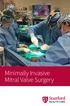 Minimally Invasive Mitral Valve Surgery Stanford Health Care offers leading, superior options in cardiac surgery, including the latest techniques and research for Minimally Invasive Cardiac surgery. Advanced
Chapter 16: Circulation
 Section 1 (The Body s Transport System) Chapter 16: Circulation 7 th Grade Cardiovascular system (the circulatory system) includes the heart, blood vessels, and blood carries needed substances to the cells
ELSO GUIDELINES FOR ECMO CENTERS
 ELSO GUIDELINES FOR ECMO CENTERS PURPOSE These guidelines developed by the Extracorporeal Life Support Organization, outline the ideal institutional requirements needed for effective use of extracorporeal
Distance Learning Program Anatomy of the Human Heart/Pig Heart Dissection Middle School/ High School
 Distance Learning Program Anatomy of the Human Heart/Pig Heart Dissection Middle School/ High School This guide is for middle and high school students participating in AIMS Anatomy of the Human Heart and
IPThermo206G. Offline/online data collector, SMS alarm sender, watchdog terminal for IPThermo Pro network
 IPThermo206G Offline/online data collector, SMS alarm sender, watchdog terminal for IPThermo Pro network IPThermo 206G is the central data handling terminal of the IPThermo Pro measurement network. This
Tachyarrhythmias (fast heart rhythms)
 Patient information factsheet Tachyarrhythmias (fast heart rhythms) The normal electrical system of the heart The heart has its own electrical conduction system. The conduction system sends signals throughout
Listen to Your Heart. What Everyone Needs To Know About Atrial Fibrillation & Stroke. The S-ICD System. The protection you need
 Listen to Your Heart The S-ICD System What Everyone Needs To Know About Atrial Fibrillation & Stroke The protection you need without Stroke. touching Are you your at heart risk? Increase your knowledge.
A Powerful, Flexible and More Ergonomically Evolved Perfusion System
 C5 A Powerful, Flexible and More Ergonomically Evolved Perfusion System C5 Setting a Higher Standard When we introduced the world s most technologically advanced, fully featured and safety-focused perfusion
NORTH WALES CRITICAL CARE NETWORK
 NORTH WALES CRITICAL CARE NETWORK LEVELS OF CRITICAL CARE FOR ADULT PATIENTS Throughout the work of the North Wales Critical Care Network reference to Levels of Care for the critically ill are frequently
Concept. Monitoring Unit. Patient Box. Defibrillator/Pacer Unit. www.corpuls.com
 Concept The corpuls 3 with its revolutionary device design has already proven reliable time and time again in the preclinical emergency medical service. In cooperation with competent partners from the
S/5 Anesthesia Monitor. The clinician s choice
 S/5 Anesthesia Monitor The clinician s choice S/5 Anesthesia Monitor S/5 Anesthesia Monitor Designed by clinicians for clinicians The S/5 Anesthesia Monitor gives you the time and freedom to monitor your
Vascular Access. Chapter 3
 Vascular Access Chapter 3 Vascular Access Introduction Obtaining vascular access in infants and children can be difficult even under optimal conditions. Attempting emergent access in a hypotensive, struggling
Active Rehabilitation and Physical Therapy During Extracorporeal Membrane Oxygenation While Awaiting Lung Transplantation
 Active Rehabilitation and Physical Therapy During Extracorporeal Membrane Oxygenation While Awaiting Lung Transplantation David A Turner MD 1, David Zaas MD MBA 2, Kyle J Rehder MD 1, W Lee Williford RRT
MEDUMAT Easy CPR The Guiding Emergency Ventilator
 MEDUMAT Easy CPR The Guiding Emergency Ventilator MEDUMAT Easy CPR The Guiding Emergency Ventilator Safety is on Duty Although patient resuscitation is not part of your daily work, you are regularly confronted
VENTILATION SERVO-s EASY AND RELIABLE PATIENT CARE
 VENTILATION SERVO-s EASY AND RELIABLE PATIENT CARE Critical Care SERVO-s 3 SERVO-s SIMPLY MAKES SENSE MAQUET THE GOLD STANDARD Leading the way: MAQUET is a premier international provider of medical products
Christopher M. Wright, MD, MBA Pioneer Cardiovascular Consultants Tempe, Arizona
 Christopher M. Wright, MD, MBA Pioneer Cardiovascular Consultants Tempe, Arizona Areas to be covered Historical, current, and future treatments for various cardiovascular disease: Atherosclerosis (Coronary
Visions become real. Temperature control and cooling systems. The innovative and reliable solution
 Temperature control and cooling systems The innovative and reliable solution With our PulseTemp equipment you have the option of up to 72 cooling circuits in the impulse cooling, temperature control, temperature
Ischemia and Infarction
 Harvard-MIT Division of Health Sciences and Technology HST.035: Principle and Practice of Human Pathology Dr. Badizadegan Ischemia and Infarction HST.035 Spring 2003 In the US: ~50% of deaths are due to
Low Blood Pressure. This reference summary explains low blood pressure and how it can be prevented and controlled.
 Low Blood Pressure Introduction Low blood pressure, or hypotension, is when your blood pressure reading is 90/60 or lower. Some people have low blood pressure all of the time. In other people, blood pressure
FiberOptix TM. AP Sensor Zeroing and Calibration Guide INTRA-AORTIC BALLOON PRODUCT SUPPORT HOTLINE. U.S. and Canada: 1-800-447-IABP (4227)
 FiberOptix TM AP Sensor Zeroing and Calibration Guide INTRA-AORTIC BALLOON PRODUCT SUPPORT HOTLINE U.S. and Canada: 1-800-447-IABP (4227) Worldwide: 617-389-8628 Caution: U.S. Federal Law limits this device
The DOT Health Card: How the FMCSA Medical Guidelines & Regulations Affect You
 North Mississippi Medical Center 830 South Gloster Tupelo, MS The DOT Health Card: How the FMCSA Medical Guidelines & Regulations Affect You Work Link Clinic 844 South Madison Tupelo, MS 38801 (662) 377-5300
AN500T, AN1000, AN1000T, AN1500, AN1500T AN2000, AN2000T
 Product Instruction Manual Accona AN500T, AN1000, AN1000T, AN1500, AN1500T AN2000, AN2000T Panel heater v16.5/5 Version 3.2 Jan 2015 Contents 1. Important safety points 2. Installation 2.1. Wall mounting
2014 Procedural Reimbursement Guide Select Percutaneous Coronary Interventions
 2014 Procedural Reimbursement Guide Select Percutaneous Coronary Interventions IC-221010-AA Jan 2014 Page 1 of 10 Interventional Cardiology This for interventional cardiology procedures provides coding
PATIENT MONITORING SYSTEM
 PATIENT MONITORING SYSTEM - Siddhiq Vaaraahi Embedded Ref : TiDC 2007 Date: 30-11-2007 Venue: The Leela Palace, Bangalore 1. What is Patient Monitoring 2. Why is it required 3. Where it is required CONTENTS
A Fishy Tale. Observing the Circulatory System of a Goldfish with a Compound Light Microscope
 A Fishy Tale Observing the Circulatory System of a Goldfish with a Compound Light Microscope A Fishy Tale About this Lesson In this lesson, students will explore a computer animation of the human body
2A.1 Features of Chiller Control Components... 104. 2A.3 Chilled-Water Supply Temperature Control... 107. 2A.4 Cooling-Water Supply Control...
 Appendix 2A: Chiller Control Principles... 104 2A.1 Features of Chiller Control Components... 104 2A.2 Start-up and Shutdown... 105 2A.2.1 Start-up...105 2A.2.2 Shutdown...106 2A.3 Chilled-Water Supply
Cardiac Arrest: General Considerations
 Andrea Gabrielli, MD, FCCM Cardiac Arrest: General Considerations Cardiopulmonary resuscitation (CPR) is described as a series of assessments and interventions performed during a variety of acute medical
Reporting Transcatheter Aortic Valve Replacement (TAVR) Procedures in 2013
 Reporting Transcatheter Aortic Valve Replacement (TAVR) Procedures in 2013 There are nine new CPT codes effective January 1, 2013, for reporting TAVR procedures. Five of these codes are Category I codes
The Cardiac Society of Australia and New Zealand
 The Cardiac Society of Australia and New Zealand Guidelines on Support Facilities for Coronary Angiography and Percutaneous Coronary Intervention (PCI) including Guidelines on the Performance of Procedures
Medical Surgical Nursing (Elsevier)
 1 of 6 I. The Musculoskeletal System Medical Surgical Nursing (Elsevier) 1. Med/Surg: Musculoskeletal System: The Comprehensive Health History 2. Med/Surg: Musculoskeletal System: A Nursing Approach to
Demographics. MBSAQIP Case Number: IDN: ACS NSQIP Case Number:
 Demographics *LMRN: *DOB: / / *Gender: Male Female *Race: White Native Hawaiian/Other Pacific Islander Black or African American Asian American Indian or Alaska Native Unknown *Hispanic Ethnicity: Unknown
Common Ventilator Management Issues
 Common Ventilator Management Issues William Janssen, M.D. Assistant Professor of Medicine National Jewish Health University of Colorado Denver Health Sciences Center You have just admitted a 28 year-old
240- PROBLEM SET INSERTION OF SWAN-GANZ SYSTEMIC VASCULAR RESISTANCE. Blood pressure = f(cardiac output and peripheral resistance)
 240- PROBLEM SET INSERTION OF SWAN-GANZ 50 kg Pig Rt Jugular 0 cm Rt Atrium 10 cm Rt ventricle 15 cm Wedge 20-25 cm SYSTEMIC VASCULAR RESISTANCE Blood pressure = f(cardiac output and peripheral resistance)
Reading Assignment: Tasks for the Veterinary Assistant, pages 467-473, Appendix L, O and P
 Patient Monitoring Reading Assignment: Tasks for the Veterinary Assistant, pages 467-473, Appendix L, O and P Patient monitoring during surgery is an extremely important task that is commonly the responsibility
User and installation manual
 User and installation manual aquaero 5 The information contained in this manual is subject to change without prior notice. All rights reserved. Current as of April 2011 ENGLISH: PAGE 1 DEUTSCH: SEITE 13
CHAPTER 1: THE LUNGS AND RESPIRATORY SYSTEM
 CHAPTER 1: THE LUNGS AND RESPIRATORY SYSTEM INTRODUCTION Lung cancer affects a life-sustaining system of the body, the respiratory system. The respiratory system is responsible for one of the essential
Extracorporeal Life Support Organization (ELSO) Guidelines for Neonatal Respiratory Failure
 Extracorporeal Life Support Organization (ELSO) Guidelines for Neonatal Respiratory Failure Introduction This neonatal respiratory failure guideline is a supplement to ELSO s General Guidelines for all
Suffering from varicose veins? Patient Information. ELVeS Radial Minimally invasive laser therapy of venous insufficiency
 Suffering from varicose veins? Patient Information ELVeS Radial Minimally invasive laser therapy of venous insufficiency Do you suffer from heavy legs or visible veins? This makes diseases of the veins
Cardiology ARCP Decision Aid August 2014
 Cardiology ARCP Decision Aid August 2014 The table that follows includes a column for each training year which documents the targets that have to be achieved for a satisfactory ARCP outcome at the end
BLOOD COLLECTION. How much blood is donated each year and how much is used?
 BLOOD COLLECTION How much blood is donated each year and how much is used? Each unit of blood consists of a volume of 450-500 milliliters or about one pint. Because of the constant demand for blood, about
DIALYSIS COMPACT. The function, diseases and treatments for the human kidney.
 DIALYSIS COMPACT The function, diseases and treatments for the human kidney. Content 3 Editorial 4 What do healthy kidneys accomplish? 5 What causes kidney disease? 6 What effects does kidney disease have?
College of Applied Medical Sciences\ Department of Nursing
 2 nd Edition 2014/2015 College of Applied Medical Sciences\ Department of Nursing CAMS/ Department of Nursing/ Internship Training Logbook 2 nd Edition 1 INTERNSHIP TRAINING LOGBOOK Nurse Intern Name:
1.4.4 Oxyhemoglobin desaturation
 Critical Care Therapy and Respiratory Care Section Category: Clinical Section: Clinical Monitoring Title: Monitoring of Patients Undergoing Conscious Sedation Policy #: 09 Revised: 05/00 1.0 DESCRIPTION
Catheter Embolization and YOU
 Catheter Embolization and YOU What is catheter embolization? Embolization therapy is a minimally invasive (non-surgical) treatment that occludes or blocks one or more blood vessels or vascular channels
Physiologic Monitoring Systems for Life Science Research. Discover the possibilities with DSI.
 Physiologic Monitoring Systems for Life Science Research Discover the possibilities with DSI. Flexible Solutions for Research CARDIOVASCULAR arterial and left ventricular pressures, ECG, activity, pressure
Column Oven PRSO-V1. Users Manual. Revision 2011-1 0-11. Sonation. lab solutions.
 Column Oven PRSO-V1 Users Manual Revision 2011-1 0-11 Sonation lab solutions. Contents Important safety instructions 3 Scope of supply 4 Functional description 5 Oven Controller Installation 7 Hardware
Planning: Patient Goals and Expected Outcomes The patient will: Remain free of unusual bleeding Maintain effective tissue perfusion Implementation
 Obtain complete heath history including allergies, drug history and possible drug Assess baseline coagulation studies and CBC Assess for history of bleeding disorders, GI bleeding, cerebral bleed, recent