
CEPHALOMETRIC ANALYSIS
|
|
|
- Dale Hutchinson
- 9 years ago
- Views:
Transcription
1 Article Scientifique / Scientific Article Introduction 95 SYRIAN NORMS OF MCNAMARA CEPHALOMETRIC ANALYSIS Rabab Al Sabbagh * Abstract McNamara s cephalometric analysis is one of the most suitable analyses for diagnosis, treatment planning and treatment evaluation. Yet, no study has, till now, detected the norms of this analysis in a Syrian population. The current study aims to establish cephalometric norms of McNamara s analysis for Syrians with normal occlusion and to compare these norms between males and females. The study was conducted using lateral cephalometric radiographs of a sample comprised of 100 adolescents with normal, permanent occlusion. The results showed that there were statistically significant gender differences among Syrians for 11 out of 15 cephalometric variables. The comparison revealed statistically significant differences in most variables between Syrian males and females. Therefore, It would be preferable to use the specific Syrian norms. Keywords: McNamara norms lateral cephalometric radiograph occlusion. Résumé L analyse céphalométrique de McNamara est l une des analyses les plus appropriées pour le diagnostic, la planification et l évaluation du traitement. Pourtant, aucune étude n a, jusqu à présent, détecté les normes de cette analyse dans une population Syrienne. La présente étude vise à établir les normes céphalométriques de l analyse de McNamara pour des Syriens et de comparer ces normes entre les hommes et les femmes. L étude a été réalisée à l aide de radiographies céphalométriques latérales d un échantillon composé de 100 adolescents avec occlusion permanente normale. Les résultats ont montré la présence de différences statistiquement significatives entre les deux sexes pour 11 variables céphalométriques de 15. Par conséquent, il serait préférable d appliquer spécifiquement ces norms en étudiant la population syrienne. Mots-clés: les normes McNamara - téléradiographie de profil occlusion. * Assistant Professor in Orthodontics Dean of the Faculty of Dentistry, Al Ba ath University, Syria Introduction Following Broadbent [1] and Hofrath [2] development of a standard head imaging method in 1931, a large number of cephalometric analyses was developed. These analyses aimed to obtain norms for the samples used, which were often comprised of untreated specimens with ideal occlusion or well balanced faces with normal occlusion [3-8]. For many years, the aforementioned analyses formed important guidelines for diagnosis and treatment planning, given that these analyses can aid the orthodontist in specifying the changes that accompany growth as well as the changes resulting from orthodontic treatment [9]. All of the previous analyses were primarily interested in specifying the mean values and the acceptable, normal ranges for skeletal and dental variables. However, only some of these analyses assigned the appropriate importance to soft tissue [10-12]. Solow [13] mentioned that the greatest danger in cephalometric analyses is that they depend on certain craniofacial dimensions as individual values without being in accordance with other values. He thus highlighted the fundamental connection between vertical and horizontal cephalometric variables, introducing the concept or term known as craniofacial pattern. This term states that although the individual cephalometric norms must be within a standard deviation from those

2 96 Article scientifique Scientific Article IAJD Vol. 5 Issue 3 of the society, they can be still regarded as normal as long as these dimensions were in harmony with each other [13]. In cases with normal, balanced occlusion all, of the dental and facial components must be in agreement with each other [14]. McNamara s analysis is regarded as one of the most important of these analyses since it combines the anterior plane described by Burstone et al. [16] - (the plane passing through point Na and perpendicular to the Frankfort plane)- and a description of the length and relationship of the jaws characterized by Harvold [17]. This study is considered one of the most important studies that take into regard the fit between the craniofacial dimensions and the soft tissues. In addition, McNamara s study has been further developed given the increased need for a sensitive radiograph analysis for the dentition in relation to the skeletal base as well as the relation between the jaws and the cranial base. This approximation renders McNamara s analyses as most appropriate for the purposes of treatment planning and evaluation of results both for regular orthodontic patients as well as for patients with structural discrepancies, who are likely candidates for orthodontic surgery [15]. The problem with the majority of the current analyses is that they depend on the norms obtained from samples belonging to a specific ethnic group, namely Europeans and Americans. It may be inappropriate to apply the same norms to different ethnic groups, since ethnic differences have been proved in many previous studies [18-21]. The norms for McNamara s analysis were obtained from three sources: lateral cephalometric radiographs for individuals from whom the Bolton norms were extracted, a selected group of untreated individuals from the Burlington center for research and a third group of individuals from Michigan, Ann Arbor with good to ideal occlusion and dento-facial harmony [14]. Study sample Sample size Age (Mean) Males ±1.7 Females ±2.1 Total ±1.9 Table 1: Study sample characteristics. Given the importance of McNamara s analysis, it has been noticed that no study has identified the norms for Syrians. Although previous researches were conducted with the aim of specifying the natural norms of the Syrian society, they have failed to cover all of the variables [22-23]. The present study aims to specify the Syrian norms for McNamara s analysis, by evaluating the variables on a sample of Syrians with normal occlusion, in addition to specifying the gender differences. Materials and methods The current study is an analytical sectional study. To determine the appropriate sample size, the Minitab software (Minitab Version 15, Minitab Inc., State College, PA, USA) was used with two-sample t-tests, a selected study power of 80 %, a significance level of 0.05, and a detected difference of 1.5. The used standard deviation of 2.65 was based on a pilot study of 10 cases (five males and five females). The appropriate sample size was 50 radiographs in each group. The final sample was made up of 100 patients; its distribution is outlined in table 1. The sample was chosen based on radiographs of patients with normal occlusion attending the college of dentistry at Al Ba ath University. The patients age varied between years; the permanent occlusion was complete except for the three molars. The cephalometric radiographs specific to this study were obtained from the archive of the faculty of dentistry at Al Ba ath University. All the radiographs were taken in normal head position and using the same X-ray device (PAX 400, Vatech Co, Haweseong, Korea). Method of tracing The markings and reference lines of McNamara s analyses are outlined in figure 1 and table 2. The researcher drew all of the cephalometric radiographs and took all of the measurements by hand. Measurement error At least a month after the initial tracing and measurement taking, the above points were reallocated and retraced and the measurements were retaken for twenty cephalometric radiographs. These radiographs were randomly chosen from the whole sample. Following this, the results were recorded on separate charts and the mean measurement error (ME) was calculated using Dahlberg formula: ME = d²/2n Where d: difference between the two measurements, n: number of double measurements. It was observed that the measurement error for the different measurements did not exceed 0.4mm and 0.5 degrees. Statistical anaylsis All measured variables were entered into SPSS software (version 17.0, SPSS Inc., Chicago, Il, USA). Mean and standard deviation for the all variables were calculated. After ensuring the normal distribution of the variables,

3 97 Fig. 1: Points, reference lines and measurements used in McNamara s analysis. Reference lines FH NP NPN Facial plane MP Measurements used in McNamara s Analysis Mandible to cranial base A-NP (mm) SNA (degrees) Maxillomandibular differential Co-A (mm) Co-Gn (mm) D (mm) ANS-Me (mm) MP-FH (degrees) Facial axis angle (degrees) Maxilla to cranial base Pog-NP (mm) Dentition Ui-A (mm) Li-APog (mm) Airways UP (mm) LP (mm) Soft Tissue Nasiolabial angle (degrees) Maxillary retrusion (degrees) Line connecting point PO and Or Nasion perpendicular to Frankfort horizontal plane from point N Nasion parallel to line NP, passing through point A Line connecting the posterior Level of Mandible Go-Me Distance between point A and the line NP Angle formed between the anterior cranial base SN and line NA Midfacial length: distance between condylion and point A Mandibular length: distance between condylion and gnation anatomic Difference between mandible length and midfacial length Height of lower anterior facial Mandibular plane angle with Frankfort horizontal plane Angle formed between the perpendicular on N-Ba and the facial plane Distance between point Pog and the line NP Distance between front upper incisor point to the line NPN Distance between front lower incisor point to the line A-pog Width of upper pharynx Width of lower pharynx Angle formed between upper lip and nasal base Angle formed between upper lip and the line NP Table 2: Reference lines and measurements used in McNamara s analysis.

4 98 Article scientifique Scientific Article IAJD Vol. 5 Issue 3 Examined variables Mean Lower limit Upper limit A-NP -0.58± SNA 80.58± Co-A 90.61± Co-Gn ± D 23.38± ANS-Me 63.82± MP-FH 22.61± Facial axis angle 0.83± Pog-NP -4.41± Ui-A 5.55± Li-APog 2.84± UP 17.32± LP 13.24± Nasiolabial Angle 97.76± Maxillary retrusion 11.29± Table 3: Descriptive statistics for the studied variables. the 2-sample t-tests were carried out to compare between males and females. Results Mean and standard deviation of the studied variables are outlined in table 3. The mean and standard deviation for the male and female groups were calculated separately. Statistically significant differences were observed between males and females in eleven of the fifteen variables studied. These variables include: the distance between point A from the line NP (A-NP), the difference between the mandible and the midfacial length (D), the height of the lower anterior facial (ANS-Me), the mandibular plane angle with Frankfort horizontal plane (MP-FH), the facial axis angle, the distance between the point Pog from the line NP (Pog-NP), the distance between the front upper inci- sor point and the line NPN (Ui-NPN), the distance between the front lowermost incisor point from the line A-Pog (Li-APog), the upper pharynx (UP), the lower pharynx (LP) and the maxillary retrusion. Discussion The present study established the norms of McNamara s analysis for Syrians. In the published medical literature, no previous study addressed McNamara s analysis with all its variables as they apply to the Syrian society. The study was designed as an analytical cross-sectional study. It included individuals from the Syrian society with normal occlusion and compared males to females. An appropriate sample size, representative of the population, was chosen. Thus, the results of this study can be generalized on the entire Syrian society. Dhalberg s formula revealed that the error in setting the point, tracing and measuring the variables did not exceed 0.4mm and 0.5 degrees. This verifies the reliability of these measurements and rules out occurrence of random errors. The results of this research indicate that the mean norms for the Syrian sample were within the average mean norms of McNamara s analysis, with the presence of outliers. This agrees with Mahaini s study which indicated that the mean norms for the Syrian sample were within those of the Orthognathic Face [25]. Furthermore, the obtained results pointed to the existence of substantial differences between males and females in all of the variables examined. These differences can be noticed in eleveneight line variables and three angular variables- out of the total fifteen

5 99 Variables examined Male group Female group p-value Significance Mean ± SD Mean ±SD A-NP ± ± 1.34 <0.001 ** SNA ± ± Co-A ± ± Co-Gn ± ± D ± ± 3.18 <0.001 ** ANS-Me ± ± * MP-FH ± ± * Facial axis angle 1.17 ± ± 4.09 <0.001 ** Pog-NP ± ± 5.62 <0.001 ** Ui-A 5.82 ± ± 2.52 <0.001 ** Li-APog 3.13 ± ± 2.36 <0.001 ** UP ± ± * LP ± ± * Nasiolabial angle ± ± Maxillary retrusion 9.02 ± ± 3.85 <0.001 ** p 0.05, **: p 0.01, ***: p Table 4: Mean values and level of significant differences of the variables in males and females. variables studied. The line variables were significantly larger for males than females. No statistically significant differences existed between males and females for midfacial length and mandibular length. These results corroborate the findings of Wu et al. [26] on a sample of Caucasian, where they did not register any differences between males and females in these dimensions. However, for a sample of Chinese individuals, their study revealed that the midfacial length was significantly larger for males than females. Whereas, for the same sample, no statistically significant differences were noticed in the males mandibular length as compared to that of the females. The differences in findings can be attributed to ethnic/racial differences between the samples studied. The findings of this study are likewise in contrast to what Azzam [23] found upon examining a Syrian sample. He noticed that the lengths of both the maxilla and mandible were greater in males than females, although it ought to be mentioned that his measurement method of the lengths differed from that used in the present study. Also, the mandible and maxilla were in a more retruded position in males versus females. This can be clearly seen from the relation between points A and Pog with the line NP. These results conform to those of Wu et al. [26] who found that for a sample of Chinese individuals, differences between the genders exist regarding the relation between the point Pog and the line NP which represents the mandibule s position. However, no such differences were noticed on a sample of Caucasians. As for the position of the maxilla, as represented by the relation between the point A and the line NP, Wu et al. [26] study did not register any differences between the genders in this dimension, for both the Chinese and Caucasian samples in contradiction to the findings of the present study. Furthermore, the findings of this study disagree with the findings of a study by Celebi et al. [27] which pointed to a greater mandibular protrusion for females than males for a sample of Turks. Once again such differences in findings could be attributed to disparities in measurement methods as well as ethnic/racial differences. The lower anterior facial height was substantially greater for males as compared to females. These findings agree with those of Wu et al. [26] for both the Chinese and Caucasian samples, where they found that the lower anterior facial height was greater for males than females, irrespective of the race. These findings also agree with those of Azzam [23] on a Syrian sample. Moreover, it was observed that both the upper and lower incisors were protruding substantially in males as compared to females. This is different

6 100 Article scientifique Scientific Article IAJD Vol. 5 Issue 3 from what Wu et al. [26] found for both the Chinese and Caucasian samples, where they did not notice any statistically significant differences between genders. This could be a result of the racial differences between the samples examined. Azzam s study [23] on a Syrian sample examined the distance between the incisors and the line A-Pog, but did not notice differences between genders. The discrepancy between the findings of our study and Azzam s [23] could be a result of the reference lines applied. Although the present study did not record any statistically significant differences in the nasolabial angle between males and females, it however revealed that the maxillary protrusion angle was larger in females as compared to males. This signals the more vertical positioning of the upper labia in males in comparison to females in the Syrian sample. The findings of this study agree with those of a study by Kandhasamy et al. [28], which found no statistically significant differences between males and females in a sample of Japanese. Yet the study pointed out that the nasolabial angle was larger, although not significantly, in males as compared to females. Unlike the findings of the current study, a study by Celebi et al. [27] on a sample of Turks, pointed to a greater protrusion in the upper labia and a smaller nasolabial angle in males relative to females. Once again the discrepancies in the findings can be explained by examining the differences in measurement methods as well as racial/ethnic differences. In Azzam s [23] study of the Syrian sample, it was noted that the nasolabial angle was considerably larger in males than in females. However the study did not investigate the maxillary retrusion. The norms generated by the present study can be applied on Syrian patients, as the findings therein represent the natural norms of the Syrian population. The norms of McNamara s analysis can be applied on Syrian individuals, albeit with caution given that some of the mean values for the norms of the Syrian sample were on the outermost range-outliers- of McNamara s norms. In addition, it is advisable to use gender-specific norms, since statistically significant differences exist between males and females for most of the variables examined. Conclusion

7 101 References 1. Broadbent BH. A new X-ray technique and its application to orthodontia. Angle Orthod 1931;1: Hofrath H. Bedeutung der rontgenfern und abstands aufnahme fur die diagnostik der kieferanomalien. Fortschr der Orthod 1931;1: Munandar S, Snow MD. Cephalometric analysis of Deutero- Malay Indonesians. Australian Dent J 1995;40: Miyajima K, McNamara J, Kimura T, Murata S, Iizuka T. Craniofacial structure of Japanese and European-American adults with normal occlusions and well-balanced faces. Am J Orthod. 1996;110: Zeng XL, Forsberg CM, Linder-Aronson S. Craniofacial morphology in Chinese and Swedish children with Angle Class I and class II occlusal relations. Aust Orthod J. 1998;15: Moate SJ, Darendeliler MA. Cephalometric norms for the Chinese: a compilation of existing data. Aust Orthod J 2002;18: Al-Jasser NM. Cephalometric evaluation of craniofacial variation in normal Saudi population according to Steiner analysis. Saudi Med J 2000;21: Naranjilla MAS, Rudzki-Janson I. Cephalometric features of Filipinos with Angle Class I occlusion according to the Munich analysis. Angle Orthod. 2004;75: Bishara SE, Fernandez AG. Cephalometric comparisons of the dentofacial relationships of two adolescent populations from Iowa and Northern Mexico. Am J Orthod. 1985;88: Epker BN, Stella JP, Fish LC. Dentofacial Deformities: Integrated Orthodontic and Surgical Correction. Mosby, St.Louis, Mo, USA, Legan HL, Burstone CJ. Soft tissue cephalometric analysis for orthognathic surgery. J Oral Surg 1980;38: Holdaway RA. A soft-tissue cephalometric analysis and its use in orthodontic treatment planning. Part I. Am J Orthod 1983;84: Solow B. The pattern of the craniofacial associations: A morphological and methodological correlation and factor analysis study on young adults. Acta Odont Scand 1966; 24:(suppl 46): Jacobson A. McNamara Analysis, in Jacobson A, Jacobson R. Radiographic cephalometry, second edition; McNamara J. A method of cephalometric evaluation. Am J Orthod 1984;86: Burstone CJ, James RB, Legan H, Murphy GA, Norton LA. Cephalometrics for orthognathic surgery. J Oral Surg 1978;36: Harvold EP. The activator in orthodontics. St Louis, Mo: CV Mosby; 1974: Swierenga D, Oesterle LJ, Messersmith ML. Cephalometric values for adult Mexican-Americans. Am J Orthod Dentofacial Orthop 1994;106: Erbay EF, Kiniklioglu CM, Erbay SK. Soft tissue profile in Anatolian Turkish adults: part I. Evaluation of horizontal lip position using different soft tissue analyses. Am J Orthod Dentofacial Orthop 2002;121: Erbay EF, Kiniklioglu CM. Soft tissue profile in Anatolian Turkish adults: part II. Comparison of different soft tissue analyses in the evaluation of beauty. Am J Orthod Dentofacial Orthop 2002;121: Hwang HS, Kim WS, McNamara J. Ethnic differences in the soft tissue profile of Korean and European-American adults with normal occlusions and well-balanced faces. Angle Orthod 2002;72: Al Salti M. Craniofacial morphology in persons with normal occlusion in Syria. A radiographic cephalomteric study. Masters dissertation, University of Damascus, Azzam S. Craniofacial morphology in individuals with normal occlusion from the Syrian society in the phase of permanent occlusion. A lateral radiographic cephalometric study. Masters dissertation, University of Damascus, Dahlberg G. Statistical methods for medical and biological students. London, England: Allen & Unwin; Mahaini L. Kraniofaziale strukturen türkischer und deutscher probanden Eine kephalometrische studie. Munich, Germany: Ludwig Maximilian University of Munich; Wu J, Hagg U, Rabie AB. Chinese norms of McNamara cephalometric analysis. Angle Orthod. 2007; 77:1, Celebi A, Tan E, Gelgor I, Colak T, Ayyildiz E. Comparison of soft tissue cephalometric norms between Turkish and European- American adults. Scientific World J 2013;2013: Kandhasamy K, Prabu NM, Sivanmalai S, Prabu PS, Philip A, Chiramel JC. Evaluation of the nasolabial angle of the Komarapalayam population. J Pharm Bioallied Sci. 2012;4:

SYSTEMATIC APPROACH TO ORTHODONTIC DIAGNOSIS DENT 656
 SYSTEMATIC APPROACH TO ORTHODONTIC DIAGNOSIS DENT 656 ORTHODONTIC CLASSIFICATION / DIAGNOSIS Goal of diagnosis: An orderly reduction of the data base to a useful list of the patient s problems Useful??
Classification of Malocclusion
 Classification of Malocclusion What s going on here? How would you describe this? Dr. Robert Gallois REFERENCE: Where Do We Begin? ESSENTIALS FOR ORTHODONTIC PRACTICE By Riolo and Avery Chapter 6 pages
THE BEATIFUL FACE. Beauty. Esthetics. Beauty ESTHETICS LOCAL FASHIONS. Notion of beauty. Looking good. Orthodontics 2005
 THE BEATIFUL FACE Orthodontics 2005 Malcolm E. Meistrell,, Jr., D.D.S. Clinical Professor of Dentistry Division of Orthodontics School of Dental and Oral Surgery Columbia University Beauty Beauty Esthetics
Removable appliances II. Functional jaw orthopedics
 Removable appliances II. Functional jaw orthopedics Melinda Madléna DMD, PhD Associate professor Department of Pedodontics and Orthodontics Faculty of Dentistry Semmelweis University Budapest Classification
Facial keys to orthodontic diagnosis and treatment planning. Part I
 299 Facial keys to orthodontic diagnosis and treatment planning. Part I G. William Arnett, DDS and Robert T. Bergman, DDS, MS Santa Barbara, Calif. The purpose of this article is twofold (1) to present
Long-term effects of Class III treatment with rapid maxillary expansion and facemask therapy followed by fixed appliances
 ORIGINAL ARTICLE Long-term effects of Class III treatment with rapid maxillary expansion and facemask therapy followed by fixed appliances Patricia Vetlesen Westwood, DDS, MS, a James A. McNamara, Jr,
Pitch, roll, and yaw: Describing the spatial orientation of dentofacial traits
 SPECIAL ARTICLE Pitch, roll, and yaw: Describing the spatial orientation of dentofacial traits James L. Ackerman, a William R. Proffit, b David M. Sarver, a Marc B. Ackerman, c and Martin R. Kean d Chapel
Specific dimensional relationships must exist between
 ORIGINAL ARTICLE Intermaxillary tooth size discrepancy and mesiodistal crown dimensions for a Turkish population Tancan Uysal a and Zafer Sari b Kayseri and Konya, Turkey Introduction: The aims of this
The Third-Order Angle and the Maxillary Incisor s Inclination to the NA Line
 Original Article The Third-Order Angle and the Maxillary Incisor s Inclination to the NA Line Michael Knösel a ; Dietmar Kubein-Meesenburg b ; Reza Sadat-Khonsari c ABSTRACT Objective: To evaluate the
Sexual Dimorphism in the Tooth-Crown Diameters of the Deciduous Teeth
 Sexual Dimorphism in the Tooth-Crown Diameters of the Deciduous Teeth THOMAS K. BLACK 111 Museum ofanthropology, The university of Michigan, Ann Arbor, Michigan 48109 KEY WORDS Deciduous dentition criminant
J Bagh College Dentistry Vol. 23(3), 2011 Soft-tissue cephalometric
 Soft-tissue cephalometric norms for a sample of Iraqi adults with class I normal occlusion in natural head position Zainab M. Kadhom, B.D.S., M.Sc. (1) Mushriq F. Al-Janabi, B.D.S.,M.Sc. (2) ABSTRACT Background:
Control of mandibular incisors with the combined Herbst and completely customized lingual appliance - a pilot study
 Control of mandibular incisors with the combined Herbst and completely customized lingual appliance - a pilot study Dirk Wiechmann 1 *, Rainer Schwestka-Polly 2 *, Hans Pancherz 3 *, Ariane Hohoff 4 *
Patients with a Class II malocclusion are common
 ONLINE ONLY Long-term treatment effects of the FR-2 appliance of Fränkel David C. Freeman, a James A. McNamara, Jr, b Tiziano Baccetti, c Lorenzo Franchi, c and Christine Fränkel d Ann Arbor, Mich, Fresno,
Accuracy of space analysis with emodels and plaster models
 ORIGINAL ARTICLE Accuracy of space analysis with emodels and plaster models S. Russell Mullen, a Chris A. Martin, b Peter Ngan, c and Marcia Gladwin d Leesburg, Va, and Morgantown, WVa Introduction: The
Efficiency of Three Mandibular Anchorage Forms in Herbst Treatment: A Cephalometric Investigation
 Original Article Efficiency of Three Mandibular Anchorage Forms in Herbst Treatment: A Cephalometric Investigation Dominique Weschler, DDS, Dr Med Dent a ; Hans Pancherz, DDS, Odont Dr, FCDSHK (Hon) b
Condylar position in children with functional posterior crossbites: before and after crossbite correction*
 PEDIATRIC DENTISTRY/Copyright 1980 by The American Academy of Pedodontics/Vol. 2, No. 3 Condylar position in children with functional posterior crossbites: before and after crossbite correction* David
GUIDELINES FOR AJODO CASE REPORTS
 GUIDELINES FOR AJODO CASE REPORTS Case reports are published on a regular basis in the AJODO. Not only are these short communications interesting to the clinician in private practice, but they provide
Headgear Appliances. Dentofacial Orthopedics and Orthodontics. A Common Misconception. What is Headgear? Ideal Orthodontic Treatment Sequence
 Ideal Orthodontic Treatment Sequence Headgear Appliances Natalie A. Capan, D.M.D. 580 Sylvan Avenue, Suite 1M Englewood Cliffs, New Jersey 07632 (201)569-9055 www.capanorthodontics.com [email protected]
JCO-Online Copyright 2009. An Orthopedic Approach to the Treatment of Class III Malocclusion in Young Patients
 JCO-Online Copyright 2009 An Orthopedic Approach to the Treatment of Class III Malocclusion in Young Patients VOLUME 21 : NUMBER 09 : PAGES (598-608) 1987 JAMES A. MCNAMARA, JR., DDS, PHD Most orthodontists
ABSTRACT. VM Phillips 1, TJ van Wyk Kotze 2
 20 TESTING STANDARD METHODS OF DENTAL AGE ESTIMATION BY MOORREES, FANNING AND HUNT AND DEMIRJIAN, GOLDSTEIN AND TANNER ON THREE SOUTH AFRICAN CHILDREN SAMPLES VM Phillips 1, TJ van Wyk Kotze 2 1 Department
Ahmed Abdel Moneim El Sayed Beirut Arab University (961) 1 300110 Ext: 2263 [email protected] [email protected]
 PERSONAL INFORMATION Ahmed Abdel Moneim El Sayed Beirut Arab University (961) 1 300110 Ext: 2263 [email protected] [email protected] Gender Male Date of birth 19/10/1952 Nationality Egyptian
Treatment of dental and skeletal bimaxillary protrusion in patient with Angle Class I malocclusion
 Treatment of dental and skeletal bimaxillary protrusion in patient with Angle Class I malocclusion Claudio José Ramos 1 In the orthodontic clinic, skeletal and dental bimaxillary protrusion is presented
Over 70% of patients with a dentofacial deformity
 ONLINE ONLY Comparative study of 2 software programs for predicting profile changes in Class III patients having double-jaw orthognathic surgery Osvaldo Magro-Filho, a Natasha Magro-Érnica, b Thallita
Orthodontic treatment of gummy smile by using mini-implants (Part I): Treatment of vertical growth of upper anterior dentoalveolar complex
 O n l i n e O n l y Orthodontic treatment of gummy smile by using mini-implants (Part I): Treatment of vertical growth of upper anterior dentoalveolar complex Tae-Woo Kim*, Benedito Viana Freitas** Abstract
Introduction to Dental Anatomy
 Introduction to Dental Anatomy Vickie P. Overman, RDH, MEd Continuing Education Units: N/A This continuing education course is intended for dental students and dental hygiene students. Maintaining the
Clinical Practice Guideline For Orthodontics
 Clinical Practice Guideline For Orthodontics MOH- Oral Health CSN -Orthodontics -2010 Page 1 of 15 Orthodontic Management Guidelines 1. Definitions: Orthodontics is the branch of dentistry concerned with
Oftentimes, as implant surgeons, we are
 CLINICAL AVOIDING INJURY TO THE INFERIOR ALVEOLAR NERVE BY ROUTINE USE OF INTRAOPERATIVE RADIOGRAPHS DURING IMPLANT PLACEMENT Jeffrey Burstein, DDS, MD; Chris Mastin, DMD; Bach Le, DDS, MD Injury to the
CRANIOMAXILLOFACIAL DEFORMITIES/COSMETIC SURGERY. Reza Movahed, DMD,* Marcus Teschke, DMD, MD,y and Larry M. Wolford, DMDz
 CRANIOMAXILLOFACIAL DEFORMITIES/COSMETIC SURGERY Protocol for Concomitant Temporomandibular Joint Custom-Fitted Total Joint Reconstruction and Orthognathic Surgery Utilizing Computer-Assisted Surgical
Maxillary canine palatal impaction occurs in 1
 ORIGINAL ARTICLE Prediction of maxillary canine impaction using sectors and angular measurement John H. Warford Jr, DDS, a,b Ram K. Grandhi, BDS, Dip Perio, Cert Ortho, MS, b and Daniel E. Tira, PhD c
Smile analysis in different facial patterns and its correlation with underlying hard tissues
 Grover et al. Progress in Orthodontics (2015) 16:28 DOI 10.1186/s40510-015-0099-4 RESEARCH Smile analysis in different facial patterns and its correlation with underlying hard tissues Neha Grover 1*, DN
ABSTRACT INTRODUCTION. Facial Esthetics. Dental Esthetics
 ABSTRACT The FACE philosophy is characterized by clearly defined treatment goals. This increases diagnostic ability and improves the quality and stability of the end result. The objective is to establish
CLINICAL FEATURES OF TEMPOROMANDIBULAR DISORDERS AMONG JORDANIAN CHILDREN
 CLINICAL FEATURES OF TEMPOROMANDIBULAR DISORDERS AMONG JORDANIAN CHILDREN 1 FAROOQ ABDUL KADER ALOMARI, BDS, MSC, MORTH RCSEd 2 BASMA KHALEF ALSAKARNA, BDS, MSC ABSTRACT This study was done to record the
Group Distal Movement of Teeth Using Microscrew Implant Anchorage
 Original Article Group Distal Movement of Teeth Using Microscrew Implant Anchorage Hyo-Sang Park a ; Soo-Kyung Lee b ; Oh-Won Kwon c Abstract: The purpose of this study was to quantify the treatment effects
Retrospective analysis of factors influencing the eruption of delayed permanent incisors after supernumerary tooth removal
 Retrospective analysis of factors influencing the eruption of delayed permanent incisors after supernumerary tooth removal R.A.E. BRYAN*, B.O.I. COLE**, R.R. WELBURY* ABSTRACT. Aim This was to assess the
Objectives. Objectives. Objectives. Objectives. Describe Class II div 1
 Class II div 1 Malocclusion Class II div 1 Malocclusion Objectives OR What can we do about Goofy? Objectives Describe Class II div 1 Objectives Describe Class II div 1 Describe principles of treatment
PROPORTIONS. The new Golden Rules in dentistry. History. Abstract
 M PROPORTIONS The new Golden Rules in dentistry Dr. Alain Méthot Abstract Since the beginning Cosmetic Dentistry has been using the principles of Golden Proportion (1: 0.618) as a guideline for smile design...
Relative position of gingival zenith in maxillary anterior teeth- a clinical appraisal
 Original article: Relative position of gingival zenith in maxillary anterior teeth- a clinical appraisal 1Dr Dipti Shah, 2 Dr Kalpesh Vaishnav, 3 Dr Sareen Duseja, 4 Dr Pankti Agrawal 1HOD, Dept of Prosthodontics,
CRANIOFACIAL ABNORMALITIES
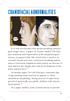 CRANIOFACIAL ABNORMALITIES It is well documented that mouth-breathing children grow longer faces. A paper by Tourne entitled The long face syndrome and impairment of the nasopharyngeal airway, recognised
The etiology of orthodontic problems Fifth session
 بنام خداوند جان و خرد The etiology of orthodontic problems Fifth session دکتر مھتاب نوری دانشيار گروه ارتدنسی Course Outline( 5 sessions) Specific causes of malocclusion Genetic Influences Environmental
Course Curriculum for the Master Degree in Dentistry/Orthodontics
 Jordan University of Science and Technology Faculty of Graduate Studies Course Curriculum for the Master Degree in Dentistry/Orthodontics The Master Degree in Dentistry/ Orthodontics is awarded by the
ORTHODONTIC TREATMENT ALTERNATIVE TO A CLASS III SUBDIVISION MALOCCLUSION
 www.fob.usp.br/jaos or www.scielo.br/jaos J Appl Oral Sci. 2009;17(4):354-63 ORTHODONTIC TREATMENT ALTERNATIVE TO A CLASS III SUBDIVISION MALOCCLUSION Guilherme JANSON 1, José Eduardo Prado de SOUZA 2,
Human, Male, White. Bone Clones Osteological Evaluation Report. Product Number: 1 intact mandible. General observations:
 Human, Male, White Product Number: Specimen Evaluated: Skeletal Inventory: BC-107 Bone Clones replica 1 intact cranium 1 intact mandible General observations: In general, the molding process has preserved
ORTHODONTIC SCREENING GUIDE FOR NORTH DAKOTA HEALTH TRACKS NURSES
 ORTHODONTIC SCREENING GUIDE FOR NORTH DAKOTA HEALTH TRACKS NURSES The North Dakota Department of Human Services Medical Services Division and the North Dakota Department of Health s Oral Health Program
Course Instructors. Dr. Straty Righellis Oakland, CA. Dr. Douglas Knight Louisville, KY. Dr. Jorge Ayala Chile. Dr. Bill Arnett. Dr.
 Course Instructors Dr. Douglas Knight Louisville, KY Dr. Straty Righellis Oakland, CA Dr. Jorge Ayala Chile Dr. Jeffrey McClendon Dr. Bill Arnett Dr. Michael Gunson Dr. David Hatcher New York City, NY
Guidelines for Referrals for Orthodontic Treatment
 Advice for General Dental Practitioners, PCTs and LHBs Guidelines for Referrals for Orthodontic Treatment This document has been produced by the British Orthodontic Society Guidelines for Referrals for
Dr. Park's Publications
 Dr. Park's Publications Jae Hyun Park, D.M.D., M.S.D., M.S., Ph.D. Diplomate, American Board of Orthodontics Editor-in-Chief, Pacific Coast Society of Orthodontists Chief Editor, Computed Tomography: New
Rapid Maxillary Expansion Followed by Fixed Appliances: A Long-term Evaluation of Changes in Arch Dimensions
 Original Article Rapid Maxillary Expaion Followed by Fixed Appliances: A Long-term Evaluation of Changes in Arch Dimeio James A. McNamara Jr, DDS, PhD a ; Tiziano Baccetti, DDS, PhD b ; Lorenzo Franchi,
The American Board of Orthodontics (ABO) Digital Model Requirements Original Release 04.23.2013 Last Update 03.26.2015
 Page 1 of 7 The American Board of Orthodontics (ABO) Digital Model Requirements Original Release 04.23.2013 Last Update 03.26.2015 Introduction In order to provide access to board certification for all
BIOMECHANICAL ANALYSIS OF NORMAL AND IMPLANTED TOOTH USING BITING FORCE MEASUREMENT
 BIOMECHANICAL ANALYSIS OF NORMAL AND IMPLANTED TOOTH USING BITING FORCE MEASUREMENT B K Biswas 1 S Bag 2 & S Pal 3 1. Dept. of Dental Surgery, Associate Professor, KPC Medical College & Hospital, Kolkata,
Using Networks To Understand Medical Data: The Case of Class III Malocclusions
 Using Networks To Understand Medical Data: The Case of Class III Malocclusions Antonio Scala 1,2 *, Pietro Auconi 1,3, Marco Scazzocchio 1, Guido Caldarelli 1,2,4, James A. McNamara 5,6,7,8, Lorenzo Franchi
Supervisors: Dr. Farhan Raza Khan
 1 Presenter: Dr. Sana Ehsen Supervisors: Dr. Farhan Raza Khan 2 A dental implant (also known as an endosseous implant or fixture) is a surgical component that interfaces with the bone of the jaw to support
Facial Aesthetics: 2. Clinical Assessment
 Farhad B Naini Daljit S Gill Facial Aesthetics: 2. Clinical Assessment Abstract: The clinical ability to alter dentofacial form requires an understanding of facial aesthetics. This is vital for any clinician
Skeletal Class lll Severe Openbite Treatment Using Implant Anchorage
 Case Report Skeletal Class lll Severe Openbite Treatment Using Implant Anchorage Yuichi Sakai a ; Shingo Kuroda b ; Sakhr A. Murshid c ; Teruko Takano-Yamamoto d Abstract: A female patient with a skeletal
Three-Dimensional Analysis Using Finite Element Method of Anterior Teeth Inclination and Center of Resistance Location
 Three-Dimensional Analysis Using Finite Element Method of Anterior Teeth Inclination and Center of Resistance Location Allahyar GERAMY 1, Ahmad SODAGAR 1, Mehdi HASSANPOUR 1 Objective: To locate the centre
The Current Concepts of Orthodontic Discrepancy Stability
 Open Journal of Stomatology, 2014, 4, 184-196 Published Online April 2014 in SciRes. http://www.scirp.org/journal/ojst http://dx.doi.org/10.4236/ojst.2014.44028 The Current Concepts of Orthodontic Discrepancy
In the past decade, there has been a remarkable
 TECHNO BYTES Principles of cosmetic dentistry in orthodontics: Part 1. Shape and proportionality of anterior teeth David M. Sarver, DMD, MS Vestavia Hills, Ala In the past decade, there has been a remarkable
Key words maxillary sinus, posterior teeth roots. Introduction. Tikrit Journal for Dental Sciences 1(2012)81-88
 Tikrit Journal for Dental Sciences 1(2012)81-88 The Relation of Maxillary Posterior Teeth Roots to the Maxillary Sinus Floor Using Panoramic and Computed Tomography Imaging in a Sample of Kurdish People
LIP INCOMPETENCE. Robert M. Mason, DMD, PhD
 LIP INCOMPETENCE Robert M. Mason, DMD, PhD If you were to enter an elementary school classroom, you would expect to see a lot of teeth showing as you talk to the students who are (hopefully) sitting quietly
ORTHODONTIC PROBLEMS IN PATIENTS WITH HYPODONTIA AND TAURODONTISM OF PERMANENT MOLARS
 Journal of IMAB - Annual Proceeding (Scientific Papers) 2011, vol. 17, book 2 ORTHODONTIC PROBLEMS IN PATIENTS WITH HYPODONTIA AND TAURODONTISM OF PERMANENT MOLARS Miroslava Yordanova 1, Svetlana Yordanova
Congenital absence of mandibular second premolars
 CLINICIAN S CORNER Congenitally missing mandibular second premolars: Clinical options Vincent G. Kokich a and Vincent O. Kokich b Seattle, Wash Introduction: Congenital absence of mandibular second premolars
OVERJET AND OVERBITE ANALYSIS DURING THE ERUPTION OF THE UPPER PERMANENT INCISORS
 221 OVERJET AND OVERBITE ANALYSIS DURING THE ERUPTION OF THE UPPER PERMANENT INCISORS Osmar A. Cuoghi, Rodrigo C. Sella, Igo Mamede, Fernanda A. de Macedo, Yésselin M. Miranda-Zamalloa, Marcos R. de Mendonça
Multimodality Treatment for Rehabilitation of Adult Orthodontic Patient with Complicated Dental Condition and Jaw Relation
 CASE REPORT Multimodality Treatment for Rehabilitation of Adult Orthodontic Patient with Complicated Dental Condition and Jaw Relation Yu-Cheng Liaw 1,2, Shou-Hsin Kuang 1,2, Ya-Wei Chen 1,2, Kai-Feng
(970) 663-6878 WWW. REYNOLDSORALFACIAL. COM
 (970) 663-6878 WWW. REYNOLDSORALFACIAL. COM Glossary Anterior-Posterior - Front-back Class I - Normal relationship of teeth Class II - Distal (posterior) relationship of mandibular teeth to maxillary teeth.
Forensic Science International
 Forensic Science International 188 (2009) 107 111 Contents lists available at ScienceDirect Forensic Science International journal homepage: www.elsevier.com/locate/forsciint Development of third molars
Orthodontic treatment need in the Italian child population
 Orthodontic treatment need in the Italian child population C. GRIPPAUDO, E.G. PAOLANTONIO, R. DELI, G. LA TORRE* ABSTRACT. Aim To assess orthodontic treatment need in the Italian child population using
Resorptive Changes of Maxillary and Mandibular Bone Structures in Removable Denture Wearers
 Resorptive Changes of Maxillary and Mandibular Bone Structures in Removable Denture Wearers Dubravka KnezoviÊ-ZlatariÊ Asja»elebiÊ Biserka LaziÊ Department of Prosthodontics School of Dental Medicine University
Orthodontic mini-implants, or temporary anchorage devices
 Anchors, away by John Marshall Grady, DMD, Dan E. Kastner, DMD, and Matthew C. Gornick, DMD Drs. John Marshall Grady (center), Dan E. Kastner (left), and Matthew C. Gornick (right). Drs. John Marshall
Tooth mould chart. Radiopaque Teeth SR Vivo TAC/SR Ortho TAC
 Tooth mould chart Resin Teeth SR Vivodent DCL SR Vivodent E SR Vivodent SR ostaris DCL SR Orthotyp DCL SR Ortholingual DCL SR Orthoplane DCL SR Orthosit E SR Orthotyp E SR Orthotyp Radiopaque Teeth SR
Effects of Growth Hormone on Craniofacial Growth
 Original Article Effects of Growth Hormone on Craniofacial Growth Duration of Replacement Therapy Minayo Funatsu a ; Koshi Sato b ; Hideo Mitani c ABSTRACT Objective: This study determined the effects
Knowing the rate of tooth movement gives the
 SPECIAL ARTICLE Changes over time in canine retraction: An implant study Renato Parsekian Martins, a Peter H. Buschang, b Luiz Gonzaga Gandini, Jr, c and P. Emile Rossouw d Araraquara, São Paulo, Brazil,
Tough Choice for Young First Permanent molars: To Do Pulp Treatment or to Extract?
 Tough Choice for Young First Permanent molars: To Do Pulp Treatment or to Extract? Jung-Wei Chen, DDS, MS, PhD Professor and Program Director Advanced Education Program in Pediatric Dentistry Loma Linda
In the Spring of 2010, the American Academy of Cosmetic
 Greetings to the members of the American Academy of Cosmetic Dentistry (AACD). As you know, a sisterhood agreement was concluded between the AACD and the Japan Academy of Esthetic Dentistry (JAED) at a
Ideal treatment of the impaired
 RESEARCH IMPLANTS AS ANCHORAGE IN ORTHODONTICS: ACLINICAL CASE REPORT Dale B. Herrero, DDS KEY WORDS External anchorage Pneumatized Often, in dental reconstruction, orthodontics is required for either
U.O.C. Ortognatodonzia Area Funzionale Omogena di Odontoiatria
 U.O.C. Ortognatodonzia Area Funzionale Omogena di Odontoiatria Alcune pubblicazioni della Scuola: Impacted maxillary incisors: diagnosis and predictive measurements. Pavoni C, Mucedero M, Laganà G, Paoloni
Topics for the Orthodontics Board Exam
 Topics for the Orthodontics Board Exam I. Diagnostics, relations to paediatric dentistry, prevention 1. Etiology of dental anomalies. 2. Orthodontic anomalies, relationship between orthodontic treatment
Distal movement of the maxillary molars is often
 CLINICIAN S CORNER Distalization of maxillary molars with the bone-supported pendulum: A clinical study Sergio Andres Escobar, a Paola Andrea Tellez, a Cesar Augusto Moncada, a Carlos Alberto Villegas,
Sucking behaviors have long been recognized to
 ORIGINAL ARTICLE Duration of nutritive and nonnutritive sucking behaviors and their effects on the dental arches in the primary dentition John J. Warren, DDS, MS, a and Samir E. Bishara, BDS, D Ortho,
General Explanation of the Straight Wire Appliance in the Treatment of Young People and Adults Publication for the Journal du Dentiste in Belgium
 General Explanation of the Straight Wire Appliance in the Treatment of Young People and Adults Publication for the Journal du Dentiste in Belgium Today, our dental patients are asking us to provide them,
Appendix 1 Orthodontic Referral Guidelines for referring practitioners
 Appendix 1 Orthodontic Referral Guidelines for referring practitioners These guidelines are intended to assist General Dental Practitioners (GDPs), Community Dental Service (CDS) Dentists and Primary Care
Projecting a new smile from a facial photograph:
 I special _ digital smile design Projecting a new smile from a facial photograph: A new way to plan multidisciplinarydental treatments Authors_ Drs Marco Del Corso, Italy, & Alain Méthot, Canada without
SURGICAL ORTHODONTICS: LITERATURE REVIEW AND CASE REPORT
 Orthodontics Piyush Heda, Babita Raghuwanshi, Amit Prakash, Kishore Sonawane SURGICAL ORTHODONTICS: LITERATURE REVIEW AND CASE REPORT Piyush HEDA 1, Babita RAGHUWANSHI 2, Amit PRAKASH 3, Kishore SONAWANE
Temporomandibular disorders in Turkish children with mixed and primary dentition: prevalence of signs and symptoms
 The Turkish Journal of Pediatrics 2004; 46: 159-163 Original Temporomandibular disorders in Turkish children with mixed and primary dentition: prevalence of signs and symptoms Mehmet Muhtaroðullarý, Figen
Dent Clin N Am 51 (2007) 299 318. Smile Design. Nicholas C. Davis, DDS, MAGD*
 Dent Clin N Am 51 (2007) 299 318 Smile Design Nicholas C. Davis, DDS, MAGD* Loma Linda University, School of Dentistry, 11092 Anderson Street, Loma Linda, CA 92354, USA Smile design refers to the many
How To Trace Cephalometric Landmarks
 O r i g i n a l A r t i c l e Comparative study between manual and digital cephalometric tracing using Dolphin Imaging software with lateral radiographs Mariane Bastos Paixão*, Márcio Costa Sobral**, Carlos
Prehistoric skulls have minimal malocclusions. Why do contemporary industrialized societies have such a high incidence of malocclusion?
 Prehistoric skulls have minimal malocclusions. Why do contemporary industrialized societies have such a high incidence of malocclusion? C1 This historic skull has good facial form, beautiful dental occlusion
s p e a k e r p a c k e t
 speaker packet At your service... Ann Marie Gorczyca, DMD, MPH, MS Clinical excellence, outstanding customer service, a great patient experience. The dental environment is constantly changing. A practicing
About the Doctor. Jae Hyun Park, D.M.D., M.S.D., M.S., Ph.D.
 About the Doctor Jae Hyun Park, D.M.D., M.S.D., M.S., Ph.D. Dr. Jae Hyun Park is a highly regarded, Board Certified Orthodontist with a strong commitment to clinical education, patient care and research.
Replacing Hopeless Retained Deciduous Teeth in Adults Utilizing Dental Implants: Concepts and Case Presentation
 Replacing Hopeless Retained Deciduous Teeth in Adults Utilizing Dental Implants: Concepts and Case Presentation by Michael Tischler, DDS Published: Dentistry Today November 2005 Photos at end of article
The effects of respiratory function on craniofacial
 ONLINE ONLY Three-dimensional analysis of pharyngeal in preadolescent children with different anteroposterior skeletal patterns Yoon-Ji Kim, a Ji-Suk Hong, a Yong-In Hwang, a and Yang-Ho Park b Seoul,
MEDICAL POLICY POLICY TITLE DENTAL AND ORAL SURGERY SERVICES AFTER AN ACCIDENT POLICY NUMBER MP- 1.108
 Original Issue Date (Created): July 1, 2005 Most Recent Review Date (Revised): Effective Date: June 29, 2010 May 25, 2011- RETIRED I. POLICY II. Dental and/or oral surgery services (on a limited basis)
Dental arch morphology of Mazahua and mestizo teenagers from central Mexico
 Original Article Braz J Oral Sci. April/June 2009 - Volume 8, Number 2 Dental arch morphology of Mazahua and mestizo teenagers from central Mexico Edith Lara-Carrillo 1, Juan Carlos González-Pérez 2, Toshio