
The effects of respiratory function on craniofacial
|
|
|
- Harriet McDonald
- 9 years ago
- Views:
Transcription
1 ONLINE ONLY Three-dimensional analysis of pharyngeal in preadolescent children with different anteroposterior skeletal patterns Yoon-Ji Kim, a Ji-Suk Hong, a Yong-In Hwang, a and Yang-Ho Park b Seoul, Korea Introduction: In growing patients with skeletal discrepancies, early diagnosis, evidence-based explanations of etiology, and assessment of functional factors can be vital for the restoration of normal craniofacial growth and the stability of the treatment results. The aims of our study were to compare the 3-dimensional pharyngeal volumes in healthy children with a retrognathic mandible and those with normal craniofacial growth, and to investigate possible significant relationships and correlations among the studied cephalometric variables and the morphology in these children. Methods: Three-dimensional volume and crosssectional areas of 27 healthy children (12 boys, 15 girls; mean age, 11 years) were measured by using cone-beam computed tomography volume scans, and 2-dimensional lateral cephalograms were created and analyzed. The subjects were divided into 2 groups based on their ANB angles (group I: 2 # ANB # 5 ; group II: ANB.5 ), and cephalometric variables, volumes, and cross-sectional measurements were compared. Results: There were statistically significant differences in the following parameters: height of the posterior nasal plane (P \0.05), pogonion to nasion perpendicular distance (P \0.01), ANB angle (P \0.01), mandibular body length (P \0.01), facial convexity (P \0.01), and total volume (P \0.05). No statistically significant differences between the 2 groups were found in the cross-sectional area and the volumetric measurements of the various sections of the except for total volume, which had larger values in group I (P \0.05). Conclusions: The mean total volume, extending from the anterior nasal cavity and the nasopharynx to the epiglottis, in retrognathic patients was significantly smaller than that of patients with a normal anteroposterior skeletal relationship. On the other hand, differences in volume measurements of the 4 subregions of the were not statistically significant between the 2 groups. (Am J Orthod Dentofacial Orthop 2010;137:306.e1-306.e11) The effects of respiratory function on craniofacial growth have been studied for decades, and most clinicians now understand that respiratory function is highly relevant to the orthodontic diagnosis and the treatment plan. In 1907, Angle 1 showed that his Class II Division 1 malocclusion is associated with obstruction of the upper pharyngeal and mouth breathing. Clinical features related to impaired breathing have been observed by some authors, and Ricketts 2 presented the main characteristics of the respiratory obstruction syndrome as adenoid and tonsil hypertrophy, From the Department of Orthodontics, Kangdong Sacred Heart Hospital, Hallym University Medical Center, Seoul, Korea. a Resident. b Associate professor. The authors report no commercial, proprietary, or financial interest in the products or companies described in this article. Reprint requests to: Yang-Ho Park, Department of Orthodontics, Kangdong Sacred Heart Hospital, 445 Gil-Dong, Gangdong-Gu, Seoul, Korea, , [email protected]. Submitted, May 2009; revised and accepted, October /$36.00 Copyright Ó 2010 by the American Association of Orthodontists. doi: /j.ajodo crossbite, open bite, narrow external nares, and tongue thrusting. Predisposing factors of nasal obstruction can include adenoid and tonsil hypertrophy, polyps, allergies, infections, and nasal deformities. A common cause of mouth breathing arises from the adenoids, which are a conglomerate of lymphatic tissues located in the posterior pharyngeal. Infection and inflammation of the adenoids leads to upper obstruction, and the term adenoid facies is often used to describe a possible aberrant craniofacial growth pattern related to mouth breathing characterized by lip incompetency, underdeveloped nose, increased anterior facial height, constricted dental arches, and proclined maxillary incisors with a Class II occlusal relationship. 3,4 In addition to studies that affirm nasal obstruction as the major factor responsible for dentofacial anomalies, other studies refute a significant relationship between obstruction and the frequency of malocclusion. In a study of 500 patients with upper problems, Leech 5 discovered that 60% of the mouth-breathing patients were Class I and concluded that mouth breathing 306.e1

2 306.e2 Kim et al American Journal of Orthodontics and Dentofacial Orthopedics March 2010 Table I. Sample characteristics Group I Group II Male Female Male Female Total Subjects (n) Age (y) (mean 6 SD) Range (y) has no influence on craniofacial growth. Similarly, Gwynne-Evans 6 determined that facial growth is constant regardless of the mode of breathing. Additionally, Humphreys and Leighton 7 found no significant difference in the anteroposterior relationship of the jaws between nose and mouth breathers. In growing patients with skeletal discrepancies and clinical signs of adenoid facies, early diagnosis, evidence-based explanations of etiology, and assessment of the functional factors might be vital for the restoration of normal craniofacial growth and the stability of treatment results. Morphometric evaluation of the pharyngeal has been mostly performed on lateral cephalometric headfilms, by identifying specific landmarks and measuring various lengths and areas in the pharyngeal region Despite the vast amount of research concerning anatomy and its influence on craniofacial growth and development, most studies have been 2-dimensional (2D) and have used lateral or frontal cephalograms with limited evaluation of lengths and areas. New 3-dimensional (3D) technology of computed tomography (CT) has expanded diagnostic capacities, making volumetric analysis and accurate visualization of the possible. Most 3D studies of the used multislice CT to evaluate the ; this has the advantage of high-quality images to discern hard- and soft-tissue anatomies, but, because of the high radiation dose, it is restricted to patients with severe craniofacial deformities and those undergoing orthognathic surgeries. 11,12 Recently, cone-beam CT (CBCT) systems have been developed specifically for the maxillofacial region. Because a CBCT scan uses a different type of acquisition than traditional multislice CT, radiation is reduced and can be used in a wider range of patients, eg, those having maxillofacial surgery, implantology, and orthodontics. 13 Cross-sectional and volumetric investigations of the pharyngeal have been possible by using CBCT scans to analyze the complex anatomy, and previous studies have confirmed that volumetric measurements of s with CBCT are accurate with minimal error. 14 The aims of our retrospective, cross-sectional study were (1) to compare the 3D pharyngeal volumes in healthy children with a retrognathic mandible and those with normal craniofacial growth and (2) to investigate possible significant relationships and correlations among the studied cephalometric variables and the morphology in these children. MATERIAL AND METHODS Pharyngeal structures were studied in 27 healthy children (12 boys, 15 girls) with a mean age of years (Table I) who were referred to the Department of Orthodontics of Kangdong Sacred Heart Hospital, Hallym University Medical Center, Seoul, Korea, for treatment. Those who had symptoms of upper respiratory infection, pharyngeal pathology such as adenoid hypertrophy and tonsillitis or a history of adenoidectomy or tonsillectomy were excluded. The study protocol was approved by the Ethics Review Committee of the hospital (IRB 09-57). CBCT volume scans of all subjects were obtained by using the Master 3D dental-imaging system (Vatech, Seoul, Korea), and the imaging protocol used a 12-in field of view to include the entire craniofacial anatomy. The axial slice thickness was 0.3 mm, and the voxels were isotropic. Patients sat upright with natural head position, and their jaws were at maximum intercuspation with the lips and tongue in a resting position. The patients were asked not to swallow and not to move their heads or tongues. Almost all 3D imaging modalities (eg, conventional CT or magnetic resonance imaging) require patients to be supine; this causes significant morphologic changes of the, since gravity affects the soft tissues surrounding the oropharyngeal cavity. 15 It might be reasonable to examine patients in the supine position for diagnosing such disorders as obstructive sleep apnea. In most cases (including orthodontic diagnosis and treatment planning), however, patients do not need to be analyzed in the supine position. Recent advances in CBCT permit the acquisition of axial CT images in the upright sitting position, which is more valid for our study. The axial images were imported to InVivoDental software (Anatomage, San Jose, Calif), and volumetric

3 American Journal of Orthodontics and Dentofacial Orthopedics Kim et al 306.e3 Volume 137, Number 3 Fig 1. A volumetric rendering of a subject s craniofacial skeleton: A, lateral view right; B, frontal view; C, lateral view left. Fig 2. For the horizontal reference plane, the FH plane was constructed from the right and left porions and the right orbitale, which was set as the origin. rendering was done for and cephalometric analysis (Fig 1). To standardize the measurements and minimize errors, the 3D image was reoriented, by using the Frankfort horizontal (FH) plane as its reference plane. The FH plane was constructed from the right and left porions located in the most laterosuperior point of the external auditory meatus and the right orbitale (Fig 2). Cho 16 proposed a 3D analysis system from a CBCT volumetric image with a set of landmarks, reference lines, and reference planes. In his system, the 3D image is reoriented according to the nasofrontozygomatic plane and the FH plane. Lagravère et al 17 designated reference points such as the midpoint between the foramen lacerum and the middorsum foramen magnum, since they are easily viewed in the 3D images. The 2D cephalometric images were derived from the 3D CT scans by creating an orthogonal projection with parallel rays, and the images were imported into V-ceph software (Osstem Implant, Seoul, Korea) for conventional 2D analysis. Landmark identifications and physical measurements were performed by the same investigator (Y.J.K). For the cephalometric analysis, 13 conventional hard-tissue cephalometric landmarks were identified, and 5 anteroposterior and 5 vertical measurements were calculated (Table II, Fig 3). The subjects were assigned to 2 groups based on their ANB angles: 14 subjects (7 boys, 7 girls) whose ANB angles ranged from 2 to 5 were allocated to group I, and 13 subjects (5 boys, 8 girls) who had ANB angles greater than 5 were allocated to group II (Table I). Five cross-sectional planes (2 frontal and 3 axial sections) and 5 volumes of the pharyngeal were developed in this study based on the FH plane and soft-tissue landmarks (Table III; Figs 4 and 5). Cross-sectional planes of the nasal cavity are perpendicular to the FH plane, whereas the pharyngeal cross-sections are parallel to the FH plane. Although these crosssections are not directly perpendicular to the long axis of the, the FH plane was used as a reference plane to standardize the plane orientation and minimize error in identifying the studied cross-sectional planes of the subjects. Various dimensions of the were calculated by the same examiner. Cross-sectional measurements including width, length, and area were calculated in the sectional views (frontal and axial) because they provide precise 2D visualization and linear accuracy of 2D measurements (Fig 5).

4 306.e4 Kim et al American Journal of Orthodontics and Dentofacial Orthopedics March 2010 Table II. Two-dimensional cephalometric variables used in this study Variable Vertical skeletal pattern Gonial angle AFH PFH FMA AFH/PFH Anteroposterior skeletal pattern A to N-perp Pog to N-Perp ANB Mn body length Facial convexity Definition The angle formed by the junction of the posterior and lower borders of the mandible Distance between nasion and menton Distance between sella and gonion The angle formed by the FH plane and the mandibular plane (Go-Me) Ratio of AFH to PFH The linear distance from Point A to nasion perpendicular The linear distance from pogonion to nasion perpendicular The difference between SNA and SNB The linear distance of the mandibular plane (Go-Me) The angle fomed by nasion, Point A, and pogonion Fig 3. Landmarks, anteroposterior measurements, and vertical measurements used in this study. Volumetric renderings of the subjects CT scans were acquired with the InVivoDental software, and we proceeded with volumetric analysis of the defined s. Since is void space surrounded by hard and soft tissues, inversion of the 3D-rendered image is required; this converts a negative value to a positive value, and vice versa. This process removes the hard and soft tissues of the image and embodies the spaces of the craniofacial region including the paranasal sinuses and other empty spaces. Then sculpting was dpme to isolate the desired section by removing unnecessary structures; subsequently, threshold values were adjusted to eliminate imaging artifacts and refine the selected region. Finally, the volume of the designated was calculated in cubic millimeters. Lateral cephalometric variables and dimensions of 15 randomly selected CT scans were remeasured by the same investigator 2 weeks after the first measurements. A paired t test was used to estimate systemic error, and all measurements were free of systemic error. 18 Random error was estimated by using Dahlberg s formula 19 (ME 2 5 Sd 2 /2 n). Random errors varied from 0.49 to 2.24 mm in linear measurements, from to mm 2 in area measurements, and from to mm 3 in volume measurements. Descriptive statistics including the mean and standard deviation for each group were calculated by using SPSS for Windows software (version 12.0, SPSS, Chicago, Ill). Differences between groups I and II, and between the sexes, were tested by using independent t tests. Pearson s correlation coefficient test was used to detect any relationship of different parts of the and between volume and 2D cephalometric variables. RESULTS Means and standard deviations for cephalometric, cross-sectional, and volumetric variables were compared by sex; since no sex differences were found in any measurement, the subjects were combined for subsequent analysis. Table IV gives the comparison results of groups I and II. There were statistically significant differences in the following parameters: height of the posterior nasal plane (P\0.05), pogonion to nasion perpendicular distance (P \0.01), ANB (P \0.01), mandibular body length (P \0.01), facial convexity (P\0.01), and total volume (P\0.05). According to the lateral cephalometric analysis, group II had retruded mandibles and a greater skeletal anteroposterior discrepancy, as evidenced by the pogonion to nasion

5 American Journal of Orthodontics and Dentofacial Orthopedics Kim et al 306.e5 Volume 137, Number 3 Table III. Cross-sectional planes and volumes of the 3D pharyngeal Landmark Definition Cross-sectional plane Anterior nasal plane Ana plane A frontal plane perpendicular to the FH plane passing through ANS Posterior nasal plane Pna plane A frontal plane perpendicular to the FH plane passing through PNS Upper pharyngeal plane Uph plane An axial plane parallel to the FH plane passing through PNS Middle pharyngeal plane Mph plane An axial plane parallel to the FH plane passing through the caudal margin of the soft palate Lower pharyngeal plane Lph plane An axial plane parallel to the FH plane passing through the superior margin of the epiglottis Volume Nasal Airway formed by the Ana and Pna planes Superior pharyngeal Airway formed by the Pna and Uph planes Middle pharyngeal Airway formed by the Uph and Mph planes Inferior pharyngeal Airway formed by the Mph and Lph planes Total Airway extending from Ana plane to Lph plane perpendicular distance, ANB, and facial convexity values. No statistically significant difference between the 2 groups was found in the cross-sectional area and volumetric measurements of the different parts of the. However, total volume, which is the sum of the 4 separate volumes of the, was significantly greater in group I (P\0.05). The linear measurements of the cross sections indicated that the height of the posterior nasal plane was the only significant mean found, with greater values in group I (P \0.05). Tables V and VI show the correlations among the studied variables. Table V shows the correlations of sections of the with each other, and Table VI shows correlations between the 2D cephalometric variables and the 3D volumetric measurements of the. The nasal volume and the superior pharyngeal volume had a positive correlation (P \0.01). Some analyses from the lateral cephalograms tended to be correlated with volume. The anterior facial heights showed positive correlations to all volumetric measurements except the middle pharyngeal volume. Posterior facial height showed significant correlations with total volume and inferior pharyngeal volume (P \0.05). Additionally, total volume was significantly correlated with ANB angle and mandibular body length (P \0.05). DISCUSSION Although the impact of respiratory function on craniofacial growth and its relevance in orthodontics has long been a controversial issue, many clinical studies have presented good evidence with sound data supporting this hypothesis. To evaluate the, nasal resistance and airflow tests, nasoendoscopy, and lateral cephalometry have been the primary means used for the last few decades. 20,21 As new-generation CBCT supplements the diagnosis and treatment planning of orthodontic patients, 3D analyses of the maxillofacial skeleton and the soft tissues are possible. Our study of the pharyngeal with CBCT produced anatomically true images that are 3D reconstructed without magnification or distortion, allowing accurate measurement in all 3 dimensions (sagittal, frontal, and transverse) to understand fully the pharyngeal morphology in growing children Because of the retrospective design of this study, direct examination of the patients nasopharyngeal functions was not possible; selection of subjects was based on previous clinical chart information at their diagnoses for orthodontic treatment, and CBCT images were used additionally to screen subjects with severe adenoid and tonsillar hypertrophy. Area measurements of adenoids in lateral cephalograms have been reported to have clinically useful correlations with gold standards such as actual tissue volumes obtained by adenoidectomy and direct observations through endoscopy However, Aboudara et al 28 found that 2D measurements of the nasopharyngeal area lacks much of the structural information, since the 3D structure is compressed into a 2D image. In our study, subjective grading of the adenoid and tonsil sizes in the 3D image was done, and patients with severe adenoid or tonsillar hypertrophy were considered as having infections or allergies, and they were excluded in this study. As a result, we confirmed that our patients were free of clinical signs and symptoms related to pharyngeal pathology and had no history of treatment intervention (eg, tonsillectomy or

6 306.e6 Kim et al American Journal of Orthodontics and Dentofacial Orthopedics March 2010 Fig 4. Five cross-sectional planes of the pharyngeal used in this study: A, right lateral view and B, frontal view of volume rendered images. a, Anterior nasal plane (Ana); b, posterior nasal plane (Pna); c, upper pharyngeal plane (Uph); d, middle pharyngeal plane (Mph); e, lower pharyngeal plane (Lph). C, The cross-sectional planes are shown in the lateral cephalogram. adenoidectomy) in the pharyngeal area. Thus, we assumed that the subjects were relatively healthy and showed normal patterns of nasorespiratory function. Obviously, this method of patient selection is not ideal, and we could have included patients with mild pharyngeal diseases that could not be detected. According to a study by Laine-Alava and Minkkinen, 29 however, a history or symptoms of upper respiratory diseases have no influence on variables related to nasorespiratory function when the measurements are made during an asymptomatic period. The nasopharyngeal is mainly influenced by the adenoids, which are known to follow the lymphoid growth curve shown by Scammon et al. 30 They increase rapidly from infancy, reach a peak before adolescence, and then gradually decrease to their adult sizes. Subtelny and Baker 31 concluded that the growth peak of the adenoids varies from 9 to 15 years of age. In our study, children aged 9 to 12 years were selected. According to the curves of general growth of Scammon et al, 30 which the maxillomandibular growth is known to follow, this period is the end of the second phase of growth when the growth rate is steady and constant before the adolescent growth spurt. Therefore, children at these preadolescent ages can have adenoids that have reached their maximum size, and considerable facial growth has occurred to reflect functional influences because they might be predisposed to the natural anatomic conditions of narrower nasopharyngeal s. The 2D lateral cephalometric images were created from the CBCT scans primarily to assign the subjects to the 2 groups and also to ascertain significant correlations among the cephalometric variables and the volumes. Linear accuracy of the CBCT-derived lateral cephalometric images has been studied Moshiri et al 35 compared linear measurements of lateral cephalograms derived from CBCT with those of conventional cephalograms and direct measurements on a dry human skull, which was considered to represent the anatomic truth. For most linear measurements calculated in the sagittal plane, they found that the CBCT-derived 2D lateral cephalograms were more accurate than conventional lateral cephalograms. Moreover, generation of 2D cephalometric images from CBCT data prevents unnecessary irradiation of the patients. Regarding patient positioning, Hassan et al 33 compared linear measurements on 3D surface-rendered images, 2D tomographic multiplanar reformatted slices, and 2D projection images in both ideal and rotated positions of dry human skulls. They concluded that linear measurements on all 3 images were accurate in the ideal skull position; however, the rotated skull provided linear accuracy only for 3D surface-rendered images and 2D tomographic slices. To classify the subjects based on their anteroposterior skeletal relationships, Korean norms for the ANB angle were used. 36 Several reports about the ANB angle have indicated its lack of clinical significance and reliability in the determination of the anteroposterior jaw position. Hussels and Nanda 37 showed that the ANB angle is influenced by rotation and vertical growth of the jaws, anteroposterior position of the nasion, and vertical

7 American Journal of Orthodontics and Dentofacial Orthopedics Kim et al 306.e7 Volume 137, Number 3 Fig 5. Cross-sectional views of the pharyngeal in the 5 planes: a represents the length (axial slice) or height (frontal slice) of the defined by the greatest distance in the anteroposterior or vertical direction of the cross section; b is the width of the defined by the greatest distance in the right and left directions of the cross section. The colored region indicates the cross-sectional area of the. distance between Points A and B. Ferrario et al 38 suggested that the orthodontic diagnosis should be based on more than 1 anteroposterior appraisal. However, the ANB angle is a commonly used cephalometric parameter in clinical orthodontics, 39 and Ishikawa et al 40 corroborated that it is reliable for determining the anteroposterior relationship of the jaws. Additionally, these authors showed that the ANB angle and the angle of convexity in the prepubertal assessment have high prediction accuracy for postpubertal jaw relationships. In our study, the anteroposterior analyses displayed statistically significant differences except Point A to nasion perpendicular distance, reaffirming the reliability of the ANB angle, which was used to classify our subjects. The number of subjects in our study was limited and, therefore, this investigation should be considered a pilot study. Because of the small number of subjects, data from both sexes were collected, and, fortunately, no sexual dimorphism in any cross-sectional and volumetric measurements was observed. These findings agree with those of Ceylan and Oktay 41 and Freitas et al. 42 Vertical cephalometric means of the 2 groups were within normal limits, and no statistically significant differences in the vertical measurements between groups I and II were observed (Table IV), eliminating the possible effects of the vertical skeletal pattern that might have contributed to the variations of the dimensions. In the longitudinal study of Akcam et al, 43 upper and lower pharyngeal s were measured in preadolescents according to the different rotation types, and hyperdivergent subjects had narrower lower pharyngeal s. All cross-sectional area and volumetric measurements of the subregions of the pharyngeal were greater in group I. However, they were not statistically significant, indicating that segmental capacities are not related to mandibular deficiencies (Table IV). This agrees with previous 2D studies that claimed no association of dimensions with malocclusion types. 12,41,42 Ceylan and Oktay 41 asserted that, as skeletal anteroposterior relationship changes, pharyngeal structures undergo postural modifications, and hence the size of the remains constant. Interestingly, total volume, the sum of the 4 subregions of the from the nasal cavity and the nasopharynx to the oropharyngeal region above the

8 306.e8 Kim et al American Journal of Orthodontics and Dentofacial Orthopedics March 2010 Table IV. Descriptive statistics of groups I and II Group I (n 5 14) Group II (n 5 13) Intergroup difference Mean SD Mean SD P Ana plane Height Width Cross-sectional area Pna plane Height * Width Cross-sectional area Uph plane Length Width Cross-sectional area Mph plane Length Width Cross-sectional area Lph plane Length Width Cross-sectional area Cephalometric analysis Gonial angle AFH PFH PFH/AFH FMA Point A to nasion perpendicular Pogonion to nasion perpendicular * ANB \0.01 Mandibular body length \0.01 Facial convexity \0.01 Airway volume Nasal Superior pharyngeal Middle pharyngeal Inferior pharyngeal Total * Linear measurements (mm), area measurements (mm 2 ), volumetric measurements (mm 3 ), angular measurements ( ). *P \0.05; P \0.01. epiglottis, appeared to be significantly greater in group I. From these contrasting results, we inferred that each subregion of the upper does not specifically represent a patient s whole upper capacity, and, therefore, comprehensive assessment of the entire upper is needed in patients who require functional examination. Further studies with larger samples are needed to investigate certain subregions that might be significantly correlated to other skeletal patterns such as mandibular prognathism and vertical growth pattern. Additionally, evaluation of discriminating capacities of parts limited by different anatomic landmarks might show specific regions of the that are responsible for significant relationships between the and the craniofacial structures. Linear analysis of the cross-sections showed that the nasal dimension is influenced by skeletal pattern. The height of the posterior nasal cavity was significantly greater in group I, and the rest of the crosssectional dimensions showed greater values in group I, but they lacked statistical significance. Alves et al 12 compared 3D s of adult skeletal Class II and Class III patients, and concluded that nasal cavity width had statistical significance between the 2 groups, whereas the height of the nasal cavity did not. In contrast, Kikuchi 11 found in his 3D study that the oropharyngeal region of the was influenced by the skeletal pattern. He maintained that morphology, rather than size, is influenced by the anteroposterior position of the mandible and suggested that volume remains constant by horizontal and vertical compensation mechanisms of the muscles adjacent to the pharynx. Nasal volume and superior pharyngeal volume were positively correlated (Table V), indicating a close relationship of the anterior and posterior parts of the upper. Located above the hard palate, these 2 sections of the are not only anatomically adjacent, but also their volumetric dimensions have a direct relationship. Linder-Aronson 3 studied the

9 American Journal of Orthodontics and Dentofacial Orthopedics Kim et al 306.e9 Volume 137, Number 3 Table V. Correlations among volumes Nasal Superior pharyngeal Middle pharyngeal Inferior pharyngeal Nasal Pearson correlation P value 0.004* Superior pharyngeal Pearson correlation P value 0.004* Middle pharyngeal Pearson correlation P value Inferior pharyngeal Pearson correlation P value *P \0.01. Table VI. Correlations between cephalometric variables and volumes Gonial angle AFH PFH PFH/AFH FMA Pt A to N perp Pog to N perp ANB Mn body Facial conv Nasal Superior pharyngeal Middle pharyngeal Inferior pharyngeal Total Pearson correlation P value 0.95 \ Pearson correlation P value 0.53 \ Pearson correlation P value Pearson correlation P value * 0.04* Pearson correlation P value 0.70 \ * * 0.03* 0.08 Pt, Point; N, nasion; perp, perpendicular; Pog, pogonion; Mn, mandibular; conv, convexity. *P \0.05; P \0.01. relationship of the upper and lower parts of the, and reported that a smaller nasopharyngeal is accompanied by a larger oropharyngeal. Ricketts 2 and Dunn et al 44 stated that oral breathing is related to a narrow nasopharyngeal width because it is easily blocked by adenoid enlargement. In our study, no significant correlations were found among the rest of the volumes below the hard palate. The relationship of conventional cephalometric analyses and volumes were evaluated; anterior and posterior facial heights were positively correlated to nasal, superior pharyngeal, and inferior pharyngeal s, as well as to total volume (Table VI). This indicates that patients with vertical growth patterns are likely to have an expanded ; this is inconsistent with studies that reported an inverse relationship between pharyngeal volume and vertical facial height. 2,3,42,44,45 However, the variables used to assess vertical craniofacial patterns are different from those used in previous studies; this makes the comparison less compatible. Interestingly, anterior facial height showed strong correlations (P \0.01) to the upper part of the, and the nasal and superior pharyngeal ; this agrees with Freitas et al, 42 who noted that vertical growth patterns have significant correlations with the upper part of pharyngeal s. Anteroposterior discriminants such as ANB angle and mandibular body length showed significant correlations with total volume, supporting the intergroup comparison of different anteroposterior skeletal patterns in this study. The negative correlation of the ANB angle and the total can be explained by group I (2 #ANB#5 ) having significantly greater volume than group II (ANB.5 ). Mandibular body length and total volume were both significantly greater in group I (Table IV), demonstrating a positive correlation. Hwang et al 46 reported that a constricted nasopharyngeal is associated with retruded mandible and maxilla. On the other hand, Abu Allhaija and Al-Khateeb 47 concluded that

10 306.e10 Kim et al American Journal of Orthodontics and Dentofacial Orthopedics March 2010 anteroposterior pharyngeal dimensions were not affected by changes of the ANB angle. Since these previous studies were based on lateral cephalograms, more 3D studies are needed to clarify this conflicting issue. The standard deviations of the dimensions were significantly large in cross-sectional area and volumetric measurements. This agreed with the findings of Ozbek et al, 48 who analyzed dimensions including width, area, and angulation in lateral headfilms of skeletal Class II growing children. The area measurement of the oropharnynx had large standard deviations, whereas the rest of the measurements such as width and angulation showed narrow ranges. The wide ranges of certain data were also evident in another study of morphology in skeletal Class II and Class III adults. 12 Whereas angular and linear measurements on the 3D model were typical of the designated lengths and angles, cross-sectional areas and volumes showed markedly large standard deviations in both skeletal types. In a comparative study of the nasopharyngeal size using a lateral cephalometric headfilm and a CBCT scan, Aboudara et al 14 found that volume has a much wider range than area of the same region of the, asserting that determination of volume from 2D lateral cephalograms is inaccurate because of inconsistencies of the 3D anatomy. Determined as percentages of the means, the standard deviations of the area and volume in our study ranged from 24% to 43% and 17% to 47%, respectively, indicating great variability in both parameters. Since a CBCT scan provides the most accurate dimensional analysis, it could be interpreted that much anatomic information is lost when the imaging modalities are 2D, and linear and angular measurements do not give enough information about the targeted structure. 14,22-24 We showed that healthy preadolescent children with retruded mandibles have decreased total pharyngeal volumes. Therefore, orthodontists should be aware of the pharyngeal morphologies that might predispose these children to impaired craniofacial growth. Future investigations of longitudinal changes in patients with different skeletal patterns and assessment of their craniofacial growth with 3D superimpositions will allow better understanding of the relationship between respiratory function and craniofacial morphology. CONCLUSIONS The number of subjects available for this investigation was small; therefore, it should be considered a pilot study. It was conducted to examine a possible significant relationship between size and maxillomandibular growth patterns in healthy preadolescent children without evident pharyngeal pathology. According to our results, we can conclude the following. 1. Accurate volumetric determination of 3D pharyngeal is possible in preadolescents by using CBCT scans. 2. There is no sexual dimorphism in the 2D lateral cephalometric analysis or the 3D measurements of preadolescents. 3. The mean total volume, extending from the anterior nasal cavity and the nasopharynx to the epiglottis, of retrognathic patients was significantly smaller than that of patients with a normal anteroposterior skeletal relationship. On the other hand, differences in volume measurements of the 4 subregions of the were not found to be significantly different between the 2 groups. 4. In preadolescents, volumetric measurements of the are significanlty correlated to anteroposterior and vertical cephalometric variables, mainly anterior facial height and ANB angle. We thank Kyung-Min Oh for her contributions to data collection for this study. REFERENCES 1. Angle E. Treatment of malocclusion of the teeth. Philadelphia: SS White Manufacturing Company; Ricketts RM. Respiratory obstruction syndrome. Am J Orthod 1968;54: Linder-Aronson Adenoids S. Their effect on mode of breathing and nasal airflow and their relationship to characteristics of the facial skeleton and the denition. A biometric, rhino-manometric and cephalometro-radiographic study on children with and without adenoids. Acta Otolaryngol Suppl 1970;265: Moore A. Observations on mouth breathing. Bull N Z Soc Periodontol 1972; Leech H. A clinical analysis of orofacial morphology and behavior of 500 patients attending an upper respiratory research clinic. Dent Pract 1958;9: Gwynne-Evans E. Discussion on the mouth-breather. Proc R Soc Med 1958;51: Humphreys HF, Leighton BC. A survey of antero-posterior abnormalities of the jaws in children between the ages of 2 and 5 1/2 years of age. Br Dent J 1950;88: Arun T, Isik F, Sayinsu K. Vertical growth changes after adenoidectomy. Angle Orthod 2003;73: Kirjavainen M, Kirjavainen T. Upper dimensions in Class II malocclusion. Effects of headgear treatment. Angle Orthod 2007;77: Martin O, Muelas L, Viñas MJ. Nasopharyngeal cephalometric study of ideal occlusions. Am J Orthod Dentofacial Orthop 2006;130:436.e Kikuchi Y. Three-dimensional relationship between pharyngeal and maxillo-facial morphology. Bull Tokyo Dent Coll 2008;49: Alves PV, Zhao L, O Gara M, Patel PK, Bolognese AM. Three-dimensional cephalometric study of upper space in skeletal

11 American Journal of Orthodontics and Dentofacial Orthopedics Kim et al 306.e11 Volume 137, Number 3 Class II and III healthy patients. J Craniofac Surg 2008;19: Ludlow JB, Davies-Ludlow LE, Brooks SL, Howerton WB. Dosimetry of 3 CBCT devices for oral and maxillofacial radiology: CB Mercuray, NewTom 3 G and i-cat. Dentomaxillofac Radiol 2006;35: Aboudara C, Nielsen I, Huang JC, Maki K, Miller AJ, Hatcher D. Comparison of space with conventional lateral headfilms and 3-dimensional reconstruction from cone-beam computed tomography. Am J Orthod Dentofacial Orthop 2009;135: Battagel JM, Johal A, Smith AM, Kotecha B. Postural variation in oropharyngeal dimensions in subjects with sleep disordered breathing: a cephalometric study. Eur J Orthod 2002;24: Cho HJ. A three-dimensional cephalometric analysis. J Clin Orthod 2009;43: Lagravère MO, Hansen L, Harzer W, Major PW. Plane orientation for standardization in 3-dimensional cephalometric analysis with computerized tomography imaging. Am J Orthod Dentofacial Orthop 2006;129: Houston WJ. The analysis of errors in orthodontic measurements. Am J Orthod 1983;83: Dahlberg G. Statistical methods for medical and biological students. London, United Kingdom: G: Allen & Unwin; Major MP, Flores-Mir C, Major PW. Assessment of lateral cephalometric diagnosis of adenoid hypertrophy and posterior upper obstruction: a systematic review. Am J Orthod Dentofacial Orthop 2006;130: Vig KW. Nasal obstruction and facial growth: the strength of evidence for clinical assumptions. Am J Orthod Dentofacial Orthop 1998;113: Parks ET. Computed tomography applications for dentistry. Dent Clin North Am 2000;44: Mah J, Hatcher D. Three-dimensional craniofacial imaging. Am J Orthod Dentofacial Orthop 2004;126: Ziegler CM, Woertche R, Brief J, Hassfeld S. Clinical indications for digital volume tomography in oral and maxillofacial surgery. Dentomaxillofac Radiol 2002;31: Maw AR, Jeans WD, Fernando DCJ. Inter-observer variability in the clinical and radiological assessment of adenoid size, and the correlation with adenoid volume. Clin Otolaryngol Allied Sci 1981;6: Holmberg H, Linder-Aronson S. Cephalometric radiographs as a means of evaluating the capacity of the nasal and nasopharyngeal. Am J Orthod 1979;76: Jeans WD, Fernando DC, Maw AR. How should adenoidal enlargement be measured? A radiological study based on interobserver agreement. Clin Radiol 1981;32: Aboudara CA, Hatcher D, Nielsen IL, Miller A. A three-dimensional evaluation of the upper in adolescents. Orthod Craniofac Res 2003;6: Laine-Alava MT, Minkkinen UK. Should a history of nasal symptoms be considered when estimating nasal patency? Angle Orthod 1999;69: Scammon RE, Harris JA, Jackson CM. The measurement of man. Minneapolis: University of Minnesota Press; Subtelny JD, Baker HK. The significance of adenoid tissue in velopharyngeal function. Plast Reconstr Surg 1956;17: Brown AA, Scarfe WC, Scheetz JP, Silveira AM, Farman AG. Linear accuracy of cone beam CT derived 3D images. Angle Orthod 2009;79: Hassan B, van der Stelt P, Sanderink G. Accuracy of three-dimensional measurements obtained from cone beam computed tomography surface-rendered images for cephalometric analysis: influence of patient scanning position. Eur J Orthod 2009;31: Kumar V, Ludlow J, Soares Cevidanes LH, Mol A. In vivo comparison of conventional and cone beam CT synthesized cephalograms. Angle Orthod 2008;78: Moshiri M, Scarfe WC, Hilgers ML, Scheetz JP, Silveira AM, Farman AG. Accuracy of linear measurements from imaging plate and lateral cephalometric images derived from cone-beam computed tomography. Am J Orthod Dentofacial Orthop 2007;132: Joo MJ. Analysis of the dento-facial complex in Koreans. Korean J Orthod 1970;1: Hussels W, Nanda RS. Analysis of factors affecting angle ANB. Am J Orthod 1984;85: Ferrario VF, Sforza C, Miani A Jr, Tartaglia GM. The use of linear and angular measurements of maxillo-mandibular anteroposterior discrepancies. Clin Orthod Res 1999;2: Del Santo M Jr. Influence of occlusal plane inclination on ANB and Wits assessments of anteroposterior jaw relationships. Am J Orthod Dentofacial Orthop 2006;129: Ishikawa H, Nakamura S, Iwasaki H, Kitazawa S. Seven parameters describing anteroposterior jaw relationships: postpubertal prediction accuracy and interchangeability. Am J Orthod Dentofacial Orthop 2000;117: Ceylan I, Oktay H. A study on the pharyngeal size in different skeletal patterns. Am J Orthod Dentofacial Orthop 1995;108: de Freitas MR, Alcazar NM, Janson G, de Freitas KM, Henriques JF. Upper and lower pharyngeal s in subjects with Class I and Class II malocclusions and different growth patterns. Am J Orthod Dentofacial Orthop 2006;130: Akcam MO, Toygar TU, Wada T. Longitudinal investigation of soft palate and nasopharyngeal relations in different rotation types. Angle Orthod 2002;72: Dunn GF, Green LJ, Cunat JJ. Relationships between variation of mandibular morphology and variation of nasopharyngeal size in monozygotic twins. Angle Orthod 1973;43: Behlfelt K, Linder-Aronson S, McWilliam J, Neander P, Laage- Hellman J. Cranio-facial morphology in children with and without enlarged tonsils. Eur J Orthod 1990;12: Hwang YI, Lee KH, Lee KJ, Kim SC, Cho HJ, Cheon SH, et al. Effect of and tongue in facial morphology of prepubertal Class I, II children. Korean J Orthod 2008;38: Abu Allhaija ES, Al-Khateeb SN. Uvulo-glosso-pharyngeal dimensions in different anteroposterior skeletal patterns. Angle Orthod 2005;75: Ozbek MM, Memikoglu TU, Gogen H, Lowe AA, Baspinar E. Oropharyngeal dimensions and functional-orthopedic treatment in skeletal Class II cases. Angle Orthod 1998;68:

CRANIOFACIAL ABNORMALITIES
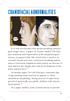 CRANIOFACIAL ABNORMALITIES It is well documented that mouth-breathing children grow longer faces. A paper by Tourne entitled The long face syndrome and impairment of the nasopharyngeal airway, recognised
SYSTEMATIC APPROACH TO ORTHODONTIC DIAGNOSIS DENT 656
 SYSTEMATIC APPROACH TO ORTHODONTIC DIAGNOSIS DENT 656 ORTHODONTIC CLASSIFICATION / DIAGNOSIS Goal of diagnosis: An orderly reduction of the data base to a useful list of the patient s problems Useful??
Classification of Malocclusion
 Classification of Malocclusion What s going on here? How would you describe this? Dr. Robert Gallois REFERENCE: Where Do We Begin? ESSENTIALS FOR ORTHODONTIC PRACTICE By Riolo and Avery Chapter 6 pages
The etiology of orthodontic problems Fifth session
 بنام خداوند جان و خرد The etiology of orthodontic problems Fifth session دکتر مھتاب نوری دانشيار گروه ارتدنسی Course Outline( 5 sessions) Specific causes of malocclusion Genetic Influences Environmental
Cone Beam Imaging Why all the Fuss about the X-ray Dose? D.A. Miles BA, DDS, MS, FRCD(C) Dip. ABOM, Dip. ABOMR. Introduction
 Cone Beam Imaging Why all the Fuss about the X-ray Dose? D.A. Miles BA, DDS, MS, FRCD(C) Dip. ABOM, Dip. ABOMR Introduction The newest imaging modality to become available to dentists is making its impact
Removable appliances II. Functional jaw orthopedics
 Removable appliances II. Functional jaw orthopedics Melinda Madléna DMD, PhD Associate professor Department of Pedodontics and Orthodontics Faculty of Dentistry Semmelweis University Budapest Classification
 Users Group Meeting 2011 Northeastern Society of Orthodontists 89th Annual Meeting November 11-14, 2010 Hilton Montréal Bonaventure Montréal, Quebec, Canada 14 Lecture Schedule Saturday continued w Doctor
Accuracy of space analysis with emodels and plaster models
 ORIGINAL ARTICLE Accuracy of space analysis with emodels and plaster models S. Russell Mullen, a Chris A. Martin, b Peter Ngan, c and Marcia Gladwin d Leesburg, Va, and Morgantown, WVa Introduction: The
Headgear Appliances. Dentofacial Orthopedics and Orthodontics. A Common Misconception. What is Headgear? Ideal Orthodontic Treatment Sequence
 Ideal Orthodontic Treatment Sequence Headgear Appliances Natalie A. Capan, D.M.D. 580 Sylvan Avenue, Suite 1M Englewood Cliffs, New Jersey 07632 (201)569-9055 www.capanorthodontics.com [email protected]
Patients with a Class II malocclusion are common
 ONLINE ONLY Long-term treatment effects of the FR-2 appliance of Fränkel David C. Freeman, a James A. McNamara, Jr, b Tiziano Baccetti, c Lorenzo Franchi, c and Christine Fränkel d Ann Arbor, Mich, Fresno,
Pitch, roll, and yaw: Describing the spatial orientation of dentofacial traits
 SPECIAL ARTICLE Pitch, roll, and yaw: Describing the spatial orientation of dentofacial traits James L. Ackerman, a William R. Proffit, b David M. Sarver, a Marc B. Ackerman, c and Martin R. Kean d Chapel
Oftentimes, as implant surgeons, we are
 CLINICAL AVOIDING INJURY TO THE INFERIOR ALVEOLAR NERVE BY ROUTINE USE OF INTRAOPERATIVE RADIOGRAPHS DURING IMPLANT PLACEMENT Jeffrey Burstein, DDS, MD; Chris Mastin, DMD; Bach Le, DDS, MD Injury to the
Prehistoric skulls have minimal malocclusions. Why do contemporary industrialized societies have such a high incidence of malocclusion?
 Prehistoric skulls have minimal malocclusions. Why do contemporary industrialized societies have such a high incidence of malocclusion? C1 This historic skull has good facial form, beautiful dental occlusion
European Academy of DentoMaxilloFacial Radiology
 European Academy of DentoMaxilloFacial Radiology Framework for Specialist Training in Dental and Maxillofacial Radiology Background The scope of DentoMaxilloFacial Radiology DMFR (Dental and Maxillofacial
Dr. Park's Publications
 Dr. Park's Publications Jae Hyun Park, D.M.D., M.S.D., M.S., Ph.D. Diplomate, American Board of Orthodontics Editor-in-Chief, Pacific Coast Society of Orthodontists Chief Editor, Computed Tomography: New
CRANIOMAXILLOFACIAL DEFORMITIES/COSMETIC SURGERY. Reza Movahed, DMD,* Marcus Teschke, DMD, MD,y and Larry M. Wolford, DMDz
 CRANIOMAXILLOFACIAL DEFORMITIES/COSMETIC SURGERY Protocol for Concomitant Temporomandibular Joint Custom-Fitted Total Joint Reconstruction and Orthognathic Surgery Utilizing Computer-Assisted Surgical
U.O.C. Ortognatodonzia Area Funzionale Omogena di Odontoiatria
 U.O.C. Ortognatodonzia Area Funzionale Omogena di Odontoiatria Alcune pubblicazioni della Scuola: Impacted maxillary incisors: diagnosis and predictive measurements. Pavoni C, Mucedero M, Laganà G, Paoloni
Control of mandibular incisors with the combined Herbst and completely customized lingual appliance - a pilot study
 Control of mandibular incisors with the combined Herbst and completely customized lingual appliance - a pilot study Dirk Wiechmann 1 *, Rainer Schwestka-Polly 2 *, Hans Pancherz 3 *, Ariane Hohoff 4 *
Long-term effects of Class III treatment with rapid maxillary expansion and facemask therapy followed by fixed appliances
 ORIGINAL ARTICLE Long-term effects of Class III treatment with rapid maxillary expansion and facemask therapy followed by fixed appliances Patricia Vetlesen Westwood, DDS, MS, a James A. McNamara, Jr,
Efficiency of Three Mandibular Anchorage Forms in Herbst Treatment: A Cephalometric Investigation
 Original Article Efficiency of Three Mandibular Anchorage Forms in Herbst Treatment: A Cephalometric Investigation Dominique Weschler, DDS, Dr Med Dent a ; Hans Pancherz, DDS, Odont Dr, FCDSHK (Hon) b
ABSTRACT INTRODUCTION. Facial Esthetics. Dental Esthetics
 ABSTRACT The FACE philosophy is characterized by clearly defined treatment goals. This increases diagnostic ability and improves the quality and stability of the end result. The objective is to establish
The Third-Order Angle and the Maxillary Incisor s Inclination to the NA Line
 Original Article The Third-Order Angle and the Maxillary Incisor s Inclination to the NA Line Michael Knösel a ; Dietmar Kubein-Meesenburg b ; Reza Sadat-Khonsari c ABSTRACT Objective: To evaluate the
Clinical Practice Guideline For Orthodontics
 Clinical Practice Guideline For Orthodontics MOH- Oral Health CSN -Orthodontics -2010 Page 1 of 15 Orthodontic Management Guidelines 1. Definitions: Orthodontics is the branch of dentistry concerned with
EARLY TREATMENT. First Phase Treatment: Your foundation for a lifetime of beautiful teeth
 EARLY TREATMENT For some people, early orthodontic treatment means that a child simply has braces placed on the teeth at a young age. While that concept may be somewhat true, early orthodontic treatment
Temporomandibular Joint Imaging Using CBCT: Technology Now Captures Reality!
 Temporomandibular Joint Imaging Using CBCT: Technology Now Captures Reality! Dale A. Miles BA, DDS, MS, FRCD (C) Diplomate, American Board of Oral and Maxillofacial Radiology Diplomate, American Board
THREE-DIMENSIONAL CONE BEAM COMPUTERIZED TOMOGRAPHY IN DENTISTRY
 THREE-DIMENSIONAL CONE BEAM COMPUTERIZED TOMOGRAPHY IN DENTISTRY J. MARTIN PALOMO 1, CHUNG HOW KAU 2, LEENA BAHL 3, MARK G. HANS 4 Three-dimensional imaging in dentistry offers many advantages with respect
The American Board of Orthodontics (ABO) Digital Model Requirements Original Release 04.23.2013 Last Update 03.26.2015
 Page 1 of 7 The American Board of Orthodontics (ABO) Digital Model Requirements Original Release 04.23.2013 Last Update 03.26.2015 Introduction In order to provide access to board certification for all
Dolphin 3D Imaging 11.8
 Dolphin 3D Imaging 11.8 The Dolphin 3D software module is a powerful tool that makes processing 3D data extremely simple, enabling dental specialists from a wide variety of disciplines to diagnose, plan
LIP INCOMPETENCE. Robert M. Mason, DMD, PhD
 LIP INCOMPETENCE Robert M. Mason, DMD, PhD If you were to enter an elementary school classroom, you would expect to see a lot of teeth showing as you talk to the students who are (hopefully) sitting quietly
CS 9000. 3D Panoramic Cephalometric. Innovation, in reach
 CS 9000 3D Panoramic Cephalometric Innovation, in reach Innovation made simple We believe in innovation. We always have. In fact, our products have consistently distinguished themselves as groundbreaking
Clinical Considerations for Cone Beam Imaging in Dentistry
 Quality Resource MetLife is an ADA CERP Recognized Provider Accepted Program Provider FAGD/MAGD Credit 11/01/08 to 12/31/12 1.0 CE credit contact hour will be awarded for the review of this Quality Resource
Facial keys to orthodontic diagnosis and treatment planning. Part I
 299 Facial keys to orthodontic diagnosis and treatment planning. Part I G. William Arnett, DDS and Robert T. Bergman, DDS, MS Santa Barbara, Calif. The purpose of this article is twofold (1) to present
THE BEATIFUL FACE. Beauty. Esthetics. Beauty ESTHETICS LOCAL FASHIONS. Notion of beauty. Looking good. Orthodontics 2005
 THE BEATIFUL FACE Orthodontics 2005 Malcolm E. Meistrell,, Jr., D.D.S. Clinical Professor of Dentistry Division of Orthodontics School of Dental and Oral Surgery Columbia University Beauty Beauty Esthetics
Thinking ahead. Focused on life. REALIZED: GROUNDBREAKING RESOLUTION OF 80 µm VOXEL
 Thinking ahead. Focused on life. REALIZED: GROUNDBREAKING RESOLUTION OF 80 µm VOXEL X-ray ZOOM RECONSTRUCTION Flat Panel Detector (FPD) Automatic Positioning Function For ø 40 x H 40 mm, ø 60 x H 60 mm,
Course Curriculum for the Master Degree in Dentistry/Orthodontics
 Jordan University of Science and Technology Faculty of Graduate Studies Course Curriculum for the Master Degree in Dentistry/Orthodontics The Master Degree in Dentistry/ Orthodontics is awarded by the
ORTHODONTIC TREATMENT ALTERNATIVE TO A CLASS III SUBDIVISION MALOCCLUSION
 www.fob.usp.br/jaos or www.scielo.br/jaos J Appl Oral Sci. 2009;17(4):354-63 ORTHODONTIC TREATMENT ALTERNATIVE TO A CLASS III SUBDIVISION MALOCCLUSION Guilherme JANSON 1, José Eduardo Prado de SOUZA 2,
DENTAL Cone beam 3D X-RAY SYSTEM with
 VERSATILE INTUITIVE efficient DENTAL Cone beam 3D X-RAY SYSTEM with dedicated panoramic imaging With thirty years of experience in designing and manufacturing state-of-the-art dental panoramic and tomographic
About the Doctor. Jae Hyun Park, D.M.D., M.S.D., M.S., Ph.D.
 About the Doctor Jae Hyun Park, D.M.D., M.S.D., M.S., Ph.D. Dr. Jae Hyun Park is a highly regarded, Board Certified Orthodontist with a strong commitment to clinical education, patient care and research.
Objectives. Objectives. Objectives. Objectives. Describe Class II div 1
 Class II div 1 Malocclusion Class II div 1 Malocclusion Objectives OR What can we do about Goofy? Objectives Describe Class II div 1 Objectives Describe Class II div 1 Describe principles of treatment
Dr. Brendan Stack Orthodontist, DDS, MS Washington, DC
 Dr. Brendan Stack Orthodontist, DDS, MS Washington, DC Dr. Stack is a University trained orthodontist (Georgetown University) who, since 1965, has limited his practice in Northern Virginia (Washington,
Three-Dimensional Treatment Planning of Orthognathic Surgery in the Era of Virtual Imaging
 J Oral Maxillofac Surg 67:2080-2092, 2009 Three-Dimensional Treatment Planning of Orthognathic Surgery in the Era of Virtual Imaging Gwen R.J. Swennen, MD, LDS, DMD, PhD, FEBOMFS,* Wouter Mollemans, MSc,
(970) 663-6878 WWW. REYNOLDSORALFACIAL. COM
 (970) 663-6878 WWW. REYNOLDSORALFACIAL. COM Glossary Anterior-Posterior - Front-back Class I - Normal relationship of teeth Class II - Distal (posterior) relationship of mandibular teeth to maxillary teeth.
Human, Male, White. Bone Clones Osteological Evaluation Report. Product Number: 1 intact mandible. General observations:
 Human, Male, White Product Number: Specimen Evaluated: Skeletal Inventory: BC-107 Bone Clones replica 1 intact cranium 1 intact mandible General observations: In general, the molding process has preserved
Sexual Dimorphism in the Tooth-Crown Diameters of the Deciduous Teeth
 Sexual Dimorphism in the Tooth-Crown Diameters of the Deciduous Teeth THOMAS K. BLACK 111 Museum ofanthropology, The university of Michigan, Ann Arbor, Michigan 48109 KEY WORDS Deciduous dentition criminant
What Parents Should Know about the Safety of Dental Radiology.
 What Parents Should Know about the Safety of Dental Radiology. There are many different types of x-ray images (pictures) that can be taken of children in the dental office to assist in diagnosis. These
BIOMECHANICAL ANALYSIS OF NORMAL AND IMPLANTED TOOTH USING BITING FORCE MEASUREMENT
 BIOMECHANICAL ANALYSIS OF NORMAL AND IMPLANTED TOOTH USING BITING FORCE MEASUREMENT B K Biswas 1 S Bag 2 & S Pal 3 1. Dept. of Dental Surgery, Associate Professor, KPC Medical College & Hospital, Kolkata,
Smile analysis in different facial patterns and its correlation with underlying hard tissues
 Grover et al. Progress in Orthodontics (2015) 16:28 DOI 10.1186/s40510-015-0099-4 RESEARCH Smile analysis in different facial patterns and its correlation with underlying hard tissues Neha Grover 1*, DN
Retrospective analysis of factors influencing the eruption of delayed permanent incisors after supernumerary tooth removal
 Retrospective analysis of factors influencing the eruption of delayed permanent incisors after supernumerary tooth removal R.A.E. BRYAN*, B.O.I. COLE**, R.R. WELBURY* ABSTRACT. Aim This was to assess the
Resorptive Changes of Maxillary and Mandibular Bone Structures in Removable Denture Wearers
 Resorptive Changes of Maxillary and Mandibular Bone Structures in Removable Denture Wearers Dubravka KnezoviÊ-ZlatariÊ Asja»elebiÊ Biserka LaziÊ Department of Prosthodontics School of Dental Medicine University
I-Max Touch Range. PAN / CEPH / 3D digital panoramic unit. Evolutive 3 in 1 panoramic unit
 I-Max Touch Range PAN / CEPH / 3D digital panoramic unit Evolutive 3 in 1 panoramic unit 3D A new dimension for a complete diagnosis I-Max Touch 3D Evolutive, simple, fast The panoramic unit realizes complete
GUIDELINES FOR AJODO CASE REPORTS
 GUIDELINES FOR AJODO CASE REPORTS Case reports are published on a regular basis in the AJODO. Not only are these short communications interesting to the clinician in private practice, but they provide
Ridge Reconstruction for Implant Placement
 Volume 1, No. 5 July/August 2009 The Journal of Implant & Advanced Clinical Dentistry Ridge Reconstruction for Implant Placement 2 Hours of CE Credit Oral Implications of Cancer Chemotherapy Immediate
Skeletal Class lll Severe Openbite Treatment Using Implant Anchorage
 Case Report Skeletal Class lll Severe Openbite Treatment Using Implant Anchorage Yuichi Sakai a ; Shingo Kuroda b ; Sakhr A. Murshid c ; Teruko Takano-Yamamoto d Abstract: A female patient with a skeletal
ROLE OF ORAL APPLIANCES TO TREAT OBSTRUCTIVE SLEEP APNEA
 1 ROLE OF ORAL APPLIANCES TO TREAT OBSTRUCTIVE SLEEP APNEA There are three documented ways to treat obstructive sleep apnea: 1. CPAP device 2. Oral Appliances 3. Surgical correction of nasal and oral obstructions
Over 70% of patients with a dentofacial deformity
 ONLINE ONLY Comparative study of 2 software programs for predicting profile changes in Class III patients having double-jaw orthognathic surgery Osvaldo Magro-Filho, a Natasha Magro-Érnica, b Thallita
Bitewing Radiography B.E. DIXON. B.D.S., M.Sc., D.P.D.S.
 Bitewing Radiography B.E. DIXON B.D.S., M.Sc., D.P.D.S. Main Indications Detection of Dental Caries Monitoring progression of caries Assessment of existing restorations Assessment of Periodontal status
5G - R15.1 - EN ENGLISH. QR srl - Via Silvestrini, 20-37135 Verona Italy Tel. +39 045 8202727-045 583500 [email protected] www.newtom.
 5G - R15.1 - EN ENGLISH QR srl - Via Silvestrini, 20-37135 Verona Italy Tel. +39 045 8202727-045 583500 [email protected] www.newtom.it FIRST IN CONE BEAM, ACCURATE IN RESULTS. 360 degree imaging, reduced
Key words maxillary sinus, posterior teeth roots. Introduction. Tikrit Journal for Dental Sciences 1(2012)81-88
 Tikrit Journal for Dental Sciences 1(2012)81-88 The Relation of Maxillary Posterior Teeth Roots to the Maxillary Sinus Floor Using Panoramic and Computed Tomography Imaging in a Sample of Kurdish People
Use of Three-Dimensional Computerized Tomography Reconstruction in Complex Facial Trauma
 Use of Three-Dimensional Computerized Tomography Reconstruction in Complex Facial Trauma Kapil Saigal, M.D., 1 Ronald S. Winokur, B.S., 2 Steven Finden, D.D.S., M.D., 3 Daniel Taub, D.D.S., M.D., 4 and
Maxillary canine palatal impaction occurs in 1
 ORIGINAL ARTICLE Prediction of maxillary canine impaction using sectors and angular measurement John H. Warford Jr, DDS, a,b Ram K. Grandhi, BDS, Dip Perio, Cert Ortho, MS, b and Daniel E. Tira, PhD c
Orthodontic treatment of gummy smile by using mini-implants (Part I): Treatment of vertical growth of upper anterior dentoalveolar complex
 O n l i n e O n l y Orthodontic treatment of gummy smile by using mini-implants (Part I): Treatment of vertical growth of upper anterior dentoalveolar complex Tae-Woo Kim*, Benedito Viana Freitas** Abstract
In the past decade, there has been a remarkable
 TECHNO BYTES Principles of cosmetic dentistry in orthodontics: Part 1. Shape and proportionality of anterior teeth David M. Sarver, DMD, MS Vestavia Hills, Ala In the past decade, there has been a remarkable
Assessment of mandibular advancement surgery with 3D CBCT models superimposition
 O r i g i n a l A r t i c l e Assessment of mandibular advancement surgery with 3D CBCT models superimposition Alexandre Trindade Simões da Motta*, Felipe de Assis Ribeiro Carvalho**, Lúcia Helena Soares
Ahmed Abdel Moneim El Sayed Beirut Arab University (961) 1 300110 Ext: 2263 [email protected] [email protected]
 PERSONAL INFORMATION Ahmed Abdel Moneim El Sayed Beirut Arab University (961) 1 300110 Ext: 2263 [email protected] [email protected] Gender Male Date of birth 19/10/1952 Nationality Egyptian
cephalometic analysis obtained from computed computed tomography. Review of the literature
 Literature review 3D cephalometric analysis obtained from computed tomography. Review of the literature Giulia Rossini, DDS, Ph.D student Costanza Cavallini, MD Michele Cassetta, DDS, Ph.D Ersilia Barbato,
Long-term success of osseointegrated implants
 Against All Odds A No Bone Solution Long-term success of osseointegrated implants depends on the length of the implants used and the quality and quantity of bone surrounding these implants. As surgical
Relative position of gingival zenith in maxillary anterior teeth- a clinical appraisal
 Original article: Relative position of gingival zenith in maxillary anterior teeth- a clinical appraisal 1Dr Dipti Shah, 2 Dr Kalpesh Vaishnav, 3 Dr Sareen Duseja, 4 Dr Pankti Agrawal 1HOD, Dept of Prosthodontics,
Dr. Little received his doctorate degree in dentistry from UT Health at San Antonio Dental
 Implant Solutions for the Implant Patient: Diagnosis and Treatment Planning for Predictable Results David Little, DDS 6961 U.S. Highway 87 East San Antonio, TX 78263 Phone: (210)648-4411 Fax: (210) 648-6498
ENGLISH. Planmeca ProMax 3D concept
 ENGLISH Planmeca ProMax 3D concept Profound understanding of anatomy Planmeca ProMax 3D concept is an intelligent and multipurpose X-ray unit series designed to obtain complete information on patient anatomy
Effective dose from cone beam CT examinations in dentistry
 The British Journal of Radiology, 82 (2009), 35 40 Effective dose from cone beam CT examinations in dentistry 1 J A ROBERTS, MSc, 2 N A DRAGE, BDS, FDS, DDRRCR, 3 J DAVIES, BDS, MFDS, RCS(Ed) and 1 D W
Cone Beam Implant Planning Manual
 Cone Beam Implant Planning Manual (Everything you want to know about CBCT planning) Page 2 Overview & Guide Selection Criteria Page 3 Scan Appliance basics When are they required? Page 4 Scan Appliance
SURGICAL ORTHODONTICS: LITERATURE REVIEW AND CASE REPORT
 Orthodontics Piyush Heda, Babita Raghuwanshi, Amit Prakash, Kishore Sonawane SURGICAL ORTHODONTICS: LITERATURE REVIEW AND CASE REPORT Piyush HEDA 1, Babita RAGHUWANSHI 2, Amit PRAKASH 3, Kishore SONAWANE
How To Plan A Dental Implant With A 3D Image Based Program
 J Oral Maxillofac Surg 62:41-47, 2004, Suppl 2 Interactive Imaging for Implant Planning, Placement, and Prosthesis Construction Stephen M. Parel, DDS,* and R. Gilbert Triplett, DDS, PhD Purpose: This review
Introduction to Dental Anatomy
 Introduction to Dental Anatomy Vickie P. Overman, RDH, MEd Continuing Education Units: N/A This continuing education course is intended for dental students and dental hygiene students. Maintaining the
Resource Guide to Oral Motor Skill Difficulties in Children with Down Syndrome
 Resource Guide to Oral Motor Skill Difficulties in Children with Down Syndrome By Libby Kumin, Ph.D., CCC-SLP Loyola College, Columbia, MD Why does my child have difficulty with feeding, drinking and speech?
JCO-Online Copyright 2009. An Orthopedic Approach to the Treatment of Class III Malocclusion in Young Patients
 JCO-Online Copyright 2009 An Orthopedic Approach to the Treatment of Class III Malocclusion in Young Patients VOLUME 21 : NUMBER 09 : PAGES (598-608) 1987 JAMES A. MCNAMARA, JR., DDS, PHD Most orthodontists
Specific dimensional relationships must exist between
 ORIGINAL ARTICLE Intermaxillary tooth size discrepancy and mesiodistal crown dimensions for a Turkish population Tancan Uysal a and Zafer Sari b Kayseri and Konya, Turkey Introduction: The aims of this
Luigi Vito Stefanelli,D.Eng.,DDS
 LYON, 27-28/09/2013 Luigi Vito Stefanelli,D.Eng.,DDS Assistant Researcher, Department of Oral Sciences, Sapienza University of Rome, Italy, School of Dentistry. Private practitioner dental office Stasi
Histologic comparison of biologic width around teeth versus implants: The effect on bone preservation
 Clinical Histologic comparison of biologic width around teeth versus implants: The effect on bone preservation Kazuto Makigusa 1 Abstract Histological analysis of the biological width surrounding primate
Objectives AXIAL SKELETON. 1. Frontal Bone. 2. Parietal Bones. 3. Temporal Bones. CRANIAL BONES (8 total flat bones w/ 2 paired)
 Objectives AXIAL SKELETON SKULL 1. On a skull or diagram, identify and name the bones of the skull 2. Identify the structure and function of the bones of the skull 3. Describe how a fetal skull differs
PROPORTIONS. The new Golden Rules in dentistry. History. Abstract
 M PROPORTIONS The new Golden Rules in dentistry Dr. Alain Méthot Abstract Since the beginning Cosmetic Dentistry has been using the principles of Golden Proportion (1: 0.618) as a guideline for smile design...
Three-Dimensional Analysis Using Finite Element Method of Anterior Teeth Inclination and Center of Resistance Location
 Three-Dimensional Analysis Using Finite Element Method of Anterior Teeth Inclination and Center of Resistance Location Allahyar GERAMY 1, Ahmad SODAGAR 1, Mehdi HASSANPOUR 1 Objective: To locate the centre
J Bagh College Dentistry Vol. 23(3), 2011 Soft-tissue cephalometric
 Soft-tissue cephalometric norms for a sample of Iraqi adults with class I normal occlusion in natural head position Zainab M. Kadhom, B.D.S., M.Sc. (1) Mushriq F. Al-Janabi, B.D.S.,M.Sc. (2) ABSTRACT Background:
ORTHODONTIC SCREENING GUIDE FOR NORTH DAKOTA HEALTH TRACKS NURSES
 ORTHODONTIC SCREENING GUIDE FOR NORTH DAKOTA HEALTH TRACKS NURSES The North Dakota Department of Human Services Medical Services Division and the North Dakota Department of Health s Oral Health Program
Projecting a new smile from a facial photograph:
 I special _ digital smile design Projecting a new smile from a facial photograph: A new way to plan multidisciplinarydental treatments Authors_ Drs Marco Del Corso, Italy, & Alain Méthot, Canada without
Twelve. Figure 12.1: 3D Curved MPR Viewer Window
 Twelve The 3D Curved MPR Viewer This Chapter describes how to visualize and reformat a 3D dataset in a Curved MPR plane: Curved Planar Reformation (CPR). The 3D Curved MPR Viewer is a window opened from
UNMH Oral and Maxillofacial Surgery Clinical Privileges
 All new applicants must meet the following requirements as approved by the UNMH Board of Trustees effective: 09/26/2014 INSTRUCTIONS Applicant: Check off the "Requested" box for each privilege requested.
Guideline on Management of the Developing Dentition and Occlusion in Pediatric Dentistry
 Guideline on Management of the Developing Dentition and Occlusion in Pediatric Dentistry Originating Committee Clinical Affairs Committee Developing Dentition Subcommittee Review Council Council on Clinical
Facial Aesthetics: 2. Clinical Assessment
 Farhad B Naini Daljit S Gill Facial Aesthetics: 2. Clinical Assessment Abstract: The clinical ability to alter dentofacial form requires an understanding of facial aesthetics. This is vital for any clinician
TMMC&RC, Teerthanker Mahaveer University, Moradabad, Uttar Pradesh, India, 244001 Mobile No.: +91-9997605146, E Mail drnidhivarshney@gmail.
 SEXUAL DIMORPHISM IN CERVICAL VERTEBRAL CANAL MEASUREMENTS OF HUMAN FOETUSES Nidhi Sharma *, Farah Ghaus, Nafis Ahmad Faruqi, Raghuveer Singh Mandloi * Correspondence to: Dr. Nidhi Sharma, Assistant Professor,
Orthodontic treatment need in the Italian child population
 Orthodontic treatment need in the Italian child population C. GRIPPAUDO, E.G. PAOLANTONIO, R. DELI, G. LA TORRE* ABSTRACT. Aim To assess orthodontic treatment need in the Italian child population using