
Effects of Growth Hormone on Craniofacial Growth
|
|
|
- Darcy O’Neal’
- 9 years ago
- Views:
Transcription
1 Original Article Effects of Growth Hormone on Craniofacial Growth Duration of Replacement Therapy Minayo Funatsu a ; Koshi Sato b ; Hideo Mitani c ABSTRACT Objective: This study determined the effects of growth hormone (GH) therapy on craniofacial growth in idiopathic growth hormone deficiency (GHD). Materials and Methods: Fifty-seven patients (33 boys and 24 girls; age range 4.5 to 16.7 years) with GHD were investigated and categorized into three groups according to the duration of GH therapy: the untreated group, the short-term therapy group, and the long-term therapy group. Their lateral cephalometric radiographs were studied, and craniofacial measurements were assessed by age and sex by using matched standard deviation scores. Results: In the untreated group, the anterior cranial base, total facial height, maxillary length, mandibular total length, mandibular body length, and ramus height were smaller than the standard values. In comparison with the untreated group, the long-term therapy group had a significantly larger upper facial height (P.05), maxillary length (P.01), and ramus height (P.01) measurements. Conclusions: Children who received long-term GH replacement therapy showed increased growth of the craniofacial skeleton, especially the maxilla and ramus. These findings suggest that GH accelerates craniofacial development, which improves occlusion and the facial profile. KEY WORDS: Growth hormone deficiency; Growth hormone replacement therapy; Craniofacial skeleton; Maxillary length; Ramus height; Upper facial height INTRODUCTION Many factors affect growth between birth and adulthood, including chromosomal aberrations such as Turner syndrome; endocrine abnormalities caused by growth hormone deficiency (GHD); bone and cartilage abnormalities such as chondrodysplasia; chronic disorders of the main organs such as renal failure; insufficient or defective absorption in the colon; and metaa Postdoctoral, Division of Orthodontics and Dentofacial Orthopedics, Department of Oral Health and Development Sciences, Graduate School of Dentistry Tohoku University, Sendai, Japan. b Assistant Professor, Division of Orthodontics and Dentofacial Orthopedics, Department of Oral Health and Development Sciences, Graduate School of Dentistry Tohoku University, Sendai, Japan. c Professor Emeritus, Tohoku University, Sendai, Japan. Corresponding author: Minayo Funatsu, DDS, PhD, Division of Orthodontics and Dentofacial Orthopedics, Department of Oral Health and Development Sciences, Graduate School of Dentistry, Tohoku University, 4-1 Seiryo-machi, Aoba-ku, Sendai , Japan ( [email protected]). Accepted: November Submitted: January by The EH Angle Education and Research Foundation, Inc. bolic disorders such as diabetes, chronic strumitis, maternal deprivation syndrome, and anorexia nervosa. 1 Furthermore, hormone secretion plays an important role in homeostasis in vivo. Hormones affecting growth include pituitary, thyroid, adrenocortical, and sex hormones, as well as insulin. Growth hormone (GH), which is secreted by the pituitary, plays an important role in longitudinal bone growth. 2 GHD is a disease that leads to growth disturbances, mainly short stature, as a result of inhibited pituitary gland hormones. Its causes can be classified as idiopathic, organic, or genetic. Idiopathic abnormalities of cryptogenic cause are the most common (more than 80%); the specific therapy for idiopathic GHD (IGHD) is GH replacement therapy. 3 With IGHD, the length and depth of the face are inappropriately small for the child s age, with the face maintaining childlike convexity. 4 Many studies have reported mandibular total length (Gn-Cd) is reduced, primarily as a result of the small ramus height (Cd- Go). 5 9 In addition, the maxilla is significantly reduced, 5 and there may be a comparable degree of reduction in the mandible. 6,7 The maxilla is often retrognathic but is affected less than the mandible. 8,9 Concerning cra- 970 DOI: /

2 EFFECTS OF GROWTH HORMONE ON CRANIOFACIAL GROWTH Figure 1. Duration of growth hormone therapy. nial base size, many studies have reported that the posterior cranial base length is smaller than the anterior cranial base (N-S) length. 5,7,9 By contrast, facial convexity decreases with GH replacement therapy, and its main effect seems to be on condylar growth. 4 Another study reported that growth in the Gn-Cd and lower facial height (ANS-Me) are accelerated, whereas the cranial base length changes minimally. 7 Cantu et al 9 found that catch-up growth with GH therapy affects the anterior facial height, posterior facial height, and posterior cranial base. Many of these studies were based on a small number of subjects, and the results were variable. Moreover, the effect of GH therapy on final body height is affected by the length of administration, dose, frequency, and age at which therapy was started. 10 There are no reports on the effect of the length of administration on craniofacial growth. Therefore, the present study determined the effect of GH therapy on craniofacial growth in IGHD by comparing short- and longterm administration of GH. MATERIALS AND METHODS The subjects consisted of 57 patients (33 boys and 24 girls) who came to a special hospital for endocrine diseases and were diagnosed with IGHD according to the following criteria: (1) age-matched height standard deviation (SD) score was below 2 or growth rate per year was below 1.5 SD over 2 years, (2) poor GH responses (peak GH value to provocation test was below 10 g/l) to two provocative stimuli or the poor GH 971 response to at least one stimulus and significantly low insulin-like growth factor I (IGF-I) value, or (3) low mean nocturnal GH value (below 3 g/l) for 3-hour samplings at 20-minute intervals together with low IGF-I and low urinary GH values despite normal GH responses to exogenous stimuli. After registration with the Foundation for Growth Science, these patients were treated with recombinant human GH with the dose of 0.5 IU 0.17 mg/kg per week mainly 6 to 7 times a week. The subjects did not include patients with severe malocclusions or skeletal deviation or patients with other syndromes. The subjects were categorized into three groups: the untreated group (9 boys and 8 girls; average age 10.9 years), the short-term therapy group (treatment for 0.4 to 2.0 years; 10 boys and 7 girls; average age 11.4 years; average duration of GH replacement 1.2 years), and the long-term therapy group (treatment for more than 2.0 years; 14 boys and 9 girls; average age 12.4 years; average duration of GH replacement 3.3 years) (Figure 1; Table 1). Because catch-up growth after GH replacement therapy is greatest during the first 2 years, 11,12 we set the cut-off between the short- and long-term therapy groups as 2 years of GH therapy. Two cephalometric radiographs (one in centric occlusion and the other wide open) and hand-wrist radiographs were exposed. Wide-opening lateral cephalometric radiographs were performed to identify the mandibular condyle. The images in cephalometric radiographs are times the actual size. The handwrist radiographs of one boy and one girl and the body height measurements of three girls were not performed. Body height and radiographs were obtained on the same day at the Department of Orthodontics, Tohoku University Dental Hospital, Sendai, Japan. The bone age was calculated by Japanese standards with the Tanner-Whitehouse 2 method. 13 The mean bone age was 9.5 years for the untreated group, 10.2 years for the short-term therapy group, and 11.6 years for the long-term therapy group. The mean SD score of body height was 2.2 for the untreated group, 2.0 for the short-term therapy group, and 1.7 for the long-term Table 1. Cross-sectional Sample of 57 Patients (33 Boys and 24 Girls With Diagnosed Growth Hormone Deficiency) (Mean SD) Untreated Group Short-term Therapy Group Long-term Therapy Group Subjects Chronological age, y Bone age, y Body height (SD score) Duration of growth hormone replacement therapy, y Starting age of growth hormone replacement therapy, y

3 972 FUTSU, SATO, MITANI Statistical Analysis The t-test was used to compare the standard values with the measurements for each IGHD group. After we conducted a one-way analysis of variance in the untreated, short-term therapy, and long-term therapy groups, we compared the differences by Fisher PLSD, which is a multiple comparison test. RESULTS Characteristics of the Craniofacial Morphology Figure 2. Landmarks and reference lines used for the linear and angular measurements of the lateral cephalogram. therapy group. This study used the body height standard reported by Suwa et al. 14 After tracing standardized lateral cephalograms, we identified 12 landmarks 15 (Figure 2). We obtained standard SD scores for Japanese subjects 15 of the same sex and similar age. The SD score was calculated as measurements minus standard value divided by 1 SD. Japanese cephalometric standard values 15 were based on ideal occlusion. The magnification of the x-rays adjusted to its of the reference group. Untreated group. We compared the mean values for individuals with IGHD and the standard values for individuals of the same sex and similar chronological age group. Among boys, ANS-Me, maxillary length (A -Ptm ), Gn-Cd, mandibular body length (Pog -Go), and Cd-Go were significantly smaller than the standard values. Among girls, ANS-Me, Gn-Cd, and Pog - Go were significantly smaller than the standard values. The S, SNB, and gonial angles were smaller than the standard values (Table 2). Short-term therapy group. Among boys, the Cd-Go was significantly larger, whereas the S and gonial angles were significantly smaller. Among the girls, the gonial angle was significantly smaller than the standard values (Table 3). Long-term therapy group. Among boys, total facial height (N-Me), ANS-Me, A -Ptm, Pog -Go, and Cd-Go were significantly smaller than the standard values. The mandibular plane was flat, and the gonial angle was significantly smaller. Among the girls, ANS-Me, Cd-Go, and gonial angle were significantly smaller, Table 2. Linear and Angular Measurements of the Untreated Group Mean SD of the Cephalometric Measurements of the Growth Hormone Deficiency and the Reference Groups a,15 Chronological age, y N-S, mm N-Me, mm N-ANS, mm ANS-Me, mm A -Ptm, mm Gn-Cd, mm Pog -Go, mm Cd-Go, mm S, SNB, ANB, Mandibular plane to SN, Gonial angle, Boys Untreated group Reference Group P Value *.006**.009**.012*.001*** Girls Untreated Group Reference Group P Value * *.010* *.006** * a N-S indicates anterior cranial base; N-Me, total facial height; N-ANS, upper facial height; ANS-Me, lower facial height; A -Ptm, maxillary length; Gn-Cd, mandibular total length; Pog -Go, mandibular body length; Cd-Go, ramus height; and, not available. * P.05; ** P.01; *** P.001.

4 EFFECTS OF GROWTH HORMONE ON CRANIOFACIAL GROWTH 973 Table 3. Linear and Angular Measurements of the Short-term Therapy Group Mean SD of the Cephalometric Measurements of the Growth Hormone Deficiency and the Reference Groups a,15 Chronological age, y N-S, mm N-Me, mm N-ANS, mm ANS-Me, mm A -Ptm, mm Gn-Cd, mm Pog -Go, mm Cd-Go, mm S, SNB, ANB, Mandibular plane to SN, Gonial angle, Boys Short-term Therapy Group Reference Group P Value a See Table 2 for definitions of abbreviations. * P.05; ** P.01; *** P *.040* * Girls Short-term Therapy Group Reference Group P Value *** and A -Ptm was significantly larger than standard values (Table 4). Analysis of Craniofacial Growth Characteristics of the craniofacial skeleton. The SD scores of the untreated group were 0.36 (A -Ptm ), 0.71 (Gn-Cd), 0.86 (Cd-Go), 0.75 (Pog -Go), 0.53 (N-Me), 0.72 (ANS-Me), and 0.15 (N-S) in comparison with standard values. The SD scores ranged between 0.15 and Anterior cranial base. The mean SD scores of N-S were not significantly different among the three groups: 0.15 (untreated), 0.07 (short-term therapy), and 0.09 (long-term therapy) (Figure 3). Total facial height. The mean SD scores for N-Me were not significantly different among the three groups: 0.53 (untreated), 0 (short-term therapy), and 0.06 (long-term therapy) (Figure 4). Upper facial height. The mean SD scores for upper facial height (N-ANS) for the groups were 0.09 (untreated), 0.38 (short-term therapy), and 0.87 (longterm therapy). There was a significant difference between the untreated and long-term therapy groups. The mean SD score tended to increase with the duration of GH therapy (Figure 5). Lower facial height. The mean SD scores for ANS- Me were not significantly different among the three groups: 0.72 (untreated), 0.14 (short-term therapy), and 0.67 (long-term therapy) (Figure 6). Maxillary length. The mean SD scores for A -Ptm for the groups were 0.36 (untreated), 0.24 (shortterm therapy), and 0.79 (long-term therapy). There was a significant difference between the untreated and long-term therapy groups. The mean SD scores tended to increase with the duration of GH therapy (Figure 7). Mandibular total length. The mean SD scores for Gn-Cd for the groups were 0.71 (untreated), 0.46 (short-term therapy), and 0.09 (long-term therapy). Although the mean SD scores tended to increase with the duration of GH therapy, there were no significant differences among the three groups (Figure 8). Mandibular body length. The mean SD scores for Pog -Go for the groups were 0.75 (untreated), 0.49 (short-term therapy), and 0.23 (long-term therapy). Although the mean SD scores tended to increase with the duration of GH therapy, there were no significant differences among the three groups (Figure 9). Ramus height. The mean SD scores for Cd-Go for the groups were 0.86 (untreated), 0.39 (short-term therapy), and 0.09 (long-term therapy). There was a significant difference between the untreated and longterm therapy groups, and the mean SD scores tended to increase with the duration of GH therapy (Figure 10). DISCUSSION Previous reports that examined the effect of GH therapy on craniofacial growth included non-ghd. 16,17 In Japan, GH therapy was approved only for managing GHD in specific child chronic diseases in 1975 and for managing Turner syndrome accompanied by GHD in To examine the effect of GH administration, we studied Japanese boys and girls who were diagnosed with IGHD at puberty. None had a history of brain tumor or central nervous system radiation therapy. Most

5 974 FUTSU, SATO, MITANI Table 4. Linear and Angular Measurements of the Long-term Therapy Group Mean SD of the Cephalometric Measurements of the Growth Hormone Deficiency and the Reference Groups a,15 Chronological age, y N-S, mm N-Me, mm N-ANS, mm ANS-Me, mm A -Ptm, mm Gn-Cd, mm Pog -Go, mm Cd-Go, mm S, SNB, ANB, Mandibular plane to SN, Gonial angle, Boys Long-term Therapy Group Reference Group P-Value a See Table 2 for definitions of abbreviations. * P.05; ** P.01; *** P * ** **.001**.034* **.001*** Girls Long-term Therapy Group Reference Group P-Value *.020* * * Figure 3. Anterior cranial base (N-S). There were no significant differences among the three groups. Figure 5. Upper facial height (N-ANS). There was a significant difference between the untreated and long-term therapy groups (P.05). Figure 4. Total facial height (N-Me). There were no significant differences among the three groups. IGHD occurs during infancy or by age 2 years, 18 whereas organic GHD does not occur at a consistent age. Turner syndrome was also excluded, even if there was a GHD, because it is a disease caused by a single sex chromosome (XO) that affects only females. 19 Figure 6. Lower facial height (ANS-Me). There were no significant differences among the three groups. In this study, the SD scores were compared with standard values. The physique of modern Japanese children has changed rapidly. In 1948, the mean height was cm for a 17-year-old Japanese boy and cm for a 17-year-old Japanese girl. Today,

6 EFFECTS OF GROWTH HORMONE ON CRANIOFACIAL GROWTH 975 Figure 7. Maxillary length (A -Ptm ). There was a significant difference between the untreated and long-term therapy groups (P.01). Figure 10. Ramus height (Cd-Go). There was a significant difference between the untreated and long-term therapy groups (P.01). not include measurements of the mandibular condyle, making it difficult to accurately determine Pog -Go and Cd-Go. Therefore, we used the standard values reported by Sakamoto et al 15 in 1963 and converted each subject s measurements to SD scores. Figure 8. Mandibular total length (Gn-Cd). The mean scores tended to increase with the duration of growth hormone therapy. Figure 9. Mandibular body length (Pog -Go). The mean scores tended to increase with the duration of growth hormone therapy. boys are approximately 10 cm taller and girls are approximately 6 cm taller. 20 Compared with the standard value of each cephalometric measurement at every age group, the standard values reported in were significantly greater than the standard values reported by Sakamoto et al 15 in 1960s. Changes in the size, morphology, and growth of the maxilla have resulted from the rapid development of the physique of modern Japanese children. Therefore, we must use standard values of the craniofacial skeleton according to recent data. The standard values reported by the Japanese Society of Pediatric Dentistry 21 in 1995 did Characteristics of the Craniofacial Skeleton in IGHD There are few reports on the characteristics of craniofacial growth in untreated IGHD. Cantu et al 9 compared treated and untreated groups, whereas other authors 4,5,8 examined treated and untreated groups without discrimination. With respect to the N-S length, Poole et al 7 reported that it was not reduced, whereas Cantu et al 9 reported that it was reduced 0.15 SD compared with the standard value. There are many areas of cartilaginous growth at the cranial base. Although GH is reported to accelerate cartilaginous growth, 2,22 we found little evidence of this. Studies have reported that the A -Ptm is reduced significantly 5 and to the same degree as the mandible. 6,7 Although the maxilla is often posterior, the A - Ptm is not reduced more than that of the mandible. 8,9 In this study, we obtained a value of 0.36 SD for A - Ptm. With respect to the mandible, the SD scores in the untreated group were 0.71 (Gn-Cd), 0.86 (Cd- Go), and 0.72 (ANS-Me), which were all smaller than the respective standard values. This concurs with published reports. 5 9 Effect of GH Therapy on Craniofacial Growth After the administration of GH, the SD scores for the N-ANS, A -P m, and Cd-Go increased significantly. GH therapy accelerates cartilage growth. 2,22 Consequently, intramembranous bone growth, including the suture, as well as cartilage growth may accelerate. Accelerated cartilage growth was detected by the Cd-Go, which is a vertical component. This may be related to GH, which plays an important role in longitudinal bone

7 976 FUTSU, SATO, MITANI growth. 2 GH therapy had started at a younger age among those in the long-term therapy group than among those in the untreated or short-term therapy groups. We postulate that the GHD in the long-term therapy group was more severe than in the other groups. Regarding the Gn-Cd and Pog -Go, there were no significant differences among the three groups. However, the mean SD scores tended to increase with the duration of therapy. It is thought that the differences were not significant because the GHD was more serious in the long-term therapy group than in the other groups. Rongen-Westerlaken et al 23 reported that the gonial angle increased because the Cd-Go increased significantly, thereby increasing the ANS-Me significantly. In this study, however, no increase was detected in the ANS-Me. Therefore, the cases with severe vertical problems may have existed before GH therapy began in the long-term therapy group, as our data represent a cross-sectional sample. Similarly, the mean SD score for N-Me in the long-term therapy group is thought to be smaller than that in the short-term therapy group for the same reason. This needs to be examined in a longitudinal sample. For the N-ANS, A -Ptm, and Cd-Go, the SD scores of the long-term therapy group were significantly greater than those of the untreated group. It is thought that the significant difference occurred because GH therapy induces the greatest amount of catch-up growth within the first 1 to 2 years. These findings suggest that GH accelerates catchup growth of the cranial skeleton and thus improves occlusion and the facial profile. Growth factors such as GH and IGF- may be useful for correcting the Class II pattern of the retrusive mandible in orthodontics. Future Research Body height at puberty is reported to be correlated with final body height. 10 Therefore, to succeed with GH therapy, we need to promote growth before puberty so that the body height is similar to that of a normal child before puberty. This may also be applicable to craniofacial growth, especially at the sites of cartilaginous growth. In this study, we measured the length of the maxilla, which undergoes intramembranous bone growth. Further research needs to examine other parameters, such as the calvarial length. We examined the effect of GH on craniofacial growth in a cross-sectional sample to conduct a statistical examination with as much data as possible. When using cross-sectional samples, the craniofacial morphology in untreated GH and the degree of GHD are unknown. The synchondroses in the cranial base complete earlier, and there is differential growth of the craniofacial skeleton. The mean age of bone of samples in this study was from 9.5 to 11.6 years. Some of the girls may have started their adolescent growth spurt, and there may have been other factors to affect the results except for GH. We plan to continue with a longitudinal study to examine the effects of GH on craniofacial growth in GHD for patients treated with GH at a younger age. CONCLUSION Children who received long-term GH therapy (more than 2 years) showed increased growth of the craniofacial skeleton, especially the maxilla and mandibular ramus. These findings suggest that GH accelerates craniofacial development, which improves occlusion and the facial profile. ACKNOWLEDGMENTS We are grateful to Dr. Kunihiko Hanew, Dr. Takako Ogata and Dr. Toshinori Mito for their valuable advice. REFERENCES 1. Brasel JA, Blizzard RM. Textbook of Endocrinology. 5th ed. Philadelphia, Pa: WB Sauders; Ohlsson C, Bengtsson BA, Isaksson OG, Andreassen TT, Slootweg MC. Growth hormone and bone. Endocr Rev. 1998;19: Rank MB, Bierich JR. Treatment of growth hormone deficiency. Clin Endocr Metab. 1986;15: Bevis RR, Hayles AB, Isaacson RJ, Sather AH. Facial growth response to human growth hormone in hypopituitary dwarfs. Angle Orthod. 1977;47: Konfino R, Pertzelan A, Laron Z. Cephalometric measurements of familial dwarfism and high plasma immunoreactive growth hormone. Am J Orthod. 1975;68: Takano K, Ogiuchi H, Hizuka N, Sangu Y, Shizume K. Oromaxillofacial development in patients with GH deficiency and in normal short children. Endocrinol Jpn. 1986;33: Poole AE, Greene IM, Buschang PH. The effect of growth hormone therapy on longitudinal growth of the oral facial structures in children. Prog Clin Biol Res. 1982;101: Pirinen S, Majurin A, Lenko HL, Koski K. Craniofacial features in patients with deficient and excessive growth hormone. J Craniofac Genet Dev Biol. 1994;14: Cantu G, Buschang PH, Gonzalez JL. Differential growth and maturation in idiopathic growth-hormone-deficient children. Eur J Orthod. 1997;19: Tanaka T, Yoshizawa A, Tanae A, Hibi I, Shizume K. Relationships between puberty and growth at adolescence in growth-hormone-deficient males: effect of growth hormone and of associated gonadal suppression therapy. Horm Res. 1990;33: Milner RD, Russell-Fraser T, Brook CG, et al. Experience with human growth hormone in Great Britain: the report of the MRC Working Party. Clin Endocrinol (Oxf). 1979;11: Job JC. Results of long-term growth hormone replacement therapy in children: when and how to treat? Horm Res. 1990;33:69 76.

8 EFFECTS OF GROWTH HORMONE ON CRANIOFACIAL GROWTH 13. Murata M, Matsuo N, Tanaka T, et al. Atlas of Standard Bone Maturation for Japanese Based on TW2 Method [in Japanese]. Tokyo: Kanehara Shuppan; 1993: Suwa S, Tachibana K, Maesaka H, Tanaka T, Yokoya S. Longitudinal standards for height and height velocity for Japanese children from birth to maturity. Clin Pediatr Endocrinol. 1992;1: Sakamoto T, Miura F, Iizuka T. Linear analyses on the development changes of dentofacial complex of Japanese by means of roentgenographic cephalometry [in Japanese]. J Stomatol Soc. 1963;30: van Erum R, Mulier M, Carels C, Verbeke G, de Zegher F. Craniofacial growth in short children born small for gestational age: effect of growth hormone treatment. J Dent Res. 1997;76: Kjellberg H, Beiring M, Albertsson W. Craniofacial morphology, dental occlusion, tooth eruption, and dental maturity in boys of short stature with or without growth hormone deficiency. Eur J Oral Sci. 2000;108: Brook CGD, Hindmarsh PC, Smith PJ, Stanhope R. Clinical features and investigation of growth hormone deficiency. Clin Edocrinol Metab. 1986;15: Wilson JD, Foster DW. Williams Textbook of Endocrinology. 8th ed. Philadelphia, Pa: WB Saunders; Ministry of Education, Culture, Sports, Science and Technology. Annual Report of School Health Statistics [in Japanese]. Tokyo, Japan: Printing Office, Ministry of Finance; Japanese Society of Pediatric Dentistry. Study of standard value of dentofacial complex of Japanese children by means of roentgenographic cephalometry [in Japanese]. Jpn J Pedodont. 1995;33: Isaksson OG, Lindahl A, Nilsson A, Isgaard J. Mechanism of the stimulatory effect of growth hormone on longitudinal bone growth. Endocr Rev. 1987;8: Rongen-Westerlaken C, vd Born E, Prahl-Andersen B, et al. Effect of growth hormone treatment on craniofacial growth in Turner s syndrome. Acta Paediatr. 1993;82:

SYSTEMATIC APPROACH TO ORTHODONTIC DIAGNOSIS DENT 656
 SYSTEMATIC APPROACH TO ORTHODONTIC DIAGNOSIS DENT 656 ORTHODONTIC CLASSIFICATION / DIAGNOSIS Goal of diagnosis: An orderly reduction of the data base to a useful list of the patient s problems Useful??
Obtaining insurance coverage for human growth hormone treatment for Idiopathic Short Stature In 2003, the Food and Drug Administration (FDA) approved
 Obtaining insurance coverage for human growth hormone treatment for Idiopathic Short Stature In 2003, the Food and Drug Administration (FDA) approved the use of growth hormone (GH) for the long-term treatment
Growth Hormone Therapy
 Growth Hormone Therapy Policy Number: Original Effective Date: MM.04.011 05/21/1999 Line(s) of Business: Current Effective Date: HMO; PPO; QUEST 10/28/2011 Section: Prescription Drugs Place(s) of Service:
Prior Authorization Form
 Prior Authorization Form Growth Hormone This fax machine is located in a secure location as required by HIPAA regulations. Complete/review information, sign and date. Fax signed forms to CVS/Caremark at
FDA Approved Indications
 Preferred Agents: Humatrope (somatropin) Nutropin (somatropin) Medication Nutropin AQ (somatropin) Nutropin AQ NuSpin (somatropin) Non-Preferred Agents: Genotropin (somatropin) Omnitrope (somatropin) Norditropin
GROWTH HORMONE THERAPY
 GROWTH HORMONE THERAPY Line(s) of Business: HMO; PPO; QUEST Integration Original Effective Date: 05/21/1999 Current Effective Date: 10/01/2015 POLICY A. INDICATIONS The indications below including FDA-approved
Condylar position in children with functional posterior crossbites: before and after crossbite correction*
 PEDIATRIC DENTISTRY/Copyright 1980 by The American Academy of Pedodontics/Vol. 2, No. 3 Condylar position in children with functional posterior crossbites: before and after crossbite correction* David
Removable appliances II. Functional jaw orthopedics
 Removable appliances II. Functional jaw orthopedics Melinda Madléna DMD, PhD Associate professor Department of Pedodontics and Orthodontics Faculty of Dentistry Semmelweis University Budapest Classification
Classification of Malocclusion
 Classification of Malocclusion What s going on here? How would you describe this? Dr. Robert Gallois REFERENCE: Where Do We Begin? ESSENTIALS FOR ORTHODONTIC PRACTICE By Riolo and Avery Chapter 6 pages
The Third-Order Angle and the Maxillary Incisor s Inclination to the NA Line
 Original Article The Third-Order Angle and the Maxillary Incisor s Inclination to the NA Line Michael Knösel a ; Dietmar Kubein-Meesenburg b ; Reza Sadat-Khonsari c ABSTRACT Objective: To evaluate the
Headgear Appliances. Dentofacial Orthopedics and Orthodontics. A Common Misconception. What is Headgear? Ideal Orthodontic Treatment Sequence
 Ideal Orthodontic Treatment Sequence Headgear Appliances Natalie A. Capan, D.M.D. 580 Sylvan Avenue, Suite 1M Englewood Cliffs, New Jersey 07632 (201)569-9055 www.capanorthodontics.com [email protected]
GUIDELINES FOR AJODO CASE REPORTS
 GUIDELINES FOR AJODO CASE REPORTS Case reports are published on a regular basis in the AJODO. Not only are these short communications interesting to the clinician in private practice, but they provide
Long-term effects of Class III treatment with rapid maxillary expansion and facemask therapy followed by fixed appliances
 ORIGINAL ARTICLE Long-term effects of Class III treatment with rapid maxillary expansion and facemask therapy followed by fixed appliances Patricia Vetlesen Westwood, DDS, MS, a James A. McNamara, Jr,
Growth: Is it a friend or foe to orthodontic treatment?
 orthodontic waves 68 (2009) 1 5 available at www.sciencedirect.com journal homepage: www.elsevier.com/locate/odw Review Growth: Is it a friend or foe to orthodontic treatment? Peter Ngan * West Virginia
U.O.C. Ortognatodonzia Area Funzionale Omogena di Odontoiatria
 U.O.C. Ortognatodonzia Area Funzionale Omogena di Odontoiatria Alcune pubblicazioni della Scuola: Impacted maxillary incisors: diagnosis and predictive measurements. Pavoni C, Mucedero M, Laganà G, Paoloni
The etiology of orthodontic problems Fifth session
 بنام خداوند جان و خرد The etiology of orthodontic problems Fifth session دکتر مھتاب نوری دانشيار گروه ارتدنسی Course Outline( 5 sessions) Specific causes of malocclusion Genetic Influences Environmental
Orthodontic treatment need in the Italian child population
 Orthodontic treatment need in the Italian child population C. GRIPPAUDO, E.G. PAOLANTONIO, R. DELI, G. LA TORRE* ABSTRACT. Aim To assess orthodontic treatment need in the Italian child population using
Efficiency of Three Mandibular Anchorage Forms in Herbst Treatment: A Cephalometric Investigation
 Original Article Efficiency of Three Mandibular Anchorage Forms in Herbst Treatment: A Cephalometric Investigation Dominique Weschler, DDS, Dr Med Dent a ; Hans Pancherz, DDS, Odont Dr, FCDSHK (Hon) b
Patients with a Class II malocclusion are common
 ONLINE ONLY Long-term treatment effects of the FR-2 appliance of Fränkel David C. Freeman, a James A. McNamara, Jr, b Tiziano Baccetti, c Lorenzo Franchi, c and Christine Fränkel d Ann Arbor, Mich, Fresno,
Growth Hormone Deficiency
 Growth Hormone Deficiency What is growth hormone deficiency? 1,2 Growth hormone deficiency is when your body doesn t make enough growth hormone. Growth hormone is one of many hormones made by the pituitary
CRANIOFACIAL ABNORMALITIES
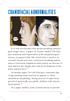 CRANIOFACIAL ABNORMALITIES It is well documented that mouth-breathing children grow longer faces. A paper by Tourne entitled The long face syndrome and impairment of the nasopharyngeal airway, recognised
Policy/Criteria: Human Growth Hormone may be considered medically necessary if the following conditions are met:
 This policy has been developed through review of medical literature, consideration of medical necessity, generally accepted medical practice standards, and approved by the IEHP Pharmacy and Therapeutics
Skeletal Class lll Severe Openbite Treatment Using Implant Anchorage
 Case Report Skeletal Class lll Severe Openbite Treatment Using Implant Anchorage Yuichi Sakai a ; Shingo Kuroda b ; Sakhr A. Murshid c ; Teruko Takano-Yamamoto d Abstract: A female patient with a skeletal
Figure showing the relationship of the pituitary and hypothalamus and the sex hormone axis
 GONADOTROPHIN RELEASING HORMONES ANALOGUES USAGE IN THE MANAGEMENT OF PRECOCIOUS PUBERTY. Professor Peter Hindmarsh University College London Hospitals Background Puberty arises as a result of an increase
Sexual Dimorphism in the Tooth-Crown Diameters of the Deciduous Teeth
 Sexual Dimorphism in the Tooth-Crown Diameters of the Deciduous Teeth THOMAS K. BLACK 111 Museum ofanthropology, The university of Michigan, Ann Arbor, Michigan 48109 KEY WORDS Deciduous dentition criminant
Endocrine issues in FA SUSAN R. ROSE CINCINNATI CHILDREN S HOSPITAL MEDICAL CENTER
 Endocrine issues in FA SUSAN R. ROSE CINCINNATI CHILDREN S HOSPITAL MEDICAL CENTER 80% of children and adults with FA have an endocrine abnormality Endocrine cells make a hormone (message) Carried in bloodstream
ABSTRACT. VM Phillips 1, TJ van Wyk Kotze 2
 20 TESTING STANDARD METHODS OF DENTAL AGE ESTIMATION BY MOORREES, FANNING AND HUNT AND DEMIRJIAN, GOLDSTEIN AND TANNER ON THREE SOUTH AFRICAN CHILDREN SAMPLES VM Phillips 1, TJ van Wyk Kotze 2 1 Department
Retrospective analysis of factors influencing the eruption of delayed permanent incisors after supernumerary tooth removal
 Retrospective analysis of factors influencing the eruption of delayed permanent incisors after supernumerary tooth removal R.A.E. BRYAN*, B.O.I. COLE**, R.R. WELBURY* ABSTRACT. Aim This was to assess the
Course Curriculum for the Master Degree in Dentistry/Orthodontics
 Jordan University of Science and Technology Faculty of Graduate Studies Course Curriculum for the Master Degree in Dentistry/Orthodontics The Master Degree in Dentistry/ Orthodontics is awarded by the
Resorptive Changes of Maxillary and Mandibular Bone Structures in Removable Denture Wearers
 Resorptive Changes of Maxillary and Mandibular Bone Structures in Removable Denture Wearers Dubravka KnezoviÊ-ZlatariÊ Asja»elebiÊ Biserka LaziÊ Department of Prosthodontics School of Dental Medicine University
Control of mandibular incisors with the combined Herbst and completely customized lingual appliance - a pilot study
 Control of mandibular incisors with the combined Herbst and completely customized lingual appliance - a pilot study Dirk Wiechmann 1 *, Rainer Schwestka-Polly 2 *, Hans Pancherz 3 *, Ariane Hohoff 4 *
Rapid Maxillary Expansion Followed by Fixed Appliances: A Long-term Evaluation of Changes in Arch Dimensions
 Original Article Rapid Maxillary Expaion Followed by Fixed Appliances: A Long-term Evaluation of Changes in Arch Dimeio James A. McNamara Jr, DDS, PhD a ; Tiziano Baccetti, DDS, PhD b ; Lorenzo Franchi,
Prehistoric skulls have minimal malocclusions. Why do contemporary industrialized societies have such a high incidence of malocclusion?
 Prehistoric skulls have minimal malocclusions. Why do contemporary industrialized societies have such a high incidence of malocclusion? C1 This historic skull has good facial form, beautiful dental occlusion
Three Cases of Oculo-Facio-Cardio-Dental (OFCD) Syndrome
 Three s of Oculo-Facio-Cardio-Dental (OFCD) Syndrome Objective: Oculo-facio-cardio-dental (OFCD) syndrome is a rare condition with ocular, facial, cardiac, and dental disorders. The purpose of this report
Accuracy of space analysis with emodels and plaster models
 ORIGINAL ARTICLE Accuracy of space analysis with emodels and plaster models S. Russell Mullen, a Chris A. Martin, b Peter Ngan, c and Marcia Gladwin d Leesburg, Va, and Morgantown, WVa Introduction: The
Ahmed Abdel Moneim El Sayed Beirut Arab University (961) 1 300110 Ext: 2263 [email protected] [email protected]
 PERSONAL INFORMATION Ahmed Abdel Moneim El Sayed Beirut Arab University (961) 1 300110 Ext: 2263 [email protected] [email protected] Gender Male Date of birth 19/10/1952 Nationality Egyptian
Endocrine Responses to Resistance Exercise
 chapter 3 Endocrine Responses to Resistance Exercise Chapter Objectives Understand basic concepts of endocrinology. Explain the physiological roles of anabolic hormones. Describe hormonal responses to
Pitch, roll, and yaw: Describing the spatial orientation of dentofacial traits
 SPECIAL ARTICLE Pitch, roll, and yaw: Describing the spatial orientation of dentofacial traits James L. Ackerman, a William R. Proffit, b David M. Sarver, a Marc B. Ackerman, c and Martin R. Kean d Chapel
DEVELOPMENT AND GROWTH OF THE MANDIBLE
 2012-2013 ORAL BIOLOGY DEVELOPMENT AND GROWTH OF THE MANDIBLE Ass. Prof. Dr. Heba M. Elsabaa Development and Growth of the Mandible DEVELOPMENT OF THE MANDIBLE The Mandible Is the largest and strongest
CRANIOMAXILLOFACIAL DEFORMITIES/COSMETIC SURGERY. Reza Movahed, DMD,* Marcus Teschke, DMD, MD,y and Larry M. Wolford, DMDz
 CRANIOMAXILLOFACIAL DEFORMITIES/COSMETIC SURGERY Protocol for Concomitant Temporomandibular Joint Custom-Fitted Total Joint Reconstruction and Orthognathic Surgery Utilizing Computer-Assisted Surgical
The American Board of Orthodontics (ABO) Digital Model Requirements Original Release 04.23.2013 Last Update 03.26.2015
 Page 1 of 7 The American Board of Orthodontics (ABO) Digital Model Requirements Original Release 04.23.2013 Last Update 03.26.2015 Introduction In order to provide access to board certification for all
ABSTRACT INTRODUCTION. Facial Esthetics. Dental Esthetics
 ABSTRACT The FACE philosophy is characterized by clearly defined treatment goals. This increases diagnostic ability and improves the quality and stability of the end result. The objective is to establish
BULLETIN. Slovak Republic Ministry of Health
 BULLETIN Slovak Republic Ministry of Health Part 51-53 November 13, 2009 No. 57 CONTENTS: 52. Slovak Republic Ministry of Health Guidelines for the Diagnosis of Glucocorticoidinduced Osteoporosis 52. Slovak
ORTHODONTIC SCREENING GUIDE FOR NORTH DAKOTA HEALTH TRACKS NURSES
 ORTHODONTIC SCREENING GUIDE FOR NORTH DAKOTA HEALTH TRACKS NURSES The North Dakota Department of Human Services Medical Services Division and the North Dakota Department of Health s Oral Health Program
Chapter 11. What are the functions of the skeletal system? More detail on bone
 Skeletal System Chapter 11 11.1 Overview of the skeletal system What are the functions of the skeletal system? 1. Supports the body 2. Protects the soft body parts 3. Produces blood cells 4. Stores minerals
Activity: Can You Identify the Age?
 Activity: Can You Identify the Age? Skeletons are good age markers because teeth and bones mature at fairly predictable rates. How Teeth Reveal Age For toddler to age 21, teeth are the most accurate age
05 - DENTAL SURGERY. (02) MS (Oral Surgery) Part II Examination
 05 - DENTAL SURGERY (02) MS (Oral Surgery) Part II Examination 01. October 1990 02. October 1991 03. October 1992 04. October 1993 05. October 1994 06. November 1995 07. October 1996 08. November 1997
Smile analysis in different facial patterns and its correlation with underlying hard tissues
 Grover et al. Progress in Orthodontics (2015) 16:28 DOI 10.1186/s40510-015-0099-4 RESEARCH Smile analysis in different facial patterns and its correlation with underlying hard tissues Neha Grover 1*, DN
The National Survey of Children s Health 2011-2012 The Child
 The National Survey of Children s 11-12 The Child The National Survey of Children s measures children s health status, their health care, and their activities in and outside of school. Taken together,
Dr. Park's Publications
 Dr. Park's Publications Jae Hyun Park, D.M.D., M.S.D., M.S., Ph.D. Diplomate, American Board of Orthodontics Editor-in-Chief, Pacific Coast Society of Orthodontists Chief Editor, Computed Tomography: New
Ordering and interpreting thyroid tests in children. Paul Kaplowitz, MD, PhD Children s National Medical Center, Washington, DC
 Ordering and interpreting thyroid tests in children Paul Kaplowitz, MD, PhD Children s National Medical Center, Washington, DC Objectives To review indications for thyroid testing To discuss which tests
Treatment of dental and skeletal bimaxillary protrusion in patient with Angle Class I malocclusion
 Treatment of dental and skeletal bimaxillary protrusion in patient with Angle Class I malocclusion Claudio José Ramos 1 In the orthodontic clinic, skeletal and dental bimaxillary protrusion is presented
 BISPHOSPHONATE RELATED OSTEONECROSIS OF THE JAW (BRONJ) BISPHOSPHONATES AND WHAT HAPPENS TO BONE VINCENT E. DIFABIO, DDS, MS MEMBER OF THE COMMITTEE ON HEALTHCARE AND ADVOCACY FROM THE AMERICAN ASSOCIATION
Graves disease in childhood Antithyroid drug therapy
 83rd Annual Meeting of the ATA October 620, 203 Duration of antithyroid drugs treatment Disclosure Nothing to disclose Pr Juliane Léger Paediatric Endocrinology Department Paris Diderot University Hôpital
Human, Male, White. Bone Clones Osteological Evaluation Report. Product Number: 1 intact mandible. General observations:
 Human, Male, White Product Number: Specimen Evaluated: Skeletal Inventory: BC-107 Bone Clones replica 1 intact cranium 1 intact mandible General observations: In general, the molding process has preserved
MATERIAL SUSAM PARK, M.D. MAKOTO OMORI, M.D. KOGO KATO, D.D.S. NAOTUGU NITTA, D.D.S. ICHIKO KITANO, PH.D. TOMOMI MASUDA, B.A.
 Cephalometric Analysis in Submucous Cleft Palate: Comparison of Cephalometric Data Obtained From Submucous Cleft Palate Patients With Velopharyngeal Competence and Incompetence Objective: The purpose of
Hypothyroidism. Written by Donald Yung Edited by Dianna Louie. Basic Embryology and Anatomy
 Hypothyroidism Written by Donald Yung Basic Embryology and Anatomy The thyroid gland consists of two lobes connected by an isthmus and is located anterior to the trachea at the base of the neck. During
!Financial agreement COST / RISK / BENEFIT
 COMPLETE DENTURES 1 2 Oral Examination, Diagnosis and Treatment Planning Initial Appointment! Get to know your patient! Personally, experiences, expectations! Past medical history! Past dental history!
Insulin like Growth Factors Axis and Growth Disorders
 67 Symposium on Growth and Its Disorders-II Insulin like Growth Factors Axis and Growth Disorders Anurag Bajpai 1 and P.S.N. Menon 1 Department of Endocrinology and Diabetes, Center for Hormone Research,
Maxillary canine palatal impaction occurs in 1
 ORIGINAL ARTICLE Prediction of maxillary canine impaction using sectors and angular measurement John H. Warford Jr, DDS, a,b Ram K. Grandhi, BDS, Dip Perio, Cert Ortho, MS, b and Daniel E. Tira, PhD c
Tori, Torus, Exostoses. Brian Palmer, D.D.S. Leawood, Kansas USA December 2004
 Tori, Torus, Exostoses Brian Palmer, D.D.S. Leawood, Kansas USA December 2004 1 Tori: Non-pathologic outgrowth of bone. I believe this is one way bone responds to stresses applied to it. Is it due to ionization?
Lakeview Endocrinology and Diabetes Consultants. 2719 N Halsted St C-1. Chicago IL 60614 P: 773 388 5685 F: 773 388 5687. www.lakeviewendocrinolgy.
 Lakeview Endocrinology and Diabetes Consultants 2719 N Halsted St C-1 Chicago IL 60614 P: 773 388 5685 F: 773 388 5687 www.lakeviewendocrinolgy.com Patient information: Early menopause (premature ovarian
FERTILITY AND AGE. Introduction. Fertility in the later 30's and 40's. Am I fertile?
 FERTILITY AND AGE Introduction Delaying pregnancy is a common choice for women in today's society. The number of women in their late 30s and 40s attempting pregnancy and having babies has increased in
A list of FDA-approved testosterone products can be found by searching for testosterone at http://www.accessdata.fda.gov/scripts/cder/drugsatfda/.
 FDA Drug Safety Communication: FDA cautions about using testosterone products for low testosterone due to aging; requires labeling change to inform of possible increased risk of heart attack and stroke
Temporomandibular disorders in Turkish children with mixed and primary dentition: prevalence of signs and symptoms
 The Turkish Journal of Pediatrics 2004; 46: 159-163 Original Temporomandibular disorders in Turkish children with mixed and primary dentition: prevalence of signs and symptoms Mehmet Muhtaroðullarý, Figen
Facial keys to orthodontic diagnosis and treatment planning. Part I
 299 Facial keys to orthodontic diagnosis and treatment planning. Part I G. William Arnett, DDS and Robert T. Bergman, DDS, MS Santa Barbara, Calif. The purpose of this article is twofold (1) to present
Understanding Growth: Normal vs. Abnormal Patterns Facilitator s Guide
 Understanding Growth: Normal vs. Abnormal Patterns Facilitator s Guide Case Author: Laurie E. Cohen, MD Harvard Medical School Children s Hospital, Boston Case Advisors: S. Jean Emans, MD John R. Knight,
Efficacy and Safety of Insulin Aspart in Patients with Type 1 Diabetes Mellitus
 Clin Pediatr Endocrinol 2002; 11(2), 87-92 Copyright 2002 by The Japanese Society for Pediatric Endocrinology Original Efficacy and Safety of Insulin Aspart in Patients with Type 1 Diabetes Mellitus Toshikazu
CLINICAL FEATURES OF TEMPOROMANDIBULAR DISORDERS AMONG JORDANIAN CHILDREN
 CLINICAL FEATURES OF TEMPOROMANDIBULAR DISORDERS AMONG JORDANIAN CHILDREN 1 FAROOQ ABDUL KADER ALOMARI, BDS, MSC, MORTH RCSEd 2 BASMA KHALEF ALSAKARNA, BDS, MSC ABSTRACT This study was done to record the
Each person normally has 23 pairs of chromosomes, or 46 in all. We inherit one chromosome per pair from our mother and one from our father.
 AP Psychology 2.2 Behavioral Genetics Article Chromosomal Abnormalities About 1 in 150 babies is born with a chromosomal abnormality (1, 2). These are caused by errors in the number or structure of chromosomes.
Specific dimensional relationships must exist between
 ORIGINAL ARTICLE Intermaxillary tooth size discrepancy and mesiodistal crown dimensions for a Turkish population Tancan Uysal a and Zafer Sari b Kayseri and Konya, Turkey Introduction: The aims of this
ORTHODONTICS, OCCLUSION AND TEMPOROMANDIBULAR DYSFUNCTION. February 2016
 Theoretical-Practical Postgraduate Program ORTHODONTICS, OCCLUSION AND TEMPOROMANDIBULAR DYSFUNCTION New concepts on diagnosis and treatment planning February 2016 Aimed at Dentists and Physiotherapists*
Endocrine System: Practice Questions #1
 Endocrine System: Practice Questions #1 1. Removing part of gland D would most likely result in A. a decrease in the secretions of other glands B. a decrease in the blood calcium level C. an increase in
Objectives. Objectives. Objectives. Objectives. Describe Class II div 1
 Class II div 1 Malocclusion Class II div 1 Malocclusion Objectives OR What can we do about Goofy? Objectives Describe Class II div 1 Objectives Describe Class II div 1 Describe principles of treatment
Management and Treatment Guidelines for Cornelia de Lange Syndrome
 Management and Treatment Guidelines for Cornelia de Lange Syndrome These cards highlight routine care for people with CdLS needed by specific age groups, including infancy, early and late childhood, adolescence
Introduction to Dental Anatomy
 Introduction to Dental Anatomy Vickie P. Overman, RDH, MEd Continuing Education Units: N/A This continuing education course is intended for dental students and dental hygiene students. Maintaining the
Chapter 12: Physical and Cognitive Development in Adolescence
 Chapter 12: Physical and Cognitive Development in Adolescence McGraw-Hill 2006 by The McGraw-Hill Companies, Inc. All rights reserved. The Nature of Adolescence What physical changes occur in adolescence?
Growth Hormone Deficiency A Guide for Parents and Patients
 Growth Hormone Deficiency A Guide for Parents and Patients SERIES 1 SERIES 2 SERIES 3 SERIES 4 SERIES 5 SERIES 6 SERIES 7 SERIES 8 SERIES 9 SERIES 10 SERIES 11 SERIES 12 SERIES 13 SERIES 14 SERIES 15 SERIES
Multiple Pituitary Hormone Deficiency (MPHD)
 Multiple Pituitary Hormone Deficiency (MPHD) SERIES 1 SERIES 2 SERIES 3 SERIES 4 SERIES 5 SERIES 6 SERIES 7 SERIES 8 SERIES 9 SERIES 10 SERIES 11 SERIES 12 SERIES 13 SERIES 14 SERIES 15 SERIES 16 CHILD
Comparison of Association of Dental Caries in Relation with Body Mass Index (BMI) in Government and Private School Children
 ORIGINAL ARTICLE Comparison of Association of Dental Caries in Relation with Body Mass Index (BMI) in Government and Private School Children 1 1 1 1 Prashanth S.T, Venkatesh Babu, Vivek Dhruv Kumar, Amitha
Congenital absence of mandibular second premolars
 CLINICIAN S CORNER Congenitally missing mandibular second premolars: Clinical options Vincent G. Kokich a and Vincent O. Kokich b Seattle, Wash Introduction: Congenital absence of mandibular second premolars
Topics for the Orthodontics Board Exam
 Topics for the Orthodontics Board Exam I. Diagnostics, relations to paediatric dentistry, prevention 1. Etiology of dental anomalies. 2. Orthodontic anomalies, relationship between orthodontic treatment
THE BEATIFUL FACE. Beauty. Esthetics. Beauty ESTHETICS LOCAL FASHIONS. Notion of beauty. Looking good. Orthodontics 2005
 THE BEATIFUL FACE Orthodontics 2005 Malcolm E. Meistrell,, Jr., D.D.S. Clinical Professor of Dentistry Division of Orthodontics School of Dental and Oral Surgery Columbia University Beauty Beauty Esthetics
ENGLISH. Planmeca ProMax 3D concept
 ENGLISH Planmeca ProMax 3D concept Profound understanding of anatomy Planmeca ProMax 3D concept is an intelligent and multipurpose X-ray unit series designed to obtain complete information on patient anatomy
Pseudohypoparathyroidism: A Variation on the Theme of Hypoparathyroidism
 Pseudohypoparathyroidism: A Variation on the Theme of Hypoparathyroidism Amanda Tencza MS IV 1 and Michael A. Levine, MD 2 1 Cleveland Clinic Lerner College of Medicine of Case Western Reserve University
Relationship between weight at puberty and mature weight in beef cattle
 Relationship between weight at puberty and mature weight in beef cattle M.P. Davis and R.P. Wettemann STORY IN BRIEF The relationship between weight at puberty and mature weight was evaluated in Angus
ORTHODONTIC PROBLEMS IN PATIENTS WITH HYPODONTIA AND TAURODONTISM OF PERMANENT MOLARS
 Journal of IMAB - Annual Proceeding (Scientific Papers) 2011, vol. 17, book 2 ORTHODONTIC PROBLEMS IN PATIENTS WITH HYPODONTIA AND TAURODONTISM OF PERMANENT MOLARS Miroslava Yordanova 1, Svetlana Yordanova