
Burden of disease from Household Air Pollution for 2012
|
|
|
- Suzanna Poole
- 9 years ago
- Views:
Transcription
1 Number of deaths Burden of disease from Household Air Pollution for 2012 Summary of results Globally, 4.3 million deaths were attributable to household air pollution (HAP) in 2012, almost all in low and middle income (LMI) countries. The South East Asian and Western Pacific regions bear most of the burden with 1.69 and 1.62 million deaths, respectively. Almost deaths occur in Africa, in the Eastern Mediterranean region, in Europe and in the Americas. The remaining deaths occur in high income countries. The large increase in burden compared with the previous estimate of 2 million deaths from HAP from is mainly due to 1) additional health outcomes such as cerebrovascular diseases and ischaemic heart disease included in the analysis 2 ; 2) additional evidence that has become available on the relationship between exposure and health outcomes and the use of integrated exposureresponse functions 3 ; and 3) an increase in non-communicable diseases. Although women experience higher personal exposure levels than men 2,4 and therefore higher relative risk to develop adverse health outcomes due to their greater involvement in daily cooking activities, the absolute burden is larger in men due to larger underlying disease rates in men. Figure 1. Total deaths attributable to HAP in 2012, by region 1,800,000 1,600,000 1,400,000 1,200,000 1,000, , , , , , ,800 80,000 99,500 1,300 <100 17,700 1,691,600 1,620,100 <100 HAP: Household air pollution; Amr: America, Afr: Africa; Emr: Eastern Mediterranean, Sear: South-East Asia, Wpr: Western Pacific; LMI: Low- and middle-income; HI: High-income. 1 Global Health Risks, World Health Organization, Geneva Smith K, Bruce N et al. (2014). Annu. Rev. Public Health, Vol Burnett R et al. (2014), Environmental Health Perspectives, advanced publication 7 February 2014, 4 Balakrishnan K et al. (2013). Environmental Health, 12:77

2 Deaths per 100'000 capita Figure 2. Deaths per capita attributable to HAP in 2012, by region HAP: Household air pollution; Amr: America, Afr: Africa; Emr: Eastern Mediterranean, Sear: South-East Asia, Wpr: Western Pacific; LMI: Low- and middle-income; HI: High-income. Figure 3. Deaths attributable to HAP in 2012, by disease 1,096,000 26% 1,462,000 34% 534,000 12% 272,000 6% 928,000 22% ALRI Lung cancer COPD Stroke IHD Percentage represents percent of total HAP burden (add up to 100%). HAP: Household air pollution; ALRI: Acute lower respiratory disease; COPD: Chronic obstructive pulmonary disease; IHD: Ischaemic heart disease.

3 Figure 4. Deaths attributable to HAP in 2012, by age and sex 534,000 13% 1,991,000 46% 1,767,000 41% Children < 5yr Women 25yr Men 25yr Percentage represents percent of total HAP burden (add up to 100%). HAP: Household air pollution; yr: year. For further information, please contact: Public Health, Social and Environmental Determinants of Health Department, World Health Organization, 1211 Geneva 27, Switzerland Website: World Health Organization 2014 All rights reserved.

4 [ Burden of disease from Ambient Air Pollution for 2012 Summary of results Globally, 3.7 million deaths were attributable to ambient air pollution (AAP) in About 88% of these deaths occur in low- and middle-income (LMI) countries, which represent 82% of the world population. The Western Pacific and South East Asian regions bear most of the burden with 1.67 million and deaths, respectively. About deaths occur in the Eastern Mediterranean region, in Europe, in Africa, and in the Americas. The remaining deaths occur in high-income countries of Europe ( ), Americas (94 000), Western Pacific (67 000), and Eastern Mediterranean (14 000). The large increase in burden compared with the previous estimate of 1.3 million deaths from AAP from is due to 1) additional evidence that has become available on the relationship between exposure and health outcomes and the use of integrated exposure-response functions 2 ; 2) an increase in non-communicable diseases; 3) the inclusion of the rural population, whereas the previous estimate only covered the urban population; and 4) the use of a lower counterfactual, i.e. the baseline exposure against which the effect of air pollution is measured 3. Figure 1. Total deaths ( 000) attributable to AAP in 2012, by region 1,800 1,600 1,669 Number of deaths ('000) 1,400 1,200 1, AAP: Ambient air pollution; Amr: America, Afr: Africa; Emr: Eastern Mediterranean, Sear: South-East Asia, Wpr: Western Pacific; LMI: Low- and middle-income; HI: High-income. 1 Burden of disease attributable to outdoor air pollution, World Health Organization, Geneva 2011, 2 Burnett R et al. (2014), EHP, 3 Previously, the 1.3 million deaths represented the health gains if the WHO Air Quality Guideline levels were reached. 1

5 [ Figure 2. Deaths per capita attributable to AAP in 2012, by region Deaths per 100'000 capita AAP: Ambient air pollution; Amr: America, Afr: Africa; Emr: Eastern Mediterranean, Sear: South-East Asia, Wpr: Western Pacific; LMI: Low- and middle-income; HI: High-income. Figure 3. Deaths attributable to AAP in 2012, by disease 127,000 3% 227,000 6% 1,505,000 40% 389,000 11% 1,485,000 40% ALRI Lung cancer COPD Stroke IHD Percentage represents percent of total AAP burden (add up to 100%). AAP: Ambient air pollution; ALRI: Acute lower respiratory disease; COPD: Chronic obstructive pulmonary disease; IHD: Ischaemic heart disease. 2

6 [ Figure 4. Deaths attributable to AAP in 2012, by age and sex 127,000 3% 1,973,000 53% 1,632,000 44% Children < 5yr Women 25yr Men 25yr Percentage represents percent of total AAP burden (add up to 100%). AAP: Ambient air pollution; yr: year. For further information, please contact: Public Health, Social and Environmental Determinants of Health Department, World Health Organization, 1211 Geneva 27, Switzerland Website: World Health Organization 2014 All rights reserved. 3

7 Burden of disease from the joint effects of Household and Ambient Air Pollution for 2012 Summary of results Globally, 7 million deaths were attributable to the joint effects of household (HAP) and ambient air pollution (AAP) in The Western Pacific and South East Asian regions bear most of the burden with 2.8 and 2.3 million deaths, respectively. Almost deaths occur in Africa, about in the Eastern Mediterranean region, in Europe and in the Americas. The remaining deaths occur in high-income countries of Europe ( ), Americas (96 000), Western Pacific (68 000), and Eastern Mediterranean (14 000). Note of caution: An approximation of the combined effects of risk factors is possible if independence and little correlation between risk factors with impacts on the same diseases can be assumed 1. In the case of air pollution, however, there are some limitations to estimate the joint effects: limited knowledge on the distribution of the population exposed to both household and ambient air pollution, correlation of exposures at individual level as household air pollution is a contributor to ambient air pollution, and non-linear interactions 2,3. In several regions, however, household air pollution remains mainly a rural issue, while ambient air pollution is predominantly an urban problem. Also, in some continents, many countries are relatively unaffected by household air pollution, while ambient air pollution is a major concern. If assuming independence and little correlation, a rough estimate of the total impact can be calculated, which is less than the sum of the impact of the two risk factors. The joint effects of both ambient and household air pollution would result in the impacts shown in Figure 1-4. Given the limitations, however, the estimates presented below should be interpreted with caution, and provide indicative values only. Figure 1. Total deaths attributable to the joint effects of HAP and AAP in 2012, by region Number of deaths ('000) 3,000 2,500 2,000 1,500 1, ,275 2, HAP: Household air pollution; AAP: Ambient air pollution; Amr: America, Afr: Africa; Emr: Eastern Mediterranean, Sear: South-East Asia, Wpr: Western Pacific; LMI: Low- and middle-income; HI: High-income. 1 Ezzati et al (2003), The Lancet, 362: Lim et al (2012), The Lancet, 380: Smith, Bruce, Balakrishnan et al (2014), Annual Review of Public Health, in press.

8 Figure 2. Deaths per capita attributable to the joint effects of HAP and AAP in 2012, by region Deaths per 100'000 capita HAP: Household air pollution; AAP: Ambient air pollution; Amr: America, Afr: Africa; Emr: Eastern Mediterranean, Sear: South-East Asia, Wpr: Western Pacific; LMI: Low- and middle-income; HI: High-income. Figure 3. Deaths attributable to the joint effects of HAP and AAP in 2012, by disease 2,529,700 36% 597,000 8% 2,296,900 33% 443,100 6% 1,187,900 17% ALRI Lung cancer COPD Stroke IHD Percentage represents percent of total HAP burden (add up to 100%). HAP: Household air pollution; AAP: Ambient air pollution; ALRI: Acute lower respiratory disease; COPD: Chronic obstructive pulmonary disease; IHD: Ischaemic heart disease.

9 Figure 4. Deaths attributable to the joint effects of HAP and AAP in 2012, by age and sex 597,000 9% 3,471,900 49% 2,985,700 42% Children < 5yr Women 25yr Men 25yr Percentage represents percent of total burden (add up to 100%). HAP: Household air pollution; AAP: Ambient air pollution; yr: year. For further information, please contact: Public Health, Social and Environmental Determinants of Health Department, World Health Organization, 1211 Geneva 27, Switzerland Website: World Health Organization 2014 All rights reserved.

10 Burden of disease from Household Air Pollution for 2012 Description of method Version 1.2 The burden of disease attributable to household air pollution was estimated for the year 2012 based on Comparable Risk Assessment methods (1) and methods developed by IHME (Institute for Health Metrics and Evaluation) and expert groups for the Global Burden of Disease (GBD) 2010 study (2-3). Source of the data Health data The total number of deaths and DALYs (disability-adjusted life years) by disease, country, sex and age group have been developed by the World Health Organization (4). Exposure data Modelled estimates for 2012 of the percentage of the population using solid fuels for cooking have been developed by the World Health Organization (5) according to methods described in Bonjour et al. (6) and were used as basis for disease burden calculation. Exposure-risk relationships The integrated exposure-response functions (IER) developed for the GBD 2010 study were used for ALRI (acute lower respiratory infections), lung cancer, stroke and IHD (ischaemic heart disease) (7) (Table 1). Personal exposure values for women, men and children were derived by Balakrishnan et al. (8) for the GBD 2010 (Table 2). For COPD (chronic obstructive pulmonary disease), the relative risks from the systematic review / meta-analysis conducted for the GBD 2010 study were used (3). Table 1. Relative risks Disease RR (95% CI) women RR (95% CI) men Reference ALRI 2.9 ( ) for children (3, 7) COPD 2.3 ( ) 1.9 ( ) (3) Lung cancer 2.3 ( ) 1.9 ( ) (3, 7) IHD ( ) ( ) (3, 7) Stroke ( ) ( ) (3, 7) RR: Relative risks; CI: Confidence interval; ALRI: Acute lower respiratory disease; COPD: Chronic obstructive pulmonary disease; IHD: Ischaemic heart disease. Women, resp. men, refer to adult women, resp. men aged 25years. Children refer to children under 5 years. For stroke and IHD, there is an age-gradient for the relative risks, but presented here are the 95% confidence interval over their predicted values from the integrated exposure response functions over all ages. Table 2. Personal exposure values Group Mean PM 2.5 (95% CI) Reference Children 285 µg/m 3 (201,405) (3, 8) Women 337 µg/m 3 (238,479) (3, 8) Men 204 µg/m 3 (144,290) (3, 8) PM 2.5 : particulate matter with a diameter of 2.5 micrometre or less; CI: confidence interval.. Women, resp. men, refer to adult women, resp. men aged 25years. Children refer to children under 5 years. 1

11 Demographic data Population data used were from the United Nations Population Division, Revision 2012 (9). Methods Estimation of disease burden The percentage of the population exposed to household air pollution was provided by country; relative risks were calculated separately for men, women and children, based on the integrated exposure-response functions (IER) for all diseases but COPD. The counterfactual concentration was selected to be between 5.8 and 8.8 µg/m 3, as described in (2) and (6). The country population attributable fractions for ALRI, COPD, LC, stroke and IHD were calculated using the following formula: (1) where P e is the percentage of the population exposed to that level of air pollution, i.e. the percentage of the population using solid fuels for cooking. Uncertainty analysis The uncertainty intervals are based on the 2.5 th and 97 th percentiles of 1000 draws for the relative risks of the integrated exposure-response functions, the personal exposure values and the modelled solid fuel use estimates. Uncertainty is however still underestimated given that uncertainty for baseline mortality is not taken into account. References 1. Ezzati M, Lopez AD, Rodgers A, Vander Hoorn S, Murray CJL. Selected major risk factors and global and regional burden of disease. Lancet. 2002;360(9343): Lim SS, Vos T, Flaxman AD, Danaei G, Shibuya K, Adair-Rohani H, et al. A comparative risk assessment of burden of disease and injury attributable to 67 risk factors and risk factor clusters in 21 regions, : a systematic analysis for the Global Burden of Disease Study The Lancet. 2012;380(9859): doi: /S (12) Smith KR, Bruce N, Balakrishnan K, Adair-Rohani H, Balmes J, Chafe Z et al. Millions dead: how do we know and what does it mean? Methods used in the Comparative risk assessment of houshold air pollution. Annu. Rev. Public Health. 2014; Vol 35 ( 4. Global Health Estimates 2013: Deaths by Cause, Age and Sex, by Country, (provisional estimates). Geneva, World Health Organization, WHO. The Global Health Observatory: WHO; 2014 [cited ]. 2

12 6. Bonjour S, Adair-Rohani H, Wolf J, Bruce NG, Mehta S, Pruss-Ustun A, et al. Solid fuel use for household cooking: country and regional estimates for Environ Health Perspect. 2013;121(7): doi: /ehp PubMed PMID: ; PubMed Central PMCID: PMC Burnett RT, Pope A, Ezzati M, Olives C, Lim SS, Mehta S, et al. An intgrated risk function for estimating the global burden of disease attributable to ambient fine particulate matter exposure. Environ Health Perspect. 2014(Advance publication 7 February 2014) Balakrishnan K, Ghosh S, Ganguli B, Sambandam S, Bruce N, Barnes DF, et al. State and national household concentrations of PM2.5 from solid cookfuel use: results from measurements and modeling in India for estimation of the global burden of disease. Environ Health. 2013;12(1):77. doi: / X PubMed PMID: ; PubMed Central PMCID: PMC UN. World Urbanization Prospects: The 2012 Revision Population Database: United Nations; For further information, please contact: Public Health, Social and Environmental Determinants of Health Department, World Health Organization, 1211 Geneva 27, Switzerland Website: [email protected] World Health Organization 2014 All rights reserved. 3

13 Burden of disease from Ambient Air Pollution for 2012 Description of method Version 1.3 The burden of disease attributable to ambient air pollution was estimated for the year 2012 based on Comparable Risk Assessment methods (1) and methods developed by IHME (Institute for Health Metrics and Evaluation) and expert groups for the Global Burden of Disease (GBD) 2010 study (2). Source of the data Health data The total number of deaths and DALYs (disability-adjusted life years) by disease, country, sex and age group have been developed by the World Health Organization (3). Exposure data Annual mean estimates of particulate matter of a diameter of less than 2.5 µg/m 3 (PM 2.5 ) were modelled using a combination of estimates from data provided by satellites, outputs from the global chemical transport model TM5, and ground measurements (4). The output of the model was based on a grid of Values were developed for 1990 and 2005, and extrapolated estimates for 2010 were used as basis for disease burden estimation (2). Exposure-risk relationships The integrated exposure-response functions (IER) developed for the GBD 2010 study were used for ALRI (acute lower respiratory infections), lung cancer, COPD (chronic obstructive pulmonary disease), stroke and IHD (ischaemic heart disease) (5). Demographic data Population data used were from the United Nations Population Division, Revision 2012 (6). Methods Estimation of disease burden The percentage of the population exposed to PM 2.5 was provided by country and by increment of 1 µg/m 3 ; relative risks were calculated for each PM 2.5 increment, based on the integrated exposure-response functions (IER). The counterfactual concentration was selected to be between 5.8 and 8.8 µg/m 3, as described in (2) and (5). The country population attributable fractions for ALRI, COPD, LC, stroke and IHD were calculated using the following formula: (1) where i is the level of PM 2.5 in µg/m 3, and P i is the percentage of the population exposed to that level of air pollution. Uncertainty analysis The uncertainty intervals are based on the following sources of uncertainty: (a) uncertainty around relative risks of the integrated exposure-response function, and (b) a semi-quantitative estimation of uncertainty in exposure to PM 2.5 based on the difference between modelled exposures and ground level measurements. For the integrated exposure-response function, 1,000 draws of each parameter of the function were obtained from Burnett and co-workers (5) and population attributable fractions were calculated for each draw. To account for 1

14 uncertainty in exposure, alternative burden of disease estimates were developed based on ground level measurements available for urban areas, combined with modelled PM data for rural areas. These were used as upper or lower ends of triangular uncertainty distribution by region. The other end of the triangular distribution was calculated as by halving the difference in burden. The final uncertainty intervals were obtained as the 2.5 and 97.5 percentiles of the draws from the combined uncertainties. Uncertainty for baseline mortality was not taken into account. Further rationale and information on exposure data used Previous burden of disease estimates have mainly been based on urban ground measurements (7). While reliable ground measurements, when performed in locations representative for human exposure such as in residential or commercial areas, are best representing exposure in those specific locations, they are unfortunately only available in a limited number of locations and cities worldwide. Furthermore, in many developing countries measurements are often limited to PM 10, and a conversion factor needs to be applied to estimate PM 2.5 levels which are needed to estimate health risks. Finally, exposure in rural areas have been poorly documented in many areas. Particularly where urban emissions travel outside urban agglomerations, and where solid fuels are burned in households for cooking or heating, rural exposures to particulate matter can be substantial. For these reasons, a more comprehensive set of modelled exposure has been used as a basis for burden of disease estimation (4). Apart from the strengths, the modelled dataset also has a number of weaknesses, and further improvement is required in order to improve accuracy. The main weaknesses include the following: (a) Time of estimation. The currently available modelled data are based on satellite data, emission inventories and ground measurements some of which date back several years. Collecting and processing all the required data represents a heavy process and a full cycle can take several years. A new cycle is currently under way, and data will be updated as soon as they become available. (b) Divergence of modelled data from measured data. Modelled data do not always match measured data. This can be due for example to measurement error or non-representative locations in ground measurements, inadequate calibration of the model to ground measurements, insufficient information in the emission inventory or time lag between the modelling cycle and the availability of new ground measurement data. (c) Limited information on rural exposure. Limited information is currently available on rural exposures, and the validity of the model therefore needs to be further evaluated for these areas. The use of combined data from remote sensing and emission models which have been verified in urban areas nevertheless represents an advancement over assuming no exposure in rural areas as done previously. The combined remote sensing/chemical transport/ground measurement model should, for the reasons enumerated above, be seen as work in progress, but they nevertheless present an advantage over the use of ground measurement alone as a basis for burden of disease estimation. It is anticipated that future rounds will gradually improve accuracy. Countries are further encouraged to improve ground measurements in order to improved calibration of the model and thereby produce more comprehensive and coherent exposure estimates for the entire population within a country. A number of sensitivity analyses have been performed in order to estimate the variation on results according to various exposure assumptions and datasets, in view of further characterizing uncertainty. Given those uncertainties, results are currently provided only for the regional and global level. Further improvements in the methods used for modelling exposure should lead to improved country estimates. These are currently being refined in particular for certain low- and middle-income countries. 2

15 References 1. Ezzati M, Lopez AD, Rodgers A, Vander Hoorn S, Murray CJL. Selected major risk factors and global and regional burden of disease. Lancet. 2002;360(9343): Lim SS, Vos T, Flaxman AD, Danaei G, Shibuya K, Adair-Rohani H, et al. A comparative risk assessment of burden of disease and injury attributable to 67 risk factors and risk factor clusters in 21 regions, : a systematic analysis for the Global Burden of Disease Study The Lancet. 2012;380(9859): doi: /S (12) Global Health Estimates 2013: Deaths by Cause, Age and Sex, by Country, (provisional estimates). Geneva, World Health Organization, Brauer M, Amann M, Burnett RT, Cohen A, Dentener F, Ezzati M, et al. Exposure assessment for estimation of the global burden of disease attributable to outdoor air pollution. Environ Sci Technol. 2012;46(2): doi: /es Burnett RT, Pope A, Ezzati M, Olives C, Lim SS, Mehta S, et al. An intgrated risk function for estimating the global burden of disease attributable to ambient fine particulate matter exposure. Environ Health Perspect. 2014(Advance publication 7 February 2014) UN. World Urbanization Prospects: The 2012 Revision Population Database: United Nations; Cohen AJ, Ross Anderson H, Ostro B, Pandey KD, Krzyzanowski M, Künzli N, et al. The global burden of disease due to outdoor air pollution. J Toxicol Environ Health Part A. 2005;68(13-14): doi: / For further information, please contact: Public Health, Social and Environmental Determinants of Health Department, World Health Organization, 1211 Geneva 27, Switzerland Website: [email protected] World Health Organization 2014 All rights reserved. 3

16 Burden of disease from joint Household and Ambient Air Pollution for 2012 Description of method The burden of disease attributable to the joint effects of household and ambient air pollution for the year 2012 was estimated based on the calculation of the joint population attributable fractions assuming independently distributed exposures and independent hazards as described in (1). The joint population attributable fractions (PAF) were calculated using the following formula: ) where PAF i is PAF of individual risk factors. Detailed method descriptions of the separate burden of disease attributable to household and ambient air pollution are described elsewhere (2). Note of caution An approximation of the combined effects of risk factors is possible if independence and little correlation between risk factors with impacts on the same diseases can be assumed (1). In the case of air pollution, however, there are some limitations to estimate the joint effects: limited knowledge on the distribution of the population exposed to both household and ambient air pollution, correlation of exposures at individual level as household air pollution is a contributor to ambient air pollution, and non-linear interactions (3, 4). In several regions, however, household air pollution remains mainly a rural issue, while ambient air pollution is predominantly an urban problem. Also, in some continents, many countries are relatively unaffected by household air pollution, while ambient air pollution is a major concern. If assuming independence and little correlation, a rough estimate of the total impact can be calculated, which is less than the sum of the impact of the two risk factors. The joint effects of both ambient and household air pollution would result in the impacts shown the document Burden of disease from the joint effects of Household and Ambient Air Pollution for Given the limitations, however, the estimates presented should be interpreted with caution, and provide indicative values only. References 1. Ezzati M, Vander Hoorn S, Rodgers A, Lopez AD, Mathers CD et al. Estimates of global and regional potential health gains from reducing multiple major risk factors. Lancet. 2003;362: WHO. Public Health, Environmental and Social Determinants of Health (PHE). Geneva, World Health Organization Lim SS, Vos T, Flaxman AD, Danaei G, Shibuya K, Adair-Rohani H, et al. A comparative risk assessment of burden of disease and injury attributable to 67 risk factors and risk factor clusters in 21 regions, : a systematic analysis for the Global Burden of Disease Study The Lancet. 2012;380(9859): doi: /S (12)

17 4. Smith KR, Bruce N, Balakrishnan K, Adair-Rohani H, Balmes J, Chafe Z et al. Millions dead: how do we know and what does it mean? Methods used in the Comparative risk assessment of houshold air pollution. Annu. Rev. Public Health. 2014; Vol 35 ( For further information, please contact: Public Health, Social and Environmental Determinants of Health Department, World Health Organization, 1211 Geneva 27, Switzerland Website: [email protected] World Health Organization 2014 All rights reserved. 2

WHO s Urban Ambient Air Pollution database Update 2016
 WHO s Urban Ambient Air Pollution database Update 2016 version 0.2 Data summary The 2016 version of the database consists mainly of urban air quality data annual means for PM 10 and/or PM 2.5 covering
Part 4 Burden of disease: DALYs
 Part Burden of disease:. Broad cause composition 0 5. The age distribution of burden of disease 6. Leading causes of burden of disease 7. The disease and injury burden for women 6 8. The growing burden
The Burgeoning Public Health Crisis: Demand Analysis and Market Opportunity for Advanced Trauma Systems in the Developing World
 The Burgeoning Public Health Crisis: Demand Analysis and Market Opportunity for Advanced Trauma Systems in the Developing World Globally, the causes of mortality will experience significant shifts over
Adverse Health Effects of Air Pollution in India
 Health Impacts of Air in India in India in India JN Pande Sitaram Bhartia Institute of Science and Research, New Delhi Well documented in developed countries using several epidemiological study designs.
STATEMENT ON ESTIMATING THE MORTALITY BURDEN OF PARTICULATE AIR POLLUTION AT THE LOCAL LEVEL
 COMMITTEE ON THE MEDICAL EFFECTS OF AIR POLLUTANTS STATEMENT ON ESTIMATING THE MORTALITY BURDEN OF PARTICULATE AIR POLLUTION AT THE LOCAL LEVEL SUMMARY 1. COMEAP's report 1 on the effects of long-term
Globally 12% of all deaths among adults aged 30 years and over were attributed to tobacco.
 SUMMARY Proportion of all deaths attributable to tobacco (%) WHO Region Men Women All adults African 5 1 3 Americas 17 15 16 Eastern Mediterannean 12 2 7 European 25 7 16 South East Asian 14 5 10 Western
WHO s Ambient Air Pollution database Update 2014
 WHO s Ambient Air Pollution database Update 2014 Data summary of the AAP database The 2014 version of the Ambient Air Pollution (AAP) database consists mainly of urban air quality data annual means for
GBD MAPS Global Burden of Disease Major Air Pollution Sources. Meeting of the GBD MAPS Working Group IIT Bombay January 18-19, 2016
 GBD MAPS Global Burden of Disease Major Air Pollution Sources Meeting of the GBD MAPS Working Group IIT Bombay January 18-19, 2016 Project Overview and Meeting Objectives GBD MAPS Global Burden of Disease
Air Quality: Public Health Impacts and Local Actions
 Air Quality: Public Health Impacts and Local Actions This briefing is to inform public health professionals of the public health impacts of air pollution, the sources of air pollution and measures available
Air Pollution in Ulaanbaatar: Public Health Impacts and Research Opportunities
 Air Pollution in Ulaanbaatar: Public Health Impacts and Research Opportunities Ryan W. Allen, PhD Associate Professor Faculty of Health Sciences Simon Fraser University Burnaby, BC, Canada [email protected]
Public health benefits of strategies to reduce greenhouse gas emissions. Professor Sir Andy Haines
 Public health benefits of strategies to reduce greenhouse gas emissions Professor Sir Andy Haines Case studies in four sectors responsible for large emissions of greenhouse gases (GHGs) Household energy
Health and the environment: addressing the health impact of air pollution
 1 EXECUTIVE BOARD EB136/CONF./9 Rev.1 136th session 29 January 2015 Agenda item 7.2 Health and the environment: addressing the health impact of air pollution Draft resolution proposed by the delegations
Health and Longevity. Global Trends. Which factors account for most of the health improvements in the 20th century?
 8 Health and Longevity The health of a country s population is often monitored using two statistical indicators: life expectancy at birth and the under-5 mortality rate. These indicators are also often
Health effects of particulate matter and implications for policy in Europe
 Health effects of particulate matter and implications for policy in Europe Marie-Eve Héroux Technical Officer, Air Quality and Noise WHO European Centre for Environment and Health Bonn, Germany Presentation
The Global Economic Cost of Cancer
 The Global Economic Cost of Cancer About the Global Economic Cost of Cancer Report Cancer is taking an enormous human toll around the world and is a growing threat in low- to middle-income countries.
GLOBAL HEALTH RISKS. Mortality and burden of disease attributable to selected major risks
 GLOBAL HEALTH RISKS Mortality and burden of disease attributable to selected major risks GLOBAL HEALTH RISKS Mortality and burden of disease attributable to selected major risks World Health Organization
Vitamin A Deficiency: Counting the Cost in Women s Lives
 TECHNICAL BRIEF Vitamin A Deficiency: Counting the Cost in Women s Lives Amy L. Rice, PhD INTRODUCTION Over half a million women around the world die each year from conditions related to pregnancy and
Health risks of air pollution in Europe HRAPIE project
 Health risks of air pollution in Europe HRAPIE project Recommendations for concentration response functions for cost benefit analysis of particulate matter, ozone and nitrogen dioxide This publication
Part 3 Disease incidence, prevalence and disability
 Part 3 Disease incidence, prevalence and disability 9. How many people become sick each year? 28 10. Cancer incidence by site and region 29 11. How many people are sick at any given time? 31 12. Prevalence
Health, history and hard choices: Funding dilemmas in a fast-changing world
 Health, history and hard choices: Funding dilemmas in a fast-changing world Thomson Prentice Global Health Histories Health and Philanthropy: Leveraging change University of Indiana, August 2006 An embarrassment
NCDs POLICY BRIEF - INDIA
 Age group Age group NCDs POLICY BRIEF - INDIA February 2011 The World Bank, South Asia Human Development, Health Nutrition, and Population NON-COMMUNICABLE DISEASES (NCDS) 1 INDIA S NEXT MAJOR HEALTH CHALLENGE
Q&A on methodology on HIV estimates
 Q&A on methodology on HIV estimates 09 Understanding the latest estimates of the 2008 Report on the global AIDS epidemic Part one: The data 1. What data do UNAIDS and WHO base their HIV prevalence estimates
Valuing life and health: the cost of air pollution. by Dr. Rana Roy
 Presentation to Conference on: The Costs of Air Pollution: A Forgotten Problem Università Bocconi, Milano 25 November 2014 Valuing life and health: the cost of air pollution by Dr. Rana Roy Introduction
Dimensions of Global Health
 Dimensions of Global Health James Plumb MD, MPH Francis Barchi MS, MBE DFCM - September - 2010 Global Health - Jefferson Global Health Working Group Inventory of current activities Courses Certificate
World Population Growth
 3 World Population Growth Why is world population growing faster than ever before? Population dynamics are one of the key factors to consider when thinking about development. In the past years the world
Appendix: Description of the DIETRON model
 Appendix: Description of the DIETRON model Much of the description of the DIETRON model that appears in this appendix is taken from an earlier publication outlining the development of the model (Scarborough
HEALTH AND THE ECONOMY
 HEALTH AND THE ECONOMY The Impact of Wellness on Workforce Productivity in Global Markets A Report to the U.S. Chamber of Commerce s Global Initiative on Health and Economy Bruce Rasmussen Kim Sweeny Peter
Excess mortality in Europe in the winter season 2014/15, in particular amongst the elderly.
 Excess mortality in Europe in the winter season 2014/15, in particular amongst the elderly. An analysis of all-cause mortality from 15 European countries participating in the EuroMOMO network (www.euromomo.eu)
SUMMARY- REPORT on CAUSES of DEATH: 2001-03 in INDIA
 SUMMARY- REPORT on CAUSES of DEATH: 2001-03 in INDIA Background: Long-term mortality measurement by cause, gender and geographic area has been the requirement of every country. With this in view, Medical
2 Results GLOBAL HEALTH RISKS. 2.1 Global patterns of health risk
 Results. Global patterns of health risk More than one third of the world s deaths can be attributed to a small number of risk factors. The 4 risk factors described in this report are responsible for 44%
The International Agenda for Stroke
 1st Global Conference on Healthy Lifestyles and Noncommunicable Diseases Control Moscow, 28-29 April, 2011 The International Agenda for Stroke Marc Fisher MD, University of Massachusetts Editor-in-Chief,
Shutterstock TACstock
 Shutterstock TACstock 10 Introduction Since 2000, the IDF Diabetes Atlas has detailed the extent of diabetes and this seventh edition shows how it is impacting every country, every age group and every
THE TOP TEN CAUSES OF DEATH
 FACT SHEET THE TOP TEN CAUSES OF DEATH THE TEN LEADING CAUSES OF DEATH BY BROAD INCOME GROUP 2002 High-income countries Deaths in millions % of deaths Coronary heart 1.34 17.1 Stroke and other s 0.77 9.8
Chapter 1. Burden: mortality, morbidity and risk factors
 Chapter 1 Burden: mortality, morbidity and risk factors This chapter reviews the current burden and trends of NCDs and the risk factors. It also provides the latest estimates on the number, rates and causes
THE GLOBAL BURDEN OF DISEASE 2004 UPDATE
 THE GLOBAL BURDEN OF DISEASE 2004 UPDATE THE GLOBAL BURDEN OF DISEASE 2004 UPDATE World Health Organization WHO Library Cataloguing-in-Publication Data The global burden of disease: 2004 update. 1.Cost
Atmospheric Monitoring of Ultrafine Particles. Philip M. Fine, Ph.D. South Coast Air Quality Management District
 Atmospheric Monitoring of Ultrafine Particles Philip M. Fine, Ph.D. South Coast Air Quality Management District Ultrafine Particles Conference May 1, 2006 Outline What do we monitor? Mass, upper size cut,
Chapter 2: Health in Wales and the United Kingdom
 Chapter 2: Health in Wales and the United Kingdom This section uses statistics from a range of sources to compare health outcomes in Wales with the remainder of the United Kingdom. Population trends Annual
Solar power as part of an integrated approach to sustainable development. Mark Booth BSc PhD ARCS MA Senior Lecturer Durham University, UK
 Solar power as part of an integrated approach to sustainable development Mark Booth BSc PhD ARCS MA Senior Lecturer Durham University, UK Luanda, 24 a 27 de Setembro de 2013 CONFERÊNCIA INTERNACIONAL SOBRE
Risk of alcohol. Peter Anderson MD, MPH, PhD, FRCP Professor, Alcohol and Health, Maastricht University Netherlands. Zurich, 4 May 2011
 Risk of alcohol Peter Anderson MD, MPH, PhD, FRCP Professor, Alcohol and Health, Maastricht University Netherlands Zurich, 4 May 2011 Lifetime risk of an alcoholrelated death (1/100) 16.0 14.0 12.0 10.0
Occupational carcinogens
 Environmental Burden of Disease Series, No. 6 Occupational carcinogens Assessing the environmental burden of disease at national and local levels Tim Driscoll Kyle Steenland Annette Prüss-Üstün Deborah
GLOBAL PERSPECTIVES IN HEALTH - Vol. 1 - Prevention and Control of Noncommunicable Diseases - N.P. Napalkov
 PREVENTION AND CONTROL OF NONCOMMUNICABLE DISEASES N.P. Napalkov Director Emeritus, Petrov Institute of Oncology, St. Petersburg, Russian Federation Keywords: Prevention, disease control, rehabilitation,
2) Relevance for environmental policy... 2. 4) Data sources and reporting... 5 5) References at the international level... 6
 A- 2: Ambient air quality in urban areas 1) General description... 2 1.1) Brief definition... 2 1.2) Units of measurement... 2 1.3) Context...2 2) Relevance for environmental policy... 2 2.1) Purpose...
Diabetes. Gojka Roglic. Department of Chronic Diseases and Health Promotion. World Health Organization
 Diabetes Gojka Roglic What is diabetes? Diabetes mellitus is a metabolic disorder of multiple aetiology, characterized by chronic hyperglycaemia with disturbances of carbohydrate, fat and protein metabolism
Residential & Commercial Sectors Overview CLIMATE
 CLIMATE TECHBOOK Residential and Commercial Emissions in the United States Greenhouse gas (GHG) emissions data can be reported either by economic sector, which includes electric power generation as a separate
INTERACTIONS: ENERGY/ENVIRONMENT Fossil Fuel Energy Impacts on Health - Helena Ribeiro
 FOSSIL FUEL ENERGY IMPACTS ON HEALTH Helena Ribeiro Department of Environmental Health, Faculdade de Saúde Pública, Universidade de São Paulo, Brazil Keywords: Fossil Fuel, Combustion, Air Pollution, Respiratory
J of Evolution of Med and Dent Sci/ eissn- 2278-4802, pissn- 2278-4748/ Vol. 3/ Issue 65/Nov 27, 2014 Page 13575
 EFFECT OF BREATHING EXERCISES ON BIOPHYSIOLOGICAL PARAMETERS AND QUALITY OF LIFE OF PATIENTS WITH COPD AT A TERTIARY CARE CENTRE Sudin Koshy 1, Rugma Pillai S 2 HOW TO CITE THIS ARTICLE: Sudin Koshy, Rugma
The American Cancer Society Cancer Prevention Study I: 12-Year Followup
 Chapter 3 The American Cancer Society Cancer Prevention Study I: 12-Year Followup of 1 Million Men and Women David M. Burns, Thomas G. Shanks, Won Choi, Michael J. Thun, Clark W. Heath, Jr., and Lawrence
Smoking and oral tobacco use
 Chapter 11 Smoking and oral tobacco use Majid Ezzati and Alan D. Lopez Summary Smoking has been causally associated with increased mortality from several diseases. This chapter provides global and regional
The Challenges In Monitoring And Control Of Indoor Air Pollution Due To Combustion In Kitchens In Urban And Rural Areas
 The Challenges In Monitoring And Control Of Indoor Air Pollution Due To Combustion In Kitchens In Urban And Rural Areas Rural Urban Rashmi S. Patil Professor Centre for Environmental Science and Engineering,
Optimal levels of alcohol consumption for men and women at different ages, and the all-cause mortality attributable to drinking
 Optimal levels of alcohol consumption for men and women at different ages, and the all-cause mortality attributable to drinking Ian R. White, Dan R. Altmann and Kiran Nanchahal 1 1. Summary Background
Mortality Assessment Technology: A New Tool for Life Insurance Underwriting
 Mortality Assessment Technology: A New Tool for Life Insurance Underwriting Guizhou Hu, MD, PhD BioSignia, Inc, Durham, North Carolina Abstract The ability to more accurately predict chronic disease morbidity
What are the causes of air Pollution
 What are the causes of air Pollution Pollutant Particulate Matter (PM-PM 10 and PM 2.5 ) Description and main UK sources Particulate Matter is generally categorised on the basis of the size of the particles
50 years THE GAP REPORT 2014
 THE GAP REPORT 2014 People aged 50 years and older The ageing of the world s population is one of the most significant demographic trends of this era, and there are a growing number of people aged 50 and
Variations in Place of Death in England
 Variations in Place of Death in England Inequalities or appropriate consequences of age, gender and cause of death? August 2010 www.endoflifecare-intelligence.org.uk Foreword Good and timely information
Global burden of Iron Deficiency Anaemia in the year 2000
 Global burden of Iron Deficiency Anaemia in the year 2000 Tanuja Rastogi, Colin Mathers This draft was prepared in 2002. It is to be superseded by work in progress and will be updated in due course.. 1.
49. INFANT MORTALITY RATE. Infant mortality rate is defined as the death of an infant before his or her first birthday.
 49. INFANT MORTALITY RATE Wing Tam (Alice) Jennifer Cheng Stat 157 course project More Risk in Everyday Life Risk Meter LIKELIHOOD of exposure to hazardous levels Low Medium High Consequences: Severity,
Regulatory Risk Assessment
 Regulatory Risk Assessment Richard B. Belzer PhD Regulatory Checkbook Mt. Vernon, VA [email protected] What is the Purpose of Risk Assessment? For regulatory analysis [A] risk assessment should
Indicator 7: Mortality
 Mortality Cancer of the cervix is one of the few cancers for which there is an efficacious screening test for detection of the disease at an early stage, and most deaths due to cervical cancer are potentially
1.17 Life expectancy at birth
 1.17 Life expectancy at birth The life expectancy of Aboriginal and Torres Strait Islander males and females for a given period. Data sources Life expectancy estimates for the years 2005 2007 presented
The Public Health Management of Chemical Incidents Case Study
 The Public Health Management of Chemical Incidents Case Study Professor David Russell, The WHO Collaborating Centre for Chemical Incidents, Cardiff, Wales, UK Location http://www.wales-calling.com/wales-buttons-maps/wales-town-map.gif
Elimination of Asbestos- Related Diseases WHO action. Dr Ivan D. Ivanov Public Health and Environment WHO Headquarters
 Elimination of Asbestos- Related Diseases WHO action Dr Ivan D. Ivanov Public Health and Environment WHO Headquarters Worldwide 125 million people are exposed to asbestos (mostly chrysotile) 75 million
Non-Communicable Diseases and Occupational Health Opportunities and Challenges
 Non-Communicable Diseases and Occupational Health Opportunities and Challenges Dr Ivan Ivanov, Dr Evelyn Kortum Global Occupational Health Programme Public Health and Environment Environmental factors
Alcohol Facts and Statistics
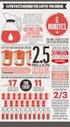 Alcohol Facts and Statistics Alcohol Use in the United States: Prevalence of Drinking: In 2012, 87.6 percent of people ages 18 or older reported that they drank alcohol at some point in their lifetime;
Air Quality Appraisal Damage Cost Methodology
 www.defra.gov.uk Air Quality Appraisal Damage Cost Methodology Interdepartmental Group on Costs and Benefits, Air Quality Subject Group February 2011 Damage costs are one way of approximating the impacts
Specialty Excellence Award and America s 100 Best Hospitals for Specialty Care 2013-2014 Methodology Contents
 Specialty Excellence Award and America s 100 Best Hospitals for Specialty Care 2013-2014 Methodology Contents Introduction... 2 Specialty Excellence Award Determination... 3 America s 100 Best Hospitals
Population, Health, and Human Well-Being-- Benin
 Population, Health, and Human Well-Being-- Benin Demographic and Health Indicators Benin Sub- Saharan Africa World Total Population (in thousands of people) 1950 2,046 176,775 2,519,495 2002 6,629 683,782
New Zealand mortality statistics: 1950 to 2010
 Contents New Zealand mortality statistics: 1950 to 2010 Purpose 1 Overview of mortality in New Zealand 2 Deaths, raw numbers and age-standardised rates, total population, 1950 to 2010 2 Death rates from
BACKGROUND MEDIA INFORMATION Fast facts about liver disease
 BACKGROUND MEDIA INFORMATION Fast facts about liver disease Liver, or hepatic, disease comprises a wide range of complex conditions that affect the liver. Liver diseases are extremely costly in terms of
JAMAICA. Recorded adult per capita consumption (age 15+) Last year abstainers
 JAMAICA Recorded adult per capita consumption (age 15+) 6 5 Litres of pure alcohol 4 3 2 Beer Spirits Wine 1 1961 1965 1969 1973 1977 1981 1985 1989 1993 1997 21 Sources: FAO (Food and Agriculture Organization
Outdoor Air Pollution and Health in the Developing Countries of Asia: A Comprehensive Review
 S P E C I A L R e p o r t 18 H E A L T H E F F E CTS IN STITUTE November 2010 Outdoor Air Pollution and Health in the Developing Countries of Asia: A Comprehensive Review HEI International Scientific Oversight
Leanne M Poulos Patricia K Correll Brett G Toelle Helen K Reddel Guy B Marks Woolcock Institute of Medical Research, University of Sydney, NSW
 Lung disease in Australia Leanne M Poulos Patricia K Correll Brett G Toelle Helen K Reddel Guy B Marks Woolcock Institute of Medical Research, University of Sydney, NSW Prepared for Lung Foundation Australia
Methodology Understanding the HIV estimates
 UNAIDS July 2014 Methodology Understanding the HIV estimates Produced by the Strategic Information and Monitoring Division Notes on UNAIDS methodology Unless otherwise stated, findings in this report are
1.14 Life expectancy at birth
 1.14 Life expectancy at birth The life expectancy of Aboriginal and Torres Strait Islander males and females for a given period Data sources Life expectancy estimates presented in this measure are from
FACT SHEET PROPOSED MERCURY AND AIR TOXICS STANDARDS
 FACT SHEET PROPOSED MERCURY AND AIR TOXICS STANDARDS ACTION On March 16, 2011, the Environmental Protection Agency (EPA) issued a proposed rule that would reduce emissions of toxic air pollutants from
Non-response bias in a lifestyle survey
 Journal of Public Health Medicine Vol. 19, No. 2, pp. 203-207 Printed in Great Britain Non-response bias in a lifestyle survey Anthony Hill, Julian Roberts, Paul Ewings and David Gunnell Summary Background
About Pure Earth and the Toxic Site Identification Program
 About and the Toxic Site Identification Program is a New York based not-for-profit organization that partners with governments, NGOs and community groups to solve life-threatening pollution problems in
Top 5 Leading Causes of Death
 Top 5 Leading Causes of Death May 2014 1100 Graham Road Circle Stow, Ohio 44224 (330) 926-5764 Introduction The top 5 causes of death is an important indicator in determining where to focus prevention
IV. DEMOGRAPHIC PROFILE OF THE OLDER POPULATION
 World Population Ageing 195-25 IV. DEMOGRAPHIC PROFILE OF THE OLDER POPULATION A. AGE COMPOSITION Older populations themselves are ageing A notable aspect of the global ageing process is the progressive
Chapter 4. Priority areas in health research. Section 1 Burden of disease 1998 in low- and middle-income and in high-income countries
 Chapter 4 Priority areas in health research Section 1 Burden of disease 1998 in low- and middle-income and in high-income countries Section 2 Recommendation of priority research areas from various approaches