
Kasey Crosby and Kathy Dexter, MLS, MHA, MPA, PA-C
|
|
|
- Horace Sparks
- 9 years ago
- Views:
Transcription
1 Kasey Crosby and Kathy Dexter, MLS, MHA, MPA, PA-C June 11, 2013 Clinical Feature Download: Figure 1. Diagnosis & treatment algorithm for PUD To start this activity, click Begin at the bottom of this page Release Date: June 2013 Expiration Date: June 2014 Estimated time to complete the educational activity: 0.50 hours Program Description: From the June 2013 issue of The Clinical Advisor: Clinical evaluation of Clinical evaluation of peptic ulcer disease peptic ulcer disease. Most often caused by use of nonsteroidal anti-inflammatory drugs or bacterial infection, peptic ulcer disease usually presents as epigastric pain. Target Audience: This activity has been designed to meet the educational needs of nurses, nurse practitioners and physician assistants. Activity Objectives: After completing the activity, the participant should be better able to: Explain the factors associated with the development of peptic ulcer disease. Describe in which patients a test and treat approach can be used. Name the medication that should not be given for up to two weeks prior to performing a rapid urease test. Identify the medication used in first-line triple therapy in non-penicillin-allergic patients with Helicobacter pylorirelated ulcers. Credits Type Accredition Statement Designation Statement 0.50 AAPA Category I CME Credit This program was planned in accordance with AAPA's CME Standards for Enduring Material Programs and for Commercial Support of Enduring Material Programs. This program has been reviewed and is approved for a maximum of 0.50 hours of AAPA Category I CME credit by the Physician Assistant Review Panel. Approval is valid for one year from the issue date of June Participants may submit the self-assessment at any time during that period.

2 0.50 CE for Nurses Nurse Practitioner Associates for Continuing Education (NPACE) is accredited as a provider of continuing nursing education by the American Nurses Credentialing Center's Commission on Accreditation. NPACE designates this educational activity for a maximum of 0.50 contact hours of credit. Participants should only claim credit commensurate with the extent of their participation in the activity. Faculty: Kathy Dexter, MLS, MHA, MPA, PA-C Assistant professor and clinical director Physician Assistants Program Georgia Regents University Augusta, Georgia Kasey Crosby Student Physician Assistants Program Georgia Regents University Augusta, Georgia Disclosures: The authors have no relationships to disclose relating to the content of this article. Accredited Provider: Nurse Practitioner Associates for Continuing Education and American Academy of Physician Assistants CME credit earned by Physician Assistants on mycme.com or through The Clinical Advisor is provided by Haymarket Medical. That is the name you should search for when entering your information on the NCCPA site. Method of Participation: There are no fees for participating in and receiving CME credit for this activity. During the period June 2013 through June 2014, participants must: 1) read the learning objectives and faculty disclosures, 2) study the educational activity, 3) complete the posttest and submit it online. A statement of credit will be issued only upon receipt of a completed activity evaluation form and a completed post-test with a score of 70% or better. HOW TO TAKE THE POST-TEST: Click here after reading the article to take the post-test on mycme.com. Peptic ulcer disease (PUD) is a common disorder in the United States, with approximately 500,000 new cases diagnosed each year and 4 million cases of ulcer recurrence. 1 Complications related to PUD cause nearly 15,000 deaths annually. 2 Men are affected slightly more often than women, and although peptic ulcers can occur at any age, individuals aged 30 years

3 to 55 years are more likely to have duodenal ulcers, whereas gastric ulcers occur most often between age 55 years and age 70 years. 1 A peptic ulcer is defined as a disruption in the mucosa of the stomach or duodenum >5 mm in diameter and extending to the submucosa. 1-3 Peptic ulcers occur when there is an imbalance between the protective factors of the mucosa and such aggressive factors as acid and pepsin. 1-3 The majority of ulcers are located in the duodenum, and approximately 90% occur within 3 cm of the pylorus. 1,2 Approximately 90% of PUD cases are caused by Helicobacter pylori infection or nonsteroidal anti-inflammatory drug (NSAID) use. 1,4,5 H. pylori, a gram-negative bacteria, is able to withstand the acidic conditions in the stomach by using urease to produce ammonia. 2,3 This bacteria causes several changes in its host that lead to ulcer development, including activation of the inflammatory response, increase in gastric-acid secretion, and impairment in the mucosal defense system. 5 H. pylori infection is relatively common, with more than 50% of people worldwide being infected; ulcer development occurs in 5% to 10% of these cases. 3 H. pylori is present in 75% to 90% of individuals with duodenal ulcers. 1 Although H. pylori is only able to colonize gastric epithelial cells, excess secretion of gastric acid causes gastric metaplasia in the duodenal bulb, which enables duodenal colonization. 3 The prevalence of H. pylori tends to be higher in developing countries; the United States has a prevalence of approximately 30%. 2 Predisposing factors for H. pylori infection include poor socioeconomic status, less education, crowded or unclean living conditions, unsanitary food or water, and exposure to gastric contents of an individual infected with H. pylori. 2 NSAIDs, including aspirin, are associated with an increased risk of gastric and duodenal mucosal injury (e.g., erosions, ulcers, and ulcer complications). Studies have shown that 15% to 30% of patients using NSAIDs have ulcers, and clinically significant ulcers and ulcer complications are present in 3% to 4.5% of NSAID users. 5 Furthermore, NSAID users have been found to have a fourfold increased risk of ulcer complications, and patients who take low-dose aspirin have a twofold to threefold increased risk of ulcer bleeding. 3 It has been shown that NSAID users who are also infected with H. pylori are at increased risk for PUD. 3,4 NSAIDs decrease inflammation through the inhibition of prostaglandins. 4 Nonselective NSAIDs accomplish this by inhibiting COX-1 and COX-2 enzymes. 1 Mucosal damage results mainly from COX-1 inhibition, which is involved in mucosal defense, and inhibition of thromboxane A2, which causes bleeding. 5 This knowledge led to the development of COX-2-selective NSAIDs, which are associated with a decreased risk of ulcers and ulcer complications. 3,5 However, COX-2-selective NSAIDs are associated with an increased risk of cardiovascular complications. 1 Although H. pylori and NSAID use are the most common causes of PUD, clinicians must be aware of other potential causes, including acid hypersecretory states, cytomegalovirus, Crohn's disease, lymphoma, medications, and such chronic medical illnesses as cirrhosis and chronic kidney disease. 1 The cause of some ulcers remains unknown. Additional contributory factors associated with PUD include stress, cigarette smoking, alcohol use, lower socioeconomic status, and genetics. 2,5,6 Epigastric pain is the characteristic symptom associated with PUD. 1,3 A review of 30 studies found that abdominal pain and epigastric pain were the most common symptoms associated with PUD, with each occurring in 81% of study participants. 7 Patients may describe the pain as gnawing, dull, aching, or hunger-like. 1

4 Pain relief following the intake of food or antacids and the return of pain during the fasting state and/or pain during the night that awakens the individual is reported in some cases, especially in those with duodenal ulcers. 3,5 Such symptoms as fullness, bloating, early satiety, and nausea may also be seen in patients with PUD. 3 Although less common, weight loss and vomiting may be associated with gastric ulcers as well. 1,5 The majority of individuals with PUD go through periods of waxing and waning pain, during which time they will be symptomatic for as long as several weeks followed by pain-free periods ranging from months to years. 1 Chronic ulcers, particularly those caused by NSAID use, may be present without any symptoms. 3 Such complications as upper GI bleeding or perforation may be the first indication of PUD in these indivuduals. 3 Interestingly, age may impact clinical presentation. Several studies have found that younger patients more often reported abdominal pain, whereas bleeding was more common in older individuals. 7 In addition to the signs and symptoms noted above, several other components of the patient history may lead to the diagnosis of PUD. For example, the patient may report a history of cigarette smoking: Ulcers and ulcer complications have been found to occur more frequently in smokers, and smoking has been found to have a negative effect on ulcer healing rates and responsiveness to therapy. 2 A positive family history of PUD may be present. First-degree relatives of patients with duodenal ulcers have an increased likelihood of ulcer development exists in. 2 Other contributory factors associated with PUD include alcohol use, psychological stress, decreased prostaglandin levels associated with aging, and use of such medications as bisphosphonates, potassium chloride, and immunosuppressants. 5 Such diseases as systemic mastocytosis, chronic pulmonary disease, chronic renal failure, cirrhosis, nephrolithiasis, and alpha 1 antitrypsin deficiency are strongly associated with PUD as well and may be part of the patient's medical history. 2 In the absence of ulcer-related complications, the physical exam of an individual with PUD may be completely normal. 1 The most common exam finding in patients with PUD is epigastric tenderness to palpation. 2 Some patients will have a positive fecal occult blood test or fecal immunochemical test. 1 Bleeding, perforation, penetration, and obstruction are the four major complications associated with PUD, and it is important to be familiar with the clinical presentation of each. 1,8 The most common complication is GI hemorrhage. 3,8 Potentially life-threatening bleeding occurs in up to 15% of PUD patients, and ulcer bleeding is associated with a 7% overall mortality rate. 1,8 Bleeding is more common in NSAID-related ulcers, and elderly patients and those with other comorbidities are most at risk. 1,8 Patients may present with melena, hematemesis, or hematochezia, all of which should be treated as an emergency situation. 1,8 A complete blood count (CBC) may reveal anemia due to blood loss. 5 Perforation of the GI wall can cause contents to spill into the abdominal cavity, possibly leading to acute peritonitis. 8 Patients may present with severe abdominal pain of sudden onset. Physical exam may reveal a rigid abdomen and rebound tenderness, and lab results are typically positive for leukocytosis. 1 Another complication of PUD is ulcer penetration into such nearby structures as the pancreas, liver, and biliary tree. The patient history may include a change in the typical pattern and intensity of symptoms. The clinician should consider ulcer penetration if severe, constant pain is reported in conjunction with radiating pain to the back. 1 Gastric-outlet obstruction can occur when swelling and scarring from peptic ulcers causes narrowing of the duodenum. 1,8 The patient may report early satiety, vomiting, and weight loss, and a succussion splash may be audible in the epigastrium on

5 physical examination. 1 Alarm features of dyspepsia include age greater than 55 years with new-onset disease, family history of upper-gi cancer, weight loss, GI bleeding, dysphagia, odynophagia, iron-deficiency anemia, persistent vomiting, palpable mass or lymphadenopathy, and jaundice (Table 1). 9 Table 1. Alarm features requiring endoscopy Age >55 years with new-onset dyspepsia Family history of upper-gi cancer Weight loss GI bleeding Dysphagia Odynophagia Iron-deficiency anemia Persistent vomiting Palpable mass or lymphadenopathy Jaundice Source: Talley NJ et al. American Gastroenterological Association technical review on the evaluation of dyspepsia. Gastroenterology. 2005;129: If the patient is aged 55 years or younger and does not exhibit any alarm features, the American Gastroenterological Association (AGA) recommends a test and treat approach (download Figure 1), 10 which involves using such noninvasive tests as the urea breath test, stool antigen test, and serologic testing to detect possible H. pylori infection. 5 If one of these tests is positive, the patient is treated for H. pylori infection without having to undergo endoscopy, which proves to be both cost-effective and less invasive for the patient. 5 A study found the AGA's recommended approach to be just as effective and safe as prompt endoscopy in the management of dyspeptic patients in the primary-care setting, with only 33% of patients requiring endoscopy following the test-and-treat method. 11 The decision as to which noninvasive test is most appropriate depends on the prevalence of H. pylori in the area, the clinical setting, and the individual patient. 5 Since serology testing for anti-h. pylori antibody cannot make the distinction between an active and past infection, the urea breath test or stool antigen test are recommended as initial diagnostic studies. 5,10

6 While commonly used, the test-and-treat method is not always necessary. If the prevalence of H. pylori infection in a particular area is <5% and the patient is aged 55 years or younger with no alarm features, it is recommended that empiric proton pump inhibitor (PPI) therapy be started first, as testing for H. pylori is unlikely to be beneficial. 10 However, the decision as to whether to test for H. pylori first or treat empirically with PPI therapy depends on the prevalence of H. pylori in the area as well as patient and provider preferences. 12 Patients older than age 55 years or those of any age with alarm features should undergo upper GI endoscopy first. 9 Endoscopy enables direct visualization of the mucosa and is the most sensitive and specific test. 2 Endoscopy also allows a tissue sample to be obtained for biopsy to rule out malignancy in cases of gastric ulcers or to detect H. pylori infection using the rapid urease test. 1,2,5 In addition, endoscopy can determine whether blood loss is attributable to a bleeding ulcer. 2 A benign-appearing ulcer on endoscopy requires no further endoscopic testing as long as the biopsy results are negative for malignancy, dysplasia, and atypical cells. If biopsy results are positive, however, a second endoscopy should be performed 12 weeks after initiation of treatment to ensure proper healing. If the ulcer is not healing as it should, malignancy should be considered. 1 Patients who are suspected of having such ulcer-related complications as perforation, penetration, or obstruction should undergo an abdominal CT scan. Although laboratory testing is typically normal in uncomplicated PUD, a CBC is useful in detecting anemia or leukocytosis, which may indicate the presence of ulcer complications. 1 When testing for H. pylori, it is important to keep in mind that PPIs impede urease activity and can affect the results of the rapid urease test, the stool antigen test, and the urea breath test. 1,5 PPIs should be withheld at least two weeks prior to performing these tests. 12 Because bleeding reduces the sensitivity of invasive tests, an endoscopic rapid urease test and histologic testing should be performed in conjunction with the urea breath test in patients with actively bleeding ulcers. 5 Dyspepsia is the most common symptom in PUD, occurring in 80% to 90% of patients. 1,3,12 However, dyspepsia can occur in other diseases as well, causing these conditions to present similarly to PUD. Gastroesophageal reflux disease (GERD). Epigastric pain or discomfort may occur in individuals with GERD. 12 Although 20% of dyspeptic patients have GERD, other symptoms are much more common in the presentation of this disorder, including heartburn and regurgitation. 1,12 GERD is associated with two patterns of reflux: upright and supine. Upright reflux occurs during the daytime, is commonly characterized by postprandial heartburn, and may be accompanied by regurgitation. Supine reflux typically occurs at night when the individual is lying down. 12 In most cases, GERD is clinically diagnosed using the patient history. Although it can present similarly to PUD with such symptoms as dyspepsia, GERD is the most likely diagnosis if the predominant symptom is heartburn. 1,12 Functional dyspepsia. Functional (or nonulcer) dyspepsia is defined as dyspepsia lasting for at least three months without any organic, systemic, or metabolic cause. 10,12,13 Up to 60% of patients with dyspepsia have functional dyspepsia, making this condition more common than dyspepsia attributable to organic causes. 10,13 Since functional dyspepsia is a diagnosis of exclusion, a definitive diagnosis should not be made until an endoscopy is performed and at least six months have passed since the initial onset of symptoms. 13 Although the exact pathophysiologic mechanisms involved in functional dyspepsia remain unclear, possible contributory factors include genetics, psychosocial

7 distress, and alterations in GI motor and sensory function. 10,13 Some patients with dyspepsia may be infected with H. pylori in the absence of peptic ulcers or other endoscopic findings and are therefore considered to have functional dyspepsia. 10 It is recommended that these patients undergo anti-h. pylori therapy. 10,13 Gastric cancer. Gastric cancer is found in only 1% of individuals with dyspepsia and is uncommon in patients with uncomplicated dyspepsia who are younger than age 55 years. 1,12 Most patients with gastric cancer will present with such symptoms as anorexia, early satiety, and weight loss. 14 Anorexia may be present in patients with gastric ulcers, but individuals with uncomplicated PUD typically do not experience significant weight loss. 1 An upper GI endoscopy can be performed to rule out malignancy and should be ordered if any alarm features are present. 1,2,12 Food and medications. Eating too fast or overeating can cause indigestion that can manifest as dyspepsia. 1 High-fat foods, alcohol, and coffee also can cause indigestion. 2 A number of medications may also lead to dyspepsia, including NSAIDs, calcium antagonists, bisphosphonates, steroids, theophyllines, and nitrates. 1,12,13 Food or medication intolerances can usually be diagnosed with a thorough patient history. The goals of PUD treatment and the treatment regimen depend on the etiologic agent involved in the disease process. Ulcers that are not caused by H. pylori infection can be treated with four to eight weeks of PPI therapy (Table 2). 5,9 Uncomplicated duodenal ulcers can be treated with a PPI for four weeks, while uncomplicated gastric ulcers require eight weeks of therapy. 1,5 Table 2. Treatment for ulcers not related to H. pylori infection Uncomplicated ulcers: PPI therapy - Duodenal ulcers: four weeks - Gastric ulcers: eight weeks OR H 2 -receptor antagonist therapy - Duodenal ulcers: six weeks - Gastric ulcers: eight weeks Complicated ulcers PPI therapy Discontinue NSAID therapy, if possible If patient must continue NSAID therapy: - PPI once daily with NSAID therapy OR - Substitute COX-2 inhibitor for nonselective NSAID OR - Misoprostol (Cytotec) with NSAID therapy

8 Refractory ulcers confirmed on endoscopy: If negative for H. pylori, NSAID use, or other conditions, consider an additional six to eight weeks b.i.d. PPI therapy. Source: McQuaid KR. Gastrointestinal disorders. In: SJ McPhee, MA Papadakis, MW Rabow, eds. Current Medical Diagnosis & Treatment. New York, N.Y.: The McGraw-Hill Companies, Inc.; 2011: , The six PPIs currently on the market are omeprazole (Prilosec), rabeprazole (AcipHex), esomeprazole (Nexium), lansoprazole (Prevacid), dexlansoprazole (Dexilant), and pantoprazole (Protonix), and each is equally effective in treating PUD. 1 As stated previously, individuals in areas where H. pylori prevalence is <5% may be started on empiric PPI therapy without undergoing H. pylori testing. 10 If the patient remains symptomatic after four to eight weeks of PPI therapy, an endoscopy and biopsy should be ordered. 12 The patient should be treated based on the endoscopic findings, including H. pylori eradication therapy if positive for infection. 12 If the patient is H. pylori negative, has a negative endoscopy, and continues to be symptomatic despite PPI therapy, consider other disorders that may present similarly to PUD. 10,12 H 2 receptor antagonists inhibit nocturnal acid secretion and can also be used in the treatment of PUD but require more time to provide pain relief and ulcer healing than do PPIs. Four H 2 receptor antagonists are currently on the market: cimetidine (Tagamet), ranitidine (Tritec, Zantac), famotidine (Fluxid, Pepcid), and nizatidine (Axid). Uncomplicated duodenal ulcers can be treated with an H 2 receptor antagonist for six weeks, and uncomplicated gastric ulcers require eight weeks of treatment. In cases of complicated ulcers, PPIs are preferred over H 2 receptor antagonists. 1 NSAID use should be discontinued in patients with NSAID-related ulcers whenever possible. 1,13 If NSAID therapy cannot be discontinued, the addition of a once-daily PPI is recommended. 1,12 This concomitant treatment results in healing of duodenal ulcers after four weeks and of gastric ulcers after six to eight weeks. 5 Another option is to replace a nonselective NSAID with a COX-2 inhibitor, a selective NSAID that is associated with a decreased incidence of ulcers. 1,12,13 The mucosal protective agent misoprostol (Cytotec) can also be administered simultaneously with NSAID treatment to reduce the risk of ulcer complications. 1,13 In the case of a refractory ulcer, in which the patient has a confirmed ulcer on endoscopy and remains symptomatic after treatment with a PPI or H 2 receptor antagonist, H. pylori infection or surreptitious NSAID or aspirin use must be ruled out. Since the sensitivity of H. pylori tests are less than 100%, it is possible that the infection was originally missed due to a falsenegative result. 3 Such other ulcer-causing conditions as Zollinger-Ellison syndrome should be ruled out as well. 3,5 If the patient is confirmed to be negative for H. pylori infection and other conditions, an additional six to eight weeks of b.i.d. PPI therapy may be needed. 5 In cases of H. pylori-related PUD, the goal of treatment is to eradicate the bacteria. The standard first-line treatment is triple therapy consisting of a PPI b.i.d., clarithromycin (Biaxin) 500 mg b.i.d., and amoxicillin 1 g b.i.d. for seven to 14 days (Table 3). 1,5,10 Table 3. Treatment of H. pylori related ulcers

9 First-line triple therapy: PPI b.i.d., clarithromycin (Biaxin) 500 mg b.i.d., and amoxicillin 1 g b.i.d. for seven to 14 days Penicillin allergy: substitute metronidazole (Flagyl) 500 mg b.i.d. Second-line quadruple therapy: PPI b.i.d.; bismuth subsalicylate 120 mg four times daily; tetracycline 500 mg four times daily; and metronidazole 250 mg four times daily or 500 mg three times daily for at least seven days Confirm successful eradication with H. pylori testing four to eight weeks after therapy and at least two weeks after PPI therapy. After H. pylori is eradicated, additional PPI therapy may be needed: Ulcers >1 cm or ulcer complications: PPI once daily for two to four weeks (duodenal ulcers) or four to six weeks (gastric ulcers) If patient continues to be symptomatic: four-week course of PPI therapy Source: McQuaid KR. Gastrointestinal disorders. In: SJ McPhee, MA Papadakis, MW Rabow, eds. Current Medical Diagnosis & Treatment. New York, N.Y.: The McGraw-Hill Companies, Inc.; 2011: , Amoxicillin is preferred over metronidazole (Flagyl) because more bacterial strains are resistant to metronidazole. 1,5 In cases of penicillin allergy, however, metronidazole 500 mg b.i.d. can be substituted. 1,5 H. pylori infection is successfully eliminated in 70% to 95% of patients using the triple therapy regimen. 5 Although seven, 10-, and 14-day regimens are all effective, 10-day and 14-day regimens have been found to be 7% to 9% more effective in the eradication of H. pylori and are therefore preferred. 5,10 In cases of treatment failure, commonly due to poor patient compliance or bacterial resistance, second-line quadruple therapy consisting of a PPI b.i.d., bismuth subsalicylate 120 mg four times daily, tetracycline (Sumycin) 500 mg four times daily, and metronidazole 250 mg four times daily or 500 mg three times daily for at least seven days can be used. 5 Following successful treatment and eradication of H. pylori, ulcers are usually adequately healed and recurrence rates decreased, particularly in the absence of NSAID or aspirin use. 5 All patients should undergo H. pylori testing four to eight weeks after therapy to confirm successful eradication. 1,5 While confirmation can be done using the urea breath test, stool antigen test, or endoscopy with biopsy, the urea breath test is the preferred method. 1,5 Make sure the patient has not taken PPIs within two weeks of H. pylori testing. 12 Some cases may require additional PPI therapy after completion of eradication therapy. Patients with ulcers >1 cm or those with ulcer complications should remain on a once-daily PPI for two to four weeks for duodenal ulcers or four to six weeks for gastric ulcers. 1,5 If symptoms continue after the infection is eradicated, a four-week course of PPI therapy should be prescribed. 9,10 An endoscopy should be ordered if symptoms persist after H. pylori eradication therapy and PPI therapy, and endoscopic findings should determine subsequent treatment. 12 PUD is a common disorder most often caused by H. pylori infection and NSAID use. Contributory factors associated with PUD include stress, cigarette smoking, alcohol use, lower socioeconomic status, and genetics.

10 0 The clinical presentation of PUD most commonly includes epigastric pain with such symptoms as fullness, bloating, early satiety, and nausea also occurring in some patients. Other patients may be asymptomatic, especially those with chronic ulcers. Although the physical exam is usually normal in an individual with PUD, epigastric tenderness may be present. Other diseases can present similarly to PUD, and a thorough history, a physical exam, and appropriate diagnostic testing can aid in ruling these out. Diagnostic testing is determined by the patient's age and the presence or absence of alarm features. Treatment is dependent on the cause of PUD. Non-H. pylori-related cases should be treated with either PPI or H 2 receptor antagonist therapy. H. pylori related PUD requires triple therapy that includes antibiotics and a PPI. Additional PPI therapy may be needed in some cases. Such complications as GI bleeding, perforation of the GI wall, organ penetration, and gastric outlet obstruction have been found to occur in some cases of PUD. Kasey Crosby is a student in her clinical year in the physician assistant program at Georgia Regents University in Augusta, where Kathy Dexter, MLS, MHA, MPA, PA-C, is an assistant professor and clinical director McQuaid KR. Gastrointestinal disorders. In: SJ McPhee, MA Papadakis, MW Rabow, eds. Current Medical Diagnosis & Treatment. New York, N.Y.: The McGraw-Hill Companies, Inc.; 2011: , Del Valle J. Peptic ulcer disease and related disorders. In: Longo DL, Fauci AS, Kasper DL, et al, eds. Harrison's Principles of Internal Medicine. 18th ed. New York, N.Y.: The McGraw-Hill Companies, Inc.; 2012:2438. Malfertheiner P, Chan FK, McColl KE. Peptic ulcer disease. Lancet 2009;374: Gustafson J, Welling D. No acid, no ulcer 100 years later: a review of the history of peptic ulcer disease. J Am Coll Surg. 2010;210: Yuan Y, Padol IT, Hunt RH. Peptic ulcer disease today. Nat Clin Pract Gastroenterol Hepatol. 2006;3: Rosenstock SJ, Jørgensen T, Bonnevie O, Andersen LP. Does Helicobacter pylori infection explain all socio-economic differences in peptic ulcer incidence? Genetic and psychosocial markers for incident peptic ulcer disease in a large cohort of Danish adults. Scand J Gastroenterol. 2004;39: Barkun A, Leontiadis G. Systematic review of the symptom burden, quality of life impairment and costs associated with peptic ulcer disease. Am J Med. 2010;123: Milosavljevic T, Kosti c-milosavljevi c M, Jovanovi c I, Krsti c M. Complications of peptic ulcer disease. Dig Dis. 2011;29: Talley NJ, Vakil NB, Moayyedi P. American Gastroenterological Association technical review on the evaluation of dyspepsia. Gastroenterology. 2005;129: Talley NJ. American Gastroenterological Association medical position statement: evaluation of dyspepsia. Gastroenterology. 2005;129: Arents NL, Thijs JC, van Zwet AA, et al. Approach to treatment of dyspepsia in primary care: a randomized trial comparing test-and-treat with prompt endoscopy. Arch Intern Med. 2003;163: Available at archinte.jamanetwork.com/article.aspx?articleid= Harmon RC, Peura DA. Evaluation and management of dyspepsia. Therap Adv Gastroenterol. 2010;3: Available at Summers A, Khan Z. Managing dyspepsia in primary care. Practitioner. 2009;253: Cornett PA, Dea TO. Cancer. In: SJ McPhee, MA Papadakis, MW Rabow, eds. Current Medical Diagnosis & Treatment. New York, N.Y.: The McGraw-Hill Companies, Inc.; 2011: All electronic documents accessed June 10, From the June 2013 Issue of Clinical Advisor» This material may not be published, broadcast, rewritten or redistributed in any form without prior authorization. Your use of

11 1 this website constitutes acceptance of Haymarket Media's Privacy Policy and Terms & Conditions

National Digestive Diseases Information Clearinghouse
 Gastritis National Digestive Diseases Information Clearinghouse U.S. Department of Health and Human Services NATIONAL INSTITUTES OF HEALTH What is gastritis? Gastritis is a condition in which the stomach
Digestive System (continued) Digestive System. Stomach. Peptic Ulcer Disease
 Digestive System Digestive System (continued) Responsible for breaking down food, absorbing nutrients, eliminating wastes Alimentary canal Also known as gastrointestinal tract Reaches from mouth to anus
NSAIDs and Peptic Ulcers
 NSAIDs and Peptic Ulcers National Digestive Diseases Information Clearinghouse U.S. Department of Health and Human Services NATIONAL INSTITUTES OF HEALTH What is a peptic ulcer? A peptic ulcer is a sore
What can I eat? Peptic ulcers. What are peptic ulcers? What tests are needed? Will the ulcer come back? What causes a peptic ulcer?
 In association with: INFORMATION ABOUT Peptic ulcers www.corecharity.org.uk What are peptic ulcers? What causes a peptic ulcer? How are NSAIDs and aspirin involved? How do I know if I ve got an ulcer?
Medical Nutrition Therapy for Upper Gastrointestinal Tract Disorders. By: Jalal Hejazi PhD, MSc.
 Medical Nutrition Therapy for Upper Gastrointestinal Tract Disorders By: Jalal Hejazi PhD, MSc. Digestive Disorders Common problem; more than 50 million outpatient visits per year Dietary habits and nutrition
GASTROESOPHAGEAL REFLUX DISEASE (GERD)
 GASTROESOPHAGEAL REFLUX DISEASE (GERD) Gastroesophageal reflux disease is a clinical scenario where the gastric or duodenal contents reflux back up into the esophagus. Reflux esophagitis, however, is a
A. Ketorolac*** B. Naproxen C. Ibuprofen D. Celecoxib
 1. A man, 66 years of age, with a history of knee osteoarthritis (OA) is experiencing increasing pain at rest and with physical activity. He also has a history of depression and coronary artery disease.
Peptic Ulcer. Anatomy The stomach is a hollow organ. It is located in the upper abdomen, under the ribs.
 Peptic Ulcer Introduction A peptic ulcer is a sore in the lining of your stomach or duodenum. The duodenum is the first part of your small intestine. Peptic ulcers may also develop in the esophagus. Nearly
Peptic Ulcer Disease and Dyspepsia. John M. Inadomi, MD Professor of Medicine UCSF Chief, Clinical Gastroenterology San Francisco General Hospital
 Peptic Ulcer Disease and Dyspepsia John M. Inadomi, MD Professor of Medicine UCSF Chief, Clinical Gastroenterology San Francisco General Hospital Case History 49 y/o woman complains of several months of
What is Helicobacter pylori? The Life Cycle (Pathogenesis) of Helicobacter pylori
 Helicobacter pylori Source: http://www.medicaltribune.net/put/default.htm Source: http://www.shef.ac.uk/mbb/academic/staff/djk010.gif What is Helicobacter pylori? Helicobacter pylori (H. pylori) are a
understanding GI bleeding
 understanding GI bleeding a consumer education brochure American College of Gastroenterology 4900B South 31st Street, Arlington, VA 22206 703-820-7400 www.acg.gi.org American College of Gastroenterology
American College of Gastroenterology Guideline on the Management of Helicobacter pylori Infection
 American Journal of Gastroenterology ISSN 0002-9270 C 2007 by Am. Coll. of Gastroenterology doi: 10.1111/j.1572-0241.2007.01393.x Published by Blackwell Publishing American College of Gastroenterology
Is H. pylori infection...
 Is H. pylori infection... the culprit behind your stomach symptoms? What s really going on in your stomach? You may often have stomach symptoms that you blame on certain foods or stress. You may take over-the-counter
CMAJ JAMC. An evidence-based approach to the management of uninvestigated dyspepsia in the era of Helicobacter pylori
 CANADIAN M EDICAL A SSOCIATION J OURNAL J OURNAL DE L ASSOCIATION MÉDICALE CANADIENNE CMAJ JAMC Return to June 13, 2000 Table of Contents An evidence-based approach to the management of uninvestigated
Acute Abdominal Pain following Bariatric Surgery. Disclosure. Objectives 8/17/2015. I have nothing to disclose
 Acute Abdominal Pain following Bariatric Surgery Kathy J. Morris, DNP, APRN, FNP C, FAANP University of Nebraska Medical Center College of Nursing Disclosure I have nothing to disclose Objectives Pathophysiology
Gastrointestinal Bleeding
 Gastrointestinal Bleeding Introduction Gastrointestinal bleeding is a symptom of many diseases rather than a disease itself. A number of different conditions can cause gastrointestinal bleeding. Some causes
Doctor my belly hurts, what s wrong?
 Doctor my belly hurts, what s wrong? Luis Rivero Pinelo MD, LMCC, CCFP, FCFP, Fellow SRPC, CSPQ Shawville - Quebec Clinical Case 1 42 year old male with 1 year history of intermittent pain in the upper
National Digestive Diseases Information Clearinghouse
 Barrett s Esophagus National Digestive Diseases Information Clearinghouse U.S. Department of Health and Human Services NATIONAL INSTITUTES OF HEALTH What is Barrett s esophagus? Barrett s esophagus is
What are peptic ulcers?
 Information about Peptic ulcers www.corecharity.org.uk What are the symptoms? What are the causes? What are peptic ulcers? When should I consult a doctor? What will the doctor do? How should I treat peptic
Upper Gastrointestinal Tract KNH 406
 Upper Gastrointestinal Tract KNH 406 Upper GI A&P GI tract long tube ~ 15 ft. Upper GI mouth, pharynx, esophagus, stomach Accessory organs pancreas, biliary system, liver Four basic functions: motility,
Association between Proton Pump Inhibitors and Clostridium difficile
 Association between Proton Pump Inhibitors and Clostridium difficile Lauren Petrik and Nicholas Hellebusch, Pharm.D. Candidates 2013, Tatum Mead, Pharm.D. UMKC School of Pharmacy Clostridium difficile,
BYE-BYE, PPI. A toolkit for deprescribing proton pump inhibitors in EMR-enabled primary care settings
 BYE-BYE, PPI. A toolkit for deprescribing proton pump inhibitors in EMR-enabled primary care settings version 1.0 Don t maintain long-term Proton Pump Inhibitor (PPI) therapy for gastrointestinal symptoms
Gastroesophageal Reflux Disease (GERD) and Barrett s Esophagus (BE)
 Gastroesophageal Reflux Disease (GERD) and Barrett s Esophagus (BE) Hashem El-Serag, M.D., M.P.H. Dan L. Duncan Professor of Medicine Chief, Gastroenterology and Hepatology Baylor College of Medicine Houston,
Figure 2: Recurrent chest pain of suspected esophageal origin
 Figure 2: Recurrent chest pain of suspected esophageal origin 1 patient with chest pain of suspected esophageal origin 2 history and physical exam. suggestive of n-esophageal etiology? 3 evaluate and treat
Public Assessment Report. Pharmacy to General Sales List Reclassification. Nexium Control 20mg Gastro-Resistant Tablets.
 Public Assessment Report Pharmacy to General Sales List Reclassification Nexium Control 20mg Gastro-Resistant Tablets (Esomeprazole) EMA Agency number: Pfizer Consumer Healthcare Ltd TABLE OF CONTENTS
American International Health Alliance
 Protocol for Diagnosis and Treatment of PEPTIC ULCER IN ADULTS American International Health Alliance Protocol for Diagnosis and Treatment of Peptic Ulcer in Adults This manual is made possible through
Gastroesophageal Reflux Disease
 3702 Timberline Rd 2555 East 13th St Suite 220 Ft.Collins, CO 80525 Loveland, CO 80537 82001 7251 W. 20th St Greeley, CO 80634 4108 Laramie Cheyenne, WY Gastroesophageal Reflux Disease Author(s): Peter
Treatments for Barrett s Oesophagus
 Treatments for Barrett s Oesophagus Introduction This leaflet describes the various ways in which Barrett s Oesophagus is treated. It has been produced in association with Heartburn Cancer UK (HCUK), a
What is Helicobacter pylori? hat problems can H. pylori cause? Does H. pylori cause cancer? ight H. pylori even be good for us?
 In association with: Primary Care Society for Gastroenterology INFORMATION ABOUT Helicobacter pylori? What is Helicobacter pylori? hat problems can H. pylori cause? Does H. pylori cause cancer? ight H.
Upper Endoscopy (EGD)
 Upper Endoscopy (EGD) Appointment Information: Patient Name: MRN: Physician Name: Location: _ For information on Directions, please visit: http://www.brighamandwomens.org/general/directions/directions.aspx
Figure 3: Dysphagia. 14 meets. esophageal. esophageal manometry +/- +/- impedance measurement. structural lesion? no. 19 yes
 Figure 3: Dysphagia 1 patient with dysphagia 2 history and physical exam. suggestive of nesophageal etiology? 3 evaluate and treat as as indicated 4 upper GI GI endoscopy with biopsies 15 achalasia, absent
PATIENTS AND METHODS
 symptoms 5. Heartburn is also common and the sufferers attribute symptoms to various lifestyle events, including diet and stress. In all these cases antacid usage is the commonest mode of therapy 6. Antacid
It s A Gut Feeling: Abdominal Pain in Children. David Deutsch, MD Pediatric Gastroenterology Rockford Health Physicians
 It s A Gut Feeling: Abdominal Pain in Children David Deutsch, MD Pediatric Gastroenterology Rockford Health Physicians Introduction Common Symptom Affects 10-15% of school-aged children Definition (Dr.
What is Barrett s esophagus? How does Barrett s esophagus develop?
 Barrett s Esophagus What is Barrett s esophagus? Barrett s esophagus is a pre-cancerous condition affecting the lining of the esophagus, the swallowing tube that carries foods and liquids from the mouth
COLORECTAL CANCER SCREENING
 COLORECTAL CANCER SCREENING By Douglas K. Rex, M.D., FACG & Suthat Liangpunsakul, M.D. Division of Gastroenterology and Hepatology, Department of Medicine Indiana University School of Medicine Indianapolis,
The Anorexic Cat For this reason, any cat that stops eating for any reason is considered an emergency situation.
 The Anorexic Cat Introduction Any cat that stops eating (anorexic) or begins to eat much less than their normal amount should be seen by a veterinarian right away. The primary reason why a cat stops eating
H. pylori Eradication Regimens
 H. pylori Eradication Regimens 1-2-3 Cured March 1999 Highlights H. pylori eradication drastically reduces ulcer recurrence in patients with duodenal or gastric ulcers. 7-day triple therapies with a proton
Use of stents in esophageal cancer" Hans Gerdes, M.D. Director, GI Endoscopy Unit Memorial Sloan-Kettering Cancer Center
 Use of stents in esophageal cancer" Hans Gerdes, M.D. Director, GI Endoscopy Unit Memorial Sloan-Kettering Cancer Center Features of esophageal cancer Esophageal cancer is an abnormal growth that arises
GI Bleed. Steven Lichtenstein, D.O. Chief, Division of Gastroenterology Mercy Health System. Director, Endoscopy/GI Lab Mercy Fitzgerald Hospital
 October 3, 2015 GI Bleed Steven Lichtenstein, D.O. Chief, Division of Gastroenterology Mercy Health System Director, Endoscopy/GI Lab Mercy Fitzgerald Hospital Clinical Associate Professor of Medicine
Chapter 6 Gastrointestinal Impairment
 Chapter 6 Gastrointestinal This chapter consists of 2 parts: Part 6.1 Diseases of the digestive system Part 6.2 Abdominal wall hernias and obesity PART 6.1: DISEASES OF THE DIGESTIVE SYSTEM Diseases of
Amylase and Lipase Tests
 Amylase and Lipase Tests Also known as: Amy Formal name: Amylase Related tests: Lipase The Test The blood amylase test is ordered, often along with a lipase test, to help diagnose and monitor acute or
Colocutaneous Fistula. Disclosures
 Colocutaneous Fistula Madhulika G. Varma MD Associate Professor Chief, Colorectal Surgery University of California, San Francisco Honoraria Applied Medical Covidien Disclosures 1 Colocutaneous Fistula
By Anne C. Travis, M.D., M.Sc. and John R. Saltzman, M.D., FACG Brigham and Women's Hospital Harvard Medical School Boston, MA
 SMALL BOWEL BLEEDING: CAUSES, DIAGNOSIS AND TREATMENT By Anne C. Travis, M.D., M.Sc. and John R. Saltzman, M.D., FACG Brigham and Women's Hospital Harvard Medical School Boston, MA 1. What is the small
GI Bleeding. Thomas S.Foster,Pharm.D. PHR 961 Integrated Therapeutics
 GI Bleeding Thomas S.Foster,Pharm.D. PHR 961 Integrated Therapeutics Overview Because GI bleeding is internal, it is possible for a person to have GI bleeding without symptoms. Important to recognize
Bile Duct Diseases and Problems
 Bile Duct Diseases and Problems Introduction A bile duct is a tube that carries bile between the liver and gallbladder and the intestine. Bile is a substance made by the liver that helps with digestion.
Celiac Disease. Donald Schoch, M.D. Ohio ACP Meeting October 17, 2014
 Celiac Disease Donald Schoch, M.D. Ohio ACP Meeting October 17, 2014 None to disclose Conflicts of Interest Format Present a case Do a pretest about the evaluation Review case Discuss the questions & answers
Medication Management Improvement System Protocol #4 Potentially Inappropriate Use of NSAIDs
 Medication Management Improvement System Protocol #4 Potentially Inappropriate Use of NSAIDs Problem: Use of Non-Steroidal Anti-Inflammatory Drugs (NSAIDs) in clients with any one of the following risk
WGO Practice Guideline: Helicobacter pylori in Developing Countries
 WGO Practice Guideline: Helicobacter pylori in Developing Countries Hp in Developing Countries 2 Review team Prof. R.H. Hunt, Chair (Canada) Prof. S.D. Xiao (China) Prof. F. Megraud (France) Prof. R. Leon-Barua
Inhibit terminal acid secretion from parietal cells by blocking H + /K + - ATPase pump
 Chris J. Taylor, Pharm.D., BCPS Clinical Pharmacist Phoenix VA Health Care System Review pharmacology of PPIs Discuss possible association between PPI use and development of the following: Pneumonia (community-acquired
11/10/2014. I have nothing to Disclose. Covered Stents discussed are NOT FDA approved for the indications covered in my presentation
 I have nothing to Disclose Ramsey Dallal, MD, FACS Vice Chair Department of Surgery Chief Bariatric i and Minimally i Invasive Surgery Einstein Healthcare Network Nemacolin, PA 2014 Covered Stents discussed
Learning Objectives. Introduction to Medical Careers. Vocabulary: Chapter 16 FACTS. Functions. Organs. Digestive System Chapter 16
 Learning Objectives Introduction to Medical Careers Digestive System Chapter 16 Define at least 10 terms relating to the digestive Describe the four functions of the digestive Identify different structures
Articles Presented. Journal Presentation. Dr Albert Lo. Dr Albert Lo
 * This presentation is prepared by the author in one s personal capacity for the purpose of academic exchange and does not represent the views of his/her organisations on the topic discussed. Journal Presentation
AORTOENTERIC FISTULA. Mark H. Tseng MD Brooklyn VA Hospital February 11, 2005
 AORTOENTERIC FISTULA Mark H. Tseng MD Brooklyn VA Hospital February 11, 2005 AORTOENTERIC FISTULA diagnosis and management Mark H. Tseng MD Brooklyn VA Hospital February 11, 2005 AORTOENTERIC FISTULA Aortoenteric
PACKAGE LEAFLET: INFORMATION FOR THE USER Omeprazol XXX 40 mg powder for solution for infusion omeprazole
 PACKAGE LEAFLET: INFORMATION FOR THE USER Omeprazol XXX 40 mg powder for solution for infusion omeprazole Read all of this leaflet carefully before you start using this medicine. - Keep this leaflet. You
Antibiotic-Associated Diarrhea, Clostridium difficile- Associated Diarrhea and Colitis
 Antibiotic-Associated Diarrhea, Clostridium difficile- Associated Diarrhea and Colitis ANTIBIOTIC-ASSOCIATED DIARRHEA Disturbance of the normal colonic microflora Leading to alterations in bacterial degradation
WHAT S WRONG WITH MY GALL BLADDER? GALL BLADDER POLYPS
 WHAT S WRONG WITH MY GALL BLADDER? GALL BLADDER POLYPS This is a patient information booklet providing specific practical information about gall bladder polyps in brief. Its aim is to provide the patient
Scleroderma Education Program. Chapter 4. Gastrointestinal Tract
 Scleroderma Education Program Chapter 4 Gastrointestinal Tract Chapter 4-1 Chapter Highlights 1. Learn about how the GI tract works. 2. What happens when things go wrong? -Appetite loss -Difficulty chewing
H. Pylori and Other GI Pathogens
 Thank you for joining us for H. Pylori and Other GI Pathogens We will start promptly at 12 noon EST. Please note that until that time, the line will be silent. Thank you! Proudly Hosted by 1. All attendees
Ulcers and Gastrointestinal Bleeding: Protecting Your Health
 AMERICAN COLLEGE OF GASTROENTEROLOGY American College of Gastroenterology 6400 Goldsboro Road, Suite 450 Bethesda, MD 20817 www.acg.gi.org Ulcers and Gastrointestinal Bleeding: Protecting Your Health What
Tapered Withdrawal of a Proton Pump Inhibitor to Prevent Rebound Acid-Related Symptoms
 Akin Oyalowo CRC Rotation IRB Proposal August 8, 2012 Tapered Withdrawal of a Proton Pump Inhibitor to Prevent Rebound Acid-Related Symptoms A. Study Purpose and Rationale Proton pump inhibitors (PPIs)
Chronic abdominal pain of childhood
 Chronic abdominal pain of childhood Sandra I. Escalera, M.D. ProHealth Physicians Associate Clinical Professor Department of Pediatrics Yale University School of Medicine Objectives Brief overview of approach
C. difficile Infections
 C. difficile Infections Introduction C. difficile is a type of bacteria that can cause diarrhea and infection of the colon. This bacterium is more likely to infect patients at hospitals and other healthcare
Problems of the Digestive System
 The American College of Obstetricians and Gynecologists f AQ FREQUENTLY ASKED QUESTIONS FAQ120 WOMEN S HEALTH Problems of the Digestive System What are some common digestive problems? What is constipation?
Open the Flood Gates Urinary Obstruction and Kidney Stones. Dr. Jeffrey Rosenberg Dr. Emilio Lastarria Dr. Richard Kasulke
 Open the Flood Gates Urinary Obstruction and Kidney Stones Dr. Jeffrey Rosenberg Dr. Emilio Lastarria Dr. Richard Kasulke Nephrology vs. Urology Nephrologist a physician who has been trained in the diagnosis
YALE UNIVERSITY SCHOOL OF MEDICINE: SECTION OF OTOLARYNGOLOGY PATIENT INFORMATION FUNCTIONAL ENDOSCOPIC SINUS SURGERY
 YALE UNIVERSITY SCHOOL OF MEDICINE: SECTION OF OTOLARYNGOLOGY PATIENT INFORMATION FUNCTIONAL ENDOSCOPIC SINUS SURGERY What is functional endoscopic sinus surgery (FESS)? Functional endoscopic sinus surgery
The University of Hong Kong Department of Surgery Division of Esophageal and Upper Gastrointestinal Surgery
 Program Overview The University of Hong Kong Department of Surgery Division of Esophageal and Upper Gastrointestinal Surgery Weight Control and Metabolic Surgery Program The Weight Control and Metabolic
Laparoscopic Anti-Reflux (GERD) Surgery Patient Information from SAGES
 Laparoscopic Anti-Reflux (GERD) Surgery Patient Information from SAGES Surgery for "Heartburn" If you suffer from moderate to severe "heartburn" your surgeon may have recommended Laparoscopic Antireflux
EVIDENCE BASED TREATMENT OF CROHN S DISEASE. Dr E Ndabaneze
 EVIDENCE BASED TREATMENT OF CROHN S DISEASE Dr E Ndabaneze PLAN 1. Case presentation 2. Topic on Evidence based Treatment of Crohn s disease - Introduction pathology aetiology - Treatment - concept of
Acute abdominal conditions Key Points
 7 Acute abdominal conditions Key Points 7.1 ASSESSMENT AND DIAGNOSIS Referred abdominal pain Fore gut pain (stomach, duodenum, gall bladder) is referred to the upper abdomen Mid gut pain (small intestine,
The JPMorgan Chase Prescription Drug Plan Effective January 1, 2010 (CVS Caremark web site version)
 The JPMorgan Chase Prescription Drug Plan Effective January 1, 2010 (CVS Caremark web site version) OVERVIEW This Bulletin provides an overview of, as well as detail on changes to, the JPMorgan Chase Prescription
Normal Gastrointestinal Motility and Function
 Normal Gastrointestinal Motility and Function "Motility" is an unfamiliar word to many people; it is used primarily to describe the contraction of the muscles in the gastrointestinal tract. Because the
QS114. NICE quality standard for irritable bowel syndrome in adults (QS114)
 NICE quality standard for irritable bowel syndrome in adults (QS114) QS114 NICE approved the reproduction of its content for this booklet. The production of this booklet is sponsored by Thermo Fisher Scientific,
http://nurse practitioners and physician assistants.advanceweb.com/features/articles/alcohol Abuse.aspx
 http://nurse practitioners and physician assistants.advanceweb.com/features/articles/alcohol Abuse.aspx Alcohol Abuse By Neva K.Gulsby, PA-C, and Bonnie A. Dadig, EdD, PA-C Posted on: April 18, 2013 Excessive
Dogs and cats with pancreatitis can have a wide variety of signs, which include, but are not limited to the following:
 Pancreatitis is defined as inflammation of the pancreas and can be caused by a number of inciting factors. The pancreas is responsible for tasks such as glucose regulation and aids in the digestion of
Nash Heartburn Treatment Center
 Nash Heartburn Treatment Center a division of Nash Health Care NHCS Mission Statement: To provide superior quality health care services and to help improve the health of the community in a caring, efficient
Review of Pharmacological Pain Management
 Review of Pharmacological Pain Management CHAMP Activities are possible with generous support from The Atlantic Philanthropies and The John A. Hartford Foundation The WHO Pain Ladder The World Health Organization
Colorectal cancer. A guide for journalists on colorectal cancer and its treatment
 Colorectal cancer A guide for journalists on colorectal cancer and its treatment Contents Contents 2 3 Section 1: Colorectal cancer 4 i. What is colorectal cancer? 4 ii. Causes and risk factors 4 iii.
6/3/2011. High Prevalence and Incidence. Low back pain is 5 th most common reason for all physician office visits in the U.S.
 High Prevalence and Incidence Prevalence 85% of Americans will experience low back pain at some time in their life. Incidence 5% annual Timothy C. Shen, M.D. Physical Medicine and Rehabilitation Sub-specialty
How To Choose A Biologic Drug
 North Carolina Rheumatology Association Position Statements I. Biologic Agents A. Appropriate delivery, handling, storage and administration of biologic agents B. Indications for biologic agents II. III.
The digestive system. Medicine and technology. Normal structure and function Diagnostic methods Example diseases and therapies
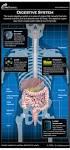 The digestive system Medicine and technology Normal structure and function Diagnostic methods Example diseases and therapies The digestive system An overview (1) Oesophagus Liver (hepar) Biliary system
SOD (Sphincter of Oddi Dysfunction)
 SOD (Sphincter of Oddi Dysfunction) SOD refers to the mechanical malfunctioning of the Sphincter of Oddi, which is the valve muscle that regulates the flow of bile and pancreatic juice into the duodenum.
1 ALPHA-1. The Liver and Alpha-1 Antitrypsin Deficiency (Alpha-1) FOUNDATION FOUNDATION. A patient s guide to Alpha-1 liver disease
 The Liver and Alpha-1 Antitrypsin Deficiency (Alpha-1) 1 ALPHA-1 FOUNDATION The Alpha-1 Foundation is committed to finding a cure for Alpha-1 Antitrypsin Deficiency and to improving the lives of people
Department of Surgery
 What is emphysema? 2004 Regents of the University of Michigan Emphysema is a chronic disease of the lungs characterized by thinning and overexpansion of the lung-like blisters (bullae) in the lung tissue.
Care and Problems of the Digestive System. Chapter 18 Lesson 2
 Care and Problems of the Digestive System Chapter 18 Lesson 2 Care of the Digestive System Good eating habits are the best way to avoid or minimize digestive system problems. Eat a variety of foods Avoid
Millions of Americans suffer from abdominal pain, bloating, constipation and diarrhea. Now new treatments can relieve your pain and discomfort.
 3888-IBS Consumer Bro 5/8/03 10:38 AM Page 1 TAKE THE IBS TEST Do you have recurrent abdominal pain or discomfort? YES NO UNDERSTANDING IRRITABLE BOWEL SYNDROME A Consumer Education Brochure Do you often
Treatment Guide Swallowing and Esophageal Disorders
 Treatment Guide Swallowing and Esophageal Disorders Esophageal disorders especially those involving swallowing problems affect more than 15 million Americans of all ages. For many, they re temporary issues
Pediatric Gastroenterology Fellowship Pediatric Nutrition Rotation Goals and Objectives - 1 st Year
 Pediatric Nutrition Rotation Goals and Objectives - 1 st Year Goal 1: Gain experience and competency in managing common and rare gastrointestinal, liver and nutritional problems. (Competencies: patient