
INVADING HERBIVORY: THE GOLDEN APPLE SNAIL ALTERS ECOSYSTEM FUNCTIONING IN ASIAN WETLANDS
|
|
|
- Ethelbert Farmer
- 9 years ago
- Views:
Transcription
1 Ecology, 85(6), 2004, pp by the Ecological Society of America INVADING HERBIVORY: THE GOLDEN APPLE SNAIL ALTERS ECOSYSTEM FUNCTIONING IN ASIAN WETLANDS NILS O. L. CARLSSON, 1 CHRISTER BRÖNMARK, AND LARS-ANDERS HANSSON Department of Ecology/Limnology, Ecology Building, Lund University, SE Lund, Sweden Abstract. We investigated the effects of an exotic snail, the golden apple snail (Pomacea canaliculata) on biodiversity and ecosystem functioning in tropical wetland ecosystems. This large snail (up to 80-mm shell height) has invaded large parts of Southeast Asia during recent decades. A survey of natural wetlands in Thailand showed that high densities of the snail were associated with almost complete absence of aquatic plants, high nutrient concentrations, and high phytoplankton biomass, that is, a complete shift in both ecosystem state and function. A field experiment demonstrated that grazing by the snail can cause the loss of aquatic plants, a change toward dominance of planktonic algae, and thereby a shift toward turbid water. Estimates of biologically fixed nutrients released through snails grazing on aquatic plants revealed that phosphorus releases were sufficient to explain the recorded increase in phytoplankton biomass. Hence, our study demonstrates how an herbivore may trigger a shift from clear water and macrophyte dominance to a turbid state dominated by planktonic algae. This shift and the continuing aggressive invasion of this exotic species are detrimental to the integrity and functioning of wetland ecosystems, and to the services these provide in Southeast Asia. Key words: ecosystem functioning; exotic species; freshwater; golden apple snail; herbivory; invasive species; limnology; macrophyte; Pomacea; species richness. INTRODUCTION Invasion by exotic species has been identified as one of the major threats to global biodiversity (Buchan and Padilla 1999, Chapin et al. 2000, Kolar and Lodge 2000, Sala et al. 2000, Strayer 2001), and during the last decade there has been an increasing concern about the ecological consequences of biodiversity loss (Tilman 1999, Chapin et al. 2000, Loreau et al. 2001). Moreover, both loss of native species and addition of exotic species may have dramatic effects on ecosystem functioning by altering assemblages of species-specific traits, which can influence ecosystem processes. Hence, when the strength and direction of species interactions are altered through addition or removal of species, ecosystem functioning may be affected through both direct and more indirect pathways. In freshwater systems, changes in species interaction strength and direction are often realized as trophic cascades, where lower trophic levels are affected by changes at higher levels (e.g., Carpenter et al. 1985, Hansson 1992, Carpenter and Kitchell 1993, Brönmark et al. 1997). Modifications of energy and material fluxes induced by exotic species and reduced biodiversity may also result in a loss of ecosystem services of great economic value (Costanza et al. 1997). Here, we study the effects of an introduced invertebrate herbivore, the golden apple snail (Pomacea can- Manuscript received 7 October 2003; revised 9 November 2003; accepted 16 November 2003; final version received 15 December Corresponding Editor: K. D. Woods. 1 [email protected] aliculata Lamarck; Gastropoda: Ampullariidae, see Plate 1) on aquatic plants and ecosystem processes in tropical wetlands. Aquatic plants are central to all aspects of wetland functioning from maintaining biodiversity to ensuring sustained productivity and natural water purification. Herbivore induced changes in plant biomass and plant community structure may therefore fundamentally alter wetland ecosystem functioning. In Southeast Asia, these changes could have dramatic effects on the use of wetlands as biological supermarkets where plants, fish, crustaceans, and insects are harvested as food and animal fodder, water is used for human consumption, and wastewater is biofiltered (Tripathi et al. 1991, Furukawa and Fujita 1993, Azimi et al. 2000). The aggressive invasion of the herbivorous golden apple snail quickly drew the attention of scientists and government agencies when the snail became a serious pest on rice (Anderson 1993, Halwart 1994, Naylor 1996, Yusa and Wada 1999). This aquatic snail was initially introduced to Taiwan from South America in 1980 for aquaculture, for local food consumption as well as for export (Naylor 1996 and references therein). Within five years it became abundant in Japan, southeast China, and in the Philippines, and in 2002 it had established strong populations in most Southeast Asian countries (Fig. 1). The snail has also been found in Hawaii (Lach and Cowie 1999) and the southern United States (Neck and Schultz 1992, Thompson 1997). Recent reports indicate that the snail is now invading Australia (available online) 2 and is expected to reach Bangladesh and India in the near future (Baker 1998). 2 URL:

2 1576 NILS O. L. CARLSSON ET AL. Ecology, Vol. 85, No. 6 PLATE 1. The golden apple snail may reach 80 mm in shell height and 120 grams in weight. It is a repeat invasive offender that is spreading in Southeast Asia and elsewhere. Photo credit: Nils Carlsson. In contrast to most other freshwater snails, P. canaliculata is macrophytophagous, preferring submerged or floating freshwater macrophytes (Estebenet 1995, Estebenet and Martin 2002), and thereby constitutes a major threat to rice farming. A preliminary small-scale experiment indicated that the snail might also have a strong, negative effect on naturally occurring wetland plants (N. O. L. Carlsson and J. Lacoursière, unpublished data), suggesting serious implications for biodiversity and the functioning of natural wetland ecosystems. To determine the effect of P. canaliculata on ecosystem functioning we surveyed natural wetlands with varying densities of snails. We also performed a complementary field experiment, testing the effects of increasing densities of P. canaliculata on macrophytes and phytoplankton, to unravel the mechanisms behind the patterns observed in natural wetlands. The golden apple snail can reach a wet mass of 120 g and 80 mm in shell height (N. O. L. Carlsson, unpublished data), corresponding to the size of a mediumsized apple. Females can spawn on average 1.4 times a week (Albrecht et al. 1996), and the egg masses are deposited above the waterline (Estebenet and Martin 2002). We surveyed 14 wetlands (average wetland area: m 2 ; mean SD) all situated within the Klong Chonprathan catchment, close to the city of Hua Hin, Thailand (12 34 N; E), assessing snail density, aquatic plant communities, phytoplankton biomass, and water chemistry. In each wetland water samples were collected with a tube sampler ( m) in the middle of the wetland and, from a pooled sample of 2.5 L, two subsamples of 0.1 L were taken for measurement of total phosphorus (TP) and total nitrogen (TN). Total phosphorus was analyzed as soluble reactive phosphorus after digestion with potassium persulphate. Total nitrogen was analyzed as nitrite after digestion with potassium persulphate and sodium hydroxide and after nitrate reduction by a copper-cadmium reductor column. All analyses were performed on a Technicon autoanalyzer II (Technicon, Saskatoon, Saskatchewan, Canada) according to Technicon protocols (SS-EN 1189 and SS-EN ). From the same, pooled sample, 0.5 L was filtered (Whatman GF/ C) for chlorophyll a analysis as an estimate of phytoplankton biomass. The samples were frozen for later extraction in 96% ethanol, and spectrophotometric analysis (665 nm; Jespersen and Christoffersen 1987). Wetland shape was approximated to a rectangle and total area was estimated by measuring the length of the longest and shortest sides. The wetland was then divided into 2 2 m squares and the percentage aquatic plant cover in each square was estimated. Maximum depth was measured to the nearest centimeter. Abundances and biomasses of snails and macrophytes were assessed by random quadrat sampling (1-m 2 frame, n 10 in each wetland). We retrieved all plants and snails from quadrats with a hand net (2-mm mesh size). Plant species that covered at least 10% of the total surface area were identified to genus or, when possible, to species and only these were used in estimates of plant species richness. One of the wetlands (area 340 m 2, mean depth 0.7 m) with a low density of the golden apple snail and high coverage of aquatic plants was used in an enclosure experiment. Twenty-four wooden framed enclosures (1 1 1 m) with walls of transparent plastic METHODS FIG. 1. Dispersal of the golden apple snail from its original introduction to Taiwan The figure is drawn after Mochida (1991), Halwart (1994), and Naylor (1996).

3 June 2004 SNAIL GRAZING ALTERS ECOSYSTEM FUNCTION 1577 (1 mm) were placed in six blocks of four enclosures at a water depth of 0.6 m. The enclosures were pushed 0.2 m down into the sediment and then swept with a hand net to remove fish and snails. In addition, we placed fish traps in each corner of the enclosure to ensure that enclosures were free of fish. Eichhornia crassipes was a dominant macrophyte in wetlands and constituted about 75% of the total plant coverage in the experimental wetland. Other plant species were Ipomoea aquatica, Lemna minor, Pistia sp., Salvinia sp., Ludwigia sp., and Typha sp. The edibility of all plants was tested in a laboratory experiment. All species but Typha sp. were readily eaten by P. canaliculata (N. O. L. Carlsson, unpublished data) and, thus, edible plants refer to all species except Typha sp. Due to its dominance, E. crassipes, a free-floating macrophyte, was selected as the experimental plant and was introduced to all enclosures at a wet mass of g (mean SD), corresponding to natural biomass in the wetlands. P. canaliculata snails of medium size (25 35 mm shell height) were collected in a nearby wetland and added to enclosures at a density of 0, 2, 4, or 6 snails, respectively, with six replicates for each density. When all snails were introduced we covered the enclosures with nets (mesh size 10 mm) to avoid bird predation and snail escape. The enclosures were sampled initially and after 3, 6, 10, 15, 23, and 27 days. We measured plant biomass by lifting plants out with a hand net, weighing them, and returning them to cages. Chlorophyll a concentration and final snail densities were determined as in the field survey. RESULTS AND DISCUSSION In our survey, neither wetland area nor depth were correlated to snail abundance, macrophyte species richness and cover, or phytoplankton and nutrient concentrations (P 0.2 in all cases). However, the species richness and coverage of aquatic plants were negatively correlated to the density of P. canaliculata. Macrophyte cover decreased when snail density exceeded two snails per square meter (r 0.68, P 0.010; Fig. 2) and species richness of edible plants was negatively correlated with snail density (r 0.50, P 0.050; Fig. 2). This analysis includes all size classes of snails, even though snails with a shell height 15 mm generally do not feed on macrophytes (Halwart 1994). If the analysis is based only on snails 15 mm, the relationship between snail density and macrophyte species number is considerably stronger (r 0.77, P 0.002). The concentrations of the generally growth-limiting nutrients phosphorus and nitrogen increased with the density of P. canaliculata (r 0.79, P and r 0.74, P 0.001, respectively). A positive correlation between snail density and phytoplankton biomass (r 0.59, P 0.010; Fig. 2) is consistent with algal blooms observed in wetlands with high snail density. At snail densities above 10 individuals/m 2 algal chlorophyll FIG. 2. Correlations among sites betweeen snail density and macrophyte plant cover, species richness, total nitrogen (TN), total phosphorus (TP), and phytoplankton chlorophyll a in Thailand wetlands (n 14). Note the log-scale axes on TN, TP, and chlorophyll graphs. concentration generally exceeded 100 g/l, phosphorus concentrations reached g/l, and nitrogen concentrations exceeded 1000 g/l. At the highest snail densities, wetlands were almost devoid of macrophytes (Fig. 2). Thus, the results from the wetland

4 1578 NILS O. L. CARLSSON ET AL. Ecology, Vol. 85, No. 6 FIG. 3. Temporal developments in biomass of the dominant macrophyte plant Eichhornia crassipes and phytoplankton chlorophyll a in experimental enclosures at snail densities (no./m 2 ) of zero (open circles), two (open squares), four (solid circles), and six (solid squares) individuals. Mean values 1 SE are given (n 6). survey suggest that increasing densities of the snail P. canaliculata strongly modify the flux of nutrients and shift the primary production from macrophytes to phytoplankton. The causal relationship between snail grazing, and macrophyte and phytoplankton biomass was tested in the field experiment where we found that grazing by P. canaliculata in experimental enclosures had a negative impact on biomass of E. crassipes (repeated-measures ANOVA, F 3, , P 0.001; Fig. 3). A contrast analysis showed that there was no further effect of snail densities higher than two individuals/m 2 (P 0.001; Fisher s protected least significant difference [PLSD]), suggesting that snails have strong effects on plant biomass already at very low densities (Fig. 3). The decrease in macrophyte biomass in treatments with snails was followed by severe algal blooms, so that snails had a positive effect on phytoplankton biomass (repeated-measures ANOVA, F 3, , P 0.001; Fig. 3). The highest snail treatment had higher phytoplankton biomass than the other treatments (P 0.001, Fisher s PLSD). The average feeding rate of snails on E. crassipes during the experimental period was 1.01 g snail 1 d 1 (wet mass), corresponding to a dry mass of g snail 1 d 1 (9.2% of wet mass; N. O. L. Carlsson, unpublished data). Since the phosphorus content of E. crassipes is 0.57% of the dry mass (Aoyoma and Nishizaka 1993), the predicted amount of phosphorus released to the enclosure (approximate volume, 400 L) at the end of the experiment (28 days) should be 37.1 g L 1 snail 1. Over the experimental period the phosphorus concentration increased, by this estimate, by 74.2, 148.4, and g/l in the treatments with 2, 4, and 6 snails, respectively. As we know the initial total phosphorus concentration (48 g/l), we can calculate the predicted increase in chlorophyll a due to phosphorus excretion by snails from a log-linear relationship between total phosphorus and chlorophyll a ([log (chl) 1.583(log phosphorus) 1.134]; Dillon and Rigler 1974). Predicted chlorophyll concentrations were 148, 313, and 520 g/l in treatments with 2, 4, and 6 snails, respectively. Our final chlorophyll concentrations were somewhat lower, reaching 125, 153, and 287 g/l (Fig. 3), corresponding to 84%, 49%, and 55% of the predicted values. This discrepancy might be accounted for by phosphorus uptake by the snails or sequestering of released phosphorus in the sediment and in periphytic algae. However, this calculation demonstrates that phosphorus released through snail grazing on macrophytes is sufficient to cause the recorded increase in phytoplankton biomass. The invasion of the golden apple snail results in an almost complete collapse of the aquatic plant community, leading to a shift from a plant-dominated, clearwater state, to a turbid, algae-dominated state (Scheffer et al. 1993). Recently, shifts in alternative stable states have been shown to be a common phenomenon in both aquatic and terrestrial systems (Carpenter 2000, Scheffer et al. 2001). In aquatic systems, shifts in alternative stable states have previously been shown to be mediated by high nutrient loads or high cyprinid fish abundances (Hansson et al. 1998, Scheffer 1998). Moreover, Lodge et al. (1998) suggested that macrophyte herbivory may tip aquatic systems from a clear to a turbid state. Despite several studies showing that herbivores, such as birds (van Donk 1998), fish (Hansson et al. 1987), and crayfish (Lodge et al. 1998) feed on aquatic macrophytes, such herbivores have not been shown to induce shifts in states in freshwater systems. Our study, however, demonstrates how feeding by an invertebrate herbivore can mediate a shift from clear water and macrophyte dominance to turbid water and phytoplankton dominance by making biologically fixed nutrients from macrophyte plants available for planktonic algae. In its native South America the golden apple snail occurs at very low densities compared to invaded areas in Asia (Halwart 1994). This may be due to high predation pressure since snails from this family are regarded as key prey organisms in their native habitat (Donnay and Beissinger 1993). In Southeast Asia, efficient native predators on the golden apple snail are

5 June 2004 SNAIL GRAZING ALTERS ECOSYSTEM FUNCTION 1579 rare (Ichinose et al and references herein) suggesting that lack of predation is an important mechanism in promoting the snail populations. Similar patterns have recently been shown for the snail Littoraria irrorata native to salt marshes in e.g., the eastern United States. When left without predators, the Littoraria snails completely eroded stands of the salt marsh plant Spartina, suggesting that snail grazing in marine salt marshes is predator controlled (Silliman and Bertness 2002). Aquatic plants in freshwater systems provide substrate, refuge from predation, and a source of food for other aquatic organisms (Brönmark and Vermaat 1998, Diehl and Kornijów 1998, Lodge et al. 1998). Plants also affect nutrient fluxes by luxury consumption and storage of nutrients and by being a substrate for denitrifying microorganisms. Reduced biodiversity and biomass of aquatic plants have been shown to affect nutrient retention capacity of wetlands considerably (Engelhardt and Ritchie 2001). Thus, macrophyte grazing by the golden apple snail not only alters the function of wetland ecosystems; it also drastically reduces the value of ecosystem services provided by the wetland. ACKNOWLEDGMENTS This project was supported by grants from the Swedish International Development Cooperation Agency (to Jean Lacoursière), the Swedish Research Council (to L.-A. Hansson), and the Swedish Research Council for Environment, Agricultural Sciences and Spatial Planning (to C. Brönmark). The research was conducted with permission from the National Research Council, Bangkok, Thailand (No / 126). We thank Sofia Carlsson Tjernström for great help with the fieldwork. LITERATURE CITED Albrecht, E. A., N. B. Carreno, and A. Castro-Vazquez A quantitative study of copulation and spawning in the South American apple snail Pomacea canaliculata Lamarck (Prosobranchia, Ampullariidae). Veliger 39: Anderson, B The Philippine snail disaster. Ecologist 23: Aoyama, I., and H. Nishizaki Uptake of nitrogen and phosphate, and water purification by water hyacinth Eichhornia crassipes (Mart.) Solms. Water Science and Technology 28: Azimi, A., W. Knowland, J. Carew-Reid, I. Ruzicka, and A. Zola Pages in J. M. Mendez and C. A. Diaz, editors. Environments in transition Cambodia, Lao PDR, Thailand, Viet Nam. Asian Development Bank, Manila, Philippines. Baker, G. H The golden apple snail, Pomacea canaliculata (Lamarck)(Mollusca: Ampullariidae), a potential invader of freshwater habitats in Australia. Pages in Pest management future challenges. Sixth Australasian Applied Entomological Research Conference (Brisbane, 1998). University of Queensland, Brisbane, Australia. Brönmark, C., J. Dahl, and L. A. Greenberg Complex trophic interactions in benthic food chains. Pages in B. Streit, T. Städler, and C. Lively, editors. Ecology and evolution of freshwater animals. Birkhäuser, Basel, Switzerland. Brönmark, C., and J. Vermaat Complex fish snail epiphyton interactions and their effects on submerged freshwater macrophytes. Pages in E. Jeppesen, Ma. Søndergaard, Mo Søndergaard, and K. Christoffersen, editors. The structuring role of submerged macrophytes in lakes. Ecological Studies 131. Springer, New York, New York, USA. Buchan, L. A. J., and D. K. Padilla Estimating the probability of long-distance overland dispersal of invading aquatic species. Ecological Applications 9: Carpenter, S. R Alternate states of ecosystems: evidence and some implications. Pages in M. J. Hutchings, E. A. John, and A. J. A. Stewart, editors. The ecological consequences of environmental heterogneity. Blackwell Science, Oxford, UK. Carpenter, S. R., and J. F. Kitchell The trophic cascade in lakes. Cambridge University Press, Cambridge, UK. Carpenter, S. R., J. F. Kitchell, and J. R. Hodgson Cascading trophic interactions and lake productivity: fish predation and herbivory can regulate lake ecosystems. BioScience 35: Chapin, F. S., E. S. Zavalata, V. T. Eviner, R. L. Naylor, P. M. Vitousek, H. L. Reynolds, D. U. Hooper, S. Lavorel, O. E. Sala, S. E. Hobbie, M. C. Mack, and S. Diaz Consequences of changing biodiversity. Nature 405: Costanza, R., et al The value of the worlds ecosystem services and natural capital. Nature 387: Diehl, S., and R. Kornijów Influence of submerged macrophytes on trophic interactions among fish and macroinvertebrates. Pages in E. Jeppesen, Ma. Søndergaard, Mo Søndergaard, and K. Christoffersen, editors. The structuring role of submerged macrophytes in lakes. Ecological Studies 131. Springer, New York, New York, USA. Dillon, P. J., and F. H. Rigler The phosphorus chlorophyll relationship in lakes. Limnology and Oceanography 19: Donnay, T. J., and S. R. Beissinger Apple snail (Pomacea doliodes) and freshwater crab (Dilocarcinus dentatus) population fluctuations in the Llanos of Venezuela. Biotropica 25: Engelhardt, K. A. M., and M. E. Ritchie Effects of macrophyte species richness on wetland ecosystem functioning and services. Nature 411: Estebenet, A. L Food and feeding in Pomacea canaliculata (Gastropoda: Ampullariidae). Veliger 38: Estebenet, A., and P. R. Martin Pomacea canaliculata (Gastropoda: Ampullaridae): life-history traits and their plasticity. Biocell 26: Furukawa, K., and M. Fujita Advanced treatment and food production by hydroponic type wastewater treatment plant. Water Science and Technology 28: Halwart, M The golden apple snail Pomacea canaliculata in Asian rice farming systems: present impact and future threat. International Journal of Pest Management 40: Hansson, L.-A The role of food web composition in shaping algal communities. Ecology 73: Hansson, L.-A., H. Annadotter, E. Bergman, S. F. Hamrin, E. Jeppessen, T. Kairesalo, E. Luokkanen, P.-Å. Nilsson, Ma. Søndergaard, and J. Strand Biomanipulation as an application of food chain theory: constraints, synthesis and recommendations for temperate lakes. Ecosystems 1: Hansson, L.-A., L. Johansson, and L. Persson Effects of fish grazing on nutrient release and succession of primary producers. Limnology and Oceanography 32: Ichinose, K., M. Tochihara, T. Wada, N. Suguiura, and Y. Yusa Influence of common carp on apple snail in a

6 1580 NILS O. L. CARLSSON ET AL. Ecology, Vol. 85, No. 6 rice field evaluated by a predator prey logistic model. International Journal of Pest Management 48: Jespersen, A. M., and K. Christoffersen Measurements of chlorophyll-a from phytoplankton using ethanol as extraction solvent. Archiv für Hydrobiologie 109: Kolar, C. S., and D. M. Lodge Freshwater nonindigenous species: interactions with other global changes. Pages 3 30 in H. A. Mooney and R. J. Hobbs, editors. Invasive species in a changing world. Island Press, Washington, D.C., USA. Lach, L., and R. H. Cowie The spread of the introduced freshwater apple snail Pomacea canniciulata (Lamarck; Gastropoda; Ampullariidae) on Oáhu, Hawaii. Bishop Museum Occasional Papers 58: Lodge, D. M., G. Cronin, E. Van Donk, and A. J. Froelich Impact of herbivory on plant standing crop: comparisons among biomes, between vascular and nonvascular plants, and among freshwater herbivore taxa. Pages in E. Jeppesen, Ma. Søndergaard, Mo Søndergaard, and K. Christoffersen, editors. The structuring role of submerged macrophytes in lakes. Ecological Studies 131. Springer, New York, New York, USA. Loreau, M., S. Naeem, P. Inchausti, J. Bengtsson, J. P. Grime, A. Hector, D. U. Hooper, M. A. Huston, D. Raffaelli, B. Schmid, D. Tilman, and D. A. Wardle Biodiversity and ecosystem functioning: current knowledge and future challenges. Science 294: Mochida, O Spread of freshwater Pomacea snails (Pilidae, mollusca) from Argentina to Asia. Micronesica Supplementum 3: Naylor, R Invasions in agriculture: assessing the cost of the golden apple snail in Asia. Ambio 25: Neck, R. W., and J. G. Schultz First record of a living channeled apple snail Pomacea canniciulata (Philidae), from Texas. Texas Journal of Science 44: Sala, O. E., et al Global biodiversity scenarios for the year Science 287: Scheffer, M The ecology of freshwater lakes. Chapman and Hall, London, UK. Scheffer, M., S. R. Carpenter, J. A. Foley, C. Folke, and B. Walker Catastrophic shifts in ecosystems. Nature 413: Scheffer, M., S. H. Hosper, M.-L. Meijer, B. Moss, and E. Jeppesen Alternative equilibria in shallow lakes. Trends in Ecology and Evolution 8: Silliman, B. R., and M. D. Bertness A trophic cascade regulates salt marsh primary production. Proceedings of the National Academy of Sciences (USA) 99: Strayer, D Endangered freshwater invertebrates. Encyclopedia of Biodiversity 2: Thompson, F. G Pomacea canniciulata (Lamarck 1822; Gastropoda, Prosobranchia, Pilidae). A freshwater snail introduced into Florida, U.S.A. Malacological Review 30:91. Tilman, D The ecological consequences of changes in biodiversity: a search for general principles. Ecology 80: Tripathi, B. D., J. Srivastava, and K. Misra Nitrogen and phosphorus removal-capacity of four chosen aquatic macrophytes in tropical freshwater ponds. Environmental Conservation 18: van Donk, E Switches between clear and turbid states in a biomanipulated lake ( ): the role of herbivory on macrophytes. Pages in E. Jeppesen, Ma. Søndergaard, Mo Søndergaard, and K. Christoffersen, editors. The structuring role of submerged macrophytes in lakes. Ecological Studies 131. Springer, New York, New York, USA. Yusa, Y., and T. Wada Impacts of the introduction of apple snails and their control in Japan. Naga, ICLARM Quarterly 22:9 13.

Ecosystems and Food Webs
 Ecosystems and Food Webs How do AIS affect our lakes? Background Information All things on the planet both living and nonliving interact. An Ecosystem is defined as the set of elements, living and nonliving,
Pond Recirculating Production Systems
 SRAC Publication No. 455 November 1997 PR VI Pond Recirculating Production Systems Andrew M. Lazur and Deborah C. Britt* Water conservation and reuse has become a major issue in aquaculture in recent years.
AP Biology Unit I: Ecological Interactions
 AP Biology Unit I: Ecological Interactions Essential knowledge 1.C.1: Speciation and extinction have occurred throughout the Earth s history. Species extinction rates are rapid at times of ecological stress.
Pond Ecosystem Field Study MOLS
 This multi-week lab involves field studies comparing ecosystem-level ecology between 2 freshwater ponds in Marshfield Outdoor Learning Sanctuary. We will be investigating a correlation between weather
Ecological Roulette: The Global Transport of Nonindigenous Marine Organisms
 Ecological Roulette: The Global Transport of Nonindigenous Marine Organisms James T. Carlton 1 and Jonathan B. Geller 2 1 Maritime Studies Program, Williams College, Mystic Seaport, Mystic, CT 06355, and
Introduction to protection goals, ecosystem services and roles of risk management and risk assessment. Lorraine Maltby
 Introduction to protection goals, ecosystem services and roles of risk management and risk assessment. Lorraine Maltby Problem formulation Risk assessment Risk management Robust and efficient environmental
Pond Water Web Lesson Plan
 Pond Water Web Lesson Plan Purpose: As a result of this lesson, students will become familiar with common organisms found in a pond and discover their importance in a balanced aquatic habitat as they create
REVIEW UNIT 10: ECOLOGY SAMPLE QUESTIONS
 Period Date REVIEW UNIT 10: ECOLOGY SAMPLE QUESTIONS A. Sample Multiple Choice Questions Complete the multiple choice questions to review this unit. 1. All of the following are density-dependent factors
7 Energy Flow Through an Ecosystem investigation 2 c l a s s se s s i o n s
 7 Energy Flow Through an Ecosystem investigation 2 c l a s s se s s i o n s Overview Students create a food web of a kelp forest ecosystem with which they explore the flow of energy between ecosystem organisms.
Broken Arrow Public Schools AP Environmental Science Objectives Revised 11-19-08
 1 st six weeks 1 Identify questions and problems that can be answered through scientific investigation. 2 Design and conduct scientific investigations to answer questions about the world by creating hypotheses;
LIMNOLOGY, WATER QUALITY
 LIMNOLOGY, WATER QUALITY PA RANI ET E R S, AN D c 0 IV D IT I 0 N S AND ECOREGIONS Water Quality Parameters Nutrients are important parameters because phosphorous and nitrogen are major nutrients required
Statement on the identity of apple snails 1
 EFSA Journal 2012;10(4):2645 ABSTRACT SCIENTIFIC OPINION Statement on the identity of apple snails 1 EFSA Panel on Plant Health (PLH) 2, 3 4 European Food Safety Authority (EFSA), Parma, Italy Following
Title. Euphausia superba. Author. Sophia Erb
 Title Using geometric probability to compare the random and actual mating success of Atlantic Krill, Euphausia superba Author Sophia Erb Abstract Currently the most abundant species on Earth, Atlantic
www.irishseedsavers.ie Natural surface water on earth includes lakes, ponds, streams, rivers, estuaries, seas and oceans.
 www.irishseedsavers.ie POND LIFE FACT SHEET Natural surface water on earth includes lakes, ponds, streams, rivers, estuaries, seas and oceans. A pond is a small body of fresh water shallow enough for sunlight
Algal Blooms, Circulators, Waterfowl and Eutrophic Greenfield Lake, NC. Michael A. Mallin, Matthew R. McIver, Ellen J. Wambach, and Anna R.
 Algal Blooms, Circulators, Waterfowl and Eutrophic Greenfield Lake, NC Michael A. Mallin, Matthew R. McIver, Ellen J. Wambach, and Anna R. Robuck Center for Marine Science University of North Carolina
Importance of forestry reserves to the regulation of water quality and microalgae structure of temporary ponds in Burkina Faso (West Africa)
 Importance of forestry reserves to the regulation of water quality and microalgae structure of temporary ponds in Burkina Faso (West Africa) Bilassé ZONGO, Frédéric ZONGO and Joseph I. BOUSSIM Laboratory
Chapter 3. 3.3 Energy Flow in Ecosystems
 Chapter 3 3.3 Energy Flow in Ecosystems Key Questions: 1) What happens to energy stored in body tissues when one organism eats another? 2) How does energy flow through an ecosystem? 3) What do the three
Wetland Restoration and Invasive Species: Apple snail (Pomacea insularum) Feeding on Native and Invasive Aquatic Plants
 Wetland Restoration and Invasive Species: Apple snail (Pomacea insularum) Feeding on Native and Invasive Aquatic Plants Lyubov E. Burlakova,1,2 Alexander Y. Karatayev,l Dianna K. Padilla,3 Leah D. Cartwright,4,5
1. Biodiversity: Basic Commodity or Luxury Item?... 2 2. Conclusions and Recommendations... 5 3. Key References... 6
 Page 2 of 6 CONTENTS 1. Biodiversity: Basic Commodity or Luxury Item?... 2 2. Conclusions and Recommendations... 5 3. Key References... 6 1. BIODIVERSITY: BASIC COMMODITY OR LUXURY ITEM? How is biodiversity
Section 3: Trophic Structures
 Marine Conservation Science and Policy Service learning Program Trophic Structure refers to the way in which organisms utilize food resources and hence where energy transfer occurs within an ecosystem.
Food Web Crasher. An introduction to food chains and food webs
 Food Web Crasher An introduction to food chains and food webs Activity Students create a physical food web and watch what happens when an aquatic nuisance species is introduced into the ecosystem. Grade
ALGAL TURF SCRUBBER TECHNOLOGY AND PILOT PROJECTS IN THE REGION
 ALGAL TURF SCRUBBER TECHNOLOGY AND PILOT PROJECTS IN THE REGION Patrick Kangas (1), Walter Adey (2), Walter Mulbry (3), Emmett Duffy (4) and others 1) University of Maryland, College Park, Maryland 2)
Chapter 3 Communities, Biomes, and Ecosystems
 Communities, Biomes, and Ecosystems Section 1: Community Ecology Section 2: Terrestrial Biomes Section 3: Aquatic Ecosystems Click on a lesson name to select. 3.1 Community Ecology Communities A biological
PRINCIPLES OF OCEANOGRAPHY AND MARINE ECOLOGY
 BRIEF PREFACE XIV PRINCIPLES OF OCEANOGRAPHY AND MARINE ECOLOGY CHAPTER 1 Sounding the Deep 1 C H A P T E R 2 The Oceanic Environment 13 CHAPTER 3 Ecological and Evolutionary Principles of Marine Biology
Compilation of Upper Mississippi River System Science Questions developed by the Long Term Resource Monitoring Program
 Compilation of Upper Mississippi River System Science Questions developed by the Long Term Resource Monitoring Program Includes: 1. Questions from the Science Planning Effort in 2003 2. FY07 Additional
3.1 Measuring Biodiversity
 3.1 Measuring Biodiversity Every year, a news headline reads, New species discovered in. For example, in 2006, scientists discovered 36 new species of fish, corals, and shrimp in the warm ocean waters
1. Biodiversity & Distribution of Life
 National 5 Biology Unit 3 Life on Earth Summary notes 1. Biodiversity & Distribution of Life Perhaps the best place to start in this topic is with Biomes. Biomes are regions of our planet which have a
Ch. 15-Restoration Ecology
 Ch. 15-Restoration Ecology Conservation focuses on protecting and maintaining diversity and ecological processes Restoration emphasizes active management to bring back a former state of an ecosystem (
The economics of micro-algae production
 The economics of micro-algae production and processing into biofuel December 2006 Thomas Schulz Research Economist Farming Systems, Department of Agriculture Western Australia Key Message The Research
Ecology 1 Star. 1. Missing from the diagram of this ecosystem are the
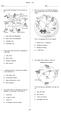 Name: ate: 1. Missing from the diagram of this ecosystem are the 5. ase your answer(s) to the following question(s) on the diagram below and on your knowledge of biology.. biotic factors and decomposers.
Assessing risks to ecosystems - a new global standard
 Assessing risks to ecosystems - a new global standard IUCN Ecosystem Red List Working Group David Keith et al. Major scientific challenges I. What is an ecosystem? II. When is an ecosystem extinct? disappearance
Life in the Bay Getting to know the Bay s plants and animals
 Life in the Bay Getting to know the Bay s plants and animals Over erview iew In this activity students will become acquainted with a plant or animal that lives in the San Francisco Bay. Students will research
International Trade in Live, Ornamental Fish in the U.S. and Florida
 International Trade in Live, Ornamental Fish in the U.S. and Florida Charles M. Adams, Sherry L. Larkin, Robert L. Degner, Donna J. Lee, and J. Walter Milon Food and Resource Economics Department Institute
Appendix B: Cost Estimates
 Appendix B: Estimates This appendix presents the estimated costs of the monitoring and supplemental research components presented in Section 3 of this document. A 20% quality assurance and quality control
CHAPTER 2: APPROACH AND METHODS APPROACH
 CHAPTER 2: APPROACH AND METHODS APPROACH Given Hawaii s biological uniqueness on a global scale, the Comprehensive Wildlife Conservation Strategy (CWCS) recognizes the importance of protecting all native
THE ECOSYSTEM - Biomes
 Biomes The Ecosystem - Biomes Side 2 THE ECOSYSTEM - Biomes By the end of this topic you should be able to:- SYLLABUS STATEMENT ASSESSMENT STATEMENT CHECK NOTES 2.4 BIOMES 2.4.1 Define the term biome.
HÄSSLEHOLM COMMUNITY MUNICIPAL OFFICE THE RESTORATION OF LAKE FINJASJÖN
 HÄSSLEHOLM COMMUNITY MUNICIPAL OFFICE THE RESTORATION OF LAKE FINJASJÖN Summary After having lowered the sea-level twice to gain farmland and heavy nutrient load mainly from sewage, Lake Finjasjön in 1950
Mosquito Control Guidelines
 Appendix G Mosquito Control Guidelines This appendix presents the guidance for designing and maintaining stormwater treatment measures to control mosquitoes from ACCWP s Vector Control Plan. Project sponsors
Biodiversity and Ecosystem Services: Arguments for our Future Environment
 Biodiversity and Ecosystem Services: Arguments for our Future Environment How have we advanced our understanding of the links between biodiversity, ecosystem functions and ecosystem services? The issue
STUDY GUIDE ECOLOGY. CHAPTER 21: Populations 1. An overview of ecology. Ecology is the study of interactions between organisms and their environment.
 STUDY GUIDE ECOLOGY CHAPTER 21: Populations 1. An overview of ecology. Ecology is the study of interactions between organisms and their environment. 2. A Hierarchy of interactions: cells tissues organs
GLACier-fed rivers, HYDRoECOlogy and climate change; NETwork of monitoring sites (GLAC-HYDRECO-NET).
 Arctic Observing Summit 2013 Statement Glacier-fed rivers GLACier-fed rivers, HYDRoECOlogy and climate change; NETwork of monitoring sites (GLAC-HYDRECO-NET). Alexander Milner, School of Geography, Earth
Life in a Pond. Page 1 of 5. Grade Levels K-5
 Grade Levels Overview Observe a local pond or aquatic ecosystem, and study the wildlife that utilizes the pond/aquatic ecosystem for its habitat needs. Subject Areas Science, Language Arts & Art, Duration
How To Manage Water Resources
 NB: Unofficial translation; legally binding texts are those in Finnish and Swedish Ministry of the Environment, Finland Government Decree on Water Resources Management (1040/2006) Given in Helsinki on
WATER HARVESTING AND AQUACULTURE FOR RURAL DEVELOPMENT INTRODUCTION TO AQUACULTURE
 WATER HARVESTING AND AQUACULTURE FOR RURAL DEVELOPMENT INTRODUCTION TO AQUACULTURE 2 INTERNATIONAL CENTER FOR AQUACULTURE AND AQUATIC ENVIRONMENTS AUBURN UNIVERSITY 3 INTRODUCTION More than one-fourth
Urban Ecology: Watersheds and Aquatic Ecology A BIOBUGS program
 NAME: Urban Ecology: Watersheds and Aquatic Ecology A BIOBUGS program Objective: To describe the health of the Muddy River in the Fens wetlands system of Boston by examining abiotic and biotic parameters.
The Colorado River Delta
 The Colorado River Delta An Invaluable Resource for People and Wildlife the colorado river delta The Colorado River Delta and its waters support a rich and diverse treasure of plants and animals in an
How are people affecting biodiversity
 ? How are people affecting biodiversity The major threats to biodiversity and the role of people 2 Kieran Noonan-Mooney, CBD Christine Gibb, CBD and FAO Every day we are faced with choices. As individuals
AP ENVIRONMENTAL SCIENCE 2010 SCORING GUIDELINES
 AP ENVIRONMENTAL SCIENCE 2010 SCORING GUIDELINES Question 3 (a) Why are zebra mussels located primarily in areas in the eastern United States rather than in the western United States? One point can be
Great Crested Newt Habitat Suitability Index
 Great Crested Newt Habitat Suitability Index Background The Habitat Suitability Index (H) for the great crested newt was developed by Oldham et al. (2000). H scoring systems were originally developed by
INTRODUCTION TO INTENSIVE CAGE CULTURE OF WARMWATER FISH
 WATER HARVESTING AND AQUACULTURE FOR RURAL DEVELOPMENT INTRODUCTION TO INTENSIVE CAGE CULTURE OF WARMWATER FISH INTERNATIONAL CENTER FOR AQUACULTURE AND AQUATIC ENVIRONMENTS INTRODUCTION AUBURN UNIVERSITY
NON-NATIVE APPLESNAILS IN FLORIDA Florida Fish and Wildlife Conservation Commission (FWC)
 NON-NATIVE APPLESNAILS IN FLORIDA Florida Fish and Wildlife Conservation Commission (FWC) Four non-native applesnail species have been observed in Florida. There is one species native to Florida. All are
Quantification of Reactive Phosphorus in Lake Mendota Sediments
 Quantification of Reactive Phosphorus in Lake Mendota Sediments By: Jeremy, Advisor Dr. Mike Penn Most of the phosphorus (P) that enters lakes from external inputs is attached to soil or sediment. This
Ecosystems. The two main ecosystem processes: Energy flow and Chemical cycling
 Ecosystems THE REALM OF ECOLOGY Biosphere An island ecosystem A desert spring ecosystem Biosphere Ecosystem Ecology: Interactions between the species in a given habitat and their physical environment.
Pond Vocabulary Words and Meanings
 Pond Vocabulary Words and Meanings Adapt: to adjust to a use or situation Aquatic: from or in the water Bacteria: tiny organisms, too small to be seen with the naked eye Carnivore: an animal that eats
ECOSYSTEM 1. SOME IMPORTANT TERMS
 ECOSYSTEM 1. SOME IMPORTANT TERMS ECOSYSTEM:- A functional unit of nature where interactions of living organisms with physical environment takes place. STRATIFICATION:- Vertical distribution of different
Biodiversity Concepts
 Biodiversity Concepts WHAT IS BIODIVERSITY? Biodiversity is the variety of life on Earth. For any kind of animal or plant each individual is not exactly the same as any other; nor are species or ecosystems.
CHAPTER 3. A is a certain number of individuals that make up an interbreeding, reproducing group within a given area.
 Review Question-1 Answer CHAPTER 3 Basic Needs of Living Things A is a certain number of individuals that make up an interbreeding, reproducing group within a given area. a. species b. population c. organism
Biology Keystone (PA Core) Quiz Ecology - (BIO.B.4.1.1 ) Ecological Organization, (BIO.B.4.1.2 ) Ecosystem Characteristics, (BIO.B.4.2.
 Biology Keystone (PA Core) Quiz Ecology - (BIO.B.4.1.1 ) Ecological Organization, (BIO.B.4.1.2 ) Ecosystem Characteristics, (BIO.B.4.2.1 ) Energy Flow 1) Student Name: Teacher Name: Jared George Date:
Natural Biological Treatment Systems: Aquatic Macrophyte Systems
 Natural Biological Treatment Systems: Aquatic Macrophyte Systems Natural waste water treatment systems Natural low-rate biological treatment systems tend to be lower in cost and less sophisticated in maintenance
Ecology Module B, Anchor 4
 Ecology Module B, Anchor 4 Key Concepts: - The biological influences on organisms are called biotic factors. The physical components of an ecosystem are called abiotic factors. - Primary producers are
NOTE TO TEACHER: It is appropriate to introduce the mitochondria (where energy is made) as a major structure common to all cells.
 5.2.1 Recall the cell as the smallest unit of life and identify its major structures (including cell membrane, cytoplasm, nucleus, and vacuole). Taxonomy level: 1.1 and 1.2-A Remember Factual Knowledge
ARG UK Advice Note 5 Great Crested Newt Habitat Suitability Index
 Amphibian and Reptile Groups of the United Kingdom ARG UK Advice Note 5 Great Crested Newt Habitat Suitability Index May 2010 Background The Habitat Suitability Index (H) for the great crested newt was
AP Environmental Science 2010 Free-Response Questions
 AP Environmental Science 2010 Free-Response Questions The College Board The College Board is a not-for-profit membership association whose mission is to connect students to college success and opportunity.
Activity 1.6: Food for Thought: Climate Change and Trophic Cascades
 Activity 1.6: Food for Thought: Climate Change and Trophic Cascades Grades 7 9 Description: Students will read an article about the impact of melting ice on the Arctic food web. Students will diagram food
Aquatic Biomes, Continued
 Aquatic Biomes, Continued Introduction Extent of Marine biomes Issues & challenges Factors influencing distribution Dynamics in time & space Depth Tour of marine biomes Issues (by biome) Freshwater biomes
Section 5.1 Food chains and food webs
 Section 5.1 Food chains and food webs The ultimate source of energy in an ecosystem comes from sunlight This energy is converted to an organic form using photosynthesis which is then passed between organisms
MEPC 56/23 ANNEX 2 Page 1 ANNEX 2 RESOLUTION MEPC.162(56) Adopted on 13 July 2007
 Page 1 RESOLUTION MEPC.162(56) Adopted on 13 July 2007 GUIDELINES FOR RISK ASSESSMENT UNDER REGULATION A-4 OF THE BWM CONVENTION (G7) THE MARINE ENVIRONMENT PROTECTION COMMITTEE, RECALLING Article 38(a)
Introduction to Ecology
 Introduction to Ecology Ecology is the scientific study of the interactions between living organisms and their environment. Scientists who study ecology are called ecologists. Because our planet has many
NATURE AND SCOPE OF BIOLOGICAL CONTROL
 Biological Control of Pests, ENTO 675, UH-Manoa, Fall 2000, M. W. Johnson 1 NATURE AND SCOPE OF BIOLOGICAL CONTROL I. DEFINITIONS A. H. S. Smith (1919) first used term "biological control" to signify the
Lesson Plan Two - Ecosystems
 Lesson Plan Two - Ecosystems Summary Students discuss what living things need to survive. They identify the abiotic and biotic components of an ecosystem and describe the roles and interactions of producers
The National Park Service Inventory & Monitoring Program Student Opportunities
 NPS Inventory and Monitoring Program The National Park Service Inventory & Monitoring Program Student Opportunities Sara Stevens Program Manager NPS Inventory and Monitoring Program NPS Programs at URI
The relationship between forest biodiversity, ecosystem resilience, and carbon storage
 The relationship between forest biodiversity, ecosystem resilience, and carbon storage Ian Thompson, Canadian Forest Service Brendan Mackey, Australian National University Alex Mosseler, Canadian Forest
RECALLING Paragraph b of Article 13 of the Convention on the Protection of the Marine Environment of the Baltic Sea Area, 1974 (Helsinki Convention),
 CONVENTION ON THE PROTECTION OF THE MARINE ENVIRONMENT OF THE BALTIC SEA AREA HELSINKI COMMISSION - Baltic Marine HELCOM 19/98 Environment Protection Commission 15/1 Annex 3 19th Meeting Helsinki, 23-27
You are What You Eat
 You are What You Eat By: Tanja Schollmeier, marine biologist, School of Fisheries and Ocean Sciences, University of Alaska Fairbanks Grade level: 6-8th grade Context: This lesson emphasizes human impacts
Habitat of rivers and creeks
 Water and Rivers Commission W N 8 J a n u a ry 2000 Habitat of rivers and creeks Stream systems play an important role in the hydrological cycle, transporting water off the landscape and back to the estuaries
Clam Aquaculture. Josh Reitsma Cape Cod Cooperative Extension and Woods Hole Sea Grant
 Clam Aquaculture Josh Reitsma Cape Cod Cooperative Extension and Woods Hole Sea Grant What are clams? Bivalve molluscs which live within the substrate of a waterbody infaunal animals many species Lifecycle
Species-of-the-Week. Blanding s Turtle (Emydoidea blandingii) Species of Special Concern in Michigan
 Species-of-the-Week Blanding s Turtle (Emydoidea blandingii) Habitat Productive & clean shallow water (soft substrates) = ponds, marshes, swamps, bogs, wet prairies, slow rivers Spring & summer = terrestrial
Restoring Ecosystems. Ecosystem Restoration Services
 Restoring Ecosystems Ecosystem Restoration Services 2 Ecosystem Restoration Services AECOM s integrated approach sciencebased planning, with innovative design and execution delivers sustainable and cost-effective
The relationship between biodiversity
 REVIEW: ECOLOGY S CIENCE S C OMPASS REVIEW Biodiversity and Ecosystem Functioning: Current Knowledge and Future Challenges M. Loreau, 1 * S. Naeem, 2 P. Inchausti, 1 J. Bengtsson, 3 J. P. Grime, 4 A. Hector,
Key Words Forest Ecosystem, Carbon Dynamics, Boreal Forests, Tropical Forests, Plots Network
 1 - i Global Environment Research Account for National Institutes Advancement of East Asia Forest Dynamics Plots Network -Monitoring forest carbon cycling for the development of climate change adaptation-(abstract
Ecology and Simpson s Diversity Index
 ACTIVITY BRIEF Ecology and Simpson s Diversity Index The science at work Ecologists, such as those working for the Environmental Agency, are interested in species diversity. This is because diversity is
The concepts developed in this standard include the following: Oceans cover about 70% of the surface of the Earth.
 Name Date Grade 5 SOL 5.6 Review Oceans Made by SOLpass - www.solpass.org [email protected] Reproduction is permitted for SOLpass subscribers only. The concepts developed in this standard include
Amherst County Public Schools. AP Environmental Science Curriculum Pacing Guide. College Board AP Environmental Science Site
 Amherst County Public Schools AP Environmental Science Curriculum Pacing Guide College Board AP Environmental Science Site REV: 8/12 1 st 9 weeks AP Objectives Energy Resources and Consumption A. Energy
Population Ecology. Life History Traits as Evolutionary Adaptations
 Population Ecology An Overview of Population Ecology Population ecology is the study of factors that affect population: Density Growth A population is a group of individuals of a single species that occupy
DYNAMICS OF EMERGENT MACROPHYTES OVERGROWTH IN LAKE ENGURES
 Jānis Brižs Latvijas Universitāte, Latvija DYNAMICS OF EMERGENT MACROPHYTES OVERGROWTH IN LAKE ENGURES Abstract Expansion of emergent plants is one of the most important problems of Lake Engures, a Ramsar
4-H Marine Biology and Oceanography Proficiency Program A Member s Guide
 4-H Marine Biology and Oceanography Proficiency Program A Member s Guide OVERVIEW The 4 H Marine Biology and Oceanography Proficiency program helps you learn what you need to know about your 4 H project.
EXPLORING ECOSYSTEMS Lesson Plan
 EXPLORING ECOSYSTEMS Lesson Plan TARGET AUDIENCE Fourth through Seventh grade STANDARDS VA grades 4-6: Scientific Investigation, Reasoning, and Logic; Living Systems; Resources; Force, Motion and Energy;
8.2 - A Local Ecosystem:
 8.2 - A Local Ecosystem: 1. The distribution, diversity and numbers of plants and animals found in ecosystems are determined by biotic and abiotic factors: Distinguish between the abiotic and biotic factors
Lesson Overview. Biodiversity. Lesson Overview. 6.3 Biodiversity
 Lesson Overview 6.3 6.3 Objectives Define biodiversity and explain its value. Identify current threats to biodiversity. Describe how biodiversity can be preserved. THINK ABOUT IT From multicolored coral