
Community-acquired pneumonia (CAP) is a common
|
|
|
- Anis Peters
- 9 years ago
- Views:
Transcription
1 Streptococcus pneumoniae and Community- Acquired Pneumonia: A Cause for Concern Thomas M. File, Jr., MD, MS Community-acquired pneumonia (CAP) is the sixth most common cause of death in the United States and the leading cause of death from infectious diseases. It is associated with significant morbidity and mortality, and poses a major economic burden to the healthcare system. Streptococcus pneumoniae is the leading cause of CAP. Other common bacterial causes include Haemophilus influenzae as well as atypical bacteria (Mycoplasma pneumoniae, Chlamydia pneumoniae, and Legionella species). Increasing resistance to a variety of antimicrobial agents has been documented in S pneumoniae and is common in H influenzae as well. Successful empiric therapy is paramount to the management of CAP to avoid treatment failure and subsequent associated costs. Given that resistance is increasing among respiratory pathogens, and S pneumoniae is the most common etiologic agent identified in CAP, strategies for antimicrobial therapy should be based on the likely causative pathogen, the presence of risk factors for infection with resistant bacteria, and local resistance patterns. Am J Med. 2004;117(3A): 39S 50S by Elsevier Inc. From the Infectious Disease Service, Summa Health System, Akron, Ohio, USA, and the Department Internal Medicine, Northeastern Ohio Universities College of Medicine, Rootstown, Ohio, USA. Correspondence should be addressed to Thomas M. File, Jr., MD, MS, Infectious Disease Service, Akron Infectious Disease, Inc., 75 Arch Street, Suite 105, Akron, Ohio Community-acquired pneumonia (CAP) is a common infection that is potentially life threatening, especially in older adults and those with comorbid disease. 1 CAP is the sixth most common cause of death in the United States, and the leading cause of death from infectious diseases. 2 In the United States, there are approximately 10 million physician visits annually for 3 to 4 million cases of CAP; nearly 500,000 adults are hospitalized and 50,000 die each year. 3,4 The prognosis of CAP ranges from rapid recovery without functional impairment to serious complications and death. Mortality from CAP is approximately 14% in hospitalized (nonsevere) patients but 1% in outpatients. 5,6 In addition, hospitalization determines the intensity of laboratory evaluation and antimicrobial therapy and affects overall cost. The costs associated with the management of CAP in the inpatient setting are significantly burdensome and may be 20 times higher than those associated with outpatient management. 7 The overall economic burden of CAP is significant. It has been estimated that the total cost of treating patients aged 65 years is $4.8 billion each year (more than half of the total cost can be attributed to this age group) and $3.6 billion for patients 65 years. 8 Most of the direct expense ( $8 billion per year) can be attributed to inpatient costs, including hospitalization, length of stay, room and board, and physician services. Medicare claims data from 1995 demonstrate that outpatient costs totaled $119 million (patients 65 years) and $266 million (patients 65 years). Birnbaum and colleagues 9 analyzed healthcare data for employees of a national Fortune 100 company to determine the employer s expenses for employees with pneumonia. The direct and indirect costs were 5 times higher for patients with pneumonia compared with those who did not have pneumonia ($11,544 vs. $2,368, respectively). Additionally, 59% of the costs could be attributed to the 10% of patients who were hospitalized for pneumonia. Because of the large economic burden resulting from inpatient treatment, therapies that are conducive to outpatient treatment may likely produce significant savings. Several studies have shown that resistant pneumococcal infection in patients who require hospitalization is associated with increased length of stay, 10,11 mortality, 10,12,13 and cost of care. 10,14 A case-control study in Iceland from 1988 to demonstrated increased 2004 by Elsevier Inc /04/$ S All rights reserved. doi: /j.amjmed

2 costs from pneumonia caused by penicillin-resistant Streptococcus pneumoniae (PRSP) based on prolonged hospitalizations and use of more expensive antimicrobial agents. Results from a more recent study from 10 New York hospitals conducted between 1998 and 2000 demonstrated that PRSP is associated with a longer length of stay (9.7 days vs. 7.9 days) and greater total direct inpatient costs ($6,262 vs. $4,011). 14 Clearly, there are economic consequences associated with the intensive management of patients who are infected with strains of S pneumoniae that are resistant to commonly used antimicrobials. Observations of antimicrobial resistance and the increase in the number of likely causative pathogens have led to challenges in the management of CAP, and clinicians should consider these factors when selecting empiric therapy. Because the differences in clinical signs and symptoms for bacterial and viral etiologies are not clear, clinicians may have difficulty distinguishing between bacterial and viral causes of infection and determining whether antimicrobial therapy is warranted. Obtaining uncontaminated specimens from the suspected infection site to determine whether the etiology is bacterial is difficult and rarely done. Even when specimens are obtained, microbiological results are inconclusive approximately 50% of the time The purpose of this article is to update clinicians on the etiology of CAP, with an emphasis on the most commonly identified pathogen, S pneumoniae, identify areas of increasing concern in the treatment of this infection, and provide practical considerations for the appropriate use of antimicrobial therapy in light of increasing resistance. PATHOGENESIS OF COMMUNITY- ACQUIRED PNEUMONIA There are several routes of pathogen acquisition involved in the pathophysiology of CAP. Aspiration of oropharyngeal contents is the most common route of acquisition but is often considered to be a subclinical aspiration. 18 This should not be confused with aspiration pneumonia, which has an anaerobic etiology. The pathophysiology of 90% of pneumonias involves organisms that descend from the oropharynx into the lower respiratory tract. Other routes of pathogen acquisition include inhalation and spread along mucous membranes (viruses), hematogenous spread (Staphylococcus), and contiguous spread. 18 Most people aspirate while sleeping, and some oropharyngeal secretions enter the lower respiratory tract, but because of a variety of defense mechanisms that exist in the airways (predominantly anatomical barriers [e.g., ciliary action]), most aspirated material has no clinical consequence. So the question arises: When does aspiration result in clinical pneumonia? Alterations in anatomical Table 1. Etiologic Agents in Community-Acquired Pneumonia* Etiologic Agents Cases (%) Bacteria Streptococcus pneumoniae Haemophilus influenzae 3 10 Moraxella catarrhalis 1 2 Staphylococcus aureus 3 5 Other gram-negative species 3 10 Atypicals Mycoplasma spp 1 6 Chlamydia spp 4 6 Legionella spp 2 8 Viruses 2 15 Aspiration pneumonia 6 10 No diagnosis * Other considerations include tuberculosis, Pneumocystis carinii pneumonia, Q fever, and fungi. Adapted with permission from N Engl J Med. 20 barriers, such as impaired ciliary action and affected inflammatory mucus production of the upper airways, can occur after viral infection, predisposing the lower airways to pneumonia. Also, impairment in the normal immune system, either in humoral or cell-mediated immunity, or phagocytic function, could result in organisms becoming pathogenic in the lower respiratory tract. Pneumonia usually occurs when there is a breakdown in the normal host defenses, when the organisms are extremely virulent, or when a large inoculum is introduced. In patients who experience recurrent episodes of pneumonia, certain immune system defects (i.e., human immunodeficiency virus [HIV] or immunoglobulin G deficiency) should be considered. Pneumococcal pneumonia and most other bacterial pneumonias are bacterial infections that occur secondary to viral infections in patients with damaged host defenses. Therefore, viral infection is a significant factor leading to many secondary bacterial infections. 18,19 Microbiology and Etiology Many studies have examined the etiology of CAP. Virtually all studies in a compilation of 15 trials showed that S pneumoniae was the most common pathogen (20% 60% of cases), followed by Haemophilus influenzae (3% 10%) (Table 1). 20 The atypical pathogens (Mycoplasma pneumoniae, Chlamydia pneumoniae, and Legionella pneumophila) were variably implicated depending on the study, and viruses have become more appreciated as a common cause of pneumonia in adult patients. Other less common considerations (e.g., tuberculosis, Pneumocystis carinii, Q fever, fungi, and severe acute respiratory syndrome associated coronavirus) exist, and clinicians should also consider these new and emerging pathogens as potential causes of pneumonia. 40S August 2, 2004 THE AMERICAN JOURNAL OF MEDICINE Volume 117 (3A)

3 Table 2. Etiology of Community-Acquired Pneumonia by Disease Severity (Descending Order of Incidence) Ambulatory Patients Hospitalized (Non-ICU) ICU (Severe) Streptococcus pneumoniae S pneumoniae S pneumoniae Mycoplasma pneumoniae M pneumoniae Legionella spp Haemophilus influenzae C pneumoniae Hinfluenzae Chlamydia pneumoniae Hinfluenzae Other gram-negative bacilli Respiratory viruses Legionella spp Staphylococcus aureus Aspiration Respiratory viruses ICU intensive care unit. Adapted from Lancet. 1 Figure 1. Age-specific rates of community-acquired pneumonia caused by specific pathogens. (Reprinted with permission from Arch Intern Med. 4 ) The majority of studies that have evaluated the etiology of CAP have consisted of patients in the hospital, where laboratory processes are more likely to be available for diagnosis. However, half of these cases still did not have defined etiologies. When patients were stratified by disease severity (ambulatory, hospitalized [nonsevere], and intensive care unit [ICU] [severe]), S pneumoniae was the most common cause of CAP among patients in all settings (Table 2). 1 A study of 2,776 adult patients hospitalized with CAP in 2 counties in Ohio compared the incidence of etiologic agents based on patient age. 4 As shown in Figure 1, the incidence of CAP requiring hospitalization caused by S pneumoniae, M pneumoniae, orl pneumophila increases with age. A study from Spain 17 demonstrated that in patients without a defined etiology, the use of transthoracic needle aspiration changed the rank order of bacteria that cause CAP compared with the use of routine culture and serologic means (Table 3). Specifically, S pneumoniae became more frequently identified and prevalent than M pneumoniae, and more cases of H influenzae were identified. The use of more aggressive techniques of pathogen identification (skin and needle aspirates and molecular biological techniques [polymerase chain reaction]) improved diagnostic accuracy, and needle aspiration led to a positive microbial diagnosis in 83% of patients compared August 2, 2004 THE AMERICAN JOURNAL OF MEDICINE Volume 117 (3A) 41S

4 Table 3. Etiology of Community-Acquired Pneumonia Determined by Conventional Testing and Needle Aspirates of 109 Patients Conventional Testing (N 54) Plus Needle Aspirate (N 90) Etiologic Agent % Etiologic Agent % Mycoplasma pneumoniae 35 Streptococcus pneumoniae 30 Chlamydia pneumoniae 17 M pneumoniae 22 S pneumoniae 17 C pneumoniae 13 Influenza 9 Pneumocystis carinii 8 Chlamydia psittaci 7 Haemophilus influenzae 7 Mycoplasma tuberculosis 6 Influenza 6 P carinii 6 M tuberculosis 4 Coxiella burnetii 4 C psittaci 4 Defined etiology 50 Defined etiology 83 Reprinted with permission from Am J Med. 17 with 50% causality when conventional testing was used. However, it is unlikely that the use of transthoracic needle aspiration will become routine practice. Two recent studies evaluated the etiology of mild (ambulatory) CAP. The most common pathogens identified were S pneumoniae, M pneumoniae, Chlamydia spp, and viruses (mostly influenza). 15,21 Mycoplasma was most common for patients 50 years and without significant comorbid conditions or abnormality of vital signs, whereas S pneumoniae was the most common pathogen for older patients or those with significant underlying disease. 21 Risk Factors for CAP Several populations are at risk for developing CAP, including people who are very young ( 6 years) or elderly ( 65 years), those who smoke, or those with comorbid illness (e.g., chronic obstructive pulmonary disease [COPD], diabetes mellitus, renal insufficiency, chronic liver disease, heart failure, coronary artery disease, chronic neurologic disease, or malignancy). 7 In many cases, these comorbidities may affect the host defense mechanisms previously mentioned. Thus, any person with 1 of these risk factors should be considered for microbiologic diagnosis and/or empiric therapy with a broad-spectrum antimicrobial to minimize the chance of treatment failure. Patients with COPD are particularly at risk for developing pneumonia. The clinical manifestations of an acute exacerbation of COPD from pneumonia in such patients can be similar. In 1 study of patients admitted to the hospital for acute exacerbations, 10% to 16% were found to have pneumonia. 22 Of note, although Hinfluenzae is the most common cause of bacterial exacerbation of COPD, the most common pathogen identified as the cause of the pneumonia was S pneumoniae. Those patients with pneumonia tended to be more hypoxemic, have higher fever and more abrupt onset, and have a higher admittance rate to the ICU. These patients often required mechanical ventilation and had higher mortality and longer hospital stays Clinical Presentation of Pneumonia Because bacteriologic data may not be available for some time, if at all, a diagnosis of pneumonia is typically made based on clinical signs and symptoms. Patients may experience changes in body temperature (hypothermia or fever), rigors, sweats, cough (with or without production of sputum), alterations in color of respiratory secretions, chest discomfort, or dyspnea. Nonspecific symptoms including fatigue, myalgia, abdominal pain, anorexia, and headache also may be present. 25 In addition to the assessment of physical findings through routine examination, a chest x-ray is essential to differentiate pneumonia from other causes of symptoms and for assessing disease severity, and is strongly recommended in recent CAP guidelines. 19,25 Pneumococcal Pneumonia Pneumococcal pneumonia comprises two thirds of all cases of bacterial pneumonia and is the most common cause of morbidity in patients with CAP. 7 Because pneumococcal pneumonia is the most common form of CAP, empiric antimicrobial therapy must provide coverage of S pneumoniae, considering penicillin-resistant strains. As with other causes of pneumonia, patients who may have a predisposition to pneumococcal infection include those who are young, old, Native American, smokers, or have sickle-cell disease, Hodgkin disease, myeloma, HIV, asplenia, or alcoholism. Those who have abnormalities of immunoglobulin production or response to capsular polysaccharide may also be at greater risk and may be predisposed to this form of pneumonia. In addition to the aforementioned risk factors, patients who are particularly at risk for infection with PRSP include those who 42S August 2, 2004 THE AMERICAN JOURNAL OF MEDICINE Volume 117 (3A)

5 Table 4. Predictors of Increased Mortality in Community- Acquired Pneumonia Male sex Tachypnea Hypothermia Diabetes mellitus Neoplastic disease Neurologic disease Leukopenia Bacteremia Multilobar infiltrates Adapted from JAMA. 6 Table 5. Meta-Analysis Results of 127 Study Cohorts for Causes and Mortality of Community-Acquired Pneumonia by Infectious Agent Etiologic Agent (No. of Studies) Patients (N) Mortality (%) Deaths (N)* Streptococcus pneumoniae (59) 4, Haemophilus influenzae (27) Mycoplasma pneumoniae (22) Mixed bacteria (10) Legionella spp (20) Viruses (32) Coxiella burnetii (7) Staphylococcus aureus (25) Klebsiella spp (12) Chlamydia pneumoniae (2) Chlamydia psittaci (8) Pseudomonas aeruginosa (6) Escherichia coli (6) Proteus spp (3) Streptococcus spp (types A and D) (3) Unknown (27) 11, ,437 * Calculated. Legionella includes L pneumophila and L micdadei. Viruses include influenza A and B viruses, parainfluenza virus, respiratory syncytial viruses, and adenovirus. Adapted with permission from JAMA. 6 have received recent antimicrobial therapy (in the past 3 months), attend daycare, or are immunodeficient, institutionalized, or have been recently hospitalized. 26 For severe cases or for those not responding to empiric treatment, the use of a protected specimen brush or transthoracic needle aspiration may be considered in an effort to identify the causative pathogen or pathogens. For the most part, it is not reliable practice to differentiate patients with different etiologic agents based on clinical manifestations alone, which is an important consideration when selecting empiric therapy. PREDICTORS OF MORTALITY In patients who develop pneumonia, there are certain parameters that predict more severe consequences, particularly mortality. There are several factors that may increase mortality from CAP (Table 4). The 1 finding that has been associated with decreased mortality is pleuritic chest pain, which may have alerted patients to the presence of a problem and prompted them to seek treatment early. 6 Mortality also has been associated with CAP etiology. In a meta-analysis of 127 reports of CAP published in the English language between 1966 and 1995, mortality rates were highest with gram-negative bacilli (Pseudomonas aeruginosa, 61.1%; Klebsiella species, 35.7%; Escherichia coli, 35.3%) and Staphylococcus aureus (31.8%). However, the prevalence of these bacteria is much lower than that of S pneumoniae, which accounted for two thirds of 7,000 cases in which an etiologic diagnosis was made and also accounted for the majority of CAP cases resulting in death (Table 5). 6 Low mortality rates were reported with Coxiella burnetii (0.5%) and M pneumoniae (1.4%), whereas S pneumoniae had a mortality rate of 12.3%, which approached the average mortality of 13.7%. The number of deaths from pneumococcus far surpass the number for other pathogens. Not only is S pneumoniae the most common cause of pneumonia, it is also the most common cause of death from pneumonia. PNEUMOCOCCAL RESISTANCE Historically, clinicians prescribed -lactams or other antimicrobials for empiric treatment of CAP with little concern about the susceptibility of the suspected pathogen to the chosen antimicrobial. However, during the past decade there has been an increase in antimicrobial resistance of the most common bacterial pathogens of CAP, especially S pneumoniae. 27 In the United States, 29.6% of Hinfluenzae isolates and 90% of Moraxella catarrhalis isolates currently produce -lactamase, resulting in resistance to penicillins and many cephalosporins. 28 More disturbing, however, is the increasing rate of resistance and level of resistance among S pneumoniae. The first reports of clinical resistance of S pneumoniae to penicillin appeared in the 1960s, nearly 20 years after the introduction of penicillin G. 29 In the 1970s, pneumococcal resistance to penicillin and other antimicrobials was documented in South Africa, and in the 1980s, pneumococcal resistance was reported in many European, African, and Asian countries. 29 In the United States, few strains of PRSP were recovered in a surveillance program conducted by the Centers for Disease Control and Prevention (CDC) in the 1980s. 30 However, a sharp increase in the prevalence of PRSP occurred in the United States in the early 1990s (Figure 2) (G. V. Doern, personal communication, December 2002). The results of antimicrobial surveillance studies demonstrate that the prevalence of penicillin-nonsusceptible S pneumoniae (PNSP) in the United States was approximately 18% in 1990 to 1991 August 2, 2004 THE AMERICAN JOURNAL OF MEDICINE Volume 117 (3A) 43S

6 and almost 25% by 1994 to 1995 (G. V. Doern, personal communication, December 2002). In a study conducted in the winter of 1999 to 2000, 34.2% of S pneumoniae isolates (N 1,531) were not susceptible to penicillin. 31 Similar trends of increasing S pneumoniae resistance to penicillin have been observed worldwide. 28,29,32 38 Of particular concern when selecting an appropriate antimicrobial treatment for CAP are the increasing prevalences of high-level resistance and multidrug resistance that have been documented with S pneumoniae. High-level penicillin resistance (i.e., penicillin minimum inhibitory concentration [MIC] 2.0 g/ml) among S pneumoniae has increased to a greater degree during the past 10 years than has intermediate resistance (MIC between 0.12 and 1.0 g/ml) (Figure 2) (G. V. Doern, personal communication, December 2002). In addition to penicillin resistance, isolates of S pneumoniae have demonstrated increasing resistance to other classes of antimicrobials, including macrolides, tetracyclines, trimethoprim-sulfamethoxazole (TMP-SMX), and fluoroquinolones. 28 In the United States, the prevalence of resistance to newer macrolides (e.g., azithromycin, clarithromycin) among S pneumoniae isolates is similar to that of erythromycin (approximately 24%). 28 The observations regarding macrolide/azalide resistance have been coupled with recent reports of clinical failures with azithromycin and clarithromycin in pneumococcal pneumonia and bacteremia. Resistance to fluoroquinolone antimicrobials also has increased in recent years. Between 1995 and 1997, resistance to ofloxacin increased from 2.6% to 3.8% in isolates obtained from the Active Bacterial Core Surveillance Program of the CDC. 43 Furthermore, data from the 1998 to 2000 Alexander Project demonstrate that 6.7% of S pneumoniae isolates in the United States are resistant to ofloxacin. 28 The prevalence of pneumococcal isolates in Canada with reduced susceptibility to fluoroquinolones increased from 0% in 1993 to 1.7% in 1997 to In a recent Canadian study of S pneumoniae respiratory isolates in elderly patients ( 65 years), Tang and colleagues 45 reported resistance rates of 4.3% to levofloxacin. Similarly, resistance to fluoroquinolones in Hong Kong increased during a 3-year period from 0.5% for ofloxacin to 5.5% for levofloxacin. 46 Fluoroquinolone resistance has manifested clinically as recent reports of levofloxacin treatment failure in patients with levofloxacin-resistant S pneumoniae infection Cross-resistance has further complicated selection of antimicrobial therapy. Multidrug resistance and crossresistance to other antimicrobials are common with S pneumoniae. Among 2,432 outpatient S pneumoniae respiratory isolates evaluated in a recent surveillance program in the United States, 62.9% were susceptible to penicillin, 12% were intermediately resistant, and 25% were highly resistant. 28 Of S pneumoniae isolates that were intermediately or fully resistant to penicillin, 49.8% and 72.4%, respectively, also were resistant to macrolides/ azalides. Another study evaluated patterns of resistance from isolates from 1,703 patients with pneumococcal pneumonia. 54 Of the isolates that were susceptible to penicillin, 3% and 6% were resistant to erythromycin and TMP-SMX, respectively. Among penicillin-resistant isolates, 40%, 60%, and 90% were resistant to cefotaxime, erythromycin, and TMP-SMX, respectively. Drivers of Resistance Factors that may drive resistance include antimicrobial consumption, particularly antimicrobial use in the past 3 months, inappropriate use of antimicrobials (e.g., suboptimal dosages), clonal spread of multidrug-resistant strains, and presence of comorbidities. Antimicrobial prescribing habits affect resistance patterns in that antimicrobial overuse contributes to resistance. 44,55 57 A study from Spain demonstrated that an increase in the use of penicillin was associated with an increase in penicillin-nonsusceptible isolates (Figure 3). 55 Hyde and colleagues 56 demonstrated that the use of macrolides in children was associated with an increase in macrolide resistance. Similarly, Chen and colleagues 44 showed that an increase in the use of ciprofloxacin in Canada correlated with emergence of ciprofloxacin resistance among pneumococci. Results from Hong Kong demonstrate that patients previously exposed to fluoroquinolones were 10.6 times more likely to acquire levofloxacin-resistant isolates of S pneumoniae. 46 Recent and inappropriate use of antimicrobials also are independent risk factors for development of resistance. 57,58 In a study by Guillemot and colleagues, 58 -lactam use within the previous 30 days (odds ratio [OR], 3.0; confidence interval [CI], ), doses lower than clinically recommended (OR, 5.9; CI, ), and treatment for 5 days (OR, 3.5; CI, ) were identified as risk factors for penicillin-resistant pneumococcal nasopharyngeal carriage. A recent study by Yu and colleagues 59 evaluated the clinical relevance of bacteremic pneumococcal pneumonia and the underlying factors associated with the development of resistance. The 2 factors that were shown to be independently associated with resistance on multivariate analysis were underlying disease (i.e., heart, liver, renal, or lung disease, or diabetes) (OR, 2.1; P ) and prior antimicrobial therapy (OR, 1.9; P ). When strains of bacteria develop resistance, the resistance can spread, especially in the presence of extensive use of antimicrobials. A total of 90% of all drug-resistant S pneumoniae (DRSP) strains in the United States are caused by 5 different serotypes, and the dominant factor of emergence of PRSP in the United States has been the result of human-to-human spread of a few clonal groups S August 2, 2004 THE AMERICAN JOURNAL OF MEDICINE Volume 117 (3A)

7 Figure 2. Trends in penicillin resistance among Streptococcus pneumoniae in the United States. *Number of centers contributing isolates. MIC minimum inhibitory concentration. (Courtesy of G. V. Doern, personal communication, December 2002.) Figure 3. Increasing Streptococcus pneumoniae resistance in response to increased use of penicillin. (Reprinted with permission from J Antimicrob Chemother. 55 ) Clinical Relevance of Penicillin-Resistant S pneumoniae The clinical relevance of DRSP in meningitis is well understood. We know that adequate antimicrobial concentrations in the cerebrospinal fluid (CSF) must be attained to kill bacteria at that site, and that high concentrations can overcome low levels of resistance. Penicillin breakpoints have been defined based on CSF concentrations in which an MIC of 0.06 g/ml is considered susceptible, an MIC of 0.12 to 1.0 g/ml is intermediate, and an MIC of 2 g/ml is resistant. 61 In CAP, the clinical relevance of resistance has been less well understood until recently. Data on mortality rates from penicillin-susceptible versus -lactam resistant S pneumoniae are conflicting. Some studies controlling for potential confounding factors (e.g., age, underlying disease, severity of illness) have not shown a difference in mortality between patients with penicillin-susceptible pneumococci and those with PRSP. 59 However, it is difficult to study the adverse impact of drug resistance on clinical outcomes for patients August 2, 2004 THE AMERICAN JOURNAL OF MEDICINE Volume 117 (3A) 45S

8 with pneumococcal pneumonia if patients are receiving antimicrobial therapy to which isolates are susceptible. 62 Furthermore, many studies include S pneumoniae isolates with intermediate susceptibility to penicillin, which may not be as clinically relevant with regard to patient outcomes in CAP as infection with highly resistant (MIC 4 g/ml) isolates. Numerous studies conducted before 2000 were unable to consistently show a correlation between mortality and resistance, or demonstrate that penicillin resistance is clinically relevant (i.e., associated with clinical failures). However, most of those studies included isolates with intermediate susceptibility in the resistant group; in other words, there was a resistant group, which was a nonsusceptible group, and a susceptible group. In fact, before 2000, two thirds of the resistant groups included isolates that had intermediate susceptibility. In a prospective, 10-year study in Spain, 63 mortality was not correlated with resistance even though resistance to penicillin, cephalosporins, and erythromycin increased during the study period. In contrast, several studies have shown a significant association between mortality and high-level penicillin resistance (MIC 4 g/ml) in S pneumoniae. 12,13,62 In a study from the CDC, investigators found that after hospital day 4, the risk of death was 7 times greater in patients infected with high-level PRSP (MIC 4.0 g/ml [OR, 7.1; 95% CI, ]) than in patients infected with intermediate isolates (MIC g/ml [OR, 1.0; 95% CI, ]). 12 However, treatment and severity of disease were not recorded. Similarly, another study demonstrated that penicillin resistance (MIC 2.0 g/ml) was an independent predictor of mortality in patients with pneumococcal bacteremia. 13 In a trial of 192 patients, medical outcomes (inhospital mortality, medical complication rates, and time to clinical stability) in patients with bacteremic pneumococcal pneumonia caused by penicillin-susceptible strains of S pneumoniae were compared with those in patients infected with PNSP. 62 Compared with patients infected with penicillin-susceptible strains, patients infected with PNSP (MIC 0.12 g/ml) had a greater risk of in-hospital death from pneumonia (relative risk [RR], 2.1; 95% CI, 1 4.3) (Figure 4). In addition, the risk of suppurative complications of infection was increased in patients infected with PNSP (RR, 4.5; 95% CI, ). However, after adjustment for baseline differences in severity of illness, only the risk of suppurative complications of infection remained statistically significant (adjusted RR, 4.8; 95% CI, ). A national, prospective, observational study of 844 patients reported similar results with 15% of isolates that were intermediately resistant and only 10% resistant to penicillin. This represents a different ratio of intermediate to resistant isolates (15% intermediate susceptibility [MIC g/ml] to 9.6% resistant [MIC 2 g/ml]) 59 than exists in the United States, where there is more high-level resistance than intermediate resistance (12% intermediate susceptibility, 25% resistant). 28 In this study, an association was identified between age, severity of illness, and comorbidity, but not with whether the isolates were PRSP. Similar results were found in the follow-up, casecontrol study of patients with bacteremic pneumococcal pneumonia, 64 which addressed the limitations of the trial by Feikin and colleagues 12 and controlled for risk factors, severity, and treatment. The findings from this multivariate analysis showed no contribution of antimicrobial resistance to mortality or requirement for ICU, but determined that more important predictors of outcome included severity of illness and whether there was a do not resuscitate order on the patient s chart. TREATMENT CONSIDERATIONS FOR ANTIMICROBIAL-RESISTANT PNEUMOCOCCAL COMMUNITY- ACQUIRED PNEUMONIA In light of increasing antimicrobial resistance among S pneumoniae and other common respiratory pathogens, physicians must consider local epidemiologic resistance patterns, patient risk factors for infection with drug-resistant pathogens, and the likely infecting pathogen when selecting appropriate therapy. Strategies for therapy of CAP must take into account the fact that S pneumoniae is the most common etiologic agent in the ambulatory, hospital (non-icu), and severe (ICU) setting. In general, empiric therapy for all cases of CAP should cover the key respiratory pathogens and the atypical pathogens. Several guidelines for the treatment of CAP have been developed to aid physicians in selection of appropriate therapy. The guidelines from the Infectious Diseases Society of America (IDSA) emphasize pathogen-directed treatment when there is a strongly suspected or determined etiology. 7,19 Empiric antimicrobial therapy should consider severity of illness, likely etiologic agent, resistance patterns among S pneumoniae (the most commonly identified pathogen), and comorbidities. 19 It is important to stratify patients for appropriate use of antimicrobials (Table 6). For patients without significant comorbidities or recent use of antimicrobials, a macrolide or doxycycline is preferred. However, for patients at greater risk for DRSP, a respiratory fluoroquinolone or combination therapy with a -lactam plus a macrolide (for atypical coverage) is recommended. The preferred -lactam listed is high-dose amoxicillin (either as amoxicillin 3 g/day or amoxicillin-clavulanate 2 g b.i.d.). Similarly, the guidelines from the American Thoracic Society 25 suggest empiric therapy based on the likely infecting pathogens. Combination therapy with oral -lactams, such as cefpodoxime, cefuroxime, high-dose amoxicillin, or amoxicillin-clavulanate, plus a macrolide or doxycycline for atypical coverage, or monotherapy with a respiratory 46S August 2, 2004 THE AMERICAN JOURNAL OF MEDICINE Volume 117 (3A)

9 Figure 4. Outcomes for 192 hospitalized patients with pneumococcal pneumonia. *Statistically significant, unadjusted for other risk factors (when adjusted for other risk factors, the only outcome with significant differences was suppurative complications). ICU intensive care unit; RR unadjusted relative risk, Cochran-Mantel-Haenszel statistics. (Adapted from Clin Infect Dis. 62 ) Table 6. Empiric Antimicrobial Therapy Recommendations for Outpatient Community- Acquired Pneumonia in Immunocompetent Adults from the 2003 Updated Guidelines of the Infectious Diseases Society of America Patient Variable Preferred Treatment Options Previously healthy No recent antibiotic therapy Recent antibiotic therapy Comorbidities (COPD, diabetes mellitus, renal failure, congestive heart failure, or malignancy) No recent antibiotic therapy Recent antibiotic therapy A macrolide* or doxycycline A respiratory fluoroquinolone alone or an advanced macrolide plus either high-dose amoxicillin or high-dose amoxicillin-clavulanate An advanced macrolide or a respiratory fluoroquinolone A respiratory fluoroquinolone alone or an advanced macrolide plus a -lactam COPD chronic obstructive pulmonary disease. * Erythromycin, azithromycin, or clarithromycin. The patient was given a course of antibiotic(s) for any infection within the past 3 months. Depending on the class of antibiotics recently given, a selection may be made from among the suggested options. Moxifloxacin, gatifloxacin, levofloxacin, or gemifloxacin. Azithromycin or clarithromycin. Dosage for amoxicillin, 1 g orally t.i.d.; for amoxicillin-clavulanate, 2 g b.i.d. High-dose amoxicillin or high-dose amoxicillin-clavulanate, cefpodoxime, cefprozil, or cefuroxime. Adapted from Clin Infect Dis. 19 fluoroquinolone are indicated in outpatients with cardiopulmonary disease (congestive heart failure or COPD) and/or other modifying factors that place them at risk for infection with DRSP or gram-negative pathogens. Another set of recommendations for CAP developed by the Drug-Resistant Streptococcus pneumoniae Therapeutic Working Group of the CDC emphasize treatment of the suspected etiology, S pneumoniae, and suggest con- August 2, 2004 THE AMERICAN JOURNAL OF MEDICINE Volume 117 (3A) 47S

10 sideration of those strains that are resistant to penicillin. 65 This group recommends an oral -lactam with good pneumococcal coverage (i.e., cefuroxime axetil, amoxicillin, or amoxicillin-clavulanate) for outpatient treatment of CAP (with the acknowledgment that these agents are not effective for atypical pathogens). Alternative outpatient antimicrobial treatments include a macrolide or doxycycline. The fluoroquinolones are not listed by the CDC group as first-line agents because of concern about emerging resistance. A new, pharmacokinetically enhanced extended-release formulation of the -lactam/ -lactamase inhibitor combination amoxicillin-clavulanate (2,000/125 mg b.i.d.) may be an appropriate therapy for outpatients with CAP, particularly those at risk for infection with S pneumoniae isolates that are resistant to penicillin. 66 Extended-release amoxicillin-clavulanate provides a time above the MIC (T MIC) of 38%, a value that is unattainable with older formulations for isolates with penicillin MICs of 4 g/ml 67 and perhaps up to 8 g/ml. In addition, the clavulanate component, because of its ability to inhibit -lactamase enzymes, provides coverage of -lactamase producing H influenzae and M catarrhalis, 2 possible causes of CAP. This formulation has been shown to be effective against S pneumoniae isolates with MICs of 4 g/ml, with promising results for isolates with MICs up to 8 g/ml. Data from 5,531 patients in 9 clinical trials (3 in acute bacterial sinusitis, 4 in CAP, 2 in acute exacerbation of chronic bronchitis) of extended-release amoxicillin-clavulanate evaluating the success rate of S pneumoniae eradication showed that relative to penicillin MICs, successful clinical outcomes were noted in 95.2% of patients when the pathogen isolated had an amoxicillin MIC of 4 g/ml, and good clinical response was seen with higher MICs (1 of 1 eradication for MIC 8 g/ml and MIC 16 g/ml). Extended-release amoxicillin-clavulanate was 97.7% effective against erythromycin-resistant isolates (42 of 43 isolates tested). 68 CONCLUSION Because 75% of patients with CAP are treated as outpatients, clinicians must be cognizant of etiologic agents of CAP, local antimicrobial sensitivity patterns, and pharmacologic options for empiric therapy. The treatment of CAP has become increasingly complicated over time despite the development of newer, broader-spectrum antimicrobial agents. S pneumoniae is the most common cause of CAP, and empiric therapies should target this pathogen, considering drug-resistant isolates of this species. Even as the list of potential bacteriologic etiologies grows, treatment of CAP continues to be empiric because of the difficulties in obtaining uncontaminated specimens and differentiating between colonizing bacteria and those causing infection, and because serologic and culture results are not rapid and often fail to identify the causative pathogen. High rates of bacterial resistance to antimicrobials, particularly among S pneumoniae, limit the available therapeutic options at a time when more options are needed. Distinguishing between nonbacterial and bacterial etiologies of respiratory tract infections (e.g., mild CAP, viral bronchitis) is a major challenge for physicians. Clinical distinguishing criteria are not clear, but some markers and recommendations are available to guide physicians in their decision making. 69 The judicious prescribing of antimicrobial therapy is warranted not only because it is good clinical practice, but also because it is necessary to curtail current patterns of increasing bacterial resistance to commonly used antimicrobials. The choice of antimicrobial for a suspected infection of bacterial etiology should be made based on likely pathogens for a particular patient and the likelihood that the organism is resistant. Given that S pneumoniae is the most common cause of CAP, and penicillin resistance is increasing in this pathogen, extended-release amoxicillin-clavulanate is an appropriate antimicrobial in patients with CAP infected with known or suspected PRSP. In addition, patient education is expected to be of benefit in minimizing the use of antimicrobial therapy for infections of suspected viral etiology. As new specimen-sampling techniques and microbiologic detection methods become available, a shift from empiric therapy toward pathogen-directed therapy may result in improved outcomes and curb antimicrobial resistance. REFERENCES 1. File TM Jr. Community-acquired pneumonia. Lancet. 2003; 362: Murphy SL. Deaths: Final Data for Hyattsville, MD: US Dept of Health and Human Services, Centers for Disease Control and Prevention, National Center for Health Statistics; National Vital Statistics Reports, Volume 48, No. 11. DHHS publication no. PHS Centers for Disease Control and Prevention. Premature deaths, monthly mortality, and monthly physician contacts: United States. MMWR Morb Mortal Wkly Rep. 1997;46: Marston BJ, Plouffe JF, File TM Jr, et al, for the Community- Based Pneumonia Incidence Study Group. Incidence of community-acquired pneumonia requiring hospitalization. Arch Intern Med. 1997;157: Fine MJ, Auble TE, Yealy DM, et al. A prediction rule to identify low-risk patients with community-acquired pneumonia. N Engl J Med. 1997;336: Fine MJ, Smith MA, Carson CA, et al. Prognosis and outcomes of patients with community-acquired pneumonia: a meta-analysis. JAMA. 1996;275: Bartlett JG, Dowell SF, Mandell LA, File TM Jr, Musher DM, Fine MJ. Guidelines from the Infectious Diseases Society of America: practice guidelines for the management of community-acquired pneumonia. Clin Infect Dis. 2000;31: S August 2, 2004 THE AMERICAN JOURNAL OF MEDICINE Volume 117 (3A)

11 8. Niederman MS, McCombs JS, Unger AN, Kumar A, Popovian R. The cost of treating community-acquired pneumonia. Clin Ther. 1998;20: Birnbaum HG, Morley M, Greenberg PE, Cifaldi M, Colice GL. Economic burden of pneumonia in an employed population. Arch Intern Med. 2001;161: Einarsson S, Kristjansson M, Kristinsson KG, Kjartansson G, Jonsson S. Pneumonia caused by penicillin-non-susceptible and penicillin-susceptible pneumococci in adults: a case-control study. Scand J Infect Dis. 1998;30: Plouffe JF, Breiman RF, Facklam RR, for the Franklin County Pneumonia Study Group. Bacteremia with Streptococcus pneumoniae: implications for therapy and prevention. JAMA. 1996;275: Feikin DR, Schuchat A, Kolczak M, et al. Mortality from invasive pneumococcal pneumonia in the era of antibiotic resistance, Am J Public Health. 2000;90: Turett GS, Blum S, Fazal BA, Justman JE, Telzak EE. Penicillin resistance and other predictors of mortality in pneumococcal bacteremia in a population with high human immunodeficiency virus seroprevalence. Clin Infect Dis. 1999; 29: Battleman D, Oppenheim M, Zuccotti G, Ruchlin H, Teutsch S, Callahan M. Clinical and economic consequences of bacterial resistance in community-acquired pneumococcal pneumonia. Presented at the 41st Interscience Conference on Antimicrobial Agents and Chemotherapy; September 22 25, 2001; Chicago, IL. Abstract O Bochud P-Y, Moser F, Erard P, et al. Community-acquired pneumonia: prospective outpatient study. Medicine. 2001; 80: Luna CM, Famiglietti A, Absi R, et al. Community-acquired pneumonia: etiology, epidemiology, and outcome at a teaching hospital in Argentina. Chest. 2000;118: Ruiz-González A, Flaguera M, Nogués A, Rubio-Caballero M. Is Streptococcus pneumoniae the leading cause of pneumonia of unknown etiology? A microbiologic study of lung aspirates in consecutive patients with communityacquired pneumonia. Am J Med. 1999;106: File TM Jr, Tan JS, Plouffe JF. The etiology and impact of community-acquired pneumonia. In: Cohen MS, ed. The American Journal of Medicine Continuing Education Series. New Challenges in Respiratory Tract Infection and Causative Pathogen Part 1: Lower Respiratory Tract Infection. Hillsborough, NJ: Excerpta Medica Inc, 1997: Mandell LA, Bartlett JG, Dowell SF, File TM Jr, Musher DM, Whitney C, for the Infectious Diseases Society of America. Update of practice guidelines for the management of community-acquired pneumonia in immunocompetent adults. Clin Infect Dis. 2003;37: Bartlett JG, Mundy LM. Community-acquired pneumonia. N Engl J Med. 1995;333: Falguera M, Sacristán O, Nogués A, et al. Nonsevere community-acquired pneumonia: correlation between cause and severity or comorbidity. Arch Intern Med. 2001;161: Torres A, Dorca J, Zalacaín R, et al. Community-acquired pneumonia in chronic obstructive pulmonary disease: a Spanish multicenter study. Am J Respir Crit Care Med. 1996;154: Dewan NA. COPD exacerbations: to X-ray or not to X-ray. Chest. 2002;122: Lieberman D, Lieberman D, Gelfer Y, et al. Pneumonic versus nonpneumonic acute exacerbations of COPD. Chest. 2002;122: American Thoracic Society. Guidelines for the management of adults with community-acquired pneumonia: diagnosis, assessment of severity, antimicrobial therapy, and prevention. Am J Respir Crit Care Med. 2001;163: Campbell GD Jr, Silberman R. Drug-resistant Streptococcus pneumoniae. Clin Infect Dis. 1998;26: File TM Jr. Appropriate use of antimicrobials for drugresistant pneumonia: focus on the significance of -lactam resistant Streptococcus pneumoniae. Clin Infect Dis. 2002;34(suppl 1):S17 S Jacobs MR, Felmingham D, Appelbaum PC, Grüneberg RN, and the Alexander Project Group. The Alexander Project : susceptibility of pathogens isolated from community-acquired respiratory tract infection to commonly used antimicrobial agents. J Antimicrob Chemother. 2003;52: Appelbaum PC. Antimicrobial resistance in Streptococcus pneumoniae: an overview. Clin Infect Dis. 1992;15: Doern GV, Brueggemann A, Holley HP Jr, Rauch AM. Antimicrobial resistance of Streptococcus pneumoniae recovered from outpatients in the United States during the winter months of 1994 to 1995: results of a 30-center national surveillance study. Antimicrob Agents Chemother. 1996; 40: Doern GV, Heilmann KP, Huynh HK, Rhomberg PR, Coffman SL, Brueggemann AB. Antimicrobial resistance among clinical isolates of Streptococcus pneumoniae in the United States during , including a comparison of resistance rates since Antimicrob Agents Chemother. 2001;45: Bédos J-P, Chevret S, Chastang C, Geslin P, Regnier B. Epidemiological features of and risk factors for infection by Streptococcus pneumoniae strains with diminished susceptibility to penicillin: findings of a French survey. Clin Infect Dis. 1996;22: Koornhof HJ, Wasas A, Klugman K. Antimicrobial resistance in Streptococcus pneumoniae: a South African perspective. Clin Infect Dis. 1992;15: Liñares J, Pallares R, Alonso T, et al. Trends in antimicrobial resistance of clinical isolates of Streptococcus pneumoniae in Bellvitge Hospital, Barcelona, Spain ( ). Clin Infect Dis. 1992;15: Marton A. Pneumococcal antimicrobial resistance: the problem in Hungary. Clin Infect Dis. 1992;15: Sahm DF, Jones ME, Hickey ML, Diakun DR, Mani SV, Thornsberry C. Resistance surveillance of Streptococcus pneumoniae, Haemophilus influenzae, and Moraxella catarrhalis isolated in Asia and Europe, J Antimicrob Chemother. 2000;45: Soares S, Kristinsson KG, Musser JM, Tomasz A. Evidence for the introduction of a multiresistant clone of serotype 6B Streptococcus pneumoniae from Spain to Iceland in the late 1980s. J Infect Dis. 1993;168: Zhanel GG, Karlowsky JA, Palatnick L, Vercaigne L, Low DE, Hoban DJ. Prevalence of antimicrobial resistance in respiratory tract isolates of Streptococcus pneumoniae: results of a Canadian national surveillance study. Antimicrob Agents Chemother. 1999;43: Fogarty C, Goldschmidt R, Bush K. Bacteremic pneumonia due to multidrug-resistant pneumococci in 3 patients treated unsuccessfully with azithromycin and successfully with levofloxacin. Clin Infect Dis. 2000;31: August 2, 2004 THE AMERICAN JOURNAL OF MEDICINE Volume 117 (3A) 49S

12 40. Kelley MA, Weber DJ, Gilligan P, Cohen MS. Breakthrough pneumococcal bacteremia in patients being treated with azithromycin and clarithromycin. Clin Infect Dis. 2000;31: Musher DM, Dowell ME, Shortridge VD, et al. Emergence of macrolide resistance during treatment of pneumococcal pneumonia [letter]. N Engl J Med. 2002;346: Waterer GW, Wunderink RG, Jones CB. Fatal pneumococcal pneumonia attributed to macrolide resistance and azithromycin monotherapy [letter]. Chest. 2000;118: Whitney CG, Farley MM, Hadler J, et al, for the Active Bacterial Core Surveillance Program of the Emerging Infections Program Network. Increasing prevalence of multidrug-resistant Streptococcus pneumoniae in the United States. N Engl J Med. 2000;343: Chen DK, McGeer A, de Azavedo JC, Low DE, for the Canadian Bacterial Surveillance Network. Decreased susceptibility of Streptococcus pneumoniae to fluoroquinolones in Canada. N Engl J Med. 1999;341: Tang P, Green K, McGeer A, et al. Emerging resistance in respiratory tract isolates of Streptococcus pneumoniae (SP) in Canada. Presented at the 42nd Interscience Conference on Antimicrobial Agents and Chemotherapy; September 27 30, 2002; San Diego, CA. Abstract L Ho P-L, Que T-L, Tsang DN-C, Ng TK, Chow KH, Seto WH. Emergence of fluoroquinolone resistance among multiply resistant strains of Streptococcus pneumoniae in Hong Kong. Antimicrob Agents Chemother. 1999;43: Anderson KB, Tan JS, File TM Jr, DiPersio JR, Willey BM, Low DE. Emergence of levofloxacin-resistant pneumococci in immunocompromised adults after therapy for community-acquired pneumonia. Clin Infect Dis. 2003;37: Davidson R, Cavalcanti R, Brunton JL, et al. Resistance to levofloxacin and failure of treatment of pneumococcal pneumonia. N Engl J Med. 2002;346: Empey PE, Jennings HR, Thornton AC, Rapp RP, Evans ME. Levofloxacin failure in a patient with pneumococcal pneumonia. Ann Pharmacother. 2001;35: Ho PL, Tse WS, Tsang KWT, et al. Risk factors for acquisition of levofloxacin-resistant Streptococcus pneumoniae: a case-control study. Clin Infect Dis. 2001;32: Kays MB, Smith DW, Wack ME, Denys GA. Levofloxacin treatment failure in a patient with fluoroquinolone-resistant Streptococcus pneumoniae pneumonia. Pharmacotherapy. 2002;22: Kuehnert MJ, Nolte FS, Perlino CA. Fluoroquinolone resistance in Streptococcus pneumoniae [letter]. Ann Intern Med. 1999;131: Ross JJ, Worthington MG, Gorbach SL. Resistance to levofloxacin and failure of treatment of pneumococcal pneumonia [letter]. N Engl J Med. 2002;347: Whitney CG, Barrett N, Farley M, et al. Increasing prevalence of drug-resistant S pneumoniae (DRSP): implications for therapy for pneumonia [abstract]. Clin Infect Dis. 1998; 27: Baquero F, Martínez-Beltrán J, Loza E. A review of antibiotic resistance patterns of Streptococcus pneumoniae in Europe. J Antimicrob Chemother. 1991;28(suppl C): Hyde TB, Gay K, Stephens DS, et al, for the Active Bacterial Core Surveillance/Emerging Infections Program Network. Macrolide resistance among invasive Streptococcus pneumoniae isolates. JAMA. 2001;286: Ruhe JJ, Hasbun R. Streptococcus pneumoniae bacteremia: duration of previous antibiotic use and association with penicillin resistance. Clin Infect Dis. 2003;36: Guillemot D, Carbon C, Balkau B, et al. Low dosage and long treatment duration of -lactam: risk factors for carriage of penicillin-resistant Streptococcus pneumoniae. JAMA. 1998;279: Yu VL, Chiou CCC, Feldman C, et al, for the International Pneumococcal Study Group. An international prospective study of pneumococcal bacteremia: correlation with in vitro resistance, antibiotics administered, and clinical outcome. Clin Infect Dis. 2003;37: Richter SS, Heilmann KP, Coffman SL, et al. The molecular epidemiology of penicillin-resistant Streptococcus pneumoniae in the United States, Clin Infect Dis. 2002;34: National Committee for Clinical Laboratory Standards. Methods for Dilution Antimicrobial Susceptibility Tests for Bacteria That Grow Aerobically: Approved Standard. 5th ed. Wayne, PA: NCCLS; 2000:17(2). NCCLS document M7- A Metlay JP, Hofmann J, Cetron MS, et al. Impact of penicillin susceptibility on medical outcomes for adult patients with bacteremic pneumococcal pneumonia. Clin Infect Dis. 2000;30: Pallares R, Liñares J, Vadillo M, et al. Resistance to penicillin and cephalosporin and mortality from severe pneumococcal pneumonia in Barcelona, Spain. N Engl J Med. 1995;333: Moroney JF, Fiore AE, Harrison LH, et al. Clinical outcomes of bacteremic pneumococcal pneumonia in the era of antibiotic resistance. Clin Infect Dis. 2001;33: Heffelfinger JD, Dowell SF, Jorgensen JH, et al, and the Drug-Resistant Streptococcus pneumoniae Therapeutic Working Group. Management of community-acquired pneumonia in the era of pneumococcal resistance: a report from the Drug-Resistant Streptococcus pneumoniae Therapeutic Working Group. Arch Intern Med. 2000;160: Petitpretz P, Chidiac C, Soriano F, Garau J, Stevenson K, Rouffiac E, for the 556 Clinical Study Group. The efficacy and safety of oral pharmacokinetically enhanced amoxycillin-clavulanate 2000/125 mg, twice daily, versus oral amoxycillin-clavulanate 1000/125 mg, three times daily, for the treatment of bacterial community-acquired pneumonia in adults. Int J Antimicrob Agents. 2002;20: Kaye CM, Allen A, Perry S, et al. The clinical pharmacokinetics of a new pharmacokinetically enhanced formulation of amoxicillin/clavulanate. Clin Ther. 2001;23: File TM Jr, Jacobs MR, Poole MD, Wynne B, for the 546, 547, 548, 549, 550, 551, 556, 557, and 592 Clinical Study Groups. Outcome of treatment of respiratory tract infections due to Streptococcus pneumoniae, including drugresistant strains, with pharmacokinetically enhanced amoxycillin/clavulanate. Int J Antimicrob Agents. 2002;20: File TM Jr, Hadley JA. Rational use of antibiotics to treat respiratory tract infections. Am J Manag Care. 2002;8: S August 2, 2004 THE AMERICAN JOURNAL OF MEDICINE Volume 117 (3A)
![Waterer GW, Wunderink RG, Jones CB. Fatal pneumococcal pneumonia attributed to macrolide resistance and azithromycin monotherapy [letter]. Chest. 2000;118:1839 1840. 43.](/docs-images/46/21301339/images/page_12.jpg "Whitney CG, Farley MM, Hadler J, et al, for the Active Bacterial Core Surveillance Program of the Emerging Infections Program Network.")
PLAN OF ACTION FOR. Physician Name Signature License Date
 PLAN OF ACTION FOR Patient s copy (patient s name) I Feel Well Lignes I feel short directrices of breath: I cough up sputum daily. No Yes, colour: I cough regularly. No Yes I Feel Worse I have changes
Treatment costs associated with community-acquired pneumonia by community level of antimicrobial resistance
 Journal of Antimicrobial Chemotherapy (2008) 61, 1162 1168 doi:10.1093/jac/dkn073 Advance Access publication 29 February 2008 Treatment costs associated with community-acquired pneumonia by community level
Tuberculosis Exposure Control Plan for Low Risk Dental Offices
 Tuberculosis Exposure Control Plan for Low Risk Dental Offices A. BACKGROUND According to the CDC, approximately one-third of the world s population, almost two billion people, are infected with tuberculosis.
PRIORITY RESEARCH TOPICS
 PRIORITY RESEARCH TOPICS Understanding all the issues associated with antimicrobial resistance is probably impossible, but it is clear that there are a number of key issues about which we need more information.
Levofloxacin for the Treatment of Acute Exacerbation of Chronic Bronchitis: Position in Recent Guidelines
 Levofloxacin for the Treatment of Acute Exacerbation of Chronic Bronchitis: Position in Recent Guidelines Review Article From left to right Hartmut M Lode, MD, PhD M Schmidt-Ioanas, MD, PhD Department
UPDATE ON PNEUMONIA COMMUNITY ACQUIRED PNEUMONIA - UPDATE. PNEUMONIA Incidence. Michael E. Hanley, M.D. University of Colorado
 UPDATE ON PNEUMONIA Michael E. Hanley, M.D. University of Colorado COMMUNITY ACQUIRED PNEUMONIA - UPDATE Epidemiology and definitions Risk factors and mortality Determining severity Management PNEUMONIA
PNEUMONIA Debra Mercer BSN, RN, RRT
 PNEUMONIA Debra Mercer BSN, RN, RRT 1 Objectives Following this presentation the participant will demonstrate understanding of pneumonia by successful completion of the Pneumonia I.Q. Quiz (7 or more correct
2013 Indiana Healthcare Provider and Hospital Administrator Multi-Drug Resistant Organism Survey
 2013 Indiana Healthcare Provider and Hospital Administrator Multi-Drug Resistant Organism Survey Antibiotic resistance is a global issue that has significant impact in the field of infectious diseases.
2016 PQRS OPTIONS FOR INDIVIDUAL MEASURES: REGISTRY ONLY
 Measure #65 (NQF 0069): Appropriate Treatment for Children with Upper Respiratory Infection (URI) National Quality Strategy Domain: Efficiency and Cost Reduction 2016 PQRS OPTIONS FOR INDIVIDUAL MEASURES:
Antimicrobial Stewardship for Hospital Acquired Infection Prevention: Focus on C. difficile infection
 Antimicrobial Stewardship for Hospital Acquired Infection Prevention: Focus on C. difficile infection Emi Minejima, PharmD Assistant Professor of Clinical Pharmacy USC School of Pharmacy [email protected]
Management of exacerbations in chronic obstructive pulmonary disease in Primary Care
 Management of exacerbations in chronic obstructive pulmonary disease in Primary Care Acute exacerbations of chronic obstructive pulmonary disease (COPD) are associated with significant morbidity and mortality.
Introduction to Infection Control
 CHAPTER 3 Introduction to Infection Control George Byrns and Mary Elkins Learning Objectives 1 Define terms used in infection control. 2. Review significant risk factors for infection. 3. Identify the
Urinary Tract Infections
 Urinary Tract Infections Overview A urine culture must ALWAYS be interpreted in the context of the urinalysis and patient symptoms. If a patient has no signs of infection on urinalysis, no symptoms of
WARNING LETTER. According to its approved product labeling (PI) (in pertinent part, emphasis original):
 DEPARTMENT OF HEALTH & HUMAN SERVICES Public Health Service Food and Drug Administration Silver Spring, MD 20993-0002 TRANSMITTED BY FACSIMILE Sapan A. Shah, Ph.D. President and Chief Executive Officer
Solid Organ Transplantation
 Solid Organ Transplantation Infection Prevention And Control Transplant Atlantic 2011 October 13/2011 Kathy Hart Introduction In the past several years, the drugs that we use, the surgeries themselves,
Prevention of Acute COPD exacerbations
 December 3, 2015 Prevention of Acute COPD exacerbations George Pyrgos MD 1 Disclosures No funding received for this presentation I have previously conducted clinical trials with Boehringer Ingelheim. Principal
C-Difficile Infection Control and Prevention Strategies
 C-Difficile Infection Control and Prevention Strategies Adrienne Mims, MD MPH VP, Chief Medical Officer [email protected] 1/18/2016 1 Disclosure This educational activity does not have commercial
Recurrent or Persistent Pneumonia
 Recurrent or Persistent Pneumonia Lower Respiratory Tract Dr T Avenant Recurrent or Persistent Pneumonia Definitions Recurrent pneumonia more than two episodes of pneumonia in 18 months Persistent pneumonia
Appropriate Treatment for Children with Upper Respiratory Infection
 BCBS ACO Measure Appropriate Treatment for Children with Upper Respiratory Infection HEDIS Measure CPT II coding required: YES Click here to go to Table of Contents BCBS Measure: Page 50 of 234 Dated:
Expedited Partner Therapy (EPT) for Sexually Transmitted Diseases Protocol for Health Care Providers in Oregon
 Expedited Partner Therapy (EPT) for Sexually Transmitted Diseases Protocol for Health Care Providers in Oregon Oregon Health Authority Center for Public Health Practice HIV/STD/TB Section Principles of
Etiology and treatment of chronic bacterial prostatitis the Croatian experience
 Etiology and treatment of chronic bacterial prostatitis the Croatian experience Višnja Škerk University Hospital for Infectious Diseases "Dr. Fran Mihaljevic" Zagreb Croatia Milano, Malpensa, 14 Nov 2008
AECOPD. Guideline for. The Management of Acute Exacerbations of Chronic Obstructive Pulmonary Disease (AECOPD) 2006 Update
 Guideline for Administered by the Alberta Medical Association 2006 Update The Management of Acute Exacerbations of Chronic Obstructive Pulmonary Disease (AECOPD) AECOPD This clinical practice guideline
Recommendations for the Prevention and Control of Influenza in Nursing Homes Virginia Department of Health
 Recommendations for the Prevention and Control of Influenza in Nursing Homes Virginia Department of Health Settings such as nursing homes that house persons at high risk for influenza-related complications
General Trends in Infectious Disease
 General Trends in Infectious Disease Four phenomena underline the increase in ID problems: Aging population Increasing numbers of immunocompromised patients Increased mobility of the population Newly emerging
Pneumonia. Pneumonia is an infection that makes the tiny air sacs in your lungs inflamed (swollen and sore). They then fill with liquid.
 Pneumonia Pneumonia is an infection that makes the tiny air sacs in your lungs inflamed (swollen and sore). They then fill with liquid. People with mild (not so bad) pneumonia can usually be treated at
COPD and Asthma Differential Diagnosis
 COPD and Asthma Differential Diagnosis Chronic Obstructive Pulmonary Disease (COPD) is the third leading cause of death in America. Learning Objectives Use tools to effectively diagnose chronic obstructive
Use of Azithromycin in Children with Non-Cystic Fibrosis Bronchiectasis or Chronic Suppurative Lung Disease
 Use of Azithromycin in Children with Non-Cystic Fibrosis Bronchiectasis or Chronic Suppurative Lung Document ID CHQ-GDL-01061 Version no. 2.0 Approval date 28/08/2015 Executive sponsor Executive Director
Pneumococcal Disease Call to Action
 Pneumococcal Disease Call to Action Preventing Pneumococcal Disease in Adults with Chronic Conditions A Task Force Report Made possible by an unrestricted educational grant to the National Foundation for
Nursing college, Second stage Microbiology Dr.Nada Khazal K. Hendi L14: Hospital acquired infection, nosocomial infection
 L14: Hospital acquired infection, nosocomial infection Definition A hospital acquired infection, also called a nosocomial infection, is an infection that first appears between 48 hours and four days after
TUBERCULOSIS (TB) SCREENING GUIDELINES FOR RESIDENTIAL FACILITIES AND DRUG
 TUBERCULOSIS (TB) SCREENING GUIDELINES FOR RESIDENTIAL FACILITIES AND DRUG Tx CENTERS Tuberculosis Control Program Health and Human Services Agency San Diego County INTRODUCTION Reducing TB disease requires
ESCMID Online Lecture Library. by author
 Do statins improve outcomes of patients with sepsis and pneumonia? Jordi Carratalà Department of Infectious Diseases Statins for sepsis & community-acquired pneumonia Sepsis and CAP are major healthcare
Diagnosis, Treatment and Prevention of Typhoid Fever in the Children of Bangladesh: A Microbiologist s View.
 Diagnosis, Treatment and Prevention of Typhoid Fever in the Children of Bangladesh: A Microbiologist s View. Samir K Saha, Ph.D. Department of Microbiology Dhaka Shishu Hospital Bangladesh Typhoid Fever:Salmonella
Drug Utilization and Evaluation of Cephalosporin s At Tertiary Care Teaching Hospital, Bangalore
 Research Article Drug Utilization and Evaluation of Cephalosporin s At Tertiary Care Teaching Hospital, Bangalore HS. Shekar 1*, HR. Chandrashekhar 2, M. Govindaraju 3, P. Venugopalreddy 1, Chikkalingiah
THIS IS AN OFFICIAL NH DHHS HEALTH ALERT
 THIS IS AN OFFICIAL NH DHHS HEALTH ALERT Distributed by the NH Health Alert Network [email protected] August 13, 2015 1400 EDT (2:00 PM EDT) NH-HAN 20150813 Updated Centers for Disease Control (CDC)
PENNSYLVANIA DEPARTMENT OF HEALTH 2015 PAHAN 307 04-02-ADV Pertussis in Centre County
 PENNSYLVANIA DEPARTMENT OF HEALTH 2015 PAHAN 307 04-02-ADV Pertussis in Centre County DATE: 04/02/2015 TO: Health Alert Network FROM: Karen M. Murphy, PhD, RN, Acting Secretary of Health SUBJECT: DISTRIBUTION:
Ceftriaxone Therapy Vs. Ciprofloxacin In Treatment Of Typhoid Fever In Adult Patients.
 Dec QMJ VOL.5 No.8 Ceftriaxone Therapy Vs. Ciprofloxacin In Treatment Of Typhoid Fever In Adult Patients. Radhi F.Alshaibani* الخلاصھ لا زالت حمى التایفوید سببا مھما من اسباب الامراض وفقدان ساعات العمل
TB Prevention, Diagnosis and Treatment. Accelerating advocacy on TB/HIV 15th July, Vienna
 TB Prevention, Diagnosis and Treatment Accelerating advocacy on TB/HIV 15th July, Vienna Diagnosis Microscopy of specially stained sputum is the main test for diagnosing TB (1 2 days) TB bacilli seen in
Maria Dalbey RN. BSN, MA, MBA March 17 th, 2015
 Maria Dalbey RN. BSN, MA, MBA March 17 th, 2015 2 Objectives Participants will be able to : Understand the Pathogenesis of Tuberculosis (TB) Identify the Goals of Public Health for TB Identify Hierarchy
WHO Guidelines for Pharmacological Management of Pandemic (H1N1) 2009 Influenza and other Influenza Viruses
 WHO Guidelines for Pharmacological Management of Pandemic (H1N1) 2009 Influenza and other Influenza Viruses 20 August 2009 Table of contents EXECUTIVE SUMMARY... i Other recommendations...iii 1. INTRODUCTION...
PERTUSSIS SURVEILLANCE AND RESPONSE PROTOCOL
 PERTUSSIS SURVEILLANCE AND RESPONSE PROTOCOL Public Health Action 1. Educate the public, particularly parents of infants, about the dangers of whooping cough and the advantages of initiating immunization
Frequently Asked Questions
 Guidelines for Testing and Treatment of Gonorrhea in Ontario, 2013 Frequently Asked Questions Table of Contents Background... 1 Treatment Recommendations... 2 Treatment of Contacts... 4 Administration
The treatment of community-acquired pneumonia. in ambulatory patients
 Aus der Abteilung Allgemeinmedizin (Prof. Dr. med. M. M. Kochen, MPH, FRCGP) im Zentrum Innere Medizin der Medizinischen Fakultät der Universität Göttingen The treatment of community-acquired pneumonia
Inhibit terminal acid secretion from parietal cells by blocking H + /K + - ATPase pump
 Chris J. Taylor, Pharm.D., BCPS Clinical Pharmacist Phoenix VA Health Care System Review pharmacology of PPIs Discuss possible association between PPI use and development of the following: Pneumonia (community-acquired
ANTIBIOTICS IN SEPSIS
 ANTIBIOTICS IN SEPSIS Jennifer Curello, PharmD, BCPS Clinical Pharmacist, Infectious Diseases Antimicrobial Stewardship Program Ronald Reagan UCLA Medical Center October 27, 2014 The power of antibiotics
TB CARE EARLY DETECTION AND PREVENTION OF TUBERCULOSIS (TB) IN CHILDREN. Risk factors in children acquiring TB:
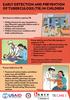 EARLY DETECTION AND PREVENTION OF TUBERCULOSIS (TB) IN CHILDREN Risk factors in children acquiring TB: Children living in the same household as a lung TB patient (especially children under 5) Children
James F. Kravec, M.D., F.A.C.P
 James F. Kravec, M.D., F.A.C.P Chairman, Department of Internal Medicine, St. Elizabeth Health Center Chair, General Internal Medicine, Northeast Ohio Medical University Associate Medical Director, Hospice
William Atkinson, MD, MPH Hepatitis B Vaccine Issues June 16, 2016
 William Atkinson, MD, MPH Hepatitis B Vaccine Issues June 16, 2016 Advisory Committee on Immunization Practices (ACIP) The recommendations to be discussed are primarily those of the ACIP composed of 15
Irish Association for Emergency Medicine (IAEM) submission to the National COPD Strategy
 31 st Irish Association for Emergency Medicine (IAEM) submission to the National COPD Strategy 1 Introduction Chronic obstructive pulmonary disease (COPD) is an important disease for patients, the health
Pertussis Information for GPs and other Health Care Providers on Clinical and Public Health Management. March 2010
 Pertussis Information for GPs and other Health Care Providers on Clinical and Public Health Management March 2010 Infectious Agent Bordetella pertussis (a bacterium) Clinical Features Infants and Young
APIC Practice Guidance Committee: Implementation Insights Prevention & Control of Pertussis
 1275 K Street, NW, Suite 1000 Washington, DC 20005-4006 Phone: 202/789-1890 Fax: 202/789-1899 [email protected] www.apic.org APIC Practice Guidance Committee: Implementation Insights Prevention & Control
Alberta Health and Wellness Public Health Notifiable Disease Management Guidelines August 2011
 August 2011 Pertussis Revision Dates Case Definition Reporting Requirements Remainder of the Guideline (i.e., Etiology to References sections inclusive) August 2011 August 2011 December 2005 Case Definition
Urinary Tract Infections
 Urinary Tract Infections Leading cause of morbidity and health care expenditures in persons of all ages. An estimated 50 % of women report having had a UTI at some point in their lives. 8.3 million office
Management of Extended Spectrum Beta- Lactamase (ESBL) Producing Enterobacteriaceae in health care settings
 Management of Extended Spectrum Beta- Lactamase (ESBL) Producing Enterobacteriaceae in health care settings Dr. Mary Vearncombe PIDAC-IPC February 2012 Objectives: To provide an overview of the RP/AP Annex
CYSTIC FIBROSIS CLINICS AS A MODEL OF INTERPROFESSIONAL CARE
 CYSTIC FIBROSIS CLINICS AS A MODEL OF INTERPROFESSIONAL CARE 1. Cystic fibrosis introduction 2. CF Foundation centers 3. Care disciplines: physician specialists (pulmonary, GI, endocrine, genetics, palliative
BE SURE. BE SAFE. VACCINATE.
 DON T GET OR GIVE THE FLU THIS YEAR THANK YOU Vaccination is the only protection. www.immunisation.ie BE SURE. BE SAFE. VACCINATE. FLU VACCINE 2013-2014 Healthcare workers prevent the spread of flu and
Key Facts about Influenza (Flu) & Flu Vaccine
 Key Facts about Influenza (Flu) & Flu Vaccine mouths or noses of people who are nearby. Less often, a person might also get flu by touching a surface or object that has flu virus on it and then touching
Remove this cover sheet before redistributing and replace it with your own. Please ensure that DPHHS is included on your HAN distribution list.
 State of Montana Health Alert Network DPHHS HAN ADVISORY Cover Sheet DATE: May 15, 2012 SUBJECT: Pertussis INSTRUCTIONS: DISTRIBUTE to your local HAN contacts. This HAN is intended for general sharing
Borderless Diseases By Sunny Thai
 Borderless Diseases By Sunny Thai Millennium Development Goal #6 6. Combat HIV/AIDS, malaria and other borderless diseases. A. Halt and begin reversing spread of HIV by 2015. B. Achieve universal access
Chapter 5. INFECTION CONTROL IN THE HEALTHCARE SETTING
 Chapter 5. INFECTION CONTROL IN THE HEALTHCARE SETTING INTRODUCTION This chapter addresses infection control measures and practices in the healthcare setting and provides guidance to healthcare facilities
Achieving Quality and Value in Chronic Care Management
 The Burden of Chronic Disease One of the greatest burdens on the US healthcare system is the rapidly growing rate of chronic disease. These statistics illustrate the scope of the problem: Nearly half of
Service delivery interventions
 Service delivery interventions S A S H A S H E P P E R D D E P A R T M E N T O F P U B L I C H E A L T H, U N I V E R S I T Y O F O X F O R D CO- C O O R D I N A T I N G E D I T O R C O C H R A N E E P
Outcome of Drug Counseling of Outpatients in Chronic Obstructive Pulmonary Disease Clinic at Thawangpha Hospital
 Mahidol University Journal of Pharmaceutical Sciences 008; 35(14): 81. Original Article Outcome of Drug Counseling of Outpatients in Chronic Obstructive Pulmonary Disease Clinic at Thawangpha Hospital
Other Causes of Fever
 T e c h n i c a l S e m i n a r s Other Causes of Fever Febrile Illness Causes Fever After Seven Days Referral Relapsing Fever - Borreliosis Overview JHR Adaptation Sore Throat Overview Prevention Management
Principles of Disease and Epidemiology. Copyright 2010 Pearson Education, Inc.
 Principles of Disease and Epidemiology Pathology, Infection, and Disease Disease: An abnormal state in which the body is not functioning normally Pathology: The study of disease Etiology: The study of
Laboratory confirmation requires isolation of Bordetella pertussis or detection of B. pertussis nucleic acid, preferably from a nasopharyngeal swab.
 Pertussis Epidemiology in New Zealand New Zealand has continued to experience outbreaks of pertussis in recent decades. This is in part due to historically low immunisation rates and in part because immunity
FOR INFORMATION CONTACT:
 NEWS RELEASE FOR INFORMATION CONTACT: Caroline Calderone Baisley Deborah C. Travers Director of Health Director of Family Health Tel [203] 622-7836 Tel [203] 622-7854 September 10, 2014 For Immediate Release
Pneumonia Education and Discharge Instructions
 Pneumonia Education and Discharge Instructions Pneumonia Education and Discharge Instructions Definition: Pneumonia is an infection of the lungs. Many different organisms can cause it, including bacteria,
Best Practice Model for Imaging of Community Acquired Pneumonia. Karen E. Conner, MD
 Best Practice Model for Imaging of Community Acquired Pneumonia Karen E. Conner, MD Chest Radiology and CT Section Chief, Intermountain Healthcare; Chair, QA Committee, Mountain Medical Physician Specialists
Influenza (Flu) Influenza is a viral infection that may affect both the upper and lower respiratory tracts. There are three types of flu virus:
 Respiratory Disorders Bio 375 Pathophysiology General Manifestations of Respiratory Disease Sneezing is a reflex response to irritation in the upper respiratory tract and is associated with inflammation
AV1300 STAFF INFLUENZA IMMUNIZATION AND EXCLUSION POLICY
 AV1300 STAFF INFLUENZA IMMUNIZATION AND EXCLUSION POLICY 1.0 PURPOSE To help ensure that those at greatest risk of complications and death from influenza are optimally protected through the appropriate
Antibiotic-Associated Diarrhea, Clostridium difficile- Associated Diarrhea and Colitis
 Antibiotic-Associated Diarrhea, Clostridium difficile- Associated Diarrhea and Colitis ANTIBIOTIC-ASSOCIATED DIARRHEA Disturbance of the normal colonic microflora Leading to alterations in bacterial degradation
Tuberculosis and HIV/AIDS Co-Infection: Epidemiology and Public Health Challenges
 Tuberculosis and HIV/AIDS Co-Infection: Epidemiology and Public Health Challenges John B. Kaneene, DVM, MPH, PhD University Distinguished Professor of Epidemiology Director, Center for Comparative Epidemiology
The Global Alliance against Chronic Respiratory Diseases
 The Global Alliance against Chronic Respiratory Diseases Pulmonary hypertension Dr Marc Humbert What is the burden of pulmonary hypertension? The true burden of pulmonary hypertension is currently unknown
This clinical study synopsis is provided in line with Boehringer Ingelheim s Policy on Transparency and Publication of Clinical Study Data.
 abcd Clinical Study for Public Disclosure This clinical study synopsis is provided in line with s Policy on Transparency and Publication of Clinical Study Data. The synopsis which is part of the clinical
Antibiotic resistance does it matter in paediatric clinical practice? Jette Bangsborg Department of Clinical Microbiology Herlev Hospital
 Antibiotic resistance does it matter in paediatric clinical practice? Jette Bangsborg Department of Clinical Microbiology Herlev Hospital Background The Department of Clinical Microbiology at Herlev Hospital
Clinical description 2 Laboratory test for diagnosis 3. Incubation period 4 Mode of transmission 4 Period of communicability 4
 Tuberculosis Contents Epidemiology in New Zealand 2 Case definition 2 Clinical description 2 Laboratory test for diagnosis 3 Case classification 3 Spread of infection 4 Incubation period 4 Mode of transmission
Pentavalent Vaccine. Guide for Health Workers. with Answers to Frequently Asked Questions
 Pentavalent Vaccine Guide for Health Workers with Answers to Frequently Asked Questions Ministry of Health and Family Welfare Government of India 2012 Immunization is one of the most well-known and effective
Infectious Diseases Society of America/American Thoracic Society Consensus Guidelines on the Management of Community-Acquired Pneumonia in Adults
 SUPPLEMENT ARTICLE Infectious Diseases Society of America/American Thoracic Society Consensus Guidelines on the Management of Community-Acquired Pneumonia in Adults Lionel A. Mandell, 1,a Richard G. Wunderink,
OTITIS MEDIA AND SINUSITIS
 Page 1 OTITIS MEDIA AND SINUSITIS I. OTITIS MEDIA A. Definition: 1. Inflammatory reaction to foreign antigens in the middle ear that cannot adequately drain via the eustachian tube. 2. Three major divisions
Swine Flu and Common Infections to Prepare For. Rochester Recreation Club for the Deaf October 15, 2009
 Swine Flu and Common Infections to Prepare For Rochester Recreation Club for the Deaf October 15, 2009 Supporters Deaf Health Community Committee Members Julia Aggas Cathie Armstrong Michael McKee Mistie
Cytomegalovirus (HHV5/CMV) Roseolovirus (HHV6 & 7)
 Betaherpesvirinae Cytomegalovirus (HHV5/CMV) Roseolovirus (HHV6 & 7) CYTOMEGALOVIRUS CMV is thought to be amongst the oldest type of herpesvirus in evolutionary terms. CMV is the prototype of beta-herpesviruses
Tuberculosis: FAQs. What is the difference between latent TB infection and TB disease?
 Tuberculosis: FAQs What is TB disease? Tuberculosis (TB) is a disease caused by bacteria (germs) that are spread from person to person through the air. TB usually affects the lungs, but it can also affect
Fact Sheet for Health Care Providers: Interpreting Results from the Aptima Zika Virus Assay. June 17, 2016
 Dear Health Care Provider: Fact Sheet for Health Care Providers: Interpreting Results from the Aptima Zika Virus Assay June 17, 2016 The U.S. Food and Drug Administration (FDA) has issued an Emergency
FACULTY OF MEDICAL SCIENCE
 Doctor of Philosophy Program in Microbiology FACULTY OF MEDICAL SCIENCE Naresuan University 171 Doctor of Philosophy Program in Microbiology The time is critical now for graduate education and research
Surveillance cultures PRO. Kurt Espersen ICU 4131 Rigshospitalet Copenhagen
 Kurt Espersen ICU 4131 Rigshospitalet Copenhagen Difficult to Diagnose Systemic Candidal Infection Immunsuppression in critically ill patients Frequent manifestation of fungus in ICU Fungi were isolated
Infectious Diseases Society of America/American Thoracic Society Consensus Guidelines on the Management of Community-Acquired Pneumonia in Adults
 SUPPLEMENT ARTICLE Infectious Diseases Society of America/American Thoracic Society Consensus Guidelines on the Management of Community-Acquired Pneumonia in Adults Lionel A. Mandell, 1,a Richard G. Wunderink,
U.S. DEPARTMENT OF HEALTH AND HUMAN SERVICES Public Health Service Centers for Disease Control and Prevention
 U.S. DEPARTMENT OF HEALTH AND HUMAN SERVICES Public Health Service Centers for Disease Control and Prevention National Center for HIV, STD, and TB Prevention Division of Tuberculosis Elimination Public
MANAGEMENT OF TUBERCULOSIS
 MANAGEMENT OF TUBERCULOSIS Dean B. Ellithorpe, M.D. Clinical Professor of Medicine Section of Pulmonary Diseases, Critical Care and Environmental Medicine Tulane University School of Medicine INTRODUCTION
CAP, HAP, VAP, & HCAP
 Objectives Following the presentation, the participant will be able to: CP, HP, VP, & HCP John C. Rotschafer, Pharm. D. Professor College of Pharmacy University of Minnesota 1. Identify typical, atypical,
Rhode Island Department of Health Division of Infectious Diseases and Epidemiology
 Rhode Island Department of Health Division of Infectious Diseases and Epidemiology STD (Sexually Transmitted Disease) PROGRAM Expedited Partner Therapy (EPT) for STDs Guidance for Medical Providers in
Decreasing Sepsis Mortality at the University of Colorado Hospital
 Decreasing Sepsis Mortality at the University of Colorado Hospital Maureen Dzialo, RN, BSN - Nurse Manager, Cardiac Intensive Care Unit Olivia Kerveillant, RN Clinical Nurse III, Medical Intensive Care
A cross-sectional study to assess the long-term health status of patients with lower respiratory tract infections, including Q fever
 Postprint Version Journal website 1.0 http://journals.cambridge.org/action/displayabstract?frompage=online&aid=9204 662&fileId=S0950268814000417 Pubmed link http://www.ncbi.nlm.nih.gov/pubmed/?term=24625631