
Overview of the Health System in Ghana
|
|
|
- Aleesha Todd
- 9 years ago
- Views:
Transcription
1 Chapter 2 Overview of the Health System in Ghana The health care system in Ghana is confronted with the formidable task of improving and guaranteeing the health and well-being of the Ghanaian people. The health system has the responsibility of combating illnesses associated with poverty and lack of education; at the same time, it has to deal with a growing population, inadequate funding and resources, and an increasing burden on the health care system due to the HIV/AIDS epidemic. This chapter provides a brief overview of the health care system in Ghana as it relates to infrastructure and outpatient services. The chapter provides a context in which to view the findings of the Ghana Service Provision Assessment (GSPA) survey. Information is presented with respect to the following: Relevant history, including health sector reforms and reforms in drug policy General organization of the health care system Health facilities Health manpower Public health programmes Health insurance. 2.1 History Overview of the Health Situation The health of Ghanaians has been improving since Ghana s independence in Infant mortality rate (IMR) among Ghanaian children has fallen from 133 deaths per 1,000 live births in 1957 to 57 deaths per 1,000 live births in 1988, and the under-five mortality rate (U5MR) has decreased from 154 deaths per 1,000 live births in 1957 to 110 deaths per 1,000 live births in 1988 (Ghana Statistical Service and Macro International, 1999). Although improvement has been seen, the Ministry of Health (MoH) is of the view that rates of change have been slow, with current rates still far from desirable. The national level rates obscure the substantial differences that exist between groups and sectors of the country, and this is of great concern to the MoH. For example, IMRs vary from less than 57 deaths per 1,000 live births in the southern part of the country to over 100 deaths per 1,000 live births in the northern part. Table 2.1 shows the major endemic health problems of various age groups in Ghana according to the Ministry of Health. The primary causes of preventable deaths in children under five years are malaria, malnutrition, diarrhoea, and acute respiratory infections (ARI). With the current gross domestic product (GDP) estimated as US$390 per capita, Ghana faces economic challenges, which are reflected in Ghana s poor state of health. These economic conditions make the choices of how to use Ghana s scarce resources to positively affect health care all the more important Health Sector Reforms The health sector has seen many changes during the past decades. Initially, the MoH assumed the role of the sole provider of services with collaboration from the missions and the paragovernment institutions such as the military, the police, and the mines. Its services were oriented more toward curative care than preventive care and involved programmes that were to a large extent donor driven. OVERVIEW OF THE HEALTH SYSTEM IN GHANA 13

2 Table 2.1 Burden of disease Age group Disease (percent) Disease (percent) Disease (percent) Disease (percent) Disease (percent) Disease (percent) <1 year Malaria (55.8) Acute respiratory infections (11.2) Diarrhoeal diseases (8.3) Skin diseases and ulcers (4.4) Anaemia (3.6 percent) Pneumonia (2.1) 1-4 years Malaria (57.3) Acute respiratory infections (9.5) Diarrhoeal diseases (6.4) Skin diseases and ulcers (4.7) Anaemia (3.4 percent) Intestinal worms (1.8) 5-14 years Malaria (49.7) Acute respiratory infections (7.8) Skin diseases and ulcers (3.4) Diarrhoeal diseases (5.4) Home and occupational accidents (3.3) Intestinal Worms (2.7) years Malaria (38.5) Pregnancy and related complications (6.3) Other acute respiratory infections (6.0) Skin disease and ulcers (4.1) Home and occupational accidents (3.3) Gynaecological conditions (3.1) years Malaria (35.8) Hypertension (9.1) Other acute respiratory infections (6.4) Rheumatism and joint pains (4.5) Skin disease and ulcers (3.9) Acute eye infections (3.1) 60 years Malaria (35.3) Hypertension (12.3) Other acute respiratory infections (7.0) Rheumatism and joint pains (4.9) Skin disease and ulcers (3.6) Acute eye infections (3.3) In 1996, Ghana developed Vision 2020, a long-term vision for growth and development that would move it from a low-income to a middle-income country by The Vision 2020 document defines the nation s areas for priority attention in the medium to long term as follows: Maximizing the healthy and productive lives of Ghanaians Fair distribution of the benefits of development Attainment of a national economic growth rate of 8 percent Reduction of the population growth rate from 3 percent to 2.75 percent The promotion of science and improved technology as tools for growth and development. The MoH had developed and published its Medium-Term Health Strategy (MTHS) document and a fiveyear programme of work that is to guide health development in Ghana from 1997 to The objectives of the programme of work were to achieve the following: Increased geographical and financial access to basic services Better quality of care in all facilities and during outreaches Improved efficiency in the health sector Closer collaboration and partnership between the health sector and communities, other sectors, and private providers both allopathic and traditional Increased overall resources in the health sector, equitably and efficiently distributed. Its mission statement, which summarizes the overall direction of the health sector, is as follows: As one of the critical sectors in the growth and development of the Ghanaian economy, the mission of the health Ministries, Departments and Agencies is to improve the health status of all people living in Ghana through the development and promotion of proactive policies for good health and longevity; the provision of universal access to basic health 14 OVERVIEW OF THE HEALTH SYSTEM IN GHANA

3 service, and provision of quality health services which are affordable and accessible. These services will be delivered in a humane, efficient, and effective manner by well trained friendly, highly motivated, and client oriented personnel. In 1997, the common perception was that government, religious missions, and other donor-financed nongovernment organizations (NGOs) dominated health service provision. The government had, for some years, identified primary and preventive care and the major instrument for reducing morbidity and lengthening life. Although there had been substantial progress in developing a district-based package of primary services during the 1990s, this was still being delivered unevenly and was substantially dependent on vertical programmes. Moreover, there were important differences in the approach to health service priorities being adopted by religious missions, providers, and other private providers. Until recently, the MoH developed its own policies, implemented and regulated them, evaluated its own performance, and developed the human resources needed to run the health service. This was deemed inefficient, and as part of the overall institutional reforms, there was a decision to decentralize roles and responsibilities to different agencies. The passage of Act 525 in 1996 established the Ghana Health Service (GHS) as the implementing body for public sector health services. This marked a clear statement of intent for the public sector service delivery component, separating the service delivery, policy, and regulatory components of the MoH. The act also paved the way for the strengthening of the regulatory bodies, especially the Food and Drugs Board, the Nurses and Midwives Council, the Medical and Dental Council, the Traditional Medicine Board, the Funeral Homes Board, and the Private and Maternity Homes Board. Under Act 525, the MoH has been streamlined to be the backbone for the provision of general government policy direction, resource mobilization, monitoring and evaluation, and providing administrative support for the Minister. The Ghana Health Service was officially launched in February Although the GHS is under the administrative supervision of the MoH, GHS staff are no longer civil servants; this allows more flexible management options. In establishing the GHS, the MoH recognizes the pluralistic nature of the provision of health service in the country. The Ministry s policies aim at improving public sector services and at strengthening the Private Medical and Dental Practitioners significant contribution to service delivery. The health sector expanded to include the government health services; private, traditional, and nongovernment providers; civil society; and community groups Reforms in Drug Policy The revolving drug fund (RDF) was started in 1992, using capital that had accumulated in facilities through the retention of fees during the previous year. These funds were used in two ways. A portion was withdrawn from facilities and used to form the seed capital of the regional medical stores, and the remainder was left at the health facility as the seed capital for the revolving drug fund. Guidance on the operational aspect of the fund was provided in the Cash and Carry manual written in 1989 and used for the initial training of staff. Other manuals relating to the operation of the RDF, such as procurement procedures, were developed. The status of the various manuals or their application or applicability is not clear. Guidance on charges that can be made against the drug fund is also not clear. The pricing of drugs varies between facilities, with little standardization concerning the pricing policy. This variation is important as it means that the system fails to meet the government s strategy of equity and affordability in respect to health care OVERVIEW OF THE HEALTH SYSTEM IN GHANA 15

4 provision. In addition, the expected cash flow from drug sales falls short of the government s target as a result of credit sales that are becoming the norm (Ministry of Health and Ghana Health Service, 2000). 2.2 Overview of the Health System Public Sector Organization of the Ministry of Health Figure 2.1 provides an outline of the various sectors and organizations for which the MoH has some responsibility. Figure 2.1 Relationship of the Ministry of Health to the various sectors and organizations in Ghana Ministry of Health Public Sector Private Sector Traditional Other Sectors Ghana Health Service Teaching Hospitals Private-for-Profit Mission-Based Providers Traditional Medicine Providers Alternative Medicine Education Food and Agriculture Quasi-government Institutions Other Private Works and Housing Statutory Bodies Civil Society Organizations Faith Healers Local Government and Rural Development Environment, Science, and Technology 16 OVERVIEW OF THE HEALTH SYSTEM IN GHANA

5 Ghana Health Service The GHS, the public sector service provider, has eight directorates, as shown in Figure 2.2: Figure 2.2 Directorates of the Ghana Health Service Ghana Health Service Director General/Deputy Director General National Regional RDHS Public Health Institutional Care Finance SSDM Internal Audit District DDHS PPME HASS HRDD Sub-District DDHS The public health directorate is responsible for the Reproductive and Child Health Programme, the Malaria Control Programme, the National AIDS/STI Control Programme, the Occupational Health Programme, the Parasitic Diseases Control Programme, and others, with Maternal, Child Health, and Family Planning services included under the Reproductive and Child Health Unit. Regional and District Administration As a result of decentralization and health sector reform, services are integrated as one goes down the hierarchy of health structure from the national to the subdistrict. This has affected the supervision system, whereby one technical person down the line may supervise several technical areas of service delivery. Structure of Delivery of Services At the regional level, curative services are delivered at the regional hospitals and public health services are delivered by the District Health Management Team (DHMT), as well as the public health division of the regional hospital. The Regional Health Administration (RHA) provides supervision and management support to the districts and subdistricts within each region. At the district level, curative services are provided by district hospitals, many of which are mission based. Public health services are delivered by the DHMT and the public health unit of the district hospitals. The District Health Administration (DHA) provides supervision and management support to the subdistricts. OVERVIEW OF THE HEALTH SYSTEM IN GHANA 17

6 At the subdistrict level, both preventive and curative services are provided by the health centres, as well as outreach services to the communities within their catchment areas. Basic preventive and curative services for minor ailments are being addressed at the community and household level with the introduction of the Community-based Health Planning and Services (CHPS). The role played by the traditional birth attendants (TBAs) and the traditional healers is also receiving national recognition Nongovernment and Private Sectors Although there are several health-oriented NGOs operating throughout the country, the population covered by the health services of these NGOs cannot be determined. The GHS supports the health services of NGOs and the private sector in several ways. In December 2002, the GHS initiated the process of awarding contracts to NGOs to undertake specific health services based on their comparative advantage. Government funds from the decentralized budget process were used to pay for the contracted NGO s service. The GHS also provides support to Mission health facilities by seconding staff and providing some essential equipment. Currently, the private sector contributes 35 percent of health services in the country. Government support is targeted to raise this to 65 percent in the next 10 years. The private sector, however, provides basic curative health services and very few preventive services. Modalities for supervision and monitoring of services of NGOs and the private sector are under development. The NGOs and the private sector are to work with communities in collaboration with the DHMT and provide a quarterly progress report. Reports to the Policy Planning, Monitoring and Evaluation unit of GHS are presented biannually. Staff are trained by GHS but are not funded by the government. Their activities are guided by the GHS standards and protocols. 2.3 Health Facilities A distribution of health facilities by type of facility and region is shown in Table A Health Centres The health centre has traditionally been the first point of contact between the formal health delivery system and the client. It is headed by a medical assistant and is staffed with programme heads in the areas of midwifery, laboratory services, public health, environment, and nutrition. Each health centre serves a population of approximately 20,000. They provide basic curative and preventive services for adults and children, as well as reproductive health services. They provide minor surgical services such as incision and drainage. They augment their service coverage with outreach services, and refer severe and complicated conditions to appropriate levels. The polyclinic is the urban version of the rural health centre. Polyclinics are usually larger, offer a more comprehensive array of services, are manned by physicians, and can offer complicated surgical services. They are mainly in metropolitan areas District Hospitals District hospitals are the facilities for clinical care at the district level. District hospitals serve an average population of 100,000 to 200,000 people in a clearly defined geographical area. The number of beds in a district hospital is usually between 50 and 60. It is the first referral hospital and forms an integral part of the district health system. 18 OVERVIEW OF THE HEALTH SYSTEM IN GHANA

7 A district hospital should provide the following: Curative care, preventive care, and promotion of health of the people in the district Quality clinical care by a more skilled and competent staff than those of the health centres and polyclinics Treatment techniques, such as surgery, not available at health centres Laboratory and other diagnostic techniques appropriate to the medical, surgical, and outpatient activities of the district hospital Inpatient care until the patient can go home or back to the health centre Training and technical supervision to health centres, as well as a resource centre for health centres at each district hospital Twenty-four-hour hospital services The following clinical services: - Obstetrics and gynaecology - Child health - Medicine - Surgery, including anaesthesia Accident and emergency services Nonclinical support services Referral services Contribution to the district-wide information generation, collection, planning, implementation, and evaluation of health service programmes Regional Hospitals Regional hospitals form a secondary level of health care for their locations. They provide services to a geographically well defined area of a population of about 1.2 million. Regional hospitals are an integral part of the regional health system, functioning to support it. They provide specialized care, involving skills and competence not available at district hospitals, which makes them the next level of referral from district hospitals. Their personnel should include medical professionals, such as general surgeons, general medical physicians, pediatricians, general and specialized nurses, and midwives. Regional hospitals should have 150 to 200 beds. Regional hospitals should provide general clinical services in the following disciplines: Medicine General surgery and anaesthesia Paediatrics Obstetrics and gynaecology Dental services Psychiatry Accident and emergency services Ear, nose, and throat Ophthalmology Dermatology. OVERVIEW OF THE HEALTH SYSTEM IN GHANA 19

8 They should also provide the following services: Laboratory and diagnostic techniques for referrals from the lower levels of the health care system Teaching and training for health care personnel such as nurses and medical students Supervision and monitoring of district hospital activities Technical support to district hospitals, such as special outreach services Teaching Hospitals Teaching hospitals are centres of excellence and complex health care. Governance of teaching hospitals is unusual because it involves many players, such as the MoH, the Ministry of Education, and university and political influences in the community; teaching hospitals have a high social and political profile. The care at these facilities requires more complex technology and highly skilled personnel. They have a high concentration of resources and are relatively expensive to run. They also support the training of health workers both preservice and in-service. Teaching hospitals have the following functions: Health care - They provide complex curative tertiary care. They also provide preventive care and participate in public health programmes for the local community and the total primary health care system. Referrals from districts as well as the regions are ultimately received and managed at the teaching hospitals. The teaching hospitals have a special role in providing information on various health problems and diseases. They provide extramural treatment alternatives to hospitalization, such as day surgery, home care, home hospitalization, and outreach services. Quality of care - Teaching hospitals should provide a leading role in setting high-quality clinical standards and treatment protocols. The best quality of care in the country should be found at teaching hospitals. Access to care - Patients might only have access to teaching hospitals through a well-developed referral system. Research - With the concentration of resources and personnel, teaching hospitals contribute in providing solutions to local and national health problems through research. Teaching and training - Teaching functions are one of the primary functions of the teaching hospital. They provide both basic and post-graduate training for health professionals. 20 OVERVIEW OF THE HEALTH SYSTEM IN GHANA

9 2.3.5 Private Maternity Homes Private maternity homes fall under the governance of the Ghana Registered Midwives Association. They represent 17 percent of the health facilities providing reproductive health services in Ghana and have facilities in every region, with the highest number in the Ashanti region, followed by Greater Accra, and the least in the Upper East and West regions. Working in close collaboration with the Reproductive and Child Health Unit of the GHS, they offer reproductive and family planning services. In addition, some child welfare activities are carried out on their premises by health staff of public health facilities. 2.4 Health Manpower Table 2.2 presents the number of health providers in comparison to population. Statistics for laboratory staff is not available. Table 2.2 Health staff population ratio (both public and private), Ghana SPA 2002 Region Population 2000 Number of doctors Number of nurses Population-todoctor ratio Population-tonurse ratio Western 1,924, ,361 15,775 1,414 Central 1,593, ,427 15,325 1,117 Greater Accra 2,905,726 1,016 5,694 2, Volta 1,635, ,895 15, Eastern 2,106, ,429 15, Ashanti 3,612, ,250 7,098 1,606 Brong Ahafo 1,815, ,493 16,066 1,216 Northern 1,820, ,104 43,352 1,649 Upper East 920, ,137 1,053 Upper West 576, ,355 1,100 Total 18,912,079 2,211 19,051 8, For the year 2000, the doctor-to-population ratio is 20,357 in the private sector and 14,752 in the public sector. The nurse-to-population ratio is 3,675 in the private sector and 1,295 in the public sector. As many as 915 nurses requested verification of their professional certificates in 2001, which indicates the number of nurses intending to leave the country in search of better opportunities (Nurses and Midwife s Council Register, 2002). Ghanaians constituted 9 percent of 5,334 sub-saharan medical graduates in the United States (Hagopian et al., 2003). 2.5 Public Health Programmes The MoH is focusing on a number of health priorities in Ghana, and specific health programmes have been developed to address these health priorities. The programmes are discussed below Reproductive and Child Health The GHS has sanctioned the existence and free unfettered operation of the Reproductive and Child Health Unit. This unit has active branches at all levels throughout the country. For the past 13 years, the unit has provided an annual report based on data from regional, district, subdistrict, and other partners. OVERVIEW OF THE HEALTH SYSTEM IN GHANA 21

10 The components of the reproductive health programme are as follows: Safe motherhood, including antenatal, safe delivery, and postnatal care, especially breastfeeding, infant health, and women s health Family planning Prevention and treatment of unsafe abortions and postabortion care Prevention and treatment of reproductive tract infections, including sexually transmitted diseases and HIV/AIDS Prevention and treatment of infertility Management of cancer, including prevention and management of cervical cancers Responding to concerns about menopause Discouragement of harmful traditional practices that affect the reproductive health of men and women, such as female genital mutilation Information and counselling on human sexuality, responsible sexual behaviour, responsible parenthood, preconception care, and sexual health. Family planning services are designed to assist couples and individuals in their reproductive ages to space or limit the number of births, prevent unwanted pregnancies, manage infertility, and improve reproductive health. Services provided at delivery points include the provision of short-term methods (condoms, spermicides, oral contraceptives, and natural family planning methods), reversible long-term methods (IUDs, injectables, and implants), and permanent long-term methods (minilap tubal ligation, and vasectomy). Other activities include training of tutors, in-service training of staff, and counselling. Currently, the reproductive health care system, which was designed for adults, is being modified to meet the needs of adolescents as well. The child health programme constitutes all child health activities aimed at promoting and maintaining the optimal growth and development of children age 0-18 years. For programmatic purposes, it has been subdivided into three groups: Children under 5 years (0-4 years) School-age children (5-15 years) Adolescents (10-18 years). The components of the child health programme include the following: Neonatal health care - Antenatal care services - Postnatal care services Child welfare services - Promotion of exclusive breastfeeding for the first six months and timely introduction of complementary feeding - Immunization - Growth promotion and nutrition rehabilitation - Curative care for minor ailments and injuries 22 OVERVIEW OF THE HEALTH SYSTEM IN GHANA

11 School health services - Screening and examination of school children and food vendors - Immunization - Health education on current public health issues - Management of minor ailments and injuries - Maintenance of a hygienic school environment - Referrals Adolescent health - Identification and management of common health problems affecting adolescents - Provision of services focused on adolescents, including counselling; information, education, and communication (IEC); and reproductive health issues in general - Referrals Expanded Programme on Immunization In Ghana, the Expanded Programme on Immunization (EPI) was introduced in 1978 as a strategy to improve child health. Since 1985, the programme has been operational in all 10 regions and 110 districts. The programme s focus was on childhood immunizations against tuberculosis (TB), diphtheria, neonatal tetanus, pertussis, acute poliomyelitis, measles, and yellow fever. Immunizations against Haemophilus influenzae type b (Hib) and hepatitis B (HepB) vaccine were introduced in Despite several attempts to improve the programme, the national immunization coverage has remained low (MoH, 1992). In response to these low percentages, Ghana has implemented strategies and set a minimum target of 75 percent for DPT3/OPV3 coverage to be attained by the year 2001 as part of the health sector reform documented in the MTHS (MoH, 1995). The EPI goals articulated in this strategy include the following: Eradication of poliomyelitis by the year 2000 Elimination of measles by the year 2004 Control of hepatitis by the year 2004 Control of yellow fever by the year As part of attempts to improve the EPI services in the country, the policy environment was strengthened. In 1991, daily immunization services (DIS) were introduced for all delivery points, including hospitals (Policies and Priorities for the Health Sector , MoH). The DIS policy stated that health workers should use every contact with a child under five years of age to inquire about their immunization status and should proceed to vaccinate them or refer them as needed. There is evidence, however, that this policy is not being adhered to. Another strategy encouraged by EPI includes static, outreach, and satellite clinics. Static clinics are facility based and operate daily from 8 a.m. to 3 p.m. All logistics and other items needed for immunization are expected to be available at these sites. Referrals from other types of clinics are received and attended to. Outreach clinics have staff who move from their station (static) to render the same kind of services they would have carried out at the static clinic in the communities. Specialized care is usually not provided. Logistics and vaccines are carried by the team. Outreach services are held either weekly, fortnightly, or monthly, depending on staff strength and distance of operation. Satellite clinics are performed close to the static clinics. Their purpose is to decongest static clinics. The main difference between outreach and satellite clinics is the distance from the static clinics. In a recent review, EPI was OVERVIEW OF THE HEALTH SYSTEM IN GHANA 23

12 criticized for its overdependence on outreach immunization activities, and the review suggested that more static sites be created. The safety of injections policy was also introduced. It states that to ensure the safety of injections, the needles and syringes for routine immunizations should be disposable and autodestructive. Health staff are to use one sterile needle and syringe for each injection and should not reuse disposable syringes and needles. These needles are to be placed in a puncture-proof container after use and disposed of by burning (destructive incineration) or burying at least 0.5 m below the surface. 2.6 Health Insurance Health Insurance For several years, the percentage for recurrent allocation to the health sector had been stagnant around 6 percent. In 2003, the percentage increased to 12 percent, and it is hoped that this will continue until the Abuja declaration target of 15 percent is reached by the year The allocation of resources has now been built into a deprivation index, such that about 50 percent of recurrent expenditures goes to the district level, where most people live. Releases from the Poverty Reduction Fund have been targeted toward the deprived areas. So that health care is affordable, the health insurance scheme is being vigorously pursued. The bill and legislative instruments (LIs) were presented to Parliament in 2003 for cabinet approval. Parliament has also approved the bill, which is awaiting the President s assent for it to be passed into law. Currently, several small-scale pilot projects are ongoing within various districts in the country Other Health Funding Activities An exemption policy to address the needs of the most financially vulnerable (paupers) was first designed to cover the services for contagious illnesses, such as TB and leprosy (LI 1313 Hospital Fees Regulations, 1985). The exemptions list has since been revised and expanded. A presidential fiat authorized exemptions for other vulnerable groups that were grossly underutilizing services (pregnant women, children under five years of age, and the aged). The present system has mixed objectives. Some elements promote the use of services that might otherwise be underused and to improve efficiency, while other elements are intended to minimize the cost of health care for the poor (Health Research Unit summary report on exemptions study, Ministry of Health, 2000). There have been problems with the design and implementation of the exemption scheme. Although exemption guidelines have been distributed widely, provider knowledge about how exemptions should be applied varies and is low. As a result, exemptions are applied variably at the different health levels within and between regions. Services for all other diseases are to be paid for out of pocket, unless the system declares the person a pauper. 24 OVERVIEW OF THE HEALTH SYSTEM IN GHANA

Overview of the Health System in Kenya
 Chapter 2 Overview of the Health System in Kenya Dr. Richard Muga, Dr. Paul Kizito, Mr. Michael Mbayah, Dr. Terry Gakuruh This chapter provides an overview of the health system in Kenya as a context in
cambodia Maternal, Newborn AND Child Health and Nutrition
 cambodia Maternal, Newborn AND Child Health and Nutrition situation Between 2000 and 2010, Cambodia has made significant progress in improving the health of its children. The infant mortality rate has
Overview of the Health System in Egypt
 Chapter 2 Overview of the Health System in Egypt The Egyptian health care system faces multiple challenges in improving and ensuring the health and wellbeing of the Egyptian people. The system faces not
Maternal and Neonatal Health in Bangladesh
 Maternal and Neonatal Health in Bangladesh KEY STATISTICS Basic data Maternal mortality ratio (deaths per 100,000 births) 320* Neonatal mortality rate (deaths per 1,000 births) 37 Births for women aged
HEALTH TRANSITION AND ECONOMIC GROWTH IN SRI LANKA LESSONS OF THE PAST AND EMERGING ISSUES
 HEALTH TRANSITION AND ECONOMIC GROWTH IN SRI LANKA LESSONS OF THE PAST AND EMERGING ISSUES Dr. Godfrey Gunatilleke, Sri Lanka How the Presentation is Organized An Overview of the Health Transition in Sri
INDICATOR REGION WORLD
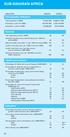 SUB-SAHARAN AFRICA INDICATOR REGION WORLD Demographic indicators Total population (2005) 713,457,000 6,449,371,000 Population under 18 (2005) 361,301,000 2,183,143,000 Population under 5 (2005) 119,555,000
COUNTRY REPORT: CAMBODIA Sophal Oum, MD, MTH, DrPH, Deputy Director-General for Health
 COUNTRY REPORT: CAMBODIA Sophal Oum, MD, MTH, DrPH, Deputy Director-General for Health I. ESTABLISHED PROFESSIONAL QUALIFICATIONS IN HEALTH, 2003 Sector Medical Service, Nursing, First Aid Medical Service
MATERNAL AND CHILD HEALTH
 MATERNAL AND CHILD HEALTH 9 George Kichamu, Jones N. Abisi, and Lydia Karimurio This chapter presents findings from key areas in maternal and child health namely, antenatal, postnatal and delivery care,
Ministry of Health NATIONAL POLICY ON INJECTION SAFETY AND HEALTH CARE WASTE MANAGEMENT
 THE REPUBLIC OF UGANDA Ministry of Health NATIONAL POLICY ON INJECTION SAFETY AND HEALTH CARE WASTE MANAGEMENT JULY 2004 GOVERNMENT OF UGANDA MINISTRY OF HEALTH NATIONAL POLICY ON INJECTION SAFETY AND
The National Health Insurance Scheme in Ghana: Best Practices. Regional Conference on Social Health Protection in East African Community
 The National Health Insurance Scheme in Ghana: Best Practices Regional Conference on Social Health Protection in East African Community Dr. Lydia Dsane-Selby Director, Clinical Audit National Health Insurance
INDICATOR REGION WORLD
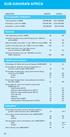 SUB-SAHARAN AFRICA INDICATOR REGION WORLD Demographic indicators Total population (2006) 748,886,000 6,577,236,000 Population under 18 (2006) 376,047,000 2,212,024,000 Population under 5 (2006) 125,254,000
Pre-service and In-service Capacity Building: Lessons Learned from Integrated Management of Childhood Illness (IMCI)
 Pre-service and In-service Capacity Building: Lessons Learned from Integrated Management of Childhood Illness (IMCI) Dr Wilson Were Medical Officer Child Health Services 1 IAEA International Symposium
Carnegie Mellon University Policy #02424 Benefits at a Glance Effective Date: January 1, 2014
 Carnegie Mellon University is offering Medical, Dental, Vision, Pharmacy, Medical Evacuation and Repatriation benefits through Cigna Global Health Benefits to our employees. This comprehensive international
Research Triangle Institute Policy #04806A Benefits at a Glance Effective Date: January 1, 2013
 Research Triangle Institute Research Triangle Institute is offering Medical, Dental, Vision, Pharmacy, Medical Evacuation and Repatriation, and Long Term Disability> benefits through Cigna Global Health
RE: NGO Information on Ghana for the Universal Periodic Review 2008. Key words: women s rights, maternal mortality, reproductive health, abortion
 Koma Jehu-Appiah Country Director Ipas Ghana PMB CT 193 Cantonments, Accra, Ghana email: [email protected] The Human Rights Council OHCHR Civil Society Unit Ms. Laura Dolci-Kanaan NGO Liaison Officer Geneva,
Social Protection and Healthcare Financing: Ghana s NHIS Experience by Danaa Nantogmah, FES Ghana
 Social Protection and Healthcare Financing: Ghana s NHIS Experience by Danaa Nantogmah, FES Ghana Introduction and Background The 2010 provisional census results estimated Ghana s population at 24,233,431
117 4,904,773 -67-4.7 -5.5 -3.9. making progress
 Per 1 LB Eastern Mediterranean Region Maternal and Perinatal Health Profile Department of Maternal, Newborn, Child and Adolescent Health (MCA/WHO) Demographics and Information System Health status indicators
Connection with other policy areas and (How does it fit/support wider early years work and partnerships)
 Illness such as gastroenteritis and upper respiratory tract infections, along with injuries caused by accidents in the home, are the leading causes of attendances at Accident & Emergency and hospitalisation
Preventable mortality and morbidity of children under 5 years of age as a human rights concern
 Preventable mortality and morbidity of children under 5 years of age as a human rights concern 1. Has your government developed a national policy/strategy/action plan aimed at reducing mortality and morbidity
Iowa s Maternal Health, Child Health and Family Planning Business Plan
 Iowa s Maternal Health, Child Health and Family Planning Business Plan CHILD HEALTH Who we are... A public-private partnership that... Promotes access to regular preventive health care services for children
Summary. Accessibility and utilisation of health services in Ghana 245
 Summary The thesis examines the factors that impact on access and utilisation of health services in Ghana. The utilisation behaviour of residents of a typical urban and a typical rural district are used
The practice of medicine comprises prevention, diagnosis and treatment of disease.
 English for Medical Students aktualizované texty o systému zdravotnictví ve Velké Británii MUDr Sylva Dolenská Lesson 16 Hospital Care The practice of medicine comprises prevention, diagnosis and treatment
Central African Republic Country brief and funding request February 2015
 PEOPLE AFFECTED 2 700 000 affected with 2,000,000 target by Humanitarian response 1 472 000 of those in need, targeted for health service support by WHO 430 000 internally displaced 426 000 refugees HEALTH
EVERY MONGOLIAN CHILD HAS THE RIGHT ÒO HEALTHY GROWTH
 ÞÍÈÑÅÔ IECD project, Health and Nutrition, UNICEF EVERY MONGOLIAN CHILD HAS THE RIGHT ÒO HEALTHY GROWTH FACTS AND FIGURES Inside: Infant and Under-Five Mortality Child Malnutrition Vitamin A Deficiency
68 3,676,893 86.7 -49-2.9 -3.2 -2.5. making progress
 Per 1 LB African Region Maternal and Perinatal Health Profile Department of Maternal, Newborn, Child and Adolescent Health (MCA/WHO) Demographics and Information System Health status indicators Maternal
Providing health care
 82 CHAPTER 10 Providing health care In any community, people become ill and require access to health care facilities and treatment. The problem may be physical, such as diarrhoea, fever or injury, or mental,
150 7,114,974 75.8 -53-3.2 -3.6 -2.9. making progress
 Per 1 LB African Region Maternal and Perinatal Health Profile Department of Maternal, Newborn, Child and Adolescent Health (MCA/WHO) Demographics and Information System Health status indicators - Maternal
Country Case Study E T H I O P I A S H U M A N R E S O U R C E S F O R H E A L T H P R O G R A M M E
 Country Case Study E T H I O P I A S H U M A N R E S O U R C E S F O R H E A L T H P R O G R A M M E GHWA Task Force on Scaling Up Education and Training for Health Workers S U M M A R Y Ethiopia suffers
UGANDA HEALTH CARE SYSTEM
 UGANDA HEALTH CARE SYSTEM Community and Home based Rehabilitation Course Julius Kamwesiga KI May 2011 Objectives 1. Define a Health System 2. Describe how Ugandan Health care System is organized 3. Outline
Goal 1: Eradicate extreme poverty and hunger. 1. Proportion of population below $1 (PPP) per day a
 Annex II Revised Millennium Development Goal monitoring framework, including new targets and indicators, as recommended by the Inter-Agency and Expert Group on Millennium Development Goal Indicators At
MATARA. Geographic location 4 (2006-07) Distribution of population by wealth quintiles (%), 2006-07 27.3 21.4 12.9 23.7 14.8. Source: DHS 2006-07
 Ministry of Health MATARA DEMOGRAPHICS Total population 822, (28) L and area (Sq. Km) 1,27 (26) under-five (%) 9.2 (26-7) 1 Females in reproductive age group (%) 2 5.1 (26-7) 1 Estimated housing units
SIXTY-SEVENTH WORLD HEALTH ASSEMBLY. Agenda item 12.3 24 May 2014. Hepatitis
 SIXTY-SEVENTH WORLD HEALTH ASSEMBLY WHA67.6 Agenda item 12.3 24 May 2014 Hepatitis The Sixty-seventh World Health Assembly, Having considered the report on hepatitis; 1 Reaffirming resolution WHA63.18,
2Page 2 of 11. Baker Hughes Incorporated. Benefits At A Glance International Plan Policy#: 05679B
 2Page 2 of 11 Baker Hughes Incorporated Policy#: 05679B Baker Hughes, Inc. is offering Medical, Dental, Medical Evacuation and Repatriation benefits through Cigna Global Health Benefits to our employees.
The Public Health Crisis in Kenya: and Economic Challenges
 The Public Health Crisis in Kenya: An Inside Perspective on the Medical and Economic Challenges Mark Weisburst, MD, MBA, FACC, FACP Stanford Medical School Hartford Hospital University of Hartford Business
Safe & Unsafe. abortion
 Safe & Unsafe Facts About abortion WHAT IS THE DIFFERENCE BETWEEN UNSAFE AND SAFE ABORTION? What is unsafe abortion? Unsafe abortion is a procedure for terminating an unplanned pregnancy either by a person
NATIONAL HEALTH POLICY
 THE UNITED REPUBLIC OF TANZANIA MINISTRY OF HEALTH NATIONAL HEALTH POLICY MINISTRY OF HEALTH OCTOBER, 2003 LIST OF CONTENTS PAGE. Foreword. iii Acknowledgement. iv 1.0 INTRODUCTION 1 1.1. Health Sector
NURSING IN EGYPT. Age. Female. Male EGYPT DEMOGRAPHICS PROFILE AGENDA. Net migration rate: -0.21 migrant(s)/1,000 population (2009 est.
 AGENDA Egyptian Society Demographics Major Problems in Egypt NURSING IN EGYPT Egyptian System facilities Human resources for health Prof. Dr. Effat El-Karmalawy 2010 Egyptian Education System Education
Statement by Dr. Sugiri Syarief, MPA
 Check against delivery_ Commission on Population and Development 45th Session Economic and Social Council Statement by Dr. Sugiri Syarief, MPA Chairperson of the National Population and Family Planning
Bachelor s degree in Nursing (Midwifery)
 Tbilisi State Medical University Faculty of Physical Medicine and Rehabilitation The first level of academic higher education Bachelor s degree in Nursing (Midwifery) TBILISI 2012 Name of qualification
Nursing and midwifery actions at the three levels of public health practice
 Nursing and midwifery actions at the three levels of public health practice Improving health and wellbeing at individual, community and population levels June 2013 You may re-use the text of this document
Kenya National Bureau of Statistics, 2010 population census 2009 report.
 Background Kenya s child population is estimated to be about 53% that is about 19 million out of the 34 million with an annual growth rate of 2.2%. 1 Currently, there are several legislative milestones
Children in Egypt 2014 A STATISTICAL DIGEST
 Children in Egypt 2014 A STATISTICAL DIGEST CHAPTER 4 IMMUNIZATION AND HEALTH Children in Egypt 2014 is a statistical digest produced by UNICEF Egypt to present updated and quality data on major dimensions
Evidence-Based Practice for Public Health Identified Knowledge Domains of Public Health
 1 Biostatistics Statistical Methods & Theory Evidence-Based Practice for Public Health Identified Knowledge Domains of Public Health General Public Health Epidemiology Risk Assessment Population-Based
Hawaii Benchmarks Benefits under the Affordable Care Act (ACA)
 Hawaii Benchmarks Benefits under the Affordable Care Act (ACA) 10/2012 Coverage for Newborn and Foster Children Coverage Outside the Provider Network Adult Routine Physical Exams Well-Baby and Well-Child
Resourcing Christian Education International Policy # 06100A Benefits at a Glance Effective Date August 1, 2013
 Resourcing Christian Education International is offering Medical, Vision, Pharmacy, and Medical Evacuation and Repatriation benefits through Cigna Global Health Benefits to our employees. This comprehensive
Islamic Republic of Afghanistan Ministry of Public Health. Contents. Health Financing Policy 2012 2020
 Islamic Republic of Afghanistan Ministry of Public Health Contents Health Financing Policy 2012 2020 Table of Content 1. Introduction 1 1.1 Brief County Profile 1 1.2 Health Status Data 1 1.3 Sources
Promoting Family Planning
 Promoting Family Planning INTRODUCTION Voluntary family planning has been widely adopted throughout the world. More than half of all couples in the developing world now use a modern method of contraception
MATERNAL AND CHILD HEALTH 9
 MATERNAL AND CHILD HEALTH 9 Ann Phoya and Sophie Kang oma This chapter presents the 2004 MDHS findings on maternal and child health in Malawi. Topics discussed include the utilisation maternal and child
Viral hepatitis. Report by the Secretariat
 SIXTY-THIRD WORLD HEALTH ASSEMBLY A63/15 Provisional agenda item 11.12 25 March 2010 Viral hepatitis Report by the Secretariat THE DISEASES AND BURDEN 1. The group of viruses (hepatitis A, B, C, D and
MYANMAR HEALTH CARE SYSTEM
 MYANMAR HEALTH CARE SYSTEM M yanmar health care system evolves with changing political and administrative system and relative roles played by the key providers are also changing although the Ministry of
SRI LANKA SRI LANKA 187
 SRI LANKA 187 List of Country Indicators Selected Demographic Indicators Selected demographic indicators Child Mortality and Nutritional Status Neonatal, infant and under-five mortality rates: trends Distribution
PREFERRED CARE. All covered expenses, including prescription drugs, accumulate toward both the preferred and non-preferred Payment Limit.
 PLAN FEATURES Deductible (per plan year) $300 Individual $300 Individual None Family None Family All covered expenses, excluding prescription drugs, accumulate toward both the preferred and non-preferred
CALL FOR PROPOSALS. Provision of Health Service Delivery Activities in Kismayo, Somalia. Migration Health Division (MHD)
 CALL FOR PROPOSALS Provision of Health Service Delivery Activities in Kismayo, Somalia Migration Health Division (MHD) Date: 26 th August 2015 Closing Date: 6 th September 2015 Eligible Parties: Eligible
Commissioning fact sheet for clinical commissioning groups
 Commissioning fact sheet for clinical groups July 2012 This fact sheet sets out the services to be commissioned by clinical groups (CCGs) from April 2013. It also sets out the complementary services to
The Challenge of Appropriate Pneumonia Case Management and the Impact for Child Health
 The Challenge of Appropriate Pneumonia Case Management and the Impact for Child Health Dr. Shamim Qazi Department of Maternal, Newborn, Child and Adolescent Health 1 ASTMH New Orleans November 2014 Major
Post-2015 Negotiation Briefs #8: Youth Friendly Services in Universal Health Coverage
 Post-2015 Negotiation Briefs #8: Youth Friendly Services in Universal Health Coverage Introduction Universal Health Coverage (UHC) is seen a key contributor to ensuring a healthy population and, in turn,
Trinidad and Tobago Strategic Actions for Children and GOTT-UNICEF Work Plan 2013-2014 1
 Trinidad and Tobago Strategic Actions for Children and GOTT-UNICEF Work Plan 2013-2014 1 The Trinidad and Tobago Strategic Actions for Children and the Government of Trinidad and Tobago-UNICEF Work Plan
Since achieving independence from Great Britain in 1963, Kenya has worked to improve its healthcare system.
 Medical Management Plan Kenya OVERVIEW Company Mission Our mission is to encourage young people to volunteer for worthwhile work in developing countries. We expect that doing this kind of voluntary work
Module 7 Expanded Programme of Immunization (EPI)
 Module 7 Expanded Programme of Immunization (EPI) (including Vitamin A, Tetanus Toxoid and Growth Monitoring) CONTENTS 7.1 What are the tools used for data collection?....................................2
ORGANIZATIONS. Organization Programmatic Areas of Focus Notes Interviewed? Yes. Averting Maternal Death and Disability (AMDD)
 Averting Maternal Death and Disability (AMDD) Bixby Center for Global Reproductive Health (UCSF) Global advocacy, human rights, strengthening health systems (conducting needs assessments for EmOC, strengthening
Brief Overview of MIRA Channel (Women Mobile Lifeline Channel)
 Brief Overview of MIRA Channel (Women Mobile Lifeline Channel) MIRA Channel or Women Mobile Lifeline Channel - is an integrated mobile phone channel to provide healthcare information and services to rural
COUNTRY PROFILE: TANZANIA TANZANIA COMMUNITY HEALTH PROGRAMS DECEMBER 2013
 COUNTRY PROFILE: TANZANIA DECEMBER 2013 Advancing Partners & Communities Advancing Partners & Communities (APC) is a five-year cooperative agreement funded by the U.S. Agency for International Development
PARTICIPATING PROVIDERS / REFERRED Deductible (per calendar year)
 Your HMO Plan Primary Care Physician - You choose a Primary Care Physician. The Aetna HMO Deductible provider network gives you access to a wide selection of Primary Care Physicians ( PCP's) and Specialists
100% Percentage at which the Fund will reimburse Fund Administration
 FUND FEATURES HealthFund Amount $500 Employee $1,000 Employee + 1 Dependent $1,000 Employee + 2 Dependents $1,000 Family Amount contributed to the Fund by the employer Fund amount reflected is on a per
30% Opening Prayer. Introduction. About 85% of women give birth at home with untrained attendants; the number is much higher in rural areas.
 This is the second of four studies on maternal health M AT E R N A L a n d C H I L D H E A LT H : A f g h a n i s t a n b y K a r e n B o k m a About 85% of women give birth at home with untrained attendants;
SUMMARY- REPORT on CAUSES of DEATH: 2001-03 in INDIA
 SUMMARY- REPORT on CAUSES of DEATH: 2001-03 in INDIA Background: Long-term mortality measurement by cause, gender and geographic area has been the requirement of every country. With this in view, Medical
GENDER AND DEVELOPMENT. Uganda Case Study: Increasing Access to Maternal and Child Health Services. Transforming relationships to empower communities
 GENDER AND DEVELOPMENT Uganda Case Study: Increasing Access to Maternal and Child Health Services The Context World Vision has been active in working with local communities to increase access to health
GLOBAL HEALTH ESSENTIAL CORE COMPETENCIES
 GLOBAL HEALTH ESSENTIAL CORE COMPETENCIES All medical graduates should understand the major factors that influence the health of individuals and populations worldwide. They should have a basic understanding
Improving mental health care through ehealth-grand Challenges Canada Grant
 Improving mental health care for young adults in Badakshan Province of Afghanistan using ehealth Survey Questionnaire for Facility based Health Providers To be conducted with Health Providers in both Intervention
AREAS OF FOCUS POLICY STATEMENTS
 ENGLISH (EN) AREAS OF FOCUS POLICY STATEMENTS With respect to the areas of focus policy statements, The Rotary Foundation notes that 1. The goals of the Foundation are to increase efficiency in grant processing
COMMITTEE ON THE RIGHTS OF THE CHILD. Twenty- Second Session CONSIDERATION OF REPORTS SUBMITTED BY STATES PARTIES UNDER ARTICLE 44 OF THE CONVENTION
 UNITED NATIONS CRC Convention on the Rights of the Child Distr. GENERAL CRC/C/15/Add.111 10 November 1999 Original: ENGLISH COMMITTEE ON THE RIGHTS OF THE CHILD Twenty- Second Session CONSIDERATION OF
Rapid Assessment of Sexual and Reproductive Health
 BURKINA FASO Rapid Assessment of Sexual and Reproductive Health and HIV Linkages This summary highlights the experiences, results and actions from the implementation of the Rapid Assessment Tool for Sexual
Universal Health Care
 Universal Health Care in the Philippines Gains and Challenges Enrique T. Ona, MD, FPCS, FACS ( Hon.) Secretary of Health The Social Contract with the Filipino From treating health as just another area
PILOT PROGRAM BASED BUDGET (PBB)
 FINAL DRAFT REPUBLIC OF GHANA PILOT PROGRAM BASED BUDGET (PBB) FOR 2013-2015 MINISTRY OF HEALTH TABLE OF CONTENTS PART A: STRATEGIC OVERVIEW OF THE MINISTRY OF HEALTH... 3 1. GSGDA Policy Objectives...
MDG 4: Reduce Child Mortality
 143 MDG 4: Reduce Child Mortality The target for Millennium Development Goal (MDG) 4 is to reduce the mortality rate of children under 5 years old (under-5 mortality) by two-thirds between 1990 and 2015.
The Burgeoning Public Health Crisis: Demand Analysis and Market Opportunity for Advanced Trauma Systems in the Developing World
 The Burgeoning Public Health Crisis: Demand Analysis and Market Opportunity for Advanced Trauma Systems in the Developing World Globally, the causes of mortality will experience significant shifts over
Benefits at a Glance: Visa Inc. Policy Number: 00784A
 Benefits at a Glance: Visa Inc. Policy Number: 00784A Visa Inc. Benefits at a Glance Policy #00784A Effective Date: January 1, 2016 Visa Inc. offers Medical, Pharmacy, Vision, Dental and Medical Evacuation
The Contribution of Traditional Medicine in Treatment and Care in HIV/AIDS- The THETA Experience in Uganda
 The Contribution of Traditional Medicine in Treatment and Care in HIV/AIDS- The THETA Experience in Uganda THETA background information THETA is an acronym that stands for: Traditional and modern Health
Health Net Life Insurance Company California Farm Bureau Members Health Insurance Plans Major Medical Expense Coverage Outline of Coverage
 Health Net Life Insurance Company California Farm Bureau Members Health Insurance Plans Major Medical Expense Coverage Outline of Coverage Read Your Certificate Carefully This outline of coverage provides
Child and Maternal Nutrition in Bangladesh
 Child and Maternal Nutrition in Bangladesh KEY STATISTICS Nutrition % of the population Malnutrition, in children (birth to 59 months) Wasting (weight-for-height) 17.4 2 Stunting (height-for-age) 43.2
3. Financing. 3.1 Section summary. 3.2 Health expenditure
 3. Financing 3.1 Section summary Malaysia s public health system is financed mainly through general revenue and taxation collected by the federal government, while the private sector is funded through
Population Health Priorities for NSW
 Population Health Priorities for NSW 2012 2017 POPULATION AND PUBLIC HEALTH DIVISION NSW Ministry of Health Locked Mail Bag 961 North Sydney NSW 2059 Copyright NSW Ministry of Health 2012 This work is
Continuing Medical Education in Eritrea : Need for a System
 Original Articles Continuing Medical Education in Eritrea : Need for a System Abdullahi M. Ahmed 1, Besrat Hagos 2 1. International Centre for Health Management, Istituto Superiore di Sanita, ` Rome, Italy
World Health Day Diabetes and RMNCAH in Africa: R for Reproductive Health
 World Health Day Diabetes and RMNCAH in Africa: R for Reproductive Health Managing diabetes and reproductive health in developing contexts. The 2016 World Health Day theme to scale up prevention, strengthen
California PCP Selected* Not Applicable
 PLAN FEATURES Deductible (per calendar ) Member Coinsurance * Not Applicable ** Not Applicable Copay Maximum (per calendar ) $3,000 per Individual $6,000 per Family All member copays accumulate toward
Pakistan Demographic and Health Survey 2006-07
 Education Most Pakistani Women Lack Any Education Only one in three ever-married women ages 15-49 in Pakistan has any education. Most women never learn how to read. The new Demographic and Health Survey
C-IMCI Program Guidance. Community-based Integrated Management of Childhood Illness
 C-IMCI Program Guidance Community-based Integrated Management of Childhood Illness January 2009 Summary This document provides an overview of the Community-based Integrated Management of Childhood Illnesses
What Is Patient Safety?
 Patient Safety Research Introductory Course Session 1 What Is Patient Safety? David W. Bates, MD, MSc External Program Lead for Research, WHO Professor of Medicine, Harvard Medical School Professor of
Sinoe County Health Team
 Clinician Job Announcements Sinoe County Health Team based in Greenville, Liberia is recruiting for over 30 new positions throughout the County Health Team clinics in Sinoe County. Registered Nurses (RN)
Challenges & opportunities
 SCALING UP FAMILY PLANNING SERVICES IN AFRICA THROUGH CHRISTIAN HEALTH SYSTEMS Challenges & opportunities Samuel Mwenda MD Africa Christian Health Associations Platform/CHAK Presentation outline Introduction
The Friends of HRSA is a non-partisan coalition of more than 170 national organizations
 Friends of the Health Resources and Services Administration c/o American Public Health Association 800 I Street NW Washington DC, 20001 202-777-2513 Nicole Burda, Government Relations Deputy Director Testimony
$6,350 Individual $12,700 Individual
 PLAN FEATURES IN-NETWORK OUT-OF-NETWORK Deductible $5,000 Individual $10,000 Individual $10,000 Family $20,000 Family All covered expenses accumulate separately toward the preferred or non-preferred Deductible.
AURA Policy #02016A Benefits at a Glance Effective Date January 1, 2014
 AURA is offering Medical, Dental, Vision, Pharmacy, Medical Evacuation and Repatriation and EAP benefits through Cigna Global Health Benefits to our employees. This comprehensive international healthcare
The Healthy Asia Pacific 2020 Roadmap INTRODUCTION: THE HEALTHY ASIA PACIFIC 2020 INITIATIVE
 The Healthy Asia Pacific 2020 Roadmap INTRODUCTION: THE HEALTHY ASIA PACIFIC 2020 INITIATIVE In the 2014 APEC Leader s Declaration and Joint Ministerial Statement, it is recognized that the prospect of
The Situation of Children and Women in Iraq
 The Situation of Children and Women in Iraq Highlights from the Multiple Indicator Cluster Survey 4 (MICS 4) 2011 Demographics - Population of Iraq: 33.4 million - Children and Adolescents (0-18): 16.6
MALAWI YOUTH DATA SHEET 2014
 MALAWI YOUTH DATA SHEET 2014 2 of Every 3 People in Malawi Are Under Age 25 Age 80+ 75-79 70-74 65-69 60-64 55-59 50-54 45-49 40-44 35-39 30-34 25-29 Male Female 20-24 POPULATION 700,000 700,000 0 POPULATION
Medical Plan - Healthfund
 18 Medical Plan - Healthfund Oklahoma City Community College Effective Date: 07-01-2010 Aetna HealthFund Open Choice (PPO) - Oklahoma PLAN DESIGN AND BENEFITS PROVIDED BY AETNA LIFE INSURANCE COMPANY -
Midwifery. Papua New Guinea Specialist Nursing Competency Standards. Introduction. 1st Edition, September 2003. Papua New Guinea Nursing Council
 Papua New Guinea Specialist Nursing Competency Standards Midwifery 1st Edition, September 2003 Papua New Guinea Nursing Council PO BOX 841, Port Moresby NCD Table of Contents Introduction 1 Professional
UNMH Certified Nurse-Midwife (CNM) Clinical Privileges
 All new applicants must meet the following requirements as approved by the UNMH Board of Trustees effective: 03/27/2015 INSTRUCTIONS Applicant: Check off the "Requested" box for each privilege requested.