
PERSPECTIVES IN CLINICAL GASTROENTEROLOGY AND HEPATOLOGY
|
|
|
- Valerie Bryant
- 9 years ago
- Views:
Transcription
1 CLINICAL GASTROENTEROLOGY AND HEPATOLOGY 2013;11: PERSPECTIVES IN CLINICAL GASTROENTEROLOGY AND HEPATOLOGY The Evaluation and Treatment of Hemorrhoids: A Guide for the Gastroenterologist ROBERT A. GANZ Minnesota Gastroenterology PA, Plymouth, Minnesota Watch this article s video abstract and others at tiny.cc/bz9jv. Scan the quick response (QR) code to the left with your mobile device to watch this article s video abstract and others. Don t have a QR code reader? Get one by searching QR Scanner in your mobile device s app store. The Lord will smite thee with...the emerods [hemorrhoids], and with the scab, and with the itch, whereof thou canst not be healed. Deuteronomy 28:27, King James Bible...and he smote the men of the city, both small and great, and they had emerods in their secret parts...and the men that died not were smitten with the emerods: and the cry of the city went up to heaven. Samuel 5:1, King James Bible Ancient references to symptomatic hemorrhoidal disease date back thousands of years and can be found in the Bible as well as early Egyptian, Babylonian, and Greek scripts. 1 3 The first known mention of this condition is from an Egyptian papyrus in 1700 BC, which advises... Thou shouldest give an ointment of acacia leaves, ground and titurated together... and place in the anus, that he recovers immediately. 4 Indeed, there are few diseases more recounted in human history than hemorrhoids. The word hemorrhoid is derived from the Greek, with haima meaning blood and rhoos meaning flowing. Another common word for hemorrhoids used in the vernacular is pile, which comes from the Latin pila, meaning a ball. As aptly noted by Senagore, although few people have died of hemorrhoidal disease, many patients who have undergone certain hemorrhoid therapies wish they had, and this entity is one of the few diseases with its own patron saint (St Fiachre, the patron saint of gardeners and hemorrhoid sufferers). 1 Symptomatic hemorrhoids are common, and those with hemorrhoids along with other anorectal diseases frequently present to the gastroenterologist with lower gastrointestinal (GI) bleeding and perianal complaints for evaluation and treatment. These patients and their referring physicians have an expectation that the gastroenterologist who examines this area should be able to provide comprehensive care of any nonsurgical anorectal ailments that are present. However, in large part because of the fact that formal training in anorectal pathology is not included in the combined Gastroenterology Core Curriculum, the care of these problems is often deferred to surgical specialties. 5,6 There now seems to be an increasing recognition of this gap in the training of gastroenterology fellows, because an increasing number of GI programs are beginning to include nonsurgical anorectal care into their curricula. Some have called for the formal inclusion of anorectal entities into GI fellowship training. 5 It is the intent of this article to serve as a general introduction of the nonsurgical care of hemorrhoids to gastroenterologists, helping them provide a more complete continuum of care to their patients. Epidemiology The exact prevalence of symptomatic hemorrhoids is very difficult to establish, because many sufferers do not seek care for their problems or rely on over-the-counter remedies, whereas others attribute other anorectal symptoms as being a result of hemorrhoids. 7 9 As noted in a recent American Gastroenterological Association review, the epidemiology of hemorrhoidal disease has been studied via different tools, each of which has methodologic limitations. Surveys that rely on patient self-reporting are nonspecific, and physician-reported diagnoses or hospital discharge data are not always confirmed. Thus, epidemiologic data can vary widely. Estimates of the prevalence of symptomatic hemorrhoid disease in the United States range from 10 million people, a 4.4% prevalence rate, 10 to a National Center for Health Statistics report of up to 23 million people or 12.8% of U.S. adults. 11 Others have reported up to a 30% 40% prevalence rate in the United States. 12,13 A recent prospective study of screening colonoscopy patients revealed the presence of hemorrhoids in 38.9%, with 44.7% of those patients suffering from hemorrhoidal symptoms. 14 In 2004, the National Institutes of Health noted that the diagnosis of hemor- Abbreviations used in this paper: ASCRS, American Society of Colon and Rectal Surgeons; GI, gastrointestinal; IRC, infrared coagulation; RBL, rubber band ligation by the AGA Institute /$

2 594 ROBERT A. GANZ CLINICAL GASTROENTEROLOGY AND HEPATOLOGY Vol. 11, No. 6 rhoids was associated with 3.2 million ambulatory care visits, 306,000 hospitalizations, and 2 million prescriptions in the United States. 15 Although it has been stated that 50% of the population will experience symptomatic hemorrhoid disease at some point in their lives, 16 the peak incidence of symptomatic disease seems to be between the ages of years. Development of hemorrhoids before the age of 20 is unusual, and the risk is higher for whites than for blacks. 10,17,18 Pregnancy is associated with an increased risk for hemorrhoids, and there is a slightly increased prevalence in women compared with men. 9,19 Neither chronic constipation nor portal hypertension has convincingly been linked to hemorrhoids. 20,21 Hemorrhoids are commonly seen in patients with spinal cord injury. 10,22,23 Anatomy Why are hemorrhoids called hemorrhoids and asteroids called asteroids? Wouldn t it make more sense if it was the other way around? But if that were true, then a proctologist would be an astronaut. Robert Schimmel ( ) The rectum extends from the terminal sigmoid colon to the anus, is lined by columnar epithelial mucosa innervated by the sympathetic and parasympathetic nervous systems, and consequently is relatively insensate. Its vascular and lymphatic supplies originate from the hypogastric system. The anal canal, which is approximately 4 cm in length, extends from the anal verge to its junction with the rectum close to the proximal aspect of the levator-sphincteric complex. Unlike the rectum, the anus is lined by anoderm, which is a modified and sensitive squamous epithelium richly innervated with somatic sensory nerves, and supplied by the inferior hemorrhoidal system. 8,24 The dentate line is the point at which the squamous anoderm meets the columnar mucosa and typically lies about 3 cm above the anal verge. 25 The dentate line is the major anatomic reference point when considering the treatment of hemorrhoids. Internal hemorrhoids are cushions of fibrovascular tissue located just proximal to the dentate line, with the external hemorrhoidal cushions lying distal to it. This terminology can seem a bit confusing, because in this context, the word external does not mean outside the anal canal, but rather distal to the dentate line; there are external hemorrhoids residing inside the anal verge (Figure 1). Work by Thomson, 26 published in 1975, used both anatomic dissections along with radiologic and vascular studies to best elucidate hemorrhoidal anatomy. He noted that the submucosa in the area of the anal canal formed a discontinuous layer of thickened tissue, creating cushions typically found in the left lateral, right anterior, and right posterior positions, although there are frequent anatomic variations of this arrangement. 9,26 These cushions receive their blood supply primarily from the superior hemorrhoidal artery as well as branches of the middle hemorrhoidal arteries; however, there is some communication with the inferior hemorrhoidal arteries as well. The venous drainage is provided by the superior, middle, and inferior hemorrhoidal vessels, allowing for communication between the portal and systemic circulations. These vessels form direct arteriovenous communications within the cushions, and for these reasons, hemorrhoidal bleeding is arterial in nature rather than venous. 26 Figure 1. Illustration of normal anorectum. Courtesy of Iain Cleator, MD, Vancouver, BC, Canada. The submucosal layer of these cushions contains not only the vessels mentioned above but is also rich in muscular fibers, which arise from both the internal sphincter and the conjoined longitudinal muscle. These muscular fibers (the muscularis submucosae) help to maintain adherence of these tissues to the underlying internal sphincter. 26,27 With time and aging, starting as early as the second or third decade of life, this supporting tissue can deteriorate or weaken, leading to distal displacement of the cushions and venous distention, erosion, bleeding, and thrombosis and also allowing for tissue prolapse. 3,9,26,28 The hemorrhoidal cushions are considered to play an important role in the maintenance of rectal continence, contributing 15% 20% of the resting pressure of the anal verge. They also work to protect the sphincter mechanism during defecation, in addition to providing complete closure of the anal opening, especially while performing a Valsalva maneuver. 26,29,30 Pathophysiology and Symptoms Although hemorrhoidal cushions are normal anatomic structures, they are infrequently referred to until issues arise, and then the term hemorrhoid is meant as a pathologic process. The pathogenesis of hemorrhoids is not completely clear, but as stated by Kann et al, 3 all etiologic factors work toward stretching and slippage of the hemorrhoidal tissue. As the supporting tissue of the anal cushions weakens, downward displacement of the cushions can occur, causing venous dilation and prolapse. 29,30 There is some controversy regarding the pathogenesis of symptomatic hemorrhoids, as Thomson 26 and Corman 31 propose the following possibilities: 1. Deterioration of the anchoring connective tissue, as described by Thomson. 2. Downward displacement or prolapse of the hemorrhoidal tissue. 3. Abnormal distention of the arteriovenous anastomoses within the cushions.

3 June 2013 EVALUATION AND TREATMENT OF HEMORRHOIDS Abnormal dilatation of the veins of the internal hemorrhoidal venous plexus. Any number of possible contributing factors leading to migration of the hemorrhoidal cushions has been suggested, including lack of dietary fiber, chronic straining, spending excess time on the commode, constipation, diarrhea, pregnancy, sedentary lifestyle, and a family history. Apart from pregnancy, none of these etiologies are supported by good evidence. 9,30 Others have discussed the role of pelvic floor dysfunction, particularly as that relates to elevated anal sphincter pressure, which has been demonstrated in some patients with symptomatic hemorrhoids. However, it is not clear whether these pressure changes are the cause or the result of hemorrhoids. 27,32,33 As the overlying skin or mucosa is stretched, additional fibrous and sinusoidal tissue develops. With time, the anatomic structures supporting the muscularis submucosae weaken, leading to continued slippage and prolapse. As the redundant tissue moves toward the anal verge, it becomes susceptible to injury and allows symptoms to develop 11 (Figure 2). The majority of hemorrhoidal symptoms arise from enlarged internal hemorrhoids, with bleeding as the most common presenting symptom. 9 As internal hemorrhoids prolapse through the anal canal, the tissue can become traumatized and friable, leading to bleeding. Hemorrhoids are arteriovenous plexuses, so the bleeding is typically bright red in color. 9,28 Blood that is darker in color suggests other, more proximal sources. Bleeding can be identified on the toilet paper or in the toilet bowl, is typically not mixed with stool, can drip or squirt out, and can be exacerbated by straining. 12,27 Hemorrhoids typically do not cause a positive Hemoccult test by themselves. 9,34,35 Internal hemorrhoids are covered with columnar mucosa, leading to mucous deposition on the perianal skin, which can also cause itching and perineal irritation. The prolapsing tissue can also impede the ability of the anal verge to seal, and so fecal soiling can be noted as well. 8 Internal hemorrhoids originate from points proximal to the dentate line and are covered by relatively insensate mucosa, so they are typically not painful. Internal hemorrhoids also rarely thrombose. 9 Hemorrhoid-associated pain usually comes from thrombosed external hemorrhoids, which can present as an acutely painful perianal swelling. External hemorrhoids are otherwise typically asymptomatic. With this in mind, if pain is Figure 2. Illustration of internal hemorrhoid beginning to prolapse into the anal canal and external hemorrhoid. Courtesy of Iain Cleator, MD, Vancouver, BC, Canada. Table 1. Grades and Types of Hemorrhoids Grades of internal hemorrhoids (Banov 36 ) I II III IV Types of hemorrhoids Internal External Mixed hemorrhoids Nonprolapsing internal hemorrhoids Internal hemorrhoids prolapse during defecation, spontaneously reduce Internal hemorrhoids prolapse during defecation, must be manually reduced Internal hemorrhoids prolapsed and incarcerated Covered by columnar epithelium, Figure 2 Covered by squamous epithelium (anoderm), Figure 2 Involving and bridging both of the above spaces, Figure 4 one of the patient s symptoms, then it is recommended to look for coexistent complicating issues that may be the cause of perianal pain. These associated factors include entities such as anal fissures, solitary rectal ulcer syndrome, and a host of issues dealing with pelvic floor dysfunction (internal sphincter spasm, pelvic dyssynergia, proctalgia fugax, etc). 8 Grading of Hemorrhoidal Disease Internal hemorrhoids have been staged or graded on the basis of their severity. The classification of Banov et al 36 is based on the degree of hemorrhoidal prolapse during defecation (Table 1 and Figure 3). Hemorrhoids can also be classified by their location. 31 Mixed hemorrhoids arise from both the internal and external plexuses along with their anastomotic connections (Figure 4). 7,8 Diagnosis Patient History Patients presenting with most anorectal symptoms will often assume that they are due to hemorrhoids. 27 Keeping this in mind, it is always important to determine whether the patient s symptoms are due to hemorrhoids, some other anorectal disorder, or a combination thereof. The symptoms, in large part, depend on the location of the hemorrhoidal changes in relation to the dentate line. Internal hemorrhoids are located proximal to (above) the dentate line and tend to be associated with painless bleeding, prolapse, mucus discharge, soiling, and symptoms of pruritus ani. Perceived incontinence or soiling can be caused by prolapsed hemorrhoids that create a wicking effect by which anal content may seep out. Internal hemorrhoids rarely cause significant pain unless they become prolapsed, incarcerated, and begin developing gangrenous changes. On the other hand, external hemorrhoids are typically asymptomatic unless they become thrombosed. 27,37 Mixed hemorrhoids involve areas both above and below the dentate line and can present with bleeding, pain, or other symptoms 18 (Figure 4). A detailed history is mandatory in patients presenting with symptoms consistent with hemorrhoidal disease. Significant anal pain could come from other entities, and in this regard the timing of the pain is important. Acute onset of pain associated

4 596 ROBERT A. GANZ CLINICAL GASTROENTEROLOGY AND HEPATOLOGY Vol. 11, No. 6 Figure 3. Photograph of grade 3 hemorrhoid with prolapse (left) and after manual reduction (right). Courtesy of Iain Cleator, MD, Vancouver, BC, Canada. with perianal swelling suggests a thrombosed external hemorrhoid, but pain on defecation typically indicates the presence of a coexistent anal fissure, which can be found in up to 20% of hemorrhoid patients. 38 This may be related to findings that patients with hemorrhoids tend to have higher resting anal sphincter pressures than those without. It is not clear whether these elevated pressures are the cause or the result of the associated hemorrhoids, but the relationship does seem consistent. 37,39 Other pain-associated entities to consider include inflammatory bowel disease with proctitis or perirectal fistula or abscess, anal warts, rectal cancers, anal polyps, or solitary rectal ulcer syndrome. 8,9 Additional information that may be of importance includes the relationship between symptoms and defecation and a description of factors that might either relieve or exacerbate a patient s symptoms. There may be value in finding out how often a patient defecates, whether constipation or diarrhea is an issue, how much time they spend on the commode, and whether they must manually reduce their hemorrhoids after defecation. 3 It is also important to ask about soiling or incontinence because many patients may be hesitant to discuss this. Rectal bleeding should never be assumed to be from hemorrhoids without at least some type of visual examination. Depending on the patient s age, history, presence of alarm symptoms, risk of colon cancer, and digital rectal examination, anoscopy, flexible sigmoidoscopy, or colonoscopy should be Figure 4. Illustration of a mixed hemorrhoid involving the internal, external, and bridging spaces. Courtesy of Iain Cleator, MD, Vancouver, BC, Canada. performed. Published guidelines support this recommendation. 9,40 Studies have demonstrated the unreliability of physician diagnosis without visualization; in some reports, up to 50% of rectal bleeding initially attributed to hemorrhoids turned out to have a different diagnosis after endoscopic evaluation. 13,41 Physical Examination A visual inspection of the perianal area will allow for the description of any external abnormalities. The examination is classically performed in the prone or left lateral decubitus position, but generally the left lateral position is preferred because it is more comfortable for patients and typically less intimidating than the prone or prone jack-knife positions. 3,42 Entities that may be encountered include skin rashes, external hemorrhoids or tags, fissures, fistulae, abscesses, neoplasms, condylomata, prolapse, hypertrophic papillae, or any combination thereof. 8 A digital rectal examination is also required. The digital rectal examination seems to be a bit of a lost art for many clinicians, but it is a tremendously important aspect of the evaluation of patients presenting with anorectal complaints. 5 It should be stressed that the proper evaluation of the anal verge and its structures can provide important information that is useful in formulating a treatment plan for these patients. Care should be taken to evaluate the introitus, looking for signs of inflammation, skin lesions, and the anal sphincters, all of which can be evaluated in the anal canal. Too often, the digital rectal examination begins up in the rectum after the examining finger has passed through the internal sphincter, assuring that the examiner will not be able to appreciate evidence of scars, small fissures, origins of fistulae, and more. 43 In addition to looking and palpating for any masses, lesions, areas of inflammatory change, fluctuance, tenderness, etc, characterizing the anal sphincters is an important feature of any digital examination. A careful examination will help depict the tone of the sphincters and whether the internal sphincter has separated from the external sphincter, amplifying the intersphincteric groove. This double sphincter sign can indicate the presence of coexistent sphincter spasm. In addition, a partially healed anal fissure can be deduced by the presence of thickening or scar in the posterior midline or roughening of the otherwise smooth anoderm. Palpation is important, because these areas may be difficult to see. 8,43 Some have suggested that descriptions of the physical position of any finding not be described by using the face of a clock but rather by using right/left and anterior/posterior in the description. 31 Thus, for example, the left lateral hemorrhoid is at 3:00

5 June 2013 EVALUATION AND TREATMENT OF HEMORRHOIDS 597 when viewed in the classic supine position, 6:00 in the left lateral decubitus position, and 9:00 when in the prone position. 8,43 Anoscopy Anoscopy is a technique that seemingly is rarely taught in GI fellowship programs. 5 It is the most accurate method for examining the anal canal and the distal-most rectum. With the availability of inexpensive disposable anoscopes, the procedure may be performed in the office on unprepped patients quickly, safely, and with minimum patient discomfort. 42 There are a number of types of anoscopes available, but they can best be broken down into the categories of being slotted or non-slotted. Slotted anoscopes feature a cutout from the wall that allows the tissue in question to bulge into the slot, improving visibility, whereas in non-slotted anoscopes, no such cutout exists. Each has its advantages and disadvantages, but both offer an opportunity to visualize the anus and distal rectum in a manner that is not possible to do with a flexible endoscope. Non-slotted anoscopes do not require rotation to see pathology but tend to compress hemorrhoids; slotted anoscopes cannot be rotated because of patient discomfort and need to be completely withdrawn and rotated by using an obturator if the pathology is not identified on the initial pass. Flexible Sigmoidoscopy and Colonoscopy Flexible endoscopy is much more frequently performed to evaluate a patient with anorectal issues but appears to be not as accurate as anoscopy. 5,8,44 In a prospective study, Kelley et al 44 found that anoscopy identified 99% of anal lesions in subjects, whereas colonoscopy revealed only 78% when straight withdrawal of the scope was performed and only 54% during retroflexion. The limitation of flexible endoscopy pertaining to the anorectum emphasizes the importance of the anorectal physical examination as well as the advantages of incorporating the techniques of anoscopy in the GI setting. There are some maneuvers that can be performed during flexible endoscopy to increase the accuracy and diagnostic yield in regard to the diagnosis of hemorrhoids and other anorectal issues. 8 When performing a colonoscopy (or flexible sigmoidoscopy) and when in retroflexion, the act of insufflation causes the rectal vault to distend and stretch, and this can cause flattening of internal hemorrhoids. If the rectum is not partially deflated during this portion of the examination, the only hemorrhoids that can be seen are at or near the dentate line, ie, external hemorrhoids by definition. To more adequately evaluate this area, partial deflation will allow the hemorrhoidal tissue to become more obvious and easier to characterize; failure to do so will very likely underestimate the presence of hemorrhoidal disease (Figure 5). Excess air insufflation during flexible endoscopy can account for negative findings in patients presenting with a compatible hemorrhoid history, whereas anoscopic examination of these patients can reveal significant hemorrhoidal findings. 5,8,44 Another limitation of flexible endoscopy is the difficulty in describing the spatial orientation of the hemorrhoidal disease. A technique that can help with this dilemma is to irrigate the rectal cavity while examining for hemorrhoids. For example, when patients are in the left lateral decubitus position, fluid will tend to puddle in the dependent portion of the rectum on the patient s left side. Therefore, the hemorrhoidal column that sits in or immediately adjacent to that puddle is the left lateral column. Figure 5. Hemorrhoids identified via endoscopy. Courtesy of Neal Osborn, MD, Atlanta, Georgia. Once that point of reference has been established, the other hemorrhoids can be identified and described as well (personal communication, Mitch Guttenplan, MD, Atlanta, GA). It should be stressed that even when using the tips mentioned above, there still is a role for anoscopy in the evaluation of these patients, particularly because it can be done in the office setting in an unprepped patient. The procedure is quick, relatively painless, and inexpensive, yet it can yield a significant amount of information. Treatment The common people call them piles, the aristocracy call them hemorrhoids, the French call them figs what does it matter so long as you can cure them? Attributed to Ardene, an English surgeon from the Middle Ages There are a variety of treatments available for the care of patients with symptomatic hemorrhoidal disease. 9,40 The successful resolution of this issue is based on 2 factors: (1) the thorough evaluation of the patient to identify any additional factors that may well be compounding the patients complaints of hemorrhoids and (2) a care plan that will treat both the hemorrhoids as well as these compounding issues. Internal hemorrhoids typically cause any combination of itching, bleeding, swelling, and prolapse; if pain is a component of the symptom complex, then more often than not, a fissure or thrombosed external hemorrhoid is present. The treatment of fissures, spasm, various skin rashes, thrombosed external hemorrhoids, and other confounding factors is beyond the scope of this article; however, it is strongly suggested that these additional entities be treated concurrently with the hemorrhoids for the best possible clinical results. The different hemorrhoid therapies typically break down into the groups of conservative management, nonsurgical treatments, and surgical treatments.

6 598 ROBERT A. GANZ CLINICAL GASTROENTEROLOGY AND HEPATOLOGY Vol. 11, No. 6 Conservative (Medical) Treatment Dietary and behavioral modifications are typically among the first-line recommendations made to patients with most anorectal disorders, including those with hemorrhoids. Typical recommendations include increasing dietary fiber, the avoidance of straining or minimizing time on the toilet during defecation, and using soothing sitz baths several times per day. There is moderate-quality evidence to support the use of dietary fiber in the medical treatment of symptomatic hemorrhoid disease 38,40,45 as well as an indication that continued use of fiber may decrease the likelihood of recurrence. 46 As noted in a recent guideline by the American Society of Colon and Rectal Surgeons (ASCRS), a Cochrane analysis of increased fiber intake in 378 patients assessed in 7 randomized trials demonstrated benefit in both symptomatic hemorrhoid prolapse (relative risk, 0.53; 95% confidence interval, ) and hemorrhoidal bleeding (relative risk, 0.50; 95% confidence interval, ). 40 There is some evidence to support the use of sitz baths in patients with symptomatic anorectal disease as well. Manometric studies have confirmed that application of moist heat to the perianal area reproducibly lowers the internal sphincter and anal canal pressures of treated patients. 47,48 Patients with significant hemorrhoid disease tend to have elevated sphincter tone. Those hemorrhoid patients with pain often have coexistent fissures and thrombosed external hemorrhoids that coincide with elevated anal canal pressures, perhaps explaining why moist heat can prove beneficial. As for the various products advertised commercially to patients with symptomatic hemorrhoids, Chong and Bartolo noted, 49 well-designed studies have found no evidence to support the use of any of the myriad of over-the-counter topical preparations that contain low-dose local anesthetics, corticosteroids, keratolytics, protectants, or antiseptics. The use of these agents is widespread for symptomatic relief but the long-term use of these products, particularly steroid preparations, may be detrimental and should be discouraged. There have been a number of reports describing the potential use of dietary supplements known as flavonoids. These micronized purified flavonoid fractions have been used extensively in Europe and Asia for some time. These compounds may possibly improve venous tone and lymphatic outflow and may help to control local inflammation. Although there have been publications showing potential for these supplements in the treatment of certain hemorrhoid symptoms, there is acknowledgment that additional trials are required and that widespread use of these products cannot yet be justified. 9,49,50 Nonsurgical, Office-based Treatments As stated by the ACRCS, 40 there are 3 goals of all nonsurgical hemorrhoid therapies: (1) to decrease hemorrhoid vascularity, (2) to reduce redundant tissue, and (3) to promote hemorrhoid fixation to the rectal wall to improve prolapse. Rubber band ligation. Rubber band ligation (RBL) is widely acknowledged to be highly effective and the most commonly performed nonsurgical procedure in the treatment of hemorrhoids; it is used in up to 80% of treated patients. 3,51,52 As noted by ASCRS guidelines, in a meta-analysis of 18 prospective, randomized trials, RBL was overall superior to injection sclerotherapy or infrared coagulation (IRC) in the treatment of grades I, II, and III hemorrhoids. 40,52 Although some type of ligation probably dates back to the time of Hippocrates, 4 Blaisdell 53 first described the ligation technique in detail in 1958 by using a pre-tied silk suture. Barron 54 then described the ligation of hemorrhoids by using rubber bands in Barron recommended treating one column of hemorrhoids per session, separating the treatments by several weeks, to minimize pain and postbanding complications. The banding process causes the banded tissue to necrose and slough. The resultant inflammatory reaction causes refixation of the mucosa to the underlying tissue, helping to eliminate hemorrhoidal prolapse. The end result is a return of the hemorrhoidal cushions to a more normal size and configuration, with resolution of hemorrhoidal symptoms. 9,55 These patients do not require bowel preparation, sedation, or narcotics, have no significant recovery period, and typically can return to work immediately. 8 RBL has been shown to be a very effective treatment for the majority of hemorrhoid patients, with short-term success rates of up to 99% and long-term success rates of up to 80%. 25,31 The risk of complications is low, reported in 1% 3% of patients, and includes postbanding pain, bleeding, and vasovagal symptoms. 40,56,57 Because of bleeding potential, the procedure is contraindicated in those with bleeding diatheses or those on anticoagulants or antiplatelet agents. 9 The occurrence of postbanding pain is quite variable, ranging from 1% 50%, and is likely due to differences in technique 25,58 because the location, route, and number of areas banded vary, as does the apparatus used to apply the band. Location of band placement. The internal hemorrhoidal cushions tend to be in the left lateral, right anterior, and right posterior positions, are located proximal to the dentate line, and are covered by columnar epithelium. The hemorrhoidal tissue to be banded must be proximal to the dentate line to minimize the risk of pain, but the optimal location varies in the literature from a few millimeters 59 to at least 2 cm proximal to the dentate line. 7,9,13 Many now use a technique that involves placing the band at least 2 cm above the dentate line, because this practice appears to be associated with the lowest rates of pain. 9,25 Most studies, however, do not specify the exact location of the band placement; therefore, it is difficult to ascertain how many of the differences noted in the rates of pain are due purely to this factor. The pain associated with RBL tends to be minimal and is generally easily managed with sitz baths and over-the-counter pain relievers. 9 Method of band placement. RBL is generally a simple, inexpensive procedure, and there are any number of devices and ways of applying rubber bands for hemorrhoid treatment, each with its proponents. 8,9,25 Ligation can be performed with either a disposable suction device or a forceps ligator. 7,13,25,31 There are also ligation techniques applied via the flexible endoscope that have demonstrated better visibility and comparable results 41,60 ; however, the endoscopic approach is associated with increased time and costs, and some studies suggest a higher frequency of pain with this route compared with other banding techniques. 61 There are also a number of devices that are used through an anoscope or proctoscope as well as a touch method 8 in which bands are placed without visualization by using a hand-held, disposable suction device 25 (Figures 6 and 7). Apart from banding, multiple insertions of a conventional slotted anoscope to expose the hemorrhoid beds may result in an increased incidence of pain in the postbanding period. 62 This may partly account for the relatively low frequency of pain

7 June 2013 EVALUATION AND TREATMENT OF HEMORRHOIDS 599 Figure 6. Illustration of RBL by using the touch technique without anoscopy. Courtesy of Iain Cleator, MD, Vancouver, BC, Canada. ( 1%) after the touch technique, 8 which bands hemorrhoids without the use of an anoscope or flexible endoscope, although studies of this technique are limited. 8,25 How much tissue to band. There are 2 aspects to the discussion of how much tissue should be banded, both of which are controversial. The first is how much tissue to band for a given hemorrhoid, and the other is regarding how many of the hemorrhoidal columns should be treated at a single setting. As noted, the various methods each use different tools for band placement, and bands are positioned at differing locations relative to the dentate line. It is not clear as to exactly how much tissue is banded during these various procedures. The frequent description of placing the band around the base of the hemorrhoid 13 can be very difficult to quantify because this can be quite a large area, particularly when visualized anoscopically in patients with more severe disease. The aim of RBL is to cause an inflammatory reaction that helps fix loose mucosa back to the underlying anorectal muscular layer by causing ischemic necrosis of the banded mucosa/submucosa rather than causing the necrosis of the entire hemorrhoidal cushion. 8,9 It is not known how much tissue is necessary to achieve this goal; moreover, banding the deeper muscle layer can cause significant postbanding pain. 25 Pain arises from ischemia of the muscle, and in the event of immediate postbanding pain, capture of muscle in the band needs to be considered. The band should be freely mobile if no muscle is trapped and will feel fixed if there is muscle caught in the band. In this event, digital rectal examination with manipulation of the banded tissue and rolling the band off of any captured muscle should immediately alleviate discomfort, assuming that the band was placed well proximal to the dentate line. 25 Rarely, perineal sepsis can occur when muscle is trapped in the band, resulting in necrosis and subsequent microperforation. This should be suspected and treated emergently if patients develop severe pain, high fever, and urinary retention. 9,25 Another point of discussion is the number of hemorrhoids to be banded at a single session. In his original description of the technique, Barron 54 found that banding only one hemorrhoid at a session resulted in less pain and fewer problems in the postbanding period. Others have concurred with these recommendations, and banding one hemorrhoid at a time has become an accepted practice. 3,25,27 There are authors who have challenged this practice in an effort to see whether multiple bandings could be safely and more conveniently performed at a single setting Multiple-banded patients, however, may experience a significant increase in the incidence of pain, the need for analgesics, urinary symptoms (including urinary retention), vasovagal symptoms, swelling, and edema (Table 2). 64 Although there is a need for additional studies comparing single with multiple band ligation, at the present time it would seem reasonable to band a single hemorrhoidal column per treatment, place the band at least 2 cm proximal to the dentate line, and minimize instrumentation of the anorectum during treatment. Conforming to these tenets should allow RBL to be performed effectively, safely, and with minimal postbanding discomfort. 25 Sclerotherapy. Sclerotherapy dates back more than a century 65 and typically is reserved for grades 1 or 2 internal hemorrhoids. It involves the injection of one of a number of sclerosants into the submucosal space of the hemorrhoid to be treated or into the apex of the hemorrhoid itself. The soft tissue reaction that follows causes thrombosis of the involved vessels, sclerosis of the connective tissue, and a refixation of the prolapsing mucosa to the underlying rectal muscular tissue. 9 In a prospective study Khoury et al 66 demonstrated that 89.9% of patients with grades 1 and 2 hemorrhoids were helped, whereas a recent randomized, controlled trial demonstrated no advantage of sclerotherapy over bulk laxatives. 67 The potential complications from sclerotherapy include pain (12% 70%), urinary retention, abscess, and impotence, although serious complications are uncommon. 9,40 Cadaveric dissections have shown the close proximity of parasympathetic ganglia to the typical site of injection. If the sclerosant is injected too deeply, Table 2. Single vs Multiple RBL at a Single Setting Complication Single RBL (%) Multiple RBL (%) Figure 7. Photograph of an internal hemorrhoid after banding. Courtesy of Neal Osborn, MD, Atlanta, Georgia. Pain Vasovagal reflexes Urinary symptoms Bleeding Swelling/edema Thrombosed external hemorrhoids NOTE. Adapted from Lee et al. 64

8 600 ROBERT A. GANZ CLINICAL GASTROENTEROLOGY AND HEPATOLOGY Vol. 11, No. 6 Figure 8. Illustration of transanoscopic approach to hemorrhoid treatment by using IRC probe. affecting the parasympathetics in the area, impotence can result. 65,68 Fortunately, these reports are rare, as are those of hematuria, hematospermia, epididymitis, urethral stricture, and urinary perineal fistula. 65,69 These complications stress the importance of precise placement of the sclerosing injection. In large part because of the proximity of the genitourinary structures to the right anterior hemorrhoid cushion, a suggestion has been made to avoid the use of sclerotherapy and defer to another technique such as RBL rather than to inject the right anterior hemorrhoid. 70 Infrared coagulation. This technique was described by Neiger 71 in The technique calls for delivery of a controlled amount of infrared energy (converted to heat) via a tungsten-halogen lamp to the hemorrhoidal tissue by way of a polymer tip delivered through an anoscope 9 (Figure 8). Three to 4 pulses of infrared energy are applied to the normal mucosa proximal to the hemorrhoidal tissue, not the hemorrhoid itself. One or 2 hemorrhoids are treated per session, with sessions repeated as necessary every 2 4 weeks. 3 The bulk of the reaction takes place in the submucosa, producing tissue destruction, protein coagulation, and inflammation, which then lead to scarring and tissue fixation. 9,72 The procedure seems best suited for cases of small (grade 1 or 2) bleeding hemorrhoids, with reported success rates of 67% 96% for these grades in 2 randomized, controlled trials. 9 Advantages attributed to IRC include a relative lack of serious complications and the fact that the maximal discomfort occurs during the procedure, as opposed to occurring at a later time. Disadvantages include the cost of the equipment, the limitations of the technique when treating larger, bulkier hemorrhoids and those with prolapse, the need for more retreatments than RBL, and a higher recurrence rate, 3,13,52,73 although recent randomized studies suggest outcomes similar to RBL. 40 Bipolar diathermy, direct current electrotherapy, heater probe coagulation. These hemorrhoid technologies are also delivered via anoscopy and have been used in grades 1, 2, and 3. The heater probe and bipolar diathermy devices generate heat (1-second pulses, 20 W), which causes coagulation of the treated tissue, leading to a fibrotic reaction at the site of treatment with fixation of the treated tissue. 9 Multiple applications to the same hemorrhoid are typically necessary, particularly for larger lesions. Bipolar cautery success rates in randomized trials range from 88% 100%, but the complication rate is relatively high When comparing bipolar and heater probes, both technologies afforded similar efficacy when treating bleeding, with a 6.2% recurrence of bleeding at 1 year, but the heater probe controlled the bleeding more quickly (76.5 vs days), while causing more pain. The overall complication rate was higher with the bipolar technology (11.9% vs 5.1%). 74 Complications include pain, bleeding, fissure formation, or spasm of the internal sphincter, and bipolar coagulation required more treatment sessions and had more treatment failures than did RBL. 41 The depth of the wound created by bipolar cautery is similar to that of IRC. 79 Another study demonstrated symptomatic mucosal ulceration in 24%, significant bleeding in 8%, and prolonged pain in 4%, and neither technology was able to reliably eliminate prolapsing tissue. 9,76 The direct current probe (Ultroid; Ultroid Technologies, Inc, Tampa, FL) is said to not be a thermal device, but rather it causes the production of sodium hydroxide at the negative electrode of the device, creating the desired tissue effects. 31 Treating hemorrhoids by using direct current technology is limited by the large amount of time necessary to treat the involved tissue, up to 14 minutes per site, and this depends on the grade of the hemorrhoid and the milliamperage tolerated by the patient (110 V up to 16 ma). 9,80 This technique has had limited application because of postprocedure pain that occurs in up to 20% of patients, poor control of prolapse, and the prolonged treatment time. 77 Postprocedural ulcers with bleeding have also been reported. In randomized trials that used this technique, hemorrhoidal bleeding was controlled in 88% of patients. 9 Meta-analyses. As noted in recent reviews, each of the above methodologies has its advocates, and there is no perfect technique. 9,40 Randomized, controlled trials have compared each method with some of the others, but there is no overarching study that has compared all the techniques together. A highly cited meta-analysis by Helen MacRae queried 18 studies that assessed 2 or more treatment modalities involving grades 1, 2, and 3 hemorrhoids. 79,81 This analysis concluded that RBL was the preferred initial strategy on the basis of a combination of initial outcomes, less need for additional therapy, and low complication rates. Hemorrhoidectomy yielded the best treatment response but had higher complications than RBL. RBL was more effective than sclerotherapy and was similar in efficacy to IRC, with lower recurrence rates than either sclerotherapy or IRC. RBL was associated with more postprocedural pain. 79,81 Another meta-analysis assessing 5 studies involving almost 1000 patients reached similar conclusions but preferred IRC as the initial strategy because of less postprocedural pain. 82 Cryosurgery and Lord s procedure. These techniques are mentioned only in passing, because both have lost favor in the United States. Cryosurgery is followed by signif-

9 June 2013 EVALUATION AND TREATMENT OF HEMORRHOIDS 601 Table 3. Treatment Options by Grade of Hemorrhoids Grade I Grade II Grade III Grade IV Comments (see text for citations) Medical management X X X X May provide symptomatic relief as well as lessen likelihood of recurrence. Sclerotherapy X X Limitations with prolapse and complications discussed. IRC X X Best suited to smaller hemorrhoids, need for more frequent treatments, higher recurrence rates. Bipolar/heater probe coagulation X X Heater probe with quicker results, but more pain; bipolar with more overall complications. Direct current therapy X X X Limited by time required for therapy. (Ultroid) RBL X X X Current first-line therapy in I, II, and III. Pain most frequent complication, can be minimized by proximal placement, touch technique, single banding at a session. Cryosurgery/anal dilatation NA NA NA NA Complications prohibitive (Lord s) Surgery (X) (X) X For use in patients unresponsive to lesser treatments. More effective than RBL in grade III, but pain/disability caused by surgery leads to recommendation of attempting RBL or IRC first and saving surgery for resistant cases. icant amounts of pain along with a foul-smelling discharge and a prolonged recovery in several series. 7,9,31 Lord 83 recommended manual stretching of the anus to decrease sphincteric pressure. Although the technique initially showed some promise for both hemorrhoids and anal fissures, there were significant numbers of patients with postprocedural incontinence. 83,84 In addition, response rates are lower than other techniques, are more likely to require additional therapy, and because of the high rates of postdilation incontinence, the ASCRS Surgeons recommends that this procedure be abandoned (Table 3). 85 Surgical Treatment Options A detailed description of surgical options available for the treatment of hemorrhoids is beyond the scope of this article; patients requiring these more advanced procedures typically fall into one of the following patient groups 49 : Grade III hemorrhoids unresponsive to nonsurgical approaches Grade IV hemorrhoids Large external hemorrhoids or combined internal and external components Concomitant anorectal pathology. Nonsurgical approaches are successful in 80% 99% of patients with hemorrhoidal issues, 25,27 but in nonresponders, surgery can be contemplated. Surgical hemorrhoidectomy is more effective than RBL in the treatment of grade III hemorrhoids 86 but incurs additional complications, pain, and disability. 79,81 Surgical treatments fall into several categories. The first is the classic excisional hemorrhoidectomy, which has several technical variations. These techniques are highly effective and have low recurrence rates, but they are offset by significant pain and a prolonged recovery period. Complications have included urinary retention (2% 36%), bleeding (0.03% 6%), infection (0.5% 5.5%), anal stenosis (0% 6%), and incontinence (2% 12%). 79,81 The procedure for prolapse and hemorrhoids, proposed by Longo in 1998, uses a circular stapling device to divide, resect, and repair the mucosa and submucosa. This causes an interruption of arterial inflow to the hemorrhoids, which fixes the previously prolapsing mucosa to the underlying rectal wall. Advantages of the procedure include less postoperative pain and disability than traditional hemorrhoidectomy, but it is not devoid of complications, because there are reports of anovaginal fistula, fistula in ano, hemorrhage, sepsis, and perforation. 52 Transanal hemorrhoidal dearterialization is a newer surgical technique that uses Doppler identification of the distal rectal arterial branches and suture ligation of the vessels to decrease flow to the hemorrhoidal cushions. 87 This diminution of flow, along with any postinflammatory mucosal fixation that occurs as a result of the surgery, is thought to be responsible for the therapeutic effects noted (Table 3). Conclusions My troubles are all behind me. Hall of Famer George Brett, on returning to a World Series game after receiving treatment for a painful, thrombosed external hemorrhoid Symptomatic hemorrhoidal disease is an age-old problem commonly encountered in our society, and patients often present to the gastroenterologist for evaluation and care. This disease is well within the purview of gastroenterology, and the treatment of hemorrhoids and other anorectal disorders should be incorporated into the typical GI practice and added to the GI training curriculum. There are a number of medical and nonsurgical approaches to offer, and information was presented to aid in the assessment and definitive care of these patients. References 1. Senagore AJ. Surgical management of hemorrhoids. J Gastrointest Surg 2002;6:

10 602 ROBERT A. GANZ CLINICAL GASTROENTEROLOGY AND HEPATOLOGY Vol. 11, No Holley CJ. History of hemorrhoidal surgery. South Med J 1946; 39: Kann BR, Whitlow CB. Hemorrhoids: diagnosis and management. Tech Gastrointest Endosc 2004;6: Wikipedia. Available at: Accessed October 15, Di Palma J. Introducing comprehensive non-surgical anorectal care to the gastroenterology fellowship training curriculum: the University of South Alabama experience. Pract Gastroenterol 2011;May: AASLD, ACG, AGA Institute, ASGE. The gastroenterology core curriculum. 3rd ed. Available at: _Version_Core_Curriculum.pdf. Accessed October 18, Kaidar-Person O, Person B, Wexner SD. Hemorrhoidal disease: a comprehensive review. J Am Coll Surg 2007;204: Guttenplan M, Ganz RA. Hemorrhoids: office management and review for gastroenterologists. Available at: com. Accessed December Madoff RD, Fleshman JW. Clinical Practice Committee and American Gastroenterological Association: American Gastroenterological Association technical review on the diagnosis and treatment of hemorrhoids. Gastroenterology 2004;126: Johanson JF, Sonnenberg A. The prevalence of hemorrhoids and chronic constipation: an epidemiologic study. Gastroenterology 1990;98: LeClere FB, Moss AJ, Everhart JE, et al. Prevalence of major digestive disorders and bowel symptoms, Adv Data 1992; 212: Janicke DM, Pundt MR. Anorectal disorders. Emerg Med Clin North Am 1996;14: Ohning GV, Machicado GA, Jensen DM. Definitive therapy for internal hemorrhoids: new opportunities and options. Rev Gastroenterol Disord 2009;9: Riss S, Weiser FA, Schwameis K, et al. The prevalence of hemorrhoids in adults. Int J Colorectal Dis 2012;27: Everhart JE, ed. The burden of digestive diseases in the United States. Bethesda, MD: National Institute of Diabetes and Digestive and Kidney Diseases, US Department of Health and Human Services, Baker H. Hemorrhoids. In: Longe JL ed. Gale encyclopedia of medicine. 3rd ed. Detroit: Gale, 2006: Hulme-Moir M, Bartolo DC. Hemorrhoids. Gastroenterol Clin North Am 2001;30: Ohning GV, Machicado GA, Jensen DM. Definitive therapy for internal hemorrhoids: new opportunities and options. Rev Gastroenterol Disord 2009;9: Medich DS, Fazio VW. Hemorrhoids, anal fissure, and carcinoma of the colon, rectum and anus during pregnancy. Surg Clin North Am 1995;75: Jacobs DM, Bubrick MP, Onstad GR, et al. The relationship of hemorrhoids to portal hypertension. Dis Colon Rectum 1980;21: Johanson JF, Sonnenberg A. The prevalence of hemorrhoids and chronic constipation: an epidemiology study. Gastroenterology 1990;98: Stone JM, Nino-Murcia M, Wolfe VA, et al. Chronic gastrointestinal problems in spinal cord injury patients: a prospective analysis. Am J Gastroenterol 1990;85: Delcò F, Sonnenberg A. Associations between hemorrhoids and other diagnoses. Dis Colon Rectum 1998;41: Wexner SD, Jorge JMN. Anatomy and embryology of the anus, rectum, and colon. In: Corman ML, ed. Colon and rectal surgery. Philadelphia, PA: Lippincott-Raven, Cleator IGM, Cleator MM. Banding hemorrhoids using the O Regan disposable bander. US Gastroenterology Review 2005; 5: Thomson WH. The nature of haemorrhoids. Br J Surg 1975;62: Sardinha TC, Corman ML. Hemorrhoids. Surg Clin North Am 2002;82: Lohsiriwat V. Hemorrhoids: from basic pathophysiology to clinical management. World J Gastroenterol 2012;18: Lestar B, Penninck F, Kerremans R. The composition of anal basal pressure: an in vivo and in vitro study in man. Int J Colorectal Dis 1989;4: Loder PB, Kamm MA, Nicholls RJ, et al. Haemorrhoids: pathology, pathophysiology and aetiology. Br J Surg 1994;81: Corman ML. Hemorrhoids. In: Corman ML, ed. Colon and rectal surgery. 4th ed. Philadelphia, PA: Lippincott-Raven, 1998: Deutsch AA, Moshkovitz M, Nudelman I, et al. Anal pressure measurements in the study of hemorrhoid etiology and their relation to treatment, Dis Colon Rectum 1987;30: Sun WM, Read NW, Shorthouse AJ. Hypertensive anal cushions as a cause of the high anal canal pressures in patients with haemorrhoids. Br J Surg 1990;77: Nakama H, Kamijo N, Fujimori K, et al. Immunochemical fecal occult blood test is not suitable for diagnosis of hemorrhoids. Am J Med 1997;102: Korkis AM, McDougall CJ. Rectal bleeding in patients less than 50 years of age. Dig Dis Sci 1995;40: Banov L, Knoepp LF, Erdman LH, et al. Management of hemorrhoidal disease. J S C Med Assoc 1985;81: Halverson A. Hemorrhoids. Clin Colon Rectal Surg 2007;20: Schubert MC, Sridhar S, Schade RR, et al. What every gastroenterologist needs to know about common anorectal disorders. World J Gastroenterol 2009;15: Hancock BD. Internal sphincter and the nature of haemorrhoids. Gut 1977;18: Rivadeneira DE, Steele SR, Ternent C, et al. Practice parameters for the management of hemorrhoids (revised 2010). Dis Colon Rectum 2011;54: Jutabha R, Jensen DM, Chavalitdhamrong D. Randomized prospective study of endoscopic rubber band ligation compared to bipolar coagulation for chronically bleeding internal hemorrhoids. Am J Gastroenterol 2009;104: Alonso-Coello P, Castillejo MM. Office evaluation and treatment of hemorrhoids. J Fam Pract 2003;52: Beck DE. Evaluation of the anorectum during endoscopic examinations. Tech Gastrointest Endosc 2004;6: Kelly SM, Sanowski RA, Foutch PG, et al. A prospective comparison of anoscopy and fiberendoscopy in detecting anal lesions. J Clin Gastroenterol 1986;8: Moesgaard F, Nielsen ML, Hansen JB, et al. High-fiber diet reduces bleeding and pain in patients with hemorrhoids: a doubleblind trial of Vi-Siblin. Dis Colon Rectum 1982;25: Alonso-Coello P, Mills E, Heels-Ansdell D, et al. Fiber for the treatment of hemorrhoids complications: a systematic review and meta-analysis. Am J Gastroenterol 2006;101: Shafik A. Role of warm-water bath in anorectal conditions: the thermosphincteric reflex. J Clin Gastroenterol 1993;16: Dodi G, Bogoni F, Infantino A, et al. Hot or cold in anal pain? a study of the changes in internal anal sphincter pressure profiles. Dis Colon Rectum 1986;29: Chong PS, Bartolo DC. Hemorrhoids and fissure in ano. Gastroenterol Clin North Am 2008;37: Hain JM. Medical treatment of hemorrhoids using flavonoids. Pract Gastroenterol 2011(March Supp): Corman ML, Veidenheimer MC. The new hemorrhoidectomy. Surg Clin North Am 1973;53: Cataldo P, Ellis N, Gregorcyk S, et al. Practice parameters for the

11 June 2013 EVALUATION AND TREATMENT OF HEMORRHOIDS 603 management of hemorrhoids (revised): Standards Practice Task Force the American Society of Colon and Rectal Surgeons. Dis Colon Rectum 2005:48: Blaisdell PC. Prevention of massive hemorrhage secondary to hemorrhoidectomy. Surg Gynecol Obstet 1958;106: Barron J. Office ligation of internal hemorrhoids. Am J Surg 1963; 105: Osborn NK, King KH, Adeniji OA, et al. Hemorrhoid treatment in the outpatient gastroenterology practice using the O Regan disposable hemorrhoid banding system is safe and effective. J Med 2009;2: El Nakeeb AM, Fikry AA, Omar WH, et al. Rubber band ligation for 750 cases of symptomatic hemorrhoids out of 2200 cases. World J Gastroenterol 2008;14: Iyer VS, Shrier I, Gordon PH. Long-term outcome of rubber band ligation for symptomatic primary and recurrent internal hemorrhoids. Dis Colon Rectum 2004;47: Kumar N, Paulvannan S, Billings PJ. Rubber band ligation of haemorrhoids in the outpatient clinic. Ann R Coll Surg Engl 2002; 84: Daram SR, Lahr C, Tang SJ. Anorectal bleeding: etiology, evaluation and management. Gastrointest Endosc 2012;76: Su MY, Chiu CT, Wu CS, et al. Endoscopic hemorrhoidal ligation of symptomatic internal hemorrhoids. Gastrointest Endosc 2003;58: Cazemier M, Felt-Bersma RJ, Cuesta MA, et al. Elastic band ligation of hemorrhoids: flexible gastroscope or rigid proctoscope? World J Gastroenterol 2007;13: Armstrong DN. Multiple hemorrhoidal ligation: a prospective, randomized trial evaluating a new technique. Dis Colon Rectum 2003;46: Poon GP, Chu KW, Lau WY, et al. Conventional vs triple rubber band ligation for hemorrhoids: a prospective randomized trial. Dis Colon Rectum 1986;29: Lee HH, Spencer RJ, Beart RW Jr. Multiple hemorrhoidal bandings in a single session. Dis Colon Rectum 1994;37: Bullock N. Impotence after sclerotherapy of haemorrhoids: case reports. BMJ 1997;314: Khoury GA, Lake SP, Lewis MC, et al. A randomized trial to compare single with multiple phenol injection treatment for haemorrhoids. Br J Surg 1985;72: Senapati A, Nicholls RJ. A randomised trial to compare the results of injection sclerotherapy with a bulk laxative alone in the treatment of bleeding haemorrhoids. Int J Colorectal Dis 1988; 3: Pilkington SA, Bateman AC, Wombwell S, et al. Anatomical basis for impotence following haemorrhoid sclerotherapy. Ann R Coll Surg Engl 2000;82: Wright AD. Complications of rectal injections. Proc R Soc Med 1950;43: Al-Ghnaniem R, Leather AJ, Rennie JA. Survey of methods of treatment of haemorrhoids and complications of injection sclerotherapy. Ann R Coll Surg Engl 2001;83: Neiger S. Hemorrhoids in everyday practice. Proctology 1979;2: O Connor JJ. Infrared coagulation of hemorrhoids. Pract Gastroenterol 1979;10: Larach SW, Cataldo TE, Beck DE. Nonoperative treatment of hemorrhoidal disease. In: Hicks TC, Beck DE, Opelka FG. Complications of colon and rectal surgery. Baltimore, MD: Williams & Wilkins, 1997: Jensen DM, Jutabha R, Machicado GA, et al. Prospective randomized comparative study of bipolar electrocoagulation versus heater probe for treatment of chronically bleeding internal hemorrhoids. Gastrointest Endosc 1997;46: Randall GM, Jensen DM, Machicado GA, et al. Prospective randomized comparative study of bipolar versus direct current electrocoagulation for treatment of bleeding internal hemorrhoids. Gastrointest Endosc 1994;40: Dennison A, Whiston RJ, Rooney S, et al. A randomized comparison of infrared photocoagulation with bipolar diathermy for the outpatient treatment of hemorrhoids. Dis Colon Rectum 1990; 33: Yang R, Migikovsky B, Peicher J, et al. Randomized, prospective trial of direct current versus bipolar electrocoagulation for bleeding internal hemorrhoids. Gastrointest Endosc 1993;39: Hinton CP, Morris DL. A randomized trial comparing direct current therapy and bipolar diathermy in the outpatient treatment of third-degree hemorrhoids. Dis Colon Rectum 1990;33: MacRae HM, McLeod RS. Comparison of hemorrhoidal treatments: a meta-analysis. Can J Surg 1997;40: Ultroid model 3053 operating & maintenance manual. Ultroid Technologies Inc Rev 2010;10/5/2010a: MacRae HM, Larissa KF, McLeod RS. A meta-analysis of hemorrhoidal treatments. Semin Colon Rect Surg 2002;13: Johanson JF, Rimm A. Optimal nonsurgical treatment of hemorrhoids: a comparative analysis of infrared coagulation, rubber band ligation, and injection sclerotherapy. Am J Gastroenterol 1992;87: Lord PH. A new regime for the treatment of hemorrhoids. J R Soc Med 1968;61: Salvati EP. Nonoperative management of hemorrhoids: evolution of the office management of hemorrhoids. Dis Colon Rectum 1999;42: Standards Task Force American Society of Colon and Rectal Surgeons. Practice parameters for the treatment of hemorrhoids. Dis Colon Rectum 1990;33: Shanmugam V, Thaha MA, Rabindranath KS, et al. Rubber band ligation versus excisional haemorrhoidectomy for haemorrhoids. Cochrane Database Syst Rev 2005;3:CD Giordano P, Overton J, Madeddu F, et al. Transanal hemorrhoidal dearterialization: a systematic review. Dis Colon Rectum 2009; 52: Reprint requests Address requests for reprints to: Robert A. Ganz, MD, th Avenue North, Suite 300, Plymouth, Minnesota fax: (612) Conflicts of interest The author discloses the following: Dr. Ganz has equity in CRH Medical and is on the CRH Medical Scientific Advisory Board.

Direct Current Therapy for Treatment of Hemorrhoids
 Direct Current Therapy for Treatment of Hemorrhoids [For the list of services and procedures that need preauthorization, please refer to www.mcs.com.pr Go to Comunicados a Proveedores, and click Cartas
Hemorrhoids and Varicose Veins: A Review of Treatment Options Alternative Medicine Review, April, 2001 by Douglas MacKay
 Hemorrhoids and Varicose Veins: A Review of Treatment Options Alternative Medicine Review, April, 2001 by Douglas MacKay Abstract Hemorrhoids and varicose veins are common conditions seen by general practitioners.
WHAT ARE HEMORRHOIDS?
 Patient information regarding care and surgery associated with HEMORRHOIDS by: Robert K. Cleary, M.D., John C. Eggenberger, M.D., Amalia Stefanou, M.D. location: Michigan Heart & Vascular Institute, 5325
Perianal Abscess and Fistula-in-ano. Background
 Perianal Abscess and Fistula-in-ano Background Anorectal abscesses are some of the more common anorectal conditions encountered, and they are potentially debilitating conditions. The current theory as
Removal of Haemorrhoids (Haemorrhoidectomy) Information for patients
 Removal of Haemorrhoids (Haemorrhoidectomy) Information for patients What are Haemorrhoids? Haemorrhoids (piles) are enlarged blood vessels around the anus (back passage). There are two types of haemorrhoids:
Navigating Anorectal Anatomy: Terms, Planes, Spaces, Structures
 Navigating Anorectal Anatomy: Terms, Planes, Spaces, Structures Lawrence M. Witmer, PhD Lawrence M. Witmer, PhD Department of Biomedical Sciences College of Osteopathic Medicine Ohio University Athens,
Laparoscopic Surgery of the Colon and Rectum (Large Intestine) A Simple Guide to Help Answer Your Questions
 Laparoscopic Surgery of the Colon and Rectum (Large Intestine) A Simple Guide to Help Answer Your Questions What are the Colon and Rectum? The colon and rectum together make up the large intestine. After
Anal Surgery. Colon and Rectal Surgery. Surgery of the Anus. Hemorrhoids Fistula Fissure Abscess
 Anal Surgery and Colon and Rectal Surgery Elizabeth J. McConnell MD FACS FASCRS Surgery of the Anus Hemorrhoids Fistula Fissure Abscess 1 Hemorrhoid Internal or External 1-3 columns Internal Band or Suture
I can t empty my rectum without pressing my fingers in or near my vagina
 Since the birth of my baby, I can t control my bowel movements Normally bowel movements (stools) are stored in the rectum until the bowel sends a message to the brain that it is full, and the person finds
Fecal Incontinence. What is fecal incontinence?
 Scan for mobile link. Fecal Incontinence Fecal incontinence is the inability to control the passage of waste material from the body. It may be associated with constipation or diarrhea and typically occurs
UNDERSTANDING THE PROCEDURE FOR PROLAPSE AND HEMORRHOIDS
 UNDERSTANDING THE PROCEDURE FOR PROLAPSE AND HEMORRHOIDS AN ALTERNATIVE APPROACH TO THE SURGICAL TREATMENT OF HEMORRHOIDS pphinfo.com Identifying Patients for PPH Procedure for Prolapse and Hemorrhoids
The Work Up of Pelvic Floor Dyssynergia and Fecal Incontinence. Gina R. Sam, MD/MPH Director, Mount Sinai Gastrointestinal Motility Center
 The Work Up of Pelvic Floor Dyssynergia and Fecal Incontinence Gina R. Sam, MD/MPH Director, Mount Sinai Gastrointestinal Motility Center Constipation Overview Constipation Normal Transit Constipation
Bowel Control Problems
 Bowel Control Problems WOMENCARE A Healthy Woman is a Powerful Woman (407) 898-1500 Bowel control problems affect at least 1 million people in the United States. Loss of normal control of the bowels is
Billing Guideline. Subject: Colorectal Cancer Screening Exams (Invasive Procedures) Effective Date: 1/1/2012 Last Update Effective: 4/16
 Subject: Colorectal Cancer Screening Exams (Invasive Procedures) Effective Date: 1/1/2012 Last Update Effective: 4/16 Billing Guideline Background Health First administers benefit packages with full coverage
PREPARING FOR YOUR STOMA REVERSAL
 PREPARING FOR YOUR STOMA REVERSAL Information Leaflet Your Health. Our Priority. Page 2 of 6 Introduction- What you need to know As part of your bowel operation you may have had a temporary stoma formed.
Colocutaneous Fistula. Disclosures
 Colocutaneous Fistula Madhulika G. Varma MD Associate Professor Chief, Colorectal Surgery University of California, San Francisco Honoraria Applied Medical Covidien Disclosures 1 Colocutaneous Fistula
Get the Facts, Be Informed, Make YOUR Best Decision. Pelvic Organ Prolapse
 Pelvic Organ Prolapse ETHICON Women s Health & Urology, a division of ETHICON, INC., a Johnson & Johnson company, is dedicated to providing innovative solutions for common women s health problems and to
Treatment of Fistula in Ano. Johanna Basa M.D. SUNY Downstate Medical Center August 2, 2012
 Treatment of Fistula in Ano Johanna Basa M.D. SUNY Downstate Medical Center August 2, 2012 Case Presentation HPI:54 yr old male with PMH of HTN, presented to clinic with complaints of 3rd perianal abscess
Millions of Americans suffer from abdominal pain, bloating, constipation and diarrhea. Now new treatments can relieve your pain and discomfort.
 3888-IBS Consumer Bro 5/8/03 10:38 AM Page 1 TAKE THE IBS TEST Do you have recurrent abdominal pain or discomfort? YES NO UNDERSTANDING IRRITABLE BOWEL SYNDROME A Consumer Education Brochure Do you often
Anorectal Abscess and Fistula
 Anorectal Abscess/Fistula by: Robert K Cleary MD, John C Eggenberger MD, Amalia J Stefanou, MD location: Michigan Heart & Vascular Institute, 5325 Elliott Dr, Suite 104 mailing address: PO Box 974, Ann
How common is bowel cancer?
 information Primary Care Society for Gastroenterology Bowel Cancer (1 of 6) How common is bowel cancer? Each year 35,000 people in Britain are diagnosed with cancer of the bowel, that is to say cancer
Fissure-in-Ano and Treatment
 FISSURE PHYSIOLOGY: Fissure-in-Ano and Treatment Written By: David B. Rosenfeld, M.D., F.A.C.S., F.A.S.C.R.S. 2650 Jones Way #25 Simi Valley, CA 93065 Office (805) 579-8972 Fax (805) 579-9784 A fissure
X-Plain Varicose Veins Reference Summary
 X-Plain Varicose Veins Reference Summary Introduction Varicose veins are very common, in both women and men. Varicose veins can be painful and unattractive. Vein doctors use non-invasive ultrasound imaging
What is an Anal Fissure?
 Patient information regarding care and surgery associated with ANAL FISSURE by Robert K. Cleary, M.D., John C. Eggenberger, M.D., Amalia J. Stefanou., M.D. location: Michigan Heart and Vascular Institute,
Herniated Lumbar Disc
 Herniated Lumbar Disc North American Spine Society Public Education Series What Is a Herniated Disc? The spine is made up of a series of connected bones called vertebrae. The disc is a combination of strong
Tone Up Your Pelvic Floor. A regular pelvic floor exercise ( Kegel ) routine can prevent symptoms before, during, and after childbirth.
 Will Breastfeeding Affect Incontinence and Pelvic Symptoms? Yes, often for as long as you re nursing. Many breastfeeding women are unaware that a natural drop in estrogen which persists for as long as
Suffering from varicose veins? Patient Information. ELVeS Radial Minimally invasive laser therapy of venous insufficiency
 Suffering from varicose veins? Patient Information ELVeS Radial Minimally invasive laser therapy of venous insufficiency Do you suffer from heavy legs or visible veins? This makes diseases of the veins
Epi procolon The Blood Test for Colorectal Cancer Screening
 Epi procolon The Blood Test for Colorectal Cancer Screening Epi procolon is an approved blood test for colorectal cancer screening. The US Preventive Services Task Force, the American Cancer Society and
FUNCTIONAL BOWEL DISORDERS
 FUNCTIONAL BOWEL DISORDERS Contributed by the International Foundation for Functional Gastrointestinal Disorders (IFFGD) and edited by the Patient Care Committee of the ACG. INTRODUCTION Doctors use the
Herniated Cervical Disc
 Herniated Cervical Disc North American Spine Society Public Education Series What Is a Herniated Disc? The backbone, or spine, is composed of a series of connected bones called vertebrae. The vertebrae
DIFFERENTIAL DIAGNOSIS OF LOW BACK PAIN. Arnold J. Weil, M.D., M.B.A. Non-Surgical Orthopaedics, P.C. Atlanta, GA
 DIFFERENTIAL DIAGNOSIS OF LOW BACK PAIN Arnold J. Weil, M.D., M.B.A. Non-Surgical Orthopaedics, P.C. Atlanta, GA MEDICAL ALGORITHM OF REALITY LOWER BACK PAIN Yes Patient will never get better until case
Bile Leaks After Laparoscopic Cholecystectomy. Kings County Hospital Center Eliana A. Soto, MD
 Bile Leaks After Laparoscopic Cholecystectomy Kings County Hospital Center Eliana A. Soto, MD Biliary Injuries during Cholecystectomy In the 1990s, high rate of biliary injury was due in part to learning
NHS. Surgical repair of vaginal wall prolapse using mesh. National Institute for Health and Clinical Excellence. 1 Guidance.
 Issue date: June 2008 NHS National Institute for Health and Clinical Excellence Surgical repair of vaginal wall prolapse using mesh 1 Guidance 1.1 The evidence suggests that surgical repair of vaginal
By Anne C. Travis, M.D., M.Sc. and John R. Saltzman, M.D., FACG Brigham and Women's Hospital Harvard Medical School Boston, MA
 SMALL BOWEL BLEEDING: CAUSES, DIAGNOSIS AND TREATMENT By Anne C. Travis, M.D., M.Sc. and John R. Saltzman, M.D., FACG Brigham and Women's Hospital Harvard Medical School Boston, MA 1. What is the small
Patient information regarding care and surgery associated with ULCERATIVE COLITIS
 Patient information regarding care and surgery associated with ULCERATIVE COLITIS by: Robert K. Cleary, M.D., John C. Eggenberger, M.D., Amalia J. Stefanou, M.D. location: Michigan Heart & Vascular Institute,
CHAPTER 15 SCLEROTHERAPY FOR VENOUS DISEASE
 Introduction CHAPTER 15 SCLEROTHERAPY FOR VENOUS DISEASE Original authors: Niren Angle, John J. Bergan, Joshua I. Greenberg, and J. Leonel Villavicencio Abstracted by Teresa L. Carman New technology has
Thyroid Eye Disease. Anatomy: There are 6 muscles that move your eye.
 Thyroid Eye Disease Your doctor thinks you have thyroid orbitopathy. This is an autoimmune condition where your body's immune system is producing factors that stimulate enlargement of the muscles that
ENDOSCOPIC ULTRASOUND (EUS)
 ENDOSCOPIC ULTRASOUND (EUS) What you need to know before your procedure Your Doctor has decided that an EUS is necessary for further evaluation and treatment of your condition. This information sheet has
Surgery for Disc Prolapse
 Contact Details Spinal Team Nuffield Orthopaedic Centre Windmill Road Headington Oxford OX3 7LD Surgery for Disc Prolapse Phone: 01865 738051 Fax: 01865 738027 Web Site www.noc.nhs.uk Surgery for disc
VARICOSE VEINS. Information Leaflet. Your Health. Our Priority. VTE Ambulatory Clinic Stepping Hill Hospital
 VARICOSE VEINS Information Leaflet Your Health. Our Priority. Page 2 of 7 Varicose Veins There are no accurate figures for the number of people with varicose veins. Some studies suggest that 3 in 100 people
CHOC CHILDREN SUROLOGY CENTER. Constipation
 Constipation What is constipation? Constipation is a condition in which a person has uncomfortable or infrequent bowel movements. Generally, a person is considered to be constipated when bowel movements
Clinical question: what is the role of colonoscopy in the diagnosis of ischemic colitis?
 Clinical question: what is the role of colonoscopy in the diagnosis of ischemic colitis? Filtered resources,, which appraise the quality of studies and often make recommendations for practice, include
Gastrointestinal Bleeding
 Gastrointestinal Bleeding Introduction Gastrointestinal bleeding is a symptom of many diseases rather than a disease itself. A number of different conditions can cause gastrointestinal bleeding. Some causes
6/3/2011. High Prevalence and Incidence. Low back pain is 5 th most common reason for all physician office visits in the U.S.
 High Prevalence and Incidence Prevalence 85% of Americans will experience low back pain at some time in their life. Incidence 5% annual Timothy C. Shen, M.D. Physical Medicine and Rehabilitation Sub-specialty
YALE UNIVERSITY SCHOOL OF MEDICINE: SECTION OF OTOLARYNGOLOGY PATIENT INFORMATION FUNCTIONAL ENDOSCOPIC SINUS SURGERY
 YALE UNIVERSITY SCHOOL OF MEDICINE: SECTION OF OTOLARYNGOLOGY PATIENT INFORMATION FUNCTIONAL ENDOSCOPIC SINUS SURGERY What is functional endoscopic sinus surgery (FESS)? Functional endoscopic sinus surgery
GI Bleed. Steven Lichtenstein, D.O. Chief, Division of Gastroenterology Mercy Health System. Director, Endoscopy/GI Lab Mercy Fitzgerald Hospital
 October 3, 2015 GI Bleed Steven Lichtenstein, D.O. Chief, Division of Gastroenterology Mercy Health System Director, Endoscopy/GI Lab Mercy Fitzgerald Hospital Clinical Associate Professor of Medicine
COLORECTAL CANCER SCREENING
 COLORECTAL CANCER SCREENING By Douglas K. Rex, M.D., FACG & Suthat Liangpunsakul, M.D. Division of Gastroenterology and Hepatology, Department of Medicine Indiana University School of Medicine Indianapolis,
treatment of varicose and spider veins patient information SAMPLE a publication by advancing vein care
 treatment of varicose and spider veins patient information a publication by advancing vein care Since most veins lie deep to the skin s surface, vein disorders are not always visible to the naked eye.
The digestive system. Medicine and technology. Normal structure and function Diagnostic methods Example diseases and therapies
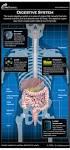 The digestive system Medicine and technology Normal structure and function Diagnostic methods Example diseases and therapies The digestive system An overview (1) Oesophagus Liver (hepar) Biliary system
Measure Title X RAY PRIOR TO MRI OR CAT SCAN IN THE EVAULATION OF LOWER BACK PAIN Disease State Back pain Indicator Classification Utilization
 Client HMSA: PQSR 2009 Measure Title X RAY PRIOR TO MRI OR CAT SCAN IN THE EVAULATION OF LOWER BACK PAIN Disease State Back pain Indicator Classification Utilization Strength of Recommendation Organizations
Refer to Coaptite Injectable Implant Instructions for Use provided with product for complete instructions for use.
 Questions for my Doctor Refer to Coaptite Injectable Implant Instructions for Use provided with product for complete instructions for use. INDICATIONS: Coaptite Injectable Implant is indicated for soft
PSA Screening for Prostate Cancer Information for Care Providers
 All men should know they are having a PSA test and be informed of the implications prior to testing. This booklet was created to help primary care providers offer men information about the risks and benefits
Back & Neck Pain Survival Guide
 Back & Neck Pain Survival Guide www.kleinpeterpt.com Zachary - 225-658-7751 Baton Rouge - 225-768-7676 Kleinpeter Physical Therapy - Spine Care Program Finally! A Proven Assessment & Treatment Program
June 2010 Case Study: 33-year-old Male with Pudendal Pain Tuesday, 01 June 2010 13:44
 Welcome to the June 2010 Neurography Institute Case Study. In this issue, we learn how MR Neurography (MRN) and Interventional MR (IMR) helped a thirtysomething male regain his active lifestyle without
Medicare C/D Medical Coverage Policy
 Varicose Vein Treatment Origination Date: June 1, 1993 Review Date: July 20, 2016 Next Review: July, 2018 Medicare C/D Medical Coverage Policy DESCRIPTION OF PROCEDURE OR SERVICE Varicose veins of the
LOSS OF BLADDER CONTROL IS TREATABLE TAKE CONTROL AND RESTORE YOUR LIFESTYLE
 LOSS OF BLADDER CONTROL IS TREATABLE TAKE CONTROL AND RESTORE YOUR LIFESTYLE TALKING ABOUT STRESS INCONTINENCE (SUI) Millions of women suffer from stress incontinence (SUI). This condition results in accidental
Hemorrhoid Embolization Results: 15 years Experince
 Krasnoyarsk State Medical University named after prof. Voyno-Yasenetsky Russia A. Zakharchenko E. Galkin Hemorrhoid Embolization Results: 5 years Experince Alexander Zakharchenko, MD No relevant financial
THERAPEUTIC USE OF HEAT AND COLD
 THERAPEUTIC USE OF HEAT AND COLD INTRODUCTION Heat and cold are simple and very effective therapeutic tools. They can be used locally or over the whole body, and the proper application of heat and cold
AORTOENTERIC FISTULA. Mark H. Tseng MD Brooklyn VA Hospital February 11, 2005
 AORTOENTERIC FISTULA Mark H. Tseng MD Brooklyn VA Hospital February 11, 2005 AORTOENTERIC FISTULA diagnosis and management Mark H. Tseng MD Brooklyn VA Hospital February 11, 2005 AORTOENTERIC FISTULA Aortoenteric
Problems of the Digestive System
 The American College of Obstetricians and Gynecologists f AQ FREQUENTLY ASKED QUESTIONS FAQ120 WOMEN S HEALTH Problems of the Digestive System What are some common digestive problems? What is constipation?
Learning Resource Guide. Understanding Incontinence. 2000 Prism Innovations, Inc. All Rights Reserved
 Learning Resource Guide Understanding Incontinence 2000 Prism Innovations, Inc. All Rights Reserved ElderCare Online s Learning Resource Guide Understanding Incontinence Table of Contents Introduction
Normal bladder function requires a coordinated effort between the brain, spinal cord, and the bladder.
 .. Urinary Incontinence Urinary incontinence is not an inevitable part of aging, and it is not a disease. The loss of bladder control - called urinary incontinence - affects between 13 and 17 million adult
Hemostasis Solutions Boston Scientific is committed to improving patient care in the management of gastrointestinal bleeding.
 Hemostasis Solutions Boston Scientific is committed to improving patient care in the management of gastrointestinal bleeding. Through innovation and continuous educational support, we offer a wide range
ESD for colorectal lesions I am in favour. Alessandro Repici, MD Digestive Endoscopy Unit IRCCS Istituto Clinico Humanitas Milano, Italy
 ESD for colorectal lesions I am in favour Alessandro Repici, MD Digestive Endoscopy Unit IRCCS Istituto Clinico Humanitas Milano, Italy Surgery for early colonic lesions 51 pts referred for lap colectomy
Topic review: Clinical presentation and diagnosis of urinary incontinence in the elderly. Prapa Pattrapornpisut 7 June 2012
 1 Topic review: Clinical presentation and diagnosis of urinary incontinence in the elderly Prapa Pattrapornpisut 7 June 2012 2 Urinary incontinence Definition the complaint of any involuntary leakage of
Hemorrhoidectomy with LigaSure Small Jaw and Stapled Hemorrhoidopexy with EEA Hemorrhoid and Prolapse Stapler with DST
 Hemorrhoidectomy with LigaSure Small Jaw and Stapled Hemorrhoidopexy with EEA Hemorrhoid and Prolapse Stapler with DST Dr. Wong Kutt Sing MBBS (S pore), FRCS (Edin), FRCS (Glas), FAMS General Surgery Raffles
Guide to Abdominal or Gastroenterological Surgery Claims
 What are the steps towards abdominal surgery? Investigation and Diagnosis It is very important that all necessary tests are undertaken to investigate the patient s symptoms appropriately and an accurate
FAQ About Prostate Cancer Treatment and SpaceOAR System
 FAQ About Prostate Cancer Treatment and SpaceOAR System P. 4 Prostate Cancer Background SpaceOAR Frequently Asked Questions (FAQ) 1. What is prostate cancer? The vast majority of prostate cancers develop
Orthopaedic Spine Center. Anterior Cervical Discectomy and Fusion (ACDF) Normal Discs
 Orthopaedic Spine Center Graham Calvert MD James Woodall MD PhD Anterior Cervical Discectomy and Fusion (ACDF) Normal Discs The cervical spine consists of the bony vertebrae, discs, nerves and other structures.
Uterine Fibroid Symptoms, Diagnosis and Treatment
 Fibroids and IR Uterine Fibroid Symptoms, Diagnosis and Treatment Interventional radiologists use MRIs to determine if fibroids can be embolised, detect alternate causes for the symptoms and rule out misdiagnosis,
Working together to prevent pressure ulcers (prevention and pressure-relieving devices)
 Working together to prevent pressure ulcers (prevention and pressure-relieving devices) Understanding NICE guidance information for people at risk of pressure ulcers, their carers, and the public Draft
Bard: Continence Therapy. Stress Urinary Incontinence. Regaining Control. Restoring Your Lifestyle.
 Bard: Continence Therapy Stress Urinary Incontinence Regaining Control. Restoring Your Lifestyle. Stress Urinary Incontinence Becoming knowledgeable about urinary incontinence Uterus Normal Pelvic Anatomy
Medicare C/D Medical Coverage Policy
 Varicose Vein Treatment Medicare C/D Medical Coverage Policy Origination Date: June 1, 1993 Review Date: September 16, 2015 Next Review: September, 2017 DESCRIPTION OF PROCEDURE OR SERVICE Varicose veins
Varicose veins - 1 -
 Varicose veins - 1 - Varicose Veins About 3 in 10 adults develop varicose veins at some time in their life. Most people with varicose veins do not have an underlying disease and they usually occur for
LOWER GI ENDOSCOPIES So why is CMS yanking our chain? General Concepts for all GI Endoscopy Procedures
 LOWER GI ENDOSCOPIES We have lots of changes to lower GI coding for 2015 to talk about. Code definitions have been revised and many new codes have been added to this chapter. First the good news: All these
What to Expect from Intestinal Ultrasonography
 261) What to Expect from Intestinal Ultrasonography Červenková J., Steyerová P. Charles University in Prague, First Faculty of Medicine and General Teaching Hospital, Department of Radiology, Prague, Czech
Treatment of Maxillary Sinusitis Using the SinuSys Vent-Os Sinus Dilation System
 White PAPer Treatment of Maxillary Sinusitis Using the SinuSys Vent-Os Sinus Dilation System Jerome Hester, MD Chief Medical Officer SinuSys Corporation Palo Alto, California USA introduction Establishment
Laparoscopic Repair of Hernias. A simple guide to help answer your questions
 Laparoscopic Repair of Hernias A simple guide to help answer your questions What is a hernia? A hernia is defined as a hole or defect in the abdominal (belly) wall. A hernia can either be congenital (a
Individualized Care Plans Fully Developed
 Appendix Individualized Care Plans Fully Developed A Refer to Chapter 1 The Nursing Process: A Synopsis, p. 32: Two Individualized Care Plans Fully Developed; Care Plan 1 for Mr. John Walters, Care Plan
Urinary Incontinence FAQ Sheet
 Urinary Incontinence FAQ Sheet Are you reluctant to talk to your doctor about your bladder control problem? Don t be. There is help. Loss of bladder control is called urinary incontinence. It can happen
Early Colonoscopy in Patients with Acute Diverticulitis Simon Bar-Meir, M.D.
 Early Colonoscopy in Patients with Acute Diverticulitis Simon Bar-Meir, M.D. Professor of Medicine Germanis Kaufman Chair of Gastroenterology Director, Dept. of Gastroenterology Chaim Sheba Medical Center,
Varicose Veins Operation. Patient information Leaflet
 Varicose Veins Operation Patient information Leaflet 22 nd August 2014 WHAT IS VARICOSE VEIN SURGERY (HIGH LIGATION AND MULTIPLE AVULSIONS) The operation varies from case to case, depending on where the
Varicose Vein Treatment (Endovenous Ablation of Varicose Veins)
 Scan for mobile link. Varicose Vein Treatment (Endovenous Ablation of Varicose Veins) Varicose vein treatment, also known as endovenous ablation, uses radiofrequency or laser energy to cauterize and close
Beaumont Hospital. Varicose Veins. and their TREATMENT. Professor Austin Leahy, MCh, FRCS, FRCSI WWW.VEINCLINICSOFIRELAND.COM
 Beaumont Hospital Varicose Veins and their TREATMENT Professor Austin Leahy, MCh, FRCS, FRCSI WWW.VEINCLINICSOFIRELAND.COM Department of Surgery Beaumont Hospital and Royal College of Surgeons in Ireland
Open Discectomy. North American Spine Society Public Education Series
 Open Discectomy North American Spine Society Public Education Series What Is Open Discectomy? Open discectomy is the most common surgical treatment for ruptured or herniated discs of the lumbar spine.
Laparoscopic Colectomy. What do I need to know about my laparoscopic colorectal surgery?
 Laparoscopic Colectomy What do I need to know about my laparoscopic colorectal surgery? Traditionally, colon & rectal surgery requires a large, abdominal and/or pelvic incision, which often requires a
Massage Therapy & Multiple Sclerosis
 Massage Therapy & Multiple Sclerosis National Massage Therapy Awareness Week October 2008 Presented by the Massage Therapist Association of Saskatchewan, Inc. MTAS Inc., 2008 Researched & written by Cynthia
University of California, Berkeley 2222 Bancroft Way Berkeley, CA 94720 Appointments 510/642-2000 Online Appointment www.uhs.berkeley.
 Constipation Why Am I Constipated? Constipation is passage of small amounts of hard, dry bowel movements, usually fewer than three times a week. People who are constipated may find it difficult and painful
CARE PROCESS STEP EXPECTATIONS RATIONALE
 URINARY INCONTINENCE CARE PROCESS STEP EXPECTATIONS RATIONALE ASSESSMENT/PROBLEM RECOGNITION 1. Did the staff and physician seek and document risk factors for urinary incontinence and any history of urinary
Prevention and Recognition of Obstetric Fistula Training Package. Module 8: Pre-repair Care and Referral for Women with Obstetric Fistula
 Prevention and Recognition of Obstetric Fistula Training Package Module 8: Pre-repair Care and Referral for Women with Obstetric Fistula Early detection and treatment If a woman has recently survived a
How do I know if I need to have surgery?
 How do I know if I need to have surgery? Deciding whether or not to have surgery for your bladder, bowel and/or prolapse problems is an individual decision. The success or failure of someone else's operation
X-Plain Sinus Surgery Reference Summary
 X-Plain Sinus Surgery Reference Summary Introduction Sinus surgery is a very common and safe operation. Your doctor may recommend that you have sinus surgery. The decision whether or not to have sinus
Radiation Therapy for Prostate Cancer
 Radiation Therapy for Prostate Cancer Introduction Cancer of the prostate is the most common form of cancer that affects men. About 240,000 American men are diagnosed with prostate cancer every year. Your
Wound Classification Name That Wound Sheridan, WY June 8 th 2013
 Initial Wound Care Consult Sheridan, WY June 8 th, 2013 History Physical Examination Detailed examination of the wound Photographs Cultures Procedures TCOM ABI Debridement Management Decisions A Detailed
PROVIDER POLICIES & PROCEDURES
 PROVIDER POLICIES & PROCEDURES SCLEROTHERAPY TREATMENT OF SUPERFICIAL VARICOSE VEINS OF THE LEGS The purpose of this document is to provide guidance to providers enrolled in the Connecticut Medical Assistance
What is Barrett s esophagus? How does Barrett s esophagus develop?
 Barrett s Esophagus What is Barrett s esophagus? Barrett s esophagus is a pre-cancerous condition affecting the lining of the esophagus, the swallowing tube that carries foods and liquids from the mouth