
BREEDING DOGS AND RAISING PUPPIES
|
|
|
- Gary Fowler
- 9 years ago
- Views:
Transcription
1 BREEDING DOGS AND RAISING PUPPIES Breeding dogs and raising puppies can be an extremely rewarding experience or it may produce frustration and failure. The following information is provided in order to increase your chances of success. How often does a female dog come into heat? The female dog comes into heat (estrus) about every six months, although very large breeds of dogs may cycle every 8-10 months. The heat period lasts about three weeks. What are the signs of heat? The most notable sign of heat is vaginal bleeding. This begins about the end of the first week of estrus and lasts for about days. Another consistent sign is swelling of the vulva. During estrus male dogs will be attracted to her. What should I do to be sure that a breeding is accomplished successfully? Male dogs are more successful breeders when the environment is familiar. Therefore, it is preferable to take the female to the male's home for breeding. The timing for breeding is critical. The most fertile time is considered the 10th through the 14th days of estrus; however, some dogs will be fertile as early as the 3rd day and as late as the 18th day. Are there tests to determine when to breed? There are two tests that are used for this purpose. The first is a microscopic examination of vaginal cells to detect changes to cell appearance and numbers. This has been used for many years and is reasonably reliable. A newer test determines changes in the progesterone level in the blood. This test is more accurate, and more expensive than monitoring vaginal cells. It is used for dogs that have a history of unsuccessful breeding or for dogs that are very valuable breeders. What should I expect during my dog's pregnancy? Pregnancy, also called the gestation period, ranges from 60 to 67 days, averaging 63 days. Most dogs deliver (whelp) between days 63 and 65. The only way to accurately determine the stage of pregnancy is to count days from the time of breeding. If possible, the breeding date(s) should be recorded. The mother should be examined three weeks after breeding to confirm her pregnancy. A pregnant dog should be fed a puppy formulation of a premium brand of dog food for the duration of the pregnancy and through the nursing period. These diets are generally available through veterinary hospitals or pet stores. Puppy diets provide all the extra nutrition needed for the

2 mother and her litter. If the mother is eating one of these diets, no calcium, vitamin, or mineral supplements are needed. The puppy formulation is necessary to provide the extra nutrients for pregnancy and nursing. During pregnancy, the mother's food consumption will often reach 1½ times her level before pregnancy. By the end of the nursing period, it may exceed two times the pre-pregnancy amount. Do not withhold food; increasing the number of feedings per day is helpful in allowing her to eat enough for her needs and those of the puppies. What should I do to prepare for whelping? From the time of breeding, many dogs show behavioral changes. Most develop an unusually sweet and loving disposition and demand more affection and attention. However, some may become uncharacteristically irritable. Some experience a few days of vomition ("morning sickness"), followed by the development of a ravenous appetite which persists throughout the pregnancy. During the latter stages of pregnancy, the expectant mother begins to look for a secure place for delivery. Many become uncomfortable being alone and will cling closely to the owner. At the onset of labor, many nervously seek a place to make the "nest" or birthing place. If the dog is attached to her owner, she will not want to be left alone at the time of delivery. If left alone, she may delay delivery until the owner returns. Prior to the time of delivery, a whelping box should be selected and placed in a secluded place, such as a closet or a secluded corner. The box should be large enough for the dog to move around freely, but have low enough sides so that she can see out and so you can reach inside to give assistance, if needed. The bottom of the box should be lined with several layers of newspapers. These provide a private hiding place for the expectant and delivering mother and will absorb the birthing fluids. The upper, soiled layers may be removed with minimal interruption to the mother and her newborn puppies. What happens during labor and delivery? Most dogs experience delivery without complications; however, first-time mothers should be attended by their owners until at least one or two puppies are born. If these are born quickly and without assistance, further attendance may not be necessary, although it is desirable. If the owner elects to leave, care should be taken so that the dog does not try to follow and leave the whelping box. The signs of impending labor generally include nervousness and panting. The dog will often quit eating during the last 24 hours before labor. She will also usually have a drop in rectal temperature below 100ºF (37.8ºC). The temperature drop may occur intermittently for several days prior to delivery, but it will usually be constant for the last 24 hours. Delivery times will vary. Dogs having slim heads, such as Shelties, Collies, and Dobermans, may complete delivery in one to two hours. Dogs having large, round heads generally require longer delivery times. English Bulldogs, Boston Terriers, and Pekinese puppies tend to have sizable heads that make delivery more difficult. It is not unusual for these breeds to rest an hour or more between each puppy. Rarely, a dog may deliver one or two puppies, then have labor stop for as long as twenty-four hours before the remainder of the litter is born. However, if labor does not resume within a few hours after the delivery of the first puppies, examination by a veterinarian is advised. If labor is interrupted for twenty-four hours or more, veterinary assistance should definitely be obtained. Puppies are usually born head first; however, breech presentations, in which the puppy is delivered

3 tail-end first, occur about 40% of the time and are also considered normal. Each puppy is enclosed in a sac that is part of the placenta ("afterbirth"). The placentas usually pass after the puppies are born. However, any that do not pass will disintegrate and pass within hours after delivery. It is normal for the mother to eat the placentas. If the delivery proceeds normally, a few contractions will discharge the puppy; it should exit the birth canal within ten minutes of being visible. Following delivery, the mother should lick the newborn's face. She will then proceed to wash it and toss it about. Her tongue is used to tear the sac and expose the mouth and nose. This vigorous washing stimulates circulation, causing the puppy to cry and begin breathing; it also dries the newborn's haircoat. The mother will sever the umbilical cord by chewing it about ¾ to 1 inch (1½ to 2 cm) from the body. Next, she will eat the placenta. If the puppy or a fluid-filled bubble is partially visible from the vagina, the owner should assist delivery. A dampened gauze or thin wash cloth can be used to break the bubble and grasp the head or feet. When a contraction occurs, firm traction should be applied in a downward (i.e., toward her rear feet) direction. If reasonable traction is applied without being able to remove the puppy, or if the mother cries intensely during this process, the puppy is probably lodged. A veterinarian's assistance should be sought without delay. It is normal for the mother to remove the placental sac and clean the puppies; however, first-time mothers may be bewildered by the experience and hesitate to do so. If the sac is not removed within a few minutes after delivery, the puppy will suffocate, so you should be prepared to intervene. The puppy's face should be wiped with a damp wash cloth or gauze to remove the sac and allow breathing. Vigorous rubbing with a soft, warm towel will stimulate circulation and dry the hair. The umbilical cord should be tied with cord (i.e., sewing thread, dental floss) and cut with clean scissors. The cord should be tied snugly and cut about ½ inch (1 cm) from the body so it is unlikely to be pulled off as the puppy moves around the whelping box. Newborn puppies may aspirate fluid into the lungs, as evidenced by a raspy noise during respiration. This fluid can be removed by the following procedure. First, the puppy should be held in the palm of your hand. The puppy's face should be cradled between the first two fingers. The head should be held firmly with this hand, and the body should be held firmly with the other. Next, a downward swing motion with the hands should make the puppy gasp. Gravity will help the fluid and mucus to flow out of the lungs. This process may be tried several times until the lungs sound clear. The tongue is a reliable indicator of successful respiration. If the puppy is getting adequate oxygen, it will appear pink to red. A bluish colored tongue indicates insufficient oxygen to the lungs, signaling that the swinging procedure should be repeated. It may be helpful to have a smaller, clean, dry box lined with a warm towel for the newborn puppies. (A towel can be warmed in a microwave oven.) After the puppy is stable and the cord has been tied, it should be placed in the incubator box while the mother is completing delivery. Warmth is essential so a heating pad or hot water bottle may be placed in the box, or a heat lamp may be placed nearby. If a heating pad is used, it should be placed on the low setting and covered with a towel to prevent overheating. A hot water bottle should be covered with a towel. Remember, the newborn puppies may be unable to move away from the heat source. Likewise, caution should also be exercised when using a heat lamp. Once delivery is completed, the soiled newspapers should be removed from the whelping box. The box should be lined with soft bedding prior to the puppies' return. The mother should accept the puppies readily and recline for nursing. The mother and her litter should be examined by a veterinarian within 24 hours after the delivery is completed. This visit is to check the mother for complete delivery and to check the newborn puppies. The mother may receive an injection to contract the uterus and stimulate milk production.

4 The mother will have a bloody vaginal discharge for 3-7 days following delivery. If it continues for longer than one week, she should be examined by a veterinarian for possible problems. What happens if my dog has trouble delivering her puppies? Although most dogs deliver without need for assistance, problems do arise which require the attention of a veterinarian. Professional assistance should be sought if any of the following occur: 1) Twenty minutes of intense labor occurs without a puppy being delivered. 2) Ten minutes of intense labor occurs when a puppy or a fluid-filled bubble is visible in the birth canal. 3) The mother experiences sudden depression or marked lethargy. 4) The mother's body temperature exceeds 103ºF (39.4ºC) (via a rectal thermometer). Fresh blood discharges from the vagina for more than 10 minutes. Difficulty delivering (dystocia) may be managed with or without surgery. The condition of the mother, size of the litter, and size of the puppies are factors used in making that decision. Is premature delivery a likely problem? Occasionally, a mother will deliver a litter several days premature. The puppies may be small, thin, and have little or no hair. It is possible for them to survive, but they require an enormous amount of care, since they are subject to chilling and are frequently very weak and unable to swallow. Some may be able to nurse but are so weak that they must be held next to the mother. Puppies that do not nurse can be fed with a small syringe, bottle, or stomach tube. The equipment and instructions for these procedures are available from a veterinarian. Premature puppies must be kept warm. The mother can provide sufficient radiant heat from her body if she will stay close to them. If she refuses, heat can be provided with a heat lamp, heating pad, or hot water bottle. Excessive heat can be just as harmful as chilling, so any form of artificial heat must be controlled. The temperature in the box should be maintained at 85º to 90ºF (29.4º to 32.2ºC), but the box should be large enough so the puppies can move away from the heat if it becomes uncomfortable. Is it likely that one or more puppies will be stillborn? It is not uncommon for one or two puppies in a litter to be stillborn. Sometimes, a stillborn puppy will disrupt labor, resulting in dystocia. At other times, the dead puppy will be born normally. Although there is always a cause for this occurrence, it is often not easily determined without an autopsy that includes cultures and the submission of tissues to a pathologist. This is only recommended in special circumstances. What do I do to care for the newborn puppies? The mother will spend most of her time with the puppies during the next few days. The puppies need to be kept warm and to nurse frequently; they should be checked every few hours to make certain that they are warm and well fed. The mother should be checked to make certain that she is producing adequate milk. If the mother does not stay in the box, the puppies' temperatures must be monitored. If the puppies are cold, supplemental heating should be provided. During the first four days of life, the newborns' box should be maintained at 85º to 90ºF (29.4º to 32.2ºC). The temperature may gradually be

5 decreased to 80ºF (26.7ºC)by the seventh to tenth day and to 72ºF (22.2ºC) by the end of the fourth week. If the litter is large, the temperature need not be as high. As puppies huddle together, their body heat provides additional warmth. If the mother feels the puppies are in danger or if there is too much light, she may become anxious. Placing a sheet or cloth over most of the top of the box to obscure much of the light may resolve the problem. An enclosed box is also a solution. Some dogs, especially first-time mothers, are more anxious than others. Such dogs may attempt to hide their young, even from her owner. Moving from place to place may continue and will endanger the puppies if they are placed in a cold or drafty location. Dogs with this behavior should be caged in a secluded area. This type of mother has also been known to kill her puppies as a means of "protecting" them from danger. What are the signs that the puppies are not doing well and what do I do? Puppies should eat or sleep 90% of the time during the first 2 weeks. If they are crying during or after eating, they are usually becoming ill or are not receiving adequate milk. A newborn puppy is very susceptible to infections and can die within 24 hours. If excessive crying occurs, the mother and entire litter should be examined by a veterinarian promptly. When the milk supply is inadequate, supplemental feeding one to three times per day is recommended and should be performed on any litter with 5+ puppies. There are several commercial formulae available that are made to supply the needs of puppies. They require no preparation other than warming. They should be warmed to 95º to 100ºF (35.0º ºC) before feeding. Its temperature can be tested on one's forearm; it should be about the same as one's skin. An alternative is canned goats' milk that is available in most grocery stores. The commercial products have directions concerning feeding amounts. If the puppies are still nursing from their mother, the amounts recommended will be excessive. Generally, 1/3 to 1/2 of the listed amount should be the daily goal. Supplemental feeding may be continued until the puppies are old enough to eat puppy food. If the mother does not produce milk or her milk becomes infected, the puppies will also cry. If this occurs, the entire litter could die within 24 to 48 hours. Total replacement feeding, using the mentioned products, or adopting the puppies to another nursing mother is usually necessary. If replacement feeding is chosen, the amounts of milk listed on the product should be fed. Puppies less than two weeks of age should be fed every 3-4 hours. Puppies 2-4 weeks of age do well with feedings every 6-8 hours. Weaning, as described below, should begin at 3-4 weeks of age. What should I expect during the puppies' first few weeks of life? For the first month of life, puppies require very little care from the owner because their mother will feed and care for them. They are born with their eyes closed, but they will open in 7 to 14 days. If swelling or bulging is noted under the eyelids, they should be opened gently. A cotton ball dampened with warm water may be used to assist opening the lids. If the swelling is due to infection, pus will exit the open eyelids and should be treated as prescribed by a veterinarian. If the eyes have not opened within 14 days of age, they should be opened by a veterinarian. Puppies should be observed for their rate of growth. They should double their birth weight in about one week. At two weeks of age, puppies should be alert and trying to stand. At three weeks, they generally try to climb out of their box. At four weeks, all of the puppies should be able to walk, run, and play. Puppies should begin eating solid food about 3 to 4 weeks of age. Initially, one of the milk replacers

6 or puppy food that has been soaked in water to make a gruel should be placed in a flat saucer. The puppies' noses should be dipped into it two or three times per day until they begin to lap; this usually takes 1-3 days. Next, canned or dry puppy food should be placed in the milk replacer or in water until it is soggy. As the puppies lap, they will also ingest the food. The amount of moisture should be decreased daily until they are eating the canned or dry food with little or no moisture added; this should occur by 4 to 6 weeks of age. I have heard of milk fever. What exactly is it? Eclampsia, or milk fever, is a depletion of calcium from the mother due to heavy milk production. It generally occurs when the puppies are 3-5 weeks old (just before weaning) and most often to mothers with large litters. The mother has muscle spasms resulting in rigid legs, spastic movements, and heavy panting. This can be fatal in minutes, so a veterinarian should be consulted immediately. Do puppies need a special diet? Diet is extremely important for a growing puppy. There are many commercial foods specially formulated for puppies. These foods meet their unique nutritional requirements and should be fed until months of age. Puppy foods are available in dry and canned formulations. Dry foods are less expensive and can be left in the bowl for the puppy to eat at will. Canned foods offer a change and are just as nutritious. We recommend that you buy FOOD FORMULATED FOR PUPPIES. Adult formulations are not recommended since they do not provide the nutrition required for a puppy. Advertisements tend to promote taste rather than nutrition, so one should be careful that their influence on purchasing habits is not detrimental to one's dog. Generic foods should be avoided. Table food is not recommended; although often more appealing than dog food, balanced, complete nutrition is usually compromised. We recommend that you buy NAME BRAND FOOD. It is generally a good idea to avoid generic brands of food. We recommend that you only buy food which has the AAFCO (American Association of Feed Control Officials) certification. Usually, you can find this information very easily on the food label. AAFCO is an organization which oversees the entire pet food industry. It does not endorse any particular food, but it will tell you if the food has met the minimum requirements for nutrition which are set by the industry. Most of the commercial pet foods will have the AAFCO label. In Canada, look for foods approved by the Canadian Veterinary Medical Association (CVMA). When should vaccinations begin? Puppies are provided some immunity to canine diseases before and shortly after birth. The mother's antibodies cross the placenta and enter the puppies' circulation. Some antibodies are also provided in the mother's milk. These "maternal antibodies" protect the puppies against the diseases to which the mother is immune. This explains why it is desirable to booster the mother's vaccinations within a few months prior to breeding. Although very protective, maternal antibodies last for only a few weeks; after this time, the puppy becomes susceptible to disease. The vaccination program should be started at about six to eight weeks of age. Puppies should be vaccinated against distemper, hepatitis, leptospirosis, parainfluenza virus, parvovirus, coronavirus, and rabies. Other vaccines are also available for certain situations, and will be discussed at the time of the first visit for vaccinations. Maternal antibodies are passed in the mother's milk only during the first 1-3 days after delivery. If, for any reason, the puppies do not nurse during this important period of time, their vaccinations

7 should begin about two to four weeks of age, depending on likely disease exposure. A veterinarian can make specific recommendations for each particular situation. Do all puppies have worms? Intestinal parasites ("worms") are common in puppies. Symptoms include a general poor condition, chronic soft or bloody stools, loss of appetite, a pot-bellied appearance, loss of luster of the haircoat, and weight loss. Some parasites are transmitted from the mother to her offspring and others are carried by fleas. Some are transmitted through the stool of an infected dog. Very few of these parasites are visible in the stool, so their eggs must be detected by the veterinarian with a microscope. A microscopic examination of the feces will reveal the eggs of most of these parasites. Generally this test should be performed at the time of the first vaccinations. However, it may be performed as early as three weeks of age if a parasite problem is suspected. Treatment is based on the type of parasites found although some veterinarians elect to treat all puppies because they know that fecal tests can be falsely negative. Your veterinarian should be consulted for specific recommendations for your puppies.

Whelping Your Puppies
 Whelping Your Puppies Canine Birth: The Mother A comfortable area should be set aside for whelping and raising the puppies. The mother should feel at home here and should be able to come and go as she
Bottle Feeding Puppies and Kittens
 Bottle Feeding Puppies and Kittens Formula Goats milk works as a temporary substitute, but it can get expensive. Goats milk is sold at Wal-Mart and most grocery stores. Cow s milk is not an alternative;
Why is prematurity a concern?
 Prematurity What is prematurity? A baby born before 37 weeks of pregnancy is considered premature. Approximately 12% of all babies are born prematurely. Terms that refer to premature babies are preterm
Human Growth and Reproduction
 Human Growth and Reproduction Sperm reach ovum and cluster around it Only one sperm is allowed to penetrate egg When the sperm penetrates the egg, the egg immediately releases a chemical creating a hard
Premature Infant Care
 Premature Infant Care Introduction A premature baby is born before the 37th week of pregnancy. Premature babies are also called preemies. Premature babies may have health problems because their organs
Work & Pregnancy Do Mix...
 Work & Pregnancy Do Mix... www.beststart.org PREGNANT AND WORKING Most women continue to work during their pregnancy, whether they work from home, or travel to a workplace. If you are pregnant or planning
Routine care of a newborn baby
 Routine care of a newborn baby Slide NC-l,2 Introduction All mothers need help, support, and advice in the first few days after delivery to ensure proper care of their newly born babies. The care and help
Your Recovery After a Cesarean Delivery
 Your Recovery After a Cesarean Delivery It is normal to have many questions about your care after delivery. Cesarean delivery is surgery and your body needs time to heal and recover for the next 6 weeks,
Obstetrical Emergencies
 Date: July 18, 2014 Page 1 of 5 Obstetrical Emergencies Purpose: To provide the process for the assessment and management of the patient with an obstetrical related emergency. Pre-Medical Control 1. Follow
THERAPEUTIC USE OF HEAT AND COLD
 THERAPEUTIC USE OF HEAT AND COLD INTRODUCTION Heat and cold are simple and very effective therapeutic tools. They can be used locally or over the whole body, and the proper application of heat and cold
Please Do Not Call 911
 The Last Hours of Life - What to Expect Names and Phone Numbers You May Need Name Phone Family Dr. Palliative Dr. After Hours Access Centre Visiting Nurse Hospice Clergy Funeral Contact Please Do Not Call
RSV infection. Information about RSV and how you can reduce the risk of your infant developing a severe infection.
 RSV infection Information about RSV and how you can reduce the risk of your infant developing a severe infection. What is RSV? RSV is one of the most common respiratory viruses and is spread easily. By
Developing Human Fetus
 Period Date LAB. DEVELOPMENT OF A HUMAN FETUS After a human egg is fertilized with human sperm, the most amazing changes happen that allow a baby to develop. This amazing process, called development, normally
Vaccination Programs for the Cow/Calf Operation
 Vaccination Programs for the Cow/Calf Operation Disease prevention is of utmost importance in a cow-calf operation because it is a low profit margin enterprise. Adequate nutrition, strategic deworming,
National 3- Multicellular Organisms Revision
 National 3- Multicellular Organisms Revision Key Area 1: Structure and function of organs and organ systems and their role in sustaining life. What you must know: The basic structure and functions of main
Rhesus Negative 10:Rhesus Negative July 06. rhesus negative. what it means
 Rhesus Negative 10:Rhesus Negative July 06 14/04/2010 rhesus negative what it means This leaflet contains important information which may affect your pregnancy. Please read it very carefully. 16:15 P When
Pregnancy and Substance Abuse
 Pregnancy and Substance Abuse Introduction When you are pregnant, you are not just "eating for two." You also breathe and drink for two, so it is important to carefully consider what you put into your
Puppy & Kitten FAQ. Puppy FAQ: Q: How soon does my new puppy need to see a vet?
 1054 E Old Canyon Ct. Flagstaff, AZ 86001 Phone: (928) 774-5197 Fax: (928) 774-5278 www.canyonpet.com Puppy FAQ: Q: How soon does my new puppy need to see a vet? A: As soon as possible. Many breeders and
Total Abdominal Hysterectomy
 What is a total abdominal hysterectomy? Is the removal of the uterus and cervix through an abdominal incision (either an up and down or bikini cut). Removal of the ovaries and tubes depends on the patient.
VAD Chemotherapy Regimen for Multiple Myeloma Information for Patients
 VAD Chemotherapy Regimen for Multiple Myeloma Information for Patients The Regimen contains: V = vincristine (Oncovin ) A = Adriamycin (doxorubicin) D = Decadron (dexamethasone) How Is This Regimen Given?
Total Vaginal Hysterectomy
 What is a total vaginal hysterectomy? Is the removal of the uterus and cervix through the vagina. Removal of the ovaries and tubes depends on the patient. Why is this surgery used? To treat disease of
Immunotherapy For Control Of Allergies In Your Pets
 Immunotherapy For Control Of Allergies In Your Pets Pet owner information from The Quality Clinical Pathology Service What is Immunotherapy? Immunotherapy is a medical treatment where allergens (pollens,
Female Reproductive System. Unit 8 Lesson 2 Continued
 Female Reproductive System Unit 8 Lesson 2 Continued Female Reproductive System Female Reproductive System Female produce ovum or egg cells. The egg (ovum) cell is the female sex cell. Female Reproductive
35-40% of GBS disease occurs in the elderly or in adults with chronic medical conditions.
 What is Group B Strep (GBS)? Group B Streptococcus (GBS) is a type of bacteria that is found in the lower intestine of 10-35% of all healthy adults and in the vagina and/or lower intestine of 10-35% of
INSTRUCTIONS FOR USE HUMIRA 40 MG/0.8 ML, 20 MG/0.4 ML AND 10 MG/0.2 ML SINGLE-USE PREFILLED SYRINGE
 INSTRUCTIONS FOR USE HUMIRA (Hu-MARE-ah) (adalimumab) 40 MG/0.8 ML, 20 MG/0.4 ML AND 10 MG/0.2 ML SINGLE-USE PREFILLED SYRINGE Do not try to inject HUMIRA yourself until you have been shown the right way
Streptococcal Infections
 Streptococcal Infections Introduction Streptococcal, or strep, infections cause a variety of health problems. These infections can cause a mild skin infection or sore throat. But they can also cause severe,
FOLFOX Chemotherapy. This handout provides information about FOLFOX chemotherapy. It is sometimes called as FLOX chemotherapy.
 FOLFOX Chemotherapy This handout provides information about FOLFOX chemotherapy. It is sometimes called as FLOX chemotherapy. What is chemotherapy? Chemotherapy is a method of treating cancer by using
For the Patient: Paclitaxel injection Other names: TAXOL
 For the Patient: Paclitaxel injection Other names: TAXOL Paclitaxel (pak'' li tax' el) is a drug that is used to treat many types of cancer. It is a clear liquid that is injected into a vein. Tell your
How To Care For A Sick Person
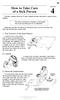 39 How to Take Care of a Sick Person Sickness weakens the body. To gain strength and get well quickly, special care is needed. Medicines are often not necessary. But good care is always important. The
EARLY PREGNANCY LOSS A Patient Guide to Treatment
 EARLY PREGNANCY LOSS A Patient Guide to Treatment You have a pregnancy that has stopped growing, or you have started to miscarry and the process has not completed. If so, there are four ways to manage
DIET AND ECZEMA IN CHILDREN
 DIET AND ECZEMA IN CHILDREN It has been known for many years that what children eat may have an effect on their eczema. There has been an ever-increasing interest in the part that diet plays in the development
INSTRUCTIONS FOR USE HUMIRA 40 MG/0.8 ML SINGLE-USE PEN
 INSTRUCTIONS FOR USE HUMIRA (Hu-MARE-ah) (adalimumab) 40 MG/0.8 ML SINGLE-USE PEN Do not try to inject HUMIRA yourself until you have been shown the right way to give the injections and have read and understand
Puppies! Intro Supplies Getting Started Feeding Eliminating Socialization Growth and Development
 Puppies! Intro Supplies Getting Started Feeding Eliminating Socialization Growth and Development Intro Very often, underage puppies (under 8 weeks of age) are brought to shelters without their mothers
JAC-CEN-DEL COMMUNITY SCHOOLS BLOODBORNE PATHOGENS UNIVERSAL PRECAUTIONS A BACK TO SCHOOL TRADITION
 JAC-CEN-DEL COMMUNITY SCHOOLS BLOODBORNE PATHOGENS UNIVERSAL PRECAUTIONS A BACK TO SCHOOL TRADITION UNIVERSAL PRECAUTIONS AGAINST BLOODBORNE PATHOGENS Employees working in a school system are potentially
CVP Chemotherapy Regimen for Lymphoma Information for Patients
 CVP Chemotherapy Regimen for Lymphoma Information for Patients The Regimen Contains: C: Cyclophosphamide (Cytoxan ) V: Vincristine (Oncovin ) P: Prednisone How Is This Regimen Given? CVP is given every
Caring for your adult cat
 CAT 3 Caring for your adult cat The charity dedicated to helping sick, injured and homeless pets since 1897. Caring for your adult cat Although considered independent pets, cats are reliant on their owners
Feline Coronavirus (FCoV) and Feline Infectious Peritonitis (FIP)
 Feline Coronavirus (FCoV) and Feline Infectious Peritonitis (FIP) VETERINARY GUIDE 10 What is Feline Coronavirus or FCoV? FCoV is a common and contagious virus which is passed in the faeces of cats. It
Feline Immunodeficiency Virus (FIV) and Feline Leukaemia Virus (FeLV)
 Feline Immunodeficiency Virus (FIV) and Feline Leukaemia Virus (FeLV) VETERINARY GUIDE 9 FIV and FeLV are both viruses within the same family of retroviruses, but are in different groups within that family.
Growth & Feeding Puppies Karen Hedberg BVSc 2007. Growth
 Growth & Feeding Puppies Karen Hedberg BVSc 2007 Size and End Weight : Growth Dogs come in all sizes and shapes and have enormous variation in their final body weights. Dogs generally can be fed a very
All About Your Peripherally Inserted Central Catheter (PICC)
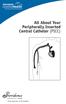 All About Your Peripherally Inserted Central Catheter (PICC) General Information Intravenous (IV) therapy is the delivery of fluid directly into a vein. An intravenous catheter is a hollow tube that is
Blood Transfusion. There are three types of blood cells: Red blood cells. White blood cells. Platelets.
 Blood Transfusion Introduction Blood transfusions can save lives. Every second, someone in the world needs a blood transfusion. Blood transfusions can replace the blood lost from a serious injury or surgery.
Department of Surgery
 Thoracic Surgery After Your Lung Surgery Patient Education Discharge Information You have just had lung surgery. The following are definitions of terms you may hear in connection with your surgery: THORACOTOMY
Patient Guide. Important information for patients starting therapy with LEMTRADA (alemtuzumab)
 Patient Guide Important information for patients starting therapy with LEMTRADA (alemtuzumab) This medicinal product is subject to additional monitoring. This will allow quick identification of new safety
LEARNER OUTCOME 1 W-6.3:
 GRADE 6 FETAL DEVELOPMENT LESSON 2 FETAL DEVELOPMENT Lesson 2 GRADE 6 LEARNER OUTCOME W-6.3: Identify and describe the stages and factors that can affect human development from conception through birth.
READ THIS LEAFLET VERY CAREFULLY, AND KEEP IT IN A SAFE PLACE. FLU IS SPREADING IN IRELAND, AND THIS INFORMATION IS IMPORTANT FOR YOU AND YOUR FAMILY.
 READ THIS LEAFLET VERY CAREFULLY, AND KEEP IT IN A SAFE PLACE. FLU IS SPREADING IN IRELAND, AND THIS INFORMATION IS IMPORTANT FOR YOU AND YOUR FAMILY. Information and medical advice for the public on Pandemic
Maintaining Proper Bowel Elimination
 Peak Development Resources, LLC P.O. Box 13267 Richmond, VA 23225 Phone: (804) 233-3707 Fax: (804) 233-3705 After reading the newsletter, the nursing assistant should be able to: 1. Describe the normal
What You Should Know About Lyme Disease and Other Tick-Borne Diseases. Sudbury Board of Health
 What You Should Know About Lyme Disease and Other Tick-Borne Diseases Sudbury Board of Health Goals of presentation Be aware of Lyme disease and other tick-borne diseases Recognize basic signs and symptoms
Removal of Haemorrhoids (Haemorrhoidectomy) Information for patients
 Removal of Haemorrhoids (Haemorrhoidectomy) Information for patients What are Haemorrhoids? Haemorrhoids (piles) are enlarged blood vessels around the anus (back passage). There are two types of haemorrhoids:
For the Patient: Dasatinib Other names: SPRYCEL
 For the Patient: Dasatinib Other names: SPRYCEL Dasatinib (da sa' ti nib) is a drug that is used to treat many types of cancer. It is a tablet that you take by mouth. Tell your doctor if you have ever
SHAKEN BABY SYNDROME:
 SHAKEN BABY SYNDROME: A SAFETY MANUAL FOR HAND IN HAND CHILD CARE SHAKEN BABY SYNDROME BACKGROUND: The dangers of shaking a baby are becoming more and more apparent, often with disastrous results. The
Red Flags that should not be ignored
 Pregnancy that should not be ignored If a pregnant woman tells you she is experiencing any of the following symptoms during pregnancy, assist her to contact her emergency care professional right away.
Surgical removal of fibroids through an abdominal incision-either up and down or bikini cut. The uterus and cervix are left in place.
 What is an abdominal myomectomy? Surgical removal of fibroids through an abdominal incision-either up and down or bikini cut. The uterus and cervix are left in place. When is this surgery used? Treatment
Hysterectomy Vaginal hysterectomy Abdominal hysterectomy
 Hysterectomy A hysterectomy is a surgery to remove a woman s uterus. The uterus is one of the organs of the female reproductive system and is about the size of a closed hand. You can no longer have children
Guidelines for fostering a litter
 Guidelines for fostering a litter Quick Timeline: Arrival - Email info to Johnnie and get them on the portal 1 Week - weight them daily 2 Weeks - deworm, continue weighing 3 Weeks - continue weighing 4
Quick Reference H1N1 Flu (swine flu)
 Quick Reference H1N1 Flu (swine flu) The United States declared a public health emergency in response to the recent reports of swine flu. UMR wants to help you understand some important facts about H1N1
Long Term Tube Feeding. Sunnybrook. A Guide for Patients and Substitute Decision Makers VETERANS & COMMUNITY
 Long Term Tube Feeding A Guide for Patients and Substitute Decision Makers Sunnybrook VETERANS & COMMUNITY Sunnybrook VETERANS & COMMUNITY This brochure has been produced by: Sunnybrook Health Sciences
FAQs on Influenza A (H1N1-2009) Vaccine
 FAQs on Influenza A (H1N1-2009) Vaccine 1) What is Influenza A (H1N1-2009) (swine flu) 1? Influenza A (H1N1-2009), previously known as "swine flu", is a new strain of influenza virus that spreads from
FAQs about Warfarin (brand name Coumadin )
 FAQs about Warfarin (brand name Coumadin ) What is warfarin? Warfarin is the most commonly used anticoagulant in the US. An anticoagulant is a drug used to prevent unwanted and harmful blood clots. Although
Engage: Brainstorming Body Systems. Record the structures and function of each body system in the table below.
 Engage: Brainstorming Body s Record the structures and function of each body system in the table below. Body Nervous Circulatory Excretory Immune Digestive Respiratory Skeletal Muscular Endocrine Integumentary
Guidelines for Hand Foot and Mouth Disease HFMD
 Guidelines for Hand Foot and Mouth Disease HFMD Hand, foot, and mouth disease, or HFMD, is a contagious illness caused by different viruses. Infants and children younger than 5 years are more likely to
Medication Guide Rebif (Re-bif) Interferon beta-1a (in-ter-feer-on beta-one-â)
 Medication Guide Rebif (Re-bif) Interferon beta-1a (in-ter-feer-on beta-one-â) Please read this leaflet carefully before you start to use Rebif and each time your prescription is refilled since there may
Caring for your baby in the NICU: feeding
 C1 At birth, all newborns need a great deal of energy and nutrients from food to help their bodies grow, and to adjust to life outside the womb. Babies who are born early (premature) and/or with a very
Accent on Health Obgyn, PC HERPES Frequently Asked Questions
 1. What is herpes? 2. How common is herpes? 3. Is there a cure for herpes? 4. What is oral herpes (cold sores)? 5. How is oral herpes spread? 6. What is genital herpes? 7. How is genital herpes spread?
Pregnant cats, birth and care of young kittens
 Pregnant cats, birth and care of young kittens ESSENTIAL GUIDE 18 Cats Protection (CP) recommends neutering as the only effective way to reduce the number of unwanted cats in the UK. Cats are prolific
Dental Care and Chronic Conditions. Respiratory Disease Cardiovascular Disease Diabetes
 Dental Care and Chronic Conditions Respiratory Disease Cardiovascular Disease Diabetes Shape Up Your Smile and Avoid Some Complications of Chronic Diseases When you take good care of your oral health,
The Moredun Foundation. News Sheet Vol. 4, No.10. Toxoplasmosis in Sheep
 The Moredun Foundation News Sheet Vol. 4, No.10 Toxoplasmosis in Sheep (Published February 2006) Susan Rodger BVMS (Hons), PhD, MRCVS David Buxton BVMS, PhD, FRCPath, FRCVS Moredun Research Institute Pentlands
Acute pelvic inflammatory disease: tests and treatment
 Acute pelvic inflammatory disease: tests and treatment Information for you Information for you Published August 2010 Published in August 2010 (next review date: 2014) Acute What is pelvic inflammatory
Blood Transfusion. Red Blood Cells White Blood Cells Platelets
 Blood Transfusion Introduction Blood transfusions are very common. Each year, almost 5 million Americans need a blood transfusion. Blood transfusions are given to replace blood lost during surgery or serious
Recto-vaginal Fistula Repair
 What is a recto-vaginal fistula repair? Rectovaginal fistula repair is a procedure in which the healthy tissue between the rectum and vagina is closed in multiple tissue layers. An incision is made either
Orthopaedic Spine Center. Anterior Cervical Discectomy and Fusion (ACDF) Normal Discs
 Orthopaedic Spine Center Graham Calvert MD James Woodall MD PhD Anterior Cervical Discectomy and Fusion (ACDF) Normal Discs The cervical spine consists of the bony vertebrae, discs, nerves and other structures.
Biliary Drain. What is a biliary drain?
 Biliary Drain What is a biliary drain? A biliary drain is a tube to drain bile from your liver. It is put in by a doctor called an Interventional Radiologist. The tube or catheter is placed through your
Chickenpox in pregnancy: what you need to know
 Chickenpox in pregnancy: what you need to know First published December 2003 Revised edition published November 2008 What is chickenpox? Chickenpox is a very infectious illness caused by a virus called
First Grade The Human Body Assessment
 First Grade The Human Body Assessment 1a. When we talk about the skeletal system we are talking about what part of our body? a. stomach b. bones 1b. How many bones in your skeleton? a. more than two hundred
Suggested Open Ended Questions Suggested Affirming Statements Suggested Nutrition Education Statements
 Suggested Open Ended Questions Suggested Affirming Statements Suggested Nutrition Education Statements Caregiver: How did your baby s last check-up go? Primary Feeding: Tell me about the kind of formula
SWINE QUIZ BOWL QUESTIONS
 SWINE QUIZ BOWL QUESTIONS Swine 1 Questions 1. Name this black bodied pig that has six white points, including their nose, tail and feet. They have erect ears and dished snouts. a. Berkshire 2. Name this
A guide to infant formula for parents who are bottle feeding
 A guide to infant formula for parents who are bottle feeding Introduction This document is designed to help parents who are not breastfeeding decide which infant formula to use to feed their baby. There
Dacryocystorhinostomy (DCR)
 Patient information Adnexal Dacryocystorhinostomy (DCR) Patient information about an operation to form a new tear drain between the eye and the nose when there has been a blockage What is dacryocystorhinostomy
your new puppy! Congratulations on Puppy nutrition 7
 Puppy care Congratulations on your new puppy! This guide has been designed to help you familiarise yourself with the routine healthcare requirements of the new addition to your family, answering some of
GSCE CHILD DEVELOPMENT: REVISION TIPS!
 GSCE CHILD DEVELOPMENT: REVISION TIPS! Assessment. There is a choice between two levels of entry: Foundation and Higher. At Foundation level (paper 1) the grades available are G to C and the Higher level
Labor is work, and it is hard work. Labor is an end to pregnancy and a beginning for a new human life in a newly shaped family."
 LABOR AND DELIVERY "The way we give birth to our young is that the muscular organ (the uterus) in which the offspring has been nurtured for nine months begins to contract. The contractions work to open
MEDICATION GUIDE COUMADIN (COU-ma-din) (warfarin sodium)
 MEDICATION GUIDE COUMADIN (COU-ma-din) (warfarin sodium) Read this Medication Guide before you start taking COUMADIN (warfarin sodium) and each time you get a refill. There may be new information. This
Lesson 7: Respiratory and Skeletal Systems and Tuberculosis
 Glossary 1. asthma: when the airways of the lungs narrow, making breathing difficult 2. bacteria: tiny living creatures that can only be seen with a microscope; some bacteria help the human body, and other
X-Plain Trigeminal Neuralgia Reference Summary
 X-Plain Trigeminal Neuralgia Reference Summary Introduction Trigeminal neuralgia is a condition that affects about 40,000 patients in the US every year. Its treatment mostly involves the usage of oral
Information for people being discharged with a naso-gastric (NG) feeding tube
 Information for people being discharged with a naso-gastric (NG) feeding tube The aim of this leaflet is to provide patients with the relevant information for the use of a nasogastric tube. It will include:
PATIENT INFORMATION LEAFLET OVEX FAMILY PACK 4 TABLET PACK
 PATIENT INFORMATION LEAFLET OVEX FAMILY PACK 4 TABLET PACK INFORMATION FOR PEOPLE TAKING OVEX FAMILY PACK (MEBENDAZOLE) Before you start to use your medicine, please read this leaflet carefully all the
Quality Measures for Long-stay Residents Percent of residents whose need for help with daily activities has increased.
 Quality Measures for Long-stay Residents Percent of residents whose need for help with daily activities has increased. This graph shows the percent of residents whose need for help doing basic daily tasks
Calcium. 1995-2013, The Patient Education Institute, Inc. www.x-plain.com nuf40101 Last reviewed: 02/19/2013 1
 Calcium Introduction Calcium is a mineral found in many foods. The body needs calcium to maintain strong bones and to carry out many important functions. Not having enough calcium can cause many health
Healthy puppies come from breeders who:
 If you re looking for a new dog, check your local RSPCA or other animal rescue group first. There are many wonderful puppies and dogs out there looking for new homes. But if you can t find the right dog
What Is. Norovirus? Learning how to control the spread of norovirus. Web Sites
 Web Sites Centers for Disease Control and Prevention (CDC) http://www.cdc.gov/norovirus/index.html Your Local Health Department http://www.azdhs.gov/diro/lhliaison/countymap.htm What Is Ocument dn Norovirus?
Abdominal Wall (Ventral, Incisional, Umbilical) Hernia Repair Postoperative Instructions
 Abdominal Wall (Ventral, Incisional, Umbilical) Hernia Repair Postoperative Instructions No lifting greater than 10 15 lbs for the first three weeks following your surgery. Walking around the house, office
A guide for parents of babies at risk of Neonatal Abstinence Syndrome Planning care for you and your baby
 A guide for parents of babies at risk of Neonatal Abstinence Syndrome Planning care for you and your baby Reading this booklet can help you: learn how certain drugs can affect your baby during pregnancy
How to Care for Your Premature Baby s Skin
 The Emily Center How to Care for Your Premature Baby s Skin Child Care/Health Promotion Si usted desea esta información en español, por favor pídasela a su enfermero o doctor. Name of Child: Date: How
Infection control. Self-study course
 Infection control Self-study course Course objectives By the end of this course you will be able to: 1) Define a germ 2) Define the environment that a germ needs to live and grow 3) Explain the chain of
WOMENCARE A Healthy Woman is a Powerful Woman (407) 898-1500. Menstruation
 Menstruation WOMENCARE A Healthy Woman is a Powerful Woman (407) 898-1500 Menstruation is a normal and healthy part of growing up. The discharge of blood and tissue from the lining of your uterus each
Managing Acute Side Effects of Pelvic Radiation for Gynaecological Cancers
 RADIATION THERAPY SYMPTOM MANAGEMENT Managing Acute Side Effects of Pelvic Radiation for Gynaecological Cancers In this booklet you will learn about: Common side effects when you receive radiation therapy
Prevention and Recognition of Obstetric Fistula Training Package. Module 8: Pre-repair Care and Referral for Women with Obstetric Fistula
 Prevention and Recognition of Obstetric Fistula Training Package Module 8: Pre-repair Care and Referral for Women with Obstetric Fistula Early detection and treatment If a woman has recently survived a
Heat Illness Prevention Program
 I. Policy Heat Illness Prevention Program Responsible Executive: Vice President for Administration and Finance Responsible Office: Environmental Health and Instructional Safety Originally Issued: February
Frequently asked questions about whooping cough (pertussis)
 Frequently asked questions about whooping cough (pertussis) About whooping cough What is whooping cough? Whooping cough is a highly contagious illness caused by bacteria. It mainly affects the respiratory
After Your Gastric Bypass Surgery
 After Your Gastric Bypass Surgery UHN Information for patients and families Read this information to learn: what problems to look out for how to care for yourself at home about your follow-up appointment