
PEPPERS Family: Solanaceae Genus: Capsicum Scientific Name: Capsicum x
|
|
|
- Karen Rice
- 9 years ago
- Views:
Transcription
1 PEPPERS Family: Solanaceae Genus: Capsicum Scientific Name: Capsicum x The Capsicum genus, chile, represents a diverse plant group, a genus of flowering plants in the nightshade family, Solanaceae, from the well known sweet green bell pepper to the fiery hot habanero. Its species are native to the Americas, where they have been cultivated for thousands of years by the people of the tropical Americas, and are now cultivated worldwide. Some of the members of Capsicum are used as spices, vegetables, and medicines. The fruit of Capsicum plants have a variety of names depending on place and type. They are commonly called chili pepper, red or green pepper, or sweet pepper in Britain, and typically just capsicum in Australia, New Zealand, and India. The large mild form is called bell pepper in the U.S. and Canada. They are called paprika in some other countries (although paprika can also refer to the powdered spice made from various capsicum fruit). The name "pepper" came into use because of their similar flavor to the condiment black pepper, Piper nigrum, although there is no botanical relationship with this plant, or with Sichuan pepper.

2 The original Mexican term, chilli (now chile in Mexico) came from the Nahuatl word chilli or xilli, referring to a Capsicum variety cultivated at least since 3000 BC, as evidenced by remains found in pottery from Puebla and Oaxaca. Chili peppers have been a part of the human diet in the Americas since at least 7500 BC. There is archaeological evidence at sites located in southwestern Ecuador that chili peppers were one of the first cultivated crops in the Central and South Americas that is self-pollinating. Domestication began perhaps 5000 years ago. Different groups within different regions are thought to have independently domesticated chilli plants. The process may have begun when peppers were given a privileged status as a tolerated weed. As humans began to use and select the plants for their fruits, they unconsciously or even consciously chose from plants that held fruits until ready to harvest so that they were more difficult for birds to steal. Other traits were selected. Most cultivated peppers have fruits that droop downward. This came about not only from a preference for larger fruit but also to protect from bird damage by hiding them amid the foliage. As seeds began to be cultivated, other new characteristics began to develop. Wild chillies are susceptible to cross pollination with other plants, whereas cultivated peppers mainly pollinate themselves. This is favorable because self-fertilizing plants could be grown in a small area with other distinct types without the danger of cross breeding whereby its identity would be lost. By the time the Spanish arrived in America, native people had already developed dozens of varieties of chilli peppers - the precursors of our modern day chillies. Without the advantage of scientific insight, these early botanists named many sized, shaped, and colored forms giving us a plethora of plant names that are only recently starting to be understood. Capsicum has been known since the beginning of civilization in the Western Hemisphere. It has been a part of the human diet since about 7500 BC (MacNeish 1964). It was the ancient ancestors of the native peoples who took the wild chile piquin and selected for the many various types known today. Heiser (1976) states that apparently between 5200 and 3400 BC, the Native Americans were growing chile plants. This places chiles among the oldest cultivated crops of the Americas. As opposed to most domesticated crops, the wild ancestral chiles are not looked upon as worthless or inferior by farming people who cultivate their domestic decedents. The wild Capsicum annuum var. aviculare is harvested and sold in the marketplace alongside the larger-fruited domesticated chiles. Capsicum was domesticated at least five times by prehistoric peoples in different parts of South and Middle America. The five domesticated species are C. annuum L., C. baccatum L., C. chinense Jacq., C. frutescens L., and C. pubescens. Chile is historically associated with the voyage of Columbus (Heiser 1976) and Columbus is given credit for introducing chile to Europe, and subsequently to Africa and to Asia. On his

3 first voyage, he encountered a plant whose fruit mimicked the pungency of the black pepper, Piper nigrum L. Columbus, believing he had reached India, called it red pepper because the pods were red. The plant was not the black pepper, but a heretofore unknown plant, not related to the Piper genus, that was later classified as Capsicum. In 1493, Peter Martyr (Anghiera 1493) wrote that Columbus brought home "pepper more pungent than that from the Caucasus. Upon their introduction into Europe chilis were grown as botanical curiosities in the gardens of Spanish and Portuguese monasteries. But the monks experimented with the chilis' culinary potential and discovered that their pungency offered a substitute for black peppercorns, which at the time were so costly that they were used as legal currency in some countries. It was Diego Álvarez Chanca, a physician on Columbus' second voyage to the West Indies in 1493, that brought the first chili peppers to Spain, and first wrote about their medicinal effects in From Mexico, at the time the Spanish colony that controlled commerce with Asia, chili peppers spread rapidly into the Philippines and then to India, China, Indonesia, Korea and Japan. The new spice, unlike most of the solanums from the Western Hemisphere, was incorporated into these cuisines instantaneously. Probably for the first time, pepper was no longer a luxury spice only the rich could afford. Since its discovery by Columbus, chile has been incorporated into most of the world's cuisines and has been commercially grown in the United States since at least 1600, when Spanish colonists planted seeds and grew chile using irrigation from the Rio Chama in northern New Mexico (DeWitt and Gerlach 1990). An alternate account for the spread of chili peppers is that the Portuguese got the pepper from Spain, and cultivated it in India. The chili pepper, in effect, figures heavily in the cuisine of the Goan region of India, which was the site of a Portuguese colony (e.g., vindaloo, an Indian interpretation of a Portuguese dish). Chili peppers journeyed from India, through Central Asia and Turkey, to Hungary, where it became the national spice in the form of paprika. Capsicum terminology is confusing. Pepper, chili, chile, chilli, aji, paprika, and Capsicum are used interchangeably for plants in the genus Capsicum. Capsicum investigators use chile, pepper, or aji, as vernacular terms. Capsicum is reserved for taxonomic discussion. The word "chile" is a variation of "chil" derived from the Nahuatl (Aztec) dialect which referred to plants now known as Capsicum, whereas "aji" is a variation of "axi" from the extinct Arawak dialect of the Caribbean. This brings up the point of the correct way to spell "chile" (Domenici 1983). The "e" ending in chile is the authentic Hispanic spelling of the word, whereas English linguists have changed the e to an i. Chile pepper has come to mean pungent chile cultivars. However,

4 chile means pepper (Capsicum) whether the fruits are pungent or not. Generally, chili is used to identify the state dish of Texas, which is a combination of pungent chile cultivars and meat (Domenici 1983). Bell pepper generally refers to non-pungent blocky chile types. Additional confusion is present within species designation, because C. annuum was sometimes called C. frutescens in the scientific literature (Heiser and Smith 1953). Pod-types and Cultivars - Several hundred chile pod-types are grown worldwide. Chile pod-types are a subspecific category that allows for distinguishing among the specific horticultural varieties. Types such as ancho, bell, jalapeño, pasilla, New Mexican, yellow wax, are distinct pod-types that have specific traits for processing and fresh use, flavor and pungency. The most economically important species in the world is C. annuum (Greenleaf 1986; Bosland et al. 1988). Many pod-types are central ingredients in ethnic dishes such as ancho and New Mexican for chile rellenos, pasilla for mole sauce, and serrano for pico de gallo. Like wine-tasting, one can discern between the subtle flavors of chiles after a few years of experience; ancho is sweetish, mulatto is chocolaty, mirasol is fruity, and chilpotle is smokey. Grinding the pods produces one flavor, toasting before grinding produces another, and soaking the chiles in water produces yet another. By the time the Spanish arrived in Mexico, Aztec plant breeders had already developed dozens of pod-types. According to historian Bernardino de Sahagún, who lived in Mexico in 1529, "hot green chiles, smoked chiles, water chiles, tree chiles, beetle chiles, and sharppointed red chiles" existed (DeWitt and Gerlach 1990). Undoubtedly, these chiles were the precursors to the large number of pod-types found in Mexico today. Even though many podtypes exist, improvement continues today because of specific needs in the industry. Improvement in quality and yields are occurring, along with refinement of the pod-types to fit special niches of the industry. Fresh market types such as bell peppers, cuban, and squash, are usually non-pungent, and eaten raw, stir-fried, or prepared in some fashion to season a culinary dish. Bell apparently refers to the fruit's blocky shape, with four lobes preferred in the United States. Bell types were first mentioned in 1699 by the English pirate, Wafer, who found them growing in Panama (Wafer 1699). The conventional green bell pepper has given way to innovative colored pods that can ripen to shades of red, orange, yellow, and brown. A survey in the 1992 issue of Fresh Trends stated that 95% of the people who tried a colored bell liked them and 5 out of 6 preferred them over the green bell. More people are trying colored bell peppers than any other produce category. There has been an increase of 75% in the consumption of colored bells in the United States. In 1992, colored bells were tried by as many consumers as leaf lettuce, fresh asparagus, peas, squash, and red potatoes.

5 Consumers bought more colored bells than yellow beans, artichokes, or romaine lettuce. The innovative fruit colors have brought increased consumption and sales. Chile processing pod-types can be grouped into two main categories. The first consists of a fresh product that is frozen, canned, or pickled. Some of the pod-types included in this group are the pimento, jalapeño, serrano, pepperoncini, yellow wax, and the New Mexican. The second category consists of those used as a dehydrated product. Dehydrated pod-types are New Mexican, cayenne, ancho, pasilla, mirasol, piquin, and de arbol (Bosland 1992). A relatively recent pod-type is the New Mexican, also called long green or 'Anaheim' type. Actually, the pod-type is New Mexican, and 'NuMex Big Jim' and 'Anaheim' are cultivars within this type. The New Mexican pod-type was developed in 1894 when Fabian Garcia at New Mexico State University began improving the local chiles grown by the Hispanic gardeners around Las Cruces, New Mexico. This type, characterized by long green pods that turn red, is the chile of choice for Mexican-style cooked sauces in the United States. Green and red chile represent two developmental states of the same fruit. 'Anaheim' seed originated in New Mexico and was brought to Anaheim, California, where it was widely cultivated. Thus, until Dr. Garcia released the New Mexican pod-type, it did not exist. If pods are left on the plant to be harvested at the red stage, they are usually dried and ground into chile powder (paprika if non-pungent). A green, New Mexican chile pod contains three times the vitamin C of a 'Valencia' orange and provides the minimum daily requirement. As green pods turn red, pro-vitamin A content increases until they contain twice the pro-vitamin A of a carrot (Lantz 1943). A one half tablespoon of red chile powder furnishes the minimum daily requirement of vitamin A. A peculiar chile category is paprika. It is not a pod-type in the United States, but it is a product. In Europe, there are chile pod-types that are paprikas. This is because in the Hungarian language "paprika" means Capsicum (Somos 1984). Paprika is defined in the United States as a sweet, dried, red powder. This mild powder can be made from any type of C. annuum that is non-pungent and has brilliant red color. Paprika may be pungent in Hungary, but paprika is always non-pungent in international trade. A small group of chiles can be classified as ornamental. Although edible, ornamentals are grown primarily for their unusual pod shapes or for their dense foliage and colorful fruits. A tradition in New Mexico is to harvest mature red chiles and string them into colorful strings (ristras). The ristra is hung near the entrance of the house as a symbol of hospitality. Ornamental chiles have become an innovative way for small farmers to produce a highvalue alternative crop. Capsicum species - Capsicum consists of approximately species, five of which are domesticated: C. annuum, C. baccatum, C. chinense, C. frutescens, and C. pubescens. Though there are only a few commonly used species, there are many cultivars and methods

6 of preparing chili peppers that have different names for culinary use. Green and red bell peppers, for example, are the same cultivar of C. annuum, immature peppers being green. In the same species are the jalapeño, the poblano (which when dried is referred to as ancho), New Mexico (which is also known as chile colorado), Anaheim, serrano, and other cultivars. Peppers are commonly broken down into three groupings: bell peppers, sweet peppers, and hot peppers. Most popular pepper varieties are seen as falling into one of these categories or as a cross between them. The C. chinense species, like all Capsicum species, originated in the New World. However, the French taxonomist who named this species in 1776 got his seed from China (Smith and Heiser 1957). Habanero, or Scotch Bonnet, is the best known chile of this species. One accession of Habanero has the distinction of being one of the world's hottest chile (in excess of 200,000 scoville heat units). Fruit shape can vary from long and slender to short and obtuse. Fruit can be extremely pungent and aromatic, with persistent pungency when eaten. C. chinense is popular in all tropical regions. The C. frutescens species is represented by two cultivars, tabasco and malagueta. Tabasco is the most common cultivar of C. frutescens. The red fruit is the ingredient in Tabasco sauce. The malagueta is a popular cultivar in Brazil. It is not related to Aframomum melegueta, the melegueta or Guinea pepper, from Africa which is related to ginger. In South America, C. baccatum is the most commonly grown species, where it is called aji, not chile. Three botanical varieties of C. baccatum are recognized: C. baccatum var. baccatum, C. baccatum var. pendulum, and C. baccatum var. microcarpum. C. baccatum flowers have yellow, brown, or dark green spots on the corolla. As many different pod-types of chiles (in relation to shape, color, and size) exist within C. baccatum as in C. annuum. Fruits vary in pungency from non-pungent to very hot. They embody unique aromatics and flavors that can be overpowering to some people. C. baccatum is the chile of choice when making ceviche (marinated fish). Another of the five species, C. pubescens, is a relatively unknown chile. It is found from Mexico to Peru, growing in the Andean South America and the Central American highlands. Common names include rocoto or locoto in South America. Instead of white flowers, it has purple flowers with large nectaries. The presence of conspicuous leaf pubescence and black seeds readily distinguish this chile from any of the other species. This chile is adapted to cooler temperatures, 4.4 to 21.1 C (40 to 70 F), but does not tolerate frost. The other approximately 20 Capsicum species lack extensive study on their biology. It is interesting to note that all wild chiles have small fruits which are eaten with ease by birds, the natural dispersal agent for Capsicum. Many of the known wild species have restricted

7 distribution. These species may contain genes for adaptation to unusual environmental conditions as well as disease resistance. Many varieties of the same species can be used in many different ways; for example, C. annuum includes the "bell pepper" variety, which is sold in both its immature green state and its red, yellow or orange ripe state. This same species has other varieties as well, such as the Anaheim chiles often used for stuffing, the dried ancho chile used to make chili powder, the mild-to-hot jalapeño, and the smoked, ripe jalapeño, known as a chipotle. The substances that give chili peppers their intensity when ingested or applied topically are capsaicin and several related chemicals, collectively called capsaicinoids. Capsaicin is the primary ingredient in the pepper spray used as an irritant weapon. When consumed, capsaicinoids bind with pain receptors in the mouth and throat that are responsible for sensing heat. Once activated by the capsaicinoids, these receptors send a message to the brain that the person has consumed something hot. The brain responds to the burning sensation by raising the heart rate, increasing perspiration and release of endorphins. Most of the capsaicin in a pungent (hot) pepper is concentrated in blisters on the epidermis of the interior ribs (septa) that divide the chambers of the fruit to which the seeds are attached. A study on capsaicin production in fruits of C. chinense showed that capsaicinoids are produced only in the epidermal cells of the interlocular septa of pungent fruits, that blister formation only occurs as a result of capsaicinoid accumulation, and that pungency and blister formation are controlled by a single locus, Pun1, for which there exist at least two recessive alleles that result in non-pungency of C. chinense fruits. The "heat" of chili peppers was historically measured in Scoville heat units (SHU), which is a measure of how much a chili extract must be diluted in sugar syrup before its heat becomes undetectable to a panel of tasters. Bell peppers rank at 0 SHU, New Mexico green chilis at about 1,500 SHU, jalapeños at 2,500 5,000 SHU, and habaneros at 300,000 SHU. The modern commonplace method for quantitative analysis of SHU rating uses highperformance liquid chromatography to directly measure the capsaicinoid content of a chili pepper variety. Pure capsaicin is a hydrophobic, colorless, odorless, and crystalline-to-waxy solid at room temperature, and measures 16,000,000 SHU. According to Guinness World Records, as of March 1st, 2011, the world's hottest chili pepper is the Trinidad Scorpion Butch T pepper with a Scoville rating of 1,463,700 SHU. Chili pepper pods, which are berries, are used fresh or dried. Chiles are often dried to preserve them for long periods of time. Preserving may also be done by pickling fresh chilies. Dried chilies are often ground to powders, although some Mexican dishes including variations on chiles rellenos may use whole reconstituted chilies, and others may reconstitute dried chilies before grinding to a paste. Chilies may be dried using smoke, such as the chipotle, which is the smoked, dried form of the jalapeño.

8 Many fresh chilies such as poblano have a tough outer skin which does not break down on cooking. For recipes where chiles are used whole or in large slices, roasting, or other means of blistering or charring the skin are usually performed so as not to entirely cook the flesh beneath. When cooled, the skins will usually slip off easily. Chili pepper plant leaves, mildly bitter but nowhere near as hot as the fruits that come from the same plant, are cooked as greens in Filipino cuisine, where they are called dahon ng sili (literally "chili leaves"). They are used in the chicken soup, tinola. In Korean cuisine, the leaves may be used in kimchi. In Japanese cuisine, the leaves are cooked as greens, and also cooked in tsukudani style for preservation. Fresh or dried chilies are often used to make hot sauce, a bottled condiment to add spice to other dishes. Hot sauces are found in many cuisines including harissa from the Middle East, chili oil from China (known as rāyu in Japan), habanero sauces in Central America and sriracha from Thailand. Capsicum fruits and peppers can be eaten raw or cooked. Those used in cooking are generally varieties of the C. annuum and C. frutescens species, though a few others are used as well. They are suitable for stuffing with fillings such as cheese, meat or rice. They are also frequently used both chopped and raw in salads, or cooked in stir-fries or other mixed dishes. They can be sliced into strips and fried, roasted whole or in pieces, or chopped and incorporated into salsas or other sauces, of which they are often a main ingredient. They can be preserved in the form of a jam, or by drying, pickling or freezing. Dried peppers may be reconstituted whole, or processed into flakes or powders. Pickled or marinated peppers are frequently added to sandwiches or salads. Frozen peppers are used in stews, soups, and salsas. Extracts can be made and incorporated into hot sauces. Red chilis contain high amounts of vitamin C and carotene (provitamin A). Yellow and especially green chilis (which are essentially unripe fruit) contain a considerably lower amount of both substances. In addition, peppers are a good source of most B vitamins, and vitamin B6 in particular. They are very high in potassium, magnesium, and iron. Their high vitamin C content can also substantially increase the uptake of non-heme iron from other ingredients in a meal, such as beans and grains.

Peppers & Other Vegetable Varieties Available at the 2015 Great Tomato Plant Sale April 4, 10 am 3 pm ~and~ April 11, 10 am 2 pm
 CONTRA COSTA MASTER GARDENERS UNIVERSITY OF CALIFORNIA COOPERATIVE EXTENSION ccmg.ucanr.edu April 2015 Peppers & Other Vegetable Varieties Available at the 2015 Great Tomato Plant Sale April 4, 10 am 3
DRY BEAN RECIPES. Beans, Beans and More Beans Soup
 DRY BEAN RECIPES Beans, Beans and More Beans Soup ¼ cup each dry Black Beans, Cranberry Beans, Pinto Beans and Light Red Kidney Beans 1 cup dry Navy Beans 6 cups water ½ cup onion, diced 2 cloves garlic,
10 Healthy Crockpot Freezer Meals in 1 Hour
 10 Healthy Crockpot Freezer Meals in 1 Hour Recipes Page Number 1. Crockpot Sweet and Sour Pork Chops 1 2. Crockpot Tomato Basil Chicken 2 3. Crockpot Southwestern Chicken Chili 3 4. Crockpot Brown Sugar
8 NO-COOK FREEZER MEALS IN 90 MINUTES
 8 NO- FREEZER MEALS IN 90 MINUTES RECIPE LIST (full recipes below) 1. Turkey and Black Bean Chili 2. Brown Sugar Meatloaf 3. Garden Veggie Soup with Meatballs 4. Red Pepper Chicken 5. Honey Dijon Chicken
Crockpot Beef/Chicken Fajitas
 8 healthy Crockpot freezer meals in 45 minutes Recipes & Grocery List ---------------------------------------------------------------------------------------------------------------------------- Crockpot
Yields: One gallon-sized freezer bag with six servings
 Crockpot freezer meals from whole foods Recipes & Grocery List ---------------------------------------------------------------------------------------------------------------------------- Crockpot Pepperoncini
You can eat healthy on any budget
 You can eat healthy on any budget Is eating healthy food going to cost me more money? Eating healthy meals and snacks does not have to cost you more money. In fact, eating healthy can even save you money.
Mexican Recipes. 1 tablespoon chili powder ¼ teaspoon garlic powder
 Mexican Recipes Taco Seasoning 1 tablespoon chili powder ¼ teaspoon garlic powder ¼ teaspoon onion powder ¼ teaspoon dried oregano 1 ¼ teaspoon crushed red pepper flakes ½ teaspoon paprika 1 ½ teaspoons
SALSA RECIPES FOR CANNING
 SALSA RECIPES FOR CANNING Val Hillers and Richard Dougherty Washington State University Cooperative Extension Most salsa recipes are a mixture of low-acid foods, such as onions and peppers, with acid foods,
Growing Cocoa Beans. Growing Region
 Growing Cocoa Beans All chocolate begins with cocoa beans, the fruit of the cacao tree (also called a cocoa tree). Scientists know that the cacao tree originated somewhere in South or Central America.
GROCERY LIST FOR ALL 8 MEALS
 HEALTHY FREEZER CROCKPOT RECIPE LIST Two bags of Chicken Fajitas Two bags of Beef Roast & Carrots Two bags of Garden Veggie Soup (I added ground beef) Two bags of Mexican Chicken Soup GROCERY LIST FOR
Healthy Menu Planning
 Healthy Menu Planning Please save paper and print the pages of this resource back-to-back! Table of Contents Considerations for Planning Menus... 4 Menu Planning Principles... 4 Menu Cycling...5 Guidelines
NULEAN SCRUMPTIOUS FOOD RECIPES
 NULEAN SCRUMPTIOUS FOOD RECIPES Here are some addition ideas for meals while doing the NuLean Cleanse. A key to choosing foods for this program is to go back to basics. Buy items with the least amount
LARGE GROUP PRESENTATION: PRESENTER S NOTES
 LARGE GROUP PRESENTATION: PRESENTER S NOTES Introduce yourself. Welcome! We are so glad you are here to learn about fruits and vegetables. Icebreaker Handout: Fruit or Vegetable: Parts of Many Words Read
FINAL REPORT MARKET RESEARCH CARIBBEAN REGIONAL HRD PROGRAM FOR ECONOMIC COMPETIVENESS (CPEC)/CARIBBEAN EXPORT DEVELOPMENT AGENCY (CEDA)
 FINAL REPORT MARKET RESEARCH CARIBBEAN REGIONAL HRD PROGRAM FOR ECONOMIC COMPETIVENESS (CPEC)/CARIBBEAN EXPORT DEVELOPMENT AGENCY (CEDA) HOT PEPPER PROJECT PHASE I MARKET RESEARCH ON THE VIALBILITY AND
Bell Peppers
 Bell Peppers Baby Chocolate Bell Scoville Unit: 0-100 Uses: Stuffed, pickled, canned or eaten fresh Description: Gourmet miniature with all the flavor of full-sized quality bells Candy Apple 71 Days to
1800 Calorie Meal Plan. Jessica Iannotta Department of Nutritional Sciences UMDNJ School of Health Related Professions
 1800 Calorie Meal Plan Meal Portion Food Calories DAY 1 Breakfast 1 cup Hot Oatmeal, cooked, unsweetened 150 1 banana 120 1 Amy s Bean & Rice Burrito 280 (in the frozen foods section of your grocery store
The Chile Cultivars of New Mexico State University
 The Chile Cultivars of New Mexico State University Research Report 763 Danise Coon, Eric Votava, and Paul W. Bosland 1 Agricultural Experiment Station College of Agriculture and Home Economics The New
12 CROCKPOT FREEZER MEALS FROM COSTCO GROCERY LIST & RECIPES RECIPE LIST GROCERY LIST FOR ALL 12 MEALS
 12 CROCKPOT FREEZER MEALS FROM COSTCO GROCERY LIST & RECIPES RECIPE LIST Three freezer bags of Crockpot Turkey and Black Bean Chili Three freezer bags of Crockpot Tomato Turkey and Veggie Soup Three freezer
Table 9 Page 12 Q13. Which of the following produce items have you purchased FRESH (NOT frozen, canned or dried) in the past 12 months?
 Banner 1 Table 1 Page 1 Q5. What is your household income? Table 2 Page 2 Q6. What is your marital status? Table 3 Page 3 Q7. How many dependent children do you have? Table 4 Page 4 Q8. In which state
SLOW COOKER FREEZER MEAL LIST GROCERY LIST
 SLOW COOKER FREEZER MEAL LIST Two bags of slow cooker chicken fajitas Two bags of slow cooker chicken pot pie Two bags of spicy Dr. Pepper Shredded Pork (for tacos) One bag of slow cooker beef roast and
Luncheon Buffet Menu
 Luncheon Buffet Menu Salads Please select three Quinoa Tabouleh Salad Fingerling Potato Salad, Citrus Herb Dressing Cesar Salad Romaine Hearts, Shaved Grana Padana, Garlic Croutons Monty Chop Salad Romine
BREAKFAST. 2 poached eggs 1 envelope Instant Breakfast 1 cup warm milk 8 oz milk
 WHAT CAN I EAT NOW? While you are recovering from your surgery, good nutrition will be vitally important. Even though all food will need to be in liquid form, you can still enjoy mealtimes and promote
Common Baking Ingredients
 Common Baking Ingredients With the following seven categories of ingredients you can make almost every type of baked good. 1. Flour a. Examples: Wheat (white or whole), rice, corn b. Purpose in baking:
MEN'S FITNESS FAT TO FIT CHALLENGE - 1800 CALORIE MEAL PLAN WEEK 2
 Day 1 1 egg + 3 egg whites scrambled 125 1.1 17.1 5.1 1/2 whole wheat english muffin, toasted 67 13.3 2.9 0.7 1 medium orange 61.6 15.4 1.2 0.2 TOTAL 253.6 29.8 21.2 6 2 Tbs dried cherries 48.8 12.8 0
Noni is a tropical evergreen tree that grows throughout the Islands of the South Pacific, Southeast Asia, Australia and Polynesia.
 Noni Juice: Where does it come from? Noni is a tropical evergreen tree that grows throughout the Islands of the South Pacific, Southeast Asia, Australia and Polynesia. How is Noni used? Noni has been used
Cut chicken into ½ inch cubes and cook in steamer for 2 minutes. Add all other ingredients and cook for 6 minutes,
 BBQ Chicken and Rice BBQ Chicken and Rice - Serves 2 8 oz boneless skinless chicken breast 1 cup minute rice 1 cup frozen corn ¾ cup chicken broth 2 Tbs tomato sauce 1 Tbs BBQ seasoning Salt and pepper
Southern Purple Hardneck
 Highly recommended. I have obtained variations of this type from 5 separate sources in the South (and North) Islands under different names. It appears to be widely grown in the South Island and is a strong
Cooking A World of New Tastes
 Cooking A World of New Tastes S E G M E N T 2 Cooking With Moist Heat Steaming Boiling Glazing Segment 2 Cooking With Moist Heat 19 S E G M E N T 2 Cooking With Moist Heat Learning Objectives Apply steaming
Monday Paella Broccoli with coconut oil and spices Baby greens with Asian dressing Sauerkraut 8 oz. coconut milk tonic* (or glass raw milk)
 weekly meal menu Dinner: July 10-14 20 minutes before dinner: 1 tablespoon coconut oil in warm water Before bed: Monday Paella Broccoli with coconut oil and spices Baby greens with Asian dressing (or glass
AIJN Guideline for Vegetable Juices and Nectars
 AIJN Guideline for Vegetable Juices and Nectars 1. INTRODUCTION This guideline is applicable without prejudice to the national legislation of each Member State and/or Code of Practice and cannot be used
Diet for Oral Surgery/Wired Jaw
 Diet for Oral Surgery/Wired Jaw After oral surgery no chewing is allowed for a period of 4-8 weeks. During this time you will need a blenderized or liquid diet. This pamphlet will help you to get adequate
WHOLE GRAINS FOR GOOD HEALTH
 WHOLE GRAINS FOR GOOD HEALTH Section 1: What are Whole Grains? Whole grains are nutritious, delicious, and are included in the WIC program! Whole grains contain the entire grain kernel. That means whole
1,200-Calorie, Low-Carb Diet Meal Plan
 1,200-Calorie, Low-Carb Diet Meal Plan Breakfast Breakfast One - Veggie Scrambled Eggs One whole egg, one egg white Chopped red pepper Chopped mushrooms Grated Swiss cheese Scrambled in non-stick pan Large
GARDEN FACTS. When are apples ripe?
 A3743-E GARDEN FACTS U n i v e r s i t y o f W i s c o n s i n E x t e n s i o n When are apples ripe? Teryl R. Roper DIFFERENT APPLE CULTIVARS RIPEN over a long season. In Wisconsin, apples ripen from
LIFE-II FOOD DEMONSTRATION RECIPES Nutrition Education for Wellness Program
 FOOD DEMONSTRATION RECIPES Nutrition Education for Wellness Program encourages collaboration with the Host Agency representative. responsibilities will be to provide the worksheets, lessons, and recipes
Preserve Your Garden Delights: How to Can Fresh Vegetables
 Information from Human Environmental Sciences Extension Food reservation reserve Your Garden Delights: How to Can Fresh Vegetables Nutritional Sciences University of Missouri Extension Vegetables are at
Sustainability Potato Chip Project
 Sustainability Potato Chip Project For a final project in Sustainability you will be working with your team to create a baked potato chip that can be packaged in a resealable bag (plastic or paper) and
EMBARK ON A JOURNEY OF CULINARY DISCOVERY AND UNCOVER THE SECRETS OF THE WORLD S MOST POPULAR CUISINES.
 CULINARY SCHOOL EMBARK ON A JOURNEY OF CULINARY DISCOVERY AND UNCOVER THE SECRETS OF THE WORLD S MOST POPULAR CUISINES. Explore the creative depths of your selected cuisine style as you prepare exquisite
QUINOA. (Chenopodium Quinoa) enabling deployment of underutilized species. Global Facilitation Unit. for Underutilized Species
 Global Facilitation Unit for Underutilized Species QUINOA (Chenopodium Quinoa) enabling deployment of underutilized species What is Quinoa and where does it come from? Quinoa originated in the Andean region
Chick Peas. Peter Spyros Goudas
 Chick Peas Peter Spyros Goudas Chick Peas Salad There are many ways of creating a delicious Chick Peas Salad. Method one: is to create it yourself from scratch. In this case you need 1 pound of chick
DIABETES & HEALTHY EATING
 DIABETES & HEALTHY EATING Food gives you the energy you need for healthy living. Your body changes most of the food you eat into a sugar called glucose. (glucose) Insulin helps your cells get the sugar
Here Come the Sunflowers!
 Here Come the Sunflowers! Overview Students will have an opportunity to learn about sunflowers and plant sunflower seeds, a native plant of the North American prairie. Suggested Grade Level PreK - 1 Estimated
PRIVATE PARTY SET LUNCH MENU ONE
 PRIVATE PARTY SET LUNCH MENU ONE SOUP OF THE DAY Created Daily In Contemporary Ranch Style From The Freshest Of Americas Bounty. THE CLASSIC RANCH TORTILLA SOUP Tomato & Pasilla Chile Enriched Chicken
Apricot Tree Prunus armeniaca
 Apricot Tree Prunus armeniaca Up to 25-30 tall x 15-20 wide or partial shade 10 degrees F. General: The Apricot Tree is a subspecies of the peach and dates back 3,000 years to northeastern China. Apricots
Take Control Nutrition Tools for Diabetes. 50/50 plate Portions Servings
 Take Control Nutrition Tools for Diabetes 50/50 plate Portions Servings Eat more Vegetables Especially non starchy vegetables Choosing Foods to manage blood glucose Select a variety of colors and types
HOME FREEZING GUIDE FOR FRESH VEGETABLES
 HOME FREEZING GUIDE F FRESH VEGETABLES Freezing most vegetables at home is a fast, convenient way to preserve produce at their peak maturity and nutritional quality. The following links provide information
PALEO WK 01 MONDAY TUESDAY. TWO WeEK MEAL PLAN. PM Snack. Lunch. AM Snack. Breakfast. Supper. Only if hungry! Green Tea.
 WK 01 TWO WeEK MEAL PLAN MONDAY 3 Egg Omelette add vegetables of choice fried in coconut oil. Celery and nut butter *NOT peanut butter Tuna salad in a lettuce wrap. substitute mayo for avocado. Steak and
Personalized Meal Plans
 Personalized Meal Plans What 4 better choices will you make today? Making better, smarter choices is the key to managing your weight. The BodyKey program helps you do that every day, with delicious shakes,
Appendix A Food Sources of Vitamins and Minerals
 Appendix A Food Sources of Vitamins and Minerals Appendix A 229 Appendix A Food Sources of Vitamins and Minerals Vitamin A (Retinol) Food Amount IU* Liver 3 oz 45,400 Crab 2 cup,680 Egg medium 590 Fats
Farm to Fork. Dr. Clifford Hall
 Farm to Fork Dr. Clifford Hall [email protected] Dr. Hall is an Associate Professor of Food Sciences at North Dakota State University, Fargo, North Dakota, and a Member of the Bean Institute Editorial
FOOD QUESTIONNAIRE RESULTS
 FOOD QUESTIONNAIRE RESULTS QUESTION 1 How many meals do you usually eat every day? At what times do you eat your meals? STUDENTS ANSWERS 3-4 meals a day Breakfast 7.00 Lunch 12.00 Dinner- 16-20.00 Supper
ro INTROduct ioninint
 ro INTROduct ioninint Chapter 6: Menu Planning and Sample Menus For some participants, the food they eat at the CACFP adult day care program will be the tastiest and healthiest food they will have all
QUINOA AND BLACK BEAN SALAD
 QUINOA AND BLACK BEAN SALAD GF V VG SERVES: 12 (1 cup each) Prep Time: 30 min. Cooking Time: 12 min. CONTAINER EQUIVALENTS (per serving): 1 2 1½ I usually make a bunch of quinoa at the beginning of the
1. According to the Food Guide Pyramid, how many daily servings do we need of fruits?
 NAME HOUR VIDEO WORKSHEET 1. According to the Food Guide Pyramid, how many daily servings do we need of fruits? 2. How many daily servings do we need of vegetables according to the Food Guide Pyramid?
Diet. Diet. Recipes for day 1 France. In Chronic. In Chronic
 Recipes for day 1 France Diet 24h Total for day 1 (1 portion for each meal - calculated for a 70-kg person) Energy (kcal) 2,276 Phosphate (mg) 776 Protein (g) 29.0 A Sodium (mg) 283 Carbohydrates (g) 343
Moringa Oleifera a Multipurpose Tree:
 Moringa Oleifera a Multipurpose Tree: 1.0 Introduction: Amandla Resources 1.1 Moringa Oleifera belongs to the onogeneric family of shrubs and trees and originated south of the Himalayas in Northern India.
Food Science & Chef School
 Food Science & Chef School I. Introduction Lesson 1: Introduction to Food Science Learn about the course sections Learn why cooking skills are important Lesson 2: Food Science & Chef School Projects Learn
MEN'S FITNESS FAT TO FIT CHALLENGE - 1800 CALORIE MEAL PLAN WEEK 3
 Day 1 2 hard boiled eggs 155 1.1 12.6 10.6 1 slice whole wheat bread, toasted 110 19 5 1.5 1 Tbs apricot jam 48.4 12.9 0.1 0 1 grapefruit 81.9 20.7 1.6 0.3 TOTAL 395.3 53.7 19.3 12.4 10 celery sticks 6
NIT 5: Food I like. Debbie: Do you want some chocolate, Leo?
 NIT 5: Food I like UNIT L e s s o n 1 1.vv vvlisten and read Debbie: Do you want some chocolate, Leo? Leo: No, thank you. I love chocolate but I can t eat it. I want to be a football player and sport men
Ready, Set, Start Counting!
 Ready, Set, Start Counting! Carbohydrate Counting a Tool to Help Manage Your Blood Glucose When you have diabetes, keeping your blood glucose in a healthy range will help you feel your best today and in
Growing Balaton - Horticultural Considerations
 Growing Balaton - Horticultural Considerations Amy Iezzoni Dept. of Horticulture Michigan State University Jim Nugent District Horticulturist MSU Extension The fruit industry in Michigan has generations
Onions. Signature Sandwiches Layers of Flavor
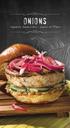 Onions Signature Sandwiches Layers of Flavor Today s sandwiches are no longer limited to cold cuts, cheese and a squirt of mustard. Instead, they are inspired with specialty breads and kicked-up condiments.
Healthy Eating For Your Kidneys
 Winter 14 Healthy Eating For Your Kidneys (For People Not on Dialysis) BC Provincial Renal Agency If you have kidney disease, you may need to change the food you eat. Changes will depend on your appetite,
Lessons Learned from the NYC SchoolFood Plus Evaluation
 Presentation to Institute of Medicine Committee to Review National School Lunch and Breakfast Programs Lessons Learned from the NYC SchoolFood Plus July 9, 2008 Ted Spitzer, President SchoolFood Plus Collaborative,
Paleo Meal Plan! Day 1 Day 2 Day 3 Day 4 Day 5 Day 6 Day 7. Kale Smoothie. Leftovers. Turkey Zucchini Pasta. Apple Chicken. Salad.
 Breakfast Lunch Dinner Snack Paleo Meal Plan Day 1 Day 2 Day 3 Day 4 Day 5 Day 6 Day 7 Almond Blueberry Parfait Turkey Roll Ups Thai Stir Fry Beef Jerky Frittata Thai Stir Fry Apple Chicken Salad Hard
Horticulture Information Leaflet 33-E
 Department of Horticultural Science Horticulture Information Leaflet 33-E Revised 9/93 -- Author Reviewed 8/97 VEGETABLE CROP IRRIGATION Douglas C. Sanders, Extension Horticultural Specialist Distributed
Mediterranean Bean Salad. You ll Need - Take Out - 1/3 cup SPLENDA Granular measuring cups
 Mediterranean Bean Salad 10 Servings You ll Need - Take Out - 1/3 cup SPLENDA Granular measuring cups ½ cup white wine vinegar measuring spoons 2 tablespoons extra virgin olive oil whisk 1 (15 oz.) can
Directions. 2. Dredge shrimp through flour, followed by egg whites and Samoas Girl Scout Cookies mixture.
 Fried Samoas Shrimp Ingredients Directions Uses box of Samoas Girl Scout Cookies Yields 5 shrimp 5 extra-large shrimp, peeled and de-veined 5 Samoas Girl Scout Cookies, finely chopped 2 cups seasoned bread
5 Day Low-Fat Diet Menu
 5 Day Low-Fat Diet Menu Meals in the following menu have fewer than 25 percent of calories from fat. Choose one of each meal and two snacks every day. Breakfasts Food (s) Cal. Fat Fat Carbs Special Instructions
Try pancakes, waffles, french toast, bagels, cereal, English muffins, fruit or juice. These foods are all high in carbohydrates.
 Healthy Meals for Swimmers on the Go Notes on BREAKFAST - Start your day off right! Try pancakes, waffles, french toast, bagels, cereal, English muffins, fruit or juice. These foods are all high in carbohydrates.
High Protein Low Fat Meal Plans
 High Protein Low Fat Meal Plans If you have chosen to follow a low-fat, high protein diet, the following meal plans are designed to help. Choose three meals and two snacks each day. Breakfast Choose one
MEAL PLANNING FOR MECHANICAL SOFT DIET
 MEAL PLANNING FOR MECHANICAL SOFT DIET Definition of Terms Calories Protein Blenderized Pureed Units of energy. A nutrient used by your body for growth and repair. The best sources are milk, meats, fish,
Eat More, Weigh Less?
 Eat More, Weigh Less? How to manage your weight without being hungry 607 calories 293 calories Department of Health and Human Services Centers for Disease Control and Prevention Can you weigh less without
The following is the sample diet for the Bio-Type Thyroid. Thyroid BioType. Dominant gland: Thyroid. Physical Characteristics:
 As a Thyroid Bio-Type you have gained weight in the past by eating foods that over stimulate your thyroid: sweets such as candy and soft drinks, starches such as bread and pasta, and caffeine drink. The
Take Away & Delivery Menu
 313-317 King Street, Hammersmith, W6 9NH T: 020 8748 6887 T: 020 8748 4390 www.saigon-saigon.co.uk Delivery available everyday, from 6.30pm - 9.30pm for all orders above 20 We deliver within a 3 mile radius
Making Healthy Food Choices. Section 2: Module 5
 Making Healthy Food Choices Section 2: Module 5 1 Nutrition For Health What is healthy Tips on planning meals Making a shopping list/ Bulk orders Using WIC foods Cook and freeze What foods to choose How
Blenderized & Pureed Recipes
 Blenderized & Pureed Recipes While you are having difficulty chewing or swallowing, use these recipes for preparing pureed meals. Use the recipes as a base for developing your own recipes. Be creative!
2014-2015 Culinary Arts STAR Events Menu Options. Menu I
 2014-2015 Culinary Arts STAR Events Menu Options Menu I Waldorf Salad Shaker Style Turkey Cutlets Potatoes Parmentier Sautéed Green Beans Menu II Sautéed Breast of Chicken with Mustard Cream Sauce Fresh
Healthy Grocery Shopping On A Budget
 Healthy Grocery Shopping On A Budget 1 Click Understanding to edit Master Grocery title style Stores Over 50,000 products Strategically placed items and traffic flow Lighting, music, color used strategically
Essential Khmer Spices. Cooking Class Courses
 Cooking Class Essential Khmer Spices Cooking Class Courses In Khmer Niam Bay is the word for eating but the real meaning is Eating Rice. Showing how the rice is so important in Cambodia. Almost every meal
American Cancer Society. Nutritional Guidelines for Reducing Your Risk of Cancer
 American Cancer Society Nutritional Guidelines for Reducing Your Risk of Cancer Cancer Impact More than one million Americans will be diagnosed with cancer this year. Scientific evidence suggests that
Information Technology Solutions
 internet, linens, paper pads, pens and one water Base Meeting Package Food and Beverage not Included Daily Rates Room Capacity Tables Capacity Theatre Garden Room 125 175 Valley View Room 100 125 Pavilion
Gourmet røgeopskrifter med ahorntræ briketter
 Foss Family Hams This is an old Canadian Prairie recipe for smoking ham and bacon. 50 kg (100 lb) Ham or Bacon 4 kg (8 lb) Salt 1.5 kg (3 lb) Sugar 60 ml (2 oz) Saltpetre 16 l (4 gal) of hot water, approximately
2016 National Leadership Conference Culinary Arts Menu and Required Equipment List Event will take place at The Art Institute of San Diego
 Family, Career and Community Leaders of America 2016 National Leadership Conference Culinary Arts Menu and Required Equipment List Event will take place at The Art Institute of San Diego Teams will be
We give great importance to breakfast, especially if it weekend. A typical. Turkish breakfast consists of slices of Turkish feta cheese, honey or jam,
 A. TURKISH BREAKFAST We give great importance to breakfast, especially if it weekend. A typical Turkish breakfast consists of slices of Turkish feta cheese, honey or jam, butter, black olives, tomatoes
HOUSE MADE HUMMUS #6 Scoop
 HOUSE MADE HUMMUS #6 Scoop Serving Size 1 #6 Scoop (150g) Calories 1960 Calories from Fat 1130 126g Saturated Fat 17g Monounsaturated Fat 72g 8g less than 5 milligrams 3740mg Total Carbohydrate 175g 37g
MEN'S FITNESS FAT TO FIT CHALLENGE - 1800 CALORIE MEAL PLAN WEEK 1
 Day 1 Tomato & Basil Omelet* (see recipe) 1 large egg 73.5 0.4 6.3 5 2 large egg whites 34.3 0.5 7.2 0.1 1/4 cup chopped tomato 8.1 1.8 0.4 0.1 2 Tbs grated parmesan cheese 43.1 0.4 3.9 2.9 2 Tbs chopped
HIGH FIBER DIET. (Article - Web Site) August 20, 2003
 HIGH FIBER DIET (Article - Web Site) August 20, 2003 Dietary fiber, found mainly in fruits, vegetables, whole grains and legumes, is probably best known for its ability to prevent or relieve constipation.
Healthy Grocery Shopping on a Budget. Tips for smart spending at the grocery store
 Healthy Grocery Shopping on a Budget Tips for smart spending at the grocery store Re c ipe e! In d si Grocery Store Science Eating well does not need to cost a lot of money. Here are some ways to choose
Lesson Overview. Biodiversity. Lesson Overview. 6.3 Biodiversity
 Lesson Overview 6.3 6.3 Objectives Define biodiversity and explain its value. Identify current threats to biodiversity. Describe how biodiversity can be preserved. THINK ABOUT IT From multicolored coral
Herbs, Spices, and Seasonings
 5/31/ Lesson Overview Lesson Participants: School Nutrition Assistants/Technicians, School Nutrition Managers, and CACFP Staff Type of Lesson: Short, face-to-face training session Time Needed to Conduct
GROWING GUIDE: PEPPERS
 GROWING GUIDE: PEPPERS Peppers are enjoyed worldwide. If you like Indian curries, Hungarian paprika, Italian puttanesca sauce, Chinese kung pao chicken or Mexican chiles rellenos, think how convenient
Nutrition Pointers: Fruits and Veggies
 Nutrition Pointers: Fruits and Veggies Eat as many as possible try filling half your plate with fruits and veggies. Fruits and veggies are good for you whether they are fresh or frozen. Go for a wide variety
EASY, EFFECTIVE, WEEKEND DETOX PLAN
 EASY, EFFECTIVE, WEEKEND DETOX PLAN As the holidays come to an end many of us just know that we have overdone it! Your energy levels are close to zero, your mind is sluggish, your tummy feels bloated,
Mealtime Memo. Timesaving Tips for Mealtime
 Mealtime Memo National Food Service Management Institute The University of Mississippi for Child Care No. 6, 2009 Timesaving Tips for Mealtime Family day care home providers have a busy day. It starts
NUTRITION. INFORMATION Variations in ingredients and preparation, as well as substitutions, will increase or decrease any stated nutritional values.
 Variations in ingredients and preparation, as well as substitutions, will increase or decrease any stated nutritional values. MENU SELECTION Fire Starters Crowd Pleaser Crowd Pleaser with Pulled Pork Buffalo
Healthy Foods for my School
 yum, yum, yum, yum, yum, yum, yum, yum, yum, yum, yum, yum, yum, yum, yum, yum, yum, yum, yum, yum, yum, Healthy Foods for my School Nutrition Standards for Saskatchewan Schools Schools are an ideal place
21-Day Sample Cycle Menu Child and Adult Care Food Program
 The abbreviation to the left of each menu item indicates the meal pattern component supplied. The following abbreviations are used: G/B = Grains/Breads; M/MA = Meat/Meat Alternate; F/V = Fruit/Vegetable;
SUMMER SQUASH GRADES 3-5
 SUMMER SQUASH GRADES 3-5 Introduce a Zucchini Many children may not be familiar with summer squash. This guide helps you introduce one of the most popular the Zucchini!! Bring a fresh zucchini to show