
Memory and Concentration
|
|
|
- Esther Flynn
- 9 years ago
- Views:
Transcription
1 The role of memory. Memory plays a vital role when it comes to who we are as an individuals and as a collective whole. We are constantly reliant on our ability to retrieve information so we can address any given situation we face, interaction with our fellow human beings or apply our learned trade by retrieving the information.. Perception. From an age where we begin to perceive and take stock of our surroundings we start to gather and store a plethora of images, communicative tools in the form of body language facial expressions, emotions and knowledge. Your mothers homemade christmas cookies, the smell of a perfume all these fragments come together creating you and a sense of self. These become a part of who we are leading our reactions based on what we have stored and learned before. Animals for example will bare their teeth if they feel threatened and if we take Darwin s theory to heart the animal in us co-opted this, though instead of a threat we turned it into a form of greeting or peace offering to quickly disarm both parties and relieve us of the fight or flight mode. As you are reading this, memory is aiding your capacity to understand the words on the page by associating them with visuals drawn from previous experience. What is is memory? As the science of memory continues different description have tried to give us an idea of what memories are. But the brain and its functions are vast. Previously it was implied that we had a large file cabinet from which we could pull out individual files as needed. The word super computer has also been and is still used as a description for the cluster of cognizant grey matter. Further research had been done and had our memory bank located in one area of the brain. Though scientists have come to find it might be slightly more elusive than that. Is there a location for memory. What seems to be a single memory is actually a complex construction. If you think of an object -- say, a guitar -- your brain retrieves the object's name, its shape, its function, the sound that is played along with the emotions that are envoked. Each part of the memory of what a "guitar" is comes from a different region of the brain. Thereby the entire image of guitar is actively reconstructed. 1

2 Scratching the surface. Neurologists are only beginning to understand how the parts are reassembled into this coherent whole. The ability to remember and forget these things happen to be on of the most complex functions of the brain. Memory is well known to be selective and often illogical. In order to understand what happens when creating a memory we have to look at encoding, storage and retrieval. Failure at any one of these stages will result in poor remembering of an experience. Encoding When the brain is put to work, which it almost always is, the nerves cells (neurons) are connected to each other through the well trodden or newly trodden paths, called synapses. The means of communication for between point A and B is electricity and chemical reactions. These chemical messages that are sent back and forth to cells are called neurotransmitters. Neurotransmitters spread across the space and thereby attach themselves to other neighboring cells. Every brain cell has the capacity to form a thousands of these links giving the typical brain about a trillion synapses. What receives these signal are dendrites. Branch like structures that in turn reach out to surrounding cells. 2

3 The rules yet to be determined. The rules for how this whole process works are not defined to the point of certainty as the brain is a malleable thing. It keeps on changing as do our experiences and the mind acts appropriately. When a signal is sent from one cell to the other it gets stronger and stronger if said signal is triggered often. So as our surroundings change and our way to approach a situation, action feelings are met with demands for a response so will our brain continue to organize itself for the purpose of using the brain optimally. This flexibility is what scientists call plasticity. The ability to rewire itself through training. For a memory to be successful you must first be paying attention. Sensory Stage. All the sights, sounds smells, tastes and touch and feelings start filtering through the first stage of sensory perception. By identifying and categorizing in milliseconds we allow ourselves a visual pattern that lingers for a brief second. We filter as since we cannot pay attention to everything or our memory capacity would be shot before we left the house. This stage is the sensory stage. Short term memory. That flicker created in the sensory stage then moves on to the short term memory. As indicated short term memory has a limited capacity to store. The time frame we are taking about here is just seconds. Long term Memory. Taking your first driving lesson there are lot of things to be aware of sitting in the car, hand on the wheel, your pedals, gear shift, indicators. While the instructor is explaining all this your senses are wide awake, knowing that you will be attempting to drive in just a few seconds concentration and awareness is at it height allowing all this information to move on to short term memory. As you slowly start to drive you repeat the various actions constantly and this allows the information to pass on to long term memory. 3

4 Successful memory by association. If we are to learning something new a person with an average memory will find it easier to retain information that has similarities to a something one already has knowledge of. This mentally connects the new information with the old one that is already stored in the long term memory. For these memories to be of any use to us we have to be able to retrieve them. Retrieval. Recall: This type of memory retrieval involves being able to access the information without being cued. Answering a question on a fill-in-the-blank test is a good example of recall. Recollection: This type of memory retrieval involves reconstructing memory, often utilizing logical structures, partial memories, narratives or clues. For example, writing an answer on an essay exam often involves remembering bits on information, and then restructuring the remaining information based on these partial memories. Recognition: This type of memory retrieval involves identifying information after experiencing it again. For example, taking a multiple-choice quiz requires that you recognize the correct answer out of a group of available answers. Relearning: This type of memory retrieval involves relearning information that has been previously learned. This often makes it easier to remember and retrieve information in the future and can improve the strength of memories. Aging. As we get older our memory will inadvertently start to fail you in small ways. This is totally natural and what happens up top is the break down of the assembly process. Synapses having not been used for a long time will fade. The once trodden trail regrown.this can start to happen at an early stage as 20 and can gradually get worse as we reach 50. The good new is that we can keep our mind and memory strong. 4

5 Yoga and memory The Koshas. According to the Kosha system in Yogic philosophy, the nature of being human encompasses physical and psychological aspects that functions as one holistic system. The Kosha system refers to these different aspects as layers of subjective experience. Layers range from the dense physical body to the more subtle levels of emotions, mind and spirit. Anamaya kosha, Pranamaya Kosha, Manomaya kosha, Vinamaya kosha, Anandamayakosha. We will focus on the two following koshas that has mostly to do with memory. Manomaya kosha Manomaya means composed of manas or mind. Thinking, feeling and willing. The mind along with the five sensory organs (taste (tongue),smell (nose), vision (eyes), hearing (ear), and touch (skin), is said to constitute the manomaya kosa or mindsheath. It is the cause of diversity. Man s bondage is caused by the mind, and liberation, too, is caused by that alone. The Manomaya Kosha is the mental faculty that receives all the sensory inputs, interprets them as good or bad and desires. Chitta, the subconscious stores these memories. This Kosha is much more powerful than the preceding two Koshas and governs them and is, in turn, governed by the two Koshas superior to it. It is thus central to human existence. Vijnanamaya Kosha. Vijnanamaya means composed of vijnana, or intellect, buddhi, the faculty which discriminates, determines or wills. It is the sheath composed of more intellection, associated with the organs of perception. This knowledge sheath cannot be the supreme 5

6 self for the following reasons; It is subject to change, It is insentient, It is a limited thing, It is not constantly present. A large part of this Kosh is in the realm, of the unconscious and is a major repository of information. The feeling of 'me' and 'mine', ahmakara (ego) and the faculty of intelligence and reasoning constitute the fourth or Vigyanmaya Kosh. The feeling of freshness that 'I had had a deep sleep' is said to arise from this Kosh. When one closes the eyes and relaxes during meditation, the functioning of the Manomaya Kosh becomes minimum. The Vigyanmaya Kosh comes in the front and gets active. In the final stages of meditation, the intellect becomes stable and mind becomes still and this with practice goes towards the state of samadhi if mastered. Causes for memory loss. Chronic stress: In this situation the flight or flight mode that is only intended to work briefly becomes the norm. Over time the brain loses cells and has trouble creating neurons Sleep deprivation: Is your sleep disrupted, or are you getting less of it? Sleep deprivation compounds the effects of stress on the brain, because memories are sorted and organized during normal sleep. Depression: is usually linked with the lack of serotonin, a neurotransmitter connected to the arousal system. Concentration and focus are affected impairing the ability to properly store new memories. Nutritional deficiency. Good nutrition- including high-quality protiens and fats - is important to proper brain function. Deficiencies in vitamin B1 and B12 specifically can affect memory. Alcohol, tobacco, or drug use. Excessive alcohol use has long been recognized as a cause of memory loss. Stroke. A stroke occurs when the blood supply to the brain is stopped due to the blockage of a blood vessel to the brain or leakage of a vessel into the brain. Strokes often cause short-term memory loss. A person who has had a stroke may have vivid memories of childhood events but be unable to recall what he or she had for lunch. 6

7 Head injury. A severe hit to the head -- from a fall or automobile accident, for example -- can injure the brain and cause both short- and long-term memory loss. Memory may gradually improve over time. Improving and strengthening memory and concentration from the science of yoga. Improving concentration and memory power through yoga is very simple. Yoga works on both your mind and body and thus helps to improve your overall condition. It works on a very deep level on your body and that has a powerful impact on your system. The practice of concentration is also called as Dharana and it helps to focus the mind in one place instead of thinking about different things and wandering here and there. This effectively helps to reduce the stress on your mind and body and boosts your mental functions. Pranayama: In seated position there are four pranayama exercises that will stimulate the brain cells, energizes the mind on the whole, provide unifying the body mind and breath causing calm and facilitate clear thinking. Bramari Ujjayi Nadi Shuddi Kapalabati Full yogic breathing Pranayama or the breathing exercises help to focus your mind on your breathing pattern as you breathe in and out and thus helps to increase the oxygen flow to your body and also improves the concentration and focus. It also helps to correct your breathing pattern that helps in improving the oxygen flow to your brain and thus nourishes it. It also clears any blockages in the system and also helps to correct the energy flow so the prana or the life energy flows unobstructed. This deeply nourishes the brain and thus helps you to improve the concentration and memory. Suryanamaskara. In the asanas or postures you can safely practice the Surya Namaskar or the sun salutation daily. This is an intense series of 12 different postures that help to work out 7

8 the entire body. You can also practice the Shavasana for the purpose of observing the breath or creating awareness of the body. Other asanas that can be practiced are Sarvangasana as it Shoulder-stand works on the sympathetic and parasympathetic nervous systems, and creates health in the brain and spine by increasing blood flow to the scalp and brain. This pose has been clinically observed to promote vitality and increase memory and IQ. It is to be held up to three minutes. From the Therapy Series: ankle stretching as it involves balance, Shalabasana improves the nervous system that will in turn affect your brain. Dhanurasana as it increases circulation to the head region. It also helps the respiratory system that if working properly will allow the mind to be clear and light instead of drowsy and heavy. Urdhva prasarita padasana is good for circulation of blood for heart to head and is good preparation for Sarvangasana. Following are the standing/balancing postures that all build concentration and awareness, quietens the mind as well as activates it, improves memory power makes the body lighter and fresher, cleansing and mentally challenging as well as preparation for other asanas like Parighasana for backbends. Program 1 PROGRAM 1 Focus: BREATH PROGRAM 2 Full yogic breathing Naddi Shuddi 10 round Kapalabati 10 x 3 Bramari 25 rounds Bastrika 15 x 3 Shanmukhimudra 10 round Ankle streching 5 times Trataka 5-10 minutes + with practice. Hands in and out breating 5 times So Hum meditation 5minutes Front and back bending/ Hands stretching 5 times Nasikagra Drishti 3 x 1 minute Tiger Breathing 8 times Asanas 8

9 PROGRAM 1 Focus: BREATH PROGRAM 2 Shalabasana basic x 5 Surya Namaskara 6 Rounds Setubhandasana x 5 Vrikshasana 5 breaths to each side. Pavana Mukhta 5 times Garudasana 5 breaths to each side. Savasana 5 minutes + Virabhadrasana A 5 breaths to each side. Chakrasana Paschimotannasan a Purvottanasana Ardha Matsyendra Asana Vashishtasana Sarvangasana series Savasana 8 breaths 8 breaths 8 breaths 5 breaths to each side. 5 breaths to each side. 6 minutes 5 minutes Diet Lastly we have to consider our diet. If this is in tune with what we actually need at any given point we maintain balance in mind and body. Following the Ayurvedic lifestyle we can glean a lot by eating in accordance with the three gunas being: Satvik, Rajasik and Tamasik. Eating 2/3 of ones normal portion will also allow the digestive system to work at it s best. This space also leave the mind alert and active instead of sluggish. 9

10 A few things to keep in mind when having to do with memory as well is having a proper diet is to moderate caffeine intake as that inhibits the levels of serotonin and therefore our neurotransmitters. As a vegetarian one has to make sure that our B12 level is sufficient allowing the brain to work as B12 plays a key role in the normal functioning of the brain. We can get these from eggs, cheese, milk and yoghurt and marmite. Data supports eating foods that are high in vitamin E and this includes healthy vegetable oil-based salad dressings, seeds and nuts, peanut butter, and whole grains. Dark greens like broccoli, collard greens, spinach cale as well as avocados. Berries helps get rid of toxic proteins associated with age-related memory loss. Lastly in this technological driven world a number of brain training games available out there to jog ones memory and keep those synapses well oiled for the neurotransmitters. Written by: Naropa Møller, Yoga Indea, Mysore Reference: Yoga and memory by HR Nagendra and Dr Shirly Telles Podcast: The science of Memory by Randall Engle 10

11 11

Exercise. Rule #1 Exercise boosts brain power.
 Exercise Rule #1 Exercise boosts brain power. Our brains were built for walking 12 miles a day! To improve your thinking skills, move. Exercise gets blood to your brain, bringing it glucose for energy
Tune Up Your Memory. Overview of course. A Few Statistics 2/3/2015
 Tune Up Your Memory Michelle Swantek Certified Geriatric Wellness Instructor MorningStar Senior Living Boise Overview of course How Memory Works How the Brain Works Use It or Lose It Nutrition and Exercise
A LIFESPAN OF BRAIN DEVELOPMENT
 PURDUE UNIVERSITY COOPERATIVE EXTENSION SERVICE Crawford County A LIFESPAN OF BRAIN DEVELOPMENT Developed by Carol Judd Description: Brain architecture is a process that begins early in life and continues
Pediatrics. Specialty Courses for Medical Assistants
 Pediatrics Specialty Courses for Medical Assistants 7007 College Boulevard, Suite 385 Overland Park, Kansas 66211 www.ncctinc.com t: 800.875.4404 f: 913.498.1243 Pediatrics Specialty Certificate Course
Homework Help Heart Disease & Stroke
 Preventing Heart Disease & Stroke What causes heart disease and stroke? high blood pressure high cholesterol diabetes smoking stress drinking too much alcohol not being physically active being overweight
The Cranium Connection
 Your Brain! The brain is the command center of your body. It controls just about everything you do, even when you are sleeping. Weighing about 3 pounds, the brain is made up of many parts that all work
Integration and Coordination of the Human Body. Nervous System
 I. General Info Integration and Coordination of the Human Body A. Both the and system are responsible for maintaining 1. Homeostasis is the process by which organisms keep internal conditions despite changes
Epilepsy and Neuropsychology Dr. Sare Akdag, RPsych
 Epilepsy and Neuropsychology Dr. Sare Akdag, RPsych Most people living with epilepsy do not experience serious problems with their thinking. However, there are aspects of thinking that can be affected
Unit 3L.4: Body Parts and Functions
 Unit 3L.4: Organs in the Human body Keeping Healthy The Skeleton Science skills: Classification Observing Making models Data collection By the end of this unit you should: Compare the structure of humans
Epilepsy and stress / anxiety
 Epilepsy and stress / anxiety Stress is a term used to describe emotional strain and tension. When we experience stress we also can become anxious. Although stress and anxiety do not cause epilepsy, for
Coping With Stress and Anxiety
 Coping With Stress and Anxiety Stress and anxiety are the fight-and-flight instincts that are your body s way of responding to emergencies. An intruder crawling through your bedroom window in the dark
31.1 The Neuron. BUILD Vocabulary. Lesson Objectives
 Name Class Date 31.1 The Neuron Lesson Objectives Identify the functions of the nervous system. Describe the function of neurons. Describe how a nerve impulse is transmitted. BUILD Vocabulary A. The chart
Nikki White Children s Occupational Therapist Barnet Community Services
 Nikki White Children s Occupational Therapist Barnet Community Services What is Occupational Therapy (OT)? An occupation is anything you do in your daily life. Anything meaningful or purposeful Eg. Getting
Year 2 Science: The Human Body Resource Pack
 Year 2 Science: The Human Body Resource Pack Body Systems II Body Systems Digestion our bodies break down food and use Skeletal system the skeleton is made up of bones that support our the nutrients to
Sister Science Beyond Asana. Your Perfect Pranayama Practice Module 2: Lesson 2
 Sister Science - Beyond Asana Course Your Perfect Pranayama Practice Module 2: Lesson 2 Hi There, This is Andy here, co-founder of Yoga Veda Institute & Director of the Sacred Breath Self Healing retreat
BBC LEARNING ENGLISH 6 Minute English Brain training
 BBC LEARNING ENGLISH 6 Minute English Brain training NB: This is not a word-for-word transcript Hello and welcome to 6 Minute English. I'm Watashi-wa Ni-ru. What did you say? Watashi-wa Ni-ru. 'I'm.' It's
top 5 fat burning tips by steve dennis
 top 5 fat burning tips by steve dennis top 5 fat burning tips by steve dennis Are you frustrated about trying to lose body fat? Confused about what foods to eat? Do you often wonder why carbs are bad?
IMPROVE YOUR LEARNING SKILLS
 IMPROVE YOUR LEARNING SKILLS Riitta Aikkola Vaasa University of Applied Sciences 1 IMPROVE YOUR LEARNING SKILLS Learning is a skill and it can be improved. Everyone has the opportunity to develop their
CORPORATE HEALTH LOWERING YOUR CHOLESTEROL & BLOOD PRESSURE
 CORPORATE HEALTH LOWERING YOUR CHOLESTEROL & BLOOD PRESSURE What is Cholesterol? What s wrong with having high cholesterol? Major risk factor for cardiovascular disease Higher the cholesterol higher the
X-Plain Trigeminal Neuralgia Reference Summary
 X-Plain Trigeminal Neuralgia Reference Summary Introduction Trigeminal neuralgia is a condition that affects about 40,000 patients in the US every year. Its treatment mostly involves the usage of oral
Class 10 NCERT Science Text Book Chapter 7 Control and Coordination
 Class 10 NCERT Science Text Book Chapter 7 Control and Coordination Question 1: What is the difference between a reflex action and walking? A reflex action is a rapid, automatic response to a stimulus.
Module 1: The Brain and the Central Nervous System (CNS)
 Module 1: The Brain and the Central Nervous System (CNS) By the end of this unit, the learner will be able to: Describe the anatomy of the brain and the central nervous system Identify regions of the brain
Nervous System. from the Human Body Systems Series. catalog # 2890. Published & Distributed by AGC/UNITED LEARNING
 Nervous System from the Human Body Systems Series catalog # 2890 Published & Distributed by AGC/UNITED LEARNING 1560 Sherman Avenue Suite 100 Evanston, IL 60201 1-800-323-9084 24-Hour Fax No. 847-328-6706
My Doctor Says Stress is Bad for My Diabetes... What Can I Do About It? BD Getting Started. Stress and Diabetes
 My Doctor Says Stress is Bad for My Diabetes... What Can I Do About It? BD Getting Started Stress and Diabetes Doesn t Everyone Have Stress? It s true that stress is part of everyday life for everyone.
Recovering from a Mild Traumatic Brain Injury (MTBI)
 Recovering from a Mild Traumatic Brain Injury (MTBI) What happened? You have a Mild Traumatic Brain Injury (MTBI), which is a very common injury. Some common ways people acquire this type of injury are
Low Blood Pressure. This reference summary explains low blood pressure and how it can be prevented and controlled.
 Low Blood Pressure Introduction Low blood pressure, or hypotension, is when your blood pressure reading is 90/60 or lower. Some people have low blood pressure all of the time. In other people, blood pressure
Meditation for Stress Management
 What is? Meditation is the focusing of attention on one thing to the exclusion of all other thoughts. Often, people are able to relieve their stress through meditation, because by focusing on only one
Eight Limbs of Yoga (Yoga Sutras of Patanjali)
 Eight Limbs of Yoga (Yoga Sutras of Patanjali) Pranayama (Breathing Techniques) (Part 3) Subhash Mittal Integral Yoga Studio www.integralyogastudio.com 919 926 9717 [email protected] 1 Invocation
Brain Development. Genetic make-up... is not the major determiner
 Brain Development Presented by: Linda Alsop SKI-HI Institute Utah State University Genetic make-up... is not the major determiner Early experiences are so powerful that they can completely change the way
THE IMMUNE SYSTEM AND BREAST CANCER
 THE IMMUNE SYSTEM AND BREAST CANCER Moderator: Hope Nemiroff Panelists: David M. Brady, ND, DC, CCN, DACBN Elizabeth Boham, MD, MS, RD Examining the role of the immune system in breast cancer survival
Do you have a. of what you want to be when you grow up? Do you look at your teacher and think you might want to have that job
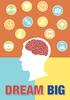 DREAM BIG Do you look at your teacher and think you might want to have that job when you are bigger, or have you passed the fire station and thought about helping others as a firefighter? What about a
Objective: Identify effects of stress on everyday issues and strategies to reduce or control stress.
 Lesson Plan: Dealing with Stress Objective: Identify effects of stress on everyday issues and strategies to reduce or control stress. Time: 45-60 minutes Structure: On-line homework before class (Stress
What role does the nucleolus have in cell functioning? Glial cells
 Nervous System Lab The nervous system of vertebrates can be divided into the central nervous system, which consists of the brain and spinal cord, and the peripheral nervous system, which contains nerves,
How babies' senses develop
 B2 There is much growth and change that must occur in your baby s body. For babies born full-term (37-40 weeks), this growth and change occurred within the warm, dark, watery womb. For the premature baby,
Depression. Introduction Depression is a common condition that affects millions of people every year.
 Depression Introduction Depression is a common condition that affects millions of people every year. Depression has an impact on most aspects of everyday life. It affects eating and sleeping routines,
High Blood pressure and chronic kidney disease
 High Blood pressure and chronic kidney disease For People with CKD Stages 1 4 www.kidney.org National Kidney Foundation's Kidney Disease Outcomes Quality Initiative Did you know that the National Kidney
What is emotional intelligence?
 What is emotional intelligence? Emotional intelligence is the ability to identify, use, understand, and manage your emotions in positive and constructive ways. It's about recognizing your own emotional
Cocaine. Like heroin, cocaine is a drug that is illegal in some areas of the world. Cocaine is a commonly abused drug.
 Cocaine Introduction Cocaine is a powerful drug that stimulates the brain. People who use it can form a strong addiction. Addiction is when a drug user can t stop taking a drug, even when he or she wants
Human Neuroanatomy. Grades 9-12. Driving Question: How did the evolution of the human brain impact the structure and function it has today?
 Human Neuroanatomy Grades 9-12 Driving Question: How did the evolution of the human brain impact the structure and function it has today? Objectives: Students will be able to Describe the basic parts and
Health Maintenance: Controlling Cholesterol
 Sacramento Heart & Vascular Medical Associates February 18, 2012 500 University Ave. Sacramento, CA 95825 Page 1 What is cholesterol? Cholesterol is a fatty substance. It has both good and bad effects
Nutrients: Carbohydrates, Proteins, and Fats. Chapter 5 Lesson 2
 Nutrients: Carbohydrates, Proteins, and Fats Chapter 5 Lesson 2 Carbohydrates Definition- the starches and sugars found in foods. Carbohydrates are the body s preferred source of energy providing four
Kriya for Negative Mind
 Kriya for Negative Mind Bron: The Ten Light Bodies of Conciousness van Nirvair Singh Khalsa So So So So Hung Hung Hung Hung 3 MINUTES. Let s start with this pranayam. It s going to be a 4:4 breathing pattern.
Stress can become a problem when you are not sure how to handle it. Worry sets in, and you feel stressed.
 Stress Reduction Patient Education Improving Health Through Education What is Stress? Stress is a normal emotional and physical reaction to the demands of life. Stress comes from both the good and bad
STRESS MANAGEMENT FOR PARENTS
 CENTER FOR EFFECTIVE PARENTING STRESS MANAGEMENT FOR PARENTS Stress is something that is a part of all of our lives. It is impossible to totally avoid stress. In fact, mild to moderate amounts of stress
How To Understand The Effects Of Drugs On The Brain
 DRUGS AND THE BRAIN Most of the psychological and behavioural effects of psychoactive drugs is due the interaction they have with the nerve cells in the CNS (which includes the brain and peripheral nervous
Brain Yoga - Instruction Guide. Congratulations!
 Brain Yoga - Instruction Guide Brain Yoga offers real help to those with learning difficulties, autism, Alzheimer s disease and anyone whose memory is not as sharp as it should be. This report is the companion
STAGE 5: Interacting Systems
 Stage 5: In this stage, students will explore how systems interact with each other to maintain healthy and optimal body functioning, including how the body responds to changes in the environment such as
Maintaining Nutrition as We Age
 SS-207-06 For more information, visit the Ohio Department of Aging web site at: http://www.goldenbuckeye.com and Ohio State University Extension s Aging in Ohio web site at: http://www.hec.ohio-state.edu/famlife/aging
Delusions are false beliefs that are not part of their real-life. The person keeps on believing his delusions even when other people prove that the be
 Schizophrenia Schizophrenia is a chronic, severe, and disabling brain disorder which affects the whole person s day-to-day actions, for example, thinking, feeling and behavior. It usually starts between
Sinclair Community College, Division of Allied Health Technologies
 Sinclair Community College, Division of Allied Health Technologies Health Promotion for Community Health Workers Cardiovascular disease, stroke, and cancer Class #5 High Blood Cholesterol (date) Course
Dr.M.SHOBITHA, H.O.D PHYSIOLOGY, HIMSR, JAMIA HAMDARD
 Dr.M.SHOBITHA, H.O.D PHYSIOLOGY, HIMSR, JAMIA HAMDARD What is stress? Physiological events during stress. Symptoms during stress Self help for treating stress. Meditation- Definition Techniques of meditation
Brain Basics: A Brain in Sync
 Brain Basics: A Brain in Sync By: Dr. Robert Melillo The idea of a functional relationship between the left and right sides of the brain is hardly new. In 1949, Canadian neuropsychologist Donald O. Hebb,
Internal Chi Breathing
 Internal Chi Breathing By Michael Winn Note: This article is adapted from a transcript of the audio course Chi Kung Fundamentals #3: Internal Chi Breathing. If you wish to learn the breathing method only,
Plant In a Cup. When considering what to do for our curriculum project, our main goal was
 Sammi Meril and Grace Slone Final Paper Kindergarten Education 200 May/6/2013 Plant In a Cup When considering what to do for our curriculum project, our main goal was to create stimulating lesson that
Insomnia affects 1 in 3 adults every year in the U.S. and Canada.
 Insomnia What is insomnia? Having insomnia means you often have trouble falling or staying asleep or going back to sleep if you awaken. Insomnia can be either a short-term or a long-term problem. Insomnia
ABOUT CONCUSSION. Head Injury Fact sheet
 Head Injury Fact sheet 11 Somerset Street / PO Box 1168 Hamilton Telephone (07) 839 1191 Fax (07) 839 5648 Email: [email protected] ABOUT CONCUSSION CONTENTS Information compiled by D Gronwall, PhD
MANAGING ANEMIA. When You Have Kidney Disease or Kidney Failure. www.kidney.org
 MANAGING ANEMIA When You Have Kidney Disease or Kidney Failure www.kidney.org About the Information in this Booklet Did you know that the National Kidney Foundation (NKF) offers guidelines and commentaries
Impacting the Brain of the Traumatized Child Dave Ziegler, PhD
 Impacting the Brain of the Traumatized Child Dave Ziegler, PhD There is now sufficient information available from research on brain development and brain functioning, as well as the effects of trauma,
North Bergen School District Benchmarks
 Grade: 10,11, and 12 Subject: Anatomy and Physiology First Marking Period Define anatomy and physiology, and describe various subspecialties of each discipline. Describe the five basic functions of living
Dizziness and Vertigo
 Dizziness and Vertigo Introduction When you are dizzy, you may feel lightheaded or lose your balance. If you also feel that the room is spinning, you may have vertigo. Vertigo is a type of severe dizziness.
Comprehensive Resilience Module
 Resilience And Risk Reduction Comprehensive Resilience Module Spiritual Dimension Meditation Meditation Overview There are many types of meditation that can help you develop your human spirit and build
Dealing with Erectile Dysfunction During and After Prostate Cancer Treatment For You and Your Partner
 Dealing with Erectile Dysfunction During and After Prostate Cancer Treatment For You and Your Partner The following information is based on the general experiences of many prostate cancer patients. Your
3. The neuron has many branch-like extensions called that receive input from other neurons. a. glia b. dendrites c. axons d.
 Chapter Test 1. A cell that receives information and transmits it to other cells via an electrochemical process is called a(n) a. neuron b. hormone c. glia d. endorphin Answer: A difficulty: 1 factual
Manage cancer related fatigue:
 Manage cancer related fatigue: For People Affected by Cancer In this pamphlet: What can I do to manage fatigue? What is cancer related fatigue? What causes cancer related fatigue? How can my health care
Exercise and the Brain
 Exercise and the Brain Daniela Nardelli has been a teacher of Mathematics and Physics for more than 20 years. She has a keen interest in understanding how the brain works and how to maximise student learning.
Standards Alignment Minnesota Science Standards Alignment Matrix www.brainu.org/resources/mnstds
 Lesson Summary: Neurons transfer information by releasing neurotransmitters across the synapse or space between neurons. Students model the chemical communication between pre-synaptic and post-synaptic
X-Plain Neck Exercises Reference Summary
 X-Plain Neck Exercises Reference Summary Introduction Exercising your neck can make it stronger, more flexible and reduce neck pain that is caused by stress and fatigue. This reference summary describes
BOOST YOUR IMMUNE SYSTEM THIS COLD & FLU SEASON, NATURALLY!!!
 BOOST YOUR IMMUNE SYSTEM THIS COLD & FLU SEASON, NATURALLY!!! It s that time again, the dreaded cold and flu season! Fortunately, our body has excellent defense mechanisms to protect us from these harmful
Raynaud s Disease. What is Raynaud s Disease? Raynaud s disease is also sometimes known as Raynaud s phenomenon or Raynaud s syndrome.
 Raynaud s Disease Introduction Raynaud s disease is a rare disorder of the blood vessels. It usually affects the fingers and toes. This disorder causes the blood vessels to narrow which turns the affected
Methamphetamine. Like heroin, meth is a drug that is illegal in some areas of the world. Meth is a highly addictive drug.
 Methamphetamine Introduction Methamphetamine is a very addictive stimulant drug. People who use it can form a strong addiction. Addiction is when a drug user can t stop taking a drug, even when he or she
Exercise. Good Weight A PT E R. Staying Healthy
 Eat Healthy Foods Keep at a Good Weight Exercise Don t Smoke Get Regular Checkups Take Care of Stress A PT E R CH Staying Healthy 6 81 How Can I Stay Healthy? You can do many things to prevent poor health
Mini Medical School Lesson
 Mini Medical School Lesson The American Osteopathic Association s (AOA) Mini Medical School Lesson is designed to help educators teach children about health and fitness. This lesson is aimed towards elementary
Antidepressant Medicines
 Antidepressant Medicines UHN Information for patients and families Read this booklet to learn: what antidepressant medicines are how they work possible side effects important points to remember The name
1. (U4C1L4:G9) T or F: The human body is composed of 60 to 70 percent water. 2. (U4C1L4:G13) Another name for fiber in a diet is.
 Cadet Name: Date: 1. (U4C1L4:G9) T or F: The human body is composed of 60 to 70 percent water. A) True B) False 2. (U4C1L4:G13) Another name for fiber in a diet is. A) vegetables B) laxative C) fruit D)
Behavior & Sensory Strategies for Individuals with ASD
 Behavior & Sensory Strategies for Individuals with ASD Kathleen Mo Taylor, OTR/L The Autism Programs Center for Development and Disability University of New Mexico This presentation is made possible, in
Restoryoga a system of self-care for managing chronic pain
 Restoryoga a system of self-care for managing chronic pain Kathy Felkai On February 26th, I had the honour of presenting the practice of yoga for managing chronic pain at The Canadian Pain Society s 4th
States of Consciousness Notes
 States of Consciousness Notes There s been a lot in the news lately about the new Peace Palace they re building in West L.A., for people to come and meditate and not just Hollywood people! Consciousness
DRAFT OUTLINE YOGA IN HOSPICE CARE PRESENTATION Michele Hoffman, E-RYT, CYT April 21, 2015
 DRAFT OUTLINE YOGA IN HOSPICE CARE PRESENTATION Michele Hoffman, E-RYT, CYT April 21, 2015 1. What is Yoga? Holistic practice over 5,000 years old which works on all levels of being mind, body and spirit.
TABLE OF CONTENTS. The Cost of Diabesity... 3. Employer Solutions... 4 Provide a Worksite Weight Loss Program Tailored for Diabetes...
 TH E TABLE OF CONTENTS The Cost of Diabesity... 3 Employer Solutions... 4 Provide a Worksite Weight Loss Program Tailored for Diabetes... 4 Provide Healthy Food Options at the Workplace... 4 Make it Easy
Drug Abuse and Addiction
 Drug Abuse and Addiction Introduction A drug is a chemical substance that can change how your body and mind work. People may abuse drugs to get high or change how they feel. Addiction is when a drug user
Traumatic brain injury (TBI)
 Traumatic brain injury (TBI) A topic in the Alzheimer s Association series on understanding dementia. About dementia Dementia is a condition in which a person has significant difficulty with daily functioning
Lecture One: Brain Basics
 Lecture One: Brain Basics Brain Fractured Femur Bone Spinal Cord 1 How does pain get from here to here 2 How does the brain work? Every cell in your body is wired to send a signal to your brain The brain
The Older And Wiser Driver
 The Older And Wiser Driver AAA Foundation for Traffic Safety Sharpening Your Driving Skills Aging is inevitable, but growing older doesn t have to mean giving up an active life. While aging does impose
Nutritional Glossary. Index of Contents
 Nutritional Glossary This glossary provides nutrition information about the nutrients commonly found in fruits, vegetables, and other plant foods Each glossary definition has a long and a short version.
Engage: Brainstorming Body Systems. Record the structures and function of each body system in the table below.
 Engage: Brainstorming Body s Record the structures and function of each body system in the table below. Body Nervous Circulatory Excretory Immune Digestive Respiratory Skeletal Muscular Endocrine Integumentary
SLEEP DIFFICULTIES AND PARKINSON S DISEASE Julie H. Carter, R.N., M.S., A.N.P.
 SLEEP DIFFICULTIES AND PARKINSON S DISEASE Julie H. Carter, R.N., M.S., A.N.P. Problems with sleep are common in Parkinson s disease. They can sometimes interfere with quality of life. It is helpful to
Managing your blood pressure
 Managing your blood pressure What is blood pressure? Blood pressure measures the force of blood against your artery walls. This pressure allows your blood to push out to other parts of your body for circulation.
Provided by the American Venous Forum: veinforum.org
 CHAPTER 1 NORMAL VENOUS CIRCULATION Original author: Frank Padberg Abstracted by Teresa L.Carman Introduction The circulatory system is responsible for circulating (moving) blood throughout the body. The
Best Teaching Practices Conference. Teacher ID: BTPC07_07 SUBJECT: BIOLOGY. Class: X. TOPIC: Exploring our Nervous System
 Best Teaching Practices Conference Teacher ID: BTPC07_07 SUBJECT: BIOLOGY Class: X TOPIC: Exploring our Nervous System OBJECTIVES: Use Information Technology to enable the students to: Explain the general
Chapter 15. The Autonomic Nervous. The Autonomic Nervous System. Autonomic Motor Pathways. ANS vs. SNS
 The Autonomic Nervous System Chapter 15 The subconscious involuntary nervous system Regulates activity of smooth muscle, cardiac muscle & certain glands The Autonomic Nervous System 1 2 ANS vs. SNS Somatic
Diagram 2(i): Structure of the Neuron
 Diagram 2(i): Structure of the Neuron Generally speaking, we can divide the nervous system into different parts, according to location and function. So far we have mentioned the central nervous system
Lifestyle Changes to Reduce Risk of Breast and Ovarian Cancer
 Patient Education Lifestyle Changes to Reduce Risk of Breast and Ovarian Cancer There is good evidence that making healthy lifestyle changes reduces our chances of developing breast and ovarian cancer.
The Eight Principles of Movement
 The Eight Principles of Movement At Functional Synergy we follow eight principles of movement to help maintain focus and ease. Based on the natural concepts of anatomy, physiology, and kinesiology, they
Stress management for presentations and interviews
 Learning Development Stress management for presentations and interviews This guide aims to help you recognise and understand anxiety and nervousness which may arise during presentations or interviews.
NEUROPSYCHOLOGY QUESTIONNAIRE. (Please fill this out prior to your appointment and bring it with you.) Name: Date of appointment: Home address:
 NEUROPSYCHOLOGY QUESTIONNAIRE (Please fill this out prior to your appointment and bring it with you.) Name: Date of appointment: Date of birth: Age: _ Home address: _ Home phone: Cell phone: Work phone:
Yoga Teacher Training Home Study Course. Part 3b. Teaching and Practicing Sun Salutations
 Yoga Teacher Training Home Study Course Part 3b Teaching and Practicing Sun Salutations Sun Salutations (Surya Namaskar) A sun salutation is a graceful sequence of positions performed as one continuous
High Cholesterol and Heart Failure
 High Cholesterol and Heart Failure What Is Cholesterol? Cholesterol is a waxy substance that comes from your liver and from the food you eat. Your body needs it to function properly. There are two main
MEMORY LOSS: WHAT IS NORMAL?
 MEMORY LOSS: WHAT IS NORMAL? When I was first unable to remember things like the names of my friend s children or an appointment, I felt scared. Robert, 73 years old lawyer Everyone forgets things. Who
Look after your mental health
 Look after your mental health It s important to take care of yourself and get the most from life. This booklet suggests 10 practical ways to look after your mental health. What is mental health? Hi, how