
Gastroparesis & Dysmotilities Association
|
|
|
- Barry Watts
- 9 years ago
- Views:
Transcription
1 Gastroparesis & Dysmotilities Association GPDA s Mission is to provide accurate information to patients; increase awareness to the public and medical community about Digestive Motility Diseases; and facilitate the search for a cure Small Bowel Bacterial Overgrowth & Digestive Motility Diseases GPDA: GPDA-USA: 5520 Dalhart Hill NW Calgary, AB T3A 1S9 Telephone: (403) [email protected] Remington Dr. Brandon, MS Telephone: (601) [email protected] This pamphlet is one in a series discussing symptoms and symptom management for patients living with Digestive Motility Diseases. Copyright: GPDA Printed 01/06

2 Together we can make a difference. Please support GPDA.or GPDA-USA Yes! I want to support GPDA, GPDA-USA. Here is my tax-deductible donation: $25 $50 $100 Other: $ I prefer to donate on-line using a major credit card: Name: Address: Postal Code/ Zip: address: Phone number: I understand that all my information will be kept confidential and not made available to any other groups. Please send me more information about: Membership. Volunteering my skills and time to GPDA. Contributing monthly. Donating in honor of a loved one to our Quest for a Cure fund. Pleases make cheques/checks payable to GPDA, for Canada; or GPDA-USA, for Americans. Send your cheque/check and this form to the address on the back. GPDA registered charity number: RR001 What is Digestive Motility? The digestive tract is a long, hollow, muscular organ which processes your food. This processing action; churning, kneading, mixing with digestive juices, and synchronized waves of propulsion, is called Motility. Altered or abnormal Motility (Dysmotility) Many diseases of the digestive tract can alter motility and when this occurs, symptoms result. Rapid motility may result in diarrhea. Spasms or unsynchronized motility may result in painful cramps. Increased visceral (gut) sensitivity is not a problem of altered motility, but reflects abnormal sensitivity within the digestive tract s nervous system and be one cause for the sensation of pain. Weakened motility or paralyzed motility represents digestive failure. Digestive Motility Diseases are a group of digestive diseases that share characteristics of weak to paralyzed motility. Any region of the digestive tract can be affected and each region has its own diagnostic label. They are primarily diseases of the enteric nervous system and/or muscles within the digestive tract. Enteric is the medical term that refers to the gut. Weakened motility means food and secretions do not move. Instead, they pool and just sit, or are vomited back up. This group of digestive diseases may mimic a bowel obstruction, hence are often called functional obstructions or pseudo-obstructions. There is no obstruction to be found, but the obstructive symptoms are the result of faltering motility. These The four main types of Digestive Motility Diseases are: Gastroparesis (GP): is the most common. Gastro means stomach and paresis means weakness. It frequently is found in association with dysmotilities of the esophagus and the small intestine. Chronic Intestinal Pseudo-obstruction (CIP): Is the digestive motility disease that primarily affects the small intestines, but is frequently found in association with Gastroparesis and may progress to complete digestive failure. Colonic Inertia: the motility disease that primarily affects the large intestine, and may progress to CIP and GP. Achalasia: is the digestive motility disease that affects the esophagus Diseases or Disorders? This group of digestive diseases has also been called: Gastrointestinal (Digestive) Motility Disorders. However, individuals who are severely affected show cellular abnormalities on full-thickness biopsies. Therefore, disease is a more accurate term.

3 Small Bowel Bacterial Overgrowth Your doctor may have diagnosed you with Small Bowel Bacterial Overgrowth (SBBO). This pamphlet will help to explain the problem, the signs and symptoms of this disorder, and treatments to correct it. For patients with digestive motility diseases this is a frequently occurring, serious disorder, that is treatable, but often overlooked. What are the symptoms? People suffering from digestive motility diseases are already struggling with unrelenting digestive symptoms and weight maintenance problems. Small Bowel Bacterial Overgrowth may compromise weight management and add to the symptom burden. SBBO causes problems with the absorption of nutrients and vitamins from the digestive track, which may lead to malnourishment, vitamin and micro nutrient depletion. The common symptoms of SBBO Symptom severity may vary depending upon the extent of the bacterial overgrowth and the types of bacteria that predominate. Symptoms may also show a pattern of waxing and waning. Symptoms may persist for years before more serious problems of malnutrition begin to emerge from long standing, bacterial overgrowth. Malabsorption and SBBO Small Bowel Bacterial Overgrowth (SBBO) results in too many bacteria relocating from the bacteria teeming large bowel (colon), into the sparsely populated small intestine, and even into the stomach. Bacteria in the colon are normal and healthy. The surface of the colon is different in characteristics and function compared to the small bowel. Therefore, in the colon, high concentrations of bacteria here are welcomed and necessary for our well being. However, in the small intestine, too many bacteria create havoc with proper nutrition. Overgrowth can occur due to failure of various mechanisms resulting in opportunistic bacteria overpopulating the small intestine. For energy, growth and weight maintenance, a healthy small intestine is needed for absorption of all our nutrients and calories. When this region of the gut becomes overgrown with bacteria, the bacteria compete for the nutrients and give off irritating by-products that can inflame and damage the absorptive surface of the small bowel. This competition and damage interferes with the absorption of fats, fat soluble vitamins, carbohydrates (sugars) and in severe situations, even proteins. The deterioration of the small bowel s ability to absorb nutrients creates malabsorption and malnourishment. These bacteria also, create a good deal of gas (hydrogen or methane) as they ferment food coming down the digestive tract (see our educational pamphlet on Gas, Bloating, and Belching ).. Common Symptoms (which may show a cyclical pattern) are: Abdominal bloating / belching, soon after a meal. Bulky, frothy, floating, loose, smelly stools. Loud rumbling noises in the belly soon after eating. Weight loss. Abdominal discomfort, pain, and cramps. Problems of nausea and vomiting may increase, especially after meals. Not all of these symptoms will be present for everyone. These symptoms may easily be mistaken for the more innocent disorder of Lactose intolerance. 1 Problems created by SBBO. Poor digestion of sugars: These symptoms will vary in intensity depending upon how much sugar you eat. Symptoms are: watery diarrhea, gas, bloating, belching, and cramping. Vitamin B 12 deficiency: may result from the bacteria utilizing the B12, rendering it unavailable for absorption. Causes anemia. Vitamin A deficiency: may occur resulting in night blindness, sensitivity to sun light, and other vision problems as well as skin changes. Vitamin D deficiency: may lead to bone softening and joint pain. Vitamin E deficiency: may lead to nervous system problems. Calcium / Magnesium deficiency: this will cause problems with tetany, a medical term for the painful intermittent muscle cramping that occur in the toes, fingers or calves. Poor digestion of fats: results in weight loss and steatorrhea, a medical term for stools that have excess amounts of fat. The stool is characterized by: foul smelling, loose, floating and greasy appearance. Poor digestion of proteins: results in increased susceptibility to infections, weight loss, and hair loss. 2

4 What this means. The inability to properly digest nutrients leads to weakness, fatigue and a subtle array of symptoms along with: progressive weight loss, excessive gas (flatus), bulky and foul-smelling stools, abdominal distention, muscle wasting, bone pain, tetany, tingling in fingers and toes, sore tongue, skin changes (dermatitis) hair loss and increased susceptibility to infections. Protective mechanisms A number of protective mechanisms help to stabilize the balance between a normally high density of bacteria in the colon, and a normally low density of bacteria found within the small intestine. In the stomach, this protection is gained from stomach acid and the valve between the stomach and small intestine. This valve, called the pylorus, controls the flow of contents in a one-way direction toward the intestines. In the small intestine 3 key mechanisms are at work protecting from bacterial overgrowth. 1) Strong propulsive waves (motility) originating within the stomach and sweeping down towards the colon. These are termed the house keeping waves, and sweep the remnants of a meal on to its final journey; 2) Stomach acid, bile, and pancreatic juices all help to keep bacteria in check; and, 3) The valve at the end of the small intestine, called the ileocecal valve. This valve acts as a physical barrier to prevent Colon bacteria from relocating into the small intestine. People who suffer from digestive motility diseases usually have lost some of these protective measures. The most common failures are: Weak motility and the loss of strong house keeping waves. Acid suppressing medication used to combat heartburn can help to compromise the protection of stomach acid against bacteria. Risk factors for developing SBBO Intestinal or stomach by-pass surgeries. Adhesions (scar tissue) from previous digestive surgeries. Diverticula. Irritable Bowel Syndrome (IBS).* Pseudo-obstruction. Idiopathic Gastroparesis. Diabetic autonomic neuropathy (Gastroparesis) Chronic diarrhea related to diabetes** Advanced age (75 years and older) Scleroderma. Acid suppressing medications. Chronic inflammation in the stomach (gastritis), or small intestines. Crohn s disease. Liver disease. Pancreatic disease. Patients who are on Total Parenteral Nutrition (TPN) a special type of intravenous feeding have an increased risk of developing SBBO. These patients are caught in a tough situation since the TPN is needed to treat malnourishment yet this treatment can promote SBBO and intensify malnourishment. Fortunately there are good treatments for keeping SBBO under control. *Irritable Bowel Syndrome (IBS) may, in some situations, actually be SBBO. A few studies have found a high rate of SBBO in patients diagnosed with IBS- constipation predominate or IBS alternating with diarrhea. Those patients who were primarily methane producers had a higher rate of constipation, while hydrogen producers had more problems with diarrhea. Regardless, when the bacterial overgrowth was treated, and patients retested to confirm the eradication of the overgrowth, their IBS symptoms cleared-up as well. **Diabetics who are not suffering from Gastroparesis, often suffer from chronic diarrhea. Research has show that 20 to 40% of these patients have diarrhea due to SBBO.. 3 4

5 The impact Bloating after a meal, the feeling of fullness, along with other upper digestive symptoms of nausea and belching can be quite intense due to SBBO. Abdominal distention can be so pronounced as to place pressure on the diaphragm and make breathing difficult. Patients begin avoiding food so as to not trigger these symptoms. This creates a vicious cycle increasing feelings of fatigue and debilitation. Finally, some patients may experience an intense desire for sweet foods. In a small number of patients, this can actually lead to weight gain. Testing for SBBO There are many different ways to test for Small Bowel Bacterial Overgrowth. Hydrogen Breath Test is the most commonly used test to determine SBBO. The patient drinks a liquid containing a carbohydrate--lactulose, glucose or sucrose Breath samples are collected at 15 minute to half hour intervals up to 120 minutes. The collected exhaled air is tested for hydrogen concentration. How it works: Bacteria ingest the carbohydrate, and give off hydrogen as a by-product that is absorbed into the blood stream and released through the lungs. Patients suffering with digestive motility diseases have delayed gastric emptying and often, delayed intestinal transit. This may effect the testing and necessitate running the test for a longer duration. This is not pleasant for patients who are feeling nauseated. You may ask your doctor about an alternative test for SBBO. Some centers now also include a test for methane. Methane is a biologically active gas an can contribute to problems of constipation. Other tests ~ Serum: d-lactic acid, folate and or B12 levels (blood tests) ~ Urine test for 4-hydroxyphenylacetic acid (organic acid test). ~ 72 hour fecal fat content test. ~ Complete Blood Count looking for anemia secondary to low Iron or low B12 levels. ~ Fluid samples drawn from an intestinal endoscopy. 5 Treating SBBO. Once SBBO has been identified, treatment can take place. Diet: Initial treatment, for less severe cases of SBBO, can be attempted by altering the diet. This approach will not be for everyone since it requires restricting dietary carbohydrates and increasing fats. To have success the diet should be rigidly adhered to every day. Usually, patients suffering with upper digestive motility diseases (like Gastroparesis) are advised to avoid fats since this further slows the stomach s emptying and increases symptoms. Therefore, a dietitian should be consulted. Patients with enteral feedings (a tube surgically placed into the small intestine for liquid feedings) can consult with their dietitian and try a different enteral formula. Usually a formula with a higher fat content is recommended. Medications: A variety of antibiotics are available for treating more severe forms of SBBO. In some situations, two different antibiotics may need to be taken. Once severe overgrowth has been brought under control, an individual may need to cycle with a regimen of antibiotics, taking them for several days out of each month. Examples of some medications used to treat SBBO Augmentin (Amoxicillin ) Bactrim Keflex Gentamicin (Garamycin, Gentacidin ) Metronidazole (Flagyl ) Tetracycline Colistin Rifaximin* The choice of antibiotics is based upon cultures of samples taken from the patient and the doctor s clinical experience. Steroids may be used for a short duration in patients with inflammation resulting from severe SBBO. Rifaximin is becoming a first line treatment choice by many gastroenterologist. It is a poorly absorbed antibiotic, therefore works primarily in the gut with very few unwanted side-effects. 6

6 Acid suppressing drugs: In consultation with your doctor, try to avoid these medications or decrease the dosage. These drugs are helpful for acid reflux, but can create problems with SBBO because they suppress an important protection from bacteria stomach acid! Probiotics: The use of probiotics, or what are also known as good bacteria is a treatment option for mild cases of bacterial overgrowth. Probiotics are safe bacteria, normally found in the human gut. Some have been studied in clinical trials and found to be effective in treating a variety of gut maladies. Some organic yogurts contain 5 or 6 of these healthy living bacterial species. Go easy with these probiotics, since taking a high dosage can actually cause diarrhea! Cholestyramine: Is a substance that helps to bind bile salts and reduce diarrhea. It is used to treat chronic diarrhea in infants where SBBO is suspected and in post cholycystectomy (gallbladder removal) causes of diarrhea. Support for treatment Patients with digestive motility diseases, like Gastroparesis and CIP, and who can still take food in by mouth, may better tolerate liquid and semi soft foods. Liquid meal substitutes, or nutrient drinks, provide completed nutrition and are available at food and drug stores. They come in a variety of brand names and a variety of fat content. They are better tolerated and tend to produce less intense symptoms after consuption. You may need to experiment with foods to learn your dietary boundaries and what you are able to tolerate. Working with a dietitian you can devise a list of foods to experiment with through elimination and then slow reintroduction. Patients on enteral formulas will need to review their formula preparation with their dietitian. There are many different formula preparations to try. Finally, patients on TPN feedings (total parenteral nutrition) are generally encouraged, if possible, to still try and take some soft foods by mouth. This can help reduce the risk of SBBO. Also, ask your doctor and dietitian regarding the replacement of 2% of the amino acids in TPN solution with glutamine. The Amino acid, glutamine has shown to protect the gut from an immune dysregulation and SBBO. Bacterial overgrowth can be very damaging to the lining of the small intestine. It can cause inflammation, and in severe cases, even intestinal bleeding. Once the overgrowth has been successfully treated, it can take 6 months or longer for the damaged tissue to heal. During this healing process, the intestine may not be able to adequately digest sugars (please see our educational pamphlet on: GAS, BLOATING, BELCHING ). If a diet high in sugar is eaten, it will bring on symptoms similar to the SBBO. During this time of healing and maintenance, it is important to restore minerals and vitamins, especially the fat soluble vitamins: A, E and D. Probiotics may be helpful in this restorative phase and injections of B12 may also be recommended by your doctor as well as iron supplements to help correct or prevent anemia. Digestive motility diseases pose a major challenge to restoring good nutrition to help heal the gut from bacterial overgrowth. Again, consultation with a dietitian is imperative in order to find the right balance of nutrients that can be tolerated with upper digestive symptoms caused by the primary motility disease. 7 Resources The Oley Foundation: Toll free in the US: Oley Out side the US: This non-profit association provides information on-line, or support by phone, to patients dependent upon Enteral or Parenteral nutrition. Nutrition news and on-line information regarding diets for digestive motility diseases, visit: The National Institute of Diabetes, and Digestive and Kidney Diseases (NIDDK), has a library of on-line patient education information: 8

Problems of the Digestive System
 The American College of Obstetricians and Gynecologists f AQ FREQUENTLY ASKED QUESTIONS FAQ120 WOMEN S HEALTH Problems of the Digestive System What are some common digestive problems? What is constipation?
Gastroparesis & Dysmotilities Association
 Gastroparesis & Dysmotilities Association GPDA s Mission is to provide accurate information to patients; increase awareness to the public and medical community about Digestive Motility Diseases; and facilitate
7 Reasons You Can t Eat the Foods You Love!
 Dr. Susan Plank s Report: 7 Reasons You Can t Eat the Foods You Love! Betsy Coltrain sat feeling miserable on the couch. She had just finished eating dinner and began to feel the uncomfortable fullness,
Long Term Use of Antacid Medications Can Cause an Increased Risk for Osteoporosis and Much More
 Long Term Use of Antacid Medications Can Cause an Increased Risk for Osteoporosis and Much More By: Jeremie Pederson D.C., C.S.C.S. Many people are concerned about the FDA news release dated May 25, 2010
Learning Objectives. Introduction to Medical Careers. Vocabulary: Chapter 16 FACTS. Functions. Organs. Digestive System Chapter 16
 Learning Objectives Introduction to Medical Careers Digestive System Chapter 16 Define at least 10 terms relating to the digestive Describe the four functions of the digestive Identify different structures
Normal Gastrointestinal Motility and Function
 Normal Gastrointestinal Motility and Function "Motility" is an unfamiliar word to many people; it is used primarily to describe the contraction of the muscles in the gastrointestinal tract. Because the
Motility Disorders that are Commonly Mistaken for Reflux by Susan Agrawal
 www.complexchild.com Motility Disorders that are Commonly Mistaken for Reflux by Susan Agrawal A surprisingly large number of children with motility disorders experience the same progression of events
Frequently Asked Questions: Ai-Detox
 What is Ai-Detox? Frequently Asked Questions: Ai-Detox Ai-Detox is a Chinese herbal medicinal formula, produced using state of the art biotechnology, which ensures the utmost standards in quality and safety.
Chronic Diarrhea in Children
 Chronic Diarrhea in Children National Digestive Diseases Information Clearinghouse What is chronic diarrhea? Diarrhea is loose, watery stools. Chronic, or long lasting, diarrhea typically lasts for more
Frequently Asked Questions: Gastric Bypass Surgery at CMC
 Frequently Asked Questions: Gastric Bypass Surgery at CMC Please feel free to talk with any member of the Obesity Treatment Center team at Catholic Medical Center regarding any questions, concerns or comments
Nutritional Challenges After Surgery
 Nutritional Challenges After Surgery L I N D A P A T A K I M S R D C S O L D C N S C M D A N D E R S O N C A N C E R C E N T E R H O U S T O N, T E X A S Objectives Identify the reasons that GIST and its
What Is Clostridium Difficile (C. Diff)? CLOSTRIDIUM DIFFICILE (C. DIFF)
 What Is Clostridium Difficile (C. Diff)? Clostridium difficile, or C. diff for short, is an infection from a bacterium, or bug, that can grow in your intestines and cause bad GI symptoms. The main risk
Gastrointestinal problems in children with Down's syndrome
 Gastrointestinal problems in children with Down's syndrome by Dr Liz Marder This article was written for parents for the Down s Syndrome Association newsletter and is reproduced here with the permission
A guide for adults with. Intestinal. Dysmotility
 A guide for adults with Intestinal Dysmotility This leaflet contains information for patients with dysmotility of the gut and discusses symptoms and management. page 2 Contents Introduction 4 Symptoms
Crohn's disease and ulcerative colitis
 Crohn's disease and ulcerative colitis Summary Crohn s disease and ulcerative colitis are collectively known as inflammatory bowel disease (IBD). Crohn s disease can appear in any part of a person s digestive
Millions of Americans suffer from abdominal pain, bloating, constipation and diarrhea. Now new treatments can relieve your pain and discomfort.
 3888-IBS Consumer Bro 5/8/03 10:38 AM Page 1 TAKE THE IBS TEST Do you have recurrent abdominal pain or discomfort? YES NO UNDERSTANDING IRRITABLE BOWEL SYNDROME A Consumer Education Brochure Do you often
Breath Hydrogen Tests
 Breath Hydrogen Tests Breath hydrogen tests are very useful to help plan a low FODMAP diet. The tests have been around for many years - decades, in fact. However they were not regularly used in routine
What is the Sleeve Gastrectomy?
 What is the Sleeve Gastrectomy? The Sleeve Gastrectomy (also referred to as the Gastric Sleeve, Vertical Sleeve Gastrectomy, Partial Gastrectomy, or Tube Gastrectomy) is a relatively new procedure for
Care and Problems of the Digestive System. Chapter 18 Lesson 2
 Care and Problems of the Digestive System Chapter 18 Lesson 2 Care of the Digestive System Good eating habits are the best way to avoid or minimize digestive system problems. Eat a variety of foods Avoid
FUNCTIONAL BOWEL DISORDERS
 FUNCTIONAL BOWEL DISORDERS Contributed by the International Foundation for Functional Gastrointestinal Disorders (IFFGD) and edited by the Patient Care Committee of the ACG. INTRODUCTION Doctors use the
Surgical Weight Loss. Mission Bariatrics
 Surgical Weight Loss Mission Bariatrics Obesity is a major health problem in the United States, with more than one in every three people suffering from this chronic condition. Obese adults are at an increased
THE DIGESTIVE SYSTEM
 THE DIGESTIVE SYSTEM What is digestion? Digestion is the process of breaking down food so that it's small enough to be absorbed and used by the body for energy or in other bodily functions. Digestion involves
The Digestive System
 School of Social Work The Digestive System Undergraduate researcher: Nancy D. Bergerson (2010). 1 The Digestive System breaks down and absorbs food. When food is eaten, it is not in a form the body can
Bile Duct Diseases and Problems
 Bile Duct Diseases and Problems Introduction A bile duct is a tube that carries bile between the liver and gallbladder and the intestine. Bile is a substance made by the liver that helps with digestion.
University of California, Berkeley 2222 Bancroft Way Berkeley, CA 94720 Appointments 510/642-2000 Online Appointment www.uhs.berkeley.
 Constipation Why Am I Constipated? Constipation is passage of small amounts of hard, dry bowel movements, usually fewer than three times a week. People who are constipated may find it difficult and painful
Weight-Loss Surgery for Adults With Diabetes or Prediabetes Who Are at the Lower Levels of Obesity
 Weight-Loss Surgery for Adults With Diabetes or Prediabetes Who Are at the Lower Levels of Obesity A Review of the Research for Adults With a BMI Between 30 and 35 Is This Information Right for Me? If
Medical Nutrition Therapy for Upper Gastrointestinal Tract Disorders. By: Jalal Hejazi PhD, MSc.
 Medical Nutrition Therapy for Upper Gastrointestinal Tract Disorders By: Jalal Hejazi PhD, MSc. Digestive Disorders Common problem; more than 50 million outpatient visits per year Dietary habits and nutrition
Digestive System Why is digestion important? How is food digested? Physical Digestion and Movement
 Digestive System The digestive system is made up of the digestive tract a series of hollow organs joined in a long, twisting tube from the mouth to the anus and other organs that help the body break down
Gastroschisis and My Baby
 Patient and Family Education Gastroschisis and My Baby Gastroschisis is a condition where a baby is born with the intestine outside the body. Learning about the diagnosis What is gastroschisis? (pronounced
NHRMC General Surgery Specialists. Minimally Invasive Gastrointestinal Surgery Phone: 910-662-9300 Fax: 910-662-9303
 Minimally Invasive Gastrointestinal Surgery Phone: 910-662-9300 Fax: 910-662-9303 W. Borden Hooks III, MD 1725 New Hanover Medical Park Drive Wilmington, NC 28403 Thank you for choosing NHRMC General Surgery
Gastrointestinal Bleeding
 Gastrointestinal Bleeding Introduction Gastrointestinal bleeding is a symptom of many diseases rather than a disease itself. A number of different conditions can cause gastrointestinal bleeding. Some causes
PATIENT CONSENT TO PROCEDURE - ROUX-EN-Y GASTRIC BYPASS
 As a patient you must be adequately informed about your condition and the recommended surgical procedure. Please read this document carefully and ask about anything you do not understand. Please initial
Upper Gastrointestinal Tract KNH 406
 Upper Gastrointestinal Tract KNH 406 Upper GI A&P GI tract long tube ~ 15 ft. Upper GI mouth, pharynx, esophagus, stomach Accessory organs pancreas, biliary system, liver Four basic functions: motility,
Calcium. 1995-2013, The Patient Education Institute, Inc. www.x-plain.com nuf40101 Last reviewed: 02/19/2013 1
 Calcium Introduction Calcium is a mineral found in many foods. The body needs calcium to maintain strong bones and to carry out many important functions. Not having enough calcium can cause many health
Peptic Ulcer. Anatomy The stomach is a hollow organ. It is located in the upper abdomen, under the ribs.
 Peptic Ulcer Introduction A peptic ulcer is a sore in the lining of your stomach or duodenum. The duodenum is the first part of your small intestine. Peptic ulcers may also develop in the esophagus. Nearly
Diarrhea National Digestive Diseases Information Clearinghouse
 Diarrhea National Digestive Diseases Information Clearinghouse National Institute of Diabetes and Digestive and Kidney Diseases NATIONAL INSTITUTES OF HEALTH Diarrhea Diarrhea loose, watery stools occurring
Laparoscopic Surgery of the Colon and Rectum (Large Intestine) A Simple Guide to Help Answer Your Questions
 Laparoscopic Surgery of the Colon and Rectum (Large Intestine) A Simple Guide to Help Answer Your Questions What are the Colon and Rectum? The colon and rectum together make up the large intestine. After
Week 6: Digestive Health
 WEIGHT LOSS BEGINS WITH DIGESTIVE HEALTH Your digestive system is one of the most essential components of your entire body. According to a recent survey, people have a keen interest in digestive health
GASTRIC BYPASS SURGERY CONSENT FORM
 Page 1 of 6 I, have been asked to read carefully all of the (name of patient or substitute decision-maker) information contained in this consent form and to consent to the procedure described below on
What are peptic ulcers?
 Information about Peptic ulcers www.corecharity.org.uk What are the symptoms? What are the causes? What are peptic ulcers? When should I consult a doctor? What will the doctor do? How should I treat peptic
Digestive System. About the Digestive System. How Digestion Works
 Digestive System The first step in the digestive process happens before we even taste food. Just by smelling that homemade apple pie or thinking about how delicious that ripe tomato is going to be, you
IBS. A patient s guide to living with irritable bowel syndrome. a program of the aga institute
 IBS A patient s guide to living with irritable bowel syndrome a program of the aga institute IBS Basics Irritable bowel syndrome (IBS) is a common disorder of the intestines with symptoms that include
ENDOSCOPIC ULTRASOUND (EUS)
 ENDOSCOPIC ULTRASOUND (EUS) What you need to know before your procedure Your Doctor has decided that an EUS is necessary for further evaluation and treatment of your condition. This information sheet has
Cystic Fibrosis. Cystic fibrosis affects various systems in children and young adults, including the following:
 Cystic Fibrosis What is cystic fibrosis? Cystic fibrosis (CF) is an inherited disease characterized by an abnormality in the glands that produce sweat and mucus. It is chronic, progressive, and is usually
Gastric Sleeve Surgery
 Gastric Sleeve Surgery Introduction Obesity is associated with many diseases such as diabetes, high blood pressure, heart problems, and degeneration of the joints. These diseases and the obesity itself
Crohn s Disease. What I need to know about. U.S. Department of Health and Human Services
 What I need to know about Crohn s Disease NATIONAL INSTITUTES OF HEALTH National Digestive Diseases Information Clearinghouse U.S. Department of Health and Human Services What I need to know about Crohn
Overview. Nutritional Aspects of Primary Biliary Cirrhosis. How does the liver affect nutritional status?
 Overview Nutritional Aspects of Primary Biliary Cirrhosis Tracy Burch, RD, CNSD Kovler Organ Transplant Center Northwestern Memorial Hospital Importance of nutrition therapy in PBC Incidence and pertinence
Probiotics for the Treatment of Adult Gastrointestinal Disorders
 Probiotics for the Treatment of Adult Gastrointestinal Disorders Darren M. Brenner, M.D. Division of Gastroenterology Northwestern University, Feinberg School of Medicine Chicago, Illinois What are Probiotics?
Homeostatic Imbalances of the Digestive System
 Homeostatic Imbalances of the Digestive System Sign or Disease Description, Causes, Etc. 1 Abdominal Adhesions Fibrous bands that form between tissues and organs, often as a result of injury during surgery;
Scleroderma Education Program. Chapter 4. Gastrointestinal Tract
 Scleroderma Education Program Chapter 4 Gastrointestinal Tract Chapter 4-1 Chapter Highlights 1. Learn about how the GI tract works. 2. What happens when things go wrong? -Appetite loss -Difficulty chewing
Microscopic Colitis: Collagenous Colitis and Lymphocytic Colitis
 Microscopic Colitis: Collagenous Colitis and Lymphocytic Colitis National Digestive Diseases Information Clearinghouse U.S. Department of Health and Human Services NATIONAL INSTITUTES OF HEALTH What is
Irritable bowel syndrome (IBS)
 Irritable bowel syndrome (IBS) Kok-Ann Gwee, Uday C Ghoshal* Associate Professor, National University of Singapore, and *Associate Professor, Dept. of Gastroenterology, SGPGI, Lucknow, India Story of a
Irritable Bowel Syndrome
 Irritable Bowel Syndrome National Digestive Diseases Information Clearinghouse U.S. Department of Health and Human Services NATIONAL INSTITUTES OF HEALTH What is irritable bowel syndrome (IBS)? Irritable
Getting Energy from Food Your Digestive System
 9 Getting Energy from Food Your Digestive System The Digestive System You know how your body gets the oxygen it needs. But how do your body s cells get the nutrients they need? Nutrients come from the
QS114. NICE quality standard for irritable bowel syndrome in adults (QS114)
 NICE quality standard for irritable bowel syndrome in adults (QS114) QS114 NICE approved the reproduction of its content for this booklet. The production of this booklet is sponsored by Thermo Fisher Scientific,
Overview of Bariatric Surgery
 Overview of Bariatric Surgery To better understand how weight loss surgery works, it is helpful to know how the normal digestive process works. As food moves along the digestive tract, special digestive
 More details >>> HERE
 Topic 4: Digestion and Nutrition
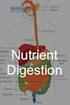 Topic 4: Digestion and Nutrition THE CONTENTS OF FOOD Food contains nutrients: Nutrients include: 1. 2. 3. 4. 5. Nutrients must be small enough to enter our cells. If they are too large they must be digested
10.2 The Human Digestive System pg. 411
 10.2 The Human Digestive System pg. 411 The human digestive system is made up of a group of organs working together. The digestive tract is made up of the mouth, esophagus, stomach, small intestine, and
Obesity Affects Quality of Life
 Obesity Obesity is a serious health epidemic. Obesity is a condition characterized by excessive body fat, genetic and environmental factors. Obesity increases the likelihood of certain diseases and other
Dietary Fiber. Soluble fiber is fiber that partially dissolves in water. Insoluble fiber does not dissolve in water.
 Dietary Fiber Introduction Fiber is a substance in plants. Dietary fiber is the kind of fiber you get from the foods you eat. Fiber is an important part of a healthy diet. Fiber helps get rid of excess
MANAGING ANEMIA. When You Have Kidney Disease or Kidney Failure. www.kidney.org
 MANAGING ANEMIA When You Have Kidney Disease or Kidney Failure www.kidney.org About the Information in this Booklet Did you know that the National Kidney Foundation (NKF) offers guidelines and commentaries
Pancreatic Cancer Understanding your diagnosis
 Pancreatic Cancer Understanding your diagnosis Let s Make Cancer History 1 888 939-3333 cancer.ca Pancreatic Cancer Understanding your diagnosis When you first hear that you have cancer you may feel alone
Nutrition and Chronic Kidney Disease
 Nutrition and Chronic Kidney Disease I have been told I have early kidney failure. What does this mean? What can I expect? This means that your kidneys are not doing as good a job as they should to help
DIETARY ADVICE FOR CONSTIPATION
 Leicestershire Nutrition and Dietetic Services DIETARY ADVICE FOR CONSTIPATION What is constipation? Constipation is one of the most common digestive complaints. Normal bowel habits vary between people.
Irritable Bowel Syndrome
 Irritable Bowel Syndrome National Digestive Diseases Information Clearinghouse National Institute of Diabetes and Digestive and Kidney Diseases NATIONAL INSTITUTES OF HEALTH U.S. Department of Health and
National Digestive Diseases Information Clearinghouse
 Diarrhea National Digestive Diseases Information Clearinghouse National Institute of Diabetes and Digestive and Kidney Diseases NATIONAL INSTITUTES OF HEALTH U.S. Department of Health and Human Services
It s A Gut Feeling: Abdominal Pain in Children. David Deutsch, MD Pediatric Gastroenterology Rockford Health Physicians
 It s A Gut Feeling: Abdominal Pain in Children David Deutsch, MD Pediatric Gastroenterology Rockford Health Physicians Introduction Common Symptom Affects 10-15% of school-aged children Definition (Dr.
Digestive System Notes
 Digestive System Notes Structure Function Relation Mouth cavity Mechanical digestion by teeth; chemical digestion of starch by saliva. Salivary glands Three pairs of glands which secrete saliva containing
CVP Chemotherapy Regimen for Lymphoma Information for Patients
 CVP Chemotherapy Regimen for Lymphoma Information for Patients The Regimen Contains: C: Cyclophosphamide (Cytoxan ) V: Vincristine (Oncovin ) P: Prednisone How Is This Regimen Given? CVP is given every
Gastric Bypass Surgery
 Gastric Bypass Surgery Introduction Obesity is associated with many diseases such as diabetes, high blood pressure, heart problems, and degeneration of the joints. These diseases and the obesity itself
Amylase and Lipase Tests
 Amylase and Lipase Tests Also known as: Amy Formal name: Amylase Related tests: Lipase The Test The blood amylase test is ordered, often along with a lipase test, to help diagnose and monitor acute or
 More information >>> HERE
 NICE guideline Published: 2 September 2015 nice.org.uk/guidance/ng20
 Coeliac disease: recognition, assessment and management NICE guideline Published: 2 September 2015 nice.org.uk/guidance/ng20 NICE 2015. All rights reserved. Contents Key priorities for implementation...
 Full version is >>> HERE
 C. difficile Infections
 C. difficile Infections Introduction C. difficile is a type of bacteria that can cause diarrhea and infection of the colon. This bacterium is more likely to infect patients at hospitals and other healthcare
Informed Consent for Laparoscopic Roux en Y Gastric Bypass. Patient Name
 Informed Consent for Laparoscopic Roux en Y Gastric Bypass Patient Name Please read this form carefully and ask about anything you may not understand. I consent to have a laparoscopic Roux en Y Gastric
Adams Memorial Hospital Decatur, Indiana EXPLANATION OF LABORATORY TESTS
 Adams Memorial Hospital Decatur, Indiana EXPLANATION OF LABORATORY TESTS Your health is important to us! The test descriptions listed below are for educational purposes only. Laboratory test interpretation
The Family Library. Understanding Diabetes
 The Family Library Understanding Diabetes What is Diabetes? Diabetes is caused when the body has a problem in making or using insulin. Insulin is a hormone secreted by the pancreas and is needed for the
LYMPHOMA IN DOGS. Diagnosis/Initial evaluation. Treatment and Prognosis
 LYMPHOMA IN DOGS Lymphoma is a relatively common cancer in dogs. It is a cancer of lymphocytes (a type of white blood cell) and lymphoid tissues. Lymphoid tissue is normally present in many places in the
What is Helicobacter pylori? The Life Cycle (Pathogenesis) of Helicobacter pylori
 Helicobacter pylori Source: http://www.medicaltribune.net/put/default.htm Source: http://www.shef.ac.uk/mbb/academic/staff/djk010.gif What is Helicobacter pylori? Helicobacter pylori (H. pylori) are a
The Anorexic Cat For this reason, any cat that stops eating for any reason is considered an emergency situation.
 The Anorexic Cat Introduction Any cat that stops eating (anorexic) or begins to eat much less than their normal amount should be seen by a veterinarian right away. The primary reason why a cat stops eating
PROBIOTICS. what they are and what they can do for you. A patient s guide from your doctor and
 PROBIOTICS what they are and what they can do for you A patient s guide from your doctor and Probiotics Products containing probiotics have flooded the market in recent years. As more people seek natural
Liver, Gallbladder, Exocrine Pancreas KNH 406
 Liver, Gallbladder, Exocrine Pancreas KNH 406 2007 Thomson - Wadsworth LIVER Anatomy - functions With disease blood flow becomes obstructed Bile All bile drains into common hepatic duct Liver Bile complex
How do Patients Take THE GIFT from Mother Earth, BEST FULVIC and Humic and Fulvic Based Supplements?
 How do Patients Take THE GIFT from Mother Earth, BEST FULVIC and Humic and Fulvic Based Supplements? Patients typically start taking THE GIFT from Mother Earth. THE GIFT from Mother Earth is a highly-concentrated
IRRITABLE BOWEL SYNDROME
 IRRITABLE BOWEL SYNDROME What is Irritable Bowel Syndrome (IBS)? IBS is one of more than twenty functional gastrointestinal disorders (FGID). These are disorders in which the gastrointestinal (GI) tract
Total Abdominal Hysterectomy
 What is a total abdominal hysterectomy? Is the removal of the uterus and cervix through an abdominal incision (either an up and down or bikini cut). Removal of the ovaries and tubes depends on the patient.
CHOP Chemotherapy Regimen for Lymphoma Information for Patients
 CHOP Chemotherapy Regimen for Lymphoma Information for Patients The Regimen Contains: C: Cytoxan (cyclophosphamide) H: Adriamycin (hydroxy doxorubicin) O: vincristine (Oncovin ) P: Prednisone How Is This
Gallbladder Diseases and Problems
 Gallbladder Diseases and Problems Introduction Your gallbladder is a pear-shaped organ under your liver. It stores bile, a fluid made by your liver to digest fat. There are many diseases and problems that
Diet and Pancreatic Enzyme Replacement Therapy. Anna Burton Specialist Pancreatic Dietitian Leeds Teaching Hospital NHS Trust
 Diet and Pancreatic Enzyme Replacement Therapy Anna Burton Specialist Pancreatic Dietitian Leeds Teaching Hospital NHS Trust Pancreatic cancer Symptoms which affect nutritional status Patient and carers
VAD Chemotherapy Regimen for Multiple Myeloma Information for Patients
 VAD Chemotherapy Regimen for Multiple Myeloma Information for Patients The Regimen contains: V = vincristine (Oncovin ) A = Adriamycin (doxorubicin) D = Decadron (dexamethasone) How Is This Regimen Given?
DIABETES. Eyes, Heart, Nerves, Feet, and Kidneys. www.kidney.org
 DIABETES Eyes, Heart, Nerves, Feet, and Kidneys www.kidney.org About the Information in this Booklet Did you know that the National Kidney Foundation (NKF) offers guidelines and commentaries that help
HIGH FIBER DIET. (Article - Web Site) August 20, 2003
 HIGH FIBER DIET (Article - Web Site) August 20, 2003 Dietary fiber, found mainly in fruits, vegetables, whole grains and legumes, is probably best known for its ability to prevent or relieve constipation.
Level 3. Applying the Principles of Nutrition to a Physical Activity Programme Level 3
 MULTIPLE CHOICE QUESTION PAPER Paper number APNU3.0 Please insert this reference number in the appropriate boxes on your candidate answer sheet Title MOCK PAPER Time allocation 50 minutes Level 3 Applying
Bowel Control Problems
 Bowel Control Problems WOMENCARE A Healthy Woman is a Powerful Woman (407) 898-1500 Bowel control problems affect at least 1 million people in the United States. Loss of normal control of the bowels is
2. What Should Advocates Know About Diabetes? O
 2. What Should Advocates Know About Diabetes? O ften a school district s failure to properly address the needs of a student with diabetes is due not to bad faith, but to ignorance or a lack of accurate