
Testing for refractory gastroesophageal reflux disease
|
|
|
- Florence Greer
- 9 years ago
- Views:
Transcription
1 VOL. 2, NO. 2 CLINICAL REVIEW ASGE Leading Edge is an online publication that provides the latest clinical information on gastrointestinal endoscopy in an easyto read format. This publication was developed by the ASGE Publications Committee. Please submit any feedback to [email protected]. Testing for refractory gastroesophageal reflux disease Akpinar Zehrai, MD Elif Saritas Yuksel, MD Michael F. Vaezi, MD, PhD, MSc (Epi) Division of Gastroenterology, Hepatology and Nutrition Vanderbilt University Medical Center Abstract Gastroesophageal reflux disease (GERD) is a condition that develops when the reflux of stomach contents causes troublesome symptoms and/or complications. Although proton pump inhibitors (PPIs) are proven to be effective in the treatment of GERD, inadequate symptom response to once daily, and according to some, twice daily dosage is accepted as refractory GERD. Non erosive reflux disease (NERD) patients are less likely to respond to treatment with acid suppressive therapy. The increasing number of patients with persistent symptoms on acid suppressive therapy presents a challenge to gastroenterologists. Ambulatory esophageal ph and/or impedance monitoring is a commonly used test in refractory GERD, which can help in determining esophageal acid exposure and number of reflux events and the relationship between symptoms and reflux events. In this review, we will discuss the role of diagnostic testing and answer questions such as whether to test this group of difficult to treat patients on or off PPI therapy. Introduction GERD is generally a chronic condition that occurs when gastric contents, including gastric acid, pepsin and pancreatobiliary secretions, regurgitate into the esophagus causing symptoms and/or injury in the esophagus or the upper aerodigestive tract 1. It is a common disease, affecting 30% to 40% of the U.S. population in their lifetime, while 5% to 25% of the worldwide population has some symptoms of GERD in a 3 month period 2. In addition to its negative impact on health related quality of life 3 5, GERD may lead to serious sequelae, including esophagitis, strictures, ulcers or Barrett s esophagus 6.

2 Since their introduction into the market almost two decades ago, PPIs have revolutionized the treatment of GERD 7. Despite their high degree of efficacy, it is reported that approximately 30% (range: 10 40%) of patients with GERD fail to respond symptomatically to a standard dose PPI, either partially or completely. Of these, most patients will continue to have GERD symptoms even on higher doses of PPI. The most common presentation of GERD in gastrointestinal practice has now become the failure of PPI treatment in resolving GERD associated symptoms 7,8. In patients with refractory GERD, ph and/or impedance monitoring is recommended to assess the degree of acid suppression, to confirm the diagnosis, to evaluate any correlation of symptoms and reflux, and to decide whether further treatment is indicated. This paper will focus on refractory GERD and the role of ph/impedance monitoring testing in these patients. Definition of refractory GERD Regurgitation and heartburn, described as a burning sensation radiating up from the sternum, are the typical symptoms of GERD, but GERD can also be associated with quite heterogeneous symptom complex and atypical manifestations, such as pulmonary disease (asthma), cough, noncardiac chest pain, reflux laryngitis and dental erosions GERD may produce esophageal erosions, but a significant proportion (50 70%) of patients with GERD do not have evidence of erosive changes on endoscopy. These endoscopy negative patients with typical GERD symptoms are classified as nonerosive reflux disease (NERD) group 12,13. Based on the Rome III criteria for functional esophageal disorders, patients with NERD are distinct from those with functional heartburn (Figure 1). Patients with a high esophageal acid exposure time (AET) are classified as having true NERD. Patients with a normal AET but a positive symptom correlation profile using the symptom index (SI) and/or symptom association probability (SAP) scores are referred to as having an acid sensitive esophagus within the NERD spectrum. Conversely, patients with a normal AET and negative symptom correlation are classified as having functional heartburn 14. Epidemiologic studies investigating patients with GERDrelated symptoms have suggested that the prevalence of NERD in the general population is between 50% and 70% 15,16. Figure 1. A diagnostic algorithm of NERD and functional heartburn based on ROME III criteria. ASGE Leading Edge Volume 2, Number 2 American Society for Gastrointestinal Endoscopy 2

3 PPIs are currently considered as the most effective and safe therapeutic modalities for GERD, however up to 15% of patients with erosive esophagitis (EE) continue to report GERD symptoms despite complete mucosal healing. It is known that esophageal acid exposure is a dose dependent phenomenon, and increasing a PPI dose to b.i.d. will normalize the ph parameters in the majority of patients with either typical or extraesophageal symptoms 17. It is, therefore, reasonable to ask whether a standard dose PPI is sufficient to be considered as a PPI failure. Some authors propose a full course of standard dose PPI (once a day) 7, 18, 19 while other authors believe that GERD patients who exhibit partial or lack of response to PPI twice daily should be considered as PPI failures 17, Furthermore, it is unclear what symptom burden during PPI consumption fulfills the definition of refractory GERD 20. Because refractory GERD is a patient driven event, PPI failure patients who search for medical care will present different frequency and/or severity of GERD associated symptoms 8. The American Gastroenterological Association recommended Table 1: Reasons for proton pump inhibitor refractory reflux symptoms No gastroesophageal reflux disease (GERD) Functional dyspepsia twice daily PPI therapy for reflux patients with an inadequate symptom response to once daily PPI therapy and to accept the situation as treatment failure after heartburn has not adequately responded to twice daily PPI therapy 23. Rumination syndrome Aerophagia Achalasia Eosinophilic esophagitis Insufficient acid suppression Lack of compliance Genetic variation (±) (Helicobacter pylori) Zollinger Ellison syndrome Insufficient duration of treatment (nocturnal acid breakthrough) Nonacid reflux The emphasis on acid suppression has resulted in the misconception that GERD is associated with increased esophageal exposure to only gastric acid, whereas other components of refluxed gastric juice have been ignored 24. NERD that is resistant to high dosages of PPI may be attributed to the gastro esophageal reflux of noxious substances other than hydrochloric acid such as bile acids 25, with one study showing that 76% of patients with symptomatic reflux had abnormal esophageal exposure to both acid and bile reflux, which occurred simultaneously in 70% 91% of reflux episodes and more severe forms of GERD had increasingly higher (89% 100%) exposure to the simultaneous damaging effect of acid and bile than those with less severe forms of GERD 26. In addition, visceral hypersensitivity, bile reflux, delayed gastric emptying, eosinophilic esophagitis, psychological comorbidity and potentially other mechanisms have been suggested as an explanation for PPI failure (Table 1) Esophageal hypersensitivity ASGE Leading Edge Volume 2, Number 2 American Society for Gastrointestinal Endoscopy 3

4 Testing in refractory GERD Upper endoscopy is indicated to rule out complications such as Barrett's esophagus in patients with persistent symptoms, despite therapy and those with alarm symptoms, such as dysphagia, weight loss, bleeding or a long history of GERD 11. In patients with refractory GERD symptoms despite PPI use but without alarm symptoms, the first consideration should be given to patient compliance and the correct timing of the PPI dose (Figure 2). For example, it is essential that patients take their PPI s minutes prior to meals if delayed release formulation is prescribed. If patients are on once daily PPI therapy, most clinicians would increase this medication to twice daily dosing, since physiologic studies show that up to 40% of patients may still have abnormal esophageal acid exposure on once daily therapy 17. If patients remain symptomatic despite higher PPI dosing, diagnostic testing is indicated. An upper endoscopy is performed to assess the presence or absence of esophagitis and to exclude other possible diseases such as refractory peptic ulcer and eosinophilic esophagitis (Figure 2) 22. Esophagitis on endoscopy is a highly specific sign for GERD. Patients who have a normal endoscopy account for approximately 90% of all patients with refractory GERD 22, which makes testing for GERD a challenge. In general, the value of endoscopy in discovering GERD related findings in patients with refractory patients is very low 20. NERD patients refractory to PPI should undergo further tests, including prolonged ph monitoring, impedance testing for nonacid gastroesophageal reflux, esophageal manometry and gastric function testing and should be searched for nonacid GER or missed acid gastroesophageal reflux, functional heartburn, or diseases such as achalasia or gastroparesis (Figure 2). Figure 2. A potential treatment and test approach for patients with suspected refractory GERD ASGE Leading Edge Volume 2, Number 2 American Society for Gastrointestinal Endoscopy 4

5 The role of esophageal biopsies during endoscopy in refractory GERD is somewhat controversial. If patients complain of dysphagia and there is evidence of esophageal narrowing, it is reasonable to perform esophageal biopsies to evaluate for eosinophilic esophagitis, which commonly presents with rings and furrows at endoscopy (Figure 3). Recent studies have focused on the role of histology for evidence of inflammation and/or dilated intercellular space in diagnosing continued reflux in those with suspected refractory GERD 24, Oh et al. showed that esophageal mucosal integrity might have been damaged even when the esophageal mucosa seems normal on endoscopy. When biopsied, over one third will have evidence of inflammation on histology, and of these, 80% will have a defective LES. The presence of dilated intercellular spaces in the esophageal mucosal biopsy is also suggested as a sensitive marker of GERD. Until further evidence, esophageal biopsies should be reserved to those in whom eosinophilic esophagitis is suspected. Figure 3. Endoscopic view of the mid esophagus showing ringed appearance to the esophageal lumen with furrows diagnostic of eosinophilic esophagitis. The indications for esophageal ph testing are listed in Table 2. Lack of response to an empiric trial of PPI therapy (refractory symptoms) in patients with typical or atypical (extraesophageal) symptoms is the most common indication in performing ambulatory ph testing 34. Esophageal ph monitoring was the first method quantifying gastro esophageal refluxate, independent of mucosal lesions and evaluating the relationship between symptoms and reflux episodes More recent advances in ambulatory esophageal monitoring include: wireless esophageal 41 and oropharyngeal 42,32 ph monitoring devices, esophageal bilirubin monitoring 26 and combined multichannel intraluminal impedance ph monitoring 44,45. Besides their strengths, each technique has its limitations that clinicians and investigators should be aware of when choosing a test in a particular patient 35 (Table 3). ASGE Leading Edge Volume 2, Number 2 American Society for Gastrointestinal Endoscopy 5

6 Table 2. Indications for esophageal ph monitoring. 1. Patients with typical GERD symptoms who fail 4 weeks of PPI therapy 2. Patients with atypical symptoms who fail 6 to 8 weeks of PPI therapy 3. Patients being considered for endoscopic or surgical reflux therapy 4. Patients who have undergone endoscopic or surgical reflux therapy and who continue to have GERD symptoms Table 3. Advantages and disadvantages of commonly employed methods employed in refractory GERD. Method Advantages Disadvantages Endoscopy ph Monitoring Impedance Monitoring Bilirubin monitoring ResTech Dx ph (oropharyngeal ph) Easy visualization of mucosal damage/erosions Easy to perform Relatively noninvasive Prolonged monitoring (24 96 hours) Ambulatory Easy to perform Relatively noninvasive Prolonged monitoring Ambulatory Measures acidic and non acidic gas and liquid reflux (combined with ph) Fast and easy detection of bilirubin as a surrogate marker for bile reflux Acceptable sensitivity and specificity Faster detection rate and faster time to equilibrium ph than traditional ph catheters Increasingly employed in patients with extraesophageal reflux Poor sensitivity/specificity/ppv Requires sedation High cost May be catheter or wireless based May have up to 30% false negative rate (less in the wireless based system) Catheter based False negative rate unknown but most likely similar to catheter based ph monitoring Unknown clinical relevance when abnormal on PPI therapy Unknown importance in refractory GERD Catheter based Not widely available Underestimates bile reflux in acidic environment Catheter based Unknown if clinically useful in patients with patients with extraesophageal reflux ASGE Leading Edge Volume 2, Number 2 American Society for Gastrointestinal Endoscopy 6

7 Esophageal ph monitoring off therapy is commonly used to determine if the patients suspected initial diagnosis of reflux disease is accurate. It may also be used to assess if persistent symptoms on therapy are due to continued esophageal acid exposure, in which case the test is performed on therapy. There are six parameters that are often analyzed during esophageal ph monitoring to determine if a patient has abnormal esophageal reflux (Figure 4) (Table 4). The most commonly used parameters are either the percent total time ph < 4 39 or the DeMeester Score (a composite score using the mean values for the above parameters with abnormal being > 22) 36. In addition to the actual ph parameters measured during the monitoring period, other indices can correlate patient symptoms to actual reflux observed during ph monitoring. These symptom indices are important components of assessing the relationship between reflux and patients typical (heartburn, regurgitation) or atypical (chest pain, cough, wheezing) symptoms. The two most commonly employed symptom indices include: symptom index (SI), and symptom association probability (SAP). They are calculated using the data obtained from 24 or 48 hour ph monitoring and using the patient s diary of symptoms (Figure 4). These indices emphasize the importance of an accurate patient diary that records symptom timing and marks these symptoms by pushing the recorder button. However, the reproducibility and accuracy of both SI and SAP have recently been questioned in those with refractory symptoms 46. Figure 4. Wireless ph tracing of abnormal esophageal acid exposure. This patient has abnormal upright and supine reflux as the percentage of time ph <4 is abnormal. There is a positive symptom index for chest pain and heartburn and positive symptom association probability for heartburn. ASGE Leading Edge Volume 2, Number 2 American Society for Gastrointestinal Endoscopy 7

8 Table 4. Normal values for 24H esophageal ph monitoring (Johnson/DeMeester) (Richter et al.) 1. % of Total period ph<4: < 4.2% < 5.78% 2. % of Supine period ph<4: < 1.2% < 3.45% 3. % of Upright period ph<4: < 6.3% < 8.15% 4. Total number of reflux episodes: < 50 < Total number of reflux episodes >5 min: < or = 3 < 4 6. Length of longest episode of reflux: < 9.2min < 18.45min Although it was once considered as the gold standard for detecting esophageal acid exposure, studies have demonstrated that the sensitivity of 24 hour ph monitoring (70% 80%) is not as high as expected. The false negative rate for this test may range from 20% to 50%. A negative test may not exclude the diagnosis of GERD, whereas a positive test does not confirm that GERD is the etiology for the symptoms, and atypical/ extraesophageal symptoms are even more of a problem because sensitivity of the proximal probes are even lower (50%) 11, 47, 48. Additional limitations of conventional ph testing include the reduced patient physical and dietary activity during the recording period owing to nasal and pharyngeal irritation of the ph catheter and the day to day variability in acid exposure. Given the above limitations with the catheter based ph testing, wireless ambulatory ph capsule was developed, which is safe and effective in monitoring esophageal acid exposure for 48 or 96 hours 49. Since no catheter is required, it has improved patient tolerance and may have less influence on dailylife parameters, such as mobilization and eating habits 50, 51. An alternative to ph probe most recently introduced is the Restech ph, which is positioned in the oropharynx to measure pharyngeal acid exposure for patients with suspected extraesophageal reflux symptoms, such as asthma, cough or laryngitis. This probe is a new, potentially more sensitive and minimally invasive device, which is capable of detecting liquid or potentially aerosolized droplets. Initial studies with this device are encouraging 42,43, and future studies in patients with refractory symptoms are needed. Employing catheter based ph monitoring, Charbel et al. found that 31% of the patients with typical symptoms and 30% of those with extraesophageal symptoms had abnormal ph monitoring when treated with once daily PPI, while only 7% and 1% of patients; respectively had abnormal ph on b.i.d. PPI 17. This study underscores two important facts about patients with persistent symptoms despite PPI therapy: 1) once daily therapy is not adequate in controlling esophageal acid exposure in some patients, thus the need for increasing PPI frequency to twice daily and; 2) on twice daily PPI dosing, continued acid reflux does not appear to be the driver of continued symptoms in patients with refractory GERD. PPIs only change the ph of the refluxate but do not reduce reflux itself; the total number of reflux events stays unchanged. PPI therapy does not prevent the reflux of weak acid and bile with the potential for ongoing tissue injury and nonacid reflux, which may still play an important role in persistent symptoms of reflux 24,52. A bilirubin monitoring device, such as the Bilitec, was employed in ASGE Leading Edge Volume 2, Number 2 American Society for Gastrointestinal Endoscopy 8

9 the mid 1990 s as a surrogate marker for esophageal exposure to bile acids. Studies employing this device suggested that acid and bile commonly reflux together and may contribute to symptoms and esophageal mucosal injury 26, and PPI therapy not only reduces acid but also decreases esophageal bile exposure 53. With the advent of impedance ph monitoring, clinical utility of bilirubin monitoring has decreased; however, given the increasing prevalence of patients with refractory GERD, it may be making resurgence. A recent study using simultaneous 24 hour ambulatory ph and Bilitec monitor in patients with persistent heartburn or regurgitation despite standard PPI doses, found that only 11% had pathological acid exposure, 38% had pathological bile exposure, and 26% had pathological exposure to both acid and bile. Acid exposure was positive in 37%, but adding Bilitec increased the diagnoses of persistent reflux to 75%. In patients with poorly responsive reflux disease, a combined ph and Bilitec monitoring may be superior to ph monitoring alone 19. Impedance ph is the latest technique used for evaluation of GERD and esophageal function. It uses inherent conductive or resistive properties of the intraluminal bolus (liquid, gas, or mixed) to examine the presence and transit of the bolus in the esophageal lumen. It is useful in evaluating patients with persistent symptoms on acid suppressive therapy, clarifying the effectiveness of acid suppression by assessing distal esophageal acid exposure, while also providing information on any relationship between gastro esophageal reflux of any type (acid, non acid, liquid, mixed, gaseous) and associated symptoms 35,44. It is also helpful in demonstrating the proximal extent of reflux into the esophagus and the presence of gas reflux episodes with weak acidity that may underlie persistent reflux symptoms 44,54. While up to 90% of patient with erosive esophagitis will achieve endoscopic healing, 35% will have persistent symptoms despite PPI therapy 55, which may be due to non acid reflux 56. In a systematic review of 21 studies, the majority of reflux episodes in patients with GERD taking a PPI were of ph >4, that is, weakly acidic or weakly alkaline and only a small proportion of reflux episodes were acidic. In a different study 21, 31% of patients with refractory symptoms on PPI therapy had nonacid reflux associated with continued symptoms. Based on multivariable analysis in a group of patients with persistent symptoms, two studies 57,58 suggested that reflux episodes extending proximally and having a mixed (liquid gas) composition may be significantly associated with symptoms irrespective of whether the ph is acid or non acid. Studies have shown that in patients with NERD, the presence of gas in the refluxate significantly increased the probability of reflux perception. These patients were also more sensitive to less acidic reflux than esophagitis patients. The role of non or weakly acid reflux as the etiology for refractory symptoms continues to be debated. Some have suggested a role of referring patients to undergo surgical fundoplication based on impedance ph findings 59, while we suggest caution in recommending surgical intervention in this group of patients 60. ph testing: on versus off PPI therapy In patients refractory to PPIs, controversy exists whether ph testing is more useful while on or off therapy 61,62. In patients with refractory symptoms despite twice daily PPI therapy, testing on therapy provides information whether acid or non acid reflux continues to be present. Studies in this regard suggest that up to 37% of patients on twice daily therapy will have abnormal non acid reflux 21 but greater than 90% will have normalized esophageal acid exposure 17. Thus, on therapy testing will be normal in the majority of patients (63% to 90%) refractory to PPI therapy, and a search for non GERD causes should be initiated. The criticism of this approach is that we will not know if the patient has reflux at baseline. The counter argument to this criticism would be that knowledge of baseline reflux status in this group of patients does not help answer why they continue to have symptoms while on twice daily PPI therapy. Off therapy testing advocates argue that normal esophageal reflux parameters at baseline would exclude the likelihood that the patients symptoms are reflux related. ASGE Leading Edge Volume 2, Number 2 American Society for Gastrointestinal Endoscopy 9

10 However, a recent study suggests that the majority (72%) of patients refractory to twice daily PPI therapy would actually have abnormal esophageal acid exposure if tested off PPI therapy 63. In this case, off therapy testing only confirms GERD but does not explain the persistence of symptoms while on therapy. Until we have better outcome data and given effectiveness of empiric therapy, I recommend using patients response to aggressive acid suppressive therapy as the guide to whether or not GERD might be playing a role in their symptom complex. Complete lack of response to twice daily PPI therapy should sounds clinical alarms about the causal association between reflux and patients complaints. The value of testing with esophageal ph or impedance monitoring in patients refractory to twice daily PPI therapy is often not in identifying reflux as the cause for patients persistent symptoms; rather, it is to document that GERD is not the cause, and a search for non GERD causes should be pursued. REFERENCES 1. Armstrong D. A critical assessment of the current status of non erosive reflux disease. Digestion. 2008;78 Suppl 1: Epub 2008/10/ Katz PO. Lessons learned from intragastric ph monitoring. J Clin Gastroenterol. 2001;33(2): Epub 2001/07/ Tack J, Becher A, Mulligan C, Johnson DA. Systematic review: the burden of disruptive gastrooesophageal reflux disease on health related quality of life. Aliment Pharmacol Ther. 2012;35(11): Epub 2012/04/ Toghanian S, Wahlqvist P, Johnson DA, Bolge SC, Liljas B. The burden of disrupting gastrooesophageal reflux disease: a database study in US and European cohorts. Clin Drug Investig. 2010;30(3): Epub 2010/02/ Williams JG, Roberts SE, Ali MF, Cheung WY, Cohen DR, Demery G, et al. Gastroenterology services in the UK. The burden of disease, and the organisation and delivery of services for gastrointestinal and liver disorders: a review of the evidence. Gut. 2007;56 Suppl 1: Epub 2007/02/ DiPalma JA. Management of severe gastroesophageal reflux disease. J Clin Gastroenterol. 2001;32(1): Epub 2001/01/ Fass R, Shapiro M, Dekel R, Sewell J. Systematic review: proton pump inhibitor failure in gastrosophageal reflux disease where next? Aliment Pharmacol Ther. 2005;22(2): Epub 2005/07/ Hershcovici T, Fass R. Management of gastroesophageal reflux disease that does not respond well to proton pump inhibitors. Curr Opin Gastroenterol. 2010;26(4): Epub 2010/06/ Bor S, Kitapcioglu G, Solak ZA, Ertilav M, Erdinc M. Prevalence of gastroesophageal reflux disease in patients with asthma and chronic obstructive pulmonary disease. J Gastroenterol Hepatol. 2010;25(2): Epub 2009/10/ Moss SF, Armstrong D, Arnold R, Ferenci P, Fock KM, Holtmann G, et al. GERD 2003 a consensus on the way ahead. Digestion. 2003;67(3): Epub 2003/07/ Vaezi MF. Atypical manifestations of gastroesophageal reflux disease. MedGenMed. 2005;7(4):25. Epub 2006/04/ Banks M. The modern investigation and management of gastro oesophageal reflux disease (GORD). Clin Med. 2009;9(6): Epub 2010/01/ Hartono JL, Qua CS, Goh KL. Non erosive reflux disease (NERD), symptomatic and asymptomatic erosive reflux disease (ERD): from hypersensitive to hyposensitive esophagus. Dig Dis Sci. 2011;56(1):90 6. Epub 2010/05/ Ang D, Teo EK, Ang TL, Ong J, Poh CH, Tan J, et al. To Bravo or not? A comparison of wireless esophageal ph monitoring and conventional ph catheter to evaluate non erosive ASGE Leading Edge Volume 2, Number 2 American Society for Gastrointestinal Endoscopy 10

11 gastroesophageal reflux disease in a multiracial Asian cohort. J Dig Dis. 2010;11(1): Epub 2010/02/ Fass R, Bautista J, Janarthanan S. Treatment of gastroesophageal reflux disease. Clin Cornerstone. 2003;5(4):18 29; discussion Epub 2004/04/ Hershcovici T, Fass R. Nonerosive Reflux Disease (NERD) An Update. J Neurogastroenterol Motil. 2010;16(1): Epub 2010/06/ Charbel S, Khandwala F, Vaezi MF. The role of esophageal ph monitoring in symptomatic patients on PPI therapy. AmJ of Gastroenterol. 2005;100(2): Epub 2005/01/ Hershcovici T, Jha LK, Cui H, Powers J, Fass R. Night time intra oesophageal bile and acid: a comparison between gastro oesophageal reflux disease patients who failed and those who were treated successfully with a proton pump inhibitor. Aliment Pharmacol Ther. 2011;33(7): Epub 2011/01/ Tack J, Koek G, Demedts I, Sifrim D, Janssens J. Gastroesophageal reflux disease poorly responsive to single dose proton pump inhibitors in patients without Barrett's esophagus: acid reflux, bile reflux, or both? Am J Gastroenterol. 2004;99(6): Epub 2004/06/ Hershcovici T, Fass R. An algorithm for diagnosis and treatment of refractory GERD. Best Pract Res Clin Gastroenterol. 2010;24(6): Epub 2010/12/ Mainie I, Tutuian R, Shay S, Vela M, Zhang X, Sifrim D, et al. Acid and non acid reflux in patients with persistent symptoms despite acid suppressive therapy: a multicentre study using combined ambulatory impedance ph monitoring. Gut. 2006;55(10): Epub 2006/03/ Richter JE. How to manage refractory GERD. Nat Clin Pract Gastroenterol Hepatol. 2007;4(12): Epub 2007/11/ Kahrilas PJ, Shaheen NJ, Vaezi MF, Hiltz SW, Black E, Modlin IM, et al. American Gastroenterological Association Medical Position Statement on the management of gastroesophageal reflux disease. Gastroenterology. 2008;135(4): , 91 e1 5. Epub 2008/09/ Oh DS, Hagen JA, Fein M, Bremner CG, Dunst CM, Demeester SR, et al. The impact of reflux composition on mucosal injury and esophageal function. J Gastrointest Surg. 2006;10(6):787 96; discussion Epub 2006/06/ McQuaid KR, Laine L, Fennerty MB, Souza R, Spechler SJ. Systematic review: the role of bile acids in the pathogenesis of gastro oesophageal reflux disease and related neoplasia. Aliment Pharmacol Ther. 2011;34(2): Epub 2011/05/ Vaezi MF, Richter JE. Role of acid and duodenogastroesophageal reflux in gastroesophageal reflux disease. Gastroenterology. 1996;111(5): Epub 1996/11/ Bredenoord AJ, Smout AJ. Refractory gastrooesophageal reflux disease. Eur J Gastroenterol Hepatol. 2008;20(3): Epub 2008/02/ DeVault KR. Review article: the role of acid suppression in patients with non erosive reflux disease or functional heartburn. Aliment Pharmacol Ther. 2006;23 Suppl 1:33 9. Epub 2006/02/ Iwakiri K, Kawami N, Sano H, Tanaka Y, Umezawa M, Kotoyori M, et al. Acid and non acid reflux in Japanese patients with non erosive reflux disease with persistent reflux symptoms, despite taking a double dose of proton pump inhibitor: a study using combined ph impedance monitoring. J Gastroenterol. 2009;44(7): Epub 2009/05/ Fass R. Proton pump inhibitor therapy in patients with gastro oesophageal reflux disease: putative mechanisms of failure. Drugs. 2007;67(11): Epub 2007/07/ Mastracci L, Spaggiari P, Grillo F, Zentilin P, Dulbecco P, Ceppa P, et al. Microscopic esophagitis in gastro esophageal reflux disease: individual lesions, biopsy sampling, and clinical correlations. Virchows Arch. 2009;454(1):31 9. Epub 2008/12/ Vaezi MF, Slaughter JC, Smith BS, Washington MK, Jerome WG, Garrett CG, et al. Dilated intercellular space in chronic laryngitis and gastro oesophageal reflux disease: at baseline and post lansoprazole therapy. Aliment Pharmacol Ther. 2010;32(7): Epub 2010/08/26. ASGE Leading Edge Volume 2, Number 2 American Society for Gastrointestinal Endoscopy 11

12 33. Vela MF, Craft BM, Sharma N, Freeman J, Hazen Martin D. Refractory heartburn: comparison of intercellular space diameter in documented GERD vs. functional heartburn. Am J of Gastroenterol. 2011;106(5): Epub 2010/12/ Hong SK, Vaezi MF. Gastroesophageal reflux monitoring: ph (catheter and capsule) and impedance. Gastrointestinal endoscopy clinics of North America. 2009;19(1):1 22, v. Epub 2009/02/ Pohl D, Tutuian R. Reflux monitoring: ph metry, Bilitec and oesophageal impedance measurements. Best Pract Res Clin Gastroenterol. 2009;23(3): Epub 2009/06/ Johnson LF, DeMeester TR. Development of the 24 hour intraesophageal ph monitoring composite scoring system. J Clin Gastroenterol. 1986;8 Suppl 1:52 8. Epub 1986/01/ Johnson LF, Demeester TR. Twenty four hour ph monitoring of the distal esophagus. A quantitative measure of gastroesophageal reflux. Am J of Gastroenterol. 1974;62(4): Epub 1974/10/ Richter JE, Bradley LA, DeMeester TR, Wu WC. Normal 24 hr ambulatory esophageal ph values. Influence of study center, ph electrode, age, and gender. Dig Dis Sci. 1992;37(6): Epub 1992/06/ Wiener GJ, Morgan TM, Copper JB, Wu WC, Castell DO, Sinclair JW, et al. Ambulatory 24 hour esophageal ph monitoring. Reproducibility and variability of ph parameters. Dig Dis Sci. 1988;33(9): Epub 1988/09/ Wiener GJ, Richter JE, Copper JB, Wu WC, Castell DO. The symptom index: a clinically important parameter of ambulatory 24 hour esophageal ph monitoring. Am J of Gastroenterol. 1988;83(4): Epub 1988/04/ Pandolfino JE, Richter JE, Ours T, Guardino JM, Chapman J, Kahrilas PJ. Ambulatory esophageal ph monitoring using a wireless system. The American journal of gastroenterology. 2003;98(4): Epub 2003/05/ Wiener GJ, Tsukashima R, Kelly C, Wolf E, Schmeltzer M, Bankert C, et al. Oropharyngeal ph monitoring for the detection of liquid and aerosolized supraesophageal gastric reflux. Journal of voice : official journal of the Voice Foundation. 2009;23(4): Epub 2008/05/ Sun G, Muddana S, Slaughter JC, Casey S, Hill E, Farrokhi F, et al. A new ph catheter for laryngopharyngeal reflux: Normal values. The Laryngoscope. 2009;119(8): Epub 2009/06/ Kahrilas PJ, Sifrim D. High resolution manometry and impedance ph/manometry: valuable tools in clinical and investigational esophagology. Gastroenterology. 2008;135(3): Epub 2008/07/ Vaezi MF. Role of impedance/ph monitoring in refractory gerd: let's be careful out there! Gastroenterology. 2007;132(4):1621 2; discussion 2. Epub 2007/04/ Slaughter JC, Goutte M, Rymer JA, Oranu AC, Schneider JA, Garrett CG, et al. Caution About Overinterpretation of Symptom Indexes in Reflux Monitoring for Refractory Gastroesophageal Reflux Disease. Clinical gastroenterology and hepatology : the official clinical practice journal of the American Gastroenterological Association Epub 2011/07/ Adhami T, Goldblum JR, Richter JE, Vaezi MF. The role of gastric and duodenal agents in laryngeal injury: an experimental canine model. Am J Gastroenterol. 2004;99(11): Epub 2004/11/ Vaezi MF. Laryngeal manifestations of gastroesophageal reflux disease. Curr Gastroenterol Rep. 2008;10(3): Epub 2008/07/ Garrean CP, Zhang Q, Gonsalves N, Hirano I. Acid reflux detection and symptom reflux association using 4 day wireless ph recording combining 48 hour periods off and on PPI therapy. Am J Gastroenterol. 2008;103(7): Epub 2008/06/19. ASGE Leading Edge Volume 2, Number 2 American Society for Gastrointestinal Endoscopy 12

13 50. Hakanson BS, Berggren P, Granqvist S, Ljungqvist O, Thorell A. Comparison of wireless 48 h (Bravo) versus traditional ambulatory 24 h esophageal ph monitoring. Scand J Gastroenterol. 2009;44(3): Epub 2008/12/ Vaezi MF. Bravo ph Testing On and Off Treatment With Immediate Release Omeprazole: A Review of Findings Presented at the 71st Annual Scientific Meeting of the American College of Gastroenterology October 20 25, 2006 Las Vegas, Nev. Gastroenterol Hepatol (N Y). 2007;3(1 Suppl 2):1 8. Epub 2007/01/ Park W, Vaezi MF. Esophageal impedance recording: clinical utility and limitations. Curr Gastroenterol Rep. 2005;7(3): Epub 2005/05/ Champion G, Richter JE, Vaezi MF, Singh S, Alexander R. Duodenogastroesophageal reflux: relationship to ph and importance in Barrett's esophagus. Gastroenterology. 1994;107(3): Epub 1994/09/ Zerbib F, des Varannes SB, Roman S, Pouderoux P, Artigue F, Chaput U, et al. Normal values and day to day variability of 24 h ambulatory oesophageal impedance ph monitoring in a Belgian French cohort of healthy subjects. Aliment Pharmacol Ther. 2005;22(10): Epub 2005/11/ Castell DO, Kahrilas PJ, Richter JE, Vakil NB, Johnson DA, Zuckerman S, et al. Esomeprazole (40 mg) compared with lansoprazole (30 mg) in the treatment of erosive esophagitis. Am J Gastroenterol. 2002;97(3): Epub 2002/04/ Shay S, Sifrim D, R. T, al. e. Multichannel intraluminal impedance (MII) in the evaluation of patients with persistent GERD symptoms despite proton pump inhibitors (PPI): A multicenter study. Gastroenterology. 2003;124(Suppl1):A Tutuian R, Vela MF, Hill EG, Mainie I, Agrawal A, Castell DO. Characteristics of symptomatic reflux episodes on Acid suppressive therapy. Am J Gastroenterol. 2008;103(5): Epub 2008/05/ Zerbib F, Duriez A, Roman S, Capdepont M, Mion F. Determinants of gastro oesophageal reflux perception in patients with persistent symptoms despite proton pump inhibitors. Gut. 2008;57(2): Epub 2007/10/ Mainie I, Tutuian R, Agrawal A, Adams D, Castell DO. Combined multichannel intraluminal impedance ph monitoring to select patients with persistent gastro oesophageal reflux for laparoscopic Nissen fundoplication. Br J Surg. 2006;93(12): Epub 2006/10/ Francis DO, Goutte M, Slaughter JC, Garrett CG, Hagaman D, Holzman MD, et al. Traditional reflux parameters and not impedance monitoring predict outcome after fundoplication in extraesophageal reflux. The Laryngoscope. 2011;121(9): Epub 2011/10/ Hirano I, Richter JE. ACG practice guidelines: esophageal reflux testing. Am J Gastroenterol. 2007;102(3): Epub 2007/03/ Vaezi MF. Reflux monitoring: on or off therapy? Am J Gastroenterol. 2011;106(2): Epub 2011/02/ Pritchett JM, Aslam M, Slaughter JC, Ness RM, Garrett CG, Vaezi MF. Efficacy of esophageal impedance/ph monitoring in patients with refractory gastroesophageal reflux disease, on and off therapy. Clin Gastroenterol Hepatol. 2009;7(7): Epub 2009/03/14. Disclosure: The authors have nothing to disclose. Author contact information: Michael F. Vaezi, MD PhD MSc (Epi), Division of Gastroenterology, Hepatology and Nutrition, Vanderbilt University Medical Center, 1660 TVC, nd Ave. South, Nashville, TN , [email protected] The information presented in ASGE Leading Edge reflects the opinions of the author and does not represent the position of ASGE. ASGE expressly disclaims any warranties or guarantees, express or implied, and are not liable for damages of any kind in connection with the material, information, or procedures set forth. Copyright 2012 American Society for Gastrointestinal Endoscopy Phone: (630) ASGE Leading Edge Volume 2, Number 2 American Society for Gastrointestinal Endoscopy 13

Figure 2: Recurrent chest pain of suspected esophageal origin
 Figure 2: Recurrent chest pain of suspected esophageal origin 1 patient with chest pain of suspected esophageal origin 2 history and physical exam. suggestive of n-esophageal etiology? 3 evaluate and treat
ACG Practice Guidelines: Esophageal Reflux Testing
 American Journal of Gastroenterology ISSN 0002-9270 C 2007 by Am. Coll. of Gastroenterology doi: 10.1111/j.1572-0241.2006.00936.x Published by Blackwell Publishing PRACTICE GUIDELINES ACG Practice Guidelines:
Gastroesophageal Reflux Disease (GERD) and Barrett s Esophagus (BE)
 Gastroesophageal Reflux Disease (GERD) and Barrett s Esophagus (BE) Hashem El-Serag, M.D., M.P.H. Dan L. Duncan Professor of Medicine Chief, Gastroenterology and Hepatology Baylor College of Medicine Houston,
Figure 3: Dysphagia. 14 meets. esophageal. esophageal manometry +/- +/- impedance measurement. structural lesion? no. 19 yes
 Figure 3: Dysphagia 1 patient with dysphagia 2 history and physical exam. suggestive of nesophageal etiology? 3 evaluate and treat as as indicated 4 upper GI GI endoscopy with biopsies 15 achalasia, absent
GASTROESOPHAGEAL REFLUX DISEASE (GERD)
 GASTROESOPHAGEAL REFLUX DISEASE (GERD) Gastroesophageal reflux disease is a clinical scenario where the gastric or duodenal contents reflux back up into the esophagus. Reflux esophagitis, however, is a
What is Barrett s esophagus? How does Barrett s esophagus develop?
 Barrett s Esophagus What is Barrett s esophagus? Barrett s esophagus is a pre-cancerous condition affecting the lining of the esophagus, the swallowing tube that carries foods and liquids from the mouth
Research funding was provided by TAP Pharmaceutical Products, Inc.
 DOES THE DOSING FREQUENCY OF PROTON PUMP INHIBITORS (PPIs) AFFECT SUBSEQUENT RESOURCE UTILIZATION AND COSTS AMONG PATIENTS DIAGNOSED WITH GASTROESOPHAGEAL REFLUX DISEASE (GERD)? Boulanger L 1, Mody R 2,
Nash Heartburn Treatment Center
 Nash Heartburn Treatment Center a division of Nash Health Care NHCS Mission Statement: To provide superior quality health care services and to help improve the health of the community in a caring, efficient
1-800-HRT-BURN. understanding gerd. Is it just a little HEARTBURN. or something more serious? NEW
 Do you have GERD? Measure Yourself on the Richter Scale/Acid Test How significant is your heartburn? What are the chances that it is something more serious? If you need a yardstick, here s a simple self-test
Guidelines for the Diagnosis and Management of Gastroesophageal Reflux Disease
 308 PRACTICE GUIDELINES nature publishing group see related editorial on page x CME Guidelines for the Diagnosis and Management of Gastroesophageal Reflux Disease Philip O. Katz, MD 1, Lauren B. Gerson,
National Digestive Diseases Information Clearinghouse
 Barrett s Esophagus National Digestive Diseases Information Clearinghouse U.S. Department of Health and Human Services NATIONAL INSTITUTES OF HEALTH What is Barrett s esophagus? Barrett s esophagus is
Medical Nutrition Therapy for Upper Gastrointestinal Tract Disorders. By: Jalal Hejazi PhD, MSc.
 Medical Nutrition Therapy for Upper Gastrointestinal Tract Disorders By: Jalal Hejazi PhD, MSc. Digestive Disorders Common problem; more than 50 million outpatient visits per year Dietary habits and nutrition
Ingestible ph and Pressure Capsule
 Ingestible ph and Pressure Capsule Policy Number: 2.01.81 Last Review: 5/2016 Origination: 1/2011 Next Review: 5/2017 Policy Blue Cross and Blue Shield of Kansas City (Blue KC) will not provide coverage
Use of stents in esophageal cancer" Hans Gerdes, M.D. Director, GI Endoscopy Unit Memorial Sloan-Kettering Cancer Center
 Use of stents in esophageal cancer" Hans Gerdes, M.D. Director, GI Endoscopy Unit Memorial Sloan-Kettering Cancer Center Features of esophageal cancer Esophageal cancer is an abnormal growth that arises
Patient information: Achalasia (Beyond the Basics)
 Official reprint from UpToDate www.uptodate.com 2012 UpToDate Patient information: Achalasia (Beyond the Basics) Author Stuart J Spechler, MD Section Editor J Thomas LaMont, MD Deputy Editor Shilpa Grover,
Laparoscopic Anti-Reflux (GERD) Surgery Patient Information from SAGES
 Laparoscopic Anti-Reflux (GERD) Surgery Patient Information from SAGES Surgery for "Heartburn" If you suffer from moderate to severe "heartburn" your surgeon may have recommended Laparoscopic Antireflux
G E R D. (Gastroesophageal Reflux Disease)
 G E R D (Gastroesophageal Reflux Disease) What is GERD? Gastroesophageal reflux disease (GERD) is a disorder caused by gastric acid flowing from the stomach into the esophagus. What are the symptoms of
11/10/2014. I have nothing to Disclose. Covered Stents discussed are NOT FDA approved for the indications covered in my presentation
 I have nothing to Disclose Ramsey Dallal, MD, FACS Vice Chair Department of Surgery Chief Bariatric i and Minimally i Invasive Surgery Einstein Healthcare Network Nemacolin, PA 2014 Covered Stents discussed
The University of Hong Kong Department of Surgery Division of Esophageal and Upper Gastrointestinal Surgery
 Program Overview The University of Hong Kong Department of Surgery Division of Esophageal and Upper Gastrointestinal Surgery Weight Control and Metabolic Surgery Program The Weight Control and Metabolic
It s A Gut Feeling: Abdominal Pain in Children. David Deutsch, MD Pediatric Gastroenterology Rockford Health Physicians
 It s A Gut Feeling: Abdominal Pain in Children David Deutsch, MD Pediatric Gastroenterology Rockford Health Physicians Introduction Common Symptom Affects 10-15% of school-aged children Definition (Dr.
Gastroesophageal Reflux Disease
 3702 Timberline Rd 2555 East 13th St Suite 220 Ft.Collins, CO 80525 Loveland, CO 80537 82001 7251 W. 20th St Greeley, CO 80634 4108 Laramie Cheyenne, WY Gastroesophageal Reflux Disease Author(s): Peter
Esomeprazole Versus Other Proton Pump Inhibitors in Erosive Esophagitis: A Meta-Analysis of Randomized Clinical Trials
 CLINICAL GASTROENTEROLOGY AND HEPATOLOGY 2006;4:1452 1458 Esomeprazole Versus Other Proton Pump Inhibitors in Erosive Esophagitis: A Meta-Analysis of Randomized Clinical Trials IAN M. GRALNEK,*,,, GARETH
understanding HEARTBURN and reflux diseases A patient s guide from your doctor and
 understanding HEARTBURN and reflux diseases A patient s guide from your doctor and Heartburn Basics Heartburn is the most common symptom of a condition called gastroesophageal reflux disease (GERD), also
Evolution of Barrett s esophagus
 Endoscopic Treatment and Surveillance of Esophageal Cancer: GI Perspective Charles J. Lightdale, MD Columbia University New York, NY Evolution of Barrett s esophagus Squamous esophagus Chronic inflammation
Guidelines for oesophageal manometry and ph monitoring
 Guidelines for oesophageal manometry and ph monitoring 1 Guidelines for oesophageal manometry and ph monitoring Keith Bodger 1 and Nigel Trudgill 2 1 Aintree Centre for Gastroenterology, University Hospital
Chapter 6 Gastrointestinal Impairment
 Chapter 6 Gastrointestinal This chapter consists of 2 parts: Part 6.1 Diseases of the digestive system Part 6.2 Abdominal wall hernias and obesity PART 6.1: DISEASES OF THE DIGESTIVE SYSTEM Diseases of
The digestive system. Medicine and technology. Normal structure and function Diagnostic methods Example diseases and therapies
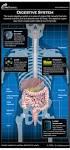 The digestive system Medicine and technology Normal structure and function Diagnostic methods Example diseases and therapies The digestive system An overview (1) Oesophagus Liver (hepar) Biliary system
National Digestive Diseases Information Clearinghouse
 Gastritis National Digestive Diseases Information Clearinghouse U.S. Department of Health and Human Services NATIONAL INSTITUTES OF HEALTH What is gastritis? Gastritis is a condition in which the stomach
The Role of Industry Representatives in the Endoscopy Unit
 The Role of Industry Representatives in the Endoscopy Unit Vivek Kaul, MD 1 and Douglas Faigel, MD, FASGE 2 Introduction The modern endoscopy unit is a busy workplace environment. With the patient as the
Gastroesophageal Reflux Disease:
 Gastroesophageal Reflux Disease: Introduction Gastroesophageal reflux is the involuntary movement of gastric contents to the esophagus. It is a common disease, occurring in one third of the population
Treatments for Barrett s Oesophagus
 Treatments for Barrett s Oesophagus Introduction This leaflet describes the various ways in which Barrett s Oesophagus is treated. It has been produced in association with Heartburn Cancer UK (HCUK), a
Tapered Withdrawal of a Proton Pump Inhibitor to Prevent Rebound Acid-Related Symptoms
 Akin Oyalowo CRC Rotation IRB Proposal August 8, 2012 Tapered Withdrawal of a Proton Pump Inhibitor to Prevent Rebound Acid-Related Symptoms A. Study Purpose and Rationale Proton pump inhibitors (PPIs)
Peptic Ulcer Disease and Dyspepsia. John M. Inadomi, MD Professor of Medicine UCSF Chief, Clinical Gastroenterology San Francisco General Hospital
 Peptic Ulcer Disease and Dyspepsia John M. Inadomi, MD Professor of Medicine UCSF Chief, Clinical Gastroenterology San Francisco General Hospital Case History 49 y/o woman complains of several months of
Digestive System (continued) Digestive System. Stomach. Peptic Ulcer Disease
 Digestive System Digestive System (continued) Responsible for breaking down food, absorbing nutrients, eliminating wastes Alimentary canal Also known as gastrointestinal tract Reaches from mouth to anus
Proton Pump Inhibitor Utilization Patterns in Infants
 Journal of Pediatric Gastroenterology and Nutrition 45:421 427 # 2007 by European Society for Pediatric Gastroenterology, Hepatology, and Nutrition and North American Society for Pediatric Gastroenterology,
Acute Abdominal Pain following Bariatric Surgery. Disclosure. Objectives 8/17/2015. I have nothing to disclose
 Acute Abdominal Pain following Bariatric Surgery Kathy J. Morris, DNP, APRN, FNP C, FAANP University of Nebraska Medical Center College of Nursing Disclosure I have nothing to disclose Objectives Pathophysiology
PATIENT REPORTED OUTCOMES IN ESOPHAGEAL DISEASE: AN OPEN SOURCE WEB BASED FRAMEWORK
 Northwestern University Feinberg School of Medicine PATIENT REPORTED OUTCOMES IN ESOPHAGEAL DISEASE: AN OPEN SOURCE WEB BASED FRAMEWORK Andrew Gawron, MD, PhD Co-authors: Sherri LaVela, Jane Holl, David
Breath Hydrogen Tests
 Breath Hydrogen Tests Breath hydrogen tests are very useful to help plan a low FODMAP diet. The tests have been around for many years - decades, in fact. However they were not regularly used in routine
Peptic Ulcer. Anatomy The stomach is a hollow organ. It is located in the upper abdomen, under the ribs.
 Peptic Ulcer Introduction A peptic ulcer is a sore in the lining of your stomach or duodenum. The duodenum is the first part of your small intestine. Peptic ulcers may also develop in the esophagus. Nearly
Upper Gastrointestinal Tract KNH 406
 Upper Gastrointestinal Tract KNH 406 Upper GI A&P GI tract long tube ~ 15 ft. Upper GI mouth, pharynx, esophagus, stomach Accessory organs pancreas, biliary system, liver Four basic functions: motility,
A. Ketorolac*** B. Naproxen C. Ibuprofen D. Celecoxib
 1. A man, 66 years of age, with a history of knee osteoarthritis (OA) is experiencing increasing pain at rest and with physical activity. He also has a history of depression and coronary artery disease.
WHAT S WRONG WITH MY GALL BLADDER? GALL BLADDER POLYPS
 WHAT S WRONG WITH MY GALL BLADDER? GALL BLADDER POLYPS This is a patient information booklet providing specific practical information about gall bladder polyps in brief. Its aim is to provide the patient
BYE-BYE, PPI. A toolkit for deprescribing proton pump inhibitors in EMR-enabled primary care settings
 BYE-BYE, PPI. A toolkit for deprescribing proton pump inhibitors in EMR-enabled primary care settings version 1.0 Don t maintain long-term Proton Pump Inhibitor (PPI) therapy for gastrointestinal symptoms
Public Assessment Report. Pharmacy to General Sales List Reclassification. Nexium Control 20mg Gastro-Resistant Tablets.
 Public Assessment Report Pharmacy to General Sales List Reclassification Nexium Control 20mg Gastro-Resistant Tablets (Esomeprazole) EMA Agency number: Pfizer Consumer Healthcare Ltd TABLE OF CONTENTS
University College Hospital. Laparoscopic Fundoplication. Gastrointestinal Services Division
 University College Hospital Laparoscopic Fundoplication Gastrointestinal Services Division 2 3 If you need a large print, audio or translated copy of the document, please contact us on 020 3447 9202. We
Celiac Disease. Donald Schoch, M.D. Ohio ACP Meeting October 17, 2014
 Celiac Disease Donald Schoch, M.D. Ohio ACP Meeting October 17, 2014 None to disclose Conflicts of Interest Format Present a case Do a pretest about the evaluation Review case Discuss the questions & answers
A study to Evaluate PPI s effect on vitamin D levels. Rani Hanna M.D., M.S. PGY-3 Joseph Grisanti, MD
 A study to Evaluate PPI s effect on vitamin D levels Rani Hanna M.D., M.S. PGY-3 Joseph Grisanti, MD The sunshine vitamin Existed over 500 million years. Prehormone, not only a vitamin. Two major sources:
Cancer of the Cardia/GE Junction: Surgical Options
 Cancer of the Cardia/GE Junction: Surgical Options Michael A Smith, MD Associate Chief Thoracic Surgery Center for Thoracic Disease St Joseph s Hospital and Medical Center Phoenix, AZ Michael Smith, MD
Treatment for severe GERD after Sleeve Gastrectomy: conversion to gastric bypass or endoluminal radiofrequency. Alfonso Torquati, MD, MSCI, FACS
 Treatment for severe GERD after Sleeve Gastrectomy: conversion to gastric bypass or endoluminal radiofrequency. Alfonso Torquati, MD, MSCI, FACS Associate Professor and Chief Division of Metabolic and
Inhibit terminal acid secretion from parietal cells by blocking H + /K + - ATPase pump
 Chris J. Taylor, Pharm.D., BCPS Clinical Pharmacist Phoenix VA Health Care System Review pharmacology of PPIs Discuss possible association between PPI use and development of the following: Pneumonia (community-acquired
Gastroesophageal Reflux Disease (GERD)
 GERD Guideline Team Team Leader Joel J Heidelbaugh, MD Family Medicine Team Members R Van Harrison, PhD Medical Education Mark A McQuillan, MD General Medicine Timothy T Nostrant, MD Gastroenterology Initial
Captivator EMR Device
 Device Clinical Article and Abstract Summary Endoscopic Mucosal Bergman et al: EMR Training Tips Bergman et al: EMR Learning Curve ASGE: EMR & ESD Guidelines Bergman et al: Captivator EMR vs Cook Duette
Original Article: http://www.mayoclinic.com/health/esophageal-spasms/ds00763
 MayoClinic.com reprints This single copy is for your personal, noncommercial use only. For permission to reprint multiple copies or to order presentation-ready copies for distribution, use the reprints
What can I eat? Peptic ulcers. What are peptic ulcers? What tests are needed? Will the ulcer come back? What causes a peptic ulcer?
 In association with: INFORMATION ABOUT Peptic ulcers www.corecharity.org.uk What are peptic ulcers? What causes a peptic ulcer? How are NSAIDs and aspirin involved? How do I know if I ve got an ulcer?
PATIENTS AND METHODS
 symptoms 5. Heartburn is also common and the sufferers attribute symptoms to various lifestyle events, including diet and stress. In all these cases antacid usage is the commonest mode of therapy 6. Antacid
POEM Procedure for. Esophageal Achalasia
 POEM Procedure for Esophageal Achalasia POEM (Per-Oral endoscopic myotomy) is an incisionless procedure to treat esophageal achalasia, totally performed by endoscopy, without cutting the surface of the
Probiotics for the Treatment of Adult Gastrointestinal Disorders
 Probiotics for the Treatment of Adult Gastrointestinal Disorders Darren M. Brenner, M.D. Division of Gastroenterology Northwestern University, Feinberg School of Medicine Chicago, Illinois What are Probiotics?
GI Bleed. Steven Lichtenstein, D.O. Chief, Division of Gastroenterology Mercy Health System. Director, Endoscopy/GI Lab Mercy Fitzgerald Hospital
 October 3, 2015 GI Bleed Steven Lichtenstein, D.O. Chief, Division of Gastroenterology Mercy Health System Director, Endoscopy/GI Lab Mercy Fitzgerald Hospital Clinical Associate Professor of Medicine
Gastrointestinal Bleeding
 Gastrointestinal Bleeding Introduction Gastrointestinal bleeding is a symptom of many diseases rather than a disease itself. A number of different conditions can cause gastrointestinal bleeding. Some causes
Long Term Use of Antacid Medications Can Cause an Increased Risk for Osteoporosis and Much More
 Long Term Use of Antacid Medications Can Cause an Increased Risk for Osteoporosis and Much More By: Jeremie Pederson D.C., C.S.C.S. Many people are concerned about the FDA news release dated May 25, 2010
Evidence of Crohn s Disease. Case Presentation
 Witt Wait to Treat tutiled Until Endoscopic Evidence of Crohn s Disease Raymond Cross, MD, MS, AGAF Associate Professor of Medicine Director, IBD Program University of Maryland School of Medicine Co-Director,
Gastroesophageal Reflux Disease
 Section Editors Christine Laine, MD, MPH David Goldmann, MD Science Writer Jennifer F. Wilson in the clinic Gastroesophageal Reflux Disease Diagnosis Treatment Practice Improvement CME Questions in the
Gastroesophageal Reflux
 Gastroesophageal Reflux What is Gastroesophageal Reflux? Gastroesophageal reflux (GER) is involuntary regurgitation of stomach contents into the esophagus. Reflux causes a number of problems: 1. Chemical
EVIDENCE BASED TREATMENT OF CROHN S DISEASE. Dr E Ndabaneze
 EVIDENCE BASED TREATMENT OF CROHN S DISEASE Dr E Ndabaneze PLAN 1. Case presentation 2. Topic on Evidence based Treatment of Crohn s disease - Introduction pathology aetiology - Treatment - concept of
Treatment Guide Swallowing and Esophageal Disorders
 Treatment Guide Swallowing and Esophageal Disorders Esophageal disorders especially those involving swallowing problems affect more than 15 million Americans of all ages. For many, they re temporary issues
Is H. pylori infection...
 Is H. pylori infection... the culprit behind your stomach symptoms? What s really going on in your stomach? You may often have stomach symptoms that you blame on certain foods or stress. You may take over-the-counter
Silent Reflux. Adult Speech & Language Therapy 01625 661067. Macclesfield District General Hospital. www.eastcheshire.nhs.uk
 Silent Reflux Adult Speech & Language Therapy 01625 661067 Macclesfield District General Hospital www.eastcheshire.nhs.uk Leaflet Ref: 11067 Review: 11/2017 Page 1 Introduction Reflux is when acid stomach
The Management of Gastro-oesophageal Reflux in Infants
 TSMJ Volume : Cases The Management of Gastro-oesophageal Reflux in Infants Yousef El-Gohary, Andrew Karwowski, Gracia Chong, Melissa Kern, Sara Molloy, Boitumelo Pule, th Year Medicine ABSTRACT Objective:
How to use FENO-guided asthma control in routine clinical practice
 How to use FENO-guided asthma control in routine clinical practice Asthma is a chronic inflammatory disease of the airways. This has implications for the diagnosis, management and potential prevention
BACKGROUND. ADA and the European Association recently issued a consensus algorithm for management of type 2 diabetes
 BACKGROUND More than 25% of people with diabetes take insulin ADA and the European Association recently issued a consensus algorithm for management of type 2 diabetes Insulin identified as the most effective
Lenox Hill Hospital Department of Surgery General Surgery Goals and Objectives
 Lenox Hill Hospital Department of Surgery General Surgery Goals and Objectives Medical Knowledge and Patient Care: Residents must demonstrate knowledge and application of the pathophysiology and epidemiology
Medical Policy An independent licensee of the Blue Cross Blue Shield Association
 Afrezza Page 1 of 6 Medical Policy An independent licensee of the Blue Cross Blue Shield Association Title: Afrezza (human insulin) Prime Therapeutics will review Prior Authorization requests Prior Authorization
Drug Class Review Proton Pump Inhibitors
 Drug Class Review Proton Pump Inhibitors Final Report Update 5 May 2009 Update 4: May 2006 Update 3: May 2005 Update 2: April 2004 Update 1: April 2003 Original Report: November 2002 The literature on
By Anne C. Travis, M.D., M.Sc. and John R. Saltzman, M.D., FACG Brigham and Women's Hospital Harvard Medical School Boston, MA
 SMALL BOWEL BLEEDING: CAUSES, DIAGNOSIS AND TREATMENT By Anne C. Travis, M.D., M.Sc. and John R. Saltzman, M.D., FACG Brigham and Women's Hospital Harvard Medical School Boston, MA 1. What is the small
A rapid-release 50-mg tablet-based 13 C-urea breath test for the diagnosis of Helicobacter pylori infection
 Aliment Pharmacol Ther 2003; 17: 253 257. doi: 10.1046/j.0269-2813.2003.01417.x A rapid-release 50-mg tablet-based 13 C-urea breath test for the diagnosis of Helicobacter pylori infection W.M.WONG*,S.K.LAM*,K.C.LAI*,K.M.CHU,
Endoscopy and infection: Prevention of infection during endoscopy Treatment of infection by endoscopy. M. Arvanitakis SRBG June 2009
 Endoscopy and infection: Prevention of infection during endoscopy Treatment of infection by endoscopy M. Arvanitakis SRBG June 2009 Outline Antibiotic prophylaxis during endoscopy Upper GI endoscopy Lower
SUMMARY OF THE RISK MANAGEMENT PLAN (by medicinal product)
 PART VI SUMMARY OF THE RISK MANAGEMENT PLAN (by medicinal product) Format and content of the summary of the RMP The summary of the RMP part VI contains information based on RMP modules SI, SVIII and RMP
The hidden endoscopic burden of sleeve gastrectomy and its comparison with Roux-en-Y gastric bypass
 ORIGINAL ARTICLE Annals of Gastroenterology (2015) 28, 1-6 The hidden endoscopic burden of sleeve gastrectomy and its comparison with Roux-en-Y gastric bypass Katherine Arndtz a, Helen Steed b, James Hodson
Preservation and Incorporation of Valuable Endoscopic Innovations (PIVI)
 Preservation and Incorporation of Valuable Endoscopic Innovations (PIVI) The American Society for Gastrointestinal Endoscopy PIVI on Endoscopic Bariatric Procedures (short form) Please see related White
World Gastroenterology Organisation Global Guidelines GERD. Global Perspective on Gastroesophageal Reflux Disease. Update October 2015
 World Gastroenterology Organisation Global Guidelines GERD Global Perspective on Gastroesophageal Reflux Disease Update October 2015 Review team Richard Hunt UK/Canada David Armstrong Canada Peter Katelaris
REASONS TO NOT IGNORE GERD GASTRO ESOPHAGEAL REFLUX DISEASE CLIFF THOMAS, MD
 10 REASONS TO NOT IGNORE GERD GASTRO ESOPHAGEAL REFLUX DISEASE CLIFF THOMAS, MD 2012, Cliff Thomas, MD All Rights Reserved First Edition No part of this publication may be reproduced, stored in a retrieval
Wireless Capsule Endoscopy Corporate Medical Policy
 Wireless Capsule Endoscopy Corporate Medical Policy File name: Wireless Capsule Endoscopy File code: UM.DIAG.06 Origination: 10/2004 Last Review: 03/2014 (ICD-10 remediation and CPT update only) Next Review:
Colocutaneous Fistula. Disclosures
 Colocutaneous Fistula Madhulika G. Varma MD Associate Professor Chief, Colorectal Surgery University of California, San Francisco Honoraria Applied Medical Covidien Disclosures 1 Colocutaneous Fistula