
Gastroesophageal Reflux Disease:
|
|
|
- Estella Underwood
- 9 years ago
- Views:
Transcription
1 Gastroesophageal Reflux Disease: Introduction Gastroesophageal reflux is the involuntary movement of gastric contents to the esophagus. It is a common disease, occurring in one third of the population in the United States. However, reflux is only considered a disease when it causes frequent or severe symptoms or when it produces injury. About 3 7% of the U.S. population suffers from frank esophageal reflux disease. Most reflux disease is not life threatening, as demonstrated by the relatively small number of patients (20%) who are admitted to hospitals with gastroesophageal reflux as the primary cause for admission. Common complications of reflux include esophagitis, esophageal strictures, and Barrett s esophagus. Figure 1. Location of the pharynx, esophagus, and stomach in the body. What Is GERD? Gastroesophageal reflux is the involuntary movement of gastric contents to the esophagus (Figure 2). Gastroesophageal reflux is a normal physiological process that occurs several times a day without symptoms or damage of the esophageal mucosa in most otherwise healthy individuals. Gastroesophageal reflux disease (GERD) is a condition in which reflux of gastric contents into the esophagus produces frequent or severe symptoms that negatively affect the individual s quality of life or result in damage to esophagus, pharynx, or the respiratory tract. Figure 2. Reflux of gastric contents into the esophagus. Symptoms The typical presentation of gastroesophageal reflux disease is chest burning (often referred to as heartburn) and the regurgitation of sour or bitter liquid, sometimes mixed with food, to the throat or mouth. Although not everyone with gastroesophageal reflux disease has these symptoms, the combination of chest burning and regurgitation of sour or bitter-tasting food or liquid is so characteristic of gastroesophageal reflux that formal testing is often unnecessary. Patients may also have non-burning chest pain and difficulty swallowing. The chest pain is usually located in the middle of the chest and may radiate through to the back. Difficulty swallowing (dysphagia) may be due to abnormal esophageal motility or to an esophageal stricture. Symptoms may also arise from the throat, larynx, or lungs. These atypical reflux symptoms, often referred to as extra-esophageal manifestations of reflux disease, may include sore throat, coughing, increased salivation, and shortness of breath. Although it might be assumed that throat and airway symptoms would only occur in patients with esophageal symptoms, extraesophageal manifestations can occur in patients without esophageal symptoms and without esophageal damage. Copyright All Rights Reserved. 600 North Wolfe Street, Baltimore, Maryland 21287

2 Gastroesophageal Reflux Disease: Anatomy The esophagus serves as a conduit between the pharynx and the stomach. The body of the esophagus is approximately cm long, extending from the upper esophageal sphincter (C5 C6 vertebral space at the junction of the pharynx and the esophagus) to the lower esophageal sphincter (T10 level at the junction of the esophagus and the stomach). The length of the esophagus correlates with an individual s height and is usually longer in men than in women. The esophagus transports food from the mouth to the stomach in a caudad direction and prevents the retrograde movement of gastric or esophageal contents. It is a hollow tube closed at the upper end by the upper esophageal sphincter and at the lower end by the lower esophageal sphincter. The lumen is normally lined with non-keratinizing stratified squamous epithelium. Underneath is a supporting layer of connective tissue called the lamina propria and a longitudinally oriented, thin layer of muscle fiber (muscularis mucosae). These three layers compose the mucosal layer. The submucosa consists of loose connective tissue, blood vessels, lymphatics, and nerves. The muscularis propria has two layers, an inner circular muscle layer with circumferential fibers and an outer longitudinal layer with fibers oriented along the axis. The muscle in the muscularis mucosae is smooth along the length of the esophagus, whereas the muscularis propria is composed of striated muscle in the most proximal portion. Smooth and striated muscle meet in the middle third of the esophagus. A network of intrinsic neurons is found in the submucosa and between the circular and longitudinal muscle layers, and, is capable of producing secondary peristalsis. This network communicates to the central nervous system via the vagi, the adrenergic ganglia, and the celiac ganglia (Figure 3). Figure 3. Normal anatomy of the esophagus; A, anterior; B, lateral view showing esophageal regions. The esophagus is divided into four regions. The cervical esophagus extends from the lower border of the cricoid cartilage to the thoracic inlet (suprasternal notch) or from the cricopharyngeus muscle to approximately 18 cm from the gums. The trachea, vertebral column, and thyroid and carotid sheaths surround this portion of the esophagus. The upper thoracic esophagus extends from the thoracic inlet to the level of the tracheal bifurcation (18 24 cm from the gums). The mid-thoracic esophagus includes the proximal half of the esophagus from the tracheal bifurcation to the esophagogastric junction (24 32 cm from the gums). The thoracic esophagus passes posterior to the tracheal wall and posterior to the aortic arch and the bifurcation of the trachea and left bronchus. Finally, the distal thoracic esophagus includes the distal half of the esophagus from the tracheal bifurcation to the esophagogastric junction (32 40 cm from the gums). The esophagus crosses anterior to the aorta and through the muscular diaphragm at the T10 level and enters the stomach. The abdominal portion of the esophagus is variable in length ( cm). The esophagus is surrounded by collagen and elastic fibers at the level of the diaphragm. The junction of the esophagus and the stomach lies caudad to the esophageal hiatus of the diaphragm. The phrenicoesophageal membrane anchors the esophagogastric junction to allow movement with respiration but to prevent significant (more than 1 2 cm) proximal movement of the top margin of the stomach. The high-pressure zone of the lower esophageal sphincter (LES), the intra-abdominal segment of the esophagus, diaphragmatic crura, phreno-esophageal ligament, mucosal rosette, and angle of His form a barrier and limit refluxate into the lumen. The high-pressure zone at this junction creates a barrier to the transfer of stomach contents to the esophagus. Copyright All Rights Reserved. 600 North Wolfe Street, Baltimore, Maryland 21287

3 Gastroesophageal Reflux Disease: Causes Overview The pathophysiology of GERD is complex. The antireflux barrier is created by a combination of the normal anatomical configuration of the esophagogastric junction (EG) and the strength and function of the lower esophageal sphincter (LES). Figure 4. Mechanism of gastroesophageal reflux disease. A weak antireflux barrier causes reflux in the majority of patients (Figure 4). Gastroesophageal reflux disease most often occurs when LES pressure (measured manometrically) is low or the normal angulation of the EG junction is lost (as occurs when a hiatus hernia is present) (Figure 5). Figure 5. A, Normal esophagogastric (EG) junction; B, hiatus hernia; A, B, endoscopic views. Studies in which esophageal acidity is monitored over extended periods (continuous ph monitoring) have demonstrated that most normal individuals experience reflux on a daily basis (Figure 6). Figure 6. Continuous esophageal ph monitoring demonstrating physiological reflux. Physiologic reflux (reflux in normal individuals) is generally brief in duration, relatively infrequent, and occurs almost exclusively after meals and is caused by a sudden relaxation of the LES that is not induced by swallowing. This type of relaxation, called transient spontaneous LES relaxation, is also the predominant mechanism of reflux in patients with GERD. However, whereas transient spontaneous relaxation is responsible for 98% of reflux events in normal individuals, it accounts for only about 60% of reflux events in patients with reflux. Most other reflux events in patients with GERD occur when resting LES pressure is inadequate to resist the pressure within the stomach. Other factors contribute to the severity of reflux. Weak or uncoordinated esophageal contractions (perhaps occurring in response to esophageal irritation from reflux disease itself) delay esophageal clearance of refluxed material. This prolongs the duration of esophageal contact with refluxed digestive gastric contents. Saliva is an effective natural antacid. Reflux often stimulates salivation, a potentially beneficial response that enhances dilution and neutralization of refluxed gastric contents. If the rate of salivation is low, or if an individual is unable to swallow his own saliva, refluxed material remains in the esophagus for prolonged periods of time. This increases the severity of esophageal irritation and the probability of esophageal damage. Most symptoms of GERD occur because of the irritating nature of gastric contents. The severity of esophageal damage correlates fairly well with the amount of time the esophagus is bathed in refluxed acid. Patients with higher gastric acid secretion and those who reflux bile (which has entered the stomach from the duodenum), are more likely to have severe esophageal damage than those with lower gastric acid secretion and no bile in the gastric contents. An additional factor in determining reflux severity is the amount of pressure placed on the antireflux barrier. Reflux is more likely to occur after eating, while lying down, and when there is delayed gastric emptying. Occasionally, impaired gastric emptying alone can cause severe gastroesophageal reflux disease. Copyright All Rights Reserved. 600 North Wolfe Street, Baltimore, Maryland 21287

4 Gastroesophageal Reflux Disease: Diagnosis Overview In the presence of typical symptoms of reflux disease, especially frequent heartburn and regurgitation of sour or bitter material, reflux treatment can be initiated without specific diagnostic testing. Objective testing is required only when the patient presents with atypical symptoms, when the severity of reflux symptoms raises concerns about esophageal damage, when symptoms fail to respond to initial therapeutic intervention, and when the patient is being considered for antireflux surgery. The approach to testing depends on the clinical question under consideration. Barium Studies A barium esophagram is an x-ray study in which the structure and function of the esophagus is evaluated. This study is usually the first test used in patients with dysphagia (difficulty swallowing). It is excellent for the diagnosis of a stricture or other causes of obstruction (Figure 7). Figure 7. Barium x-ray of a reflux-induced esophageal stricture. The barium esophagram also permits the evaluation of coordination of esophageal motor function. However, it is a poor test for documenting esophagitis, and reflux is detected in only 40% of patients with typical reflux symptoms. Further, some reflux may be seen in non-refluxers. Minor episodes of reflux should therefore be considered an indication for further study (Figure 8). Esophageal Manometry Esophageal manometry, also referred to as esophageal motility studies, involves the placement of a pressure sensitive catheter into the esophagus (Figure 9). The test permits evaluation of the strength and coordination of muscle contractions, as well as the strength and relaxation function of the LES. Although low LES pressure is suggestive of GERD, GERD may occur in patients with normal LES pressure. Therefore, the results of esophageal manometry are not reliable for the diagnosis of GERD. Figure 9. Patient set-up and technique of manometry. Manometry is usually used prior to esophageal ph studies (see below) to determine the level of the esophagus at which the ph probe should be placed. Many authorities consider manometry an essential part of assessment in patients being considered for antireflux surgery, helping to determine whether surgery is appropriate and what specific surgical procedure should be performed.

5 ph Monitoring Continuous ph monitoring, also called 24-hour ph studies, is a procedure in which the ph (or level of acidity) is recorded for a prolonged period (Figure 10). An acid-sensitive catheter is placed in the esophagus and is attached to a small monitoring device that records changes in esophageal ph over an extended period of time (up to 24 hours). It provides information on the severity and pattern of reflux. The information is helpful both to confirm the impression of reflux and to tailor therapy for the individual patient (Figure 11). Figure 10. Patient set-up for ph monitoring. Figure 11. Continuous ph monitor studies; A, physiological reflux; B, pathological reflux. Continuous ph monitoring is considered the best test for the diagnosis of GERD. However, there is a 10 20% false-negative response rate (a negative test result in a patient who actually has reflux disease). The results must, therefore, be interpreted in the context of the overall clinical picture. If the intra-esophageal ph is less than 4 more than 10% of the time, the patient is considered to have pathologic reflux. Upper Endoscopy Upper endoscopy involves the examination of the lining of the esophagus, stomach, and first part of the small intestine with a flexible endoscope. It is not a particularly good test for the diagnosis of GERD, as most patients with GERD do not have esophageal injury and the documentation of reflux itself is neither reliable nor quantitative. On the other hand, endoscopy is the best test for the evaluation of reflux-induced esophageal injury. It is essential for the diagnosis of esophagitis and Barrett s esophagus. It is a good test for the diagnosis of an esophageal stricture, although strictures that narrow the esophagus to only a limited degree may be missed occasionally. It also permits treatment of an esophageal stricture by dilation (stretching). Copyright All Rights Reserved. 600 North Wolfe Street, Baltimore, Maryland 21287


6 Gastroesophageal Reflux Disease: Therapy Overview Treatment of reflux disease can be divided between medical and surgical approaches. The vast majority of patients can be treated effectively by a combination of life-style modifications and drug therapy. Because GERD is generally a chronic condition, some form of treatment must be continued indefinitely in most cases. For those who fail to respond to medical treatment, or who find the constraints of medical treatment unacceptable, surgical or endoscopic intervention may be appropriate. Medical Therapy Lifestyle Changes Medical treatment of GERD usually begins with dietary and life-style modifications. Reflux is exacerbated by foods that increase gastric acidity (caffeinated beverages and decaffeinated coffee), decrease lower esophageal sphincter pressure (fatty foods, chocolate, peppermint, spearmint), affect esophageal peristalsis (coffee, alcohol, and acidic liquids) or slow gastric emptying (fatty foods). Further, reflux is worse after large meals, which cause increased gastric pressure. Smoking affects esophageal motor function and increases air swallowing which results in frequent belching (often unrecognized) due to the need to vent the distended stomach. Because the anti-reflux barrier is usually weak in patients with GERD, gravity is important in keeping gastric contents in the stomach and returning regurgitated material back to the stomach when reflux does occur. Therefore, avoiding lying down after eating and elevating the head of the bed are usually recommended elements of reflux therapy. For unknown reasons, reflux symptoms often increase with weight gain and decrease with weight loss. Therefore, weight reduction is usually recommended for patients who are overweight. Common suggestions to help alleviate the symptoms of esophageal reflux: Avoid foods that increase gastric acidity. Avoid foods that decrease lower esophageal sphincter pressure. Avoid foods that affect peristalsis. Avoid foods that slow gastric emptying. Avoid large meals. Avoid smoking. Avoid lying down after meals. Elevate the head of the bed. Lose weight (if overweight). Drug Therapy In some patients, simple implementation of these dietary and life-style changes is sufficient to control reflux symptoms. However, most patients who present to a physician with severe reflux symptoms or with esophagitis require drug therapy. Current drug therapy depends on two categories of drugs: those that decrease gastric acidity (acid-suppressing agents) and those that enhance upper gastrointestinal motility (prokinetic agents). Antacids Antacids, taken in sufficient quantities, can neutralize the acid present in the stomach at the time of ingestion. However, antacids leave the stomach quickly and gastric acid neutralization tends to increase acid production as a result of neural and hormonal responses to low acidity itself. Therefore, the duration of acid neutralization by antacids tends to be limited. Antacids are best for quick relief of intermittent and relatively infrequent symptoms. H2 blockers Histamine 2 (H2) blockers are drugs that block the stimulatory effect of histamine on gastric acid secretion (Figure 12). H2 blockers lower acid secretion by about 70% at standard doses and achieve good symptomatic control in 80% of refluxers. For those with erosive esophagitis a subpopulation of refluxers with more severe reflux disease H2 blockers heal the erosions in about 50% of patients. Healing is most reliably achieved in patients with relatively mild esophagitis. Although some patients have better symptomatic responses to one or another of the H2 blockers, in appropriate doses the various agents appear to be equally effective. The choice of agent is often based on physician preference, duration of action of the individual drug, frequency with which the drug must be taken, drug interactions, and cost. In recent years, H2 blockers have been released in over-the-counter formulations containing lower doses of the prescribed formulations. The drugs are otherwise identical and the same effect can be obtained with comparable doses, whether prescription or over-the-counter. Proton Pump Inhibitors Proton Pump Inhibitors (PPIs) are drugs that block the final common pathway of acid secretion (Figure 12). PPIs block the effects of all three major pathways (histamine, acetylcholine, and gastrin) for acid stimulation. As a result, the acid suppressing capability of PPIs is substantially greater than that of H2 blockers. In sufficient doses, PPIs are capable of approaching or producing a state of achlorhydria in which the stomach produces no acid at all. The vast majority of patients with typical esophageal symptoms of reflux can be controlled with PPIs. Further, PPIs heal erosive esophagitis in the most patients, even those with severe esophageal damage. When initial treatment fails, increasing the dose is usually effective. Table 1. FDA Approved Proton Pump Inhibiting Drugs Animal studies, available even before the first PPIs were released in the United States in 1989, raised concern that this type of long-term profound acid suppression might predispose patients to a rare type of tumor of low-grade aggressiveness, called a gastric carcinoid. Thus far, there have been no recognized cases of PPI-induced gastric carcinoids, and most authorities feel that long-term use of PPIs is safe. Prokinetic Agents Prokinetic agents are drugs that enhance motor activity of the smooth muscle (characteristic of GI tract). Although potentially beneficial for improving the strength of esophageal peristalsis, the resting pressure of the LES, and the strength of gastric contractions, it appears that the most important influence of available prokinetic agents is on gastric motility. In standard doses, prokinetic agents are as effective as H2 blockers, but less effective than PPIs. In the United States, they tend to be used in combination with an acid-suppressing agent when the latter does not achieve the desired results. Studies support the effectiveness of this approach.

7 Recently, cisapride, the most commonly prescribed prokinetic agent, has been withdrawn from the US market because of rare, but life-threatening cardiac arrhythmias. Metoclopramide, another prokinetic agent proven effective for GERD, is frequently associated with unpleasant side effects. There is currently a need for effective and well-tolerated prokinetic agents. Surgical Therapy In the past, antireflux surgery was recommended in patients who failed to respond to medical therapy. Using available drugs, treatment failures (especially in patients with typical esophageal manifestations of GERD) are sufficiently rare as to raise concerns about the accuracy of the original diagnosis. Currently, the most common indication for antireflux surgery is the personal preference of the patient seeking alternatives to chronic life-style modifications and drug treatment. A number of surgical approaches have been advocated. All involve an attempt to bolster the strength of the antireflux barrier. The most commonly employed surgical approach is referred to as a Nissen fundoplication (Figure 13). Figure 13. A, B, Technique of Nissen fundoplication; B, endoscopic view. In this surgery, the hiatus hernia (if present) is reduced and the upper part of the stomach is "wrapped" around the entire circumference of the lower esophagus. After this operation, the LES pressure, as recorded during esophageal manometry, is usually increased. Elevations in gastric pressure, which in refluxers provoke reflux, are transmitted to the lower esophagus, thereby enhancing the antireflux barrier. The Nissen fundoplication, in appropriately chosen patients, is about 90% effective with late deterioration of effectiveness in a small, but significant percentage of the remainder. Nonetheless, the operation has been reported to produce permanent relief of reflux in 80-85% of patients. Given the fact that most patients who choose surgery are looking for permanent relief, it is the latter figure that should be used in making a decision about surgical intervention. The Nissen fundoplication can cause dysphagia (usually mild and often temporary). More often, it can result in abdominal distention and pain due to an inability to belch commonly associated with the operation (the "gas-bloat" syndrome). Although usually mild, it can be severe and debilitating. Careful selection of patients plays an important role in avoidance of these complications. In patients with impaired esophageal peristalsis, operations that do not involve a complete 360 degree wrap are often preferred. These alternative surgeries are generally associated with fewer side effects, but are somewhat less reliable at preventing reflux. Recently, laparoscopic approaches to antireflux surgery have been developed. The usual surgical technique involves creation of a Nissen fundoplication, indistinguishable from that created with the standard open approach. The advantage of the laparoscopic Nissen fundoplication is a shorter recovery time related to the less invasive approach. However, the ultimate outcome and potential complications are the same as with the standard operation and the decision to proceed to surgery should be based on the same principles. Endoscopic Therapy There are two forms of endoscopic therapy. Both continue to evolve and are still considered experimental. One form of therapy uses an endoscopic sewing machine to increase the anti-reflux barrier by placing endoscopic sutures in the proximal portion of the stomach. The other technique involves the use of radiofrequency energy applied to the lower esophageal sphincter (Stretta Procedure) to increase lower esophageal sphincter tone.

8 Overview Most patients with GERD have no esophageal injury. When reflux is severe, it can cause esophagitis, esophageal strictures, and Barrett s esophagus. Esophagitis Esophagitis refers to the presence of inflammatory cells within the esophageal mucosa. Esophagitis may range in severity from microscopic changes in biopsies taken from an endoscopically normal-looking esophagus (microscopic esophagitis), to obviously inflamed-looking mucosa without erosion (nonerosive esophagitis), to frankly eroded or ulcerated mucosa (erosive esophagitis) (Figure 14). Figure 14. A, Erosive esophagitis; B, normal esophagus; A, B, corresponding endoscopic views. Although the presence of severe reflux symptoms increases the probability of erosive esophagitis, the correlation of symptoms and severity of esophagitis is relatively poor. Severe symptoms can occur in patients without esophagitis, while some patients with severe esophagitis have no symptoms at all. It is uncertain whether microscopic inflammation alone leads to more serious esophageal injury. On the other hand, patients with erosions or ulceration are at risk for developing GI bleeding or esophageal stricture. Treatment of erosive esophagitis is aimed at healing the erosions as well as relieving symptoms. Esophageal Strictures Gastroesophageal reflux disease is the most common cause of esophageal strictures. GERD accounts for about 70% of all of the cases. An esophageal stricture is a narrowed segment of esophagus resulting from thickening of the esophageal wall (Figure 15). Mild degrees of narrowing may not cause any symptoms. When the narrowing becomes more severe, the patient may experience dysphagia (difficulty swallowing). Figure 15. Barium x-ray of a benign esophageal stricture. Although the exact mechanism by which gastroesophageal reflux leads to stricture formation is not clear, observations have been made about those patients who seem to be at high risk. Older patients with longer histories of reflux and those patients who are observed to have more severe reflux during ph studies are at high risk for the development of esophageal strictures. Characteristically, dysphagia resulting from an esophageal stricture produces the sensation of solid food sticking in the chest or neck. Liquids go down without difficulty (except when solid food has already impacted in the stricture) and may be used to help wash down the solid food. Treatment of a reflux-induced stricture requires treatment of reflux to heal the esophagitis and dilation of the strictured segment to provide more room for the food to pass. Dilation of the esophagus is an accepted treatment for the symptoms of dysplasia and stenosis. There are three basic devices used for dilation they are (1) mercuryfilled rubber bougies, (2) polyvinyl or metal dilators passed over a guide wire and (3) balloon dilators (Figure16). Figure 16. Esophageal dilators; A, Savary; B, Maloney; C, Through-the-scope (TTS) balloon catheter.

9 Mercury-filled bougies (Maloney dilators) are used for strictures that do not require fluoroscopic guidance and are relatively easy to dilate. Patients may be trained to perform self-dilation of recurrent strictures with these dilators. The fixed size or polyvinyl dilators require fluoroscopic or endoscopic guidance. In general, strictures are dilated using a technique of progressive dilation with devices of increasing diameter (Figure 17). Usually, diameters that are achieved from 40 French (3 French = 1mm) to 60 French result in good relief of dysphagia, with a low complication rate. Balloon dilators are usually passed through the endoscope and do not require fluoroscopic guidance. Balloon dilators with a channel for passage of a guide wire are currently available. The choice of dilation technique depends on the physician s preference and experience, stricture characteristics, and patient tolerance. Figure 17. Savary dilation of a benign esophageal stricture. The injection of steroids into the stricture has been shown to increase the length of symptom-free intervals and reduces the frequency of stricture re-dilation. Endoscopic perforation is the most dreaded complication of dilation and occurs in % of procedures. Bacteremia (though clinically insignificant) has been shown to occur in up to 100% of patients having endoscopic dilatation. Therefore, antibiotic prophylaxis should be administered in high-risk patients. Barrett's Esophagus Barrett s esophagus is a condition in which a length of the distal esophagus is covered by an abnormal-looking cellular lining. Compared with the normal esophageal mucosa which appears whitish-pink, Barrett's esophagus appears salmon to red in color (Figure 18). Figure 18. Endoscopic view of Barrett s esophagus. This change in color results from the fact that a different type of cell covers the involved segment of the esophagus. In place of the normal squamous cells (similar to the skin) that usually line the esophagus, the mucosa in Barrett's esophagus is composed of columnar cells, similar to the cells lining the rest of the GI tract. Barrett's esophagus is a consequence of abnormal healing of erosive esophagitis. Its importance lies in the fact that Barrett's esophagus is associated with an increased risk of developing esophageal cancer (for more information see Barrett's Esophagus). For information about Barrett's Esophagus Extra-Esophageal Manifestations Recent interest in reflux has increased awareness that GERD may present with pharyngeal, laryngeal and pulmonary symptoms. Reflux may lead to pharyngitis (pharyngeal inflammation), laryngitis (laryngeal inflammation), laryngospasm (episodic spasm of the vocal cords), bronchitis, asthma or pneumonia. Typically, reflux is considered when these conditions recur without obvious cause or persist despite appropriate treatment. The symptoms and findings are generally non-specific (Figure 19).

10 Figure 19. Extra-esophageal manifestations of GERD. The possibility that reflux may be involved requires a high index of suspicion. Even when considered, the causative role of GERD may be difficult to prove. Reflux is a common condition and may be incidental and unrelated to the patient s major presenting complaint. Many patients with these extra-esophageal manifestations do not have remarkable reflux symptoms. Extra-esophageal manifestations, in the absence of typical esophageal reflux symptoms, may result from a greater sensitivity of the pharynx, larynx and airways to acid. Continuous ph monitoring may be less reliable in the diagnosis of GERD in patients with extra-esophageal manifestations than in patients with esophageal manifestations. The diagnosis is best made by complete resolution of symptoms by medical therapy. However, as a consequence of the unusual sensitivity to acid mentioned above, the response to medical treatment is also less predictable than for esophageal presentations of reflux disease. Copyright All Rights Reserved. 600 North Wolfe Street, Baltimore, Maryland 21287

GASTROESOPHAGEAL REFLUX DISEASE (GERD)
 GASTROESOPHAGEAL REFLUX DISEASE (GERD) Gastroesophageal reflux disease is a clinical scenario where the gastric or duodenal contents reflux back up into the esophagus. Reflux esophagitis, however, is a
POEM Procedure for. Esophageal Achalasia
 POEM Procedure for Esophageal Achalasia POEM (Per-Oral endoscopic myotomy) is an incisionless procedure to treat esophageal achalasia, totally performed by endoscopy, without cutting the surface of the
1-800-HRT-BURN. understanding gerd. Is it just a little HEARTBURN. or something more serious? NEW
 Do you have GERD? Measure Yourself on the Richter Scale/Acid Test How significant is your heartburn? What are the chances that it is something more serious? If you need a yardstick, here s a simple self-test
Nash Heartburn Treatment Center
 Nash Heartburn Treatment Center a division of Nash Health Care NHCS Mission Statement: To provide superior quality health care services and to help improve the health of the community in a caring, efficient
www.ghadialisurgery.com
 P R E S E N T S Dr. Mufa T. Ghadiali is skilled in all aspects of General Surgery. His General Surgery Services include: General Surgery Advanced Laparoscopic Surgery Surgical Oncology Gastrointestinal
Laparoscopic Anti-Reflux (GERD) Surgery Patient Information from SAGES
 Laparoscopic Anti-Reflux (GERD) Surgery Patient Information from SAGES Surgery for "Heartburn" If you suffer from moderate to severe "heartburn" your surgeon may have recommended Laparoscopic Antireflux
Gastroesophageal Reflux Disease
 3702 Timberline Rd 2555 East 13th St Suite 220 Ft.Collins, CO 80525 Loveland, CO 80537 82001 7251 W. 20th St Greeley, CO 80634 4108 Laramie Cheyenne, WY Gastroesophageal Reflux Disease Author(s): Peter
Upper Gastrointestinal Tract KNH 406
 Upper Gastrointestinal Tract KNH 406 Upper GI A&P GI tract long tube ~ 15 ft. Upper GI mouth, pharynx, esophagus, stomach Accessory organs pancreas, biliary system, liver Four basic functions: motility,
Gastroesophageal Reflux
 Gastroesophageal Reflux What is Gastroesophageal Reflux? Gastroesophageal reflux (GER) is involuntary regurgitation of stomach contents into the esophagus. Reflux causes a number of problems: 1. Chemical
Medical Nutrition Therapy for Upper Gastrointestinal Tract Disorders. By: Jalal Hejazi PhD, MSc.
 Medical Nutrition Therapy for Upper Gastrointestinal Tract Disorders By: Jalal Hejazi PhD, MSc. Digestive Disorders Common problem; more than 50 million outpatient visits per year Dietary habits and nutrition
Use of stents in esophageal cancer" Hans Gerdes, M.D. Director, GI Endoscopy Unit Memorial Sloan-Kettering Cancer Center
 Use of stents in esophageal cancer" Hans Gerdes, M.D. Director, GI Endoscopy Unit Memorial Sloan-Kettering Cancer Center Features of esophageal cancer Esophageal cancer is an abnormal growth that arises
Laparoscopic Antireflux Surgery Information Sheet
 Laparoscopic Antireflux Surgery Information Sheet What is Laparoscopic Antireflux Surgery? Antireflux surgery (also known as fundoplication) is the standard surgical method of treating gastro-oesophageal
Gastroesophageal Reflux Disease (GERD) and Barrett s Esophagus (BE)
 Gastroesophageal Reflux Disease (GERD) and Barrett s Esophagus (BE) Hashem El-Serag, M.D., M.P.H. Dan L. Duncan Professor of Medicine Chief, Gastroenterology and Hepatology Baylor College of Medicine Houston,
Laparoscopic Fundoplication for Reflux
 Laparoscopic Fundoplication for Reflux Exceptional healthcare, personally delivered Understanding Reflux General Reflux happens when acid from the stomach washes up into the gullet (oesophagus) from the
Gastrointestinal Bleeding
 Gastrointestinal Bleeding Introduction Gastrointestinal bleeding is a symptom of many diseases rather than a disease itself. A number of different conditions can cause gastrointestinal bleeding. Some causes
Original Article: http://www.mayoclinic.com/health/esophageal-spasms/ds00763
 MayoClinic.com reprints This single copy is for your personal, noncommercial use only. For permission to reprint multiple copies or to order presentation-ready copies for distribution, use the reprints
Figure 3: Dysphagia. 14 meets. esophageal. esophageal manometry +/- +/- impedance measurement. structural lesion? no. 19 yes
 Figure 3: Dysphagia 1 patient with dysphagia 2 history and physical exam. suggestive of nesophageal etiology? 3 evaluate and treat as as indicated 4 upper GI GI endoscopy with biopsies 15 achalasia, absent
Peptic Ulcer. Anatomy The stomach is a hollow organ. It is located in the upper abdomen, under the ribs.
 Peptic Ulcer Introduction A peptic ulcer is a sore in the lining of your stomach or duodenum. The duodenum is the first part of your small intestine. Peptic ulcers may also develop in the esophagus. Nearly
What is Barrett s esophagus? How does Barrett s esophagus develop?
 Barrett s Esophagus What is Barrett s esophagus? Barrett s esophagus is a pre-cancerous condition affecting the lining of the esophagus, the swallowing tube that carries foods and liquids from the mouth
Treatment Guide Swallowing and Esophageal Disorders
 Treatment Guide Swallowing and Esophageal Disorders Esophageal disorders especially those involving swallowing problems affect more than 15 million Americans of all ages. For many, they re temporary issues
understanding HEARTBURN and reflux diseases A patient s guide from your doctor and
 understanding HEARTBURN and reflux diseases A patient s guide from your doctor and Heartburn Basics Heartburn is the most common symptom of a condition called gastroesophageal reflux disease (GERD), also
THE GI TRACT IS A CONTINUOUS MULTILAYERED TUBE EXTENDING FROM THE MOUTH TO THE ANUS THAT IS SUPPORTED AND PARTIALLY COVERED BY THE PERITONEUM.
 THE GI TRACT IS A CONTINUOUS MULTILAYERED TUBE EXTENDING FROM THE MOUTH TO THE ANUS THAT IS SUPPORTED AND PARTIALLY COVERED BY THE PERITONEUM. OVERVIEW OF THE DIGESTIVE SYSTEM Two groups of organs compose
Figure 2: Recurrent chest pain of suspected esophageal origin
 Figure 2: Recurrent chest pain of suspected esophageal origin 1 patient with chest pain of suspected esophageal origin 2 history and physical exam. suggestive of n-esophageal etiology? 3 evaluate and treat
What is the Sleeve Gastrectomy?
 What is the Sleeve Gastrectomy? The Sleeve Gastrectomy (also referred to as the Gastric Sleeve, Vertical Sleeve Gastrectomy, Partial Gastrectomy, or Tube Gastrectomy) is a relatively new procedure for
G E R D. (Gastroesophageal Reflux Disease)
 G E R D (Gastroesophageal Reflux Disease) What is GERD? Gastroesophageal reflux disease (GERD) is a disorder caused by gastric acid flowing from the stomach into the esophagus. What are the symptoms of
SOD (Sphincter of Oddi Dysfunction)
 SOD (Sphincter of Oddi Dysfunction) SOD refers to the mechanical malfunctioning of the Sphincter of Oddi, which is the valve muscle that regulates the flow of bile and pancreatic juice into the duodenum.
Treatments for Barrett s Oesophagus
 Treatments for Barrett s Oesophagus Introduction This leaflet describes the various ways in which Barrett s Oesophagus is treated. It has been produced in association with Heartburn Cancer UK (HCUK), a
Each gland has at least one duct that takes saliva to the oral cavity.
 kufa university Physiology College of Nursing first year student Ass. Lect :- Hisham Qassem M. Lecture No :-3 The Digestive System Digestive system consists of: 1. Gastrointestinal Tract (GIT). 2. Accessory
A. function: supplies body with oxygen and removes carbon dioxide. a. O2 diffuses from air into pulmonary capillary blood
 A. function: supplies body with oxygen and removes carbon dioxide 1. ventilation = movement of air into and out of lungs 2. diffusion: B. organization a. O2 diffuses from air into pulmonary capillary blood
Surgical Weight Loss. Mission Bariatrics
 Surgical Weight Loss Mission Bariatrics Obesity is a major health problem in the United States, with more than one in every three people suffering from this chronic condition. Obese adults are at an increased
KEYHOLE HERNIA SURGERY
 Disclaimer This movie is an educational resource only and should not be used to manage a hernia or abdominal pain. All decisions about the management of a hernia must be made in conjunction with your Physician
National Digestive Diseases Information Clearinghouse
 Barrett s Esophagus National Digestive Diseases Information Clearinghouse U.S. Department of Health and Human Services NATIONAL INSTITUTES OF HEALTH What is Barrett s esophagus? Barrett s esophagus is
Problems of the Digestive System
 The American College of Obstetricians and Gynecologists f AQ FREQUENTLY ASKED QUESTIONS FAQ120 WOMEN S HEALTH Problems of the Digestive System What are some common digestive problems? What is constipation?
Human Anatomy and Physiology The Respiratory System
 Human Anatomy and Physiology The Respiratory System Basic functions of the respiratory system: as a Gas exchange supply oxygen to aerobic tissues in the body and remove carbon dioxide waste product. in-
The digestive system. Medicine and technology. Normal structure and function Diagnostic methods Example diseases and therapies
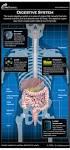 The digestive system Medicine and technology Normal structure and function Diagnostic methods Example diseases and therapies The digestive system An overview (1) Oesophagus Liver (hepar) Biliary system
University College Hospital. Laparoscopic Fundoplication. Gastrointestinal Services Division
 University College Hospital Laparoscopic Fundoplication Gastrointestinal Services Division 2 3 If you need a large print, audio or translated copy of the document, please contact us on 020 3447 9202. We
By Anne C. Travis, M.D., M.Sc. and John R. Saltzman, M.D., FACG Brigham and Women's Hospital Harvard Medical School Boston, MA
 SMALL BOWEL BLEEDING: CAUSES, DIAGNOSIS AND TREATMENT By Anne C. Travis, M.D., M.Sc. and John R. Saltzman, M.D., FACG Brigham and Women's Hospital Harvard Medical School Boston, MA 1. What is the small
PATIENT CONSENT TO PROCEDURE - ROUX-EN-Y GASTRIC BYPASS
 As a patient you must be adequately informed about your condition and the recommended surgical procedure. Please read this document carefully and ask about anything you do not understand. Please initial
Mesothelioma. 1995-2013, The Patient Education Institute, Inc. www.x-plain.com ocft0101 Last reviewed: 03/21/2013 1
 Mesothelioma Introduction Mesothelioma is a type of cancer. It starts in the tissue that lines your lungs, stomach, heart, and other organs. This tissue is called mesothelium. Most people who get this
Chapter 6 Gastrointestinal Impairment
 Chapter 6 Gastrointestinal This chapter consists of 2 parts: Part 6.1 Diseases of the digestive system Part 6.2 Abdominal wall hernias and obesity PART 6.1: DISEASES OF THE DIGESTIVE SYSTEM Diseases of
Digestive System (continued) Digestive System. Stomach. Peptic Ulcer Disease
 Digestive System Digestive System (continued) Responsible for breaking down food, absorbing nutrients, eliminating wastes Alimentary canal Also known as gastrointestinal tract Reaches from mouth to anus
Eating, pooping, and peeing THE DIGESTIVE SYSTEM
 THE DIGESTIVE SYSTEM Ingested food is not technically in the body until it is absorbed so it needs to be: Mechanically and chemically reduced Transported by the blood to the cells Large portions are not
understanding GI bleeding
 understanding GI bleeding a consumer education brochure American College of Gastroenterology 4900B South 31st Street, Arlington, VA 22206 703-820-7400 www.acg.gi.org American College of Gastroenterology
National Digestive Diseases Information Clearinghouse
 Gastritis National Digestive Diseases Information Clearinghouse U.S. Department of Health and Human Services NATIONAL INSTITUTES OF HEALTH What is gastritis? Gastritis is a condition in which the stomach
Thymus Cancer. This reference summary will help you better understand what thymus cancer is and what treatment options are available.
 Thymus Cancer Introduction Thymus cancer is a rare cancer. It starts in the small organ that lies in the upper chest under the breastbone. The thymus makes white blood cells that protect the body against
The Digestive System. Chapter 14. The Digestive System and Body Metabolism. Metabolism. Organs of the Digestive System. Digestion.
 Chapter 14 The Digestive System The Digestive System and Body Metabolism Digestion of ingested food of nutrients into the blood Metabolism Production of Constructive and degradative cellular activities
Lab 18 The Digestive System
 Lab 18 The Digestive System Laboratory Objectives Identify on a diagram, model or cadaver the parts of the digestive system and accessory organs. Describe the general histology of the digestive system.
Overview of Bariatric Surgery
 Overview of Bariatric Surgery To better understand how weight loss surgery works, it is helpful to know how the normal digestive process works. As food moves along the digestive tract, special digestive
Contraindications: Malign or benign strictures in the upper part of esophagus close to the cricopharyngeal muscle.
 Manufactured by: ELLA CS, s.r.o. Milady Horákové 504 500 06 Hradec Králové 6 Czech Republic Phone: +420 49 527 91 11 Fax: +420 49 526 56 55 E-mail: [email protected] Instructions for Use FerX-ELLA Esophageal
Esophageal Cancer. Understanding your diagnosis
 Esophageal Cancer Understanding your diagnosis Esophageal Cancer Understanding your diagnosis When you first hear that you have cancer, you may feel alone and afraid. You may be overwhelmed by the large
Medical Physiology Z.H.Al-Zubaydi
 Lec.13 Medical Physiology Z.H.Al-Zubaydi Functions of the Digestive System The major functions of the digestive tract include the following six processes, summarized in Figure 1: 1. Ingestion Food must
Gastrointestinal problems in children with Down's syndrome
 Gastrointestinal problems in children with Down's syndrome by Dr Liz Marder This article was written for parents for the Down s Syndrome Association newsletter and is reproduced here with the permission
Esophageal Cancer Treatment
 Scan for mobile link. Esophageal Cancer Treatment What is Esophageal Cancer? Esophageal cancer occurs when cancer cells develop in the esophagus, a long, tube-like structure that connects the throat and
11/10/2014. I have nothing to Disclose. Covered Stents discussed are NOT FDA approved for the indications covered in my presentation
 I have nothing to Disclose Ramsey Dallal, MD, FACS Vice Chair Department of Surgery Chief Bariatric i and Minimally i Invasive Surgery Einstein Healthcare Network Nemacolin, PA 2014 Covered Stents discussed
Esophagus Cancer. What is cancer?
 What is cancer? Esophagus Cancer The body is made up of trillions of living cells. Normal body cells grow, divide to make new cells, and die in an orderly way. During the early years of a person s life,
Orthopaedic Spine Center. Anterior Cervical Discectomy and Fusion (ACDF) Normal Discs
 Orthopaedic Spine Center Graham Calvert MD James Woodall MD PhD Anterior Cervical Discectomy and Fusion (ACDF) Normal Discs The cervical spine consists of the bony vertebrae, discs, nerves and other structures.
The Digestive System. Chapter 16. Introduction. Histological Organization. Overview of Digestive System. Movement and Mixing of Digestive Materials
 The Digestive System Chapter 16 Introduction Structure of the digestive system A tube that extends from mouth to anus Accessory organs are attached Functions include Ingestion Movement Digestion Absorption
Fecal Incontinence. What is fecal incontinence?
 Scan for mobile link. Fecal Incontinence Fecal incontinence is the inability to control the passage of waste material from the body. It may be associated with constipation or diarrhea and typically occurs
Sleeve Gastrectomy Surgery & Follow Up Care
 Sleeve Gastrectomy Surgery & Follow Up Care Sleeve Gastrectomy Restrictive surgical weight loss procedure Able to eat a smaller amount of food to feel satiety, less than 6 ounces at a meal Surgery The
Cough, as a leading symptom, would certainly be in the top 10 of reasons for seeing a GP.
 COUGH Cough, as a leading symptom, would certainly be in the top 10 of reasons for seeing a GP. A cough in a child seems to cause more concern, even when it has not been present very long, whereas in adults
Gary M. Annuniziata, D.O., F.A.C.P. Anh T. Duong, M.D. Jonathan C. Lin, M.D., MPH. Preparation for EGD, ERCP, Peg Placement.
 Gary M. Annuniziata, D.O., F.A.C.P. Anh T. Duong, M.D. Jonathan C. Lin, M.D., MPH Phone- (760) 321-2500 Fax- (760) 321-5720 Preparation for EGD, ERCP, Peg Placement Patient Name- Procedure Date and Time-
Acute Low Back Pain. North American Spine Society Public Education Series
 Acute Low Back Pain North American Spine Society Public Education Series What Is Acute Low Back Pain? Acute low back pain (LBP) is defined as low back pain present for up to six weeks. It may be experienced
FUNCTIONAL BOWEL DISORDERS
 FUNCTIONAL BOWEL DISORDERS Contributed by the International Foundation for Functional Gastrointestinal Disorders (IFFGD) and edited by the Patient Care Committee of the ACG. INTRODUCTION Doctors use the
Digestive System Digestive Tract
 Digestive System Digestive Tract Dept. of Histology and Embryology 周 莉 教 授 Introduction of digestive system * a long tube extending from the mouth to the anus, and associated with glands. * its main function:
Undergoing an Oesophageal Endoscopic Resection (ER)
 Contact Information If you have an enquiry about your appointment time/date please contact the Booking Office on 0300 422 6350. For medication enquiries please call 0300 422 8232, this is an answer machine
REASONS TO NOT IGNORE GERD GASTRO ESOPHAGEAL REFLUX DISEASE CLIFF THOMAS, MD
 10 REASONS TO NOT IGNORE GERD GASTRO ESOPHAGEAL REFLUX DISEASE CLIFF THOMAS, MD 2012, Cliff Thomas, MD All Rights Reserved First Edition No part of this publication may be reproduced, stored in a retrieval
A Patient s Guide to Diffuse Idiopathic Skeletal Hyperostosis (DISH)
 A Patient s Guide to Diffuse Idiopathic Skeletal Hyperostosis (DISH) Introduction Diffuse Idiopathic Skeletal Hyperostosis (DISH) is a phenomenon that more commonly affects older males. It is associated
Thyroid Eye Disease. Anatomy: There are 6 muscles that move your eye.
 Thyroid Eye Disease Your doctor thinks you have thyroid orbitopathy. This is an autoimmune condition where your body's immune system is producing factors that stimulate enlargement of the muscles that
Guidelines for the Diagnosis and Management of Gastroesophageal Reflux Disease
 308 PRACTICE GUIDELINES nature publishing group see related editorial on page x CME Guidelines for the Diagnosis and Management of Gastroesophageal Reflux Disease Philip O. Katz, MD 1, Lauren B. Gerson,
Upper Endoscopy (EGD)
 Upper Endoscopy (EGD) Appointment Information: Patient Name: MRN: Physician Name: Location: _ For information on Directions, please visit: http://www.brighamandwomens.org/general/directions/directions.aspx
Herniated Cervical Disc
 Herniated Cervical Disc North American Spine Society Public Education Series What Is a Herniated Disc? The backbone, or spine, is composed of a series of connected bones called vertebrae. The vertebrae
Spinal Cord and Bladder Management Male: Intermittent Catheter
 Spinal Cord and Bladder Management Male: Intermittent Catheter The 5 parts of the urinary system work together to get rid of waste and make urine. Urine is made in your kidneys and travels down 2 thin
Patient information: Achalasia (Beyond the Basics)
 Official reprint from UpToDate www.uptodate.com 2012 UpToDate Patient information: Achalasia (Beyond the Basics) Author Stuart J Spechler, MD Section Editor J Thomas LaMont, MD Deputy Editor Shilpa Grover,
Digestive System AKA. GI System. Overview. GI Process Process Includes. G-I Tract Alimentary Canal
 Digestive System AKA G-I Tract Alimentary Canal Overview GI System Consists of Mouth, pharynx, esophagus, stomach, small intestine, large intestine, anus About 30 in length Accessory Organs Teeth, tongue,
Section 2. Overview of Obesity, Weight Loss, and Bariatric Surgery
 Section 2 Overview of Obesity, Weight Loss, and Bariatric Surgery What is Weight Loss? How does surgery help with weight loss? Short term versus long term weight loss? Conditions Improved with Weight Loss
X-Plain Inguinal Hernia Repair Reference Summary
 X-Plain Inguinal Hernia Repair Reference Summary Introduction Hernias are common conditions that affect men and women of all ages. Your doctor may recommend a hernia operation. The decision whether or
Learning Objectives. Introduction to Medical Careers. Vocabulary: Chapter 16 FACTS. Functions. Organs. Digestive System Chapter 16
 Learning Objectives Introduction to Medical Careers Digestive System Chapter 16 Define at least 10 terms relating to the digestive Describe the four functions of the digestive Identify different structures
Motility Disorders that are Commonly Mistaken for Reflux by Susan Agrawal
 www.complexchild.com Motility Disorders that are Commonly Mistaken for Reflux by Susan Agrawal A surprisingly large number of children with motility disorders experience the same progression of events
Functions of the GI Tract. Chapter 18. Functions of the GI Tract (continued)
 Functions of the GI Tract Chapter 18 The Digestive System Motility: Movement of of food through the GI tract. Ingestion: Taking food into the mouth. Mastication: Chewing the food and mixing it with saliva.
Acute Abdominal Pain following Bariatric Surgery. Disclosure. Objectives 8/17/2015. I have nothing to disclose
 Acute Abdominal Pain following Bariatric Surgery Kathy J. Morris, DNP, APRN, FNP C, FAANP University of Nebraska Medical Center College of Nursing Disclosure I have nothing to disclose Objectives Pathophysiology
The University of Hong Kong Department of Surgery Division of Esophageal and Upper Gastrointestinal Surgery
 Program Overview The University of Hong Kong Department of Surgery Division of Esophageal and Upper Gastrointestinal Surgery Weight Control and Metabolic Surgery Program The Weight Control and Metabolic
Divisions of Digestive System. Organs of the Alimentary Canal. Anatomy of the Digestive System: Organs of the Alimentary Canal. CHAPTER 14 p.
 Divisions of Digestive System Anatomy of the Digestive System: Organs of the Alimentary Canal CHAPTER 14 p. 412-423 1. Alimentary Canal or Gastrointestinal Tract (GI)-digests and absorbs food coiled hollow
Laparoscopic Colectomy. What do I need to know about my laparoscopic colorectal surgery?
 Laparoscopic Colectomy What do I need to know about my laparoscopic colorectal surgery? Traditionally, colon & rectal surgery requires a large, abdominal and/or pelvic incision, which often requires a
Disease/Illness GUIDE TO ASBESTOS LUNG CANCER. What Is Asbestos Lung Cancer? www.simpsonmillar.co.uk Telephone 0844 858 3200
 GUIDE TO ASBESTOS LUNG CANCER What Is Asbestos Lung Cancer? Like tobacco smoking, exposure to asbestos can result in the development of lung cancer. Similarly, the risk of developing asbestos induced lung
5. Secretion: release of water, acids. Enzymes, buffers by digestive tract.
 Digestive System CH-16 Lecture topics Functions of the digestive system: p. 488. 1. Ingestion: Taking food in 2. Propulsion: movement of food thru alimentary canal p.490. voluntary: swalloing : skeletal
Surgery for oesophageal cancer
 Surgery for oesophageal cancer This information is an extract from the booklet Understanding oesophageal cancer (cancer of the gullet). You may find the full booklet helpful. We can send you a free copy
General Information About Non-Small Cell Lung Cancer
 General Information About Non-Small Cell Lung Cancer Non-small cell lung cancer is a disease in which malignant (cancer) cells form in the tissues of the lung. The lungs are a pair of cone-shaped breathing
Long Term Use of Antacid Medications Can Cause an Increased Risk for Osteoporosis and Much More
 Long Term Use of Antacid Medications Can Cause an Increased Risk for Osteoporosis and Much More By: Jeremie Pederson D.C., C.S.C.S. Many people are concerned about the FDA news release dated May 25, 2010
Digestive System Functions
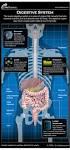 Digestive System Functions A. Gastrointestinal Processes 1. Ingestion: placing food in mouth (voluntary) 2. Propulsion: moving food through GI tract a. Peristalsis: alternating waves of contraction and
Abdominal Wall Pain. What is Abdominal Wall Pain?
 Abdominal Wall Pain What is Abdominal Wall Pain? Abdominal Wall Pain is a syndrome (an experience) of abdominal pain that can occur at any time of life and is not unique to children. It is diagnosed by
You have been advised by your GP or hospital doctor to have an investigation known as a Gastroscopy.
 Gastroscopy (OGD) The Procedure Explained You have been advised by your GP or hospital doctor to have an investigation known as a Gastroscopy. This procedure requires your formal consent. If you are unable
Informed Consent for Laparoscopic Vertical Sleeve Gastrectomy. Patient Name
 Informed Consent for Laparoscopic Vertical Sleeve Gastrectomy Patient Name Please read this form carefully and ask about anything you may not understand. I consent to have a laparoscopic Vertical Sleeve
Learning about Mouth Cancer
 Learning about Mouth Cancer Creation of this material was made possible in part by a pioneering grant from CBCC-USA. Distributed by India Cancer Initiative What is mouth cancer? Our bodies are made up
Patient's Guide to Thoracic Cancer
 Patient's Guide to Thoracic Cancer The Thoracic Oncology Program consists of an experienced team of nationally recognized cancer specialists experienced in the treatment of: Lung Cancer Tracheal Cancer
Urinary Tract Infections
 1 Infections in the urinary tract are relatively common. These infections are often referred to as bladder infections. They are also known as UTI s or urinary tract infections. When an infection is confined
Radiation Therapy for Prostate Cancer
 Radiation Therapy for Prostate Cancer Introduction Cancer of the prostate is the most common form of cancer that affects men. About 240,000 American men are diagnosed with prostate cancer every year. Your
Incontinence. What is incontinence?
 Incontinence What is incontinence? Broadly speaking, the medical term incontinence refers to any involuntary release of bodily fluids, but many people associate it strongly with the inability to control
Weight Loss before Hernia Repair Surgery
 Weight Loss before Hernia Repair Surgery What is an abdominal wall hernia? The abdomen (commonly called the belly) holds many of your internal organs. In the front, the abdomen is protected by a tough