
C H A P T E R 1 6. Roodabeh Samimi, DPM Donald R. Green, DPM D. Scot Malay, DPM INTRODUCTION METHODS
|
|
|
- Sharlene Bethanie Stafford
- 9 years ago
- Views:
Transcription
1 C H A P T E R 1 6 EVALUATION OF FIRST METATARSOPHALANGEAL RANGE OF MOTION PRE AND POST BUNION SURGERY: A Clinical and Radiographic Correlation with Stress Lateral Dorsiflexion Views; A Retrospective Approach. Roodabeh Samimi, DPM Donald R. Green, DPM D. Scot Malay, DPM INTRODUCTION Very few studies have evaluated first metatarsophalangeal joint (MTPJ) range of motion (ROM) specifically both pre and postoperatively for bunion surgery. First MTPJ motion is necessary for function and cartilaginous preservation, 1 but dorsal mobility decreases with age. 2 Bryant et al 3 reviewed radiographic measurements following Austin bunionectomy but, no study has used a lateral stress radiographic view for first MTPJ dorsiflexion for clinical comparison. Multiple studies have compared pre and post range of motion (ROM) specifically for hallux rigidus 1 or hallux limitus procedures, i.e. osteotomy or bioabsorbable fixation. 4 Furthermore, no previous study has examined first MTPJ ROM in relation to the type of bunion procedure performed, be it a Keller, Austin, closing base wedge osteotomy (CBWO), or a Waterman-Green. In a study by Ahn et al, 5 the contact surface area of the first MTPJ was greatest in the neutral position and progressively decreased with dorsiflexion. They mention that progressive degenerative arthritis is occasionally found after hallux valgus surgery, and assessing the extent of joint function is worth investigating. 5 According to Banks et al, 6 success in bunion surgery is based on establishing a congruous first MTPJ, reduction of the IMA to normal, realigning the sesamoid beneath the metatarsal head, restoring weight bearing function of the first ray, maintaining first MTPJ ROM, repositioning the hallux in rectus, and control or correction of underlying deforming factors, which we will revisit. In this study, we will show that bunion surgery decreases first MTPJ ROM postoperatively within 1 year. Therefore, our null hypothesis is that first MTPJ ROM is not affected by bunion surgery or does not change postoperatively. Furthermore, based on other data we have collected, including first ray position, we can see how other specific factors play a role pre and post bunion surgery. We are also going to correlate radiographic stress lateral dorsiflexion views to clinical measurements of first MTPJ ROM pre and at least once postoperatively, in some cases taken at 6 weeks, 3 months, 6 months and 1 year. METHODS A total of 63 patients who underwent bunion surgery by one of the authors (DRG) at the San Diego Podiatry Group with preoperative stress lateral views (Figure 1) were included in the study. Excluded patients were those who had first MTPJ non-osteoarthritic conditions, dysplasias or infection involving the first MTPJ or first metatarsal bone, ulceration of the foot or ankle, significant trauma causing fracture to the first metatarsal bone or first MTPJ (preoperatively), or patients with non-ambulatory status. This study is IRB approved (4967). Demographic data was obtained from chart review, incuding age, height, weight, body mass index, past medical history, past surgical history, and social history. Preoperative and postoperative clinical first MTPJ dorsiflexion measurements, orthotics, physical therapy Figure 1. Stress lateral dorsiflexion view.

2 98 CHAPTER 16 Figure 2. Intraoperative first MTPJ range of motion measurement with goniometer. Figure 3. Nonweight bearing first MTPJ range of motion measurement with goniometer. Figure 4. First ray measurement using Whitney device. use, and complications documented in the chart were also noted. Operative data was obtained from operative reports (dictated by a resident) and/or postoperative notes (completed by the surgeon), including first assist, diagnosis, procedure, adjunct procedures, fixation, anesthesia, preoperative antibiotics, postoperative toradol, postoperative marcaine, complications, postoperative pain medication, surgery center, first interspace dissection, postoperative shoe and weight bearing status. Intraoperative first MTPJ dorsiflexion measurements if available, were noted (Figure 2). The surgeon uses a betadine cast for post-operative dressing, and a Corex first ray cut-out in his CAM walkers. Postoperatively, patients were given interdigital spacers, Tubigrip and began range of motion exercises by 2 weeks. Patients who had a closing-base wedge osteotomy were nonweight bearing only in a CAM walker and were allowed to ambulate at 6 weeks only if osseous union was noted on radiographs. Clinical data was obtained with 1 postoperative visit in 28 patients (34 feet), who returned for followup, conducted by the co-investigator and not the surgeon in most instances, and consents to participate in the study were obtained. Nonweight bearing (NWB) data included: first MTPJ (ROM): resting, (unassisted) DF and PF (in subtalar joint neutral) with a goniometer (Figure 3) as described by Buell, 2 quality of first MTPJ ROM: crepitus, soft tissue or osseous impingement, first ray position: assessed by first placing the subtalar joint in neutral and assessing DF and PF of the first metatarsal head relative to the lesser metatarsal heads with a Whitney biomechanical device (Figure 4), first metatarsocuneiform prominence, any toe deformities (varus/hammertoe), callus location (submetatarsal head, hallux), position of the second toe: no contact, abutting, underlying or overriding the first, and Lachman s test: dorsal translocation of second proximal phalanx by 2 mm or more relative to the second metatarsal head. 7 Weight bearing data collected included: first MTPJ DF in RCSP and NCSP, measuring to the ground with a goniometer, hallux purchase power (easy, resistant or not moveable ability to pull paper out from beneath patient actively plantarflexing hallux). Also, whether the patient presented with orthotics in their shoes was noted. (Worksheet 1). Radiographic study was done preoperatively as well as at least once postoperatively, on all dates where lateral stress dorsiflexion views were taken, by the same investigator using the same goniometer for measurements. Views evaluated include: dorsoplantar (DP), medial oblique (MO), lateral (lat) foot views and lateral stress DF (at the first MTPJ) view (Figures 5-7), taken in the standard fashion by two office staff personnel but using the same machine. The DP view was assessed for: first metatarsal length and width, shape of first metatarsal head

3 CHAPTER Worksheet 1 Physical Exam Date of Examination: Date of Surgery: #: Surgeon: Examiner: Extremity: Right Left NWB Exam 1st MTPJ ROM in STJN: Resting position DF PF o DF / PF o o 1st Ray Motion in STJN: Resting position mm DF / PF Use Whitney device DF mm crepitus PF mm crepitus 1st MTPJ motion: Painful DF / PF / mid / end-range Crepitus DF / PF / mid / end-range Soft tissue / osseous impingement DF / PF / mid / end-range Presence of: 1st Met-cuneiform prominence 4th toe adducted / varus mild / moderate / severe 5th toe adducted / varus mild / moderate / severe Bunionette mild / moderate / severe Hammertoes Submet head callus Medial pinch callus hallux Sub-IPJ callus hallux 2nd toe position relative to hallux: Weightbearing No contact Abutting Underlying 1st Overlying 1st Positive Lachman s test (Proximal phalanx 2mm dorsal translocation relative to 2nd metatarsal head at 2nd MTPJ) WB Exam 1st MTPJ ROM: RCSP o DF NCSP o DF Hallux purchase: Easy Resistant Not Moveable Paper can be pulled out from beneath patient s hallux without resistance (easy), with resistance, or not. o Patient presents to clinic with orthotics inside shoes.

4 100 CHAPTER 16 Figure 5A & 5B. Dorsal plantar and lateral radiographic assessment. Figure 6. Medial oblique view: Dorsiflexion of toes. Figure 7. Stress lateral dorsiflexion radiograph. and base (round, oblique or square), first and second MTPJ congruity (congruous, deviated or subluxed), signs of first MTPJ degeneration (subchondral cysts, erosions, sclerosis, joint space narrowing), metatarsus primus adductus (MPA), hallux abductus angle (HAA), metatarsal protrusion distance (bisection of the second metatarsal with lines perpendicular to the first and second at the most distal aspect of each metatarsal, measuring the distance between; positive means the first is longer, negative the second longer), hallux interphalangeus angle (HIA), tibial sesamoid position (TSP), tibial sesamoid-second metatarsal distance, second toe position (abducted, adducted or rectus), metatarsus adductus (MAA), calculation of true IMA (IMA + MAA 15), Engle s angle (second metcuneiform), forefoot adductus (FAA), first metatarsal-calcaneal angle, talocalcaneal angle (TCA), talonavicular coverage angle, 8 and cuboid abduction angle (CAA), as described by Sangeorzan, DiGiovanni, Banks, and Christman. 6,8-10 The medial oblique view was used to evaluate for dorsiflexion of the toes. Similarly, the lateral view was assessed for: metatarsus primus elevatus (MPE), first metatarsal declination angle, talo-first metatarsal angle or Meary s angle, Seiberg Index (quantitatively measures first metatarsal position relative to the second; positive value indicates elevation), 11,12 calcaneal inclination angle (CIA), Kirby s sign, and dorsal first MTPJ lipping/spurring. The plantar reference line from which the first metatarsal declination and CIA were measured included the most inferior aspect of the calcaneal tubercle to the CCJ as described by DiGiovanni and Smith. 9 Then the weight bearing stress lateral DF view was used to measure first MTPJ DF. Questionnaires were returned by 36 patients, for chief concern preoperative (bump, joint, motion, nerve pain), duration of preoperative bunion pain, previous treatment, work type, exercise, reason for surgery (appearance, pain, shoegear difficulty), current pain (marked on a line), preoperative limitation (none, slight, moderate, severe), satisfaction with bunion surgery, lifestyle, activity, postoperative course, and complications (Worksheet 2). ANALYSIS AND RESULTS The Lost to follow-up (LTFU) results are as follows: n = 77 feet in 63 patients at baseline; n = 66 feet in 54 patients (14.46% LTFU) at 6 weeks postoperative; n = 69 feet in 56 patients (11.8% LTFU) at 1 year postoperative; and n = 55 feet in 42 patients (33.61% LTFU) at 2 years postoperative.

5 CHAPTER Worksheet 2 PATIENT QUESIONNAIRE Main concern before having foot surgery: Bump pain Joint pain Limited motion Nerve pain Other: Duration of Bunion pain before surgery: (months) (years) Previous treatment: Orthotics other: Work: Exercise: Sedentary No Exercise Desk Work Occasional Exercise Standing Job Regular Exercise Heavy Duty In order of importance, using a scale of 1-5 (1 = not important, 5 = very important), please designate the reason why you decided to have surgery. Appearance Pain Inability to wear all shoe types Mark on the following line your current level of pain: No pain Worst pain possible Before your bunion surgery how did your foot pain limit your daily activities? I had no pain with normal activities. I had slight or occasional pain, no compromise in activities. I had moderate pain, slight effect on activities. I had pain with serious limitation of activities. I had severe pain with total limitation of activities. Please circle a number on a scale of 1 to 10, with 10 being very UNsatisfied: 1. How satisfied are you with your bunion surgery? Would you make the same decision again, knowing your outcome after surgery turned out as it did? Yes No 3. If you would not have made the same decision again, what would you do have done differently? Please circle a number on a scale of 1 to 10, with 10 being the worse pain imaginable: 4. How much was your pain level before bunion surgery? Please circle a number on a scale of 1 to 10, with 10 being NOT improved at all: 5. How improved is your lifestyle after bunion surgery? Do you feel you are able to do more or less activities now, compared to before surgery? More Less 7. Please indicate if you have ever had a bunion on L / R foot: Right Left 8. If you had bunions on both feet, which foot was worse? Right Left 9. Please indicate on which foot/feet you had bunion surgery: Right Left 10. If you have a bunion on the other foot and have not had surgery on it, would you consider having the same procedure done to your other foot? Yes No 11. Did you do exercises of your big toe joint after surgery? Yes No 12. Did you put weight on your foot immediately after surgery? Yes No 13. Are you currently wearing orthotics? Yes No 14. If you are wearing orthotics, do you have any padding/modifications on your orthotics (if you look on top or underneath it)? Yes No 15. Did you have any complications (unexpected results) from surgery? Yes No 16. If you did have unexpected results from your surgery, what were they? Did you have any falls or traumatic injuries after your surgery that significantly increased your pain level more than a few days? Yes No

6 102 CHAPTER 16 Table 1 shows only the statistically significant results of paired nonparametric null hypothesis tests, comparing median averages for a number of variables at baseline and at specific points in the postoperative period. The level of statistical significance was set at P Since the null hypothesis states there is no difference between the measurements at the different time periods, P < 0.05 showed a statistically significant difference likely due to bunion surgery. The results from Table 1 show significant improvement in first MTPJ congruity, significant reduction in the first IMA (5 o ), HAA (7 o ), TSP (2 positions) and lateral stress dorsiflexion (15 o ) on average at 6 weeks postoperative. The 6 o significant increase in forefoot adduction angle could be as a result of guarding or supinating the foot during the x-ray at 6 weeks postoperative. Shortening of the first metatarsal as expected, was indicated by 2 mm decrease in first metatarsal length and 2.5 mm decrease in first metatarsal protrusion distance at 6 weeks postoperative and similarly at 1 year postoperative (3 mm reduction for both values). Of note, in some variables the statistical significance is not meaningful (not clinically important), such as in the cuboid Table 1 COMPARISON OF PREOPERATIVE TO POSTOPERATIVE MEASUREMENT AT 6 WEEKS, 1 AND 2 YEARS POSTOPERATIVE (N = 77 feet in 63 patients at baseline, median overall follow-up = 22.5 [range 9 to 52] months). VARIABLE PREOPERATIVE POSTOPERATIVE P-VALUE* First Metatarsal Length 65 (57, 74) 63 (55, 70) Congruity of First MTPJ Deviated Congruous First Intermetatarsal Angle ( o ) 13 (4, 21) 8 (-3, 14) 6 wks; Hallux Abductus Angle ( o ) 22 (2, 52) 14 (-10, 30) N=66ft First Met Protrusion (mm) -2 (-9, 6) -4.5 (-10, 5) in 54pt Tibial Sesamoid Position 4 (0, 7) 2 (0, 6) (14.46% Tibial Ses 2nd Met (mm) 31 (4, 40) 31 (24, 40) LFTU ) Forefoot Adductus Angle ( o ) 8 (-4, 23) 14 (-4, 24) Cuboid Abductus Angle ( o ) 10 (0, 34) 10 (0, 27) Calc Inclination Angle ( o ) 22 (12, 42) 22.5 (14, 32) Lateral Stress DF Angle ( o ) 66 (20, 98) 50 (20, 66) First Met Length (mm) 65 (57, 74) 62 (53, 69) < Congruity of 1st MTPJ Deviated Deviated 1 Yr; First Intermetatarsal Angle ( o ) 13 (4, 21) 10 (4, 20) N=69ft Hallux Abductus Angle ( o ) 22 (2, 52) 14 (0, 30) in 56pt < First Met Protrusion (mm) -2 (-9, 6) -5 (-12, 2) (11.8% Tibial Sesamoid Position 4 (0, 7) 3 (0, 6) LFTU ) < True Intermetatarsal Angle ( o ) 14 (5, 28) 13 (5, 23) st Met-Calcaneal Angle ( o ) 20 (7, 38) 19 (0, 39) Dorsal 1st MTPJ Osteophytosis None None First Metatarsal Length (mm) 65 (57, 74) 61 (52, 72) st Met Midshaft Width (mm) 12 (10, 44) 13 (10, 15) Yr; Shape of First Metatarsal Head Oblique Square N=55ft First Intermetatarsal Angle ( o ) 13 (4, 21) 10 (0, 15) in 42pt Hallux Abductus Angle ( o ) 22 (2, 52) 8 (-22, 28) (33.61% First Met Protrusion (mm) -2 (-9, 6) -5 (-12, 5) LFTU ) Tibial Sesamoid Position 4 (0, 7) 3 (0, 6) True Intermetatarsal Angle ( o ) 14 (5, 28) 11 (0, 18) Dorsal 1st MTPJ Osteophytosis None None *Wilcoxon signed ranks paired-sample test ^MTPJ = metatarsophalangeal joint LTFU = lost to follow up

7 CHAPTER abduction and calcaneal inclination angles. At 1 year postoperative, there remains a reduction of the first IMA (3 o ), HAA (7 o ) and TSP (1 position). And at 2 years, the hallux valgus deformity correction is also maintained with again reductions in the first IMA (3 o ), HAA (14 o, skewed due to hallux varus case), and TSP (1 position), as well as true IMA (3 o ). However the lateral stress DF is not significantly reduced (2 o ) on average for both 1 and 2 years postoperative. Significant change of satisfaction postoperatively in relation to independent variables are shown in Table 2, using count and percentage for categorical data, and median/range for continuous numeric variables. Table 2 shows that use of a blood thinner as a listed medication and having a psych disorder (anxiety, depression or ever seeking help for psychiatric issues) were associated with increased patient satisfaction postoperatively, and the median preoperative HAA was statistically significantly greater in the group of patients that failed to be satisfied after the intervention. For purposes of clinically meaningful data, the blood thinner (being that no one had DVT/PE) and psych disorder may be confounded, as shown by further regression analysis. Patients with high HAA preoperative had greater deformity, perhaps implying higher expectation with decreased satisfaction. Of note, no statistical significance between satisfied and not satisfied patients was found with the median lateral stress DF value, as with all other variables recorded (age, gender, BMI, obesity, previous foot surgery, number of meds, birth control pill use, tobacco/caffeine/alcohol use, other components of past medical history, year of surgery, surgical procedure, intraoperative variables, and all other radiographic variables). We used nonparametric null hypothesis tests, the Wilcoxon rank-sum test for binary variables with only 2 possible endpoints (i.e. yes/no in regard to a characteristic), or the Kruskall-Wallis test for variables with more that 2 possible endpoints (i.e. neutral, abducted or adducted second toe). Table 3 shows only those independent variables that statistically significantly influenced the outcome a satisfied patient following the operation. Logistic regression model analysis was performed for every independent variable to show this. Odds ratio (OR) > 1 indicates the independent variable increased the likelihood of the outcome, and OR ratio < 1 decreases the likelihood of the outcome. If the 95% confidence interval (95% CI) does not cross 1 (a ratio = 1), then the association is statistically significant. According to Table 3, the following independent variables statistically significantly increased the likelihood of subjective satisfaction postoperative: regular exercise, anxiety/depression, weight-bearing job, preoperative limited motion, TSP <3 at 1 year postoperative, and increased AP view TCA 1 year postoperative. Our interpretation is as follows: patients who regularly exercise (versus occasional or never) and have a weight-bearing job (versus desk or sedentary) may be more motivated for exercising the joint postoperative or had worse preoperative symptoms due to their increased level of activity. Patients with anxiety/depression requiring seeking help at some point in their lifetime may again be a confounding factor to increased satisfaction, or may be related to decreased level of expectations preoperative. Those who had a preoperative complaint of limited motion/stiffness were more satisfied postoperative due to improved motion. TSP <3 at 1 year postoperative, indicative of maintained correction of deformity is logical to increased satisfaction postoperative. Also, patients with increased AP view TCA 1 year postoperative or increased rearfoot pronation, may have had greater preoperative deformity, resulting in greater satisfaction from improvement. Also in Table 3, the following independent variables Table 2 PREVALENCE (PROPORTION [%] FOR CATEGORICAL VARIABLES, OR MEDIAN AND RANGE FOR CONTINUOUS NUMERIC VARIABLES) OF BASELINE AND INTRA-OPERATIVE RISK FACTORS BY SATISFACTION* with the results of the operation (N = 77 feet in 63 patients, median overall follow-up = 22.5 [range 9 to 52] months) VARIABLE SATISFIED NOT SATISFIED P-VALUE^ Blood Thinner 4 (22.22%) 2 (4.55%) Psych disorder 8 (44.44%) 8 (18.18%) HAA ( o ) 18.5 (2, 33) 22 (6, 52) * Satisfied defined as the patient being subjectively satisfied with results of operation. ^The Wilcoxon rank-sum (Mann Whitney U) 2-sample test was used to test the equality of unmatched pairs, and the Kruskal-Wallis equality-of-population rank test was used to test the hypothesis that several (>2) samples were from the same population.

8 104 CHAPTER 16 Table 3 UNIVARIATE LOGISTIC REGRESSION (generalized estimation equation), dependent variable = patient subjectively satisfied with the results of the surgery (N = 77 feet in 63 patients, median overall follow-up = 22.5 [range 9 to 52] months) VARIABLE ODDS RATIO 95% CONFIDENCE INTERVAL Chief Complaint Including Stiff Joint , Weight Bearing (>4h continuous) Job , Psychological Disorder , Regular Exercise (vs never/occ) , o Increase Preop HAA , o Increase Preop Engle s Angle , o Increase 3-Month Postop HAA , o Increase 1-Yr Postop HAA , o Increase 1-Yr Postop SI , o Increase 1-Yr Postop AP TCA , o Increase 1-Yr Postop TSP < , Table 4 MULTIPLE VARIABLE LOGISTIC REGRESSION (generalized estimation equation), dependent variable = patient subjectively satisfied with the results of the surgery (N = 77 feet in 63 patients, median overall follow-up = 22.5 [range 9 to 52] months)* VARIABLE ODDS RATIO 95% CONFIDENCE INTERVAL Age Yr , Age Yr , Age > 60 Yr , Male Sex , CC Including Stiff Joint , WB (>4h continuous) Job , Psychological Disorder , Regular Exercise , o Increase Preop HAA , o Increase Preop Engle s , o Increase 3-Mo P.O. HAA , o Increase 1-Yr P.O. HAA , o Increase 1-Yr P.O. SI , o Increase 1-Yr P.O. AP TCA , o Increase 1-Yr P.O. TSP < , *Multiple variable inclusion criteria of univariate logistic regression P 0.01 or variable considered clinically important. statistically significantly decreased the likelihood of subjective satisfaction postoperative: increased preoperative HAA, increased preoperative Engle s angle, increased HAA 3 months and 1 year postoperative, and increased Seiberg s Index 1 year postoperative. Increased preoperative HAA and Engle s angle with the more dissatisfied patients postoperative may be due to higher expectations in the patients with greater deformity. Increased postoperative HAA indicative of recurrence of deformity (versus undercorrection), is logically associated with decreased patient satisfaction. Increased Seigberg s Index 1 year postoperative may result in a less satisfaction from limited first MTPJ motion. Since patients are actually influenced by many independent variables, the multiple variable regression model (Table 4) is considered clinically more important

9 CHAPTER than the univariate analyses (Table 3). The independent variables in Table 4, were isolated from a logistic regression model that included all variables (fully adjusted) statistically significant in the univariate analyses at the 10% level (P 0.1), as well as age category and gender (deemed clinically important by statistician), and proved to be statistically significant (multiple variables statistically significantly increased the odds (likelihood) of patient subjective satisfaction postoperative). These variables include: preoperative stiffness, increased 1 year postoperative HAA, SI, and TSP < 3. Since these variables are repeated from the univariate analysis, the same interpretation applies. So, the surgeries that were performed were more likely to result in a satisfied patient if the patient had stiffness in the preoperative phase; if the first MTPJ remained balanced, as measured by the HAA at 1 year postoperative, if the first metatarsal was not elevated at 1 year postoperative, and if the TSP was 1-3 at 1 year postoperative. So, it seems important to perform surgery that clinically and statistically significantly improved alignment (Table 1), and held up over time (Tables 3 and 4). Demographic data showed average age of 53.3 years (range years) with the highest number of patients in their 50s (22/63; 34.9%). Average BMI was on the low side of overweight at 25.7 (range 17 to 39) overall, averaged 25.2 in patients with HAV (with or without HL) and 27.8 in patients with HL only. These results are comparable to a BMI of 26.2 in a study by Bryant et al 13 in HAV patients. The majority of patients were female (83%, 52/63) and there was no prevalence to right or left side (49% and 51%), as found in the literature. In Table 5 are the variables which later proved significant. Operative data showed June, August and November as the most prevalent months, 2006 had the most (39.2%, 29/74 feet) surgeries, and the first assists correlating with the most prevalent year (MW & AH). The majority of the diagnosis was hallux abducto valgus (60.8%, 45/74 feet), the majority of procedures was Austin (43.2%, 32/74), the majority had no adjunct procedures (60.8%, 45/74), absorbable pin fixation the most prevalent (39.2%, 29/74), one number of fixation (59.5%, 44/74 feet), majority were MAC anesthesia (83.8%, 62/74), no preoperative antibiotic (75.7%, 56/74), Toradol injection postoperative (91.9%, 68/74), Marcaine injection postoperative (95.9%, 71/74), no complications intraoperatively (86.5%, 64/74), postoperative Vicodin (67.6%, 50/74), no postoperative NSAID (78.4%, 58/74), location at the Mercy Pavilion (55.4%, 41/74), no cartilage degeneration (70.3%, 52/74), no lateral capsulotomy (66.2%, 49/74), fibular sesamoid ligament release (60.8%, 45/74), no adductor tendon release (74.3%, 55/74), half had medial capsulorrhaphy, majority had no flexor hallucis brevis lateral head release (85.1%, 63/74), a surgical shoe (78.4%, 58/74) and fully weight bearing postoperatively (70.3%, 52/74). The operative diagnosis and procedural detail is listed in Table 6. Although the hallux maneuver could effect a lateral capsulotomy via a tear in the lateral capsule. Dorsiflexion of the first MTPJ was greater clinically than radiographically on all preoperative evaluations and most postoperative evaluations (the same at 6 months), on average values (Table 7). Patients with hallux abducto valgus had greater dorsiflexion values perioperatively than patients with hallux limitus. Dorsiflexion values decreased immediately postoperative and showed gradual increase with values exceeding preoperative values on average (Chart 1). Hallux limitus patients had an average 15 o clinical increase in DF (51 o to 66 o at 2 year followup) and 17 o radiographically (46 o to 63 o at 4 year followup). Table 5 DEMOGRAPHIC DATA VARIABLE AVERAGE RANGE Age (Yr) BMI Side: Right 49% (36/74) Side: Left 51% (38/74) Sex: Female 83% (52/63) Sex: Male 17% (11/63) Blood thinner 9.5% (6/63) Psych Disorder 25% (16/63) Chart 1.

10 106 CHAPTER 16 Table 6 OPERATIVE DETAIL DIAGNOSIS FEET PATIENTS HAV 60.8% (45/74) 60.3% (38/63) HAV + MPA 13.5% (10/74) 14.3% (9/63) Hallux Limitus 18.9% (14/74) 17.5% (11/63) HAV + HL 6.8% (5/74) 7.9% (5/63) Exostosis 1st met 1.4% (1/74) 0.1% (1/63) PROCEDURE Austin 43.2% (32/74) 12.7% (28/63) Mod McBride + CBWO 14.9% (11/74) 15.9% (10/63) Keller 14.9% (11/74) 14.3% (9/63) Mod Green- Waterman 13.5% (10/74) 14.3% (9/63) Modified McBride 4.1% (3/74) 4.8% (3/63) Mod Waterman- Laird 2.7% (2/74) 3.2% (2/63) Implant + Mod McBride 1.4% (1/74) 0.1% (1/63) Silver 1.4% (1/74) 0.1% (1/63) Modified Austin 1.4% (1/74) 0.1% (1/63) 1st Exostectomy 1.4% (1/74) 0.1% (1/63) Hallux valgus patients had an 8.5 o increase clinically in DF (81.5 o to 90 o at 2 year followup), and 4 o radiographically (74 o to 78 o at 4 year followup), which corresponds exactly to the overall increase in DF measurements. One patient with exostosis of the first metatarsal head throughout was excluded from the dorsiflexion and range of motion data. We also looked at the most prevalent procedures and stratified average dorsiflexion measurement perioperatively, as seen in Table 8. The 6 week postoperative radiographic dorsiflexion was significantly decreased in the Austin (by 30 o ), CBWO (by 29 o ), and Keller (by 35 o ) groups but increased by 4 o in the Green Waterman procedure group. It was interesting to note that although not statistically significant, all of these most prevalent procedures clinically decreased at 6 weeks except for the Green Waterman, and at 1 year only the Keller increased clinically, and both the Keller and Green Waterman increased radiographically with dorsiflexion measurements. Complications were found in 31 patients, and those found in greater than one patient included: stiffness, subsecond metatarsal head pain, second toe pain, second hammertoe discomfort, immediately postoperative Figure 8. Postoperative complication: hallux varus. infection (in 3 cases, defined as increased redness/ swelling/drainage/tenderness than would be expected postoperative 14 all of which resolved on oral antibiotic therapy and did not require reoperation), sinus tarsitis, recurrence of bunion, hypertrophic scar, pain/aching of feet, numbness, and cramping. Complications found in only one patient each included: subfibular sesamoid pain, arch pain, subfourth metatarsal head pain, subsecond and third metatarsal head ulcer, floppy second, neuroma (second and third interspaces), hallux varus (Figure 8), delayed healing, which resolved after several months of external bone stimulator, avascular necrosis of the second metatarsal head, reaction to glue and shifting of fixation (Table 7). Radiographic data showed, on the AP view: an average loss of 4mm first metatarsal length (6.5 to 6.1cm), no change in width (1.3cm), no predominance of metatarsal head shape, majority incongruous first MTPJ (67.6%, 48/71 feet), no predominance of narrowing at the first MTPJ, majority of square first metatarsal base (83%, 59/71), average IMA which decreased preoperative then increased but not to preoperative value (12.3 o to 10.9 o ), dramatic decrease in the HAA by two-thirds on average (22.0 o to 7.3 o ), no predictable change in HIA (average 11.8 o preoperative), decrease by 1.8mm of metatarsal protrusion distance of the first relative to the second (-2.3 to -4.1mm), a decrease in the tibial sesamoid position of 4.7 to 3.4 on average, majority congruous 2nd MTPJ preoperatively (73.2%, 52/71), no predictable change in MAA (average 15.6 preoperative), similar decrease and then increase in true IMA like IMA on average (15 o to 14.1 o ), slight increase in Engle s angle longterm (23.4 o to 25.6 o average), no predominant change in FAA (8.5 o preoperative average), postoperative decrease then increase in first metatarsal-calcaneal angle

11 CHAPTER Table 7 DORSIFLEXION MEASUREMENTS OF THE 1ST MTPJ 1st MTPJ Clinical (all) Radiograph HAV, + HAV, + MPA HL, + HL, + ROM (mean) (all) MPA (clinic) (radiographic) HAV (c) HAV (r) Preop DF 73 o 67 o 81.5 o 74 o 51 o 46 o Preop PF 23 o No data 23 o No data 21 o No data Intraop DF 69 o No data 69 o No data 66 o No data Intraop PF 25 o No data 25 o No data 26 o No data 6wk PO DF 50 o 47 o 52 o 48 o 46 o 40 o 6wk PO PF 13 o No data 15 o No data 10 o No data 2mo PO DF 53 o No data 55 o No data 52 o No data 2mo PO PF 7 o No data 7 o No data 8 o No data 3mo PO DF 62 o 55 o 64 o 57 o 57 o 50 o 3mo PO PF 14 o No data 14 o No data 14 o No data 6mo PO DF 61 o 61 o 71 o 61 o 53 o 58 o 6mo PO PF 9 o No data 9 o No data 7 o No data 1y PO DF 75 o 65 o 84 o 65 o 55 o 60 o 1y PO PF 15 o No data 11 o No data 24 o No data 2y PO DF 81 o 62 o 90 o 65 o 66 o 59 o 2y PO PF 15 o No data 21 o No data 6 o No data 4y PO DF No data 71 o No data 78 o No data 63 o Table 8 STRATIFICATION OF PATIENTS BY PREVALENT PROCEDURES: DORSIFLEXION AND TOTAL ROM MEASUREMENTS; CLINICALLY (RADIOGRAPHICALLY) PROCEDURE (#feet) PRE DF TOTAL 6WK DF TOTAL 1 YR DF TOTAL Austin (32) 91 o (79 o ) 114 o 51 o (49 o ) 55 o 88 o (66 o ) 98 o CBWO (11) 72 o (73 o ) 93 o 44 o (44 o ) 53 o 72 o (63 o ) 93 o Keller (12) 55 o (55 o ) 84 o 54 o (20 o ) 58 o 65 o (68 o ) 89 o Green-Wtr (11) 41 o (46 o ) 52 o 42 o (50 o ) 53 o 37 o (55 o ) 56 o (average 20.3 o preoperative) (and CAA, average 10.6 o preoperative) similar to IMA, and no predictable change in TCA (average 31.2 o preoperative) nor talo-navicular coverage angle (average 17.5 o preoperative). On the medial oblique view, the majority of toes were dorsiflexed (81.4%, 57/70). On the lateral view, the metatarsus primus elevatus (average 62.0%, 44/71 majority elevated) and Sieberg s index (average 1.1 mm preoperative, with dorsal position of the first metatarsal is positive 11 did not show considerable change, no predictable change in the first metatarsal declination angle (average 17.4 o preoperative) nor Meary s angle (average 10.6 o preoperative), CIA (average 23.2 o preoperative), TDA (average 26.7 o preoperative), lateral TCA (average 49.8 o preoperative), Kirby s sign (stayed majority positive, or obliteration of sinus tarsi 85.9% preoperative), and medial border of tibial-sesamoid to second metatarsal bisection also did not change (average 3.0 cm preoperative). Dorsal lipping was present in 73.2% (52/71) preoperative and diminished dramatically postoperative (<10%). The cyma line was anterior in the majority 64.8% (46/71) preoperative and had no predictable change postoperative. The second toe position was majority rectus preoperative 55.1% (38/39) also with no predictable change postoperative (Table 10). When separated into hallux abducto valgus and

12 108 CHAPTER 16 Table 9 COMPLICATIONS Stiffness % Sub 2nd Metatarsal Head Pain % 2nd Toe Pain % 2nd Hammertoe Discomfort % Immediate Postop Infection % Sinus Tarsitis % Recurrence of Bunion % Hypertrophic Scar % Pain/Aching of Feet % Numbness % Cramping % Sub Fibular Sesamoid Pain % Arch Pain % Sub 4th Metatarsal Head Pain % Sub 2nd & 3rd Metatarsal Head Ulcer % Floppy 2nd Toe % Neuroma (2nd & 3rd Interspaces) % Hallux Varus % Delayed Healing % Avascular Necrosis of 2nd Metatarsal Head % Reaction to Glue % Shifting of Fixation % hallux limitus, the radiographic data showed: a predominance of round head shape 40.3% (35/62) in the HAV group, and majority square head shape in the HL group (71.4%, 10/14), a predominance of subluxed first MTPJ in the HAV group (47.4%, 27/57) and a majority of congruous first MTPJ in the HL group (92.9%, 13/14) preoperative, majority no DJD of the first MTPJ preoperative in the HAV group (80.7%) and the reverse in the HL group (majority had DJD 85.7%, 12/14). Similarly, a majority did not have narrowing of first MTPJ in the HAV group (59.6%, 34/57) and did in the HL group (85.7%, 12/14). The shape of the base was majority square in both groups (87.7%, 50/57 in HAV and 64.3%, 9/14 in HL group). The average IMA was abnormal in the HAV group (13.1 o ) and on the upper edge of normal on the HL group (8.8 o ). The HAV group had a decrease followed by an increase to preoperative value postoperative, whereas the HL group had not much change in the IMA. The HAA was similarly abnormal in the HAV group (24.8 o average) and normal in the HL group (10.6 o ) however both decreased and remained decreased postoperatively. The HIA did not show predictable change in either group, nor did the tibial sesamoid to second metatarsal distance (3.0 cm in both), MAA (16.1 o HAV, 13.5 o HL preoperative average), Engle s (23.6 o HAV, 22.9 o HL), first metatarsal-calcaneal angle (21.5 o HAV, 15.6 o HL preoperative average), TCA (31.0 o HAV, 32.0 o HL), TN coverage angle (17.8 o HAV, 16.1 o HL average preoperative), or CAA (10.4 o HAV, 11.5 o HL preoperative average). The TSP was abnormal for the HAV group (average 4) and normal in the HL group (average 2), and dropped to normal (average 3) postoperative in the HAV group and did not change in the HL group. The congruity in the second MTPJ was majority congruous in both groups (74.1%, 43/58 in HAV, 73.3%, 11/15 in HL) pre and postoperative. The second toe position was majority rectus in both groups as well (51.8% HAV, 69.2% HL). In the HAV group, the true IMA decreased postoperative then increased back to its preoperative value longterm, whereas the HL group did not show much change. FAA seemed to increase postoperative in both groups. The toes were overwhelming majority dorsiflexed in the medial oblique view for both groups (80.3%, 45/56 HAL, 85.7%, 12/14 HL). Metatarsus primus elevatus was present in the majority throughout in both groups (preoperative 85.7%, 12/14 HAV and 78.6%, 11/14 HL). The Seiberg s index likewise indicated dorsal position of the first metatarsal head in both groups throughout, with a higher value on average in the HL group (1.8 mm preoperative) versus half the value for HAV group (0.9 mm) and showed little change postoperative. There was no change in first metatarsal declination angle with similar average values between the groups (preoperative 17.6 o HAV, 16.4 o HL), as with Meary s angle (10.5 o HAV, 11.1 o HL), CIA (23.0 o HAV, 23.9 o HL, average preoperative), and TDA (26.5 o HAV, 27.7 o HL preoperative average). Kirby s sign was also overwhelming positive in both groups with no change postoperative (84.2%, 48/57 HAV, 86.7%, 12/15 HL). The cyma line was similarly anterior in the majority of both groups also with little change postoperative (64.9%, 37/57 HAV, 64.3%, 9/14 HL). Also unsurprisingly, dorsal first MTPJ lipping was not evident in the majority of HAV patients (87.7%, 50/57) and was evident in the HL group (85.7%, 12/14). Results from the 36 patients who returned questionnaires included a prevalence of chief complaint in combination of bump pain, joint pain and limited motion (35.4%, 12/34), average duration of symptoms preoperative 73.6 months (mode 24 months; comparable to 63.6 months in Coughlin and Jones study, 15 ), half had no previous treatment, and the majority had desk work (53.8%, 14/26), the majority exercised regularly (69.7%, 23/33), the majority ranked cosmesis on the lower end of importance, the majority ranked pain as high importance in reason

13 CHAPTER Table 10 RADIOGRAPHIC DATA VARIABLE PREOP PO 6WK PO 3MO PO 6MO PO 1YR PO 2YR PO 4YR Length Average (cm) Range Width Average (cm) Range Congruity Congruous 32.4% 68.8% 65.1% 56.7% 48.3% 50% 37.5% 1st (23/71) (28/43) (28/43) (17/30) (14/29) (8/16) (3/8) MTPJ Deviated 29.6% 12.5% 25.6% 36.7% 41.4% 31.3% 62.5% (21/71) (2/16) (11/43) (11/30) (12/29) (5/16) (5/8) Subluxed 38.0% 18.8% 9.3% 6.7% 10.3% 18.8% 0% (27/71) (3/16) (4/43) (2/30) (3/29) (3/16) (0/8) IMA ( o ) Average Range HAA ( o ) Average Range HIA ( o ) Average Range Met Protrus Average Dist (mm) Range TSP Average Range MAA ( o ) Average Range True Average IMA ( o ) Range Engle s Average Angle ( o ) Range FF Add Average Angle ( o ) Range AP TCA Average ( o ) Range TN Average Angle ( o ) Range Cuboid Average Abd ( o ) Range Met Primus No 38.0% 10.0% 34.7% 39.5% 44.1% 36.8% 33.3% Elevatus (27/71) (4/21) (17/49) (15/38) (15/34) (7/19) (3/9) Yes 62.0% 81.0% 65.3% 60.5% 55.9% 62.2% 66.7% (44/71) (17/21) (32/49) (23/38) (19/34) (12/19) (6/9) Seiberg s Average Index (mm) Range Calc Inclin Average Angle ( o ) Range Dorsal No 26.8% 88.9% 98.0% 97.2% 97.0% 94.4% 77.8% Lip (19/71) (16/18) (48/49) (35/36) (32/33) (17/18) (7/9) Yes 73.2% 11.1% 2.0% 2.8% 3.0% 5.6% 22.2% (52/71) (2/18) (1/49) (1/36) (1/33) (1/18) (2/9) Tib-ses to Average nd met (cm) Range

14 110 CHAPTER 16 for surgery (76.9%, 20/26), and the majority ranked shoegear difficulty also as high importance for surgery (51.9%, 14/27). The mode for current pain marked on a 114 mm line was 0 (or no pain), with average 20.3 mm (17.8% of line). The majority had pain with serious activity limitation prior to surgery (52.8%, 19/36), the majority were on the high side of satisfied with the surgery (top 3 rank: 58.4%, 21/36), and 91.7% would make the same decision again (33/36). The majority ranked preoperative pain 5 to 8 out of 10 (79.4%, 27/34), majority of lifestyle improved postoperative very much (top 3 rank: 62.9%, 22/35) however 3 patients (8.6%) did indicate that their lifestyle was not at all improved postoperative. A total of 75% could do more activities now than preoperative (24/32), 68.6% (24/35) had ever had a bunion on the left side, and 88.6% (31/35) on the right, and the ones having both sides indicated majority the left side as worse (52.3%, 11/21). There was a fair distribution of having had surgery on right, left or both sides, and two-thirds would consider surgery to the contralateral if they only had surgery on the one side. There were 88.6% that exercised their great toe joint postoperative (31/35), and the majority indicated they were not weight bearing immediately postoperative (57.1%, 20/35). The majority indicated that they were wearing orthotics (51.4%, 18/35) but no padding/modifications (64%, 16/25). 76.5% denied having any complications or unexpected results from their surgery (26/34) and no one experienced any falls or injuries postoperatively (100%, 35/35) (Table 11). Results from the 28 patients who returned for physical exam (34 feet), were an average of 25.7 months postoperative (range 9-52), 27.3 o dorsiflexed resting first MTPJ position, 62.9 o first MTPJ DF nonweight bearing, 20.9o PF, 93.1% first ray rested plantarflexed position at average -2.3mm, average first ray DF 5.0 mm, PF 7.4 mm, no first ray crepitus in 100%, and no pain on first MTPJ ROM in 91.2% (31/34); 11.8% (4 patients) had crepitus on PF of first MTPJ with 2 in the mid-range and 2 in the end-range, 17.6% (6 patients) had soft tissue impingement first MTPJ on PF and 8.8% (3 patients) on DF, 2 in the end-range. One patient had first MTPJ osseous impingement in DF and PF and 38.2% (13 patients) had a prominent first metatarsocuneiform joint proliferation, which was palpable. A total of 26.4% (9/34) had adductovarus of the fourth toe, a majority 79.4% (27/34) had adductovarus of the fifth toe, majority 52.9% (18/34) had a bunionette, 26.5% (9/34) had hammertoe of the second, 17.6% (6/34) of the third, 41.2% (14/34) of the fourth, and 67.6% (23/34) of the fifth. Calluses beneath the metatarsal heads was found under the first in 2 patients (5.9%), under the second in 14 patients (41.2%), under the third in 4 patients (11.8%), under the fourth in 3 patients (8.8%) and under the fifth in 8 patients (23.5%). There were 11 patients that had a medial pinch callus on the hallux (32.3%) and 10 patients had a subipj callus on the hallux (29.4%). The second toe position nonweight bearing was 50% abutting and 50% no contact to the hallux, WB was majority no contact with the hallux (57.1%, 8/14), and Lachman s test was positive in 7 patients (20.6%). The average first MTPJ DF in RCSP was 21.1 o (range 6-43 o ), and increased to average 32.2 o in NCSP (range 6-62 o ). Majority of patients had resistance or not moveable paper from beneath their hallux (for purchase power; 64.7%, 22/34), and only 30.3% (10 patients) presented to the office with orthotics in their shoes. However, the results from the physical exam postoperative were not statistically significant. Table 12 shows a few of these results. Table 11 PATIENT QUESTIONNAIRE RESULTS Chief Complaint Bump Pain 29.4% (10/34) Joint Pain 14.7% (5/34) Limited Motion 0% (0/34) Combination 35.3% (12/34) Nerve Pain 5.9% (2/34) Other 14.7% (5/34) Type of Work/ Sedentary 3.8% (1/26) Job Desk Work 53.8% (14/26) Standing Job 34.6% (9/26) Heavy Duty 7.7% (2/26) None 0% (0/26) Exercise None 3.0% (1/33) Occasional 27.3% (9/33) Regular 69.7% (23/33) How Satisfied 1 = Very satisfied 30.6% (11/36) % (6/36) % (4/36) 4 0% (0/36) 5 8.3% (3/36) 6 5.6% (2/36) % (4/36) 8 8.3% (3/36) 9 2.8% (1/36) 10 =V. Unsatisfied 5.6% (2/36)

15 CHAPTER Table 12 POSTOP PHYSICAL EXAM RESULTS AVERAGE RANGE # Months PO Resting 1st MTPJ Position 27.3 o DF o DF NWB 1st MTPJ DF 62.9 o o NWB 1st MTPJ PF 20.9 o 5-45 o Resting 1st Ray Position: Dorsiflexed 6.9% (2/29) Plantarflexed 93.1% (27/29) Resting 1st Ray Value -2.3mm st Ray DF 5.0mm st Ray PF 7.4mm 0-13 DISCUSSION Among our statistically significant data on average, at 6 weeks postoperative, the IMA decreased by 5 degrees, the HAA decreased by 7 degrees, and the TSP decreased by 2 positions showing evidence of deformity correction. The stress lateral dorsiflexion was significantly decreased at 6 weeks and this is the only time it was significantly changed. As far as procedures, the only significant increase in dorsiflexion was at 6 weeks radiographically in the Green Waterman group (by 4 o ). At 1 year, the IMA decreased by 3 degrees, the HAA decreased by 7 degrees, and the TSP decreased by 1 position, also indicating deformity correction. Similarly at 2 years, the IMA decreased by 3 degrees, the HAA decreased by 14 degrees and the TSP decreased by 1 position, again maintenance of realignment. Patient satisfaction appeared to be significantly associated with regular exercise, weight bearing job, improved postoperative TSP, IMA and HAA as expected. And patient dissatisfaction associated with: higher preoperative HAA and Engle s angle, higher postoperative HAA and Seiberg s index as expected for recurrent deformity. Most patients have bunion surgery in their 50s with a female prevalence, 6,15 possibly due to increased laxity, in their 40 s in the study by Bryant et al 3 and Deenik. 16 but almost equal incidence in second through fifth decades in Coughlin and Jones study. 15 For an average preoperative IMA of 12.3 o, it is not surprising that an Austin was the most prevalent (43.2%, 32/74) procedure. We found that postoperatively, dorsiflexion values both clinically and radiographically using the stress lateral dorsiflexion view: significantly diminished at 6 weeks and acceptance of our null hypothesis that first MTPJ ROM is not affected by bunion surgery. Values were higher throughout in hallux valgus than in hallux limitus patients. In contrast, a study by Goforth et al 17 found after Austin bunionectomy, a 7.2 o decrease over 5 years compared with at 18 months postoperative, in first MTPJ ROM. A total of 65 o to 75 o dorsiflexion at the first MTPJ is necessary for gait, 2 which was available preoperatively on all hallux valgus patients only (81.5 o clinically, 74 o radiographically, averages), and not available in hallux limitus patients (51 o clinically, 46 o radiographically, averages). However postoperativey, both hallux valgus and clinically only hallux limitus patients achieved motion necessary for gait (HAV: 90 o clinically, 78 o radiographically; HL: 66 o clinically, 63 o radiographically, averages), however less than 60 o will cause joint jamming 2 which was not the case radiographically in the hallux limitus group. Buell et al 2 found that patients with first ray pathology showed 10 o less motion than the required 65 o to 75 o. Furthermore Coughlin and Jones 15 found that neither magnitude of hallux valgus preoperative angular deformity nor increasing age had any association with degree of first MTPJ ROM. Preoperative DF (81.5 o ) and PF (23 o ) for hallux valgus patients clinically were higher than that of Coughlin and Jones study, 60 o and 19 o respectively. Coughlin and Jones 15 also found a significant increase in first ray mobility in hallux valgus patients compared with their control. Compared with the literature, the 15 o clinical increase in first MTPJ DF in hallux limitus patients in this study more than doubles the 6 o in patients who underwent Waterman-Green by Laakmann et al but only half of Derner et al 1 who achieved 33 o DF improvement with their halllux rigidus plantarflexory shortening procedure (34.4 month average followup). Among the complications, the postoperative infection rate of 4.10% was within the cited rate 2-4% for bunion surgery 4 and was defined as any increase in redness, swelling, warmth or drainage than would be expected postoperative all of which resolved on 5 days of oral antibiotics. Overall complications post bunion surgery range from 7.1 to 16%, which this study also falls in range at 14.9%, if we consider only the true complications (postoperative infection, recurrence, subfibular sesamoid pain, subsecond and third ulcer, hallux varus, delayed healing, avascular necrosis, and fixation shifting). The patient with AVN of her second metatarsal head was treated with arthroplasty, likely secondary to her advanced age (78 years). The patient with hallux varus was also the one with delayed healing improved by bone stimulator with nonweight bearing status, and may both be due to overcorrection in addressing her abnormally

16 112 CHAPTER 16 large pronation forces (Meary s of 32 o, CAA 10 o, HAA 30 o, TSP 6, true IMA 15 o, MAA 16 o, Engle s angle 34 o and FAA 0 o preoperative). The patient whose fixation shifted was taken to the O.R. 9 days postoperative for ORIF with resolution. Coughlin and Jones 18 had recurrence in 6 of 127 feet (4.7%) after proximal crescentic osteotomies, Deenik et al 16 had 9% recurrence after Austin and Scarf bunionectomies, both higher than our rate of 2.7%. The patient who developed ulcerations subsecond and third metatarsal heads healed within the following months, and was also a diabetic with neuropathy (also had a stitch abscess which healed within 1 month). However a study by Bryant et al 13 showed no influence of medial and central metatarsal forefoot pressure distribution and should not increase the metatarsalgia after Austin bunionectomies, though when it does occur, attributed to first metatarsal shortening. This patient indeed had shortening of 5mm at 2 years postoperative, though the procedure was McBride and total implant. Our radiographic biomechanic analysis show that an increased pronation is seen with hallux valgus patients, indicated with the abnormally high values in IMA, HAA, TSP, Engle s angle, first metatarsal-calcaneal angle, CAA, TCA, TN coverage (on AP and lateral views), Meary s angle, TDA, abnormally low FAA, positive Kirby s sign (obliteration of the sinus tarsi) and anterior break in the Cyma line (lateral view), consistent with the literature. 6,13,15,19 The hallux abducto valgus patients also had a predominance of round head shape, consistent with the literature, 15 as well as predominance of subluxed first MTPJ not present in the HL group, indicative of adaptive changes associated with increased pronatory forces. One patient had an old previous Lisfranc-dislocation injury which could have predisposed her to residual medial column instability. 6 However it is important to note certain values that did not change before and after surgery, such as the tibial sesamoid to second metatarsal bisection, indicating that the sesamoids are not moving but the metatarsal head relative to the sesamoids. The MAA and CIA did not change between measurements, indicating that these are structural angles and are not affected by pronation or supination. Although abnormally high MAA has been associated with increased predisposition to hallux valgus, 6,19 a study by Coughlin and Jones 15 found no correlation between increased HAA preoperative and MAA. In this study, the MAA was on average within the normal range 10 to 20 degrees, similar to Bryant study. 19 Second toe instability is also thought to increase progression the hallux valgus deformity and play a role in recurrence postoperative. 6 In lateral view measurements, the TCA = TDA + CIA proved true as described by DiGiovanni. 9 We chose not to measure PASA and DASA since cartilaginous deviation cannot be adequately assessed on radiographs, especially in round metatarsal heads. 16 With hallux limitus, initial limitation of joint motion restricted potential for gaining motion. This may explain why perioperative hallux abducto valgus patients had higher dorsiflexion values both clinically and radiographically than hallux limitus patients. Metatarsus primus elevatus based on Seiberg s index (relationship of the first to second metatarsal dorsal cortices on the lateral view) was present in both HAV and HL groups, however the magnitude was much greater as indicated by Seiberg s index in the HL group, consistent with the limited joint motion of hallux limitus patients. Similarly, specific joint adaptations were found in the majority exclusively in the HL group, including the dorsal first MTPJ lipping (lateral view), majority of narrowing of the first MTPJ, and majority had first MTPJ DJD as well. There is controversy as to whether a long or short metatarsal length is associated with hallux valgus, 19 however in our study we found a relatively similar preoperative first metatarsal length 6.5cm in HL (6.51cm) and HAV (6.48cm). Bryant 19 also found a correlation with broader first metatarsal width to hallux valgus, and in our study the HAV group (1.31cm) had again a relatively similar average value 1.3cm to the HL group (1.27cm). Bryant et al 3 looked at the HAA, IMA, metatarsal protrusion distance and TSP following Austin bunionectomy, however they excluded patients with hallux limitus or DJD in their study. They also found significant reduction in these parameters, with an average shortening of 4 mm for metatarsal protrusion distance, much greater than in our study of 1.8 mm. Their TSP reduced an average of 2.2 positions, whereas in our study reduced 1.3 positions, which could be due to our not releasing the conjoint adductor tendon in 74.3% of cases, and due to the fact that their study looked only at the Austin bunionectomy. Faber et al 20 had a TSP reduction of 1 position for both Hohmann and Lapidus procedures. Also in Bryant et al, 3 the mean reduction in HAA was 14.3 o, and was comparable to our study of 14.7 o overall and 15.6 o in hallux valgus patients. In their 2005 study, Bryant et al 13 found a mean decrease in HAA of 17.8 o, in IMA 7.1 o, and metatarsal protrusion distance 5.4 mm in hallux valgus patients after Austin bunionectomy, compared with our study s decreases postoperative in HAV patients as: HAA 15.6 o, IMA 4.2 o (at 2 years) and metatarsal protrusion distance 1.8mm, to normal values (in Table 1). Coughlin and Jones 18 found greater reductions in HAA and IMA of 20 o and 9.1 o, respectively, Deenik et al 16 of 13.3 o and 3.9 o after Austin

17 CHAPTER bunionectomy, 20.7 o and 8.0 o for Hohmann, 20.1 o and 7.9 o for Lapidus bunionectomies by Faber et al. 20 Goforth et al 17 found maintenance of correction for HAA, IMA and sesamoid position at 5 years post-austin bunionectomy. Bryant et al 19 looked at radiographic measurements in hallux valgus and hallux limitus patients, as well as a control group, they found significantly higher IMA, HAA, metatarsal protrusion distance and metatarsal width in the hallux valgus group, and significantly higher HIA in the hallux limitus group. They found no significant relationships in the lateral view between the two groups. Similarly, Coughlin and Jones 15 discussed the notion of decreased HIA in hallux valgus due to less resistance in transverse plane deformity than hallux rigidus patients. In our study, the hallux limitus patients also had increased HIA values compared to the hallux valgus patients perioperatively. From the sample of patients who returned questionnaires, the majority were satisfied with their surgery (58.5%), were able to do more activities postoperative (75%) and would make the same decision again (91.7%), comparable to literature range 77-97%. 20 The majority also indicated that they performed exercises at their great toe joint postoperative (88.6%). A study by Connor and Berk 21 found that continuous passive motion significantly improved first MTPJ DF for iatrogenic hallux limitus (using a T300 Toe CPM device minimum 4 hours/day for 28 days) by 27%, even when delayed 6 months after hallux valgus surgery. From the physical exams performed on average 26 months postoperative, patients had adequate ROM of the first MTPJ (63 o DF, 21 o PF) for gait, a lack of stiffness of the first ray (total excursion 12.4 mm average, up to 9 mm considered normal 15 ), and 91.2% no pain on motion. Coughlin and Jones 15,18 showed that preoperative HAA and increased first ray mobility had no statistically significant difference, likewise severity of preoperative HAA was not associated with pes planus. Our total first ray range of motion postoperative was 12.4mm and according to the senior author is closer to 16 o preoperative we will see the result in the following prospective study. A majority had adequate hallux purchase power, consistent with superior results. A third did have a medial pinch callus and sub IPJ hallucal callus, indicative of continued pronatory and abduction forces. 6 Bryant et al 13 attributed decreased medial plantar hallucal callus after bunion surgery to their findings of decreased hallucal peak pressures after Austin bunionectomies in hallux valgus patients. The increased first MTPJ DF in NCSP compared to RCSP can be attributed to higher functional position. Sources of bias include the few times where the surgeon made clinical measurements, and accuracy in use of the standard goniometer in radiographic measurements, since the average reduction in IMA is typically 3.2 to 9.3 o (4) and in this study was 1.1o for the true IMA and 1.4 o for the IMA overall, but specifically for HAV patients: 4.2 o (13.1 o to 8.9 o ) IMA, and 4.9 o (15.7 o to 10.8 o ) true IMA, which still falls in the expected range. Similarly, the HAA dropped 14.7 o overall, also slightly less than the expected range o, however specifically in the HAV group dropped 15.6 o (24.8 o to 9.2 o ). The unavailability of preoperative clinical dorsiflexion values and consistent postoperative clinical dorsiflexion measurements as well as intraoperatively, were limitations with regards to the retrospective nature of the study. Another limitation in comparing the hallux valgus and hallux limitus patients is the small amount of the latter group (55 versus 19 patients), and short followup as proved by the Goforth et al study. 17 There are likely some inaccuracies in comparing radiographic measurements between these periods, unless, as a rule, the patients were in the angle and base of gait for all of the radiographs (which is probably the case before surgery, and at any time after 6 weeks postoperative). In many patients orthotics were recommended, but perhaps due to cost factor (usually up to $400), patients were deterred from obtaining them. Patients who had orthotics preoperative did not get new orthotics postoperative in most instances, likely cost was a factor. Although over half of the patients who returned questionnaires indicated that they wore orthotics in their shoes, but only a third presented to the office with orthotics in their shoes for a physical exam. The idea of using orthotics to help control pronatory forces 6 should be used not only as conservative management preoperatively, but postoperatively since the patient is not cured of abnormal pronation post-bunion surgery. The corex first-ray cut-outs used by the surgeon postoperative also helps improve first MTPJ motion. 6 Based on this study, we plan to investigate prospectively the dorsiflexion measurements for a comprehensive preoperative as well as 6 weeks, 3 months, 6 months and 1 year postoperative close followup on bunion patients, again assessing radiographic and clinical outcomes. We also plan to use the Bristol Foot Score for a foot health assessment in the prospective study. Using the stress lateral view, dorsiflexion at the first MTPJ does diminish significantly at 6 weeks post bunion surgery, in all but the Green-Waterman procedure where it significantly increased. There was no statistically significant decrease in dorsiflexion at 1 year post bunion surgery both clinically and radiographically, requiring acceptance of our null hypothesis. The stress lateral

18 114 CHAPTER 16 dorsiflexion measurement radiographically was across the board slightly less than the nonweight bearing clinical measurement, though not statistically significant. Among the dorsal bunion or hallux limitus patients, values were less than the hallux abducto valgus patients at all perioperative measurements. Hallux valgus patients had increased pronatory factors, hallux limitus patients had increased degenerative disease, on radiographic analysis. Patients with hallux abducto valgus tend to have a more pronatory foot type, consistent with the literature. Gheluwe et al performed a dynamic study that could not definitely conclude that a retrograde midtarsal pronation does occur after heel lift in hallux limitus patients. 22 As expected, increased HAA and TSP postoperative leads to decreased patient satisfaction due to recurrence of deformity (vs. lack of enough correction). This study also suggests that there is a measureable connection (correlation) between subjective outcome and certain radiographic measurements. Increased patient satisfaction was also associated with preoperative stiffness, weight bearing job and patients who regularly exercise or higher activity patient. A further prospective study is warranted for more complete pre and postoperative assessments, not only of first MTPJ but also first ray mobility. REFERENCES 1. Derner R, Goss K, Postowski HN, Parsley N. A plantarflexoryshortening osteotomy for hallux rigidus: a retrospective analysis. J Foot Ankle Surg 2005;44: Buell T, Green DR, Risser J. Measurement of the first metatarsophalangeal joint range of motion. J Am Pod Med Assoc 1988;78: Bryant AR, Singer KP. Review of radiographic measurements following Austin bunionectomy. J Am Pod Med Assoc 1998;88: Caminear DS, Pavlovich R, Pietrzak WS. Fixation of the Chevron osteotomy with an absorbable copolymer pin for treatment of hallux valgus deformity. J Foot Ankle Surg 2005; Ahn, TK, Kitaoka HB, Luo ZP, An KN. Kinematics and contact characteristics of the first metatarsophalangeal joint. Foot Ankle Int 1997;18: Banks AS, Downey MS, Martin DE, Miller SJ. McGlamry s Comprehensive Textbook of Foot and Ankle Surgery. Vol. 1. 3rd Ed. Lippincott Williams & Wilkins, Philadelphia; chapter Yu GV, Judge MS, Hudson JR, Seidelman FE. Predislocation syndrome: progressive subluxation/dislocation of the lesser metatarsophalangeal joint. J Am Pod Med Assoc 2002;92: Sangeorzan BJ, Mosca V, Hansen ST. Effect of calcaneal lengthening relationships among the hindfoot, midfoot, and forefoot. Foot Ankle 1993;14: DiGiovanni JE, Smith SD. Normal biomechanics of the adult rearfoot: a radiographic analysis. J Am Podiatric Med Assoc 1976;66: Christman RA. Foot and ankle radiology. Churchill Livingstone: New York; Ch Roukis TS. Metatarsus primus elevatus in hallux rigidus. J Am Pod Med Assoc 2006;95: Seiberg M, Felson S, Colson JP, Barth AH, Green RM, Green DR. closing base wedge versus austin bunionectomies for metatarsus primus adductus. J Am Pod Med Assoc 1994;84: Bryant AR, Tinley P, Cole JH. Plantar pressure and radiographic changes to the forefoot after the austin bunionectomy. J Am Pod Med Assoc 2005;95: Bruce J, Russell EM, Mollison J, Krukowski ZH. The quality of measurement of surgical wound infection as the basis for monitoring: a systematic review. J Hospital Infection 2001;49: Coughlin MJ, Jones CP. Hallux valgus: demographics, etiology, and radiographic assessment. Foot Ankle Int 2007;28: Deenik AR, Visser E, Louwerens JK, Waal Malefijt M, Draijer FF, Bie RA. hallux valgus angle as main predictor for correction of hallux valgus. BMC Musculoskel Disorders 2008;70: Goforth WP, Martin JE. Austin bunionectomy using single screw fixation: five-year versus 18-month follow-up findings. J Foot Ankle Surg 1996;35: Coughlin MJ, Jones CP. Hallux valgus and first ray mobility. a prospective study. J Bone Joint Surg Am 2007;89: Bryant AR, Tinley P, Singer K. A comparison of radiographic measurements in normal, hallux valgus, and hallux limitus feet. J Foot Ankle Surg 2000;39: Faber FWM, Mulder PGH, Verhaar JAN. Role of first ray hypermobility in the outcome of the hohmann and the lapidus procedure. a prospective, randomized trial involving one hundred and one feet. J Bone Joint Surg Am 2004;86: Connor CJ, Berk DM. Continuous passive motion as an alternative treatment for iatrogenic hallux limitus. J Foot Ankle Surg 1994;33: Gheluwe BV, Dananberg HJ, Hagman F, Vanstaen K. Effects of hallux limitus on plantar foot pressure and foot kinematics during walking. J Am Pod Med Assoc 2006;96:

Hallux Abducto Valgus Surgical Treatment & Postoperative Management
 Hallux Abducto Valgus Surgical Treatment & Postoperative Management Mathew M. John, DPM, FACFAS Ankle & Foot Centers, PC Atlanta, Georgia History Hallux Abducto Valgus 1781 Nicholas LaForest 1881 Reverdin
The Five Most Common Pathomechanical Foot Types (Rearfoot varus, forefoot varus, equinus, plantarflexed first ray, forefoot valgus)
 The Five Most Common Pathomechanical Foot Types (Rearfoot varus, forefoot varus, equinus, plantarflexed first ray, forefoot valgus) Pathomechanical foot types usually refer to structural deformities that
Podo Pediatrics Identifying Biomechanical Pathologies
 Podo Pediatrics Identifying Biomechanical Pathologies David Lee, D.P.M., D. A.B.P.S. Purpose Identification of mechanical foot and ankle conditions Base treatments Knowing when to refer to a podiatrist
LATERAL PAIN SYNDROMES OF THE FOOT AND ANKLE
 C H A P T E R 3 LATERAL PAIN SYNDROMES OF THE FOOT AND ANKLE William D. Fishco, DPM The majority of patient encounters with the podiatrist are secondary to pain in the foot and/or ankle. If we draw an
14 Mitchell Bunionectomy
 14 Mitchell Bunionectomy ALLAN M. BOIKE JOHN M. WHITE The Mitchell operation for hallux valgus was first described in the literature in 1945 by Hawkins and associates. 1 Mygind, in 1952, described a similar
ORTHOARIZONA Shelden L. Martin, M.D.
 ORTHOARIZONA Shelden L. Martin, M.D. Common Foot Procedures - Physical Therapy Guidelines 1. Hallux Rigidus: Cheilectomy with and without concomitant osteotomies. Hallux Rigidus refers to the limitation
Clinical Analysis of Foot Problems
 Clinical Analysis of Foot Problems by Karen S. Seale, M.D. Introduction Orthotists are vital members of the foot care team. Their expertise and special interests in materials and biomechanics add a unique
Integra. Subtalar MBA and bioblock Implant SURGICAL TECHNIQUE
 Integra Subtalar MBA and bioblock Implant SURGICAL TECHNIQUE Table of contents Introduction Description... 2 Indications... 2 Contraindications... 2 Surgical Technique Step 1: Incision and Dissection...3
Predislocation syndrome
 Predislocation syndrome Sky Ridge Medical Center, Aspen Building Pre-dislocation syndrome, capsulitis, and metatarsalgia are all similar problems usually at the ball of the foot near the second and third
FORGET ME NOT: The Triple Arthrodesis
 C H A P T E R 1 5 FORGET ME NOT: The Triple Arthrodesis Andrea D. Cass, DPM INTRODUCTION The triple arthrodesis is a procedure that is performed much less commonly for the same conditions as it was 20
HOHMANN BUNIONECTOMY: Dinosaur or Versatile Gem?
 C H A P T E R 1 3 HOHMANN BUNIONECTOMY: Dinosaur or Versatile Gem? John V. Vanore, DPM Osteotomy for hallux valgus is not a new concept and has evolved from simple transverse or oblique osteotomy to more
Bunionectomy BUNIONECTOMY HS-303. Policy Number: HS-303. Original Effective Date: 10/1/2015. Revised Date(s): N/A APPLICATION STATEMENT
 Easy Choice Health Plan, Inc. Exactus Pharmacy Solutions, Inc. Harmony Health Plan of Illinois, Inc. Missouri Care, Incorporated WellCare Health Insurance of Arizona, Inc., operating in Hawai i as Ohana
PHYSICAL EXAMINATION OF THE FOOT AND ANKLE
 PHYSICAL EXAMINATION OF THE FOOT AND ANKLE Presenter Dr. Richard Coughlin AOFAS Lecture Series OBJECTIVES 1. ASSESS 2. DIAGNOSE 3. TREAT HISTORY TAKING Take a HISTORY What is the patient s chief complaint?
Deformities. Assessment of Foot. The majority of foot deformities occur in otherwise healthy infants. However most generalized.
 Assessment of Foot Deformities in the Infant By Maureen Baxter, MDCM, FRCS The majority of foot deformities occur in otherwise healthy infants. However most generalized neurologic disorders (spina bifida,
16 Middiaphyseal Osteotomies
 16 Middiaphyseal Osteotomies GORDON W. PATTON JAMES E. ZELICHOWSKI Hallux abducto valgus is a progressive deformity. As the deformity increases, the retrograde force from the abducted hallux results in
WHEN TO BE CONCERNED: Leg Bowing, Intoeing and Flat Feet.
 WHEN TO BE CONCERNED: Leg Bowing, Intoeing and Flat Feet. Understanding normal childhood development and recognizing signs of pathology WHAT IS NORMAL? Very important: the average and normal are not the
Outline. The Agony of the Foot: Disclosure. Plantar Fasciitis. Top 5 Foot and Ankle Problems in Primary Care. Daniel Thuillier, M.D.
 The Agony of the Foot: Top 5 Foot and Ankle Problems in Primary Care Daniel Thuillier, M.D. Assistant Professor of Clinical Orthopaedics University of California San Francisco Plantar Fasciitis Achilles
Sports Injuries of the Foot and Ankle. Dr. Travis Kieckbusch August 7, 2014
 Sports Injuries of the Foot and Ankle Dr. Travis Kieckbusch August 7, 2014 Foot and Ankle Injuries in Athletes Lateral ankle sprains Syndesmosis sprains high ankle sprain Achilles tendon injuries Lisfranc
Rheumatoid Arthritis of the Foot and Ankle
 Copyright 2011 American Academy of Orthopaedic Surgeons Rheumatoid Arthritis of the Foot and Ankle Rheumatoid arthritis is a chronic disease that attacks multiple joints throughout the body. It most often
Treatment of Recalcitrant Intermetatarsal Neuroma With 4% Sclerosing Alcohol Injection: A Pilot Study
 Treatment of Recalcitrant Intermetatarsal Neuroma With 4% Sclerosing Alcohol Injection: A Pilot Study Christopher F. Hyer, DPM,' Lynette R. Mehl, DPM,2 Alan J. Block, DPM, MS, FACFAS,3 and Robert B. Vancourt,
Y O U R S U R G E O N S. choice of. implants F O R Y O U R S U R G E R Y
 Y O U R S U R G E O N S choice of implants F O R Y O U R S U R G E R Y Y O U R S U R G E O N S choice of implants F O R Y O U R S U R G E R Y Your Surgeon Has Chosen the C 2 a-taper Acetabular System The
RECURRENT HALLUX VALGUS: Treatment Considerations
 C H A P T E R 2 6 RECURRENT HALLUX VALGUS: Treatment Considerations Michael C. Lyons II, DPM Coralia Terol, DPM Jared Visser, DPM Jordan Grossman, DPM INTRODUCTION Recurrent hallux valgus is defined as
The Land of Os: Accessory Ossicles of the Foot
 The Land of Os: Accessory Ossicles of the Foot Susan Cross, Anshul Rastogi, Rosy Jalan; Dept of Radiology, Barts Health NHS Trust, London, UK Contact: [email protected] Pictorial review Abstract
METAL HEMI. Great Toe Implant SURGICAL TECHNIQUE
 METAL HEMI Great Toe Implant SURGICAL TECHNIQUE Contents Chapter 1 4 Product Information 4 Device Description Chapter 2 5 Intended Use 5 Indications 5 Contraindications Chapter 3 6 Surgical Technique
Calcaneus (Heel Bone) Fractures
 Copyright 2010 American Academy of Orthopaedic Surgeons Calcaneus (Heel Bone) Fractures Fractures of the heel bone, or calcaneus, can be disabling injuries. They most often occur during high-energy collisions
Lower Extremity Orthopedic Surgery in Cerebral Palsy. Hank Chambers, MD Rady Children s Hospital - San Diego
 Lower Extremity Orthopedic Surgery in Cerebral Palsy Hank Chambers, MD Rady Children s Hospital - San Diego Indications Fixed contracture Joint dislocations Shoe wear problems Pain Perineal hygiene problems
CPME Memorandum Proper Logging of Surgical Procedures November 15, 2012
 For the procedure codes listed below, the program director must review each entry to determine proper usage. 1.13 other osseous digital procedure not listed above 2.3.10 other first ray procedure not listed
Evaluating Knee Pain
 Evaluating Knee Pain Matthew T. Boes, M.D. Raleigh Orthopaedic Clinic September 24, 2011 Introduction Approach to patient with knee pain / injury History Examination Radiographs Guidelines for additional
Name: (Please print/type name on all pages) QUALIFICATIONS FOR PODIATRY CORE PRIVILEGES
 QUALIFICATIONS FOR PODIATRY CORE PRIVILEGES Training requirements are based on American Podiatric Medical Association/Counsel on Podiatric Medical Educationapproved school and residency. All requests for
Lower Back Spinal Fusion & Exercise
 & Exercise with Rick Kaselj, MS More FREE Information on Exercise & Injuries $299 Fitness Education Returning the Shoulder Back to Optimal Function Seminar Exercise Modification for the Sensitive Shoulder
Common Foot & Ankle Sports Injuries
 Common Foot & Ankle Sports Injuries Symptoms Related to Abnormal Foot Biomechanics & their Differential Diagnosis Daniel Pang BSc (Hon) P&O, Cped Certified Pedorthist (USA) Only 10% of foot having structure
4/13/2016. Injury Rate (%) Common Foot and Ankle Injuries in the Football Player Surgery or Not. Common Injuries. Common Injuries
 Injury Rate (%) Common Foot and Ankle Injuries in the Football Player Surgery or Not Ankle Foot Collegiate 12 3 High School 18 3 Youth 15 4 Daniel Murawski, MD April 22, 2016 1 2 Common Injuries Lateral
Pathology-Designed Custom Molded Foot Orthoses
 Pathology-Designed Custom Molded Foot Orthoses Kevin B. Rosenbloom, CPed KEYWORDS Foot orthoses Custom orthoses Orthotic devices Pathology-designed orthoses Orthosis design Treating patients with custom
To access the Podiatry tools; open a Patient Study, left click on 2020 logo at the top left which
 To access the Podiatry tools; open a Patient Study, left click on 2020 logo at the top left which is the Main Menu, then click on PODIATRY and select the tool you wish to plot. After plotting all of your
Osteoarthritis progresses slowly and the pain and stiffness it causes worsens over time.
 Arthritis of the Foot and Ankle Arthritis is the leading cause of disability in the United States. It can occur at any age, and literally means "pain within a joint." As a result, arthritis is a term used
.org. Lisfranc (Midfoot) Injury. Anatomy. Description
 Lisfranc (Midfoot) Injury Page ( 1 ) Lisfranc (midfoot) injuries result if bones in the midfoot are broken or ligaments that support the midfoot are torn. The severity of the injury can vary from simple
Functional Anatomy and Lower Extremity Biomechanics
 Functional Anatomy and Lower Extremity Biomechanics Eric Folmar, MPT, OCS Functional Lower Extremity Biomechanics The science of foot, ankle, knee and hip biomechanics and their relationships and interactions
Forefoot deformity correction
 Contact us Pharmacy Medicines Helpline If you have any questions or concerns about your medicines, please speak to the staff caring for you or call our helpline. t: 020 7188 8748 9am to 5pm, Monday to
How To Treat Turf Toe Injuries
 How To Treat Turf Toe Injuries Turf toe injuries can have a significant impact upon the playing time of professional athletes. Accordingly, this author reviews the etiology of these injuries and assesses
Council on Podiatric Medical Education
 CPME MEMORANDUM November 15, 2012 TO: Program Directors and Residents FROM: Council on Podiatric Medical Education SUBJECT: By conference call in October 2012, members of the Council's Residency Review
KELLER BUNIONECTOMY C H A P T E R 2 0. A. Louis Jimenez, DPM
 C H A P T E R 2 0 KELLER BUNIONECTOMY A. Louis Jimenez, DPM The Keller bunionectomy was first described by Davies- Colley in 1887. It was popularized by Keller in 1904 and has since retained his name.
Chapter 5. Objectives. Normal Ankle Range of Motion. Lateral Ankle Sprains. Lateral Ankle Sprains. Assessment of Lateral Ankle Sprains
 Objectives Chapter 5 Assessment of Ankle & Lower Leg Injuries Review the following components of injury assessment related to the ankle and lower leg Stress tests Special tests Normal Ankle Range of Motion
The Total Ankle Replacement
 The Total Ankle Replacement Patient Information Patient Information This patient education brochure is presented by Small Bone Innovations, Inc. Patient results may vary. Please consult your physician
A Patient s Guide to Arthritis of the Big Toe (Hallux Rigidus) With Discussion on Cheilectomy and Fusion
 A Patient s Guide to Arthritis of the Big Toe (Hallux Rigidus) With Discussion on Cheilectomy and Fusion The foot and ankle unit at the Royal National Orthopaedic Hospital (RNOH) is a multi-disciplinary
UNILATERAL VS. BILATERAL FIRST RAY SURGERY: A PROSPECTIVE STUDY OF 186 CONSECUTIVE CASES COMPLICATIONS, PATIENT SATISFACTION, AND COST TO SOCIETY
 UNILATERAL VS. BILATERAL FIRST RAY SURGERY: A PROSPECTIVE STUDY OF 186 CONSECUTIVE CASES COMPLICATIONS, PATIENT SATISFACTION, AND COST TO SOCIETY Robert Fridman DPM, Jarrett Cain DPM, Lowell Weil Jr. DPM,
Plantar fascia. Plantar Fasciitis (pain in the heel of the foot)
 ! Plantar fascia Plantar Fasciitis (pain in the heel of the foot) Plantar Fasciitis is the most common foot problem seen in runners and is often associated with an increase in running mileage. Typically
Syndesmosis Injuries
 Syndesmosis Injuries Dr. Alex Rabinovich Outline Anatomy Injury types and classification Treatment options Nonoperative vs. Operative Indications for operative Operative technique Postoperative management
MODIFIED STRAYER GASTROCNEMIUS RECESSION: A Technique Guide for the Supine Positioned Patient
 C H A P T E R 4 5 MODIFIED STRAYER GASTROCNEMIUS RECESSION: A Technique Guide for the Supine Positioned Patient M. Jay Groves, IV, DPM Gastrosoleal equinus is a common deforming force on the foot and ankle.
.org. Posterior Tibial Tendon Dysfunction. Anatomy. Cause. Symptoms
 Posterior Tibial Tendon Dysfunction Page ( 1 ) Posterior tibial tendon dysfunction is one of the most common problems of the foot and ankle. It occurs when the posterior tibial tendon becomes inflamed
PROTOCOLS FOR INJURIES TO THE FOOT AND ANKLE
 PROTOCOLS FOR INJURIES TO THE FOOT AND ANKLE I. DIGITAL FRACTURES A. Background Digital fractures commonly occur in the workplace and are usually the result of a crush injury from a falling object, or
This is caused by muscle strain to the Achilles tendon in the heel of the foot.
 Foot Facts Our feet were designed to move across uneven earthy surfaces. The hard, inflexible surfaces that we regularly walk on today, such as concrete, tile or wood, leave our feet wanting in terms of
Screening Examination of the Lower Extremities BUY THIS BOOK! Lower Extremity Screening Exam
 Screening Examination of the Lower Extremities Melvyn Harrington, MD Department of Orthopaedic Surgery & Rehabilitation Loyola University Medical Center BUY THIS BOOK! Essentials of Musculoskeletal Care
Bunion Procedures with Surgery of the Lesser Toes. Current Procedural Terminology 2013 American Medical Association. All Rights Reserved.
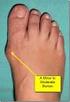 Bunion Procedures with Surgery of the Lesser Toes Use of this handout is for informational purposes only Confirm Carrier/Corporate policies before billing any services Cyst vs. Tumor Excision Integumentary
Common Foot Pathologies
 Common Foot Pathologies Chondromalacia Patella (patellofemoral pain syndrome) Chondromalacia Patella (patellofemoral pain syndrome) What is it? Chondromalacia (of Greek origin meaning softening of the
Sports Related Fractures of the Foot and Ankle
 Sports Related Fractures of the Foot and Ankle Patrick Ebeling, MD Orthopedic Foot and Ankle Surgeon Twin Cities Orthopedics Burnsville, MN No disclosures Sports Related Fractures of 5 th Metatarsal Fractures
Integra. Subtalar MBA Implant
 Integra Subtalar MBA Implant Patient EDUCATION Overview: What is Flatfoot? Flatfoot is a physical deformity where there is an absence of the arch that runs from the heel of the foot to the toes. A common
Semmelweis University Department of Traumatology Dr. Gál Tamás
 Semmelweis University Department of Traumatology Dr. Gál Tamás Anatomy Ankle injuries DIRECT INDIRECT Vertical Compression (Tibia plafond Pilon) AO 43-A,B,C Suppination (adduction + inversion) AO 44-A
Plantar Fasciitis. Plantar Fascia
 Plantar Fasciitis Introduction Plantar fasciitis is an inflammation of the thick band of tissue that connects your heel bone to your toes. This thick band of tissue is called the plantar fascia. Plantar
November 2012 Case Study. Authors: Kyle Nagle, MD, MPH; Karl Fry, PT, DPT, OCS; David Bernhardt, MD
 CC: Right foot pain November 2012 Case Study Authors: Kyle Nagle, MD, MPH; Karl Fry, PT, DPT, OCS; David Bernhardt, MD HPI: A 17 year old female cross country runner presents with right foot pain. At a
Arthritis of the Big Toe
 Arthritis of the Big Toe A patient s guide Fred Robinson BSc FRCS FRCS(orth) Consultant Trauma & Orthopaedic Surgeon www.cambridgefootandankle.com Arthritis of the Big Toe - Hallux Rigidus Fred Robinson
Posttraumatic medial ankle instability
 Posttraumatic medial ankle instability Alexej Barg, Markus Knupp, Beat Hintermann Orthopaedic Department University Hospital of Basel, Switzerland Clinic of Orthopaedic Surgery, Kantonsspital Baselland
The Forefoot Valgus Foot-Type Joe Fox, MS, LAT June 10, 2014
 The Forefoot Valgus Foot-Type Joe Fox, MS, LAT June 10, 2014 Introduction BS Kinesiology Exercise Science and Athletic Training, University of Wisconsin-Madison MS in Exercise Science Athletic Training,
Heel Pain: Heal! Amie C. Scantlin, DPM, MS, FACFAS Glencoe Regional Health Services (320) 864-3121 ext. 1933
 Heel Pain: Heal! Amie C. Scantlin, DPM, MS, FACFAS Glencoe Regional Health Services (320) 864-3121 ext. 1933 www.grhsonline.org Important Notice The information contained in this document is for informational
Glossary of Foot & Ankle Terminology
 Glossary of Foot & Ankle Terminology Achilles Tendon One of the longer tendons in the body, stretching from the bones of the heel to the calf muscles. Abrasion An injury in which superficial layers of
Ankle Sports injuries. Ben Yates
 Ankle Sports injuries Ben Yates Common Extra-articular Conditions Lateral collateral ligament sprains (grades 1,2,3) Functional instability Mechanical instability Achilles tendonopathy (Achillodynia) superficial
A Guide to Heel Pain
 The Society of Chiropodists and Podiatrists A Guide to Heel Pain The Society of Chiropodists and Podiatrists Heel pain may be caused by a number of different problems; for effective treatment you need
Eric M. Kutz, D.O. Arlington Orthopedics Harrisburg, PA
 Eric M. Kutz, D.O. Arlington Orthopedics Harrisburg, PA 2 offices 805 Sir Thomas Court Harrisburg 3 Walnut Street Lemoyne Mechanism of injury Repetitive overhead activities Falls to the ground Falls with
Legg-Calve'-Perthes Disease The National Osteonecrosis Foundation
 Home Osteonecrosis Osteonecrosis of the Jaw Mission Statement More About Us Related Sites Questions & Answers NONF Brochure Legg-Calve'-Perthes Disease Brochure Membership Form NONF Newsletter Volunteers
Steve Manning 2/10/2011
 Utilising Footwear Modification as a Treatment Modality Steve Manning Intraining Running Injury Clinic, Milton BHlSc Podiatry (Hons), Level IV Coach Athletics SMA Qld President, QUT Sports Medicine Clinic
Refer to Specialist. The Diagnosis and Management of Shoulder Pain 1. SLAP lesions, types 1 through 4
 The Diagnosis Management of Shoulder Pain 1 Significant Hisry -Age -Extremity Dominance -Hisry of trauma, dislocation, subluxation -Weakness, numbness, paresthesias -Sports participation -Past medical
Pathomechanics, Gait Deviations, and Treatment of the Rheumatoid Foot
 Pathomechanics, Gait Deviations, and Treatment of the Rheumatoid Foot A Clinical Report PHYLLIS DIMONTE and HOLLIS LIGHT This article describes the five major foot deformities or problems often seen in
How To Treat Heel Pain
 Plantar Fasciitis, Heel Spurs, Heel Pain The Plantar Fasciitis Organization is dedicated to the understanding of Plantar Fasciitis, Heel Spurs, and all other forms of Heel Pain. Welcome to the Plantar
MICA. Minimally Invasive Foot Surgery SURGICAL TECHNIQUE
 MICA Minimally Invasive Foot Surgery SURGICAL TECHNIQUE Chevron Osteotomy Akin Osteotomy Basal Osteotomy 1st MTPJ Cheilectomy DMMO (Distal Metatarsal Metaphyseal Osteotomy) Calcaneal Osteotomy Contents
Heel pain and Plantar fasciitis
 A patient s guide Heel pain and Plantar fasciitis Fred Robinson BSc FRCS FRCS(orth) Consultant Trauma & Orthopaedic Surgeon Alex Wee BSc FRCS(orth) Consultant Trauma & Orthopaedic Surgeon. What causes
Endoscopic Plantar Fasciotomy
 Endoscopic Plantar Fasciotomy Introduction Plantar fasciitis is a common condition that causes pain centralized around the heel. It may be severe enough to affect regular activities. Health care providers
Plantar Fascia Release
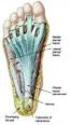 Plantar Fascia Release Introduction Plantar fasciitis is a common condition that causes pain around the heel. It may be severe enough to affect regular activities. If other treatments are unsuccessful,
Imaging of Lisfranc Injury
 November 2011 Imaging of Lisfranc Injury Greg Cvetanovich, Harvard Medical School Year IV Agenda Case Presentation Introduction Anatomy Lisfranc Injury Classification Imaging Treatment 2 Case Presentation
Common Foot and Ankle Conditions
 Common Foot and Ankle Conditions Said Atway, DPM Assistant Professor Clinical Department of Orthopaedics The Ohio State University Wexner Medical Center Objectives Common Podiatric Pathology Heel pain
Case Log Guidelines for Foot and Ankle Orthopaedic Surgery Review Committee for Orthopaedic Surgery
 Case Log Guidelines for Foot and Ankle Orthopaedic Surgery Review Committee for Orthopaedic Surgery The ACGME Case Log System for Foot and Ankle Orthopaedic Surgery allows fellows to document their operative
A Patient s Guide to Shoulder Pain
 A Patient s Guide to Shoulder Pain Part 2 Evaluating the Patient James T. Mazzara, M.D. Shoulder and Elbow Surgery Sports Medicine Occupational Orthopedics Patient Education Disclaimer This presentation
visualized. The correct level is then identified again. With the use of a microscope and
 SURGERY FOR SPINAL STENOSIS Laminectomy A one inch (or longer for extensive stenosis) incision is made in the middle of the back over the effected region of the spine. The muscles over the bone are moved
Ankle Injury/Sprains in Youth Soccer Players Elite Soccer Community Organization (ESCO) November 14, 2013
 Ankle Injury/Sprains in Youth Soccer Players Elite Soccer Community Organization (ESCO) November 14, 2013 Jeffrey R. Baker, DPM, FACFAS Weil Foot and Ankle Institute Des Plaines, IL Ankle Injury/Sprains
Arches. Foot Injuries. Medial Longitudinal Arch. Lateral Longitudinal Arch. Transverse Arch. Arch Strains
 Arches Foot Injuries Three arches in the foot: 1) Lateral longitudinal arch 2) Medial longitudinal arch 3) Transverse arch These arches are maintained and supported by the wedging of the interlocking tarsal
Integra. MCP Joint Replacement PATIENT INFORMATION
 Integra MCP Joint Replacement PATIENT INFORMATION Integra MCP Patient Information This brochure summarizes information about the use, risks, and benefits of the Integra MCP finger implant. Be sure to discuss
.org. Arthritis of the Hand. Description
 Arthritis of the Hand Page ( 1 ) The hand and wrist have multiple small joints that work together to produce motion, including the fine motion needed to thread a needle or tie a shoelace. When the joints
A Simplified Approach to Common Shoulder Problems
 A Simplified Approach to Common Shoulder Problems Objectives: Understand the basic categories of common shoulder problems. Understand the common patient symptoms. Understand the basic exam findings. Understand
Elbow Examination. Haroon Majeed
 Elbow Examination Haroon Majeed Key Points Inspection Palpation Movements Neurological Examination Special tests Joints above and below Before Starting Introduce yourself Explain to the patient what the
ORIGINAL ARTICLE. EXCISION OF RETROCALCANEAL SPUR BY A LATERAL APPROACH FOR RELIEF OF HEEL PAIN. Nandivada V.S. Kiran Kumar
 EXCISION OF RETROCALCANEAL SPUR BY A LATERAL APPROACH FOR RELIEF OF HEEL PAIN. Nandivada V.S. Kiran Kumar 1. Assistant Professor. Department of Orthopaedics, King George Hospital. Visakhapatnam. CORRESPONDING
International Standards for the Classification of Spinal Cord Injury Motor Exam Guide
 C5 Elbow Flexors Biceps Brachii, Brachialis Patient Position: The shoulder is in neutral rotation, neutral flexion/extension, and adducted. The elbow is fully extended, with the forearm in full supination.
George E. Quill, Jr., M.D. Louisville Orthopaedic Clinic Louisville, KY
 George E. Quill, Jr., M.D. Louisville Orthopaedic Clinic Louisville, KY The Ankle Sprain That Won t Get Better With springtime in Louisville upon us, the primary care physician and the orthopaedist alike
Arthroscopy of the Hip
 Arthroscopy of the Hip Professor Ernest Schilders FRCS, FFSEM Consultant Orthopaedic Surgeon Specialist in Shoulder and Hip Arthroscopy, Groin and Sports Injuries Private consulting rooms The London Hip
Scaphoid Fracture of the Wrist
 Page 1 of 6 Scaphoid Fracture of the Wrist Doctors commonly diagnose a sprained wrist after a patient falls on an outstretched hand. However, if pain and swelling don't go away, doctors become suspicious
Rehabilitation Guidelines for Lateral Ankle Reconstruction
 UW HEALTH SPORTS REHABILITATION Rehabilitation Guidelines for Lateral Ankle Reconstruction The ankle is a very complex joint. There are actually three joints that make up the ankle complex: the tibiotalar
The Ankle Sprain That Won t Get Better. By: George E. Quill, Jr., M.D. With springtime in Louisville upon us, the primary care physician and the
 The Ankle Sprain That Won t Get Better By: George E. Quill, Jr., M.D. With springtime in Louisville upon us, the primary care physician and the orthopaedist alike can expect to see more than his or her