
STORM DRAINAGE CHAPTER 11
|
|
|
- Ronald White
- 9 years ago
- Views:
Transcription
1 CHAPTER 11 STORM DRAINAGE SECTION 1101 GENERAL Scope. The provisions of this chapter shall govern the materials, design, construction and installation of storm drainage Where required. All roofs, paved areas, yards, courts and courtyards shall drain into a separate storm sewer system or a combined sewer system, or to an approved place of disposal. Exception: When approved, storm water is permitted to be discharged from roofs, paved areas, yards, courts, courtyards, downspouts, rain barrels, cisterns or rooftop storage facilities to vegetated areas such as lawns, gardens, grassy swales or bio-retention cells on the same lot. In such instances, the storm water shall flow away from the building and shall not flow across property lines onto adjacent lots unless it discharges into an approved shared best management practice as defined in 21 DCMR Chapter Prohibited drainage. Storm water shall not be drained into sewers intended for sewage only Tests. The conductors and the building storm drain shall be tested in accordance with Section Change in size. The size of a drainage pipe shall not be reduced in the direction of flow Fittings and connections. All connections and changes in direction of the storm drainage system shall be made with approved drainage-type fittings in accordance with Table The fittings shall not obstruct or retard flow in the system Roof design. Roofs shall be designed for the maximum possible depth of water that will pond thereon as determined by the relative levels of roof deck and overflow weirs, scuppers, edges or serviceable drains in combination with the deflected structural elements. In determining the maximum possible depth of water, all primary roof drainage means shall be assumed to be blocked Cleanouts required. Cleanouts shall be installed in the storm drainage system and shall comply with the provisions of this code for sanitary drainage pipe cleanouts. Exception: Subsurface drainage system Backwater valves. Storm drainage systems shall be provided with backwater valves as required for sanitary drainage systems in accordance with Section 715. SECTION 1102 MATERIALS General. The materials and methods utilized for the construction and installation of storm drainage systems shall comply with this section and the applicable provisions of Chapter Inside storm drainage conductors. Inside storm drainage conductors installed above ground shall conform to one of the standards listed in Table Underground building storm drain pipe. Underground building storm drain pipe shall conform to one of the standards listed in Table Building storm sewer pipe. Building storm sewer pipe shall conform to one of the standards listed in Table TABLE BUILDING STORM SEWER PIPE MATERIAL STANDARD Acrylonitrile butadiene styrene (ABS) plastic pipe Asbestos-cement pipe ASTM C 428 Cast-iron pipe Concrete pipe Copper or copper-alloy tubing (Type K, L, M or DWV) ASTM D 2661; ASTM D 2751; ASTM F 628; CSA B181.1; CSA B182.1 ASTM A 74; ASTM A 888; CISPI 301 ASTM C 14; ASTM C 76; CSA A257.1M; CSA A257.2M ASTM B 75; ASTM B 88; ASTM B 251; ASTM B 306 Polyethylene (PE) plastic pipe ASTM F 2306/F 2306M Polyvinyl chloride (PVC) plastic pipe (Type DWV, SDR26, SDR35, SDR41, PS50 or PS100) ASTM D 2665; ASTM D 3034; ASTM F 891; CSA B182.4; CSA B181.2; CSA B182.2 Vitrified clay pipe ASTM C 4; ASTM C 700 Stainless steel drainage systems, Type 316L ASME A DISTRICT OF COLUMBIA PLUMBING CODE 81

2 Subsoil drain pipe. Subsoil drains shall be openjointed, horizontally split or perforated pipe conforming to one of the standards listed in Table TABLE SUBSOIL DRAIN PIPE MATERIAL STANDARD Asbestos-cement pipe ASTM C 508 Cast-iron pipe Polyethylene (PE) plastic pipe Polyvinyl chloride (PVC) Plastic pipe (type sewer pipe, PS25, PS50 or PS100) ASTM A 74; ASTM A 888; CISPI 301 ASTM F 405; CSA B182.1; CSA B182.6; CSA B182.8 ASTM D 2729; ASTM F 891; CSA B182.2; CSA B182.4 Stainless steel drainage systems, ASME A Type 316L Vitrified clay pipe ASTM C 4; ASTM C Roof Drains. Roof drains shall conform to ASME A or ASME A Fittings. Pipe fittings shall be approved for installation with the piping material installed, and shall conform to the respective pipe standards or one of the standards listed in Table The fittings shall not have ledges, shoulders or reductions capable of retarding or obstructing flow in the piping. Threaded drainage pipe fittings shall be of the recessed drainage type. MATERIAL Acrylonitrile butadiene styrene (ABS) plastic Cast-iron Coextruded composite ABS and drain DR-PS in PS35, PS50, PS100, PS140, PS200 Coextruded composite ABS DWV Schedule 40 IPS pipe (solid or cellular core) Coextruded composite PVC DWV Schedule 40 IPS-DR, PS140, PS200 (solid or cellular core) Coextruded composite PVC sewer and drain DR-PS in PS35, PS50, PS100, PS140, PS200 TABLE PIPE FITTING STANDARD ASTM D 2661; ASTM D 3311; CSA B181.1 ASME B16.4; ASME B16.12; ASTM A 888; CISPI 301; ASTM A 74 ASTM D 2751 ASTM D 2661; ASTM D 3311; ASTM F 628 ASTM D 2665; ASTM D 3311; ASTM F 891 ASTM D 3034 ASME B16.15; ASME B16.18; Copper or copper alloy ASME B16.22; ASME B16.23; ASME B16.26; ASME B16.29 Gray iron and ductile iron AWWA C110/A21.10 Malleable iron ASME B16.3 Plastic, general ASTM F 409 MATERIAL TABLE continued PIPE FITTING STANDARD Polyethylene (PE) plastic pipe ASTM F 2306/F 2306M Polyvinyl chloride (PVC) plastic Steel Stainless steel drainage systems, Type 316L ASTM D 2665; ASTM D 3311; ASTM F 1866 ASME B16.9; ASME B16.11; ASME B16.28 ASME A SECTION 1103 TRAPS Main trap. Leaders and storm drains connected to a combined sewer shall be trapped. Individual storm water traps shall be installed on the storm water drain branch serving each conductor, or a single trap shall be installed in the main storm drain just before its connection with the combined building sewer or the public sewer Material. Storm water traps shall be of the same material as the piping system to which they are attached Size. Traps for individual conductors shall be the same size as the horizontal drain to which they are connected Cleanout. An accessible cleanout shall be installed on the building side of the trap. SECTION 1104 CONDUCTORS AND CONNECTIONS Prohibited use. Conductor pipes shall not be used as soil, waste or vent pipes, and soil, waste or vent pipes shall not be used as conductors Combining storm with sanitary drainage. The sanitary and storm drainage systems of a structure shall be entirely separate except where the structure is served by a combined public sewer system. The storm building drain and the sanitary building drain shall remain separate through the exterior walls of the building. Where a combined public sewer is utilized, the building storm drain shall be connected in the same horizontal plane through a single-wye fitting to the combined sewer, not less than 10 feet (3048 mm) downstream from any soil stack, and downstream of any backwater valve. Where the connection is in public space or when the size of either drain is 8 inches in diameter or larger, the combination shall be made with a manhole in lieu of a single-wye Floor drains. Floor drains shall not be connected to a storm drain. SECTION 1105 ROOF DRAINS General. Roof drains shall be installed in accordance with the manufacturer s instructions. The inside opening for the roof drain shall not be obstructed by the roofing membrane material. (continued) DISTRICT OF COLUMBIA PLUMBING CODE

3 For SI: 1 inch = 25.4 mm. Source: National Weather Service, National Oceanic and Atmospheric Administration, Washington D.C. FIGURE YEAR, 1-HOUR RAINFALL (INCHES) EASTERN UNITED STATES 2013 DISTRICT OF COLUMBIA PLUMBING CODE 83

4 For SI: 1 inch = 25.4 mm. Source: National Weather Service, National Oceanic and Atmospheric Administration, Washington D.C. FIGURE continued 100-YEAR, 1-HOUR RAINFALL (INCHES) CENTRAL UNITED STATES DISTRICT OF COLUMBIA PLUMBING CODE

5 For SI: 1 inch = 25.4 mm. Source: National Weather Service, National Oceanic and Atmospheric Administration, Washington D.C. FIGURE continued 100-YEAR, 1-HOUR RAINFALL (INCHES) WESTERN UNITED STATES 2013 DISTRICT OF COLUMBIA PLUMBING CODE 85

6 For SI: 1 inch = 25.4 mm. Source: National Weather Service, National Oceanic and Atmospheric Administration, Washington D.C. FIGURE continued 100-YEAR, 1-HOUR RAINFALL (INCHES) ALASKA DISTRICT OF COLUMBIA PLUMBING CODE

7 For SI: 1 inch = 25.4 mm. Source: National Weather Service, National Oceanic and Atmospheric Administration, Washington D.C. FIGURE continued 100-YEAR, 1-HOUR RAINFALL (INCHES) HAWAII 2013 DISTRICT OF COLUMBIA PLUMBING CODE 87

8 Roof drain flashings. The connection between roofs and roof drains which pass through the roof and into the interior of the building shall be made water-tight by the use of approved flashing material. SECTION 1106 SIZE OF CONDUCTORS, LEADERS AND STORM DRAINS General. The size of the vertical conductors and leaders, building storm drains, building storm sewers, and any horizontal branches of such drains or sewers shall be based on the 100-year hourly rainfall rate indicated in Figure or on other rainfall rates determined from approved local weather data Vertical conductors and leaders. Vertical conductors and leaders shall be sized for the maximum projected roof area, in accordance with Table (1) and Table (2) Building storm drains and sewers. The size of the building storm drain, building storm sewer and their horizontal branches having a slope of one-half unit or less vertical in 12 units horizontal (4-percent slope) shall be based on the maximum projected roof area in accordance with Table The slope of horizontal branches shall be not less than one-eighth unit vertical in 12 units horizontal (1-percent slope) unless otherwise approved Vertical walls. In sizing roof drains and storm drainage piping, one-half of the area of any vertical wall that diverts rainwater to the roof shall be added to the projected roof area for inclusion in calculating the required size of vertical conductors, leaders and horizontal storm drainage piping Parapet wall scupper location. Parapet wall roof drainage scupper and overflow scupper location shall comply with the requirements of Section of the Building Code Size of roof gutters. The size of semicircular gutters shall be based on the maximum projected roof area in accordance with Table SECTION 1107 SIPHONIC ROOF DRAINAGE SYSTEMS General. Siphonic roof drains and drainage systems shall be designed in accordance with ASME A and ASPE 45. DIAMETER OF LEADER (inches) a TABLE (1) SIZE OF CIRCULAR VERTICAL CONDUCTORS AND LEADERS HORIZONTALLY PROJECTED ROOF AREA (square feet) Rainfall rate (inches per hour) ,880 1, ,800 4,400 2,930 2,200 1,760 1,470 1,260 1, ,400 9,200 6,130 4,600 3,680 3,070 2,630 2,300 2,045 1,840 1,675 1, ,600 17,300 11,530 8,650 6,920 5,765 4,945 4,325 3,845 3,460 3,145 2, ,000 27,000 17,995 13,500 10,800 9,000 7,715 6,750 6,000 5,400 4,910 4, ,000 58,000 38,660 29,000 23,200 19,315 16,570 14,500 12,890 11,600 10,545 9,600 For SI: 1 inch = 25.4 mm, 1 square foot = m 2. a. Sizes indicated are the diameter of circular piping. This table is applicable to piping of other shapes, provided the cross-sectional shape fully encloses a circle of the diameter indicated in this table. For rectangular leaders, see Table (2). Interpolation is permitted for pipe sizes that fall between those listed in this table DISTRICT OF COLUMBIA PLUMBING CODE

9 DIMENSIONS OF COMMON LEADER SIZES width x length (inches) a, b TABLE (2) SIZE OF RECTANGULAR VERTICAL CONDUCTORS AND LEADERS HORIZONTALLY PROJECTED ROOF AREA (square feet) Rainfall rate (inches per hour) / / 2 3,410 1,700 1, ,540 2,770 1,840 1,380 1, / / 4 12,830 6,410 4,270 3,200 2,560 2,130 1,830 1,600 1,420 1,280 1,160 1, ,210 6,600 4,400 3,300 2,640 2,200 1,880 1,650 1,460 1,320 1,200 1, / ,900 7,950 5,300 3,970 3,180 2,650 2,270 1,980 1,760 1,590 1,440 1, / ,310 10,650 7,100 5,320 4,260 3,550 3,040 2,660 2,360 2,130 1,930 1, / / 4 21,960 10,980 7,320 5,490 4,390 3,660 3,130 2,740 2,440 2,190 1,990 1, / / 4 25,520 12,760 8,500 6,380 5,100 4,250 3,640 3,190 2,830 2,550 2,320 2, / ,790 13,890 9,260 6,940 5,550 4,630 3,970 3,470 3,080 2,770 2,520 2, ,980 16,490 10,990 8,240 6,590 5,490 4,710 4,120 3,660 3,290 2,990 2, / / 2 44,300 22,150 14,760 11,070 8,860 7,380 6,320 5,530 4,920 4,430 4,020 3, / / 2 100,500 50,250 33,500 25,120 20,100 16,750 14,350 12,560 11,160 10,050 9,130 8,370 For SI: 1 inch = 25.4 mm, 1 square foot = m 2. a. Sizes indicated are nominal width length of the opening for rectangular piping. b. For shapes not included in this table, Equation 11-1 shall be used to determine the equivalent circular diameter, D e, of rectangular piping for use in interpolation using the data from Table (1). D e = [width length] 1/2 (Equation 11-1) where: D e = equivalent circular diameter and D e, width and length are in inches. SIZE OF HORIZONTAL PIPING (inches) TABLE SIZE OF HORIZONTAL STORM DRAINGE PIPING HORIZONTALLY PROJECTED ROOF AREA (square feet) Rainfall rate (inches per hour) / 8 unit vertical in 12 units horizontal (1-percent slope) ,288 7,520 13,360 21,400 46,000 82, , ,000 1,644 3,760 6,680 10,700 23,000 41,400 66, ,000 1,096 2,506 4,453 7,133 15,330 27,600 44,400 72, ,800 3,340 5,350 11,500 20,700 33,300 59, ,504 2,672 4,280 9,200 16,580 26,650 47, ,253 2,227 3,566 7,600 13,800 22,200 39,650 1 / 4 unit vertical in 12 units horizontal (2-percent slope) ,640 10,600 18,880 30,200 65, , , ,000 2,320 5,300 9,440 15,100 32,600 58,400 94, ,000 1,546 3,533 6,293 10,066 21,733 38,950 62, ,000 1,160 2,650 4,720 7,550 16,300 29,200 47,000 84, ,120 3,776 6,040 13,040 23,350 37,600 67, ,766 3,146 5,033 10,866 19,450 31,350 56,000 1 / 2 unit vertical in 12 units horizontal (4-percent slope) ,576 15,040 26,720 42,800 92, , , ,000 For SI: 1 inch = 25.4 mm, 1 square foot = m 2. 3,288 7,520 13,360 21,400 46,000 85, , ,000 2,295 5,010 8,900 13,700 30,650 55,200 88, ,800 1,644 3,760 6,680 10,700 23,000 41,400 66, ,000 1,310 3,010 5,320 8,580 18,400 33,150 53,200 95,300 1,096 2,500 4,450 7,140 15,320 27,600 44,400 79, DISTRICT OF COLUMBIA PLUMBING CODE 89

10 DIAMETER OF GUTTERS (inches) TABLE SIZE OF SEMICIRCULAR ROOF GUTTERS HORIZONTALLY PROJECTED ROOF AREA (square feet) Rainfall rate (inches per hour) / 16 unit vertical in 12 units horizontal (0.5-percent slope) ,440 2,500 3,840 5,520 7,960 14, ,250 1,920 2,760 3,980 7, ,280 1,840 2,655 4, ,380 1,990 3, ,100 1,590 2, ,325 2,400 1 / 8 unit vertical 12 units horizontal (1-percent slope) ,040 3,520 5,440 7,800 11,200 20, ,020 1,760 2,720 3,900 5,600 10, ,172 1,815 2,600 3,740 6, ,360 1,950 2,800 5, ,085 1,560 2,240 4, ,300 1,870 3,400 1 / 4 unit vertical in 12 units horizontal (2-percent slope) ,360 2,880 5,000 7,680 11,040 15,920 28, ,440 2,500 3,840 5,520 7,960 14, ,668 2,560 3,860 5,310 9, ,250 1,920 2,760 3,980 7, ,000 1,536 2,205 3,180 5, ,280 1,840 2,655 4,800 1 / 2 unit vertical in 12 units horizontal (4-percent slope) ,920 4,080 7,080 11,080 15,600 22,400 40,000 For SI: 1 inch = 25.4 mm, 1 square foot = m ,040 3,540 5,540 7,800 11,200 20, ,360 2,360 3,695 5,200 7,460 13, ,020 1,770 2,770 3,900 5,600 10, ,415 2,220 3,120 4,480 8, ,180 1,850 2,600 3,730 6,660 SECTION 1108 SECONDARY (EMERGENCY) ROOF DRAINS Secondary (emergency overflow) drains or scuppers. Where roof drains are required, secondary (emergency overflow) roof drains or scuppers shall be provided where the roof perimeter construction extends above the roof in such a manner that water will be entrapped if the primary drains allow buildup for any reason Separate systems required. Secondary roof drain systems shall have the end point of discharge separate from the primary system. Discharge shall be above grade, in a location that would normally be observed by the building occupants or maintenance personnel Sizing of secondary drains. Secondary (emergency) roof drain systems shall be sized in accordance with Section 1106 based on the rainfall rate for which the primary system is sized in Tables (1), (2), and Scuppers shall be sized to prevent the depth of ponding water from exceeding that for which the roof was designed as determined by Section Scuppers shall have an opening dimension of not less than 4 inches (102 mm). The flow through the primary system shall not be considered when sizing the secondary roof drain system. SECTION 1109 COMBINED SANITARY AND STORM SYSTEM Size of combined drains and sewers. The size of a combination sanitary and storm drain or sewer shall be computed in accordance with the method in Section The fixture units shall be converted into an equivalent projected roof or paved area. Where the total fixture load on the combined drain is less than or equal to 256 fixture units, the equivalent drainage area in horizontal projection shall be taken as 4,000 square feet (372 m 2 ). Where the total fixture load exceeds 256 fixture units, each additional fixture unit shall be considered the equivalent of 15.6 square feet (1.5 m 2 ) of drainage area. These values are based on a rainfall rate of 1 inch (25 mm) per hour DISTRICT OF COLUMBIA PLUMBING CODE

11 SECTION 1110 VALUES FOR CONTINUOUS FLOW Equivalent roof area. Where there is a continuous or semicontinuous discharge into the building storm drain or building storm sewer, such as from a pump, ejector, air conditioning plant or similar device, each gallon per minute (L/m) of such discharge shall be computed as being equivalent to 96 square feet (9 m 2 ) of roof area, based on a rainfall rate of 1 inch (25.4 mm) per hour. SECTION 1111 CONTROLLED FLOW ROOF DRAIN SYSTEMS General. The roof of a structure shall be designed for the storage of water where the storm drainage system is engineered for controlled flow. The controlled flow roof drain system shall be an engineered system in accordance with this section and the design, submittal, approval, inspection and testing requirements of Section The controlled flow system shall be designed based on the required rainfall rate in accordance with Section Control devices. The control devices shall be installed so that the rate of discharge of water per minute shall not exceed the values for continuous flow as indicated in Section Installation. Runoff control shall be by control devices. Control devices shall be protected by strainers Minimum number of roof drains. Not less than two roof drains shall be installed in roof areas 10,000 square feet (929 m 2 ) or less and not less than four roof drains shall be installed in roofs over 10,000 square feet (929 m 2 ) in area. SECTION 1112 SUBSOIL DRAINS Subsoil drains. Subsoil drains shall be open-jointed, horizontally split or perforated pipe conforming to one of the standards listed in Table Such drains shall not be less than 4 inches (102 mm) in diameter. Where the building is subject to backwater, the subsoil drain shall be protected by an accessibly located backwater valve. Subsoil drains shall discharge to a trapped area drain, sump, dry well or approved location above ground. The subsoil sump shall not be required to have either a gas-tight cover or a vent. The sump and pumping system shall comply with Section SECTION 1113 BUILDING SUBDRAINS Building subdrains. Building subdrains located below the public sewer level shall discharge into a sump or receiving tank, the contents of which shall be automatically lifted and discharged into the drainage system as required for building sumps. The sump and pumping equipment shall comply with Section SECTION 1114 SUMPS AND PUMPING SYSTEMS Pumping system. The sump pump, pit and discharge piping shall conform to Sections through Pump capacity and head. The sump pump shall be of a capacity and head appropriate to anticipated use requirements Sump pit. The sump pit shall not be less than 18 inches (457 mm) in diameter and not less than 24 inches (610 mm) in depth, unless otherwise approved. The pit shall be accessible and located such that all drainage flows into the pit by gravity. The sump pit shall be constructed of tile, steel, plastic, cast-iron, concrete or other approved material, with a removable cover adequate to support anticipated loads in the area of use. The pit floor shall be solid and provide permanent support for the pump Electrical. Electrical service outlets, when required, shall meet the requirements of NFPA Piping. Discharge piping shall meet the requirements of Section , or and shall include a gate valve and a full flow check valve. Pipe and fittings shall be the same size as, or larger than, pump discharge tapping. Exception: In one- and two-family dwellings, only a check valve shall be required, located on the discharge piping from the pump or ejector. SECTION 1115 RAINWATER COLLECTION AND DISTRIBUTION SYSTEMS Scope. The provisions of this section shall govern the construction, installation, alteration and repair of rainwater collection and conveyance systems. Water collected in rainwater collection systems shall not be used as drinking water or for any other potable water application Potable water connections. Where a potable system is connected to a rainwater collection and conveyance system, the potable water supply shall be protected against backflow by an approved air gap fitting in accordance with Section Nonpotable water connections. Nonpotable water from any source other than roof drainage, other storm drainage or condensate water where approved shall not be combined in a rainwater collection and distribution system Installation. Except as provided for in this section, all systems shall be installed in compliance with the provisions of the Plumbing Code and the manufacturer s instructions Rainwater collected for landscape irrigation. Rainwater collected on the surface of the building site, or from the roof surfaces of the building, and used for landscape irrigation purposes shall not be limited regarding the method of application. Rainwater collected from elevated building locations that is to be used in building site irrigation shall comply with the provisions of Section 1115 with the exception of Sections and DISTRICT OF COLUMBIA PLUMBING CODE 91

12 Approved components and materials. Piping, plumbing components, and materials used in the collection and conveyance systems shall be manufactured of material approved for the intended application and compatible with any disinfection and treatment systems used Insect and vermin control. Inlets and vents to the system shall be protected to prevent the entrance of insects and vermin into storage tanks and piping systems. Screens installed on vent pipes, inlets, and overflow pipes shall have an aperture of not greater than 1 / 16 inch (1.6 mm) and shall be close fitting. Screen materials shall be compatible with contacting system components and shall not accelerate corrosion of system components Drainage. Water drained from the roof washer or debris excluder shall not be drained to the sanitary sewer. Such water shall be diverted from the storage tank and discharged in a location that will not cause erosion or damage to property. Roof washers and debris excluders shall be provided with an automatic means of self-draining between rain events, and shall not drain onto roof surfaces Freeze protection. Where sustained freezing temperatures occur, provisions shall be made to keep storage tanks and the related piping from freezing Trenching requirements. All collection and distribution piping containing rainwater shall be separated from the building sewer as required in Section for water service piping. Exception: Irrigation piping located outside of a building and downstream of the backflow preventer is not required to meet the trenching requirements where rainwater is used for outdoor applications Rainwater catchment and collection systems. The design of rainwater collection and conveyance systems shall conform to accepted engineering practice Collection surface. Rainwater shall be collected only from above-ground impervious roofing surfaces constructed from approved materials. Collection of water from vehicular parking, pedestrian, or other surfaces shall be prohibited except where the water is used exclusively for landscape irrigation or where water quality treatment measures that are adequate for the end use have been approved. Overflow and bleed-off pipes from roofmounted appliances including but not limited to evaporative coolers, water heaters and solar water heaters shall not discharge onto rainwater collection surfaces Debris excluders. Downspouts and leaders shall be connected to a roof washer and shall be equipped with a debris excluder or equivalent device to prevent the contamination of collected rainwater with leaves, sticks, pine needles and similar material. Debris excluders and equivalent devices shall be self-cleaning Roof gutters and downspouts. Gutters and downspouts shall be constructed of materials that are compatible with the collection surface and the rainwater quality for the desired end use. Joints shall be watertight Slope. Roof gutters, leaders and rainwater collection piping shall slope continuously toward collection inlets. Gutters and downspouts shall have a slope of not less than 1 unit in 96 units along their entire length and shall not permit the collection or pooling of water at any point. Exception: Siphonic drainage systems installed in accordance with the manufacturer s installation instructions shall not be required to have slope Size. Gutters and downspouts shall be installed and sized in accordance with Section Cleanouts. Cleanouts shall be provided in the water conveyance system so as to allow access to all filters, flushes, pipes and downspouts Collection pipe materials. In buildings where rainwater collection and conveyance systems are installed, draining piping approved for use within plumbing draining systems shall be utilized to collect rainwater and convey it to the storage tank.vent piping approved for use within plumbing venting systems shall be utilized for all vents within the rainwater system. Drains to a stormwater discharge shall use approved waste piping Joints. Collection piping conveying rainwater shall utilize joints approved for use with the distribution piping and appropriate for the intended applications as specified in the Plumbing Code Size. Collection piping conveying rainwater from collection surfaces shall be sized in accordance with Chapter 11 of the Plumbing Code and local rainfall rates Marking. Additional marking of rainwater collection piping shall not be required beyond that required for sanitary drainage, waste and vent piping by the Plumbing Code Filtration. Collected rainwater shall be filtered to the level required for the intended end use. Filters shall be accessible for inspection and maintenance Disinfection. Where the intended application and initial quality of the collected rainwater requires disinfection or other treatment, or both, the collected rainwater shall be treated as needed to ensure that the required water quality is delivered at the point of use. Where chlorine is used for disinfection or treatment, water shall be tested for residual chlorine in accordance with ASTM D The levels of residual chlorine shall not exceed the levels allowed for the intended use in accordance with the requirements of the District of Columbia Storage tank. The design of the storage tank shall be in accordance with Sections through Location. Storage tanks shall be installed either above or below grade. Above-grade storage tanks shall be protected from direct sunlight and shall be constructed using opaque, UV-resistant materials including, but not limited to, heavily tinted plastic, fiberglass, lined metal, concrete, wood or painted to prevent algae growth, or shall have specially constructed sun barriers including, but not limited to, installation in garages, DISTRICT OF COLUMBIA PLUMBING CODE

13 crawlspaces or sheds. Storage tanks and their manholes shall not be located directly under any soil or waste piping or any source of contamination. Rainwater storage tanks shall be located with a minimum horizontal distance between various elements as indicated in Table TABLE LOCATION OF RAINWATER STORAGE TANKS ELEMENT For SI: 1 foot = mm. MINIMUM HORIZONTAL DISTANCE FROM STORAGE TANK (FEET) Critical root zone (CRZ) of protected trees 2 Lot line adjoining private lots 5 Seepage pits Materials. Where water is collected onsite, it shall be collected in an approved tank constructed of durable, nonabsorbent and corrosion-resistant materials. Storage vessels shall be compatible with the material being stored. Storage tanks shall be constructed of materials compatible with the type of disinfection system used to treat water upstream of the tank and used to maintain water quality within the tank Wooden tanks. Wooden storage tanks shall not be required to have a liner. Where unlined tanks are used, the species of wood shall be decay resistant and untreated Makeup water. Where an uninterrupted supply is required for the intended application, potable water shall be provided as a source of make-up water for the storage tank. The potable water supply shall be protected against backflow by an approved air gap fitting in accordance with Section Overflow. The storage tank shall be equipped with an overflow pipe having the same or larger area as the sum of the areas of all tank inlet pipes. The overflow pipe shall be protected from insects or vermin, and the discharge from such pipe shall be disposed of in a manner consistent with stormwater runoff requirements of the District of Columbia. The overflow pipe shall discharge at a sufficient distance from the tank to avoid damaging the tank foundation or the adjacent property. The overflow drain shall not be equipped with a shutoff valve. A minimum of one cleanout shall be provided on each overflow pipe in accordance with Section Access. A minimum of one access opening shall be provided to allow inspection and cleaning of the tank interior. Access openings to storage tanks and other vessels shall have an approved locking device or shall otherwise be protected from unauthorized access. Below-grade storage tanks located outside of the building shall be provided with either a manhole not less than 24 inches (610 mm) square or a manhole with an inside diameter of not less than 24 inches (610 mm). Manholes shall extend not less than 4 inches (102 mm) above ground or shall be designed so as to prevent water infiltration. Finish grade shall be sloped away from the manhole to divert surface water from the manhole. Each manhole cover shall be secured to prevent unauthorized access. Service ports in manhole covers shall be not less than 8 inches (203 mm) in diameter and shall be not less than 4 inches (102 mm) above the finished grade level. The service port shall be secured to prevent unauthorized access. Exception: Storage tanks having a volume of less than 800 gallons (3028 L) and installed below grade shall not be required to be equipped with a manhole where provided with a service port that is not less than 8 inches (203 mm) in diameter Venting. Storage tanks shall be provided with a vent sized in accordance with the Plumbing Code and based on the diameter of the tank influent pipe. Tank vents shall not be connected to sanitary drainage system vents Inlets. Storage tank inlets shall be designed to introduce water into the tank with minimum turbulence and shall be located and designed to avoid agitating the contents of the storage tank Outlets. Outlets shall be located not less than 4 inches (102 mm) above the bottom of the storage tanks and shall not skim water from the surface Draining of tanks. Where storage tanks require draining for service or cleaning, tanks shall be drained by using a pump or by a drain located at the lowest point in the tank. The discharge from draining the tank shall be disposed of in a manner consistent with the stormwater runoff requirements of the District of Columbia and at a sufficient distance from the tank to avoid damaging the tank foundation Marking and signage. Each storage tank shall be marked with its rated capacity. Storage tanks shall bear signage that reads as follows: CAUTION: NONPOTABLE WATER DO NOT DRINK. Where an opening is provided that could allow the entry of personnel, the opening shall bear signage that reads as follows: DANGER CONFINED SPACE. Markings shall be indelibly printed on a tag or sign constructed of corrosion-resistant waterproof material mounted on the tank or shall be indelibly printed on the tank. The letters of words shall be not less than 1 / 2 inch (13 mm) in height and shall be of a color that contrasts with the background on which they are applied Valves. Valves shall be installed in accordance with Section Backwater valve. Backwater valves shall be installed on each overflow and tank drain pipe. Backwater valves shall be installed so that access is provided to the working parts for service and repair Roof washer. A sufficient amount of rainwater shall be diverted at the beginning of each rain event, and not allowed to enter the storage tank, to wash accumulated debris from the collection surface, or approved pre-treatment measures shall be used as specified in a plan 2013 DISTRICT OF COLUMBIA PLUMBING CODE 93

14 approved in compliance with 21 DCMR Chapter 5. The amount of rainfall to be diverted shall be field adjustable as necessary to minimize storage tank water contamination. The roof washer shall not rely on manually operated valves or devices, and shall not operate automatically. Diverted rainwater shall not be drained to the roof surface and shall be discharged in a manner consistent with the stormwater runoff requirements of the District of Columbia. Roof washers shall be accessible for maintenance and service Vent piping. Storage tanks shall be provided with a vent in accordance with the requirements of Section Vents shall be sized in accordance with the Plumbing Code, based on the aggregate diameter of storage tank influent pipe(s). Vents shall be protected from contamination by means of a U-bend installed with the opening directed downward or an approved cap. Vent outlets shall extend a minimum of 4 inches (102 mm) above grade or as necessary to prevent surface water from entering the storage tank. Vent openings shall be protected against the entrance of vermin and insects in accordance with the requirements of Section Pumping and control system. Mechanical equipment including pumps, valves and filters shall be easily accessible and removable in order to perform repair, maintenance and cleaning. Pressurized water shall be supplied at a pressure appropriate for the application and within the range specified by the Plumbing Code. Where water could be supplied at an excessive pressure, a pressure-reducing valve shall be installed in accordance with the requirements of the Plumbing Code Water-pressure-reducing valve or regulator. Where the rainwater pressure supplied by the pumping system exceeds 80 psi (552 kpa) static, a pressure-reducing valve shall be installed to reduce the pressure in the rainwater distribution system piping to 80 psi (552 kpa) static or less. Pressure-reducing valves shall be specified and installed in accordance with Section Distribution pipe. Distribution piping shall comply with Sections through Materials. Distribution piping conveying rainwater shall conform to the standards and requirements specified by the Plumbing Code for nonpotable water Joints. Distribution piping conveying rainwater shall utilize joints approved for use with the distribution piping and appropriate for the intended applications as specified in the Plumbing Code Size. Distribution piping conveying rainwater shall be sized in accordance with the Plumbing Code for the intended application Marking. Nonpotable rainwater distribution piping shall be of the color purple and shall be embossed or indelibly printed with the words: CAU- TION: NONPOTABLE WATER DO NOT DRINK or shall be installed with a purple identification tape or wrap. Identification tape shall be not less than 3 inches (76 mm) wide and shall have white or black lettering on purple stating CAUTION: NONPOTABLE WATER DO NOT DRINK. Identification tape shall be installed on top of nonpotable rainwater distribution pipes, fastened not greater than every 10 feet (3048 mm) to each pipe length and run continuously the entire length of the pipe. Lettering shall be readily observable within the room or space where the piping is located. Exception: Piping located outside of the building and downstream of the backflow preventer is not required to be purple where rainwater is used for outdoor applications Tests and inspections. Tests and inspections shall be performed in accordance with Sections through Drainage and vent tests. The testing of rainwater collection piping, overflow piping, vent piping and storage tank drains shall be conducted in accordance with Section Draining and vent final test. A final test shall be applied to the rainwater collection piping, overflow piping, storage tank, and tank vent piping in accordance with Section Water supply system test. The testing of makeup water supply piping and rainwater distribution piping shall be conducted in accordance with Section Inspection and testing of backflow prevention assemblies. The testing of backflow preventers and backwater valves shall be conducted in accordance with Section Inspection of vermin and insect protection. Inlets and vents to the system shall be inspected to ensure that each is protected to prevent the entrance of insects or vermin into storage tank and piping systems in accordance with Section Roof gutter inspection. Roof gutters shall be inspected to verify that the installation and slope is in accordance with Section Roofwasher test. Roofwashers shall be tested by introducing water into the gutters. Proper diversion of the first quantity of water in accordance with the requirements of Section shall be verified Storage tank tests. Storage tanks shall be tested in accordance with the following: 1. Storage tanks other than factory-made tanks shall be filled with water to the overflow line prior to and during inspection. Seams and joints shall be left exposed and the tank shall remain water tight without leakage for a period of 24 hours. 2. The overflow system shall be tested for a period of 15 minutes to verify proper drainage and verify that there are no leaks DISTRICT OF COLUMBIA PLUMBING CODE

15 3. The makeup water system shall be tested for proper operation, and automatic shutoff of the system at the refill threshold shall be verified Supply pressure test. The static water pressure at the point of use farthest from the supply shall be verified to be within the range required for the application, in accordance with Section Water quality test. The quality of the water for the intended application shall be verified at the point of use in accordance with all applicable requirements of the District of Columbia Operations and maintenance manuals. Operations and maintenance materials shall be supplied by the installer to the owner of the system in accordance with Sections through The owner shall keep these manuals on site or where they are readily available to the code official upon request Manual. A detailed operations and maintenance manual shall be supplied in hardcopy form with all rainwater collection systems Schematics. The manual shall include a detailed system schematic, the locations of all system components and a list of all system components including manufacturer and model number Maintenance procedures. The manual shall provide a maintenance schedule and procedures for all system components requiring periodic maintenance. Consumable parts including filters shall be noted along with part numbers Operations procedures. The manual shall include system startup and shutdown procedures. The manual shall include detailed operating procedures for the system System abandonment. In order to abandon or cease use of a rainwater collection and conveyance system, other than rain barrels, the owner shall first obtain approval for abandonment of the system from both the District Department of the Environment and the code official. Abandonment of a rainwater collection and conveyance system shall comply with the following: 1. System piping connecting to a utility-provided water system shall be removed or disabled, and the potable water supply line shall be capped with an approved cap or plug. 2. The storage tank shall be secured from inadvertent access by sealing or locking tank inlets and access points, or by filling with sand or by other equivalent approved method Mandatory abandonment. Mandatory abandonment of a rainwater collection and conveyance system is required where (1) system installation is not required by the stormwater requirements in 21 DCMR Chapter 5; and (2) the owner fails to properly maintain the system in accordance with the maintenance procedures set forth in Section The owner shall comply with the system abandonment procedures set forth in Section DISTRICT OF COLUMBIA PLUMBING CODE 95

16 DISTRICT OF COLUMBIA PLUMBING CODE

CHAPTER 11 STORM DRAINAGE
 CHAPTER 11 STORM DRAINAGE SECTION 11 GENERAL 11.1 Scope. The provisions of this chapter shall govern the materials, design, construction and installation of storm drainage. 11.2 Where required. All roofs,
CHAPTER 11 STORM DRAINAGE
 CHAPTER STORM DRAINAGE SECTION PC 0 GENERAL 0. Scope. The provisions of this chapter shall govern the materials, design, construction and installation of storm drainage. Storm water discharge shall be
CHAPTER 11 STORM DRAINAGE
 CHAPTER 11 STORM DRAINAGE 1101.0 General. 1101.1 Where Required. Roofs, paved areas, yards, courts, courtyards, vent shafts, light wells, or similar areas having rainwater, shall be drained into a separate
Amendments to the 2012 International Plumbing Code
 Amendments to the 2012 International Plumbing Code North Central Texas Council of Governments region The following sections, paragraphs, and sentences of the 2012 International Plumbing Code are hereby
PLUMBING ROUGH IN INSPECTION
 This Program is made Possible through the Code Officials Education & Training Fund. Revenue for the Fund comes from Assessments on Building Permits. Please turn down cell phones and put pagers on vibrate.
SECTION 221413 FACILITY STORM DRAINAGE PIPING
 SECTION 221413 FACILITY STORM DRAINAGE PIPING PART 1 - GENERAL 1.01 RELATED DOCUMENTS A. Drawings and general provisions of the Contract, including General and Supplementary Conditions and Division 01
ARTICLE II (2) ARTICLE II - REQUIRED USE OF PUBLIC SEWERS. PARAGRAPH 020001 Purpose and Application.
 ARTICLE II - REQUIRED USE OF PUBLIC SEWERS. PARAGRAPH 020001 Purpose and Application. Article II provides rules governing the allowable connection to the City POTW and the construction and inspection of
4.3 Cisterns and Rain Barrels
 4.3 Cisterns and Rain Barrels Rain barrels, cisterns, and tanks are structures designed to intercept and store runoff from rooftops. Rain barrels are used on a small scale while cisterns and tanks may
Top 10+ Mistakes of DWV plumbing design
 Top 10+ Mistakes of DWV plumbing design Listed below are the some of the most frequently missed items, noticed by our inspectors, at plumbing rough-in when non-plumbers attempt plumbing design. Most of
WELCOME INTERNATIONAL RESIDENTIAL CODE 2009 EDITION PLUMBING SECTION
 WELCOME INTERNATIONAL RESIDENTIAL CODE 2009 EDITION PLUMBING SECTION 1 HOUSEKEEPING 2 CHANGES We will be covering the significant changes to the International Residential Code and the changes common to
Chapter 7 Plumbing Connections
 Chapter 7 Plumbing Connections 7-1 General All plumbing equipment and installations must be designed, constructed, and installed in accordance with this code and where not specific, to the applicable provisions
SANITARY SEWER SPECIFICATIONS
 SANITARY SEWER SPECIFICATIONS OCTOBER 2003 HARVEST-MONROVIA WATER, SEWER, AND FIRE PROTECTION AUTHORITY SECTION 1.00 1.10 Purpose The purpose of this document is to assemble the sewer specifications, policies,
THE CORPORATION OF THE CITY OF GUELPH. THEREFORE the council of the Corporation of the City of Guelph enacts as follows:
 THE CORPORATION OF THE CITY OF GUELPH By-law (1993)-14515 A by-law respecting storm water disposal from private property in the City of Guelph, to amend By-law (1987)-12602 and to adopt Municipal Code
DISTRICT OF COLUMBIA WATER AND SEWER AUTHORITY. a guide to PREVENTING SEWER BACKUPS AND FLOODING
 DISTRICT OF COLUMBIA WATER AND SEWER AUTHORITY a guide to PREVENTING SEWER BACKUPS AND FLOODING Sewer backups and flooding can damage District homes and businesses. Sewer blockages are most commonly found
SANITARY SEWER BACKUP. Causes & Prevention
 SANITARY SEWER BACKUP Causes & Prevention A. PURPOSE The purpose of this publication is twofold: 1. It provides homeowners with basic information on the causes of sanitary sewer backups. 2. It provides
Plumbing Installations. A homeowner guide to the City of Winnipeg plumbing requirements for a single-family dwelling
 Plumbing Installations A homeowner guide to the City of Winnipeg plumbing requirements for a single-family dwelling February 2001 contents General Information 3 Inspection 4 New Drain and Vent Installations
CLEANING, INSPECTION, AND TESTING OF SEWERS
 CLEANING, INSPECTION, AND TESTING OF SEWERS PART 1 - GENERAL 1.01 SECTION INCLUDES A. Cleaning, Inspecting, and Testing Sanitary Sewers B. Cleaning, Inspecting, and Testing Storm Sewers C. Cleaning and
Plumbing Installations A homeowner guide to the City of Winnipeg plumbing requirements for a single-family dwelling
 PLANNING, PROPERTY AND DEVELOPMENT DEPARTMENT Plumbing Installations A homeowner guide to the City of Winnipeg plumbing requirements for a single-family dwelling October 2014 contents General Information
Does Part of My Basement Floor Have to Be Removed to Install. Where Does the Water from the Sump Pump Go?...Page 5
 PROTECTIVE PLUMBING - WHAT IS IT? TABLE OF CONTENTS Protective Plumbing What is it?...page 1 What is Foundation Drainage?...Page 2 What is a Sump Pumping System?...Page 4 Does Part of My Basement Floor
2006 Codes. Please verify the following before calling for inspection
 INSPECTION CHECKLIST RESIDENTIAL PLUMBING ROUGH IN 2006 Codes This checklist is intended for use to prepare for an inspection. This is only a general list and is not intended to address all possible conditions.
PVC Pipe Restriction Law and Legislation 1) NYS PVC Pipe Restriction Law (Repealed)
 PVC Pipe Restriction Law and Legislation 1) NYS PVC Pipe Restriction Law (Repealed) * 246. Uses of standard piping materials. 1. Building sewers under public ways. Building sewers under public ways shall
a guide to PREVENTING HOME FLOODING DURING STORMS
 DISTRICT OF COLUMBIA WATER AND SEWER AUTHORITY a guide to PREVENTING HOME FLOODING DURING STORMS DCWATER.COM Updated August 15, 2012 Flooding can damage District homes and businesses. It results when the
16. Storm water drainage
 16. Storm water drainage There are three principal ways to dispose of rainwater from roofs, courtyards and paved areas: storm water sewers, soakaways and collection in storage tanks. Storm water sewers,
Residential Plumbing BCN 1058
 Residential Plumbing BCN 1058 CHAPTER 7 Plumbing Fixtures and Sizing the Drain, Waste, and Vent System MICHAEL KNOTEK 74 Plumbing Fixtures and Sizing the Drain, Waste, and Vent System PLUMBING FIXTURES
GREEN ROOFS. Location. Design SMALL COMMERCIAL GUIDE CITY OF ATLANTA, GEORGIA DEPARTMENT OF WATERSHED MANAGEMENT
 SMALL COMMERCIAL GUIDE CITY OF ATLANTA, GEORGIA DEPARTMENT OF WATERSHED MANAGEMENT GREEN ROOFS A green roof is a system consisting of waterproofing material, growing medium, and vegetation, and is used
Indiana State Department of Health Construction Guidelines for Gravity and Flood-Dose Trench Onsite Systems
 Indiana State Department of Health Construction Guidelines for Gravity and Flood-Dose Trench Onsite Systems The septic tank-absorption field sewage treatment system is composed of two major elements; the
Berkeley s. guide. Best builders. to Conserving Water through Rainwater Harvesting & Graywater Reuse for Outdoor Use
 Berkeley s guide to Conserving Water through Rainwater Harvesting & Graywater Reuse for Outdoor Use Best builders A program of the City of Berkeley Green Building Initiative 2010 www.cityofberkeley.info/sustainable
SANITARY DRAINAGE CHAPTER 7
 CHAPTER 7 SANITARY DRAINAGE SECTION 701 GENERAL 701.1 Scope. The provisions of this chapter shall govern the materials, design, construction and installation of sanitary drainage systems. 701.2 Sewer required.
2010 Residential Water Heater Replacement Check List
 2010 Residential Water Heater Replacement Check List The intent of this check list is to provide installers a general reference for the enforcement of code requirements in the Greater San Diego Area. This
foundation designed to keep water out of the basement.
 Preventing Sewer Backups To safeguard your home against flooding from sewer backups, you should understand your home's basic plumbing and the preventative techniques discussed in this brochure. Basement
Rainwater Harvesting: Guidance for Homeowners
 Rainwater Harvesting: Guidance for Homeowners Although rainwater harvesting has been practiced for thousands of years, recent concerns over water supplies and the environment have prompted many homeowners
AN ORDINANCE BY FINANCE EXECUTIVE COMMITTEE
 AN ORDINANCE BY FINANCE EXECUTIVE COMMITTEE AN ORDINANCE TO AMEND CHAPTER I. ENTITLED ADMINISTRATION OF APPENDIX C ENTITLED PLUMBING CODE AMENDMENTS TO ADOPT SECTION 1300 ENTITLED REQUIREMENTS FOR RAINWATER
SEWER BACKUPS & BASEMENT FLOODING PREVENTATIVE SOLUTIONS FOR THE BUILDING OWNER
 Village of Shorewood, Wisconsin SEWER BACKUPS & BASEMENT FLOODING PREVENTATIVE SOLUTIONS FOR THE BUILDING OWNER Prepared By: Thomas A. Zoulek, P.E., LEED A.P. Vice President Mid City Plumbing & Heating
Jay R. Smith Mfg. Co.
 Jay R. Smith Mfg. Co. Automatic Backwater Valve SMITH CUSTOMER DRIVEN FLOOD-GATE FEATURES Index Page Flood-Gate Features and Applications 2 How Flood-Gate Works 3 Flood-Gate Operation & Approvals 4 Valve
CONSTRUCTION CHECKLIST Residential Plumbing Rough-In September 2004
 Bellevue Bothell Kenmore Kirkland Issaquah Mercer Island Sammamish Snoqualmie Woodinville CONSTRUCTION CHECKLIST Residential Plumbing Rough-In September 2004 This checklist is intended for use to prepare
CITY OF NORTH RIDGEVILLE 7307 AVON BELDEN ROAD NORTH RIDGEVILLE, OH 44039 (440) 353-0819 WWW.NRIDGEVILLE.ORG
 CITY OF NORTH RIDGEVILLE 7307 AVON BELDEN ROAD NORTH RIDGEVILLE, OH 44039 (440) 353-0819 WWW.NRIDGEVILLE.ORG WHY IS THERE WATER IN MY BASEMENT? There are two major sources of water in a basement as the
DRAFT Guidelines for Manually Diverting Outdoor Wastewater to the Sanitary Sewer
 Only RAIN down the Storm Drain... DRAFT Guidelines for Manually Diverting Outdoor Wastewater to the Sanitary Sewer This publication applies to you if: You generate wastewater outdoors, and The wastewater
2014 Oregon Plumbing Specialty Code New Oregon Amendments
 2014 OPSC Oregon Amendments Effective October 1, 2014 2014 Oregon Plumbing Specialty Code New Oregon Amendments This document outlines all the new Oregon Amendments adopted during the code promulgation
LS 2540 SEWER LATERALS AND INSPECTION TEES
 LS 2540 SEWER LATERALS AND INSPECTION TEES A. Summary B. Submittals C. Site Information D. Sewer Pipe and Fittings E. Lateral Locations F. Lateral Installation G. Inspection Tee Installation H. Removal
Brian Coppock, Regional Compliance Officer. Office of Statewide Health Planning and Development Facilities Development Division
 Brian Coppock, Regional Compliance Officer Office of Statewide Health Planning and Development Facilities Development Division CHAPTER 6 WATER SUPPLY AND DISTRIBUTION 601.0 Hot and Cold Water Required.
Extreme Wet Weather in Brookfield. How to Keep Your Basement Dry During Heavy Rains and Floods
 Extreme Wet Weather in Brookfield How to Keep Your Basement Dry During Heavy Rains and Floods Relating Stormwater Drainage to Sewer Backups Brookfield has two separate sewer systems Storm sewer system
SANITARY DRAINAGE CHAPTER 7
 CHAPTER 7 SANITARY DRAINAGE SECTION 701 GENERAL 701.1 Scope. The provisions of this chapter shall govern the materials, design, construction and installation of sanitary drainage systems. 701.2 Sewer required.
SIERRA LAKES COUNTY WATER DISTRICT P.O. Box 1039, Soda Springs, CA 95728-1039 (7300 Short Road, Serene Lakes)
 SIERRA LAKES COUNTY WATER DISTRICT P.O. Box 1039, Soda Springs, CA 95728-1039 (7300 Short Road, Serene Lakes) Maintenance Office Administrative Office Billing Office 530-426-7802 530-426-7800 916-332-4872
PREVENTING WET OR FLO ODED BASEMENTS
 PREVENTING WET OR FLO ODED BASEMENTS TABLE OF CONTENTS Prevention Tips...Page 1 Why is there Water in my Basement?...Page 2 City of Saskatoon Sewer Systems...Page 3 Why Does Saskatoon Have Two Separate
SUMP PUMP. City of Ann Arbor & C O L L E C T I O N S Y S T E M G L O S S A R Y
 Foundation A foundation is the bottom part of a building. It s the element that anchors the building to the ground and transmits the building s gravity load directly to the earth. Water damage weakens
Soakage Trenches. A better way to manage stormwater. Thinking Globally and Acting Locally
 Soakage Trenches A better way to manage stormwater Thinking Globally and Acting Locally A partnership of the Scranton Sewer Authority, The Lackawanna River Corridor Association and the citizens of Scranton
When Should Examination Preparation Begin?
 Texas State Board of Plumbing Examiners Tradesman Plumber-Limited Licensee Examination Review Course The following Examination Review Course is designed to assist a registered Plumber s Apprentice in preparing
See Appendix A for additional information, or contact ASTM directly.
 DEFINITIONS Wherever used in these specification guidelines, the following words and terms have the meanings indicated. AREAWAY: A paved surface, serving as an entry area to a basement or subsurface portion
BMP #: Dry Wells / French Drains
 Structural BMP Criteria BMP #: Dry Wells / French Drains A Dry Well, or French Drain, is a variation on an Infiltration Trench that is designed to temporarily stores and infiltrate rooftop runoff. Key
DESIGN AND CONSTRUCTION GUIDELINES AND STANDARDS DIVISION 33 UTILITIES 33 00 00 SITE UTILITIES
 SECTION INCLUDES Domestic Water Fire Water Service Water Well Sanitary Sewer Storm Drains Foundation Drainage RELATED SECTIONS 03 30 00 Concrete 21 00 00 Fire Suppression - Sprinklers 22 00 00 Plumbing
Louisiana Administrative Code Title 51 Part XIII. Sewage Disposal
 Louisiana Administrative Code Title 51 Part XIII. Sewage Disposal Regulations Regarding Septic Tank Installations with Field Beds/Absorption Trenches For Individual Residential Installations Chapter 3.
 Septic System Report On:
 EFFECTIVE FEBRUARY 2014. note: drainage permit required to call for a dampproof inspection
 EFFECTIVE FEBRUARY 2014 note: drainage permit required to call for a dampproof inspection 1. ROOF DRAINS/DECK DRAINS (INTERIOR ) All roof and deck drains within the perimeter of the building shall be APPROVED
NOTABLE CHANGES TO THE PLUMBING SECTION OF THE BUILDING CODE* EFFECTIVE DECEMBER 31, 2014
 NOTABLE CHANGES TO THE PLUMBING SECTION OF THE BUILDING CODE* EFFECTIVE DECEMBER 31, 2014 Purpose and Legislative intent: This local law implements section 28-601.1 of the administrative code, which requires
OAR52 A-1 (September, 1981)
 APPENDIX A SEWER PIPELINES (1) MINIMUM REQUIREMENTS FOR SEWER - PIPELINES (a) Capacity: Sewers shall be of such diameter as to pass without overflow, bypass, or back flow onto damageable property of a
Preventing water damage in the basement
 Preventing water damage in the basement Thousands of home insurance claims are filed every year. Some losses are major, others aren t, but they re always an inconvenience and usually avoidable! As prevention
APPENDIX F. RESIDENTIAL WATER QUALITY PLAN: ALLOWABLE BMP OPTIONS
 APPENDIX F. RESIDENTIAL WATER QUALITY PLAN: ALLOWABLE BMP OPTIONS The following section provides descriptions, advantages, limitations, and schematics of allowable best management practices (BMPs) for
DESCRIPTION OF STORMWATER STRUCTURAL CONTROLS IN MS4 PERMITS
 DESCRIPTION OF STORMWATER STRUCTURAL CONTROLS IN MS4 PERMITS Phase I MS4 permits require continuous updating of the stormwater system inventory owned and operated by the MS4. They also include inspection
INTERCEPTORS TABLE OF CONTENTS S-WD-INTER-1 0812
 TABLE OF CONTENTS Pictorial Index Product Recommendations Grease Interceptors Commonly Specified Options Typical Installations Oil Interceptors Commonly Specified Options Typical Installations Sediment
ROOF DRAINS TABLE OF CONTENTS
 Pictorial Index Product Recommendations Roof Drain Selection Factors Sizing Placement Material & Characteristics Pipe Connection Commonly Specified Options Typical Installations TABLE OF CONTENTS ROOF
ONE AND TWO FAMILY DWELLINGS Plumbing July, 2007
 ONE AND TWO FAMILY DWELLINGS Plumbing July, 2007 The following are general requirements pertaining to plumbing in one and two family dwellings. This does not represent all the provisions regulating plumbing
OREGON FIRE CODE Interpretations and Technical Advisories
 OREGON FIRE CODE Interpretations and Technical Advisories A collaborative service by local and state fire professionals, along with our stakeholders and customers, to provide consistent and concise application
DENVER PUBLIC SCHOOLS DESIGN AND CONSTRUCTION STANDARDS This Standard is for guidance only. SECTION 15430 PLUMBING SPECIALTIES
 PART 0 DESIGN STANDARDS 0.01 GENERAL DESIGN GUIDELINES A. Roof drains 1. Coordinate location and depth of drains to assure adequate pitch of the drainage area to drain. 2. Overflow system shall be piped
AIR RELEASE, CLEANOUT, AND SEWER MANHOLES
 AIR RELEASE, CLEANOUT, AND SEWER MANHOLES **From Hartford IM BLDG(10) DESCRIPTION. This work shall consist of the construction of air release, cleanout, and sanitary sewer manholes; and the furnishing
PLAN CHECK CORRECTION SHEET FOR PLUMBING SYSTEMS 2014 LAPC
 PLAN CHECK CORRECTION SHEET FOR PLUMBING SYSTEMS 2014 LAPC This is intended to provide uniform application of the codes by the plan check staff and to help the public apply the codes correctly. Section:
Mitigating Basement Backups
 Mitigating Basement Backups Avon Lake Municipal Utilities 201 Miller Road Avon Lake, OH 44012 Tel: 440-933-6226 Emergency: 440-933-3229 www.avonlakewater.org April 28, 2011 This document was originally
CHAPTER 7 SANITARY DRAINAGE
 701 GENERAL 701.1 Scope The provisions of this chapter shall govern the materials, design, construction, and installation of sanitary drainage systems. 701.6 Frost Protection No soil or waste pipe shall
BASEMENT FLOODING. Prevention Guide for. Homeowners
 BASEMENT FLOODING Prevention Guide for Homeowners 1 Did You Know? Floods are the most common hazards in Canada. Water damage is a common cause of loss for homeowner insurance. A heavy rainfall can result
SUMP PUMP DISCHARGES INFORMATIONAL PACKET
 DEPARTMENT OF PUBLIC WORKS ENGINEERING DIVISION SUMP PUMP DISCHARGES INFORMATIONAL PACKET Background Many homes have sump pumps located in crawl spaces and basement areas. If it weren t for sump pumps
Protect Your Home From Flooding. A guide for Lethbridge Residents
 Protect Your Home From Flooding A guide for Lethbridge Residents Every year, millions of litres of water flow into the City of Lethbridge s stormwater and wastewater collection systems from residential
CHAPTER 9 VENTS. copper drainage tube Type DWV, Schedule 40 plastic piping, or borosilicate glass.
 CHAPTER 9 VENTS 901 GENERAL 901.1 Scope The provisions of this chapter shall govern the materials, design, construction, and installation of vents. 901.2 Protection of Trap Seals The protection of trap
CITY OF VAUGHAN SCHEDULE O LOT GRADING DESIGN FOR RESIDENTIAL DEVELOPMENT
 Page 1 CITY OF VAUGHAN SCHEDULE O LOT GRADING DESIGN FOR RESIDENTIAL DEVELOPMENT CIVIC CENTRE 2141 MAJOR MACKENZIE DRIVE MAPLE ONTARIO L6A 1T1 905-832-2281 Page 2 SECTION 1 - GENERAL OBJECTIVES To provide
How To Install An Overhead Sewer
 Village of Broadview Flood Control Assistance Program Village of Broadview 2350 S. 25 th Avenue, Broadview, IL 60155 INTRODUCTION The Village of Broadview is served by combined sewers which carry sewage
Index. protection. excavated drop inlet protection (Temporary) 6.50.1 6.51.1. Block and gravel inlet Protection (Temporary) 6.52.1
 6 Index inlet protection excavated drop inlet protection (Temporary) 6.50.1 HARDWARE CLOTH AND GRAVEL INLET PROTECTION Block and gravel inlet Protection (Temporary) sod drop inlet protection ROCK DOUGHNUT
Town House 11265 Center Highway North Huntingdon, PA 15642
 APPENDIX C SPECIFICATIONS FOR THE CONSTRUCTION OF BUILDING LATERAL SANITARY SEWERS DECEMBER 2004, INCLUDING AMENDMENTS ADOPTED ON FEBRUARY 6, 2008 AND APRIL 2, 2008; EFFECTIVE ON MAY 1, 2008 Town House
APPLICATION FOR GRAYWATER IRRIGATION SYSTEM PERMIT SIMPLE RESIDENTIAL GRAVITY SYSTEMS, NO STORAGE
 APPLICATION FOR GRAYWATER IRRIGATION SYSTEM PERMIT SIMPLE RESIDENTIAL GRAVITY SYSTEMS, NO STORAGE Please read the California Plumbing Code Chapter 16A-1 Design Requirements before completing this form.
Architectural Processing and Inspections for Home Mortgage Insurance
 Page 1 of 5 [Text Only] Architectural Processing and Inspections for Home Mortgage Insurance Directive Number: 4145.1 SITE GRADING AND DRAINAGE GUIDELINES Construction complaints and structural defect
Guidelines for Control of Water Runoff on Small Lots. Revised 6/09
 Guidelines for Control of Water Runoff on Small Lots Revised 6/09 Table of Contents Introduction and Purpose 3 Administrative Procedures 3 Plan Submittal Requirements 3 General Design Criteria 4 Dry Wells
BMP 6.4.6: Dry Well / Seepage Pit
 BMP 6.4.6: Dry Well / Seepage Pit A Dry Well, or Seepage Pit, is a variation on an Infiltration system that is designed to temporarily store and infiltrate rooftop runoff. Key Design Elements Fllow Infiltration
Element D Services Plumbing
 PART 1 - GENERAL 1.01 OVERVIEW A. This section addresses domestic cold, hot and hot water return distribution systems within and to five feet beyond building perimeter. PART 2 - DESIGN CRITERIA 2.01 GENERAL
Stormwater/Wetland Pond Construction Inspection Checklist
 : Construction Inspection ChecklistsTools Stormwater/Wetland Pond Construction Inspection Checklist Project: Location: Site Status: Date: Time: Inspector: SATISFACTORY/ UNSATISFACTORY COMMENTS Pre-Construction/Materials
BUILDING SEWER CONNECTION REQUIREMENTS
 BUILDING SEWER CONNECTION REQUIREMENTS ANY PERSON DESIRING TO MAKE A NEW OR REVISED SEWER INSTALLATION MUST FIRST MAKE APPLICATION WITH THE NORTHERN GILA COUNT SANITARY DISTRICT FOR A PERMIT BEFORE STARTING
COMMERCIAL COOKING HOODS, VENTILATION & FIRE SUPPRESSION SYSTEM GUIDELINES AND PROCEDURES
 COMMERCIAL COOKING HOODS, VENTILATION & FIRE SUPPRESSION SYSTEM GUIDELINES AND PROCEDURES These guidelines are to be used for ALL commercial cooking hoods, ventilation systems and related fire suppression
Downspout Disconnection Program FAQs
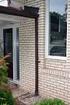 Why is the Village making downspout disconnection mandatory? A mandatory downspout disconnection has been the law for several years in La Grange Park. All gutter downspouts must be disconnected from the
Protect your home from basement flooding
 Protect your home from basement flooding It's important to protect your home from basement flooding because your home could be at risk of basement flooding. Why? Heavy rainstorms that fall over short periods
SEWER BACK UP PREVENTION PILOT PROGRAM
 SEWER BACK UP PREVENTION PILOT PROGRAM FINANCIAL ASSISTANCE FOR HOMEOWNERS Village of South Holland 16240 Wausau Avenue South Holland, IL 60473 www.southholland.org Table ofcontents Page What is the Program?
Constructing Cistern Installations
 Constructing Cistern Installations for Stormwater Management Downspout Screened inlet Overflow David McDonald & Bob Spencer Seattle Public Utilities Installing Rain Gardens & Cisterns Trainings for contractors,
SWIMMING POOL, SPA, & HOT TUB GUIDELINES
 SWIMMING POOL, SPA, & HOT TUB GUIDELINES Pool permit cost is based on the total value of the project. See Permit Fee Schedule Table 1A. A. Adopted construction codes and installation requirements 1. 2015
SECTION 02720 SANITARY SEWER AND STORM DRAIN SYSTEMS
 SECTION 02720 SANITARY SEWER AND STORM DRAIN SYSTEMS PART 1 GENERAL 1.01 SECTION INCLUDES A. The requirements for pipe material and installation in sewer and drainage collection systems. All materials
SUBDRAINS AND FOOTING DRAIN COLLECTORS. A. Construct subdrains, subdrain cleanouts and outlets, and footing drain collectors.
 SUBDRAINS AND FOOTING DRAIN COLLECTORS PART 1 - GENERAL 1.01 SECTION INCLUDES A. Subdrains B. Subdrain Cleanouts and Outlets C. Footing Drain Collectors D. Storm Sewer Service and Connections 1.02 DESCRIPTION
SUFFOLK COUNTY DEPARTMENT OF HEALTH SERVICES TOXIC/HAZARDOUS MATERIAL TRANSFER FACILITY DESIGN GUIDELINES
 SUFFOLK COUNTY DEPARTMENT OF HEALTH SERVICES TOXIC/HAZARDOUS MATERIAL TRANSFER FACILITY DESIGN GUIDELINES 1.0 GENERAL 1.1 Article 12 of the Suffolk County Sanitary Code requires that toxic/hazardous material
Dominic i Barbato Dpt. Of Building and Safety (818) 374 4361 [email protected]
 Dominic i Barbato Dpt. Of Building and Safety (818) 374 4361 [email protected] b 2011 Los Angeles Plumbing Code LAPC changes from 2008 2011 Los Angeles Plumbing Code Consists of the following:
3. Contractor shall ensure that all permits are obtained prior to any construction. Contractor shall be responsible for all utility fees.
 The following shall serve as the minimum requirements for contractors performing work in relation to the Authority s potable water and sanitary sewer system(s), appurtenances and service connections. General:
WHITE PLAINS PLUMBING CODE PART 1. GENERAL REQUIREMENTS
 WHITE PLAINS PLUMBING CODE PART 1. GENERAL REQUIREMENTS a. New Plumbing and Gas Piping Systems. This code in conjunction with the Plumbing and Fuel Gas Codes of the State of New York shall apply to plumbing