
AQA qualification support
|
|
|
- Brent Chambers
- 9 years ago
- Views:
Transcription
1 AQA qualification support GCSE English Language/Literature GCSE English Language/Literature: Preparing to Teach Preparing to teach resources BOOKLET 2 Published date: Summer 2015 version 1.0

2 Permission to reproduce all copyright materials have been applied for. In some cases, efforts to contact copyright holders have been unsuccessful and AQA will be happy to rectify any omissions of acknowledgements in future documents if required.

3 Contents Page English Language Spec at a Glance 5 GCSE English Language Assessment Objective symmetry 6 Timings Grid 7 Self-reference pack 9 Creative writing sheet 13 Outline script for Describe a city at night 14 English Literature Spec at a Glance 16 English Literature Mark Scheme 17 Romeo and Juliet Extract 19 GCSE English Literature Paper 2 Section A sample response A 20 GCSE English Literature Paper 2 Section A sample response B 21 GCSE English Literature Paper 2 Section A sample response B with comments 22 GCSE English Literature Paper 2 Section B sample response 23 GCSE English Literature Paper 2 Section C sample response 24 How to Leave the World Poem 25 The Rich Eat Three Full Meals Poem 26 3

4 4

5 English Language Specification at a Glance Assessments All texts in the examination will be unseen. Paper 1: Explorations in Creative Reading and Writing What's assessed + + Paper 2: Writers' Viewpoints and Perspectives What s assessed Non-examination Assessment: Spoken Language What's assessed Section A: Reading one literature fiction text Section B: Writing descriptive or narrative writing Assessed written exam: 1 hour 45 minutes 80 marks 50% of GCSE Questions Reading (40 marks) (25%) one single text 1 short form question (1 x 4 marks) 2 longer form questions (2 x 8 marks) 1 extended question (1 x 20 marks) Writing (40 marks) (25%) 1 extended writing question (24 marks for content, 16 marks for technical accuracy) Section A: Reading one non-fiction text and one literary non-fiction text Section B: Writing writing to present a viewpoint Assessed written exam: 1 hour 45 minutes 80 marks 50% of GCSE Questions Reading (40 marks) (25%) two linked texts 1 short form question (1 x 4 marks) 2 longer form questions (1 x 8, 1 x 12 marks) 1 extended question (1 x 16 marks) Writing (40 marks) (25%) 1 extended writing question (24 marks for content, 16 marks for technical accuracy) (AO7 AO9) presenting responding to questions and feedback use of Standard English Assessed teacher set throughout course marked by teacher separate endorsement (0% weighting of GCSE) 5

6 GCSE ENGLISH LANGUAGE AOs SYMMETRY GRID Paper 1 Q1 Q2 Q3 Q4 Q5: Writing AO1 List 4 things Identify explicit information Identify explicit ideas AO2 How does the writer s use of language Explain, comment on, analyse AO2 How does the writer structure Explain, comment on, analyse AO4 To what extent do you agree? Evaluate texts critically 4 marks 8 marks 8 marks 20 marks 40 marks AO5/AO6 Descriptive or narrative writing Communicate clearly Organise information Use a range of vocab and sentences Accurate spelling and punctuation Paper 2 AO1 True/false statements Identify and interpret explicit and implicit information and ideas AO1 Write a summary Synthesis of explicit and implicit ideas and information AO2 How does the writer s use of language Explain, comment on, analyse AO3 How the writers present Compare writers ideas and perspectives, and how they are conveyed AO5/AO6 Students write about their own views As above 4 marks 8 marks 12 marks 16 marks 40 marks Assessment journey: Two equal demand papers which balance progression through the papers. Reading AO1: P1 Q1 begins with explicit retrieval. This is mirrored in P2 Q1 through true/false statements and culminates in a summary task of both implicit and explicit reference as a pointer to P2 Q4. Reading AO2: P1 Q2 provides a specific example for analysis. P2 Q3 requires students to select examples of their own. Reading AO4/3: Evaluation of a section of text on P1 Q4 leads to comparison of two whole texts in P2 Q4. Writing AO5/6: P1 reading source acts as stimulus for descriptive, and or narrative writing. P2 reading sources support students to write their own views. 6

7 Timings Grid Question AOs Marks available Weighting (within qualification as a whole) Suggested Timing Paper 1: Reading the Reading and planning 15 minutes extract for questions Paper 1 Q1 AO minutes Paper 1 Q2 AO2: Language minutes Paper 1 Q3 AO2: Structure minutes Paper 1 Q4 AO minutes Paper 1 Q5 Writing to describe/narrate (AO5 and AO6) Question AOs Marks available 40 (24+16) minutes in total (e.g. 5 minutes planning + 35 minutes writing + 5 minutes checking/editing.) Weighting (within qualification as a whole) Suggested Timing Paper 2: Reading the two Reading and planning 15 minutes extracts for the questions Paper 2 Q1 AO minutes Paper 2 Q2 AO1: Synthesis minutes Paper 2 Q3 AO minutes Paper 2 Q4 AO minutes in total (e.g. 5 minutes planning + 15 minutes writing up.) Paper 2 Q5 Writing to present a point of view (AO5 and AO6) 40 (24+16) minutes in total (e.g. 5 minutes planning + 35 minutes writing + 5 minutes checking/editing.) 7

8 Question AOs Marks available Paper 1 Section A Shakespeare Paper 1 Section B Nineteenth century novel Weighting (within Suggested Timing qualification as a whole) AO1, AO2, AO minutes (including 10 minutes reading/planning time.) AO1, AO2, AO minutes (including 10 minutes reading/planning time.) Question AOs Marks available Paper 2 Section A Modern text Paper 2 Section B Studied poetry Paper 2 Section Ci Response to unseen poem Weighting (within Suggested Timing qualification as a whole) AO1, AO2, AO minutes AO1, AO2, AO minutes AO1, AO minutes (e.g. 5 minutes reading/planning time + 25 minutes writing.) Paper 2 Section Cii Comparative response to unseen poems AO minutes (e.g. 5 minutes reading/planning time + 10 minutes writing.) 8

9 Self-reference pack Self-Reference pack to explain design principles and give further guidance about approaches to assessment with: Paper 1 Q1, Q2 Paper 2 Q1, Q3, Q5. Note: The information in this pack should be read alongside the detailed Commentary document which sets out how the AOs are being assessed and which also includes a sample student response for each question. 9

10 Question: Key attributes: Points to note: Paper 1 Q1 Read again the first part of the source, lines 1 3. List four things from this part of the text about Hale. (4 marks) It is designed to be a lead-in question to later more detailed responses. As a more straightforward retrieval task, it is designed to help all abilities of student to gain marks and gain confidence at the start of the examination. It begins with an assessment of AO1 to help establish an opening degree of comprehension and inference. It supports a chunking-up of the text by helping students to read shorter sections in preparation for each response. It has the helpful addition of line references students could be advised to underline the cut-off point so that they remain within the set number for each response. It helps students to manage time at the start of the examination so that they can spend longer on developing responses to higher tariff questions at the end of the paper. Responses must be drawn from the set lines only (not outside of them). Students may quote directly, use their own words or paraphrase. Students should aim to set out each response on a provided line (A, B, C, D) but if they do add all 4 items on one line then markers will still be able to credit them for each correct item included. Indicative content provided in the MS is not exhaustive and makes it clear to markers that other valid responses that can be verified by checking the source are acceptable. Paper 1 Q2 Look in detail at this extract, lines 4 to 11 of the source. (Extract given) How does the writer use language here to describe Brighton on that day? It assesses AO2: comment, explain and analysis. It directs students to a key section of the extract and provides this within the question paper itself to help all students to focus on the features of language. The set lines move the student on through the extract to continue the chunking- up of the text into more manageable sections. The question makes clear the focus for the language analysis within the designated number of lines. Note the three skills within the AO: comment, explain and analyse. This suggests an internal hierarchy of progression, with the ability to analyse being the highest order, and hence its reference in the MS at Level 4. It is the quality of a student s analysis that is credited where language terminology is used, it is how well the student makes use of this to improve the quality of the response that is 10

11 You could include the writer s choice of: words and phrases language features and techniques sentence forms. (8 marks) Paper 2 Q1 Read again the first part of source A, from lines 1 to 14. Choose four statements below which are TRUE. (A number of statements given with boxes to shade). (4 marks) Paper 2 Q3 You now need to refer only to source B, Dickens description of the fair itself (from line 19 onwards). How does Dickens use language to make you, the reader, feel part of the fair? Students can be flexible in how they respond, concentrating on aspects of language that they are able to work with. The bullet points provide a helpful reminder of the sort of features that students can build into their response, though students will be credited for any worthy response that addresses AO2. In the same way that Q1 on Paper 1 works, this too assesses AO1 at the start of Paper 2 to establish a degree of comprehension and understanding. It newly introduces auto-marking to help increase accuracy and consistency of marking. It uses a format that allows a response to reading without requiring a written response. It helps students to manage their time at the start of the examination by reducing the risk of them over writing and losing time on a relatively low tariff question. It balances the similar analysis question on P1, with more opportunity to self-select language features from one of the sources. Note: The assessment strategy for this question allows the focus of the question to be on either source A or B (modern or 19 th text) so that we can select the more appropriate one for language analysis. important. The question uses the command word how to help support this. The focus for analysis needs to stay within the set section of text. Content description within the MS is not a full or model answer. Nor is it meant to be exhaustive. It is an indication only of the level of response (should an answer continue in this fashion) that it would achieve. The list of AO2 content after the grid is again suggestive rather than exhaustive or prescriptive. If a student shades in more than 4 statements, then they will still be given credit for correct answers in the first 4 statements shaded. As for P1 Q2 set out above. 11

12 (12 marks) Paper 2 Q5 Festivals and fairs should be banned. They encourage bad behaviour and are disruptive to local communities. Write a letter to your local council in which you argue for or against this statement. ( marks) Even where students are required to analyse language from a 19 th century text, the emphasis will always be on aspects of language within the text itself there is no requirement for students to know contextual, social or historical aspects outside of the text. It retains a similar and successful format. The topic or theme for the task relates to the reading material in section A in a way that suggests something like: You have had a chance to read about a topic or issue from a modern and 19 th century perspective, now tell us what your own perspective or viewpoint is. The statement acts to provoke a response. The question provides a clear sense of form, audience and purpose to the writing. It is the same levels of response mark scheme as for P1 Q5. The number of marks for writing is equal on the paper to the number of marks for the 4 reading questions. AO6 marks for technical accuracy are allocated in a way that rewards ambition in the writing making use of a best-fit approach to be transparent and fair for all students. 12

13 Creative writing sheet

14 Outline script for Describe a city at night Imagine you are standing in a dimly lit hallway. You step out through the green painted door in front of you. You are in a darkened side street lit only by a single lamppost. Look at the lamppost and the kind of glow it creates. Look at its reflection on the street. What is the texture that you see? What is the pavement made of? What colour is the glow from the street lamp? * You cross the road under the glow of the lamp and as you walk along the street, the buildings loom out of the darkness on your left hand side. What is the building on your left? How tall? How many floors? What type of building? * There is a fire escape on this building, made of wrought iron and spiralling up to the top floor. It seems to be black-painted, though you can t quite tell in this gloomy street. What you can see is that there is something caught on this fire escape, towards the top. What can you see that is caught on the fire escape? * You move along this street now and there is a second building. It is four floors tall and filled with windows in total darkness. What kind of building is it? Flats? A factory? Offices closed up for the night? An old warehouse? However, you notice a solitary light in one window on one of its upper floors. Look at that window? What do you see in the window? * As you move to the end of the street you notice a change in the weather. What was it like when you set out? You are pulling your coat around you now. Why? Note down the change in the weather. * You are turning out of the side street now into a much more brightly lit area more in the centre of the city. As you move into this area, there are buildings with plate glass windows all around you. What are those buildings? Take notice of what they are. Shops? Offices maybe? Focus in on one of those plate glass windows. Write down what you see. * 14

15 The night has been quiet so far, still and silent, but suddenly a noise pierces the darkness. What is that noise? This technique works well with any location: try a beach, a railway station, a shopping centre. It also works well as a way of describing people or characters: try it for a person your students know well or for a character from a play, where they have to visualise how they might look, their mannerisms, the sound of their voice, as well as think about their personality. 15

16 English Literature Specification at a Glance 16

17 English Literature Mark Scheme Level Descriptor 6 Critical, exploratory, well-structured approach to task and whole text Conceptualised approach supported by judicious references from text Insightful analysis of language, structure and form 5 Thoughtful, developed consideration of task and whole text References from text integrated into interpretation Detailed examination of effects of writer s methods 4 Clear, sustained understanding of task and whole text References from text used to support explanation Clear explanation of effects of range of writer s methods 3 Explained response to task and whole text Supported by range of relevant references to text Identification of effects of range of writer s methods 2 Supported, relevant comments on task and text Relevant references to text Identification of writer s methods 1 Simple, explicit comments showing awareness of task and text Narrative / descriptive references to text Awareness of writer making choices 17

18 English Literature Mark Scheme (continued) Level Descriptors 6 Critical, exploratory, conceptualised response to task and whole text Judicious use of precise references to support interpretation(s) Analysis of writer s methods and exploration of effects on reader with subject terminology used judiciously Exploration of ideas/perspectives/contextual factors shown by specific, detailed links between context/text/task 5 Thoughtful, developed response to task and whole text Apt references integrated into interpretation(s) Examination of writer s methods and effects on reader with subject terminology used effectively to support consideration of methods Thoughtful consideration of ideas/perspectives/contextual factors shown by examination of detailed links between context/text/task 4 Clear, explained response to task and whole text Effective use of references to support explanation Clear explanation of writer s methods and understanding of effects on reader with appropriate use of relevant subject terminology Clear understanding of ideas/perspectives/ contextual factors shown by specific links between context/text/task 3 Some explained response to task and whole text References used to support a range of relevant comments Explained/relevant comments on writer s methods and effects on reader with some relevant use of subject terminology Some understanding of implicit ideas/ perspectives/contextual factors shown by links between context/text/task 2 Supported response to task and text Comments on references Identification of writers methods with some reference to subject terminology Some awareness of implicit ideas/contextual factors 1 Simple comments relevant to task and text Reference to relevant details Awareness of writer making deliberate choices with possible reference to subject terminology Simple comment on explicit ideas/contextual factors 18

19 Paper 1 Shakespeare and the 19 th Century Novel Romeo and Juliet Extract 19

20 GCSE English Literature Paper 2 Section A sample response A Priestley shows lots of differences between the older and younger generations in An Inspector Calls. At the start of the play Mr Birling spends a lot of time saying what he thinks and giving advice. He says: there is a lot of silly talk about these days about the war. He also says that we ve passed the worst of it. This shows that he isn t right because the war happened, so Priestley is showing that Mr Birling isn t going to be right about anything. He then gives another long speech to Eric and Gerald. He says; you ve a lot to learn yet. This makes him sound as if he thinks he s better than Eric and Gerald. He also says that he is a hard-headed man of business. Then he says; a man has to mind his own business and look after himself and his own. His famous quote is about the Titanic where he says unsinkable, absolutely unsinkable. At the end of the play he says the whole story s just a lot of moonshine. He also says the famous younger generation who know it all. And they can t even take a joke. Mrs Birling is the same because she tries to say that Eric and Sheila are just tired at the end of the play as if they are just children. They re over-tired. Sheila and Eric are different because they learn things from the Inspector. Eric learns because he says we helped to kill her and Sheila says I suppose we re all nice people now. Question 1: How does Priestley present some of the differences between the older and younger generations in An Inspector Calls? Write about: how the different generations respond to events and to each other how Priestley presents the different generations in the play. [30 marks] AO4 [4 marks] 20

21 GCSE English Literature Paper 2 Section A sample response B In An Inspector Calls, Priestley uses the contrast between the younger and older generations to explore his ideas about society and responsibility. As the play progresses, the contrast gets more extreme. At the start of the play, Eric is shown to be irresponsible through the presentation of him as a drinker. Sheila is getting engaged and is shown to be very excited about her engagement ring, although Priestley uses stage directions to hint that there is a more serious side to her half serious, half playful. Because of what we later find out about Gerald and his similarity to Mr Birling, this direction shows that Sheila is quite wise and has good instincts. On the other hand Mr Birling is shown to have very bad instincts in Act One. He keeps telling the youngsters to listen to him, as if he is drawing attention to the wisdom of his years and experience. This repetition forces the audience to pay attention to the differences between the older and younger generations, as if Priestley is indicating that this is an important idea in the play. This is then highlighted even further with Mr Birling s confident statements about the Titanic and the War: unsinkable, absolutely unsinkable and The Germans don t want war. These statements in particular allow Priestley to demonstrate the arrogance of people like Birling who think they know it all but are completely wrong. The language Birling uses is blunt and to the point, as if there is no room for argument in what he thinks. However, Priestley is using irony here to show how wrong he is and therefore not to be trusted, in contrast with Sheila who has very good instincts. 21
22 GCSE English Literature Paper 2 Section A sample response B with comments In An Inspector Calls, Priestley uses the contrast between the younger and older generations to explore his ideas about society and responsibility. As the play progresses, the contrast gets more extreme. At the start of the play, Eric is shown to be irresponsible through the presentation of him as a drinker. Sheila is getting engaged and is shown to be very excited about her engagement ring, although Priestley uses stage directions to hint that there is a more serious side to her half serious, half playful. Because of what we later find out about Gerald and his similarity to Mr Birling, this direction shows that Sheila is quite wise and has good instincts. On the other hand Mr Birling is shown to have very bad instincts in Act One. He keeps telling the youngsters to listen to him, as if he is drawing attention to the wisdom of his years and experience. This repetition forces the audience to pay attention to the differences between the older and younger generations, as if Priestley is indicating that this is an important idea in the play. This is then highlighted even further with Mr Birling s confident statements about the Titanic and the War: unsinkable, absolutely unsinkable and The Germans don t want war. These statements in particular allow Priestley to demonstrate the arrogance of people like Birling who think they know it all but are completely wrong. The language Birling uses is blunt and to the point, as if there is no room for argument in what he thinks. However, Priestley is using irony here to show how wrong he is and therefore not to be trusted, in contrast with Sheila who has very good instincts. 22
23 GCSE English Literature Paper 2 Section B sample response Both Ozymandias and My Last Duchess show the effects of power and how it corrupts. Shelley describes Ozymandias sneer of cold command as if to suggest that he is a cruel and heartless leader, only concerned with his own power and the immortality it will bring. The Duke in My Last Duchess is similarly concerned with his own power and status. Although the monologue is supposed to replicate a conversation, there is no opportunity for his listener to speak Browning writes the monologue to show the Duke s self-obsession and that he is not interested in anyone s views other than his own. Ozymandias might have had cold command of his lands, just like the Duke gave commands. Both poets are concerned with the effects of power and how in the wrong hands it corrupts. The Duke is shown to be misguided as Browning uses imagery to hint at the Duchess kindness and gentle spirit (white pony) to prove that she is innocent and has been killed for nothing. Ozymandias is shown to also be cruel: sneer of cold command however he has been left with nothing: the lone and level sands stretch far away. It could be argued that the Duke has also been left with nothing: he has a statue of Neptune which is made of cold bronze. He doesn t realise this himself however, as he cares nothing for human relationships and is far more concerned, like Ozymandias, with his pride and reputation. Ultimately both leaders are shown by the poets to be corrupt. Both poets feel that power in the wrong hands has devastating consequences on the innocent. However, although both poets show that this corruption is punished in the end, perhaps it is the Duke who is shown more clearly to be the true despot as Browning uses the dramatic monologue to show first hand how completely self absorbed he is. Question 26: Compare the ways poets present ideas about power in 'Ozymandias' and in one other poem from 'Power and Conflict'. [30 marks] 23
24 GCSE English Literature Paper 2 Section C sample response Both speakers are talking about how it is important to enjoy life and see the beauty of the natural world. In The Rich the poet uses positive images to show the beauty of the world for example my paintings are mountains and rivers which gives the sense that he sees the world as a work of art and something precious to be admired. In How to, the poet also uses positive imagery although she uses them to show the power and size of the natural world such as immense and wordless, as if the natural world is bigger and much more important than the human world. This suggests that Barber sees the natural world as something bigger that we can t own, but the poet in The Rich seems to suggest something different through his images, as if the natural world belongs to humans. This is also suggested by the ways both poets position the idea of peace. In The Rich it is on the second line but Barber puts the word breathe right at the end of the poem. Both suggest that it is the main point of their poem however, because in The Rich it is a definite statement: peace is what matters and in How To it is a direct instruction in a single word sentence at the end of the poem. However, although both poems are about similar ideas, How to seems more direct and as if it matters more. She uses second person and lots of instructions to the reader in the second verse, whereas The Rich just describes his own way of looking at the world. This makes How to seem more powerful and direct as if it is very important that we do as she say Question 27.2: In both The Rich Eat Three Full Meals and How to Leave the World that Worships Should, the speakers describe attitudes towards the world around us. What are the similarities and/or differences between the ways poets present these attitudes? [8 marks] 24
25 How to Leave the World that Worships Should Let faxes butter-curl on dusty shelves. Let junkmail build its castles in the hush of other people s halls. Let deadlines burst and flash like glorious fireworks somewhere else. As hours go softly by, let others curse the roads where distant drivers queue like sheep. Let s fly like panicked, tiny birds. Let phones, unanswered, ring themselves to sleep. Above, the sky unrolls its telegram, immense and wordless, simply understood: you ve made your mark like birdtracks in the sand - now make the air in your lungs your livelihood. See how each wave arrives at last to heave itself upon the beach and vanish. Breathe. Ros Barber 25
26 The Rich Eat Three Full Meals The rich eat three full meals, the poor two small bowls But peace is what matters. Thirsty, I drink sweet plum tea; Warm, I lie in the shade, in the breeze; My paintings are mountains and rivers all around me, My damask, embroidered, the grass. I rest at night, rest easy, Am awake with the sun And enjoying Heaven s heaped-up favours. Nguyen Binh Khiem 26
27 27
GCSE ENGLISH LITERATURE Assessment
 GCSE ENGLISH LITERATURE Assessment AO1 AO2 AO3 AO4 GCSE English Literature Assessment Objective Read, understand and respond to texts. Students should be able to: maintain a critical style and develop
Read Item 1, entitled New York, When to Go and Getting There, on page 2 of the insert. You are being asked to distinguish between fact and opinion.
 GCSE Bitesize Specimen Papers ENGLISH Paper 1 Tier H (Higher) Mark Scheme Section A: Reading This section is marked out of 27. Responses to this section should show the writer can 1. understand texts and
GCSE English Language
 SPECIMEN MATERIAL 1 GCSE English Language Paper 2 Writers viewpoints and perspectives Mark Scheme 8700 Version 2.1 2 MARK SCHEME GCSE ENGLISH LANGUAGE PAPER 2 Mark schemes are prepared by the Lead Assessment
ENGLISH LITERATURE Candidate Style Answers: An Inspector Calls J. B. Priestley
 GCSE (9 1) Topic Exploration Pack J352 ENGLISH LITERATURE Candidate Style Answers: An Inspector Calls J. B. Priestley August 2015 Contents Script A Level 5 3 Script B Level 4 7 Script C Level 3 12 Script
GCSE English Literature Unit 2 Poetry across time
 GCSE English Literature Unit 2 Poetry across time Mark Scheme 97152H June 2015 V1 Final Mark schemes are prepared by the Principal Examiner and considered, together with the relevant questions, by a panel
GCSE English Language
 SPECIMEN MATERIAL 1 GCSE English Language Paper 1 Explorations in creative reading and writing Mark Scheme 8700 Version 2.0 Mark schemes are prepared by the Lead Assessment Writer. 2 MARK SCHEME GCSE ENGLISH
The. Languages Ladder. Steps to Success. The
 The Languages Ladder Steps to Success The What is it? The development of a national recognition scheme for languages the Languages Ladder is one of three overarching aims of the National Languages Strategy.
AQA Level 1/2 Certificate Foundation Tier June 2014
 AQA Level 1/2 Certificate Foundation Tier June 2014 English Literature 87101F Paper 1 Tuesday 20 May 2014 9.00 am to 10.30 am F For this paper you must have: an AQA 8-page answer book. Time allowed 1 hour
Teacher Guide for FAST-R Passage: FAST-R: Formative Assessments of Student Thinking in Reading. Sonnet 138 and Sonnet 73 Poetry.
 Teacher Guide for FAST-R Passage: FAST-R: Formative Assessments of Student Thinking in Reading At a Glance Approximate Grade Range: 2 3 4 5 6 7 8 9 10 11 Genre: Poetry Topic: Love belongs to those who
EXAMS Leaving Certificate English
 EXAMS Leaving Certificate English Theme Language focus Learning focus Learning Support Language Support Exams: English Key vocabulary for exam questions, type and structure of questions. Understanding
Fry Phrases Set 1. TeacherHelpForParents.com help for all areas of your child s education
 Set 1 The people Write it down By the water Who will make it? You and I What will they do? He called me. We had their dog. What did they say? When would you go? No way A number of people One or two How
English assessments in Key Stage 3 Notes and guidance
 English assessments in Key Stage 3 Notes and guidance Introduction We are keen to support progress checking and tracking in Key Stage 3 and have created a complementary choice of options to provide flexible
Non-exam Assessment Tasks
 SPECIMEN MATERIAL ENTRY LEVEL CERTIFICATE STEP UP TO ENGLISH Silver Step 5972/1 Component 1 Literacy Topics Planning the Prom Non-exam Assessment Task and Teachers Notes Specimen 2015 Time allowed: 1 hour
Jack s Dyslexia Index indicates he has dyslexic difficulties that are mild in extent.
 Dyslexia Portfolio Report for Jack Jones Assessed by Sue Thompson on 05/08/2009 Report for parents When a child is identified as dyslexic, additional support will be needed from both school and home to
Point of View, Perspective, Audience, and Voice
 Lesson Da 2 Day 1 Point of View, Perspective, Audience, and Voice A story can be told from more than one point of view. If a story is written by someone who is a character in the story, then it is said
Key Stage 3 ENGLISH Medium Term Plan: THE BOY IN THE STRIPED PYJAMAS
 Key Stage 3 ENGLISH Medium Term Plan: THE BOY IN THE STRIPED PYJAMAS KEY ASSESSMENT OBJECTIVES: AO1: SPEAKING, LISTENING & AO2: STUDYING SPOKEN LANGUAGE 1 Communicating & Adapting Language DURATION: Week
Thai Language Self Assessment
 The following are can do statements in four skills: Listening, Speaking, Reading and Writing. Put a in front of each description that applies to your current Thai proficiency (.i.e. what you can do with
Welcome to the Reading Workshop. Learning, Loving and Laughing Together
 Welcome to the Reading Workshop Aims for the workshop to encourage reading to be a regular and enjoyable activity to explore the best ways to read with your child to try an activity with your child(ren)
The English Department Guide. To doing well in your. English GCSE Exams
 The English Department Guide To doing well in your English GCSE Exams 1 WJEC English/English Language The date of your exams Tuesday 10 th January Unit 1 (Reading) 9am Unit 2 (Writing) 10am 2 Unit 1 Reading
PUSD High Frequency Word List
 PUSD High Frequency Word List For Reading and Spelling Grades K-5 High Frequency or instant words are important because: 1. You can t read a sentence or a paragraph without knowing at least the most common.
D36. Core Analysis Frame: Poetry. Examine Content. Examine Form and Structure. (continued on page D37)
 Core Analysis Frame: Poetry D36 The questions on this analysis frame will help you achieve a basic understanding of any poem you read. For more advanced, in-depth analysis of each element, use the following
A Guide to Cambridge English: Preliminary
 Cambridge English: Preliminary, also known as the Preliminary English Test (PET), is part of a comprehensive range of exams developed by Cambridge English Language Assessment. Cambridge English exams have
GCSE. English Language Specification. April 2014. OCR GCSE in English Language. OCR 2014 GCSE English Language QN: 601/3167/6
 GCSE English Language Specification OCR GCSE in English Language J355 April 2014 OCR 2014 QN: 601/3167/6 1 Introduction to 4 1.1 Overview of 4 1.2 Overview of texts 5 1.3 Guided learning hours 5 1.4 Aims
1. imagery 2. plot 3. foreshadowing. 10. structure 11. symbol 12. narrative. 13. motif 14. conflict 15. theme
 Literary Terms: English, R. Clemente name: 9 th Grade Literature Unit Two, study sheet A. Literary Terms... 1. imagery 2. plot 3. foreshadowing 4. alliteration 5. onomatopoeia 6. rhyme scheme 7. personification
God, the Great Creator
 Pre-Session Warm Up God, the Great Creator (Genesis 1: 2:3) Today we re going to start a new series of lessons all about God s attributes. An attribute is a character trait or quality about someone. For
This document has been produced to support the development of effective questioning and dialogue between teacher and pupils.
 QUESTIONING Assessing and Developing Children s Understanding and Thinking in Literacy through Effective Introduction This document has been produced to support the development of effective questioning
Ashton Community Science College Edexcel GCSE Drama Student guide. Is this the right subject for me?
 Ashton Community Science College Edexcel GCSE Drama Student guide Is this the right subject for me? Do you enjoy: Expressing yourself in an active and exciting way? Working in a group? Contributing your
Inspection report for early years provision. Unique Reference Number 300100 Inspection date 04 April 2006
 Inspection report for early years provision Unique Reference Number 300100 Inspection date 04 April 2006 Inspector Jill Lee Type of inspection Type of care Childcare Childminding ABOUT THIS INSPECTION
The Doctor-Patient Relationship
 The Doctor-Patient Relationship It s important to feel at ease with your doctor. How well you are able to talk with your doctor is a key part of getting the care that s best for you. It s also important
Unit 4: Chapter 8 Chapter Literary Focus
 Chapter Literary Focus SKILL BUILDER ELEMENTS OF DRAMA Write T or F on the line to tell whether it is true or false. 1. A story is prose narrative, while a play consists entirely of the characters words
INDIVIDUAL POEMS. 2008 NCUSCR 71 West 23rd Street, Suite 1901 New York, NY 10010-4102 (212) 645-9677 www.ncuscr.org
 The following poems were composed by Teachers Exchange Program participants at the Mid- Year Conference for Chinese Teachers in January 2010. The teachers wrote the poems in a demonstration class during
SYLLABUS 0500 0522* Cambridge IGCSE First Language English. For examination in June and November 2015. Cambridge Secondary 2
 SYLLABUS Cambridge IGCSE First Language English 0500 0522* For examination in June and November 2015 *This syllabus is approved for use in England, Wales and Northern Ireland as a Cambridge International
Lesson 3. The Novel ASSIGNMENT 8. Introduction to the Novel. Plot. Character
 The Novel ASSIGNMENT 8 Read the following Introduction to the Novel and the background to The Call of the Wild by Jack London. Then read pages 1 24 in the novel. When you finish your reading, study the
Acknowledge, Ask, Adapt Negotiation Practice
 Sample Issue ~ Late for School Again Sunshine Center s Parent Handbook clearly outlines the center s policy that parents must have their children to the center by 9am at the latest. All parents review
Christmas Theme: The Light of the World
 Christmas Theme: The Light of the World (NOTE: Some of the activities in this lesson are also used in Jesus, Our Lord: Lesson 2 Jesus is the Light. ) OVERVIEW Key Point: Jesus is the Light who Guides Repeat
1) The subject. The man walked down the street. 2) A participle (word ending in ing or ed) Walking up the street, he tripped.
 1) The subject The man walked down the street. 2) A participle (word ending in ing or ed) Walking up the street, he tripped. Worried about tripping, he bumped into his wife. 3) A connective As she walked,
GRADE 9 READING LITERATURE...2
 Grade 9 Reading Additional Samples The BC performance standards for Grade 9 reading consist of rating scales that describe student achievement in March-April of a given year and samples illustrating typical
AQA Level 1/2 Certificate Higher Tier January 2013
 AQA Level 1/2 Certificate Higher Tier January 2013 English Literature 87101H Paper 1 Monday 21 January 2013 9.00 am to 10.30 am For this paper you must have: an AQA 12-page answer book. Time allowed 1
A Writer s Workshop: Working in the Middle from Jennifer Alex, NNWP Consultant
 Structure of a Workshop: A Writer s Workshop: Working in the Middle from Jennifer Alex, NNWP Consultant For the last four years, writing and reading workshops have been the foundation of my classroom practice.
AQA student guide. Why study. GCSE English?
 AQA student guide Why study GCSE English? Why study GCSE English? English is invaluable for your future no matter what you are aiming for. A good command of the spoken and written word will help you every
Virginia English Standards of Learning Grade 8
 A Correlation of Prentice Hall Writing Coach 2012 To the Virginia English Standards of Learning A Correlation of, 2012, Introduction This document demonstrates how, 2012, meets the objectives of the. Correlation
AQA Level 1/2 Certificate Foundation Tier June 2013
 AQA Level 1/2 Certificate Foundation Tier June 2013 English Literature 87101F Paper 1 Monday 20 May 2013 9.00 am to 10.30 am For this paper you must have: an AQA 8-page answer book. Time allowed 1 hour
A Guide to Text Types:
 SAMPLE A Guide to Text Types: Narrative, Non-fiction and poetry Overview of structure, language features and key knowledge Text Types Information on a range of text types for literacy is contained here.
English 11 CP/ English 11 Summer Reading 2014-2015. Fahrenheit 451 by Ray Bradbury
 English 11 CP/ English 11 Summer Reading 2014-2015 Fahrenheit 451 by Ray Bradbury You will be reading a famous novel about the future. Ray Bradbury s vision of the future was quite clear, and as you will
Green Eggs and Ham. by Dr. Seuss. overview THE WHEATLEY PORTFOLIO. overview TeXT-DepenDenT questions assessment fluency. Rationale
 TEXT STUDY Green Eggs and Ham by Dr. Seuss map Grade 1 Unit 3 Unit Life Lessons Type Literary Text (Lexile 30L) overview Rationale overview TeXT-DepenDenT questions assessment fluency This text is one
Montgomery County Public Schools English 9B Exam Review
 Montgomery County Public Schools English 9B Exam Review June 2013 FORMAT Five Readings an excerpt from a Shakespeare play (not Romeo and Juliet) two poems a narrative a nonfiction article related to the
Published on www.standards.dcsf.gov.uk/nationalstrategies
 Published on www.standards.dcsf.gov.uk/nationalstrategies 16-Dec-2010 Year 3 Narrative Unit 3 Adventure and mystery Adventure and mystery (4 weeks) This is the third in a block of four narrative units
There s a Boy in the Girls Bathroom by Louis Sachar
 There s a Boy in the Girls Bathroom by Louis Sachar This unit lasts three weeks This book has as its main character Bradley Chalkers, a bad boy who is always in trouble. In this story, we are allowed to
General Certificate of Secondary Education. English 9715 Literature. Specimen. Specimen Controlled Assessment Tasks. Not for submission
 General Certificate of Secondary Education English 9715 Literature Controlled Assessment Tasks Not for submission Controlled Assessment Tasks for: GCSE English Literature Unit 3: Shakespeare and the English
Components of a Reading Workshop Mini-Lesson
 Components of a Reading Workshop Mini-Lesson Mini-Lesson: The Connection How will you begin the Reading Workshop mini-lesson with a connection in which you tell students what you ll be teaching them &
What are you. worried about? Looking Deeper
 What are you worried about? Looking Deeper Looking Deeper What are you worried about? Some of us lie awake at night worrying about family members, health, finances or a thousand other things. Worry can
Arguments and Dialogues
 ONE Arguments and Dialogues The three goals of critical argumentation are to identify, analyze, and evaluate arguments. The term argument is used in a special sense, referring to the giving of reasons
1 Grammar in the Real World
 U NIT 31 Adjectives and Adverbs Making a Good Impression 1 Grammar in the Real World A Do you know how to give a presentation? What do you do to prepare? Read the article How many of your ideas are in
The three tests of mental ability you will be asked to do at the AOSB are:
 Introduction The Army requires that candidates for Officer Training have certain mental abilities. These mental abilities are measured by three tests that are described in this booklet. It is essential
AQA Level 1/2 Certificate in English Literature
 AQA Level 1/2 Certificate in English Literature Paper 2H Tier January 2013 Mark Scheme Final Mark schemes are prepared by the Principal Examiner and considered, together with the relevant questions, by
7.5 Emphatic Verb Tense
 Chapter 7 Verb Usage 211 7.5 Emphatic Verb Tense The emphatic tenses of a verb are used to add emphasis. In addition, the emphatic tense can be used with the word not in negative sentences and to form
Year 7. Grammar booklet 3 and tasks Sentences, phrases and clauses
 Year 7 Grammar booklet 3 and tasks Sentences, phrases and clauses Types of Sentence There are 4 main types of sentences. A question asks something and needs a question mark. What s the matter? A statement
Cambridge International Examinations Cambridge International General Certificate of Secondary Education
 Cambridge International Examinations Cambridge International General Certificate of Secondary Education FIRST LANGUAGE ENGLISH 0522/01 Paper 1 Reading Passages (Core) For Examination from 2015 SPECIMEN
Learner Guide. Cambridge International AS & A Level Literature in English
 Learner Guide Cambridge International AS & A Level Literature in English 9695 Cambridge International Examinations retains the copyright on all its publications. Registered Centres are permitted to copy
Fry s Sight Word Phrases
 The people Write it down By the water Who will make it? You and I What will they do? He called me. We had their dog. What did they say? When would you go? No way A number of people One or two How long
A LEVEL ECONOMICS. ECON1/Unit 1 Markets and Market Failure Mark scheme. 2140 June 2014. Version 0.1 Final
 A LEVEL ECONOMICS ECON1/Unit 1 Markets and Market Failure Mark scheme 2140 June 2014 Version 0.1 Final Mark schemes are prepared by the Lead Assessment Writer and considered, together with the relevant
Higher English Course Assessment Specification (C724 76)
 Higher English Course Assessment Specification (C724 76) Valid from August 2014 This edition: July 2014, version 1.2 This specification may be reproduced in whole or in part for educational purposes provided
Students will know Vocabulary: claims evidence reasons relevant accurate phrases/clauses credible source (inc. oral) formal style clarify
 Sixth Grade Writing : Text Types and Purposes Essential Questions: 1. How do writers select the genre of writing for a specific purpose and audience? 2. How do essential components of the writing process
Sunflowers. Name. Level and grade. PrimaryTools.co.uk
 Sunflowers Name Score Level and grade 2012 Contents Billy s Sunflower... 3 A story by Nicola Moon So Many Sunflowers!... 14 Vincent Van Gogh... 15 Information about the artist Making a Paper Sunflower...
Formal, Analytical Essay Writing. Review: Literary Analysis Format; Plagiarism (page # s refer to Writers Inc.)
 Formal, Analytical Essay Writing Review: Literary Analysis Format; Plagiarism (page # s refer to Writers Inc.) What is an Literary Analysis Essay? (pg 245-252) An essay is essentially an argument, based
Grade 7: Module 3A: Unit 2: Lesson 1 Introducing the Narrative Arc: The Last Day of Slavery
 Grade 7: Module 3A: Unit 2: Lesson 1 The Last Day of Slavery This work is licensed under a Creative Commons Attribution-NonCommercial-ShareAlike 3.0 Unported License. Exempt third-party content is indicated
AP ENGLISH LITERATURE AND COMPOSITION 2014 SCORING GUIDELINES
 AP ENGLISH LITERATURE AND COMPOSITION 2014 SCORING GUIDELINES Question 1 (George Gascoigne s For That He Looked Not upon Her ) The score should reflect the quality of the essay as a whole its content,
Writing Thesis Defense Papers
 Writing Thesis Defense Papers The point of these papers is for you to explain and defend a thesis of your own critically analyzing the reasoning offered in support of a claim made by one of the philosophers
תילגנאב תורגבה תניחב ןורתפ
 פתרון בחינת הבגרות באנגלית ו' שאלון (MODULE F) 416 מספרי השאלון: 016117, מוגש על ידי: ענת זהבי, אסתי אילן וארז צרפתי מורים לאנגלית ברשת בתי הספר של יואל גבע הערות:.1.2.3 התשובות המוצעות כאן הן ביחס ליצירות
About This Lesson: Figurative Language and Imagery
 About This Lesson: Figurative Language and Imagery Common Core State Standards Grade 6 Grade 7 Grade 8 RL 4 Determine the meaning of words and phrases as they are used in a text, including figurative and
Gifted Middle School Summer Reading Animal Farm
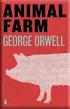 Name Gifted Middle School Summer Reading Animal Farm This summer you will read the novel, Animal Farm, which is about farm animals that rebel against the farmer in order to create a better life. But what
Language Arts Core, First Grade, Standard 8 Writing-Students write daily to communicate effectively for a variety of purposes and audiences.
 Genre Unit Reading and Writing Fables by Amy Kinney Language Arts Core, First Grade, Standard 7 Comprehension-Students understand, interpret, and analyze narrative and informational grade level text. Objective
Learner Guide. Cambridge IGCSE Literature (English) Cambridge Secondary 2
 Learner Guide Cambridge IGCSE Literature (English) 0486 Cambridge Secondary 2 Cambridge International Examinations retains the copyright on all its publications. Registered Centres are permitted to copy
Some Tips on Titling Your Critical Analysis Essay
 Some Tips on Titling Your Critical Analysis Essay In the discipline of English, formulating an effective title for your essay matters for few reasons: A good working title helps you to focus your ideas
Learn How to Revise 1
 Learn How to Revise 1 SCHOOL EXAM DATES 2016 END OF YEAR EXAMS FOR YEARS 7-9 BEGIN ON MONDAY 6 TH JUNE THEY WILL TAKE PLACE IN LESSONS DURING THIS WEEK AND IF NECESSARY THE WEEK AFTER. Some subjects are
Grade 8 English Language Arts 90 Reading and Responding, Lesson 9
 GRADE 8 English Language Arts Reading and Responding: Lesson 9 Read aloud to the students the material that is printed in boldface type inside the boxes. Information in regular type inside the boxes and
English 9 Honors Required Summer Assignment
 English 9 Honors Required Summer Assignment Students enrolled in the English 9 Honors course for the 2015-2016 school year will be required to complete the enclosed assignments. Failure to complete these
Acts 11 : 1-18 Sermon
 Acts 11 : 1-18 Sermon Imagine a church being riven apart by different personalities leading different groups each trying to pull it in different directions. Imagine a church whose future is threatened
THE TEMPTATION OF JESUS (C.1.Spring.3)
 THE TEMPTATION OF JESUS (C.1.Spring.3) Biblical Reference Matthew 4:1-11, Mark 1:12-13, Luke 4:1-15 Key Verse Hebrews 4:15 Key Concept Jesus was tempted like me and the way he faced temptation is an example
NATIONAL CURRICULUM LINKS
 Special Places Key Stage 1 < < Special Places SUMMARY OF ACTIVITY Based around a Native American theme whereby pupils spend time in the outdoors on their own, but with each pupil supported by their own
FINAL. Mark Scheme. English Literature 47102H. (Specification 4710) Unit 2: Poetry across time (Higher)
 Version 0.3 General Certificate of Secondary Education June 2013 English Literature 47102H (Specification 4710) Unit 2: Poetry across time (Higher) FINAL Mark Scheme Mark schemes are prepared by the Principal
Assessing Speaking Performance Level B2
 Examiners and speaking assessment in the FCE exam Speaking tests are conducted by trained examiners. The quality assurance of Speaking Examiners (SEs) is managed by Team Leaders (TLs) who are in turn responsible
Cambridge English: ESOL Skills for Life
 Cambridge English: ESOL Skills for Life ESOL Skills for Life Speaking and Listening Entry 3 Sample Test E This test should not exceed 22 minutes. Please note: With the exception of the Task Sheets in Phases
LESSON TITLE: Spiritual Gifts. THEME: God gives us all different gifts to serve Him and to serve others! SCRIPTURE: 1 Corinthians 12:1-31; 14:1-40
 Devotion NT319 CHILDREN S DEVOTIONS FOR THE WEEK OF: LESSON TITLE: Spiritual Gifts THEME: God gives us all different gifts to serve Him and to serve others! SCRIPTURE: 1 Corinthians 12:1-31; 14:1-40 Dear
Academic Standards for Reading, Writing, Speaking, and Listening June 1, 2009 FINAL Elementary Standards Grades 3-8
 Academic Standards for Reading, Writing, Speaking, and Listening June 1, 2009 FINAL Elementary Standards Grades 3-8 Pennsylvania Department of Education These standards are offered as a voluntary resource
Helping People with Mental Illness
 Helping People with Mental Illness A Mental Health Training Programme for Community Health Workers Module E Helping Families Cope with Mental Health Problems Page 1 About this course Helping People with
POLITE ENGLISH. Giving advice FREE ON-LINE COURSE. Lesson 2: version without a key SZKOLENIA JĘZYKOWE DLA FIRM ZREALIZUJEMY TWÓJ CEL!
 POLITE ENGLISH FREE ON-LINE COURSE Lesson 2: Giving advice version without a key WARM UP THINK Do you like giving advice? Do you often ask for advice? WATCH OUT! Do you know the difference between: ADVICE
God is Eternal Lesson 1
 Preschool Curriculum (4K / 5K) August 15 th & 16 th, 2009 God is Eternal Lesson 1 Divine Attribute: Heart Response: God is Eternal Be Amazed Memory Verse: Jesus Christ is the same yesterday, today and
Preparing for the new GCSE English specifications
 Preparing for the new GCSE English specifications How Let s Think in English can help 1 Laurie Smith April 2014 Summary All GCSE specifications are to be made more demanding to improve education in England,
General Certificate of Secondary Education June 2010
 General Certificate of Secondary Education June 2010 English Literature 3712/H (Specification A) Higher Tier Tuesday 25 May 2010 9.00 am to 10.45 am H For this paper you must have:! a 12-page answer book!
SENTENCE FRAGMENTS. 1. Complete sentences
 SENTENCE FRAGMENTS A sentence fragment is a piece of information that is punctuated as a sentence but that lacks some of the characteristics of a complete sentence. 1. Complete sentences A sentence must
GCSE Subject Level Conditions and Requirements for English Literature April 2014
 GCSE Subject Level Conditions and Requirements for English Literature April 2014 Ofqual/14/5424 Contents GCSE Subject Level Conditions and Requirements for English Literature Introduction... 2 About this
WRITING A CRITICAL ARTICLE REVIEW
 WRITING A CRITICAL ARTICLE REVIEW A critical article review briefly describes the content of an article and, more importantly, provides an in-depth analysis and evaluation of its ideas and purpose. The
Angel Guidance Messages of Love and Guidance
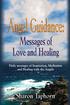 A beautiful expanded collection of messages inspired from the daily Angel Wisdom that Sharon Taphorn channels and shares with thousands of readers around the world. Each message contains thought provoking
I Miss My Pet: A workbook for children about pet loss
 I Miss My Pet. Unpublished workbook, Katie Nurmi 2002 1/30 I Miss My Pet: A workbook for children about pet loss Illustration by Joseph, age 6, The Solid Foundation Association, State College, PA. Developed
The Significance of the Ducks in The Catcher in the Rye. In JD Salinger s The Catcher in the Rye, Holden Caulfield, a teenage boy,
 Strengths Fine, clear introduction Excellent overall reading of the text Suggestions Topic sentences should reflect Holden s path to maturity, which is the thesis of the essay, instead of merely placing
Academic Standards for Reading, Writing, Speaking, and Listening
 Academic Standards for Reading, Writing, Speaking, and Listening Pre-K - 3 REVISED May 18, 2010 Pennsylvania Department of Education These standards are offered as a voluntary resource for Pennsylvania
English lesson plans for Grade 3
 English lesson plans for Grade 3 Lessons in this section 3.1 Vocabulary and speaking: How do you say in English? 76 3.2 Reading: We re going to take a holiday 80 3.3 Listening and writing: holiday plans
Langston Hughes: Dream Variations Page 1 of 6
 Langston Hughes: Dream Variations Page 1 of 6 Relevant Unit Objectives Module 1: African American Community and Culture This lesson addresses the following Essential Questions: How did African-American