
Guideline for the Management of Extravasation
|
|
|
- Anthony Sims
- 9 years ago
- Views:
Transcription

1 Guideline for the Management of Extravasation Version History Version Date Brief Summary of Change Issued Endorsed by the Governance Committee Prepared for review Changes made following review by Andrew Stanley Discussion at Chemotherapy Network Site Specific Group With comments from Andrew Stanley Discussion at Chemotherapy Network Site Specific Group and updated by Andrew Stanley Various versions for consideration sent to NSSG April Final version by Andrew Stanley for review by the Chemotherapy NSSG and Jeanette Hawkins Endorsed by the Governance Committee Date Approved by Network Governance June 2011 Date for Review June 2014 Changes since version 1 Part 1 has been added to describe the use of dexrazoxane. The updated version of the Royal Marsden Hospital Manual has been added. Page 1 of 21
2 1 Scope of the Guideline This guidance has been produced to support the following: The prevention of the extravasation of intravenous anti-cancer drugs. The early detection of the extravasation of intravenous anti-cancer drugs. The treatment of the extravasation of intravenous anti-cancer drugs. 2 Guideline Statement Statement 2 The Network Site Specific Group has agreed to adopt the Royal Marsden Hospital Manual of Clinical Nursing Procedures 7 th Edition; Blackwell Publishing (2008), chapter on extravasation, with the addition of a section on dexrazoxane. Part 1 is: Part 2 is: Detailed guidance on the use of dexrazoxane. The Royal Marsden Hospital Manual of Clinical Nursing Procedures 7 th Edition; Blackwell Publishing (2008), chapter on extravasation. These have been adopted as guidelines for the management of extravasation of anticancer drugs used in the cancer care setting. Statement 2 There are a number of drugs included which normally have a three year review. This guideline will be reviewed in between times if new drugs become available. Part 1 - Detailed Guidance on the Use of dexrazoxane 3 Dexrazoxane 3.1 DEXRAZOXANE IS NOT RECOMMENDED FOR USE IN CHILDREN. FOR MANAGEMENT OF ANTHRACYCLINE EXTRAVASATION IN CHILDREN USE COOLING AND DMSO. 3.2 Dexrazoxane (Savene) is the first systemic antidote for the treatment of anthracycline extravasation; it is a cytotoxic drug. Dexrazoxane has two major mechanisms of action: a. It inhibits DNA topoisomerase II. b. It acts as an iron chelator and thereby reduces iron-dependant free radical oxidative stress associated with anthracycline induced toxicity. 3.3 As a cytotoxic drug disposal and safe handling requirements should be as any cytotoxic drug. Reconstitution needs to be carried out by an oncology pharmacist. It is administered as an intravenous infusion over 1-2 hours, once Page 2 of 21
3 a day for 3 days following extravasation. The first infusion needs to be administered within the first 6 hrs of extravasation. Dosing schedule is as follows: Day one: dexrazoxane 1000mg/m 2 Day two: dexrazoxane 1000mg/m 2 Day three: dexrazoxane 500mg/m 2 Maximum single dose is 2000mg 3.4 Site for Administration: Administration should be through a large vein away from the site of extravasation, so as not to cause any further tissue damage due to leakage of another drug. If the other arm cannot be used a site proximal to the area of extravasation should be used. If the extravasation is from a central venous access device (CVAD) the antidote should be given peripherally. If the extravasation is from a PICC line then the opposite arm should be used. 3.5 Prior to Administration: Discontinue any cooling procedures 15 minutes before administration. Do not use DMSO in conjunction with dexrazoxane. 3.6 When to Administer Dexrazoxane: a. Peripheral extravasations; dexrazoxane should only be administered when a positive diagnosis of an anthracycline extravasation has occurred. This is most likely when sufficient volume has extravasated to allow the attending practitioner to palpate the area and feel the spongey nature of the tissues around the site of the cannular tip. The current view is that this represents an extravasated volume of approximately 3mls. Volumes below 3mls or where the attending practitioner is unsure whether an extravasation has occurred should be treated with the application of DMSO and cold compression. Extravasation diagnosed substantially beyond the 6 hour window for treatment recommended by the manufacturer, i.e. up to 9 hours, should be treated with DMSO. b. Dexrazoxane is also recommended for any suspected extravasations of anthracyclines from central catheters. 3.7 Subsequent Chemotherapy Treatments: As dexrazoxane is an antidote to anthracyclines and blocks their action the MDT will need to decide whether the course of chemotherapy that the extravasation occurred on needs to be repeated. This will depend on when the extravasation occurred during the administration of the cytotoxic drug, i.e. if not much had been administered the treatment may be repeated, if most of the anthracycline had been administered the patient may progress onto the next course, although dexrazoxane may have blocked the action of that particular dose. Details of what drugs had been successfully delivered must be available for discussion with the oncologist. Page 3 of 21
4 3.8 Side Effects: Results from clinical trials and case studies indicate that dexrazoxane is a safe and well-tolerated drug. Side effects include those common to most cytotoxic drugs. Those to note are: neutropenia, infection, phlebitis, stomatitis, nausea and vomiting. Dexrazoxane is excreted via the kidneys therefore decreased renal function may increase serum concentrations. Following administration haematological and biochemical monitoring should take place; the regularity will depend on the patient and will need to be clarified with the medical team. The solution contains potassium, therefore potassium levels should be monitored in patients who are at risk of hyperkalaemia. Reporting see page 14 number 16 of RMH guideline. These incidents should be reported in accordance with the Trust clinical incident reporting procedure for each organisation. 3.9 Where is it Stored? Dexrazoxane is stored in pharmacy. It is the responsibility of individual units to ensure access to dexrazoxane is possible within 6 hours of an extravasation. Page 4 of 21
5 4 Royal Marsden Hospital Guidance THE NUMBERING FOR THIS SECTION RESTARTS AS IT IS TAKEN DIRECTLY FROM THE RMH MANUAL Part 2 - The Royal Marsden Hospital Manual of Clinical Nursing Procedures 7 th Edition; Blackwell Publishing (2008), chapter on extravasation Extravasation of Vesicant Drugs - Definition Extravasation is a well-recognised complication of intravenous (IV) chemotherapy administration, but in general is a condition that is often under-diagnosed, undertreated and under-reported (Stanley 2002). The incidence of extravasation is estimated to be between 0.5 and 6.0% of cytotoxic drug administration (Kassner 2000; Khan & Holmes 2002; Lawson 2003; Masoorli 2003; Goolsby & Lombardo 2006) with some estimates for peripheral extravasation between 23 and 25% (Roth 2003). CVADs have decreased the incidence of extravasation but it can still occur, usually as a result of a leaking or damaged catheter, fibrin sheath formation (Mayo 1998) or a port needle dislodgement (Schulmeister 1998). The incidence estimated is up to 6% with ports (Masoorli 2003). However, whilst the incidence is lower, the severity of the injuries is far greater as detection tends to occur later (Kassner 2000; Stanley 2002; Polovich et al. 2005). Even when practitioners have many years of experience, extravasation of vesicant agents can occur and is an extremely stressful event, but is not in itself an act of negligence (Weinstein 2007). Early detection and treatment are crucial if the consequences of an untreated or poorly managed extravasation are to be avoided (Figure 12.3). These may include: Pain from necrotic areas Physical defect The cost of hospitalization and plastic surgery Delay in the treatment of disease Psychological distress Litigation: nurses are now being named in malpractice allegations, and extravasation injuries are an area for concern (Dougherty 2003; Masoorli 2003; Roth 2003; Weinstein 2007). 1 Prevention of Extravasation The nurse's focus should be on safe intravenous technique and implementing strategies to minimize the risk (Weinstein 2007). This includes the following strategies. 2. Monitoring the Site Confirming venous patency by flushing with 0.9% sodium chloride solution with at least 5 10 ml prior to administration of vesicants and frequent monitoring thereafter (Goolsby & Lombardo 2006; Weinstein 2007). Checking blood return after every 2 5 ml is recommended but cannot be relied upon as the key sign when giving a bolus Page 5 of 21
6 injection, and monitoring the site every 5 10 minutes for any swelling (Weinstein 2007). 3. Location of the Device The most appropriate site for the location of a peripheral cannula is considered to be the forearm (Schrijvers 2003; Weinstein 2007). However, a large straight vein over the dorsum of the hand is preferable to a smaller vein in the forearm (Weinstein 2007). Siting over joints should be avoided as tissue damage in this area may limit joint movement in the future. It is also recommended that the antecubital fossa should never be used for the administration of vesicants because of the risk of damage to local structures such as nerves and tendons (Hayden & Goodman 2005; Weinstein 2007; Gabriel 2008). Avoid venepuncture sites in limbs with impaired circulation, sclerosis, thrombosis or scar formation. Also avoid cannulation below a recent venepuncture site (Goolsby & Lombardo 2006). 4. Patients at Risk Patients who are at increased risk of extravasation (Box 12.2) should be observed more closely and cared for with extra caution. Box 12.2 Patients at Risk of Extravasation Infants and young children. Elderly patients. Those who are unable to communicate, e.g. sedated, unconscious, confused, language issues. Those with chronic diseases, e.g. cancer, peripheral vascular disease, superior vena cava (SVC) syndrome, lymphoedema. Those on medications: anticoagulants, steroids. Those who have undergone repeated intravenous cannulation/venepuncture. Those with fragile veins or who are thrombocytopenic. * Polovich et al. 2005; Hayden & Goodman 2005; Sauerland et al Sequence of Drugs (Table 12.3) Vesicants should be given first (Kassner 2000; Hayden & Goodman 2005; Goolsby & Lombardo 2006). Reasons for this include: 1. Vascular integrity decreases over time. 2. Vein is most stable and least irritated at start of treatment. 3. Initial assessment of vein patency is most accurate. 4. Patient's awareness of changes more acute (Weinstein 2007). Page 6 of 21
7 Table 12.3 Drug sequencing rationale for administering vesicant drugs first or last (Stanley 2002; Weinstein 2007). Vesicants First 1 Vascular integrity decreases over time 2 Vein is most stable and least irritated at start of treatment 3 Initial assessment of vein patency is most accurate 4 Patient's awareness of changes more acute Vesicants Last 1 Vesicants are irritating and increase vein fragility 2 Venous spasm may occur and mask signs of extravasation 5. Types of Devices The use of steel needles is associated with a greater risk of extravasation and should be discouraged and a plastic cannula should be used instead (Schrijvers 2003; Polovich et al. 2005; Sauerland et al. 2006). Vesicants should be given via a newly established cannula wherever possible (Dougherty 2005; Goolsby & Lombardo 2006) and consideration should be given to changing the cannula site after 24 hours (Hayden & Goodman 2005). However, if the fluid runs freely, there is good blood return and there are no signs of erythema, pain or swelling at the site, there is no reason to inflict a second cannulation on the patient (Weinstein 2007). Consideration should be given to a CVAD if peripheral access is difficult. 6. Method of Administration Many vesicants must be given as a slow bolus injection, often via the side arm of a fast-running intravenous infusion of a compatible solution, e.g. doxorubicin or epirubicin via an infusion of 0.9% sodium chloride. If repeated infusions are to be given then a CVAD may be more appropriate (Stanley 2002; Weinstein 2007). 7. Skill of the Practitioner Correct choice of device and location, the ability to use the most appropriate vasodilatation techniques, early recognition of extravasation and prompt action come from ensuring only skilled and knowledgeable practitioners administer vesicant drugs and/or insert the vascular access device (Schrijvers 2003; Dougherty 2005; Goolsby & Lombardo 2006; Sauerland et al. 2006). Successful cannulation at the first attempt is ideal, as vesicants have been known to seep into tissues at a vein entry site of a previous cannulation (Gault & Challands 1997; Perdue 2001). This also includes accessing a port as it is vital that the correct selection of needle is made and that the device is secured adequately (Camp Sorrell 2005). Page 7 of 21
8 8. Patient Information Patients should be informed of the potential problems of administering vesicants and the possible consequences of extravasation (Stanley 2002; Sauerland et al. 2006; Weinstein 2007). Adequate information given to patients will ensure early recognition and co-operation as patients are the first to notice pain. The patient should be urged to report immediately any change in sensation such as burning or stinging (Goolsby & Lombardo 2006). 9. Drugs Capable of Causing Tissue Necrosis Before administration of vesicant cytotoxic drugs the nurse should know which agents are capable of producing tissue necrosis. The following is a list of examples of those in common use: Group A Drugs Vinca alkaloids Vinblastine Vindesine Vinorelbine Vincristine Vinflunine Paclitaxel Group B Drugs Amsacrine Carmustine (concentrated solution) Dacarbazine (concentrated solution) Dactinomycin Daunorubicin Doxorubicin Epirubicin Idarubicin Mithramycin Mitomycin C Mechlorethamine Streptozocin If in any doubt, the drug data sheet should be consulted or reference made to a research trial protocol. Drugs should not be reconstituted to give solutions which are higher than the manufacturer's recommended concentration, and the method of administration should be checked, e.g. infusion, injection. Page 8 of 21
9 A variety of vesicant non-cytotoxic agents in frequent use are also capable of causing severe tissue damage if extravasated. Examples include: Group A Drugs Calcium chloride Calcium gluconate Phenytoin Hypertonic solutions, e.g. sodium chloride >0.9% Sodium bicarbonate (>5%) Glucose 50% Group B Drugs Aciclovir Amphotericin Cefotaxime Diazepam Ganciclovir Potassium chloride (>40 mmol/l) Mannitol This potential hazard should always be remembered. The actions listed in this procedure may not be appropriate in all these instances. Drug data sheets should always be checked and the pharmacy departments should be consulted if the information is insufficient, regarding action to take if a vesicant drug extravasates. 10. Signs and Symptoms of Extravasation (see Table 12.4) Extravasation should be suspected if: 1. The patient complains of burning, stinging pain or any other acute change at the injection site, although this is not always present (Hayden & Goodman 2005). This should be distinguished from a feeling of cold, which may occur with some drugs, or venous spasm which can be caused by irritation usually accompanied by pain described as an achiness or tightness (Hayden & Goodman 2005). Any change of sensation warrants further investigation (Goolsby & Lombardo 2006). 2. Swelling is the most common symptom (Polovich et al. 2005). Induration or leakage may also occur at the injection site. Swelling may not always be immediately obvious if the patient has the cannula sited in an area of deep subcutaneous fat, in a deep vein or if the leak is via the posterior vein wall (Dougherty 2005). 3. Blanching of the skin occurs (Comerford et al. 2002). Erythema can occur around the injection site but this is not usually present immediately (Hayden & Goodman 2005). It is important that this is distinguished from a flare reaction (Polovich et al. 2005). 4. Blood return is one of the most misleading of all signs particularly related to peripheral devices. In peripheral devices, if blood return is sluggish or absent this may indicate lack of patency or incorrect position of the device. However if no other signs are apparent this should not be regarded as an indication of a non-patent vein, as a vein may not bleed back for a number of reasons and extravasation may occur even in the event of good blood return (Hayden & Goodman 2005). Any change in blood flow should be investigated (Hayden & Goodman 2005; Weinstein 2007). In CVADs there should always be blood return and if this is absent steps should be followed in order to be able to verify correct tip and needle position or resolve a fibrin sheath (see Figure 45.1). Page 9 of 21
10 5. A resistance is felt on the plunger of the syringe if drugs are given by bolus (Vandergrift 2001; Stanley 2002). 6. There is absence of free flow when administration is by infusion, once other reasons have been excluded, e.g. position (Vandergrift 2001; Stanley 2002). Note: one or more of the above may be present. If extravasation is suspected or confirmed, the injection or infusion must be stopped immediately and action must be taken (Polovich et al. 2005; Infusion Nurses Society 2006; Weinstein 2007). Page 10 of 21
11 Table 12.4 Nursing assessment of extravasation versus other reactions (Polovich et al. 2005; Weinstein 2007) Extravasation Assessment parameter Flare reaction Venous irritation Immediate manifestations, i.e. during drug administration Delayed manifestations, i.e. from 24 hours after Pain None Aching, throbbing sensation along vein and in the limb Redness Immediate blotches or tracking along the vein. This will subside within minutes with or without treatment (usually steroid cream) Vein may become red or darkened Severe stinging or burning pain (not always present). This can last from minutes to hours and will eventually subside. Occurs during drug administration at the device site and surrounding areas Not always present immediately: more likely to see blanching of the skin. As area becomes inflamed redness will appear around the device site Swelling Unlikely Unlikely May occur immediately but may not always be easy to identify immediately Blood return Usually present Usually present Inability to obtain blood return but may require (peripheral or central) but blood return application of heat may be present throughout to improve blood return extravasation Can continue following extravasation or start within 48 hours Later occurrence Usually within 48 hours Ulceration Unlikely Unlikely Unlikely Can occur within hours but may take 3 4 weeks to develop Others Urticaria None Change in quality of the infusion or pressure on the syringe Local tingling and sensory deficits Page 11 of 21
12 11. Management of Extravasation The management of extravasation of chemotherapy agents is controversial and there is little documented evidence of efficacy. Until recently, no antidote has received clear validation in controlled clinical trials and no randomized trials managing cytotoxic extravasation in humans have been completed (Bertolli 1995). Some studies performed on animals have demonstrated both effective and ineffective treatments but extrapolation from animals to humans is limited (Polovich et al. 2005; Wickham et al. 2006). Other studies have been small with low numbers of patients. Another problem is that it is often difficult to ascertain whether any extravasation has actually occurred (Weinstein 2007). Therefore recommendations are based on more consistent experimental evidence, cumulative clinical experience from available case reports and uncontrolled studies and empirical guidelines (Bertolli 1995). Drugs where there is evidence of effective management include: anthracyclines (Rudolph & Larson 1987), vinca alkaloids (Bertolli 1995), computed tomography (CT) contrast media (Federle et al. 1998) and paclitaxel (Bertolli et al. 1997). The management of extravasation involves several stages including the following. Stage 1: stopping infusion/injection and aspirating the drug It appears that most authors are agreed that aspirating as much of the drug as possible, as soon as extravasation is suspected, is beneficial (Rudolph & Larson 1987; Vandergrift 2001; Polovich et al. 2005; Weinstein 2007) and can help lower the concentration of the drug in the area (Goolsby & Lombardo 2006). However, withdrawal is only immediately possible during bolus injections, as an infusion would need to be stopped and a syringe attached in an attempt to aspirate. Aspiration may be successful if extravasation presents itself as a raised blister, but may be unsuccessful if tissue is soft and soggy (CP Pharmaceuticals 1999; Stanley 2002). It may help to reduce the size of the lesion (Vandergrift 2001). In practice it may achieve little and often distresses the patient (Gault & Challands 1997). The likelihood of withdrawing blood (as suggested by Ignoffo & Friedman 1980) is small and the practitioner may waste valuable time attempting this which could lead to delay in the rest of the management procedure. Stage 2: removing device Some clinicians advocate that the peripheral vascular access device be left in situ in order to instil the antidote via the device and into the affected tissues (Kassner 2000; Stanley 2002; Weinstein 2007). However, others recommend that the peripheral device should be removed to prevent any injected solution increasing the size of the affected area (Rudolph & Larson 1987; CP Pharmaceuticals 1999; Vandergrift 2001). There appears to be no research evidence to support either practice. Stage 3: applying hot or cold packs Cooling appears to be a better choice, with the exception of the vinca alkaloids and some non-cytotoxic drugs, than warming (Bertolli 1995; CP Pharmaceuticals 1999). Cold causes vasoconstriction, localizing the extravasation and perhaps allowing time for local vascular and lymphatic systems to contain the drug. It should be applied for Page 12 of 21
13 15 20 minutes, 3 4 times a day for up to 3 days (Gault & Challands 1997; CP Pharmaceuticals 1999; Polovich et al. 2005). Heat promotes healing after the first 24 hours by increasing the blood supply (Polovich et al. 2005; Weinstein 2007). It also decreases local drug concentration, increasing the blood flow which results in enhanced resolution of pain and reabsorption of local swelling. Stage 4: use of antidotes A number of antidotes are available, but again there is a lack of scientific evidence to demonstrate their value and so the role of antidotes is still not clear (Polovich et al. 2005). There appear to be two main methods: (i) localize and neutralize (using hyaluronidase) (CP Pharmaceuticals 1999); and (ii) spread and dilute (using an antidote) (Stanley 2002). Administration of antidotes if not via the cannula is by the pincushion technique; that is, instilling small volumes around and over the areas affected using a small gauge (25) needle towards the centre of a clock face. The procedure causes considerable discomfort to patients, and if large areas are to be tackled analgesia should be considered (Stanley 2002). Hyaluronidase is an enzyme which breaks down hyaluronic acid, a normal component of tissue cement and helps to reduce or prevent tissue damage by allowing rapid diffusion of the extravasated fluid and promoting drug absorption (Few 1987). The usual dose is 1500 IU (Bertolli 1995; Vandergrift 2001). It should be injected within 1 hour of extravasation, ideally through the intravenous device delivering the enzyme to the same tissue (Gault & Challands 1997; Vandergrift 2001; Stanley 2002; Weinstein 2007). NB. Hyaluronidase increases the absorption of local anaesthetic. Therefore if local anaesthetic has been applied to the area, e.g. Ametop gel prior to cannulation, within 6 hours of extravasation, then the patient should be monitored for signs and symptoms of systemic anaesthesia such as increased pulse rate and decreased respirations and the doctor informed immediately (BMA/RPSGB 2008). Corticosteroids have long been advocated as a treatment for anthracycline extravasation in reducing inflammatory components, although inflammation is not a prominent feature of tissue necrosis (Camp Sorrell 1998) and they appear to have little benefit. Data now discourages the use of locally injected steroids, as there is little evidence to support their use (Bertolli 1995; Gault & Challands 1997; Wickham et al. 2006). However, given as a cream they can help to reduce local trauma and irritation (Stanley 2002). Dimethyl sulfoxide (DMSO) is a potent free radical scavanger that rapidly penetrates tissues when applied topically (Bertolli 1995). Reports on the clinical use of topical DMSO show it is effective and well tolerated in extravasation (Bertolli 1995). However, this is based on a high dose (95%) and only 50% is easily available in the UK (Stanley 2002). Side-effects from DMSO include itching, erythema, mild burning and a characteristic breath odour (Bertolli 1995). Recently dexrazoxane, a topoisomerase II catalytic inhibitor, used clinically to minimize the cardiotoxicity of doxorubicin, has been tested in animal models and a small number of patients for its use in extravasation. It is given IV 3 6 hours after the extravasation and it appears to reduce the wound size and duration with Page 13 of 21
14 anthracyclines. The triple dosage appears to be more effective than a single dose (Langer et al. 2000; El Saghir et al. 2004). A consensus group (Jackson et al. 2006) have developed recommendations for the use of dexrazoxane: 1. For anthracycline extravasations resulting from peripheral administration, the site expert or team should be consulted in order to determine whether the use of dexrazoxane is indicated. 2. Absolute indications are if the peripherally extravasated volume exceeds 15 ml and in the event of a central venous extravasation. Finally, granulocyte macrophage-colony stimulating factor (GM-CSF) is a growth factor and has been found effective in accelerating wound healing and inducing formation of granulation of tissue (Ulutin et al. 2000; El Saghir et al. 2004). Stage 5: elevation of limb This is recommended as it minimizes swelling (Rudolph & Larson 1987) and movement should be encouraged to prevent adhesion of damaged areas to underlying tissue (Gabriel 2008). Stage 6: surgical techniques Some centres suggest that a plastic surgery consultation be performed as part of the management procedure in order to remove the tissue containing the drug. Surgical intervention is recommended, especially if the lesion is greater than 2 cm; there is significant residual pain 1 2 weeks after extravasation, or there is minimal healing 2 3 weeks after injury despite local therapeutic measures (Goolsby & Lombardo 2006). Liposuction or a flush-out technique can remove extravasated drug without resorting to excision and skin grafting. A liposuction cannula can be used to aspirate extravasated material and subcutaneous fat. If there is little subcutaneous fat, e.g. preterm infants, then the saline flush-out technique is recommended, particularly if done within the first 24 hours. It has been suggested as a less traumatic and cheaper procedure than surgery. Four small stab incisions are made and large volumes of 0.9% sodium chloride are administered which flush out the extravasated drug (Gault & Challands 1997). Management of large extravasations from CVADs is usually by surgical intervention and washout of affected tissues. 12. Extravasation Kits The use of extravasation kits has been recommended in order to provide immediate management (Khan & Holmes 2002; Hayden & Goodman 2005). Kits should be assembled according to the particular needs of individual institutions. They should be kept in all areas where staff are regularly administering vesicant drugs, so staff have immediate access to equipment (Gabriel 2008). The kit should be simple to avoid confusion, but comprehensive enough to meet all reasonable needs (Stanley 2002) (see Procedure guidelines: Extravasation management: peripheral cannula, below). Instructions should be clear and easy to follow, and the use of a flow chart enables staff to follow the management procedure in easy steps (Figure 12.4). Page 14 of 21
15 13. Mixed Vesicant Extravasation Consideration should be given to the management of mixed vesicant drug extravasation in terms of which drug to treat with which antidote. It has been recommended to act in accordance with the drug which possesses the most deleterious properties (How & Brown 1998). 14. Informing the Patient Patients should always be informed when an extravasation has occurred and be given an explanation of what has happened and what management has been carried out (McCaffrey Boyle & Engelking 1995). An information sheet should be given to patients with instructions of what symptoms to look out for and when to contact the hospital during the follow-up period (Gabriel 2008). 15. Wound Management Damage will be affected by the site, amount of drug, concentration of the agent and if it binds to DNA or not (Polovich et al. 2005). Ulceration may occur over a period of days to weeks and extravasation wounds may be complicated by tissue ischaemia related to endothelial damage (Naylor 2005). The type of injury will dictate the type of dressing. Assessment of the wound should include position and size of the wound, amount and type of tissue present, amount and type of exudate, and extent and spread of erythema (Naylor 2005). 16. Documentation and Follow Up An extravasation must be reported and fully documented as it is an accident and the patient may require follow-up care. (NMC 2005; RCN 2005). Information may also be used for statistical purposes, for example collation and analysis using the green card scheme devised by St. Chad's Hospital, Birmingham (Stanley 2002). Statistics on the incidence, degree, causes and corrective action should be monitored and analysed (Infusion Nurses Society 2006). Finally, it may be required in case of litigation, which is now on the increase (Dougherty 2003; Masoorli 2003).. Page 15 of 21
16 Page 16 of 21 Figure
17 Equipment To assist the nurse, an extravasation kit should be assembled and should be readily available in each ward/unit. It contains: 1. Gel packs 2 : one to be kept in the fridge and one available for heating (an electric heating blanket can be used whilst pack is heating). 2. Hyaluronidase 1500 IU/2 ml sterile water. 3. Hydrocortisone cream 1% 15 g tube ml syringes G needles Alcohol swabs. 7. Documentation forms. 8. Copy of extravasation management procedure. 9. Patient information leaflet. Procedure Action 1 Explain and discuss the procedure with the patient. 2 Stop injection or infusion immediately, leaving the cannula in place. 3 Aspirate any residual drug from the device and suspected extravasation site. Rationale To ensure that the patient understands the procedure and gives his/her valid consent (DH 2002a: C; NMC 2008b: C). To minimize local injury. To allow aspiration of the drug to be attempted (Polovich et al. 2005: C; RCN 2005: C). To minimise local injury by removing as much drug as possible and only attempt if appropriate. Subsequent damage is related to the volume of the extravasation, in addition to other factors (Polovich et al. 2005: C; RCN 2005: C). 4 Remove the cannula. To prevent the device from being used for antidote administration (Rudolph & Larson 1987: E). 5 Collect the extravasation pack and take it to the patient. It contains all the equipment necessary for managing extravasation (Stanley 2002: E; Dougherty 2005: E). Page 17 of 21
18 Draw up hyaluronidase 1500 IU in 1 ml water for injection and inject volumes of ml subcutaneously at points of the compass around the circumference of the area of extravasation. Apply warm pack Apply cold pack or ice instantly. However, if extravasation is with any of the following category B drugs: mitomycin C; doxorubicin; idarubicin; epirubicin; actinomycin D then: Draw around area of extravasation with indelible pen Put on gloves. Apply thin layer of DMSO topically to the marked area using the small plastic spatula in lid of the bottle. Allow it to dry. Apply gauze. This should be applied within minutes. Where possible elevate the extremity and/or encourage movement. Inform a member of the medical staff at the earliest opportunity and administer any other prescribed antidotes, e.g. dexrazoxane. Apply hydrocortisone cream 1% twice daily, and instruct the patient how to do this. Continue as long as erythema persists. Where appropriate, apply DMSO every 2 hours on day 1 and then every 6 hours for up to 7 days (patients will need to have this prescribed as a to take out [TTO] and continue treatment at home where necessary). Group A Drugs: This is the recommended agent for group A drugs. The warm pack speeds up absorption of the drug by the tissues (Bertolli 1995: C). Group B Drugs: To localize the area of extravasation, slow cell metabolism and decrease the area of tissue destruction. To reduce local pain (Polovich et al. 2005: C). This is the recommended agent for these anthracyclines and helps to reduce local tissue damage (Bertolli 1995: C). To minimize swelling and to prevent adhesion of damaged area to underlying tissue, which could result in restriction of movement (Rudolph & Larson 1987: E). To enable actions differing from agreed policy to be taken if considered in the best interests of the patient. To notify the doctor of the need to prescribe any other drugs (E). To reduce local inflammation and promote patient comfort (Stanley 2002: E). To help reduce local tissue damage (Bertolli 1995: C). Page 18 of 21
19 Heat packs (group A drugs) should be reapplied after initial management for 2 4 hours. Cold packs (group B drugs) should be applied for minutes, 3 4 times a day for up to 3 days. To localize the steroid effect in the area of extravasation. To reduce local pain and promote patient comfort (Bertolli 1995: C). Provide analgesia as required. To promote patient comfort. To encourage movement of the limb as advised (E). Document the following details, in duplicate, on the form provided: a) Patient's name/number. b) Ward/unit. c) Date, time. d) Signs and symptoms. e) Venepuncture site (on diagram). f) Drug sequence. g) Drug administration technique, i.e. bolus or infusion. h) Approximate amount of the drug extravasated. i) Diameter, length and width of extravasation area. j) Appearance of the area. k) Step-by-step management with date and time of each step performed and medical officer notification. l) Patient's complaints, comments, statements. m) Indication that patient's information sheet given to patient. n) Follow-up section. o) Whether photograph was taken. p) If required, when patient referred to plastic surgeon. q) Signature of the nurse. Explain to the patient that the site may remain sore for several days. Observe the area regularly for erythema, induration, blistering or necrosis. Inpatients: monitor daily. Where appropriate, take photograph. To provide an immediate full record of all details of the incident, which may be referred to if necessary. To provide a baseline for future observation and monitoring of patient's condition. To comply with NMC guidelines (Kassner 2000: E; NMC 2005: C; RCN 2005: C; Weinstein 2007: E). To reduce anxiety and ensure continued co-operation (P: E). To detect any changes at the earliest possible moment (RCN 2005: C). Page 19 of 21
20 All patients should receive written information explaining what has occurred, what management has been carried out, what they need to look for at the site and when to report any changes. For example, increased discomfort, peeling or blistering of the skin should be reported immediately. If blistering or tissue breakdown occurs, begin dressing techniques and seek advice regarding wound management. Depending on size of lesion, degree of pain, type of drug, refer to plastic surgeon. To detect any changes as early as possible, and allow for a review of future management. This may include referral to a plastic surgeon (Gault & Challands 1997: E; Polovich et al. 2005: C; RCN 2005: C). To minimize the risk of a superimposed infection and sterile increase healing (Naylor 2005: E). To prevent further pain or other complications as chemically induced ulcers rarely heal spontaneously (Polovich et al. 2005: C; Dougherty 2005: E). Monitoring of the Guideline Implementation of the guidance will be considered as a topic for audit by the NSSG in and reviewed in. Authors Andrew Stanley Network Pharmacist References The Royal Marsden Hospital Manual of Clinical Nursing Procedures 7 th Blackwell Publishing (2008). Edition; Page 20 of 21
21 Approval Signatures Pan Birmingham Cancer Network Governance Committee Chair Name: Doug Wullf Signature Date July 2011 Pan Birmingham Cancer Network Manager Name: Karen Metcalf Signature Date July 2011 Network Site Specific Group Clinical Chair Name: Frances Shaw Signature Date July 2011 Page 21 of 21
Coversheet for Network Site Specific Group Agreed Documentation
 Coversheet for Network Site Specific Group Agreed Documentation This sheet is to accompany all documentation agreed by Pan Birmingham Cancer Network Site Specific Groups. This will assist the Network Governance
Extravasation guidelines 2007. Implementation Toolkit
 Extravasation guidelines 2007 Guidelines Implementation Toolkit Contents Extravasation guidelines 2007 Introduction to the Extravasation guidelines Introduction 4 Overall Goal 4 Specific Targets and Aims
A4.7 Management of a totally occluded central catheter and persistent withdrawal occlusion (PWO)
 A4.7 Management of a totally occluded central catheter and persistent withdrawal occlusion (PWO) Types of Catheter Related Thrombotic A catheter-related thrombus may be intraluminal (inside the catheter)
Extravasation. Monique Ackermann. EAHP Foundation seminar in Krakow 23-25 Mai 2008
 Extravasation Monique Ackermann EAHP Foundation seminar in Krakow 23-25 Mai 2008 Pharmacie Interhospitalière de la Côte, Morges Pharmacie des Hôpitaux Universitaires de Genève PLAN 1. Introduction 1. Definition
Guy s, King s and St Thomas Cancer Centre The Cancer Outpatient Clinic Central venous catheter: Peripherally inserted central catheter
 Guy s, King s and St Thomas Cancer Centre The Cancer Outpatient Clinic Central venous catheter: Peripherally inserted central catheter This information leaflet aims to help answer some of the questions
IV Contrast Extravasation PQI Project Feed-Back Document from the Society of Abdominal Radiology & American College of Radiology
 IV Contrast Extravasation PQI Project Feed-Back Document from the Society of Abdominal Radiology & American College of Radiology This performance feedback document and the accompanying spreadsheet include
Medications or therapeutic solutions may be injected directly into the bloodstream
 Intravenous Therapy Medications or therapeutic solutions may be injected directly into the bloodstream for immediate circulation and use by the body. State practice acts designate which health care professionals
Cytotoxic and Biotherapies Credentialing Programme Module 6
 Cytotoxic and Biotherapies Credentialing Programme Module 6 1. Safe Handling and Administration of Cytotoxic and Biotherapies 2. Waste and Spill Management At the completion of this module the RN will
Lifecath Midline. A Nurses Guide to Lifecath Midline
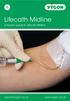 Lifecath Midline A Nurses Guide to Lifecath Midline [email protected] www.vygon.co.uk Lifecath Midline A Nurses Guide to Lifecath Midline This booklet provides guidance in the care and maintenance of Midline
Flushing and Dressing a Peripherally Inserted Central Catheter (PICC Line): a Guide for Nurses
 Flushing and Dressing a Peripherally Inserted Central Catheter (PICC Line): a Guide for Nurses Information for Nurses Introduction This information is for community nursing staffs who have been asked to
Guideline for the use of subcutaneous hydration in palliative care (hypodermoclysis)
 Guideline for the use of subcutaneous hydration in palliative care (hypodermoclysis) Date Approved by Network Governance September 2012 Date for Review September 2015 Page 1 of 7 1 Scope of Guideline 1.1
Insertion of a Peripherally Inserted Central Catheter (PICC Line)
 Insertion of a Peripherally Inserted Central Catheter (PICC Line) Patient Information Introduction This booklet has been written to provide information to patients about to have a peripherally inserted
Peripherally Inserted Central Catheter (PICC) for Outpatient
 Peripherally Inserted Central Catheter (PICC) for Outpatient Introduction A Peripherally Inserted Central Catheter, or PICC line, is a thin, long, soft plastic tube inserted into a vein of the arm. It
Caring for a Tenckhoff Catheter
 Caring for a Tenckhoff Catheter UHN A Patient s Guide What is a Pleural Effusion? There is a small space between the outside of your lung and the chest wall (ribs). This space is called the pleural space.
PERIPHERALLY INSERTED CENTRAL CATHETERS (PICC) Fong So Kwan APN, Haematology unit Medical Department, QMH
 PERIPHERALLY INSERTED CENTRAL CATHETERS (PICC) Fong So Kwan APN, Haematology unit Medical Department, QMH 1 What is a PICC catheter? Primary vascular access device since their introduction in the mid-1970s,
PICC & Midline Catheters Patient Information Guide
 PICC & Midline Catheters Patient Information Guide medcompnet.com 1 table of contents Introduction 4 What is a PICC or Midline Catheter? 4 How is the PICC or Midline Catheter Inserted? 6 Catheter Care
Epidural Continuous Infusion. Patient information Leaflet
 Epidural Continuous Infusion Patient information Leaflet April 2015 Introduction You may already know that epidural s are often used to treat pain during childbirth. This same technique can also used as
Beaumont Hospital Department of Nephrology and Renal Nursing. Guideline for administering Ferinject
 Beaumont Hospital Department of Nephrology and Renal Nursing Guideline Name: Guideline for administering Ferinject Guideline Number: 18 Guideline Version: a Developed By: Louise Kelly CNM 1 Renal Day Care
Chapter 4 Physiological Therapeutics. 1 Cryotherapy
 Chapter 4 Physiological Therapeutics 1 Cryotherapy CRYOTHERAPY PHYSIOLOGIC EFFECTS OF ICE APPLICATION 1. Decreased circulation 5. Increased tissue stiffness 2. Local vasoconstriction 6. Decreased muscle
POSSIBLE NURSING DIAGNOSIS: Pain Potential for Infection / Infection Fluid volume deficit
 1 Procedure for Subcutaneous Over-the-needle Cannula Insertion, Removal, Medication Administration, and Fluid Administration for the Individual in the Home PURPOSE: To provide medication via the subcutaneous
Renal Vascular Access Having a Fistula For Haemodialysis
 Renal Vascular Access Having a Fistula For Haemodialysis Delivering the best in care UHB is a no smoking Trust To see all of our current patient information leaflets please visit www.uhb.nhs.uk/patient-information-leaflets.htm
Vaxcel PICCs Valved and Non-Valved. A Patient s Guide
 Vaxcel PICCs Valved and Non-Valved A Patient s Guide Information about your Vaxcel PICC is available by calling the Navilyst Medical Vascular Access Information Line 800.513.6876 Vaxcel Peripherally Inserted
Care of your peripherally inserted central catheter
 Care of your peripherally inserted central catheter A guide for patients and their carers We care, we discover, we teach Contents What is a PICC?.... 1 How is it put in?.... 1 What are the benefits of
Administration of Medications & Fluids via a Peripheral Intravenous Cannula
 Administration of Medications & Fluids via a Peripheral Intravenous Cannula Clinical S.O.P. No.: 22.0 Compiled by: Approved by: Review date: November 2016 Administration of Medications & Fluids via S.O.P.
Ward 29 guide to the safe preparation and administration of intravenous (IV) antibiotics at home
 Ward 29 guide to the safe preparation and administration of intravenous (IV) antibiotics at home Contents Page Important contact numbers 1 General information on preparing and administering IV antibiotics
Understanding your Peripherally Inserted Central Catheter (PICC) Patient Information
 Understanding your Peripherally Inserted Central Catheter (PICC) Patient Information The Purpose of this Information Sheet This information sheet has been written by patients, members of the public and
PATIENT GUIDE. Understand and care for your peripherally inserted central venous catheter (PICC). MEDICAL
 PATIENT GUIDE Understand and care for your peripherally inserted central venous catheter (PICC). MEDICAL Introduction The following information is presented as a guideline for your reference. The best
Intravenous Therapy Principles of Care. Breege Smithers Practice Educator
 Intravenous Therapy Principles of Care Breege Smithers Practice Educator Objectives State indications for intravenous therapy List the advantages and disadvantages of intravenous therapy Identify the principles
Carla Duff, CPNP MSN CCRP Clinical Advanced Registered Nurse Practitioner University of South Florida Division of Allergy, Immunology, and
 Carla Duff, CPNP MSN CCRP Clinical Advanced Registered Nurse Practitioner University of South Florida Division of Allergy, Immunology, and Rheumatology Intravenous Subcutaneous IVIg SCIg What should you
PROCEDURE FOR SUBCUTANEOUS INSERTION, REMOVAL, MEDICATION ADMINISTRATION AND FLUID ADMINISTRATION FOR COMMUNITY PALLIATIVE CARE PATIENTS
 PROCEDURE FOR SUBCUTANEOUS INSERTION, REMOVAL, MEDICATION ADMINISTRATION AND FLUID ADMINISTRATION FOR COMMUNITY PALLIATIVE CARE PATIENTS Approved: February 2010 Date for review: February 2010 1 PROCEDURE
PICCs and Midline Catheters
 Patient Education PICCs and Midline Catheters Patient s guide to PICC (peripherally inserted central catheter) and midline catheters What are PICCs and midline catheters used for? Any medicine given over
Guidelines for the Use of Naloxone in Palliative Care in Adult Patients
 Guidelines for the Use of Naloxone in Palliative Care in Adult Patients Date Approved by Network Governance May 2012 Date for Review May 2015 Changes between Version 1 and 2 1. Guideline background 2.
Intravenous Therapy. Marjorie Wiltshire, RN
 Intravenous Therapy Marjorie Wiltshire, RN :OBJECTIVES Define key terms related to intravenous therapy. Demonstrate the procedure for IV insertion, conversion to a saline lock, administration of IV fluids,
Intraosseous Vascular Access and Lidocaine
 Intraosseous Vascular Access and Lidocaine Intraosseous (IO) needles provide access to the medullary cavity of a bone. It is a technique primarily used in emergency situations to administer fluid and medication
Questions and answers on breast cancer Guideline 10: The management of persistent pain after breast cancer treatment
 Questions and answers on breast cancer Guideline 10: The management of persistent pain after breast cancer treatment I ve had breast cancer treatment, and now I m having pain. Does this mean the cancer
Peripherally Inserted Central Catheter (PICC)
 Patient information leaflet Royal Surrey County Hospital NHS Foundation Trust Peripherally Inserted Central Catheter (PICC) Intravenous Therapy What is a PICC? A PICC is a very fine flexible tube measuring
CONSENT FOR STEROID INJECTION
 CONSENT FOR STEROID INJECTION What is Cortisone? Cortisone is the name used to describe a group of drugs correctly known as corticosteroids. Cortisone is used to treat pain in various parts of the body
REMOVAL OF A PICC. Possible Cause Nursing Actions Prevention
 REMOVAL OF A PICC PICC lines are removed following a physician order, when therapy is completed or complications such as line sepsis, thrombosis or phlebitis, require removal. The removal of a PICC line
Intraperitoneal Chemotherapy
 Intraperitoneal Chemotherapy What is Intraperitoneal (IP) Chemotherapy? Intraperitoneal (IP) chemotherapy is a way to put some of your chemotherapy into your abdomen (also called the peritoneal cavity)
I-140 Venipuncture for Blood Specimen Collection
 I-140 Venipuncture for Blood Specimen Collection Purpose Obtain a blood specimen by venipuncture for laboratory analysis using aseptic technique. Applies To Registered Nurses Licensed Practical/Vocational
PAEDIATRIC PERIPHERAL INTRAVENOUS CANNULA CARE
 12.1 PROTOCOL SUBJECT: PAEDIATRIC PERIPHERAL INTRAVENOUS CANNULA CARE DOCUMENT NUMBER: 12.1 DATE DEVELOPED: 11/06 LAST REVISED DATE: NEW PLANNED REVIEW DATE: 11/09 DISTRIBUTION: All Clinical Areas Kaleidoscope
Stepping toward a different treatment option LEARN WHAT ACTHAR CAN DO FOR YOU
 FOR MS RELAPSES Stepping toward a different treatment option LEARN WHAT ACTHAR CAN DO FOR YOU As a person with multiple sclerosis (MS), you know firsthand the profound impact MS relapses can have on your
Having denervation of the renal arteries for treatment of high blood pressure
 Having denervation of the renal arteries for treatment of high blood pressure The aim of this information sheet is to help answer some of the questions you may have about having denervation of the renal
3% Sodium Chloride Injection, USP 5% Sodium Chloride Injection, USP
 PRESCRIBING INFORMATION 3% Sodium Chloride Injection, USP 5% Sodium Chloride Injection, USP IV Fluid and Electrolyte Replenisher Baxter Corporation Mississauga, Ontario L5N 0C2 Canada Date of Revision:
ASWCS Policy for the Treatment of Extravasation Injury
 ASWCS Policy for the Treatment of Extravasation Injury Extravasation of Cytotoxic Drugs Introduction 1. The purpose of this policy is to inform practitioners of their responsibilities in relation to preventing
Policy and Procedure Flushing and / or Blood withdrawal Aspiration Procedure For PICC Line and Midline Catheters
 Policy and Procedure Flushing and / or Blood withdrawal Aspiration Procedure For PICC Line and Midline Catheters Purpose: Blood Withdrawal: To obtain blood samples for laboratory evaluation, eliminating
Lung Pathway Group Nintedanib (Vargatef) in advanced Non-Small Cell Lung Cancer (NSCLC)
 Lung Pathway Group Nintedanib (Vargatef) in advanced Non-Small Cell Lung Cancer (NSCLC) Indication: In combination with docetaxel in locally advanced, metastatic or locally recurrent NSCLC of adenocarcinoma
Information for patients who require Foam Sclerotherapy for Varicose Veins.
 Information for patients who require Foam Sclerotherapy for Varicose Veins. Why do I need this procedure? Everybody has two sets of veins in the legs. These include the superficial and deep veins. Their
Patient Information Guide Morpheus CT Peripherally Inserted Central Catheter
 Patient Information Guide Morpheus CT Peripherally Inserted Central Catheter IC 192 Rev C A measure of flexibility and strength. Table of Contents 1. Introduction 2. What is the Morpheus CT PICC? 3. What
PHENYLEPHRINE HYDROCHLORIDE INJECTION USP
 PRESCRIBING INFORMATION PHENYLEPHRINE HYDROCHLORIDE INJECTION USP 10 mg/ml Sandoz Canada Inc. Date of Preparation: September 1992 145 Jules-Léger Date of Revision : January 13, 2011 Boucherville, QC, Canada
Medication Guide Rebif (Re-bif) Interferon beta-1a (in-ter-feer-on beta-one-â)
 Medication Guide Rebif (Re-bif) Interferon beta-1a (in-ter-feer-on beta-one-â) Please read this leaflet carefully before you start to use Rebif and each time your prescription is refilled since there may
Care Pathway for the Administration of Intravenous Iron Sucrose (Venofer )
 Departments of Haematology, Nephrology and Pharmacy Care Pathway for the Administration of Intravenous Iron Sucrose (Venofer ) [Care Pathway Review Date] Guidance for use This Care Pathway is intended
MISSISSIPPI BOARD OF NURSING IV THERAPY COURSE FOR THE EXPANDED ROLE LICENSED PRACTICAL NURSE COURSE OUTLINE
 THEORY MINIMUM 40 HOURS COURSE OUTLINE UNIT TOPIC HOURS* I LEGAL ASPECTS AND PRACTICE OF IV THERAPY 1 II REVIEW OF ANATOMY AND PHYSIOLOGY 6 III FLUID AND ELECTROLYTE BALANCE 10 IV EQUIPMENT AND PROCEDURES
Paediatric Intensive Care Unit Nursing Procedure: Care of Arterial Lines.
 Paediatric Intensive Care Unit Nursing Procedure: Care of Arterial Lines. Definition: Arterial Line Placement of an indwelling arterial catheter for the purpose of continuous monitoring of intra arterial
Deep Vein Thrombosis (DVT) in pregnancy
 Deep Vein Thrombosis (DVT) in pregnancy Information and advice for women and families Maternity What is a deep vein thrombosis (DVT)? A deep vein thrombosis (DVT) is a blood clot that forms in a deep leg
A PROCEDURAL GUIDE TO MIDLINE CATHETER INSERTION
 A PROCEDURAL GUIDE TO MIDLINE CATHETER INSERTION See Also CPG midline catheters for indications, contraindications and post insertion management What is a midline A midline catheter is an 8-12 cm catheter
All About Your Peripherally Inserted Central Catheter (PICC)
 All About Your Peripherally Inserted Central Catheter (PICC) General Information Intravenous (IV) therapy is the delivery of fluid directly into a vein. An intravenous catheter is a hollow tube that is
PICC- Peripherally Inserted Central Catheter PROCEDURAL CONSENT FORM. A. Interpreter / cultural needs. B. Procedure. C. Risks of the procedure
 DO NOT WRITE IN THIS BINDING MARGIN v3.00-03/2011 SW9266 Facility: PICC- Peripherally Inserted Central Catheter A. Interpreter / cultural needs An Interpreter Service is required? Yes No If Yes, is a qualified
17. Undiagnosed lumps and bumps and unexplained areas of pain. 2. Varicose veins (do not treat anything below the vein site).
 15. Acute rheumatism. 16. Asthma. 17. Undiagnosed lumps and bumps and unexplained areas of pain. 18. Whiplash. 19. Slipped Disc. LOCAL CONTRA-INDICATIONS 1. Skin diseases (non contagious). 2. Varicose
PERIPHERAL STEM CELL TRANSPLANT INTRODUCTION
 PERIPHERAL STEM CELL TRANSPLANT INTRODUCTION This booklet was designed to help you and the important people in your life understand the treatment of high dose chemotherapy with stem cell support: a procedure
X-Plain Subclavian Inserted Central Catheter (SICC Line) Reference Summary
 X-Plain Subclavian Inserted Central Catheter (SICC Line) Reference Summary Introduction A Subclavian Inserted Central Catheter, or subclavian line, is a long thin hollow tube inserted in a vein under the
PERIPHERAL INTRAVENOUS CATHETER MANAGEMENT Adult & Paed
 Auckland District BOARD Clinical Practice Health Board (Section 1) Manual Overview This Document This document covers recommended best practices relating to the selection, insertion, care and management
Beaumont Hospital. Varicose Veins. and their TREATMENT. Professor Austin Leahy, MCh, FRCS, FRCSI WWW.VEINCLINICSOFIRELAND.COM
 Beaumont Hospital Varicose Veins and their TREATMENT Professor Austin Leahy, MCh, FRCS, FRCSI WWW.VEINCLINICSOFIRELAND.COM Department of Surgery Beaumont Hospital and Royal College of Surgeons in Ireland
Use of the Injectable Medicines Guide website in clinical areas - IntraVENOUS medicine monographs (January 2013)
 Use of the Injectable Medicines Guide website in clinical areas - IntraVENOUS medicine monographs (January 2013) Introduction The IntraVENOUS medicines section of the Injectable Medicines Guide website
Inferior Vena Cava filter and removal
 Inferior Vena Cava filter and removal What is Inferior Vena Cava Filter Placement and Removal? An inferior vena cava filter placement procedure involves an interventional radiologist (a specialist doctor)
The main surgical options for treating early stage cervical cancer are:
 INFORMATION LEAFLET ON TOTAL LAPAROSCOPIC RADICAL HYSTERECTOMY (TLRH) FOR EARLY STAGE CERVICAL CANCER (TREATING EARLY STAGE CERVICAL CANCER BY RADICAL HYSTERECTOMY THROUGH KEYHOLE SURGERY) Aim of the leaflet
Chapter 4 Physiological Therapeutics. 3 Therapeutic Ultrasound
 Chapter 4 Physiological Therapeutics 3 Therapeutic Ultrasound Therapeutic Ultrasound PHYSIOLOGIC EFFECTS OF ULTRASOUND 1. Increased collagen extensibility 5. Increased nerve conduction velocities 2. Increased
PACKAGE LEAFLET: INFORMATION FOR THE USER. PARACETAMOL MACOPHARMA 10 mg/ml, solution for infusion. Paracetamol
 PACKAGE LEAFLET: INFORMATION FOR THE USER PARACETAMOL MACOPHARMA 10 mg/ml, solution for infusion Paracetamol Read all of this leaflet carefully before you start using this medicine. Keep this leaflet.
Skin cancer Patient information
 Skin cancer Patient information What is cancer? The human body is made up of billions of cells. In healthy people, cells grow, divide and die. New cells constantly replace old ones in an orderly way. This
Excision or Open Biopsy of a Breast Lump Your Operation Explained
 Excision or Open Biopsy of a Breast Lump Your Operation Explained Patient Information Introduction This leaflet tells you about the procedure known as excision or open biopsy of a breast lump. It explains
Disease/Illness GUIDE TO ASBESTOS LUNG CANCER. What Is Asbestos Lung Cancer? www.simpsonmillar.co.uk Telephone 0844 858 3200
 GUIDE TO ASBESTOS LUNG CANCER What Is Asbestos Lung Cancer? Like tobacco smoking, exposure to asbestos can result in the development of lung cancer. Similarly, the risk of developing asbestos induced lung
Obtaining a venous blood sample
 Obtaining a venous blood sample About this workforce competence This workforce competence covers the issue of obtaining a venous blood sample from a patient. The key tasks include correctly identifying
Arthroscopic subacromial decompression and rotator cuff repair
 Further sources of information http://www.patient.co.uk/showdoc/553/ http://www.shoulderdoc.co.uk/article.asp?section=11 http://www.medic8.com/healthguide/articles/painfulshoulder.html http://www.cks.nhs.uk/patientinformationleaflet/shoulderpainarc/st
A. ADMINISTERING SUBCUTANEOUS MEDICATIONS INTERMITTENTLY/CONTINUOUSLY B. (SUBCUTANEOUS INFUSION) HYDRODERMOCLYSIS
 SUBCUTANEOUS THERAPY A. ADMINISTERING SUBCUTANEOUS MEDICATIONS INTERMITTENTLY/CONTINUOUSLY B. (SUBCUTANEOUS INFUSION) HYDRODERMOCLYSIS PARTS I. Purposes II. General Information III. Responsibilities IV.
Peripherally Inserted Central Catheter (PICC)
 Peripherally Inserted Central Catheter (PICC) Disclaimer This is general information developed by The Ottawa Hospital. It is not intended to replace the advice of a qualified healthcare provider. Please
Suturing Policy for Nurses in Emergency Departments
 This is an official Northern Trust policy and should not be edited in any way Suturing Policy for Nurses in Emergency Departments Reference Number: NHSCT/12/545 Target audience: Registered Nurses Sources
Breast Pathway Group FEC 60 (Fluorouracil / Epirubicin / Cyclophosphamide) in Early Breast Cancer in Elderly / Frail
 Breast Pathway Group FEC 60 (Fluorouracil / Epirubicin / Cyclophosphamide) in Early Breast Cancer in Elderly / Frail Indication: Neoadjuvant or adjuvant therapy for elderly and frail patients with breast
Flushing and Dressing a Peripherally Inserted Central Catheter (PICC Line)
 Flushing and Dressing a Peripherally Inserted Central Catheter (PICC Line) Patient Information Introduction This booklet has been written to provide information to patients with a Peripherally Inserted
STANDARDIZED PROCEDURE BONE MARROW ASPIRATION
 I. Definition: This protocol covers the task of bone marrow aspiration by an Allied Health Professional. The purpose of this standardized procedure is to allow the Allied Health Professional to safely
Policies & Procedures. ID Number: 1118
 Policies & Procedures Title: INTRAVENOUS AND/OR PERIPHERAL SALINE LOCK INSERTION AND MAINTENANCE ID Number: 1118 Authorization [X] SHR Nursing Practice Committee Source: Nursing Date Revised: September
Managing Your Non-Tunneled (Percutaneous) Catheter: PICC, SICC, and JCC. What is a PICC catheter?
 Managing Your Non-Tunneled The staff of the Procedure, Vascular Access, Conscious Sedation Service has written this information to explain your new PICC (peripherally inserted central catheter), SICC (subclavian
Hemodialysis Access: What You Need to Know
 Hemodialysis Access: What You Need to Know Hemodialysis Access: What You Need To Know Whether you already get hemodialysis treatment, or you will need to start dialysis soon, this booklet will help you
BEAUMONT HOSPITAL DEPARTMENT OF NEPHROLOGY RENAL BIOPSY
 1 BEAUMONT HOSPITAL DEPARTMENT OF NEPHROLOGY GUIDELINES ON ADMINISTRATION OF INTRAVENOUS IRON SUCROSE (VENOFER) AS A BOLUS DOSE IN THE RENAL OUTPATIENT SETTING Date Developed: August- October 2007 RENAL
Varicose Veins Operation. Patient information Leaflet
 Varicose Veins Operation Patient information Leaflet 22 nd August 2014 WHAT IS VARICOSE VEIN SURGERY (HIGH LIGATION AND MULTIPLE AVULSIONS) The operation varies from case to case, depending on where the
Date effective: Jan 2005 Date revised: June 2015
 Section H: Administration of Blood Products Page 1 of 8 I. Introduction... 1 II. Intravenous (IV) Access... 2 Peripheral Line:...2 Central Venous Catheter:...2 III. Compatible Solutions with Blood Products...
VENEPUNCTURE. Eileen Whitehead 2010 East Lancashire HC NHS Trust
 Eileen Whitehead 2010 East Lancashire HC NHS Trust 1 Definition The term venepuncture describes the procedure of inserting a needle into a vein, usually for the purpose of withdrawing blood for haematological,
Inflammation and Healing. Review of Normal Defenses. Review of Normal Capillary Exchange. BIO 375 Pathophysiology
 Inflammation and Healing BIO 375 Pathophysiology Review of Normal Defenses Review of Normal Capillary Exchange 1 Inflammation Inflammation is a biochemical and cellular process that occurs in vascularized
Ketones and Ketoacidosis
 Ketones and Ketoacidosis If you have diabetes and become unwell or have high blood glucose levels of 14 mmol/l or more please check for ketones If the body does not have enough insulin its energy levels
Insertion of a Central Catheter (Hickman/Groshong Catheter)
 Insertion of a Central Catheter (Hickman/Groshong Catheter) Patient Information Introduction This booklet has been written to provide information to patients about to have a central catheter inserted in
TREATMENT CONSULTATION FORM
 TREATMENT CONSULTATION FORM Consultation led by: Gender: M / F Weight Has your patient had other aesthetic procedures for the body? How did your patient hear about the CoolSculpting procedure? TREATMENT
Peripheral Venous Cannula (PVC) Insertion and Management Guidelines
 Peripheral Venous Cannula (PVC) Insertion and Management Guidelines This procedural document supersedes: PAT/T 45 v.1 - Policy for the Insertion and Management of Peripheral Venous Cannula (PVC). Did you
Care for your child s Central Venous Catheter (CVC)
 Care for your child s Central Venous Catheter (CVC) This booklet is intended for general informational purposes only. You should consult your doctor for medical advice. Please call the clinic or your home
CUESTA COLLEGE REGISTERED NURSING PROGRAM CRITICAL ELEMENTS
 CUESTA COLLEGE REGISTERED NURSING PROGRAM CRITICAL ELEMENTS LEVELS I through IV A. OVERRIDING CRITICAL ELEMENTS Violation of an overriding area will result in termination and failure of the particular
Are any artificial parts used in the ACE Malone surgery?
 ACE Malone (Antegrade Continence Enema) What is the ACE Malone? The Antegrade Continence Enema (ACE) is a type of surgery designed for the child who has chronic bowel problems with bouts of constipation,
Transurethral Resection of Bladder Tumour (T.U.R.B.T)
 Transurethral Resection of Bladder Tumour (T.U.R.B.T) Patient Information Introduction This booklet has been written to help you understand the surgery you are about to undergo. It will give you information
VAD Chemotherapy Regimen for Multiple Myeloma Information for Patients
 VAD Chemotherapy Regimen for Multiple Myeloma Information for Patients The Regimen contains: V = vincristine (Oncovin ) A = Adriamycin (doxorubicin) D = Decadron (dexamethasone) How Is This Regimen Given?
Biliary Drain. What is a biliary drain?
 Biliary Drain What is a biliary drain? A biliary drain is a tube to drain bile from your liver. It is put in by a doctor called an Interventional Radiologist. The tube or catheter is placed through your
RATIFIED BY NNPDG SEPTEMBER 2006 FOR REVIEW 2009
 NOTTINGHAM UNIVERSITY HOSPTIALS/RUSHCLIFFE PCT NURSING PRACTICE GUIDELINES GUIDELINES FOR CARE OF A PATIENT WITH A WOUND DRAINAGE SYSTEM CONTENTS PAGE Introduction and Types of Drains 1 Procedure for Applying
Structual Fat Transfer (Fat Injection to the Breast) Musgrove Park Hospital is part of Taunton and Somerset NHS Foundation Trust. Patient Information
 Structual Fat Transfer (Fat Injection to the Breast) Musgrove Park Hospital is part of Taunton and Somerset NHS Foundation Trust Patient Information Introduction This information is for patients undergoing
TITLE CLIN_216 HEMODIALYSIS/PLASMAPHERESIS PROCEDURE AND CATHETER MANAGEMENT FOR THE ADULT AND PEDIATRIC PATIENT
 Policies and procedures are guidelines and are not a substitute for the exercise of individual judgment. If you are reading a printed copy of this policy, make sure it is the most current by checking the